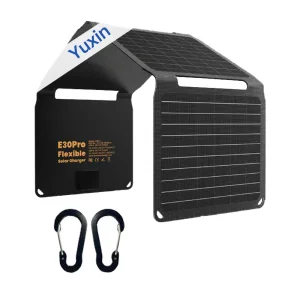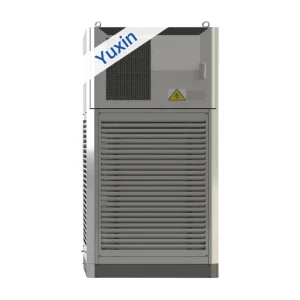
Explore our main line of advanced silicon photovoltaic panels, integrated energy kits, and composite structural materials tailored for travel and off-grid reliability.
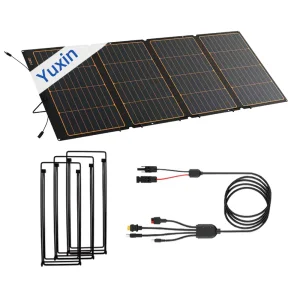
In the contemporary landscape of decentralized power generation, the market for solar panel travel kits has graduated from basic consumer electronics novelties to critical mission-essential hardware. Engineering groups, defense forces, humanitarian responders, and large-scale industrial exploration teams require robust, highly efficient mobile energy harvesters. This white paper analyzes the micro-technological advancements in monocrystalline PERC and N-type TOPCon silicon architectures, the synthesis of high-durability composite framing, and the scaling benefits of localized manufacturing ecosystems in Jiangsu, China.
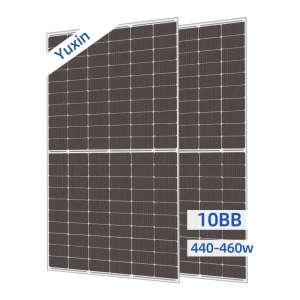
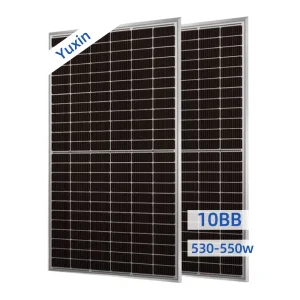
By deploying multi-busbar (MBB) and half-cell technologies, modern portable solar arrays maximize active generation area while mitigating electrical resistance. The reduction of internal micro-cracks under dynamic field movement remains a primary mechanical constraint, which is now resolved through the implementation of pultruded polyurethane composite frames and high-tensile 6063-T5 aluminum framing systems. Industrial users can achieve a lower Levelized Cost of Energy (LCOE) even within temporary field deployments.
"The shift toward high-capacity mobile microgrids requires co-designing the photovoltaic cell stack, the charge management circuitry, and the structural enclosure to withstand ambient extremes from arid desert environments to tropical maritime deployments."
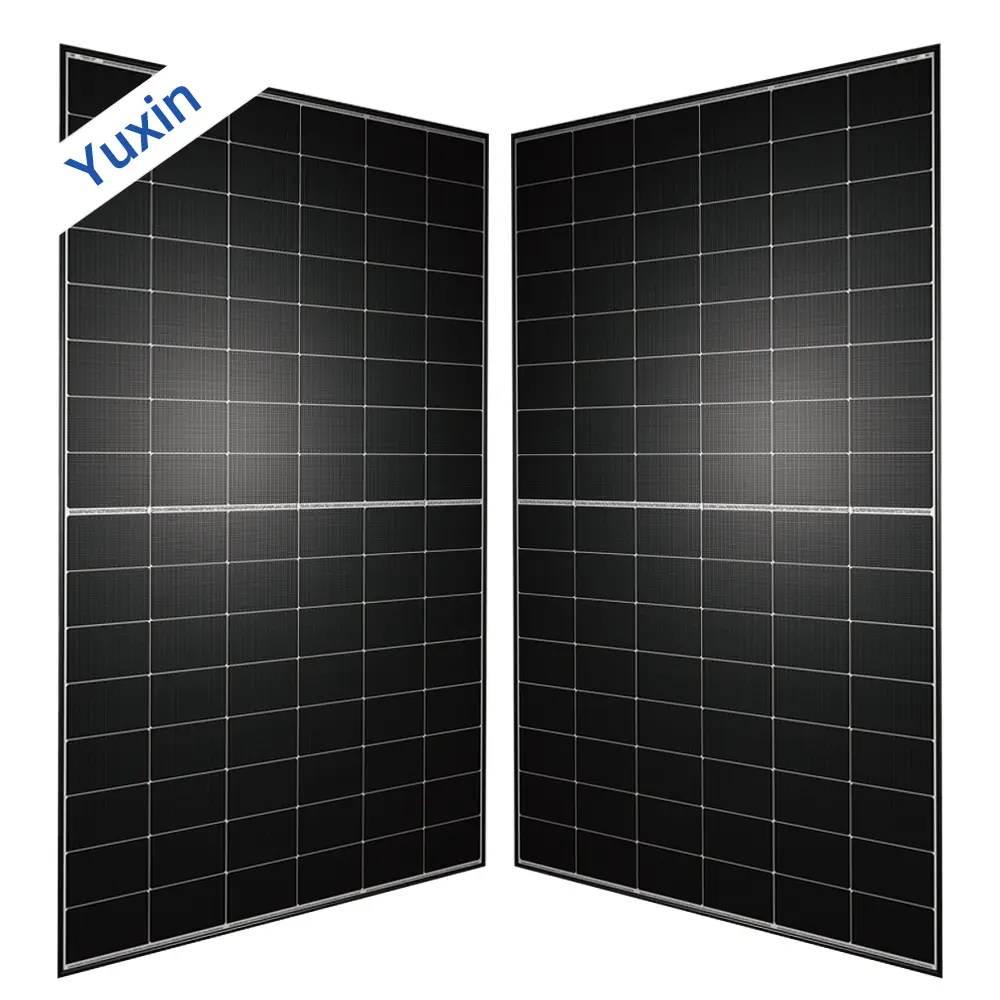
To evaluate the efficiency curve of modern portable travel kits, it is necessary to contrast current p-type PERC cell topologies with emerging N-type Tunnel Oxide Passivated Contact (TOPCon) architectures. Traditional travel kits integrated lower-efficiency polycrystalline elements; our current systems leverage premium Mono-Silicon PERC and TOPCon cells. Monocrystalline PERC (Passivated Emitter and Rear Cell) technology increases energy capture by integrating a passivated layer at the cell's rear side, reflecting unabsorbed light back through the silicon substrate. This delivers cell conversion efficiencies of up to 22.8%.
Our transition to N-type TOPCon technology marks a fundamental efficiency upgrade (surpassing 24.5% cell efficiency). By utilizing an ultra-thin tunnel oxide layer coupled with highly doped polycrystalline silicon, TOPCon modules exhibit near-zero Light-Induced Degradation (LID) and significantly lower LeTID (Light and Elevated Temperature Induced Degradation). In remote fieldwork scenarios where footprint is restricted, N-type TOPCon travel kits yield up to 10% more power generation per unit area over a 25-year lifecycle. Furthermore, the lower temperature coefficient of -0.30%/°C (compared to -0.35%/°C for PERC) ensures optimal output in equatorial base stations.
The applicability of mobile solar kits spans across highly critical macro industries:
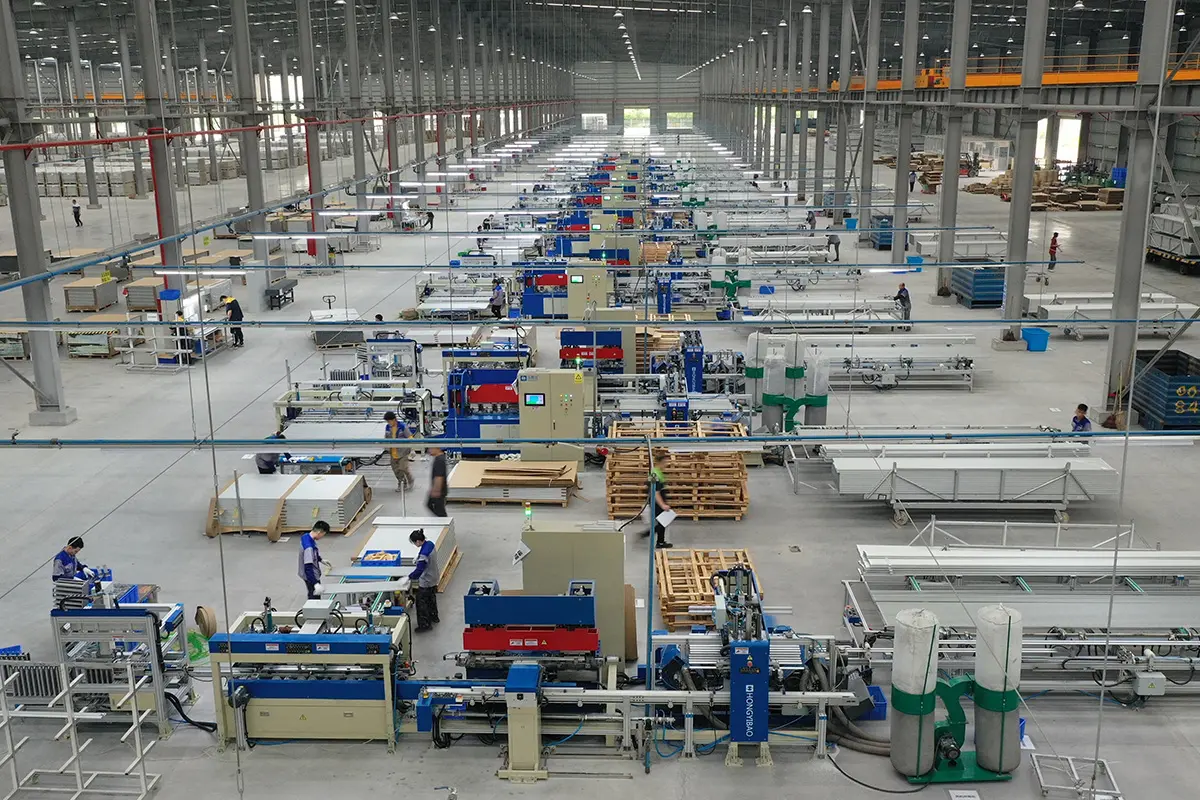
Located in the historic manufacturing hub of Yangzhou, Jiangsu Province, YUXIN New Energy leverages a deep local ecosystem of raw materials, advanced ingot slicing, automated module stringing, and precision metallurgy. Operating 21+ highly automated production lines, our facilities represent the pinnacle of PV Factory 4.0 standards. Through automated optical inspection (AOI) and dual-stage electroluminescence (EL) testing, we eliminate micro-cracks and soldering anomalies at the line rate.
Our localized supply chain integration provides significant cost buffers against volatile global commodity prices. The direct access to raw aluminum extrusion lines (6063-T5 alloys) and specialized chemical processing for polyurethane composite profiles allows us to maintain a stable cost structure. By optimizing packaging density and using modular assembly techniques, we lower freight-related emissions and transit costs for our global enterprise partners.
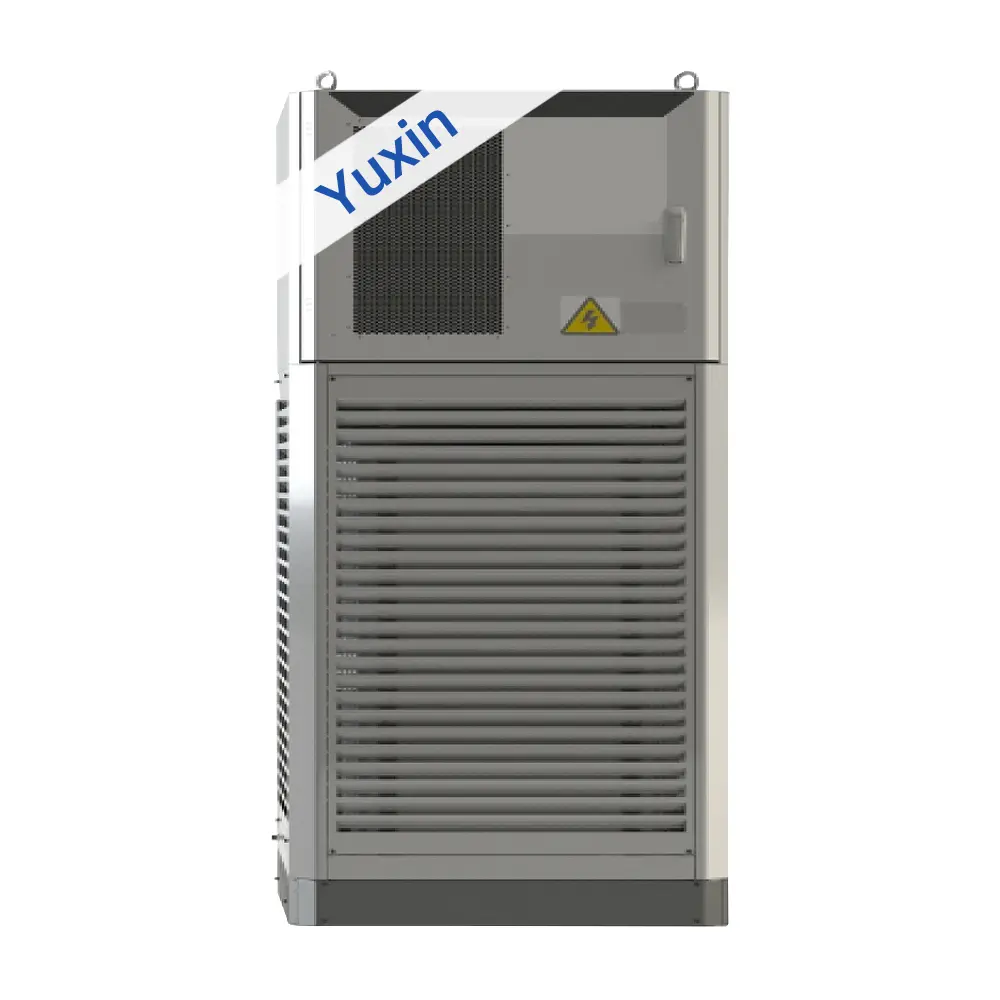
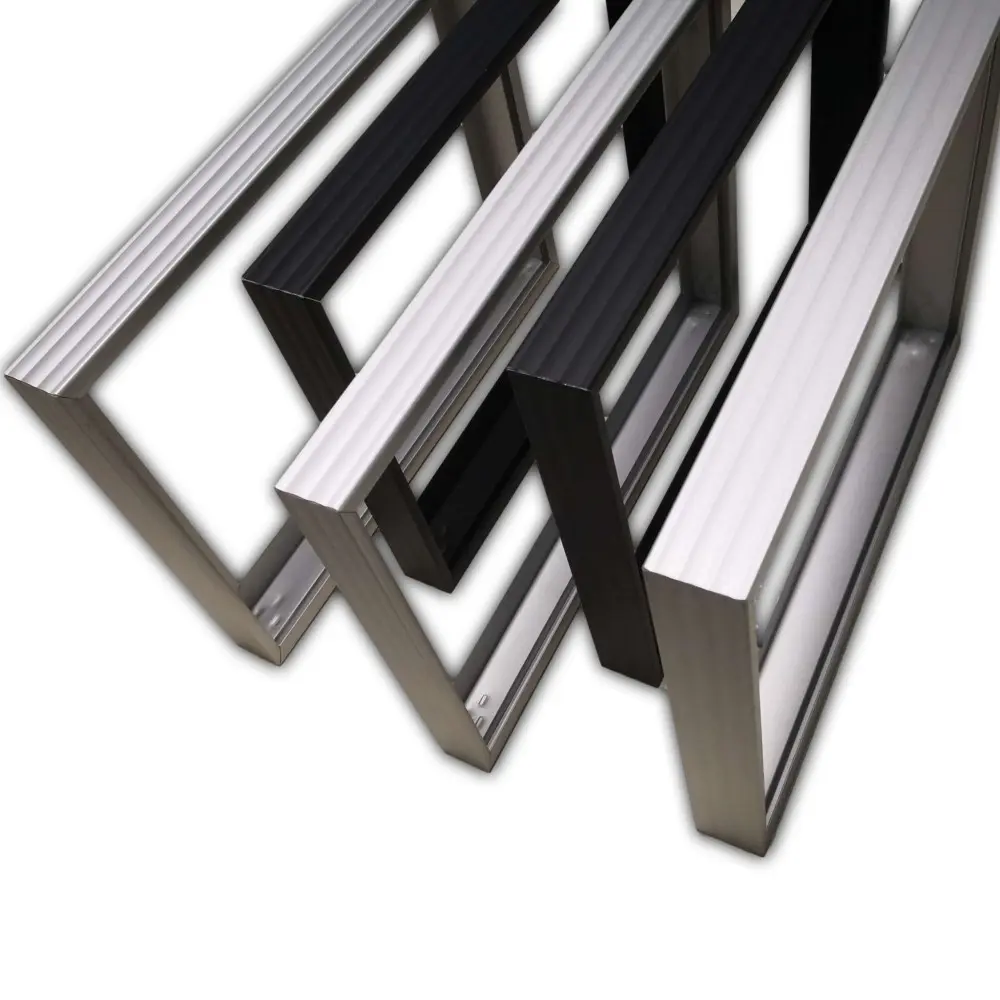
Direct showcase of our standard mechanical, structural, and electrical modules engineered for diverse environmental conditions.
Located in the scenic historical and cultural ancient city of Yangzhou, close to the Beijing-Shanghai Expressway, Runyang Yangtze River Bridge, and Ningqi Railway, the group has a superior geographical location and convenient transportation. The group was established in 2008 and has 14 multi-field companies under its jurisdiction, including Jiangsu Yuxin New Energy Technology Co., Ltd., and has won many titles such as National High-tech Enterprise, Technology-based Enterprise, and Gaoyou City Top 100 Private Enterprises.
View MoreEnterprise procurement departments must navigate complex certification guidelines to deploy renewable energy kits in localized regions. YUXIN ensures seamless legal and technical transition across several jurisdictions:
Our OEM and ODM pipelines cater to specific customer requirements. High-capacity institutional buyers require custom form factors, output voltages, and structural integration. The table below illustrates the customizable parameters within our manufacturing capabilities:
| Parameter | Standard Config | OEM/ODM Custom Range |
|---|---|---|
| Cell Technology | PERC Monocrystalline (10BB) | N-type TOPCon / HJT (16BB) |
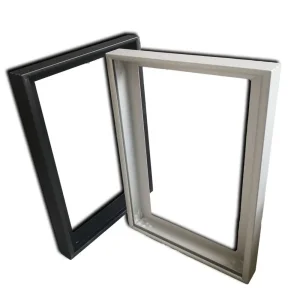
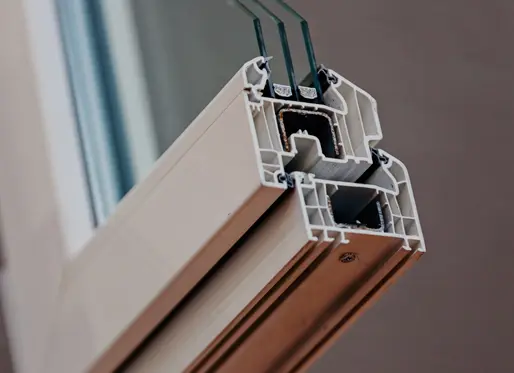
| Module Frame Options | 6063-T5 Anodized Aluminum | Pultruded Polyurethane Composites (Anti-corrosion) |
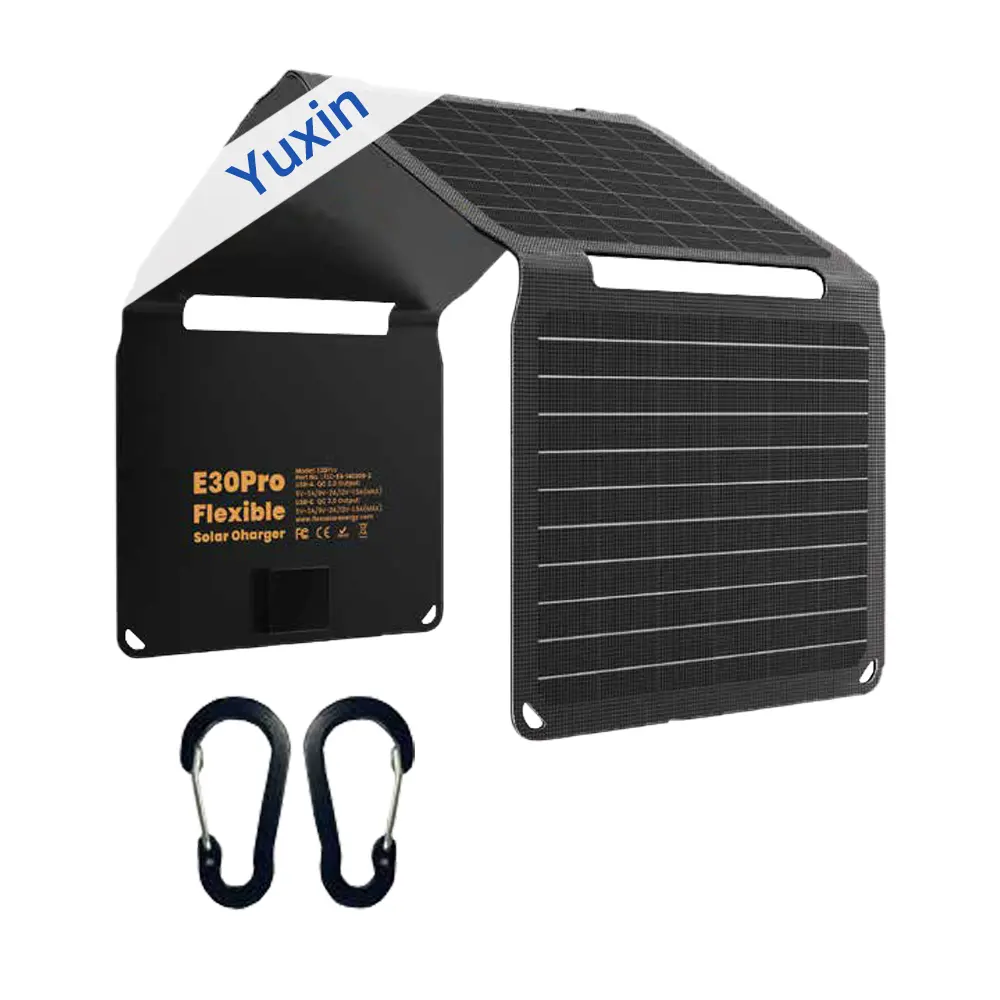
| Backpack Integration | 10W - 20W Waterproof Canvas | 30W - 60W Cordura Tactical Fabric (Military Grade) |
| Power Outputs | 440W - 550W Utility Panels | Scaling to 660W or custom modular micro-arrays |
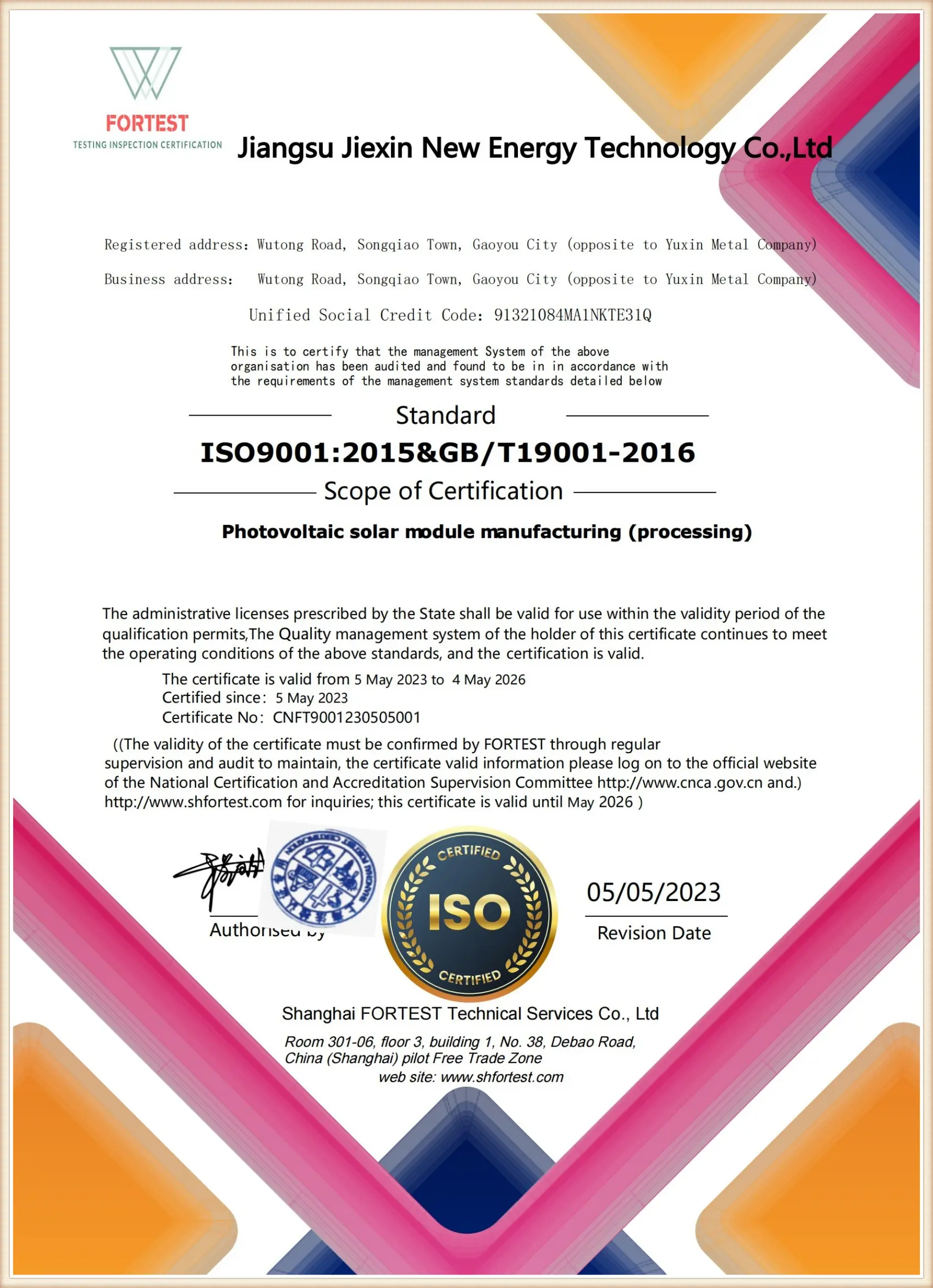
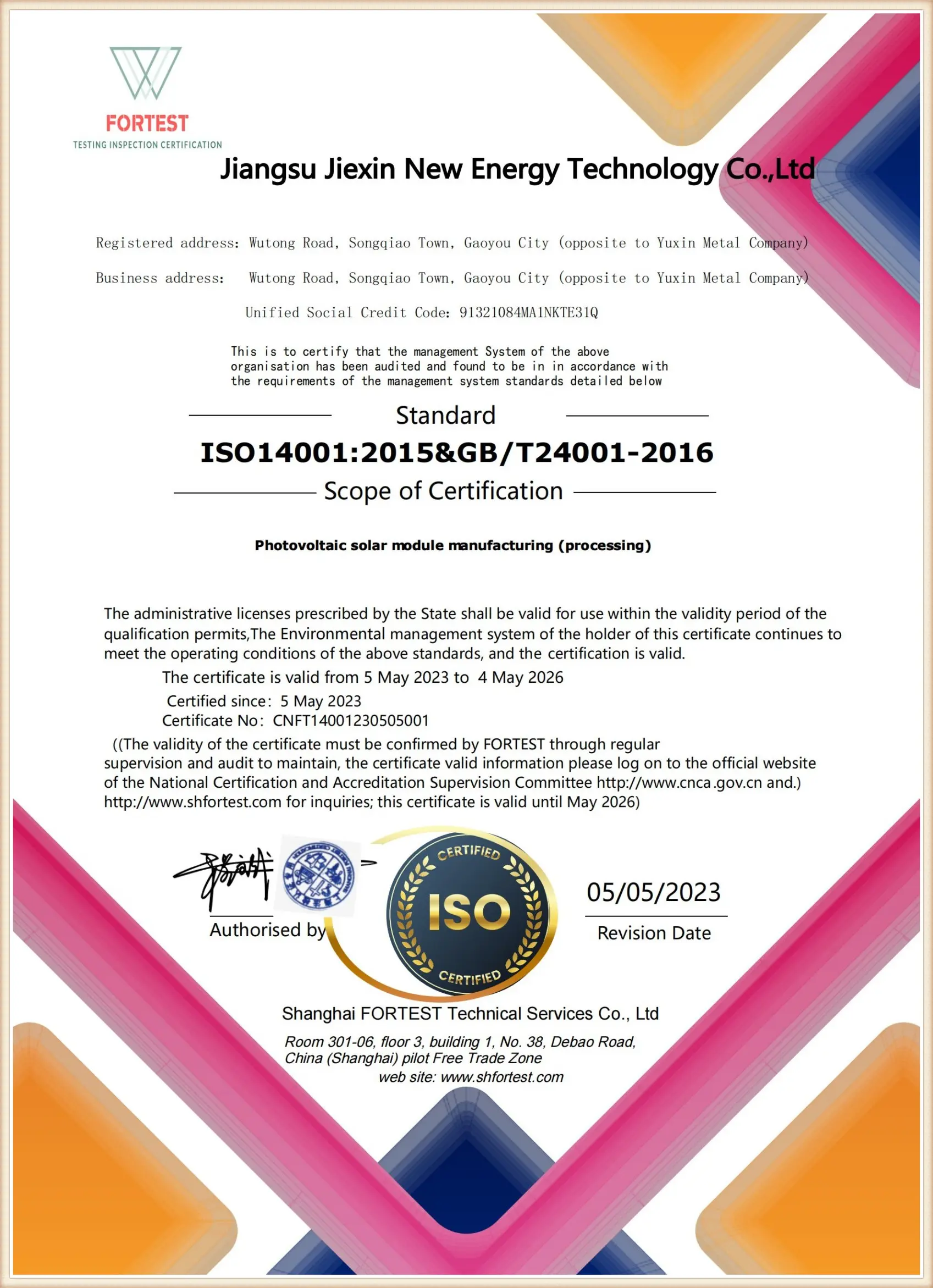
Our manufacturing workflow is certified to international environmental and safety standards, ensuring reliable off-grid deployment.
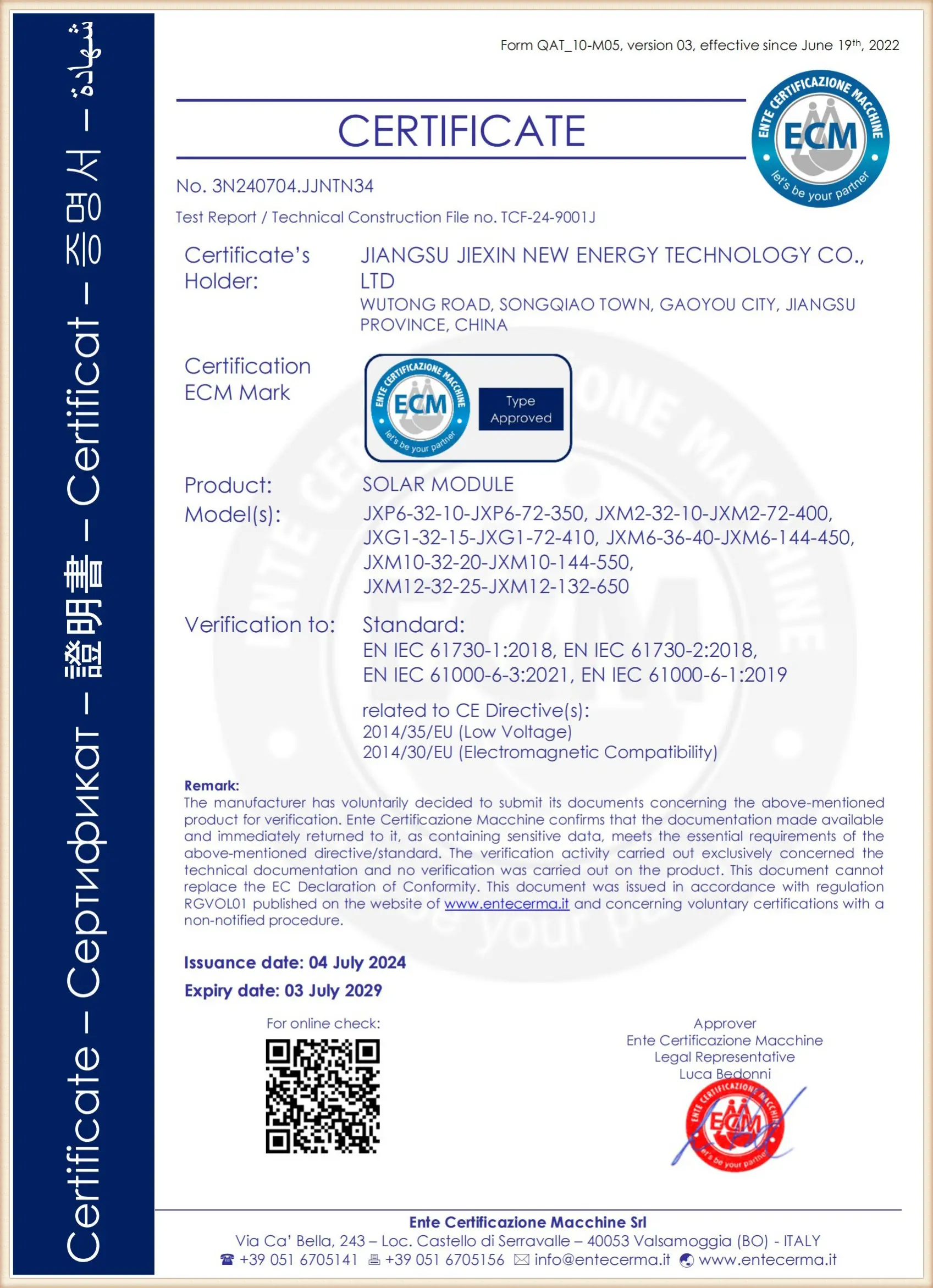
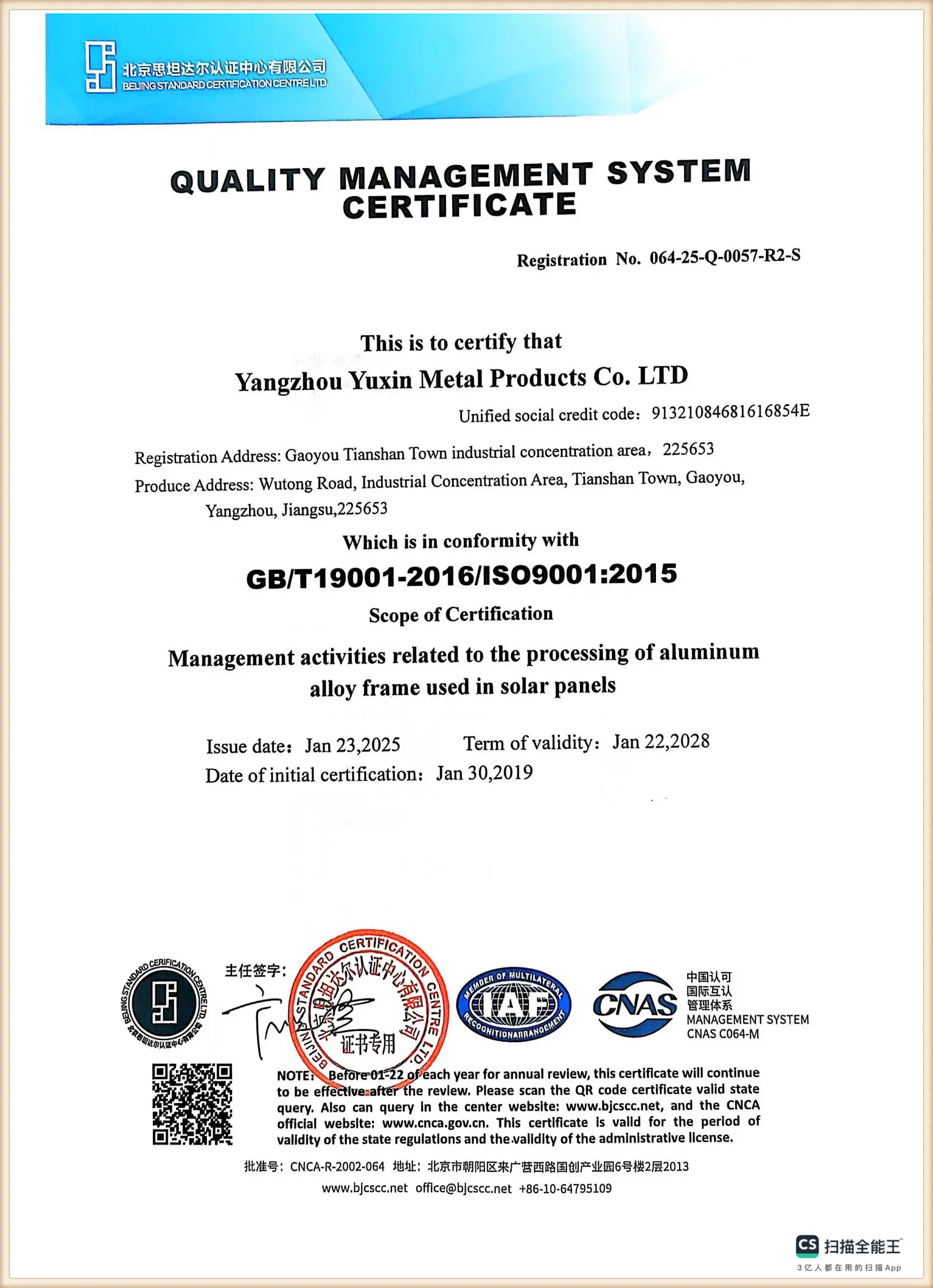
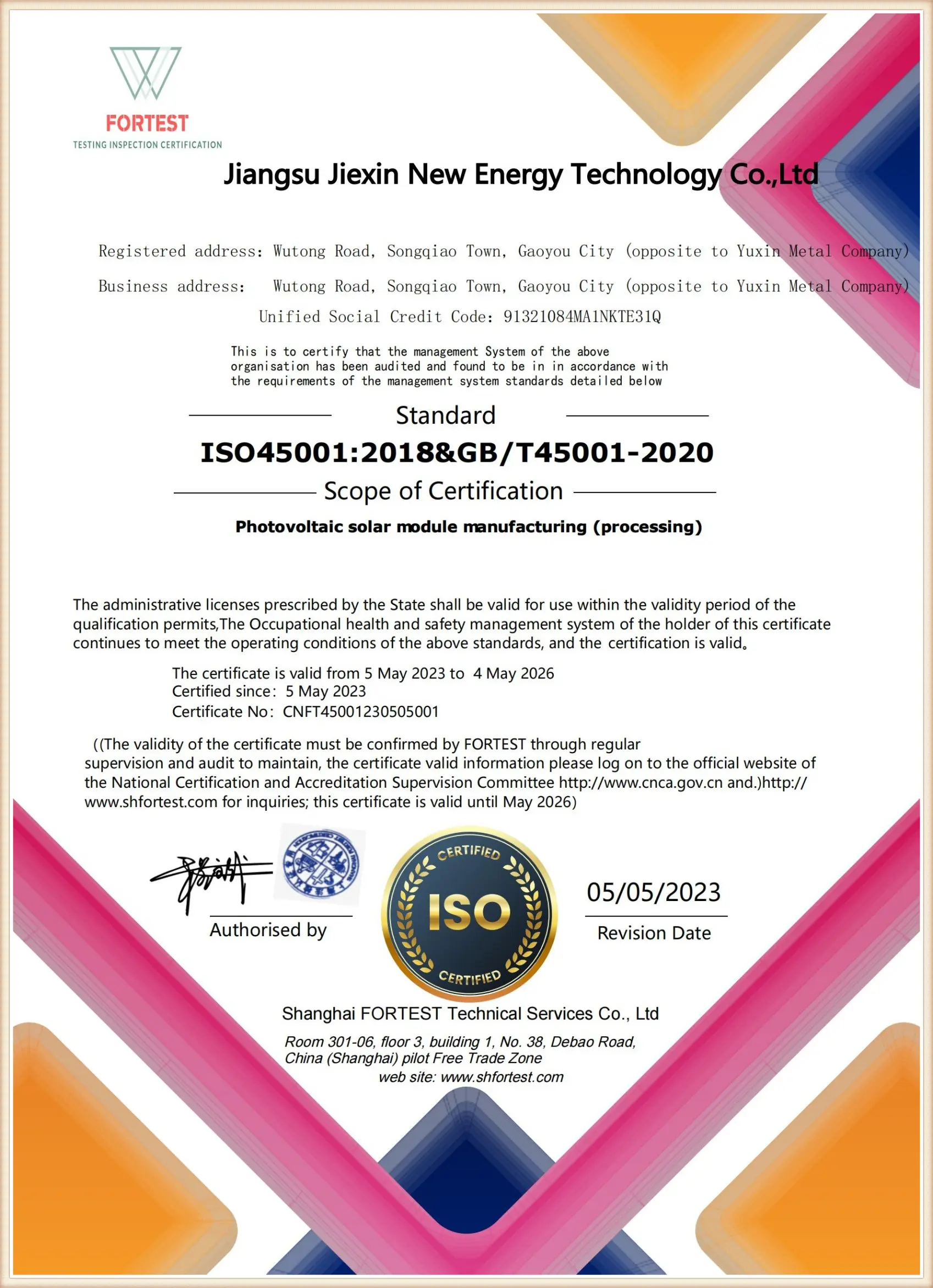
Adapting robust structural frames and highly efficient photovoltaics to multiple domains.

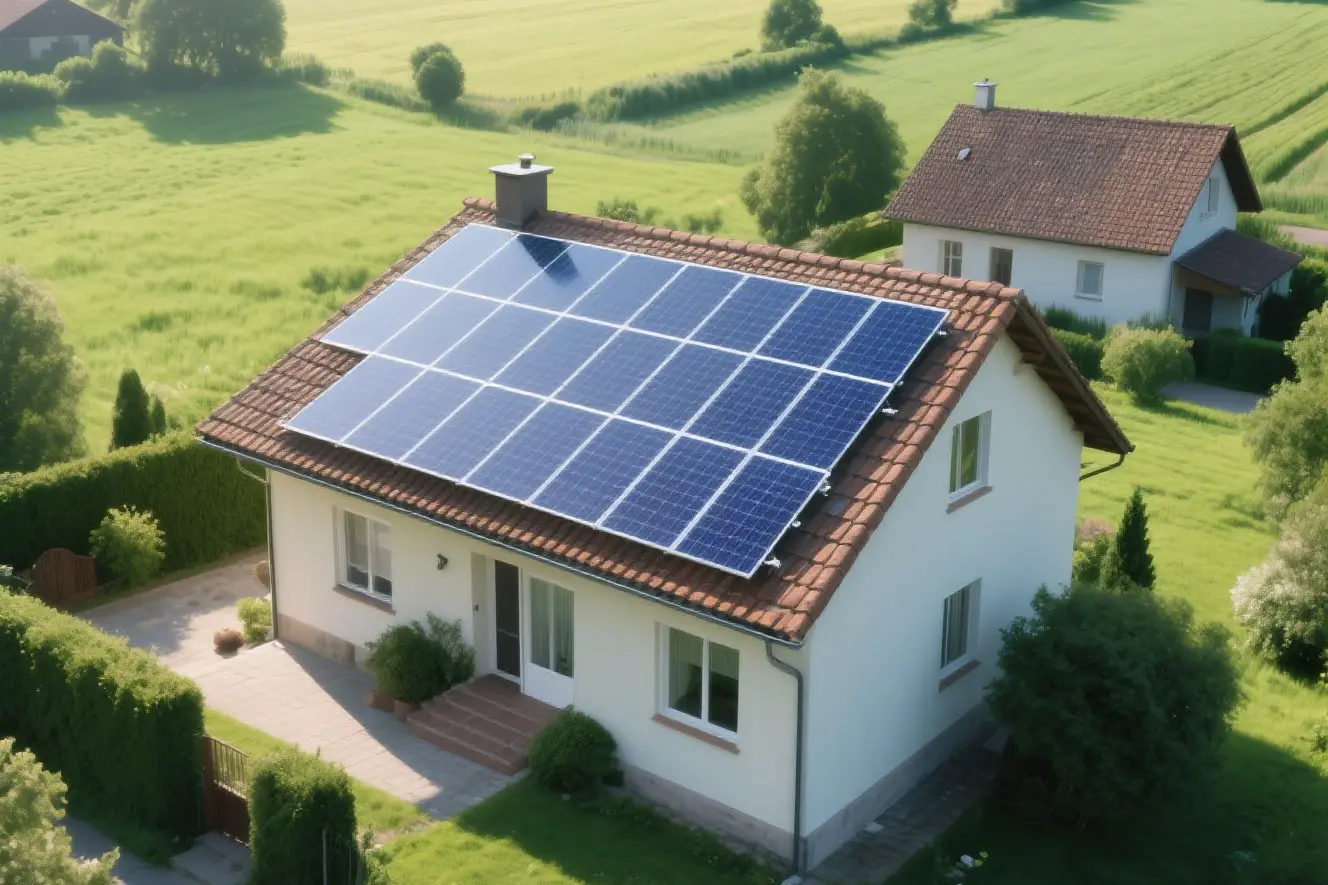
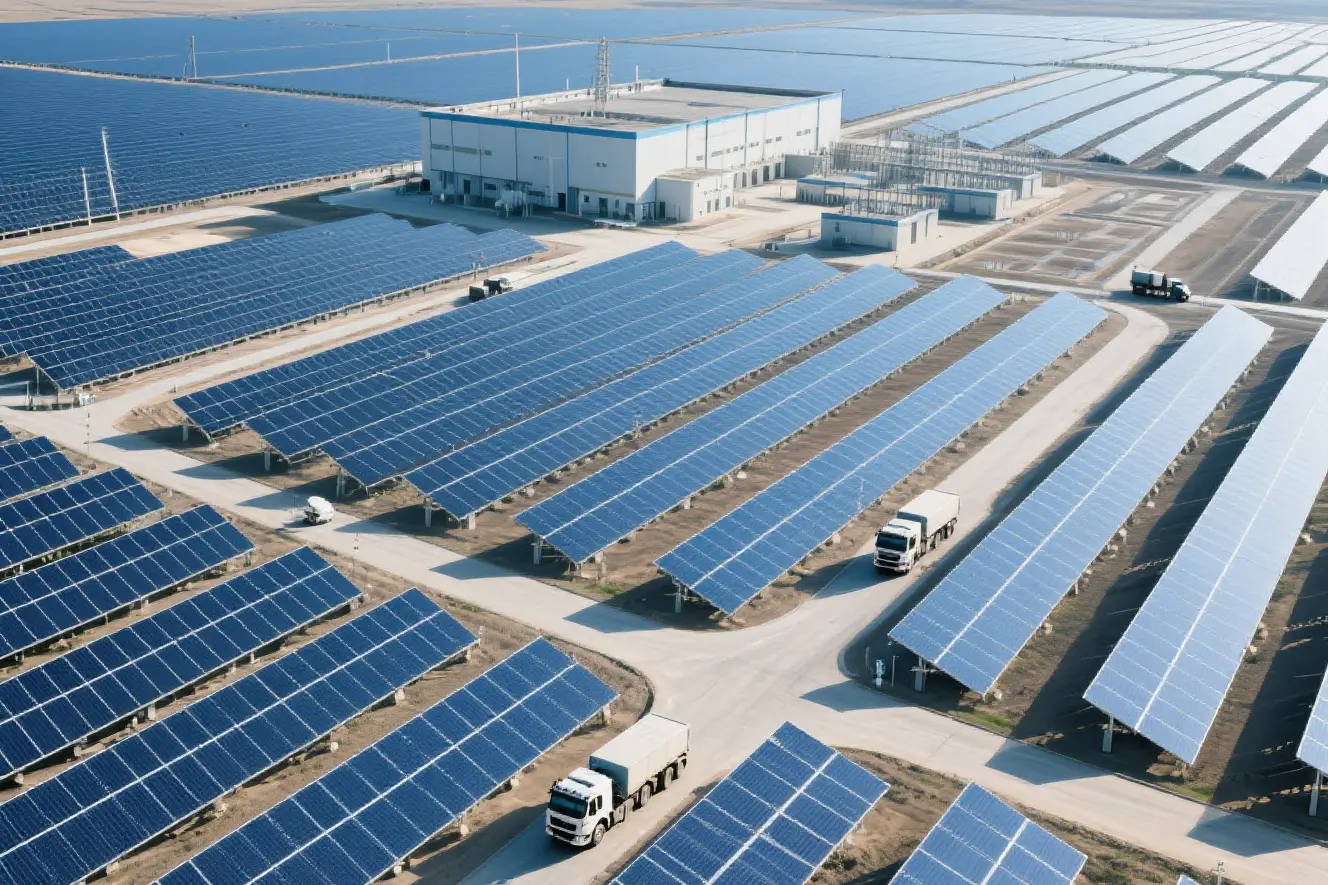
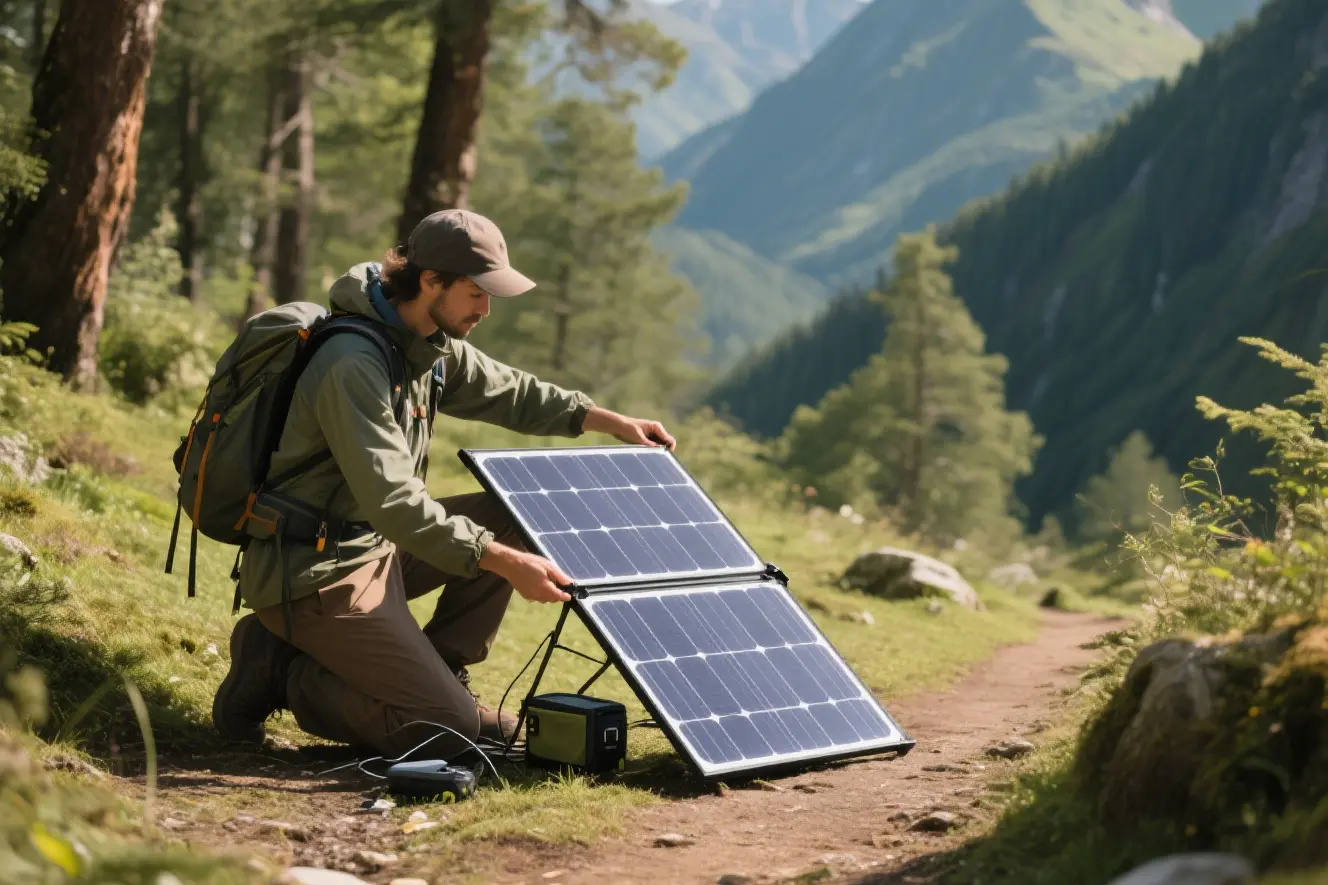

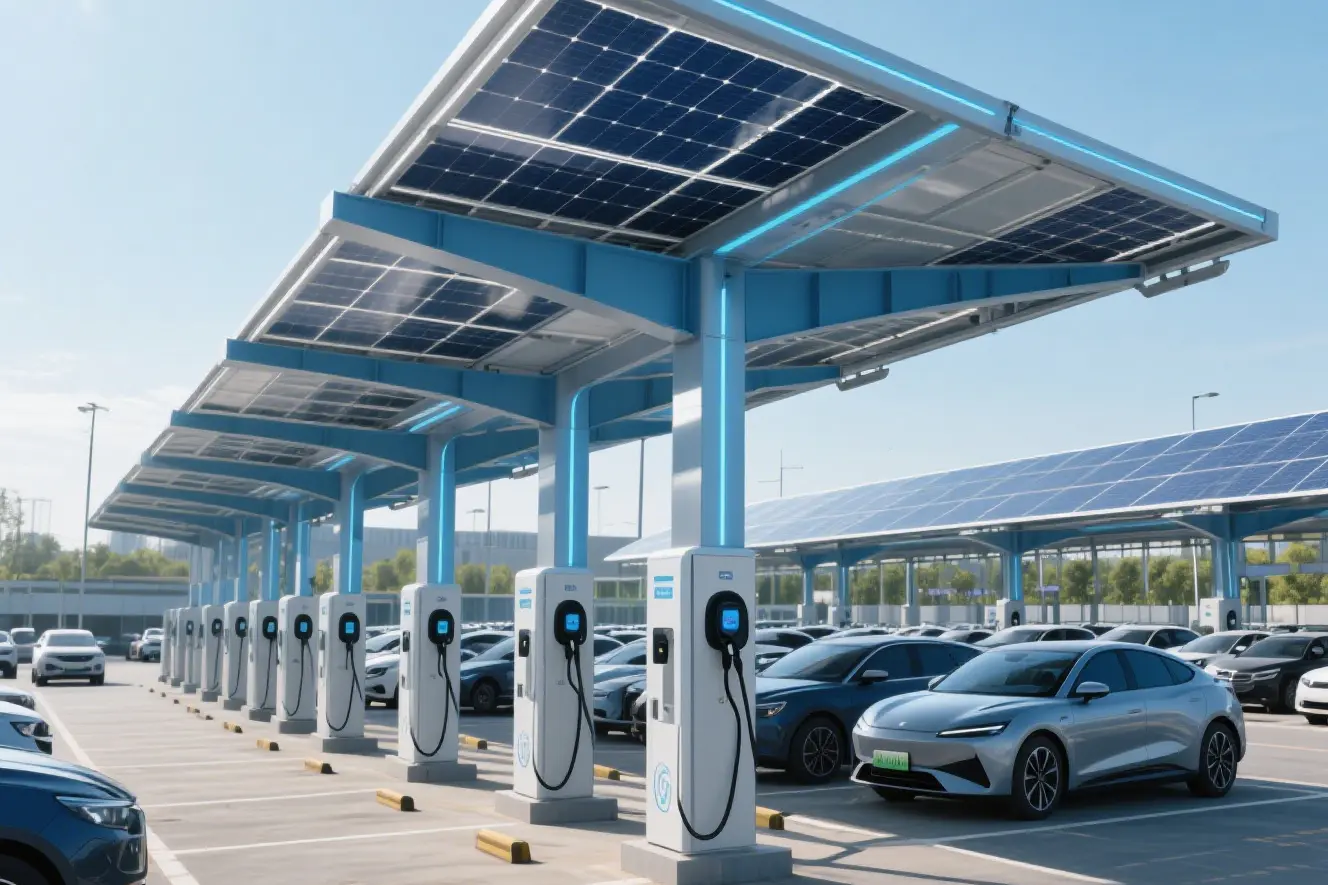
After years of hard work by Yuxin people, it has gradually formed a collectivist and diversified advantage.


Detailed engineering answers address key concerns for procurement directors and structural engineers.
Polyurethane pultruded composites offer a significantly lower thermal conductivity compared to aluminum, eliminating thermal bridging in critical structures. They exhibit exceptional corrosion resistance to saline and acidic environments, making them ideal for coastal and high-humidity environments. In addition, their tensile strength is superior, which allows for lighter profiles that lower structural dead loads on modular field frameworks.
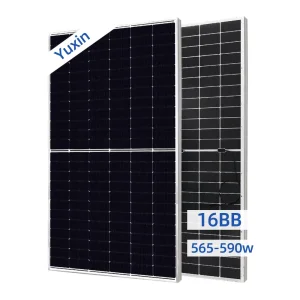
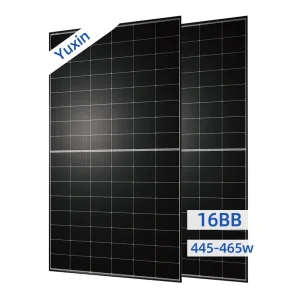
Multi-busbar (MBB) designs, such as 10BB and 16BB, reduce the distance that current needs to travel along the fingers, reducing internal resistive losses and decreasing hot-spot risks. In portable kits that experience repetitive transport stress, more busbars provide alternative current paths. If a micro-crack develops, the impact on overall module power output is minimized, enhancing field reliability.
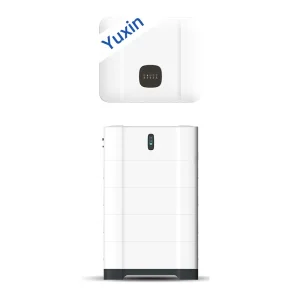
Yes. The P01-EC60-30K and our household storage systems (8000T~15KT-10HS~30HS) feature hybrid inverters that support grid-tied, purely off-grid, and UPS backup modes. Under an off-grid scenario, the internal Energy Management System (EMS) balances the solar generation input, battery storage levels, and real-time load demand to protect lithium battery chemistry and maintain critical power supply.
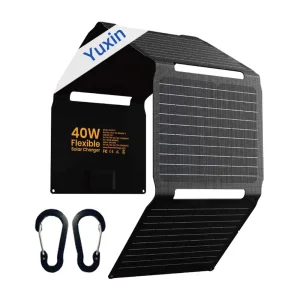
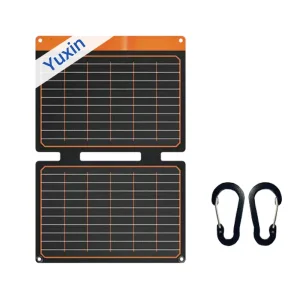
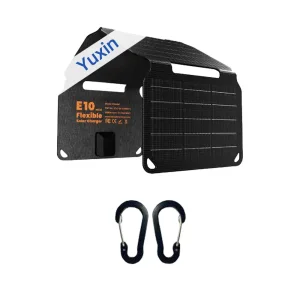
Our backpacks (available in 10W, 20W, 30W, 40W, and 60W configurations) utilize high-density, TPU-coated fabrics with sealed zippers. The integrated solar module is laminated using ETFE (Ethylene Tetrafluoroethylene) instead of standard PET, offering superior UV resistance and physical protection. The entire assembly undergoes IP65 or IP67 water ingress testing, verifying performance during heavy rain and high-humidity exposure.
Jiangsu Yuxin will keep pace with the society and the times, adhering to our core values to create value for employees, partners, and the global environment.
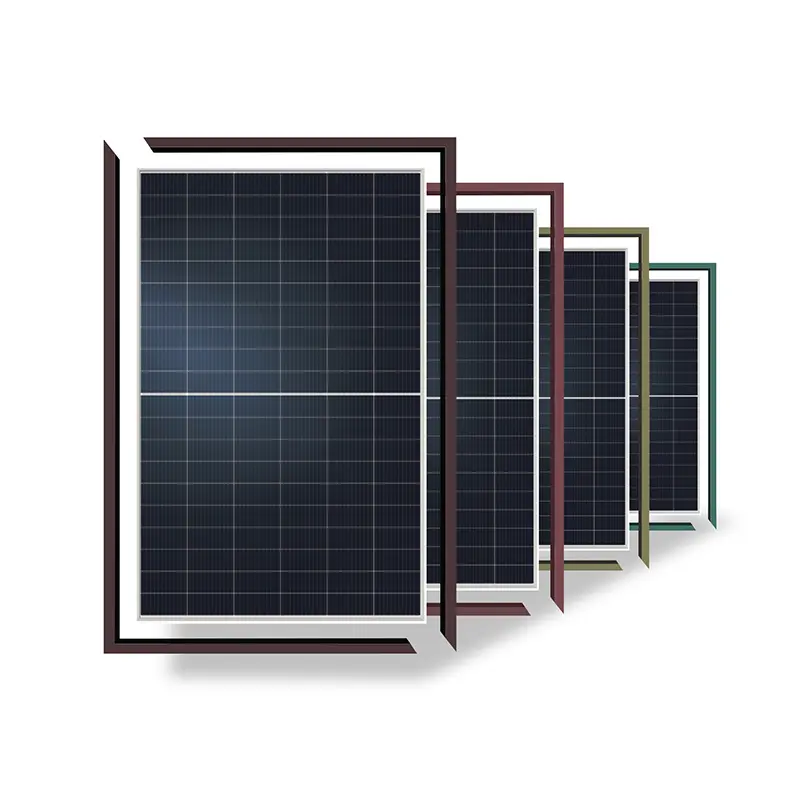
Explore our selection of premium monocrystalline solar panels, anodized aluminum frames, and integrated outdoor portable kits designed for global supply channels.