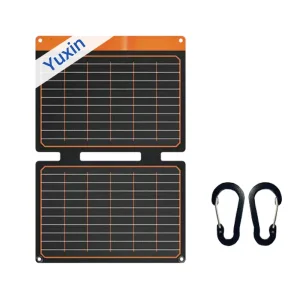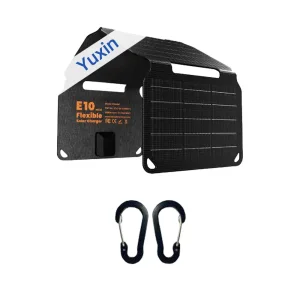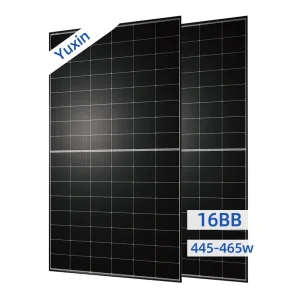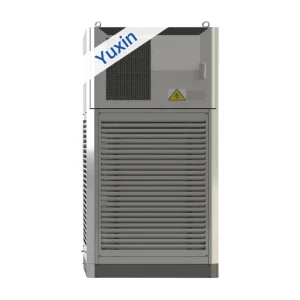
Advanced monocrystalline arrays, portable systems, and industrial enclosures engineered for peak power yield.
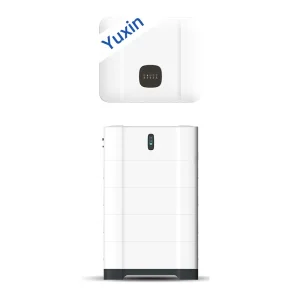
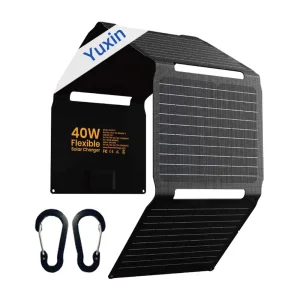
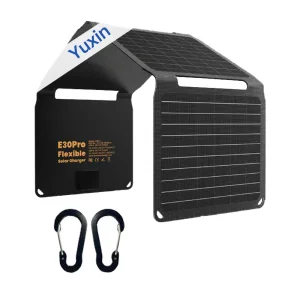
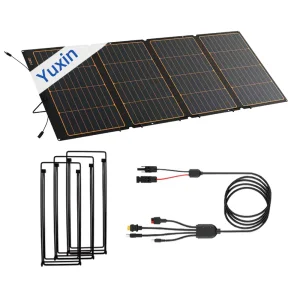
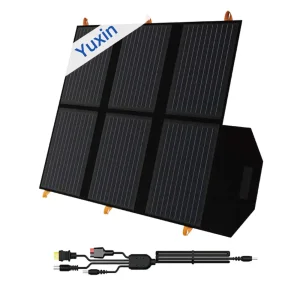
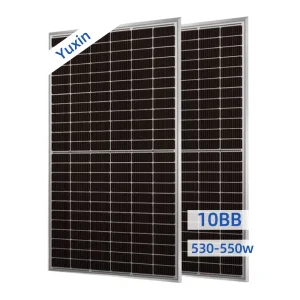
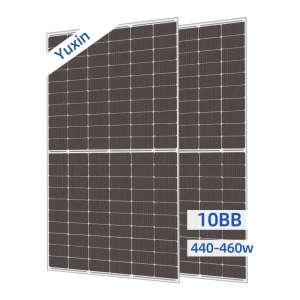
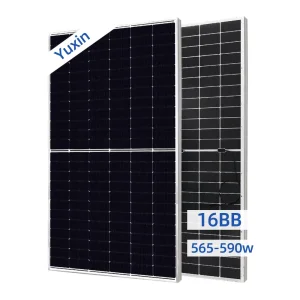
Whitepaper overview on macroeconomic demand, market forces, and standard criteria in industrial off-grid deployment.
The global shift toward decentralized energy networks has propelled the demand for portable solar power batteries from recreational convenience items to critical commercial and industrial assets. In modern trade structures, grid vulnerability, disaster resilience planning, and rural industrialization drive commercial entities to seek cost-efficient, high-performance battery banks. As a major supplier in this global supply chain, our export infrastructure facilitates the integration of off-grid solar equipment into diverse operating environments.
Recent supply chain indices reveal a strong migration towards high-capacity lithium iron phosphate (LiFePO4) chemistry and advanced passivated emitter rear cell (PERC) or Tunnel Oxide Passivated Contact (TOPCon) monocrystalline silicon integrations. This structural evolution significantly lowers the Levelized Cost of Energy (LCOE) for off-grid operations. Our manufacturing plants emphasize structural longevity, strict safety margins, and verified certifications (such as IEC, CE, and UN38.3) to safeguard international shipping and long-term installation stability.
Commercial enterprises employ high-voltage modular batteries to buffer grid fluctuations, storing off-peak energy and discharging during peak rates to minimize operating expenses.
Integrated Battery Management Systems analyze cellular temperature profiles, voltage deviation, and charge states in real time, preventing thermal runaway and extending cycle lifetime.
From pultruded polyurethane composite frames to IP67-certified weatherproofing, components are designed to withstand high wind loads, saline air, and extreme heat profiles.
Tracing the trajectory of monocrystalline efficiency, solid-state designs, and structural material innovations.
The photovoltaic industry's technological trajectory is heavily driven by cell-level breakthroughs. Traditional p-type PERC structures, while cost-efficient, are approaching their theoretical limits. N-type TOPCon configurations introduce passivated contacts to significantly reduce carrier recombination, improving energy yield in low-light environments. At the core of portable solar applications, high-efficiency cells reduce the physical footprint of travel equipment, generating higher energy outputs from smaller operational surface areas.
On the storage front, manufacturing processes are shifting towards solid-state and high-energy-density LiFePO4 cells. These cells reduce the risk of structural failures during long-distance transportation. Additionally, the development of composite structural elements—such as pultruded polyurethane and specialized anodized aluminum alloys—ensures that solar modules maintain structural integrity over a 25-year service life, even in extreme conditions.
| Technology Class | Key Material Composition | Efficiency Output | Degradation Rate (Per Annum) | Target Applications |
|---|---|---|---|---|
| N-Type TOPCon | Monocrystalline + Passivated Contact Layer | 24.5% - 26.0% | < 0.40% | Industrial Utility & Microgrids |
| PERC Half-Cell | Mono-Silicon + Rear Passivation Layer | 21.5% - 23.0% | < 0.55% | Residential Storage & Commercial Rooftops |
| Portable Mini-Arrays | ETFE Waterproof Encapsulation + Monocrystalline | 22.0% - 24.0% | < 0.80% | Field Expeditions & Backcountry Logistics |
| Composite Enclosures | Polyurethane Pultruded Alloys | N/A (Structural Frame) | Negligible | Coastal & High-Salinity Installations |
Precision, Quality, and Safety - Your Photovoltaic Materials Expert. Located in the scenic historical and cultural ancient city of Yangzhou, close to the Beijing-Shanghai Expressway, Runyang Yangtze River Bridge, and Ningqi Railway, the group enjoys a superior geographical location and convenient transportation access.
Established in 2008, the group operates 14 specialized companies, including Jiangsu Yuxin New Energy Technology Co., Ltd. We have earned recognition as a National High-tech Enterprise, Technology-based Enterprise, and one of Gaoyou City's Top 100 Private Enterprises. Our facility remains dedicated to supplying reliable, high-yield off-grid solutions to clients worldwide.
Explore our foundational lines designed for off-grid power, storage stability, and mounting structural integrity.
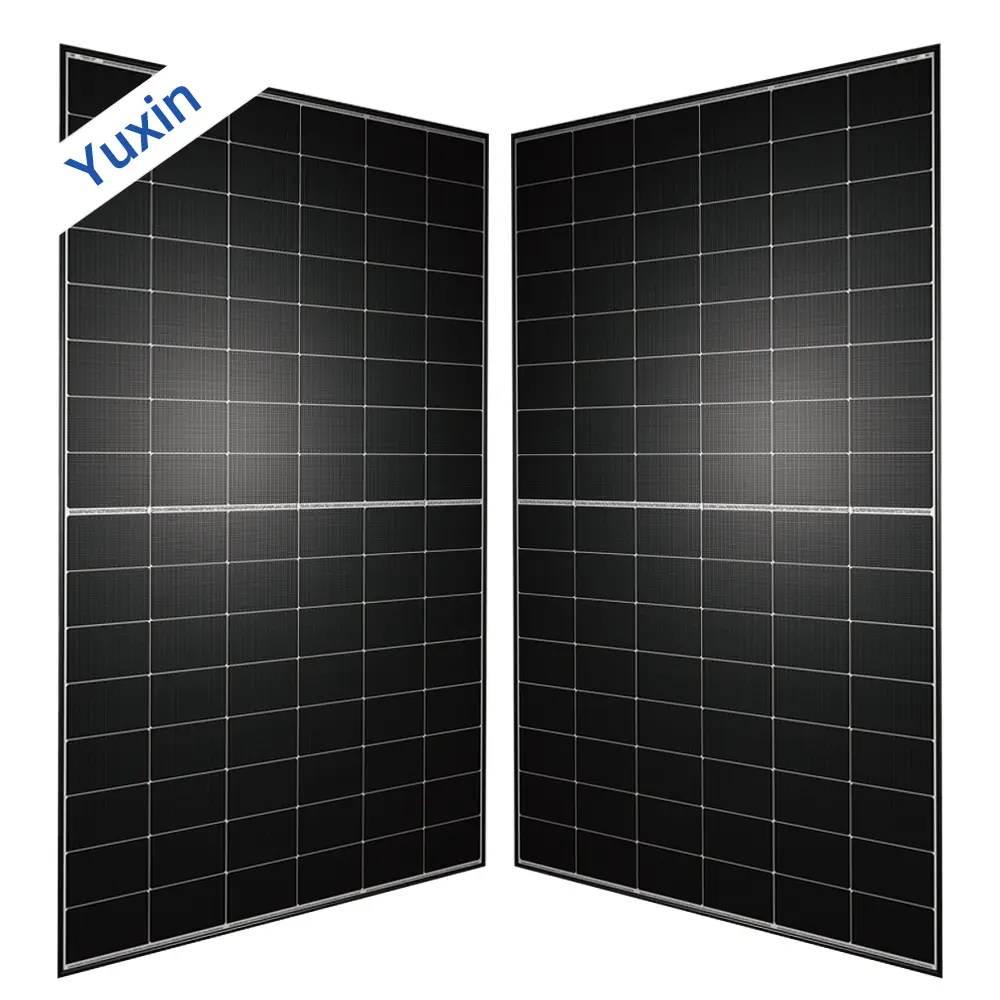
Lightweight design with transparent back panel for easy installation and reduced BOS costs.
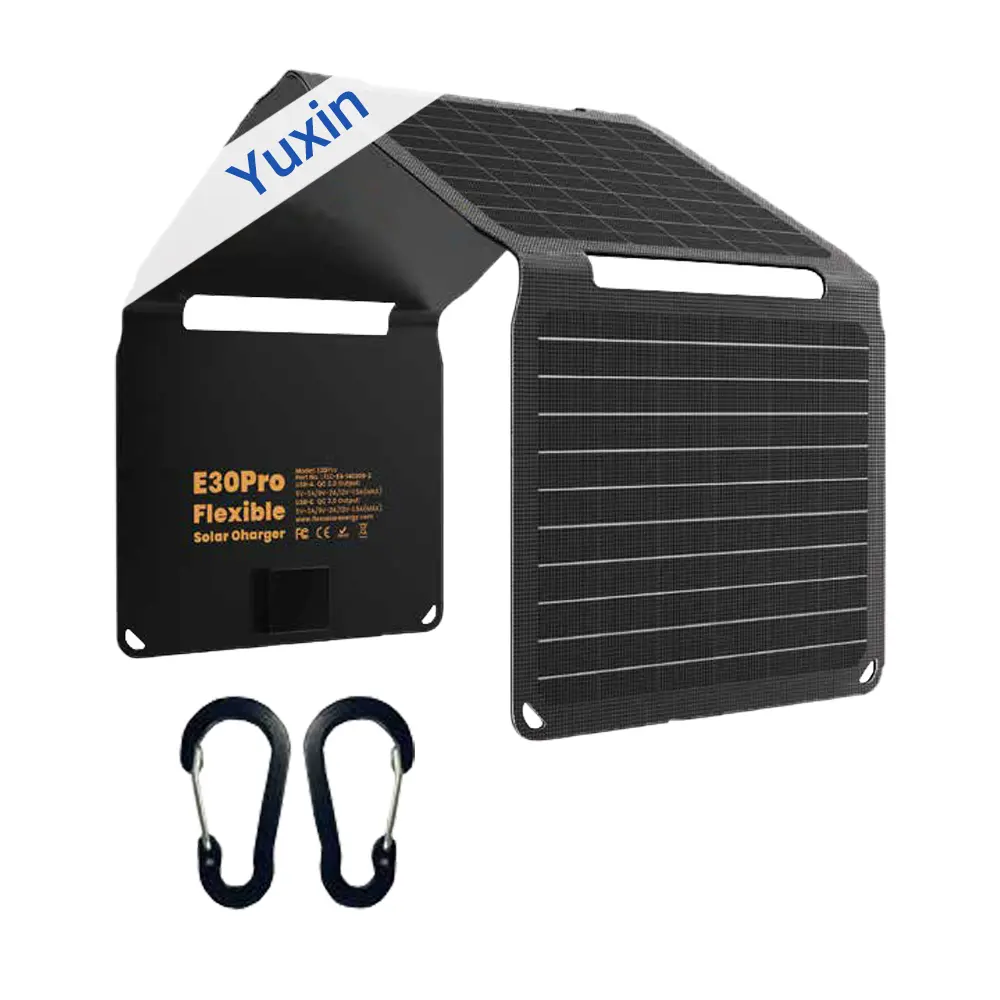
Utilizing advanced monocrystalline silicon cells, it achieves a high energy conversion efficiency of 24%.
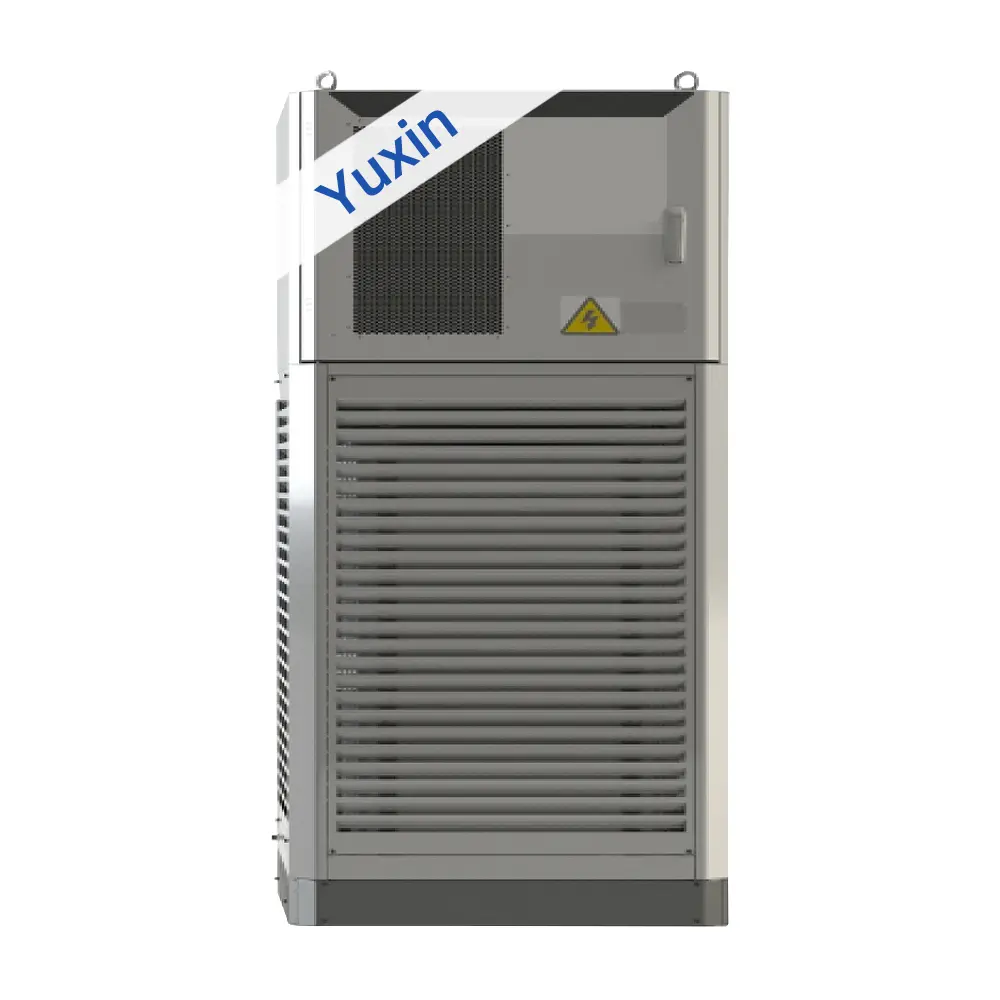
Application modes include grid-connected mode, off-grid mode, and integrated grid-connected/off-grid mode.
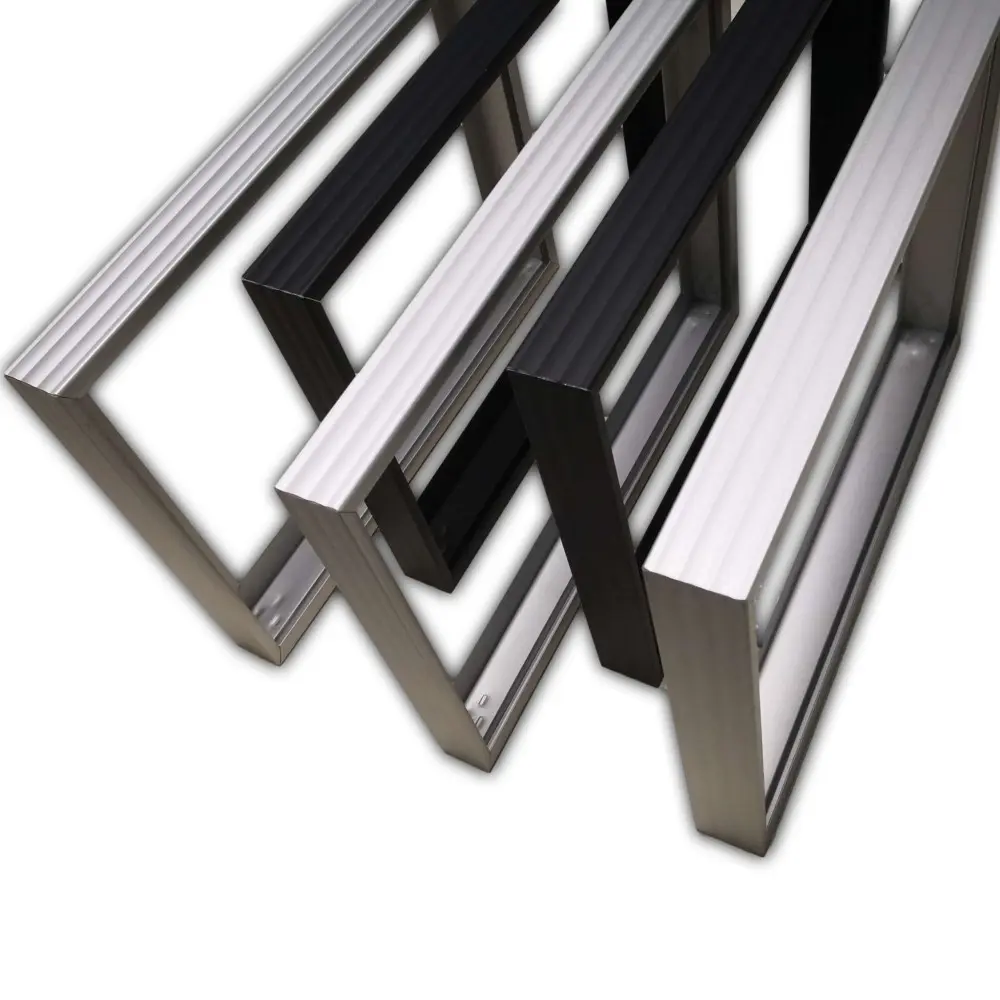
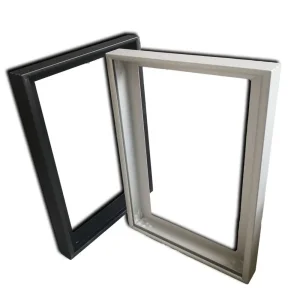
Made of high-quality anodized aluminum, it ensures superior weather resistance and a smooth, long-lasting finish.
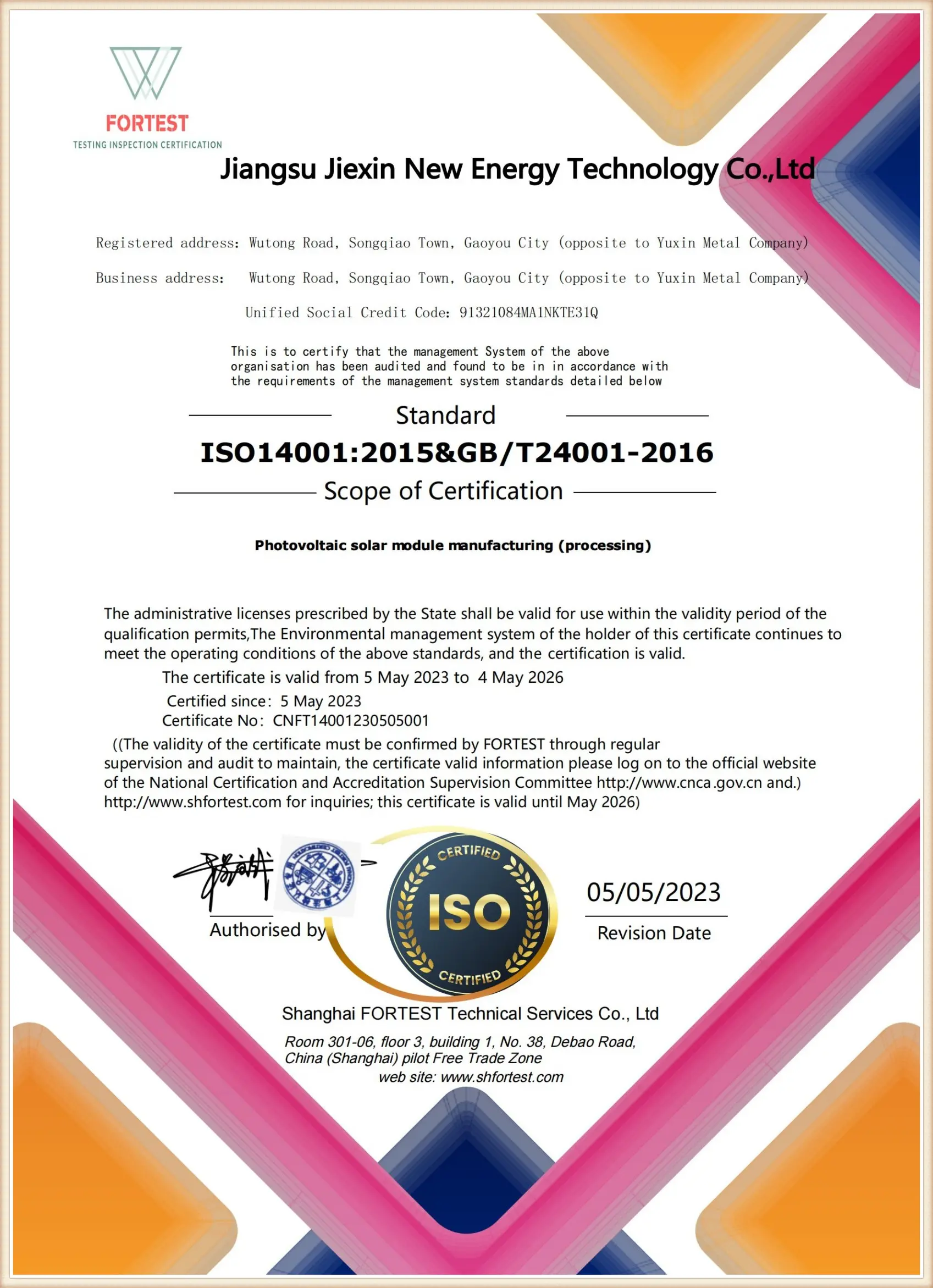
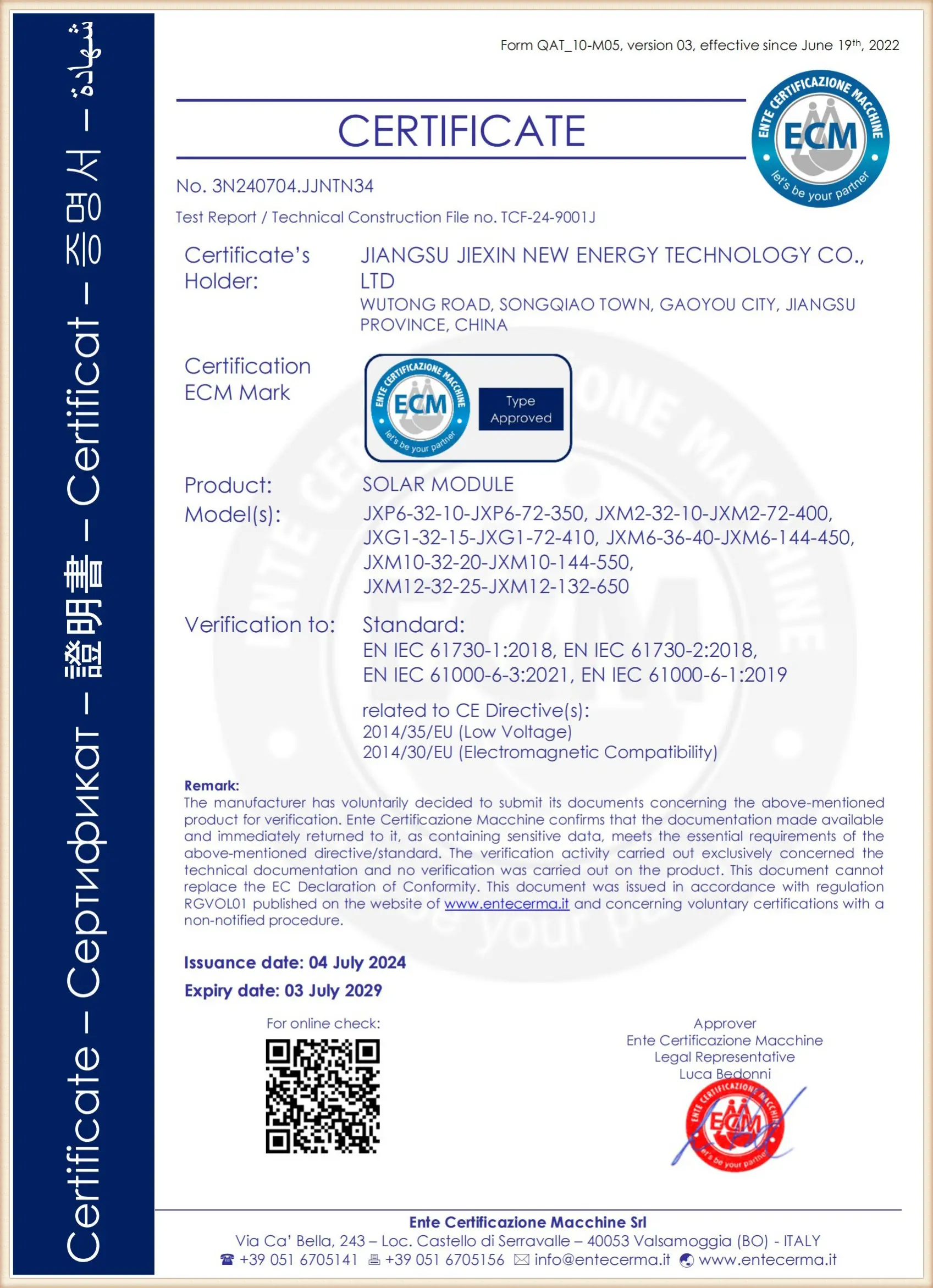
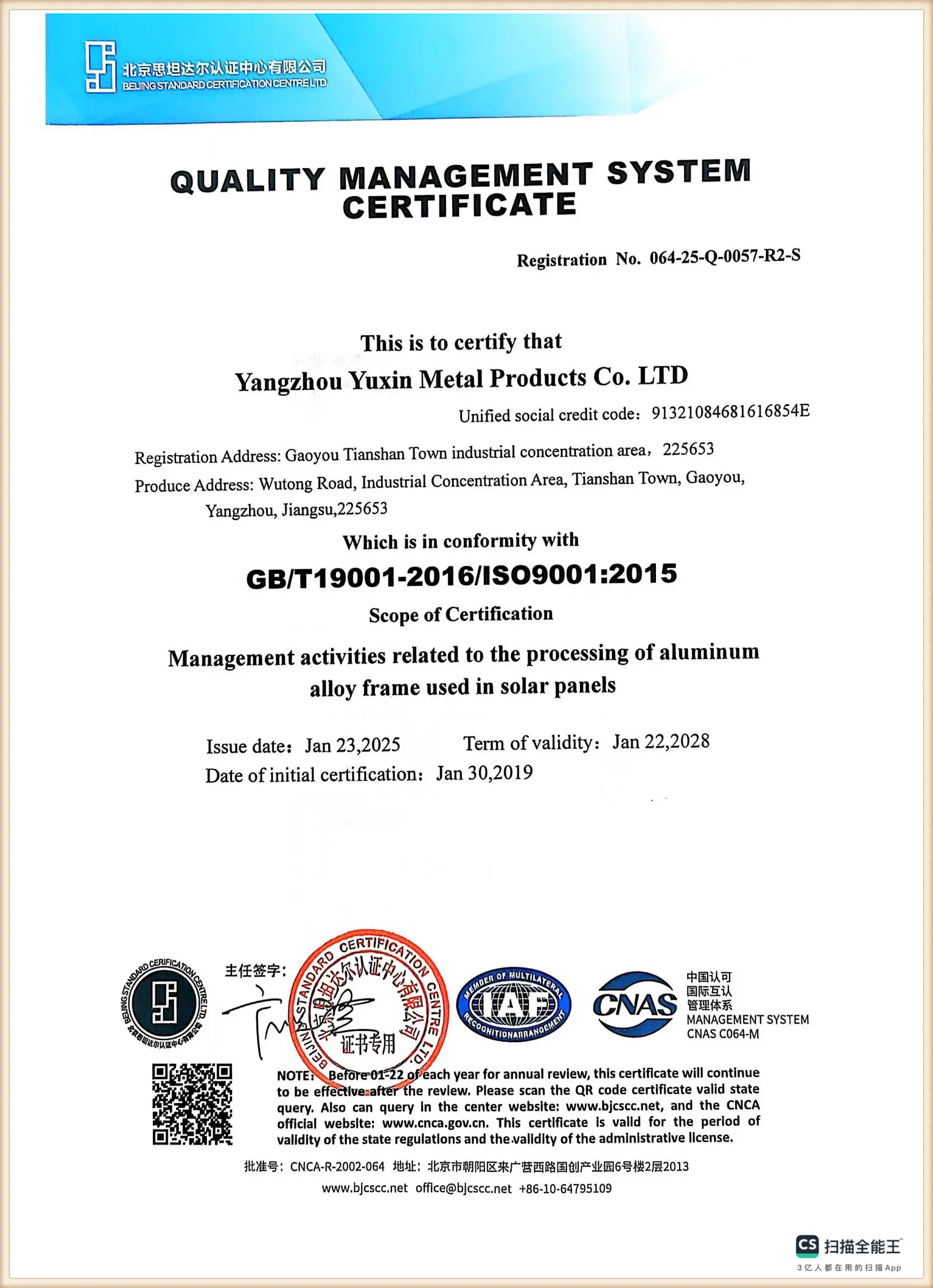
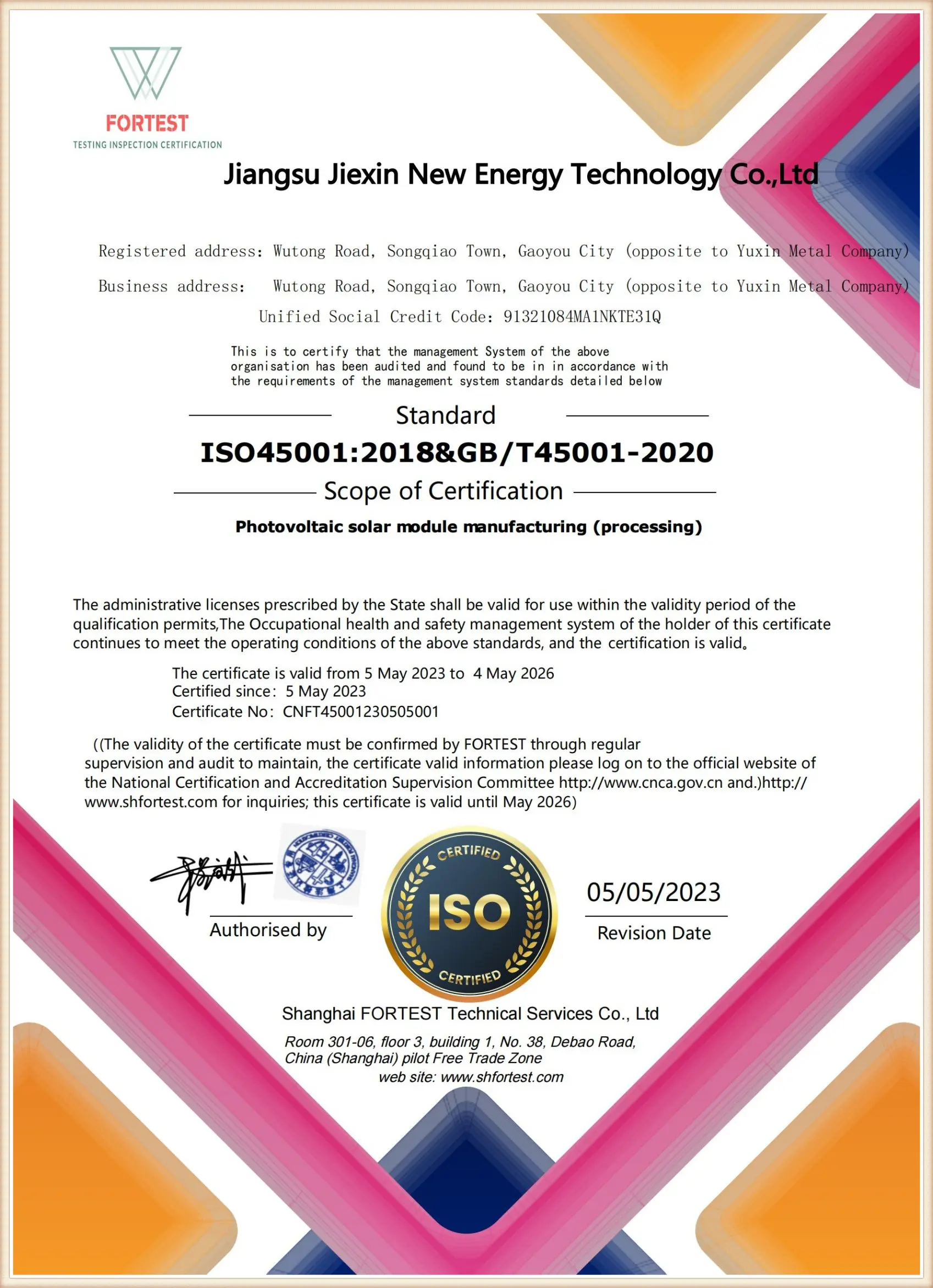
Our facilities are audited to meet international quality management, safety protocols, and environmental parameters.
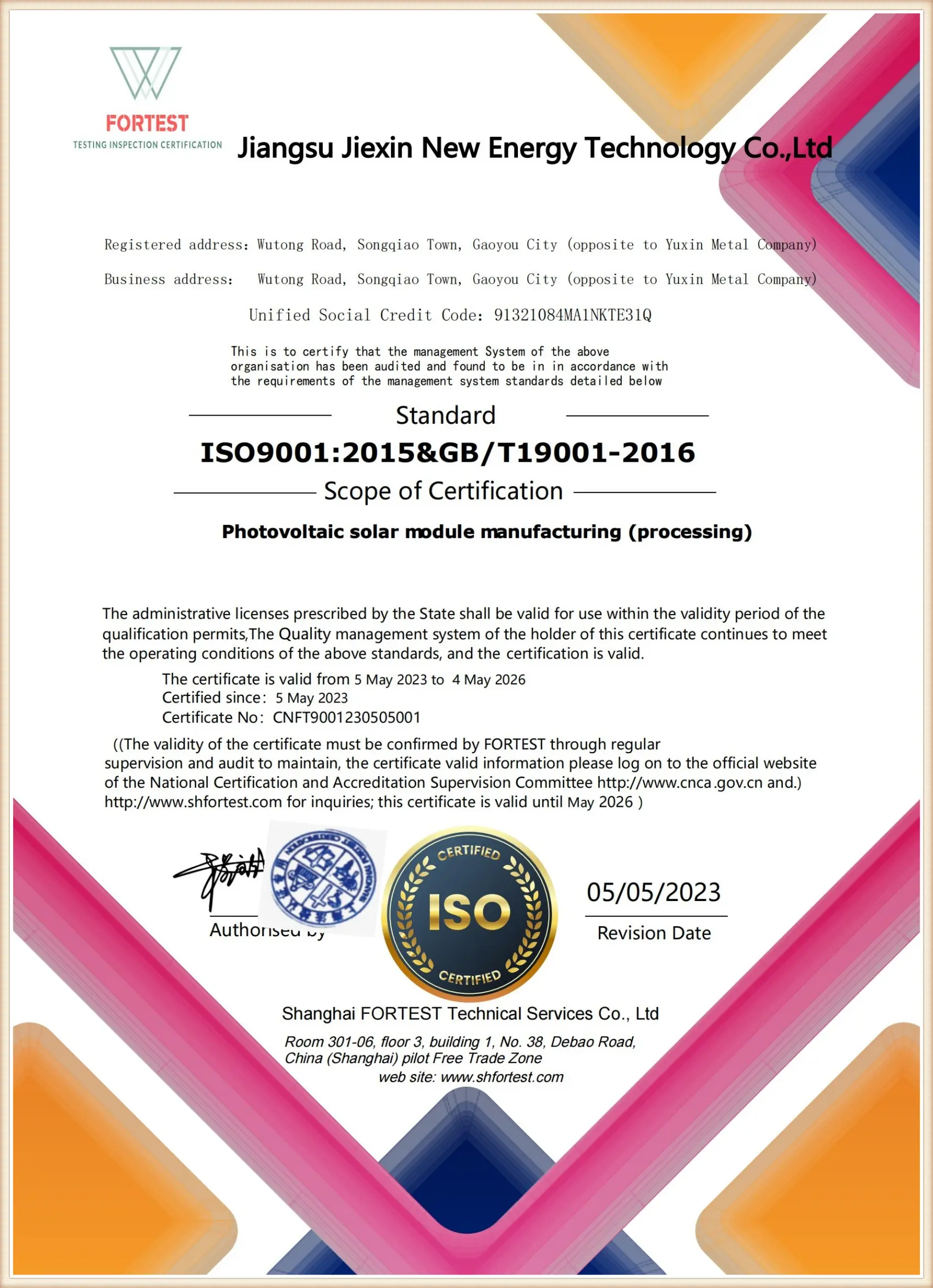
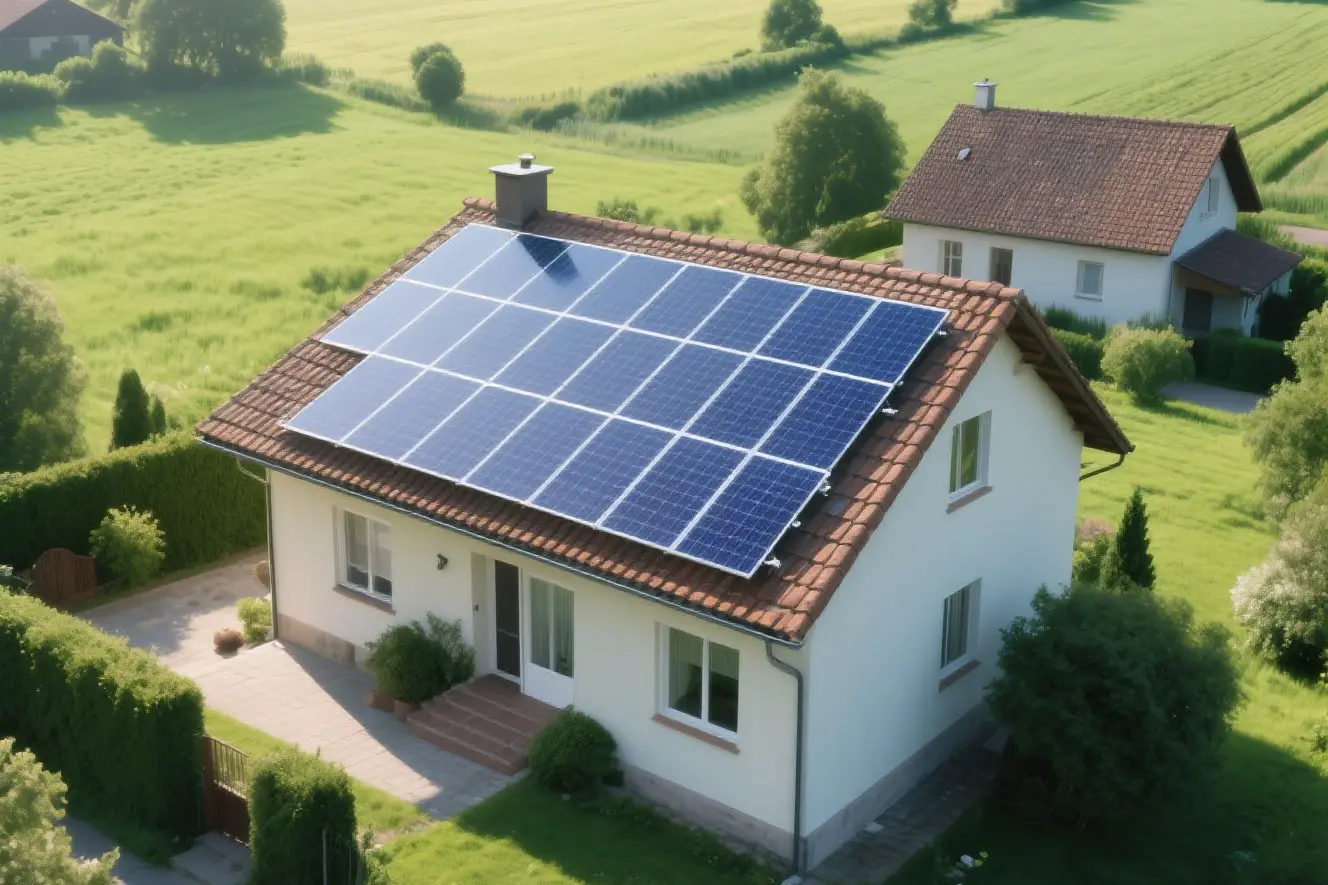
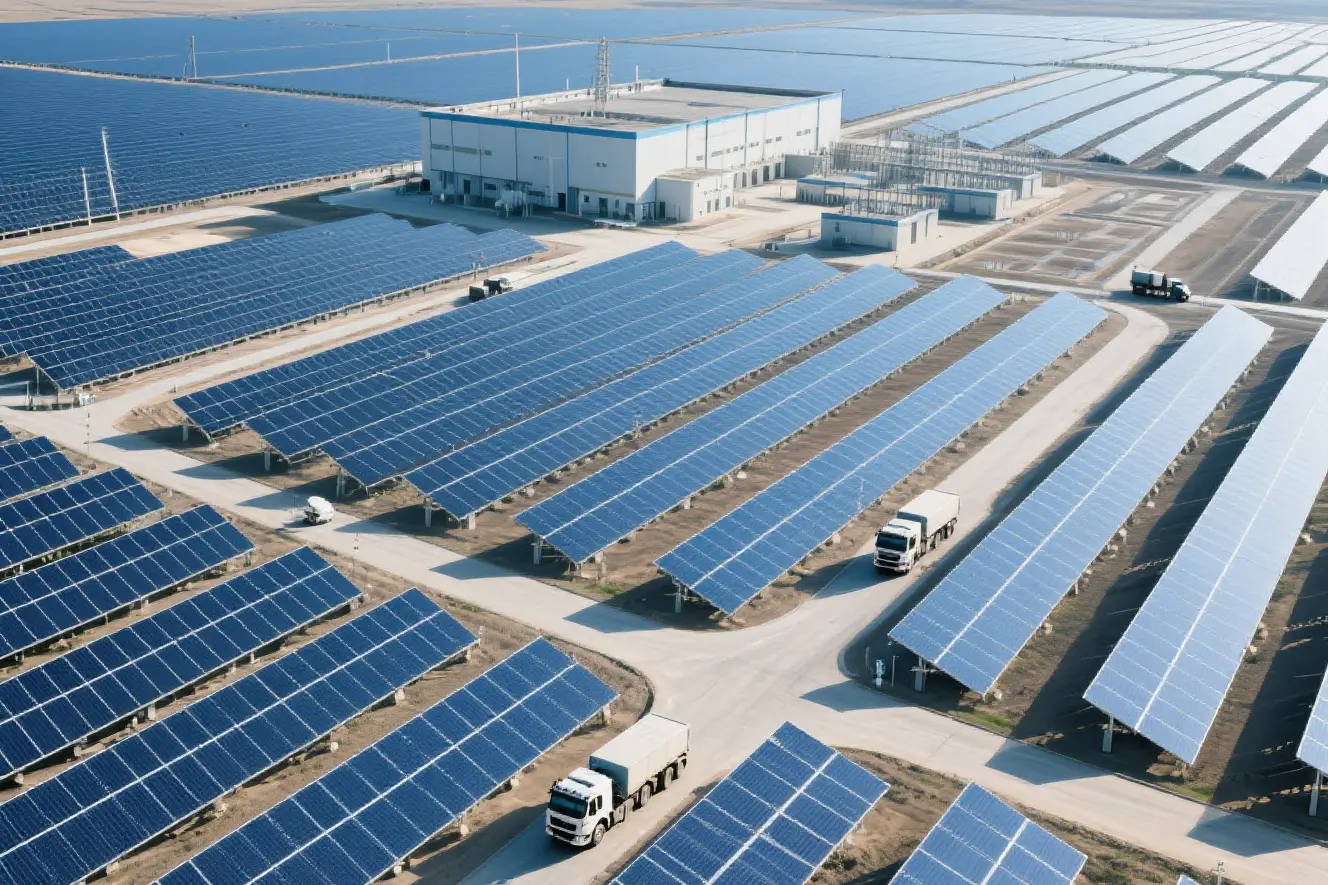
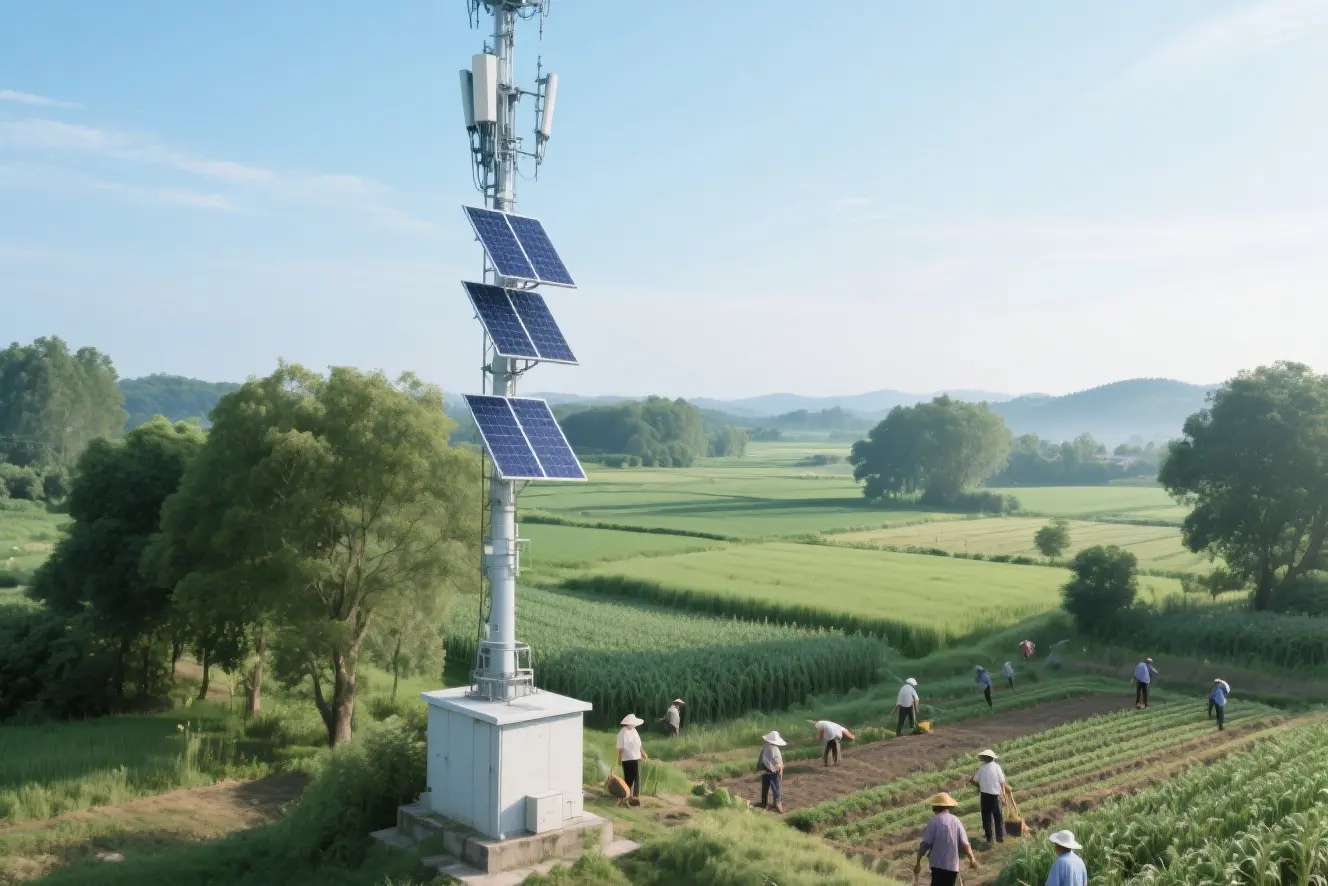
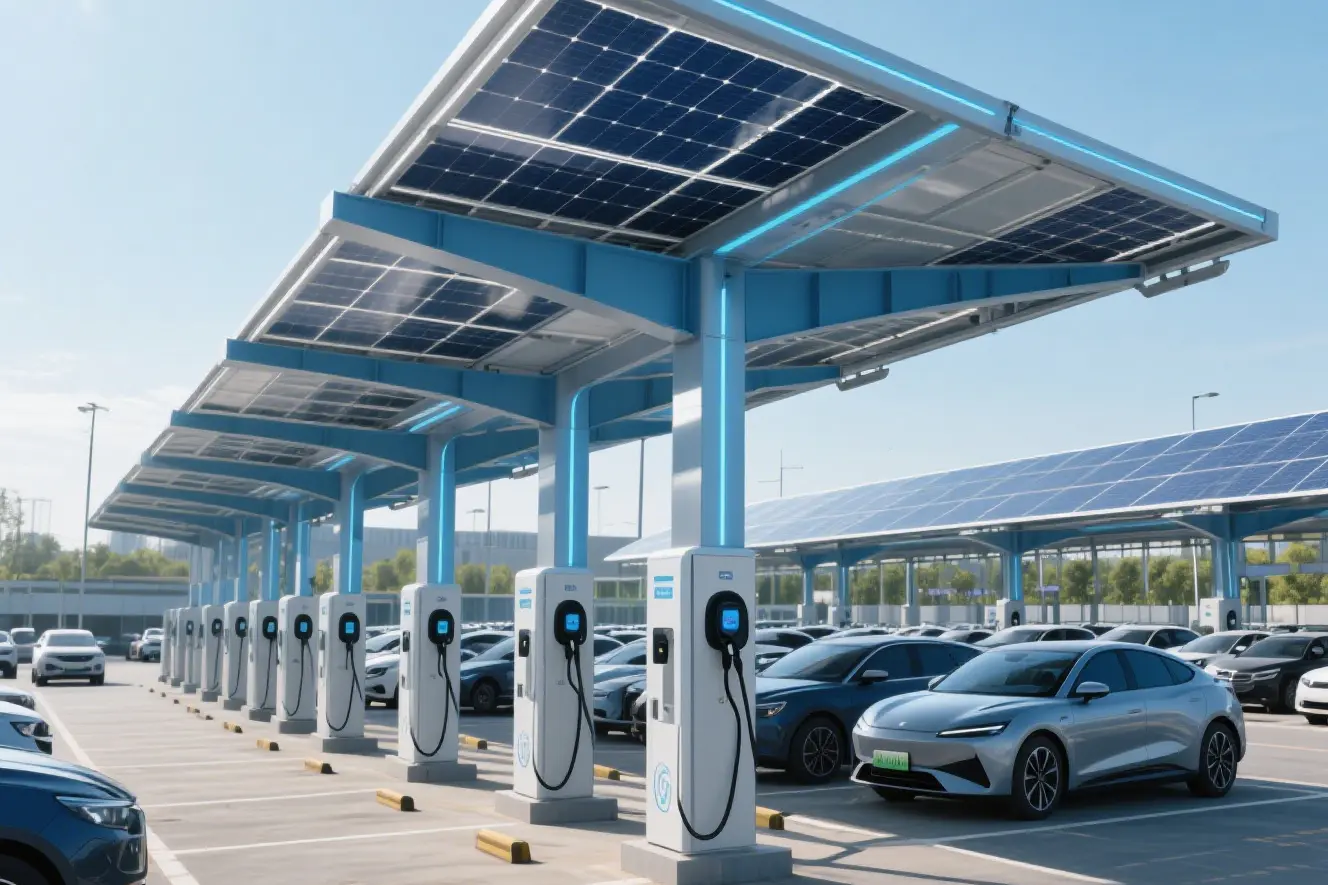
Deploying solar power systems and support hardware across multiple commercial sectors globally.


Forming long-term strategic relationships with leading energy providers, engineering firms, and distributors.

Providing direct answers to critical design questions raised by site engineers and procurement officers.
Pricing is primarily determined by battery chemistry (LiFePO4 vs. standard Li-ion), overall capacity (measured in Watt-hours), structural enclosure materials (such as anodized aluminum or polyurethane composite), and the integration of safety controls like advanced Battery Management Systems (BMS). Purchasing from established exporters helps reduce per-unit shipping and customs tariffs, lowering the overall levelized cost of storage.
High salinity accelerates galvanic corrosion in standard metals. Using sustainable polyurethane pultruded composite material aluminum frames provides high mechanical strength alongside electrical isolation. This combination mitigates Potential Induced Degradation (PID) and resists chemical breakdown, preventing frame distortion under heavy wind or snow loads.
TOPCon (Tunnel Oxide Passivated Contact) panels utilize an ultra-thin silicon oxide layer combined with doped polycrystalline silicon. This design enables power conversion efficiencies exceeding 24-25%. In comparison, standard PERC (Passivated Emitter and Rear Cell) systems average around 21-22%. Additionally, TOPCon technology exhibits a lower temperature coefficient, ensuring more stable energy generation in high-temperature environments.
Our portable charging backpacks are designed with high-efficiency monocrystalline cells, coated with a durable ETFE polymer laminate. The laminate features a textured, light-trapping surface that optimizes performance during off-angle light periods. The system uses integrated voltage regulators to deliver constant current to downstream power banks, preventing thermal issues in connected devices.
Keep pace with global solar advancements, engineering insights, and quality control strategies.
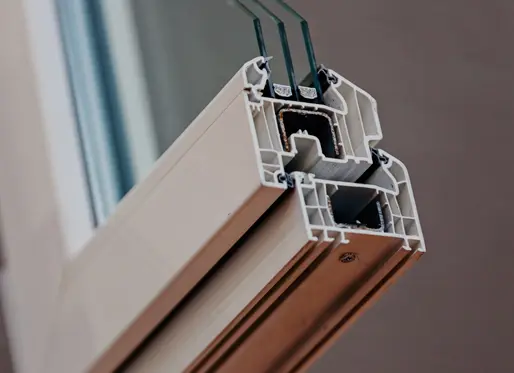
Explore the material properties, extrusion metrics, and corrosion-resistance characteristics that guarantee long-term stability for structural frames.
Read Article →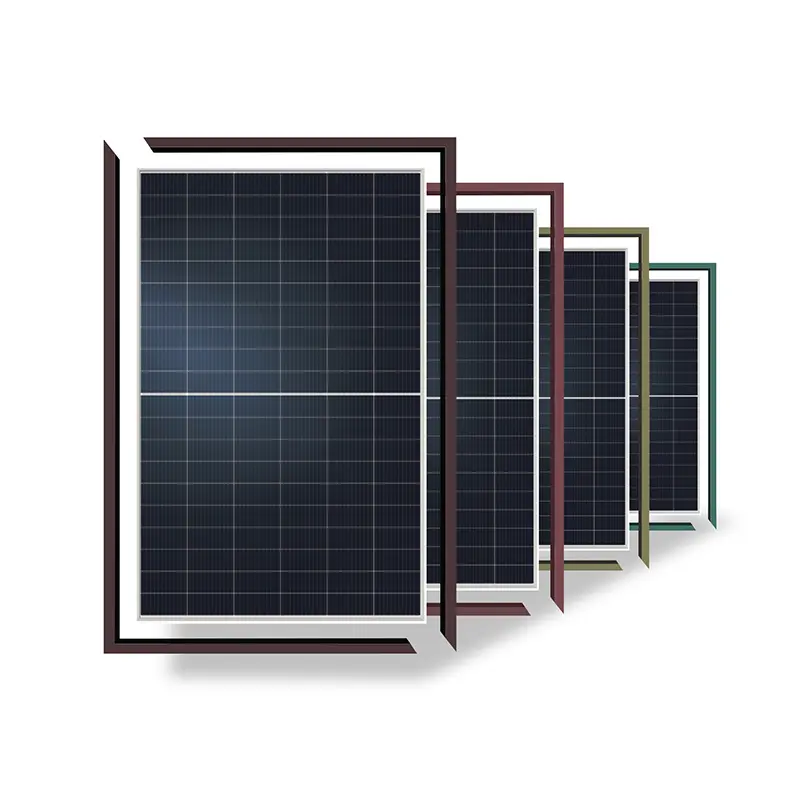
A detailed breakdown of key criteria for evaluating OEM suppliers, covering alloy purity, structural certifications, and production line capacity.
Read Article →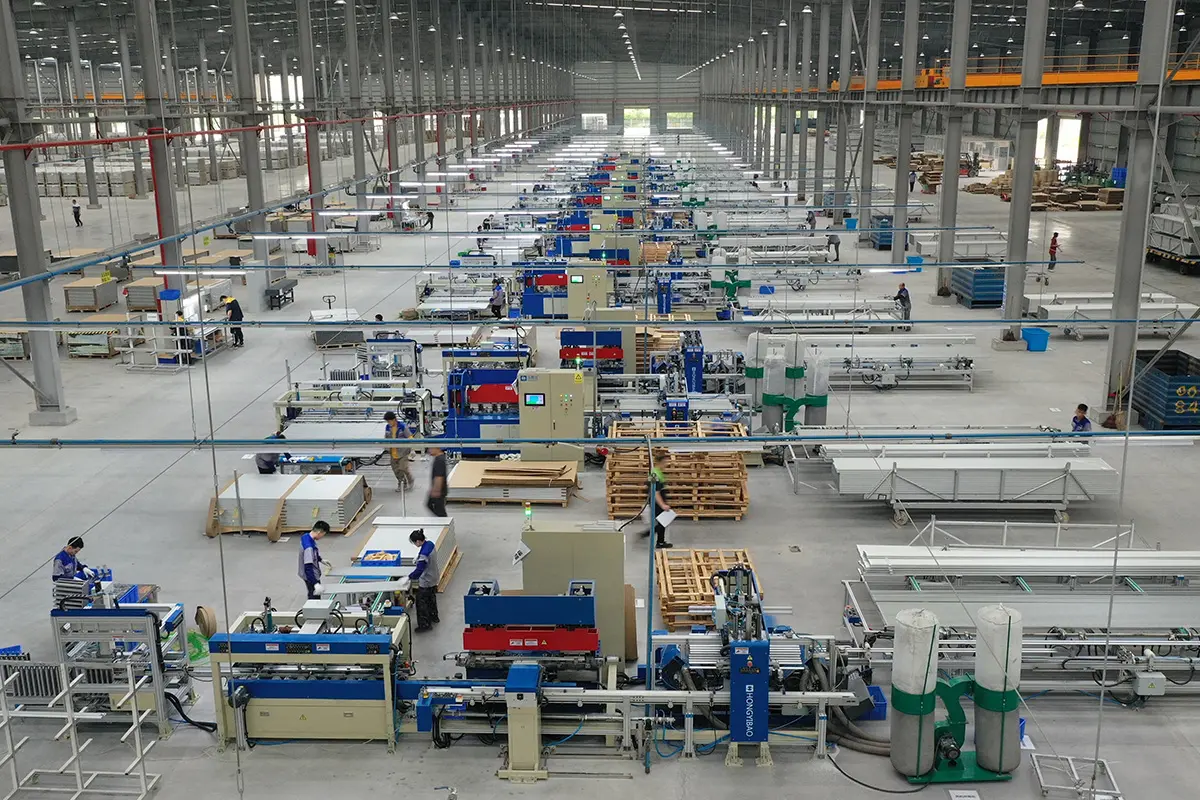
Analyzing the critical mechanical tests, cross-hatch adhesion checks, and anodization depth reviews required to meet international standards.
Read Article →Access our complete export catalog, including high-capacity systems, support profiles, and specialized travel modules.