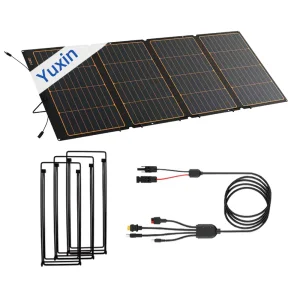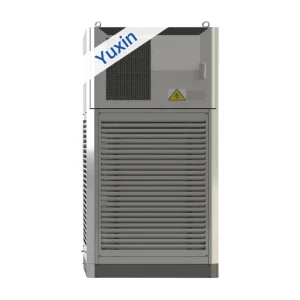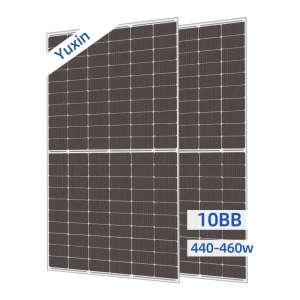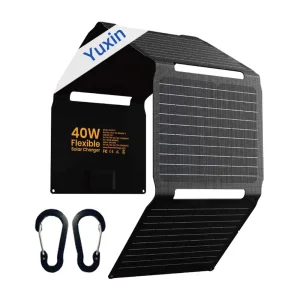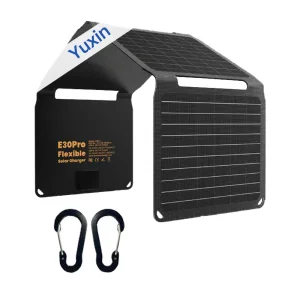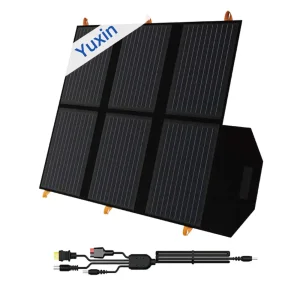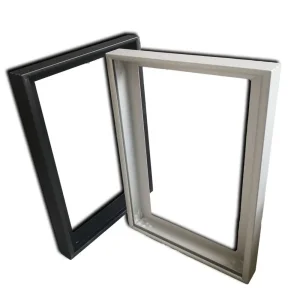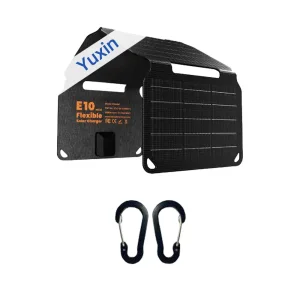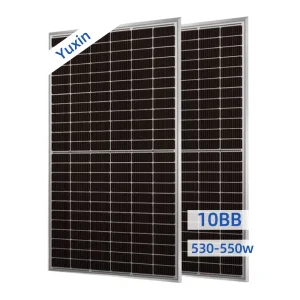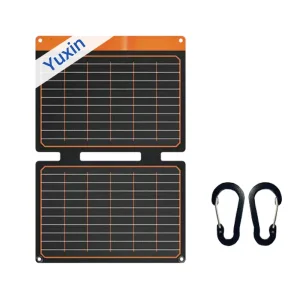
Explore our industrial-grade photovoltaic solutions, designed to withstand rigorous field conditions and optimize power output efficiency.
Analyzing efficiency vectors, structural integration, and supply chain strategies in the global portable photovoltaic market.
In the portable solar energy sector, finding the "golden ratio" between maximum power output, optimal weight, and operational voltage configuration is essential. The Dokio 300W 18V specification has become an industry standard for off-grid power generation. By operating at an 18V Open Circuit Voltage (Voc) and approximately 16.6A maximum current, this setup allows direct integration with standard 12V lead-acid and lithium-iron-phosphate (LiFePO4) solar charging systems, reducing power conversion losses.
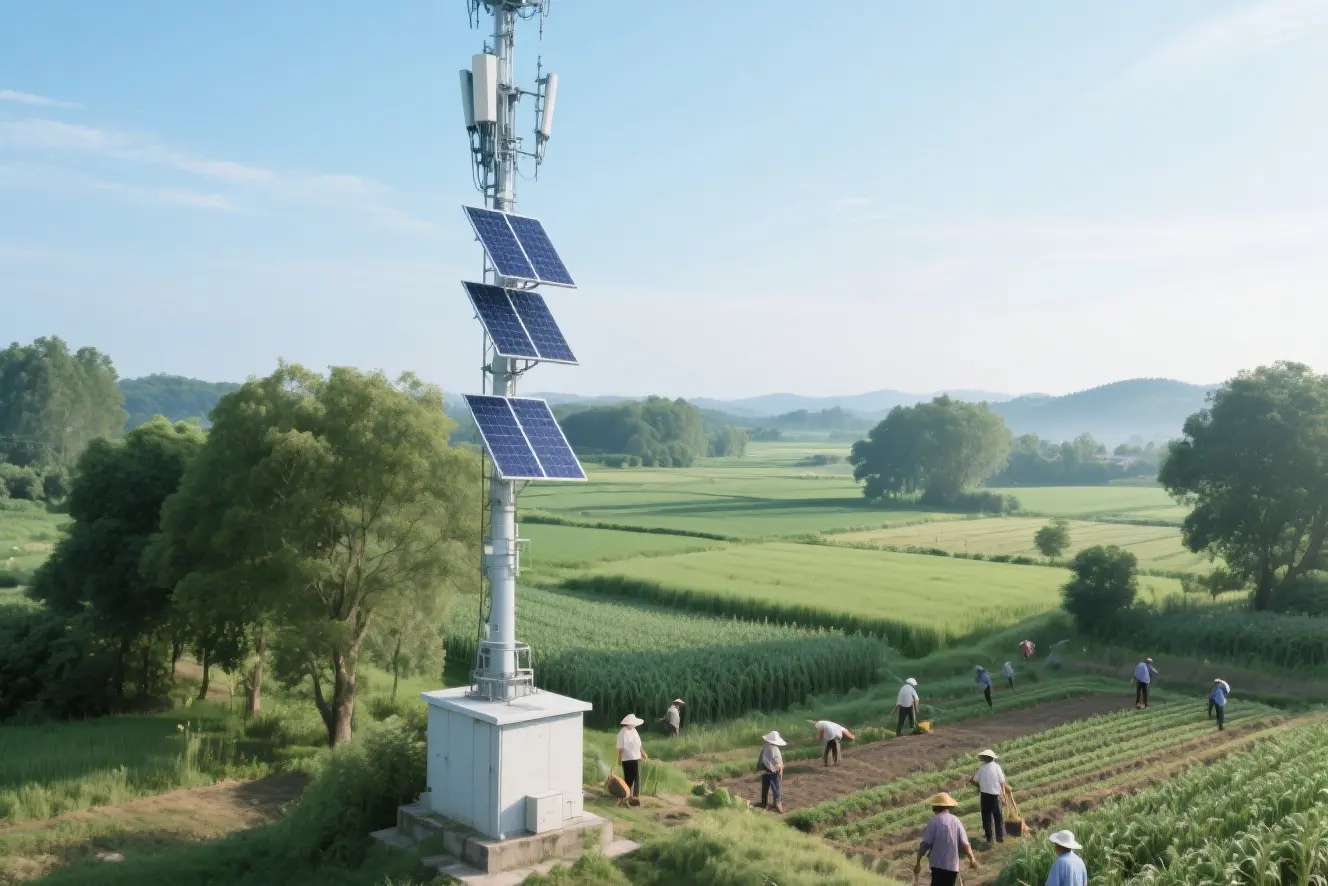
Traditional solar configurations face efficiency drops due to voltage conversion overhead. A nominal 18V output allows developers to design compact solar arrays without complex buck-boost DC-to-DC converters. This is especially useful for mobile base stations, field operations, and portable power stations where system complexity directly impacts overall system reliability.
The global demand for portable solar kits is shifting from occasional recreational camping to emergency resilience planning and distributed mobile microgrids. Industrial procurement teams are looking for portable PV kits that can serve as reliable power sources during grid outages or field operations. Key requirements include ease of transport, quick setup, and high energy density.
To meet these requirements, manufacturers must focus on:
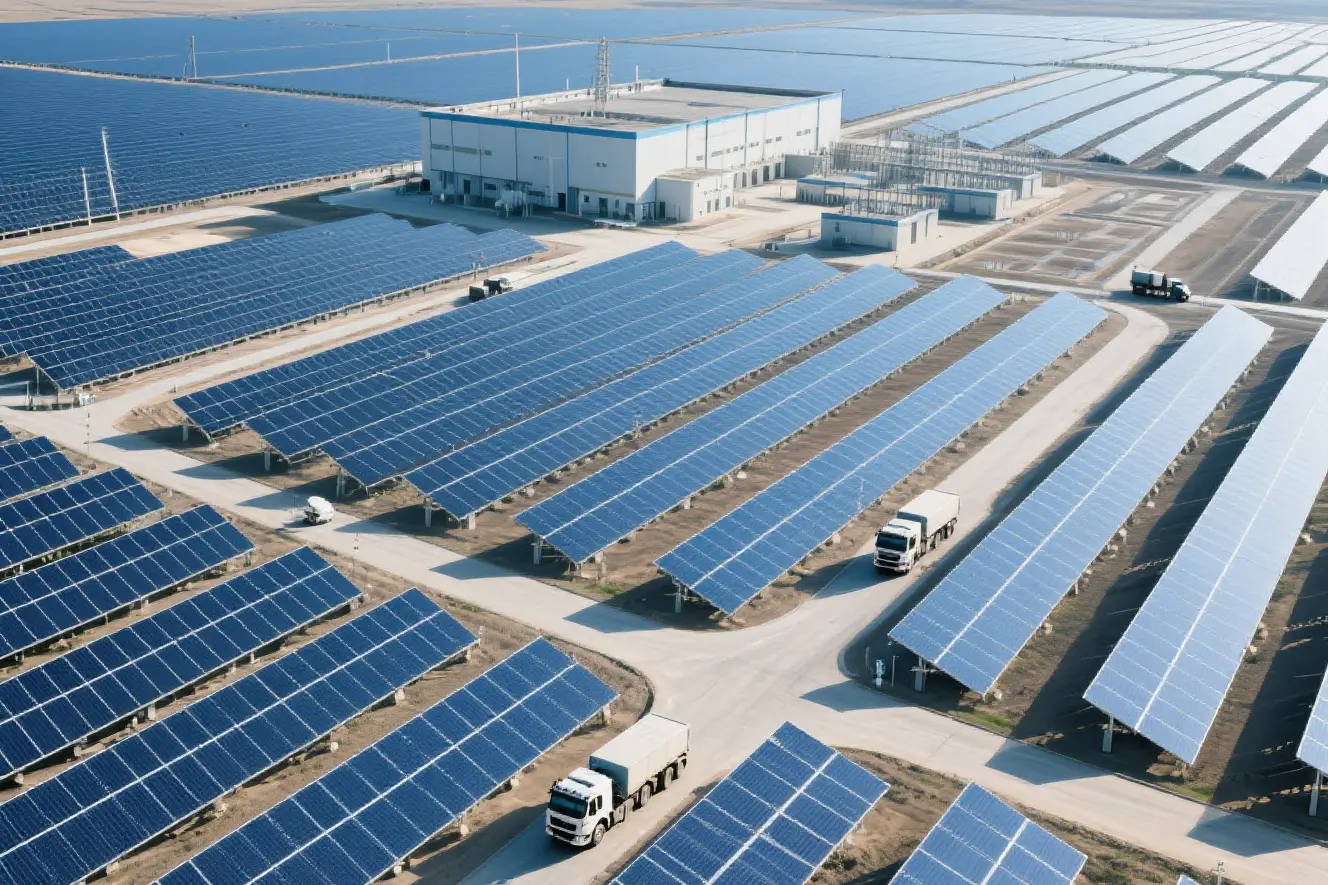
As a leading manufacturing hub for high-efficiency solar systems, Chinese Factory 4.0 infrastructure leverages automation and supply chain integration to maintain price competitiveness while ensuring quality control. For B2B clients, purchasing "discount" portable solar kits does not mean compromising on product durability. Instead, it represents the benefit of optimized production planning, automated solar module sorting, and automated frame assembly.
Our Yangzhou facility showcases these manufacturing principles. Equipped with 21 advanced production lines, our manufacturing process utilizes automated optical inspection (AOI) to detect micro-cracks in monocrystalline silicon wafers. The introduction of sustainable polyurethane composite and anodized aluminum extrusion frameworks ensures that panels can withstand physical impacts, wind shear, and corrosion in coastal or agricultural environments.
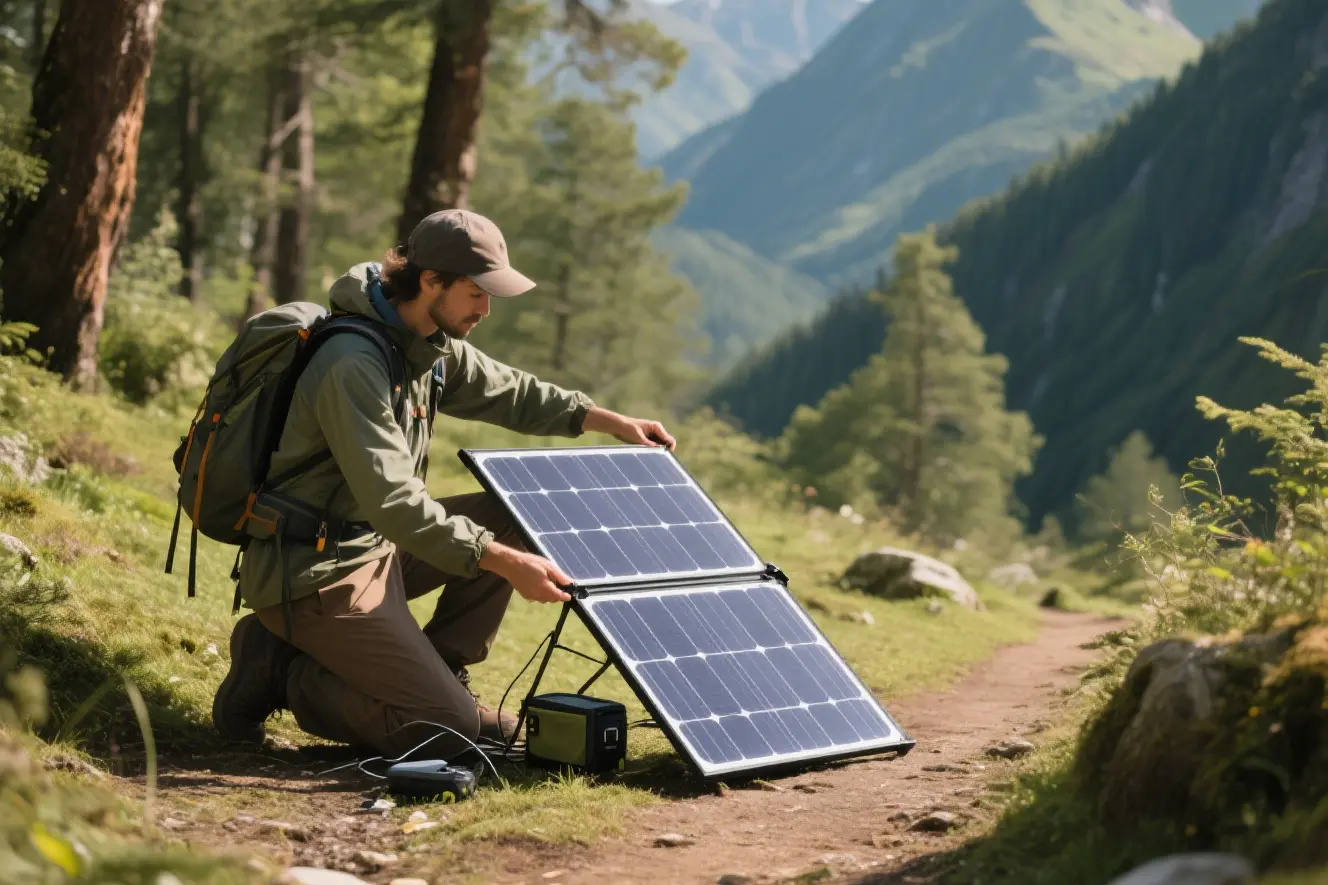
Industrial users often need to choose between fixed photovoltaic arrays and high-capacity portable solar kits. While fixed installations offer long-term power generation for static facilities, portable kits provide operational flexibility. The Dokio 300W portable panel is designed for fast setup, allowing users to deploy off-grid power networks in minutes without structural mounting permits or permanent cabling.
Precision, Quality, and Safety are the core values of Jiangsu Yuxin New Energy Technology Co., Ltd. Located in the historical city of Yangzhou, near the Beijing-Shanghai Expressway, Runyang Yangtze River Bridge, and Ningqi Railway, our location enables efficient global shipping and logistics management.
Established in 2008, the Yuxin Group operates 14 specialized companies. We have been recognized as a National High-tech Enterprise and a Top 100 Private Enterprise in Gaoyou City. Our facility supplies high-performance solar components, structural frames, and portable photovoltaic systems to international markets.
Our manufacturing processes and products are certified to comply with international regulatory and quality control standards.
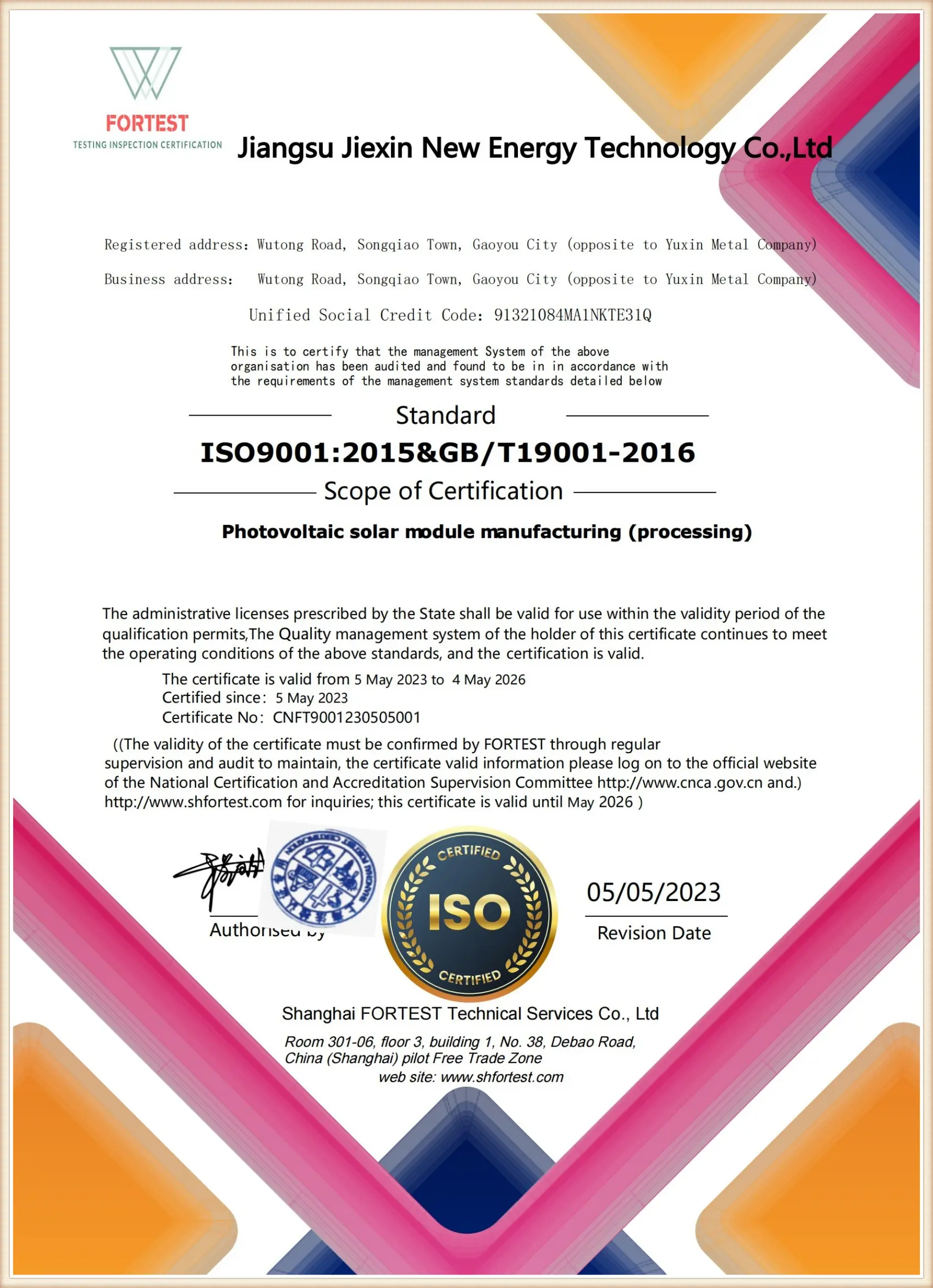
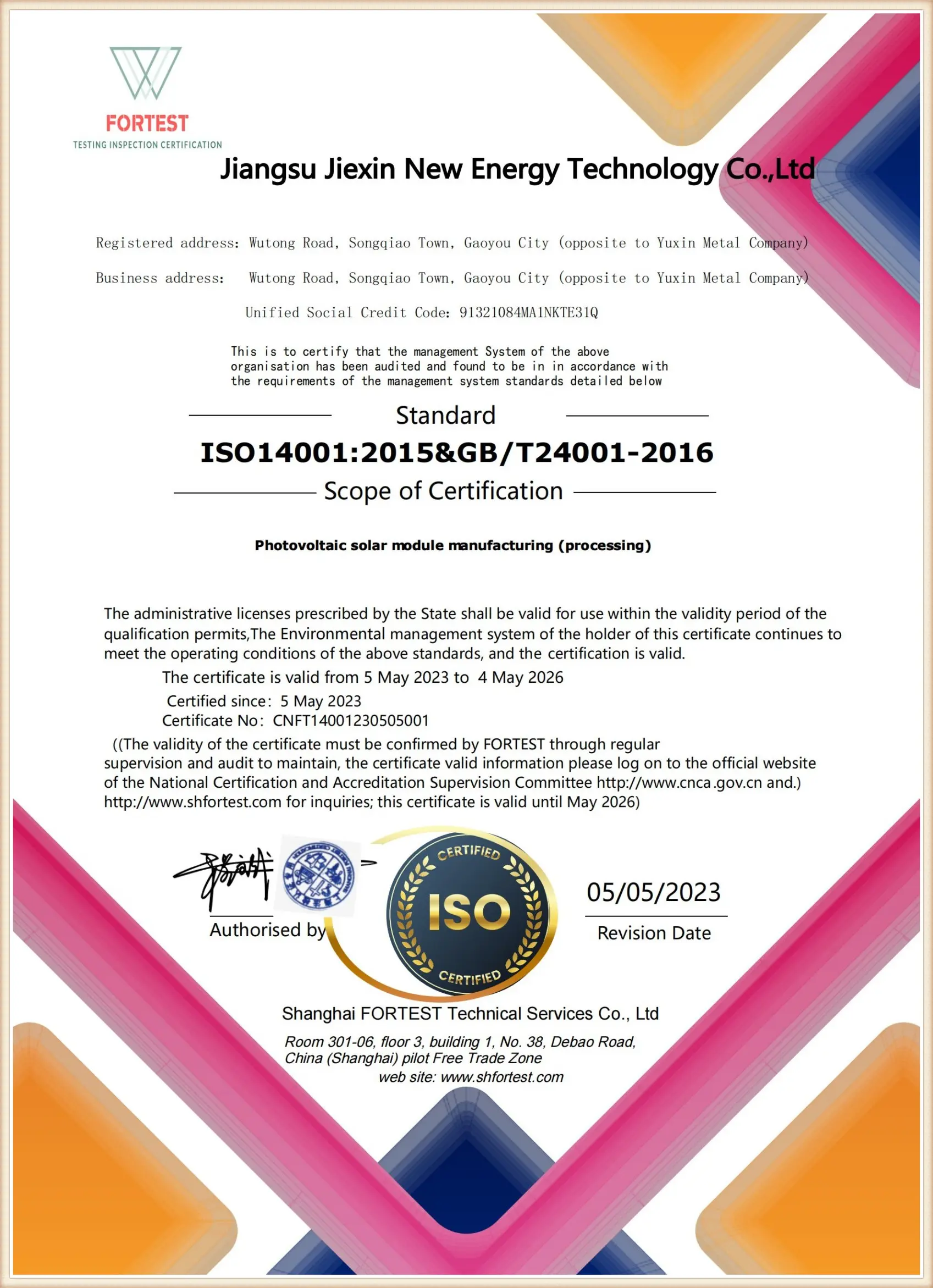
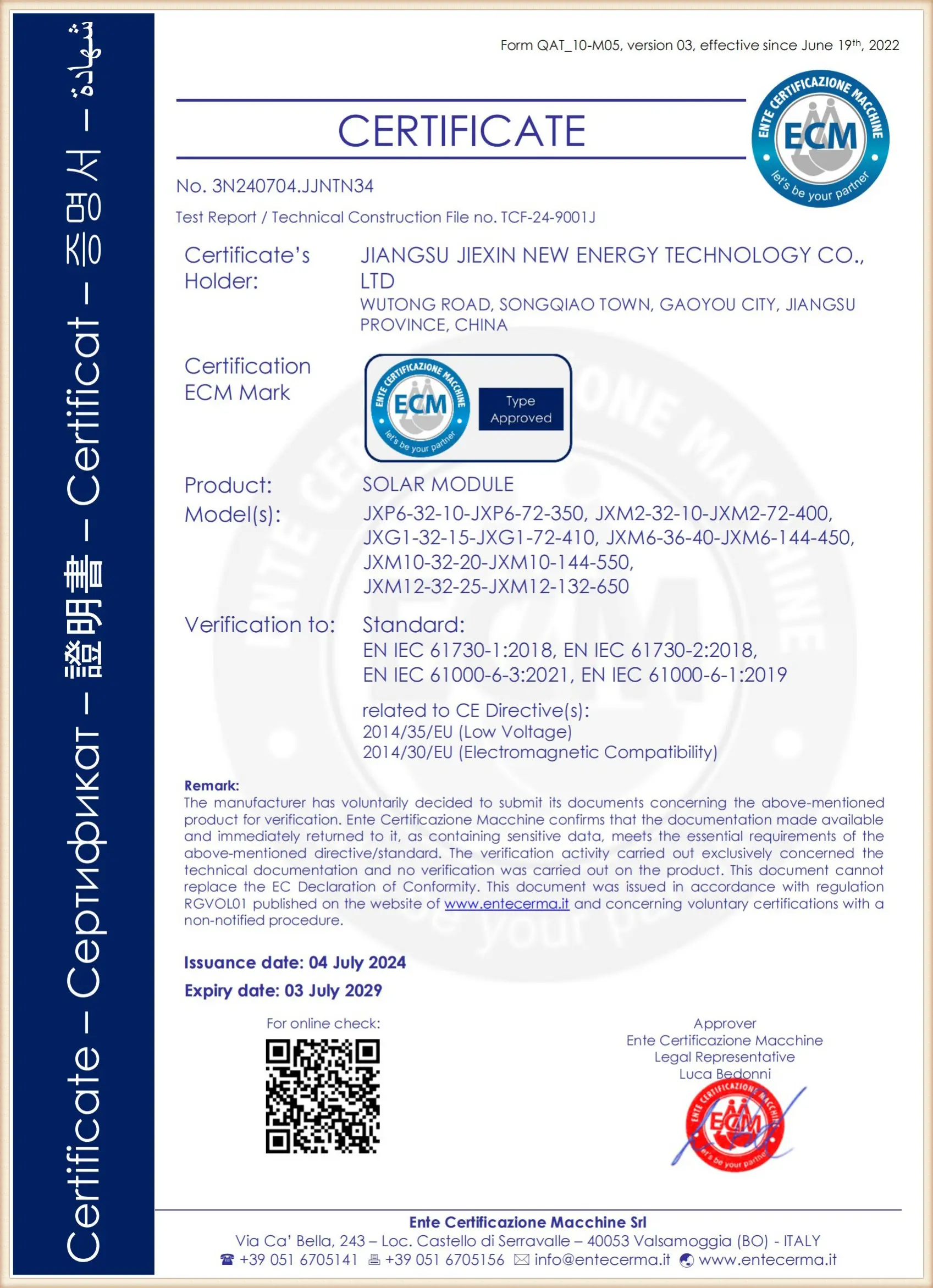
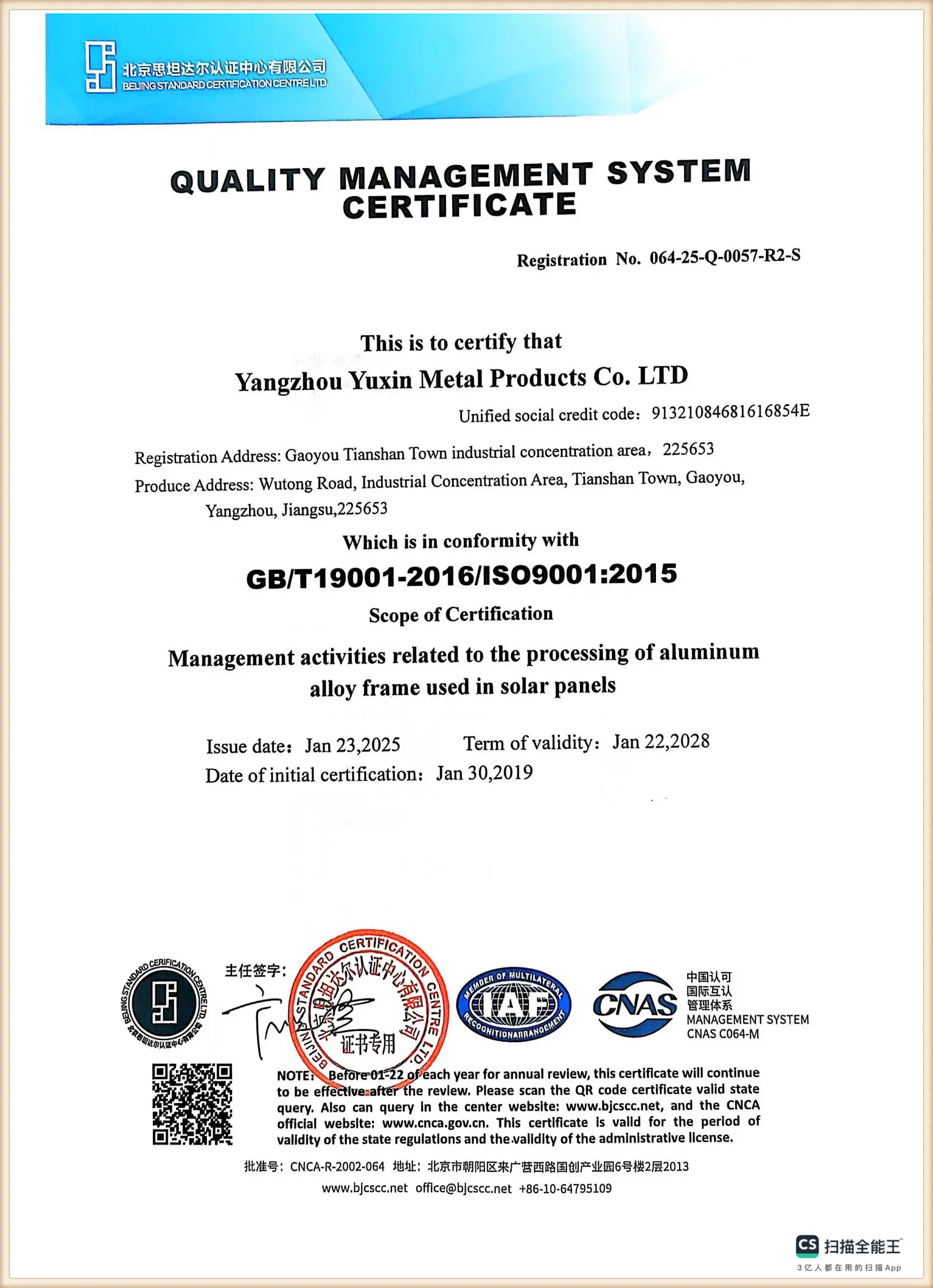
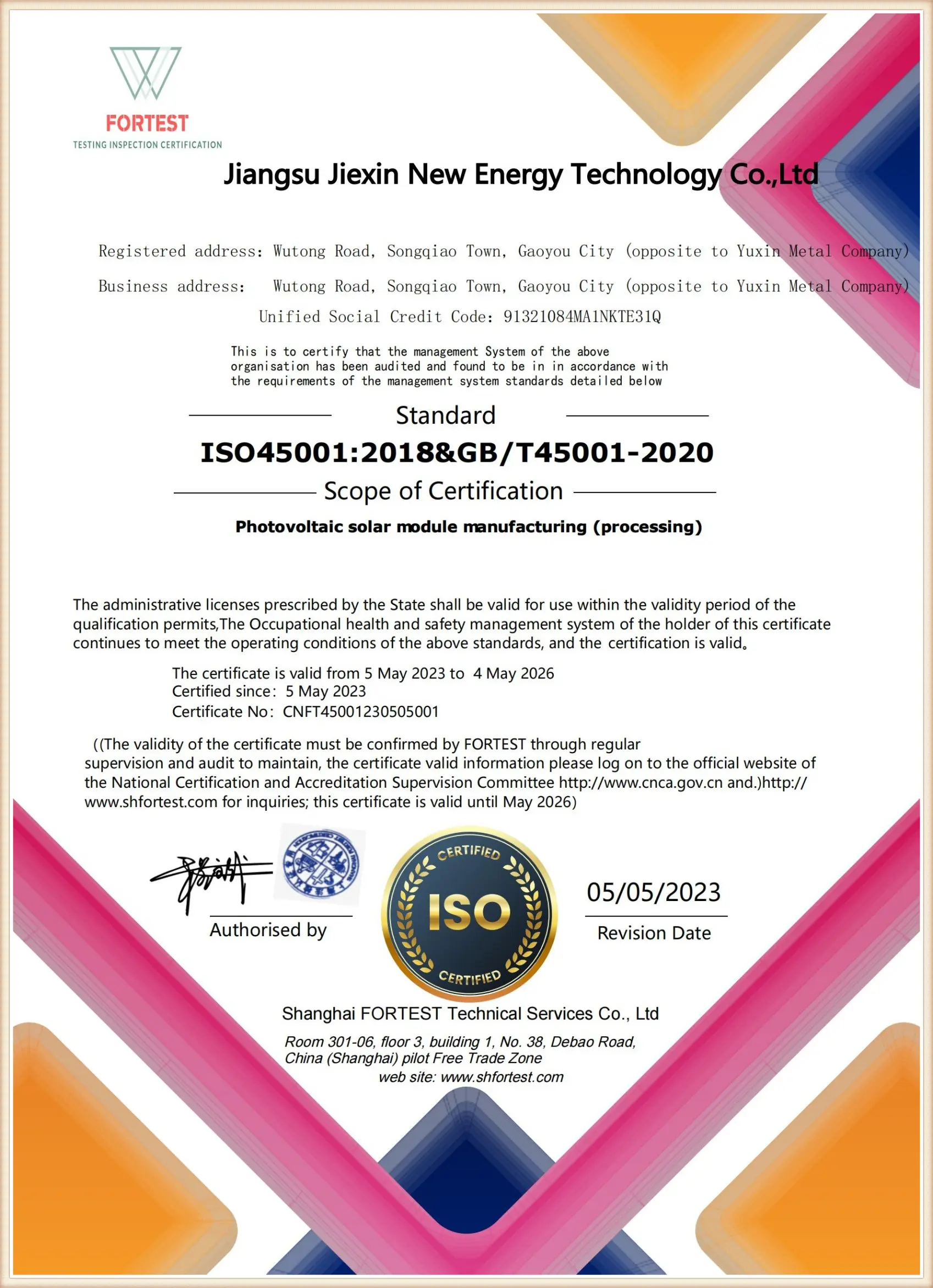

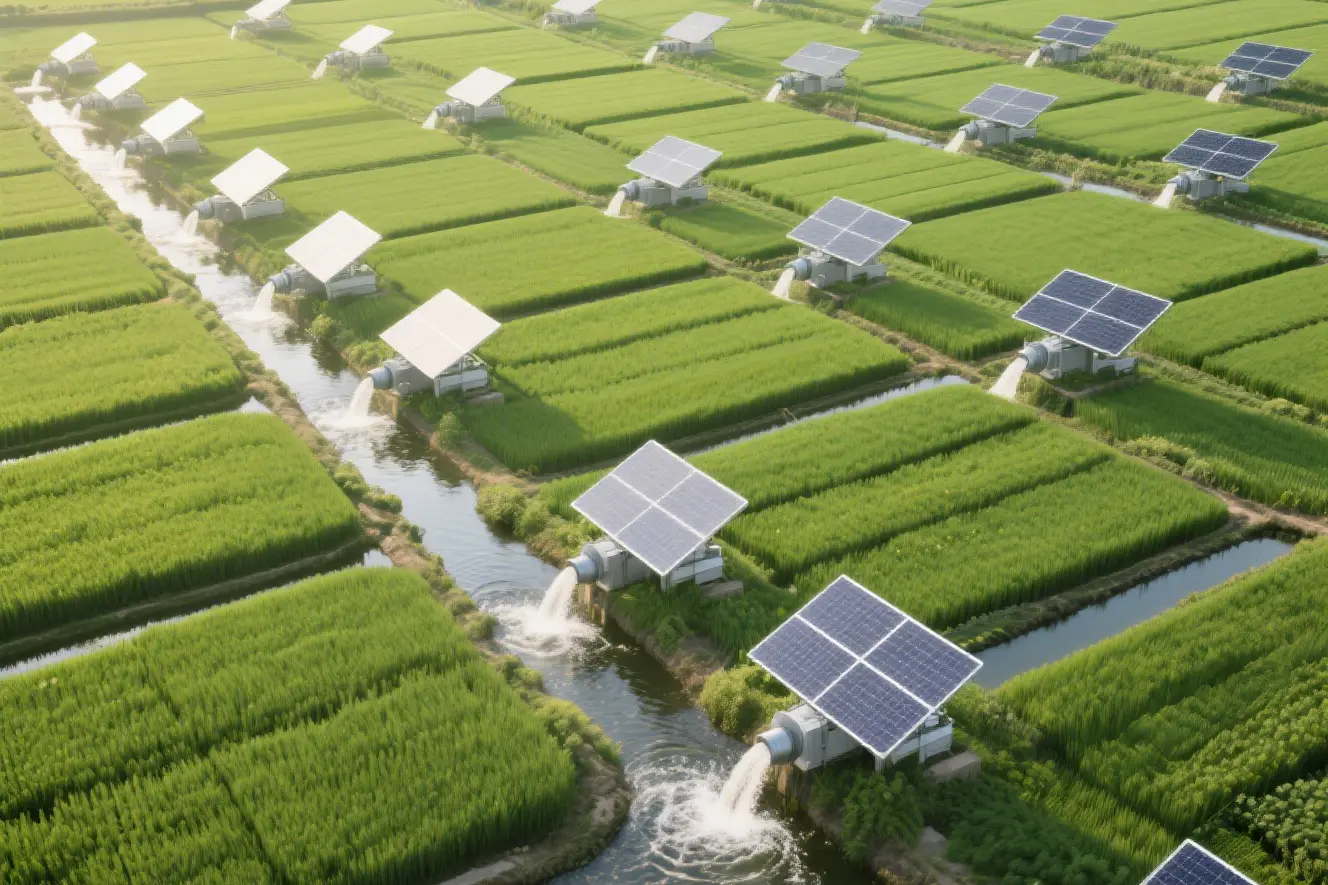
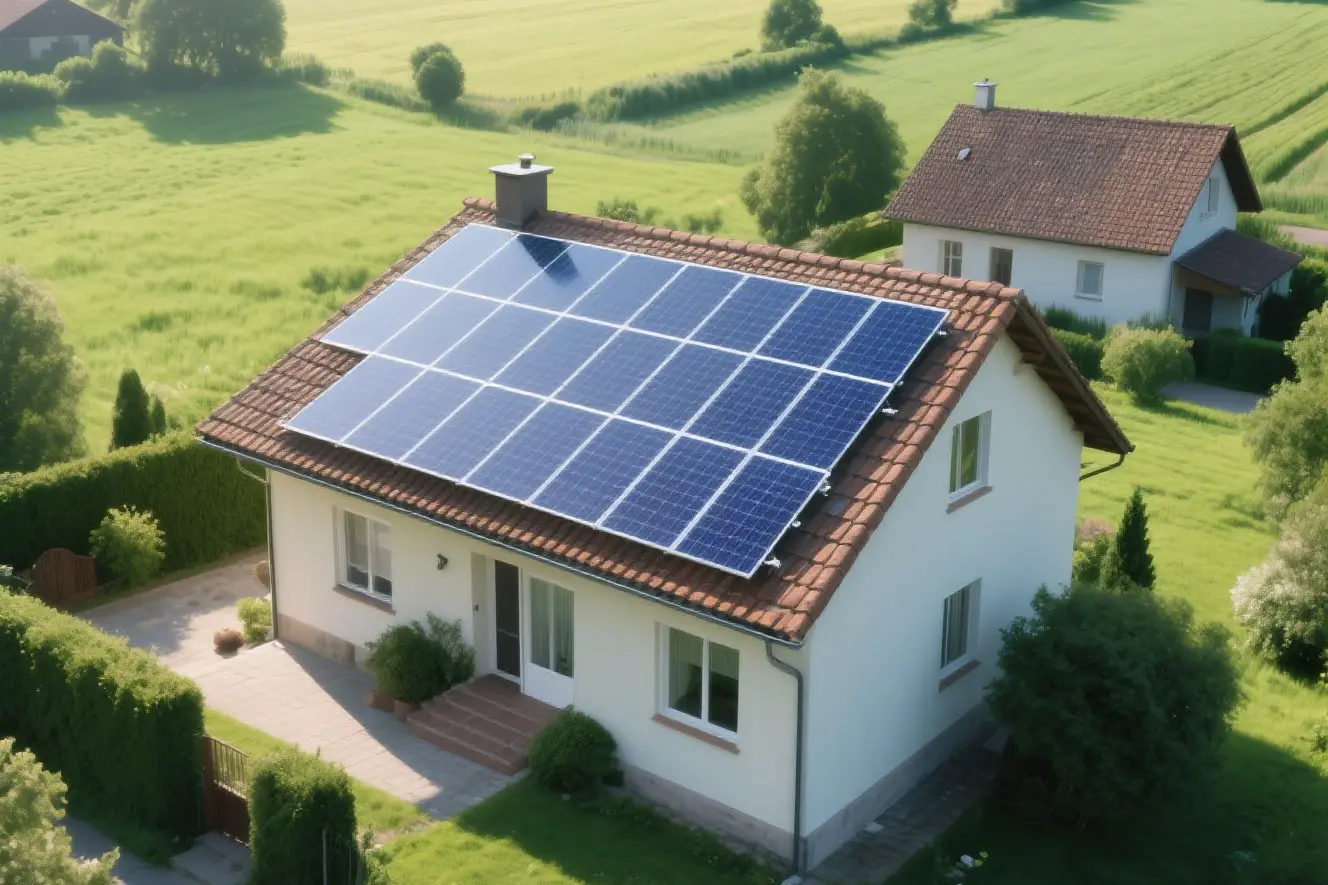
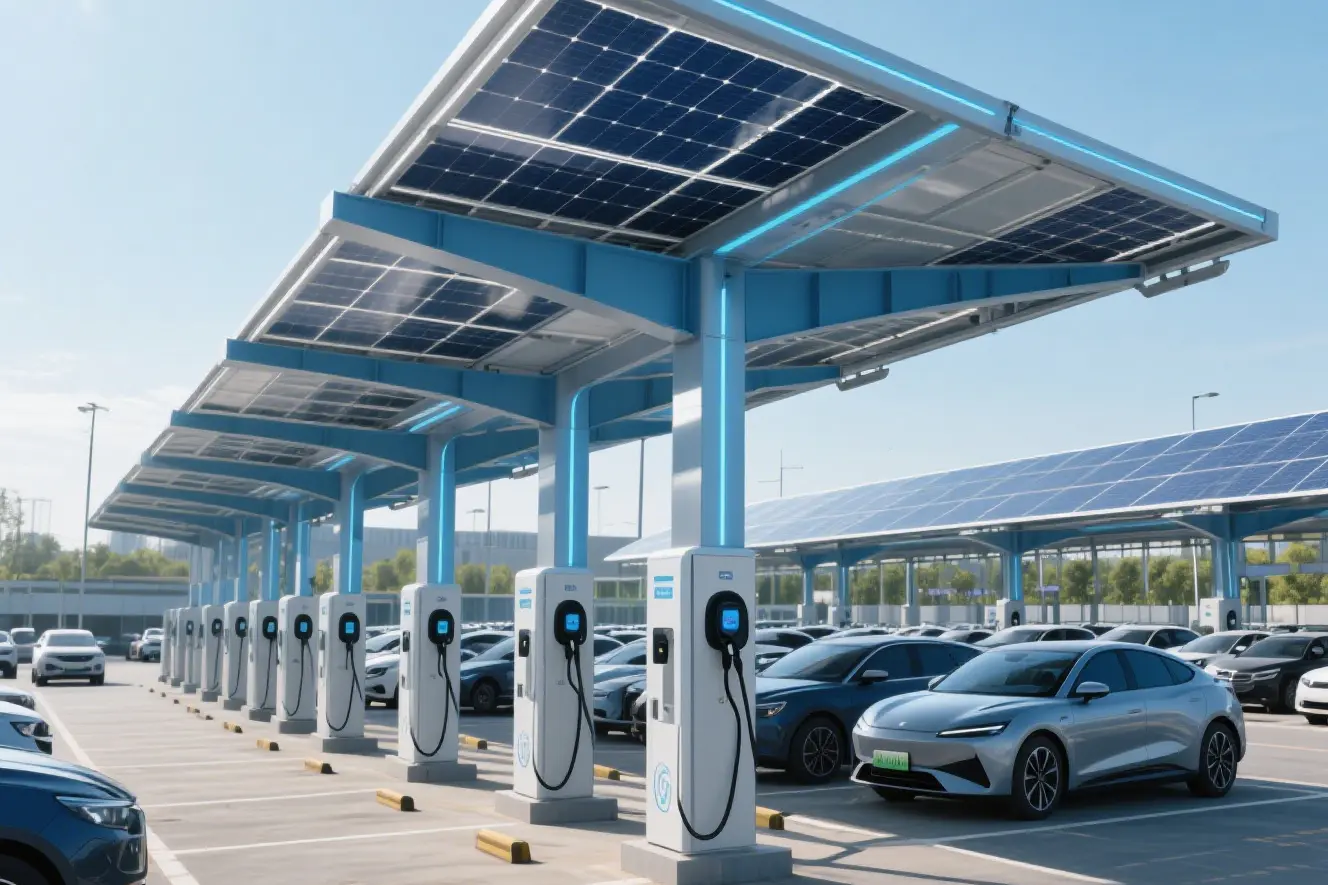
Our portable solar systems and structural frames are designed for versatility across multiple sectors.
Get professional technical insights on portable solar kits, design engineering, and B2B ordering processes.
Stay updated on solar frame technology, material manufacturing, and OEM supplier compliance standards.
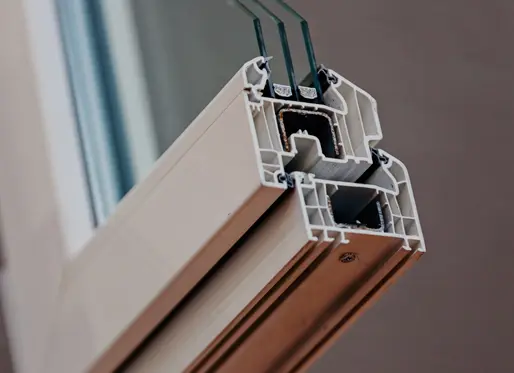
Discover the role of aluminum alloys and composite coatings in protecting solar modules from wind loads and mechanical stresses.
Read Full Report →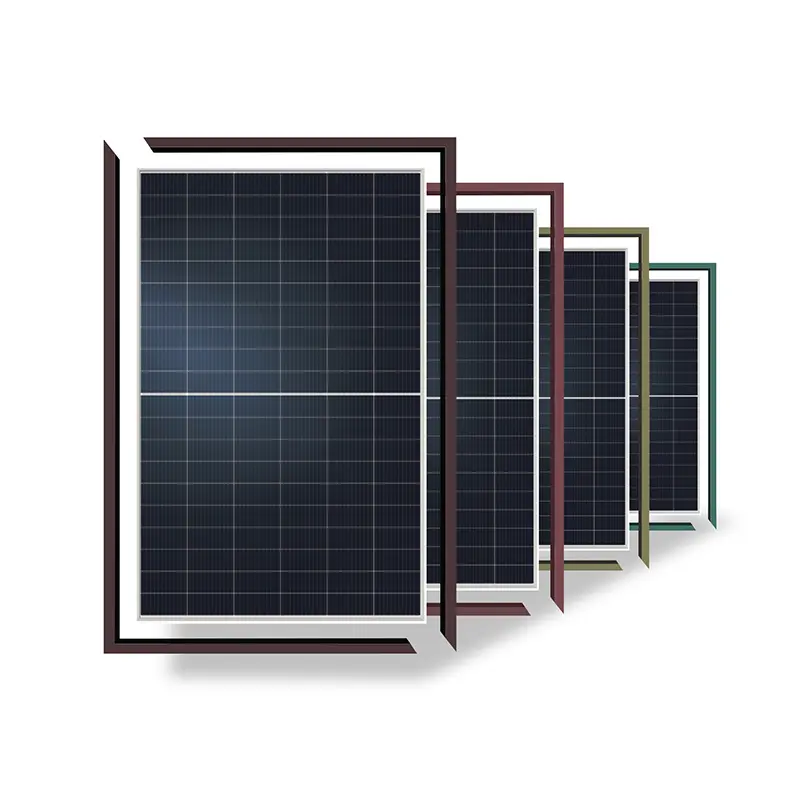
Key procurement parameters, including dimensional tolerance, anodizing thickness, and automated quality testing protocols.
Read Full Report →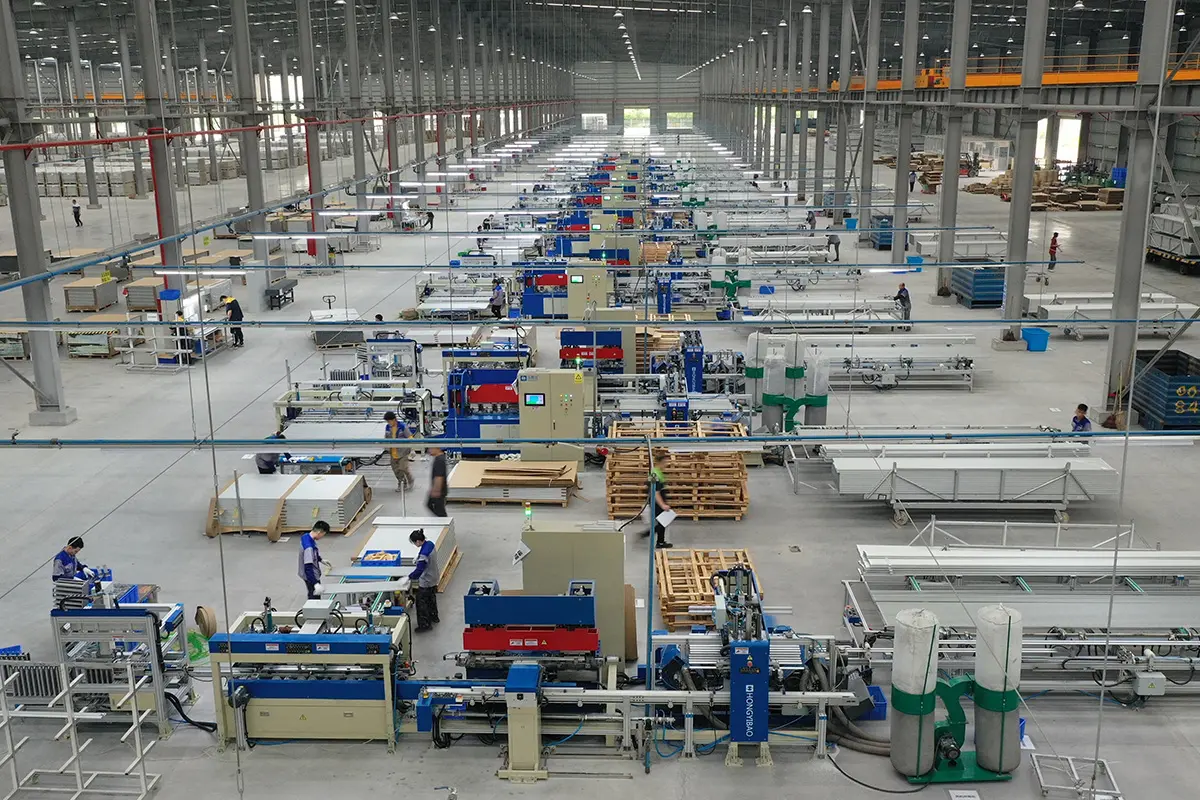
An overview of quality inspection metrics, including tensile strength, salt spray corrosion tests, and dimensional audits.
Read Full Report →Review our portfolio of off-grid solar equipment, supporting structure elements, and high-efficiency camping backpacks.
Contact YUXIN engineering team to request custom solar panel frame drawings, custom wiring schematics, and volume pricing estimates.
Inquire Now