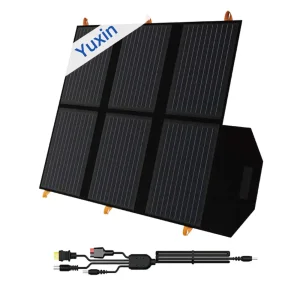
Premium OEM/ODM hardware for scalable DIY solar camping rigs, engineered by YUXIN Group to withstand extreme field environments.
A comprehensive analysis of structural integrity, balance of system (BOS) optimization, and manufacturing efficiencies in next-generation off-grid energy hardware.
The global demand for off-grid energy solutions has transitioned from a niche survivalist market to a mainstream recreational and commercial imperative. As consumer dynamics shift toward eco-conscious outdoor activities, and global utilities face localized grid disruptions, the requirement for a rugged, cost-efficient, and easy-to-install DIY solar camping setup has surged. Modern setups are no longer merely passive power cells; they are integrated micro-grids combining ultra-efficient solar harvesting, smart charge controller protocols, and durable structural framing designed to endure prolonged dynamic stress in overland travel.
When designing portable or semi-permanent solar arrays for overland vehicles, trailers, or remote base camps, structural stability is paramount. Photovoltaic cells are highly sensitive to micro-cracking caused by torsional stress, high wind loads, and kinetic vibration. This is where high-grade materials like 6063-T5 and 6005-T6 anodized aluminum frames play a critical role. Anodization builds an oxide layer exceeding 15 microns, providing complete resistance to salt-water corrosion, high wind pressures (up to 2400 Pa), and heavy snow loads (up to 5400 Pa).
Furthermore, emerging technologies in composite materials—such as polyurethane pultruded composites—are offering lightweight alternatives with thermal expansion coefficients matching solar glass perfectly. This eliminates the risk of structural warping during rapid temperature fluctuations typical of desert and high-altitude camping environments.
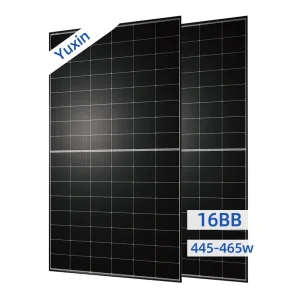
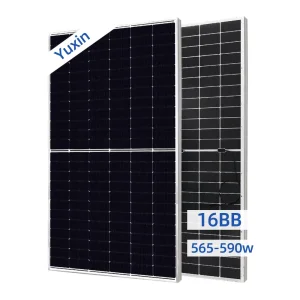
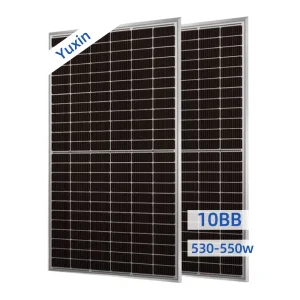
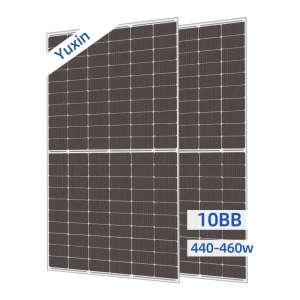
Utilizing N-Type TOPCon and monocrystalline half-cell silicon to push cell efficiencies past 24%, minimizing physical footprint requirements in camping configurations.
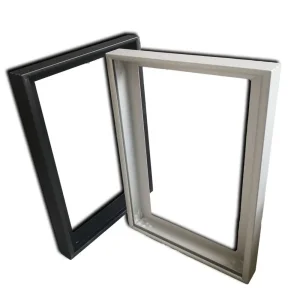
Reinforced structural support via premium 6063-T5 aluminum framing ensures long-term resistance to extreme off-road vibrations and torsional stress.
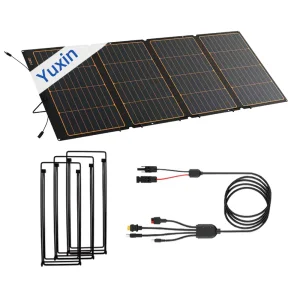
Lowering the Balance of System (BOS) cost through integrated mounting profiles, pre-wired quick-connect MC4 interfaces, and modular controller compatibility.
Engineered off-grid power components, optimized for consumer utility and structural longevity.
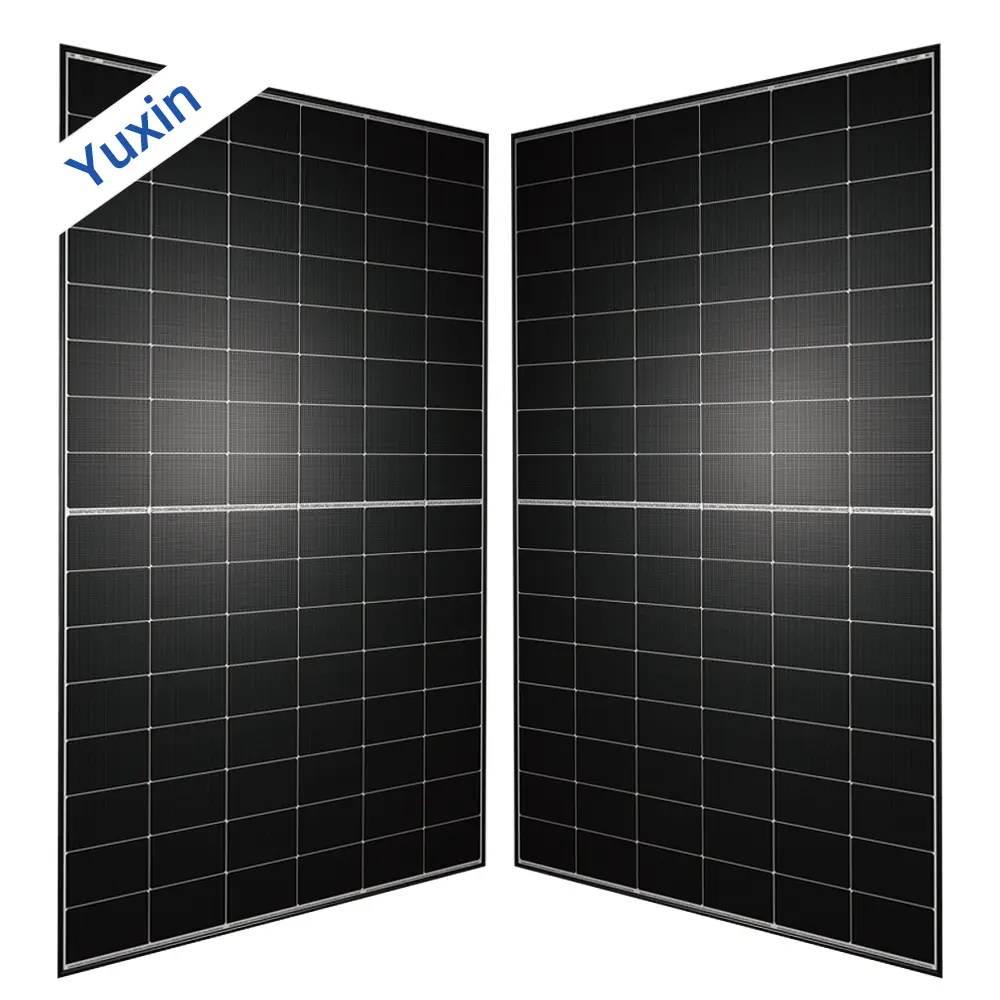
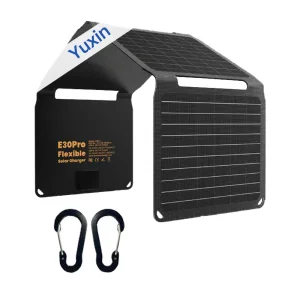
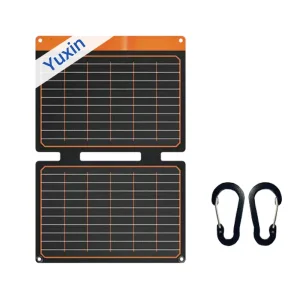
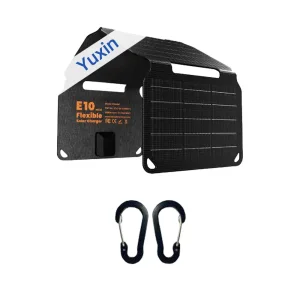
Lightweight design with transparent back panel for easy installation and reduced BOS costs.
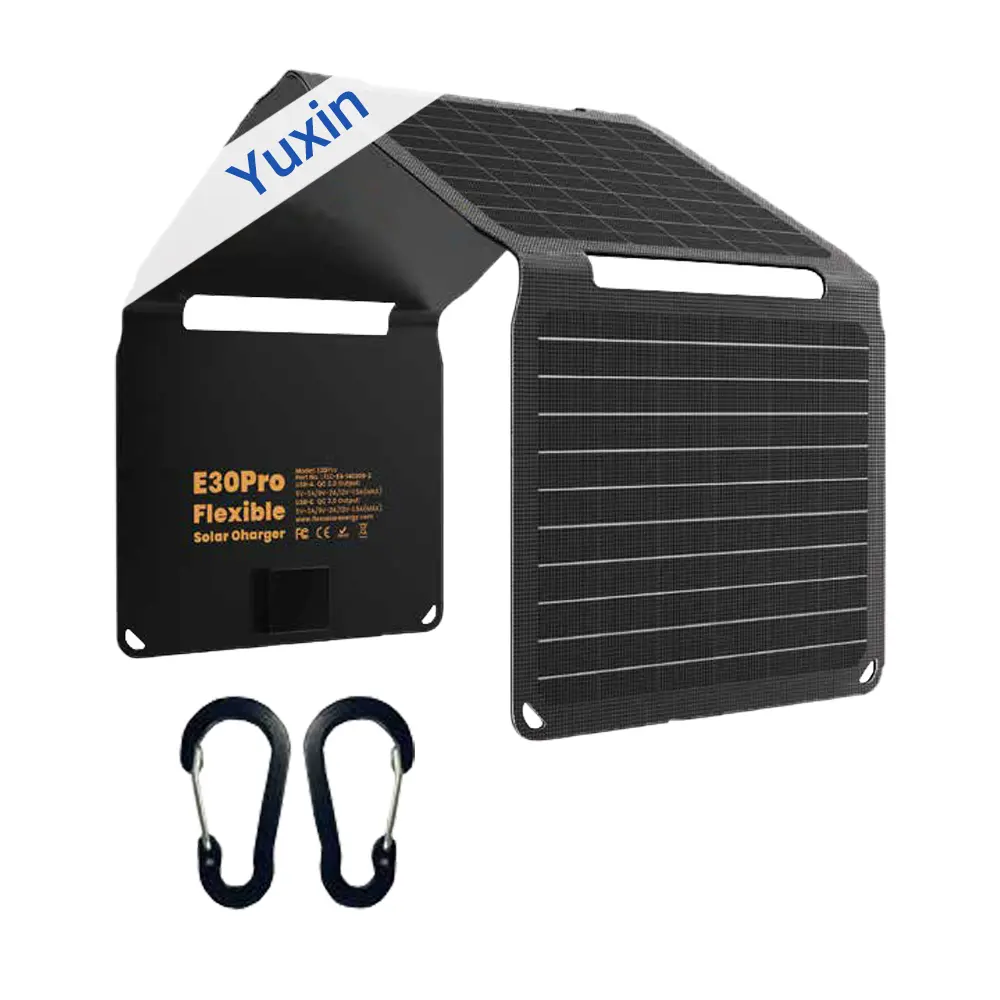
Utilizing advanced monocrystalline silicon cells, it achieves a high energy conversion efficiency of 24%.
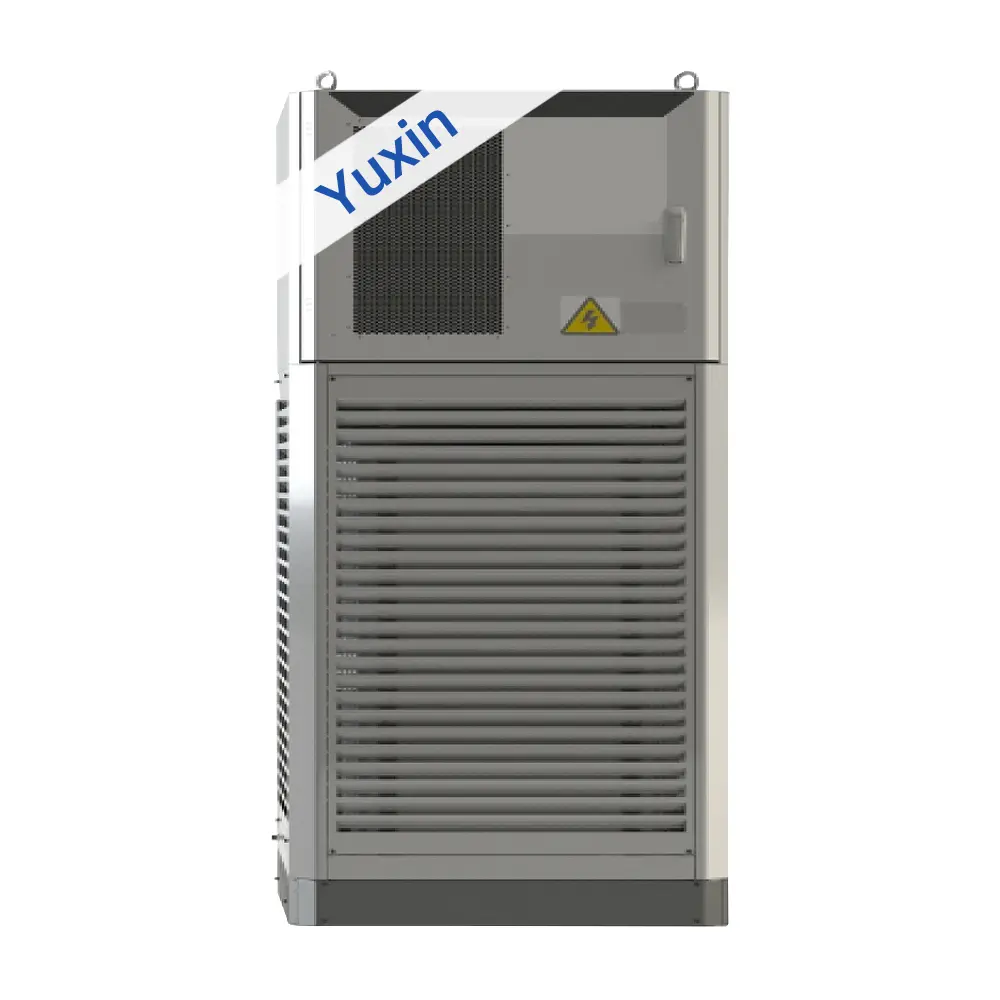
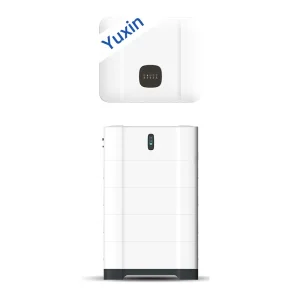
Application modes include grid-connected mode, off-grid mode, and integrated grid-connected/off-grid mode.
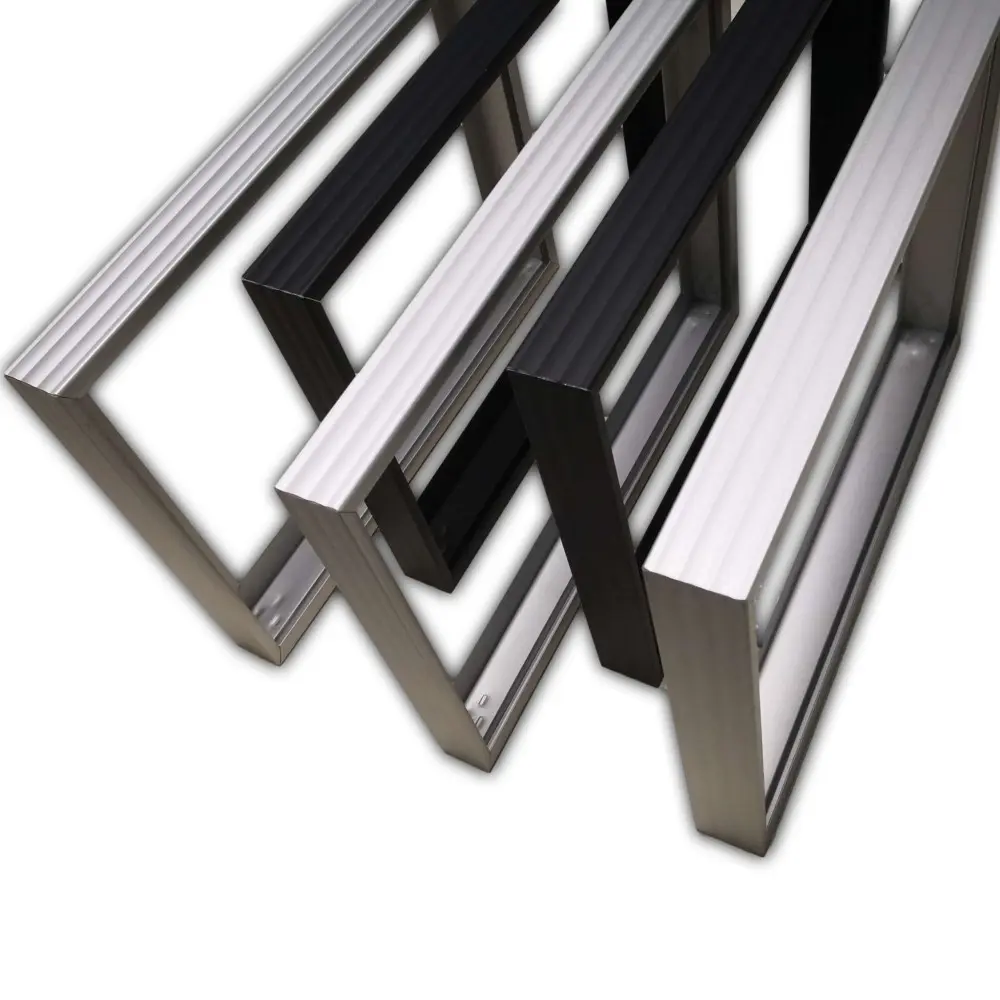
Made of high-quality anodized aluminum, it ensures superior weather resistance and a smooth, long-lasting finish.
Precision, Quality, and Safety - Your Photovoltaic Materials Expert
Located in the scenic historical and cultural ancient city of Yangzhou, close to the Beijing-Shanghai Expressway, Runyang Yangtze River Bridge, and Ningqi Railway, the group has a superior geographical location and convenient transportation. The group was established in 2008 and has 14 multi-field companies under its jurisdiction, including Jiangsu Yuxin New Energy Technology Co., Ltd., and has won many titles such as National High-tech Enterprise, Technology-based Enterprise, and Gaoyou City Top 100 Private Enterprises.
View More DetailsAnalyzing the cluster effect, technological iteration speed, and material procurement advantages of mainland manufacturing centers.
Jiangsu province hosts the world’s most integrated supply chain cluster for solar wafers, cell processing, framing systems, and electronics assembly. Sourcing from a specialized Yangzhou factory like YUXIN means immediate access to local raw materials, reduced internal shipping times, and rapid technological implementation. Whether it is extrusion of custom 6063-T5 aluminum framing profiles or integrating the latest 16BB TOPCon cell technology, the localized supply chain reduces cost margins by up to 25% compared to isolated manufacturers globally.
Premium Chinese PV exporters utilize inline automation to conduct rigorous testing before dispatch. Every solar panel module undergo Electroluminescence (EL) testing to detect hidden micro-cracks that could fail under camp transit vibrations. Flash simulators verify electrical outputs under Standard Test Conditions (STC: 1000W/m², 25°C, AM1.5). For DIY camping distributors, this ensures zero field DOA (Dead-On-Arrival) returns, protecting brand integrity in competitive retail environments.
Shipping structural metals and heavy glass across continents requires optimal packaging geometry to maximize container load factor and prevent damage. Advanced logistics frameworks integrate custom packaging techniques, placing structural aluminum frames as edge protections within pallets of glass panels, significantly reducing freight damage while lowering overall shipping volume.
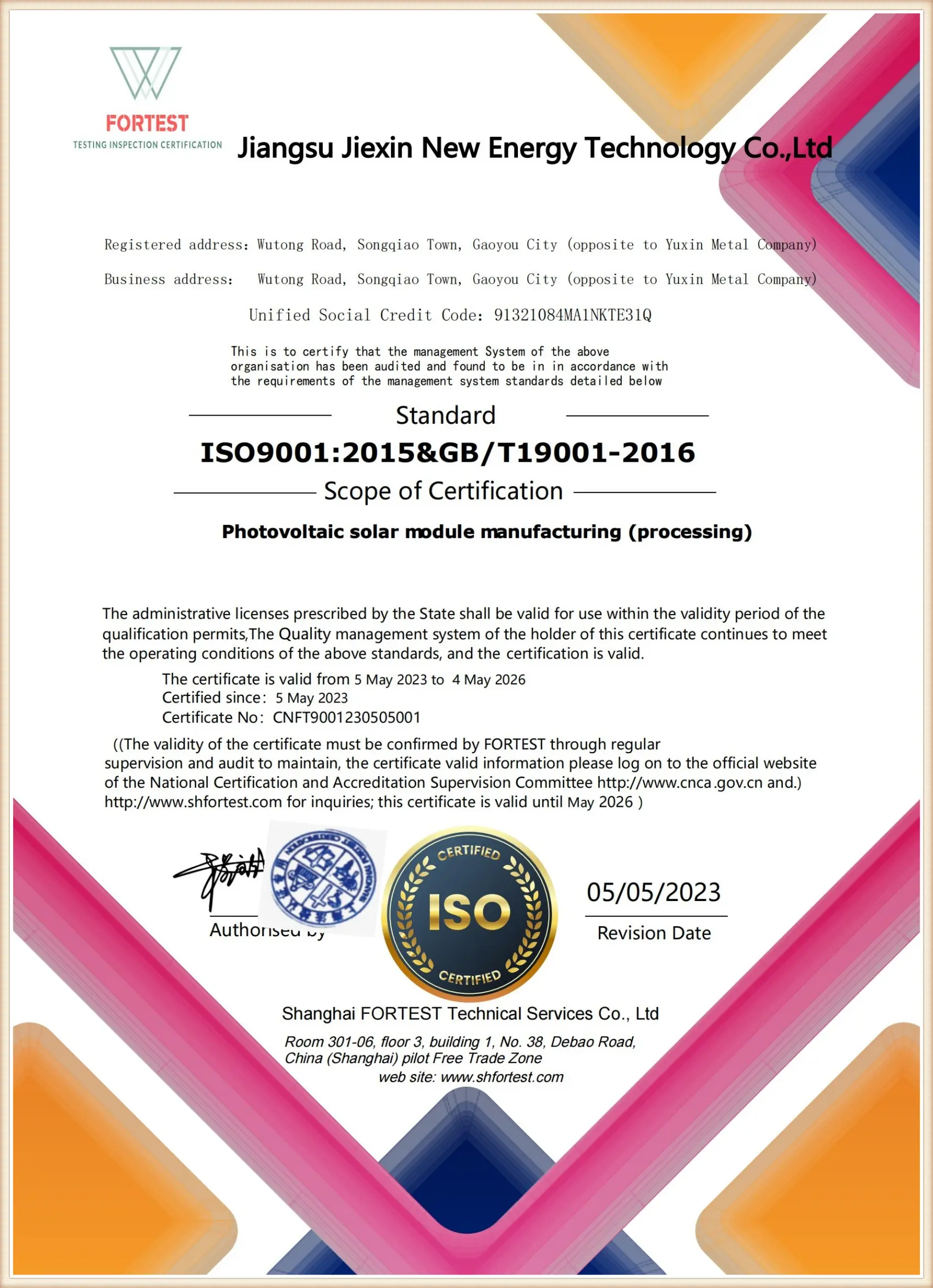
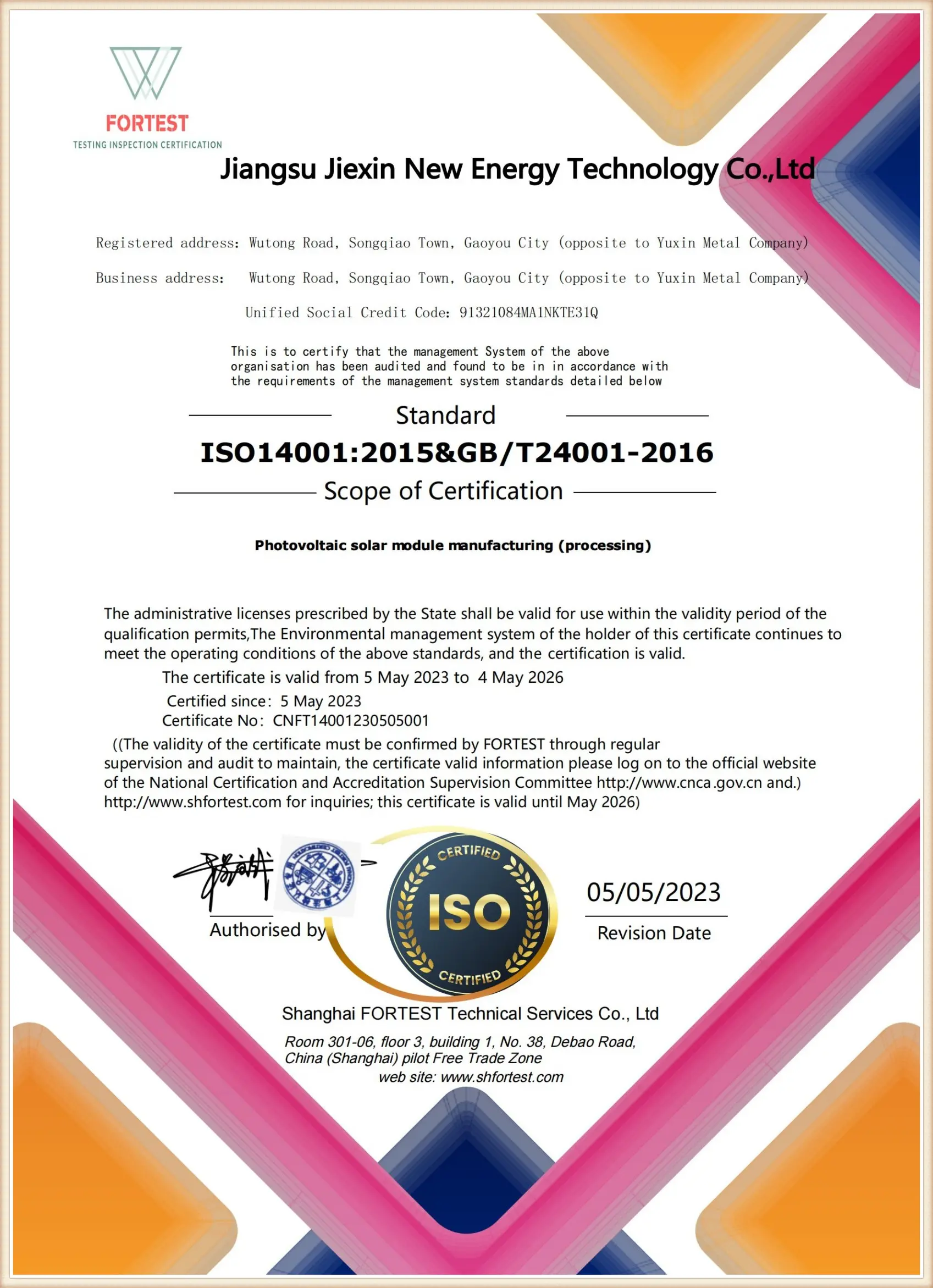
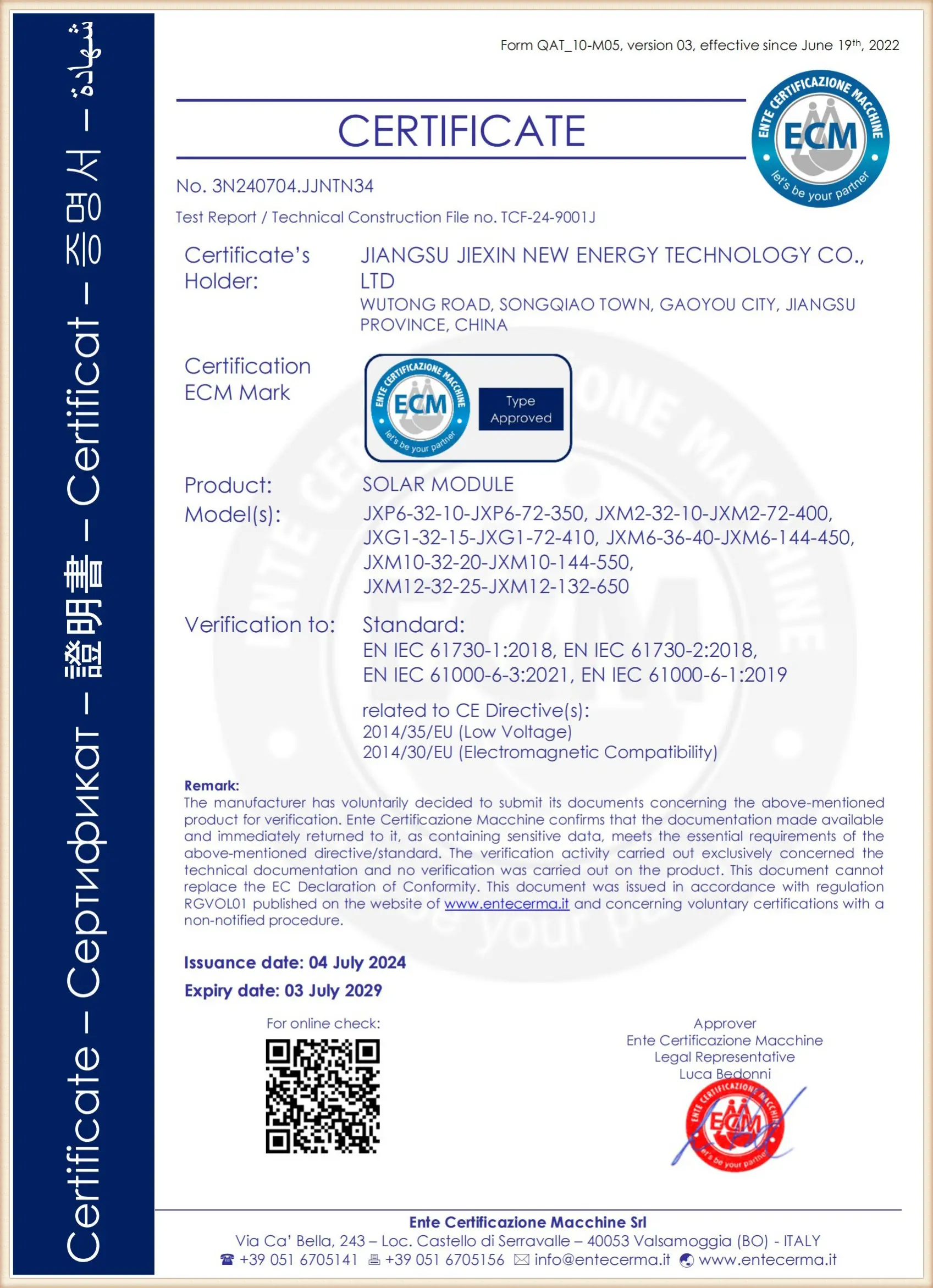
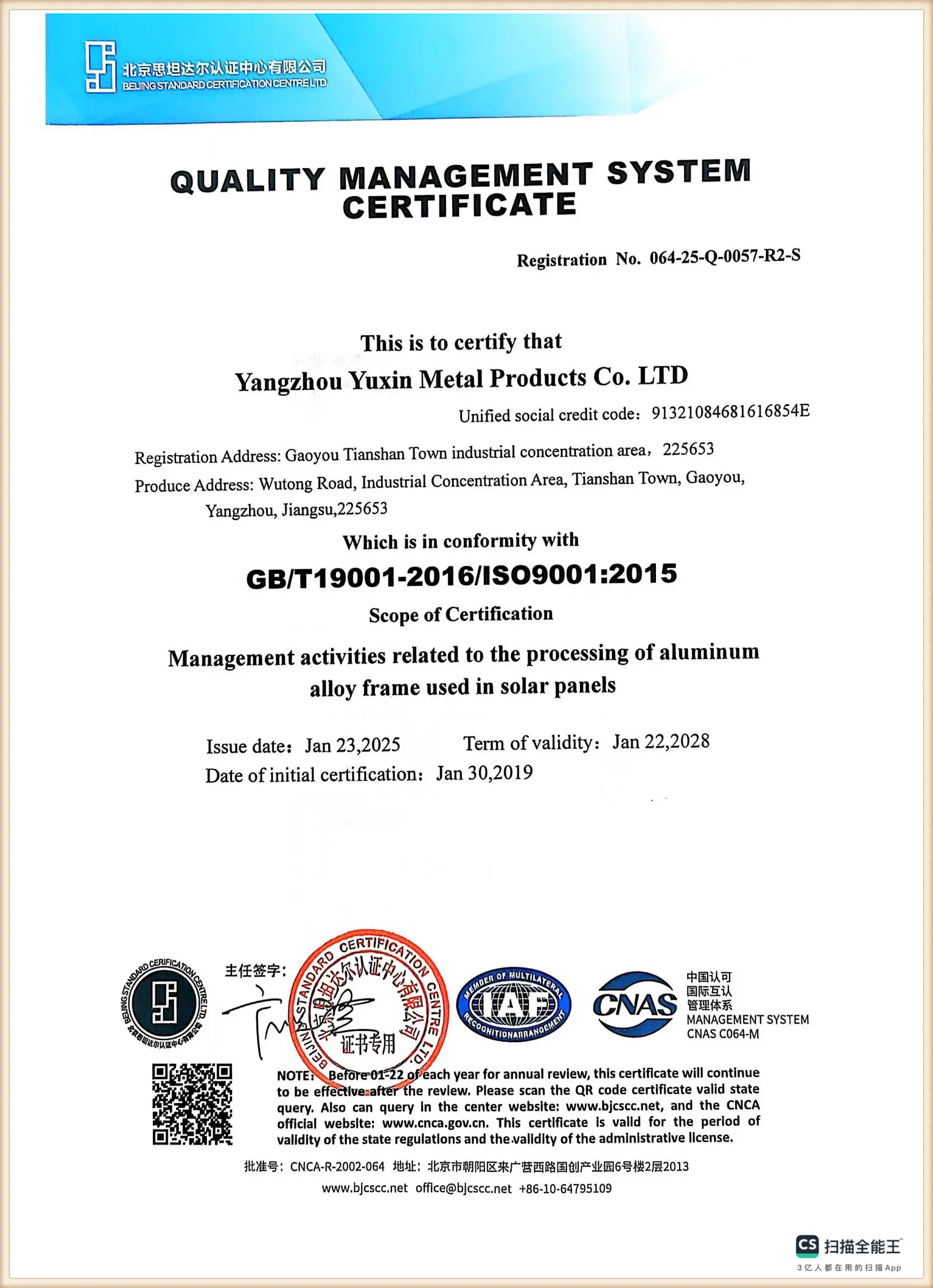
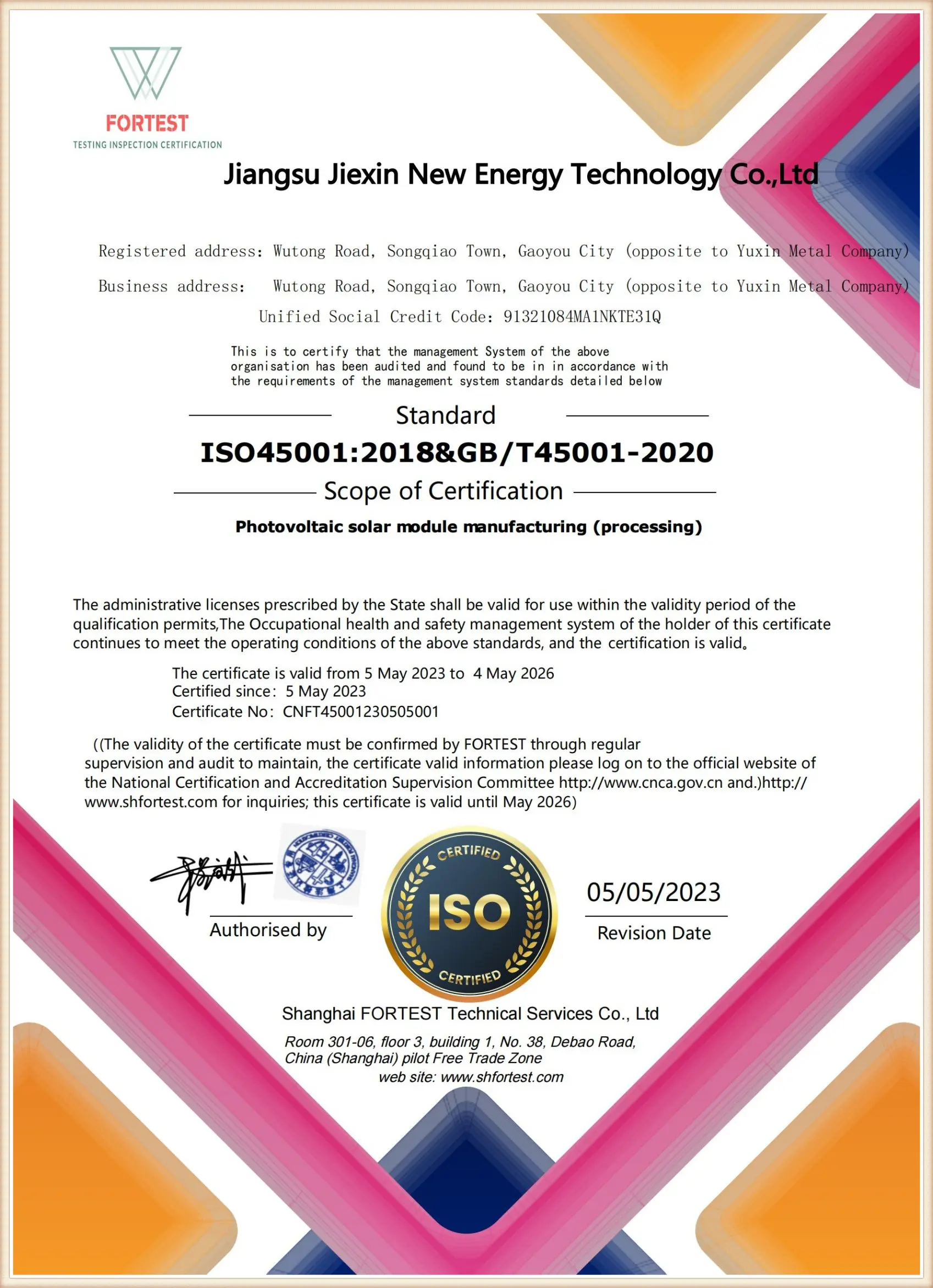
Compliance verified by leading inspection authorities for seamless customs clearance and deployment in strict regulatory zones.
Providing off-grid power solutions tailored for commercial, agricultural, industrial, and transport infrastructures.
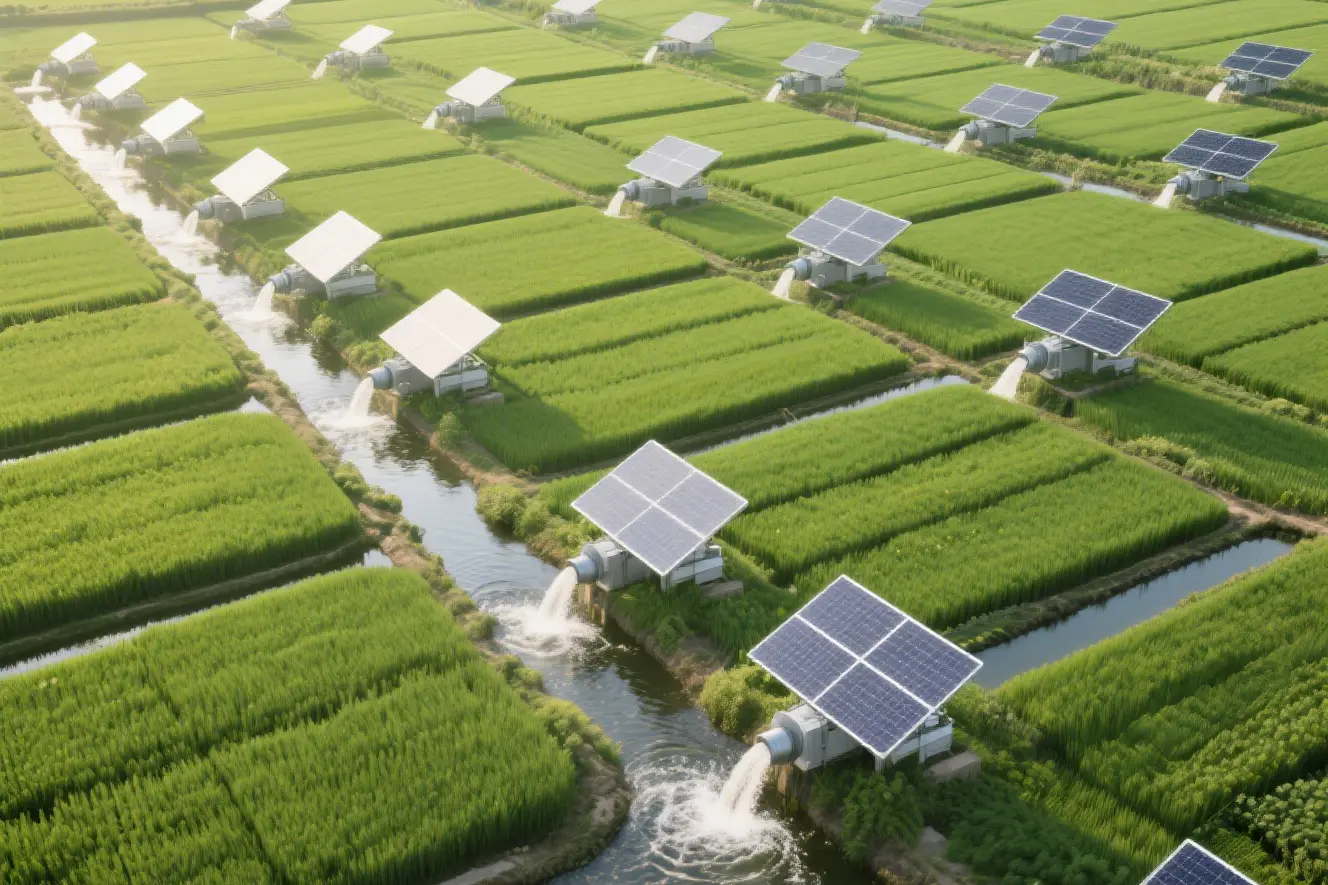
Off-grid water pumps, smart sensory networks, and cattle-feeding automation powered by modular solar systems.
Read Applications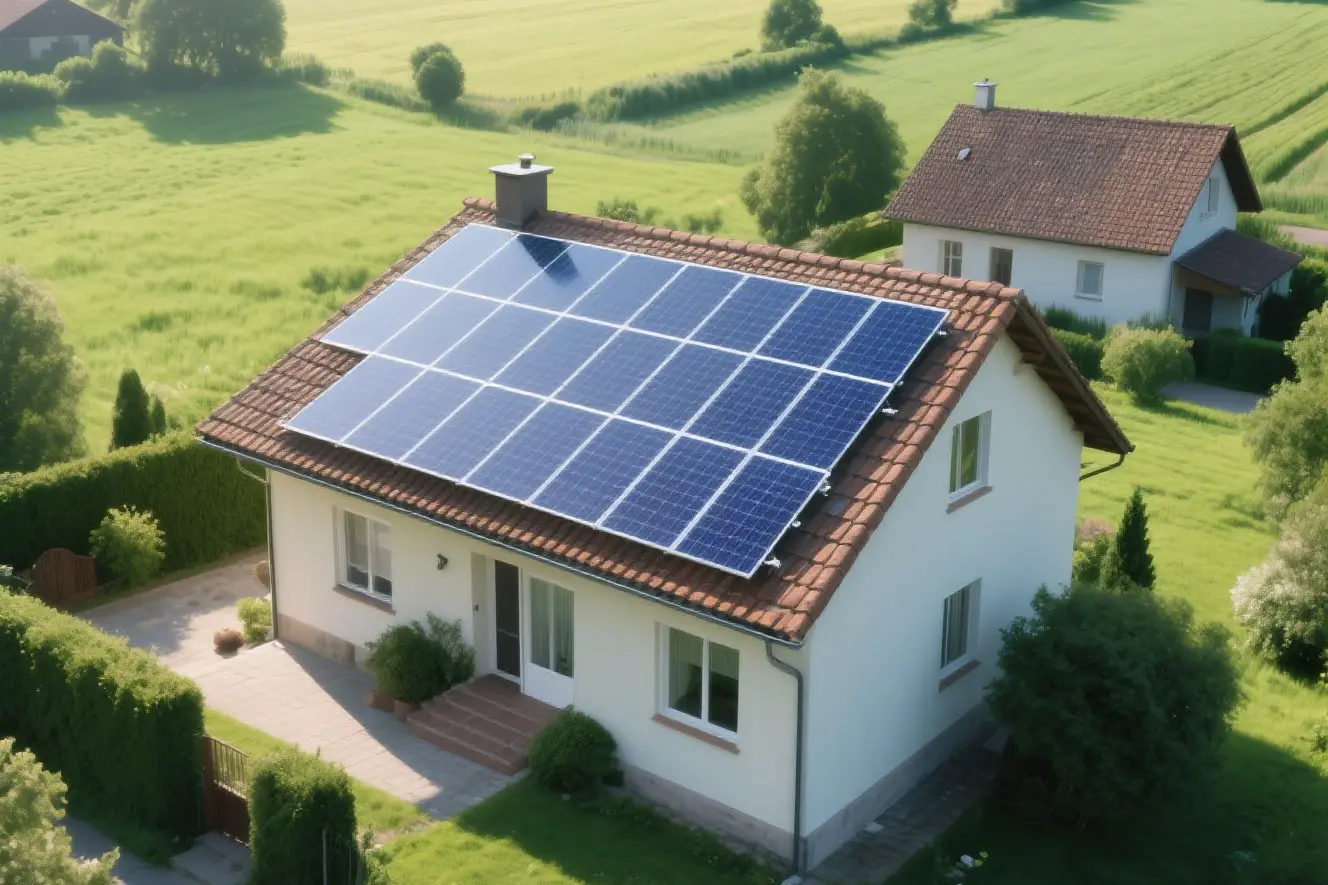
High-durability solar containers, warning lights, and power supply networks for remote civil engineering sites.
Read Applications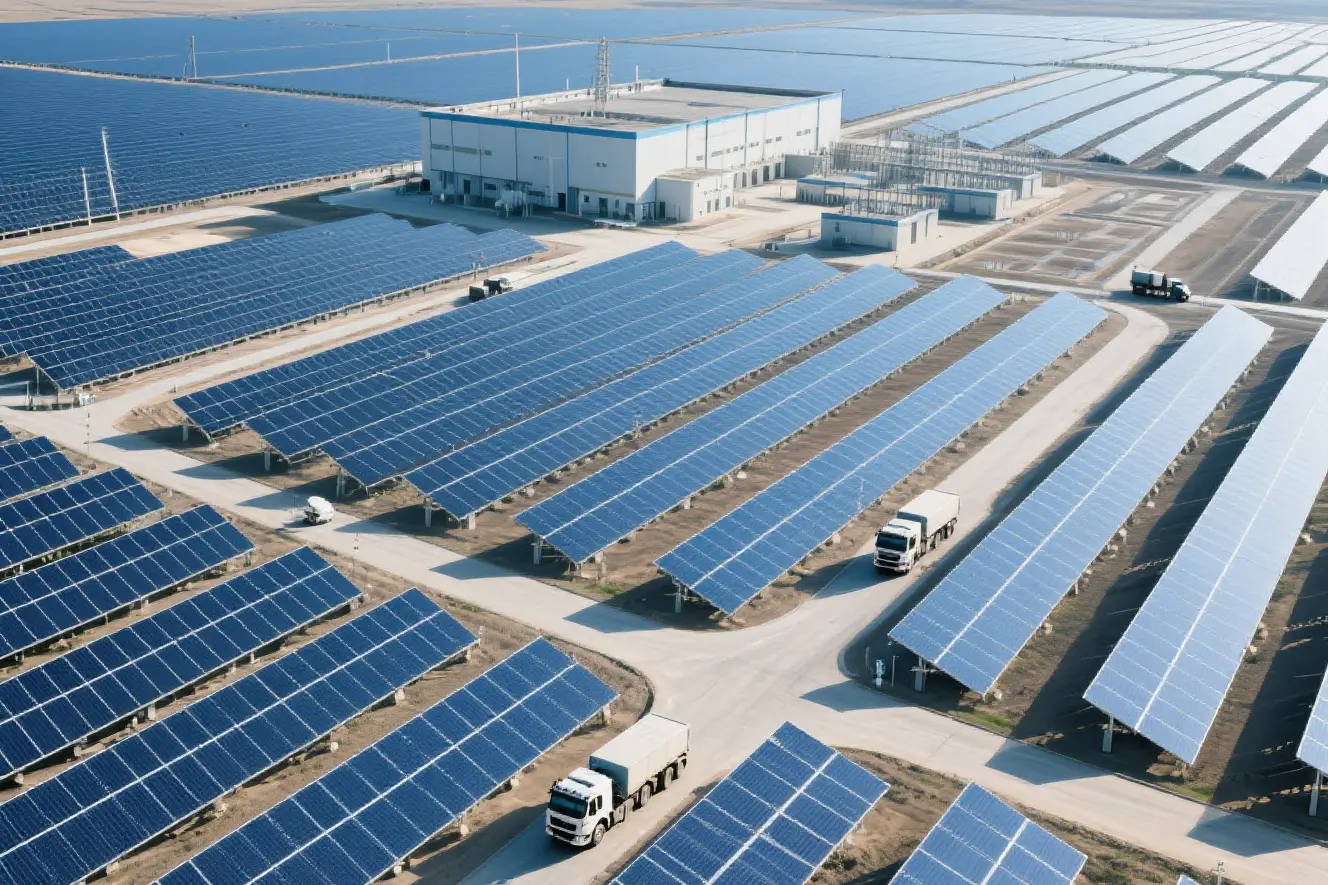
Distributed storage components, hybrid solar setups, and smart substations utilizing custom structural framing.
Read Applications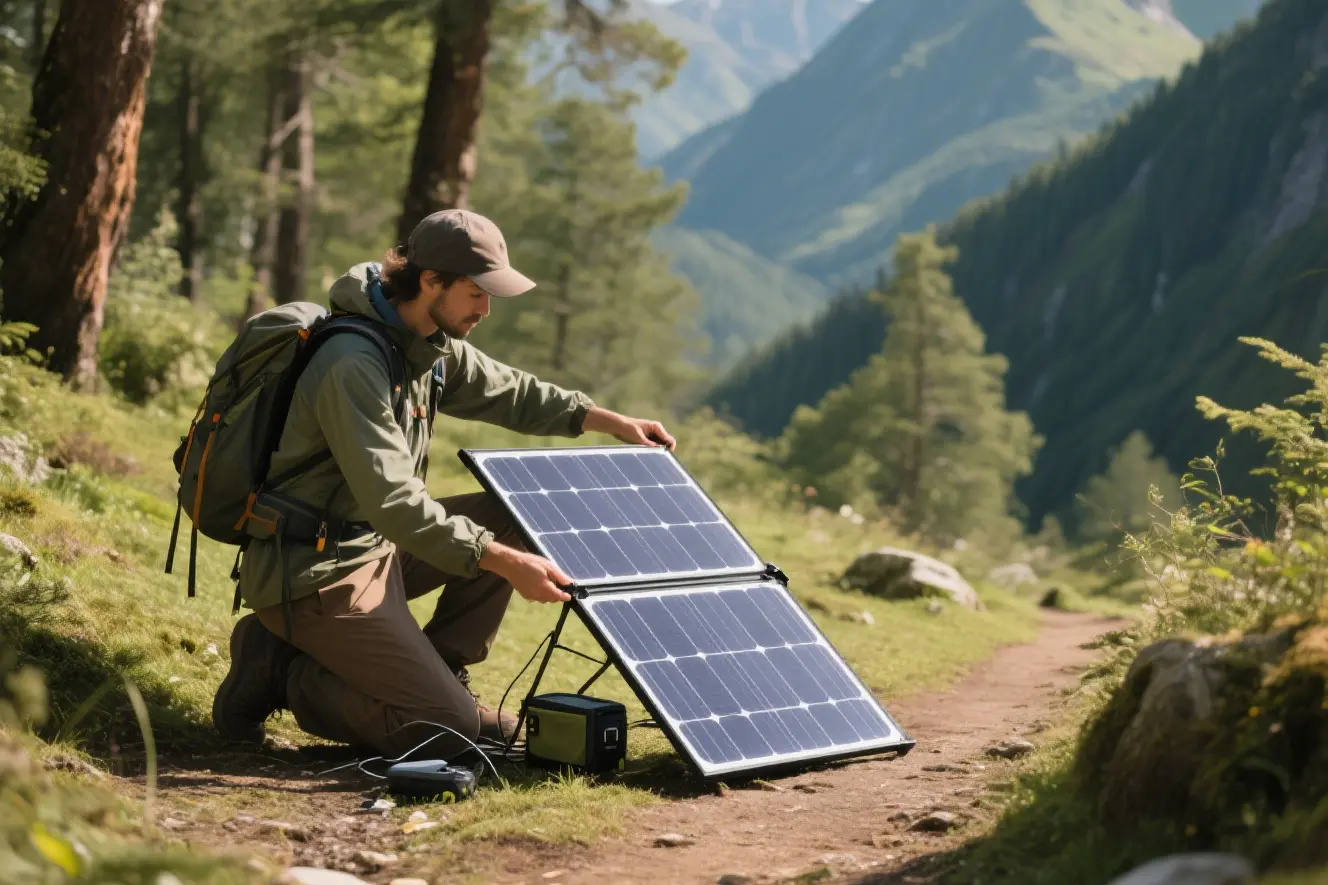
DIY solar camping components, vehicle setups, power bank integrations, and robust trekking power accessories.
Read Applications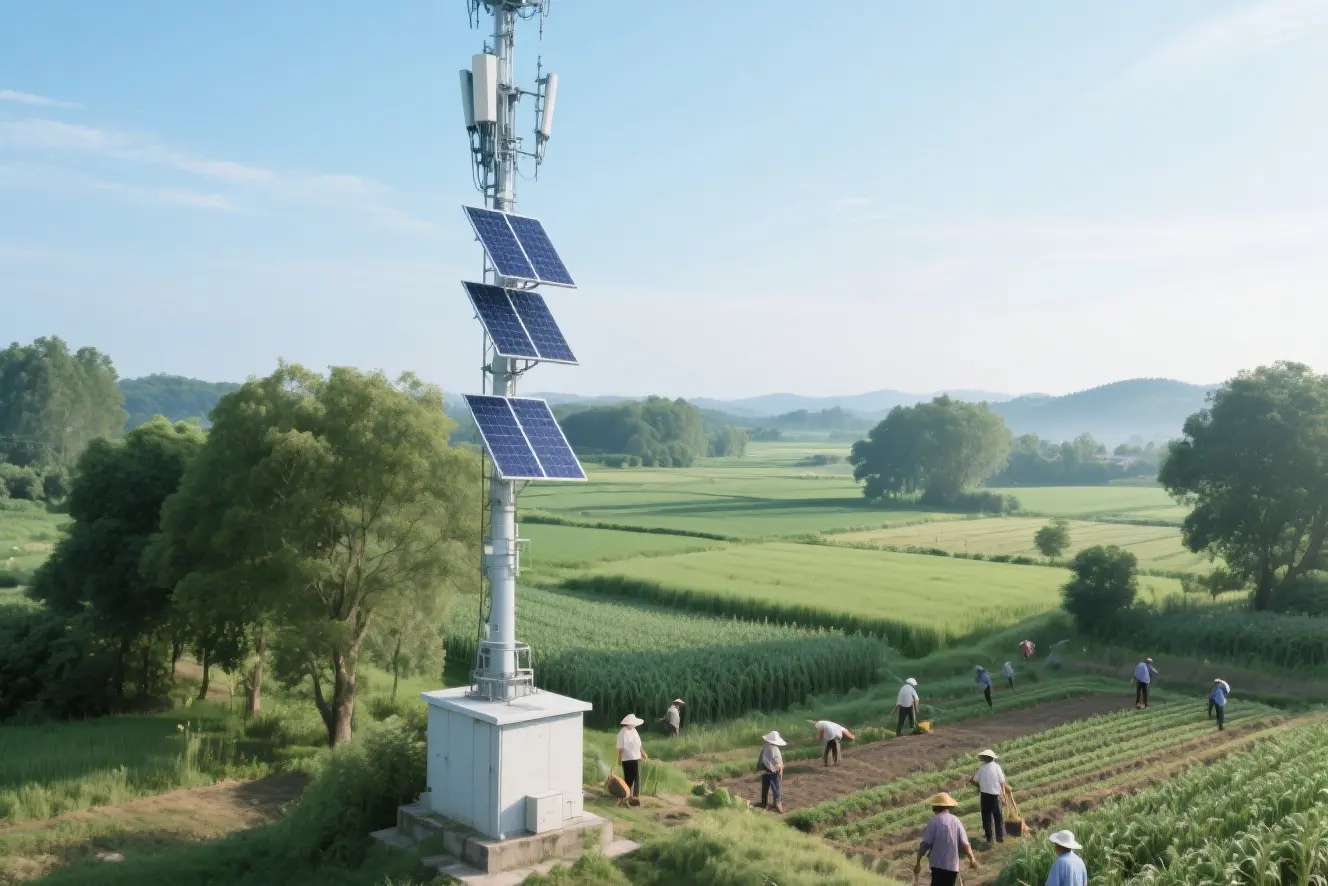
Powering mountain repeaters, weather sensory structures, and remote emergency warning units globally.
Read Applications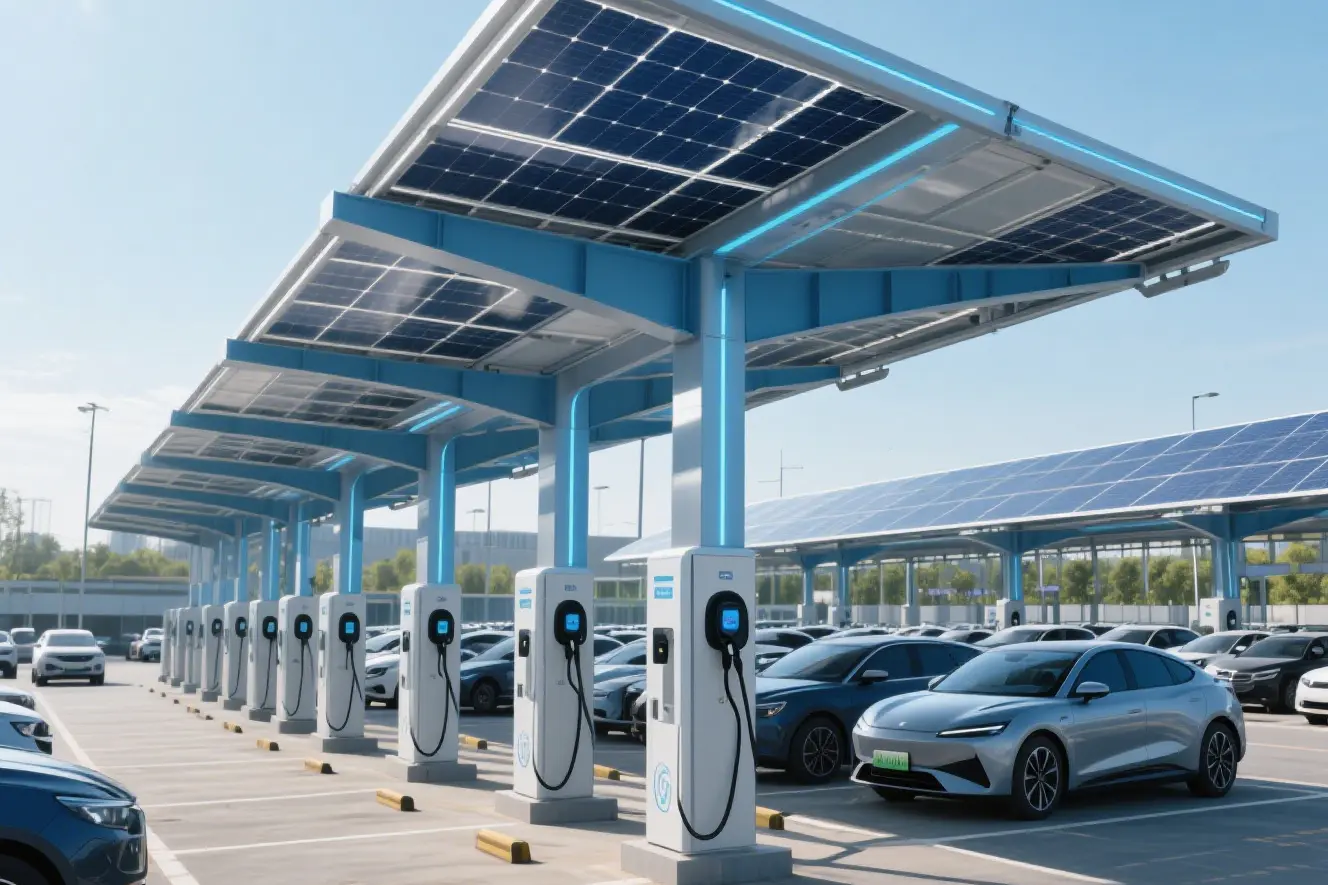
Custom solar canopies, dynamic signal indicators, highway safety cameras, and railway power backup.
Read ApplicationsFostering mutual growth and building optimized solar micro-grid supply chains alongside global industry leaders.


Explore resources covering quality control standards, framing designs, and sourcing guides in the high-efficiency PV sector.
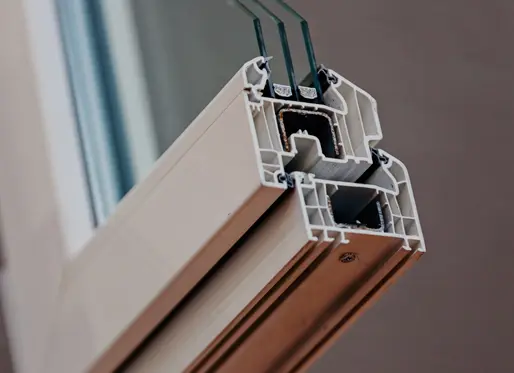
Discover the role of extrusion thickness, alloy tempering, and micron anodization depth in ensuring solar panel longevity.
View More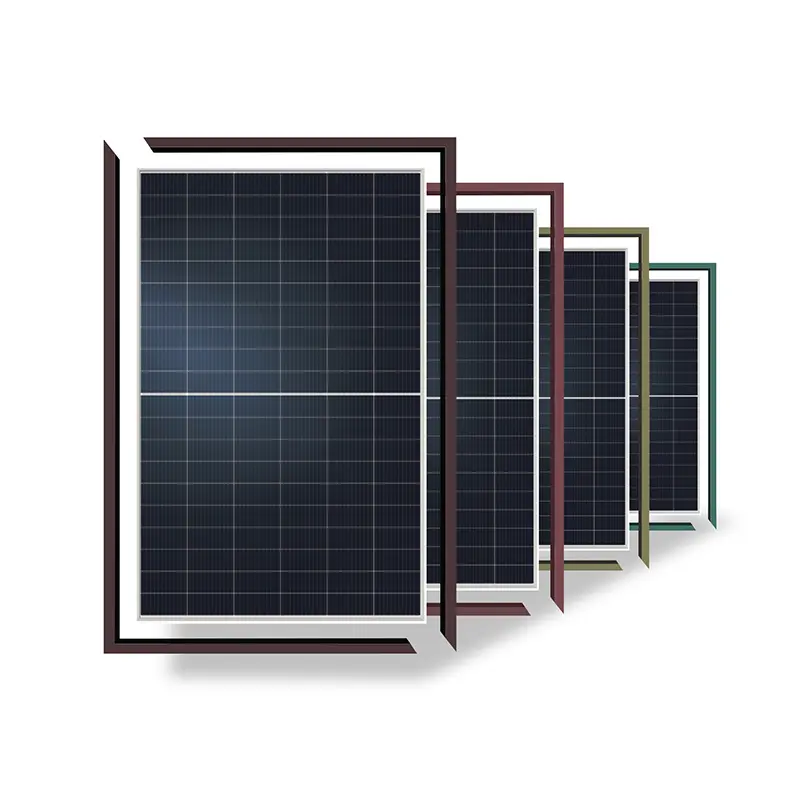
Key evaluation metrics including line capacity, testing equipment, certification levels, and custom tooling capabilities.
View More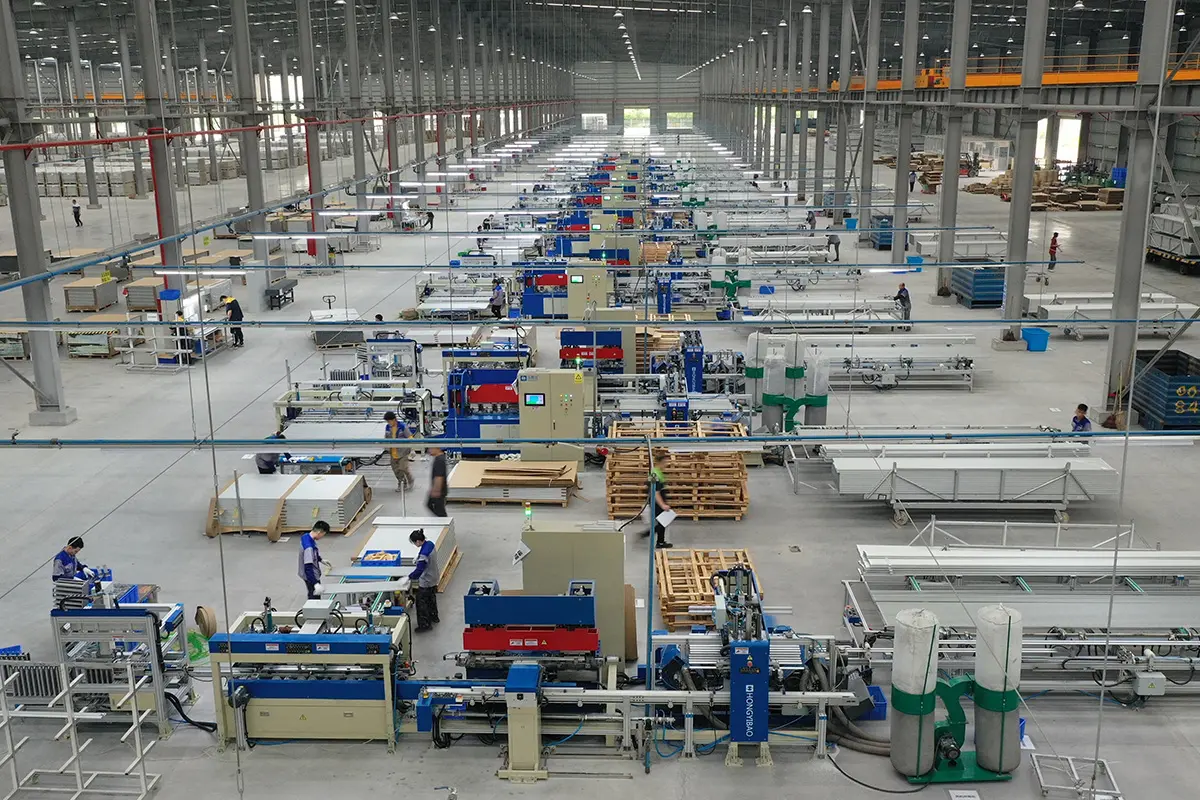
Understanding tensile tests, hardness testing, chemical composition analysis, and salt spray exposure tests.
View MoreA B2B sourcing guide detailing configuration metrics and custom layout designs for global buyers.
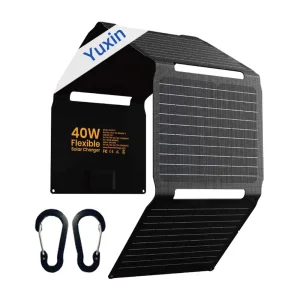
Commercial off-grid distribution networks require bespoke products. Global camping outfitters demand lightweight yet highly rigid solar systems integrated into vehicle roofs, overland trailers, or heavy-duty backpacks. YUXIN provides robust ODM/OEM customization solutions, ranging from custom logo embossing on 30W/40W/60W solar backpacking materials to the design of dedicated structural aluminum slide-out systems for overland camper vehicle bodies.
Beyond recreational camping, the DIY solar camping architecture represents a critical resource in humanitarian logistics and national civil defense frameworks. In post-natural disaster zones where centralized grids are offline, modular solar setups provide rapidly deployable electricity hubs for field hospitals, telemetry communication nodes, and fresh-water purification equipment. Global procurement departments look for easy-to-use plug-and-play connections (like pre-molded MC4 and Anderson connectors) that do not require specialized electricians to set up.
Faced with volatile ocean freight logistics and tariff fluctuations, enterprise-level importers need suppliers with robust material backlogs. With an annual capacity of 25,000 tons of structural framing and 21+ automated lines, YUXIN manages raw material procurement proactively. This structural advantage limits pricing fluctuations for large-scale purchase agreements, giving global distributors stability in their retail margins.
In-depth technical clarifications addressing cell chemistry, framing technology, structural loading, and thermal coefficients.
Full range of certified monocrystalline panels, portable chargers, waterproof bags, and structural materials for bulk trade and export.