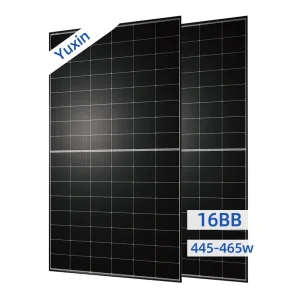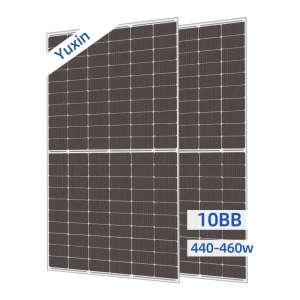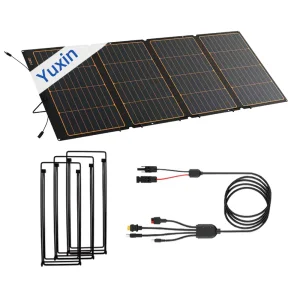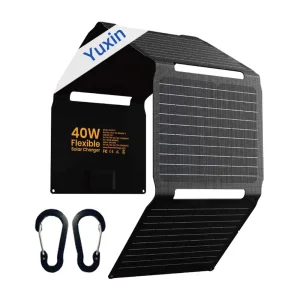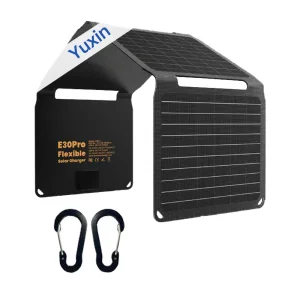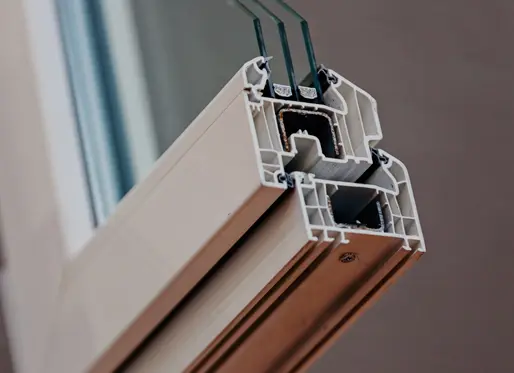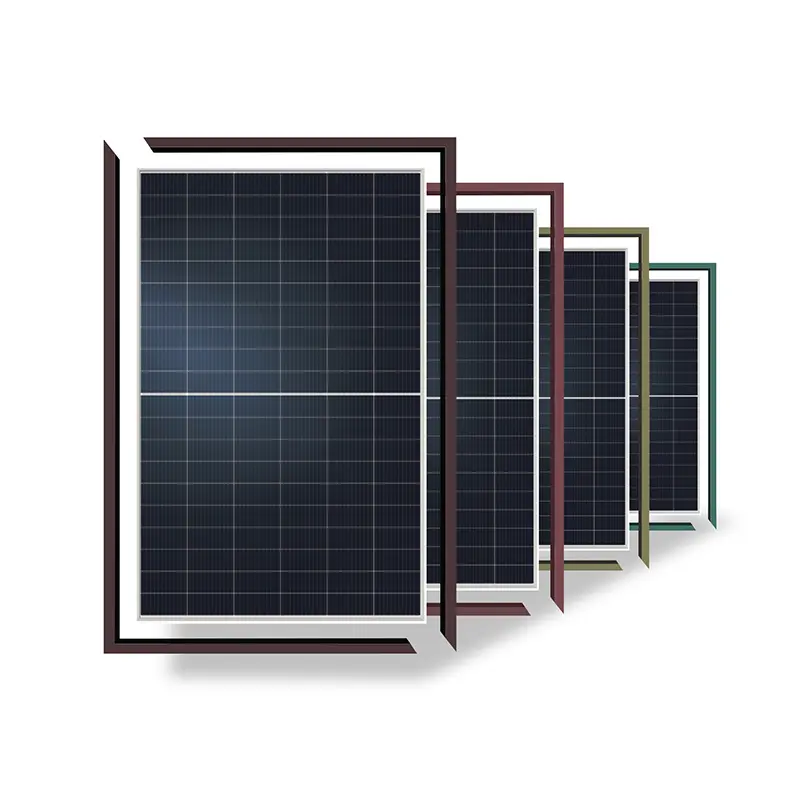
Premium grade industrial off-grid photovoltaic configurations, custom frameworks, and backup energy units engineered for rugged deployability.
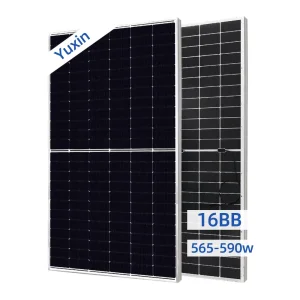
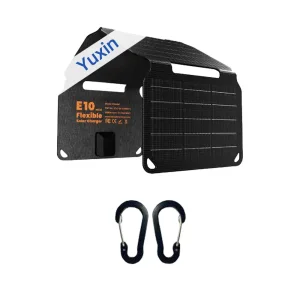
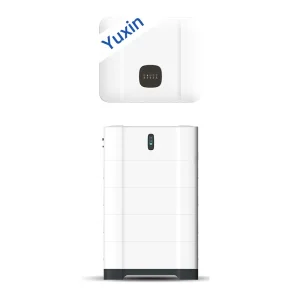
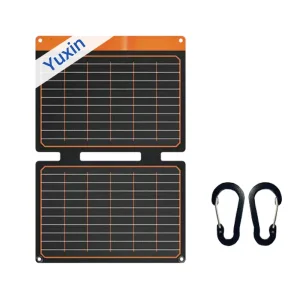
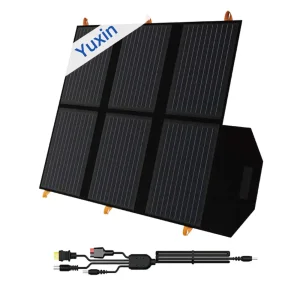
The global outdoor power and remote utility landscape is undergoing an unprecedented paradigm shift. Historically, portable electricity relied upon combustion generators, which posed severe carbon footprints, auditory disturbances, and fuel logistical bottlenecks. In the contemporary commercial, defense, and recreational sectors, "camping solar set up" frameworks have graduated from rudimentary consumer gadgets into mission-critical, high-capacity, off-grid power stations.
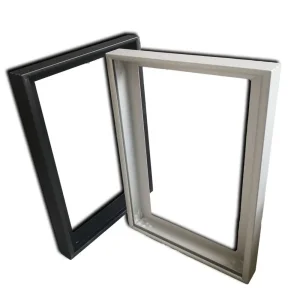
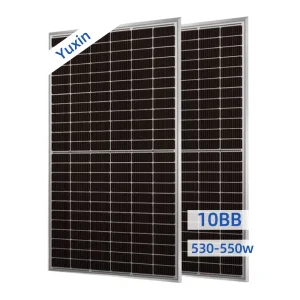
This evolution is propelled by significant technological strides in PV cell efficiencies. Monocrystalline silicon architectures, specifically PERC (Passivated Emitter and Rear Cell) and advanced N-type TOPCon (Tunnel Oxide Passivated Contact) arrays, have enabled energy conversion values to scale beyond 24%. By leveraging N-type bifacial dual glass technology, systems can capture ambient albedo reflection, boosting performance yields under heterogeneous weather conditions. Additionally, lightweight, pultruded polyurethane composite frames have begun to challenge the historical domination of structural aluminum. These novel composites lower structural weight, eliminate electrochemical corrosion, and provide extreme mechanical load resilience in transport-sensitive contexts.
Precision, Quality, and Safety - Your Photovoltaic Materials Expert. Located in the scenic historical and cultural ancient city of Yangzhou, close to the Beijing-Shanghai Expressway, Runyang Yangtze River Bridge, and Ningqi Railway, the group has a superior geographical location and convenient transportation.
Established in 2008, Yuxin has expanded to encompass 14 multi-field subsidiary companies, including Jiangsu Yuxin New Energy Technology Co., Ltd. The group holds prestigious recognition as a National High-tech Enterprise, Technology-based Enterprise, and is ranked among Gaoyou City's Top 100 Private Enterprises.
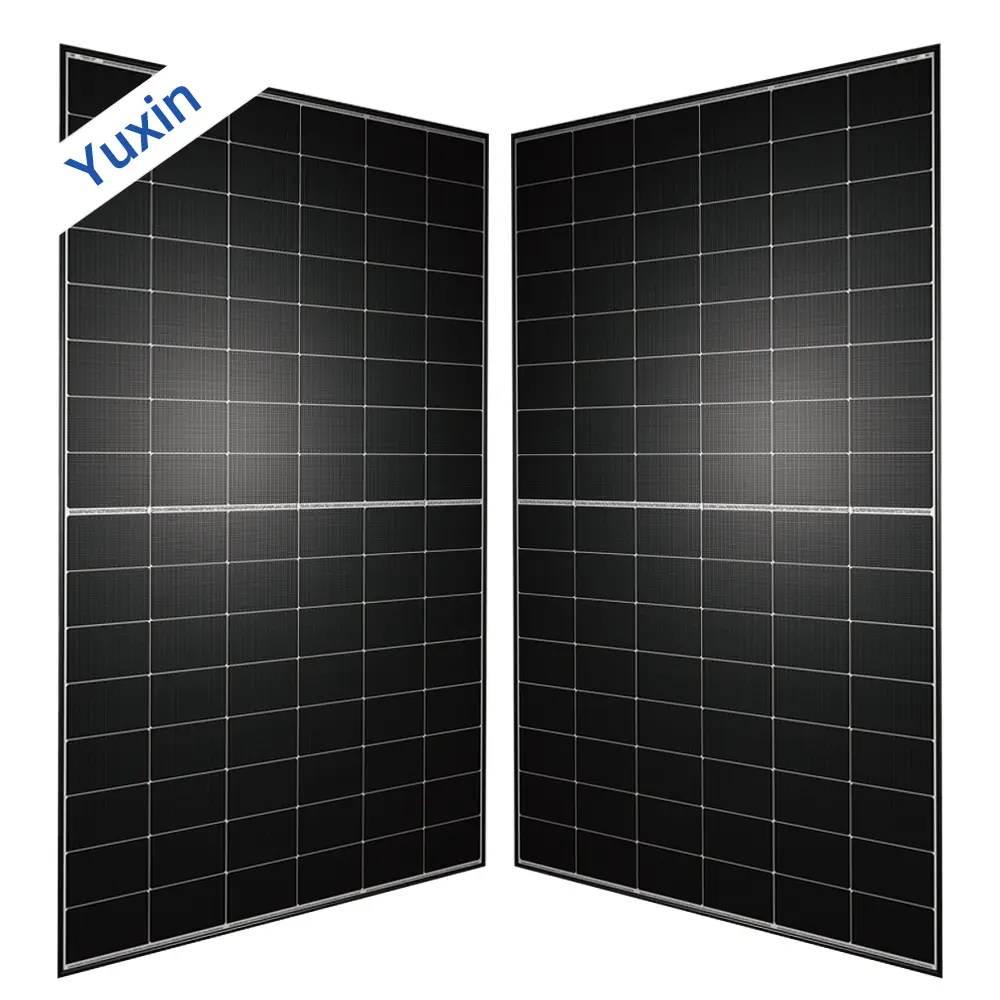
For enterprise-level procurers, government contractors, and distributors, optimizing the Bill of Materials (BOM) of a mobile solar deployment is paramount. Supply chain sourcing is no longer merely about acquiring the cheapest panel; it is an exercise in evaluating structural longevity, power degradation rates, shipping volumes, and component integration compatibility.
A professional off-grid camping setup or portable array includes several sub-assemblies: structural framing, PV cells, encapsulation materials (EVA/POE), junction boxes, backsheets, and wiring harnesses. When requesting quotes, procurement officers must demand granular transparency on the anodization thickness of aluminum frames (minimum 15 microns for C4/C5 corrosion zones) or the pultrusion composition of modern composite frames. Furthermore, cell technology determines the long-term ROI. Standardizing on N-type TOPCon panels, despite a nominal price premium over traditional PERC, reduces long-term costs due to superior temperature coefficients (-0.30%/°C) and lower first-year degradation rates (<1.0%).
Providing custom, high-reliability solar frameworks and storage systems across multiple industrial and commercial sectors globally.

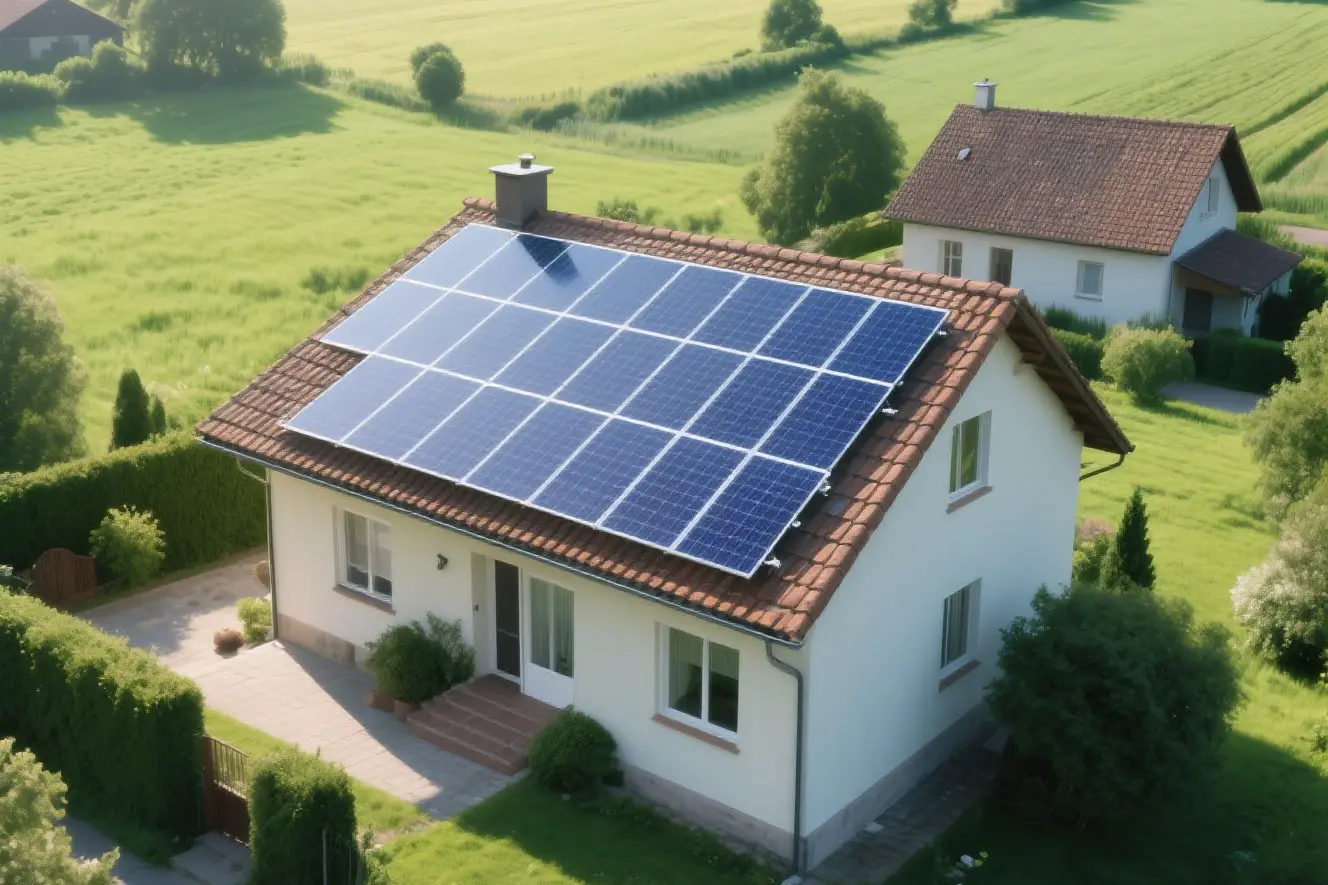
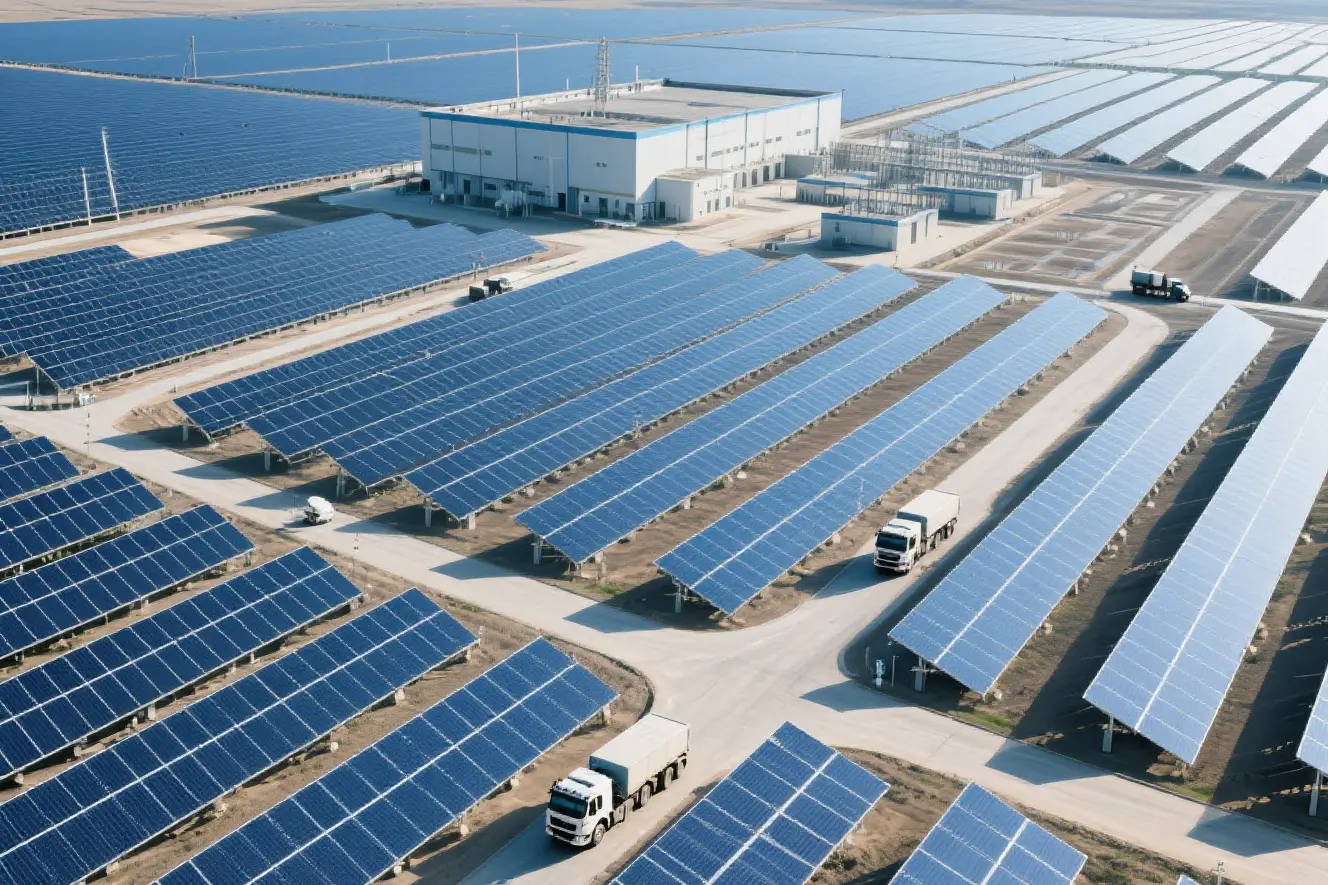
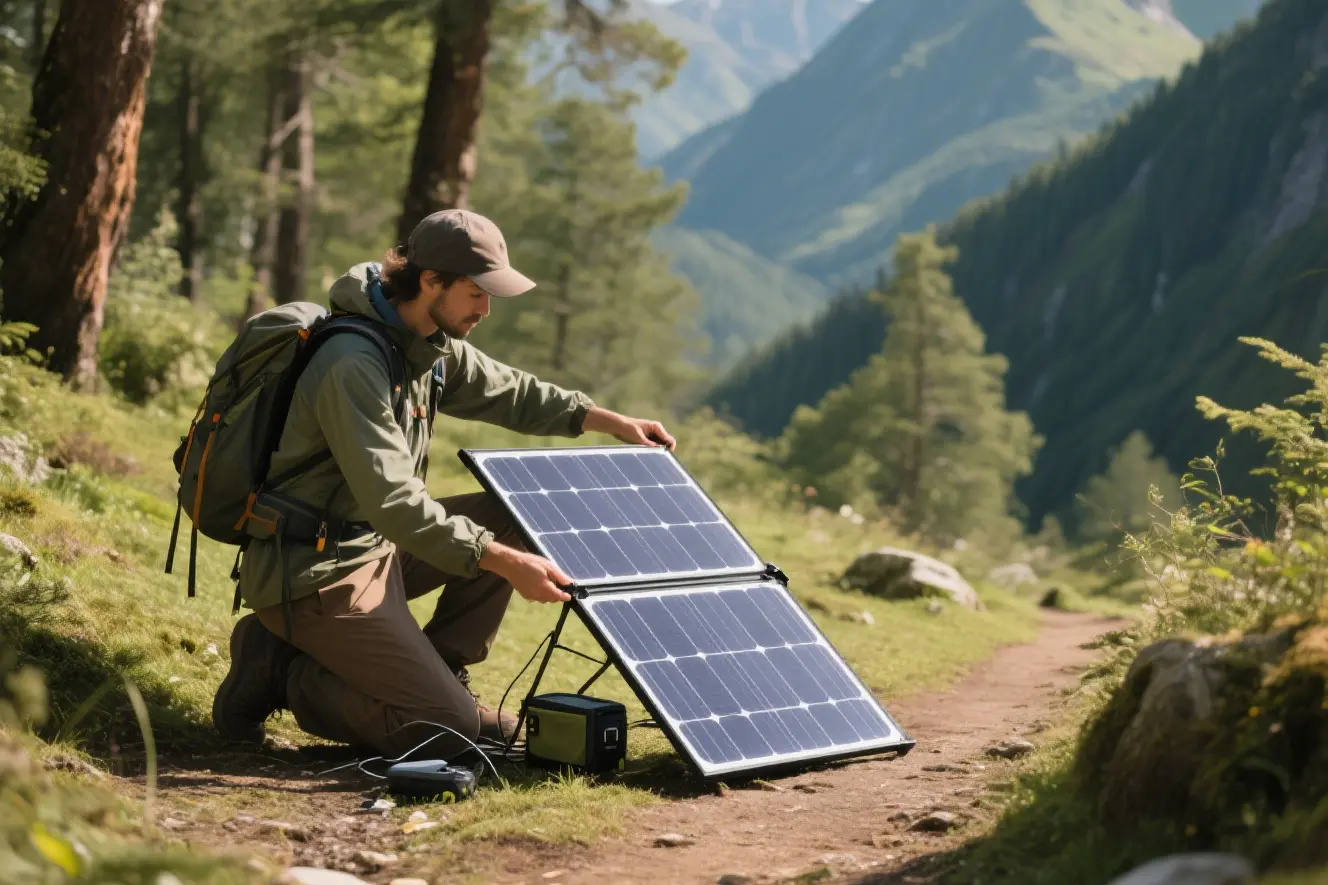
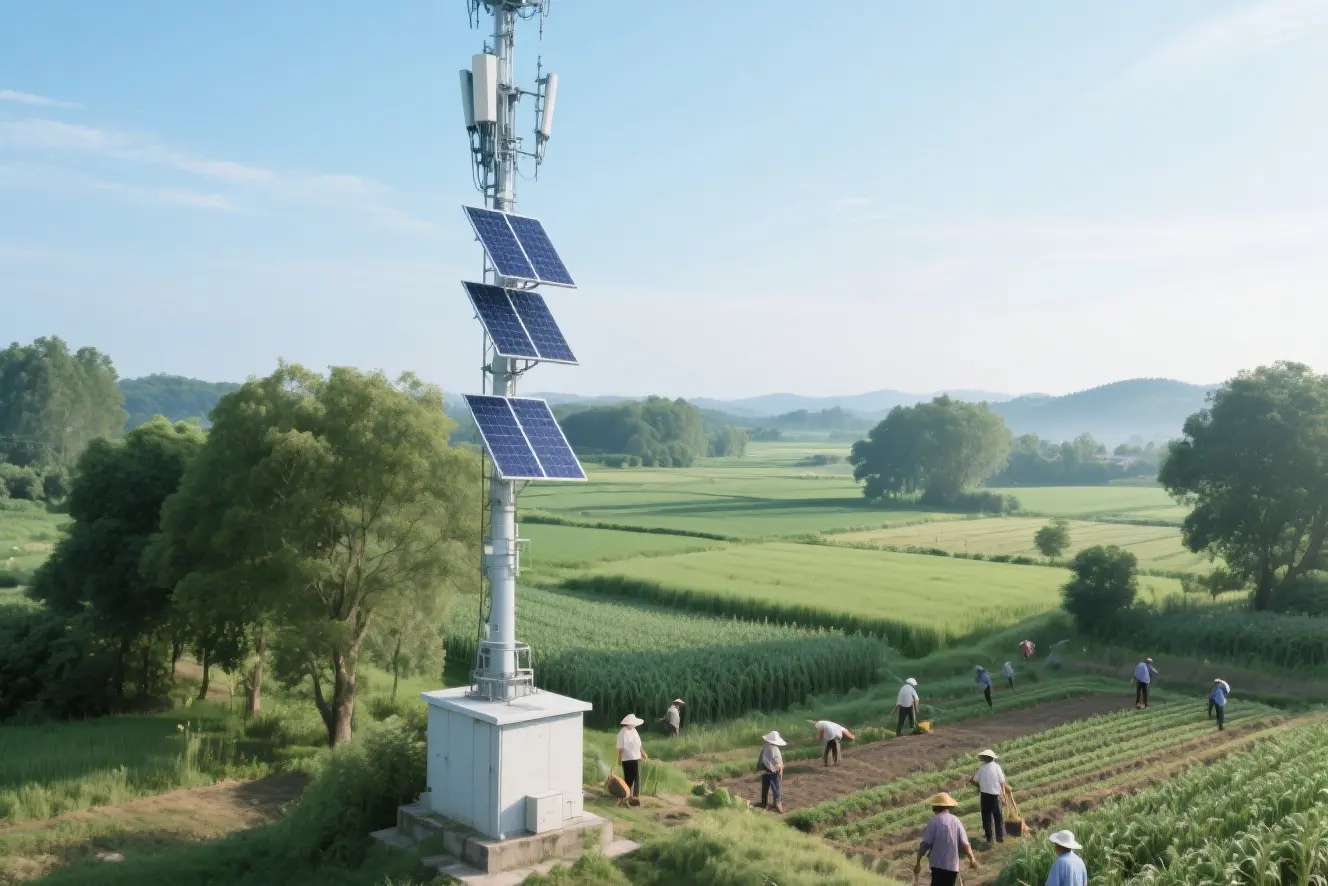
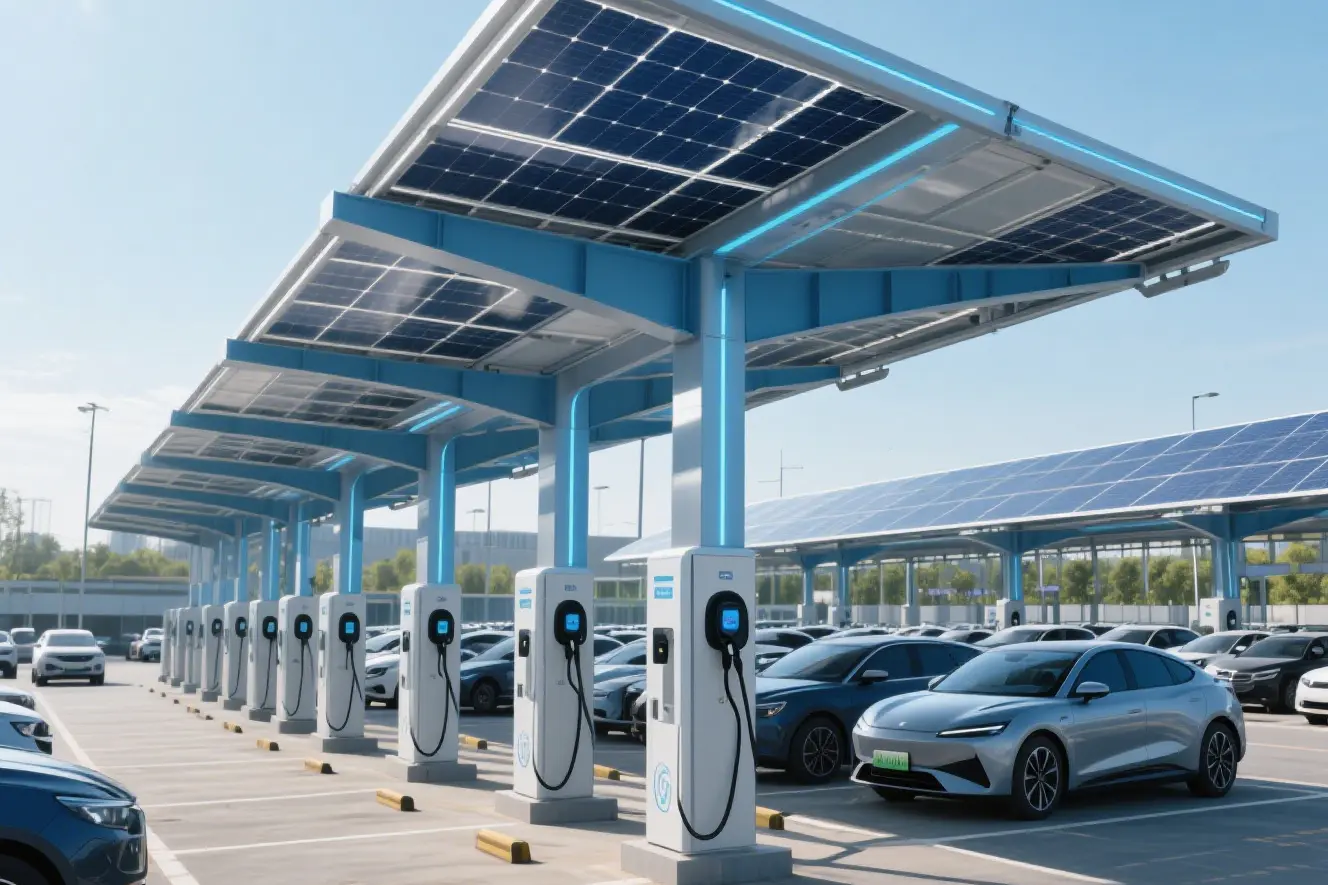
Deploying solar solutions in off-grid environments requires robust engineering. Modern remote setups utilize MPPT (Maximum Power Point Tracking) smart charging algorithms, multi-chemistry lithium batteries, and modular inverters to deliver reliable power.
Integrating these systems requires strict adherence to system-level safety protocols. High-efficiency monocrystalline panels must be paired with battery management systems (BMS) that regulate cell-level temperature, prevent thermal runaway, and maximize cycle lifetimes. In industrial settings, such as emergency communications towers or disaster recovery hubs, mobile solar rigs act as microgrid nodes. These units can operate independently or link together dynamically to scale capacity from kilowatts to megawatts.
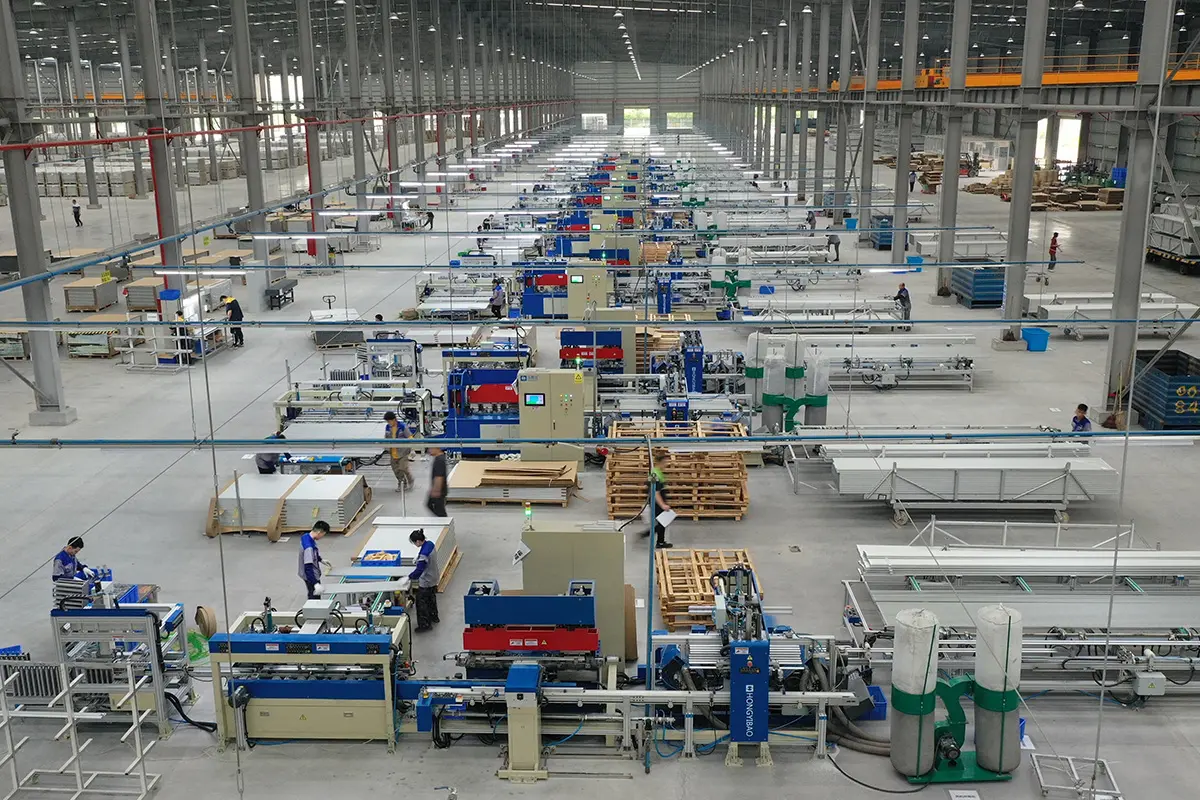
Our manufacturing and processing plants conform to strict international benchmarks, ensuring standard-compliant exports globally.
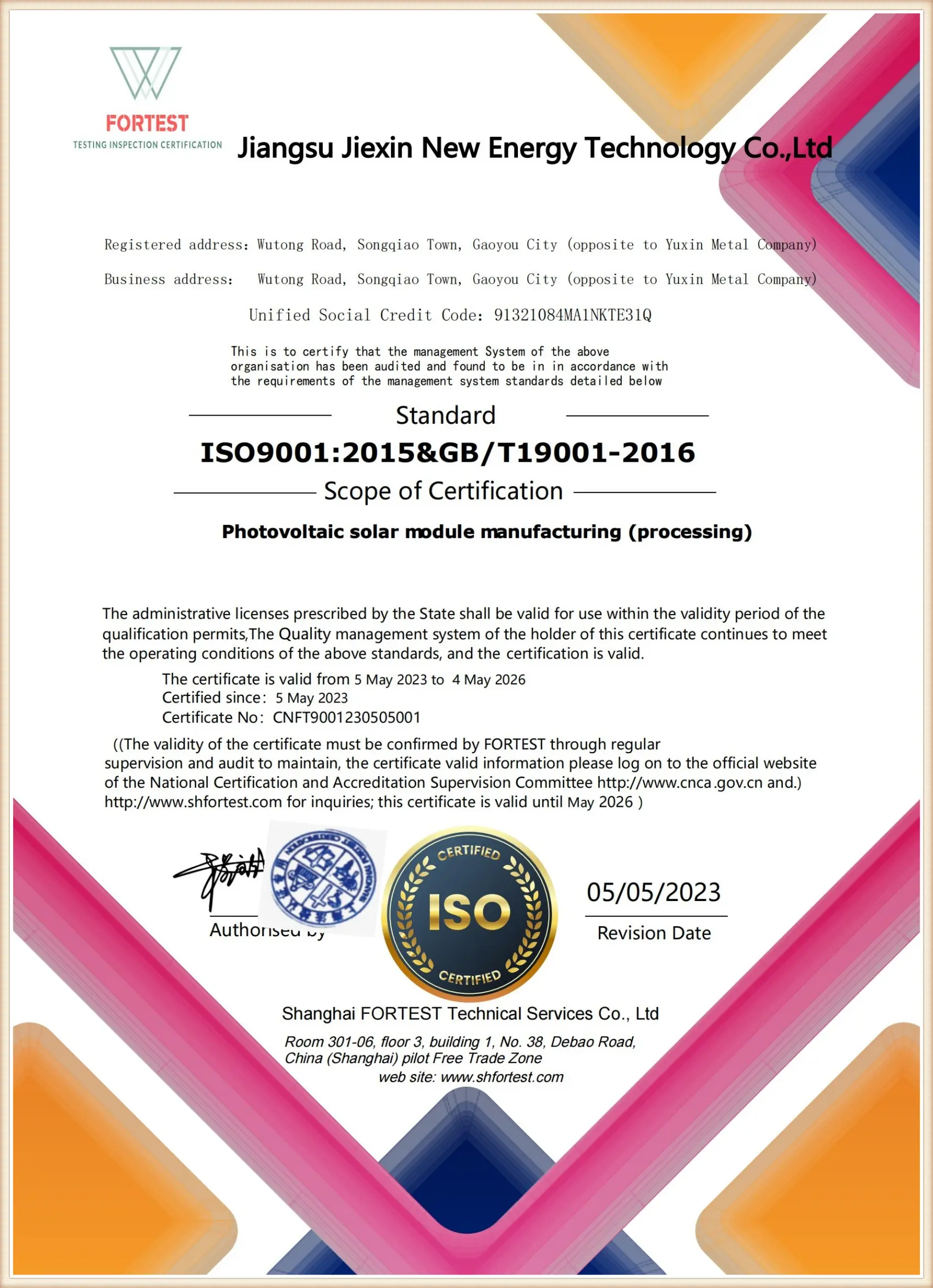
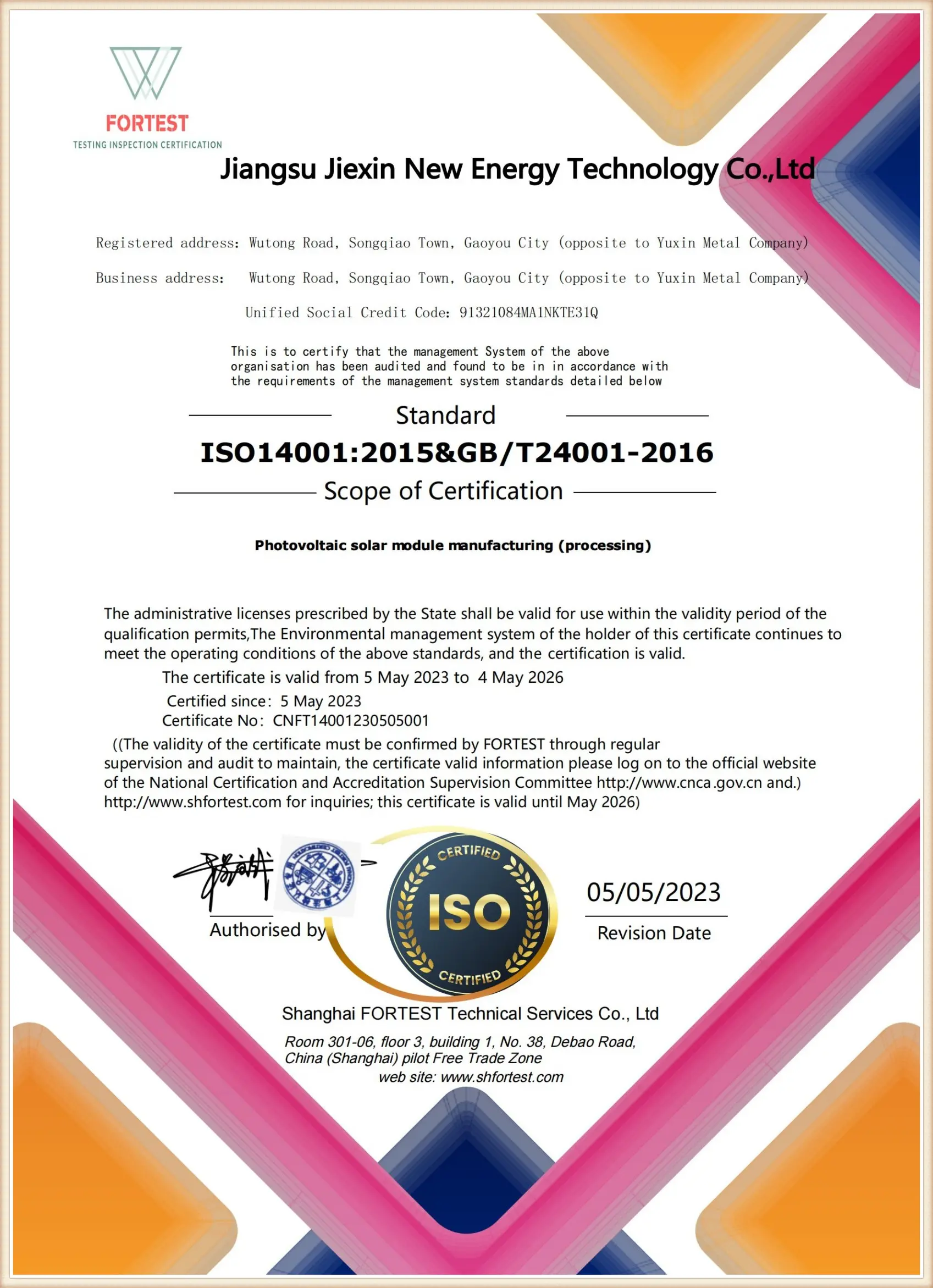
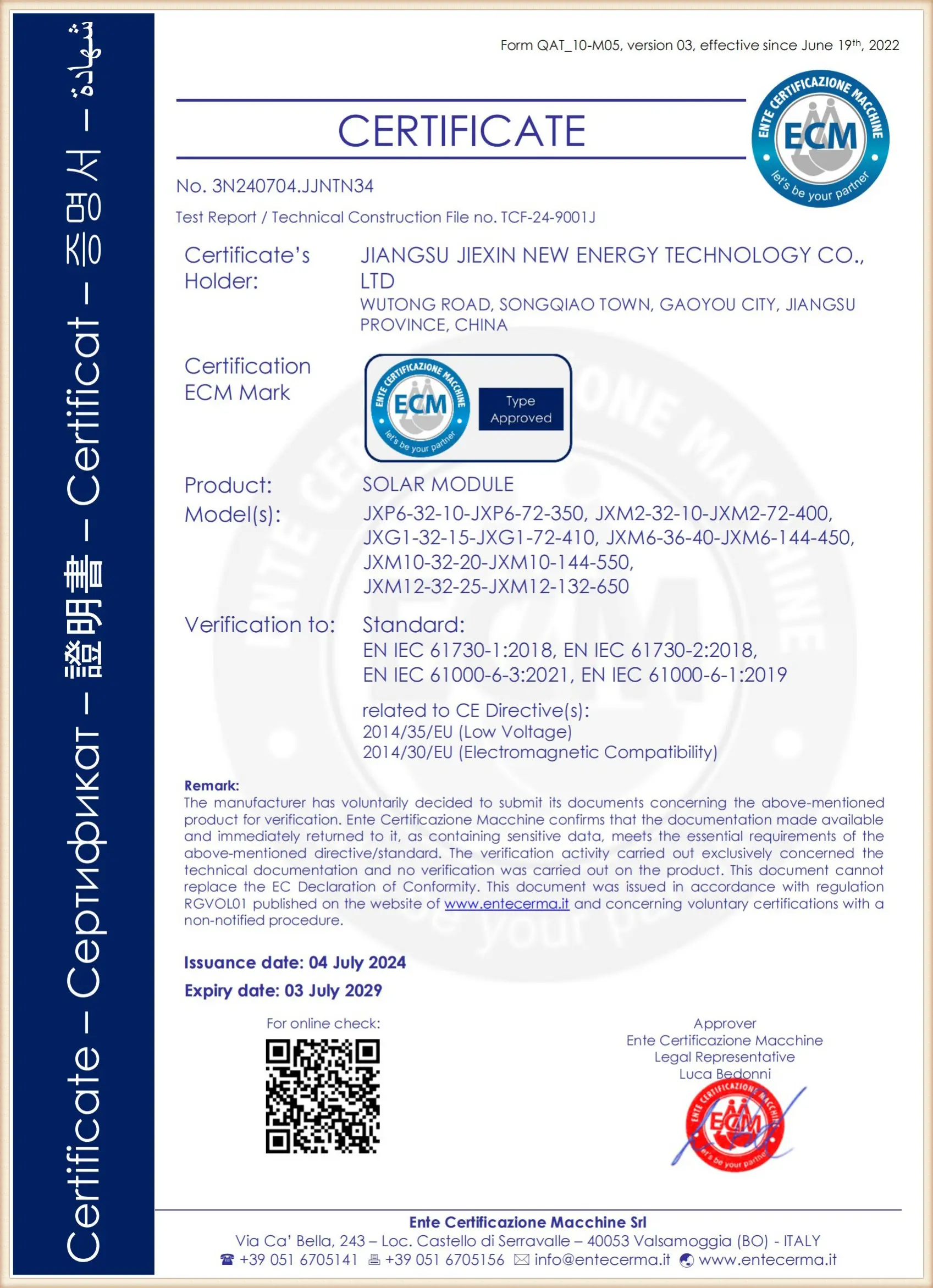
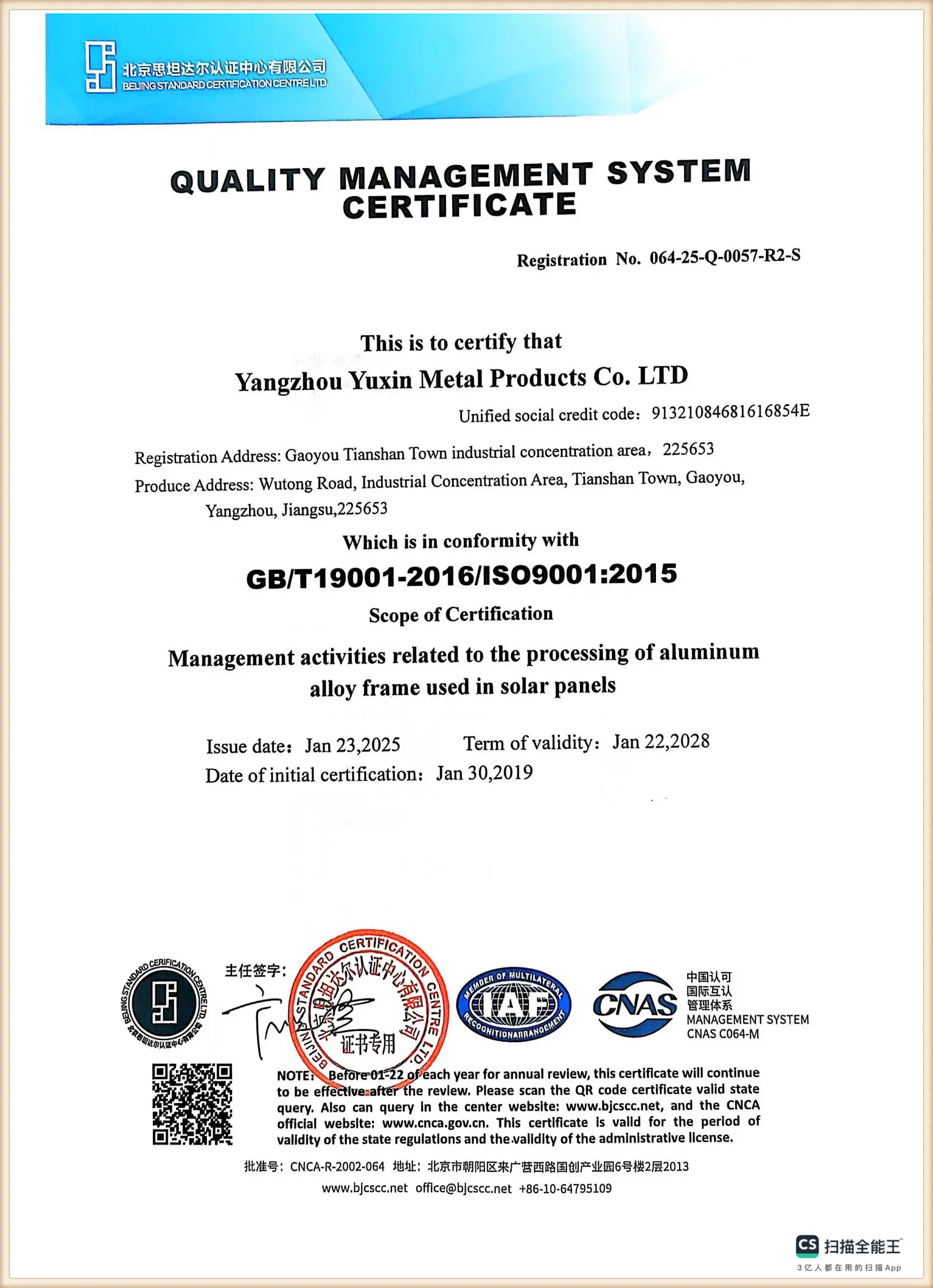
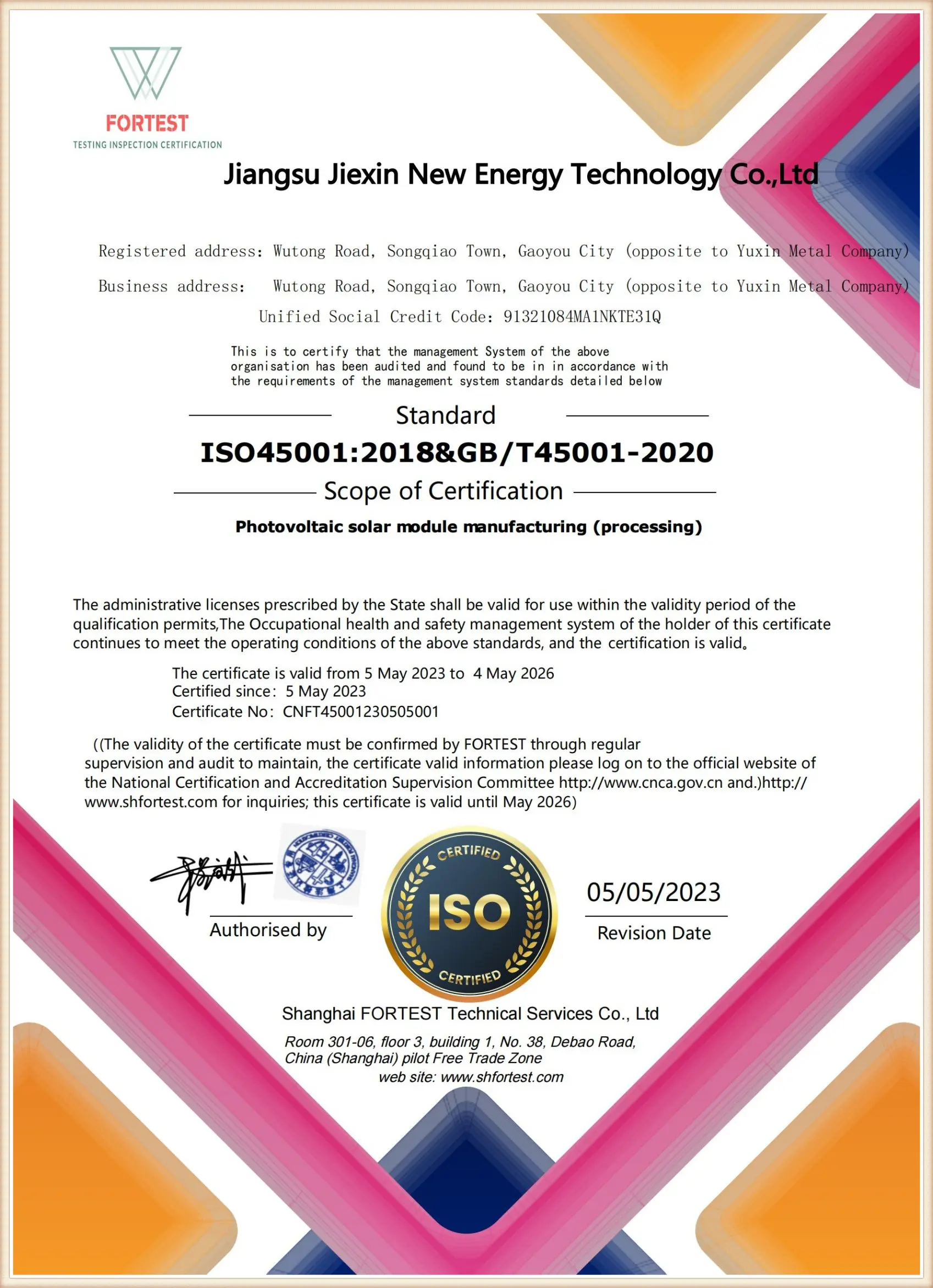
International grid regulations, product safety directives, and environmental restrictions dictate the commercial viability of outdoor PV configurations. When launching systems across multiple regions, matching localized certificates becomes mandatory. Panels must bear recognized quality marks such as CE (Europe), UL (North America), and TÜV Rheinland validation to confirm mechanical wind-load capabilities and electrical safety margins.
Additionally, modern solar frames must pass rigorous environmental testing. Polyurethane composite frames must resist chemical degradation in agricultural settings and maintain structural integrity under salt mist conditions in coastal zones. This testing ensures that portable solar systems remain operational under diverse climate profiles, mitigating performance failures in high-liability public utility applications.
Over more than a decade of development, Yuxin has fostered collaborative relationships with leading enterprises worldwide.

The trajectory of remote off-grid solar equipment points toward increased power density, structural integration, and system automation. Monocrystalline silicon cell architectures will continue to dominate the commercial landscape, with production capacities shifting to Perovskite-Silicon tandem junctions. These tandem cells offer theoretical conversion efficiencies exceeding 30%, which will significantly increase the output density of mobile PV installations.
Concurrently, structural engineering is replacing heavy metal frames with advanced composite materials. Polyurethane composite frames offer high strength-to-weight ratios and high electrical insulation properties, eliminating the need for system grounding in fast-deploy setups. Integrating these structural innovations with smart IoT telemetry will allow fleet operators to monitor output, predict maintenance cycles, and optimize energy production in real time.
Read the latest deep dives and expert articles from our engineering team regarding frame durability, quality checks, and choosing supply partners.
Expert answers addressing the primary design, safety, and logistical queries raised by industrial buyers.
Polyurethane composite frames utilize a fiberglass-reinforced pultruded structure, providing high mechanical strength, chemical corrosion resistance, and low thermal conductivity. Aluminum frames are highly conductive, requiring separate system grounding, whereas composite frames provide electrical insulation. This simplifies site setup by removing grounding requirements in dry or rocky soils.
Solar cells lose efficiency as operating temperatures rise above 25°C. Traditional PERC modules have temperature coefficients of -0.35% to -0.39% per °C. In contrast, N-type TOPCon monocrystalline structures reduce this rate to -0.30% per °C. This ensures higher power yields in high-temperature environments, such as desert deployments or tropical areas.
Bifacial dual glass panels feature transparent active cells on both sides. The rear side captures albedo reflection from surrounding ground surfaces (such as sand, gravel, or snow). Half-cut cell geometry also reduces internal electrical resistance and minimises hotspot risks, ensuring reliable system yields even under partial shading conditions.
Anodized aluminum frames must feature a oxide film layer thickness of ≥ 15μm (Class AA15) to prevent corrosion. The frames must also pass mechanical load testing (typically 5400 Pa snow load and 2400 Pa wind load) to verify structural integrity under extreme climate conditions.
Heavy-duty solar panel configurations, waterproof mobile power stations, and custom installation kits engineered for off-grid applications.