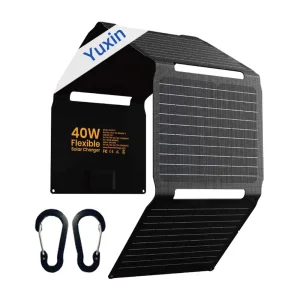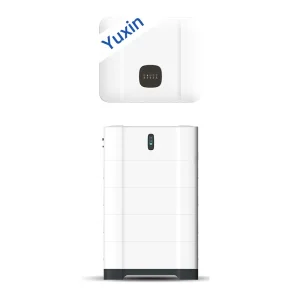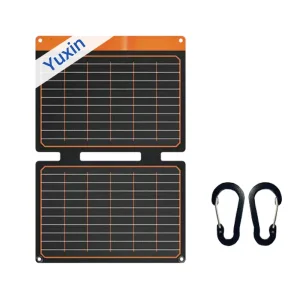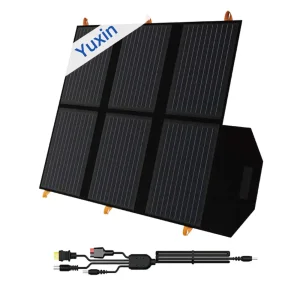
Direct factory quotes for high-efficiency solar modules, portable configurations, and heavy-duty outdoor structural frames.
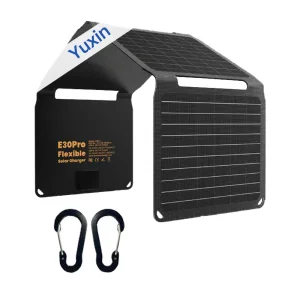
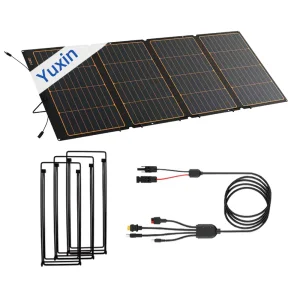
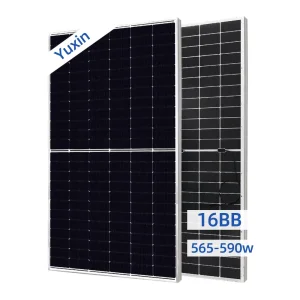
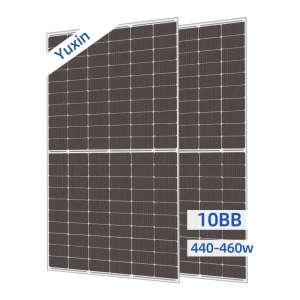
The outdoor recreation, military deployment, and emergency response sectors are undergoing a significant shift in mobile power architecture. Historically, mobile energy capture for camping and off-grid survival was limited to low-voltage DC topologies (typically 12V or 24V). However, the modernization of portable equipment, high-draw overland appliances, and field-based laboratory gear has spurred global demand for 240V camping solar panels and integrated micro-inverter microgrids.
Low-voltage DC systems suffer from severe ohmic losses over relatively short distances. A typical 12V system carrying 20A of current loses significant power over a 5-meter copper cable, forcing installers to use thick, heavy gauge wiring. By stepping up the system framework either through modular high-voltage strings or inline high-frequency micro-inverters to achieve standard 240V outputs, transmission losses drop by up to 96%. This allows field personnel to deploy solar arrays up to 50 meters away from the primary battery storage center, ensuring panels are positioned in optimal solar conditions while the campsite remains shaded.
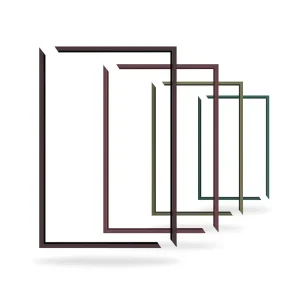
Additionally, modern camping systems utilize specialized materials such as polyurethane pultruded composite frames. Unlike typical aluminum, polyurethane composites provide exceptional structural damping, corrosion immunity, and a thermal expansion coefficient aligned closely with monocrystalline silicon. This prevents cell micro-cracking during extreme thermal cycles encountered in desert and alpine basecamps.
Explore the functional building blocks of advanced off-grid solar infrastructure.
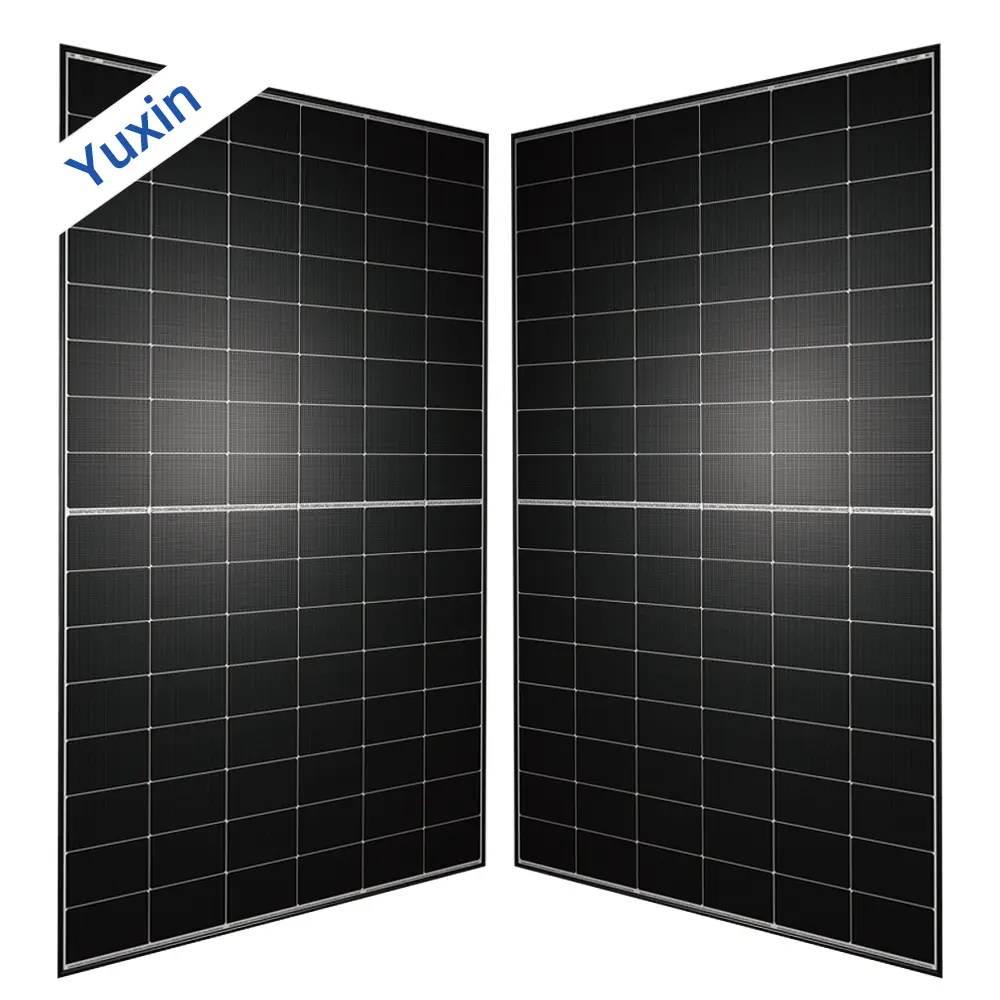
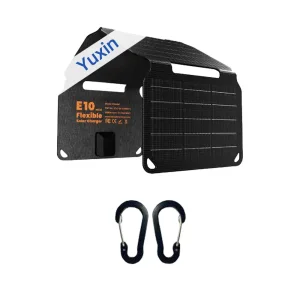
Lightweight design with transparent back panel for easy installation and reduced BOS costs.
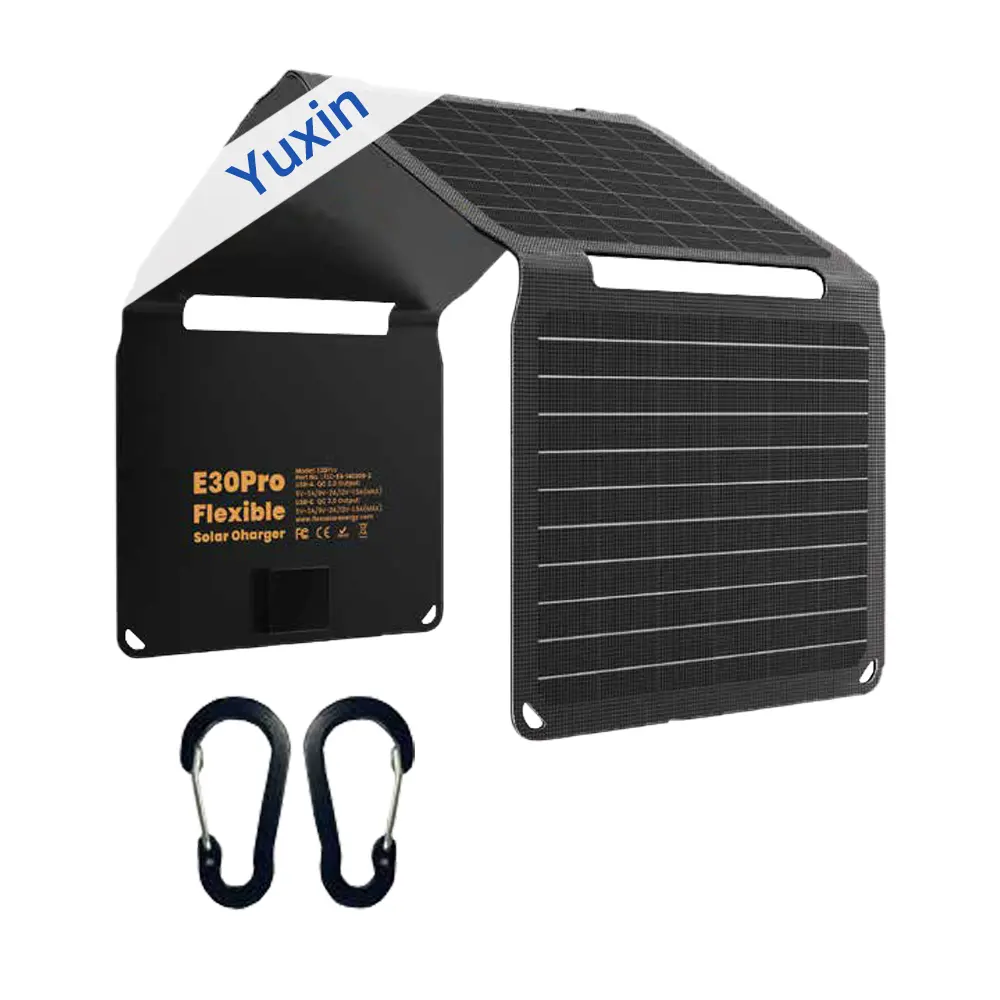
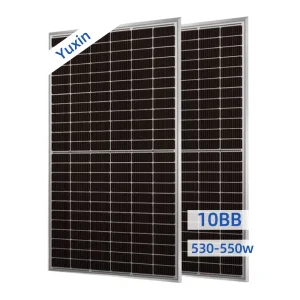
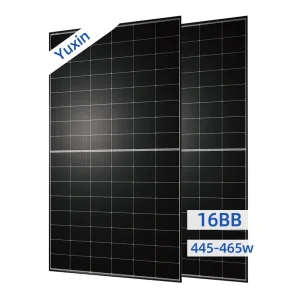
Utilizing advanced monocrystalline silicon cells, it achieves a high energy conversion efficiency of 24%.
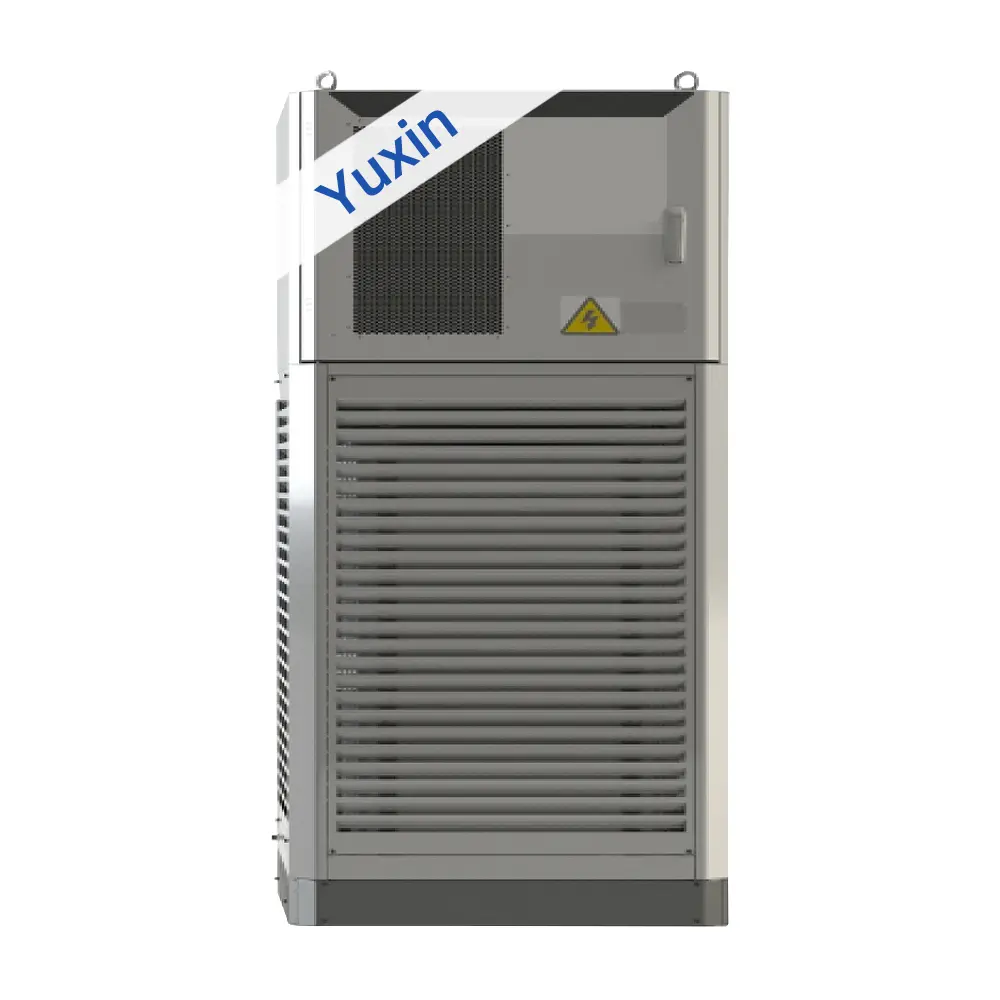
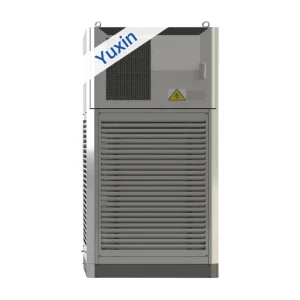
Application modes include grid-connected mode, off-grid mode, and integrated grid-connected/off-grid mode.
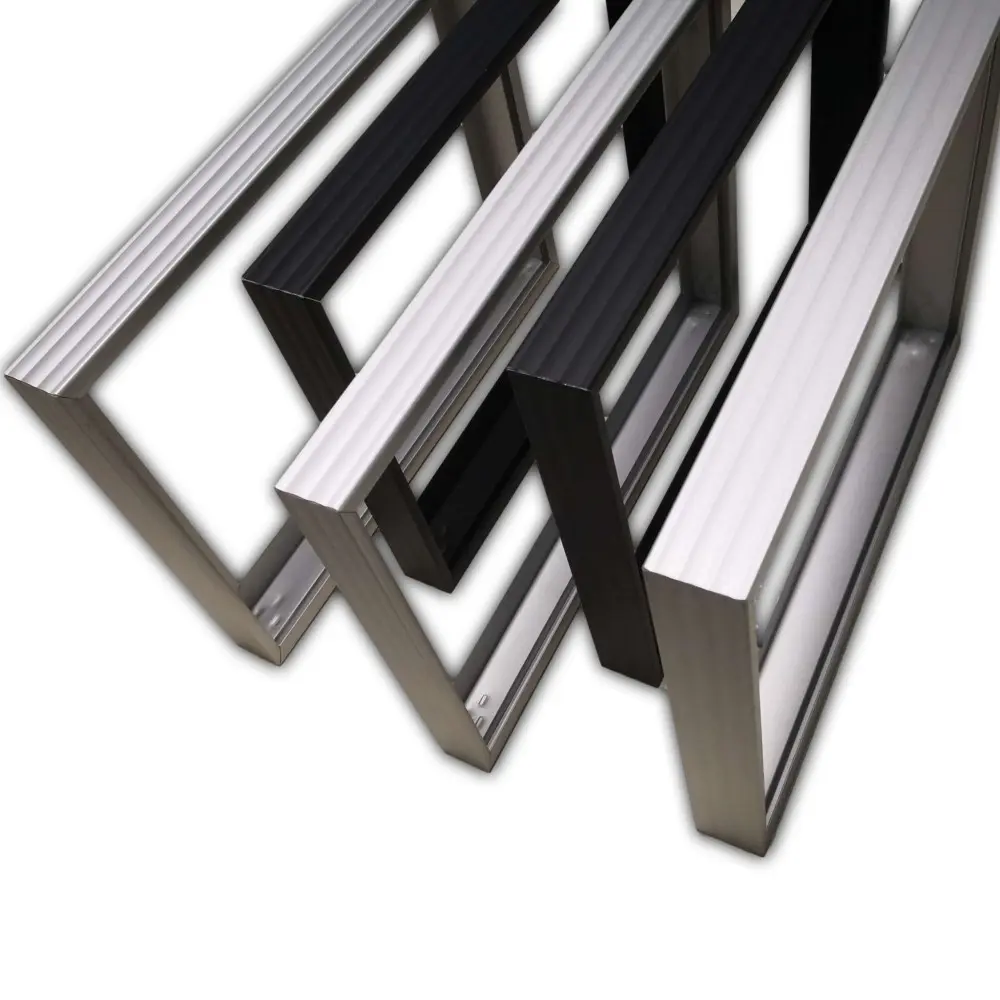
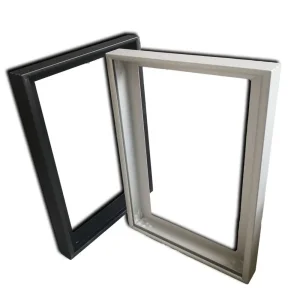
Made of high-quality anodized aluminum, it ensures superior weather resistance and a smooth, long-lasting finish.
Precision, Quality, and Safety - Your Photovoltaic Materials Expert.
Located in the scenic historical and cultural ancient city of Yangzhou, close to the Beijing-Shanghai Expressway, Runyang Yangtze River Bridge, and Ningqi Railway, the group has a superior geographical location and convenient transportation. The group was established in 2008 and has 14 multi-field companies under its jurisdiction, including Jiangsu Yuxin New Energy Technology Co., Ltd. We have secured titles such as National High-tech Enterprise, Technology-based Enterprise, and Gaoyou City Top 100 Private Enterprises.
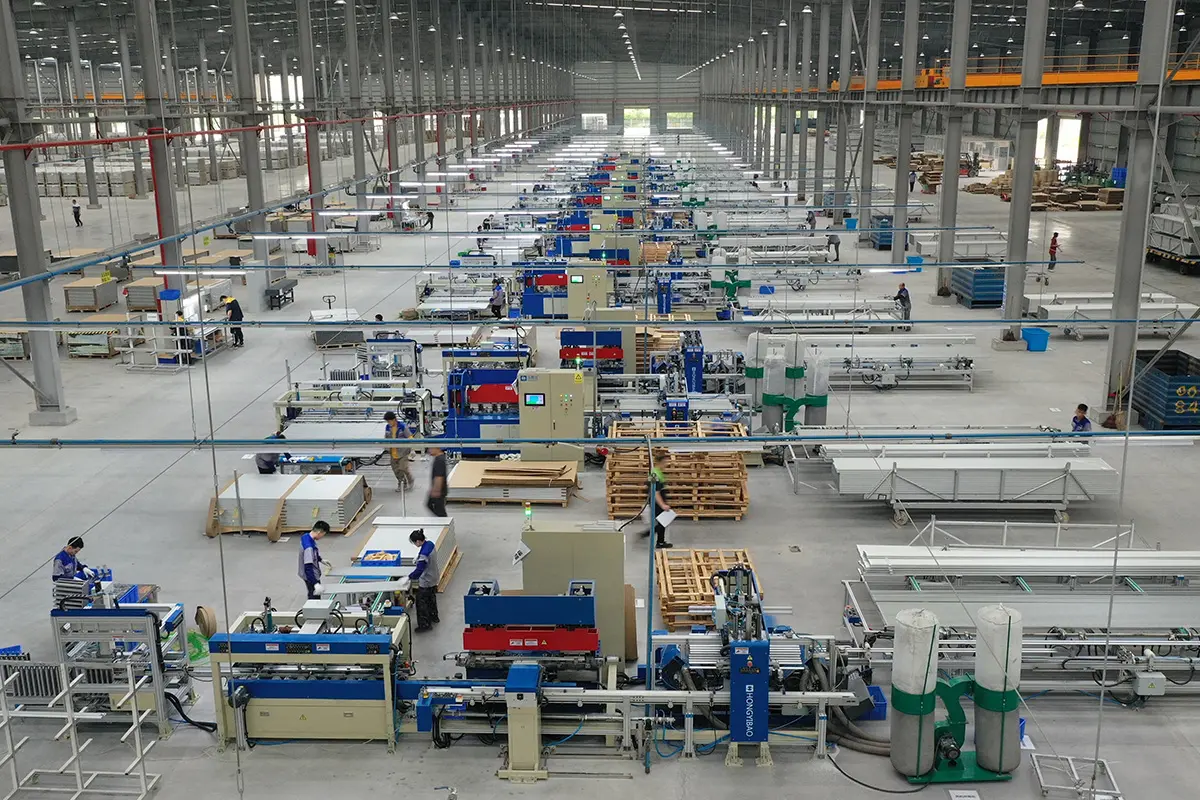
Watch our modern Yangzhou factory production lines and automated materials testing facility.
Commercial buyers, defense contractors, and outdoor equipment distributors must evaluate solar modules based on lifecycle performance, durability, and certification profiles. Sourcing directly from certified facilities ensures that technical parameters conform to safety and regulatory standards. For instance, half-cell TOPCon and PERC architectures have dominated utility-scale markets and are now scaling down to high-performance camping systems.
The structural framework of these systems is equally critical. Integrating composite frames, such as polyurethane pultruded components, reduces overall panel weight while maintaining high rigidity. This directly influences shipping costs, container space utilization, and field setup times. Buyers should prioritize suppliers that hold certifications like CE, TUV, and UL, guaranteeing compliance across different regions.
As micro-inverter technologies evolve, standard 240V AC output solar kits are projected to become more integrated, with plug-and-play connections directly feeding portable power stations (solar generators). These systems feature smart safety profiles, including built-in arc fault detection (AFCI), ground fault monitoring, and rapid shutdown capabilities. This ensures maximum protection for campers and operators working in variable outdoor conditions.
Looking ahead, integrating bifacial cells with lightweight transparent backing materials will allow camping arrays to capture ground-reflected albedo light, boosting power generation by up to 25% in snowy, sandy, or concrete environments. Additionally, advanced composite materials will replace traditional metallic framing, offering superior corrosion resistance in salty, humid coastal regions.
Our off-grid high-voltage solar solutions are engineered for reliable service across diverse operational landscapes.

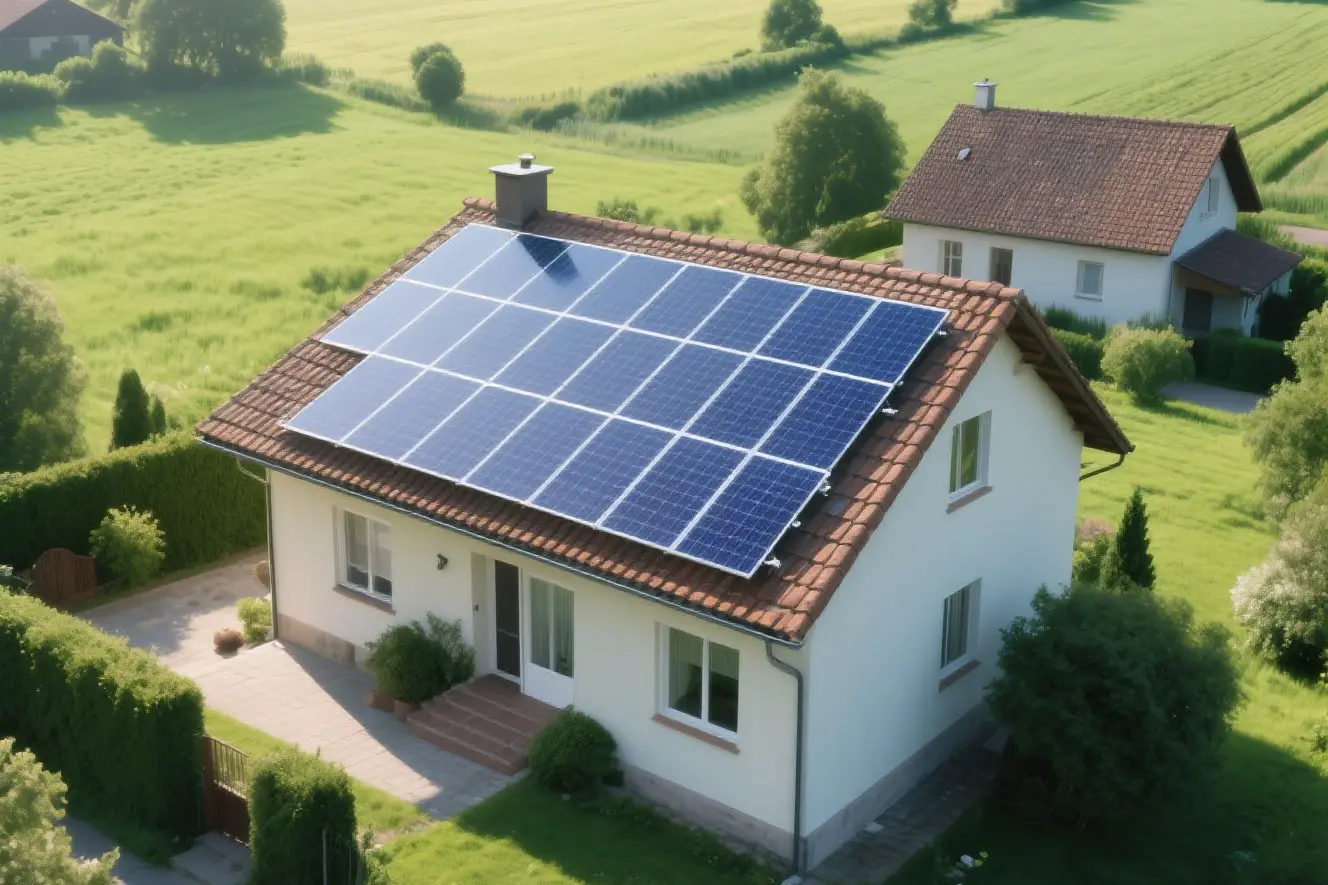
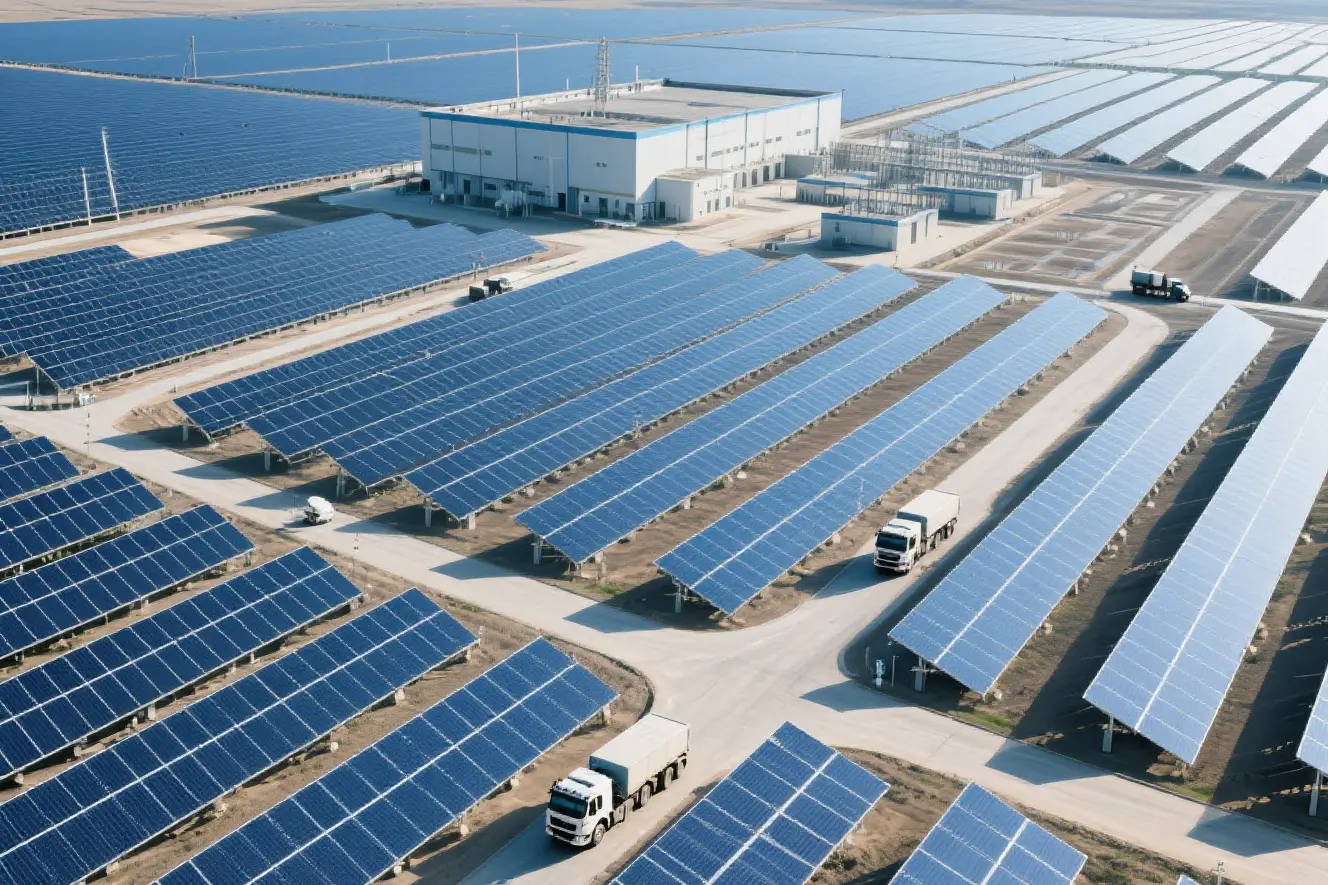
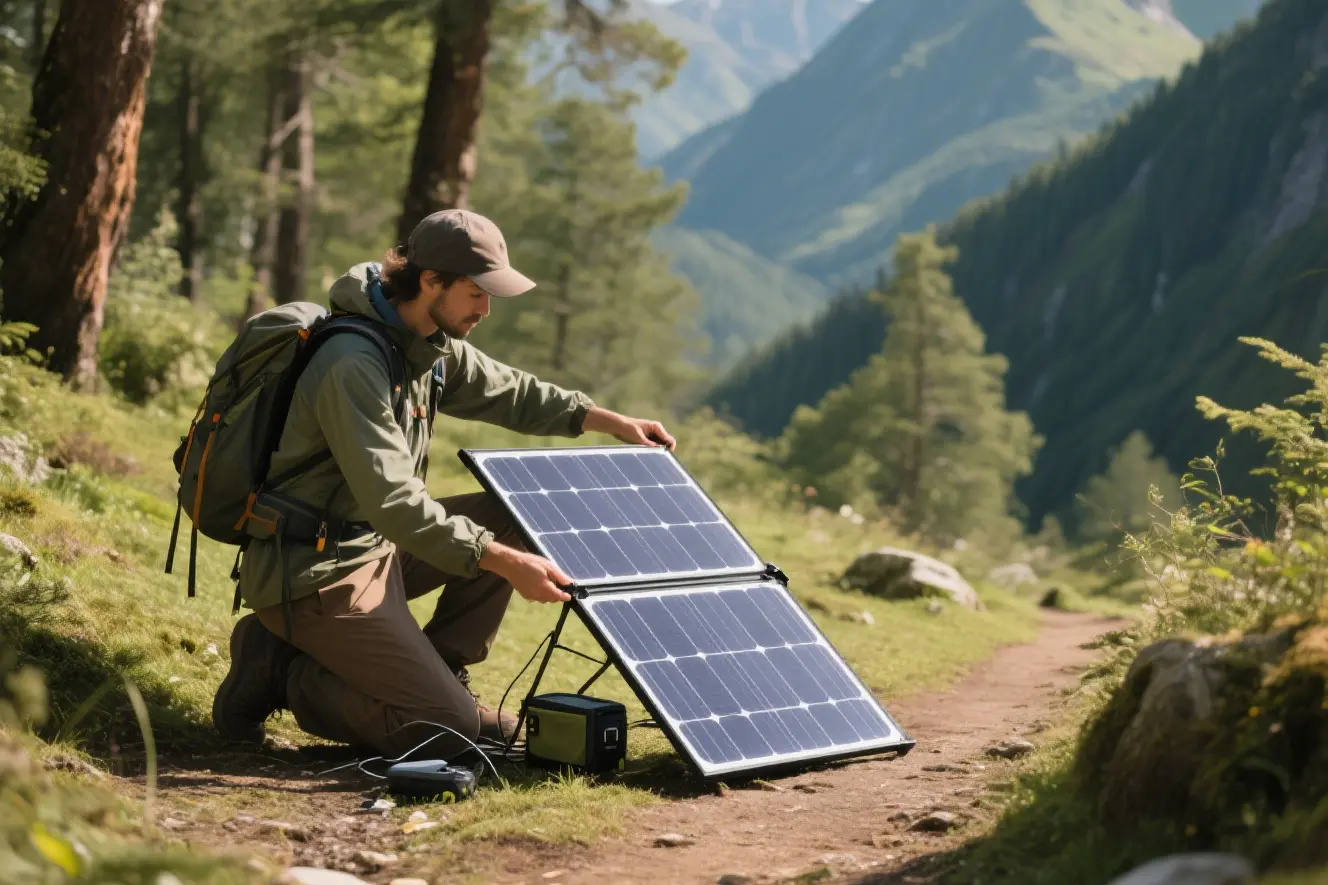
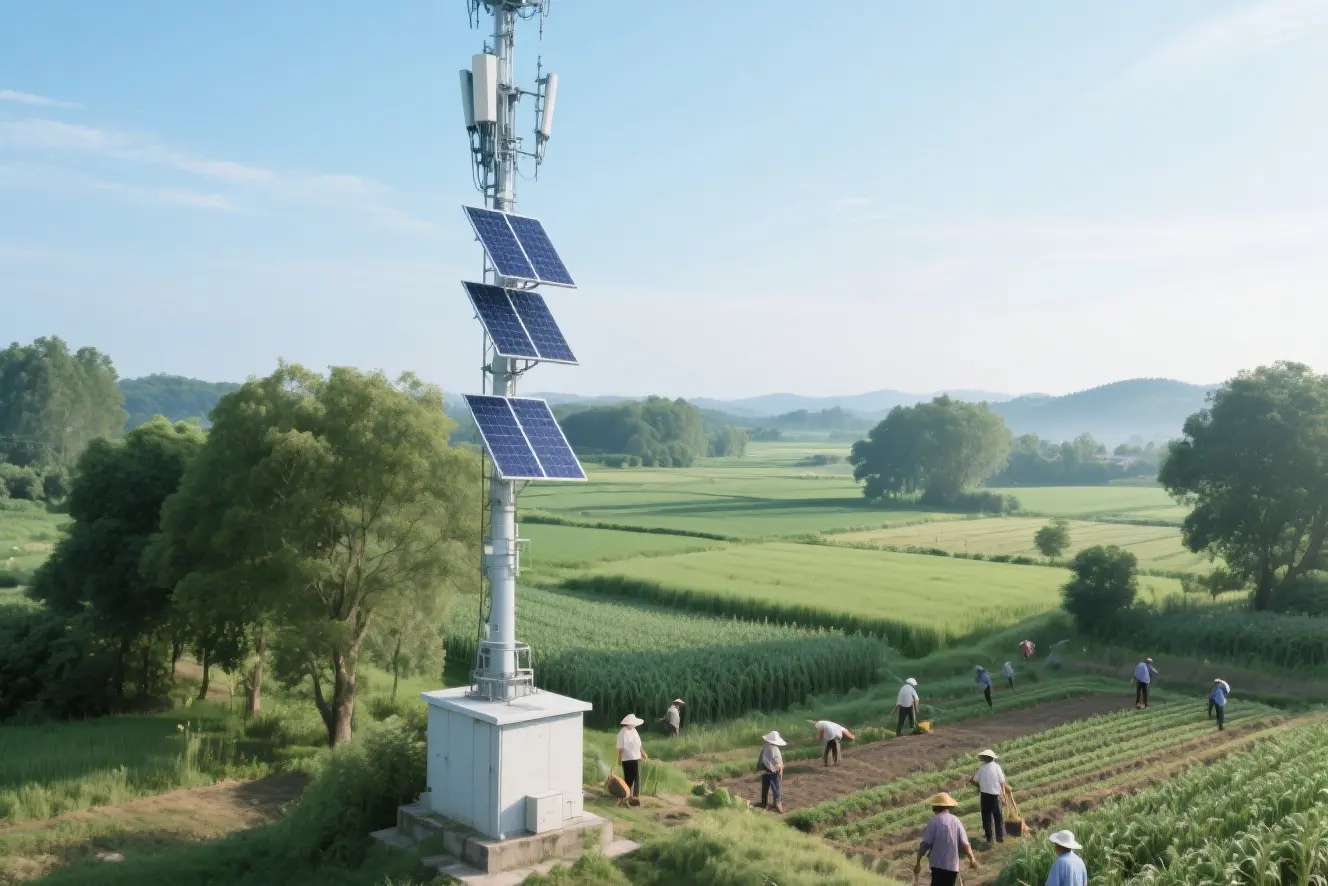
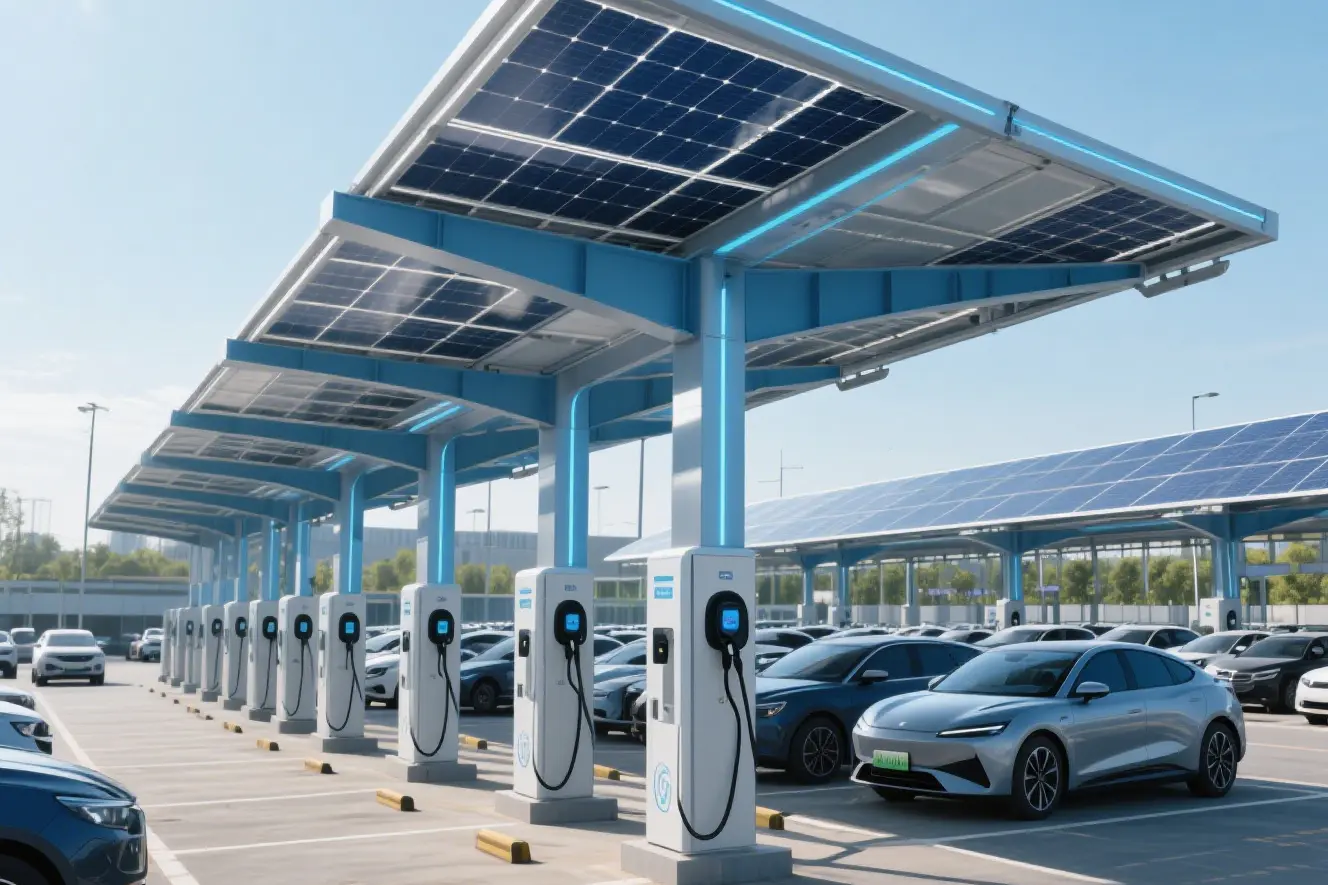
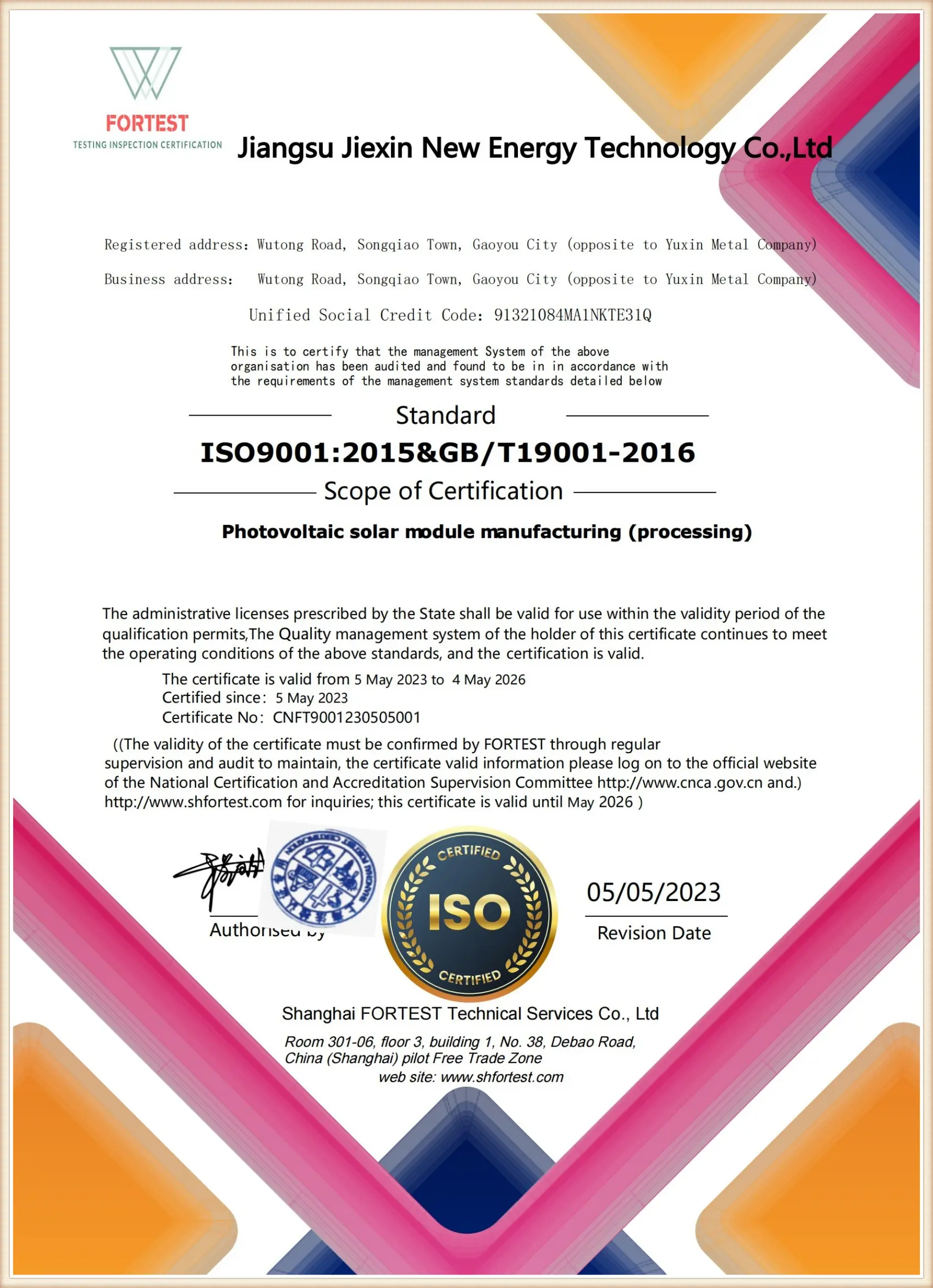
All facilities and modules strictly adhere to international quality benchmarks, ensuring safety and performance compliance.
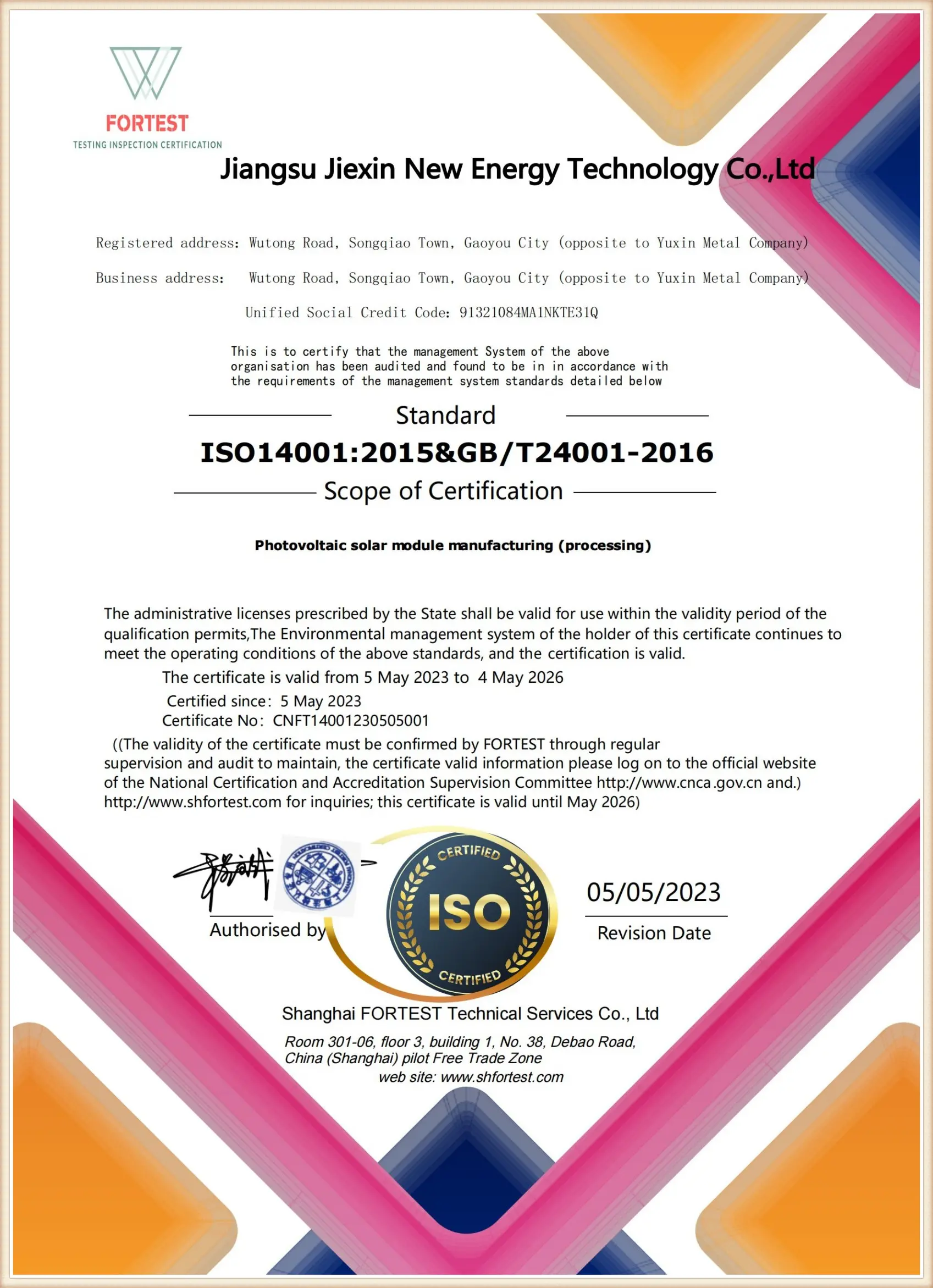
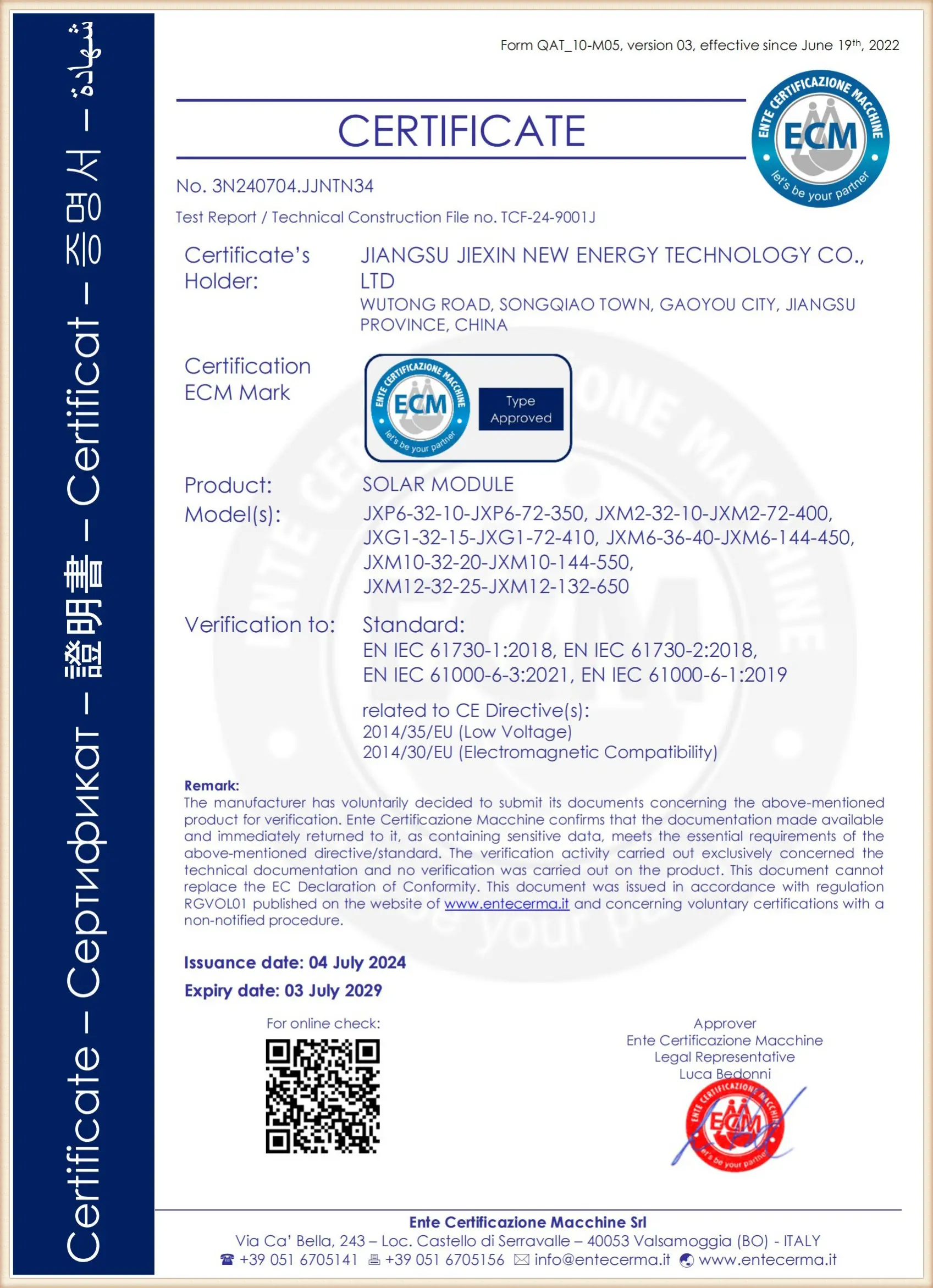
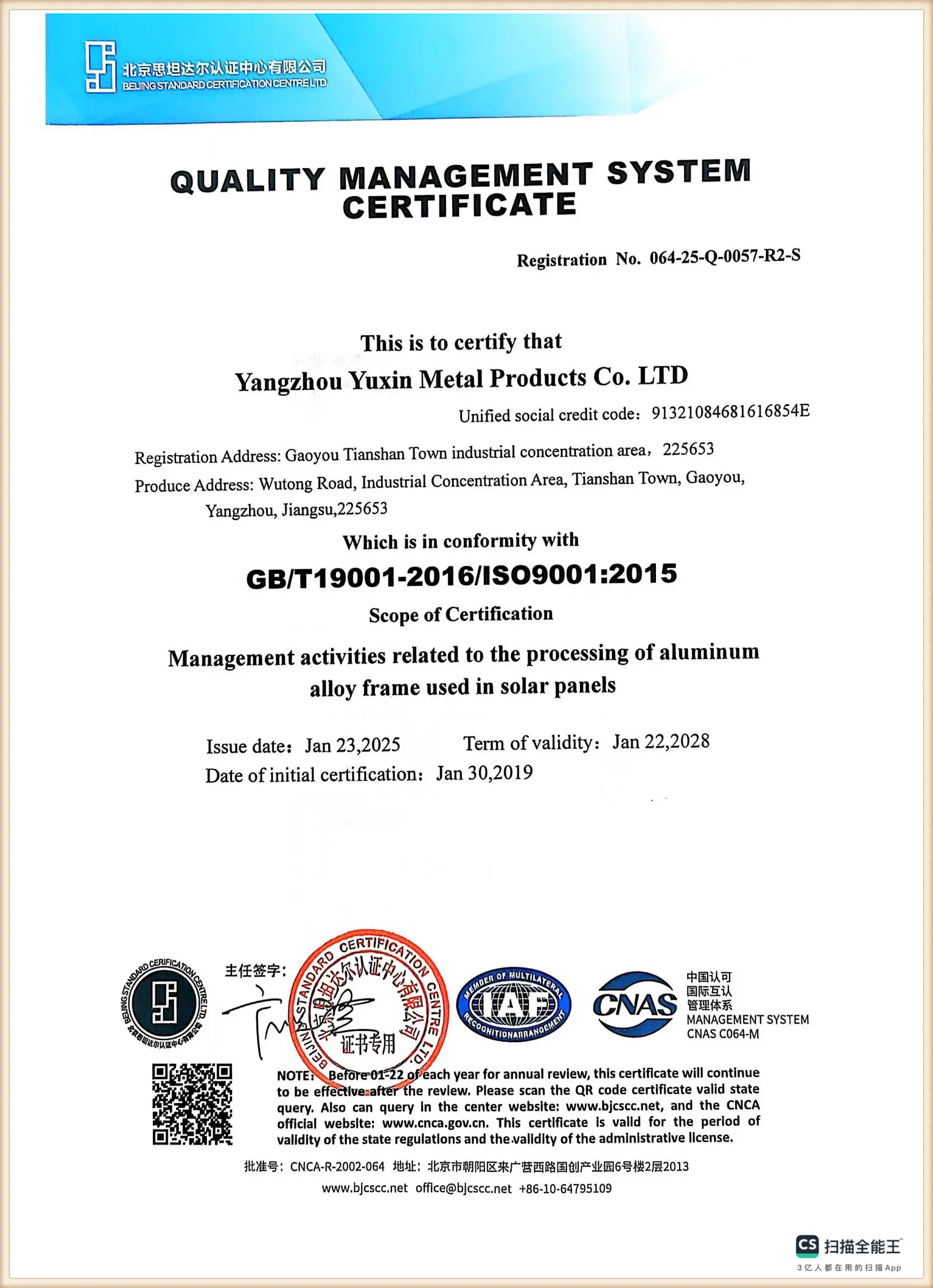
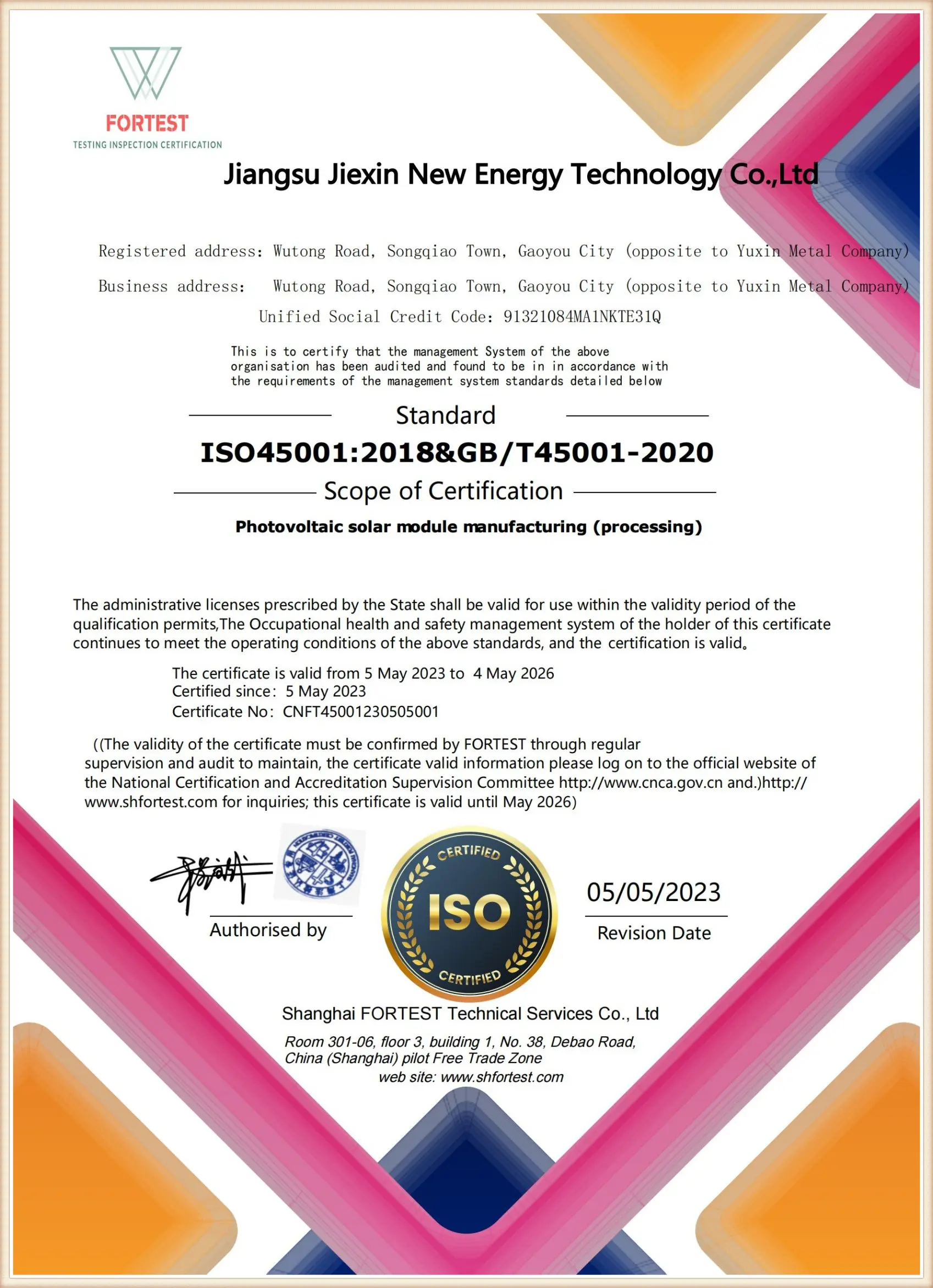
Forming strong relationships with leading energy enterprises, material suppliers, and grid developers worldwide.




Detailed technical answers addressing core considerations, structural frames, and off-grid performance.
Stay informed with technical insights, frame design analysis, and quality assurance standards from our engineering team.
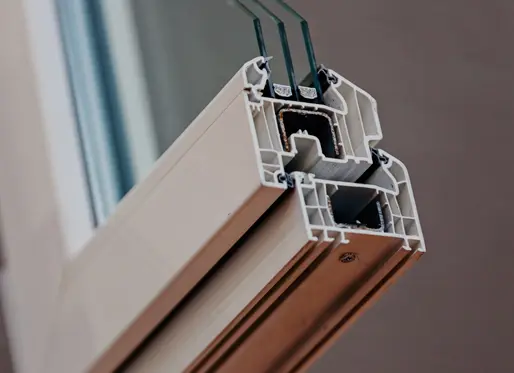
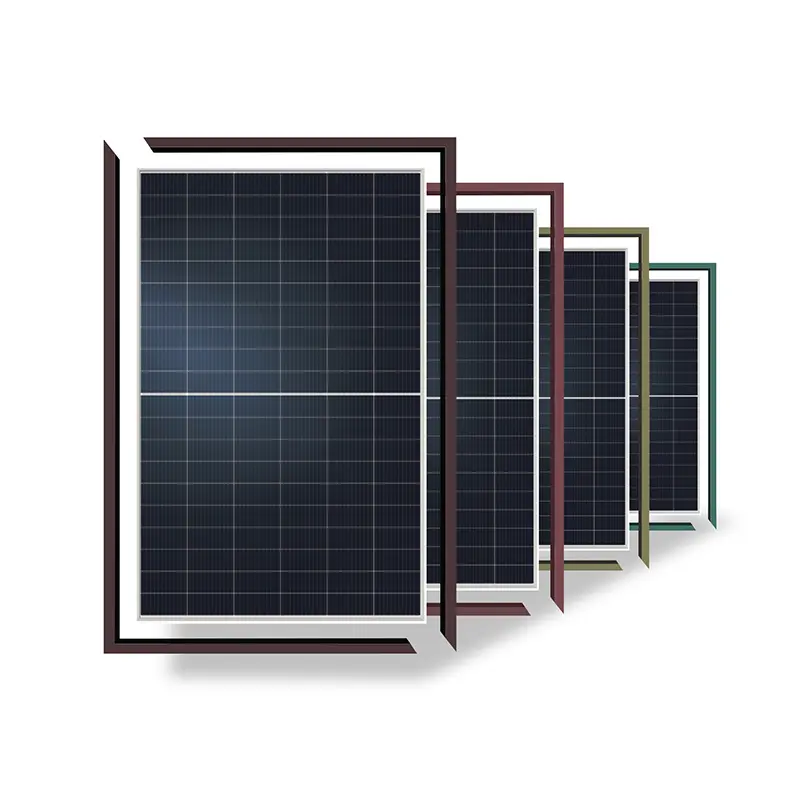
Solar Panel Frame Quality Control: Key Inspection Standards Explained
Read Inspection Standard →Access high-capacity emergency power kits, modular systems, and outdoor-rated accessories.