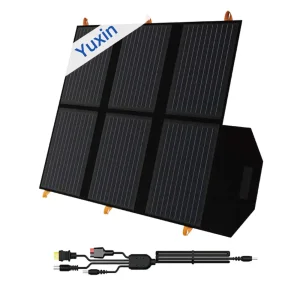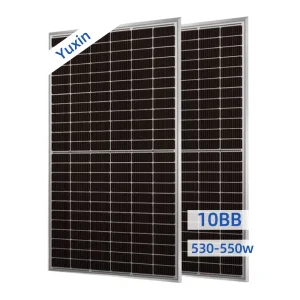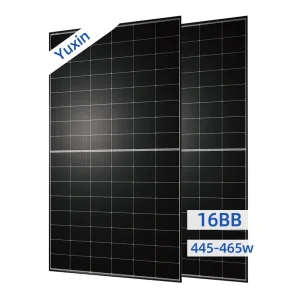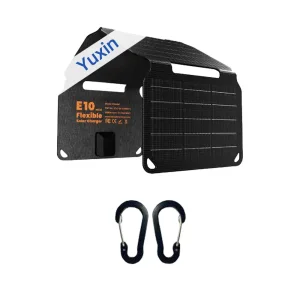
Explore our premium grade solar arrays, custom mounting structures, structural frames, and rapid emergency backup components.
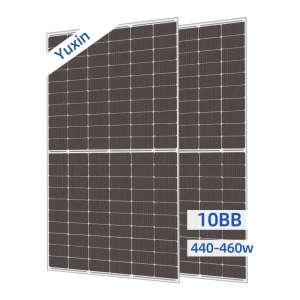
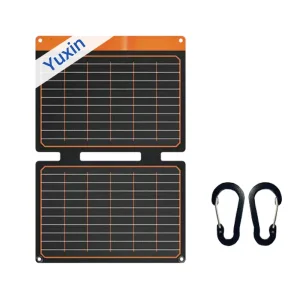
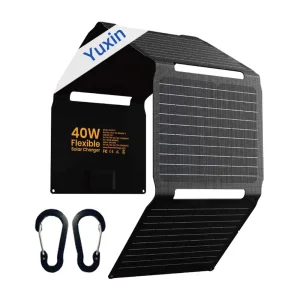
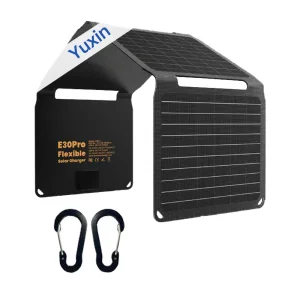
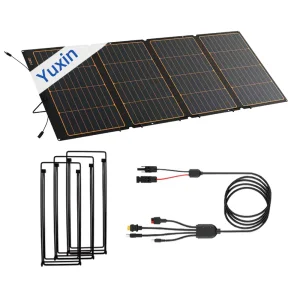
Integrating high-efficiency structural components with intelligent battery technology to provide resilience during peak load shedding hours.
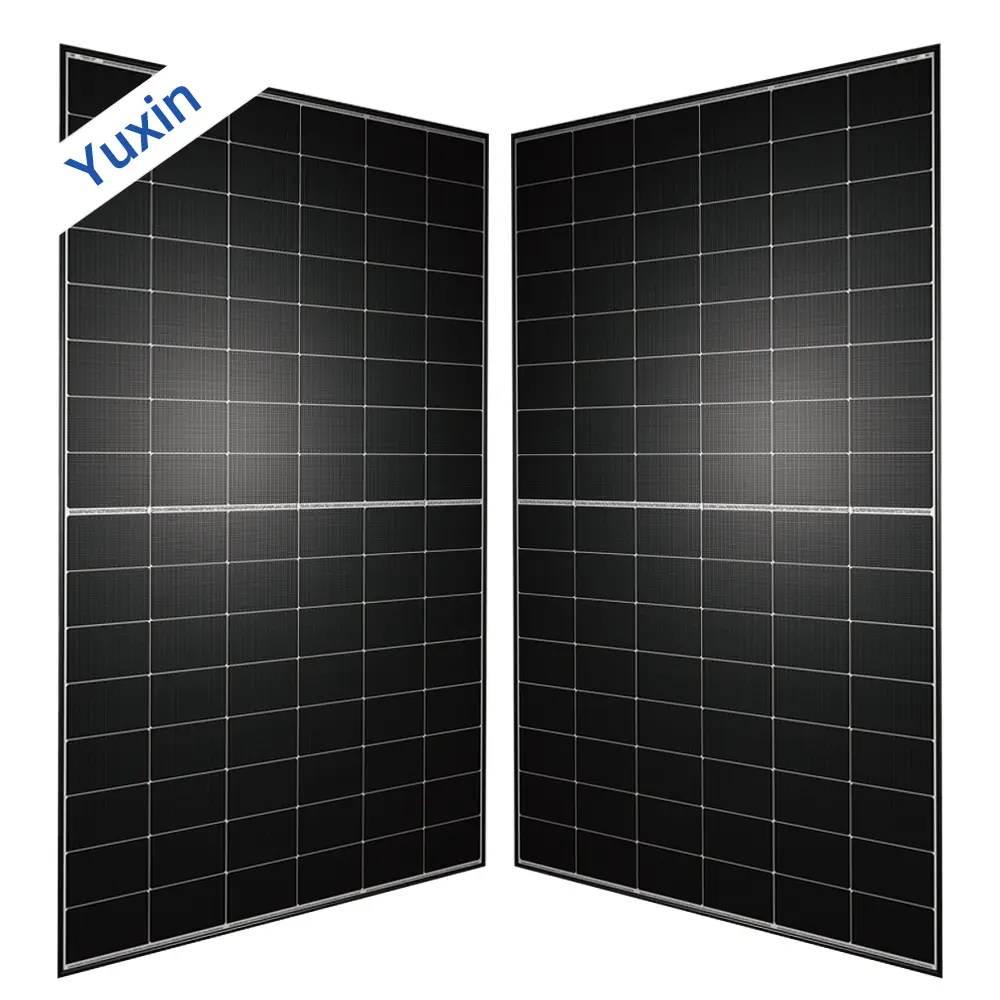
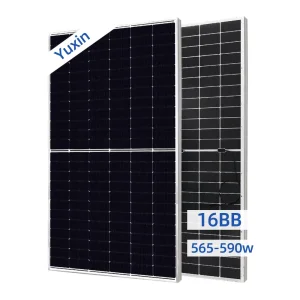
Lightweight design with transparent back panel for easy installation and reduced BOS costs.
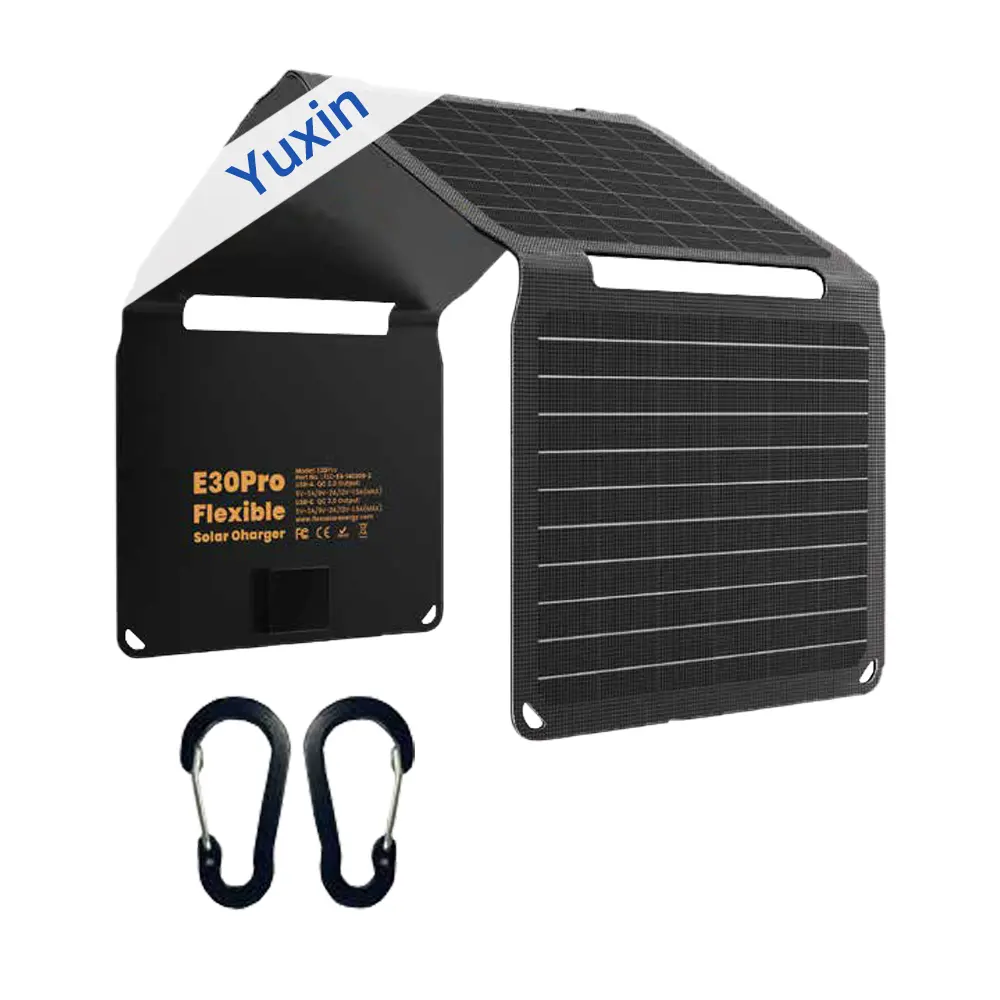
Utilizing advanced monocrystalline silicon cells, it achieves a high energy conversion efficiency of 24%.
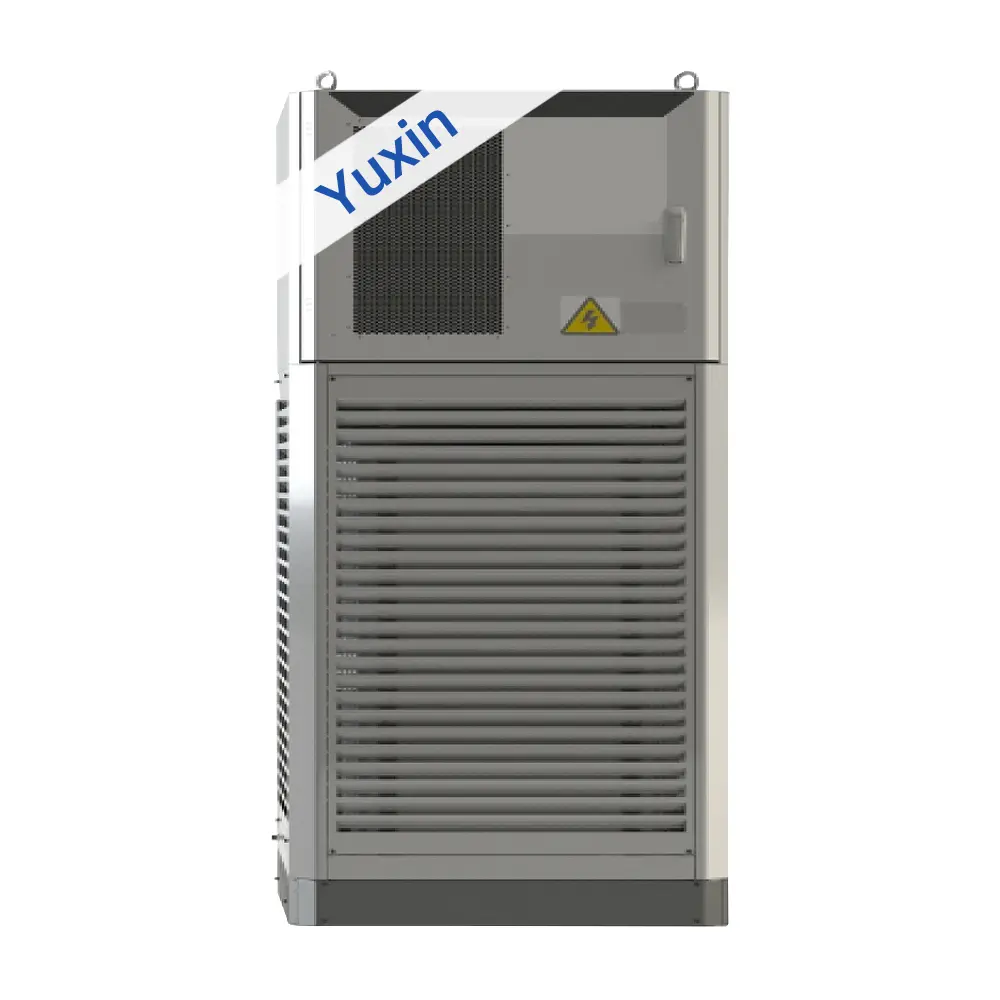
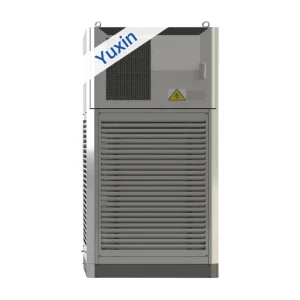
Application modes include grid-connected mode, off-grid mode, and integrated grid-connected/off-grid mode.
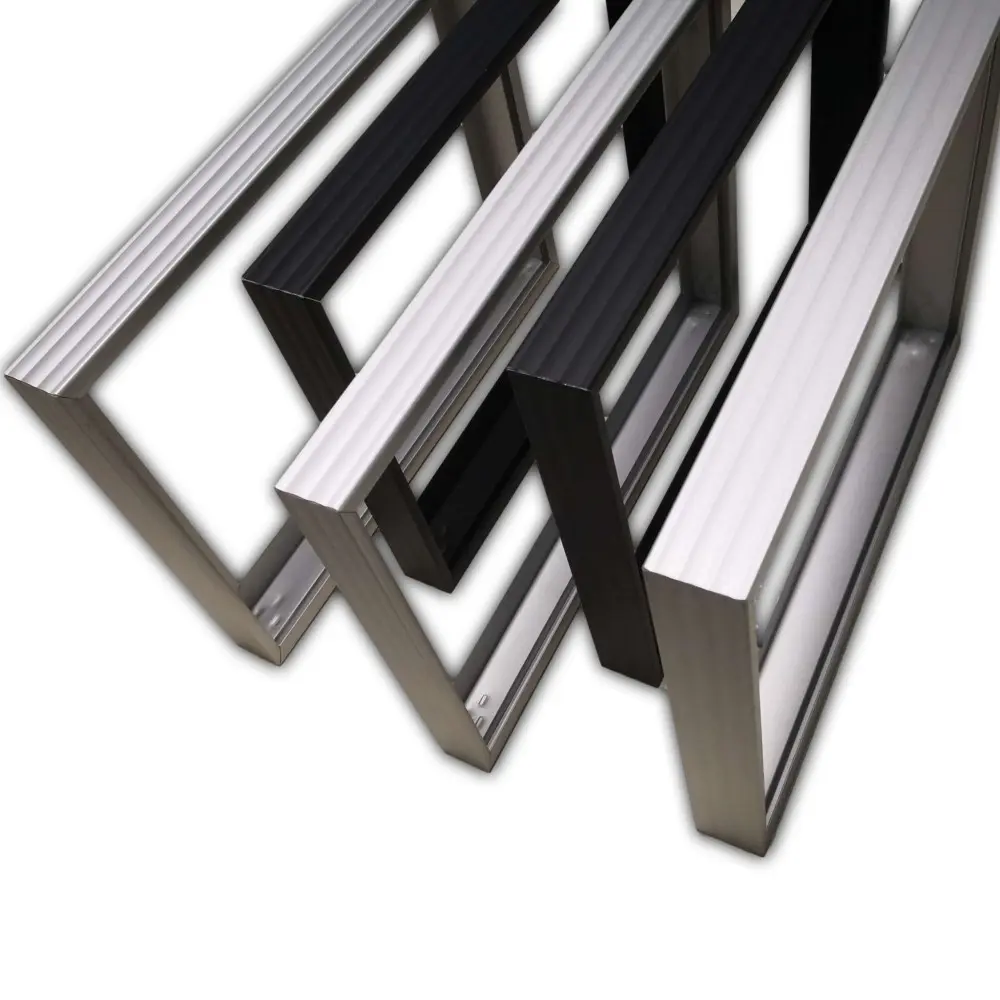
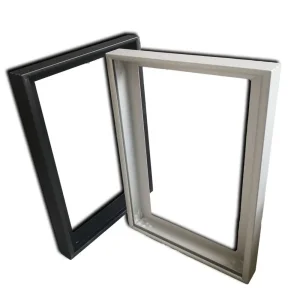
Made of high-quality anodized aluminum, it ensures superior weather resistance and a smooth, long-lasting finish.
Industrial operations and local commercial networks are facing an era of unprecedented grid instability. Globally, macro-economic elements combined with underfunded grid updates have resulted in chronic load shedding. This phenomenon is no longer limited to developing regions; grid degradation and extreme weather patterns have exposed structural weaknesses in mature energy markets as well. Key performance indicators like the System Average Interruption Duration Index (SAIDI) indicate that commercial sectors lose billions of dollars annually due to transient outages. For commercial enterprises, a reliable, robust, and cost-effective battery storage system is not merely an optional upgrade; it is a critical strategy to maintain operational continuity.
Enterprise procurement divisions are searching for a balance between initial capital expenditure (CAPEX) and the ultimate lifetime cost (OPEX) of backup power. Historically, gas or diesel generator systems dominated this space. Today, the transition toward high-cycle Lithium Iron Phosphate (LiFePO4) and advanced monocrystalline solar hybrids is accelerating. The modern requirement is for commercial energy storage systems that offer low Levelized Cost of Storage (LCOS), easy integration with existing electrical switchgear, and microgrid scalability.
Most commercial buildings run heavy inductive loads, requiring batteries that can handle high startup currents and support continuous discharge rates (1C or higher) without experiencing thermal runaway or accelerated cell degradation.
Understanding which electrochemical makeup is right for your facility is key to maximizing system lifespan. We evaluate the core configurations dominating the discount commercial energy storage market:
LFP (LiFePO4) chemistry has emerged as the global standard for commercial load shedding mitigation. Unlike NMC (Nickel Manganese Cobalt) batteries, LFP structures offer inherent thermal stability, meaning they are virtually immune to catastrophic thermal runaway under normal industrial use. This makes them ideal for dense commercial centers and telecom stations. In addition, LFP cells deliver 6,000+ charge cycles at 80% Depth of Discharge (DoD), ensuring over a decade of daily operation under severe double-stage load shedding cycles.
To reduce dependency on grid recharging, batteries must be paired with high-efficiency PV arrays. Using durable 6063-T5 or 6005-T6 anodized aluminum framing systems guarantees that the solar installations will withstand high wind loads and harsh weather for decades. Additionally, sustainable polyurethane pultruded composite frames represent a breakthrough in lightweight structural components, offering excellent chemical resistance, thermal stability, and corrosion prevention in harsh seaside environments.
When procurement managers buy systems in bulk to protect commercial sites, several factors must be checked to avoid buying sub-standard products. Google's quality standards require verified technical specifications. Make sure your supplier can provide details on the following parameters:
Integrating battery backups with clean PV solar panels allows companies to lower their carbon footprint while ensuring reliable backup power. Modern commercial systems use advanced monocrystalline PERC (Passivated Emitter and Rear Cell) or N-type TOPCon bifacial modules. Because N-type technology has minimal LID (Light-Induced Degradation) and a better temperature coefficient, it provides higher energy yields over time. Using these solar panels alongside LFP energy storage helps companies transition from simple diesel backup systems to sustainable, self-sufficient microgrids.
Precision, Quality, and Safety - Your Photovoltaic Materials Expert. Located in the scenic historical and cultural ancient city of Yangzhou, close to the Beijing-Shanghai Expressway, Runyang Yangtze River Bridge, and Ningqi Railway, the group has a superior geographical location and convenient transportation. The group was established in 2008 and has 14 multi-field companies under its jurisdiction, including Jiangsu Yuxin New Energy Technology Co., Ltd., and has won many titles such as National High-tech Enterprise, Technology-based Enterprise, and Gaoyou City Top 100 Private Enterprises.
View MoreOur manufacturing facilities and products meet rigorous international standards for safety, reliability, and grid compliance.
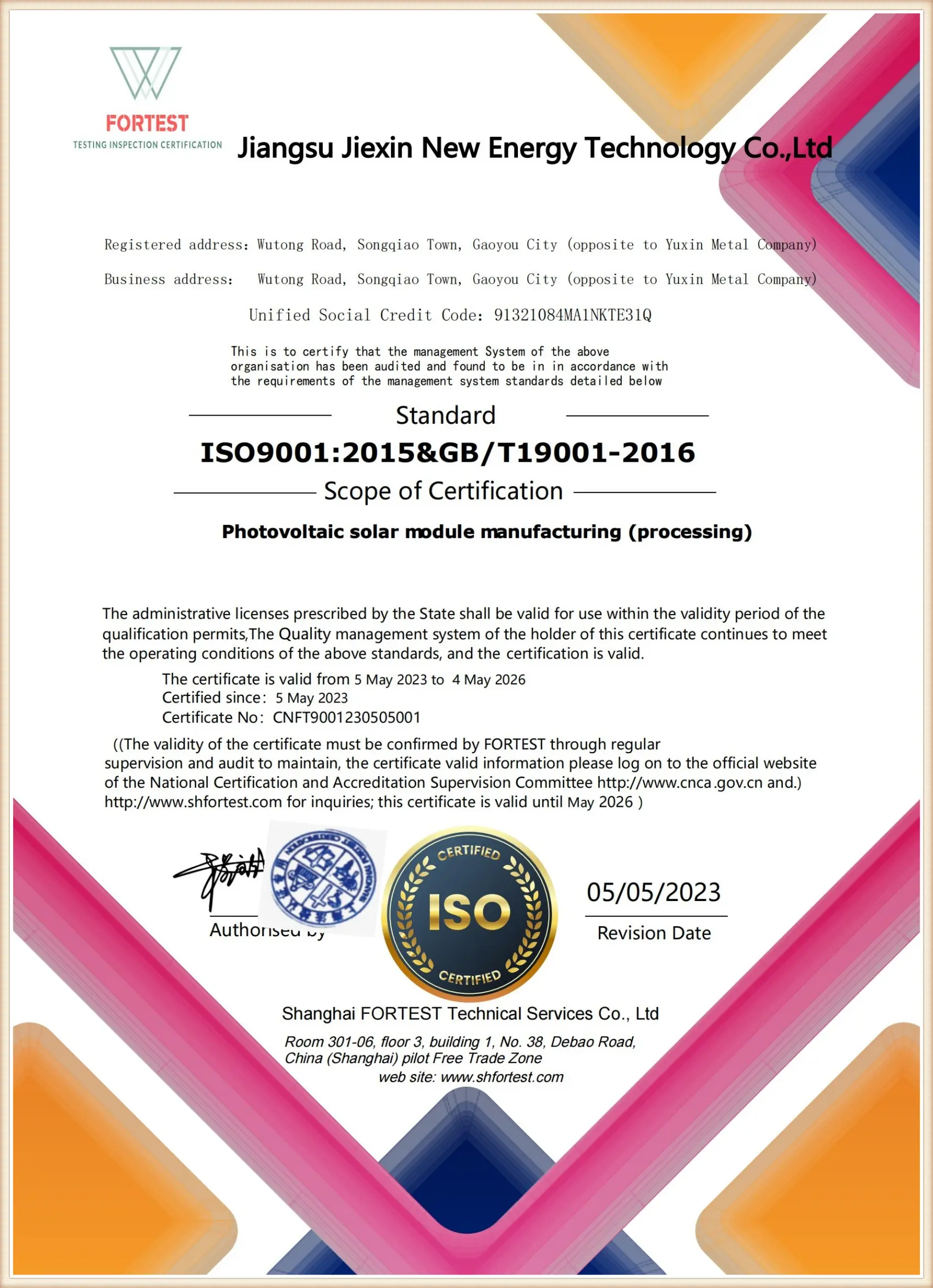
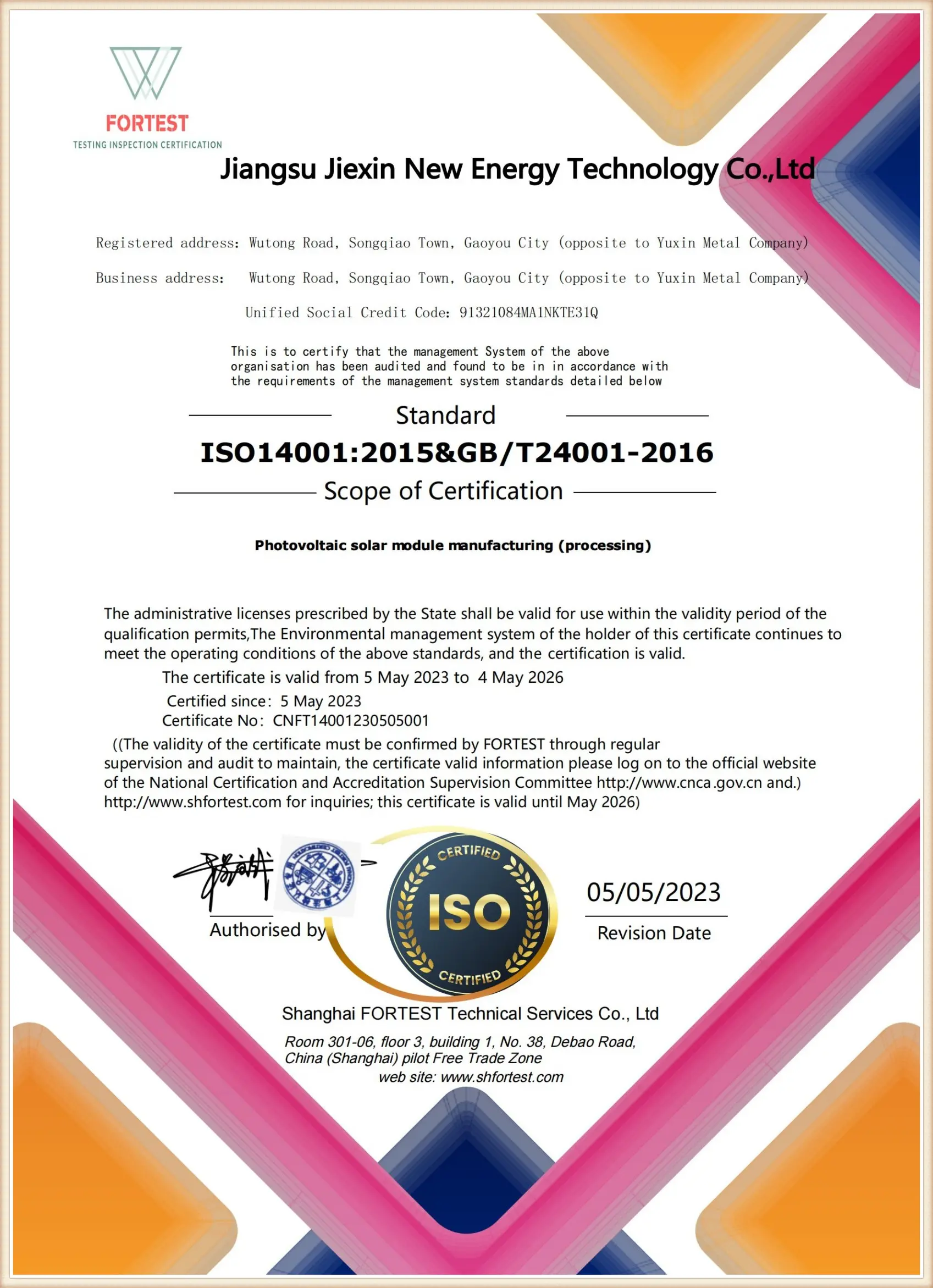
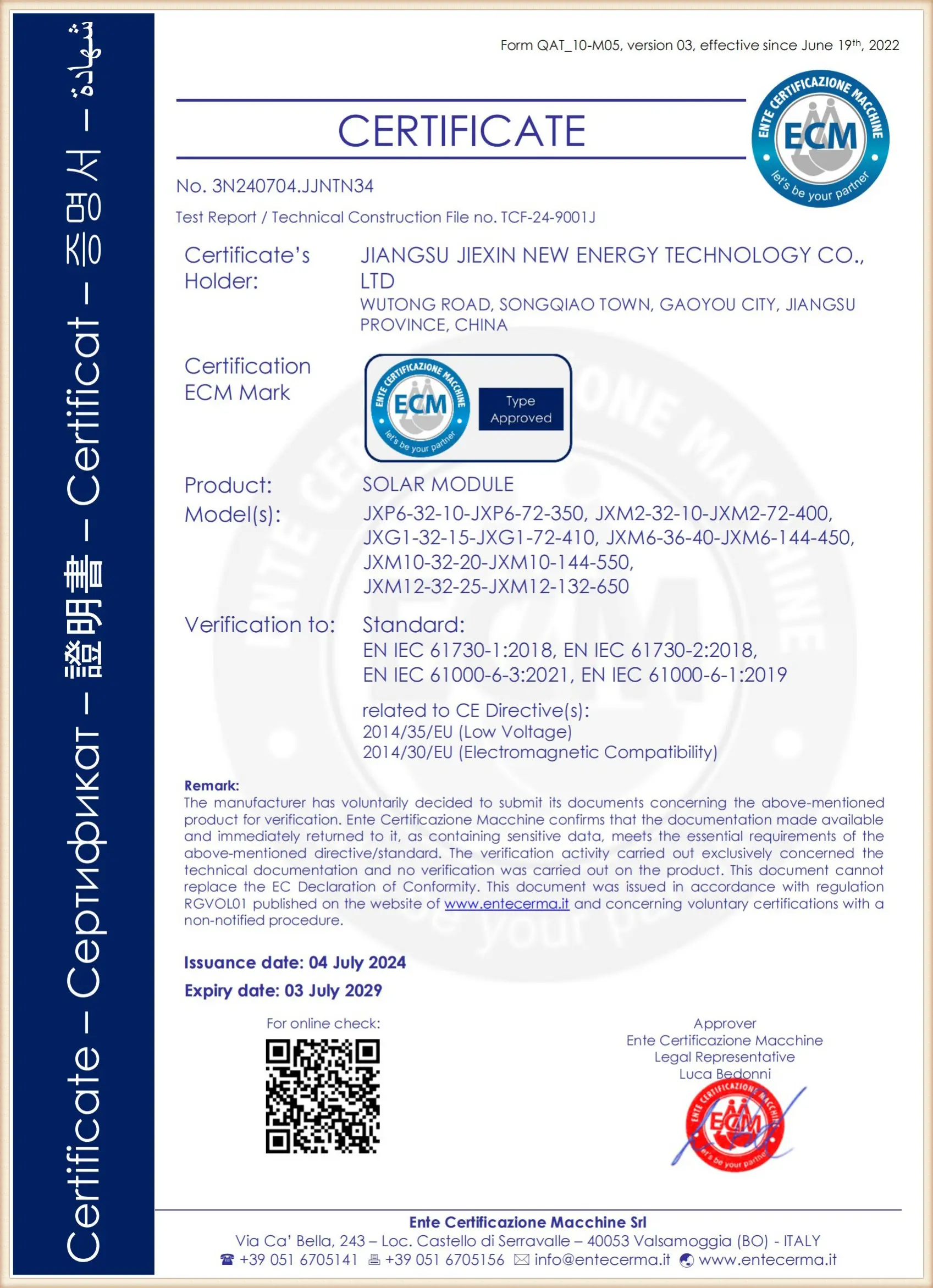
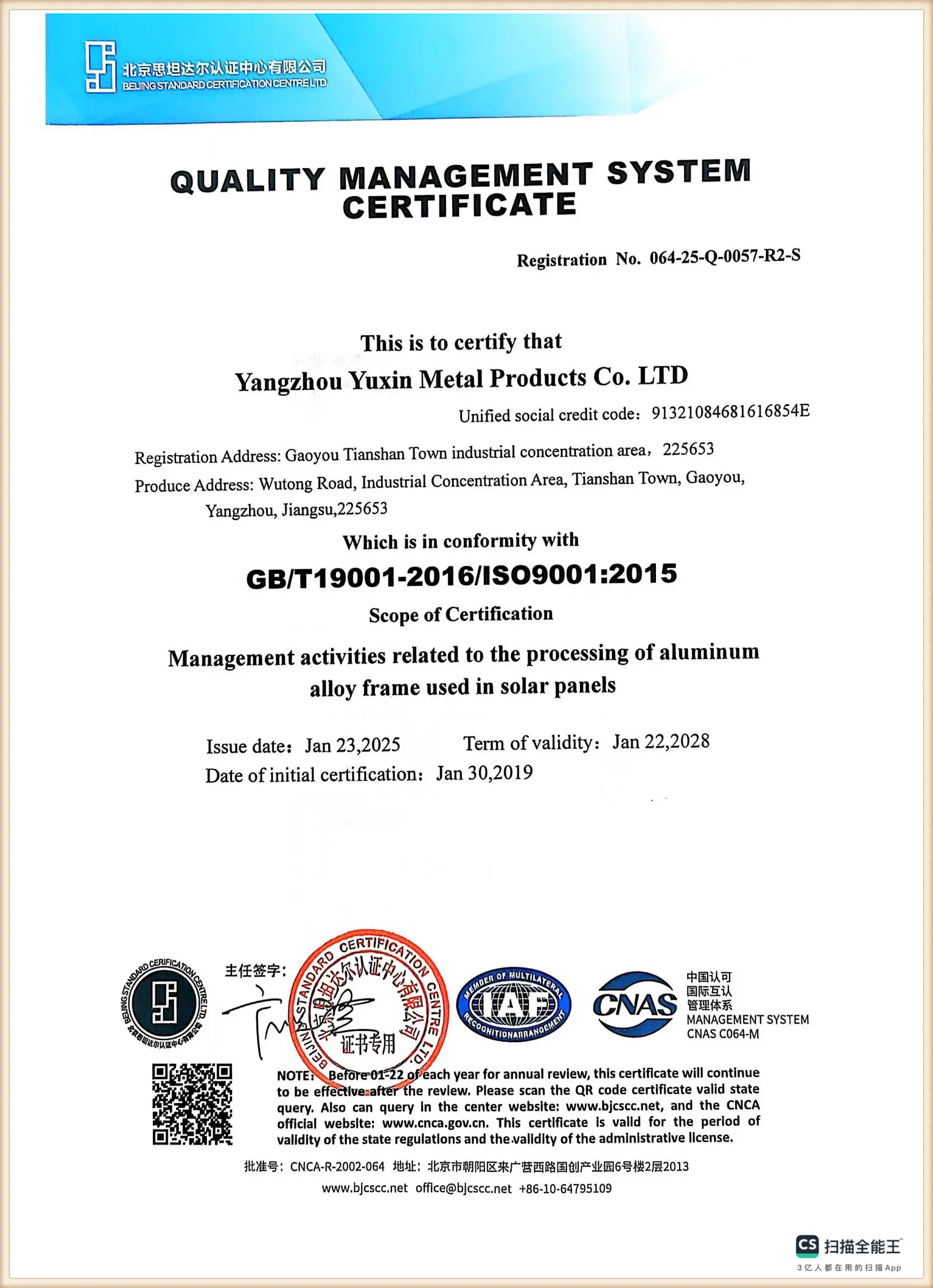
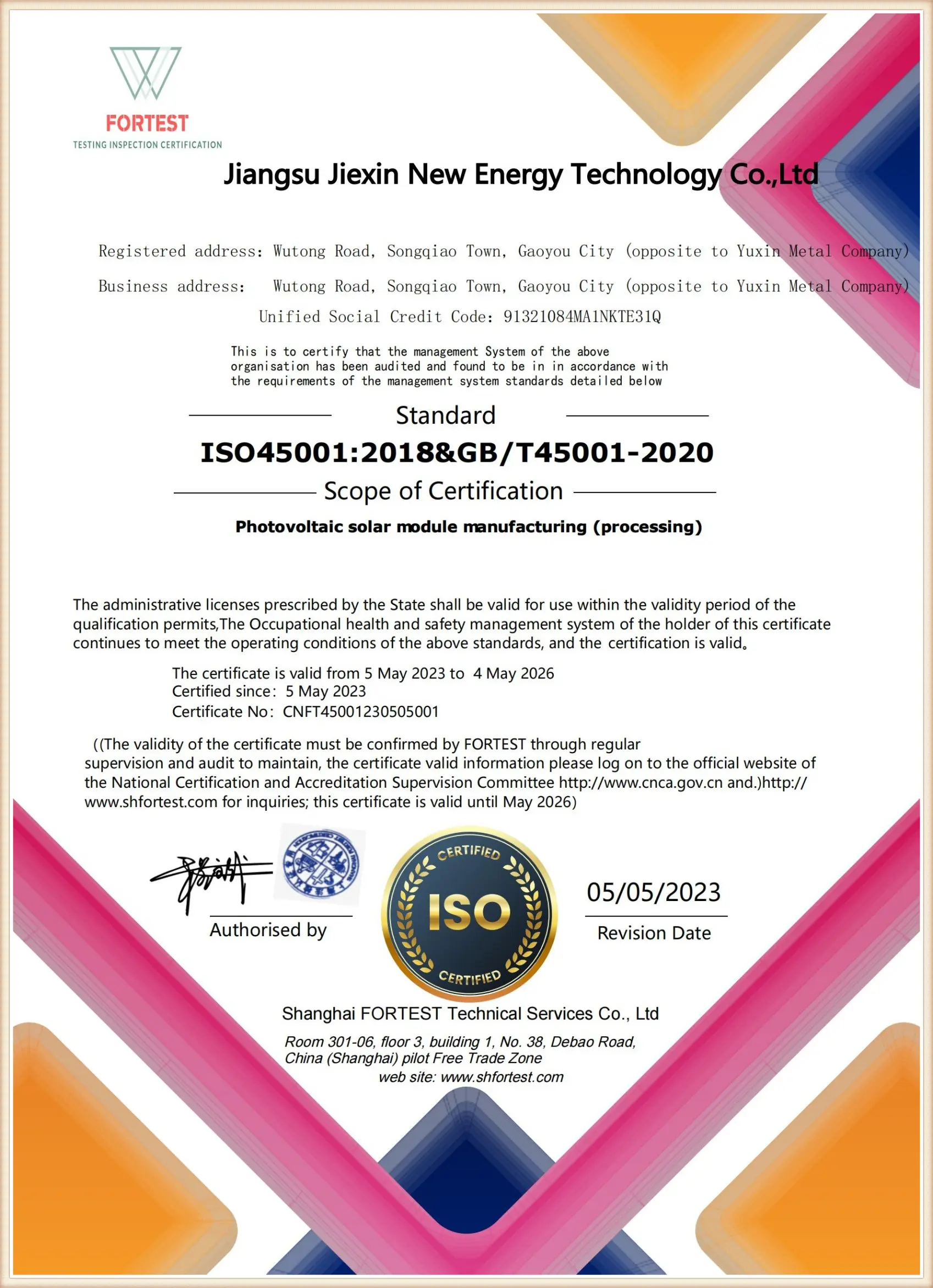
From microgrid farming projects to heavy telecom and urban construction sites, our systems provide continuous, reliable power.

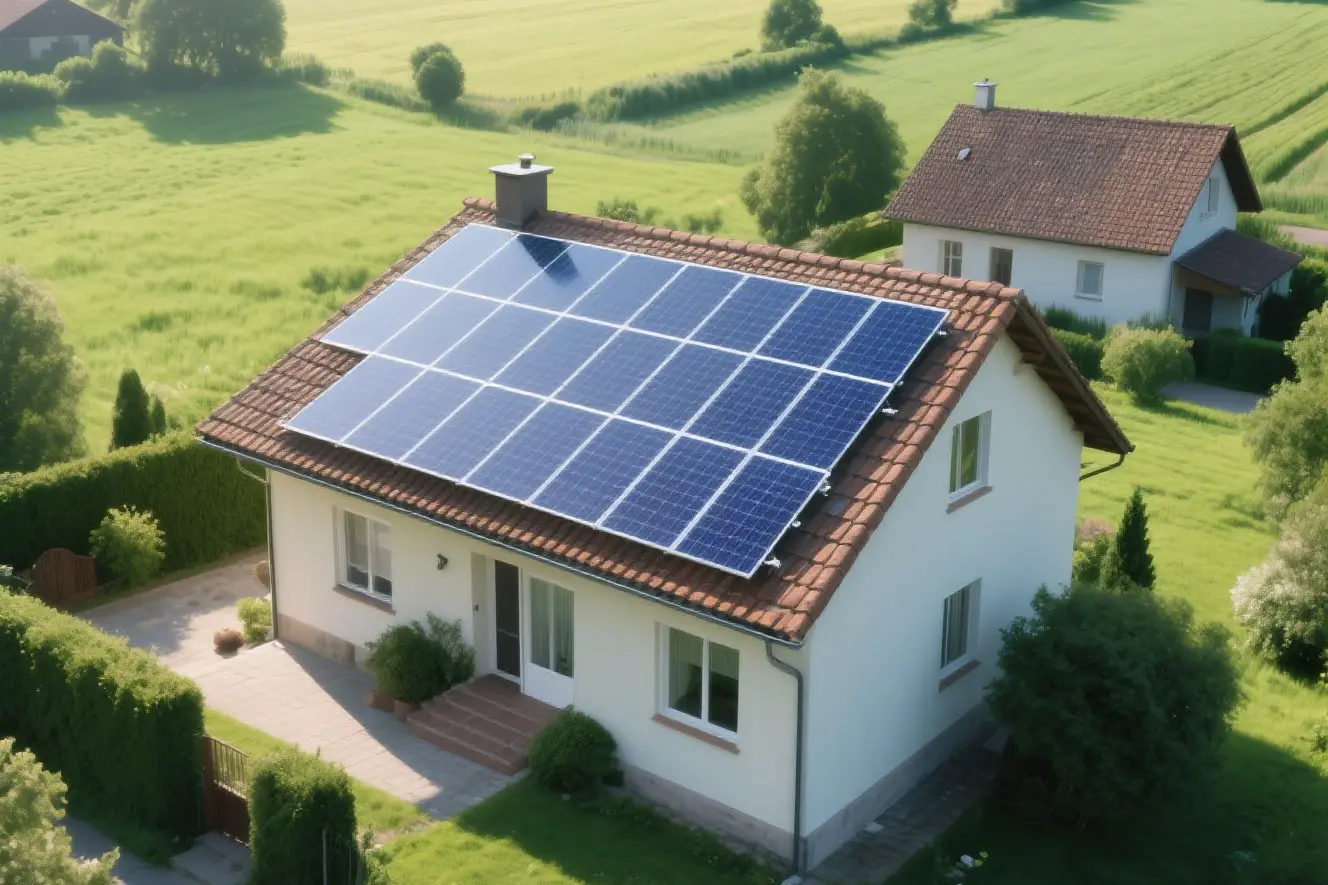
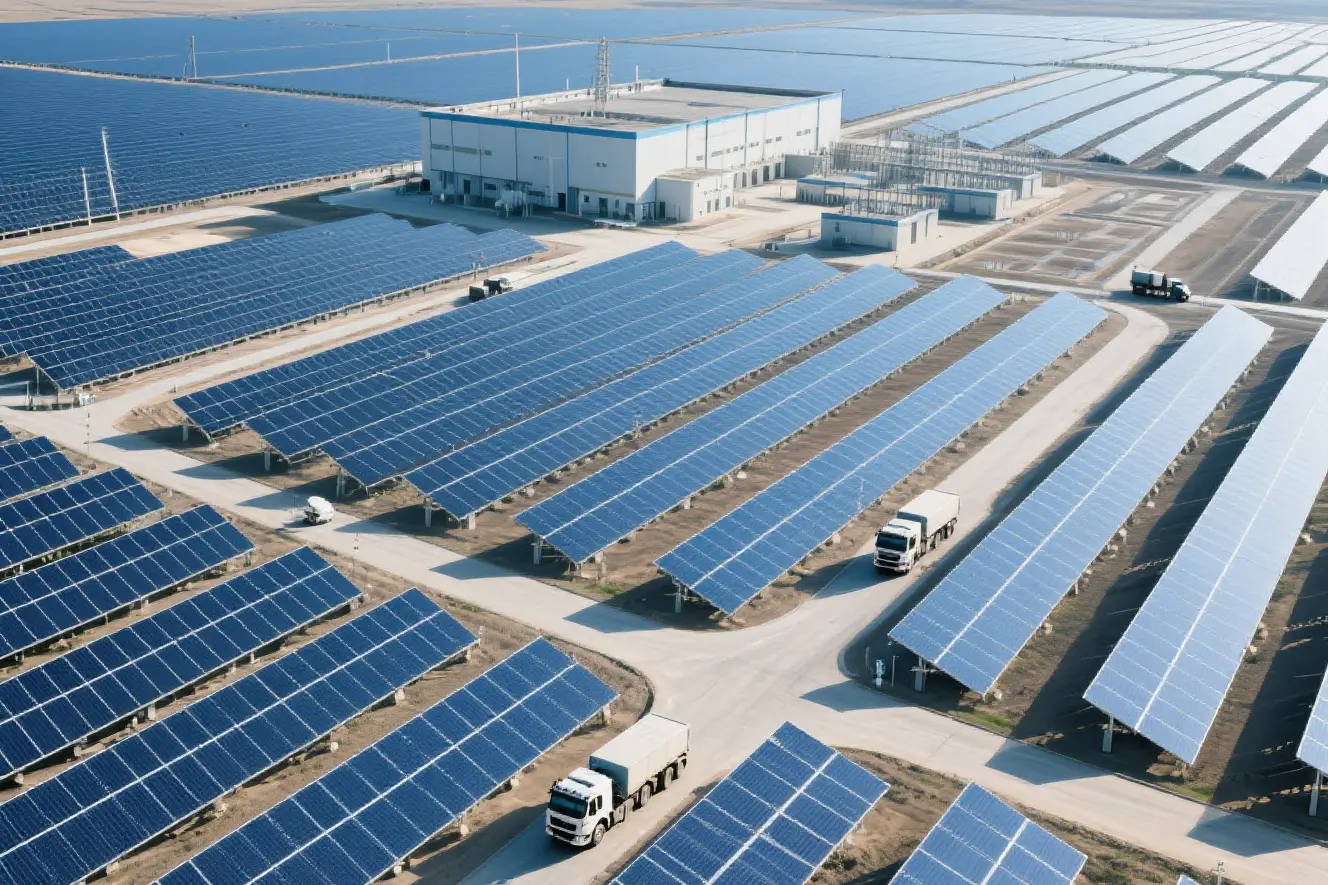
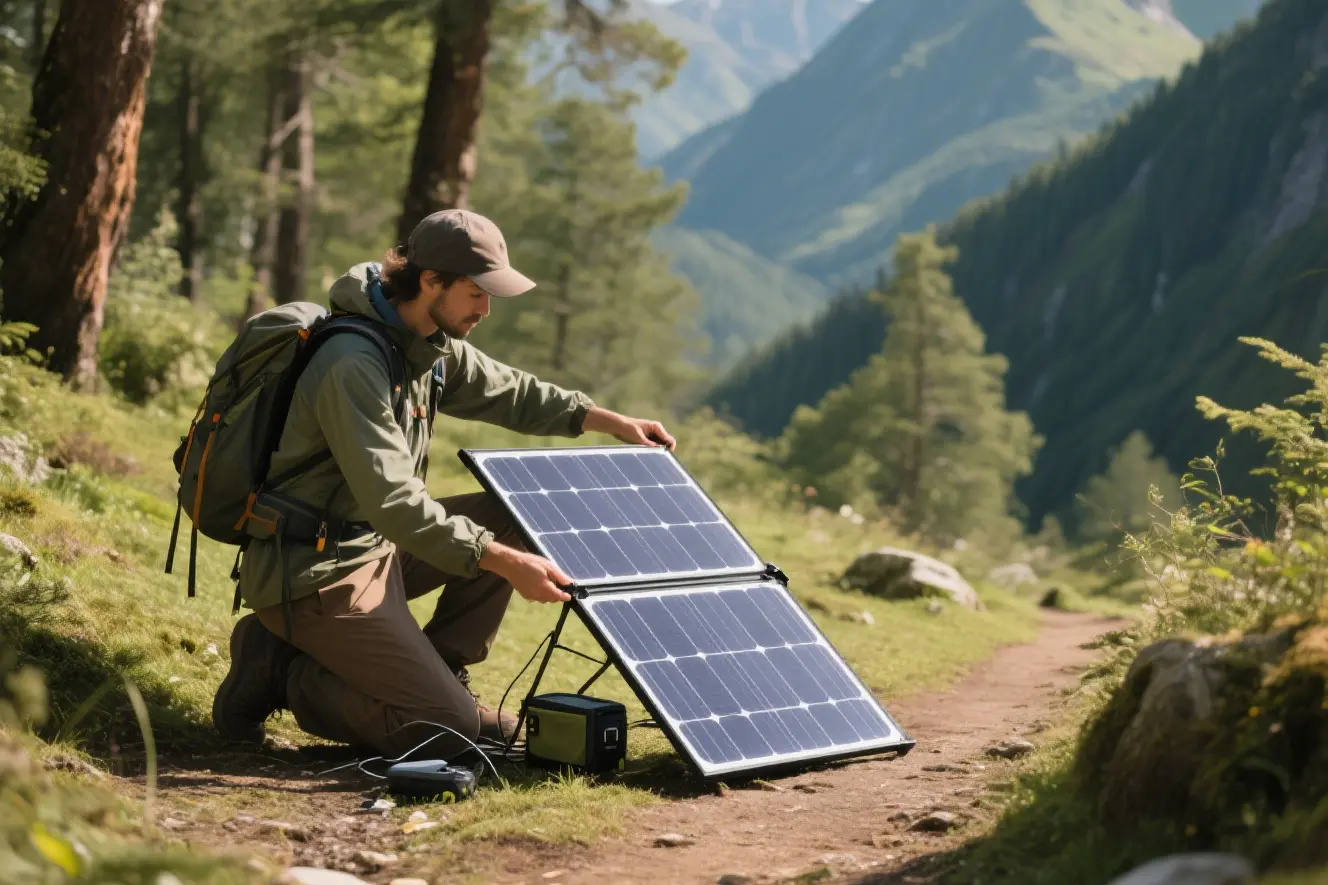

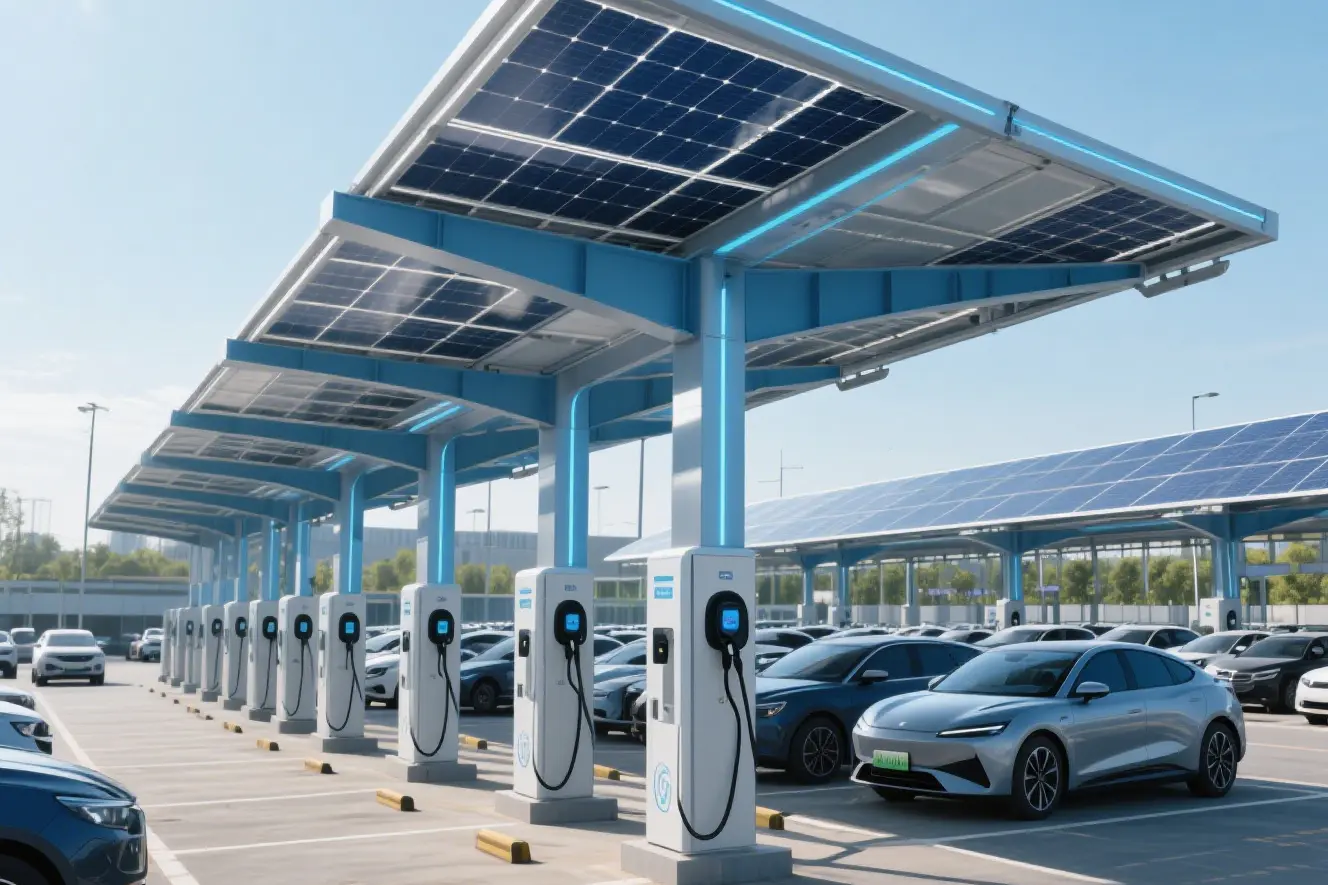
Building long-term, mutually beneficial relationships with leading energy developers and utility partners worldwide.

Find technical answers about sizing, lifespan, installation, and optimizing commercial energy storage systems.
Stay informed with the latest updates on manufacturing, quality standards, and energy storage innovations.
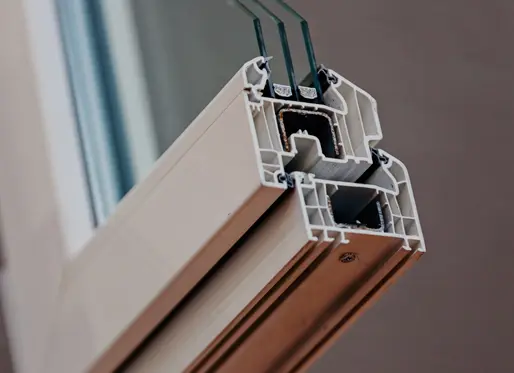
Discover the engineering factors and chemical treatments that ensure long-term structural durability for utility-scale solar arrays...
Read Article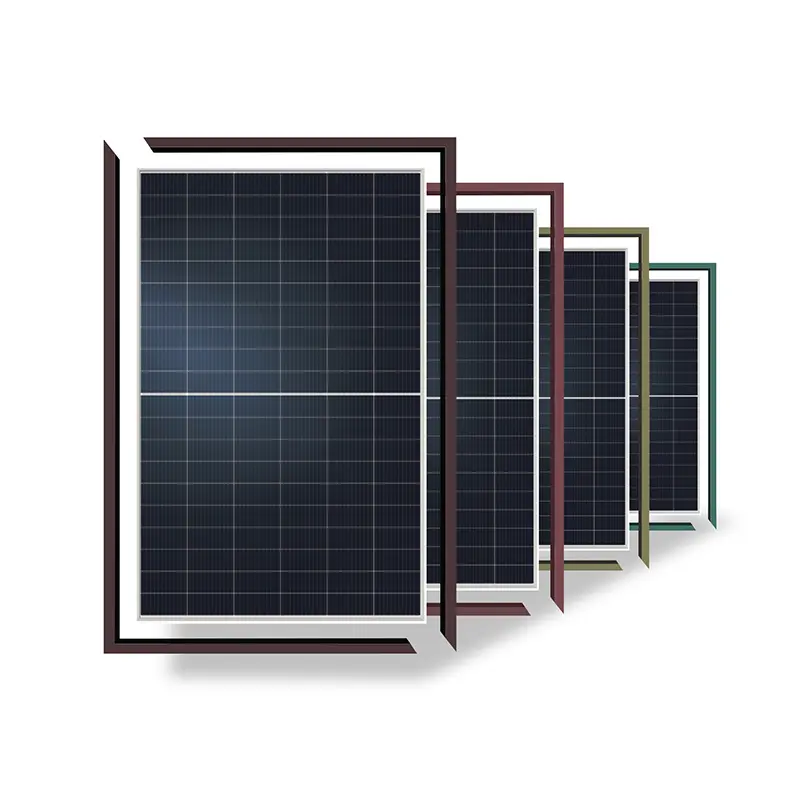
A step-by-step guide for international solar buyers to evaluate factory capacity, testing equipment, and materials standards...
Read Article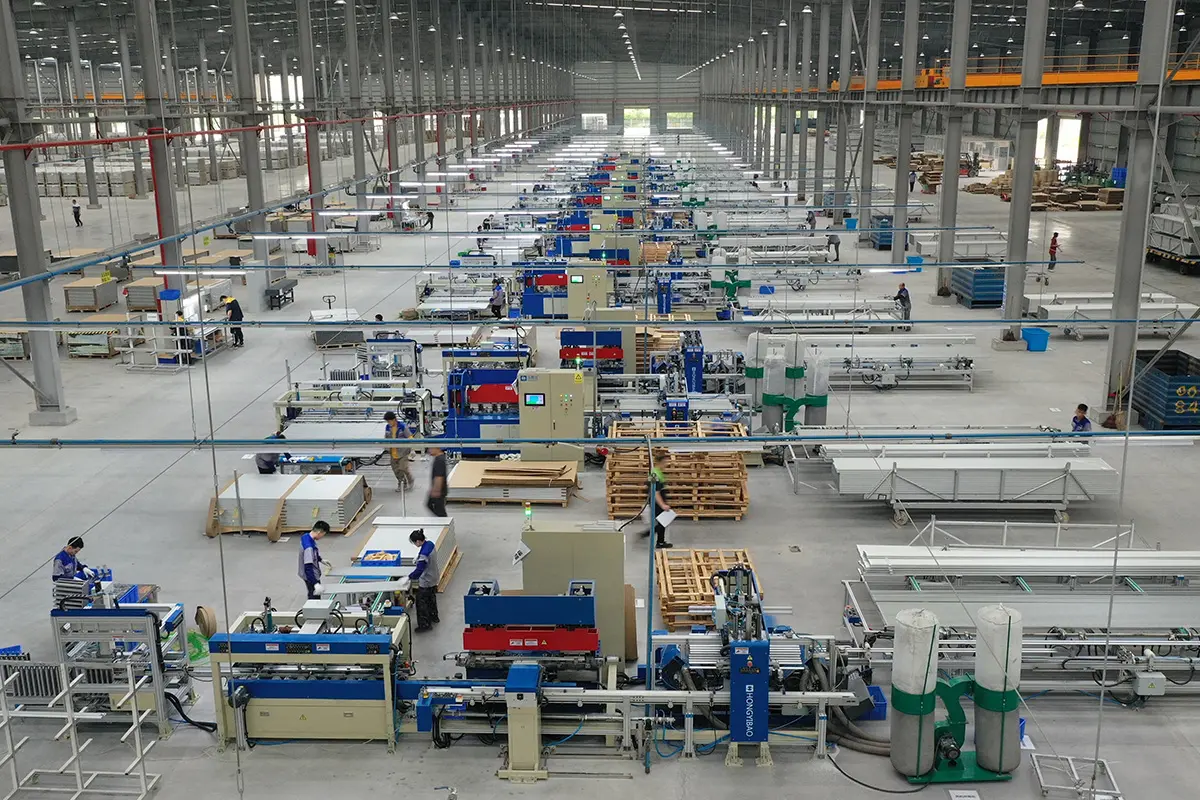
Learn more about mechanical load tests, anodizing thickness checks, and dimensional tolerance standards for PV frames...
Read ArticleExplore our high-capacity TOPCon solar panels, portable off-grid systems, and modular battery units for commercial applications.