Advanced photovoltaic panels, integrated energy storage hardware, and clean-tech backpack integrations engineered to optimize output.
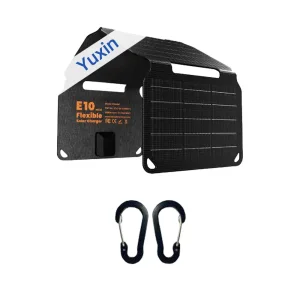
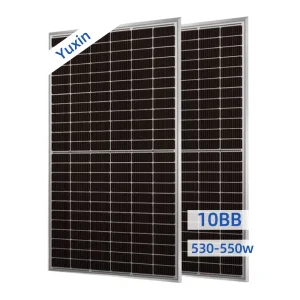
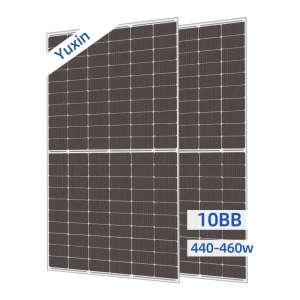
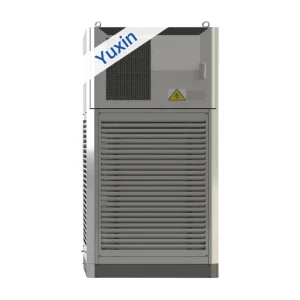
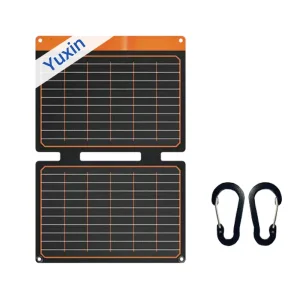
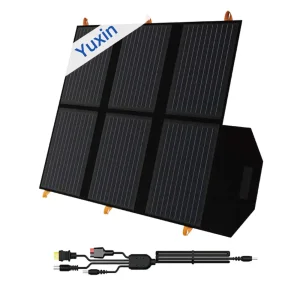
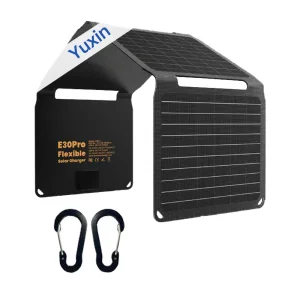
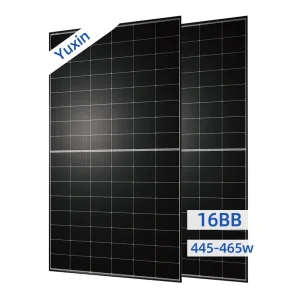
Propelling off-grid transitions with engineering materials, architectural frameworks, and micro-generation devices.
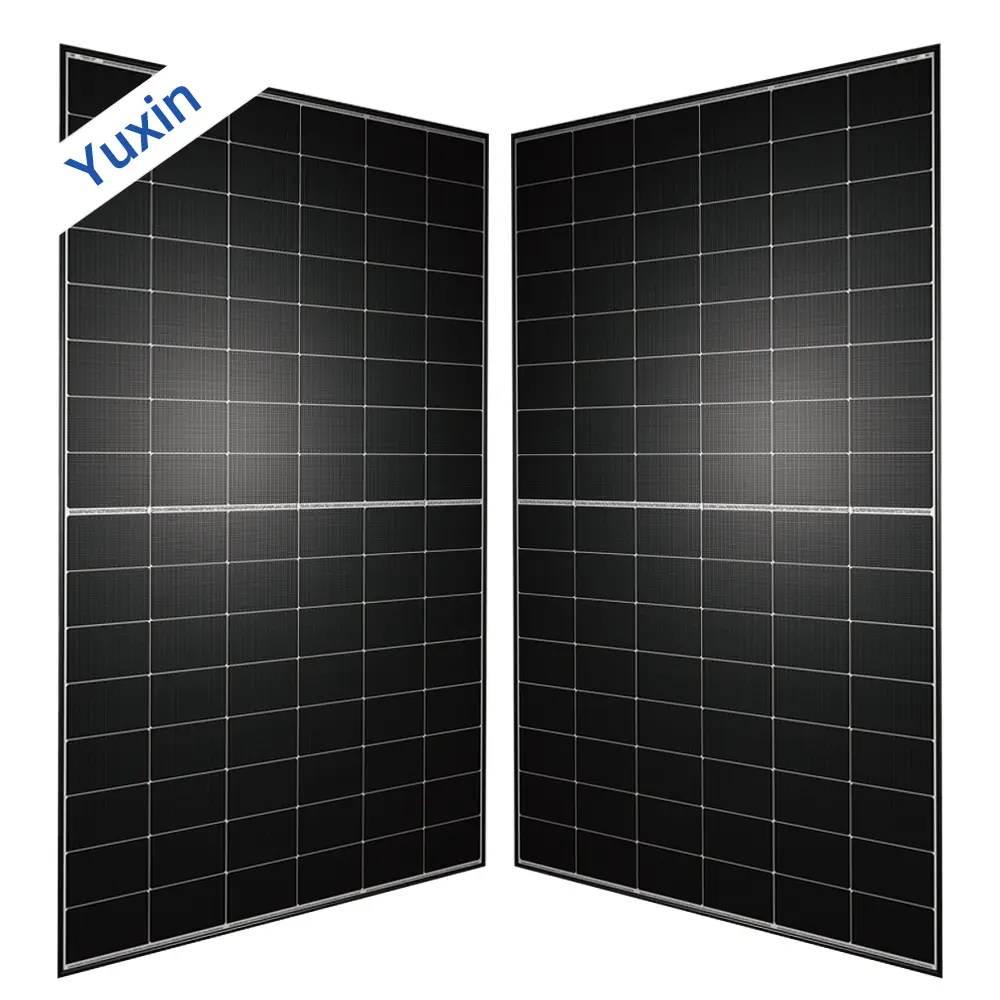
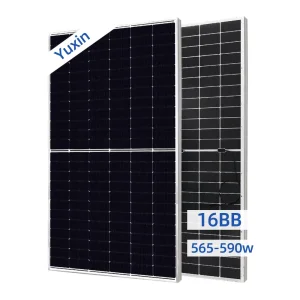
Lightweight design with transparent back panel for easy installation and reduced balance of system (BOS) costs.
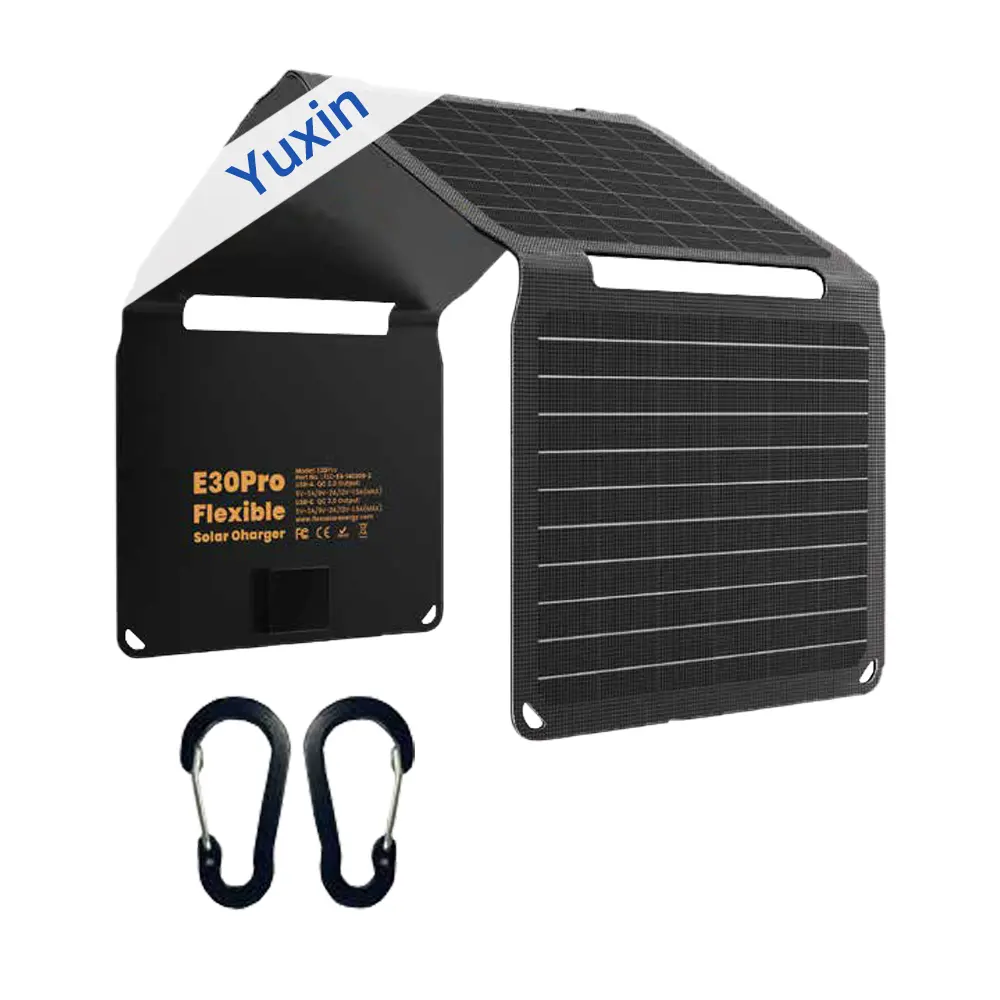
Utilizing advanced monocrystalline silicon cells, it achieves a high energy conversion efficiency of up to 24% under optimal sunlight.
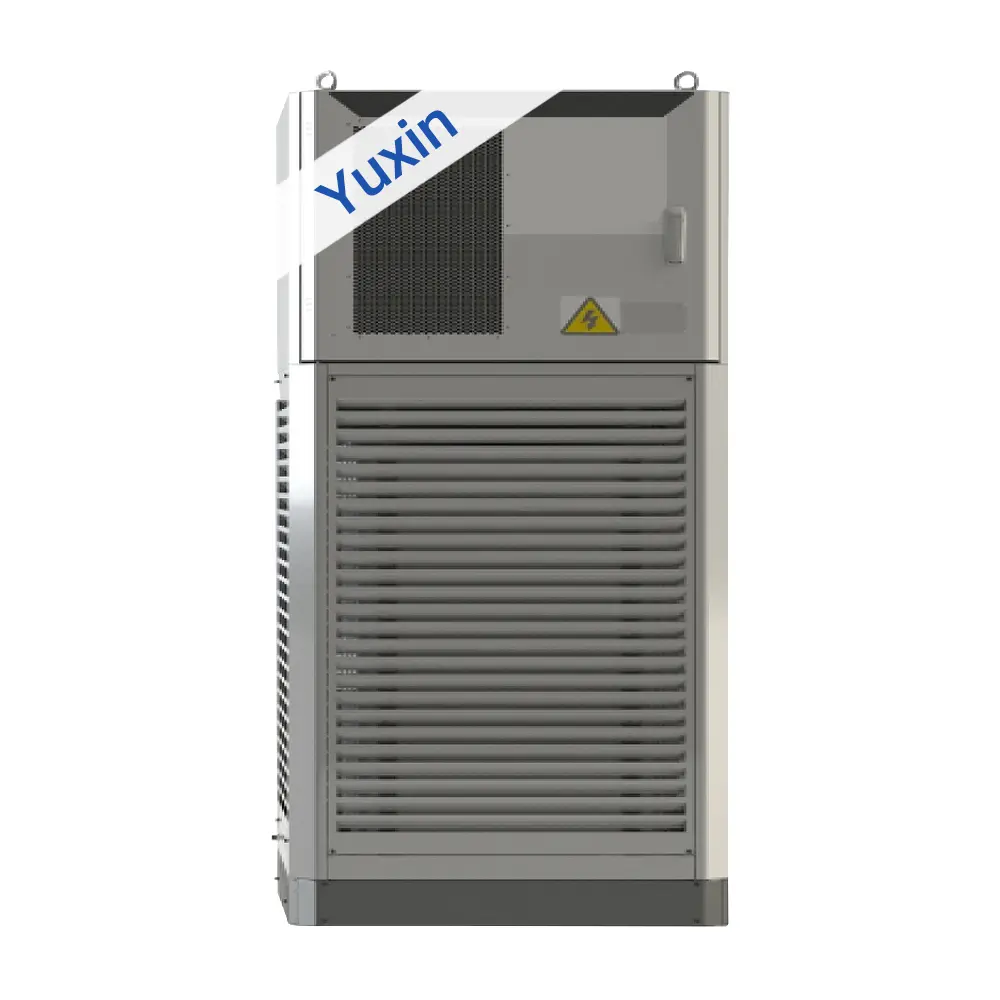
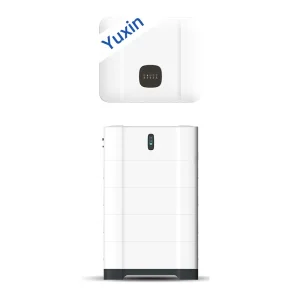
Flexible operational profiles: supports grid-connected mode, off-grid backup mode, and automated hybrid grid-connected/off-grid dynamic switching.
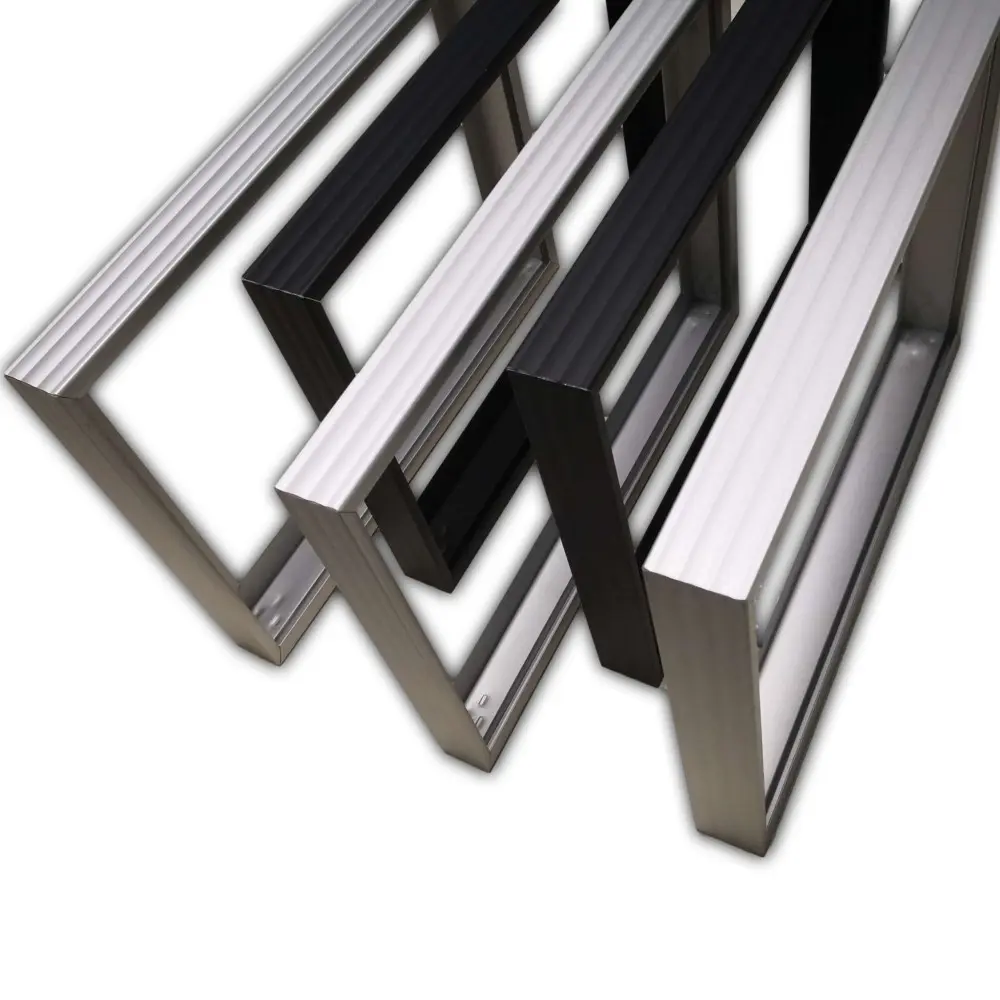
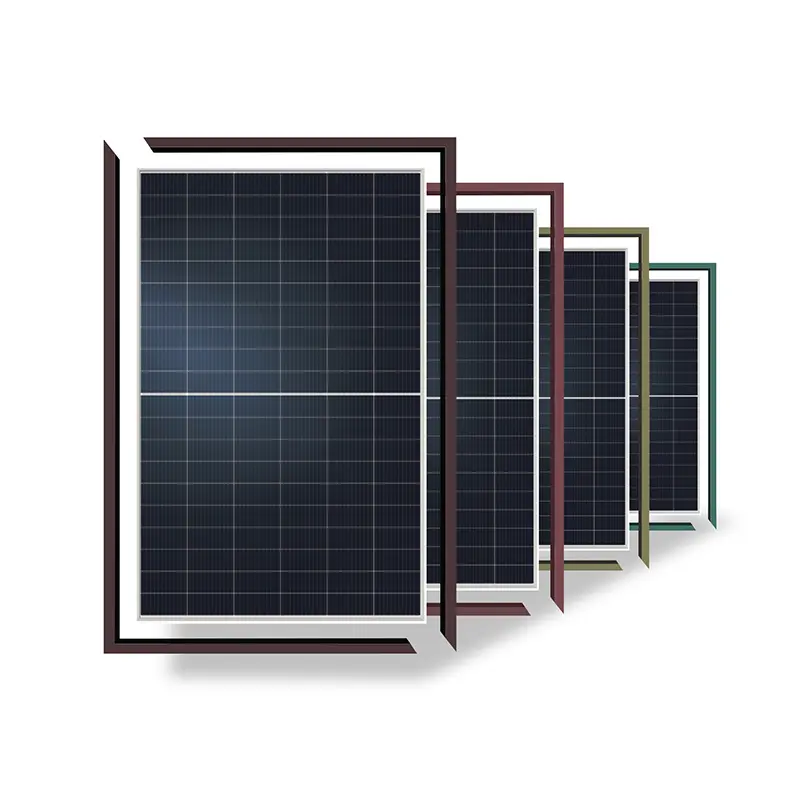
Forged from high-grade anodized aluminum alloys, ensuring superior mechanical wind load resistance and anti-corrosive properties.
In the contemporary global landscape of decentralized electrical generation, the Voltx 160w Solar Panel represents a crucial technological milestone. Balancing structural lightweight optimization with robust power density, this specific format addresses the critical requirements of mobile, remote, and auxiliary commercial applications. As modern systems transition from rigid central architectures to highly versatile off-grid micro-grids, the demand for custom high-performance 160W solar arrays has grown rapidly.
Strategic Industry Insight: The integration of 160W monocrystalline silicon platforms is no longer merely a consumer camping utility. It has become a crucial element of industrial remote sensing, auxiliary marine power, commercial transport climate support, and telecommunication relay stations.
Large-scale solar installations dominate utility-scale generation, but auxiliary systems require modular, resilient, and manageable units. A 160W configuration acts as a reliable building block. Thanks to its electrical output properties (frequently exhibiting a Nominal Voltage between 18V and 22V), these panels connect seamlessly with standard 12V and 24V battery systems using MPPT (Maximum Power Point Tracking) controllers. In remote environmental telemetry and automated agriculture, this capacity to supply continuous DC energy eliminates the high cost of grid-trenching or diesel fuel delivery.
Globally, the supply chain for off-grid PV components is transitioning toward advanced chemical architectures. Standard Polycrystalline systems are progressively phased out by high-purity Monocrystalline configurations, PERC (Passivated Emitter and Rear Cell), and modern N-Type TOPCon (Tunnel Oxide Passivated Contact) arrays. The global demand for structural components like anodized 6063-T5 aluminum frames and pultruded polyurethane composite frames highlights the industry's focus on structural longevity. Systems operating in aggressive environments—such as coastal marine installations or high-salinity agricultural zones—require components that resist electrochemical degradation while maintaining structural integrity against mechanical wind stresses.
High-quality engineering is defined by meeting strict international certification standards. To ensure safety, structural compliance, and reliability, PV modules and installation hardware must undergo rigorous performance testing:
Precision, Quality, and Safety - Your Photovoltaic Materials Expert
Located in the scenic historical and cultural ancient city of Yangzhou, close to the Beijing-Shanghai Expressway, Runyang Yangtze River Bridge, and Ningqi Railway, the group has a superior geographical location and convenient transportation. Established in 2008, the group has 14 multi-field companies under its jurisdiction, including Jiangsu Yuxin New Energy Technology Co., Ltd.
Through close focus on technological innovation, YUXIN has earned national recognition as a High-tech Enterprise, a Technology-based Enterprise, and has been recognized among Gaoyou City's Top 100 Private Enterprises. We integrate material sciences and structural engineering to deliver reliable photovoltaic solutions for global industrial markets.
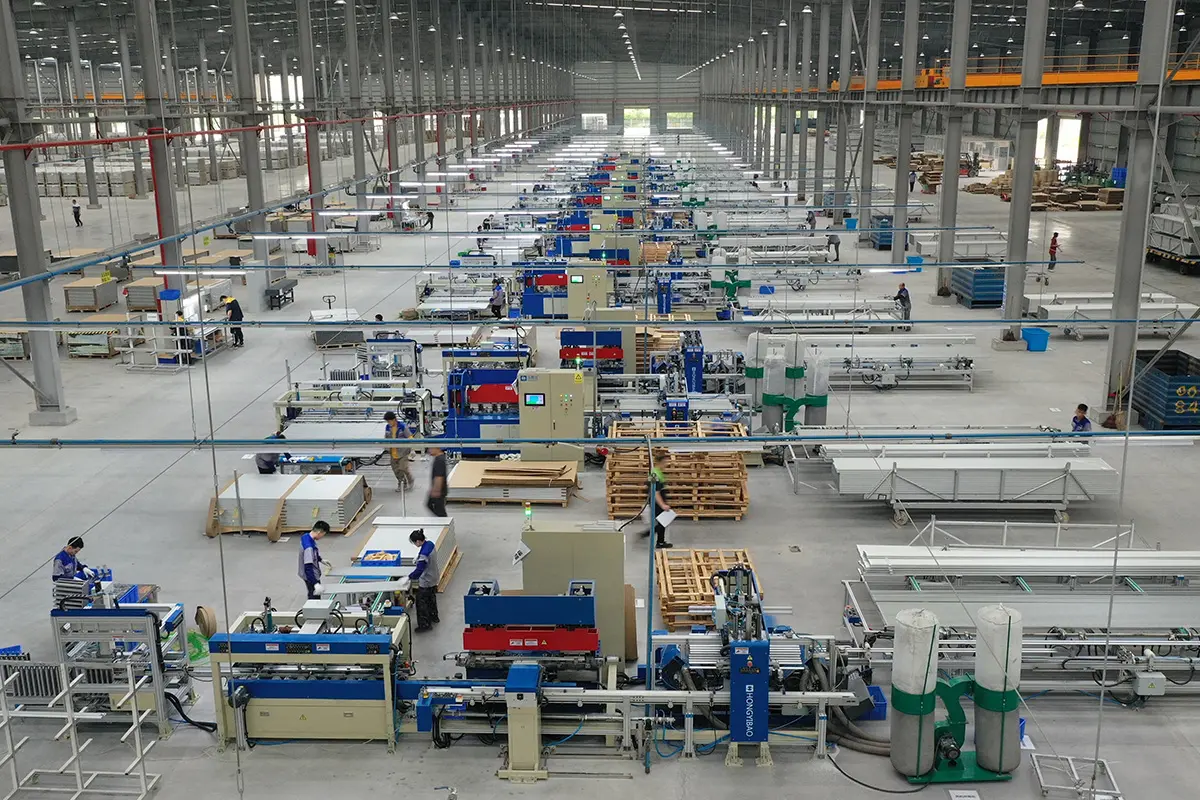
Showcasing 21+ Advanced Automated Manufacturing Lines
Manufactured to rigorous international testing and certification criteria.
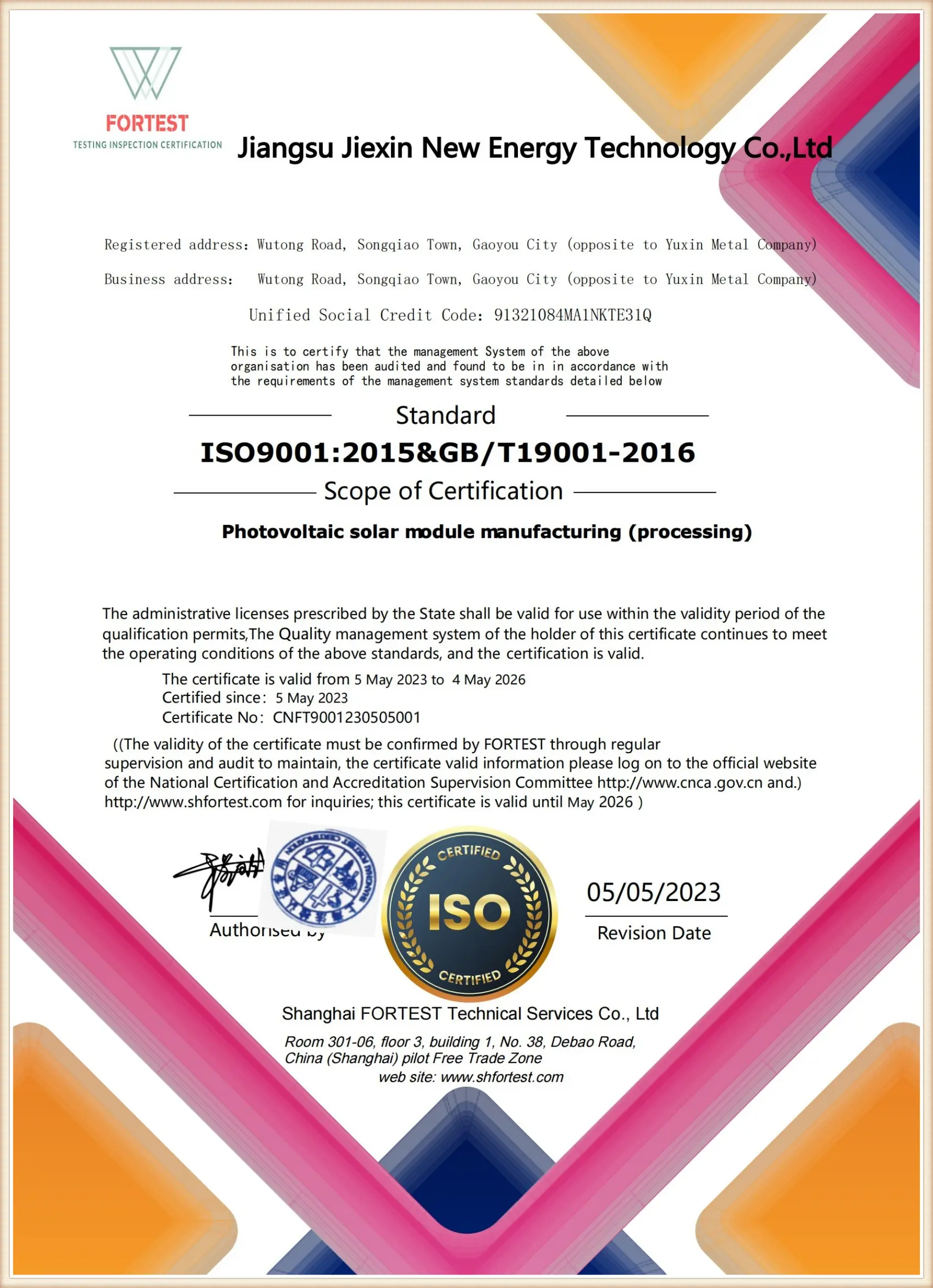
ISO Quality Standard Certificate
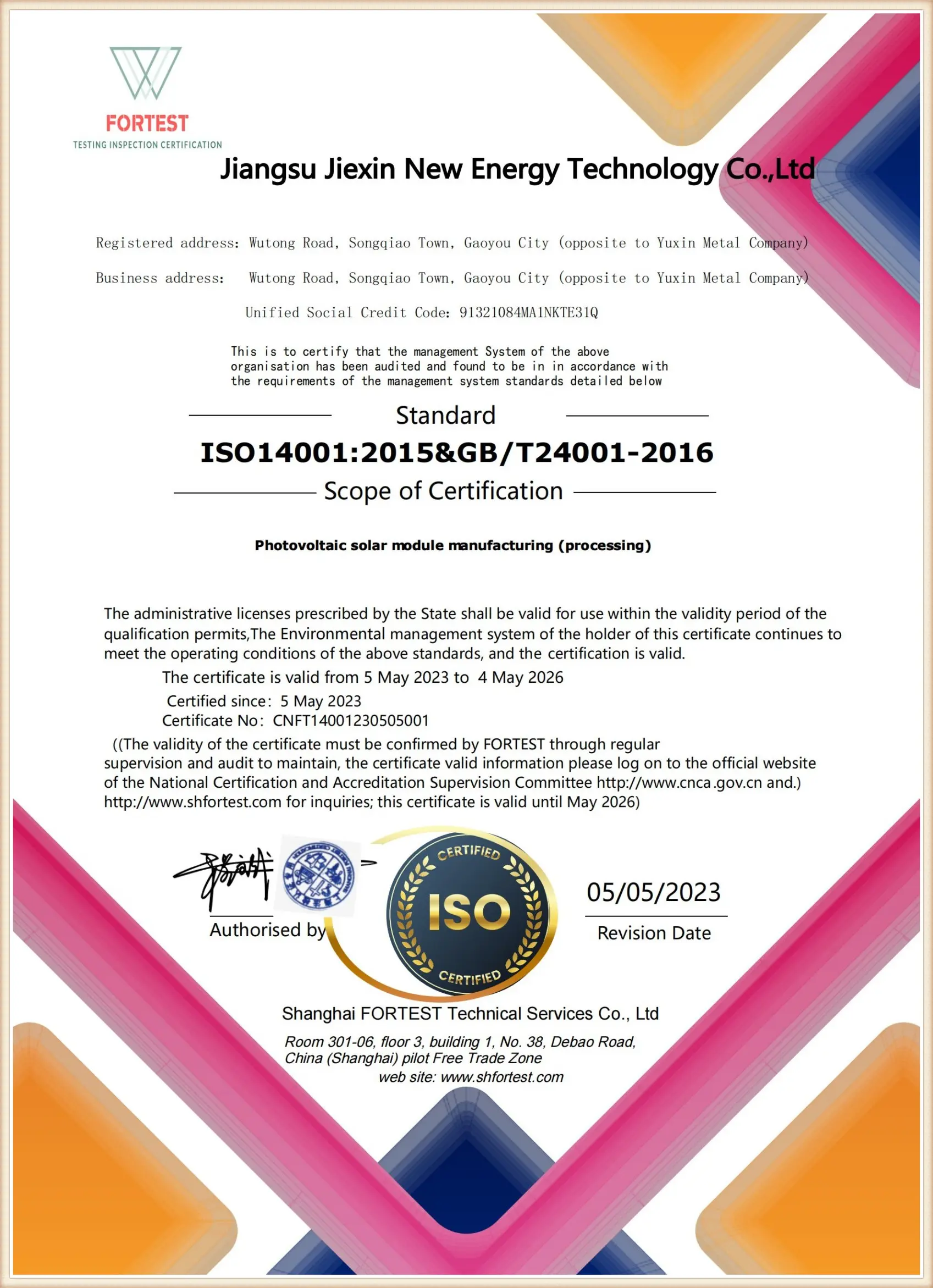
CE Compliance Certificate
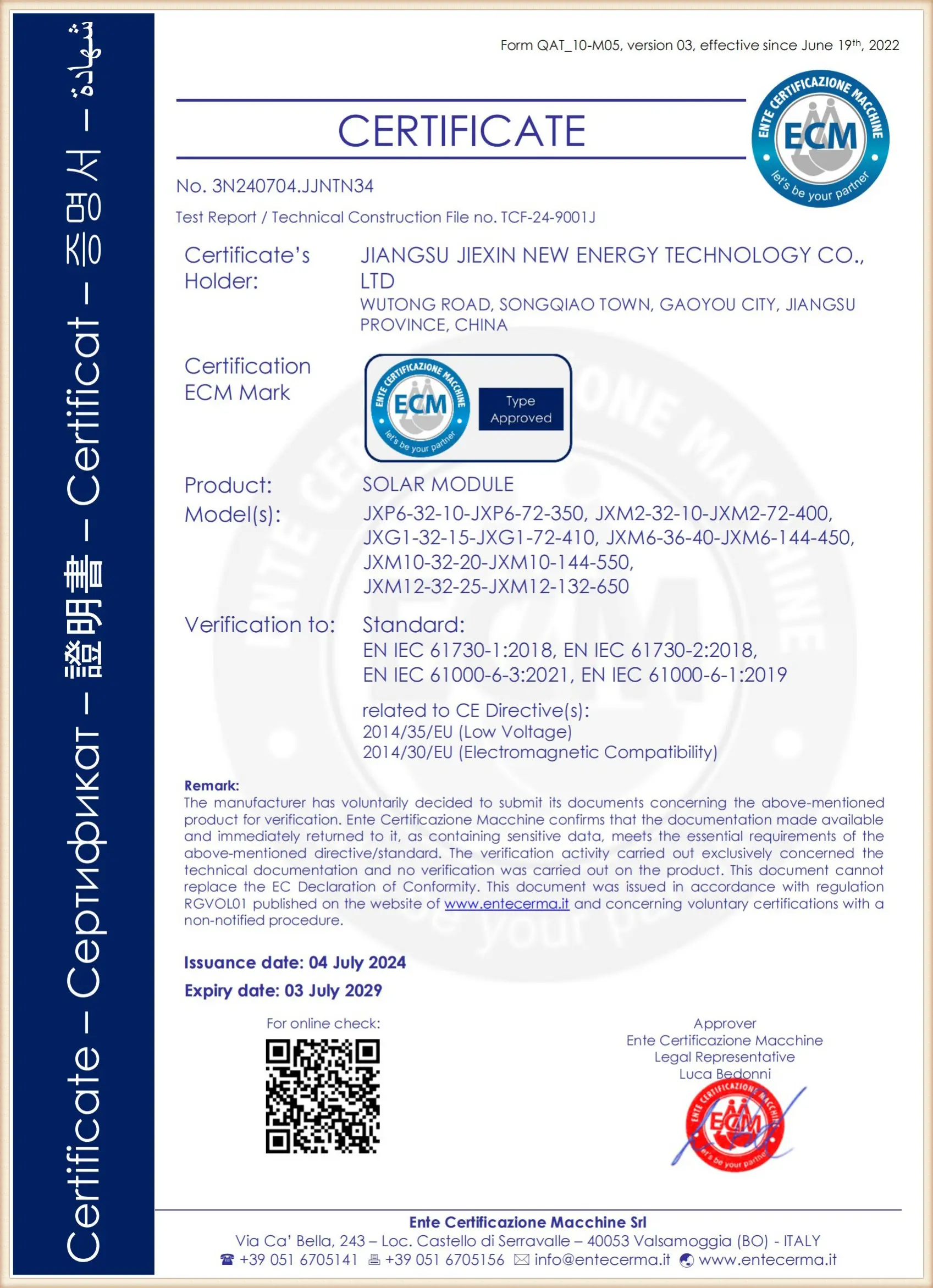
TUV Rheinland Certificate
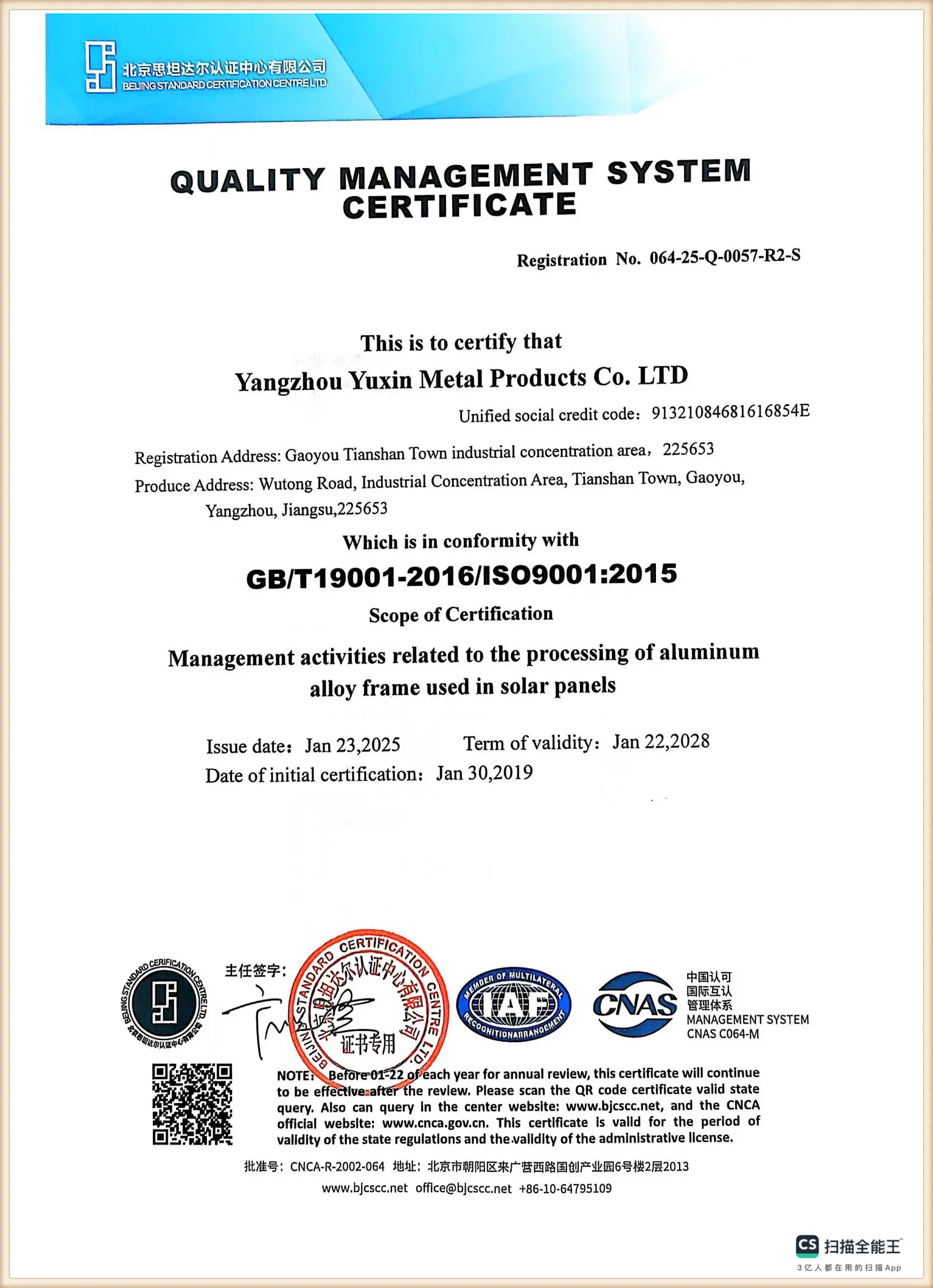
UL Material Safety Standards
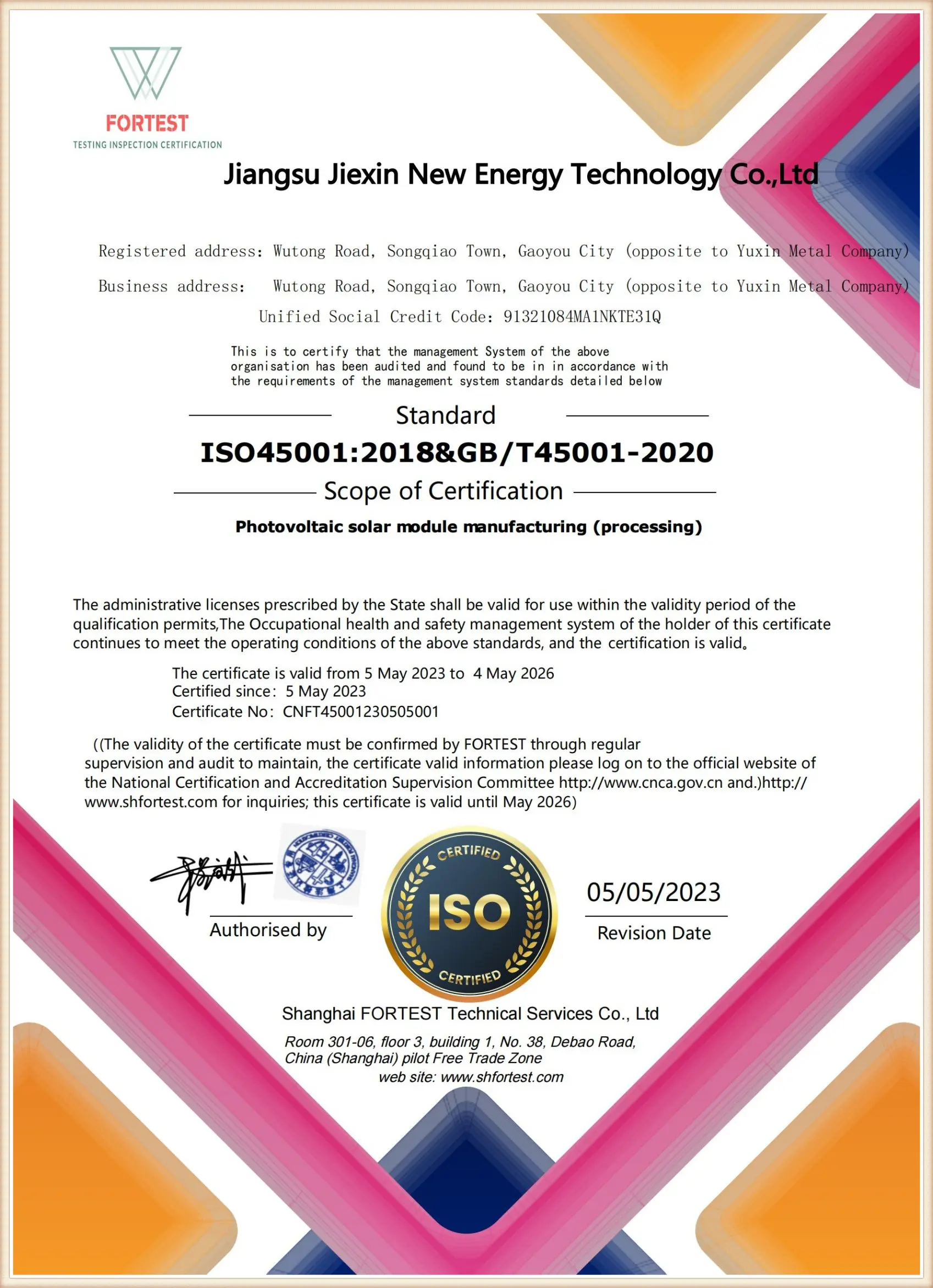
OHSAS Management Certificate
Deploying targeted solar solutions across critical commercial and infrastructure sectors.

Powering remote telemetry sensor networks and automated drip-irrigation pumping assemblies.
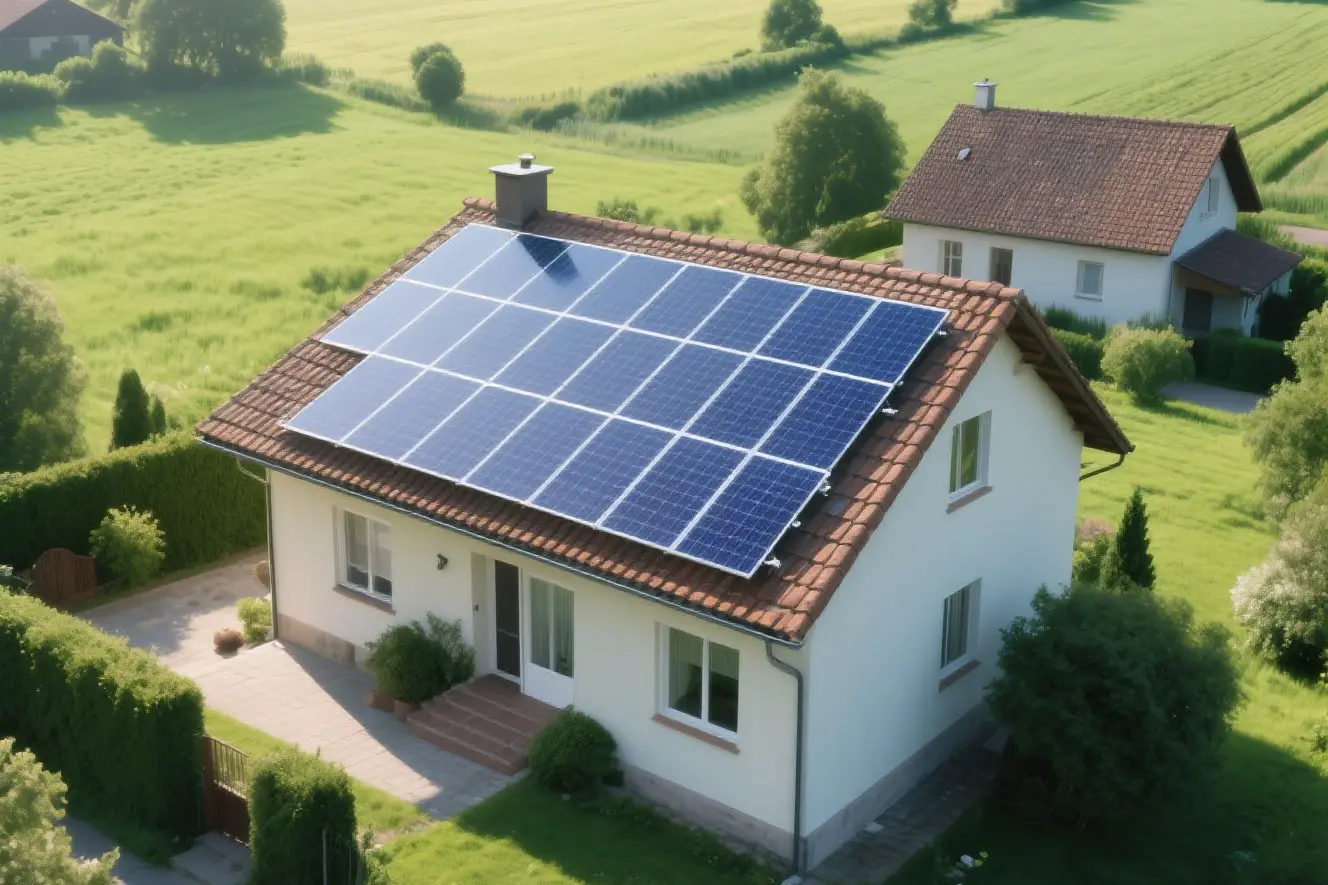
Providing autonomous, portable electrical setups for mobile office modules, site security, and off-grid tools.
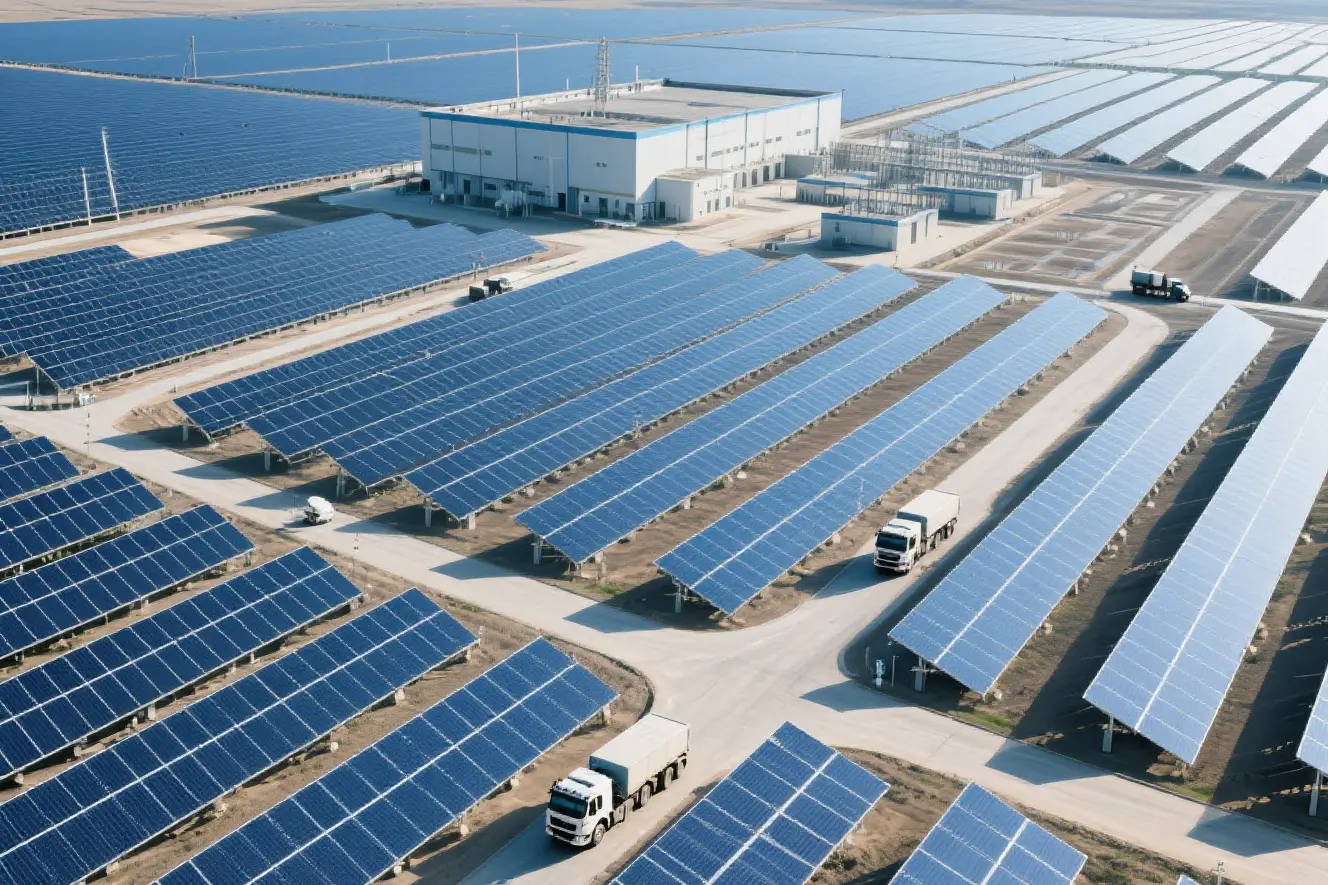
Supplying auxiliary power loops, distributed micro-grids, and substation monitoring control gear.

Deploying high-efficiency, lightweight solar backpacks and rugged charging kits for remote exploration.

Delivering reliable backup power for microwave repeaters, base transceivers, and critical communication towers.
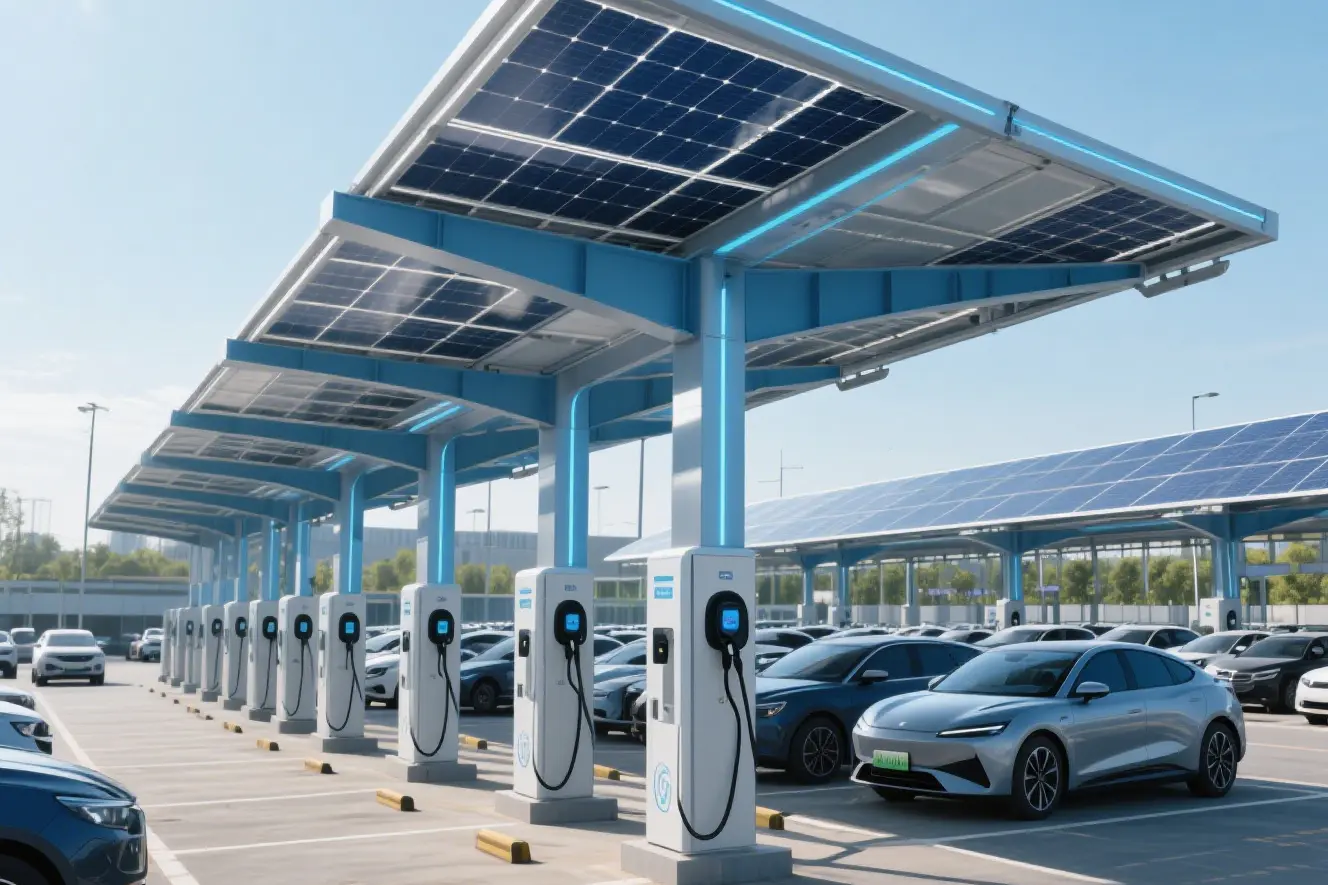
Integrating PV systems on fleet cabins, RVs, commercial transit units, and logistics cold-chain tracking.
In response to global updates to the Google Search Quality Guidelines and the industry's focus on information transparency, we present our technical development roadmap. Over the next five years, photovoltaic technologies will undergo significant evolutions, transitioning from standard PERC cell structures to higher-efficiency chemical architectures.
By minimizing minority carrier recombination, N-type TOPCon solar panel modules achieve laboratory conversion efficiencies of up to 26.5%. This reduces performance degradation under high-temperature conditions, resulting in improved yield over the product life cycle.
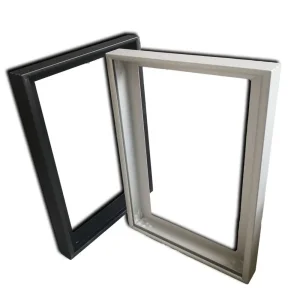
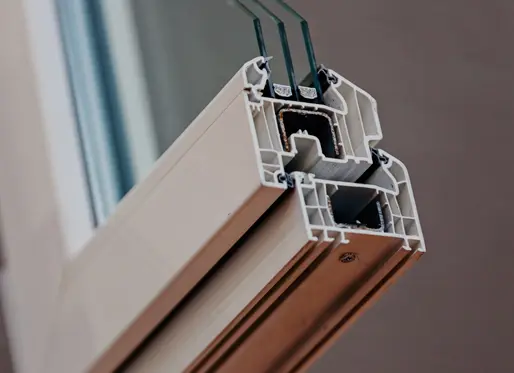
Traditional aluminum extrusion frames are being updated with advanced composite materials. Polyurethane pultruded composite structures offer superior chemical resistance, exceptional electrical isolation, and a reduced carbon footprint during manufacturing.
In parallel, the integration of IoT monitoring hardware within modular commercial energy storage systems allows operators to analyze real-time performance. This provides predictive analytics for maintenance schedules and optimizes energy distribution curves in off-grid micro-grid systems.
Collaborating with leading enterprises to deliver quality PV components and solutions worldwide.







Informing the clean energy community on quality assurance standards, production benchmarks, and material innovations.
Answering key questions on performance, installation, and material longevity.
Our 160W Monocrystalline solar panels feature integrated bypass diodes. If a section of the panel is shaded, these diodes route current around the shaded cells, preserving the overall string output and minimizing hotspot-induced cell degradation.
Anodized aluminum alloy 6063-T5 combines excellent mechanical strength with high corrosion resistance. The electrochemical anodization process creates an oxide layer that prevents oxidation and wear, maintaining structural integrity under snow and wind loads.
Monocrystalline PERC (Passivated Emitter and Rear Cell) panels utilize a reflective passivation layer on the rear surface of the cell. This layer redirects light back through the cell for a second absorption pass, increasing conversion efficiency to 22-24% and improving performance in low-light environments.
Yes. Polyurethane pultruded composite frames offer excellent chemical resistance and do not undergo galvanic corrosion in salt spray environments. Their high insulation properties also reduce Potential Induced Degradation (PID) risks in high-humidity areas.
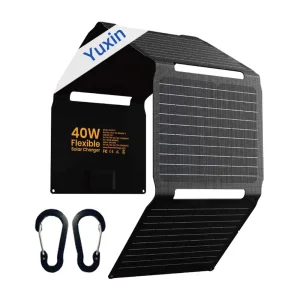
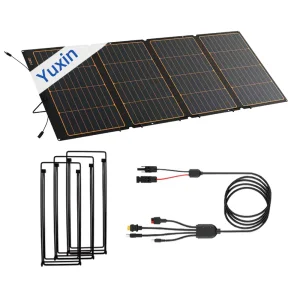
Our portable solar charging panels are manufactured using multi-layered ETFE (Ethylene Tetrafluoroethylene) encapsulation. This material is impact-resistant, dirt-repellent, and flexible, protecting the monocrystalline cells underneath from physical drops and dynamic pressure.
High-capacity solar systems, composite structural frames, and heavy-duty portable power hardware.