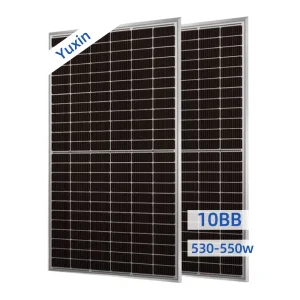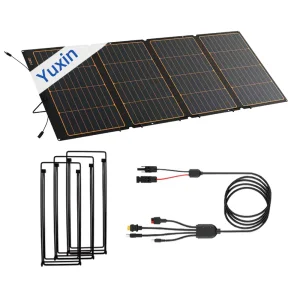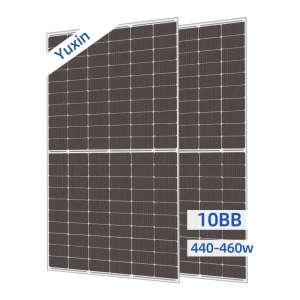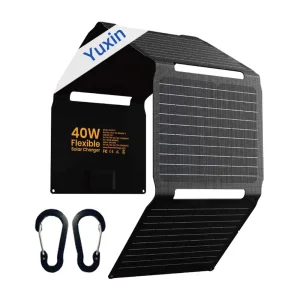
Explore our high-performance monocrystalline panels, energy storage systems, camping hardware, and custom-engineered mounting solutions designed for off-grid operations.
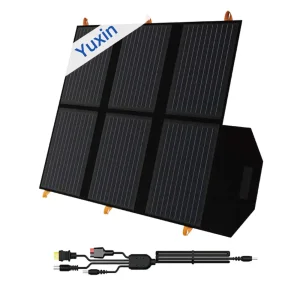
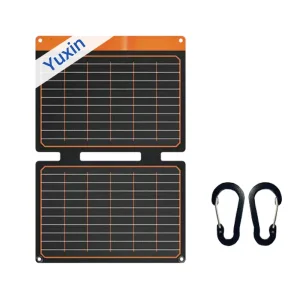
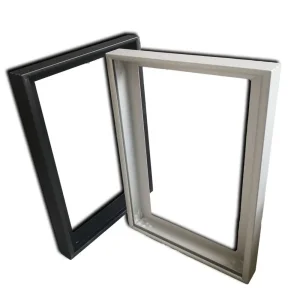
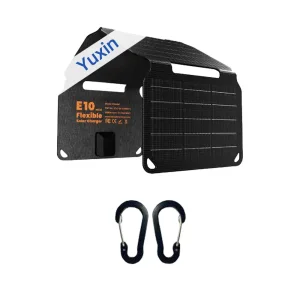
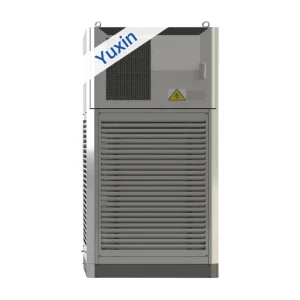
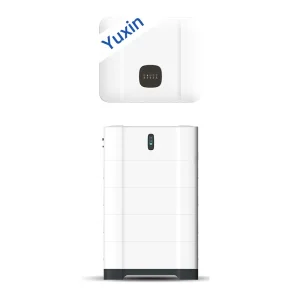
A Technical Whitepaper on Engineering Standards, Supply Chains, and Global Trade Compliance
The global recreational vehicle (RV) and travel trailer industry is undergoing a structural transition toward total off-grid self-sufficiency. Fleet operators, RV manufacturers (OEMs), and wholesale importers no longer treat auxiliary power as an optional accessory. It is a critical infrastructure component. High-capacity, custom travel trailer portable solar panels represent the frontier of this transformation, offering transient users the capability to generate power reliably in harsh climates without relying on landlines or loud, carbon-emitting generator systems.
Integrating solar solutions at a factory level requires meeting rigorous dimensional, mechanical, and electrical standards. To ensure long-term durability and optimal power output under varying conditions, sourcing managers must carefully evaluate variables such as silicon cell grade, environmental seal protection, frame mechanical strength, and connection modularity.
Precision, Quality, and Safety - Your Photovoltaic Materials Expert
Located in the scenic historical and cultural ancient city of Yangzhou, close to the Beijing-Shanghai Expressway, Runyang Yangtze River Bridge, and Ningqi Railway, the group has a superior geographical location and convenient transportation. The group was established in 2008 and has 14 multi-field companies under its jurisdiction, including Jiangsu Yuxin New Energy Technology Co., Ltd., and has won many titles such as National High-tech Enterprise, Technology-based Enterprise, and Gaoyou City Top 100 Private Enterprises.
Yuxin specializes in the production of highly durable PV frames, solar brackets, and high-conversion portable panels. By integrating structural metallurgy with advanced photovoltaic science, we deliver components that endure structural twists, off-road vibrations, and severe weather anomalies characteristic of travel trailer excursions.
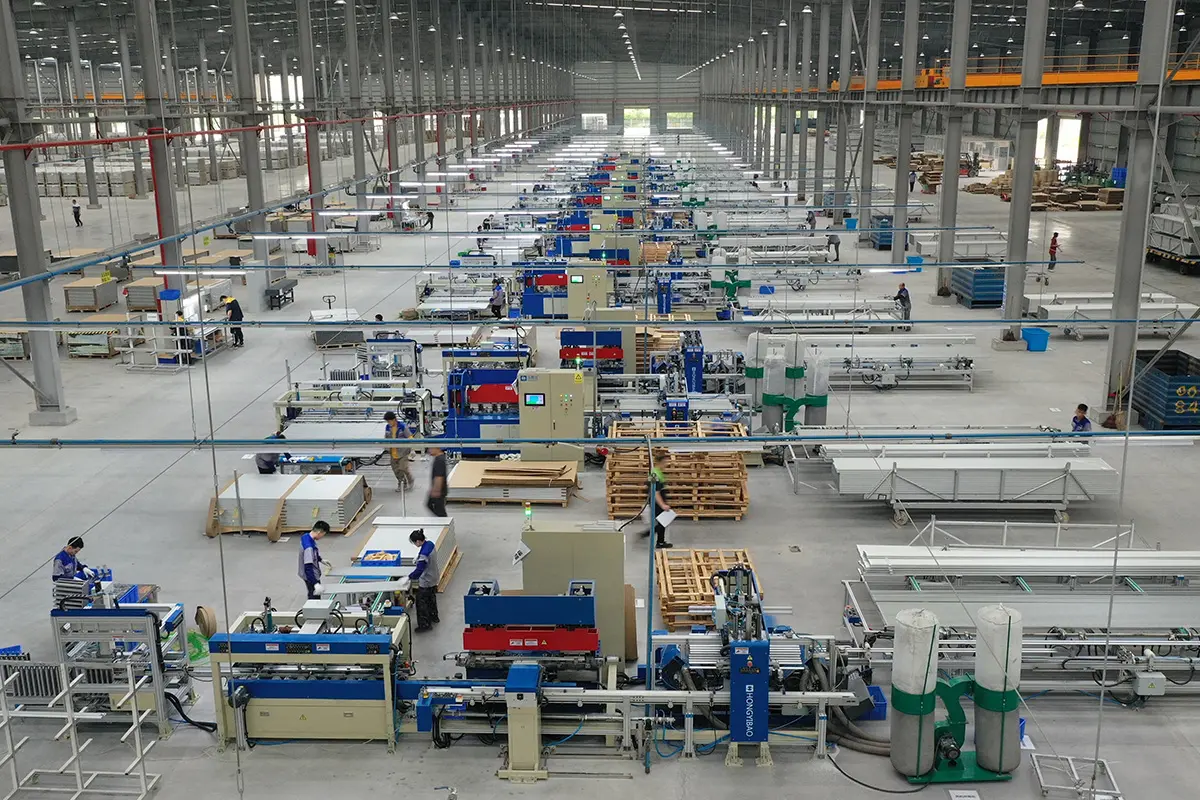
China commands over 80% of the global PV value chain, and Yangzhou stands at the center of this industrial infrastructure. This cluster links raw silicon purification, ingot wafering, cell slicing, structural extrusion, and final packaging into a highly integrated ecosystem. For global buyers, this concentration reduces internal logistics costs, accelerates design iteration, and provides stability against supply chain interruptions.
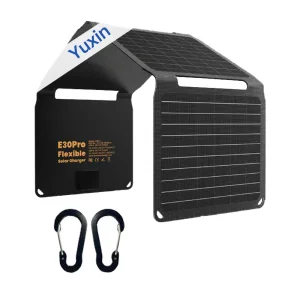
For instance, a portable folding solar panel module requires specialized flexible encapsulation materials (such as ETFE or PVDF), cross-linked EVA sheets, high-efficiency solar cells, bypass diodes, waterproof junction boxes, and structural support frames. By sourcing from a single industrial cluster, Yuxin streamlines this procurement chain. Components do not transit across multiple provinces; instead, they move within a 50-kilometer radius. This vertical integration allows us to optimize manufacturing cycles, maintain tight quality control at every phase, and scale production rapidly to meet sudden increases in market demand.
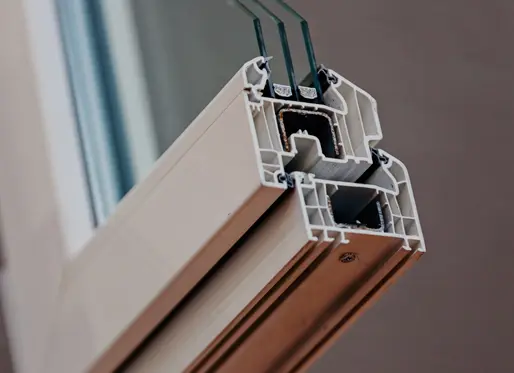
Standard PV module structural failure typically stems from fatigue in the framing material under twisting forces (e.g., wind loads on a fast-moving trailer). Yuxin addresses this through two primary options:
Proprietary off-grid technologies developed and validated in our state-of-the-art testing facilities.
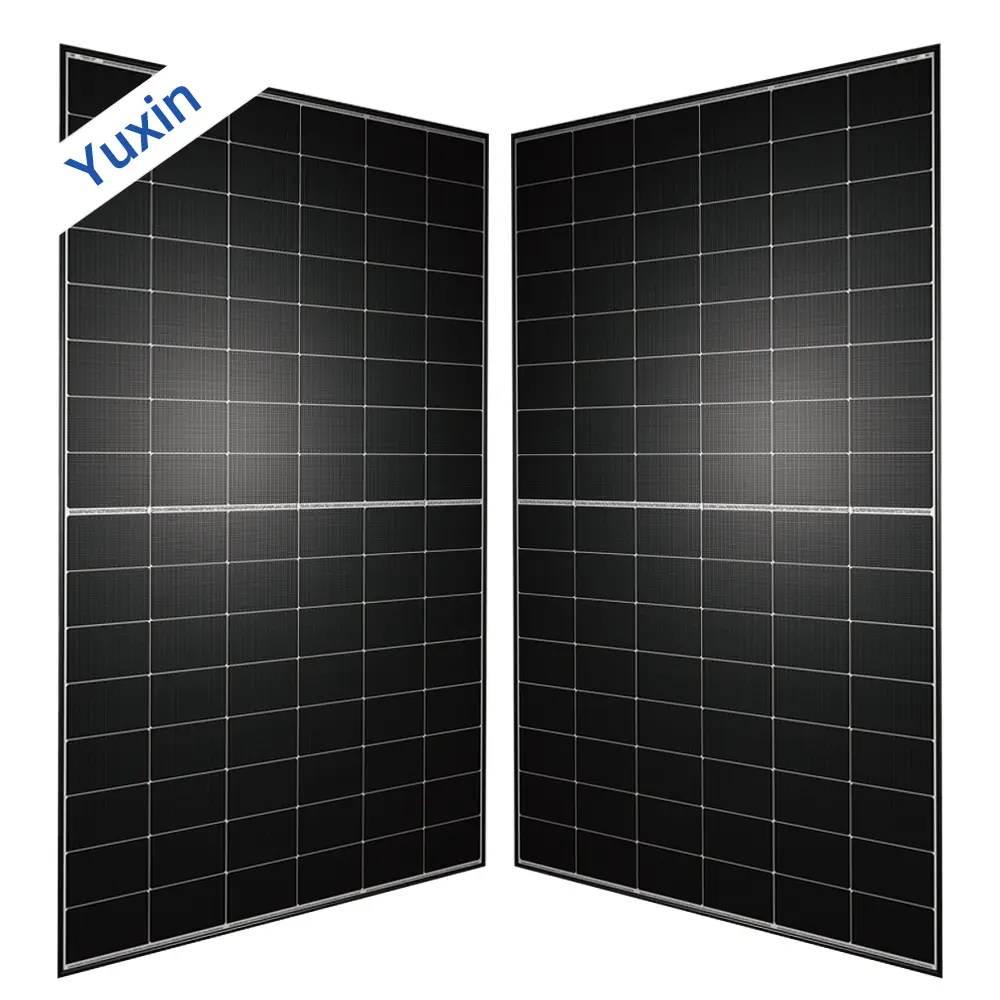
Lightweight design with transparent back panel for easy installation and reduced BOS costs.
Explore Technology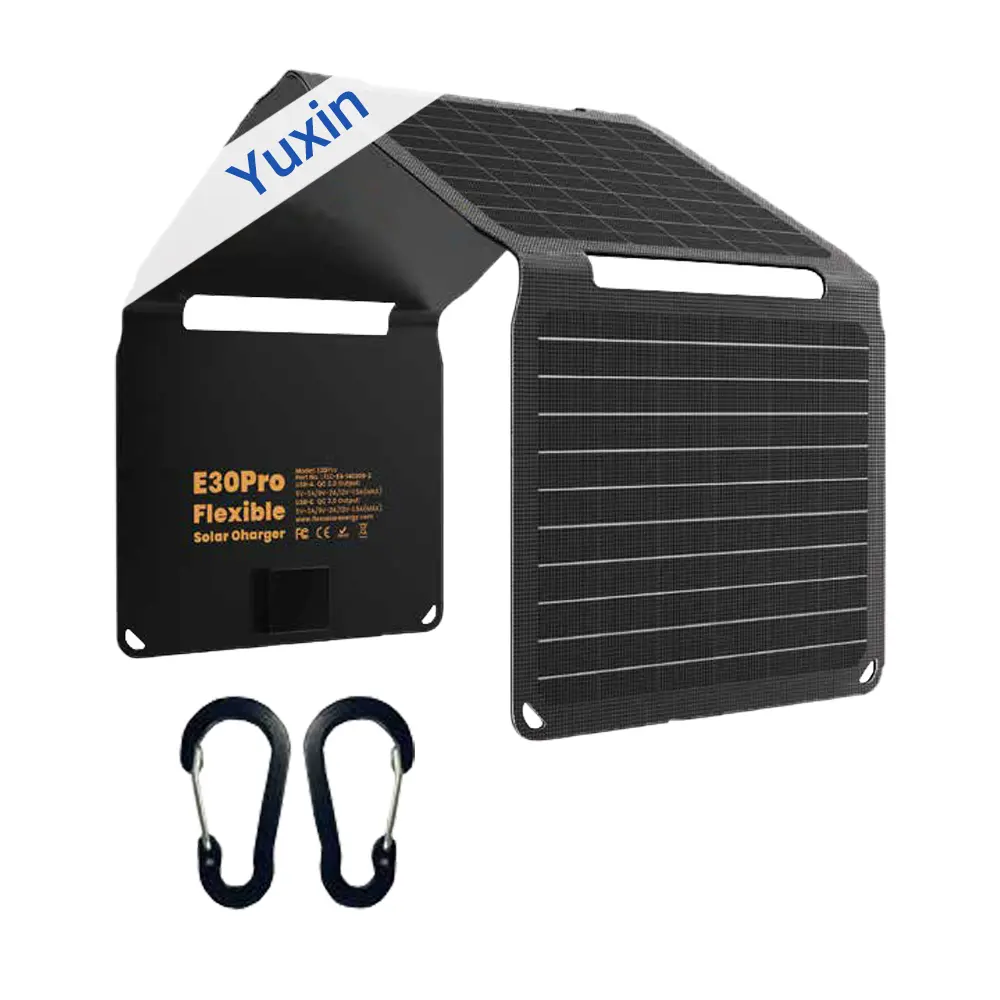
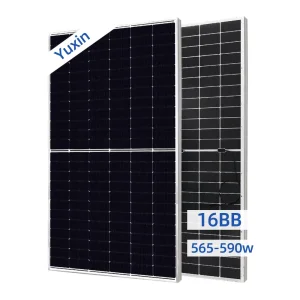
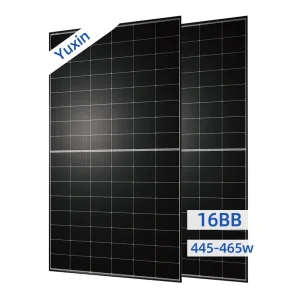
Utilizing advanced monocrystalline silicon cells, it achieves a high energy conversion efficiency of 24%.
Explore Technology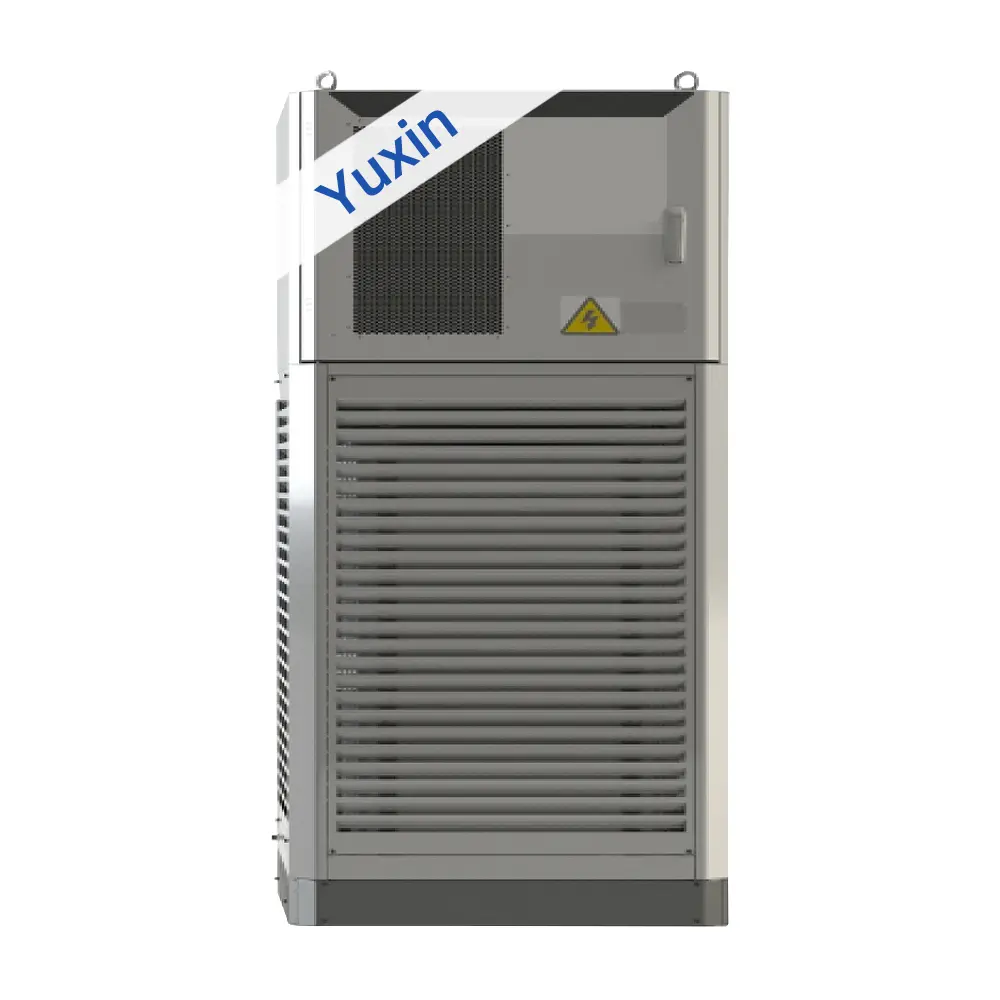
Application modes include grid-connected mode, off-grid mode, and integrated grid-connected/off-grid mode.
Explore Technology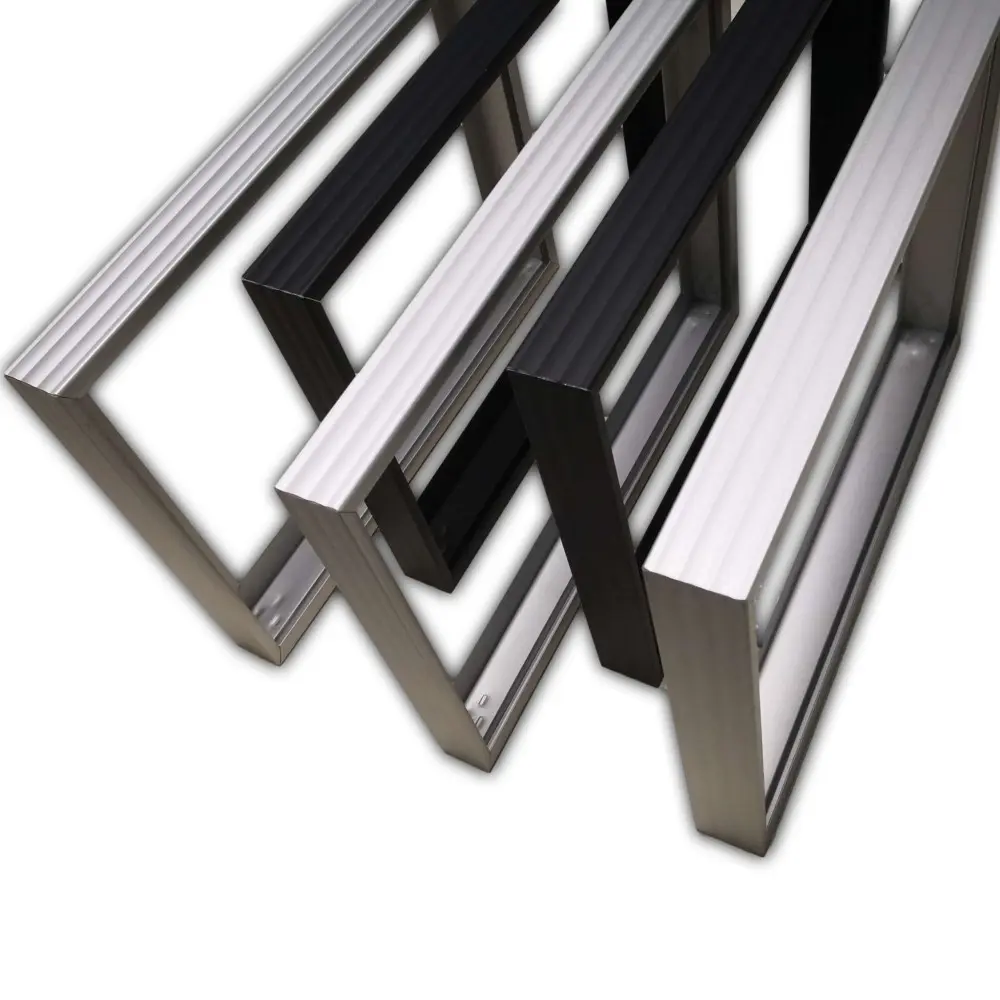
Made of high-quality anodized aluminum, it ensures superior weather resistance and a smooth, long-lasting finish.
Explore TechnologyB2B buyers, such as RV fleet managers, distributors of outdoor recreational equipment, and municipal off-grid system specifiers, face distinct requirements compared to retail consumers. Their focus centers on total cost of ownership, technical performance, and long-term supply stability. When sourcing travel trailer portable solar panels, B2B procurement strategies should prioritize:
1. Customizable Electrical Parameters & Structural Adaptability: Travel trailers are engineered with different electrical architectures. Sourcing partners need to supply solar panels configured for various voltage levels—whether standard 12V DC systems, newer 24V or 48V setups, or high-voltage solar arrays with integrated MPPT controllers. Frame dimensions and mounting slots must also align with existing mechanical roof rails or exterior storage bays to minimize installation labor on assembly lines.
2. Testing Standards and Failure Rate Guarantees: Industrial contracts require low failure rates, typically verified through third-party EL (Electroluminescence) testing. Sourcing agreements should mandate dual-EL testing—both before and after lamination—to guarantee that shipped modules are free from micro-cracks, hot spots, or internal contact anomalies.
3. Logistics Frameworks and Delivery Terms: Solar panels are fragile, meaning secure packaging and reliable shipping terms are critical to prevent shipping damage. B2B agreements must specify robust packing configurations—such as horizontal pallet loading with heavy corner reinforcements and anti-shock indicators—and utilize clear shipping arrangements (FOB, CIF, or DDP) backed by cargo insurance.
Our products are engineered to comply with international regulations, ensuring smooth custom clearance and regional grid compliance.
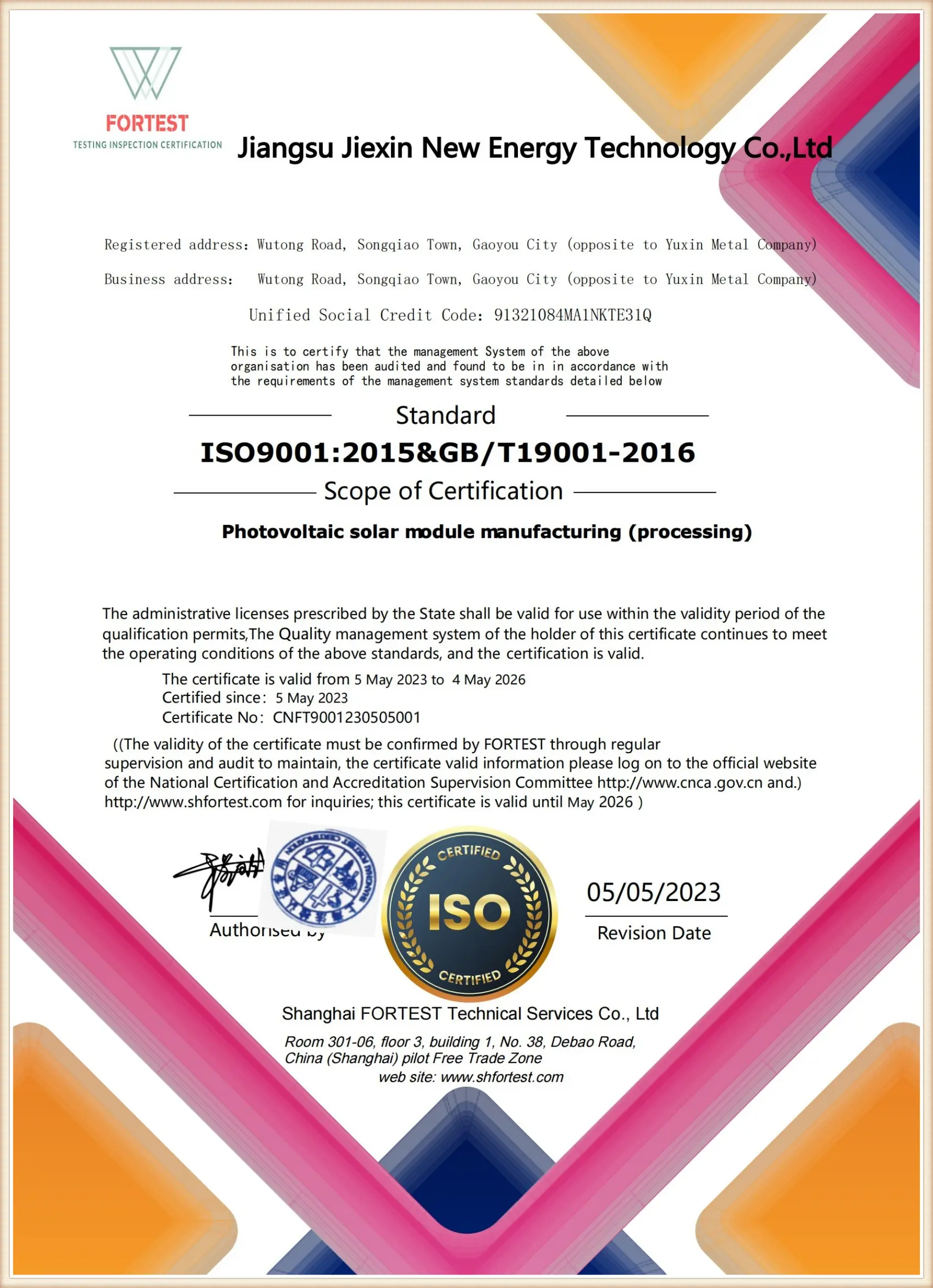
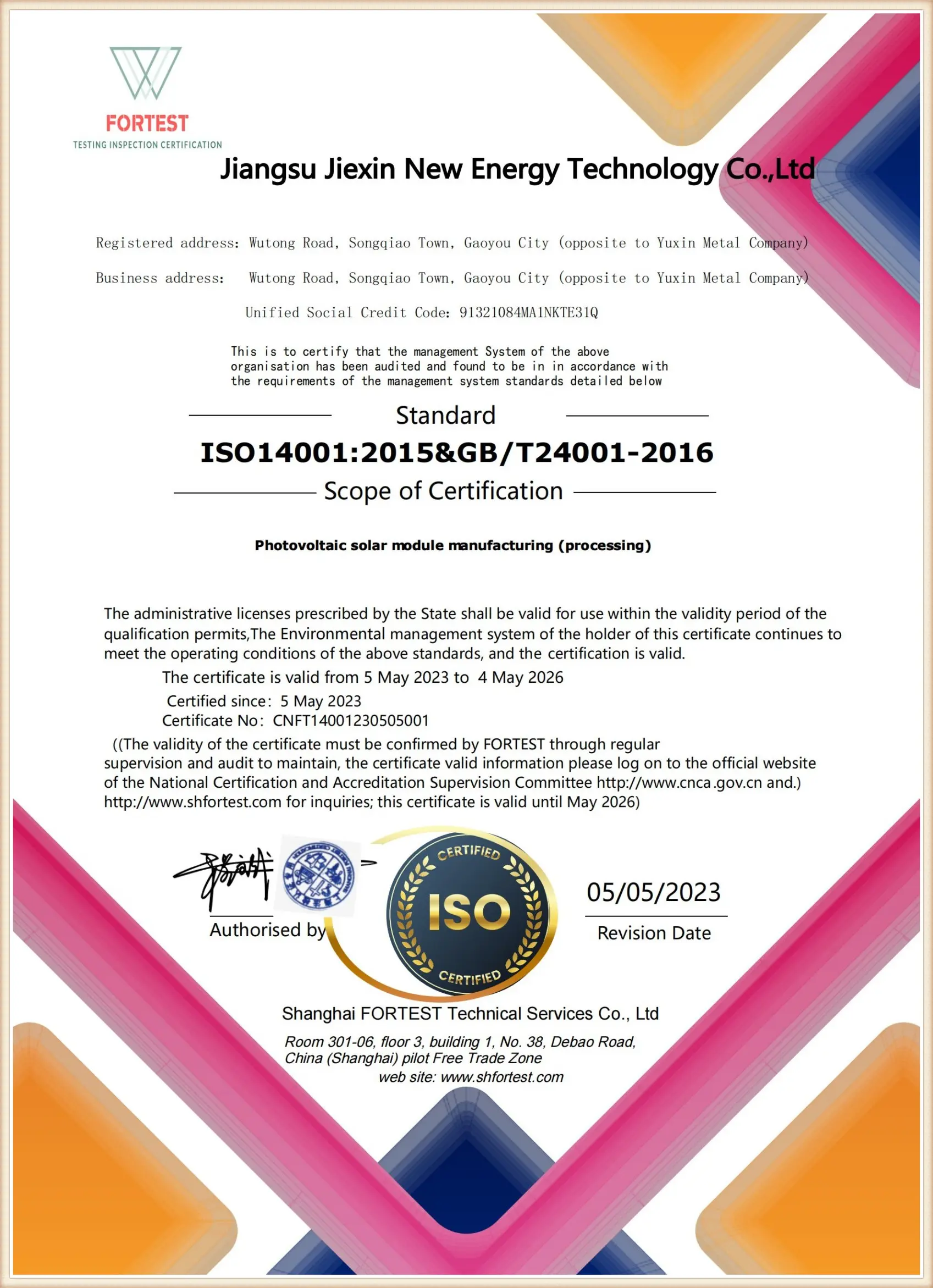
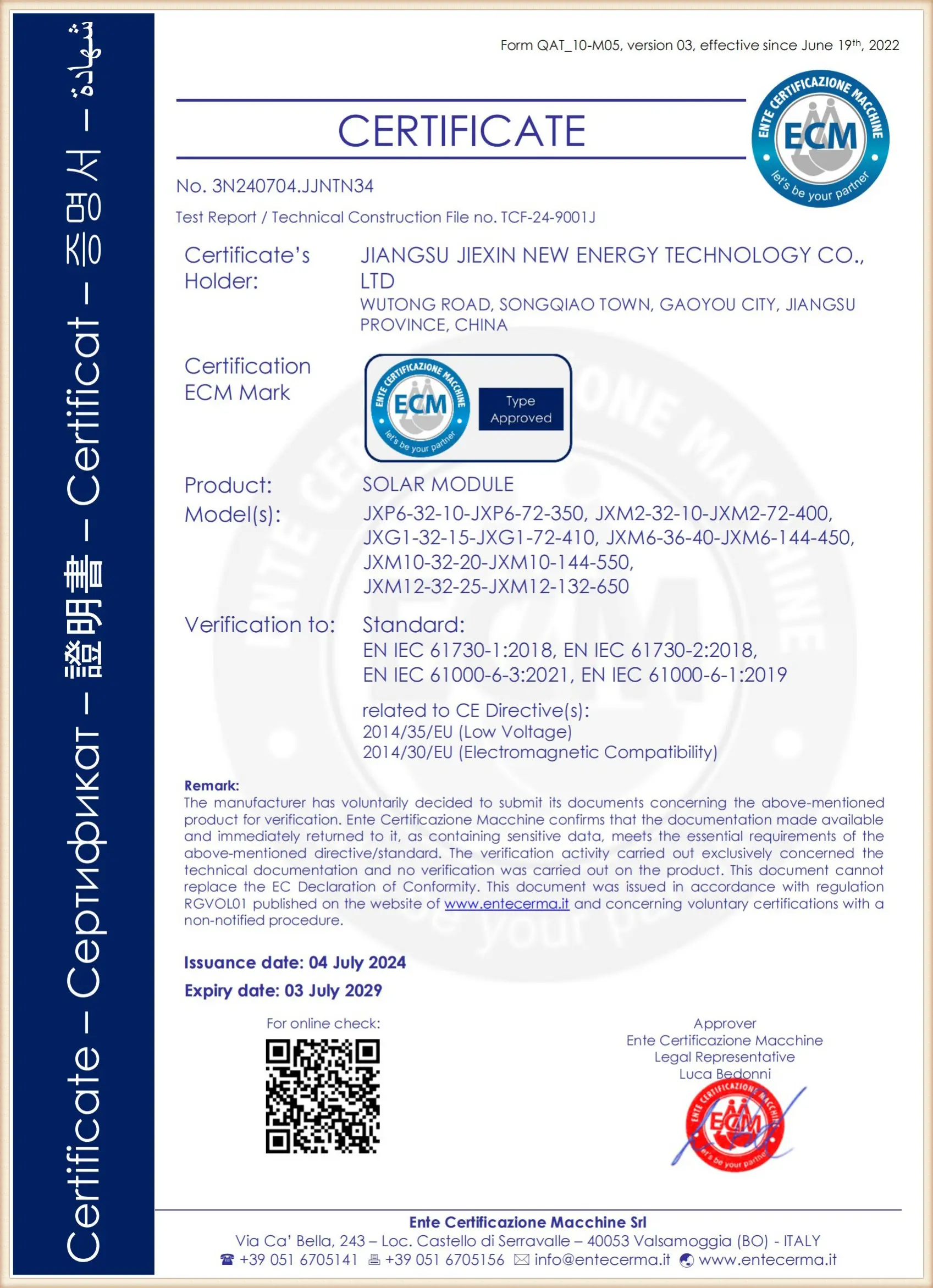
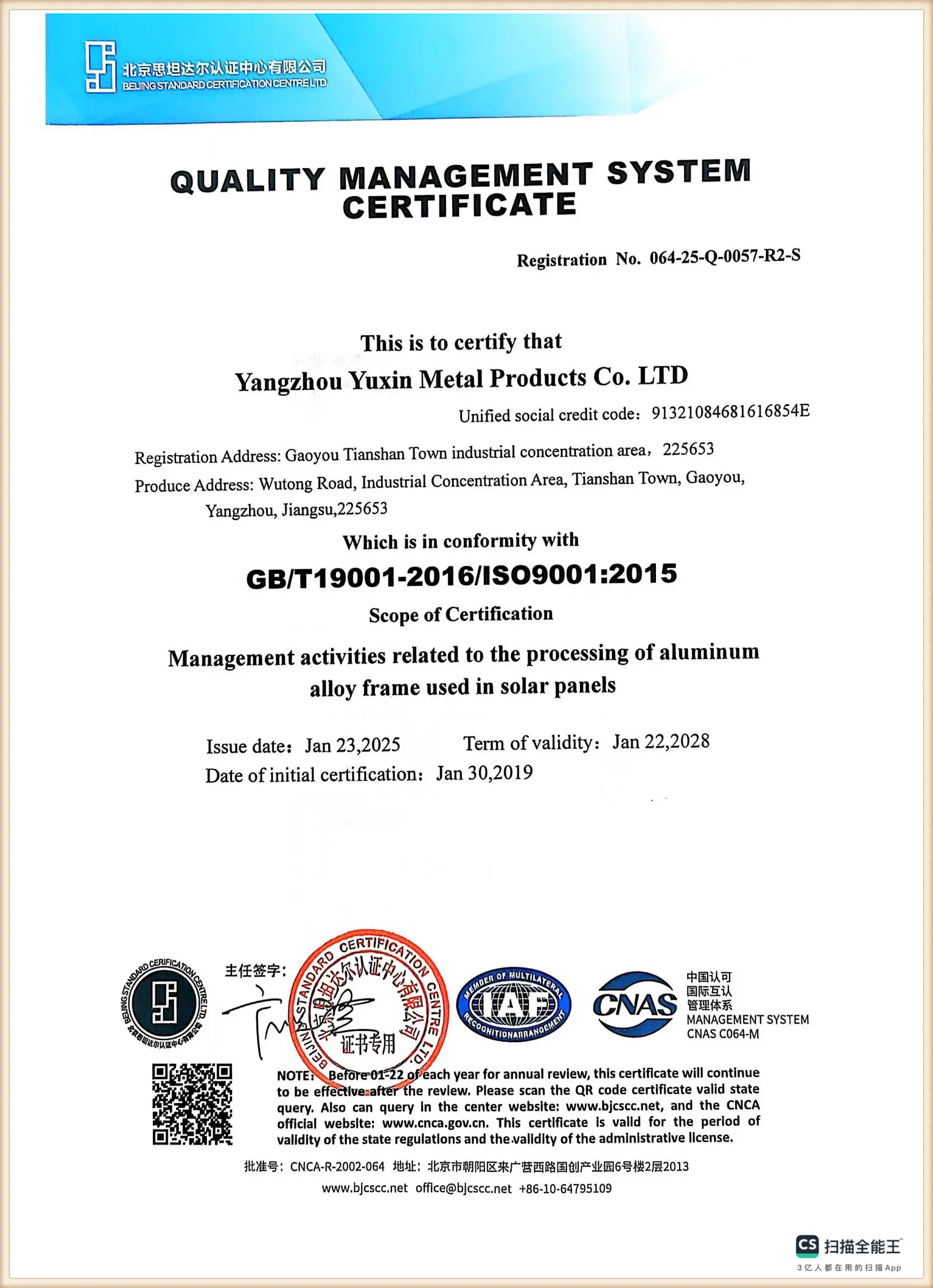
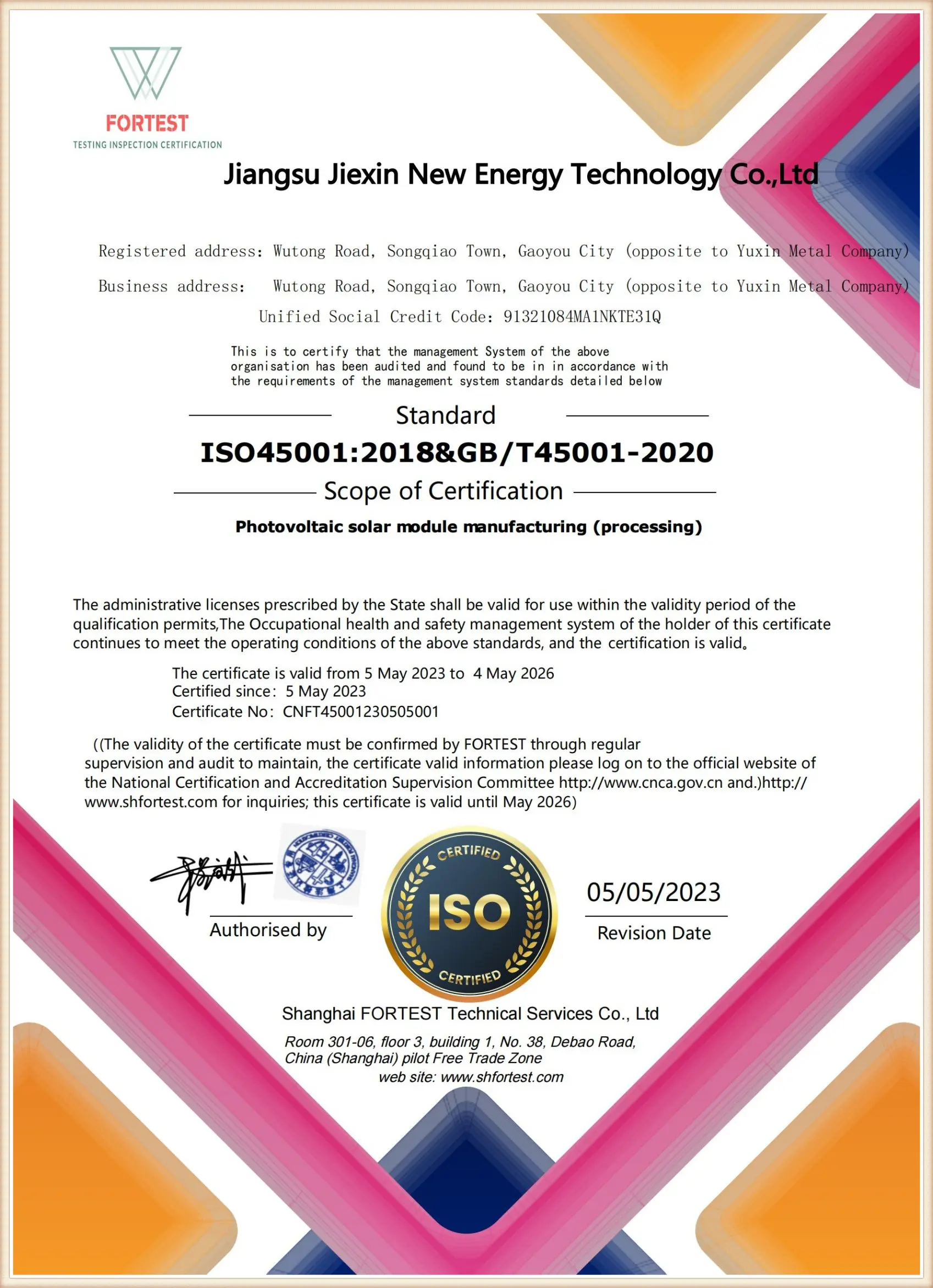
The international solar trade environment is complex, characterized by fluctuating tariffs, anti-dumping regulations (such as AD/CVD), and strict import rules (including the EU's Carbon Border Adjustment Mechanism (CBAM) and the US Uyghur Forced Labor Prevention Act (UFLP)). Succeeding in global distribution requires a manufacturer with robust compliance protocols.
To mitigate these trade risks, Yuxin provides a comprehensive compliance and documentation framework:
Our solar systems are engineered to perform across diverse industrial environments, providing reliable off-grid power solutions globally.

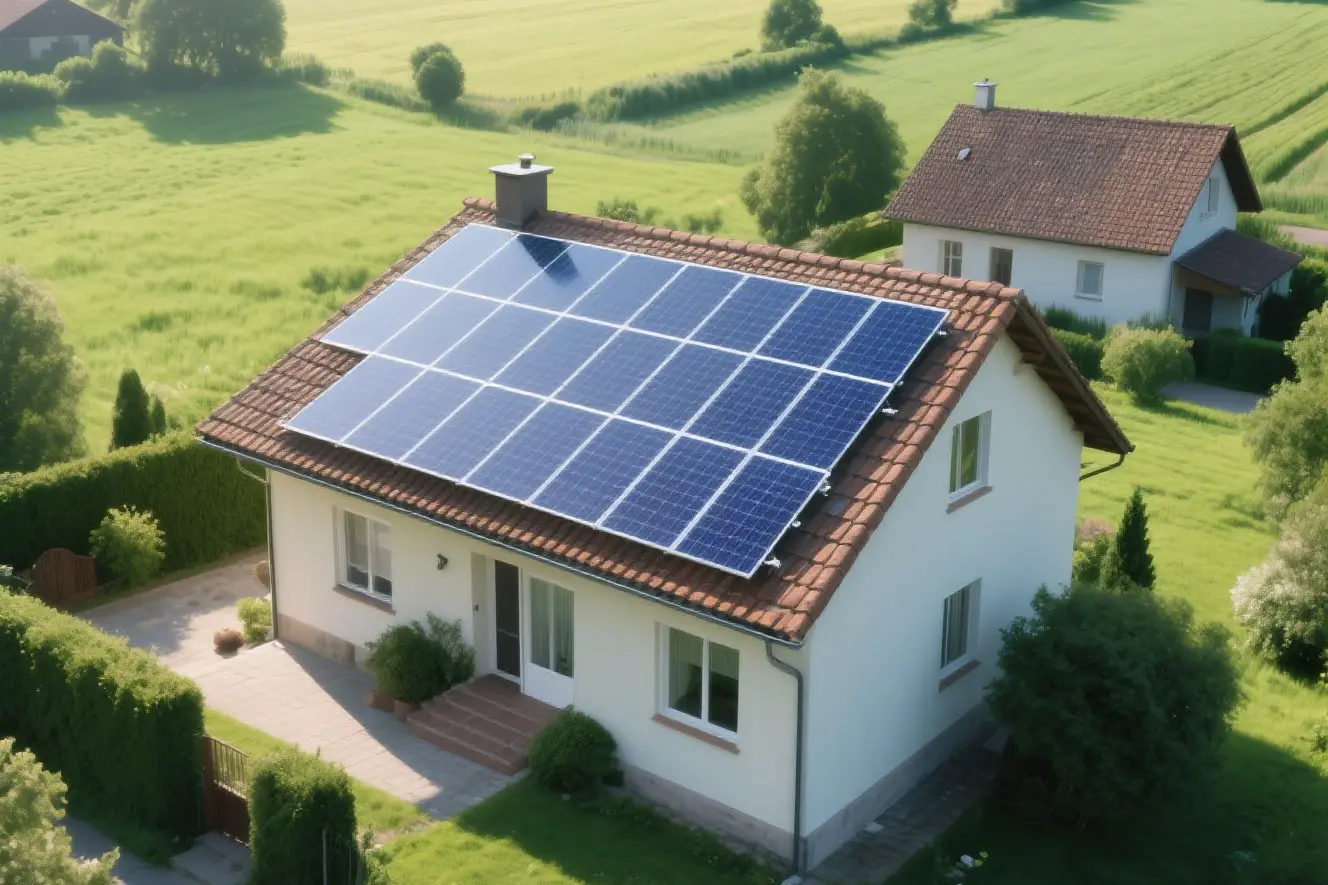
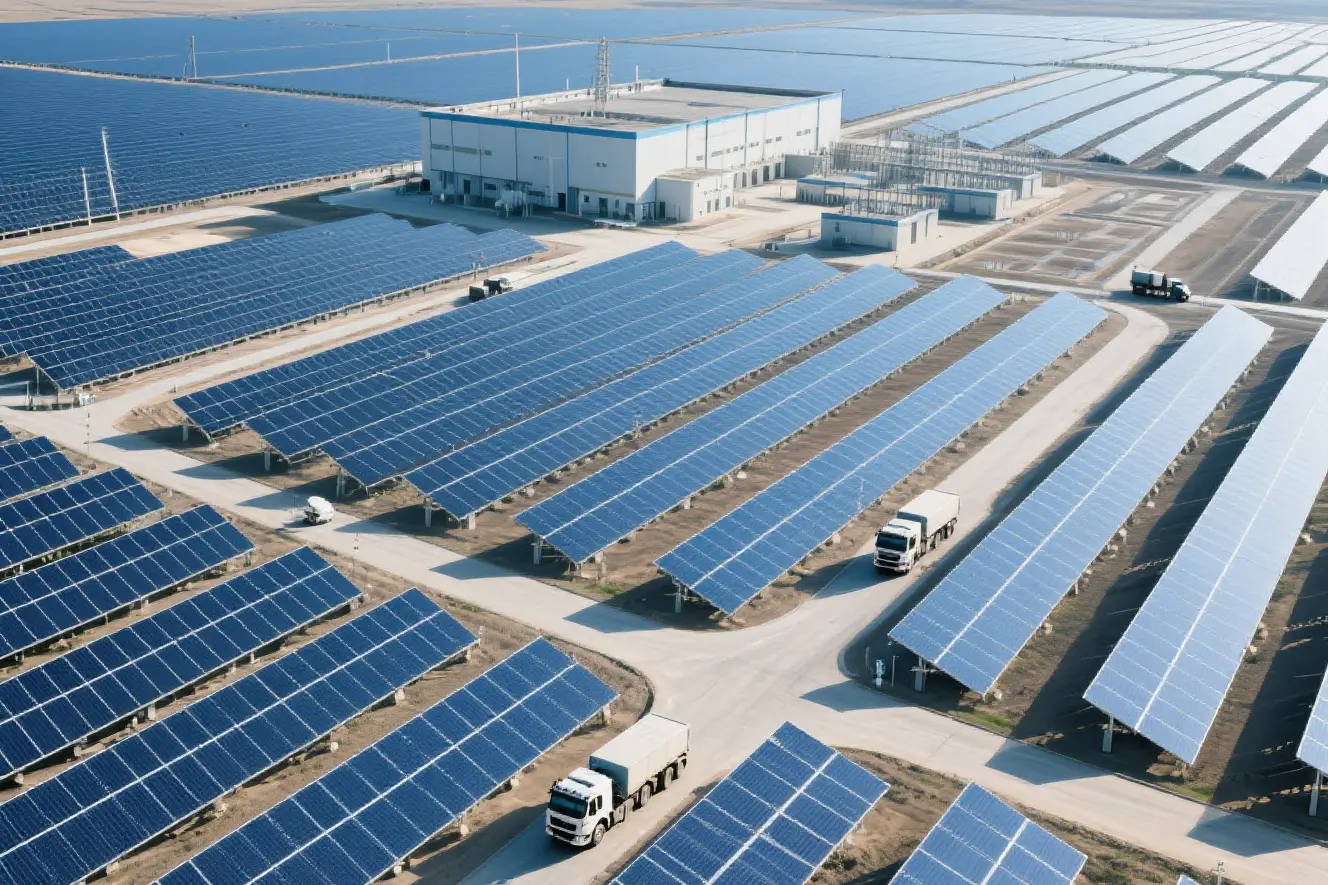
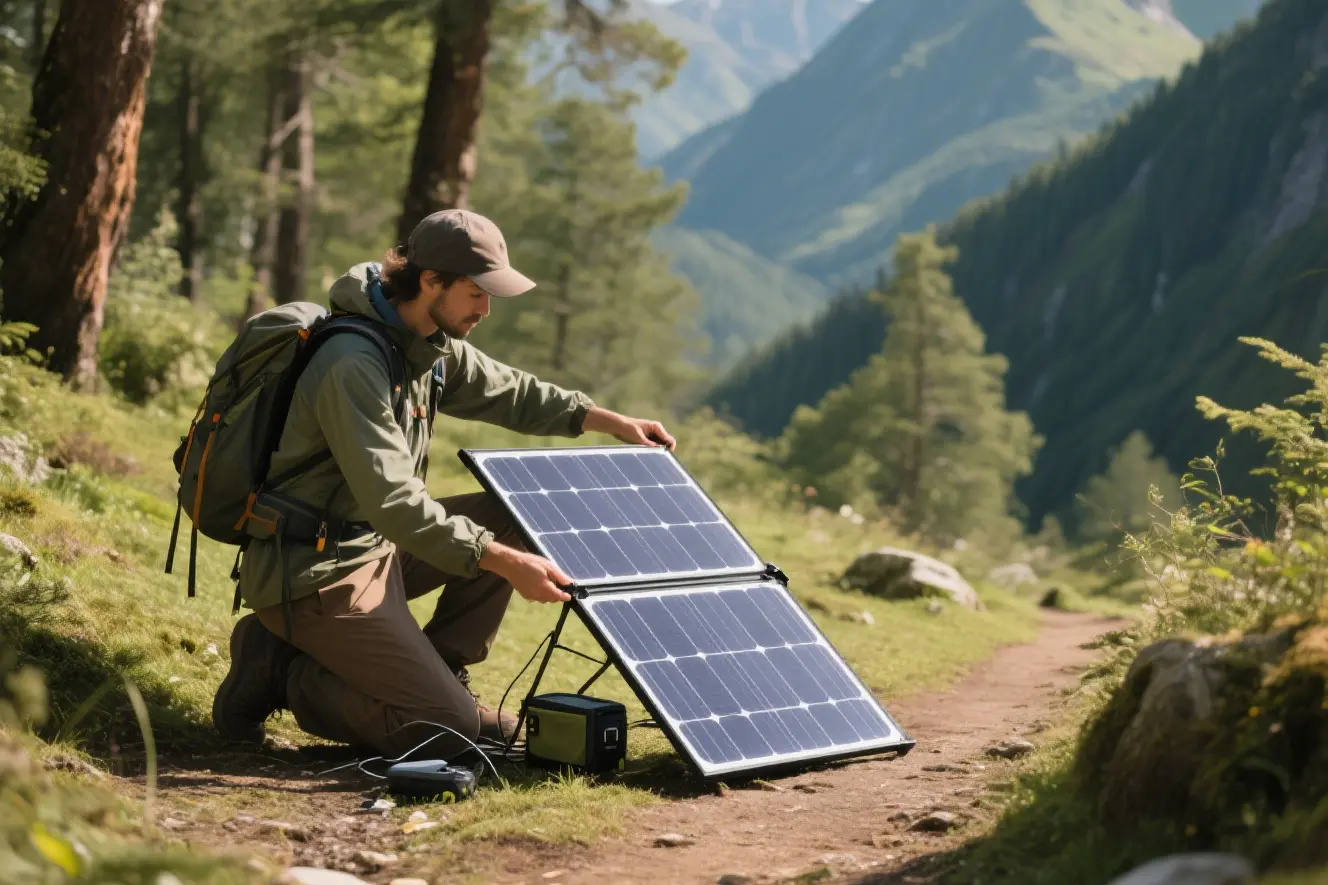
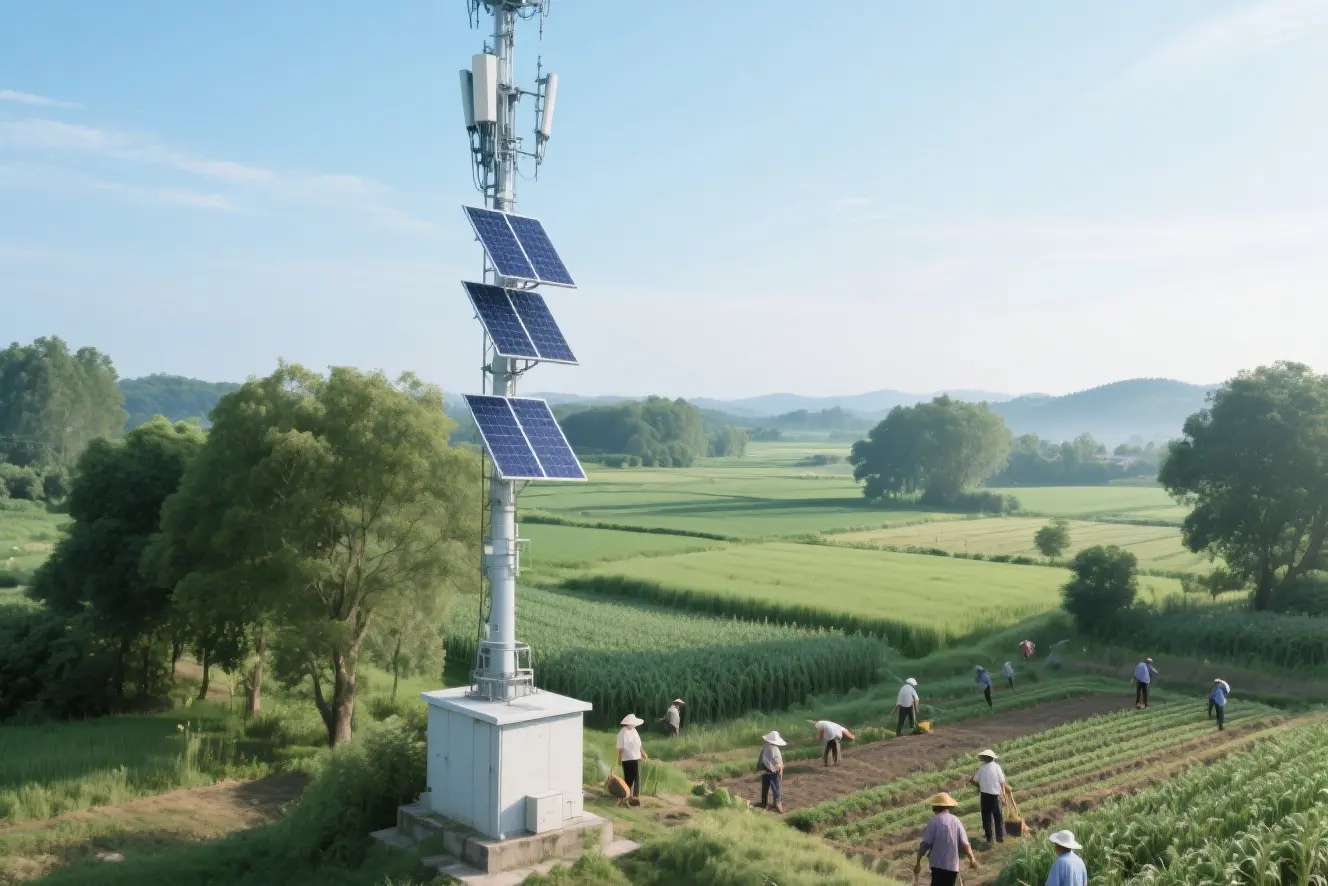
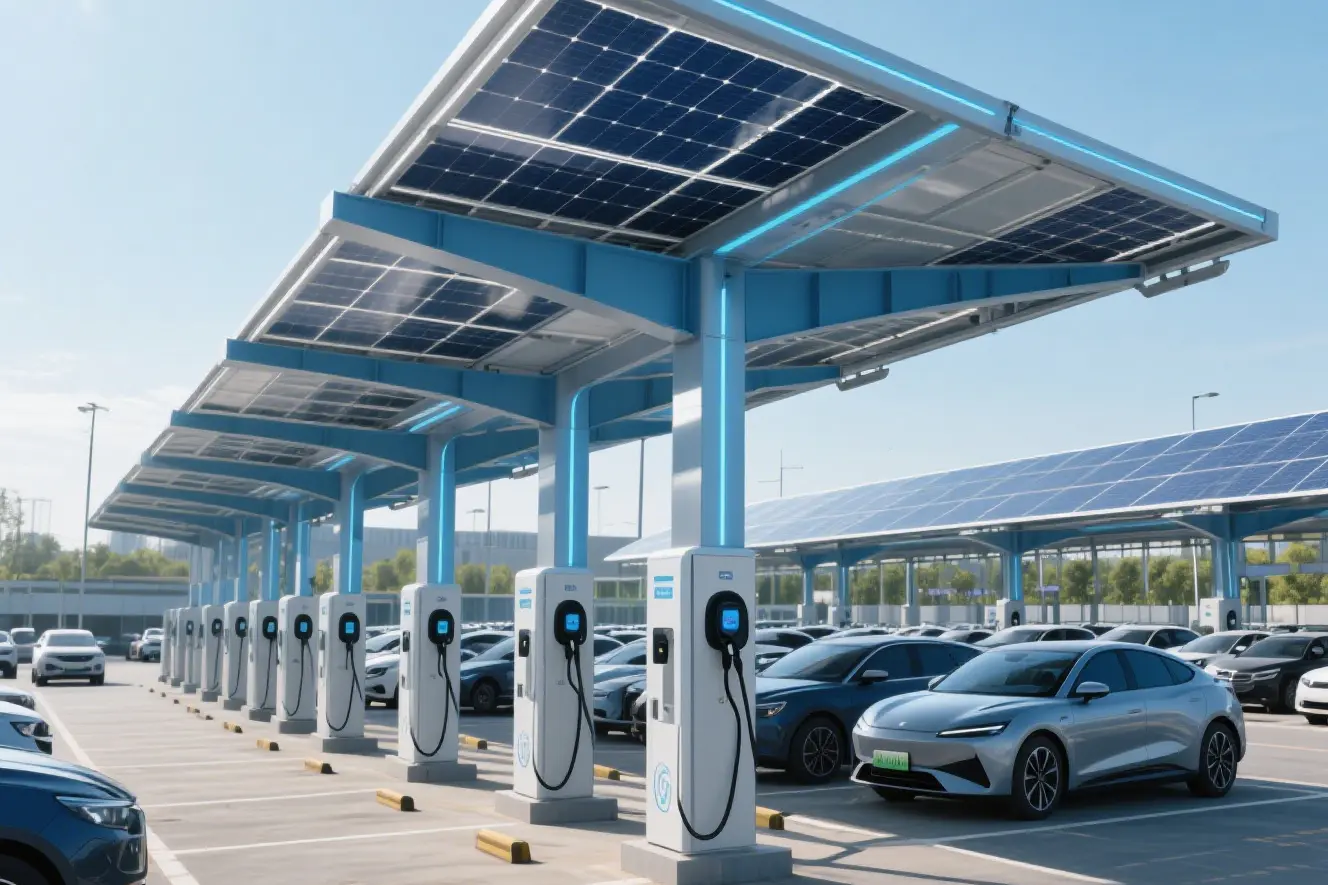
The portable and mobile PV market is evolving rapidly, driven by materials science breakthroughs and shifting consumer demand. Three major trends are currently shaping the industry:
1. High-Efficiency Cell Architecture: Traditional PERC cells are transitioning to N-type TOPCon and Heterojunction (HJT) technologies. These newer architectures deliver lower temperature coefficients and superior efficiency, helping portable panels generate more power in compact footprints—a key benefit for space-limited travel trailers.
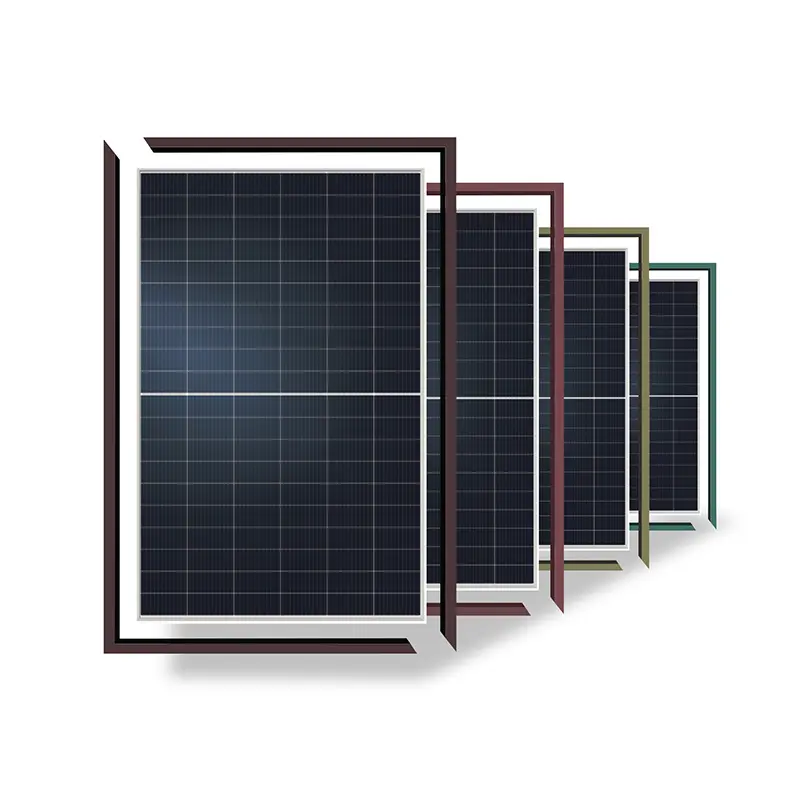
2. Integration of Eco-Friendly Materials: Sustainability is increasingly a key design criterion. Manufacturers are replacing traditional metals with eco-friendly alternatives, such as composite polyurethane structures, to reduce carbon footprints without compromising durability or mechanical strength.
3. Smart, App-Integrated Power Systems: Modern portable panels are evolving into connected smart devices. Built-in micro-chips monitor parameters like output power, temperature, and angle optimization, transmitting this performance data to the user's smartphone or RV control panel via Bluetooth or Wi-Fi.
After years of dedicated development, Yuxin has built strong collaborative relationships with leading global enterprises.


Insights, technical articles, and design updates directly from Yuxin's engineering department.
Addressing the common questions raised by engineering and procurement professionals.
Engineered for high efficiency, durability, and seamless integration into modern solar energy networks.