Premium grade components certified for off-grid operations, structural cabin integration, and industrial micro-grid architectures.
An in-depth market analysis on off-grid electrification, ecological hospitality structures, and scalable modular installations.
The global surge in eco-tourism, high-end remote glamping, and off-grid residential developments has transformed the architectural requirements of remote dwellings. Today, a custom solar power system for small cabin company applications is no longer just an alternative source of electrical generation; it is a critical asset of infrastructure that defines structural viability, project cost, and environmental compliance. Developers and EPC contractors face strict zoning regulations, complex localized environmental codes, and the challenge of establishing stable power sources miles away from the municipal utility grids.
Industrial statistics indicate a rapid compound annual growth rate (CAGR) in the off-grid solar sector, driven by policy shifts in North America, Western Europe, and Australasia. As local governments offer carbon credits and sustainability grants, commercial developers are opting for standardized prefabricated cabins that feature integrated photovoltaic arrays. These solar systems must withstand severe weather patterns—ranging from high snow loads in Nordic regions to excessive wind pressures in coastal zones. To ensure structural longevity and optimal power harvesting, selecting the correct structural and electrical materials is crucial.
At a corporate level, cabin manufacturing companies and engineering consultancies demand modular systems that minimize balance-of-system (BOS) costs. This requires pre-configured electrical control harnesses, high-efficiency micro-inverters, and structural frames that allow quick assembly. Designing solar installations for remote cabins requires a detailed understanding of load profiles—balancing intermittent residential demands (such as LED lighting, water filtration, heating, and cooling) with solar generation metrics based on geographic coordinates.
Established in 2008 in the historic industrial city of Yangzhou, Jiangsu Province, YUXIN New Energy Technology Co., Ltd. has developed into a leading developer of structural photovoltaic components and integrated off-grid energy storage solutions. Conveniently located near major shipping routes, high-speed rail lines, and the Shanghai seaport, Yuxin provides seamless global logistics for large-scale corporate procurement projects.
Operating 14 specialized subsidiary companies, Yuxin has earned recognition as a National High-tech Enterprise and is ranked among the top 100 private enterprises in Gaoyou City. Our focus on raw material precision, structural safety, and high-performance engineering has made us a trusted supplier to solar developers and cabin manufacturers worldwide.
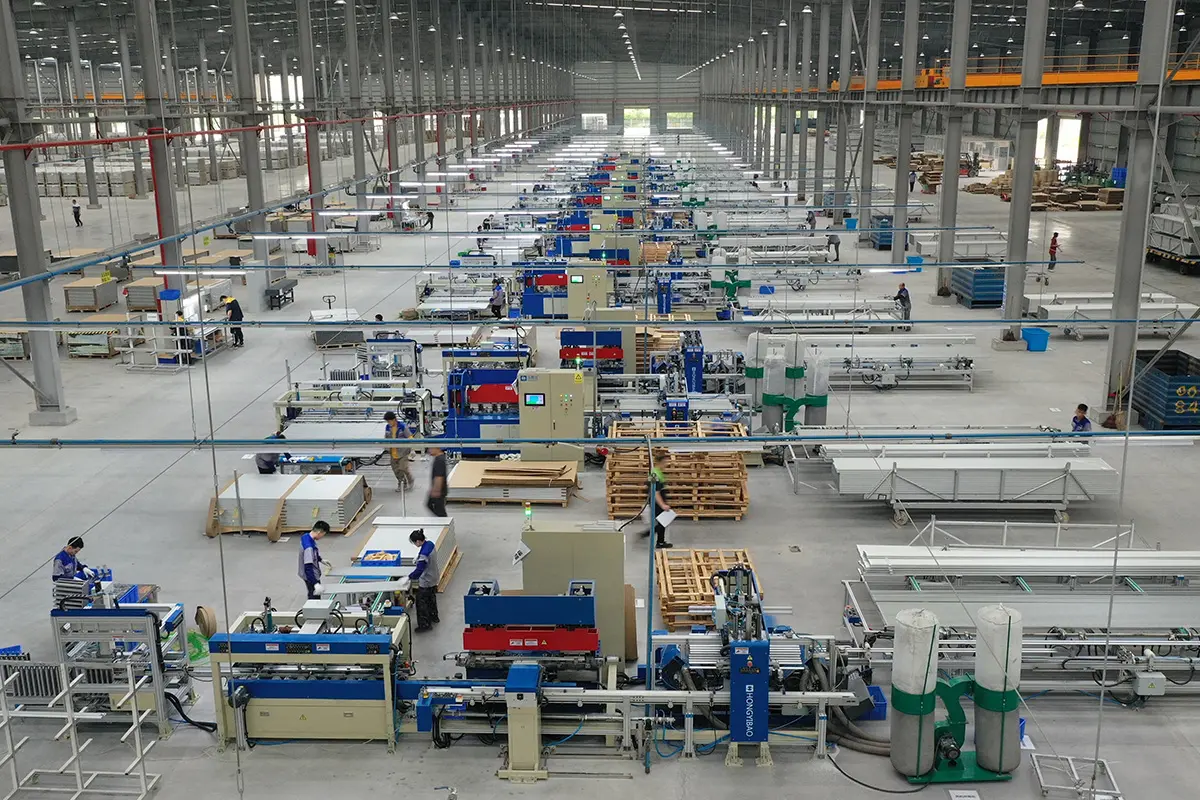
Manufacturing custom solar components in China offers substantial benefits for global commercial buyers. Our integrated production facilities in Jiangsu process raw aluminum alloys into structural solar frames, and manufacture high-efficiency photovoltaic cells and battery management systems within a single, optimized industrial ecosystem.
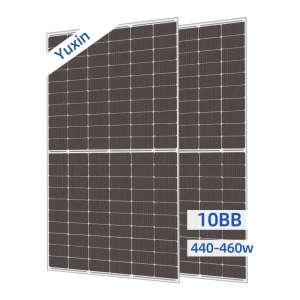
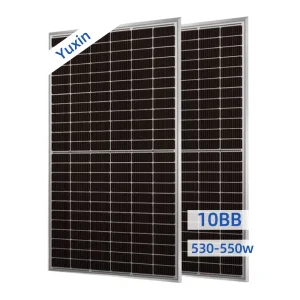
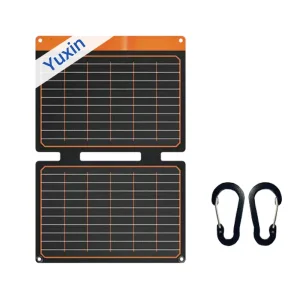
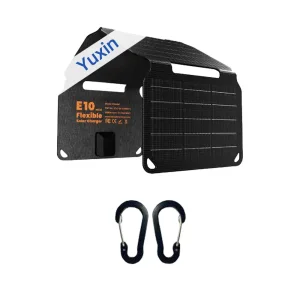
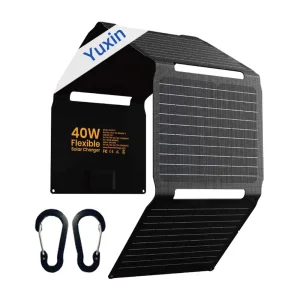
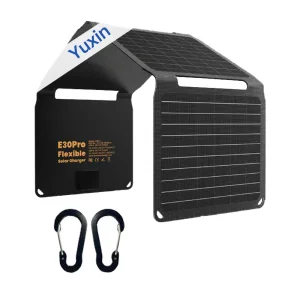
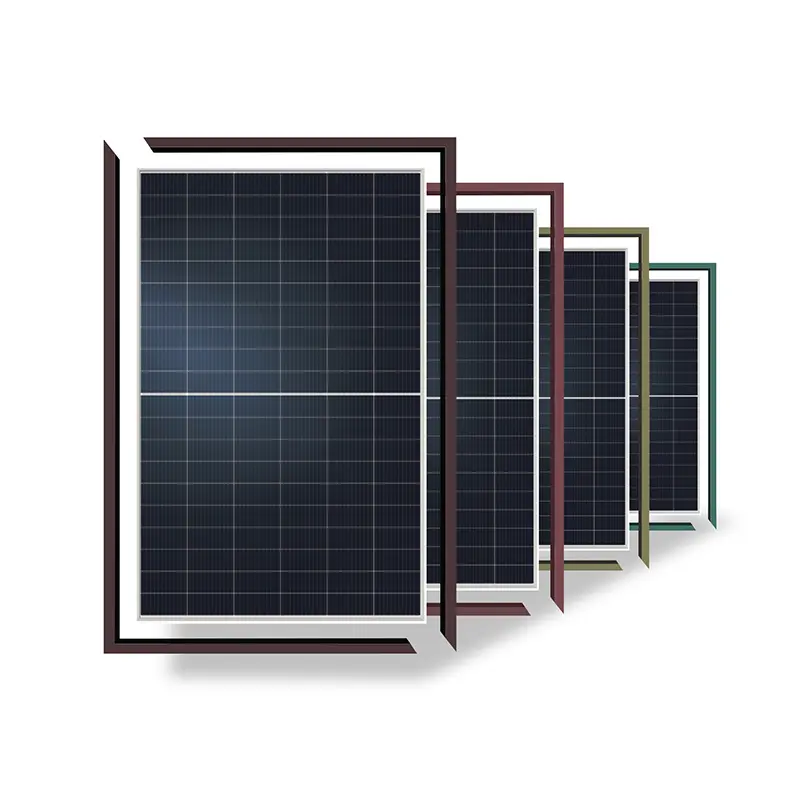
Premium photovoltaic components optimized for architectural integration and off-grid performance.
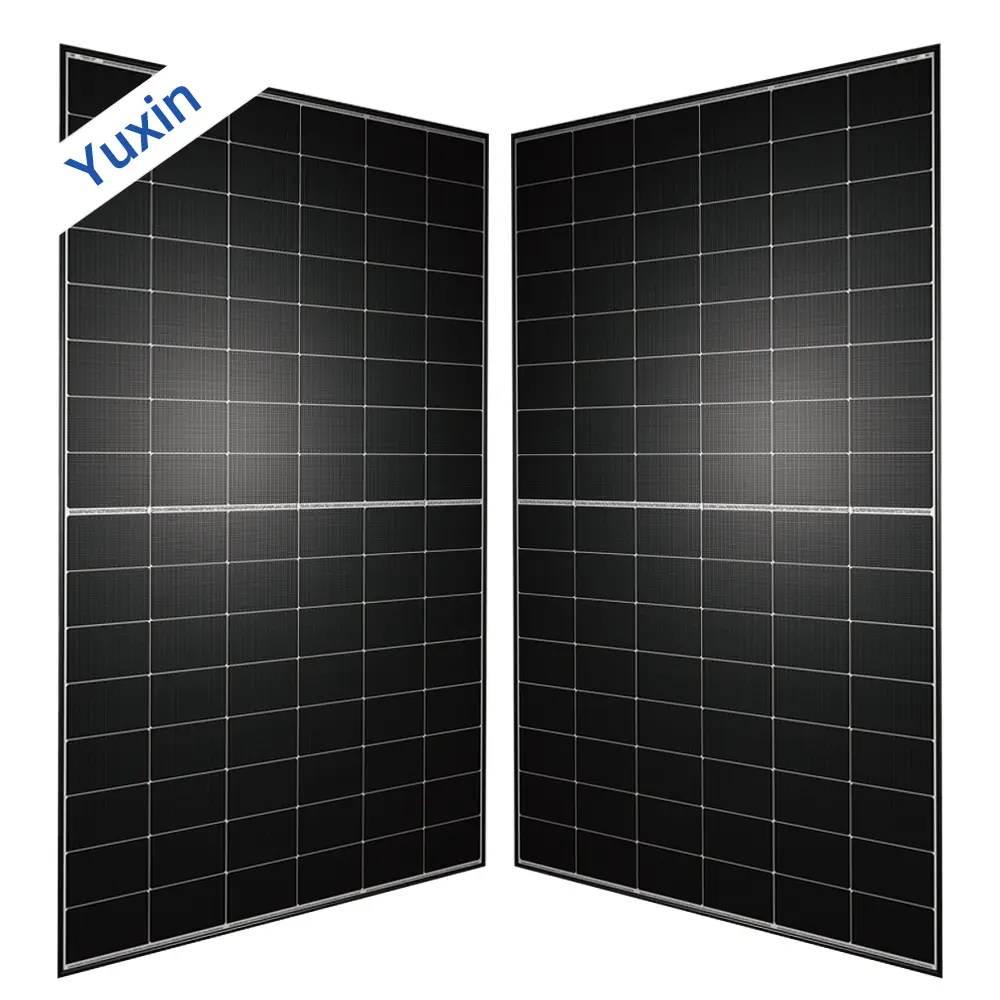
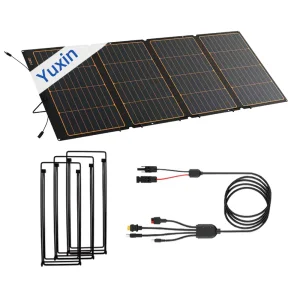
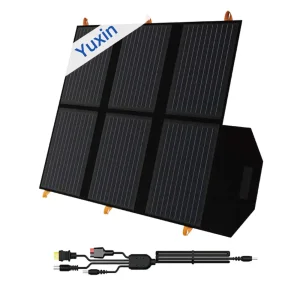
Lightweight design with transparent back panel for easy installation and reduced BOS costs.
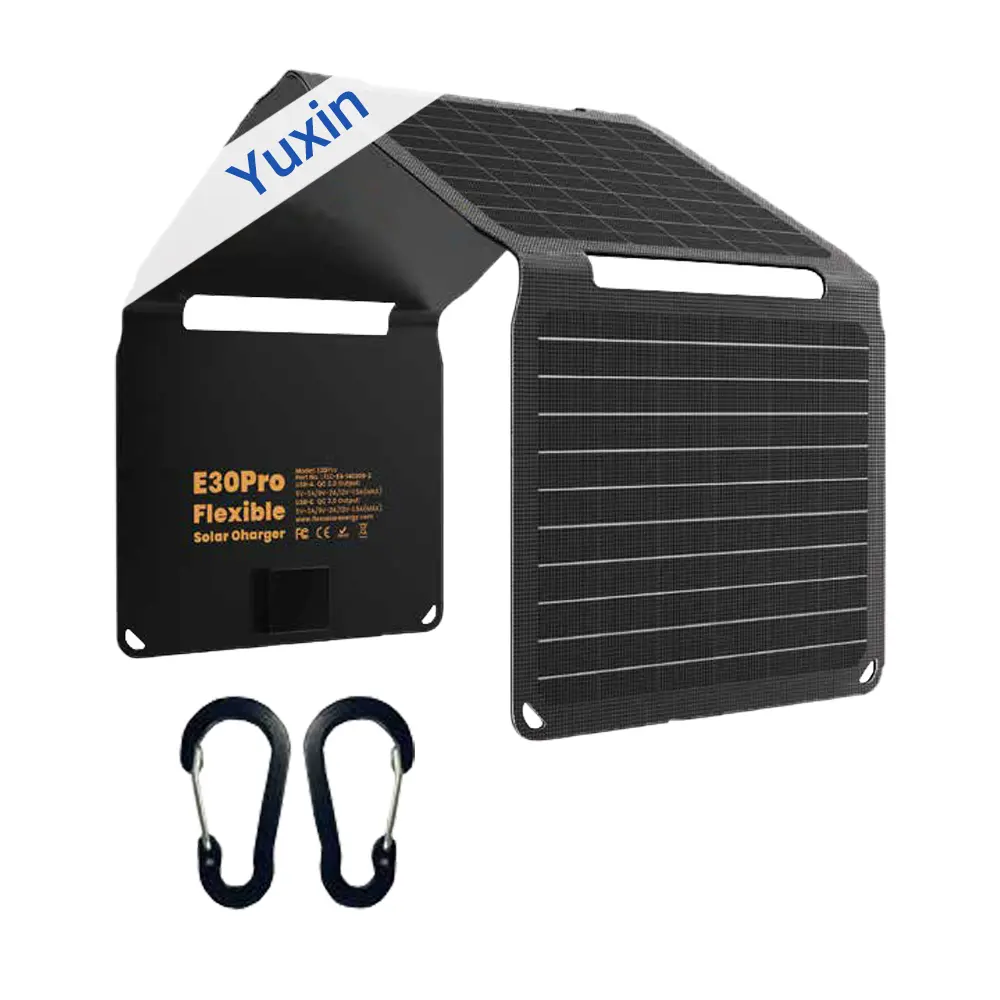
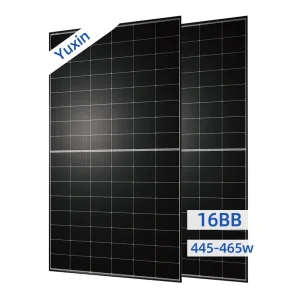
Utilizing advanced monocrystalline silicon cells, it achieves a high energy conversion efficiency of 24%.
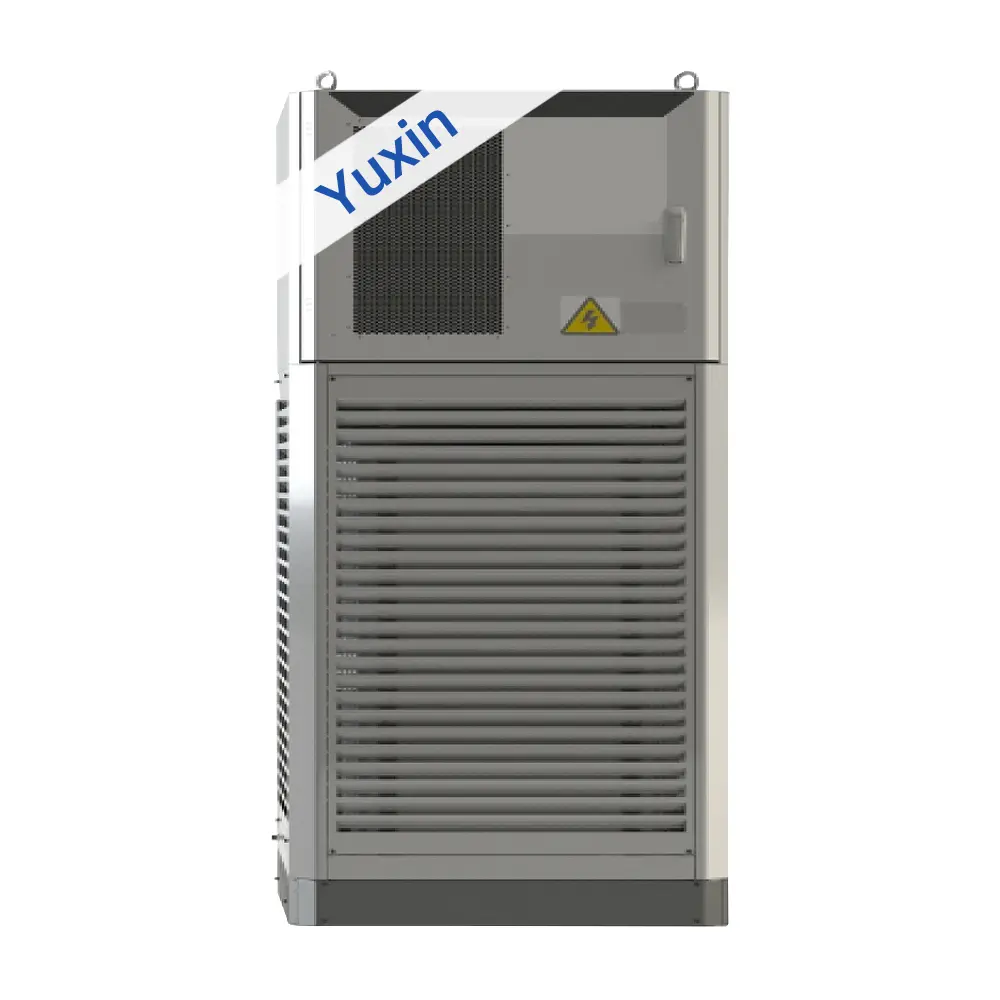
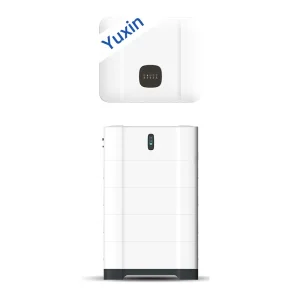
Application modes include grid-connected mode, off-grid mode, and integrated grid-connected/off-grid mode.
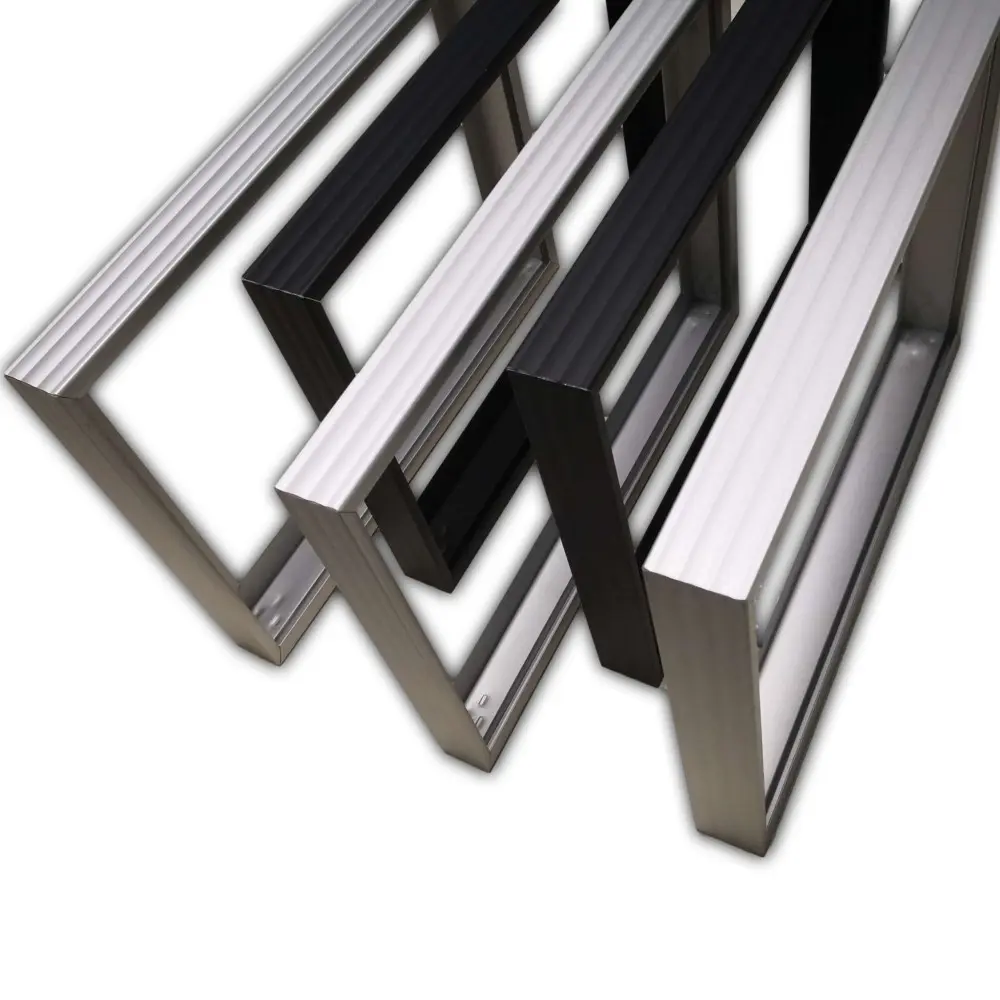
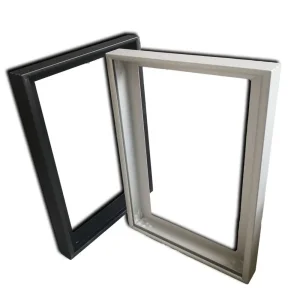
Made of high-quality anodized aluminum, it ensures superior weather resistance and a smooth, long-lasting finish.
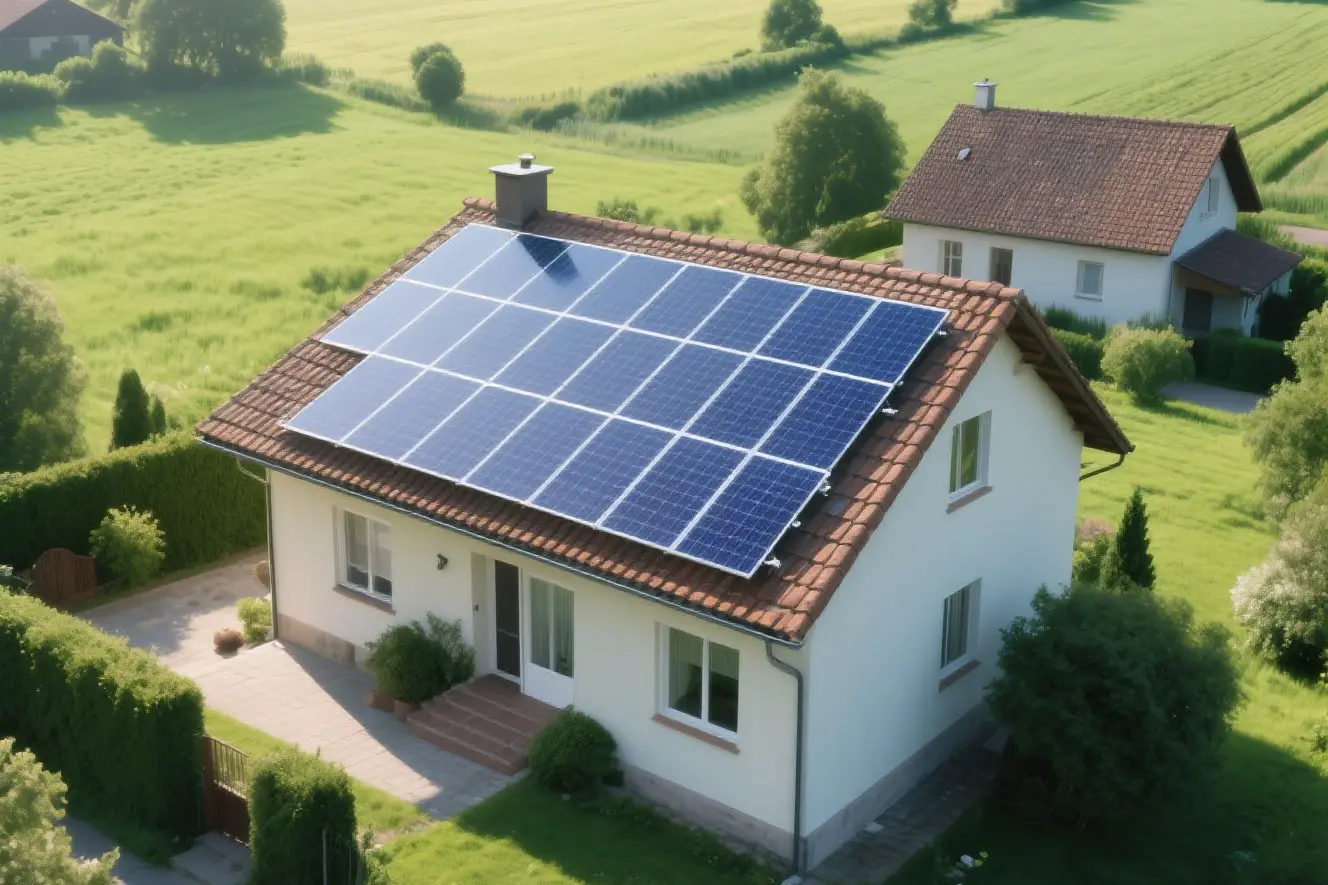
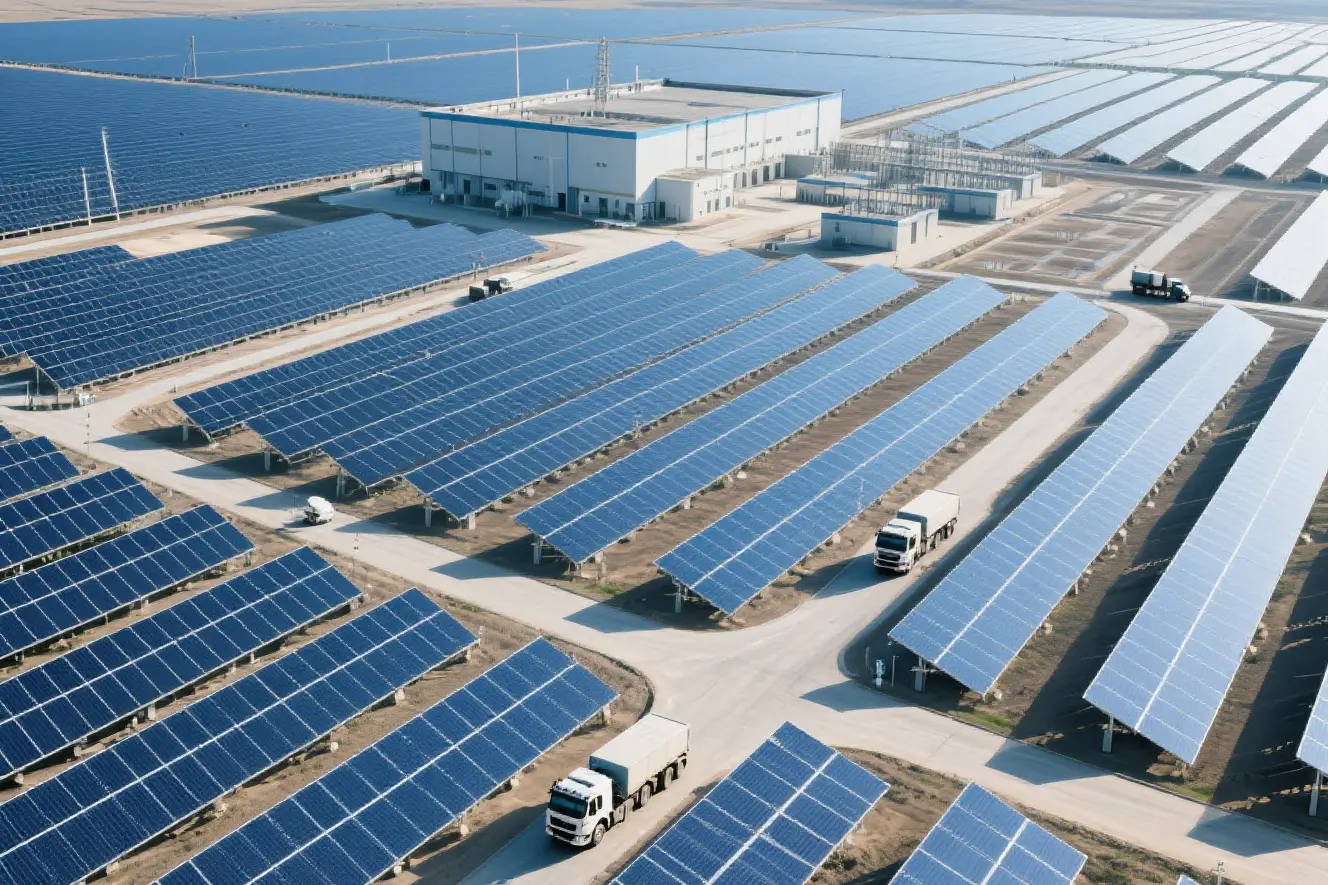
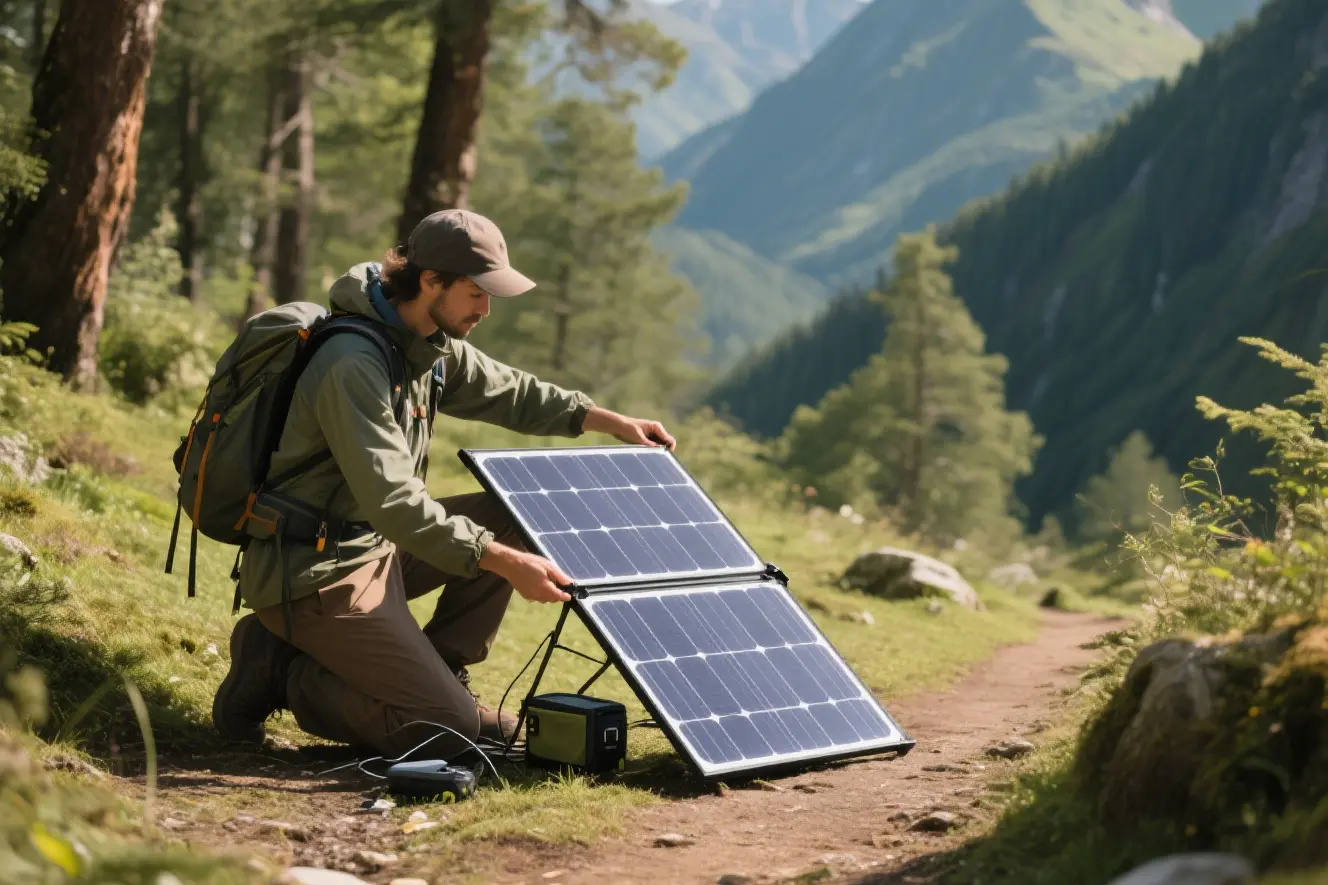
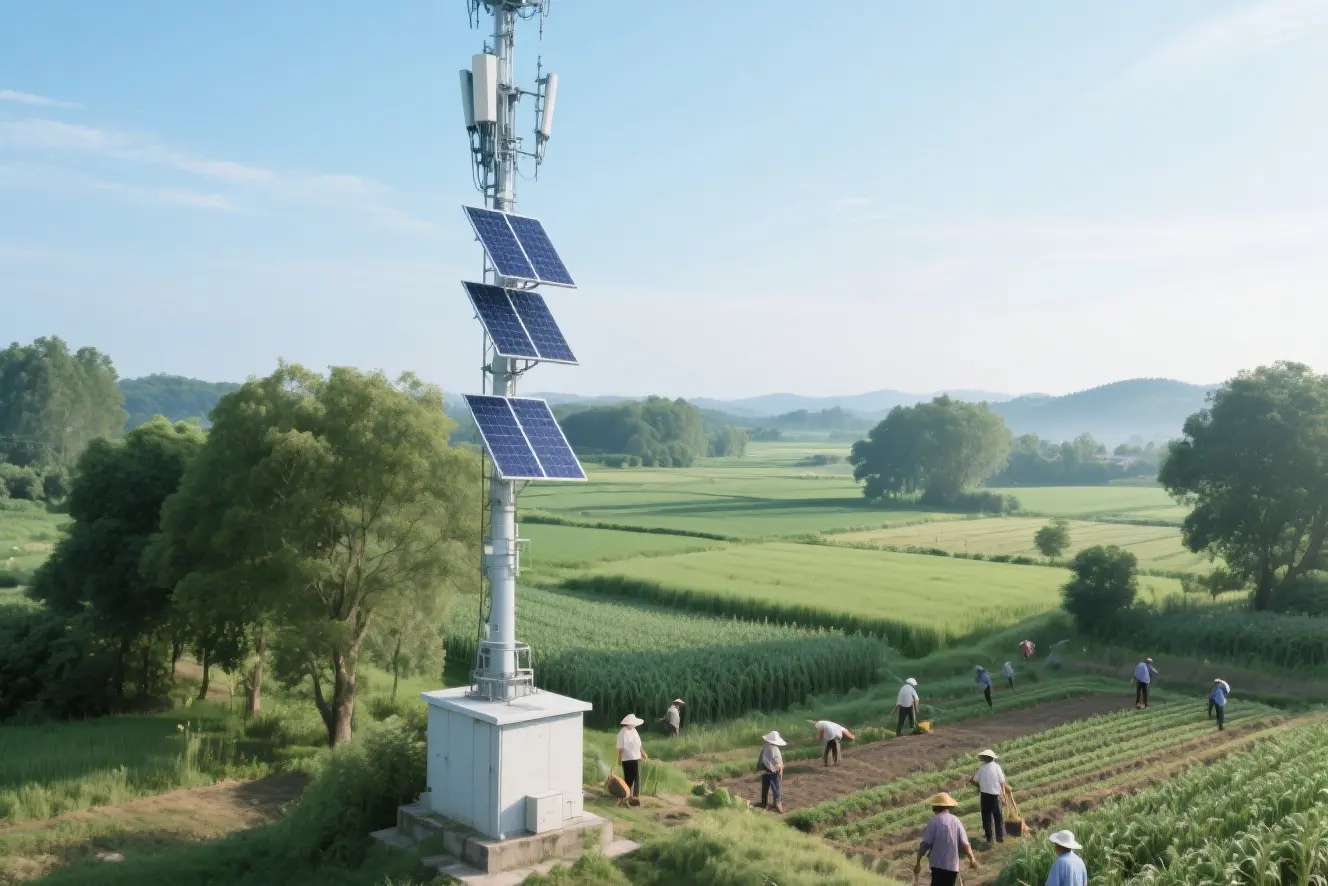
Our off-grid solar designs and structural frames are engineered for versatile deployment across diverse sectors.
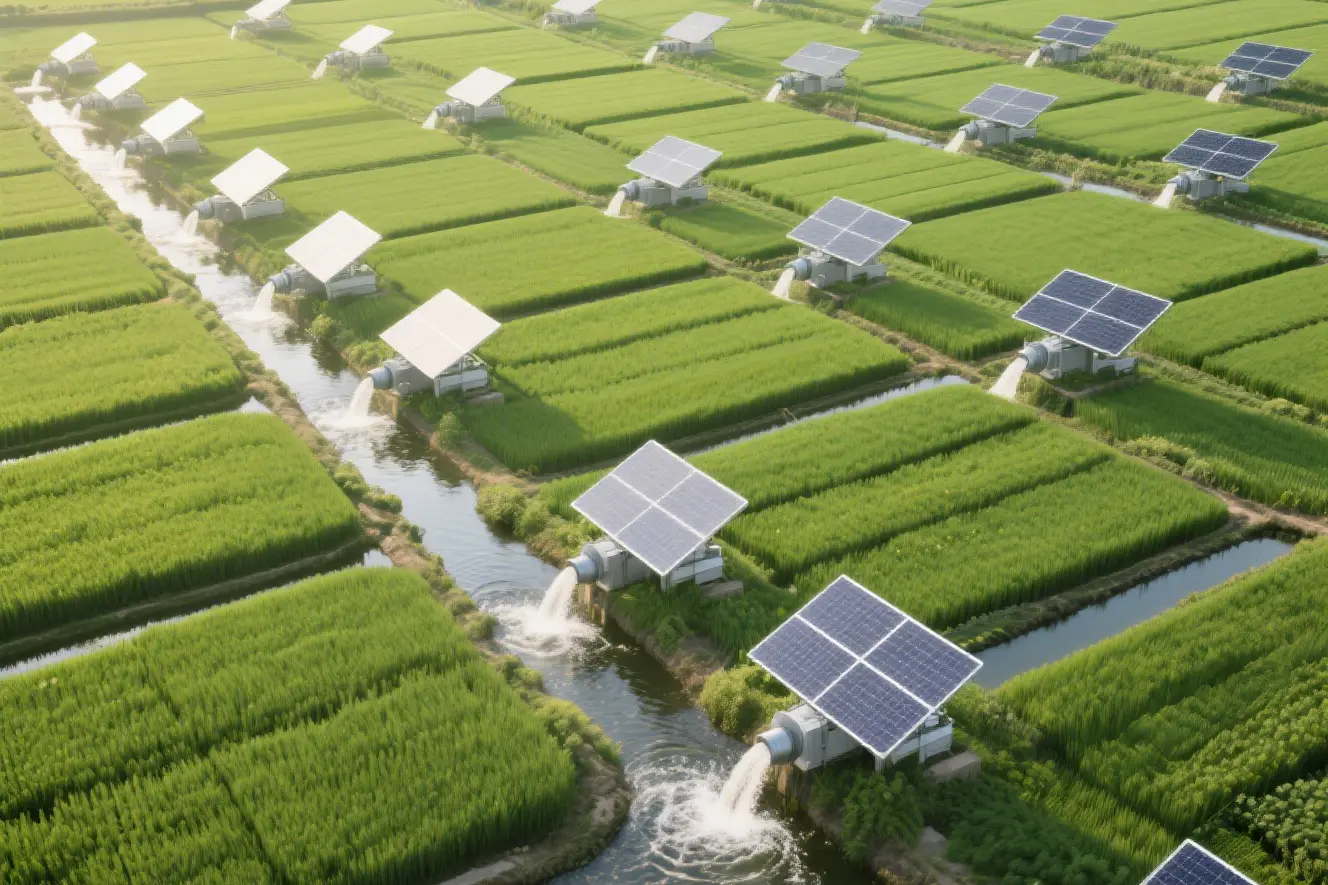
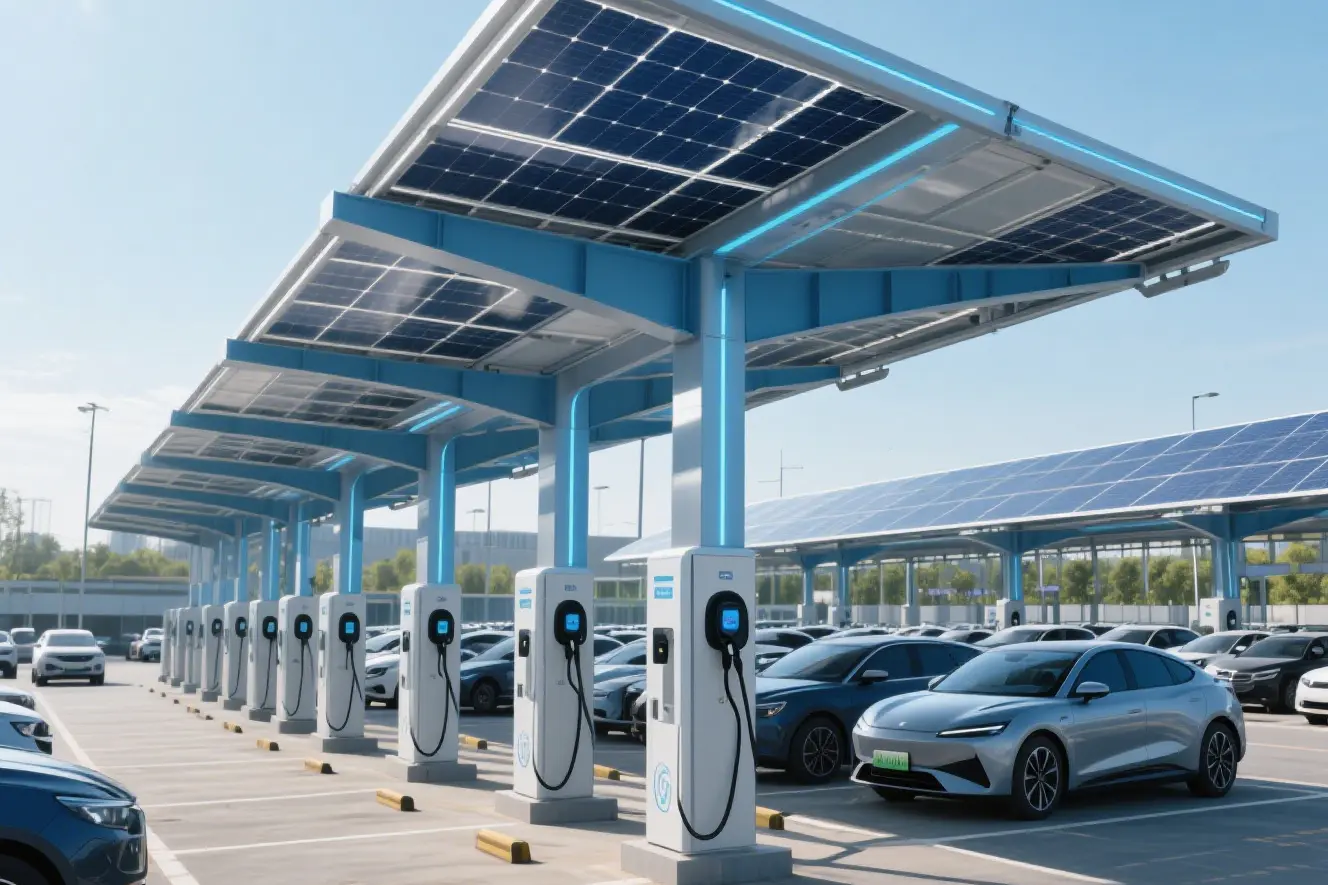
A comprehensive examination of photovoltaic efficiencies, structural materials, and smart energy storage integration.
1. Silicon Cell Technology: Transitioning from PERC to N-Type TOPCon
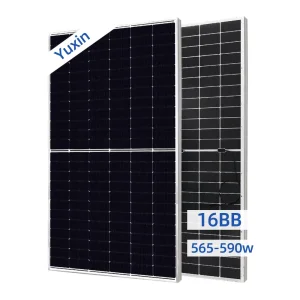
The global photovoltaic market has transitioned rapidly from traditional Passivated Emitter and Rear Cell (PERC) technology to Tunnel Oxide Passivated Contact (TOPCon) architectures. For small cabin configurations with limited roof areas, high power density is critical. Our 16BB N-type modules achieve output efficiencies exceeding 22.5%, allowing maximum power generation per square meter compared to standard 10BB Mono PERC modules. N-type cells also feature a lower temperature coefficient, ensuring consistent energy output in hot climates and during peak summer conditions.
2. Structural Integrity: Anodized Aluminum 6063-T5 vs. Polyurethane Composites
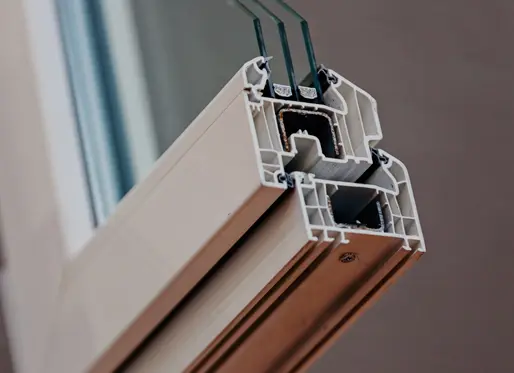
Solar arrays deployed in coastal or high-humidity forest regions face rapid structural degradation without proper framing. Yuxin's custom 6063-T5 and 6005-T6 aluminum frames undergo precision anodizing to resist corrosion and chemical wear. Additionally, our high-durability polyurethane composite frames offer an alternative for high-salinity marine environments, providing high structural strength and low thermal expansion to protect the internal solar cells from micro-cracking over years of service.
3. Integrated Energy Storage and Smart EMS Integration
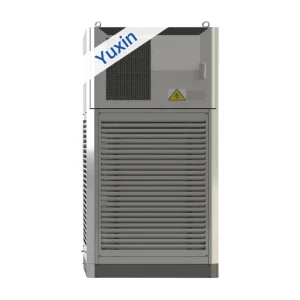
An effective off-grid custom solar system requires reliable energy storage. Modern installations pair solar arrays with modular commercial and household energy storage systems. Our high-voltage battery storage systems utilize advanced Battery Management Systems (BMS) with built-in Energy Management Software (EMS). These systems allow remote monitoring via IoT protocols, enabling real-time diagnostic checks, charge optimization, and grid-connection management to ensure continuous power delivery for remote cabin installations.
Our production lines operate under strict quality management frameworks, fully certified by international safety bodies.
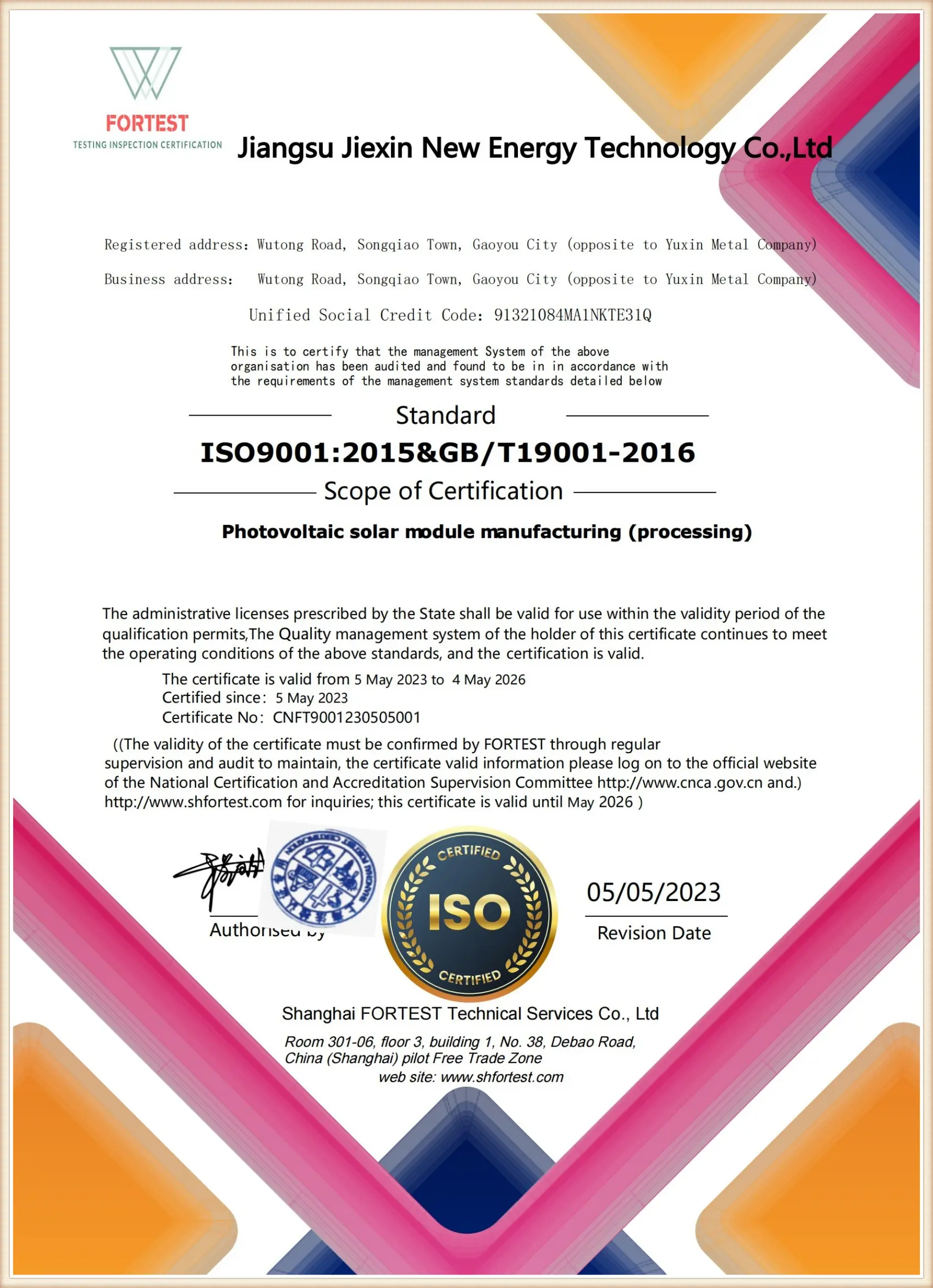
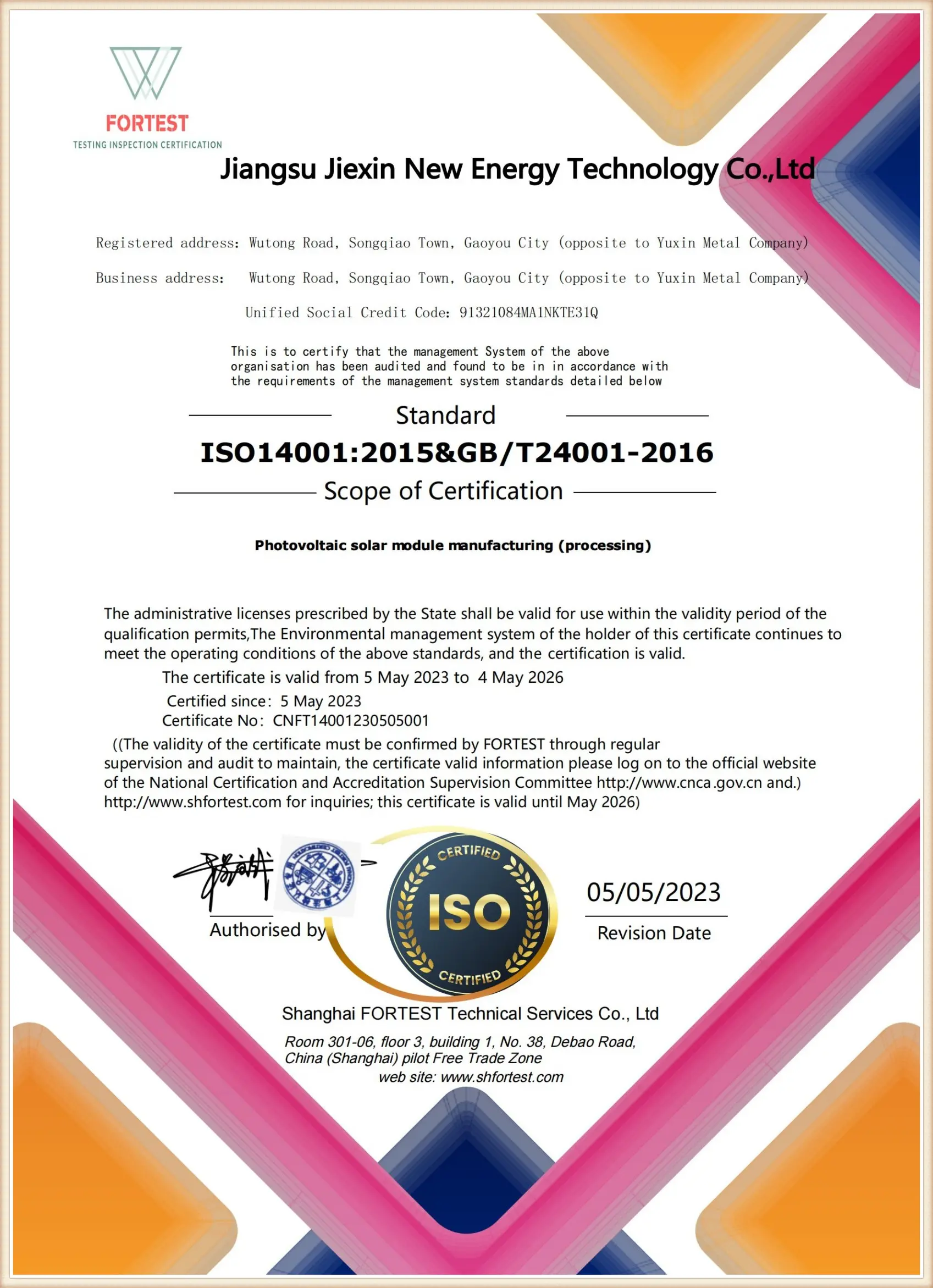
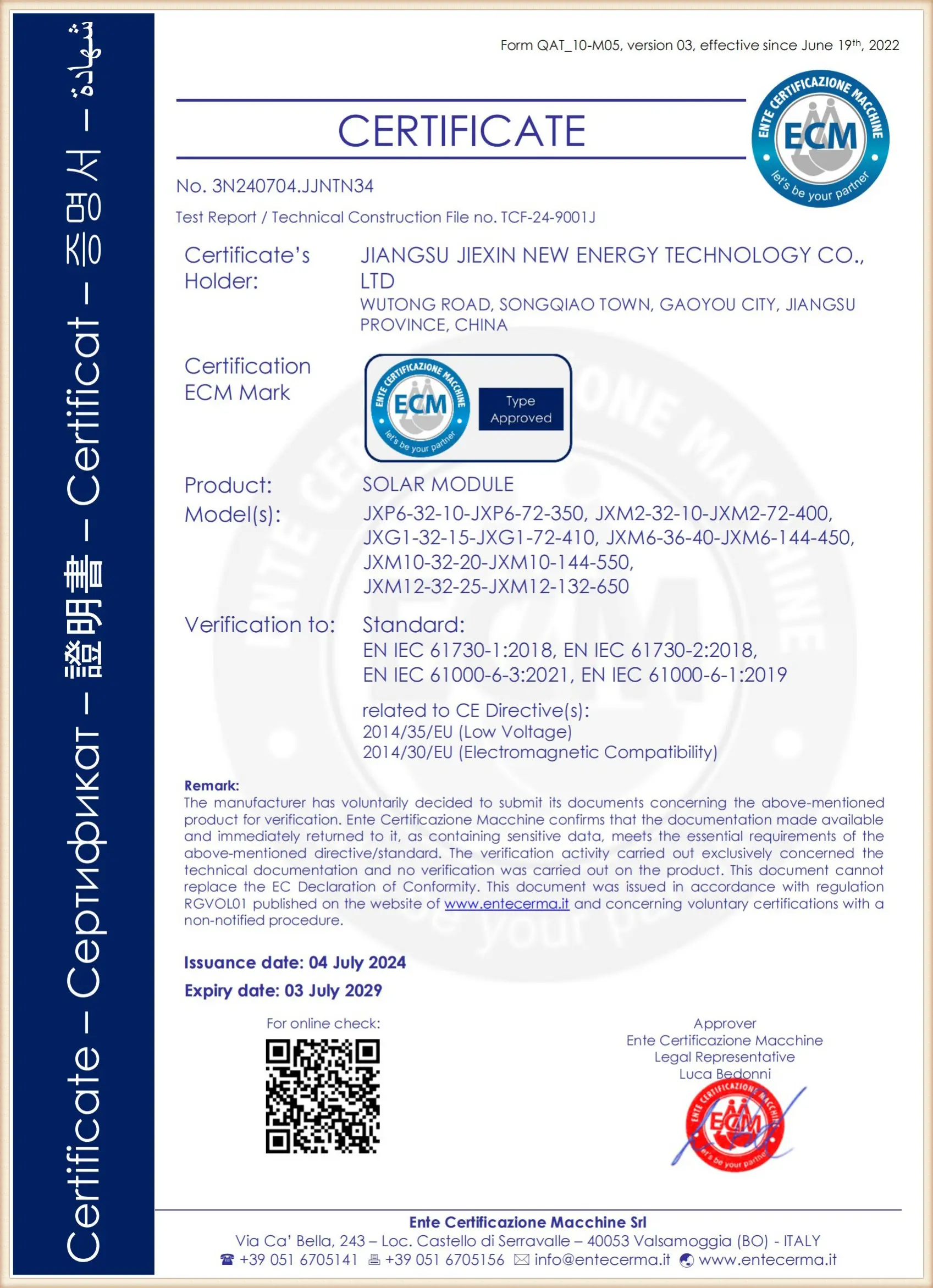
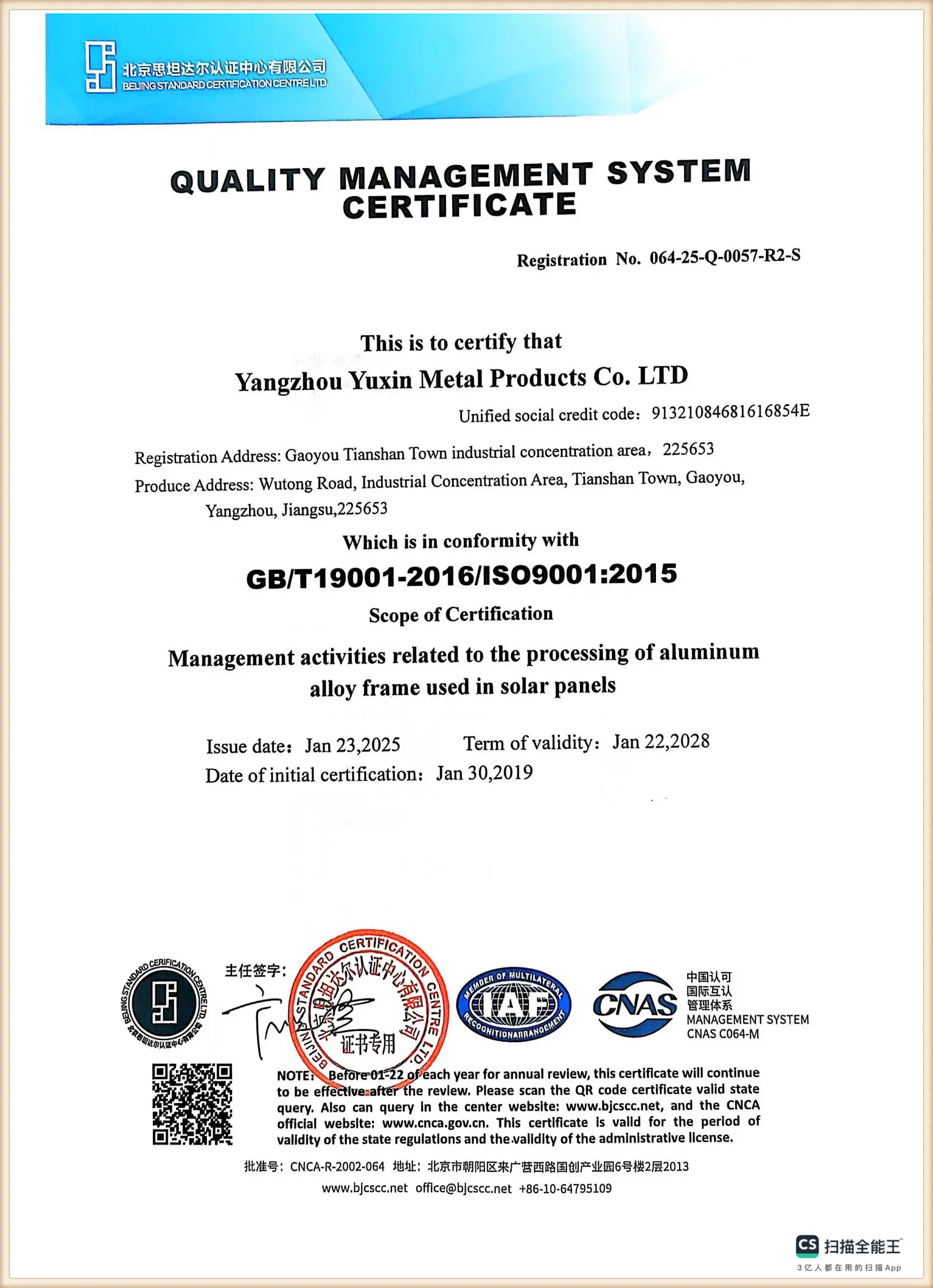
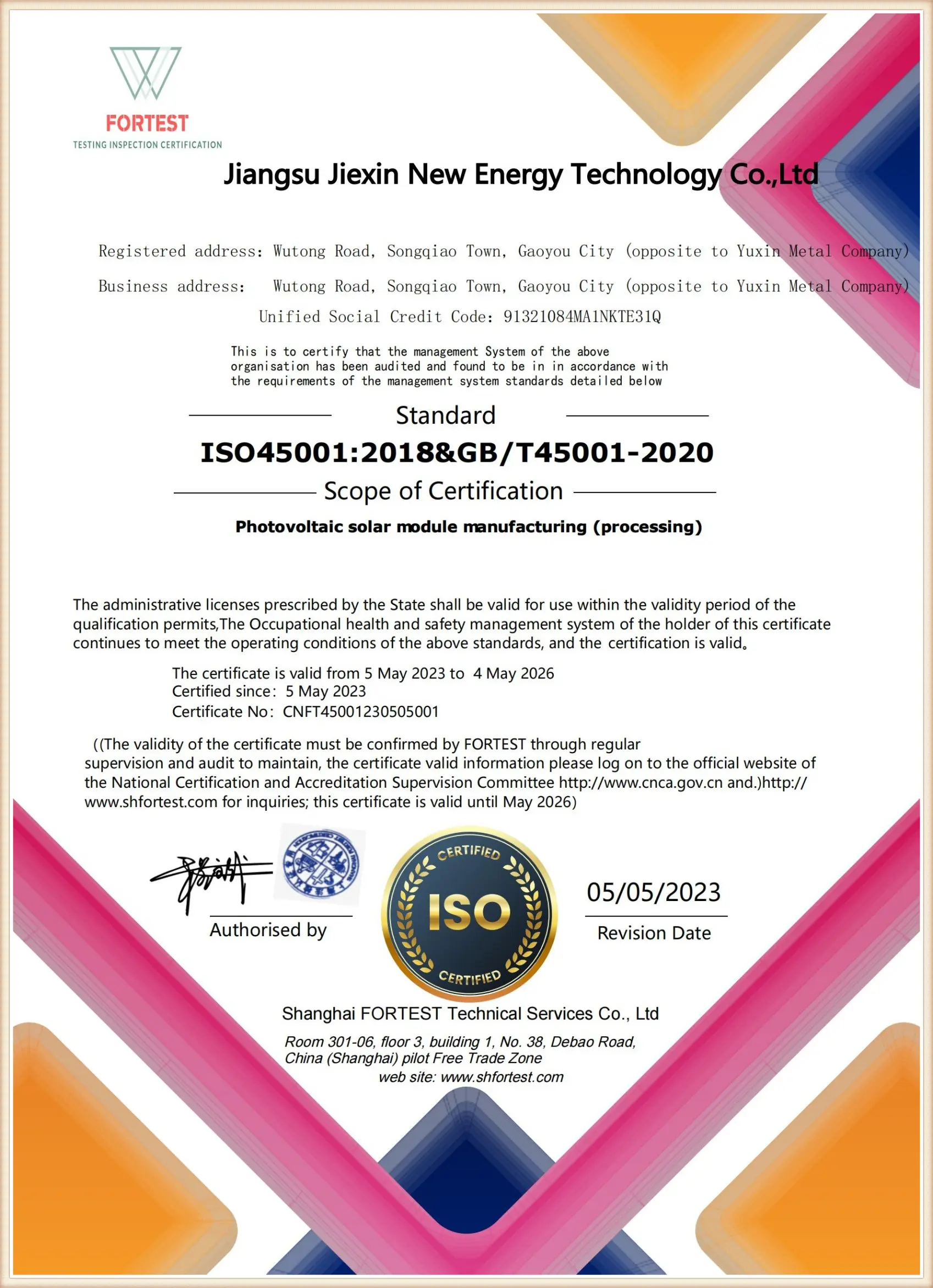
Analyzing key evaluation parameters for B2B sourcing partners and EPC contractors.
For procurement officers representing cabin manufacturing companies, resort development groups, or remote telecom authorities, sourcing custom solar solutions requires careful evaluation of vendor capabilities. Reliability must extend beyond the product specifications to encompass supply chain stability, technical support, and strict compliance with local construction and electrical codes.
Key procurement requirements include:
Common questions from solar engineers, procurement teams, and commercial cabin developers.
Working with leading organizations to supply robust solar infrastructure worldwide.
Technical publications from our research and design team covering quality standards, OEM selection, and material science.
Explore our complete catalog of solar systems, structural framing profiles, and off-grid power solutions.