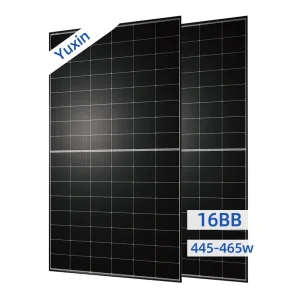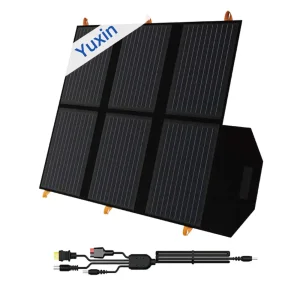
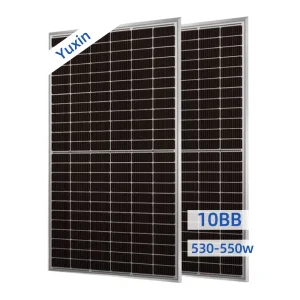
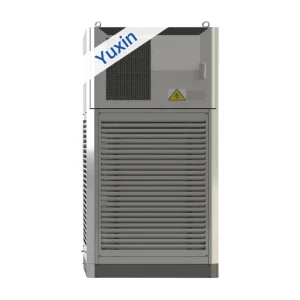
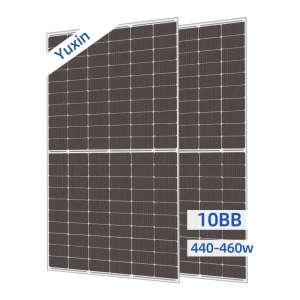
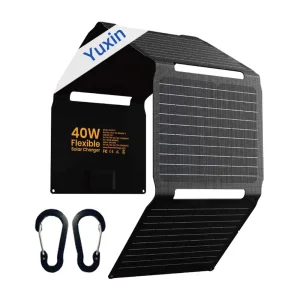
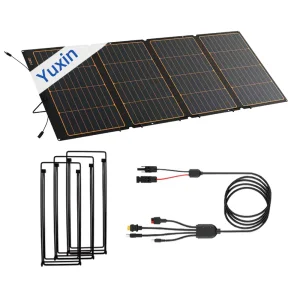
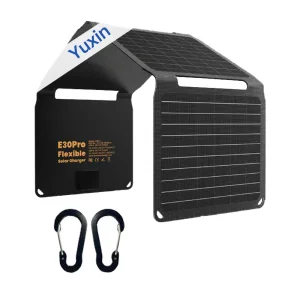
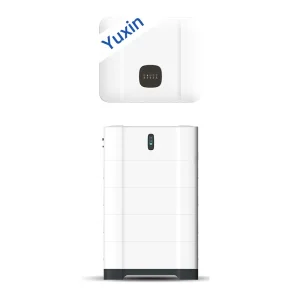
Explore our premium range of solar panels, portable chargers, and industrial-grade energy systems engineered for maximum conversion and continuous backup power.
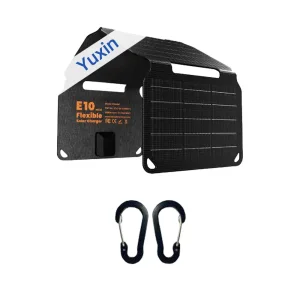
A comprehensive examination of global grid patterns, custom battery engineering, and corporate procurement roadmaps designed to overcome energy insecurity.
Around the globe, centralized electrical grids are coming under unprecedented stress. Factors such as outdated infrastructure, peak load spikes, geopolitical supply disruptions, and extreme weather events have forced utility providers in regions like South Africa, Lebanon, parts of South Asia, and even vulnerable regions in Texas and Australia to implement structured power outages, commonly known as load shedding.
For industrial operations, high-tech manufacturing, and retail networks, these outages are not just an inconvenience—they are a threat to solvency. A single hour of power interruption can cascade into thousands of dollars in lost productivity, corrupted production batches, and damaged machinery. This is where custom battery packs step in, serving as a dynamic bridge between unstable grids and operational equilibrium.
Estimates suggest that global industries lose over $150 billion annually due to voltage fluctuations and complete blackout cycles. Standard off-the-shelf uninterruptible power supplies (UPS) are designed only for brief transition windows. Load shedding demands dynamic energy shift reserves (lasting 4 to 12 hours) that can sustain continuous cyclic loads under high-depth discharge profiles.
Sourcing off-the-shelf energy storage systems (ESS) often results in premature pack degradation, thermal throttling, and system-level incompatibilities. Load shedding environments present a unique stress profile: standard batteries are designed to cycle once or twice a week. In contrast, heavy load shedding can require 3 to 4 complete charge-discharge cycles daily, often with minimal recovery time between events.
LiFePO4 offers the safest thermal profile, boasting over 6,000 charge-discharge cycles at 80% Depth of Discharge (DoD). This ensures reliable operation across a 10-year lifespan under relentless load-shedding cycles.
A custom-designed Battery Management System (BMS) manages active cell balancing, prevents over-current situations, and implements dynamic thermal management algorithms to optimize energy throughput.
By employing structural isolation between cells, fire-retardant composite phase-change materials, and custom-molded enclosures, our battery packs are engineered to safely handle rapid charging currents.
| Technical Metric | Standard ESS Pack | Custom Load Shedding Engineered Pack |
|---|---|---|
| Cycle Life (80% DoD) | 1,500 - 2,500 Cycles | 6,000 - 8,000 Cycles |
| Continuous Discharge C-Rate | 0.5C Average | 1.0C to 2.0C Peak |
| Thermal Management | Passive air cooling only | Active liquid cooling or composite phase-change heat dissipation |
| BMS Protocols | Basic over-charge protection | Modbus, CAN bus, RS485 telemetry, and IoT remote monitoring |
| Cell-Level Safety | Standard assembly wrappers | Individual cell fusing and mechanical structural isolation |
Sourcing large-scale, custom battery packs for industrial plants and distribution centers requires strict adherence to international procurement benchmarks. Global procurement leads must balance initial capital expenditure (CAPEX) with the overall Levelized Cost of Storage (LCOS). Low-cost options often yield poor lifecycle value, as frequent pack failures double maintenance costs and increase business down-time.
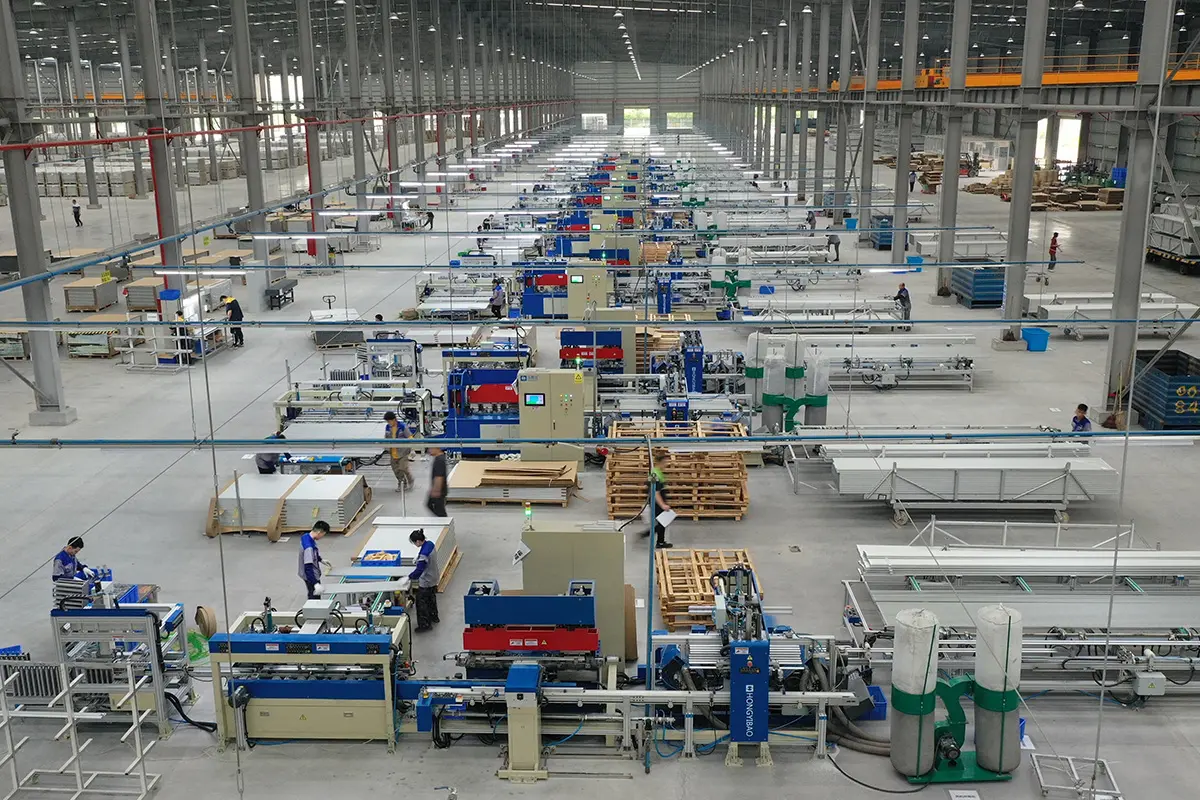
Our manufacturing and engineering facilities in China leverage robust local raw material supply lines (lithium mining resources, advanced copper busbar fabrication, and local microprocessor supply networks) to deliver competitive pricing without compromising E-E-A-T (Expertise, Experience, Authoritativeness, and Trustworthiness) metrics. This is why leading companies worldwide rely on our manufacturing pipelines.
Located in the scenic historical and cultural ancient city of Yangzhou, close to the Beijing-Shanghai Expressway, Runyang Yangtze River Bridge, and Ningqi Railway, the group has a superior geographical location and convenient transportation. The group was established in 2008 and has 14 multi-field companies under its jurisdiction, including Jiangsu Yuxin New Energy Technology Co., Ltd.
Over more than 15 years of industry leadership, we have won many prestigious titles, such as National High-tech Enterprise, Technology-based Enterprise, and Gaoyou City Top 100 Private Enterprises. Our continuous expansion allows us to provide vertically integrated manufacturing lines covering solar cells, custom battery packs, and structural protection frames.
Production Lines
Sales Revenue
Export Volume
Annual Output
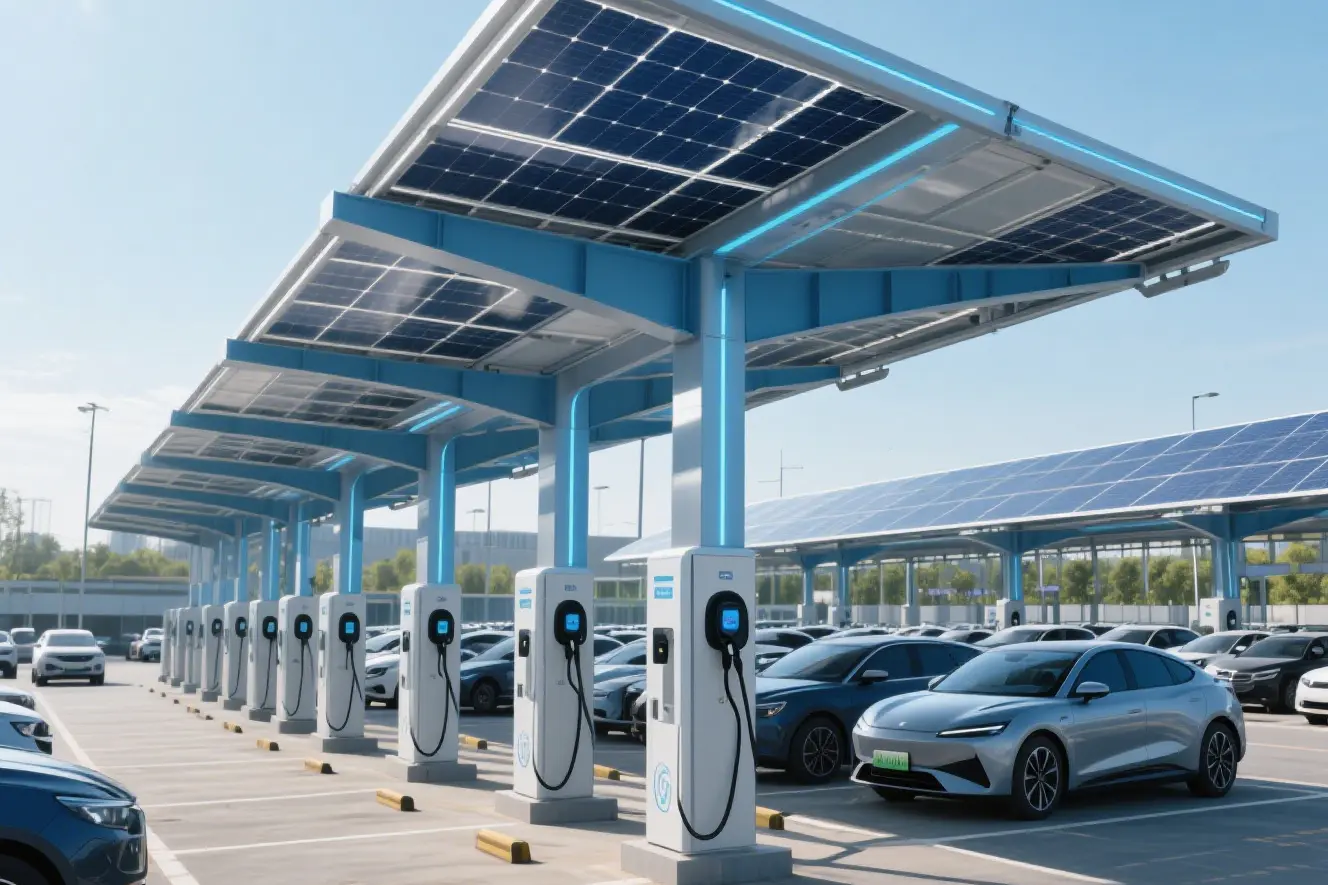
Combining structural safety, high conversion solar cells, and advanced energy storage systems for unified grid independence.
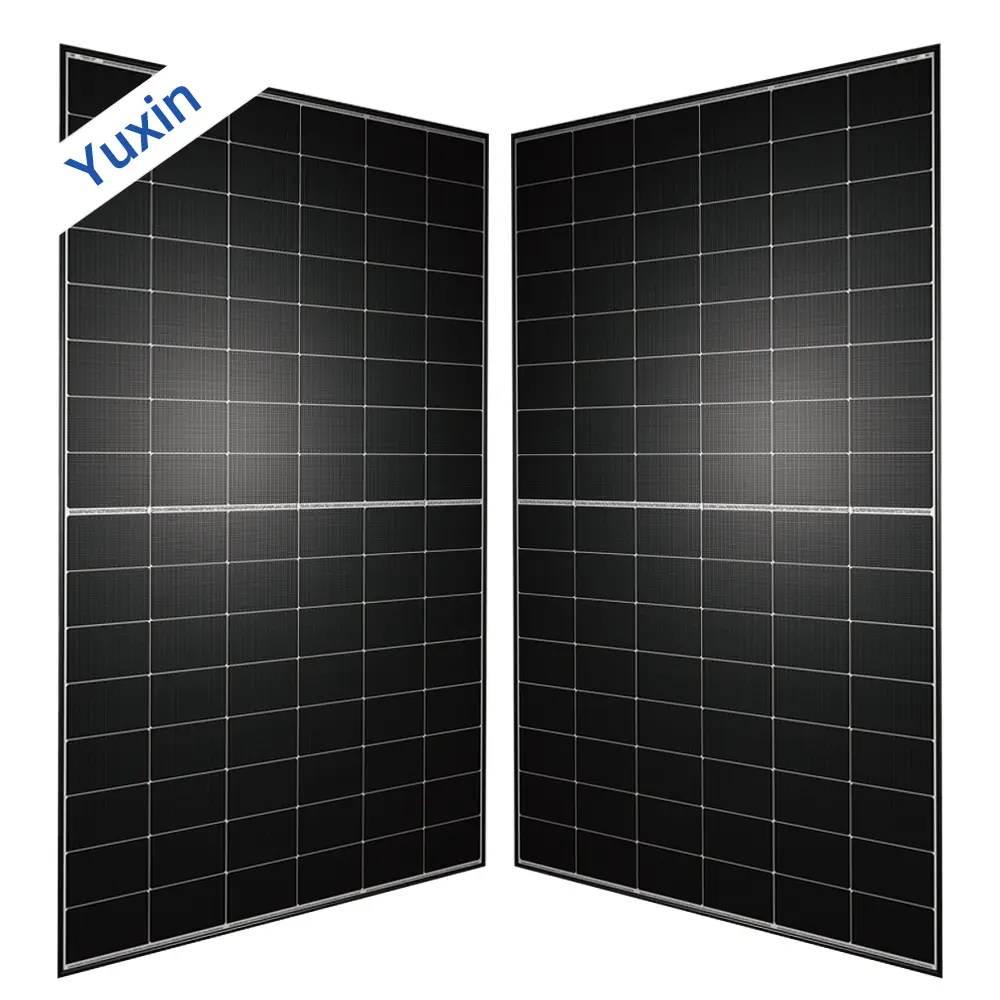
Lightweight design with transparent back panel for easy installation and reduced BOS costs.
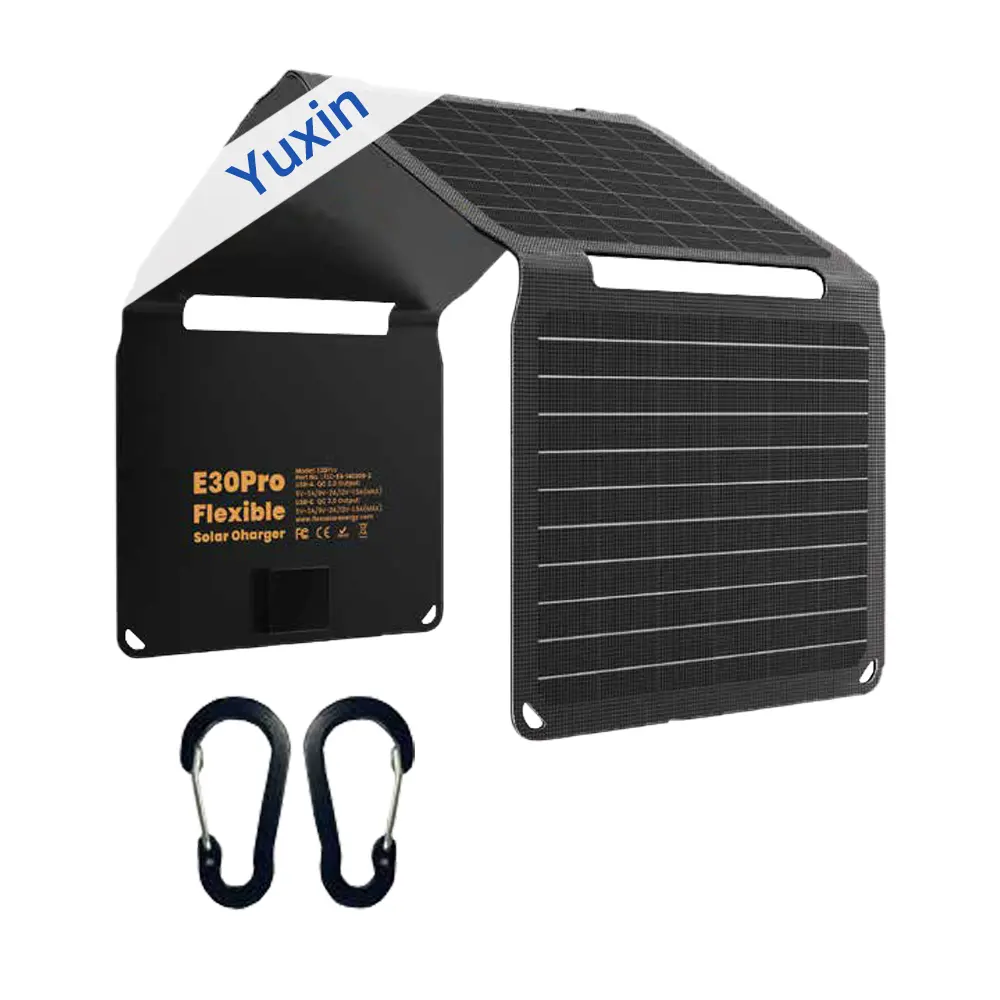
Utilizing advanced monocrystalline silicon cells, it achieves a high energy conversion efficiency of 24%.
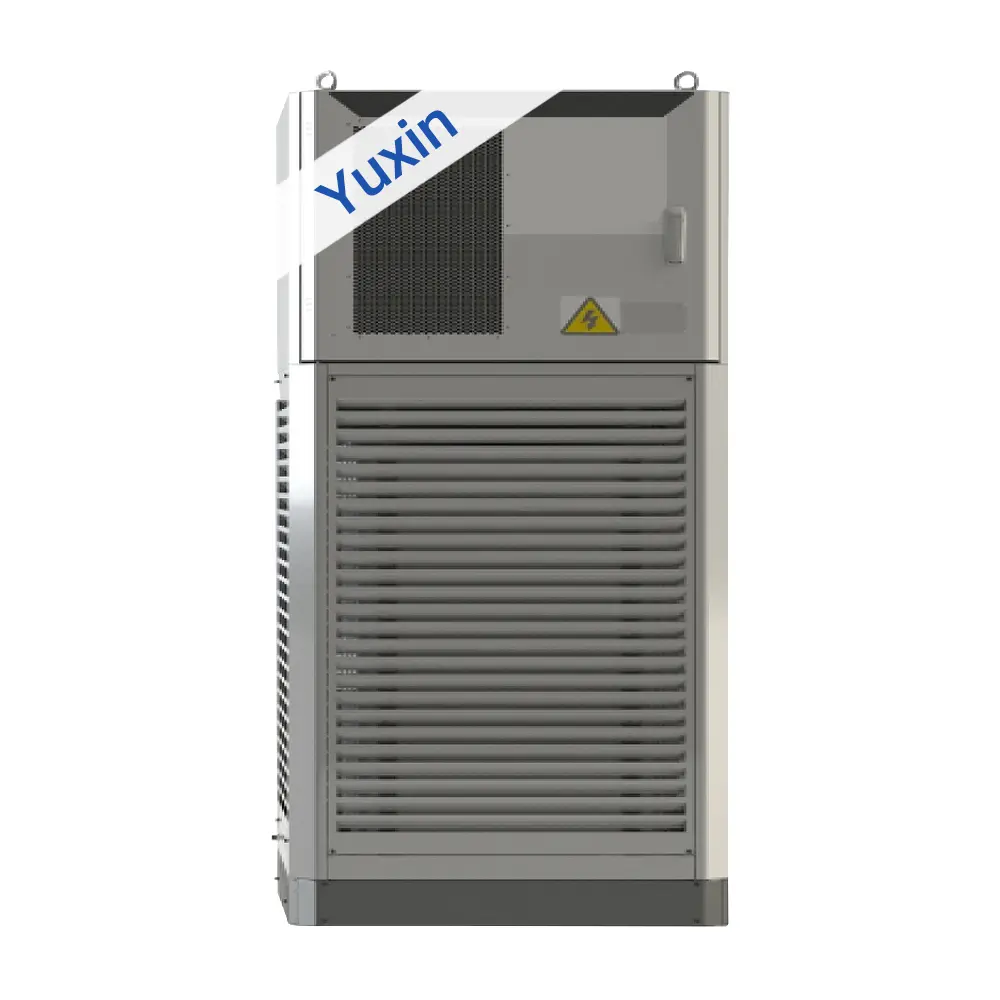
Application modes include grid-connected mode, off-grid mode, and integrated grid-connected/off-grid mode.
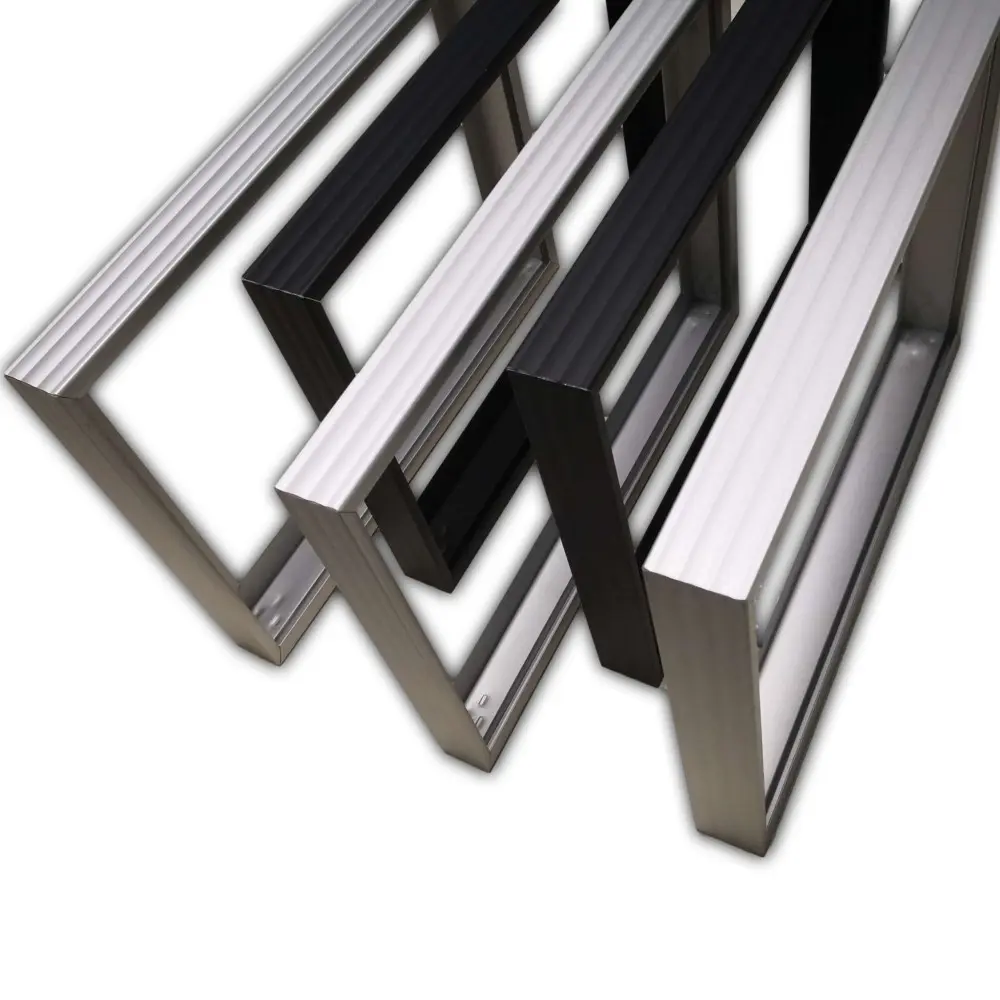
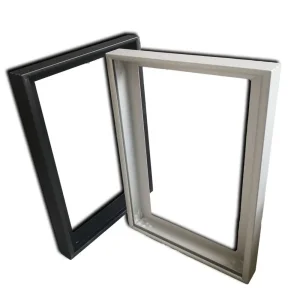
Made of high-quality anodized aluminum, it ensures superior weather resistance and a smooth, long-lasting finish.
Delivering uninterrupted performance across demanding commercial, industrial, and outdoor sectors.
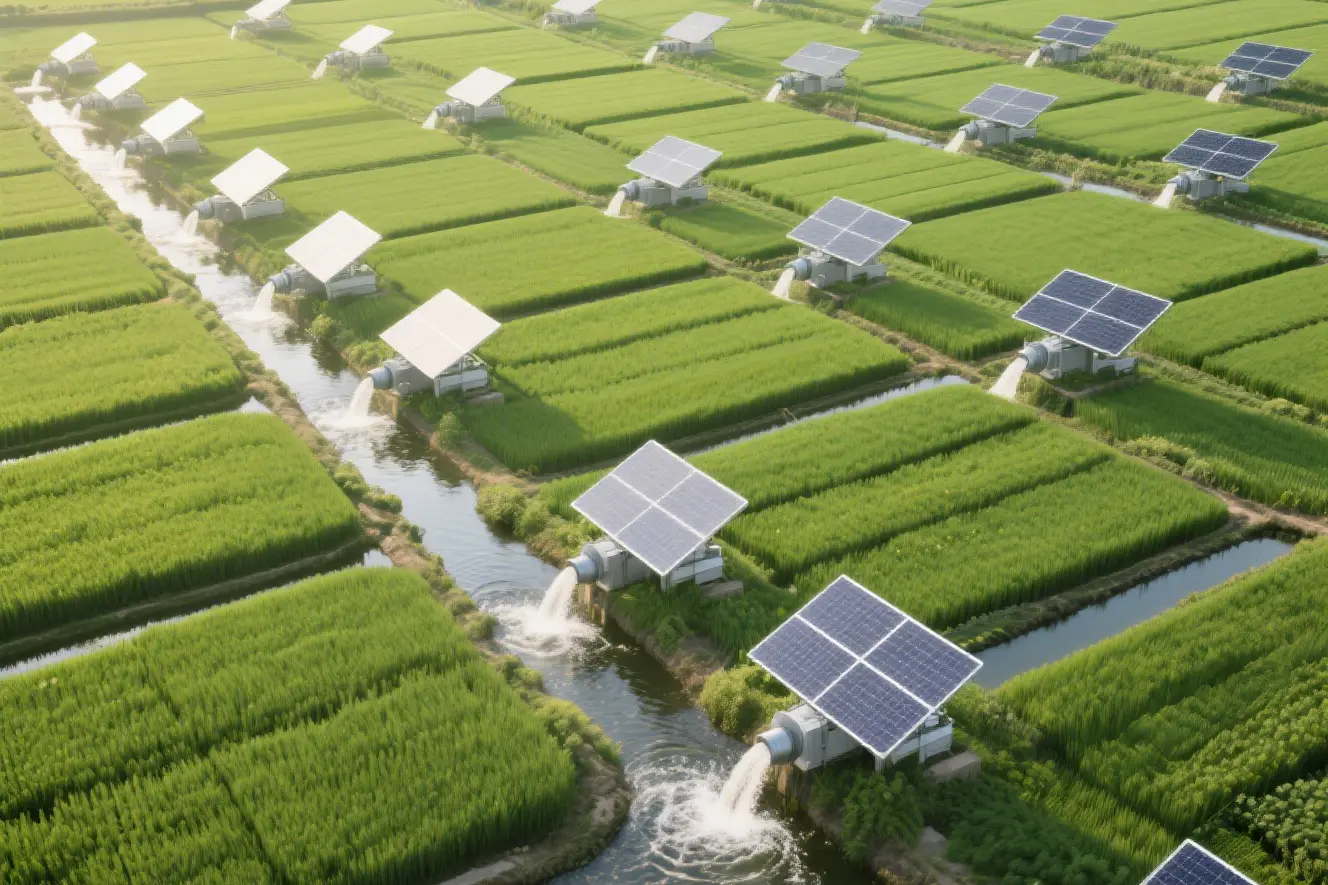
Powering remote water pumps, automated irrigation controllers, and ventilation networks in greenhouses during crop-threatening load shedding events.
Guarantees operation for tower cranes, site offices, and dangerous power tool battery banks where micro-grids are absent.
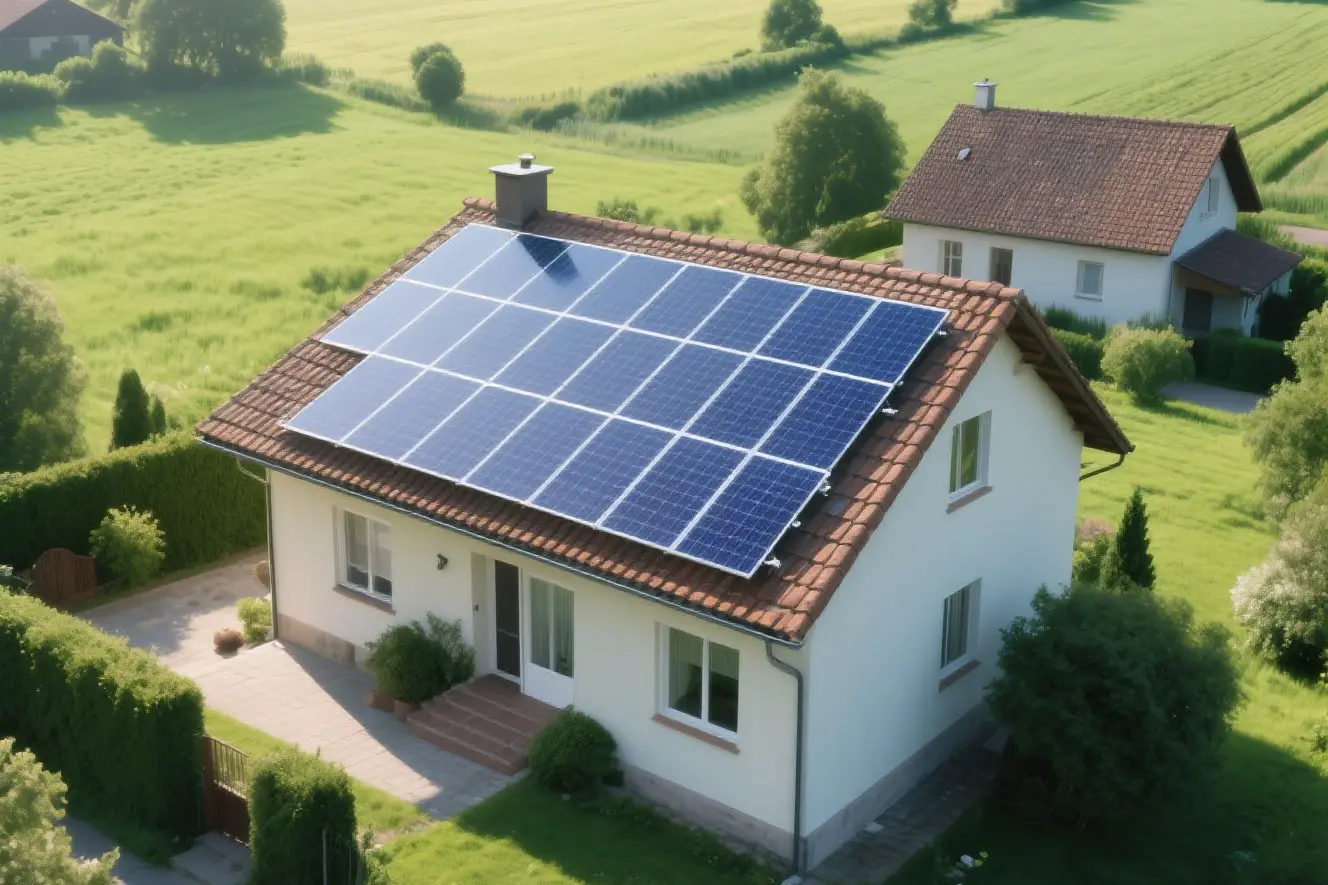
Stabilizing grid transients, mitigating frequency fluctuations, and performing black-start utility operations inside electrical substations.
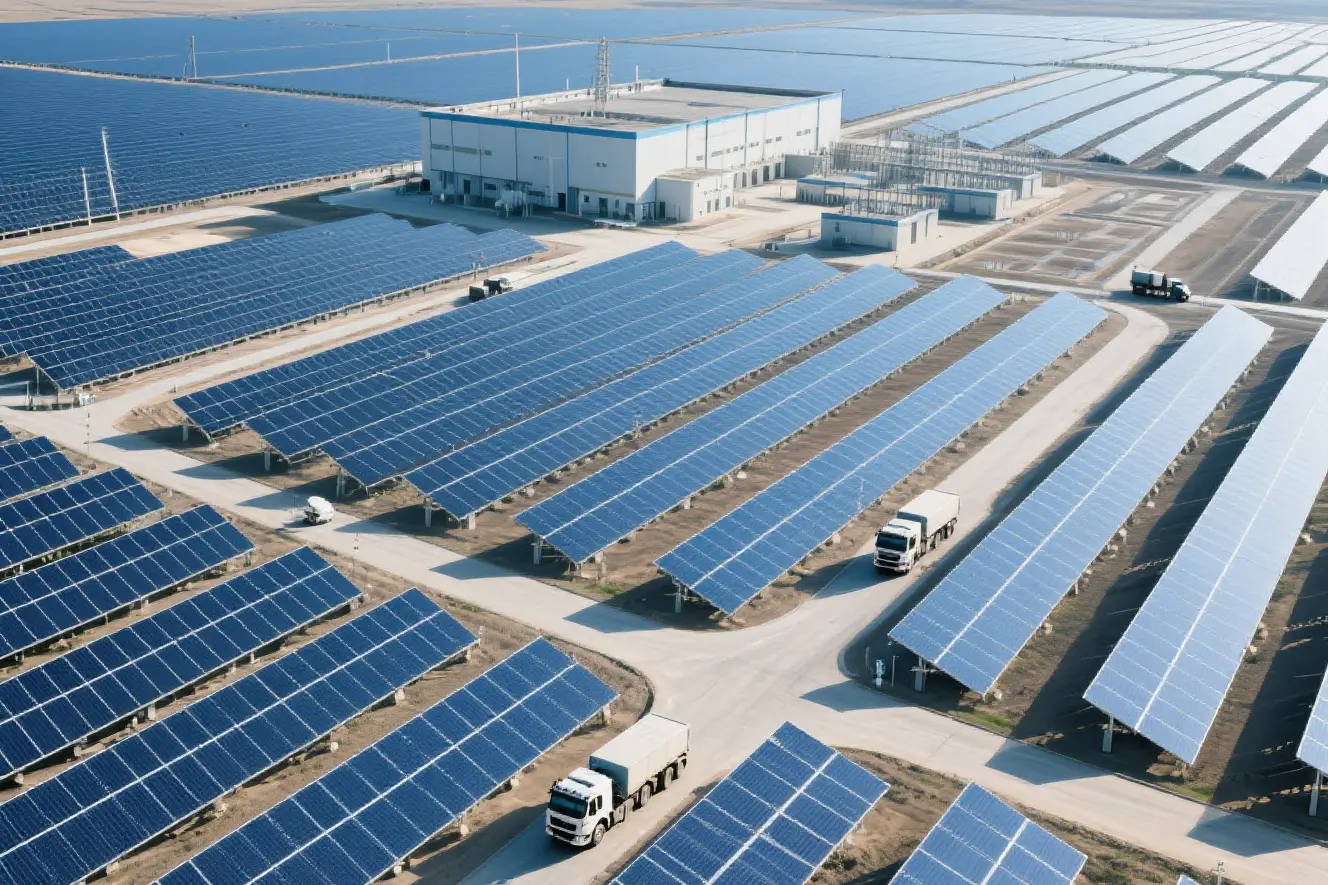
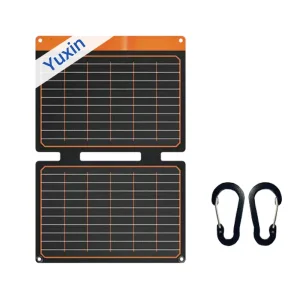
Providing high-efficiency portable power generators, solar backpacks, and emergency lighting configurations for field work, mapping, and scientific discovery.
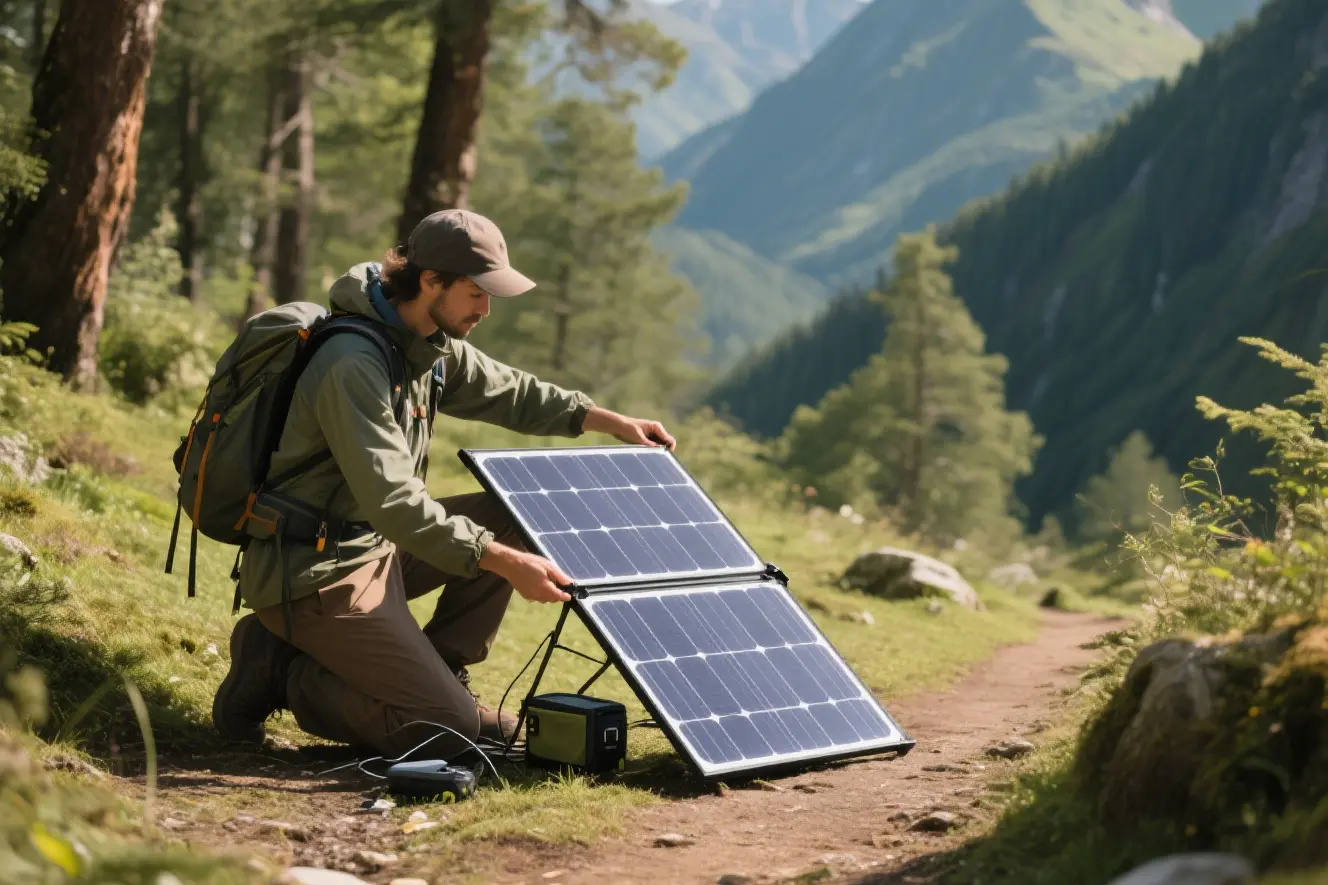
Guarantees continuous operation of remote base transceiver stations (BTS), microwave repeaters, and fiber switching nodes.
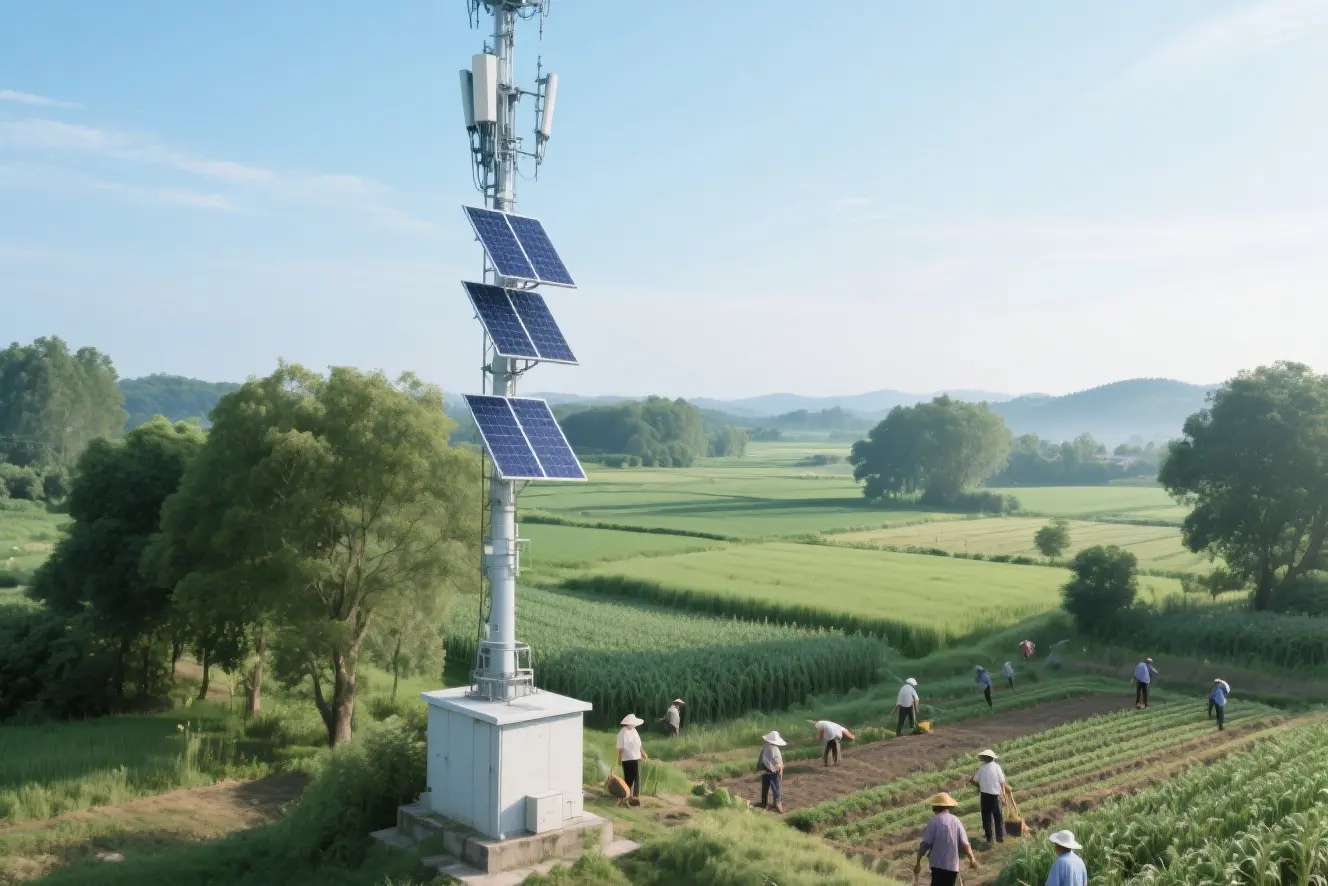
Powers vital railway signal systems, automated toll booths, and harbor telemetry terminals where power drops compromise public safety.
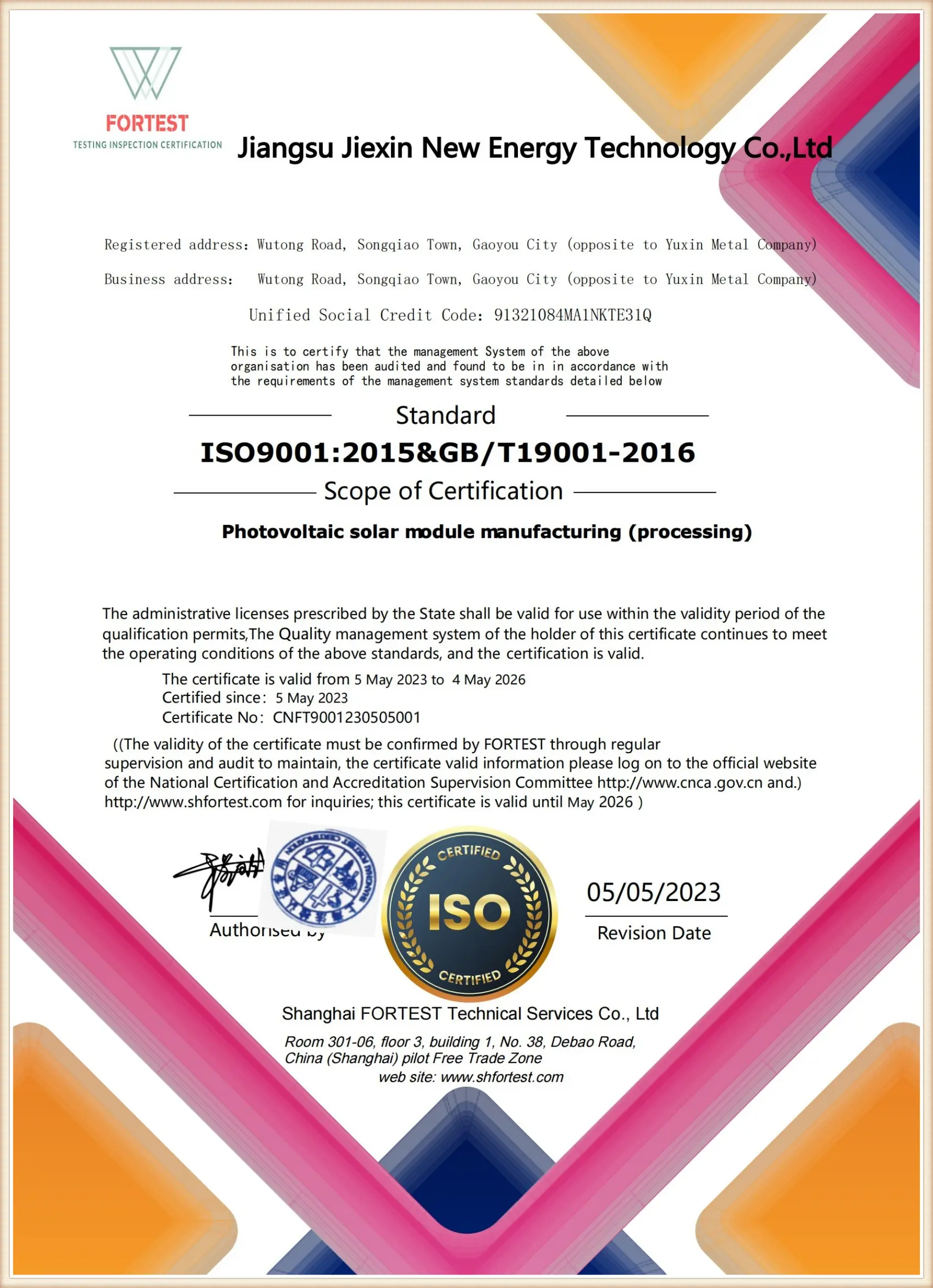
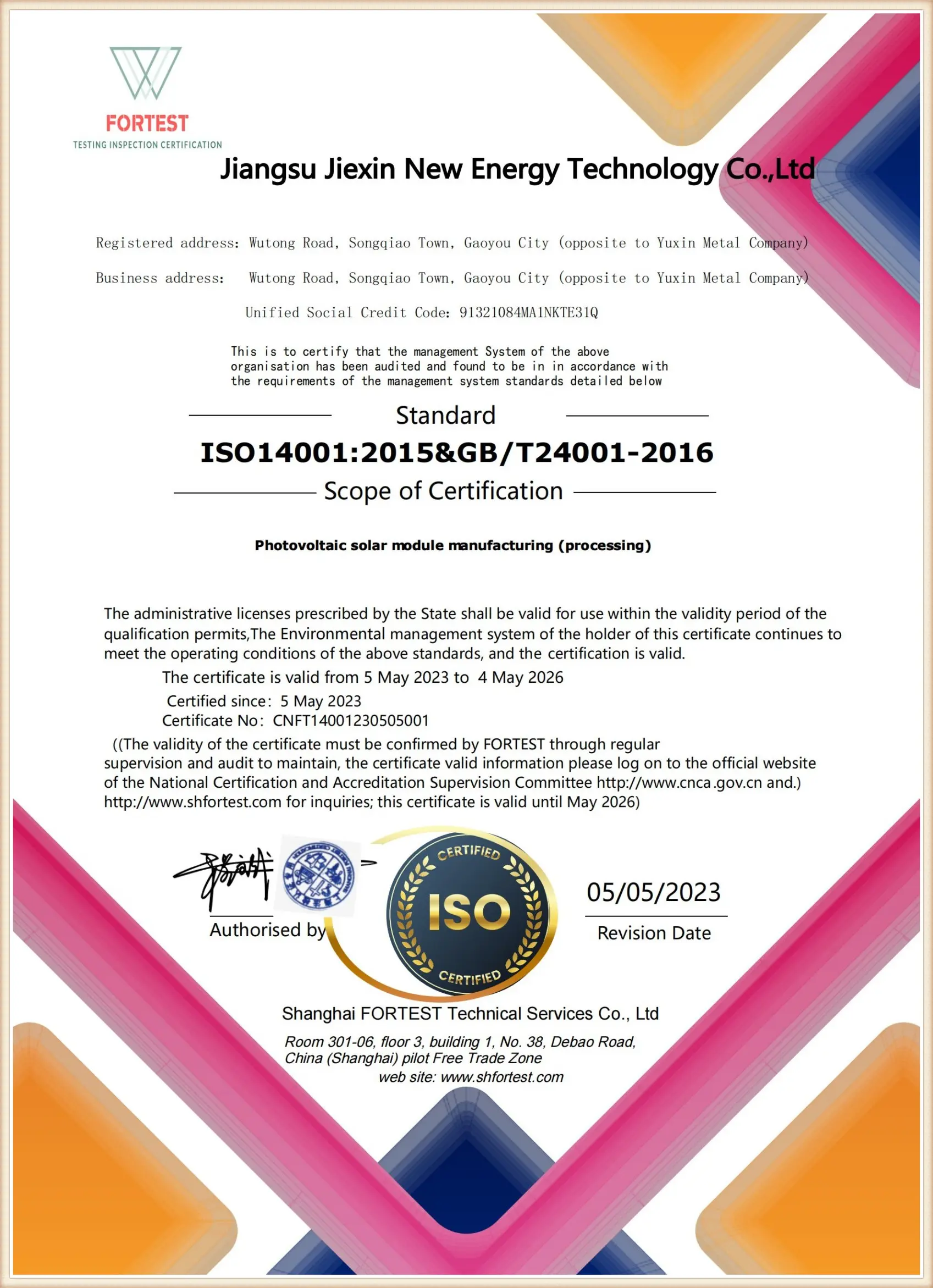
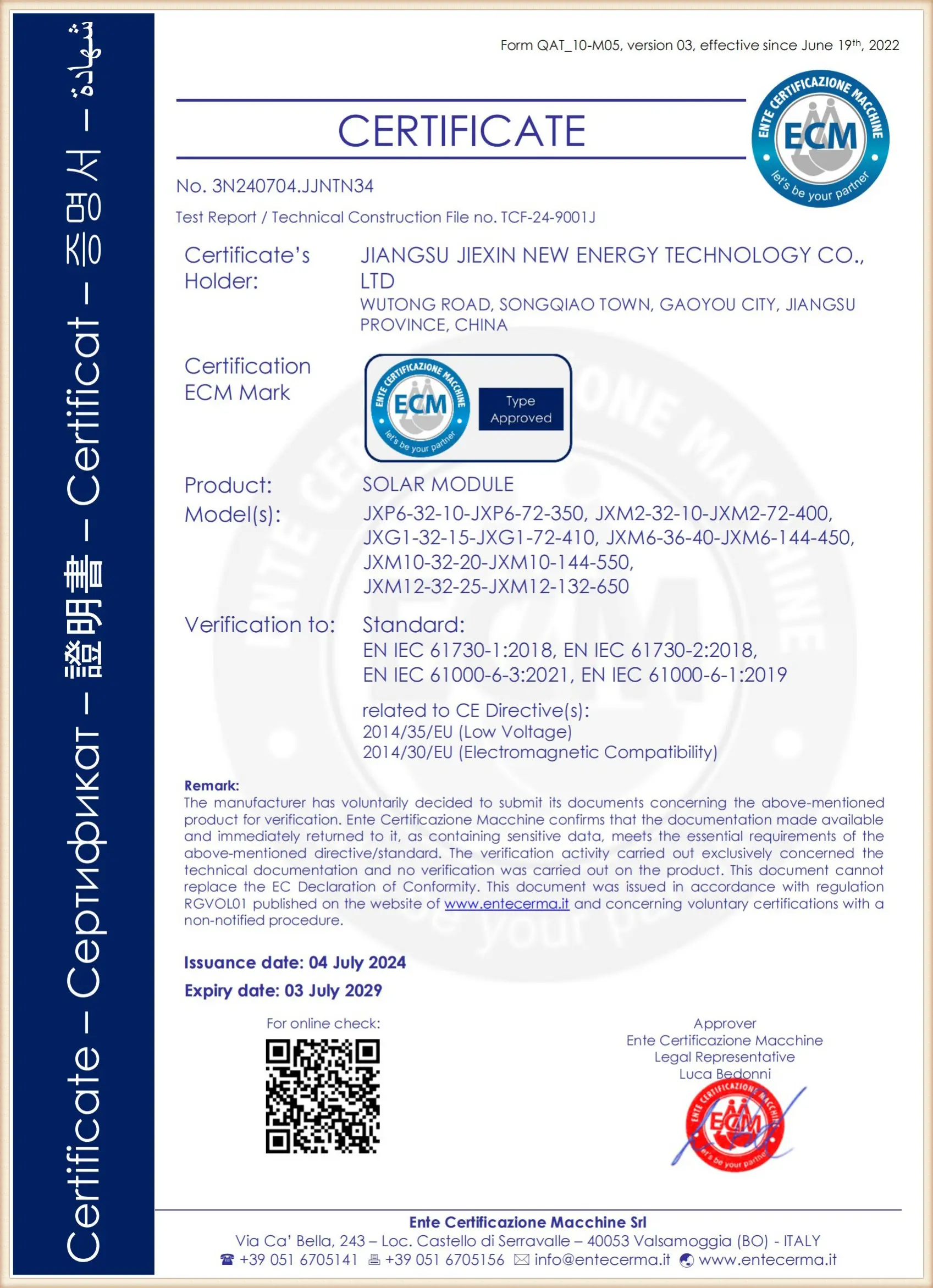
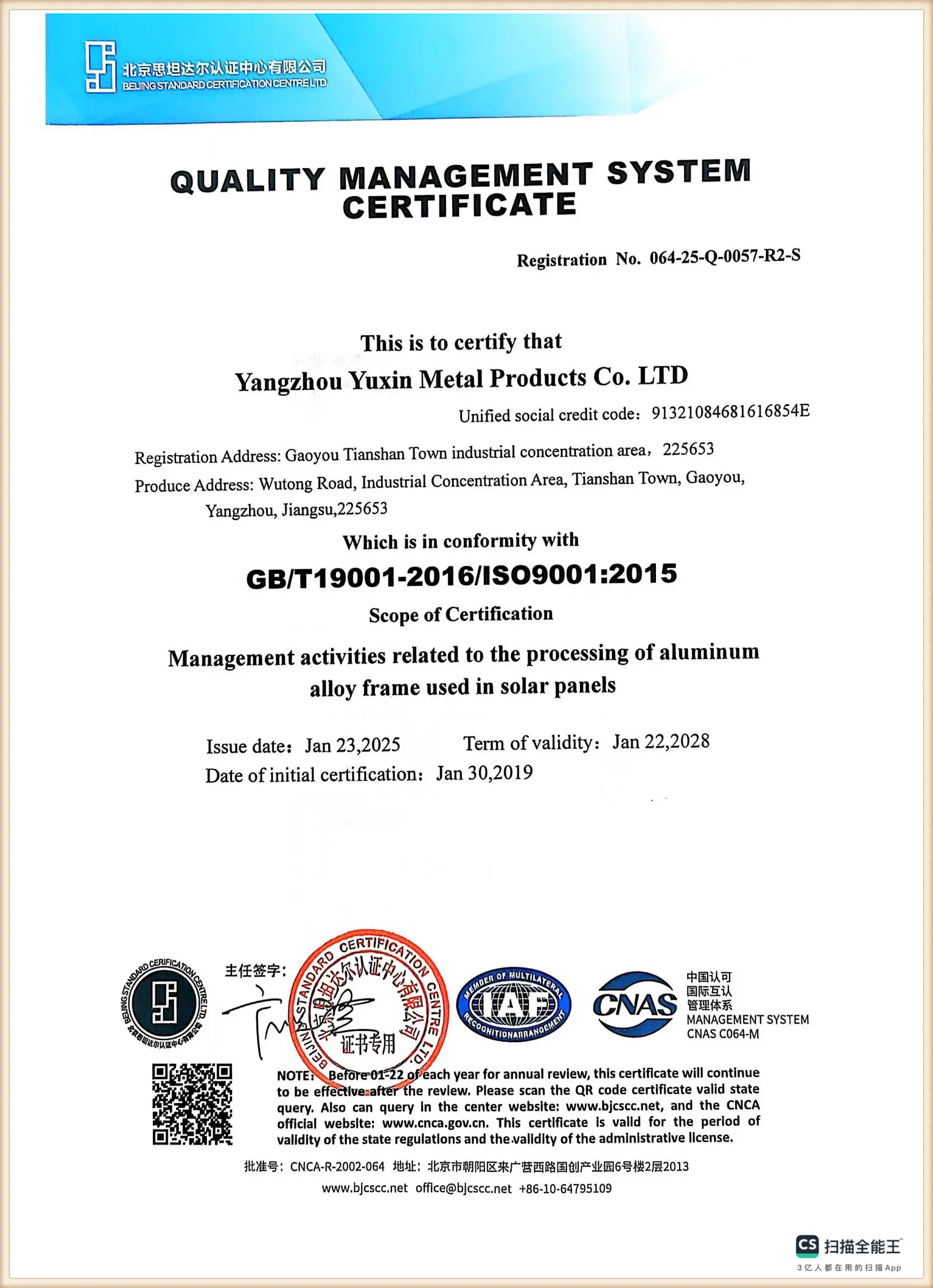
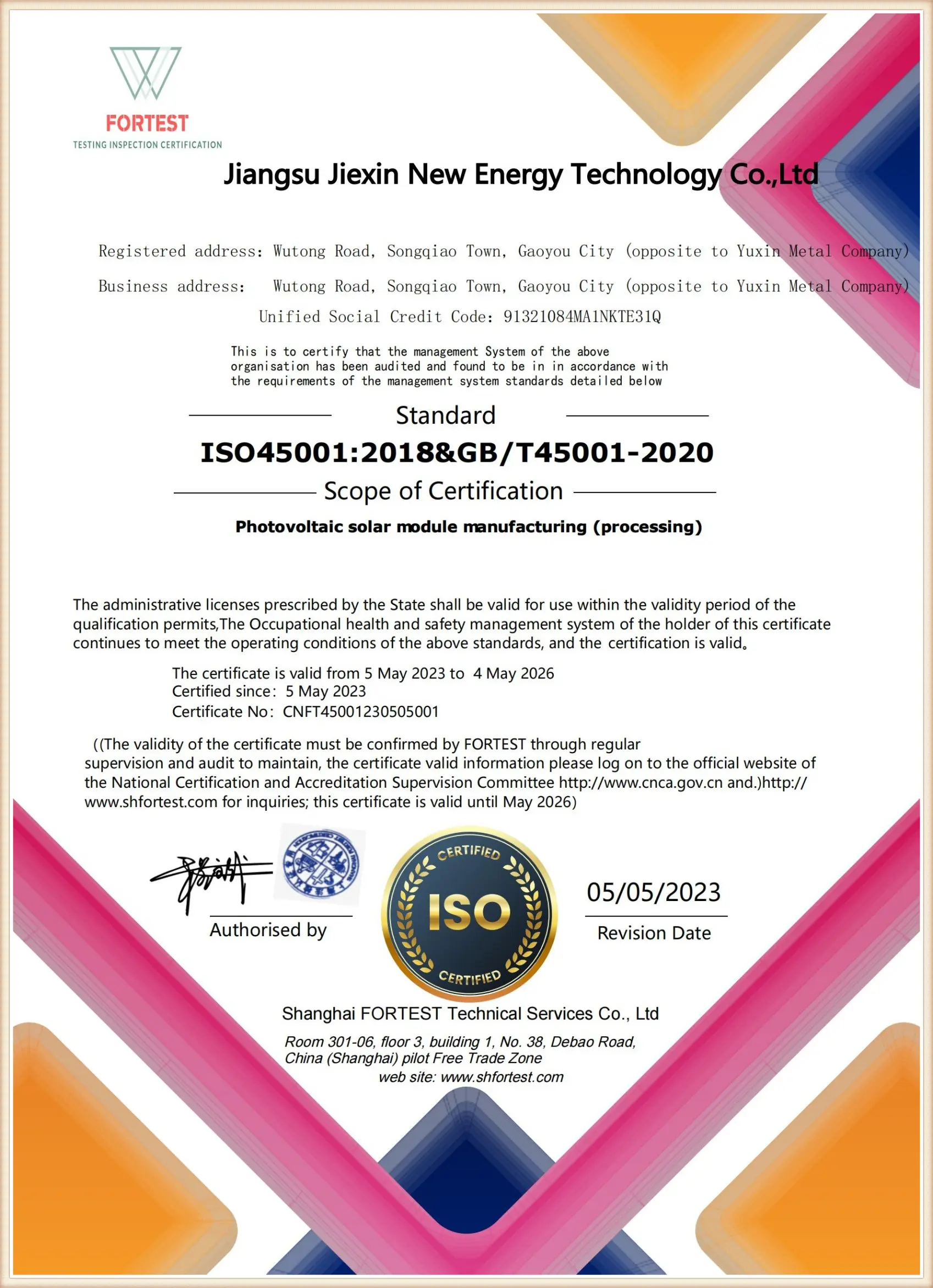
Our commitment to rigorous quality control processes ensures international safety approvals for all products.
After years of hard work by Yuxin people, it has gradually formed a collectivist and diversified advantage, working with elite contractors and energy developers.


Discover our future innovations in chemistry architectures and our localized services in load shedding regions.
As lithium demand scales globally, Yuxin’s R&D department is actively prototyping next-generation Sodium-Ion (Na-Ion) chemistry platforms. Sodium-ion battery packs represent a highly viable solution for hot climates. They exhibit superior thermal tolerance up to 60°C and maintain cell-level integrity without degradation, mitigating the thermal stress caused by rapid charge-discharge load-shedding dynamics.
Additionally, we are exploring hybrid solid-state systems that eliminate liquid electrolytes. These cells eliminate thermal runaway risks and provide higher volumetric energy density, enabling longer runtimes within compact industrial and residential spaces.
Developing robust hardware is only one half of the solution; ensuring compliance and remote deployment maintenance is the other. We maintain engineering partnerships in South Africa, Australia, and Western Europe to assist system integrators with installation, compliance audits, and local code updates. Our systems feature built-in cloud connectivity to support OTA (Over-The-Air) firmware updates, remote diagnostics, and grid-arbitrage algorithm deployments.
Technical guidance and engineering insights directly from YUXIN's lead battery pack architects.
Discover our technical reports and analysis on solar frame quality control, supplier audits, and engineering innovations.
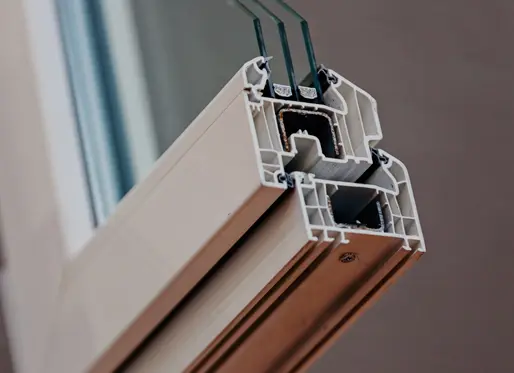
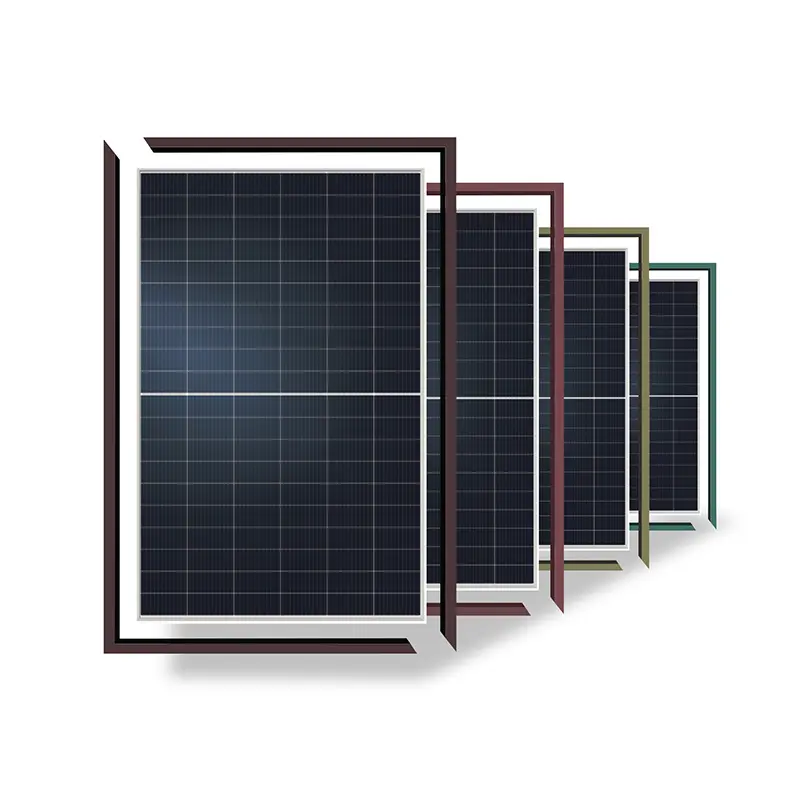
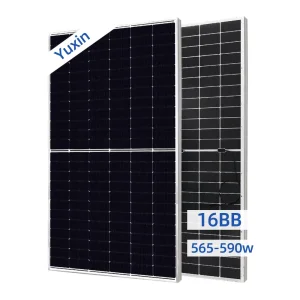
Complete your energy infrastructure projects with N-type TOPCon panels, composite materials, and waterproof backup options.