
High-efficiency monocrystalline solar panels, modular storage assemblies, and precision structural mounts certified for global markets.
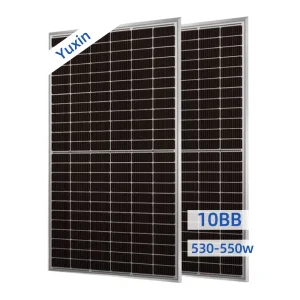
Mono-crystalline high-efficiency solar panel modules ranging from 530W to 550W. 10BB architecture designed for optimal cell heat dissipation and localized system safety.
Specifications & Pricing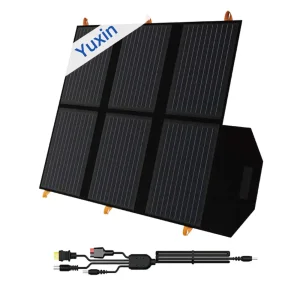
Waterproof modular system designed for tactical, hiking, and mobile applications. Integrates premium cells to maintain optimal high energy conversion for power banks.
Request Quote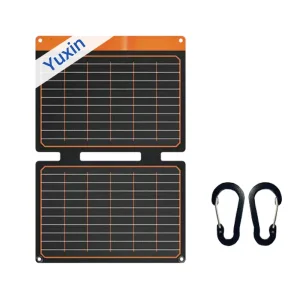
Ultra-lightweight solar panel integration offering high-efficiency power bank conversion. Robust weatherproof casing suited for extreme survival and outdoor operations.
Sourcing Details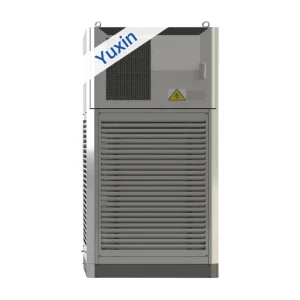
Commercial grade lithium energy storage platform. Highly modular design allows linear expansion to cover grid-connected, off-grid, and hybrid load-balancing scenarios.
Get System Quote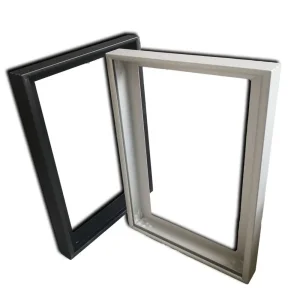
High mechanical strength structural profiles. Anodized finish provides superior salt mist and ammonia resistance for harsh coastal off-grid system installations.
View Structural Data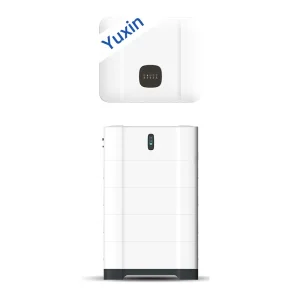
All-in-one residential storage solution. Featuring intelligent BMS, high discharge efficiency, and complete structural integration with modern home layouts.
Technical Catalog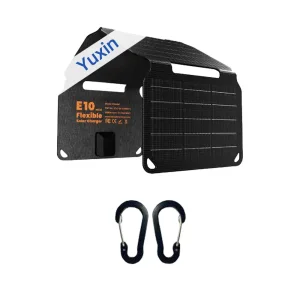
Ultra-compact photovoltaic device configured with advanced monocrystalline silicon technology. Ideal for emergency off-grid micro-charging applications.
Contact Factory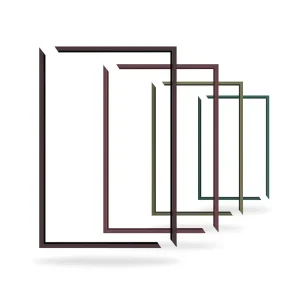
New-generation structural composite framing. Provides outstanding thermal insulation, minimizing thermal bridge effects and optimizing module performance in hot zones.
Comparative ReportModern decentralized power infrastructure is undergoing a fundamental transformation. High-voltage utility grids are increasingly exposed to extreme meteorological shifts, infrastructural overload, and rising levelized costs of fuel. In response, private residential complexes, municipal outposts, and agricultural enterprises worldwide are deploying autonomous micro-grid platforms. These setups require highly reliable solar panel technology that operates free from external utility constraints.
The procurement profile for off-grid PV modules has evolved from a focus on low costs to demanding long-term operational resilience. Solar panels deployed in off-grid environments are exposed to wide temperature changes, structural stress from high wind loads, and continuous humidity. As a result, engineering specifications now demand advanced cell technologies, robust structural frame designs, and integrated storage solutions that can operate reliably for over 25 years.
According to structural engineering analysis, off-grid systems experience 40% higher structural loading variations than urban utility plants. This highlights the critical importance of selecting highly reliable materials like anodized aluminum or advanced composite framing.
Global Engineering, Procurement, and Construction (EPC) buyers encounter unique challenges when sourcing off-grid solar equipment. Finding matching specifications that combine high-efficiency solar cells with durable mechanical support frames remains a major challenge. Components must also meet strict regulatory certifications such as CE, TUV, and UL.
To address this, leading manufacturers are shifting toward fully integrated product lines. By producing high-power monocrystalline modules (utilizing PERC and TOPCon designs) alongside advanced structural support frames and battery storage units, suppliers are helping buyers lower their Balance of System (BOS) costs. This integrated manufacturing model helps eliminate compatibility issues between components, making deployment in remote locations faster and more reliable.
Ensuring complete product compatibility and high structural integrity across all components of the photovoltaic system.
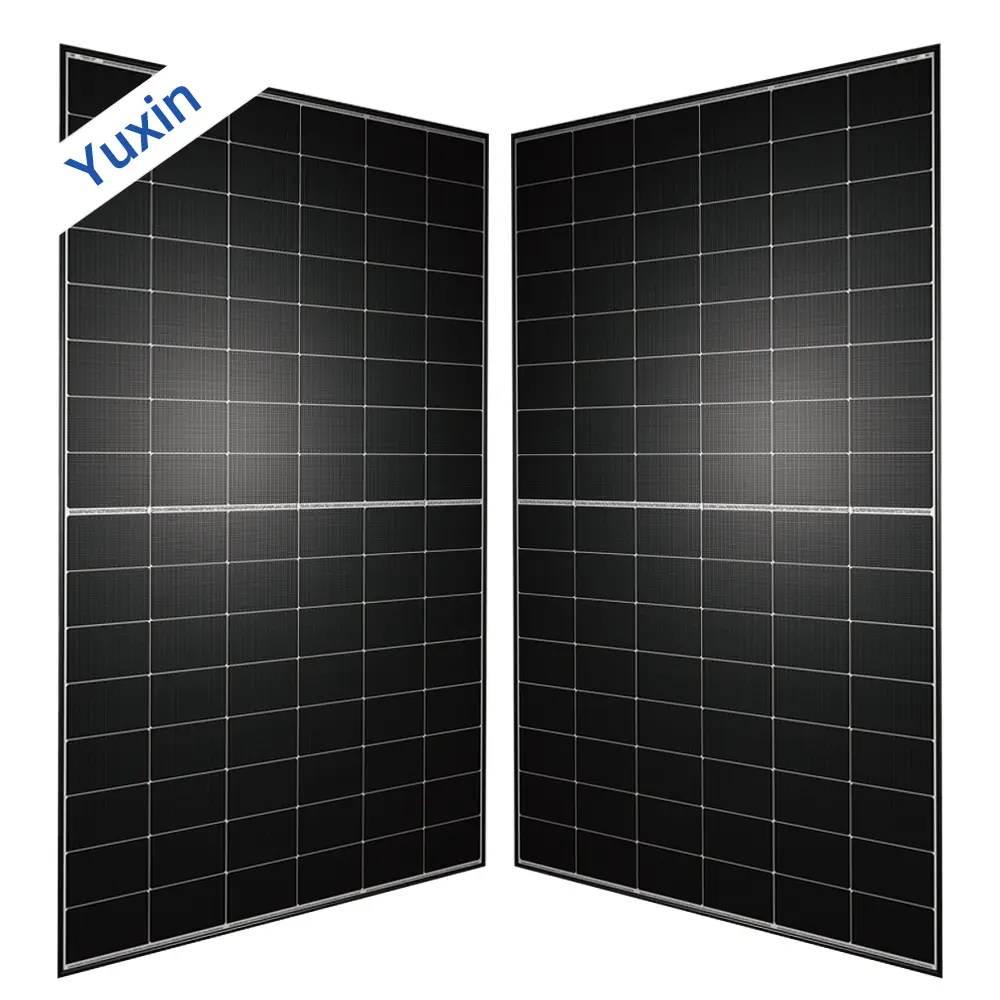
Lightweight design with transparent back panels for simplified site assembly, lowering installation and balance-of-system (BOS) costs.
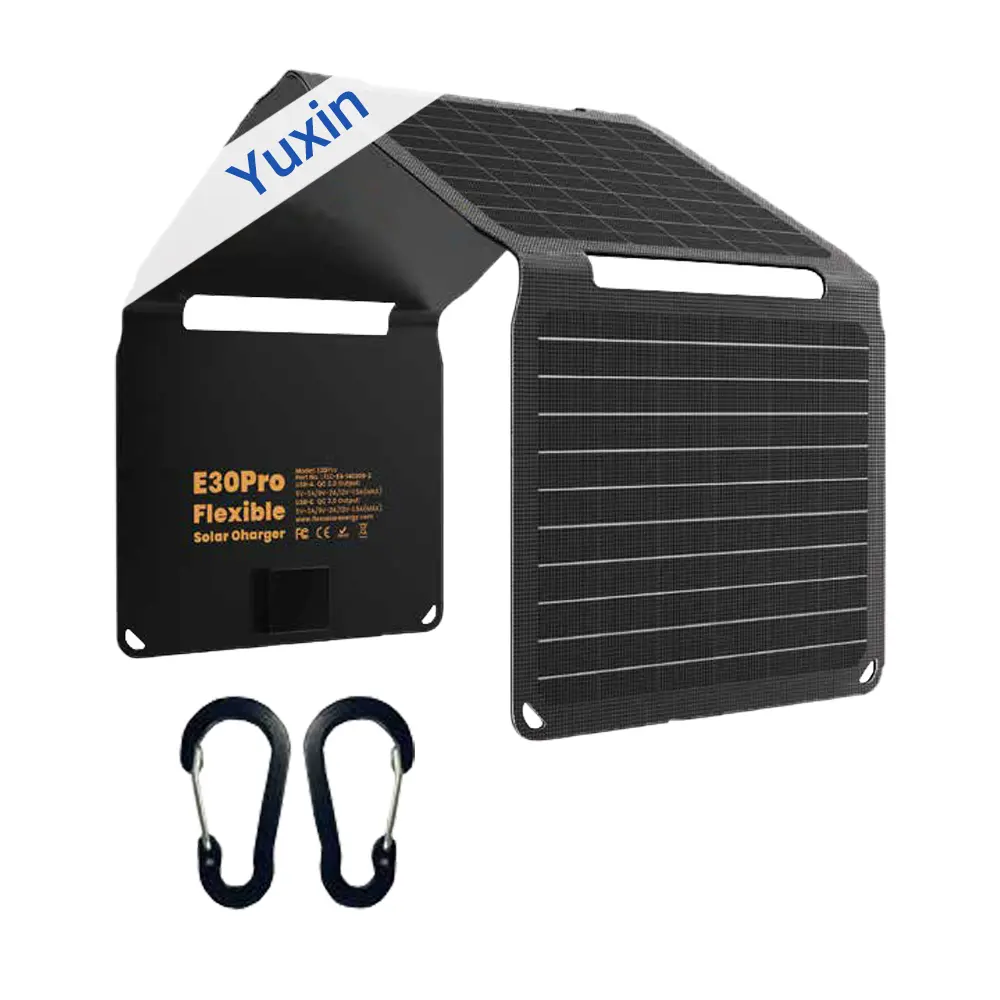
Engineered with high-grade monocrystalline cells, achieving solar energy conversion efficiencies of up to 24% under standard test conditions.

Configurable operating states: full grid-tied, hybrid off-grid backup, and self-consumption optimization modes.
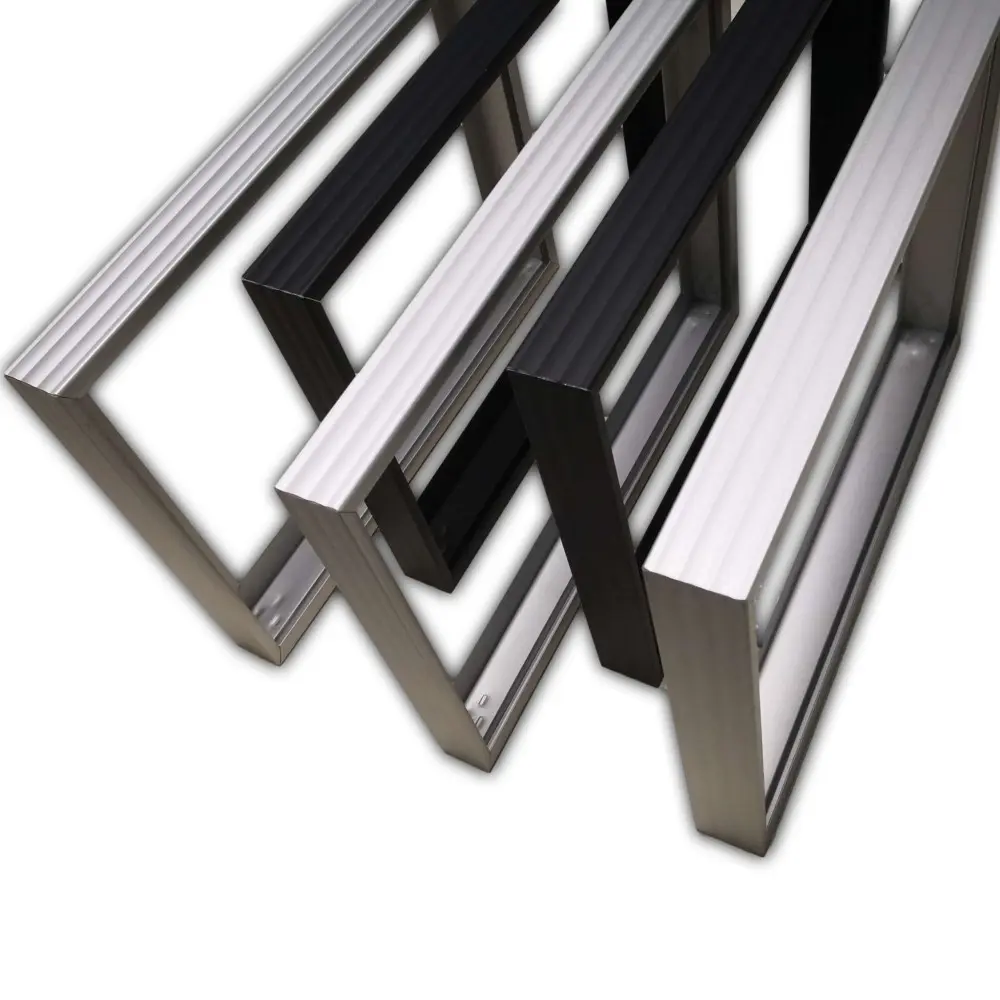
Extruded from structural anodized aluminum, offering reliable structural defense against environmental wear and tear.
China's Yangtze River Delta industrial region (including Yangzhou, Jiangsu) hosts one of the world's most advanced photovoltaic manufacturing clusters. This dense ecosystem brings together raw material processing, precision silicon ingot pulling, wafer slicing, solar cell development, and automated module frame production within a tight geographic area. This level of supply chain integration is a key factor in keeping production efficient and competitive.
For international buyers, this clustered manufacturing model translates directly into lower lead times and consistent product quality. By centralizing operations, suppliers can perform comprehensive quality control across every step of production. This covers everything from the chemical formulation of composite polyurethane frames to the mechanical load testing of heavy-duty aluminum mounts and the performance sorting of solar cells.
Jiangsu Yuxin New Energy Technology Co., Ltd. (established in 2008 and based in Yangzhou) serves as a prime example of this industrial cluster's manufacturing capabilities. As a recognized National High-Tech Enterprise, the group runs 21 automated production lines. These operations generate over $86 million USD in annual sales revenue, exporting 12,000 tons of structural framing products to markets worldwide.
This scale of production allows Jiangsu Yuxin to manufacture high-volume orders without sacrificing quality. By maintaining control over raw materials—including anodizing and pultruding processes—the company ensures that every structural framing element matches the lifetime reliability of the solar cells it supports.
Our manufacturing facilities and finished assemblies comply with international quality, safety, and performance standards.
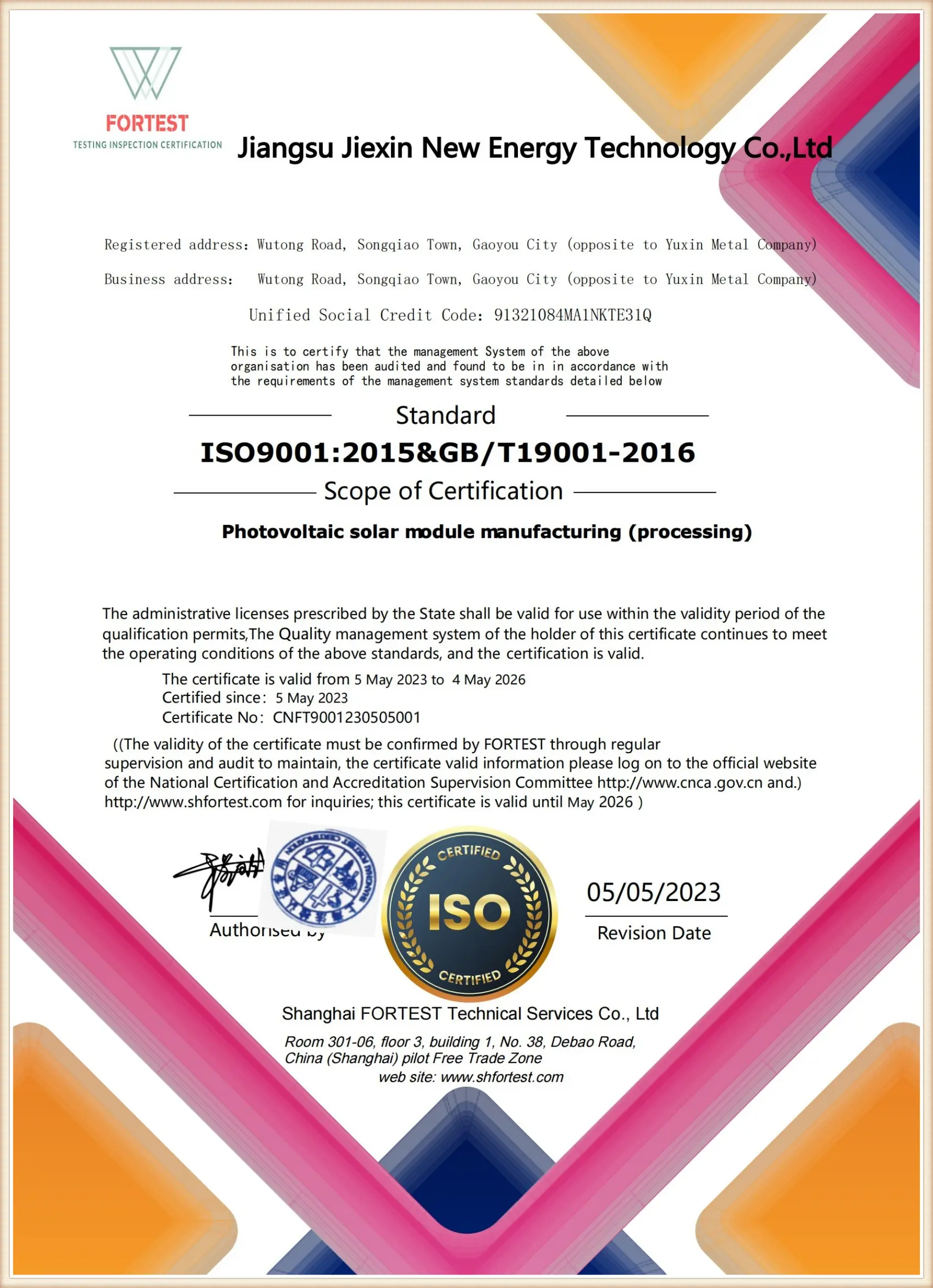
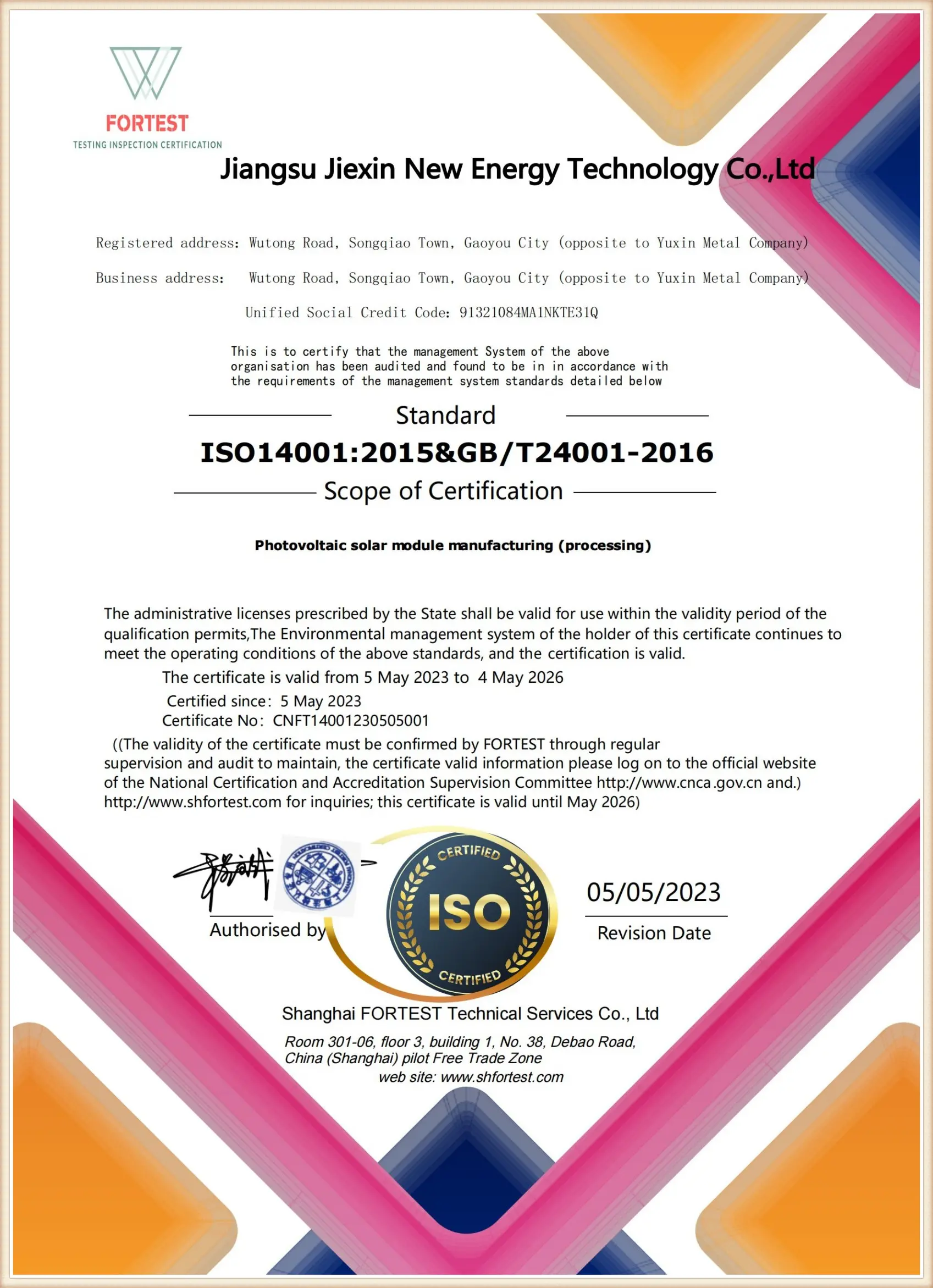
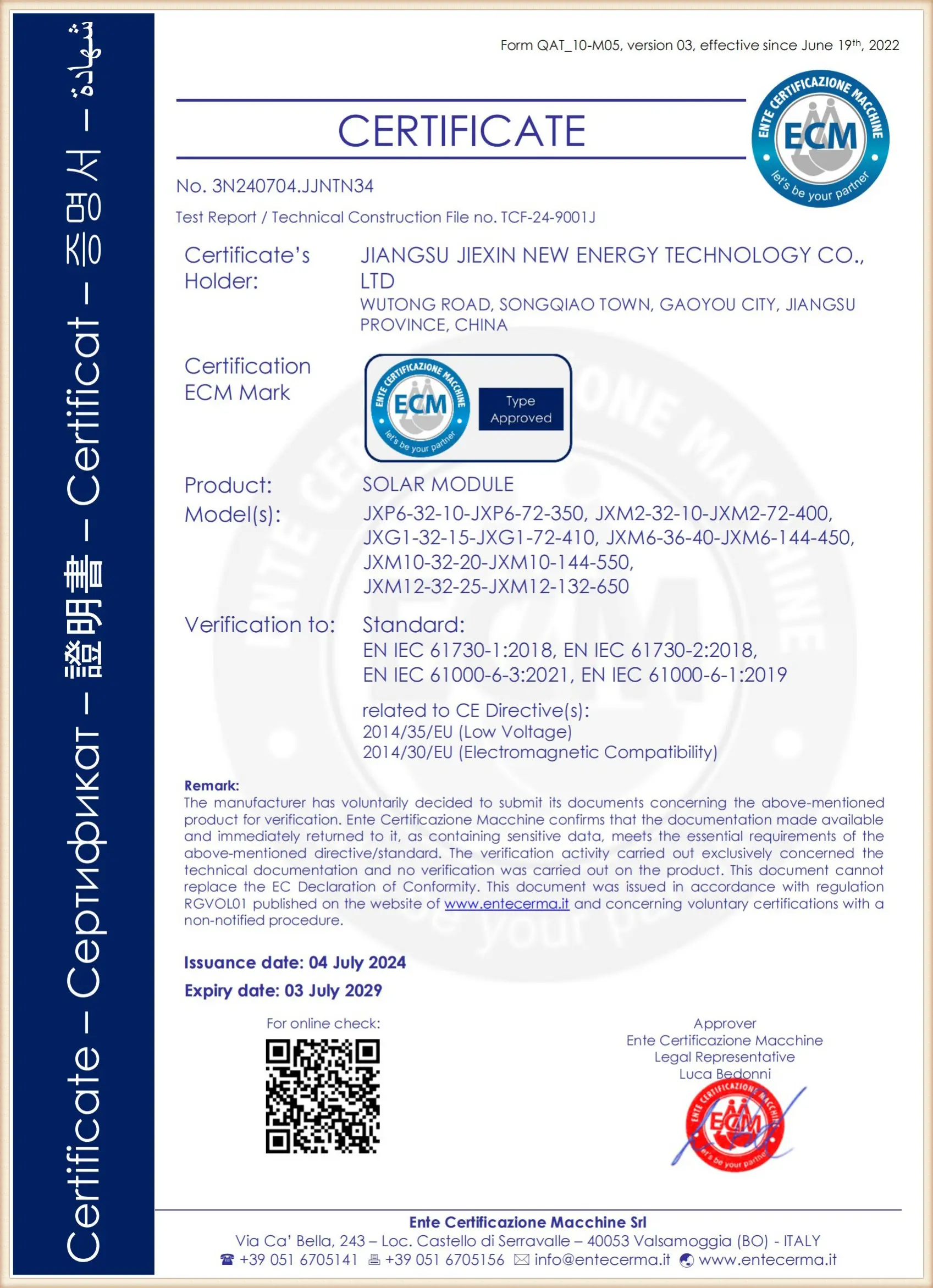
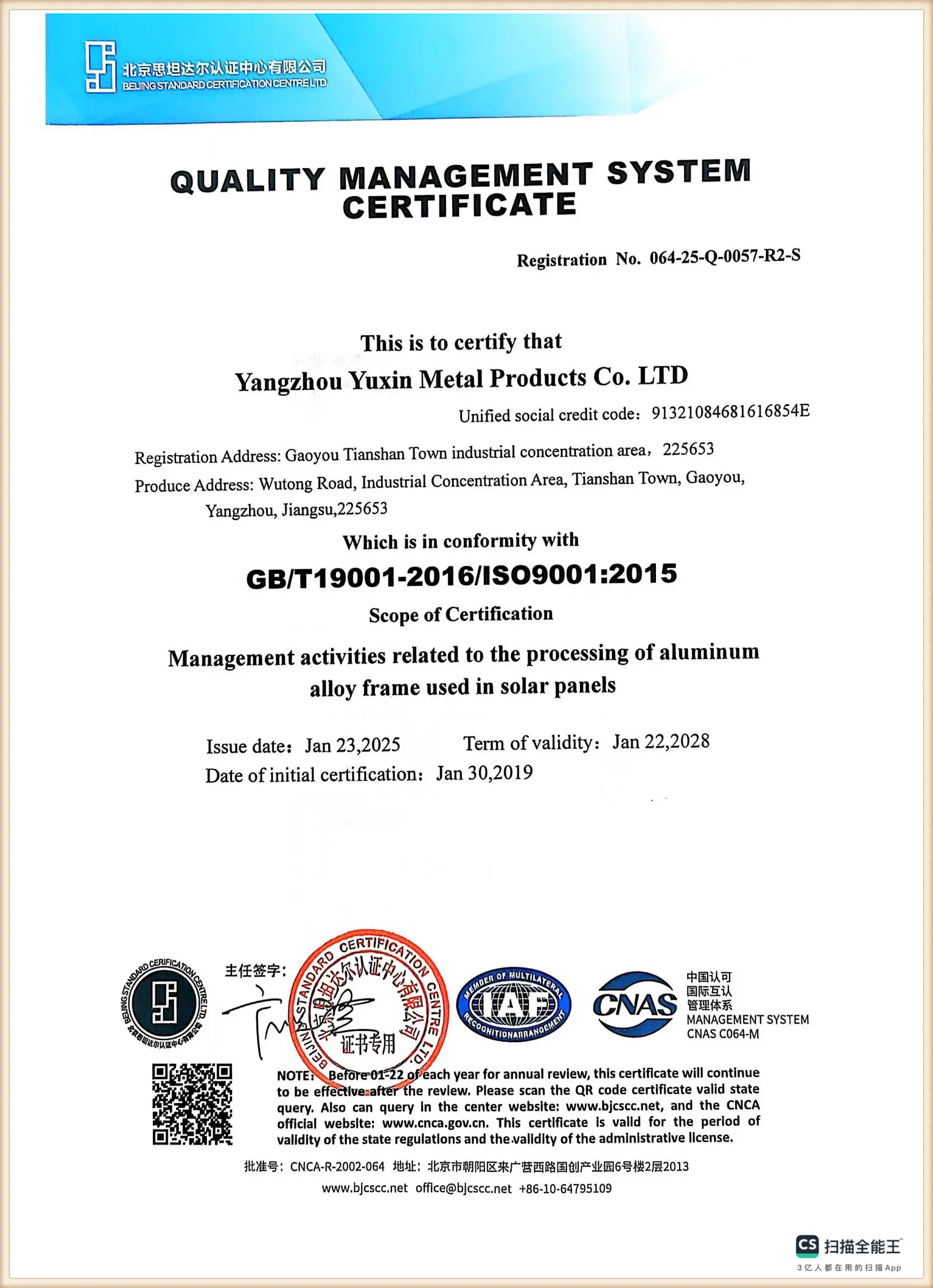
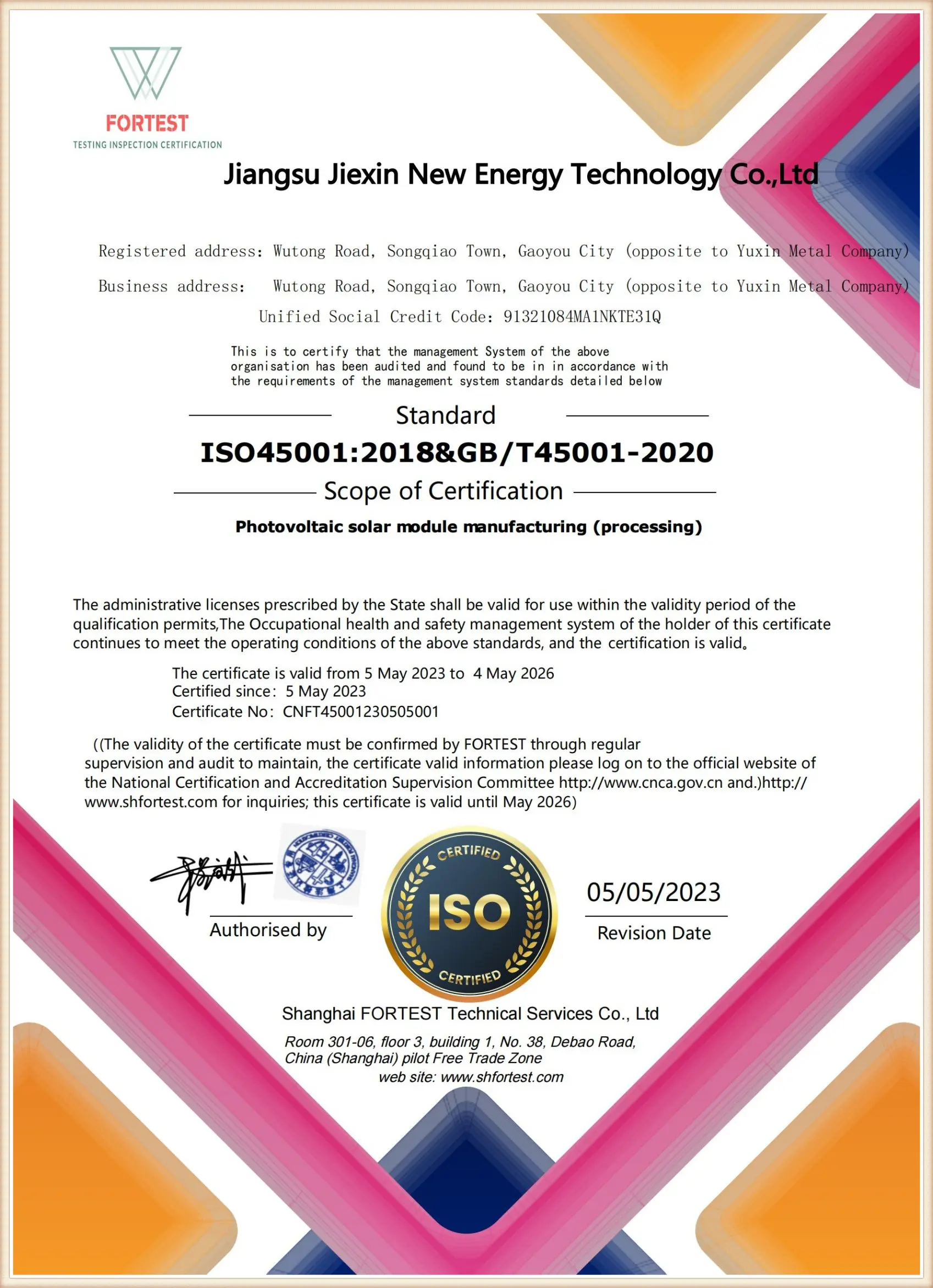
Engineered to deliver reliable, autonomous energy solutions across demanding global industries.

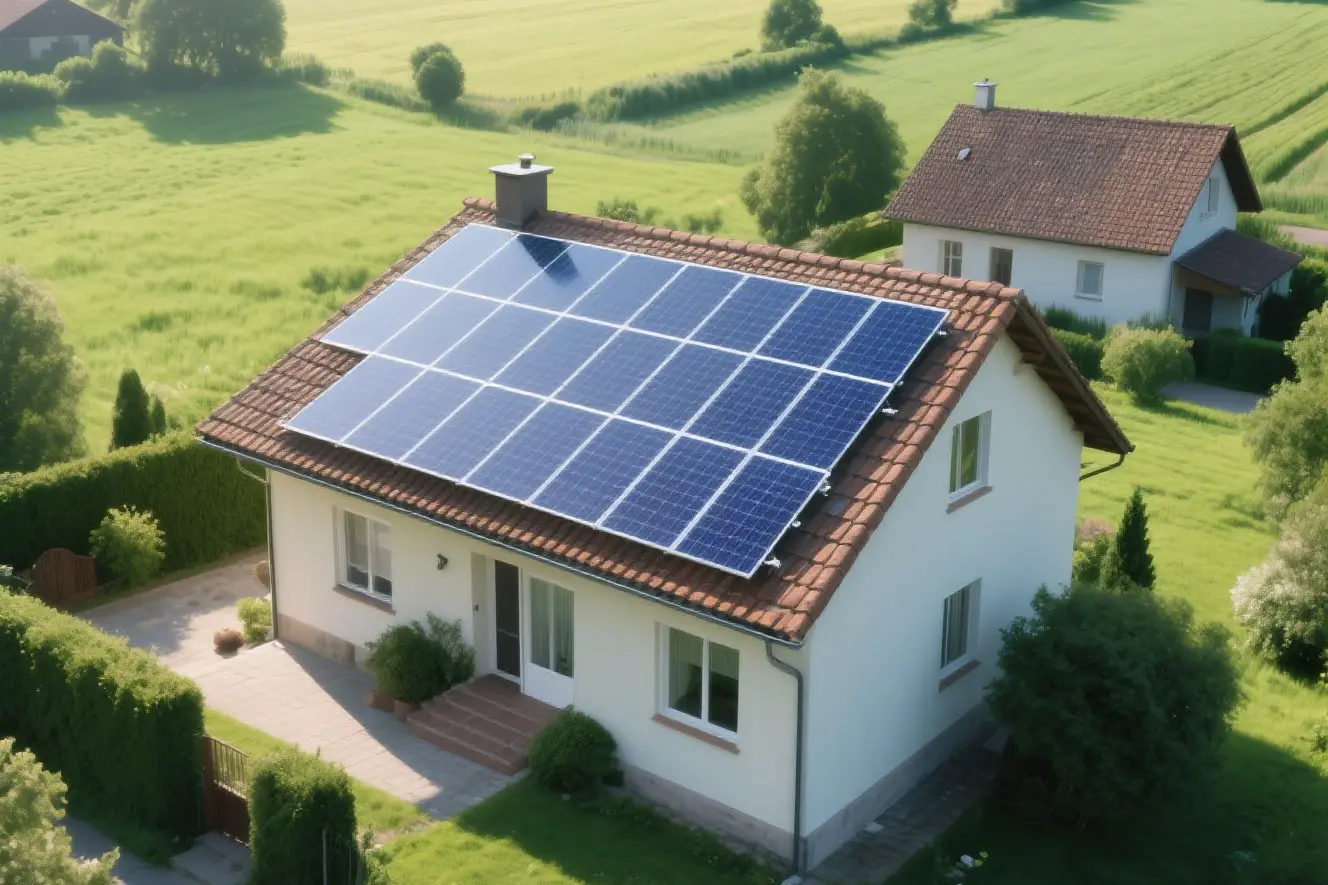
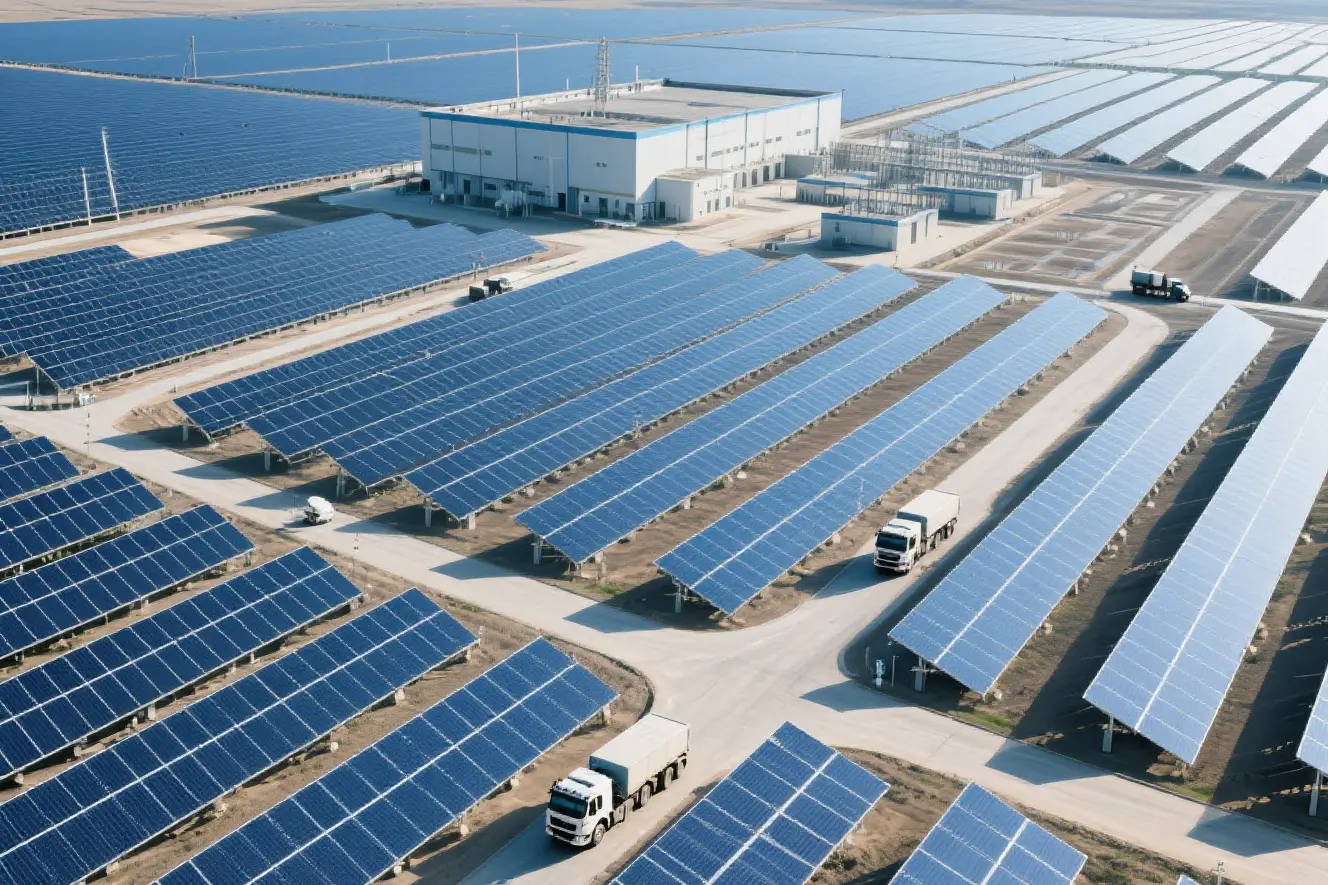
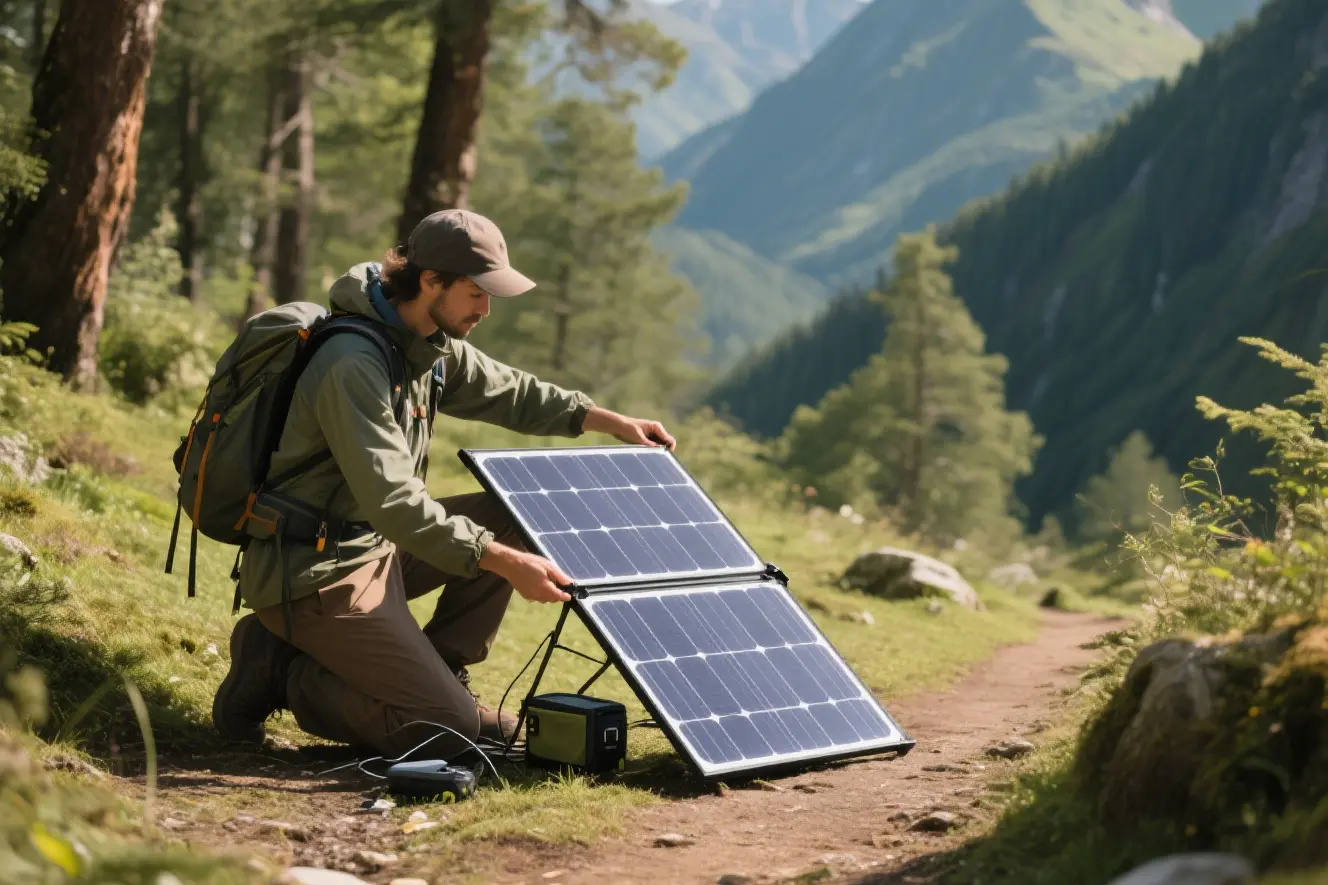

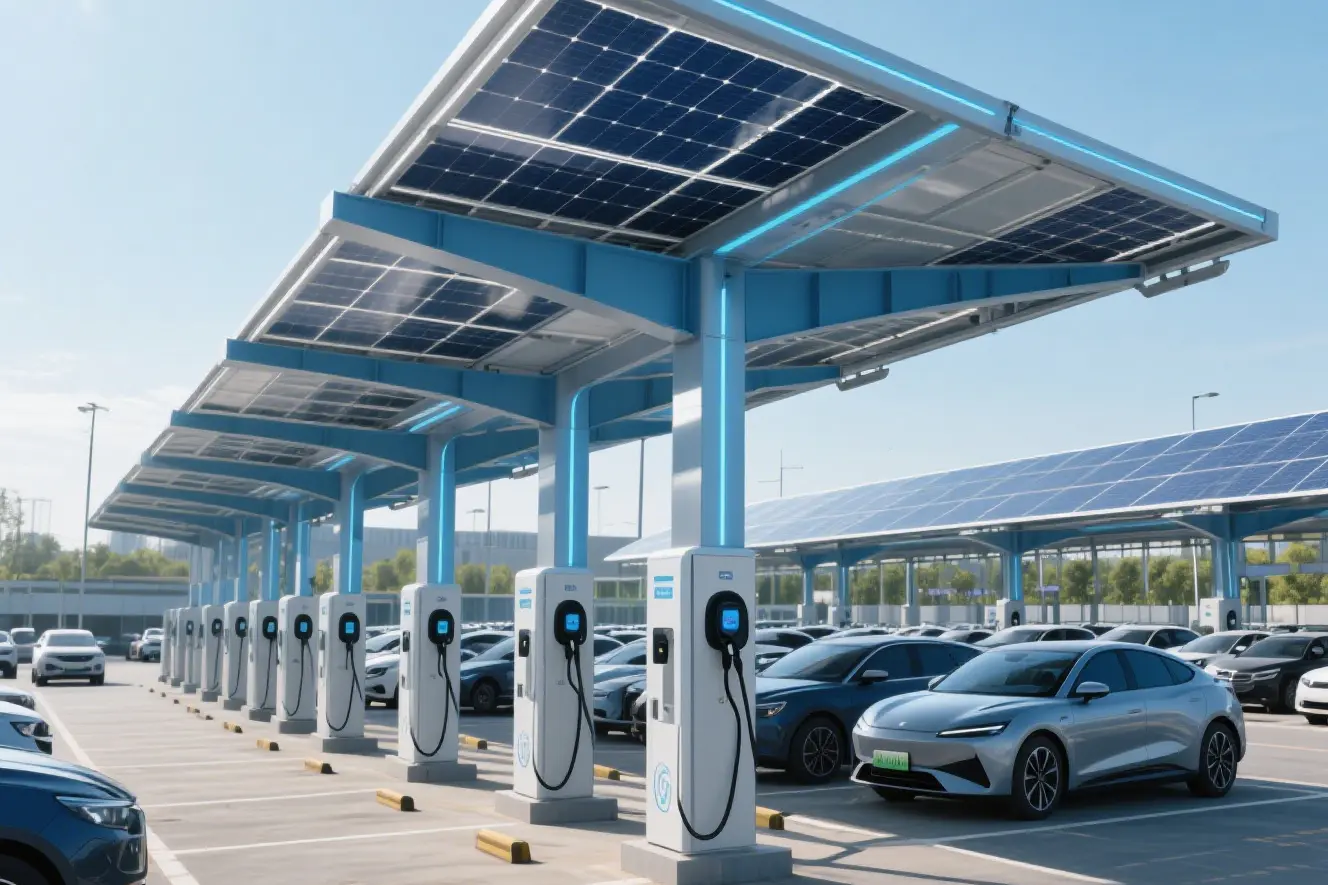
Collaborating with leading enterprises to build durable clean energy infrastructure across diverse global markets.



Detailed technical analysis addressing key integration, certification, and structural design queries for industrial buyers.
N-Type TOPCon panels feature zero Light-Induced Degradation (LID) and offer a lower temperature coefficient (-0.30%/°C) compared to P-Type PERC cells. This ensures higher power yield in hot climates. TOPCon designs also achieve higher bifaciality, allowing them to capture more reflected light from the surrounding ground, which is ideal for remote sand or snow installations.
Coastal and high-humidity areas subject PV systems to constant salt mist and wind-induced mechanical stress. Traditional structural framing can corrode over time, leading to module mechanical failure. Utilizing anodized aluminum frames (6063-T5 or 6005-T6) or pultruded polyurethane composite frames protects against structural degradation and maintains system integrity over its 25-year service life.
Off-grid systems rely on balanced energy distribution. Modern modular energy storage systems (BESS), like the P01-EC60-30K, integrate smart battery management (BMS) with local power conversion. This setup allows systems to smooth out supply spikes, manage night-time loads, and reduce reliance on back-up diesel generation, lowering levelized energy costs (LCOE).
European installations require CE marking, RoHS compliance, and TÜV Rheinland certifications. For North American distribution, components must comply with UL standards (e.g., UL 1703 or UL 61730 for modules). These certifications ensure that the electrical systems, glass protection, and structural framing meet rigorous fire safety and structural load criteria.
Portable solar chargers ranging from 10W to 60W feature highly flexible, water-resistant encapsulation. These units offer durable power backups for remote expeditions, search-and-rescue teams, and tactical communications systems, ensuring consistent device charging in off-grid zones.
Explore our complete range of high-efficiency solar panels, portable chargers, and storage units designed for remote operations.
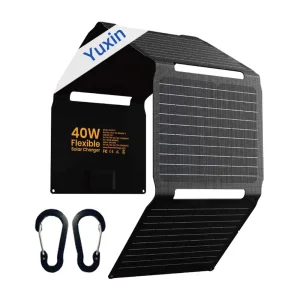
Designed for modern field operations. Combines rugged, weather-resistant nylon casing with high-efficiency monocrystalline solar cells for reliable device charging.
ODM Options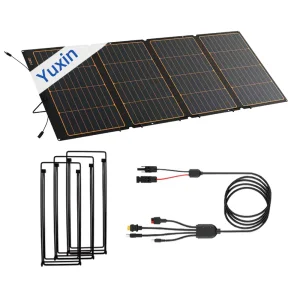
High-power portable folding system. Ideal for charging mobile power stations, field communication rigs, and off-grid emergency medical gear.
Technical Specs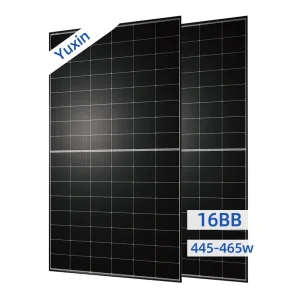
Premium bifacial solar panel ranging from 445W to 465W. Features a double-glass design for high structural resistance against micro-cracking and PID degradation.
Request Data Sheets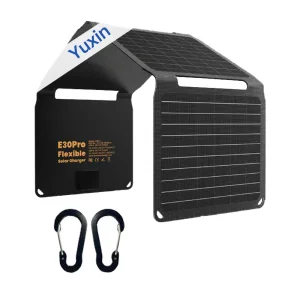
Compact solar charging unit designed for field operations. Constructed with durable materials to protect internal components from harsh outdoor exposure.
OEM Pricing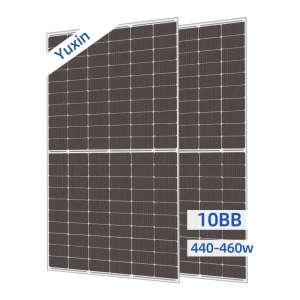
Affordable, high-performance solar modules ranging from 440W to 660W. Perfect for high-capacity residential and industrial off-grid system installations.
Get Project Quotes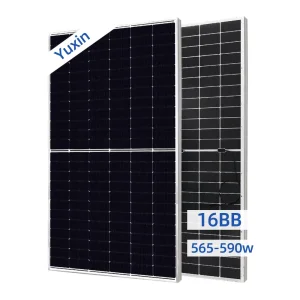
High-power bifacial solar modules featuring a 16BB layout. Provides optimal energy conversion for large-scale utility projects and heavy-duty industrial systems.
Sourcing Form
High-efficiency solar modules (530W-550W) with a 10BB cell architecture, optimized for reliable energy output in independent off-grid systems.
Specifications & Pricing
Industrial-grade lithium energy storage unit designed to support grid-tied, hybrid, and autonomous off-grid operations.
Get System QuoteStay up to date with the latest industry updates, manufacturing trends, and material technologies.
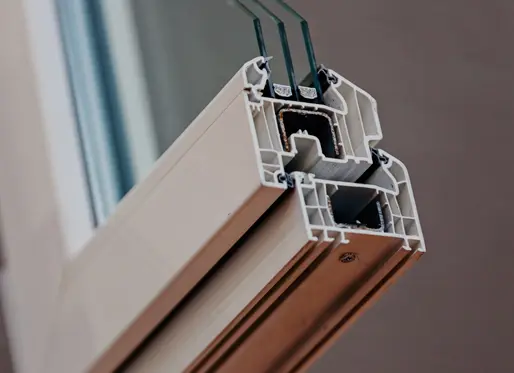
An in-depth analysis of the alloy specifications, anodizing thickness, and structural design elements required to withstand extreme wind and snow loads over a 25-year service life.
Read Article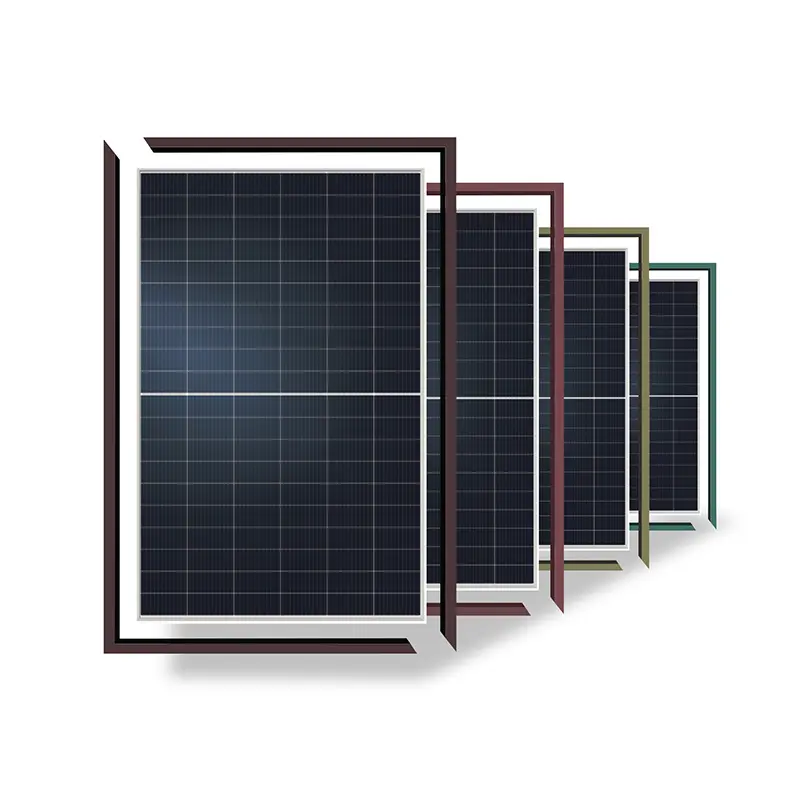
A complete sourcing guide for international buyers, covering key inspection criteria, factory audit protocols, and quality verification standards.
Read Article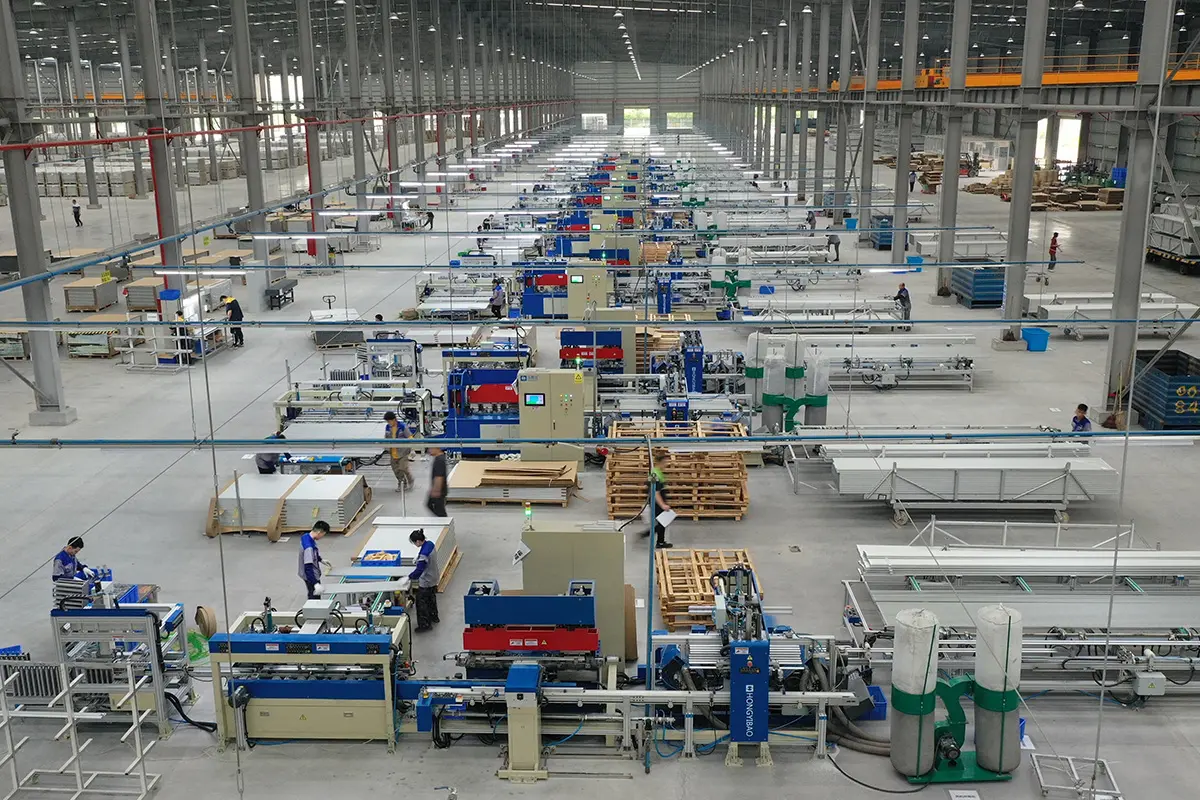
A detailed look at the key testing procedures used to verify frame performance, including cross-cut adhesion tests, salt spray resistance, and mechanical loading evaluations.
Read Article