1. The Global Modular Cabin Market & The Imperative for Integrated Off-Grid Solar
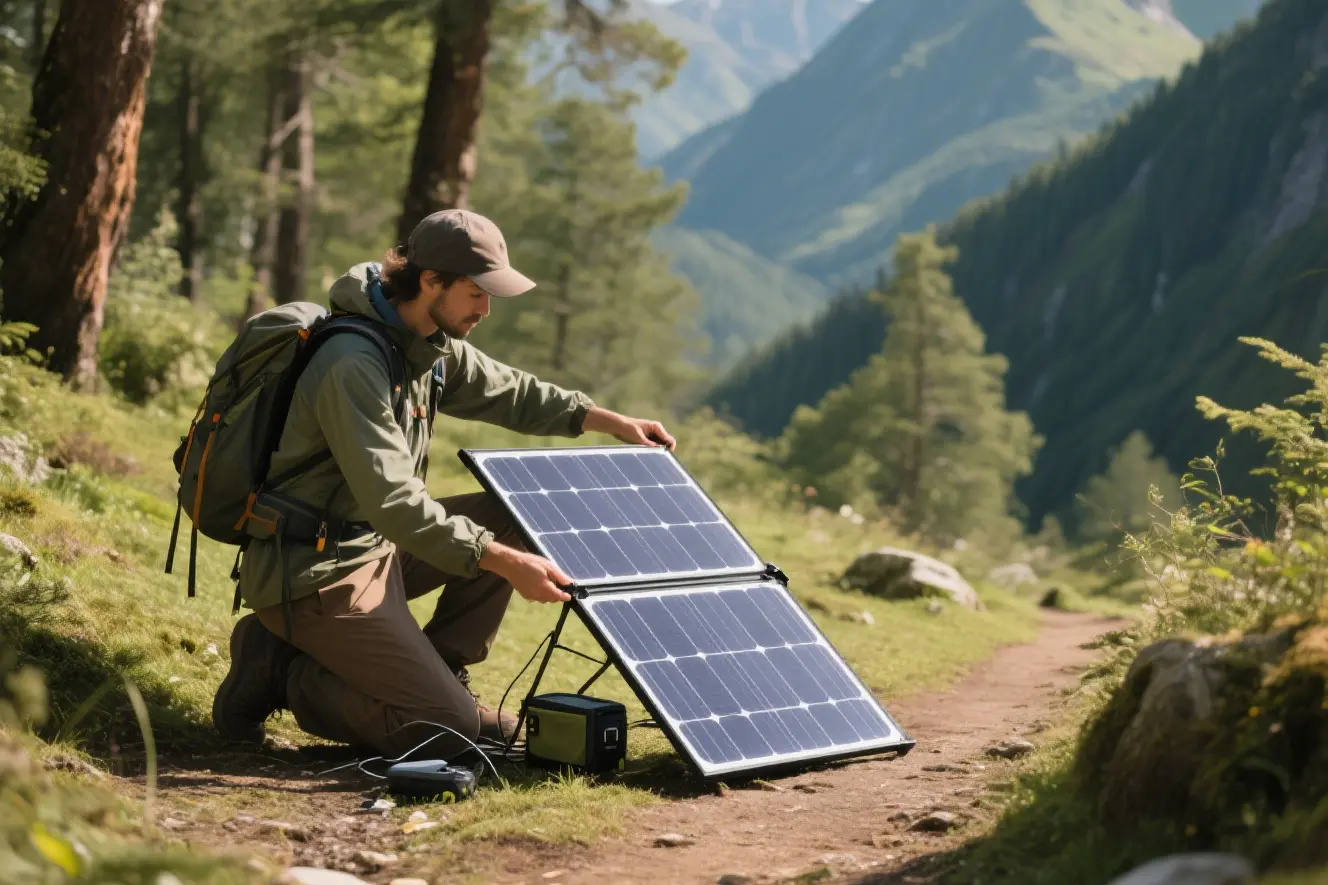
The global modular and prefabricated cabin industry is undergoing an unprecedented expansion. Driven by the growth of eco-tourism, remote workspaces, and the rising popularity of the "tiny house" movement, prefab builders are seeking reliable, scalable, and cost-effective energy solutions. Modern off-grid structures require more than just standard grid tie-in provisions; they require pre-engineered energy ecosystems.
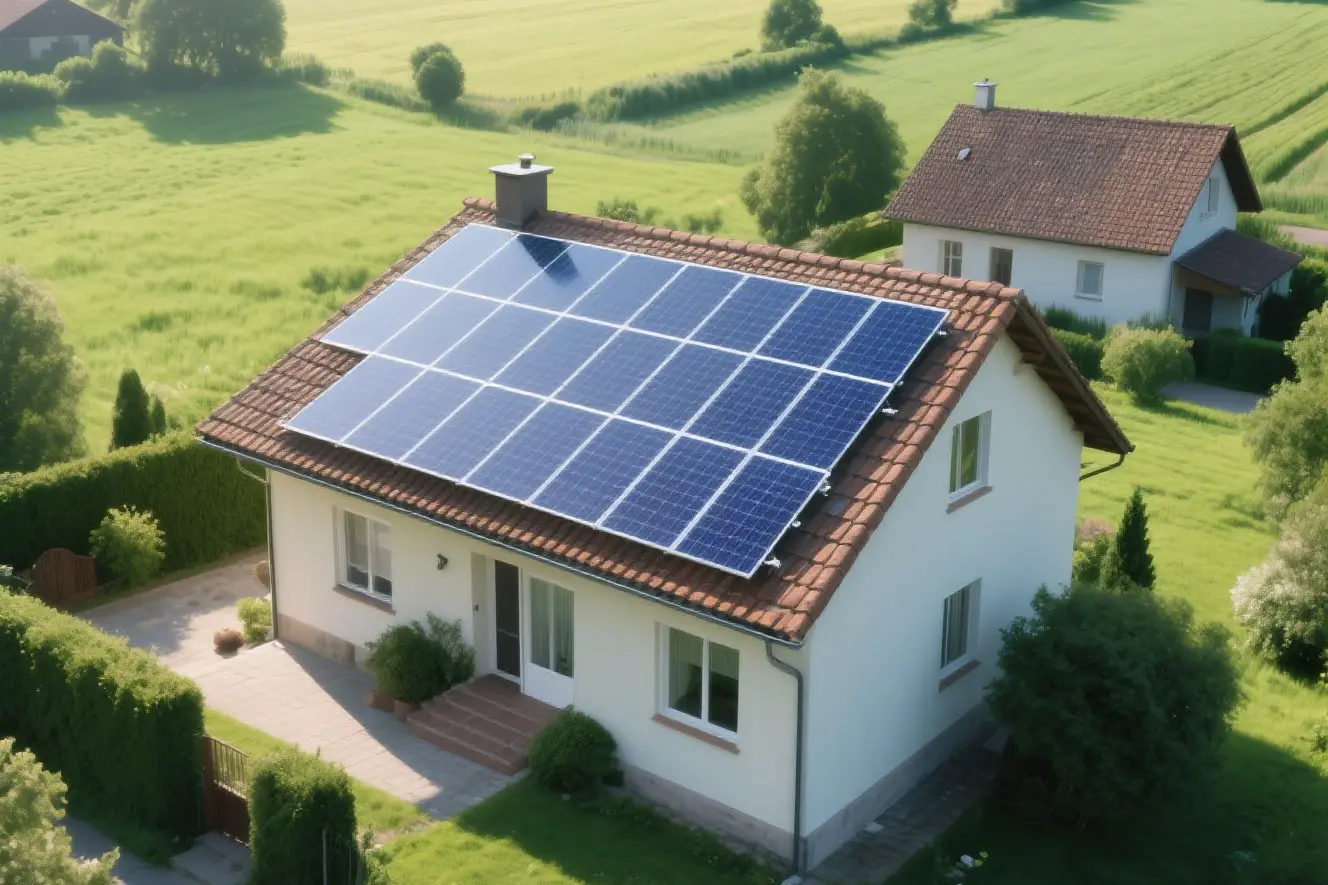
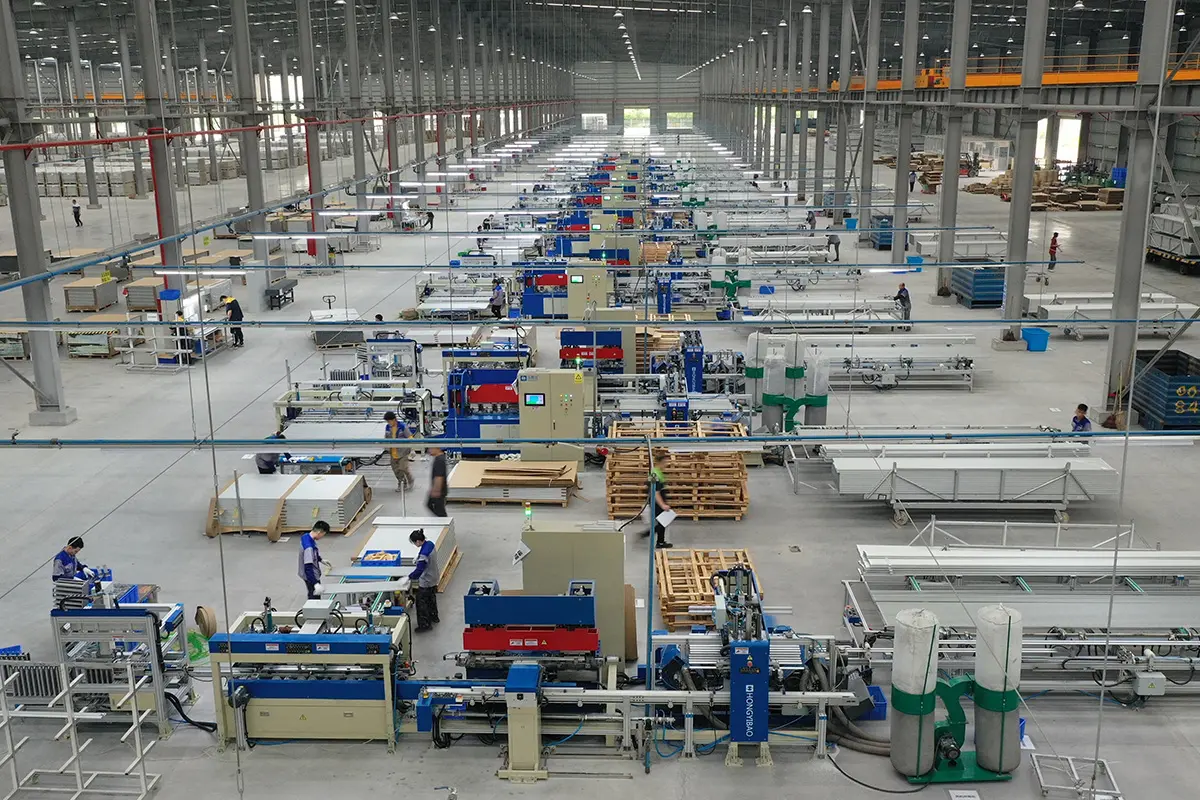
Historically, cabin manufacturers faced high costs and installation friction when retrofitting solar systems post-production. The modern industry standard has shifted towards pre-integrating solar packages directly into modular cabin factory floor processes. By partnering directly with tier-1 China solar package suppliers, modular manufacturers can significantly reduce Balance of System (BOS) costs while delivering ready-to-use off-grid systems directly to builders and end-users.
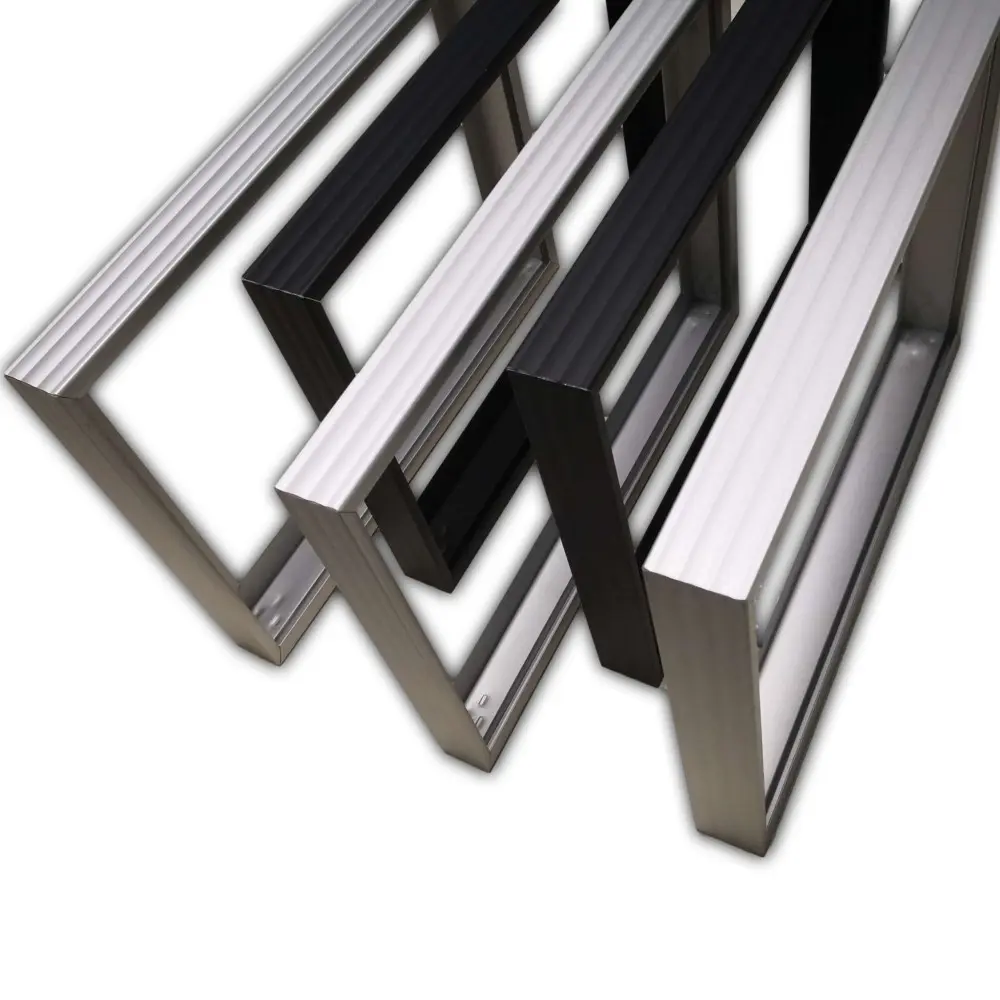
"Information Gain" Insight: Pre-engineering roof structures with standard 6063-T5 aluminum framing systems at the cabin assembly plant reduces on-site solar installation labor times by up to 74% and ensures a wind-resistant, watertight fitment.
2. Technical Specifications: Sizing the Ideal Cabin Solar Package
Designing an off-grid solar system for prefabricated cabins requires understanding load profiles, geographic solar yield fluctuations, and structural safety parameters. Standard residential packages do not fit the space constraints of cabin roofs.
System Sizing & Calculations
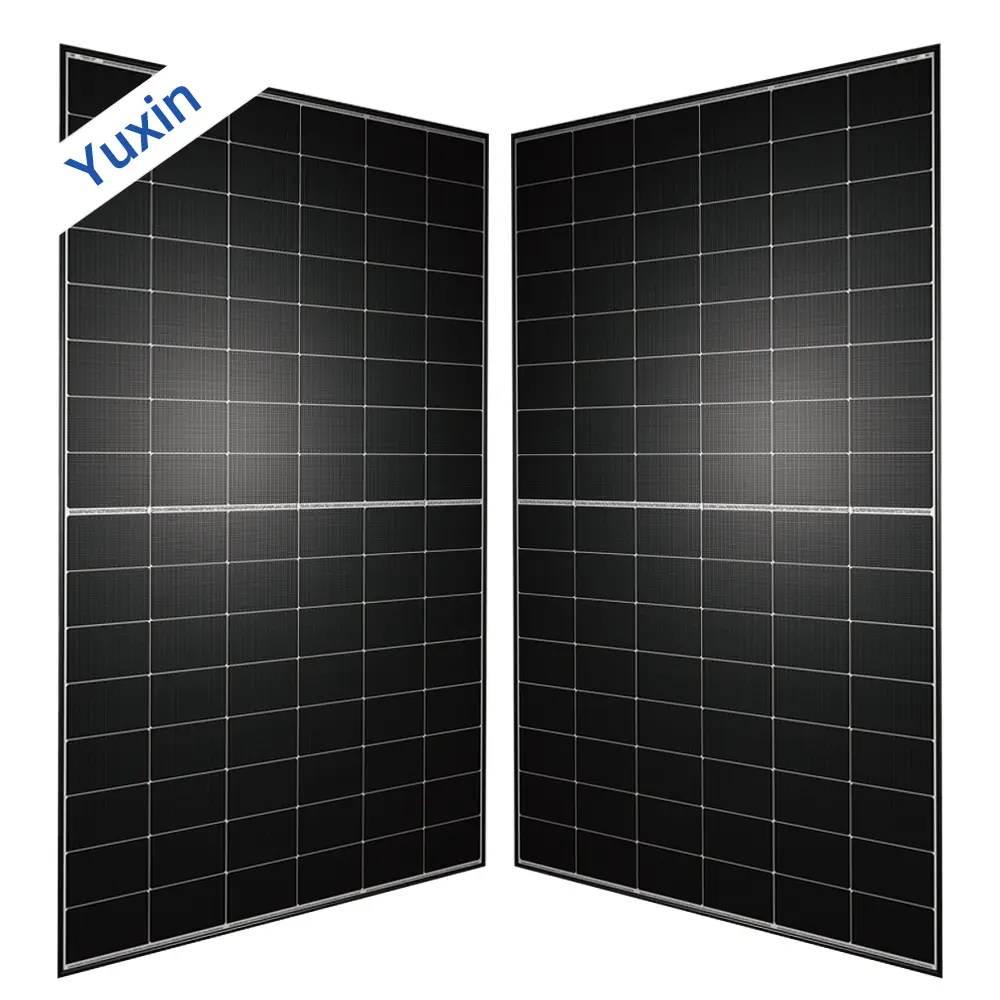
Off-grid systems are typically designed using high-yield N-type TOPCon or PERC half-cell modules. Below is a comparative engineering baseline showing standard package designs suited for cabin sizes from 15m² to 80m²:
| Package Class | Typical Cabin Size | PV Array Size | Battery Storage (LiFePO4) | Inverter Type | Estimated Price Range (FOB China) |
|---|---|---|---|---|---|
| Compact Eco | 15 - 25 m² | 1.2kW - 1.8kW (TOPCon) | 5.12 kWh (48V / 100Ah) | 3kW Off-Grid Pure Sine | $1,200 - $1,800 USD |
| Family Retreat | 25 - 50 m² | 2.4kW - 3.6kW (Bifacial) | 10.24 kWh (48V / 200Ah) | 5kW Hybrid Grid/Off-Grid | $2,400 - $3,500 USD |
| Luxury Lodge / B&B | 50 - 80+ m² | 4.8kW - 7.2kW (N-Type) | 15.36 - 20.48 kWh | 8kW - 10kW Smart Hybrid | $4,800 - $6,500 USD |
Cell Chemistry & Structural Frames
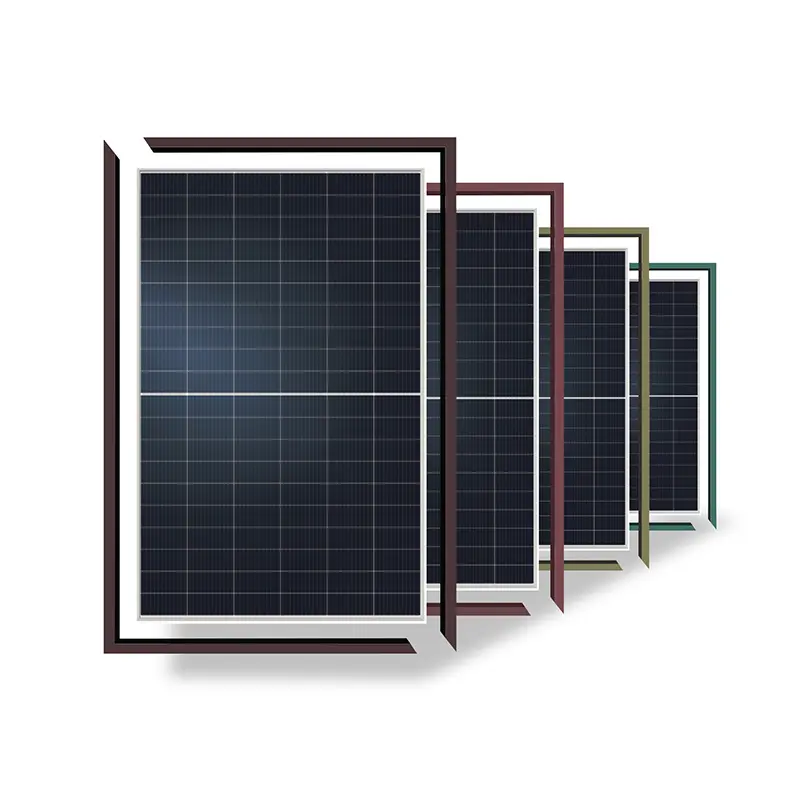
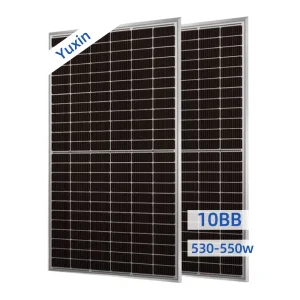
- Monocrystalline N-Type Half-Cell Panels: Delivering up to 22.5%+ conversion efficiency, ensuring maximum generation within small cabin roof square-footage.
- LiFePO4 Battery Storage: Unlike lead-acid or standard NMC chemistry, Lithium Iron Phosphate (LiFePO4) guarantees over 6,000 charge cycles, deep discharge safety (DoD of 95%), and thermal stability in extreme cold or hot climates.
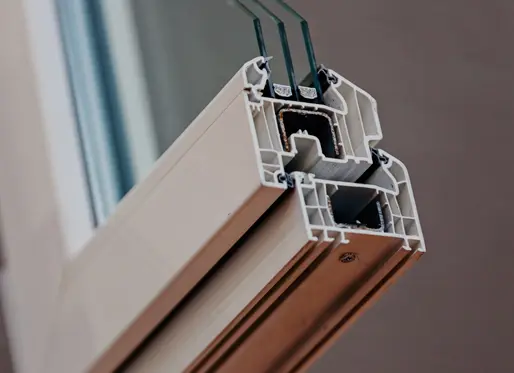
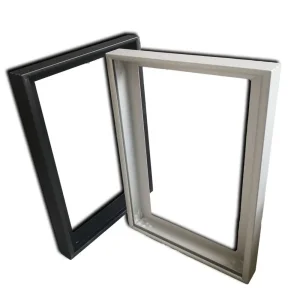
- Structural Aluminum & Polyurethane Composite Frames: Utilizing structural grade 6063-T5 or advanced polyurethane pultruded composites ensures the panels handle static wind/snow loads (2400 Pa to 5400 Pa respectively) and chemical weathering.
3. Global Compliance, Local Regulations & Localized Standards
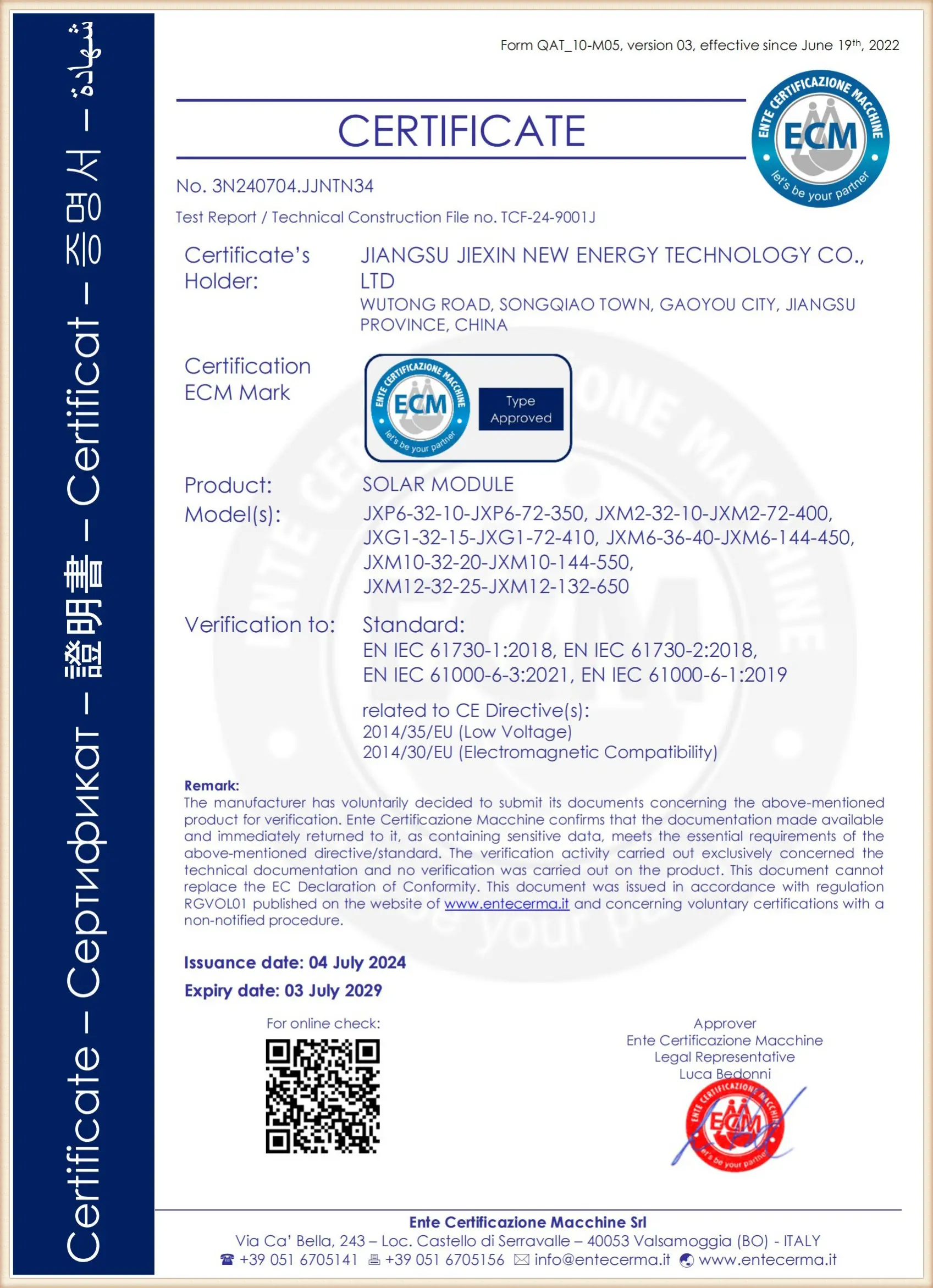
Entering international B2B modular construction markets requires strict compliance with localized energy, safety, and electrical building codes. Systems must hold major certifications such as CE, TÜV, UL, and AS/NZS to bypass regional customs and satisfy electrical inspections on-site.
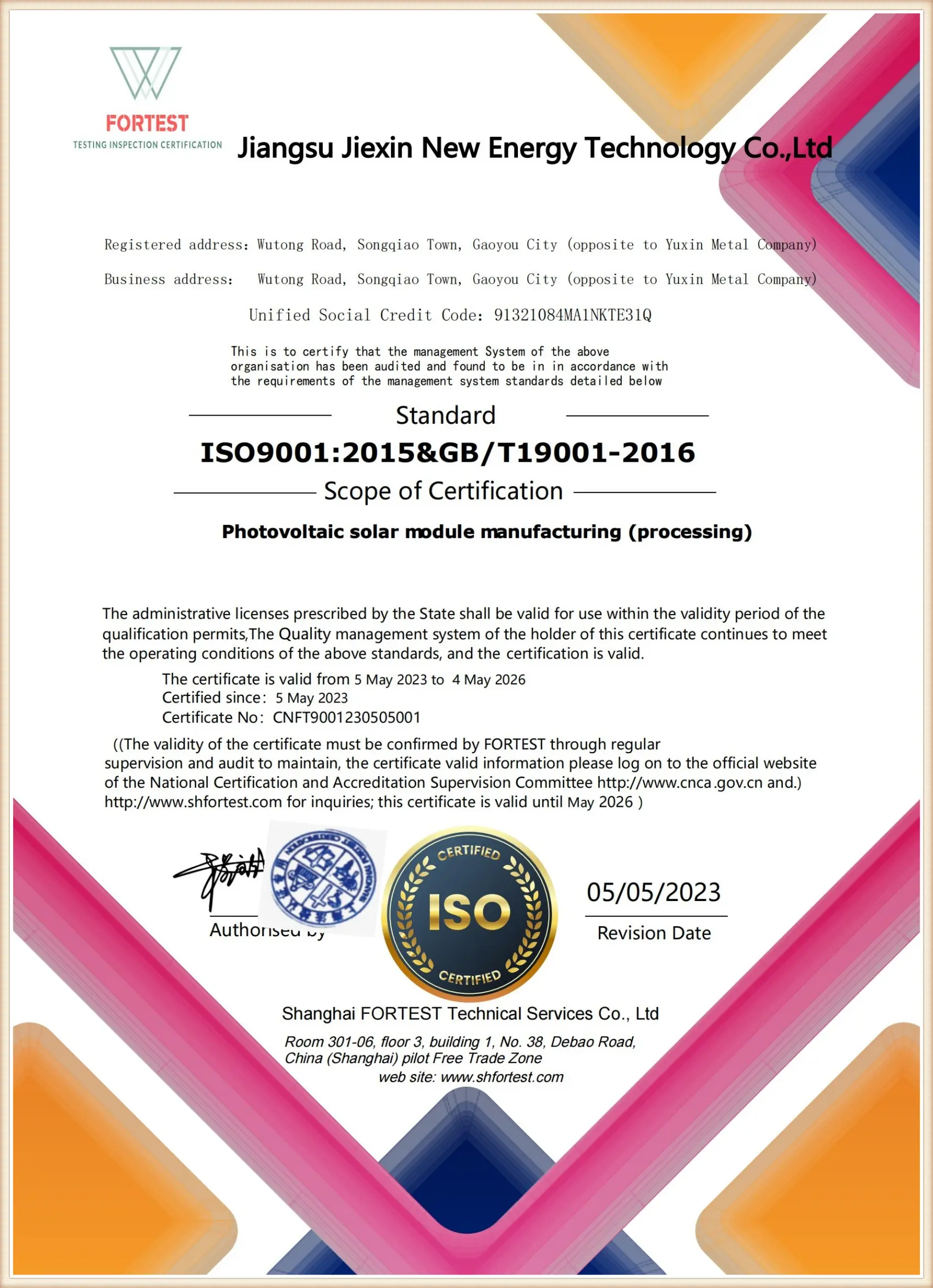
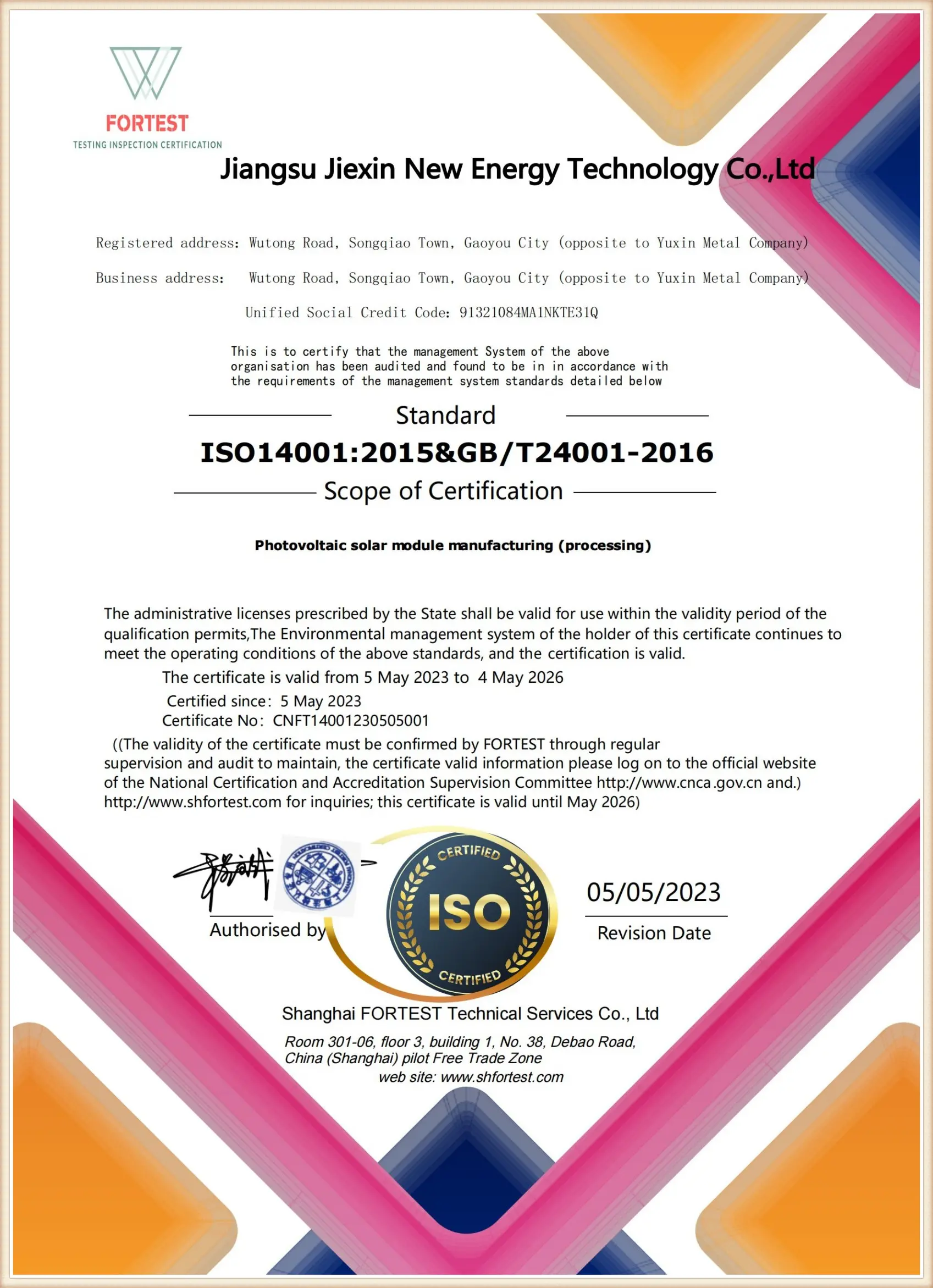
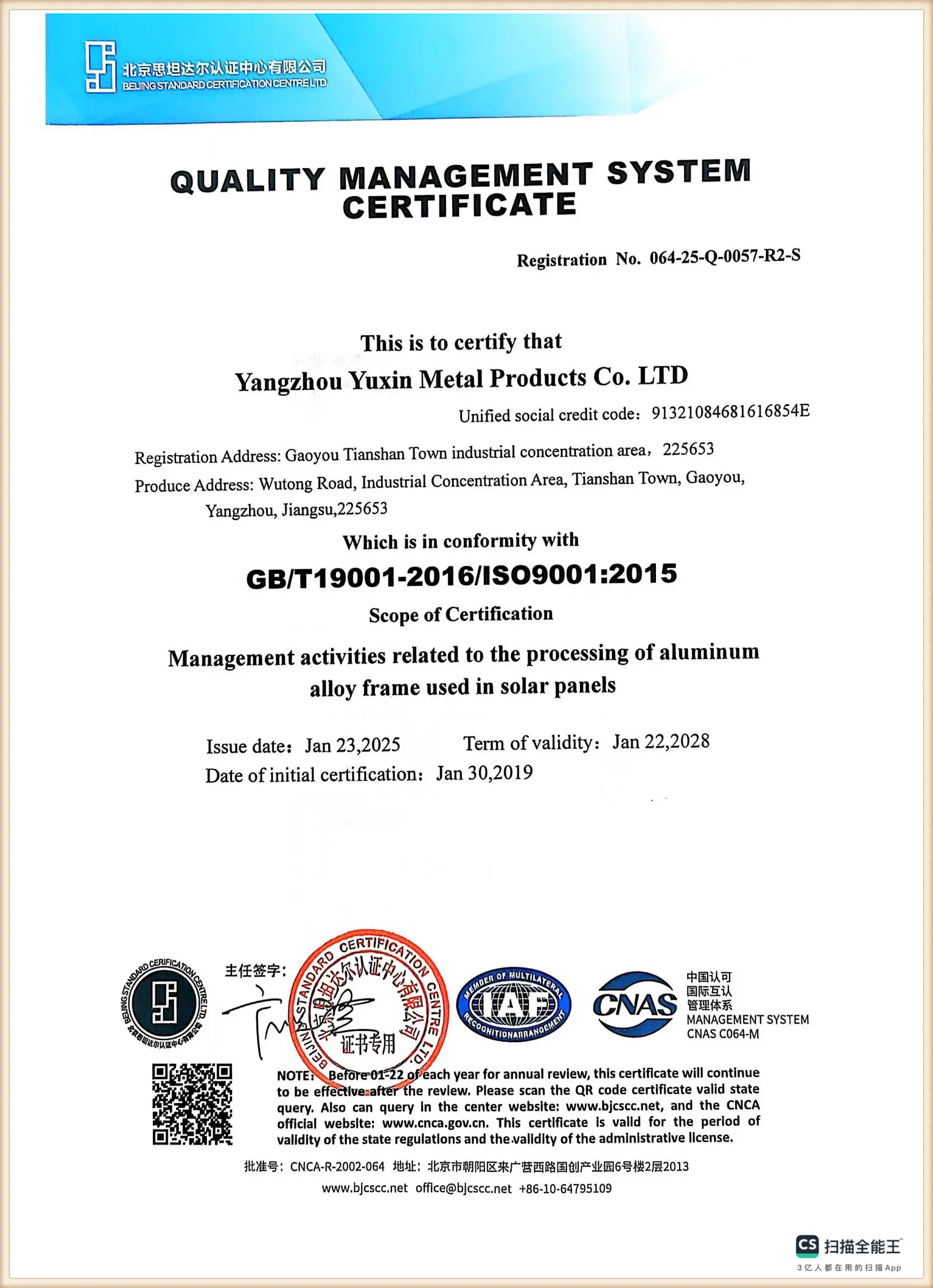
YUXIN ensures that all integrated structural components, solar frames, and electrical accessories comply with ISO 9001 and high-end structural testing. Dual glass monocrystalline panels are UL 1703 and IEC 61215 certified to withstand harsh environments, while modular lithium battery packs carry UN38.3 transport compliance and CE certification for off-grid operations.
4. Technology Roadmap: The Next-Gen Modular Energy Integration
Looking forward, the integration of energy systems within the modular cabin space is shifting towards Building-Integrated Photovoltaics (BIPV) and Smart Microgrids. The transition from heavy external rack systems to light, high-tensile composite frame structures is actively reducing the shipping weight of prefab homes.
Additionally, advanced systems are adopting IoT-enabled monitoring platforms. Using cellular IoT links, cabin resort operators can monitor real-time battery degradation, solar generation profiles, and heating load demands from a single centralized platform, maximizing operational longevity and optimizing scheduled maintenance intervals.