China Solar Inverter Emergency Power Suppliers & Products

Empowering global critical infrastructure with resilient hybrid power solutions, advanced PV integration, and industrial-grade emergency backup systems.

Advanced Technical Analysis: Solar Inverter Emergency Power Solutions

In an era defined by grid instability, extreme weather phenomena, and rapid industrial electrification, the demand for resilient power architectures has reached an all-time high. Solar Inverter Emergency Power (SIEP) systems represent the critical junction where photovoltaic generation, energy storage systems (ESS), and grid intelligence meet. As global industries transition away from traditional fossil-fueled backup generators, Chinese suppliers have risen to the forefront of SIEP innovation, offering modular, high-efficiency systems capable of dynamic load balancing and millisecond-level transitions.

Information Gain Insight: Modern emergency inverters are no longer simple stand-alone converters. They serve as the brain of local microgrids, executing advanced control loops to manage reactive power, balance phase voltages under unbalanced critical loads, and safely transition between grid-tied and islanded operation in less than 10 milliseconds.

Global Market Trends & Driving Architectures

Several transformative engineering shifts are currently shaping the global landscape of emergency backup solar technologies:

  • Adoption of Wide Bandgap (WBG) Semiconductors: High-power silicon carbide (SiC) and gallium nitride (GaN) devices are replacing traditional silicon IGBTs in high-frequency hybrid inverters. This change reduces heat dissipation by up to 50%, boosts inverter conversion efficiency to over 98.5%, and results in smaller enclosure footprints.
  • High-Voltage Battery Integration: Modern solar emergency setups are moving from low-voltage (48V) batteries to high-voltage (HV) systems (typically 150V to 800V DC). High-voltage DC coupling minimizes copper loss and improves overall system round-trip efficiency during fast charge and discharge cycles.
  • AI-Powered Load Forecasting: Real-time Energy Management Systems (EMS) now incorporate machine learning algorithms to predict weather anomalies, estimate solar yield, and prioritize critical loads during microgrid islanding scenarios.

Global Procurement Dynamics & Risk Mitigation

International procurement managers look beyond base cost; they analyze total cost of ownership (TCO) and long-term reliability. When choosing a Chinese supplier for utility or commercial emergency power equipment, procurement experts evaluate several key factors:

  1. Transient Surge Handling Capabilities: Industrial loads—such as compressors, water pumps, and heavy machinery—can require inrush currents of 3x to 5x their rated running currents. Reliable emergency inverters must offer high peak-power ratings (e.g., 200% capacity for 10-30 seconds) to prevent system shutdowns.
  2. Thermal Management Protocols: Emergency solar power systems often operate in extreme environmental conditions. Look for suppliers that use intelligent active liquid cooling, or IP65/IP66 enclosure ratings with custom heat-sink architectures.
  3. Tier-1 Component Sourcing: The reliability of an emergency solar inverter depends directly on its internal components. Top manufacturers verify their use of international brands for critical parts, such as Infineon semiconductors, Nichicon capacitors, and Schneider contactors.

Macro Industry Solutions: High-Capacity Microgrids

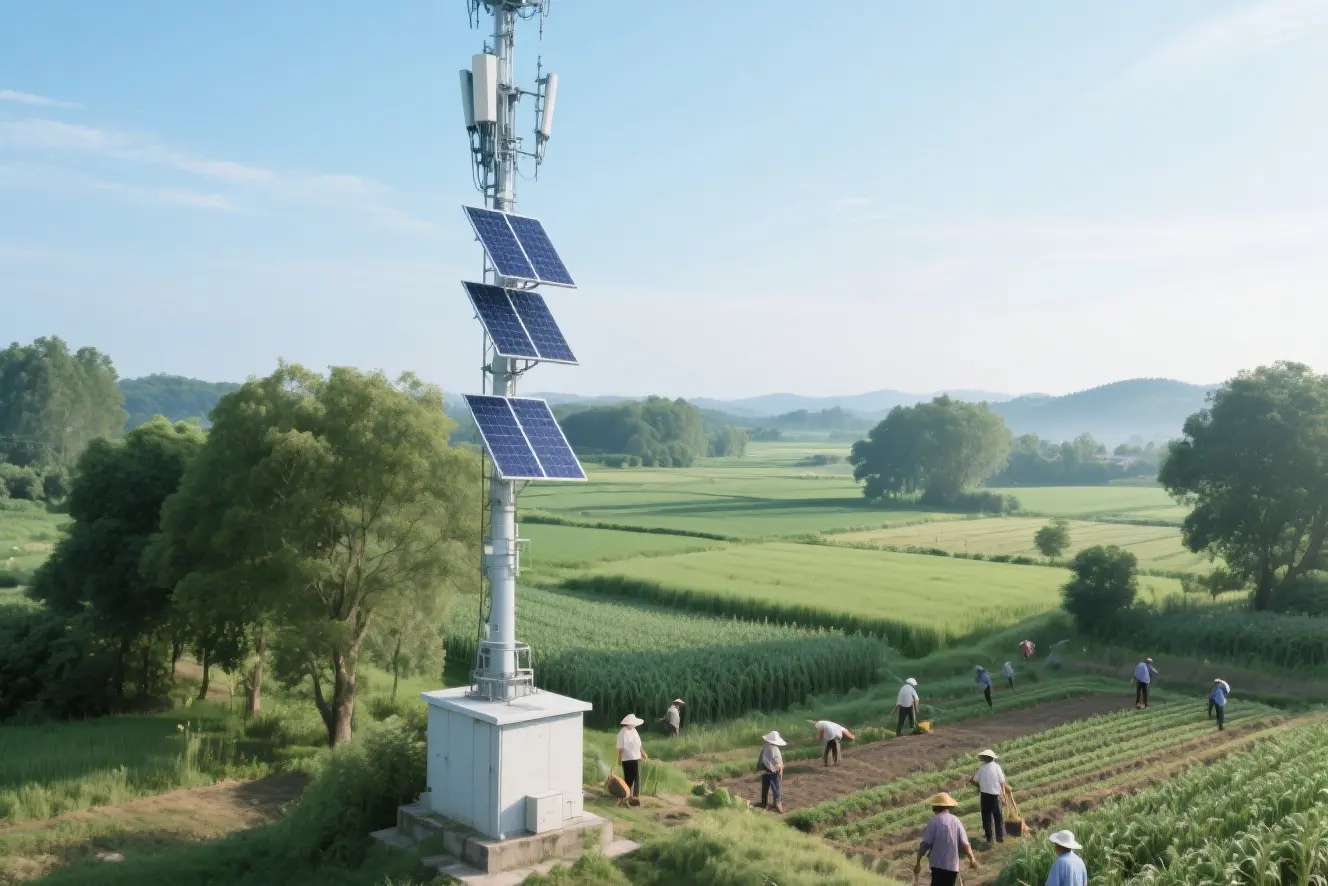
For large-scale agricultural operations, defense installations, remote telecommunications hubs, and construction zones, static backup systems are insufficient. These operations require dynamic, grid-forming hybrid systems. When utility grid power drops out, the emergency solar inverter acts as the voltage reference for the facility, using advanced synchronization techniques to link multiple decentralized power sources (such as wind turbine inputs, battery units, and backup diesel generators) into a single, cohesive microgrid.

Local Compliance, Grid Code Standards & Safety Protocols

Safety is the primary metric for emergency installations. True high-tier manufacturers design products to meet strict international standards, ensuring seamless grid integration and safety compliance across different regions:

  • IEEE 1547 & UL 1741: Essential for North American operations, establishing safety baselines for anti-islanding protection and defining how grid-support systems interact during dynamic power disturbances.
  • EN 50549 & CE Marking: Standard requirements for European grids, regulating active power control, reactive power adjustment, and low-voltage ride-through (LVRT) performance.
  • Thermal Runaway Protections (UL 9540A): Ensures commercial-scale emergency battery storage systems contain specialized cell monitoring, battery management systems (BMS) with aerosol fire suppression, and physical safety barriers to prevent cascading cell failures.

Technology Roadmap: The Next Decades of Resilient Power

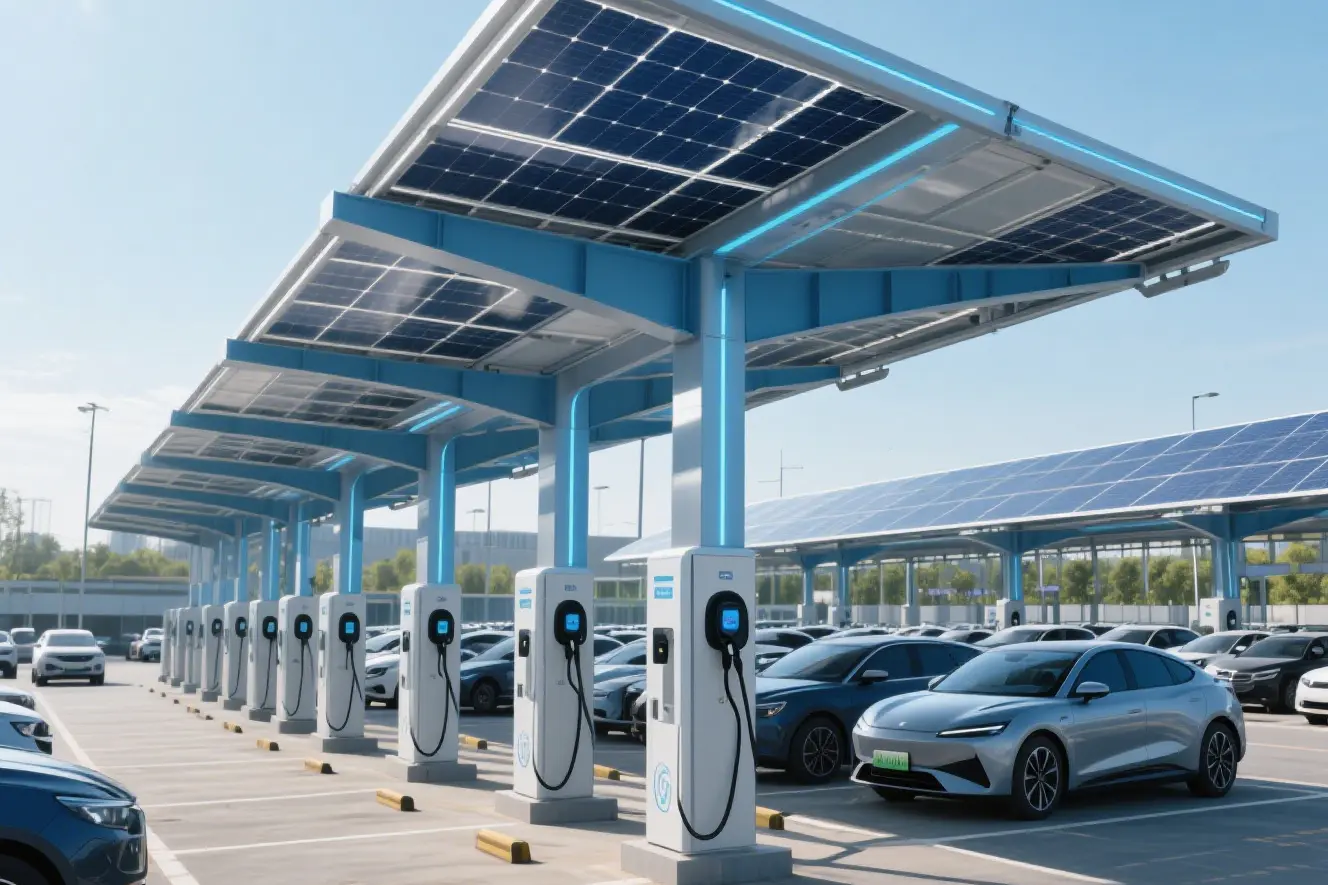
The next generation of Solar Inverter Emergency Power solutions is shifting toward decentralized digital networks. Future systems will utilize blockchain-based peer-to-peer (P2P) trading protocols, allowing neighboring emergency microgrids to share battery capacity during major grid failures. Additionally, vehicle-to-grid (V2G) integrations will enable electric commercial vehicle fleets to function as mobile emergency power supplies, linking directly into hybrid inverter systems to feed energy back to critical building operations.

Key Technical Specs

Target parameters for top-tier solar emergency installations:

  • Switching Speed: < 10 ms
  • Peak Efficiency: 98.6%
  • Enclosure Rating: IP66
  • Cell Compatibility: LiFePO4 / Na-ion
  • Operating Temp: -25°C to 60°C

Why Source from China?

China holds over 80% of the worldwide supply chain for solar components and lithium battery production. This concentration provides procurement teams with significant competitive advantages, including lower bill-of-materials (BOM) costs, robust component availability, and rapid custom engineering capabilities.

Product Portfolio Display

Innovative clean energy solutions configured for residential safety, high-load industrial use cases, and remote off-grid deployments.
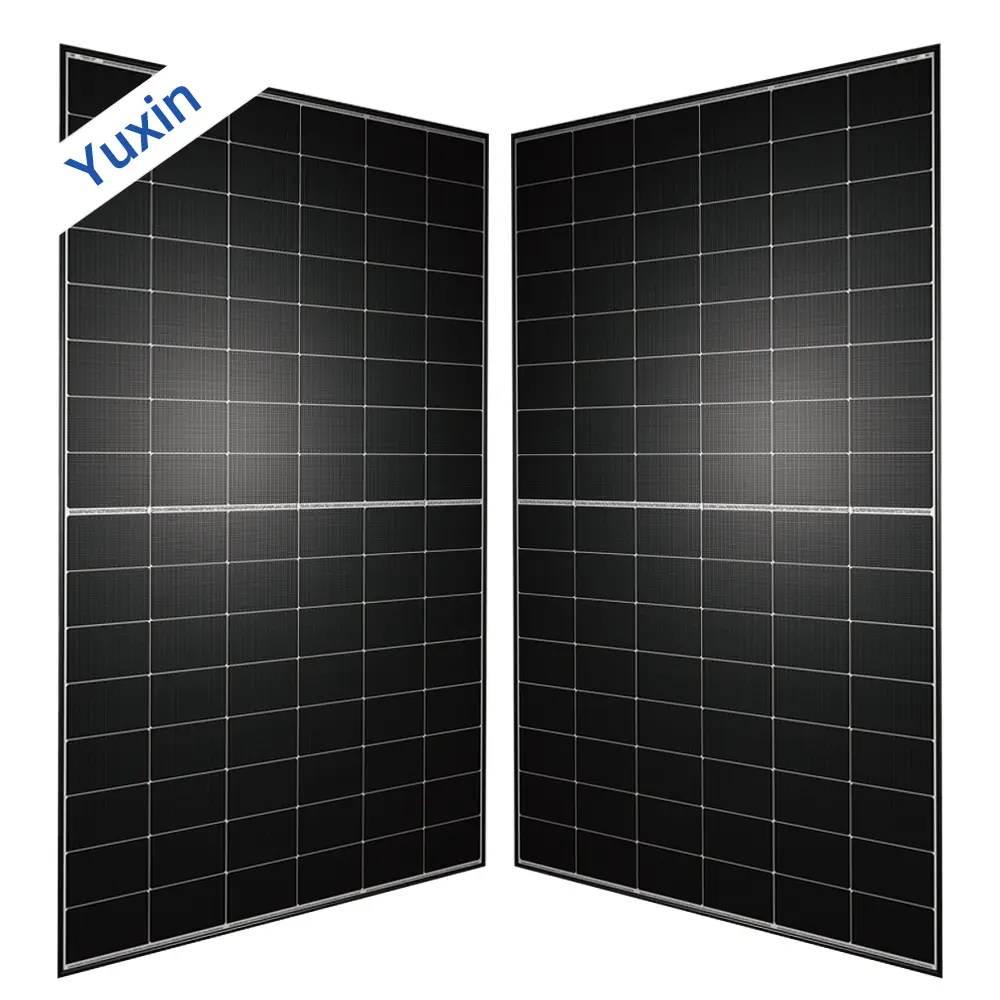
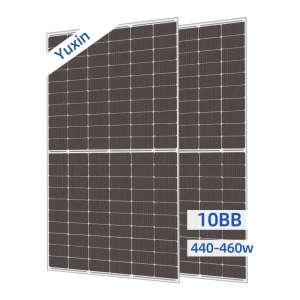
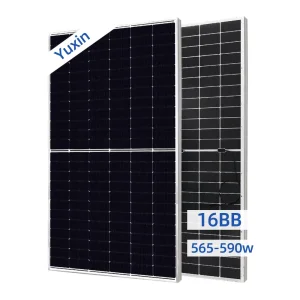
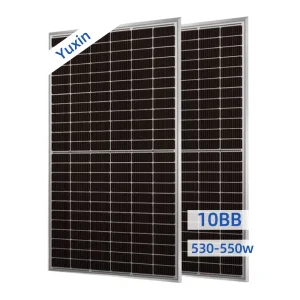
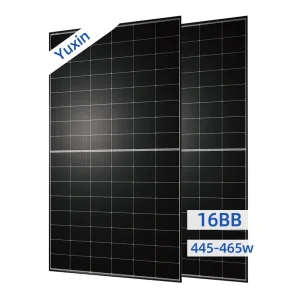
Solar Panel

Solar Panel

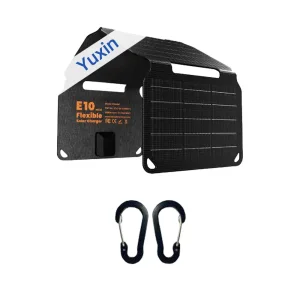
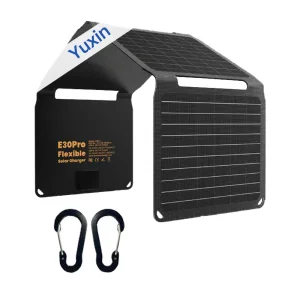
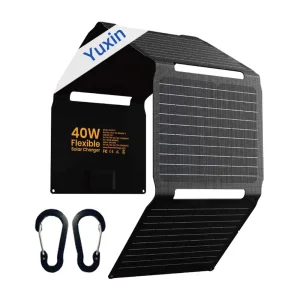
Lightweight design with transparent back panel for easy installation and reduced BOS costs.
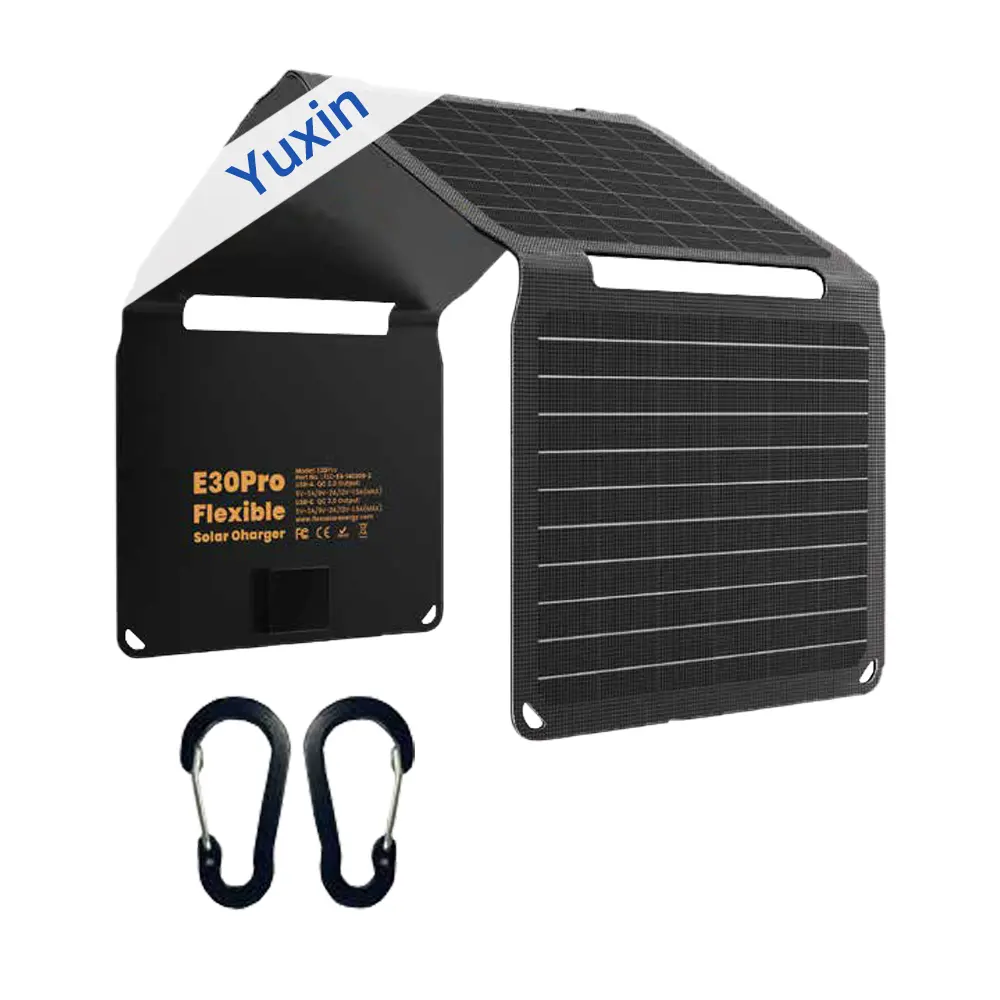
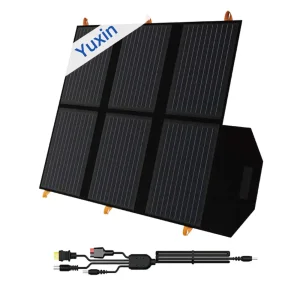
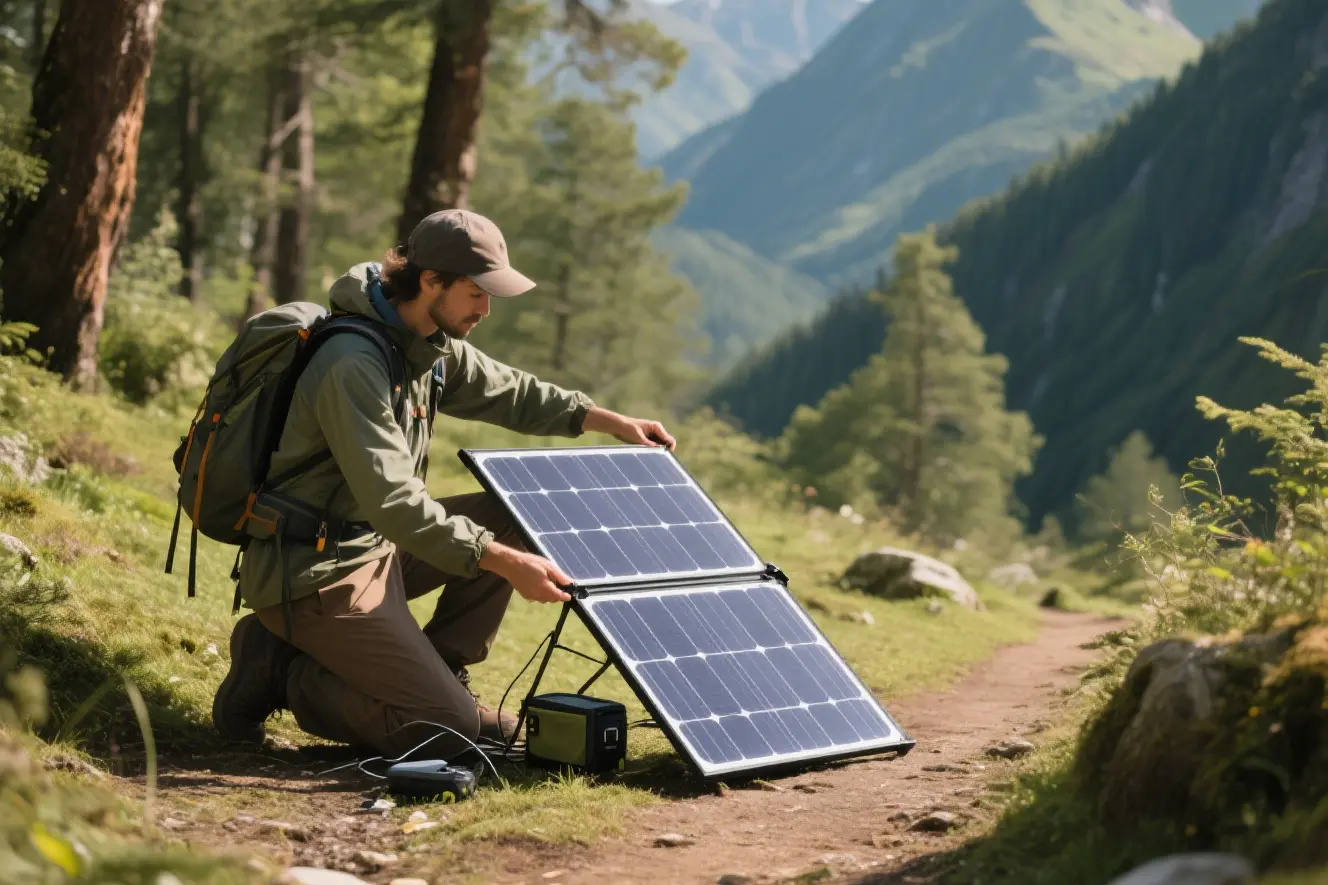
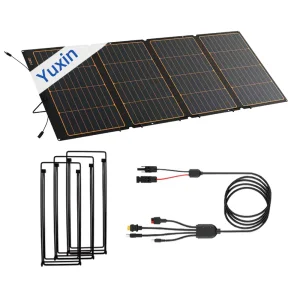
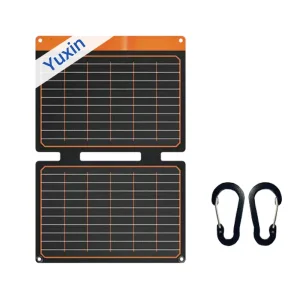
Portable Solar Charger

Portable Solar Charger

Utilizing advanced monocrystalline silicon cells, it achieves a high energy conversion efficiency of 24%.
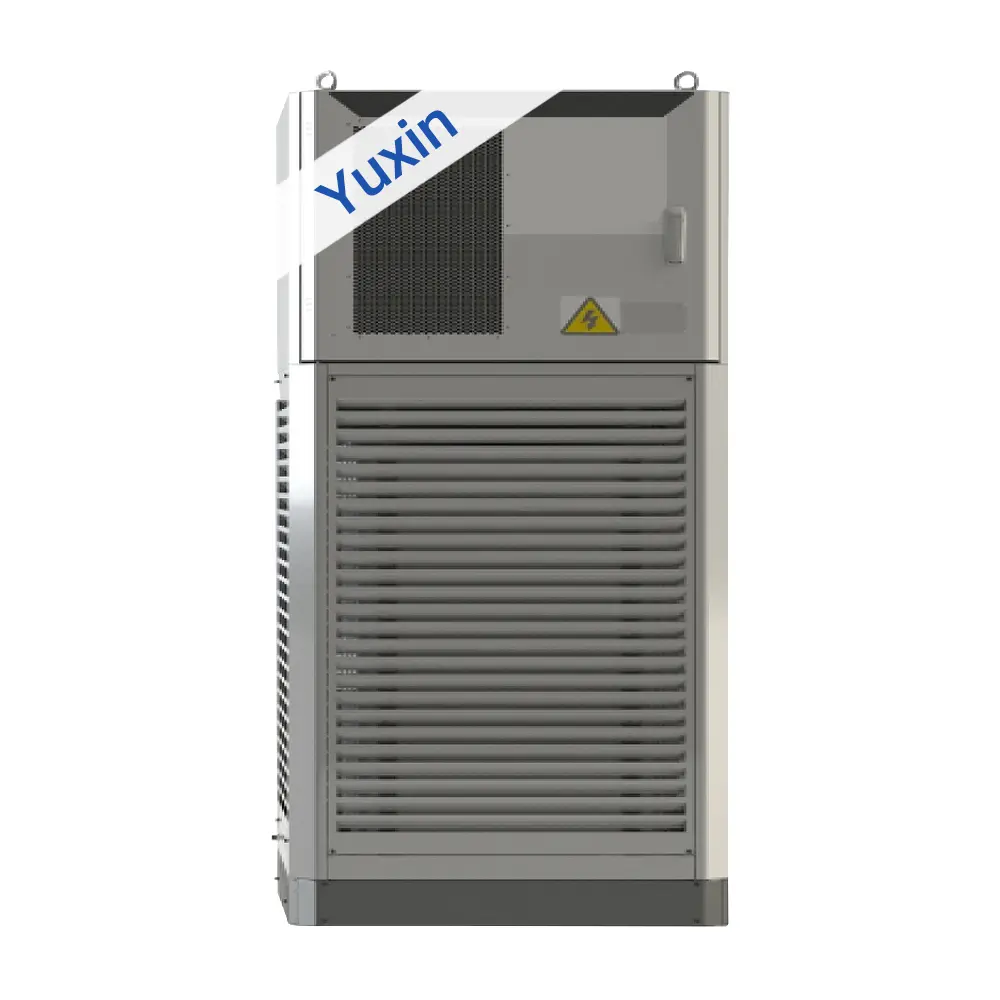
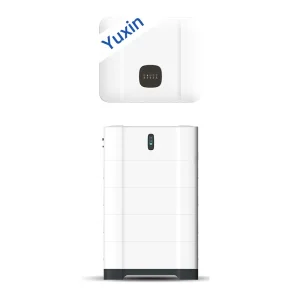
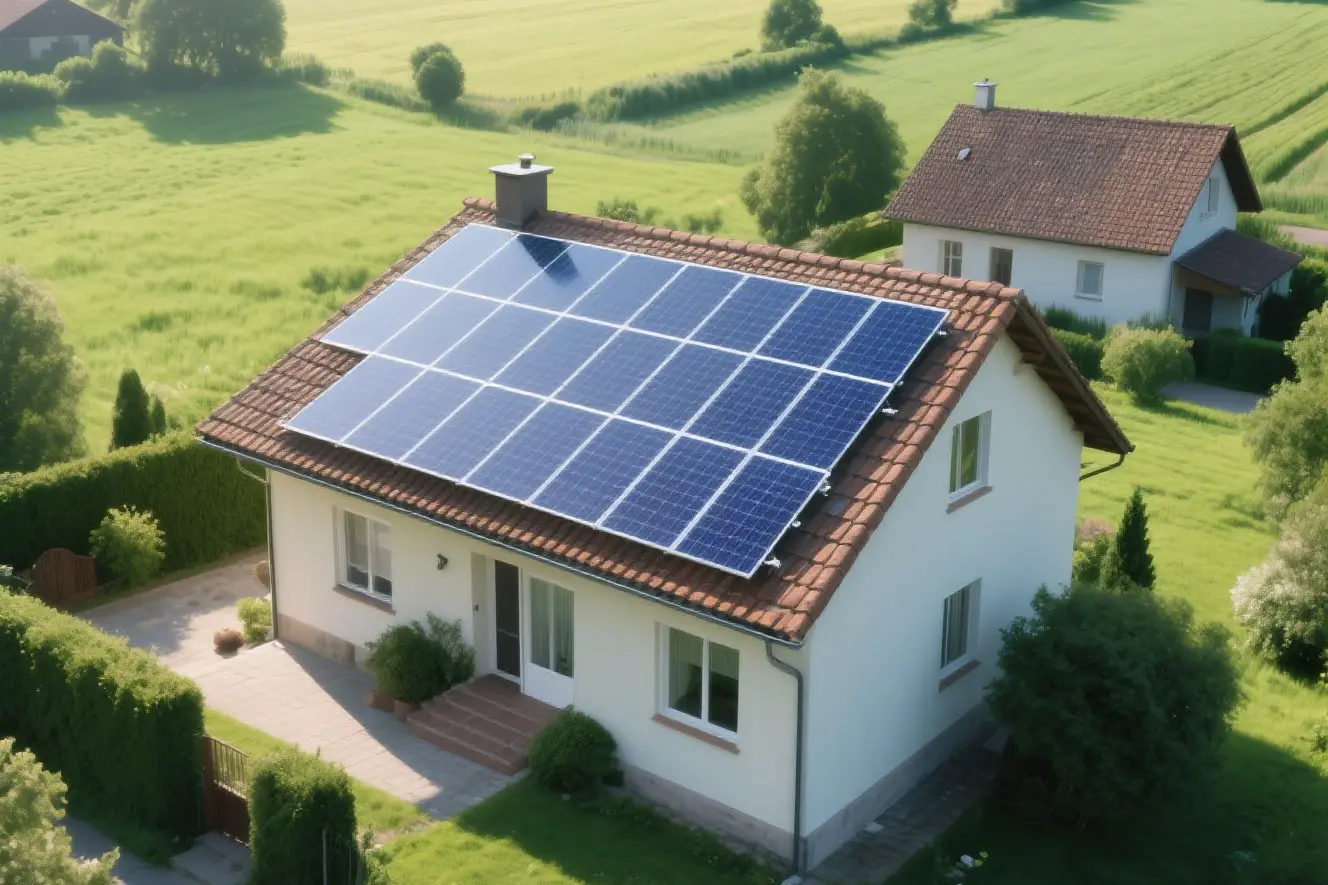
Solar System for Home

Solar System For Home

Application modes include grid-connected mode, off-grid mode, and integrated grid-connected/off-grid mode.
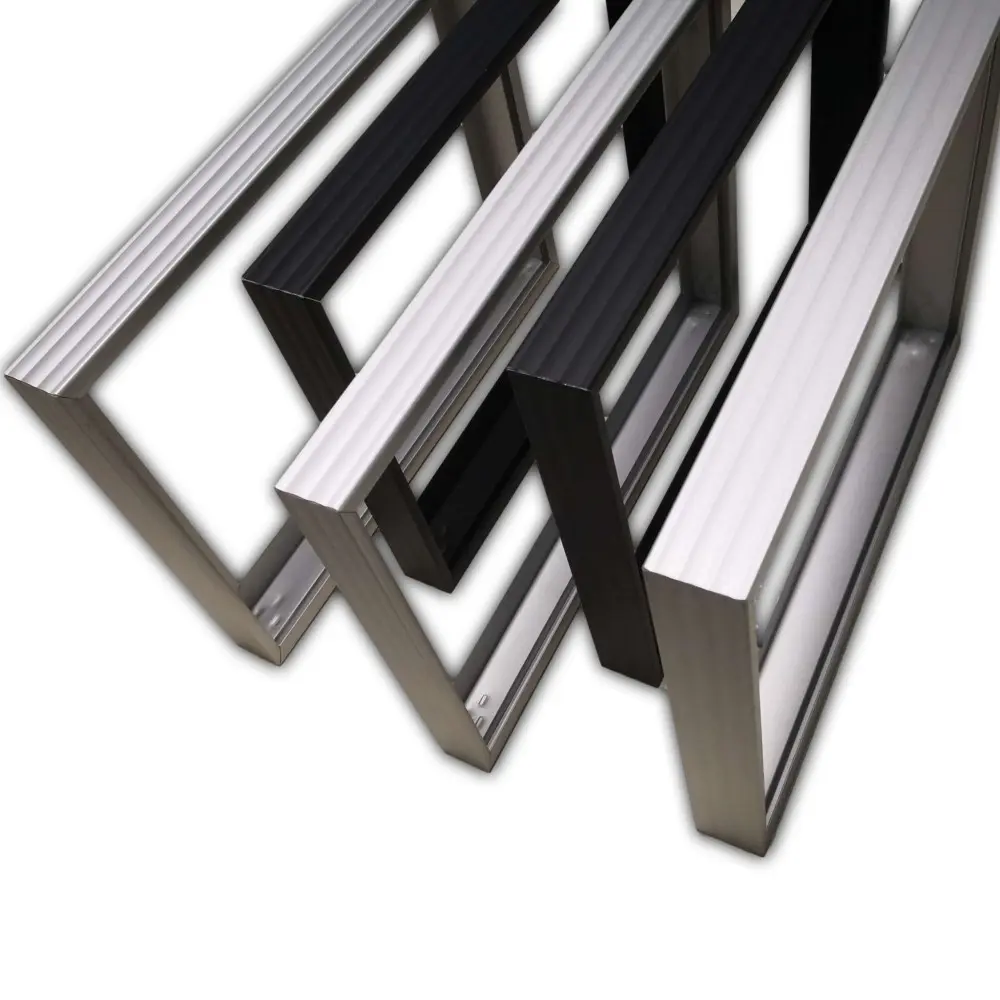
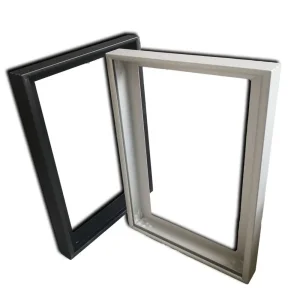
Aluminum Frames

Aluminum Frames

Made of high-quality anodized aluminum, it ensures superior weather resistance and a smooth, long-lasting finish.

About YUXIN

Precision, Quality, and Safety - Your Photovoltaic Materials Expert

Located in the scenic historical and cultural ancient city of Yangzhou, close to the Beijing-Shanghai Expressway, Runyang Yangtze River Bridge, and Ningqi Railway, the group has a superior geographical location and convenient transportation. The group was established in 2008 and has 14 multi-field companies under its jurisdiction, including Jiangsu Yuxin New Energy Technology Co., Ltd., and has won many titles such as National High-tech Enterprise, Technology-based Enterprise, and Gaoyou City Top 100 Private Enterprises.

21+
Production Lines
$86M+
Sales Revenue
12,000+
Export Volume (Tons)
25,000+
Annual Output (Tons)

Corporate Presentation Video

Showcasing our precision manufacturing facility, automatic extrusion systems, and cleanroom quality inspection chambers.

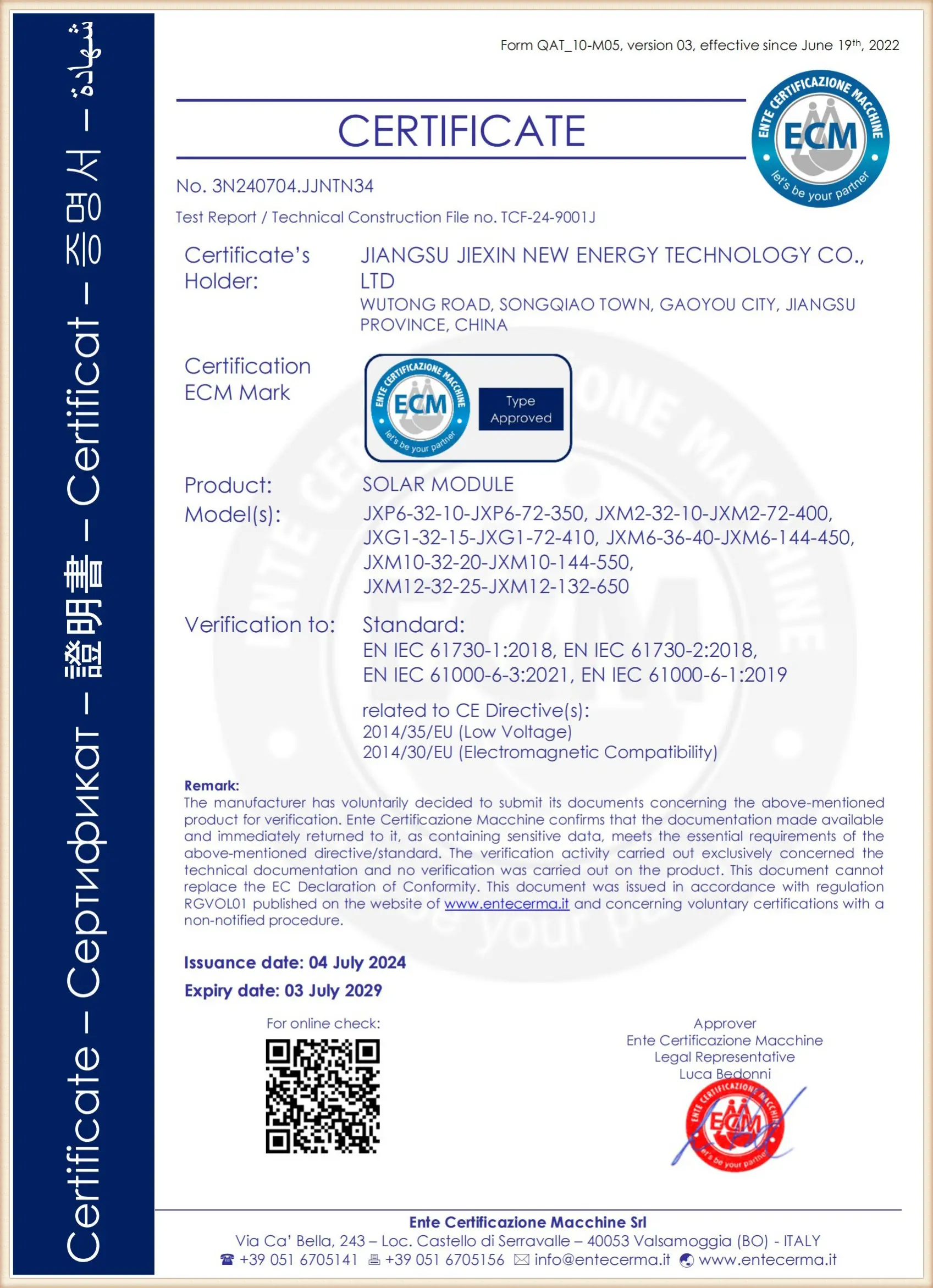
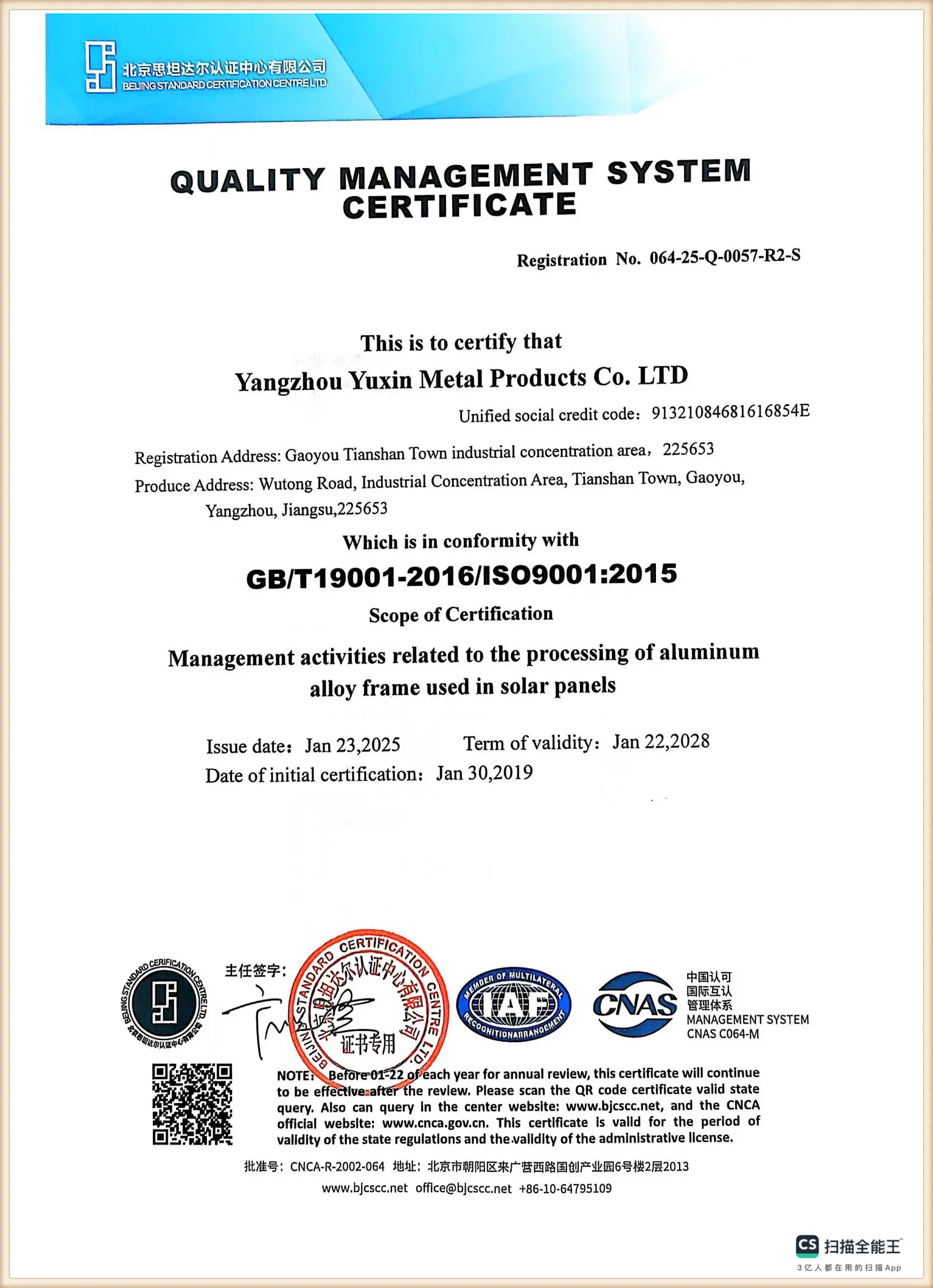
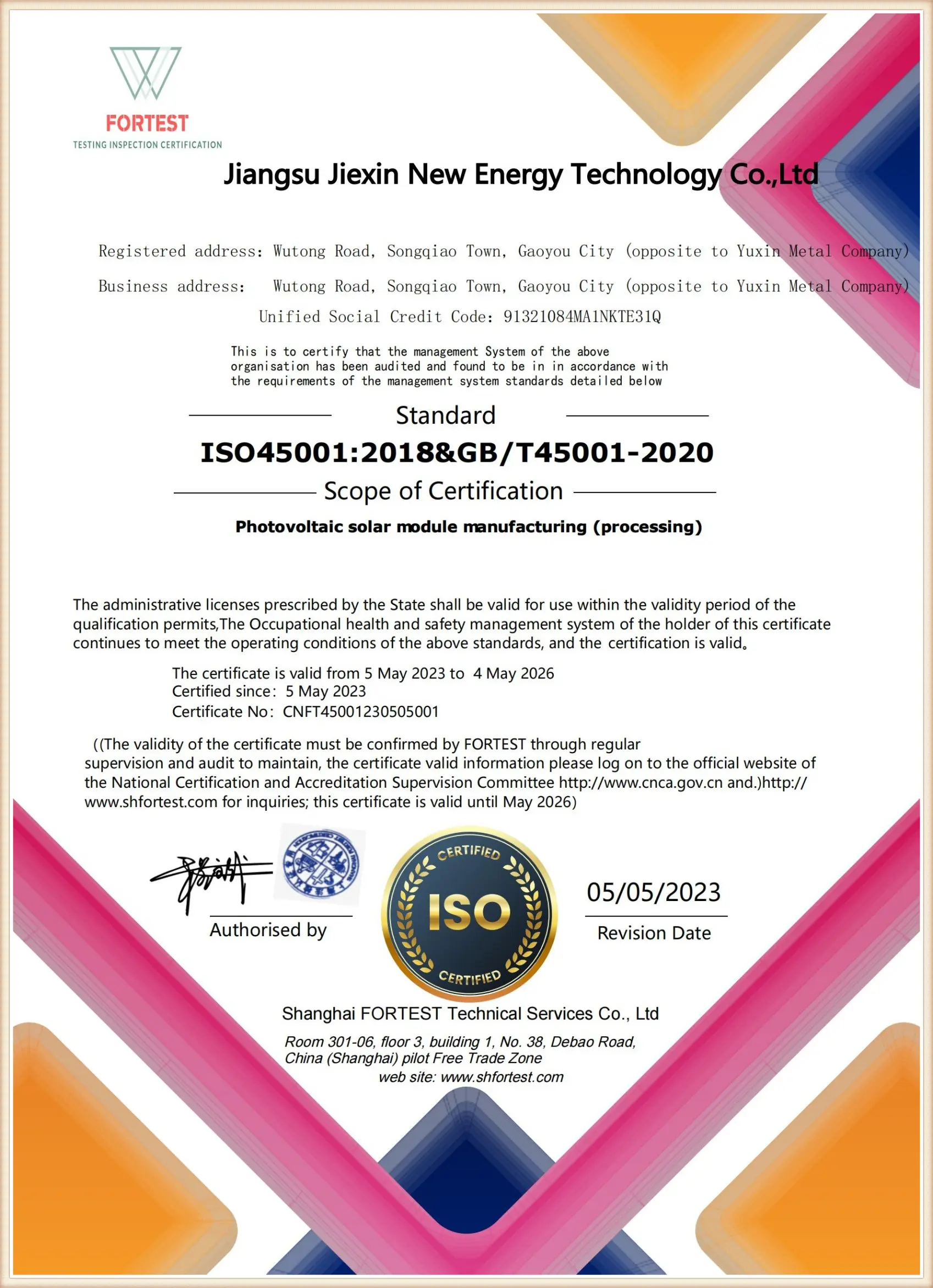
International Quality Certifications

All emergency solar products and processing procedures adhere strictly to ISO, CE, and global electrical safety frameworks.
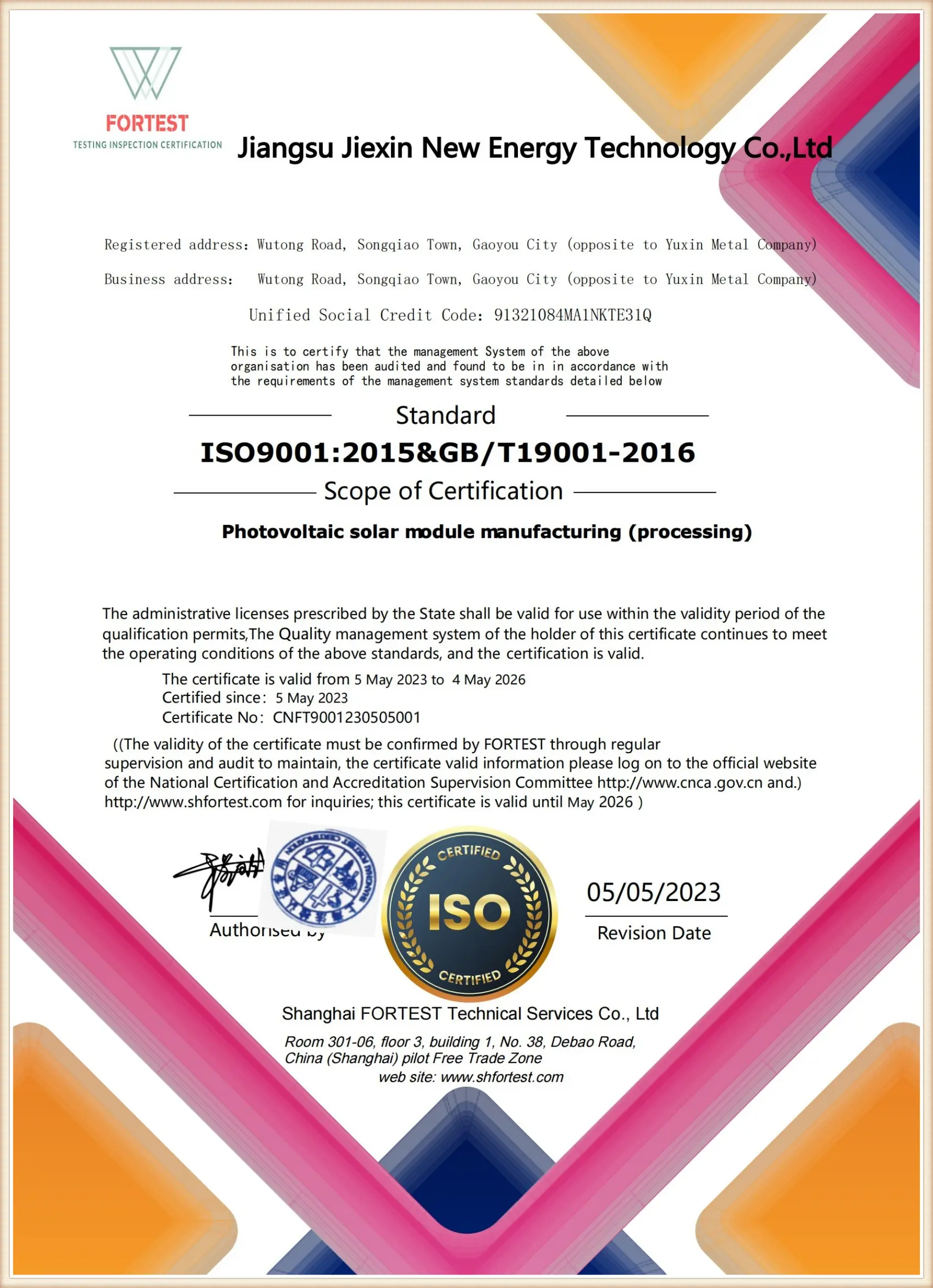
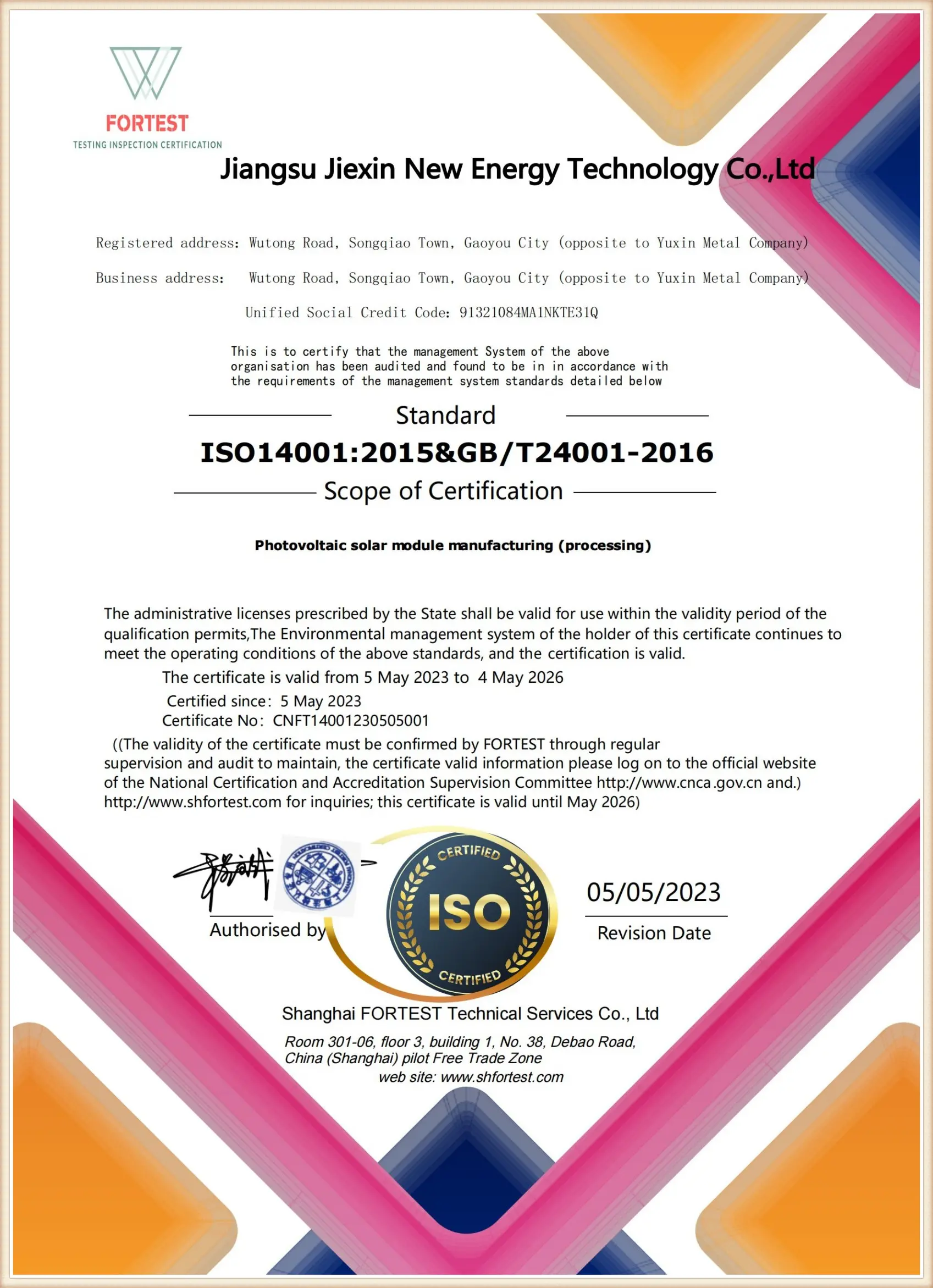
ISO Certification Document
CE Standard Document
Compliance Document
Product Quality Certification
TUV/Safety Certification Document

Target Industry Applications

Providing custom, high-reliability emergency power engineering across critical sectors globally.
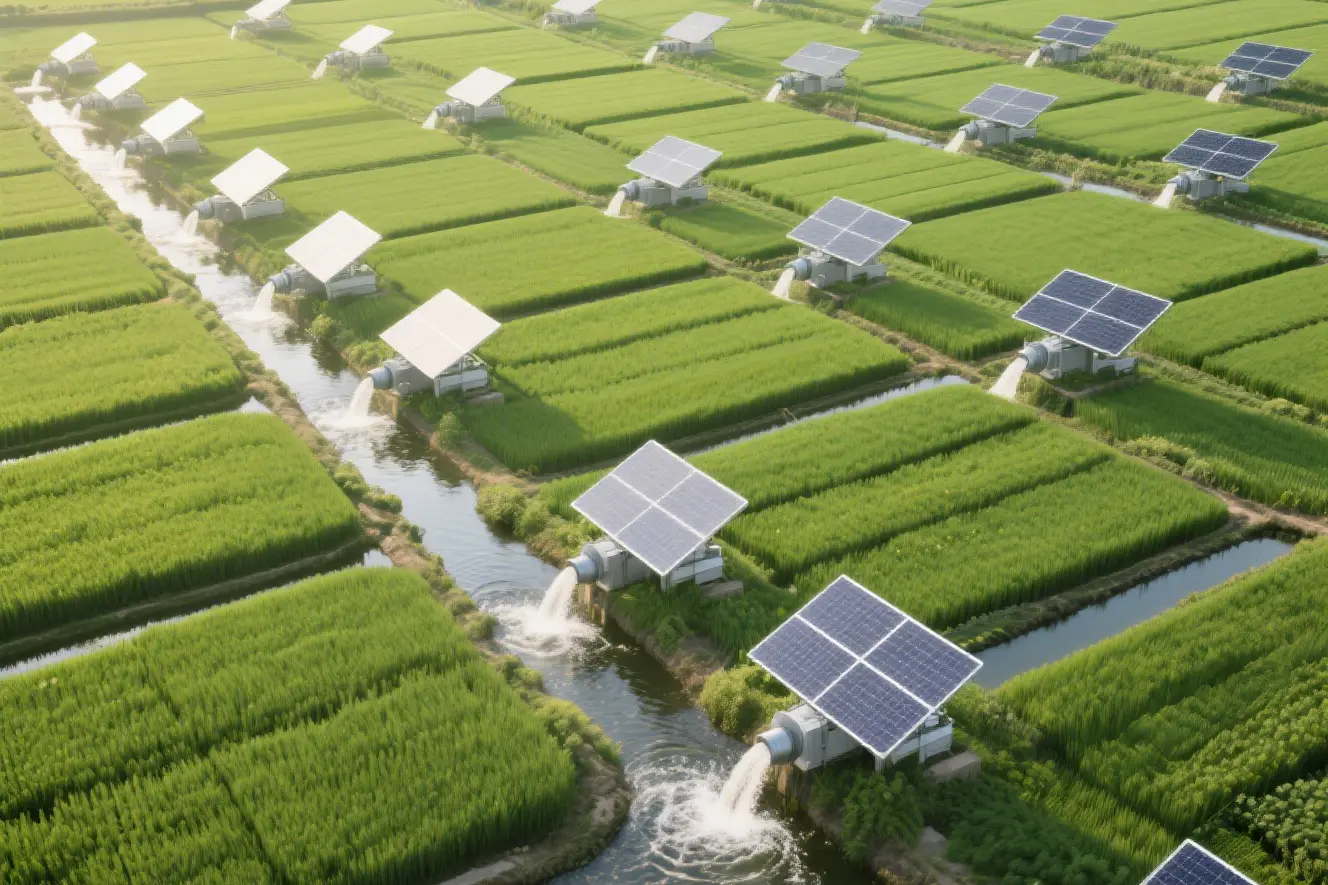
Solar Emergency Systems in Agriculture

Agriculture

Solar Backup Systems in Construction

Construction Industry

Grid Power in Electric Power Industry

Electric Power Industry

Solar Backup for Outdoor Applications

Outdoors

Emergency Backup for Telecommunications

Telecommunications Field

Backup Solar Solutions for Transportation

Transportation Industry

Technical FAQ: Emergency Solar Inverters & Systems

Get answers to critical engineering, safety, and sourcing questions about solar emergency backup technologies.

What defines the switching response speed of a solar emergency inverter?
The switching speed (often called transfer time) is determined by the internal static transfer switch (STS). For continuous UPS protection of sensitive IT or medical equipment, a switching speed under 10 milliseconds is required. This transition window prevents hardware reboots and data loss during sudden grid outages.
Why are anodized aluminum frames critical for outdoor emergency solar modules?
Outdoor emergency solar installations must withstand extreme weather events. Anodized aluminum frames (such as 6063-T5 or 6005-T6 grades) provide structural rigidity, resist heavy snow and wind loads, and form a protective oxide layer that prevents corrosion in high-salinity or humid environments.
Can N-Type TOPCon panels improve the performance of emergency systems during cloudy periods?
Yes. N-Type TOPCon (Tunnel Oxide Passivated Contact) technology delivers superior low-light performance compared to standard PERC panels. They feature a lower temperature coefficient (-0.30%/°C) and a higher bifaciality rate, enabling them to generate more energy during overcast conditions or early morning/late afternoon hours.
How do high-voltage commercial battery systems reduce energy losses in emergency setups?
By operating at higher DC voltages (typically between 300V and 800V DC), the system reduces the current needed to deliver equivalent power. Lower current reduces resistive heating losses within the cabling and conversion stages, yielding higher round-trip efficiency during fast charge and discharge cycles.
What is the benefit of using Polyurethane Pultruded Composite Materials over standard aluminum frames?
Polyurethane pultruded composites offer superior insulation, preventing Potential Induced Degradation (PID) in solar cells. They also feature a lower thermal expansion coefficient, higher corrosion resistance in chemical/coastal environments, and a smaller overall carbon footprint during manufacturing.
How does a hybrid inverter handle unbalanced loads in three-phase off-grid scenarios?
Industrial-grade hybrid emergency inverters feature independent phase control. Using split-phase topologies or dedicated neutral-line control, they can support up to 100% unbalanced loading across individual phases, keeping voltage outputs stable and preventing damage to critical phase-sensitive equipment.

Trusted Business Partners

Collaborating with global energy leaders and infrastructure developers to drive energy security worldwide.
Partner Logo
Partner Logo
Partner Logo
Partner Logo
Partner Logo
Partner Logo

Corporate Insights & Market Updates

Keeping pace with solar industry developments, manufacturing breakthroughs, and emerging quality control protocols.
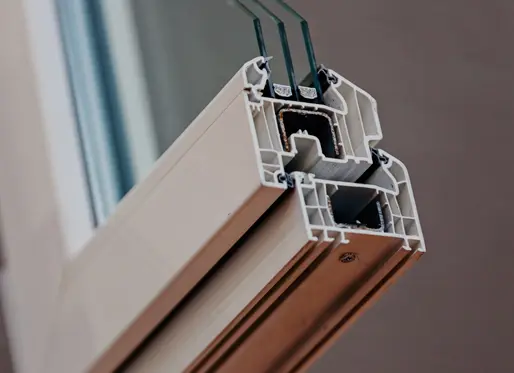
What Makes a High-Quality Solar Panel Frame?
Jun 16-2026

What Makes a High-Quality Solar Panel Frame?

Discover the key materials, mechanical testing standards, and anti-corrosion treatments that define high-durability frames...

Read Article
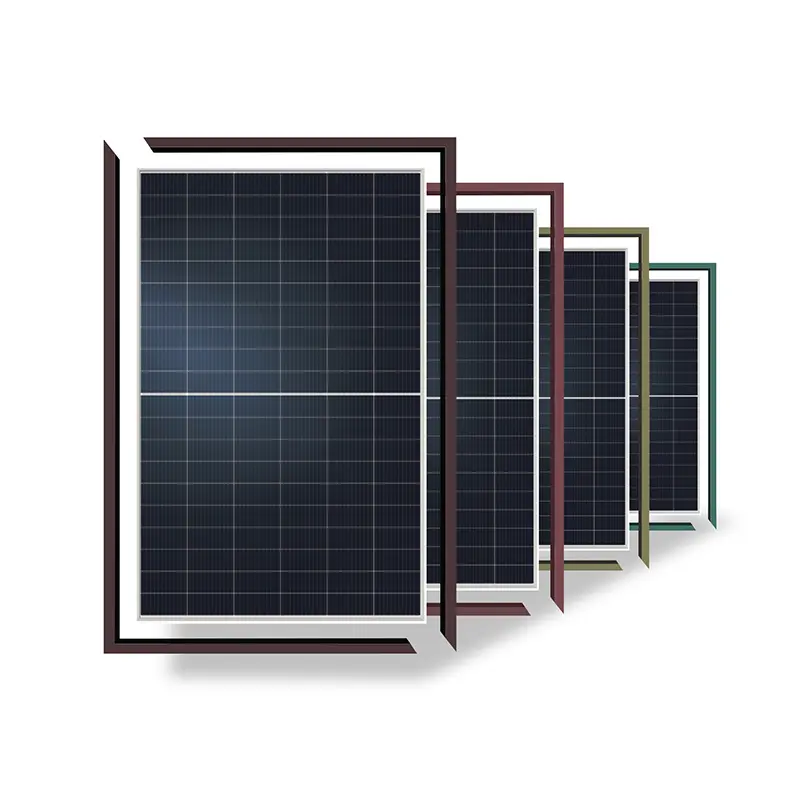
How to Choose a Reliable OEM Solar Frame Manufacturer in China
Jun 15-2026

How to Choose a Reliable OEM Solar Frame Manufacturer in China

A complete procurement checklist for evaluating Chinese manufacturers on tolerance, tooling, and alloy grades...

Read Article
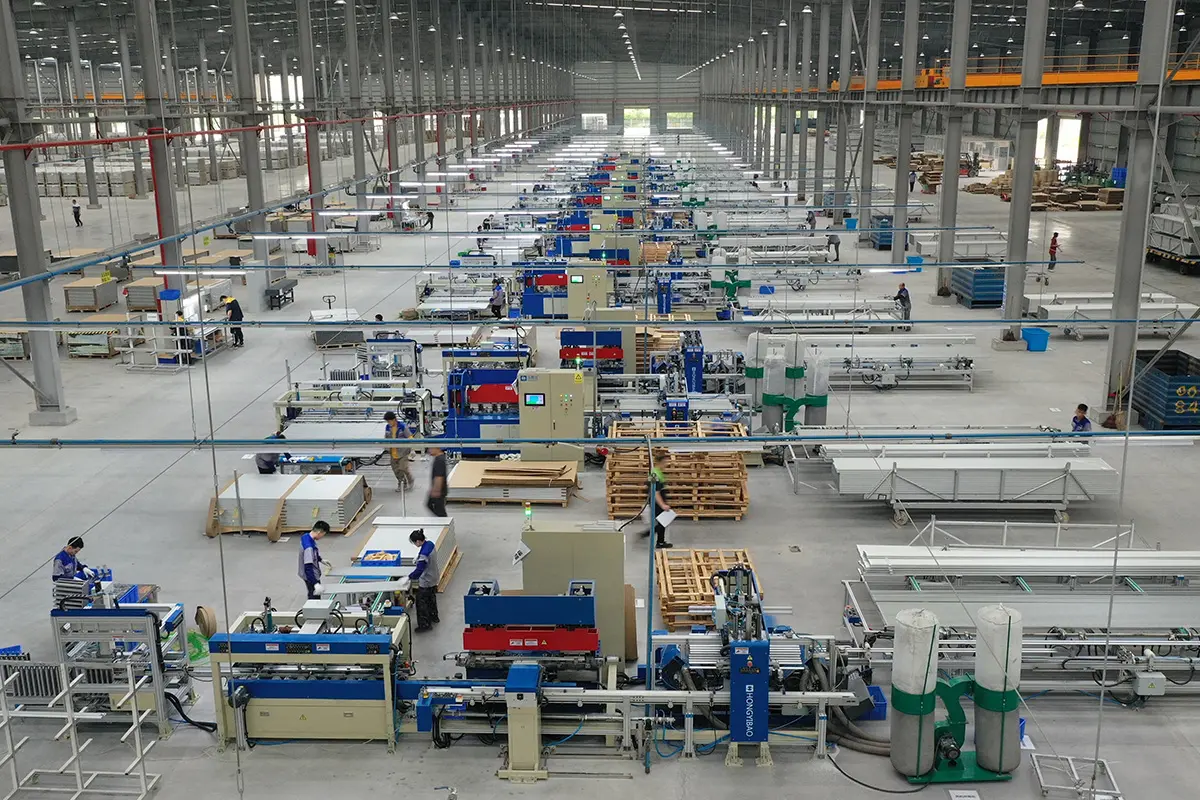
Solar Panel Frame Quality Control
Jun 14-2026

Solar Panel Frame Quality Control: Key Inspection Standards Explained

Understanding the parameters of quality control testing, including mechanical pull tests, coating thickness, and geometric tolerance checks...

Read Article