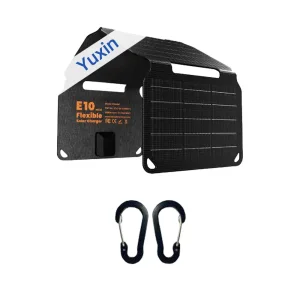
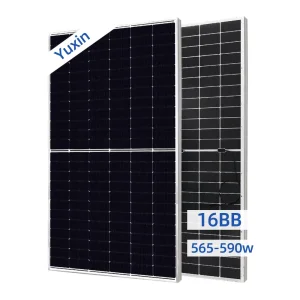
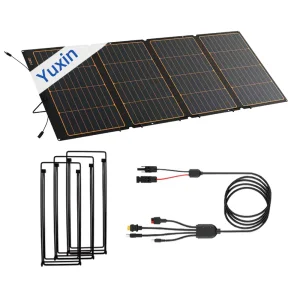
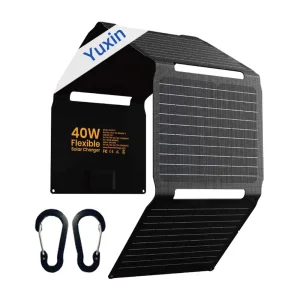
In an era marked by shifting global climates, escalating energy costs, and grid vulnerability, traditional backup power mechanisms no longer suffice. For decades, emergency industrial power relied solely on diesel-powered combustion generators. Today, high-performing generator solar backup systems represent the apex of clean, reliable, and intelligent engineering. By combining high-efficiency photovoltaic (PV) solar panels, smart power conversion systems, and modular battery energy storage systems (BESS), modern microgrids deliver uninterruptible power supplies (UPS) that operate independently from the municipal grid.
As a leading provider of PV materials and turnkey clean energy assemblies, Jiangsu Yuxin New Energy Technology Co., Ltd. leverages state-of-the-art manufacturing infrastructure to design and supply custom-tier off-grid backup systems. By utilizing advanced mono silicon PERC and n-type TOPCon bifacial modules, alongside high-strength structural profiles like 6063-T5/6005-T6 anodized aluminum frames, our configurations ensure optimal electrical yields and physical resilience in the most challenging environmental conditions.
Established in 2008, YUXIN New Energy is located in the scenic and historic ancient city of Yangzhou. Benefiting from close proximity to the Beijing-Shanghai Expressway, the Runyang Yangtze River Bridge, and the Ningqi Railway, our headquarters and manufacturing hubs enjoy a superior geographical position and highly convenient transportation networks. This allows us to guarantee rapid distribution and reliable logistics for global export.
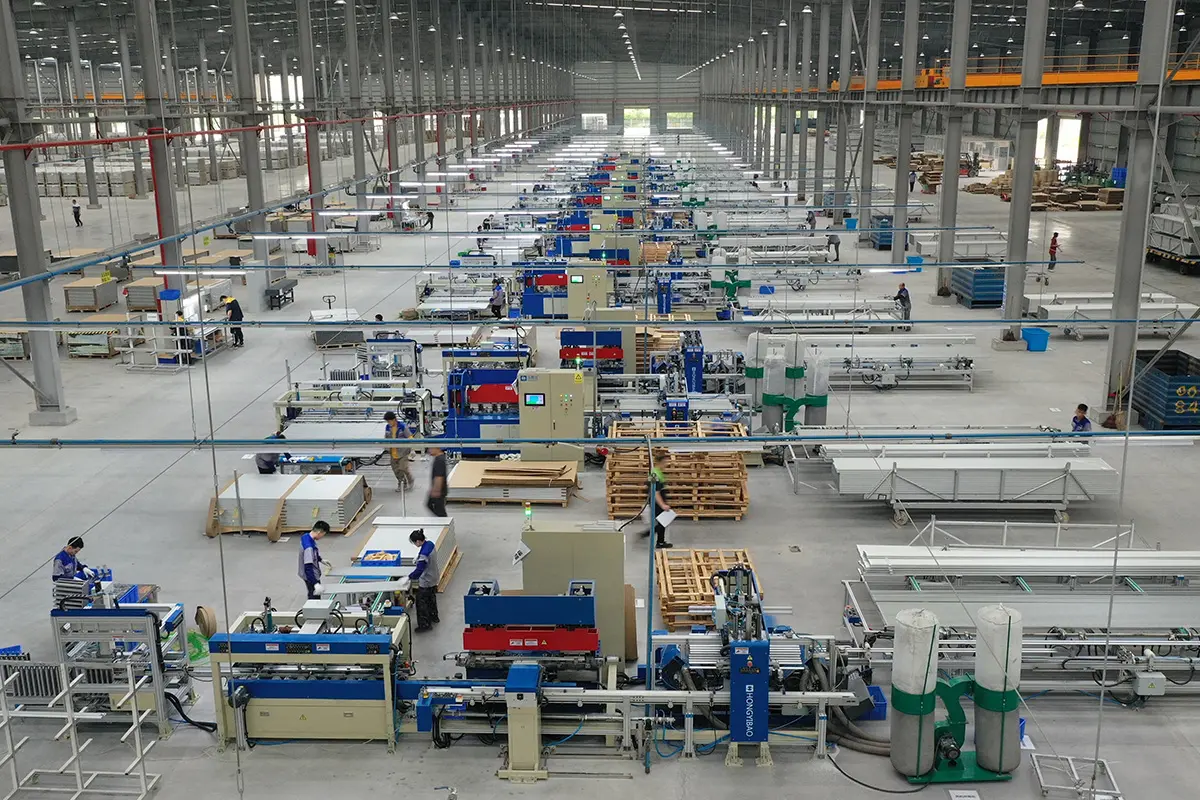
The Yuxin Group governs 14 multi-field companies, including Jiangsu Yuxin New Energy Technology Co., Ltd., and has proudly achieved recognition as a National High-Tech Enterprise, Technology-Based Enterprise, and one of Gaoyou City's Top 100 Private Enterprises. Our production lines feature automated, state-of-the-art extrusion, anodizing, precision cutting, and module laminating equipment, catering to both utility-scale solar arrays and customized portable power assemblies.
Around the globe, businesses face severe headwinds due to escalating peak demand charges and grid instability. Power disturbances cost commercial and industrial (C&I) sectors billions annually. Consequently, the commercial adoption of generator solar backup technology has shifted from a novelty to an operational necessity. Rather than treating backup generators as idle emergency systems, companies deploy hybrid solar generators that actively shave peak loads, capture clean power during cheap off-peak hours, and inject energy back into their localized microgrid when utility tariffs peak.
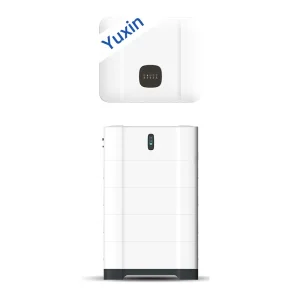
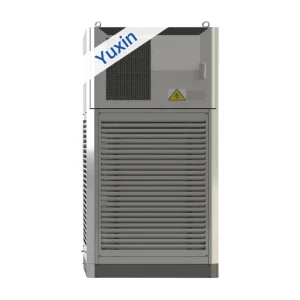
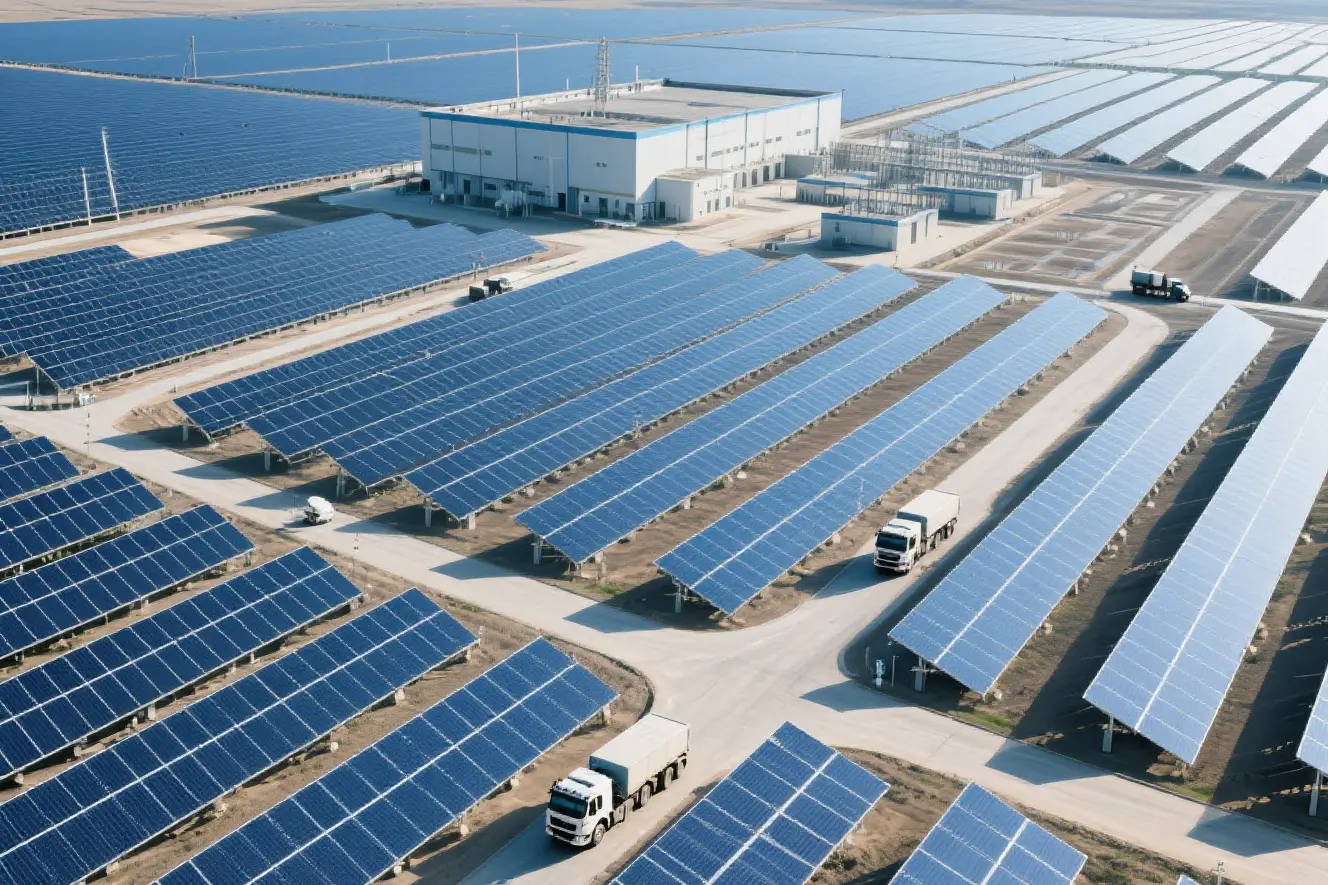
From modular energy storage systems (such as the commercial P01-EC60-30K) to utility-grade dual-glass TOPCon solar panel installations, industrial operations are increasingly seeking high-power, multi-day backup capabilities. The Integration of smart energy management systems (EMS) allows businesses to balance PV array generation, battery storage thresholds, and generator ignition thresholds seamlessly. This synergy ensures absolute reliability and continuity of operations for data centers, medical centers, cold chain logistics, and factories.
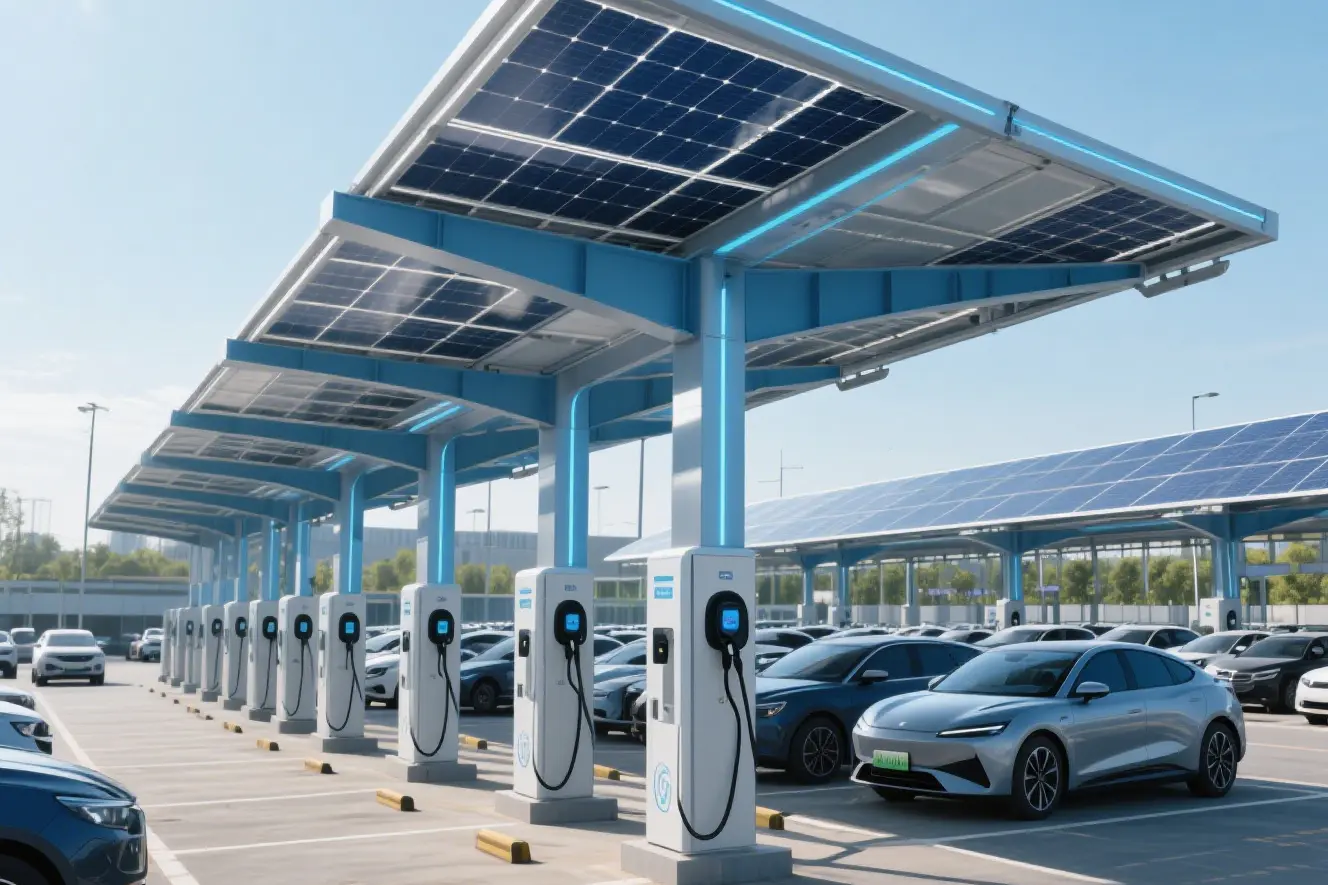
Localized microgrids have unique energy constraints, regulatory requirements, and environmental parameters. To maximize return on investment (ROI), generator solar backup configurations must align with specific operational scenarios:
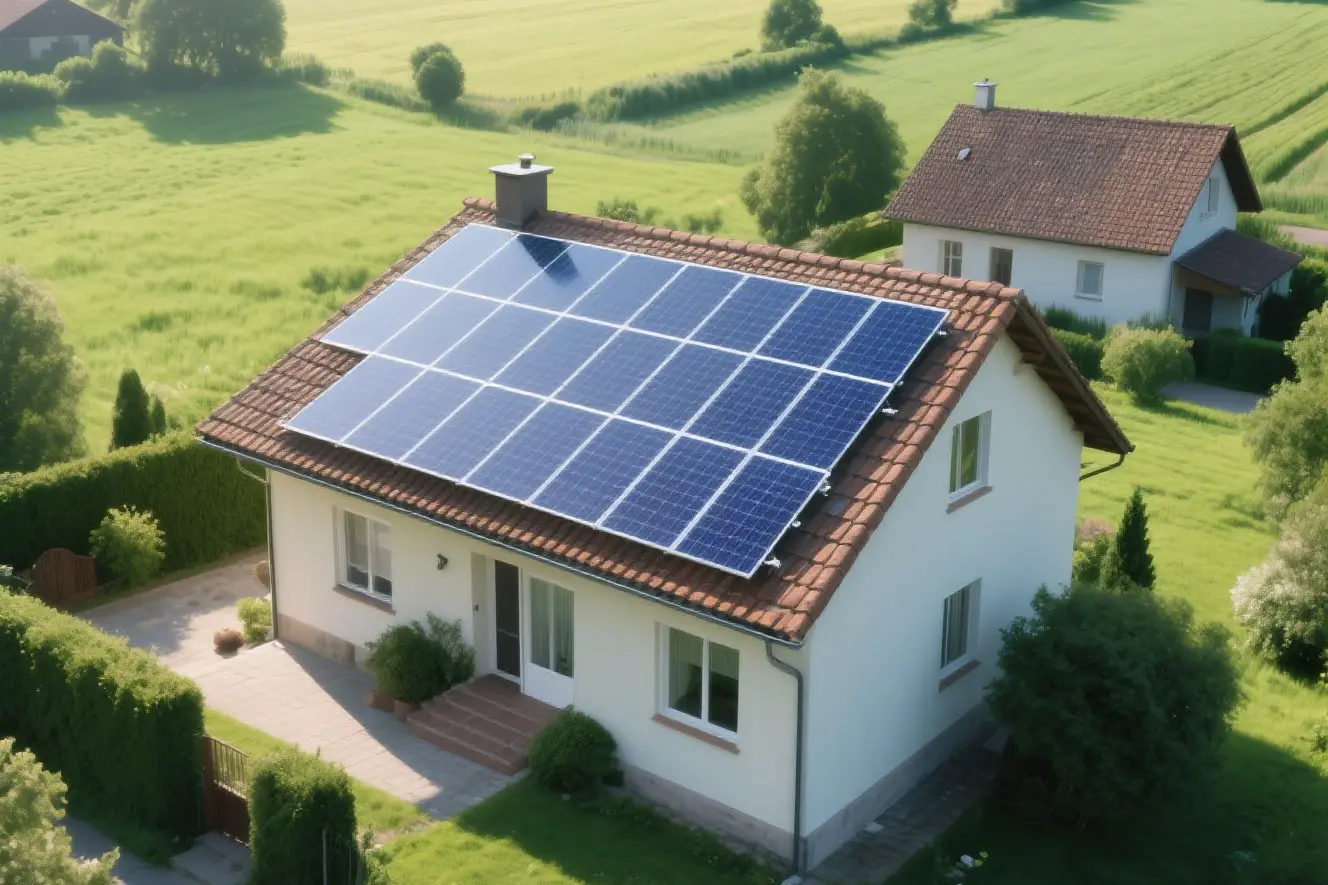
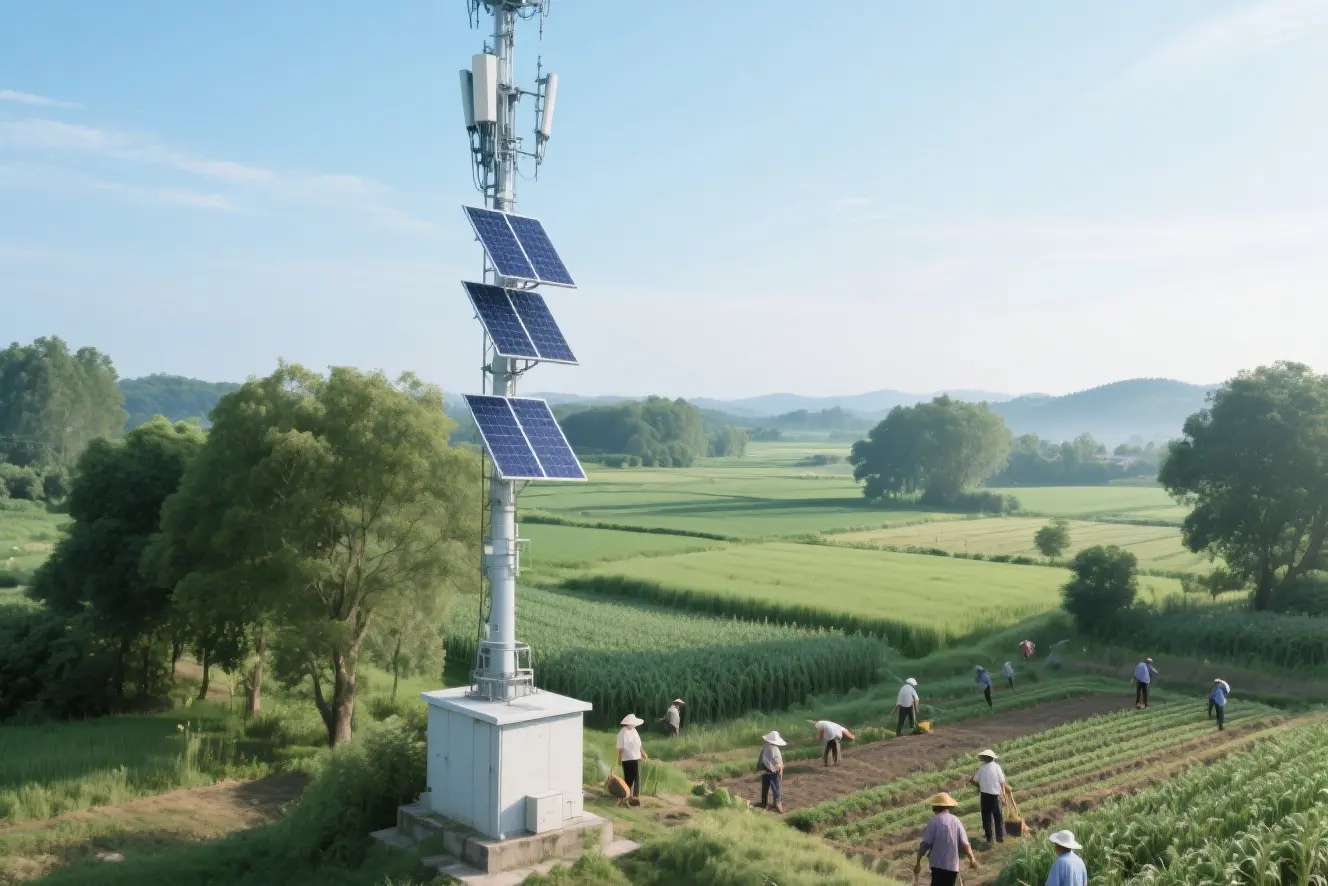
Remote communication nodes demand 24/7 reliability. By replacing diesel dependency with hybrid solar backup setups, operators lower maintenance cycles and prevent outages during natural disasters.
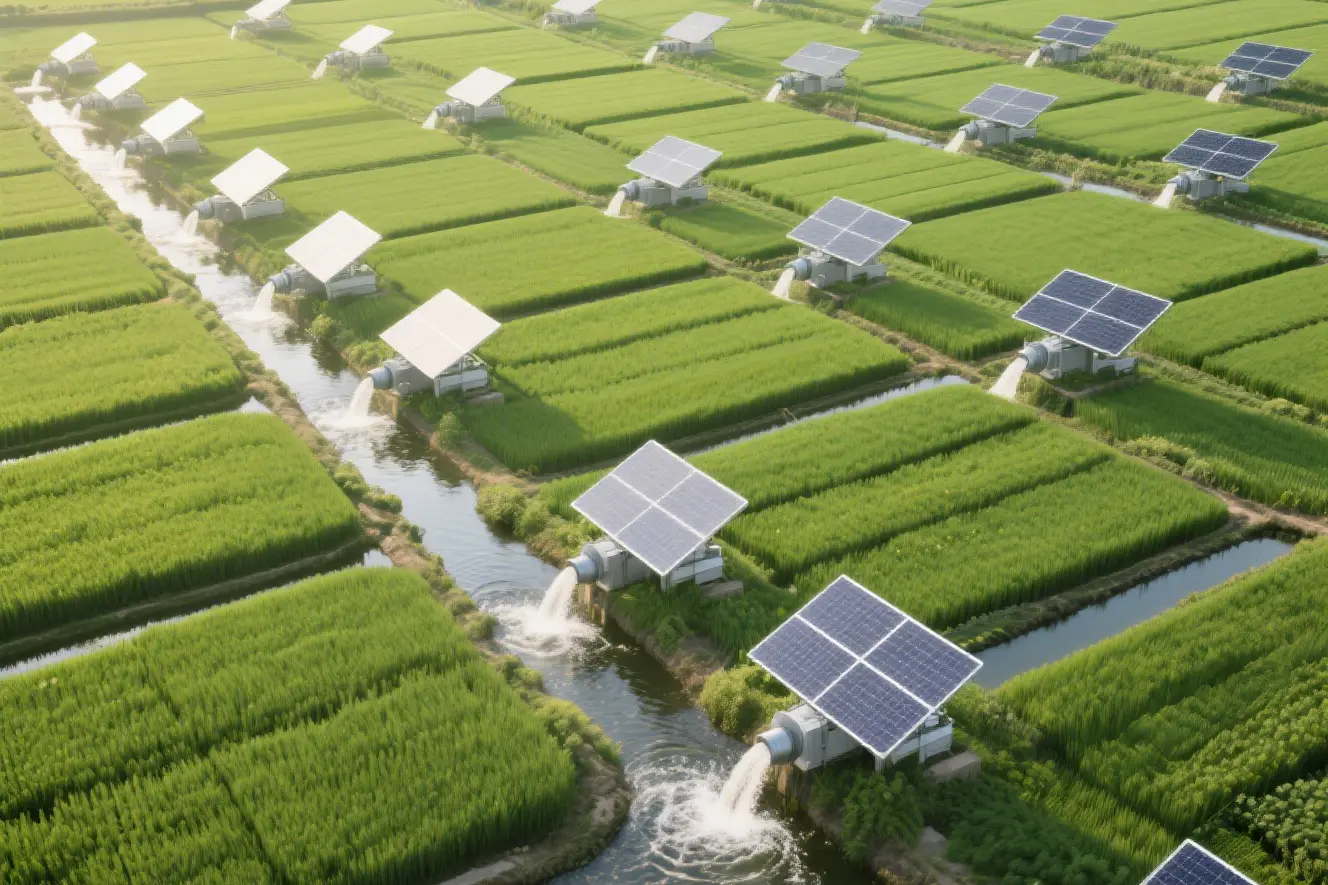
Solar generators power water-pumping systems and automated greenhouses in remote zones, keeping critical farming infrastructure active without relying on extended grid lines.
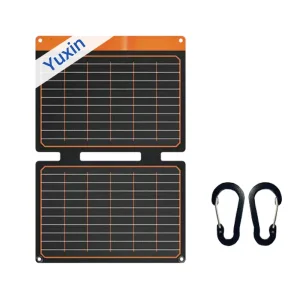
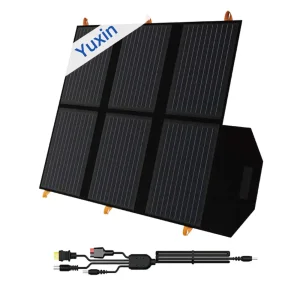
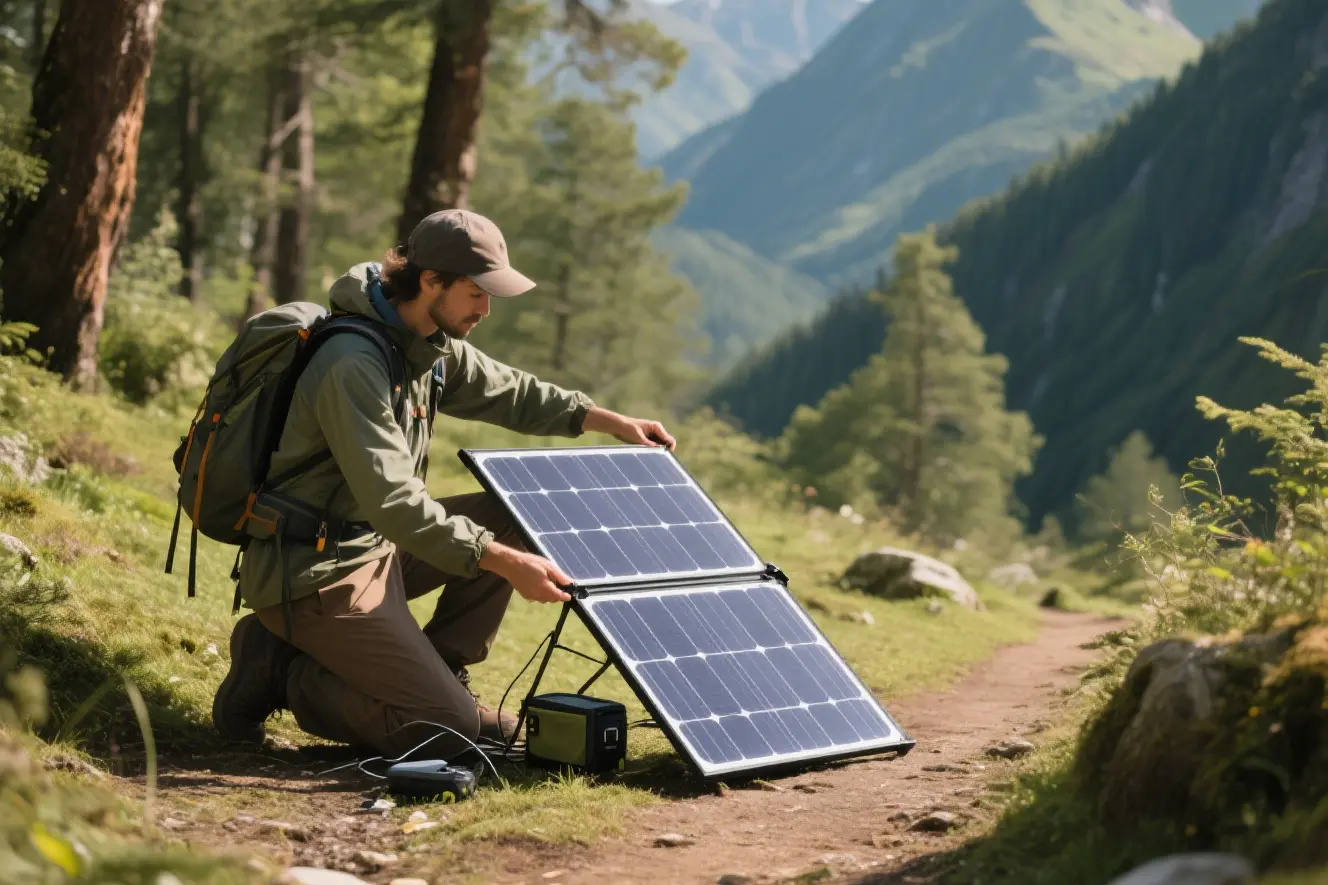
Heavy duty tools and temporary facilities run quietly on waterproof 240W generators, backed by modular batteries, eliminating the noise and toxic emissions of diesel counterparts.
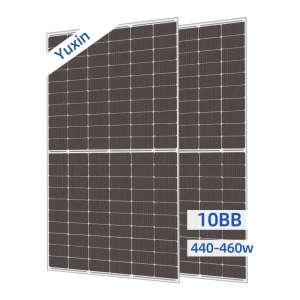
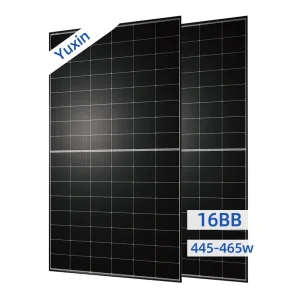
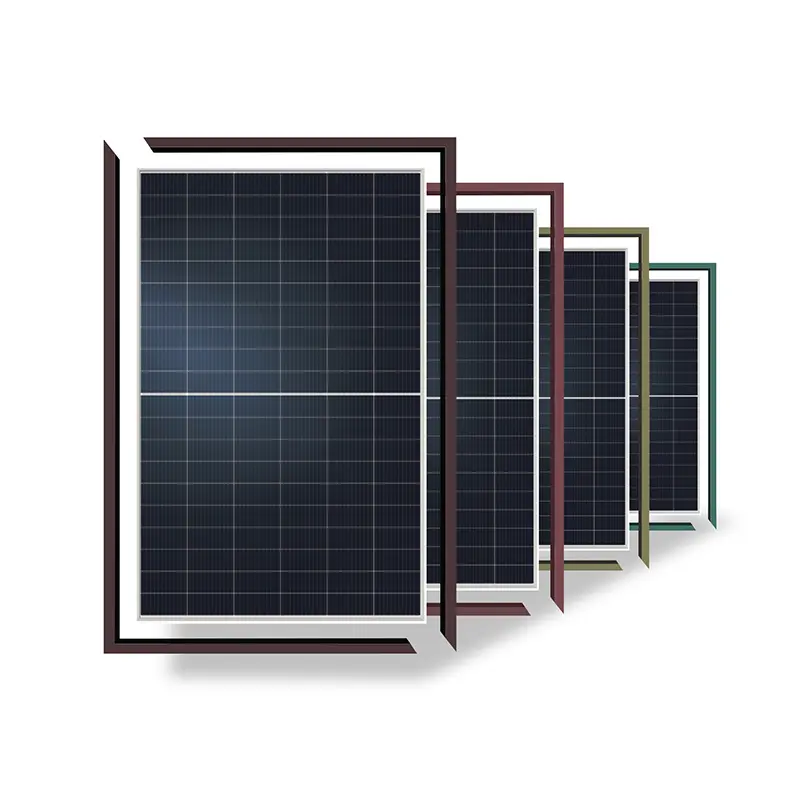
The solar sector is undergoing a rapid transition from legacy p-type cells to high-performance n-type structures. Our technological roadmap prioritizes the deployment of 16BB N-type TOPCon (Tunnel Oxide Passivated Contact) cells, which exhibit minimal Light-Induced Degradation (LID) and an improved temperature coefficient (-0.30%/°C). This allows them to generate more power in hot environments compared to traditional mono-crystalline modules.
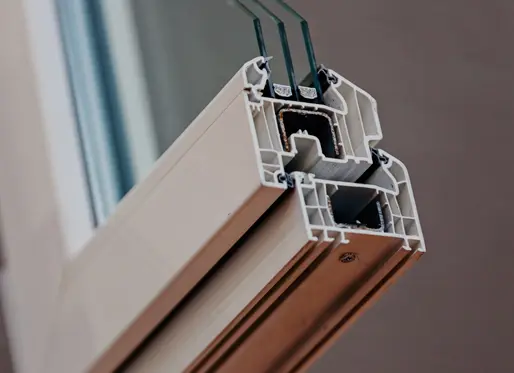
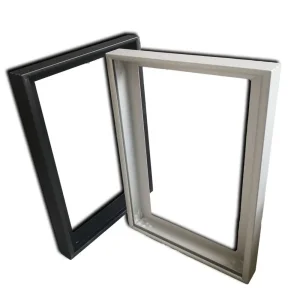
Furthermore, frame composition is evolving. While anodized aluminum frames (6063-T5) remain the gold standard for robust structural support, next-gen systems now feature pultruded polyurethane composite frames. These composite structures offer exceptional thermal insulation, resist salt-mist corrosion, and minimize mechanical stress on double-glass PV panels, ensuring structural integrity for over 30 years in coastal and heavy-snow regions.
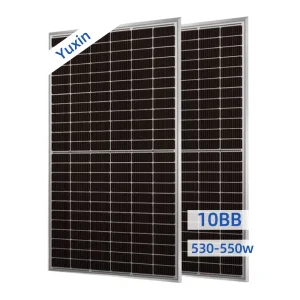
| Parameter Class | TOPCon Double-Glass Module (16BB) | PERC Mono Module (10BB) | Polyurethane Frame Specs |
|---|---|---|---|
| Maximum Power Output | 565W - 590W | 530W - 550W | Ultra-high mechanical load limit |
| Bifaciality Rate | Up to 80% ± 5% | Up to 70% ± 5% | Excellent insulation index |
| Temperature Coefficient | -0.30% / °C | -0.34% / °C | Negligible expansion matching glass |
| Durability Profile | 30-Year Performance Warranty | 25-Year Performance Warranty | Zero PID, Salt-mist & Ammonia Proof |
When sourcing generator solar backup systems, securing a reliable, cost-effective supply chain is critical. China's integrated PV ecosystem offers unmatched advantages in manufacturing efficiency, components availability, and technological iterations. Yangzhou's status as a key industrial cluster ensures easy access to raw materials, including high-purity polysilicon, industrial aluminum extrusions, and state-of-the-art lithium iron phosphate (LiFePO4) battery cells.
Our integrated facilities in Jiangsu optimize the manufacturing chain from raw ingot extrusion to complete system assembly. This integration allows us to offer competitive Balance of System (BOS) costs while maintaining strict quality control. Automated optical inspection (AOI) systems, dual EL testing (post-lamination and pre-packaging), and mechanical load chambers guarantee that every solar panel, frame, and modular battery cabinet leaves our factory without micro-cracks or electrical defects.
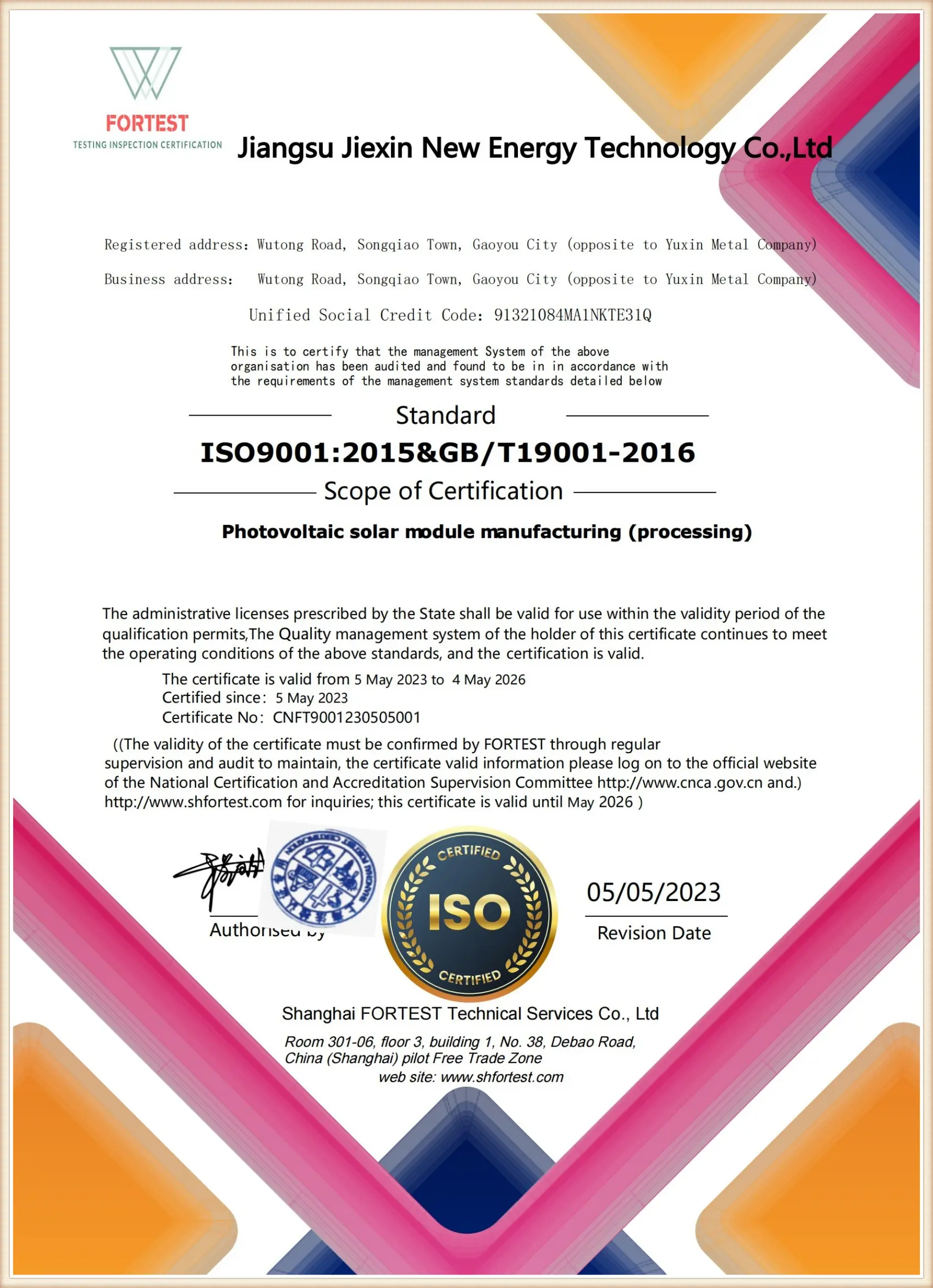
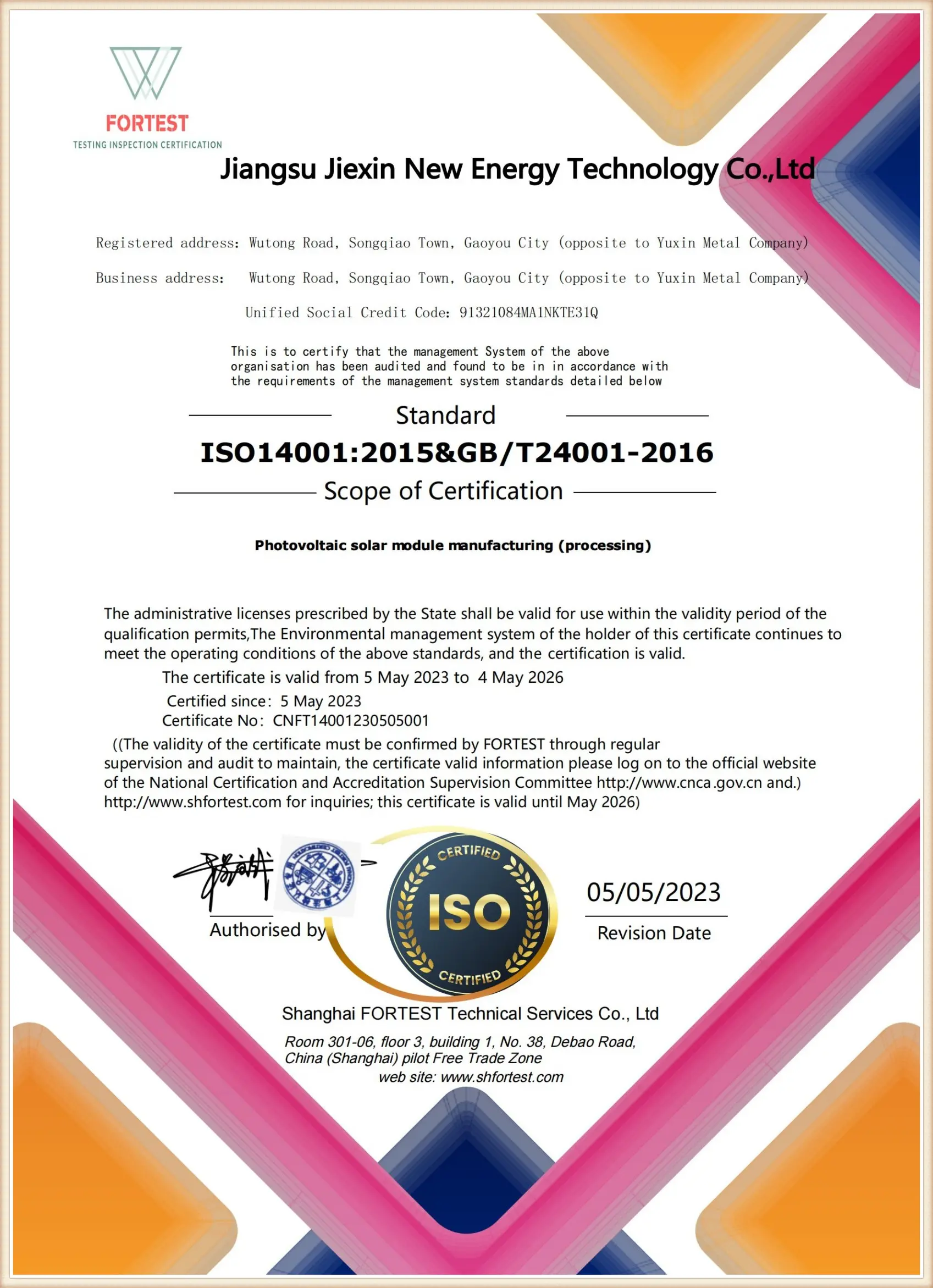
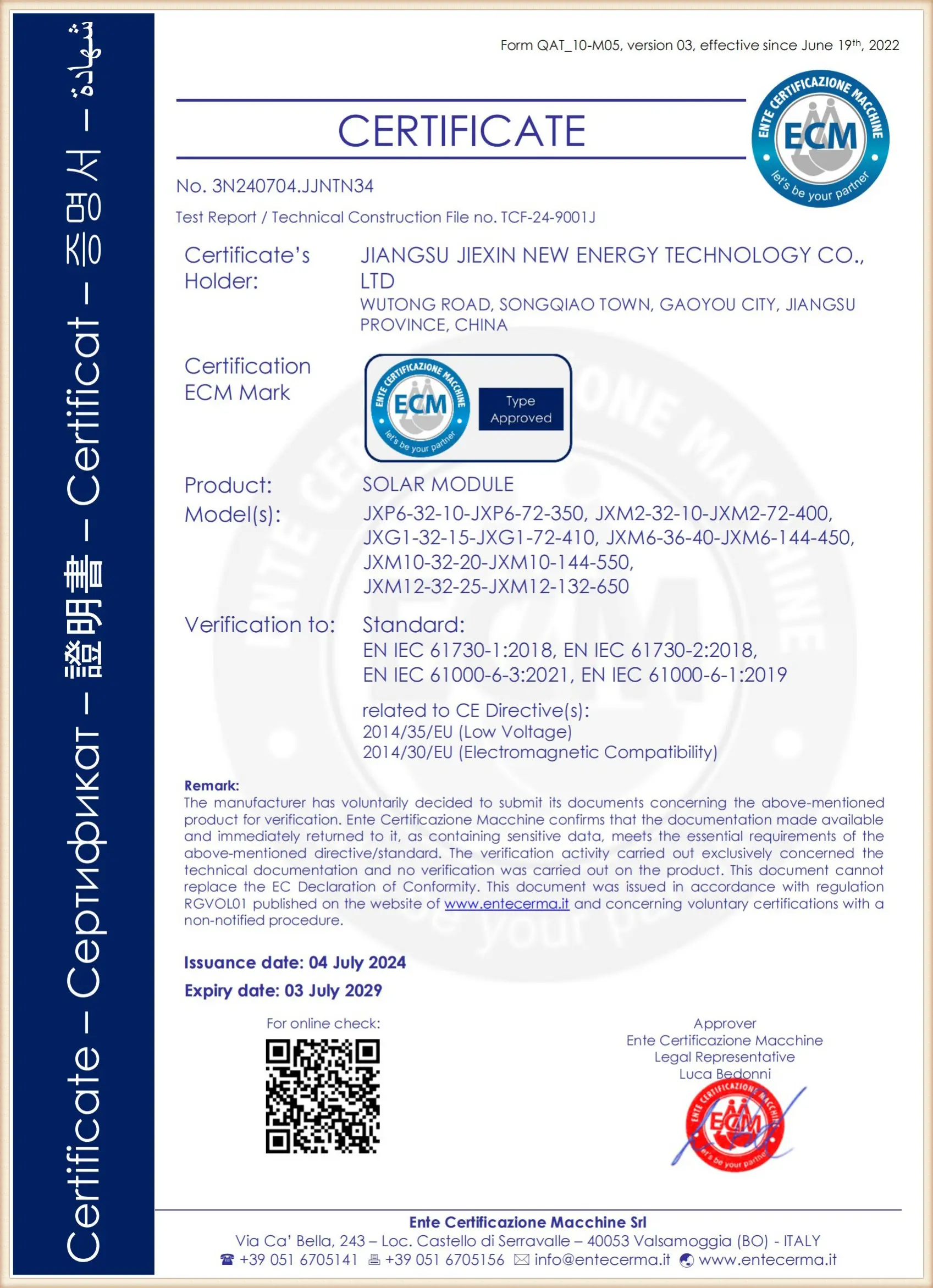
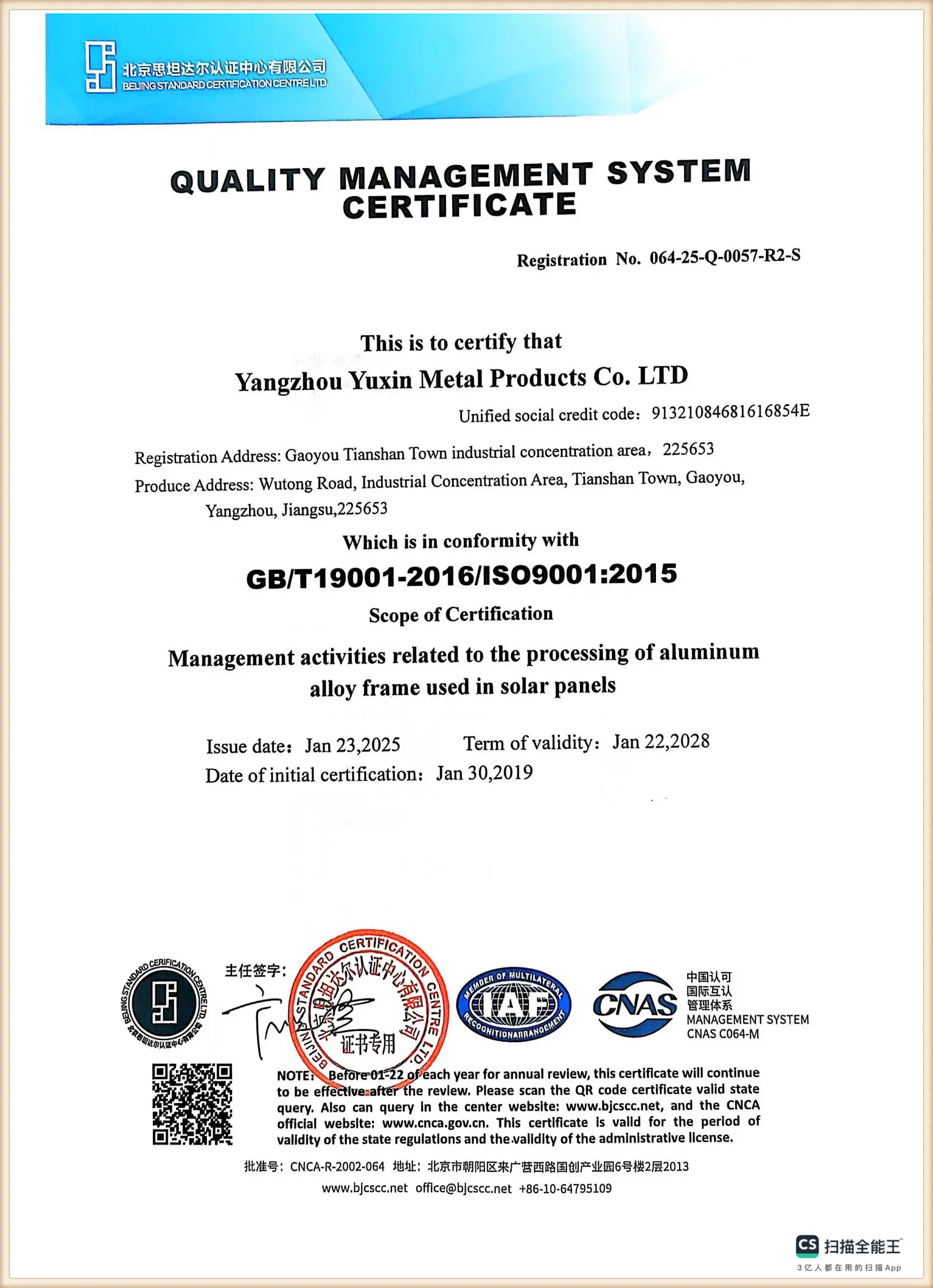
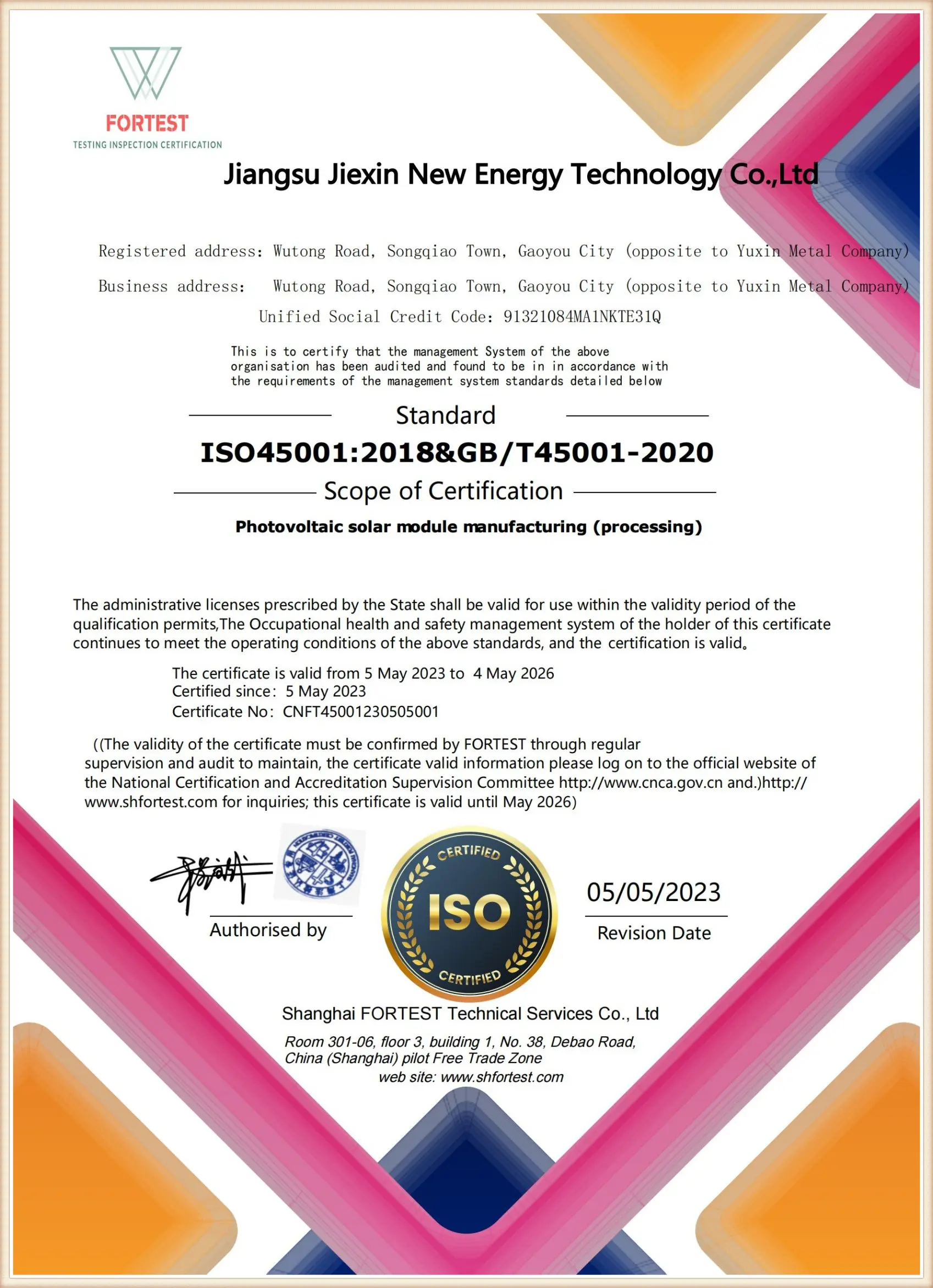
Every grid has its own standards, ranging from IEEE 1547 and UL 1741 in North America to EN 50549 across European nations. Deploying energy systems internationally requires adhering to strict safety codes and certifications. At Yuxin, our engineers design custom, pre-wired generator solar backup containers that meet these localized grid integration requirements. By handling complex compliance early in the design stage, we simplify installation and accelerate project commissioning.
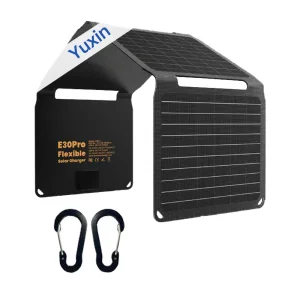
Our OEM and ODM services cover every component, including custom mounting frame profiles, private-label portable solar backpacks, and containerized multi-megawatt battery systems. Whether you need custom dimensions for our 6063-T5 aluminum frames to match specific high-load settings, or tailored electrical specs for off-grid hybrid inverters, our team delivers detailed engineering support, technical blueprints, and reliable manufacturing validation.