China DIY Solar Cabin Factories & Companies

Accelerating Off-Grid Independence with Modular Photovoltaic and Energy Storage Architectures

Featured Photovoltaic & Storage Solutions

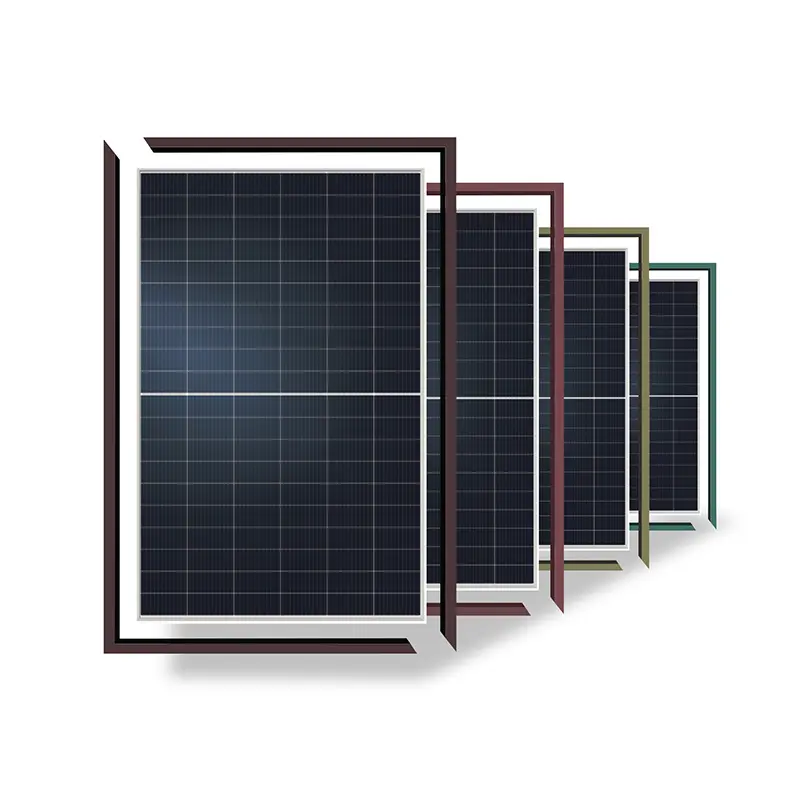
High-efficiency solar modules, structural framing, and localized off-grid accessories engineered for modular cabins.
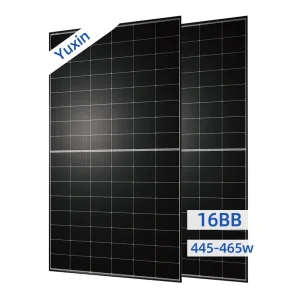
N-type Half-cell Dual Glass Solar Panel
CE Certification N-type Half-cell Dual Glass 16BB 445W-465W Solar Panel Monocrystalline Black Frame Module
Explore Technical Details
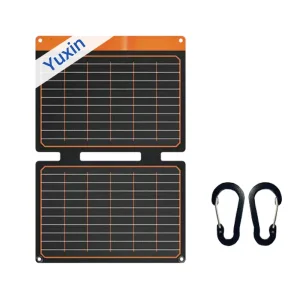
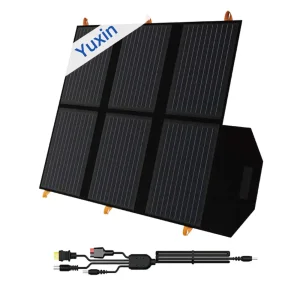
60W High Efficiency Solar Backpack
Wholesale 60W High Efficiency Waterproof Solar Backpacking & Hiking for Power Banks
Explore Technical Details
20W Waterproof Camping Backpack
Famous 20W High Efficiency Waterproof Camping Backpacking Hiking Solar Charger for Cell Phones
Explore Technical Details
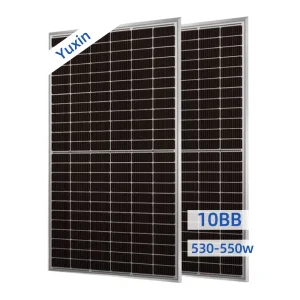
550W PERC Solar Panel Mono
CE Certification 144 Half-Cell 10BB 530W-550W PERC Solar Panel Mono Silicon Products
Explore Technical Details
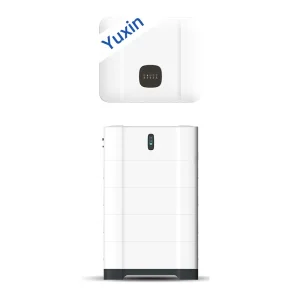
Household Energy Storage Solar System
High-Quality 8000T~15KT-10HS~30HS Household Energy Storage Solar System
Explore Technical Details
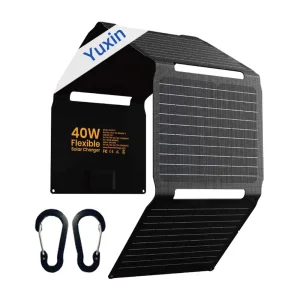
40W Waterproof Camping Backpack
ODM 40W High Efficiency Waterproof Camping Backpacking Hiking for Power Banks
Explore Technical Details
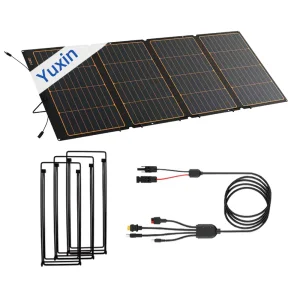
240W Waterproof Power Generator
Cheap 240W High Efficiency Waterproof Power Emergency Camping Generator for Phones & Power Stations
Explore Technical Details
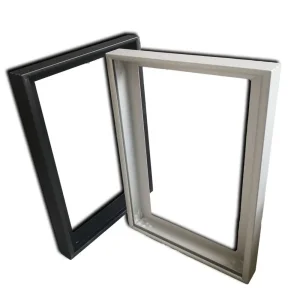
Aluminum Frames for Solar Panel
Famous 6063-T5/6005-T6 Aluminum Frames for Solar Panel Suppliers & Products
Explore Technical Details

Global Landscape of DIY Solar Cabins & Off-Grid Modular Homes

The demand for DIY solar cabins has transitioned from a niche hobbyist pursuit to a robust global industry segment. Driven by the intersection of off-grid living, sustainable architecture, remote eco-tourism, and decentralized infrastructure, modular cabins equipped with self-sustaining power systems represent the next phase of residential micro-generation. Homeowners, hospitality developers, and agricultural operators are demanding high-performance materials that combine ease of field installation with decades of operational durability.

Key Industrial Insight: Standardized structural components engineered in China account for over 70% of the world's modular cabin sub-assemblies. By integrating lightweight photovoltaic panels with highly durable pultruded frames, Chinese factories have systematically reduced the Balance of System (BOS) costs, making micro-scale solar generation economically viable on all continents.

In regions such as North America and Northern Europe, strict building regulations and remote site accessibility demand pre-engineered modular kits. Builders require systems that minimize structural loading without sacrificing structural integrity, especially under high wind loads or heavy snow accumulation. As a result, the integration of advanced materials, such as N-type TOPCon monocrystalline cells and composite polyurethane framing, has become the global benchmark for professional-grade installations.

Structural Strength

Utilizing high-tensile 6063-T5 aluminum and pultruded polyurethane frames to withstand seismic loads and extreme atmospheric corrosion.

Cell Efficiency

N-type half-cell architecture providing low degradation rates and optimized performance in low-light environments.

Advanced Protection

IP68 waterproof junction boxes and dual-glass construction to shield components from persistent humidity and hail impact.

Technical Roadmap: Material Selection & Conversion Efficiency

Designing a DIY solar cabin requires meticulous evaluation of the balance between weight, thermal stability, electrical degradation, and lifetime cycle costs. Below is the current technology roadmap defining top-tier off-grid micro-grids:

1. The Evolution of Monocrystalline Cell Architecture

In standard micro-applications, spatial footprint on the cabin roof is limited. Older PERC panels underperform compared to the latest N-type TOPCon (Tunnel Oxide Passivated Contact) configurations. N-type cells display virtually zero Light Induced Degradation (LID) and maintain a lower temperature coefficient (-0.30%/°C), translating to higher actual energy output during peak summer conditions. Combined with 16BB (Multi-Busbar) architecture, electron path lengths are minimized, boosting module conversion efficiencies to above 22.5%.

2. Structural Framing: Anodized Aluminum vs. Polyurethane Pultruded Composites

Solar panels mounted on cabin roofs must endure wind shear forces of up to 2400 Pa and snow loads of 5400 Pa. To satisfy these demands:

  • 6063-T5/6005-T6 Anodized Aluminum: Offers exceptional structural rigidity, anti-oxidative surface finishes, and lightweight characteristics facilitating rapid assembly.
  • Pultruded Polyurethane Composite Frames: Introduce a non-conductive alternative, minimizing PID (Potential Induced Degradation), providing superior thermal expansion matching with glass, and offering extreme salt-spray resistance for coastal installations.

3. Battery Energy Storage Systems (BESS)

Off-grid systems rely on modular, high-capacity energy storage. The standard transition from Lead-Acid to Lithium Iron Phosphate (LiFePO4) has drastically improved cycle life (up to 6000 cycles at 80% Depth of Discharge). Modular Commercial & Household systems operate with integrated BMS (Battery Management Systems) allowing for seamless scalability from 10kWh up to 30kWh configurations, which support standard household appliances, hybrid heating systems, and well pumps.

About YUXIN Group

Precision, Quality, and Safety - Your Photovoltaic Materials Expert

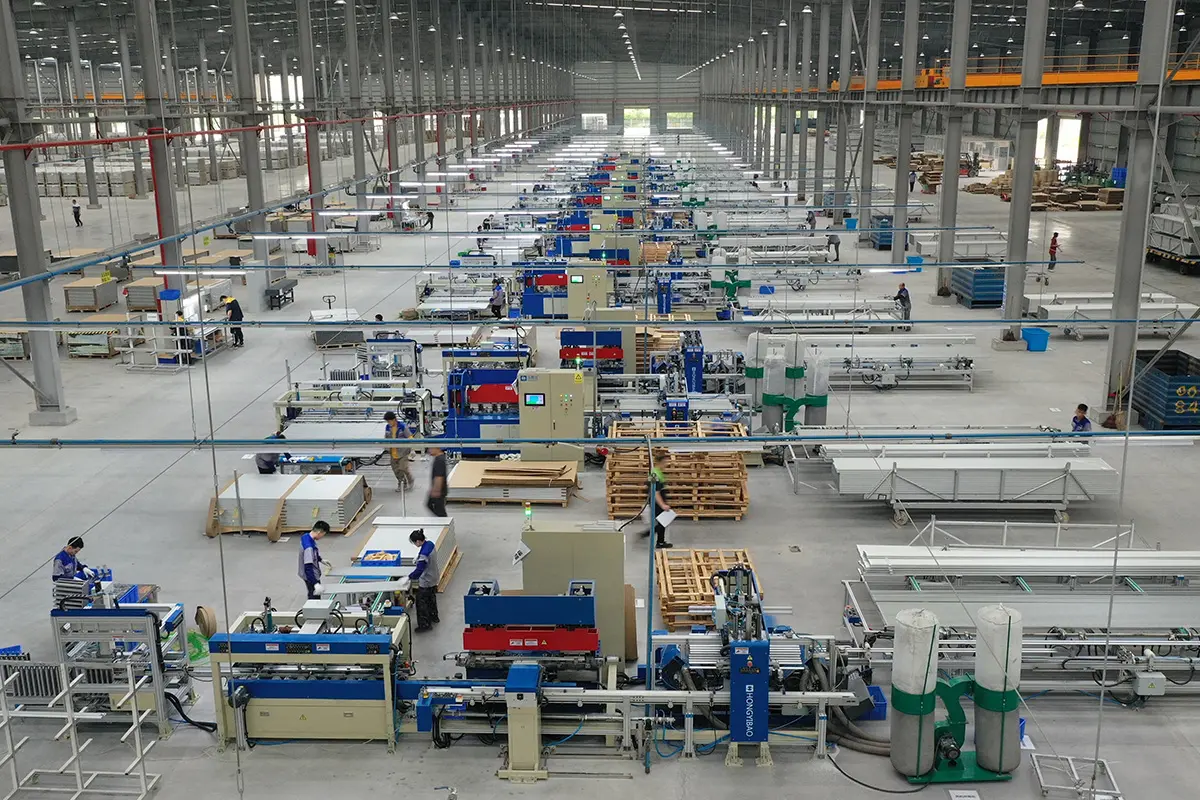
Located in the scenic historical and cultural ancient city of Yangzhou, close to the Beijing-Shanghai Expressway, Runyang Yangtze River Bridge, and Ningqi Railway, the group has a superior geographical location and convenient transportation. The group was established in 2008 and has 14 multi-field companies under its jurisdiction, including Jiangsu Yuxin New Energy Technology Co., Ltd., and has won many titles such as National High-tech Enterprise, Technology-based Enterprise, and Gaoyou City Top 100 Private Enterprises.

21+
Production Lines
$86M
Sales Revenue (USD)
12K+ Tons
Export Volume
25K Tons
Annual Output

YUXIN Core Competencies & Components

Optimized production lines serving the structural and electrical needs of DIY cabin builders globally.
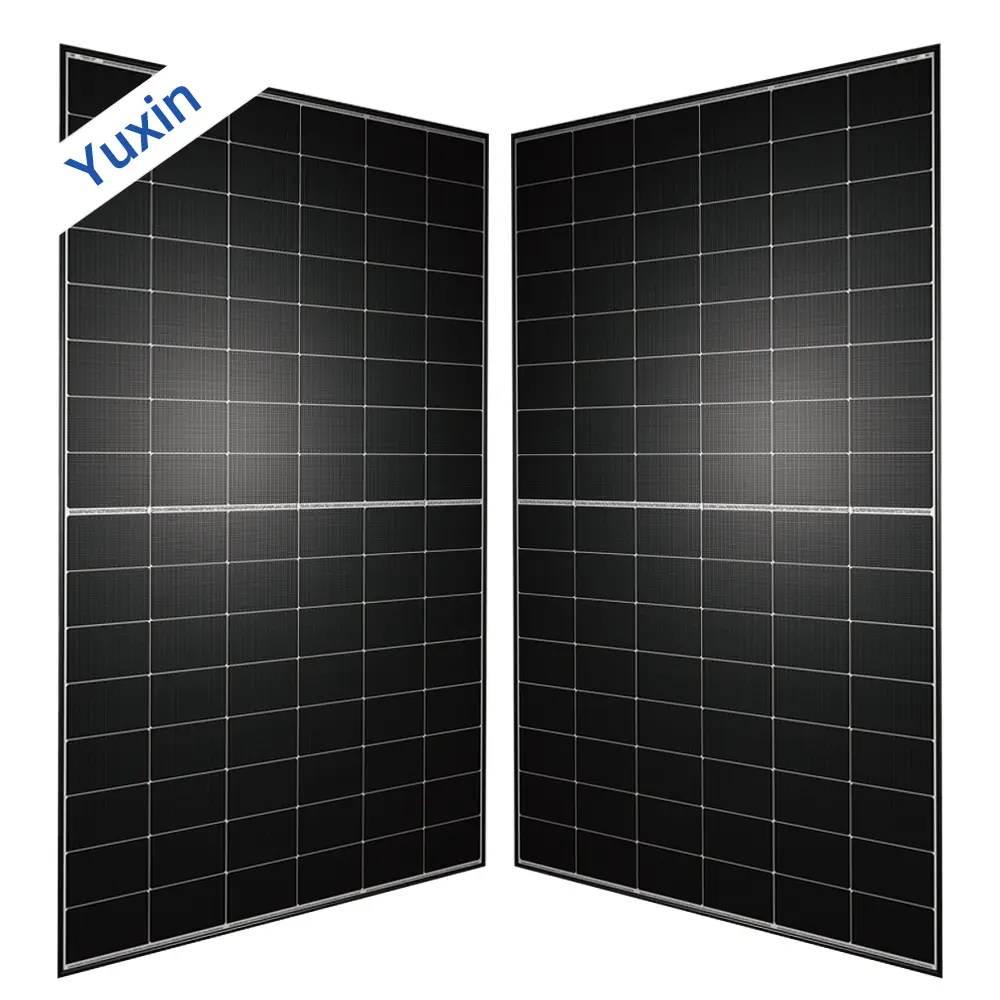
Solar Panel Design

Solar Panels

Lightweight design with transparent back panel for easy installation and reduced BOS costs.
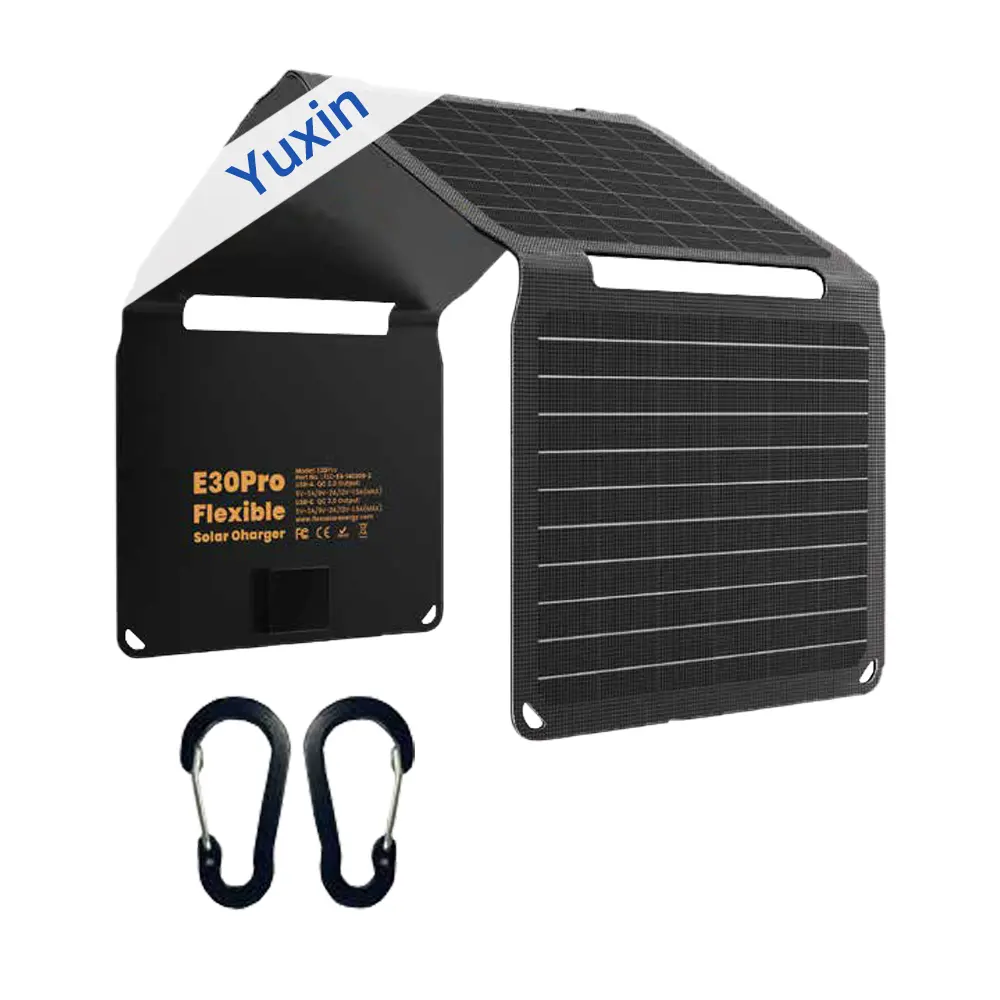
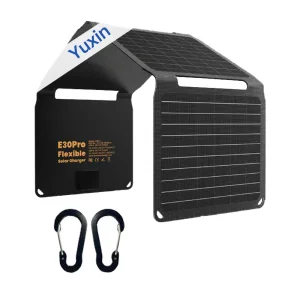
Portable Solar Charger

Portable Solar Chargers

Utilizing advanced monocrystalline silicon cells, achieving energy conversion efficiency up to 24%.
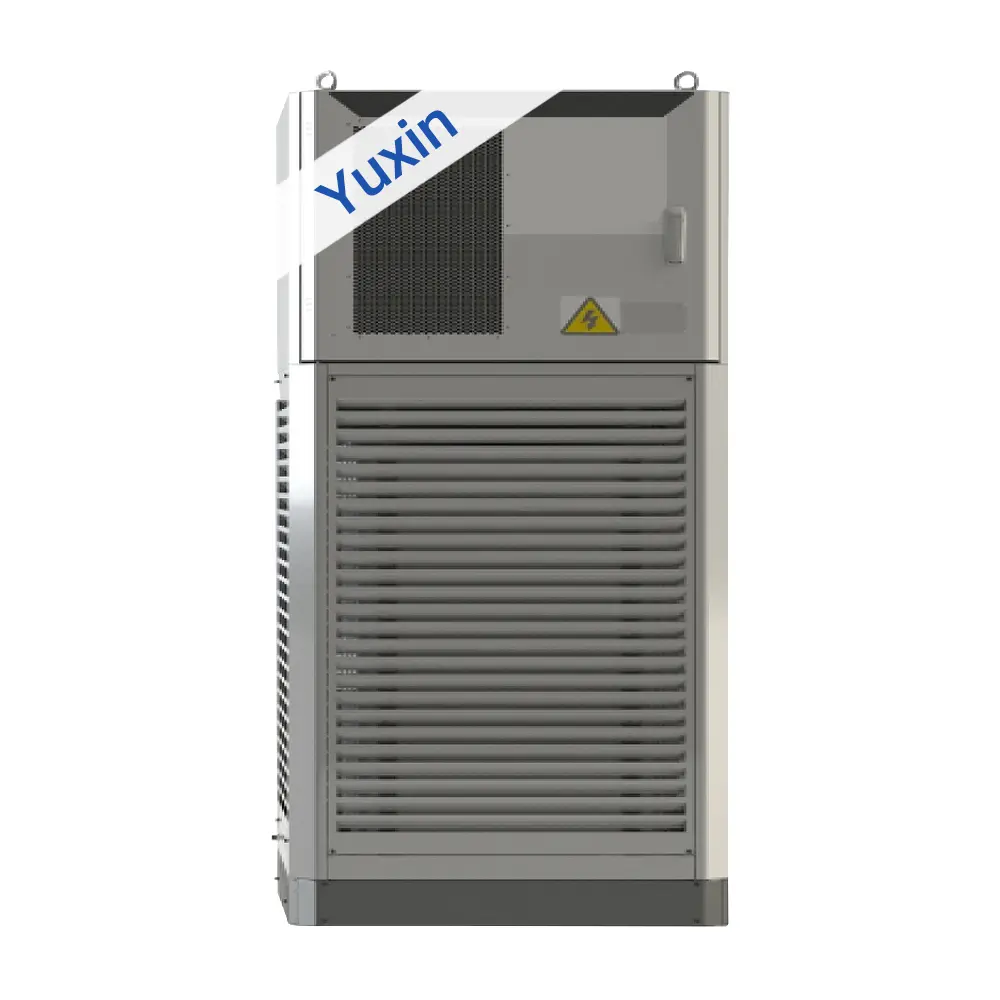
Solar System For Home

Solar Systems for Homes

Application modes include grid-connected, off-grid, and integrated grid-connected/off-grid systems.
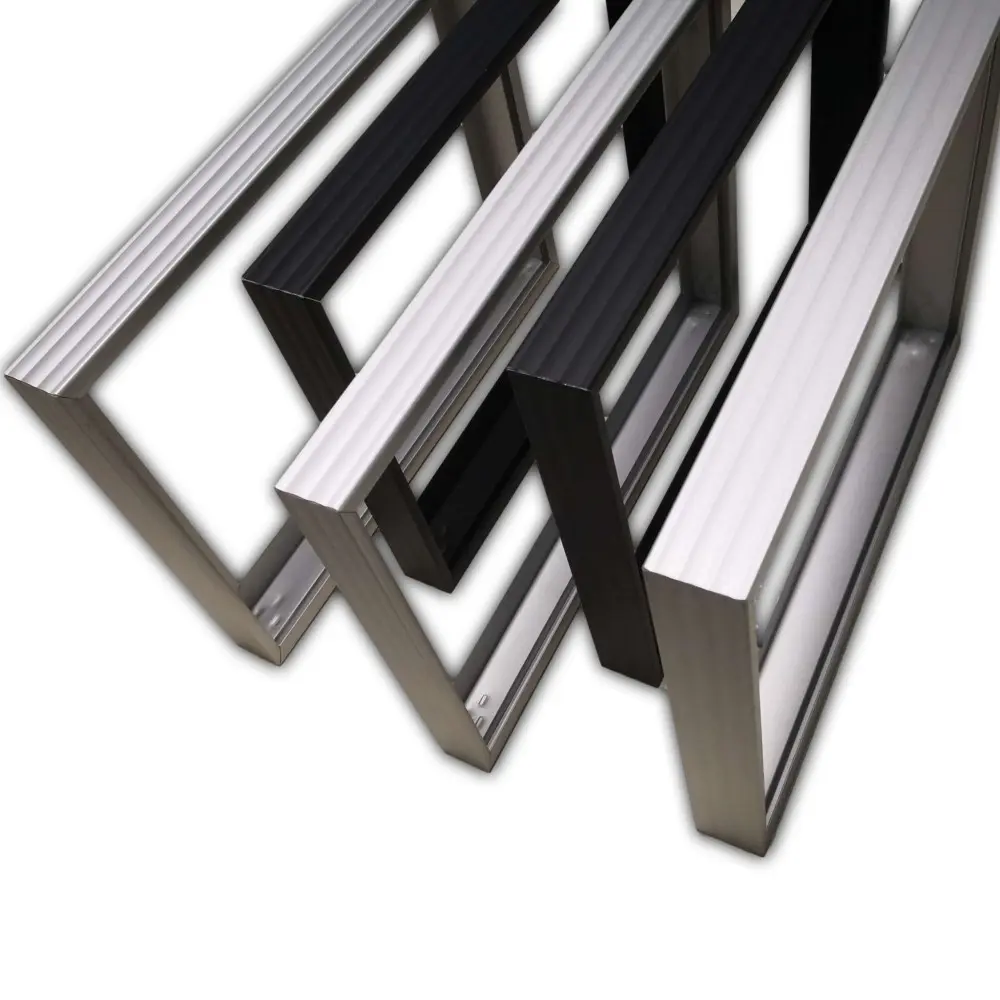
Aluminum Frames

Aluminum Frames

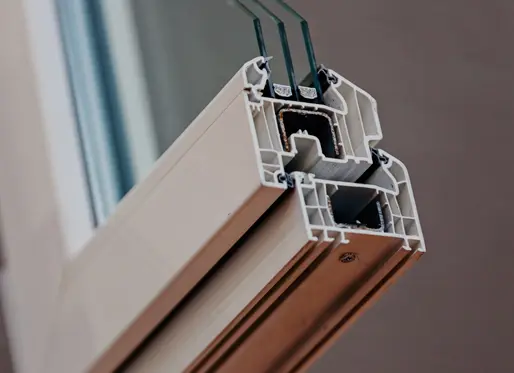
Made of high-quality anodized aluminum, ensuring superior weather resistance and a smooth finish.

Localized Scenarios & Applied Engineering

A true DIY solar cabin solution is not one-size-fits-all; it must adapt to the environmental and systemic needs of different regional micro-applications:

Eco-Tourism & Off-Grid Glamping

Commercial glamping operators require silent, automated power supplies. Relying on diesel generators ruins the guest experience and increases maintenance overhead. A modular cabin configured with a 5kW N-type bifacial array and a 15kWh energy storage system yields enough electricity to power mini-fridges, HVAC units, LED lighting, and customer charging docks. The system runs completely silent, operating on a high-voltage hybrid inverter that automatically manages battery state of charge.

Remote Homesteading & Agricultural Cabins

For small-scale farms, ranches, or deep-woods retreats, solar cabins act as decentralized hubs. High-efficiency modules with anodized frames are ideal for resisting organic chemical vapor environments (such as near livestock or greenhouses). These systems easily integrate with shallow water well pumps, smart agricultural sensor networks, and automated ventilation systems, operating independently of utility companies.

Disaster Recovery & Emergency Command Units

During climate-driven emergencies or power grid collapse, rapidly deployable DIY solar cabins provide shelter, high-speed telecom connectivity, and emergency medical refrigeration. Combining portable 240W generators, solar backpacking gear for field personnel, and centralized containerized modular energy storage systems allows teams to erect functional command centers in under 24 hours.

Global Industry Applications

Our products and framing materials provide critical mechanical support and energy conversion across diverse sectors.

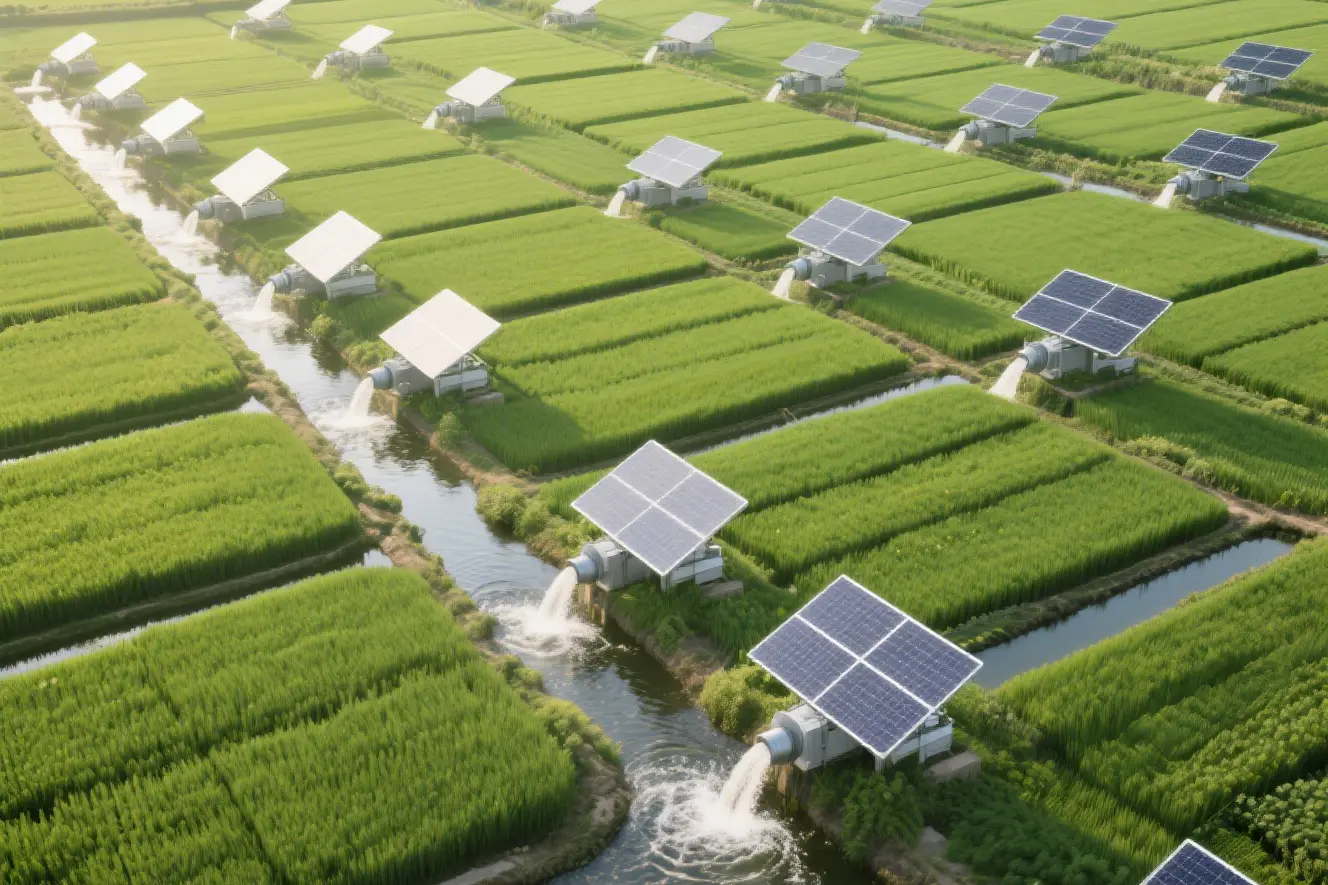
Agriculture Applications

Agriculture Sector

Empowering solar water pumping, hydroponics, and rural electrification networks.

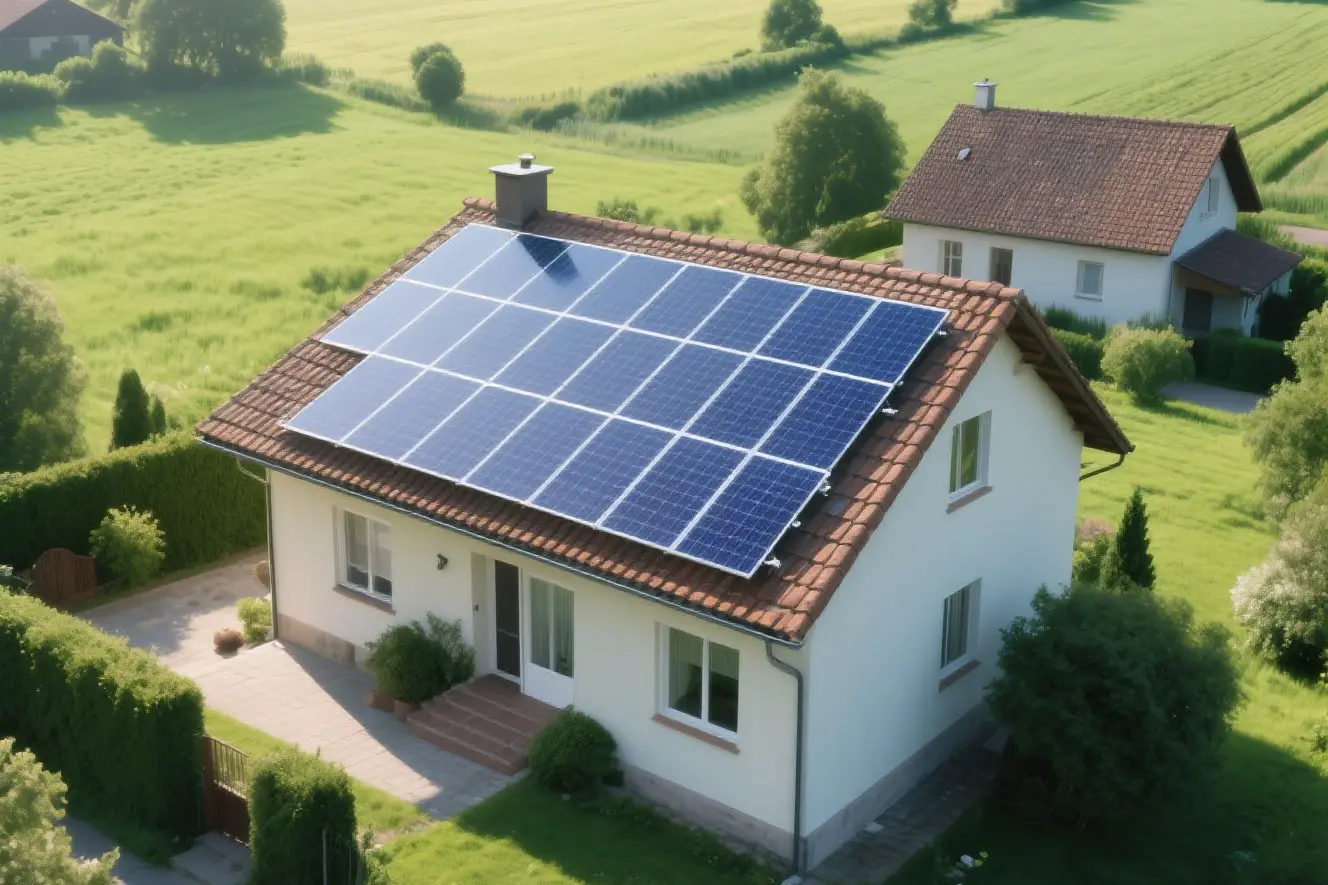
Construction Applications

Construction & BIPV

Integrating durable structural solar systems directly into building skins and rooftops.

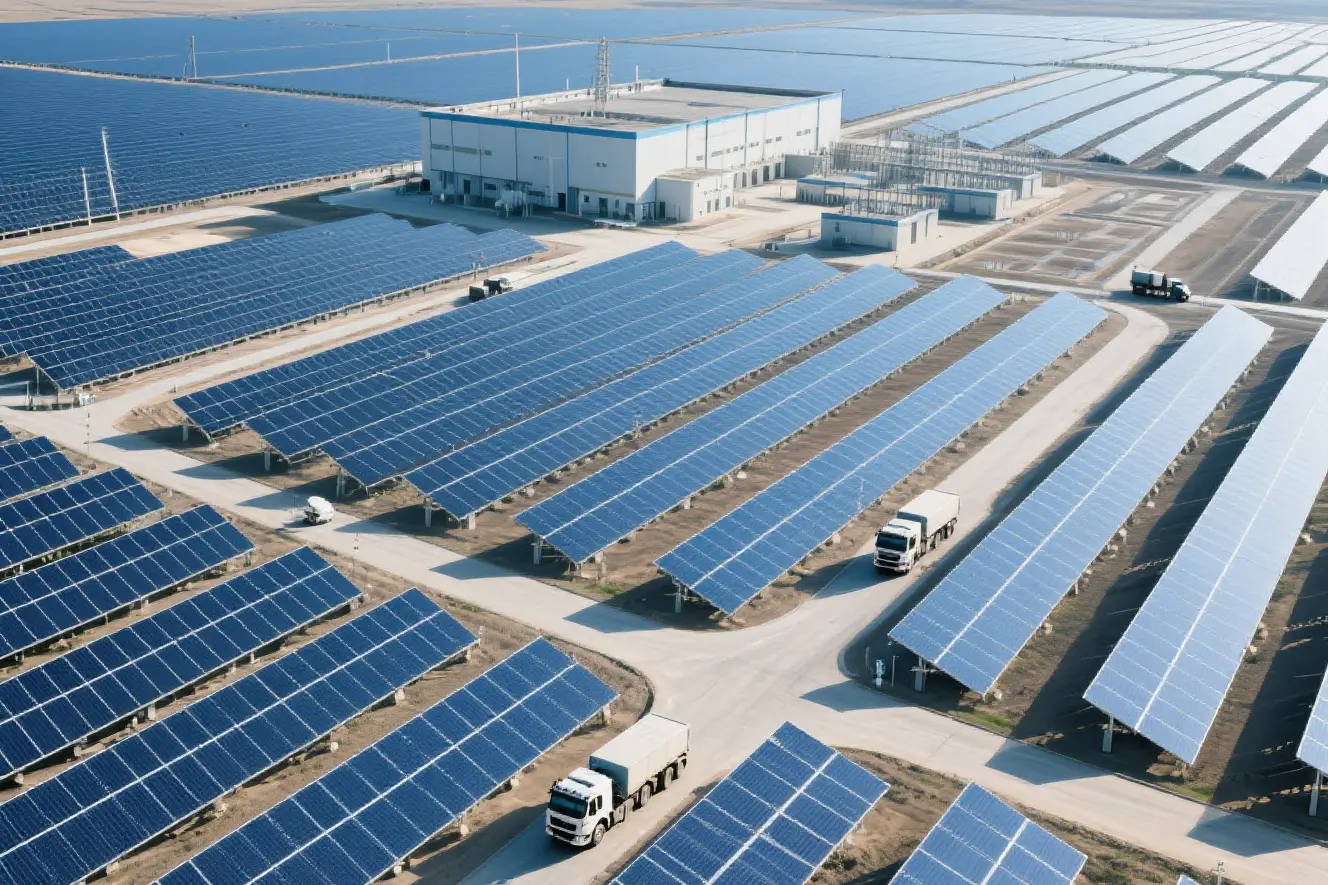
Electric Power Applications

Electric Power Grid

Utility-scale and micro-grid substations utilizing high-efficiency monocrystalline arrays.

Outdoors Applications

Outdoors & Recreation

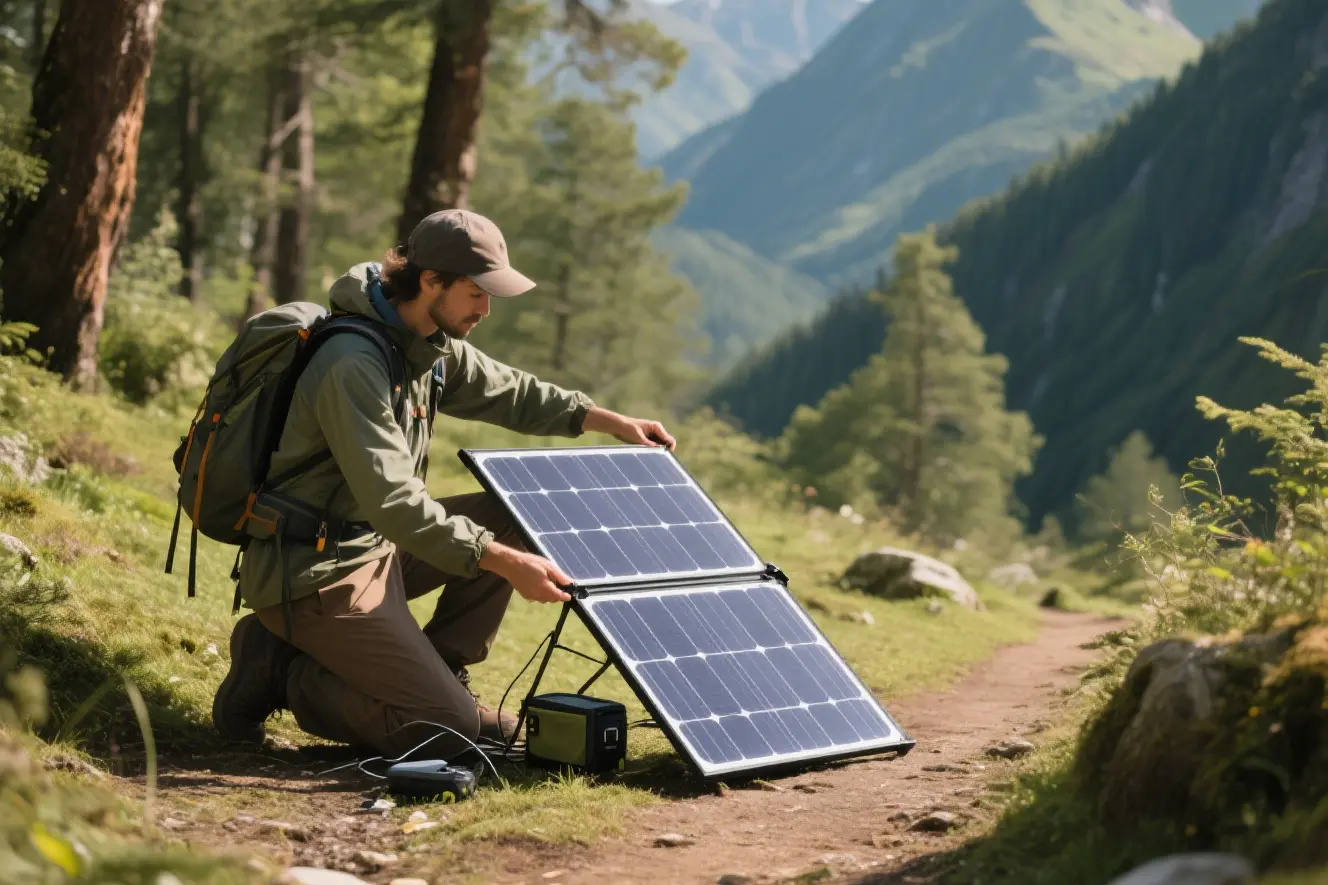
Portable backup generators, camping chargers, and high-efficiency solar backpacks.

Telecommunications Applications

Telecommunications

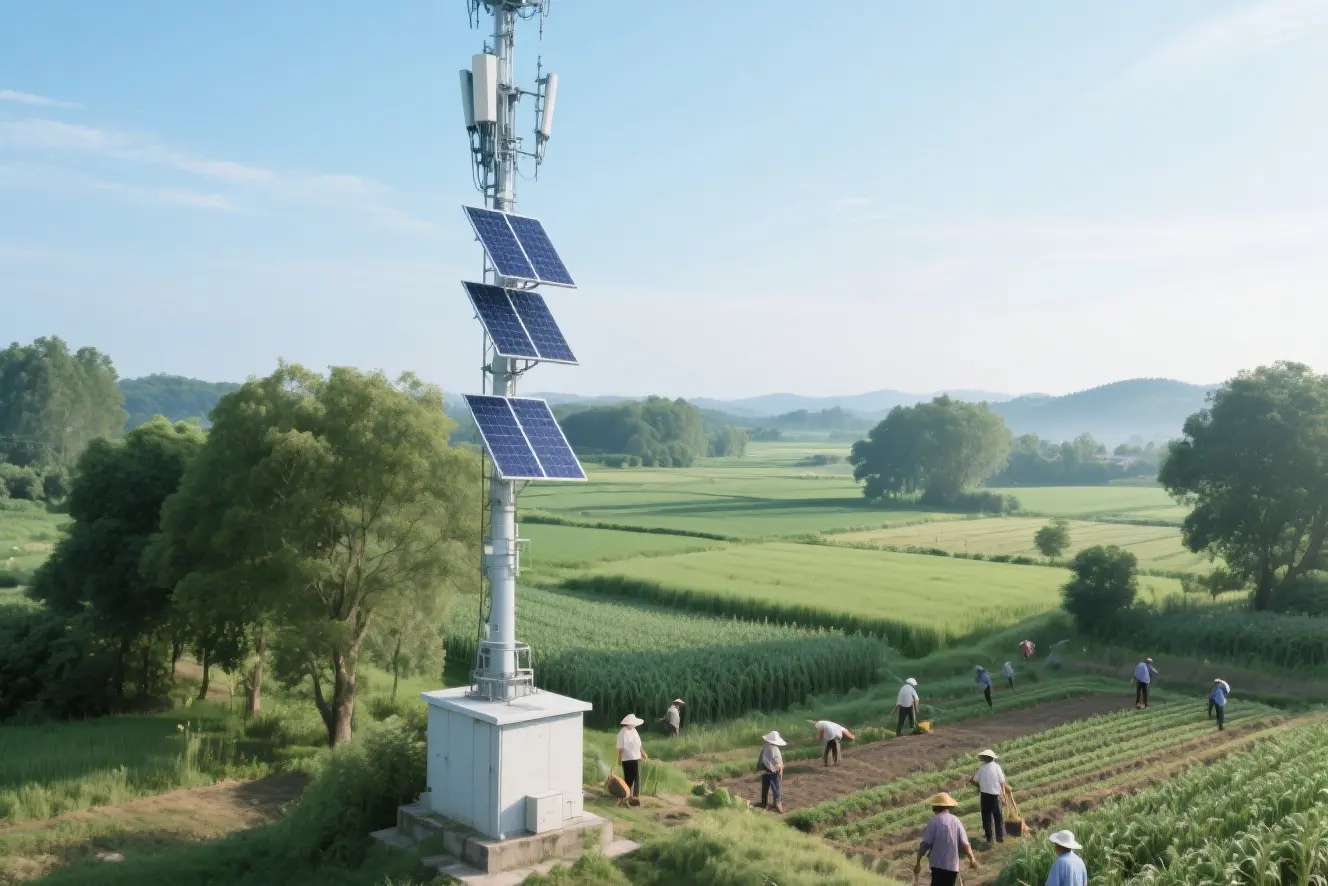
Powering remote microwave repeater links, 5G base stations, and satellite dishes.

Transportation Applications

Transportation Systems

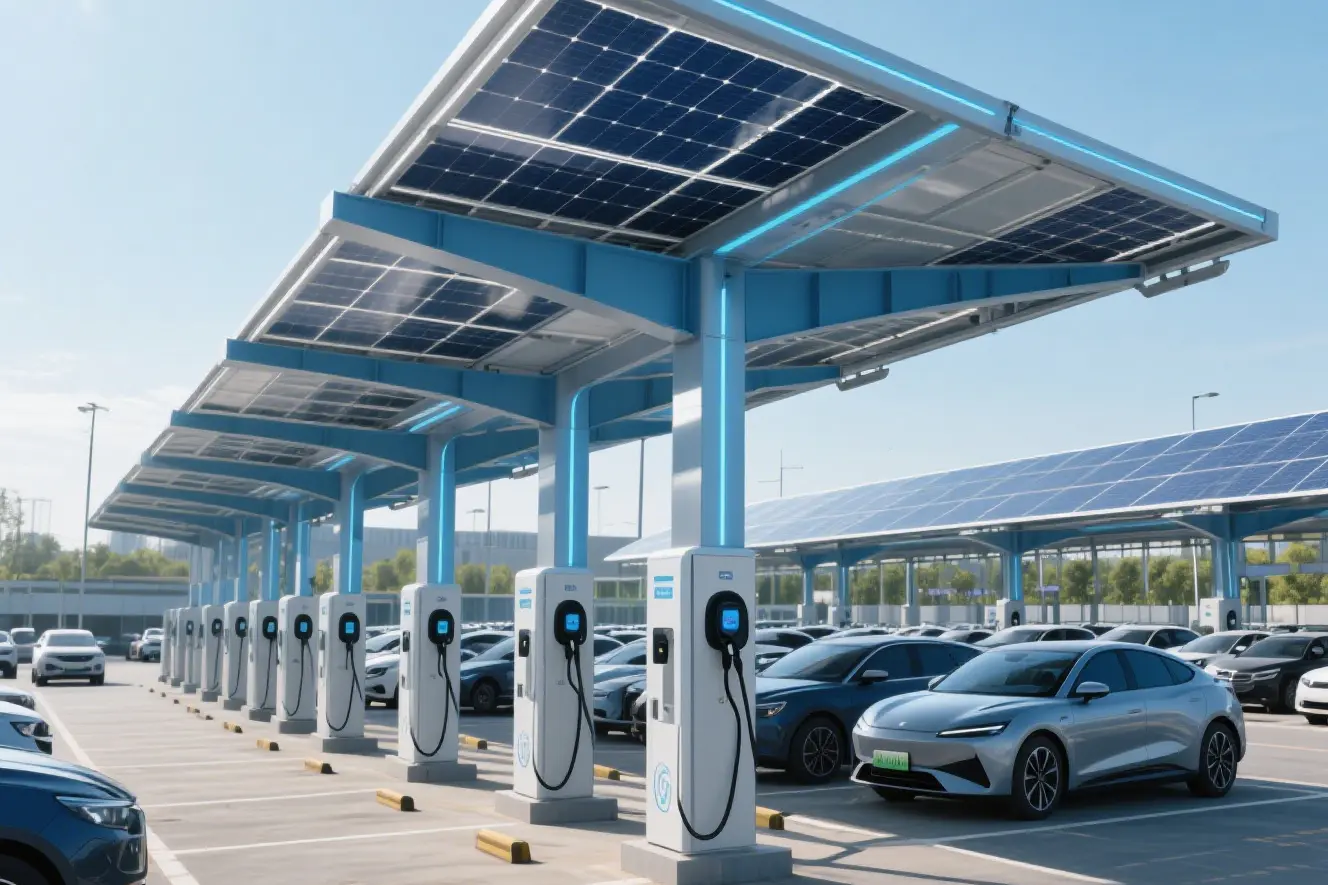
Solar integrated signage, toll stations, and charging hubs for remote EV networks.

International Quality Certifications

Our manufacturing processes and materials comply with strict international regulatory standards, ensuring compliance and long operational lifespans.
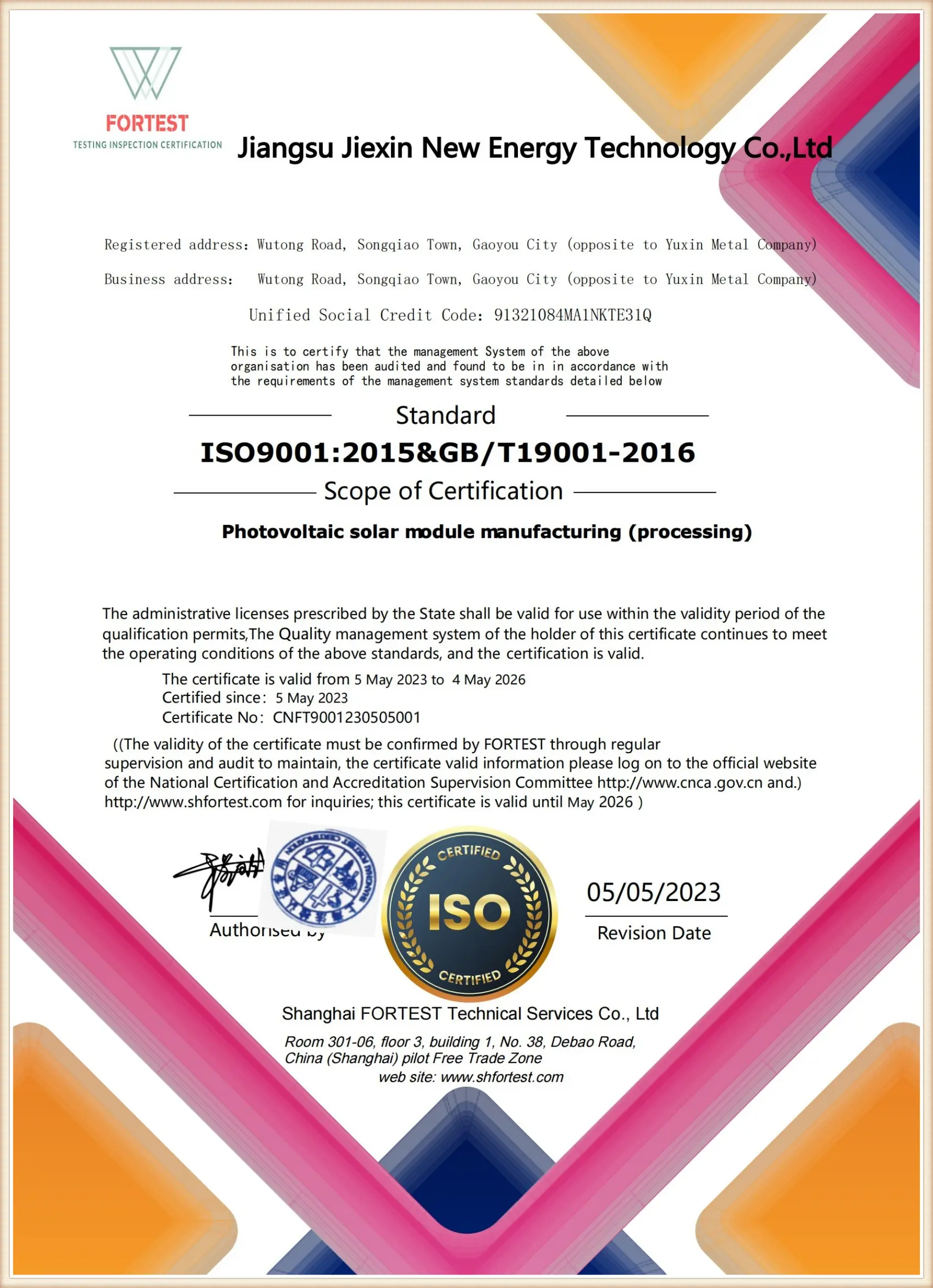
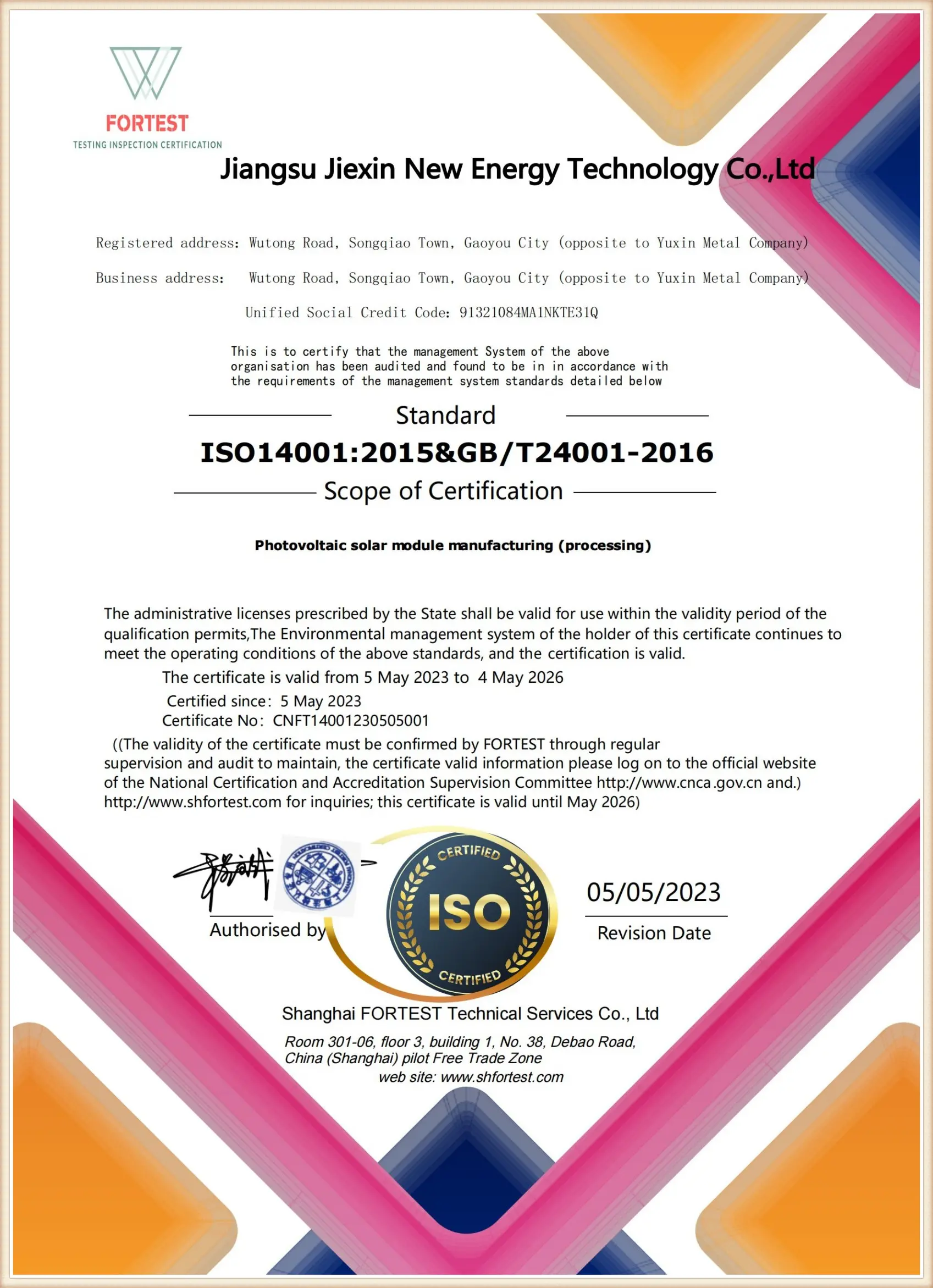
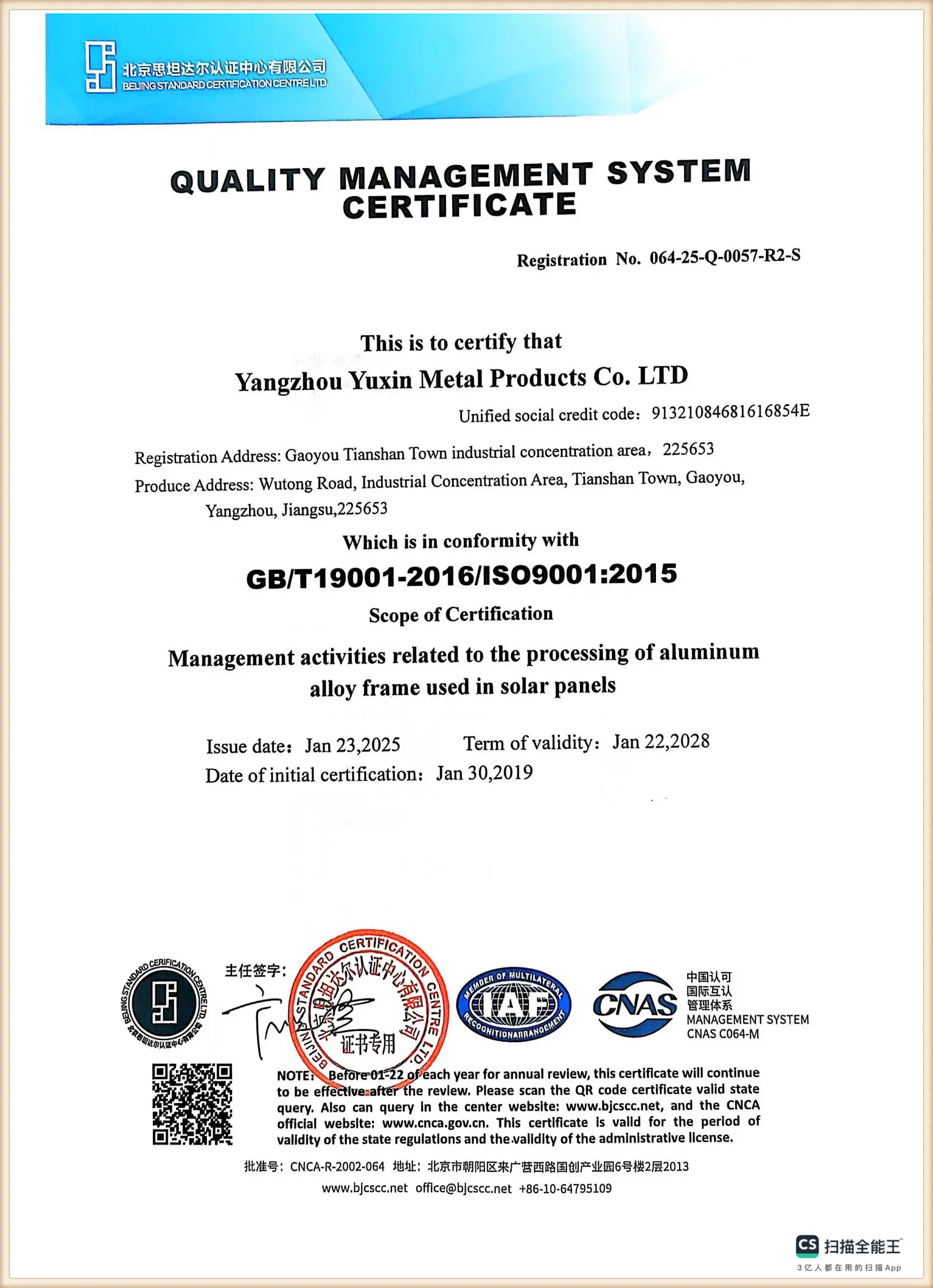
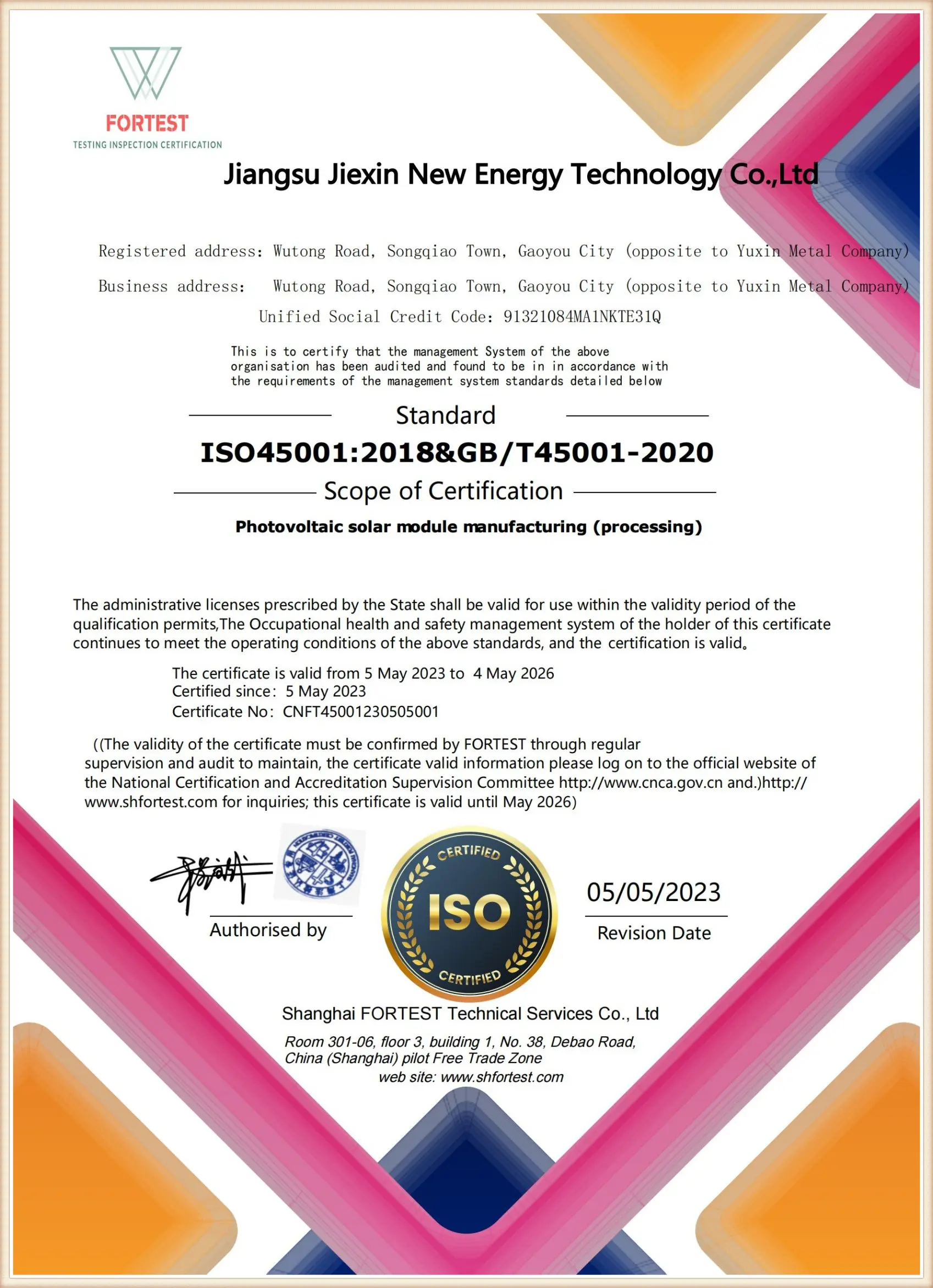
ISO Certification
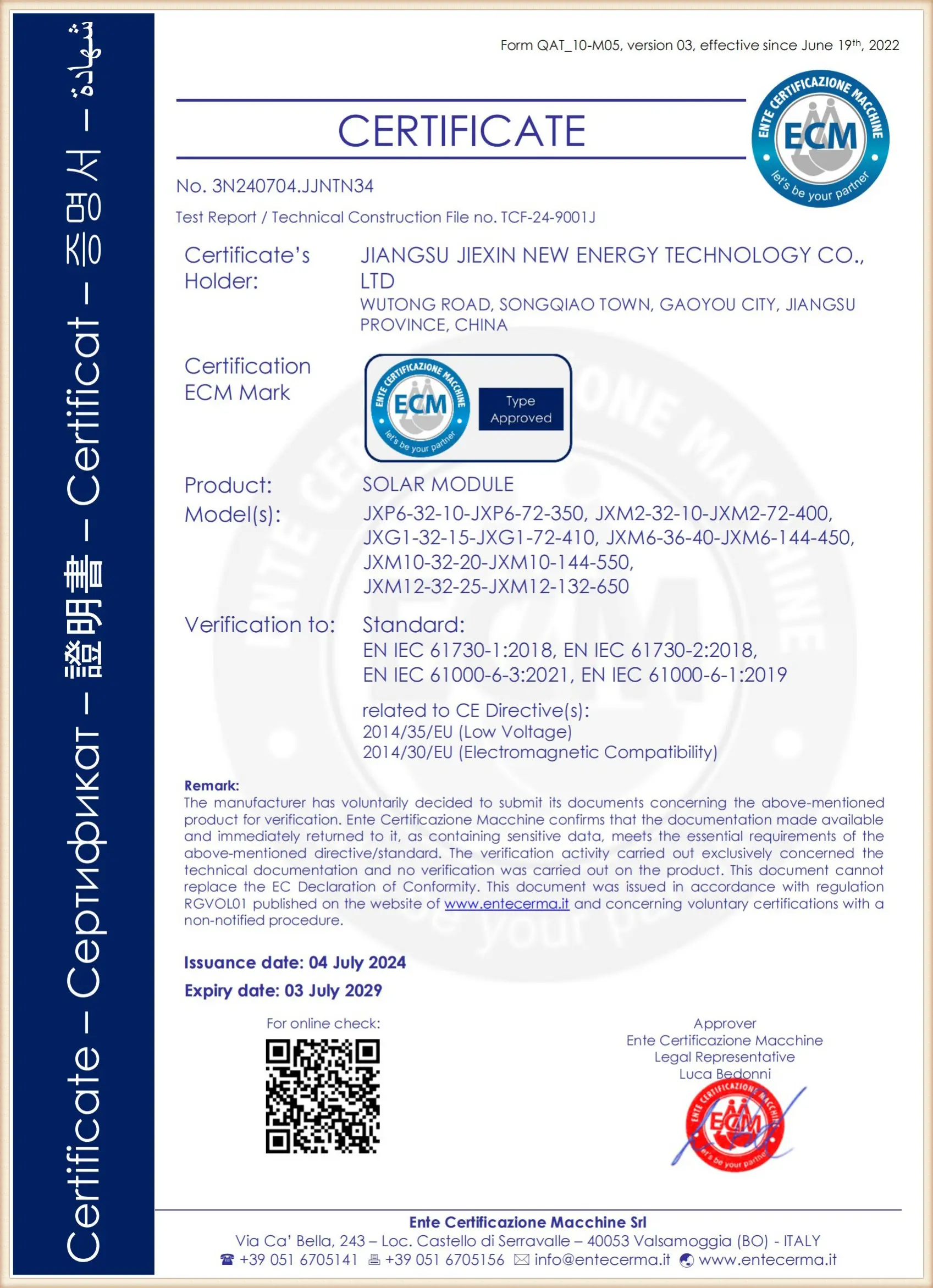
CE Certificate
TUV Rheinland Certificate
CQC Certification
ROHS Compliance

Collaborative Partners & Supply Chain

Through years of collaborative excellence, YUXIN has developed strong global enterprise relationships.
Industry Insights & Updates

Technological updates and quality control methodologies from our engineering labs.

Solar Panel Frame Quality
2026-06-16

What Makes a High-Quality Solar Panel Frame?

An analysis of structural load limits, anti-corrosive treatments, and geometric designs necessary for harsh environmental exposures.

OEM Solar Frame Manufacturer
2026-06-15

How to Choose a Reliable OEM Solar Frame Manufacturer in China

A comprehensive sourcing roadmap assessing raw material alloy purity, extrusion tolerances, and quality certifications.

Solar Panel Frame Quality Control
2026-06-14

Solar Panel Frame Quality Control: Key Inspection Standards Explained

Unveiling the testing protocols behind anodization thickness, shear strength, tensile limits, and salt spray resistance.

DIY Solar Cabin Integration: Technical FAQ

Deep engineering insights answering the most critical questions from structural engineers and micro-grid installers.

Q1: How do I size the solar PV capacity for an off-grid DIY solar cabin?
To accurately size your cabin's solar array, calculate your daily energy usage in Watt-hours (Wh). Take the power rating of each appliance, multiply by its hours of run time, and sum the totals. Account for a system loss factor of approximately 20-25% (inverter conversion loss, temperature degradation, and wiring resistance). For example, a daily load of 3,000Wh requires at least an operational yield of 3,800Wh per day. In an area with 4 peak sun hours, this requires a minimum 950W solar array (e.g., 2 x 480W panels or 3 x 350W panels).
Q2: Why choose N-Type TOPCon panels instead of PERC panels for cabin roofs?
N-Type TOPCon panels exhibit lower power degradation rates (around 1% in year one and 0.4% annually thereafter) compared to PERC panels (typically 2% in year one and 0.55% annually). Furthermore, TOPCon modules offer superior bifaciality (up to 80-85% compared to 70% for PERC) and a much better temperature coefficient. If your cabin experiences high summer heat or operates in sub-zero winter temperatures, TOPCon will maintain higher energy production efficiency over the lifetime of the system.
Q3: What are the engineering benefits of polyurethane composite solar frames?
Polyurethane composite pultrusion frames possess excellent mechanical properties, with a tensile strength exceeding that of standard aluminum by up to 2-3 times. They do not act as electrical conductors, completely neutralizing Potential Induced Degradation (PID) without requiring manual grounding of each frame. Additionally, their coefficient of thermal expansion is highly compatible with solar glass, preventing glass breakage under extreme temperature swings. Their corrosion resistance makes them exceptionally well-suited for high-humidity, marine, or highly industrial environments.
Q4: Can off-grid solar systems support inductive loads like refrigerators and AC units?
Yes, but they require careful sizing of the inverter. Inductive loads contain electric motors (compressors, pumps) that demand a surge startup current 3 to 7 times their nominal running wattage. Your inverter must have a surge capacity rating capable of handling this spike. We recommend utilizing a pure sine wave inverter with a peak power capacity at least double the combined starting surges of all automated cabin loads.
Q5: How do I secure solar panels to withstand high winds and heavy snow loads?
Panels must be secured using high-tensile structural frames, such as 6063-T5 anodized aluminum, fastened with stainless steel (SUS304) hardware. Ensure mounting brackets are anchored directly to the structural rafters of the cabin, not just the sheathing. Tilt angles should be adjusted to allow natural snow shedding. Our frames are certified to withstand mechanical downward forces of up to 5400 Pa (equivalent to dense snow) and wind suction forces of 2400 Pa.
Q6: What certifications should I check when purchasing solar equipment from China?
For mechanical and electrical safety, verify that components have CE Certification, CQC, TUV Rheinland approvals, and ROHS environmental compliance. These certifications guarantee that the solar cells, frames, and electrical junctions have passed rigorous structural, electrical, insulation, and environmental degradation trials.

Explore Our Complete System & Component Catalog

High-precision solar accessories, structural modules, and customized portable power assemblies for off-grid cabins.
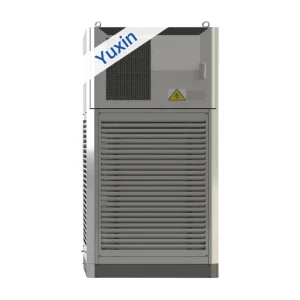
Modular Energy Storage System
China Modular Commercial Energy Storage System P01-EC60-30K Supplier Quotes
Explore Technical Details
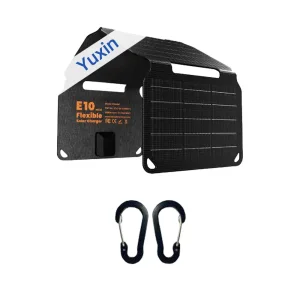
10W Solar Backpack
Custom 10W High Efficiency Waterproof Camping Backpacking Hiking Solar Power Bank
Explore Technical Details
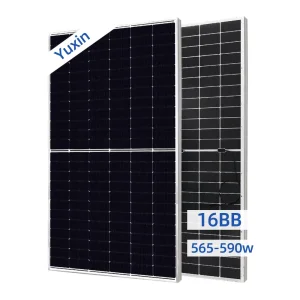
TOPCon Solar Panel Mono
Discount N-type Half-cell Bifacial Dual Glass TOPCon 16BB 565W-590W Solar Panel Mono Silicon (144)
Explore Technical Details
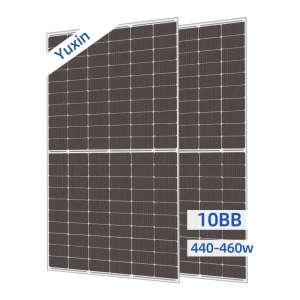
PERC Solar Panel Mono
Cheap Half-Cell 10BB 440W 445W 450W 455W 660W PERC Solar Panel Mono Silicon (120) Quotes
Explore Technical Details
Polyurethane Composite Solar Frame
Cheap Sustainable Polyurethane Pultruded Composite Material Aluminum Frames for Solar Panel
Explore Technical Details
30W Solar Backpack
OEM 30W High Efficiency Waterproof Camping Backpacking Hiking for Cell Phone Power Banks
Explore Technical Details
Household BESS
High-Quality 8000T~15KT-10HS~30HS Household Energy Storage Solar System Suppliers
Explore Technical Details
TOPCon Solar Module
CE Certification N-type Half-cell Dual Glass 16BB 445W-465W Solar Panel Monocrystalline
Explore Technical Details