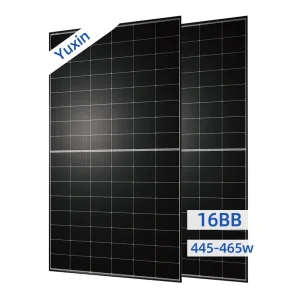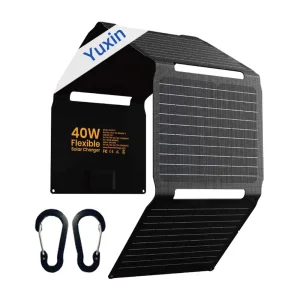
Browse our primary manufacturing runs for export. High-efficiency modules customized for mobile, residential, and outdoor setups.
How engineering advancements are shifting off-grid recreation into high-reliability environments.
The global demand for off-grid vehicle power solutions—commonly categorized under "Car Camping Solar Setups"—has transitioned from hobbyist custom builds to high-volume engineering modules. Modern systems rely on complex combinations of high-efficiency photovoltaic panels (primarily Monocrystalline PERC and N-Type TOPCon cells), high-performance Maximum Power Point Tracking (MPPT) charge controllers, and compact lithium iron phosphate (LiFePO4) battery arrays.
Unlike static residential installations, mobile setups are subject to extreme mechanical stress: off-road vibrational loads, wide-ranging thermal cycles (-20°C to +80°C), and inconsistent solar angles. Consequently, component longevity hinges on specialized encapsulation techniques, UV-resistant backsheets, and durable structural framing. As direct suppliers, we optimize every node of this mobile system architecture to ensure peak coefficient values under erratic solar conditions.
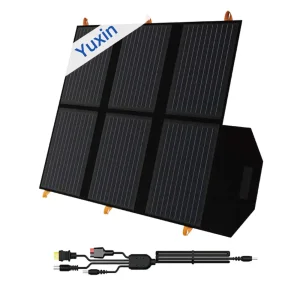
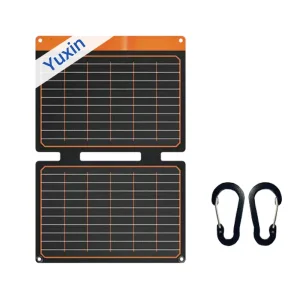
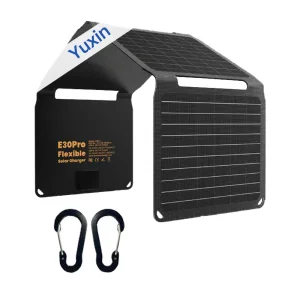
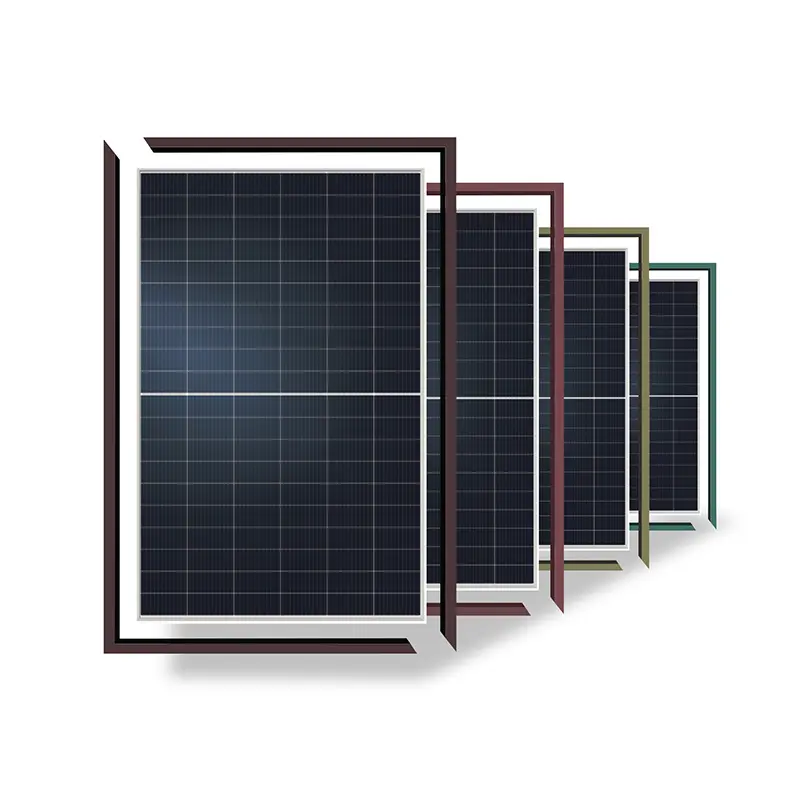
Utilizing monocrystalline silicon to guarantee up to 24% conversion rates under real-world shading and cloud cover.
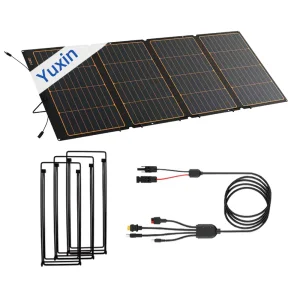
Off-grid energy system compatibility with standard 12V/24V camper van networks and high-capacity portable backup banks.
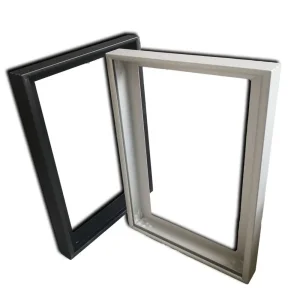
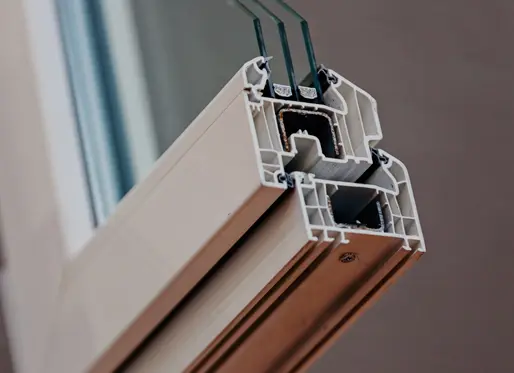
Engineered with premium Al6063 frames and advanced polyurethane pultruded composites to resist mechanical stress.
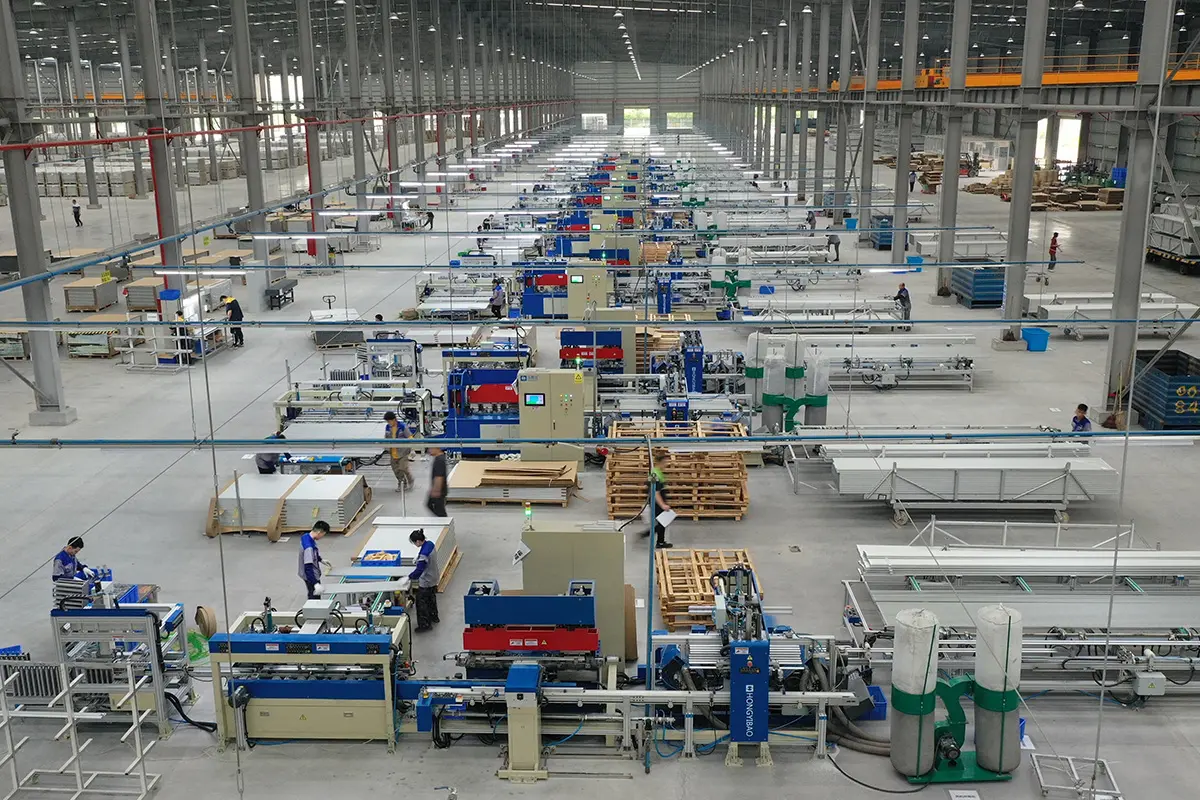
OEM structural and photovoltaic foundations manufactured at our main Yangzhou facility.
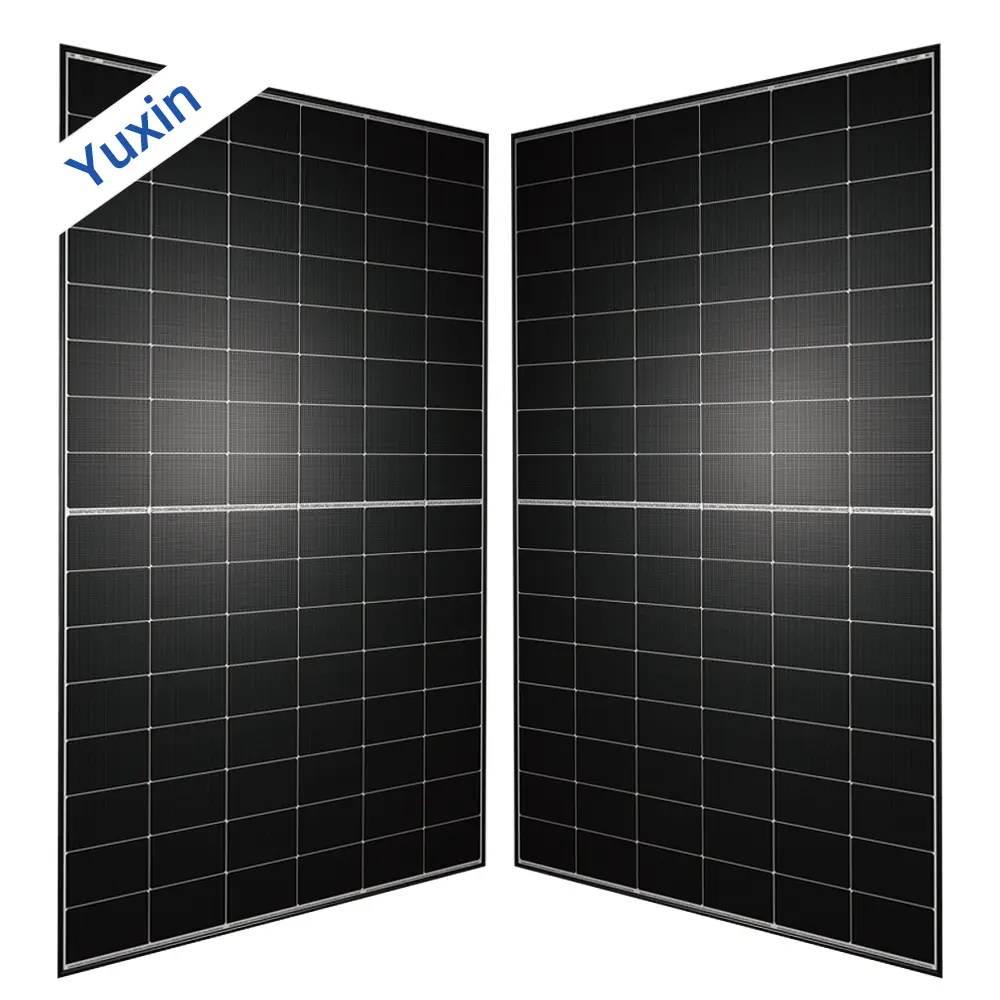
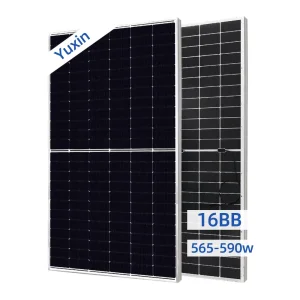
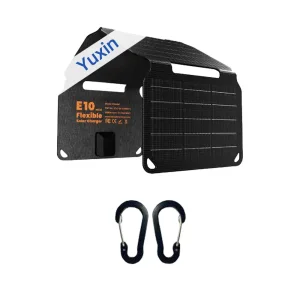
Lightweight design with transparent back panel for easy installation and reduced BOS costs.
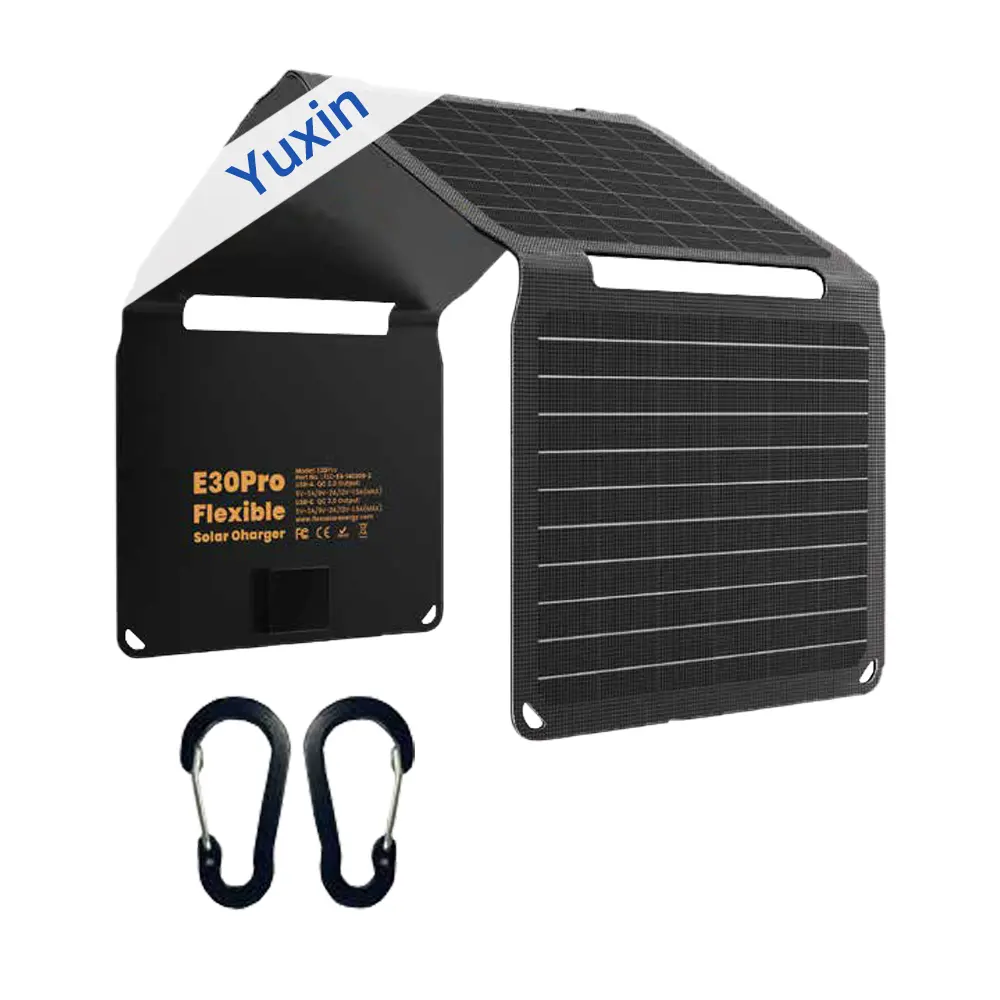
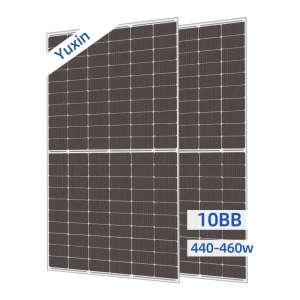
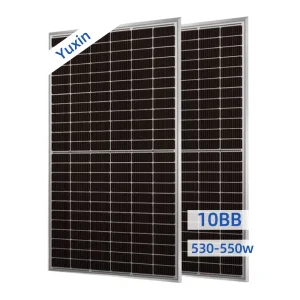
Utilizing advanced monocrystalline silicon cells, it achieves a high energy conversion efficiency of 24%.
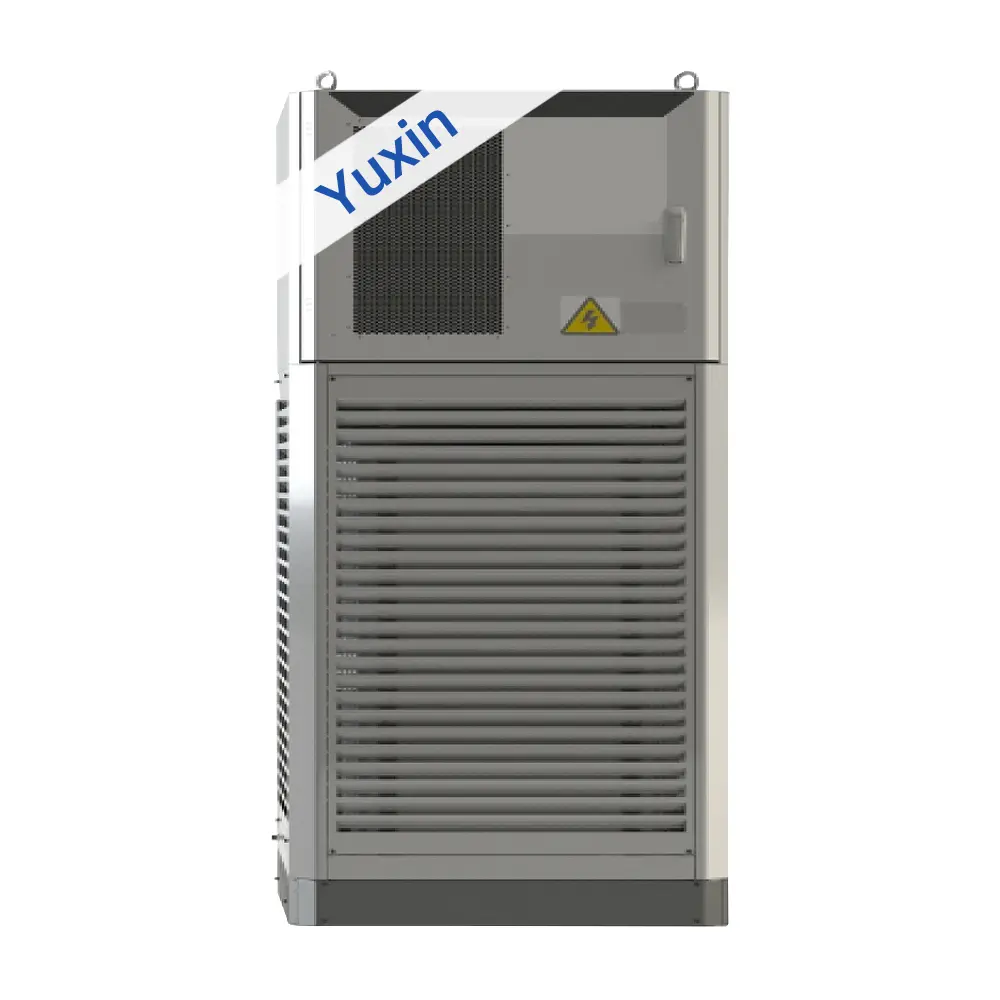
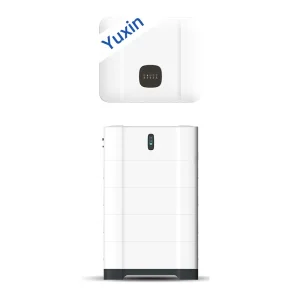
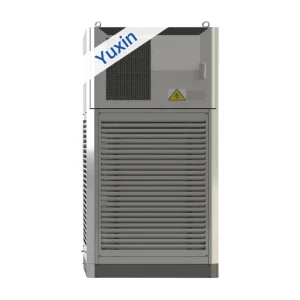
Application modes include grid-connected mode, off-grid mode, and integrated grid-connected/off-grid mode.
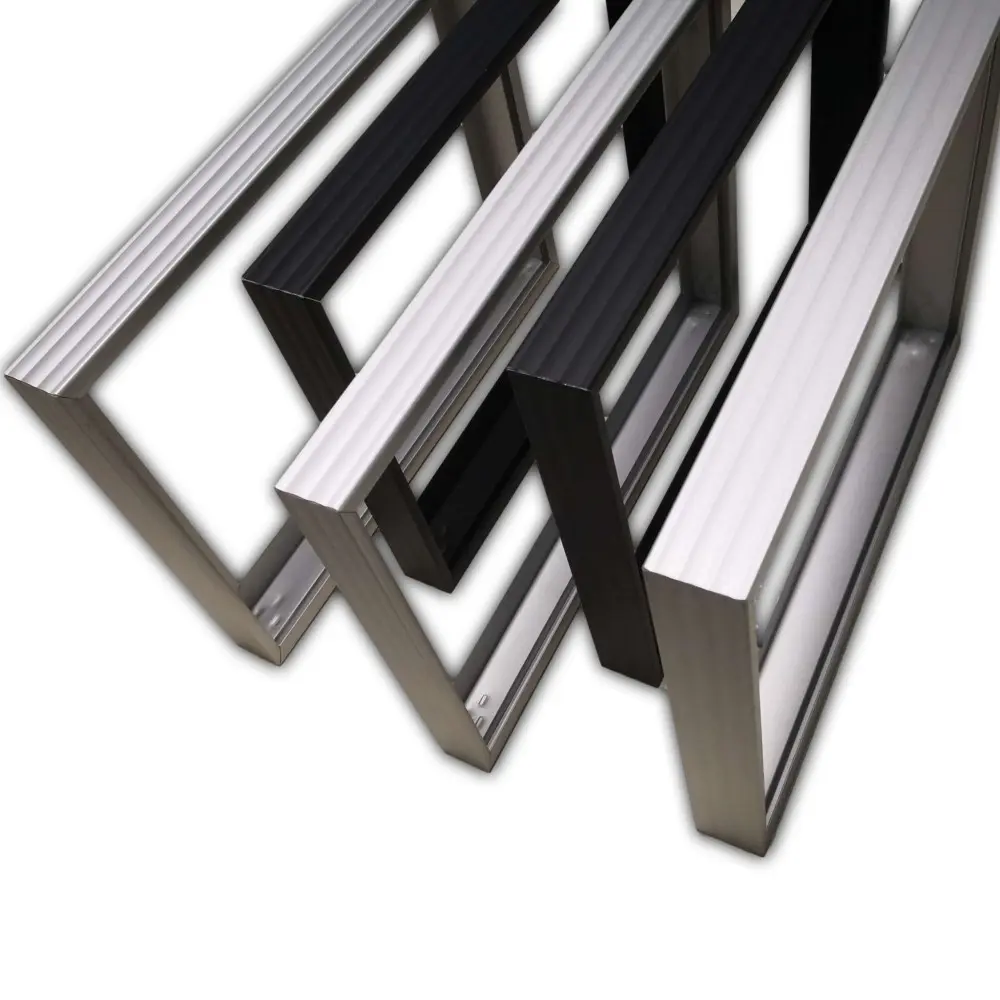
Made of high-quality anodized aluminum, it ensures superior weather resistance and a smooth, long-lasting finish.
Analyzing logistics, manufacturing density, and technological integration.
China remains the uncontested center of gravity for photovoltaic production, yielding over 80% of the world's raw solar ingots, wafers, and cells. For global brands sourcing car camping solar setups, this concentration offers key benefits:
From raw silicon processing to modular framing and micro-inverter assembly, all critical inputs reside within a 150km manufacturing corridor. This cuts downstream costs and allows rapid response to OEM design changes.
Direct access to TOPCon N-type monocrystalline advances, composite polyurethane pultruded framing technology, and advanced ETFE encapsulation techniques translates directly to improved durability in off-road environments.
Manufacturing centers in regions like Yangzhou leverage proximate container hubs, high-speed rail freight, and deepwater ports (Shanghai/Ningbo) to expedite global logistics and lower FOB expenses.
Located in the scenic historical and cultural ancient city of Yangzhou, close to the Beijing-Shanghai Expressway, Runyang Yangtze River Bridge, and Ningqi Railway, the group has a superior geographical location and convenient transportation. The group was established in 2008 and has 14 multi-field companies under its jurisdiction, including Jiangsu Yuxin New Energy Technology Co., Ltd., and has won many titles such as National High-tech Enterprise, Technology-based Enterprise, and Gaoyou City Top 100 Private Enterprises.
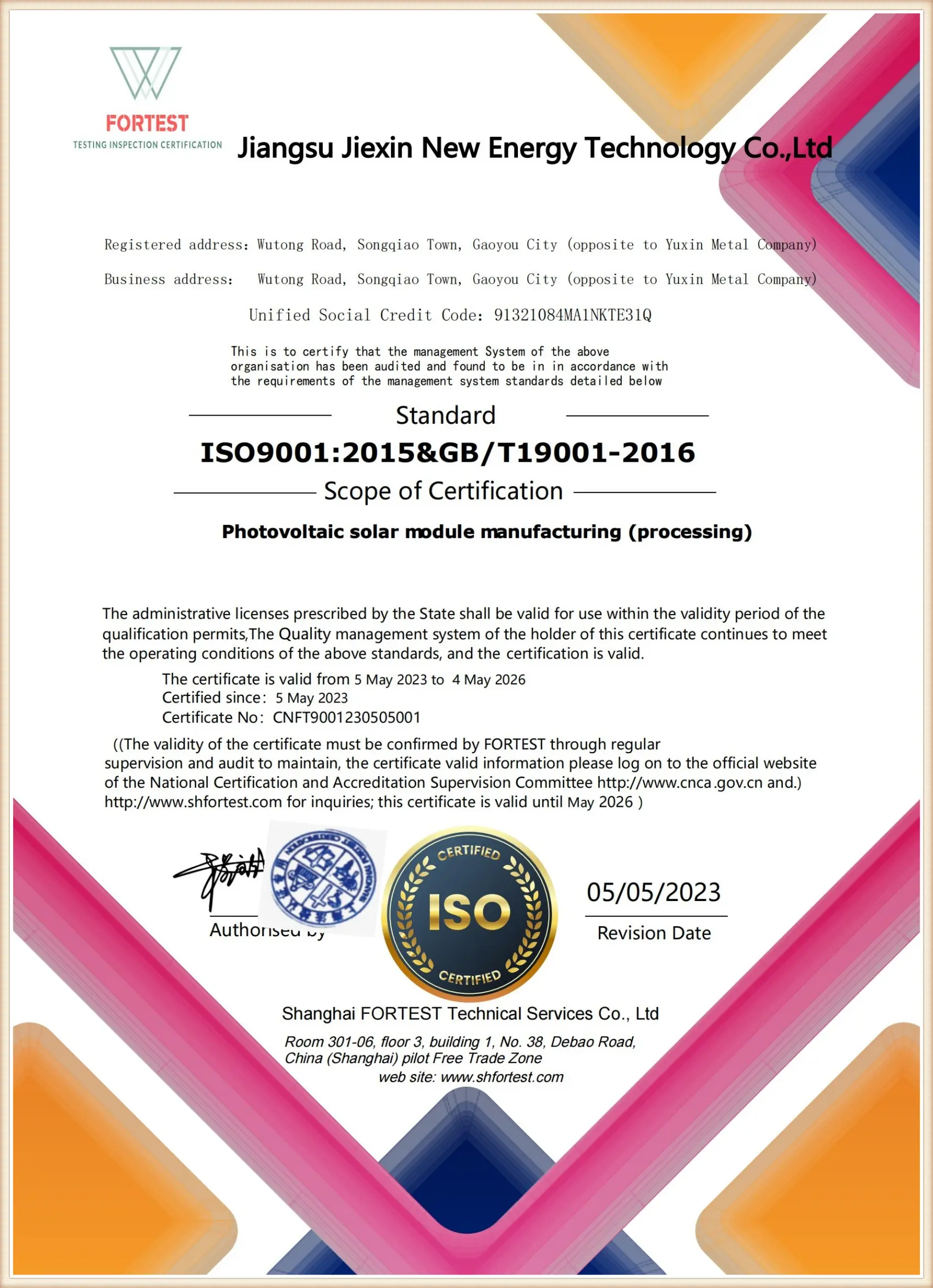
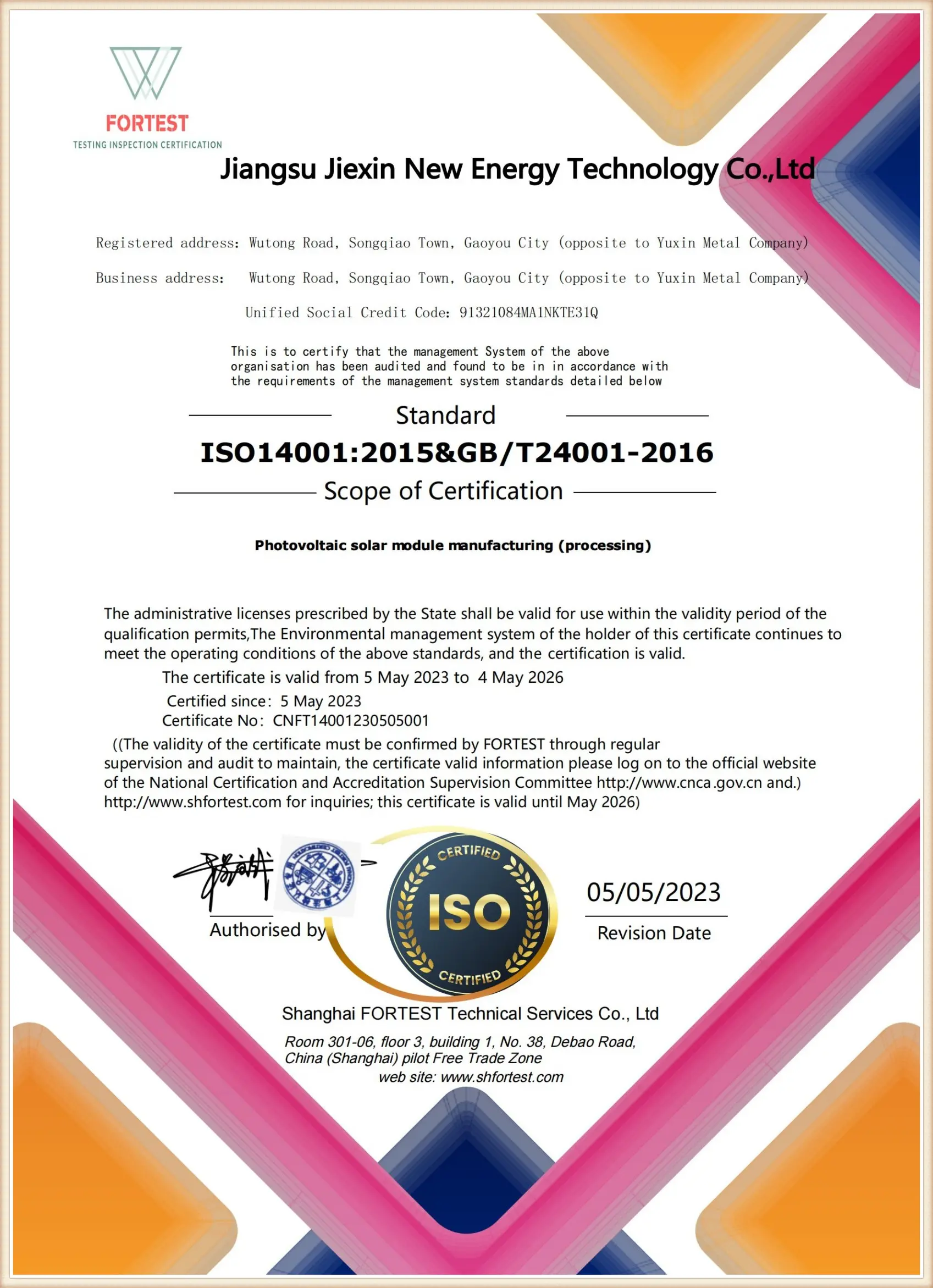
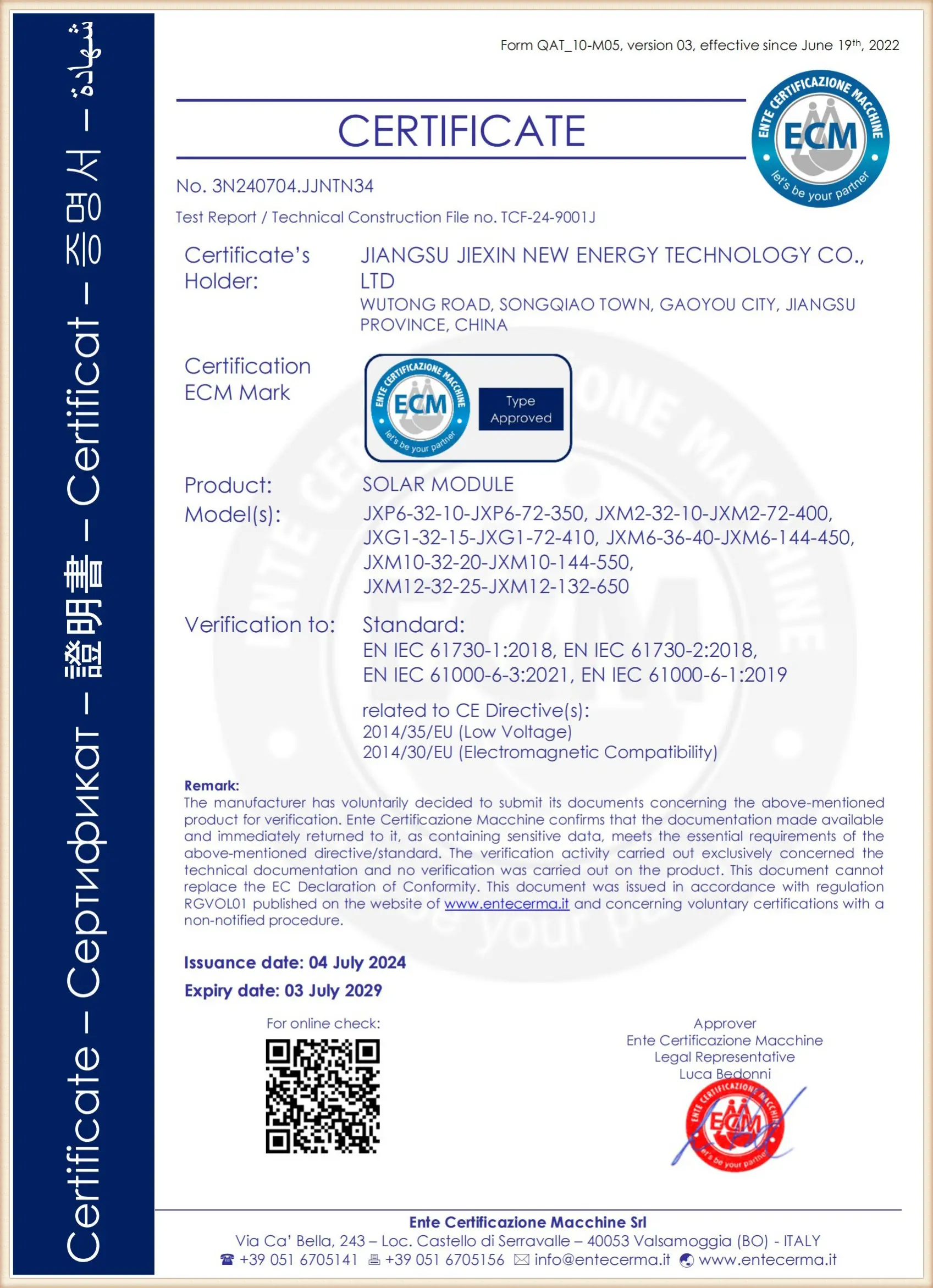
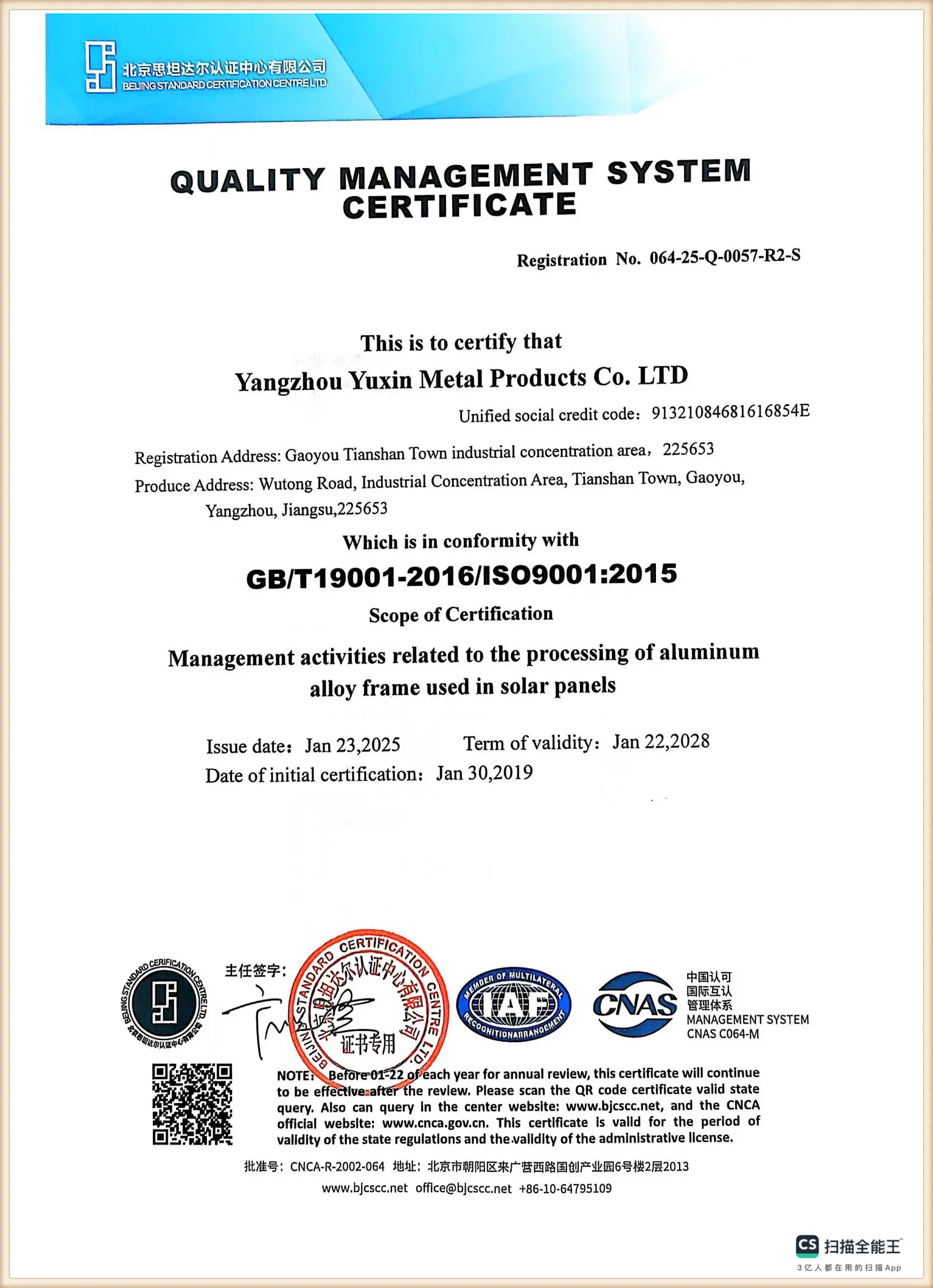
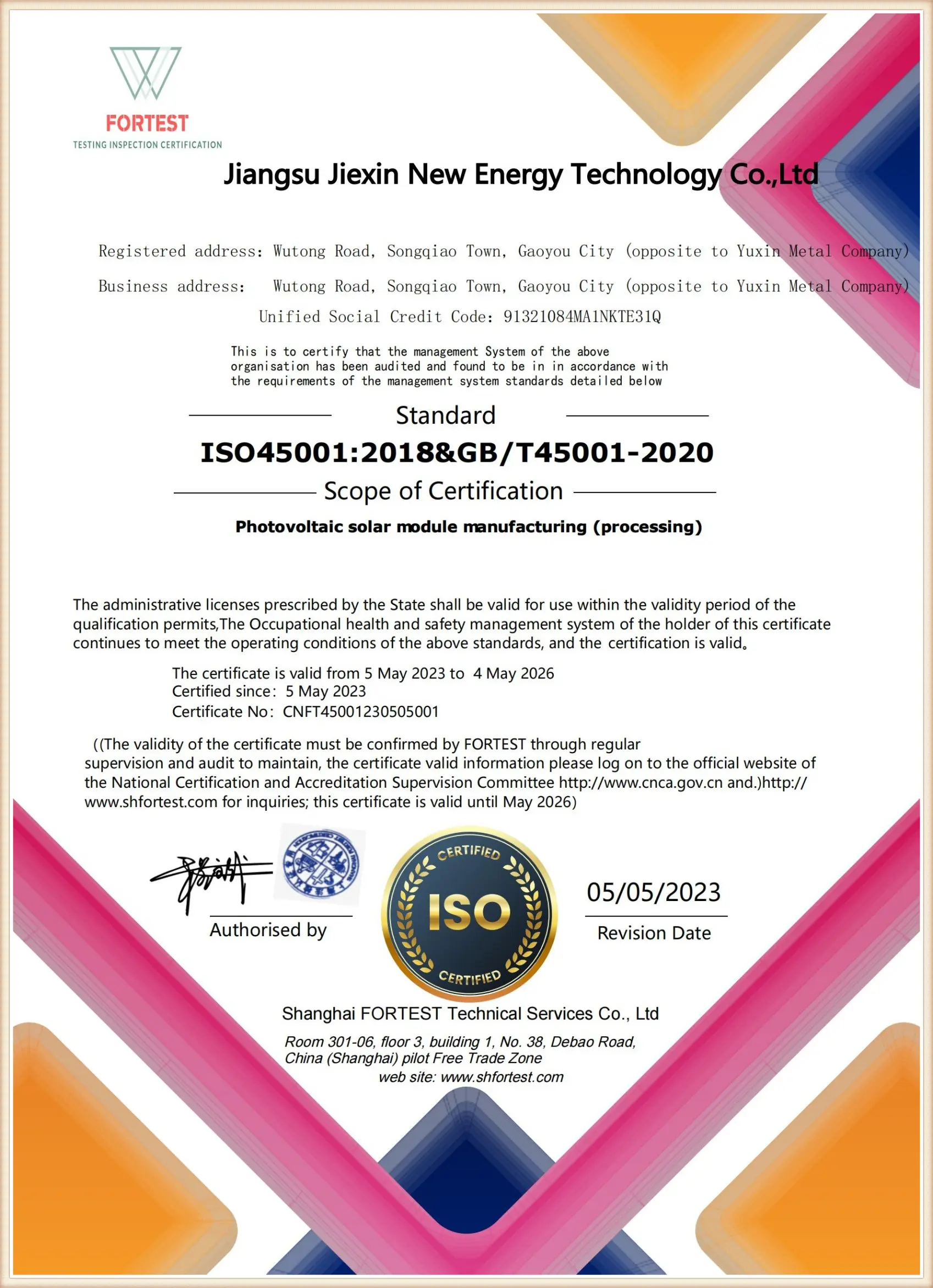
View More DetailsOur materials and modules undergo extensive third-party validation to guarantee deployment compliance across NA, EU, and APAC markets.
Deep dive into mechanical reliability and structural engineering for off-road environments.
In the production of car camping solar panels, the framing technology determines long-term fatigue resistance. Standard static home panels use basic anodized aluminum. However, vehicle-mounted systems require higher structural integrity:
Aluminum remains the benchmark choice for high strength-to-weight ratio. Anodization adds a protective oxide layer that resists corrosion in coastal camping regions and holds up against salt spray. It provides excellent tensile strength to withstand high wind loads during transport at highway speeds.
As an industry shift, pultruded polyurethane composite frames offer unique advantages over aluminum. The composite is non-conductive, eliminating the need for grounding wires in small portable systems. Additionally, it features a lower thermal expansion coefficient similar to glass, reducing micro-fracture risks in silicon cells under extreme temperature fluctuations. Its high flexibility enables panels to resist persistent off-road vibrations without dynamic fatigue failure.
Benchmark wholesale price structure for bulk ordering (Note: Real quotes fluctuate based on raw silicon indices).
| System Component | Common Specifications | Cell/Material Type | Est. FOB Price Range (USD) | Primary Compliance Certs |
|---|---|---|---|---|
| Folding Solar Camping Backpack | 10W / 20W / 30W / 40W / 60W | Monocrystalline, Waterproof Fabric | $12.50 - $48.00 / unit | CE, RoHS, FCC |
| N-Type TOPCon Mono Panel | 445W - 465W / 565W - 590W | Bifacial Dual-Glass, 16BB | $0.11 - $0.15 / Watt | CE, TUV, UL |
| PERC Mono Silicon Panel | 440W - 455W / 530W - 550W | Half-Cell, 10BB | $0.09 - $0.12 / Watt | CE, TUV, IEC |
| Camper Home Storage Battery | 8000T~15KT Series (10-30HS) | LiFePO4, Integrated Inverter | $1,800 - $4,200 / unit | UN38.3, MSDS, CE |
| Polyurethane Composite Frames | Custom sizing for panels | Pultruded Composite Material | $3.50 - $6.80 / frame set | SGS Material Test |
Our dynamic solar and structural frames are deployed across multiple vertical sectors globally.

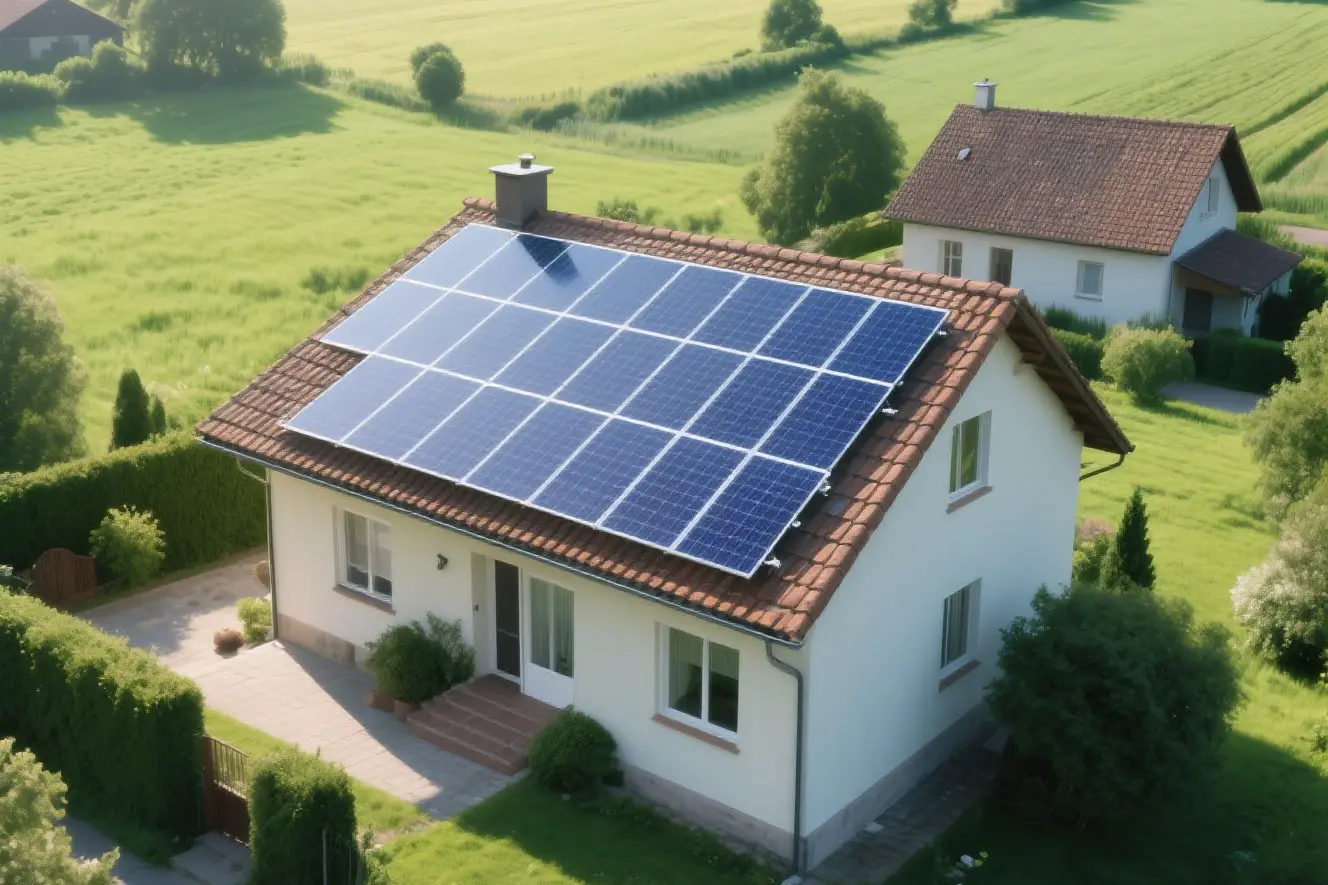
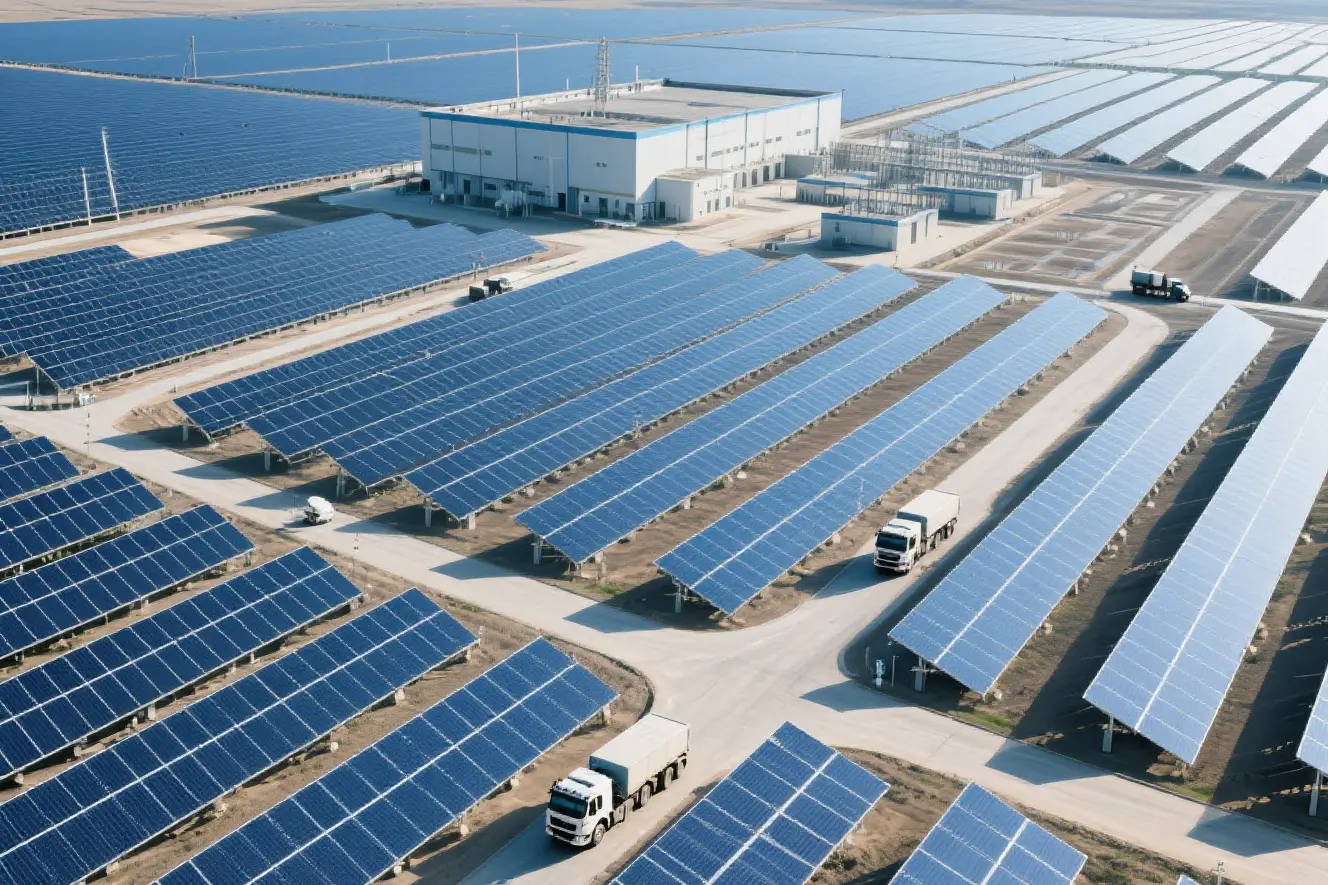
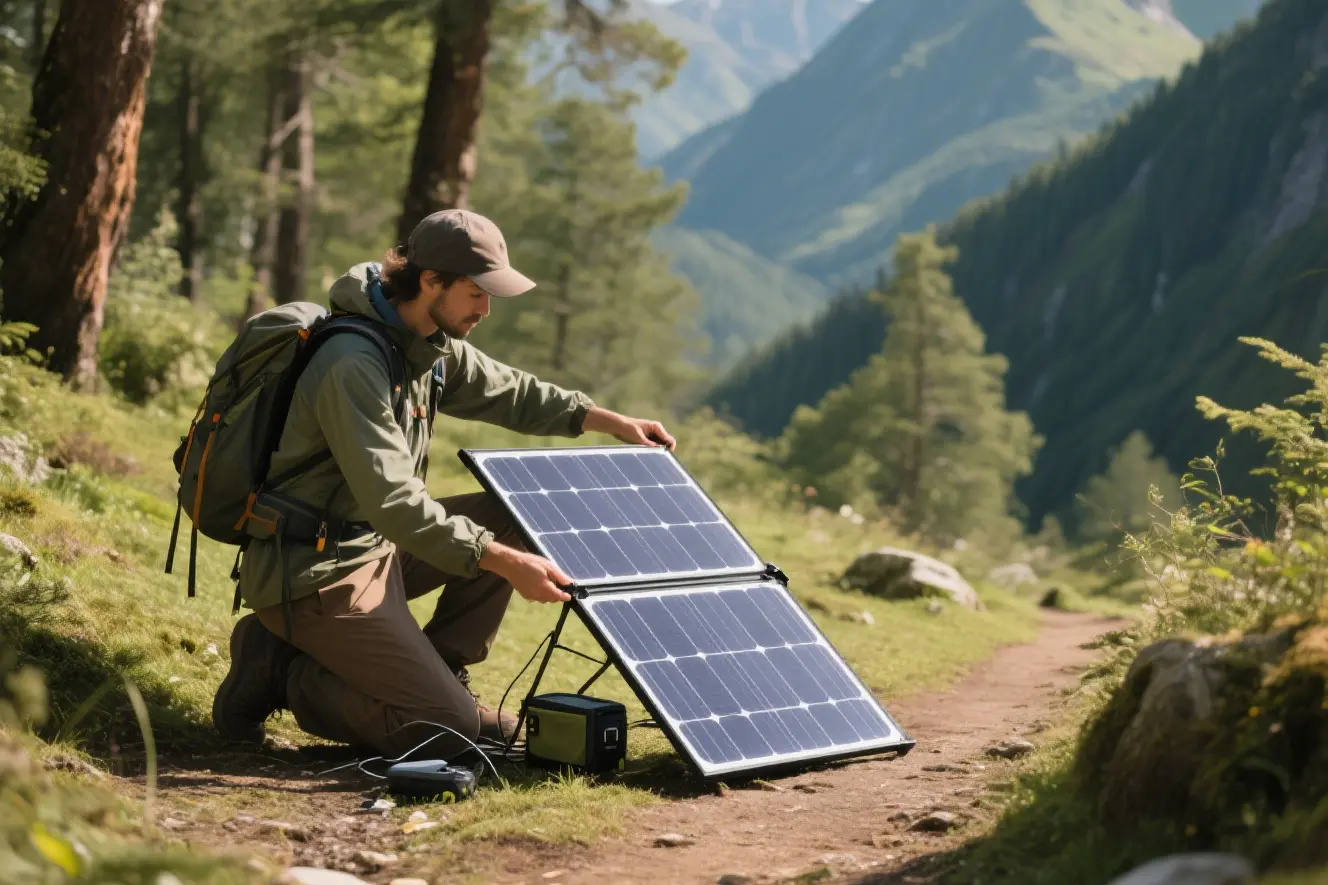
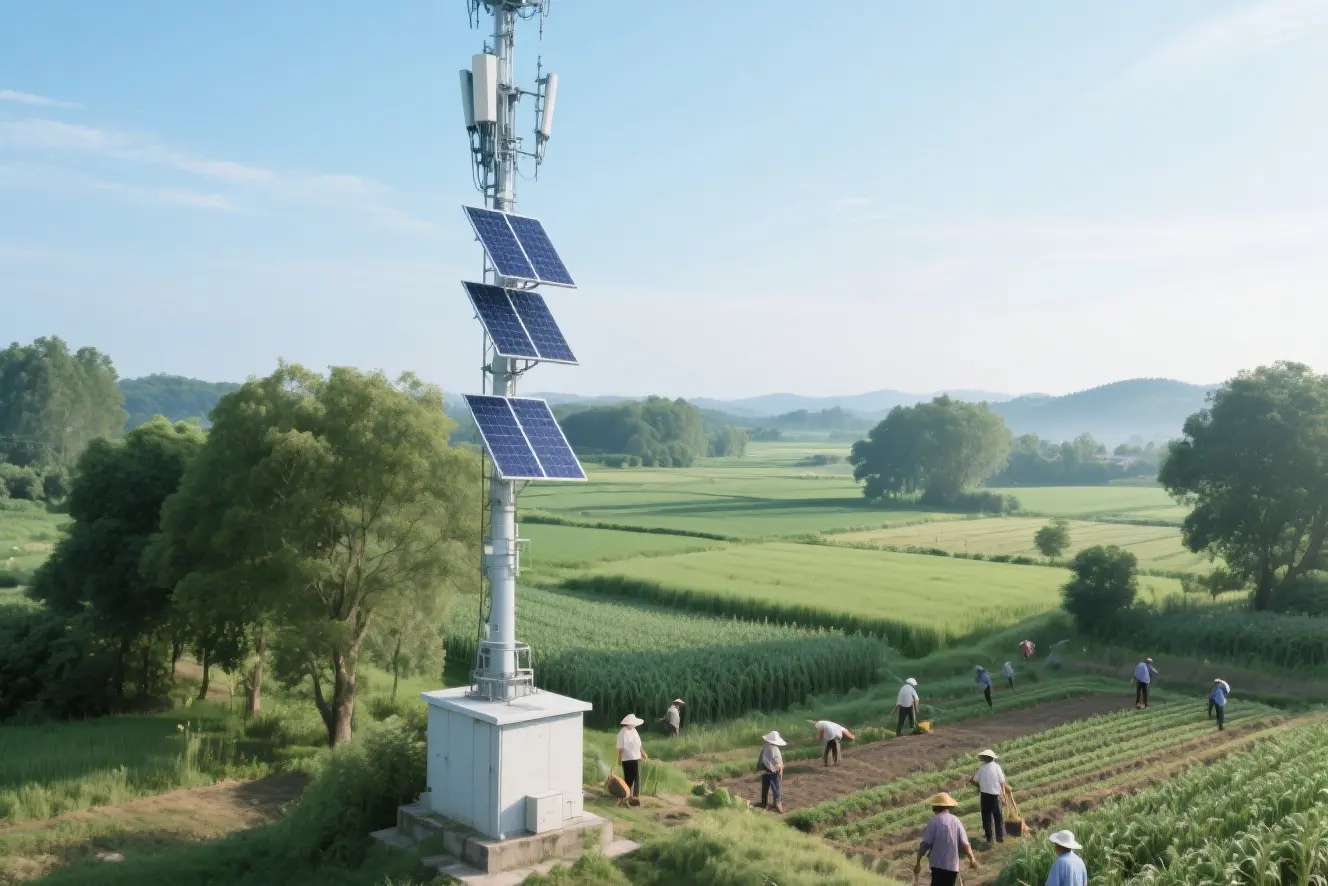
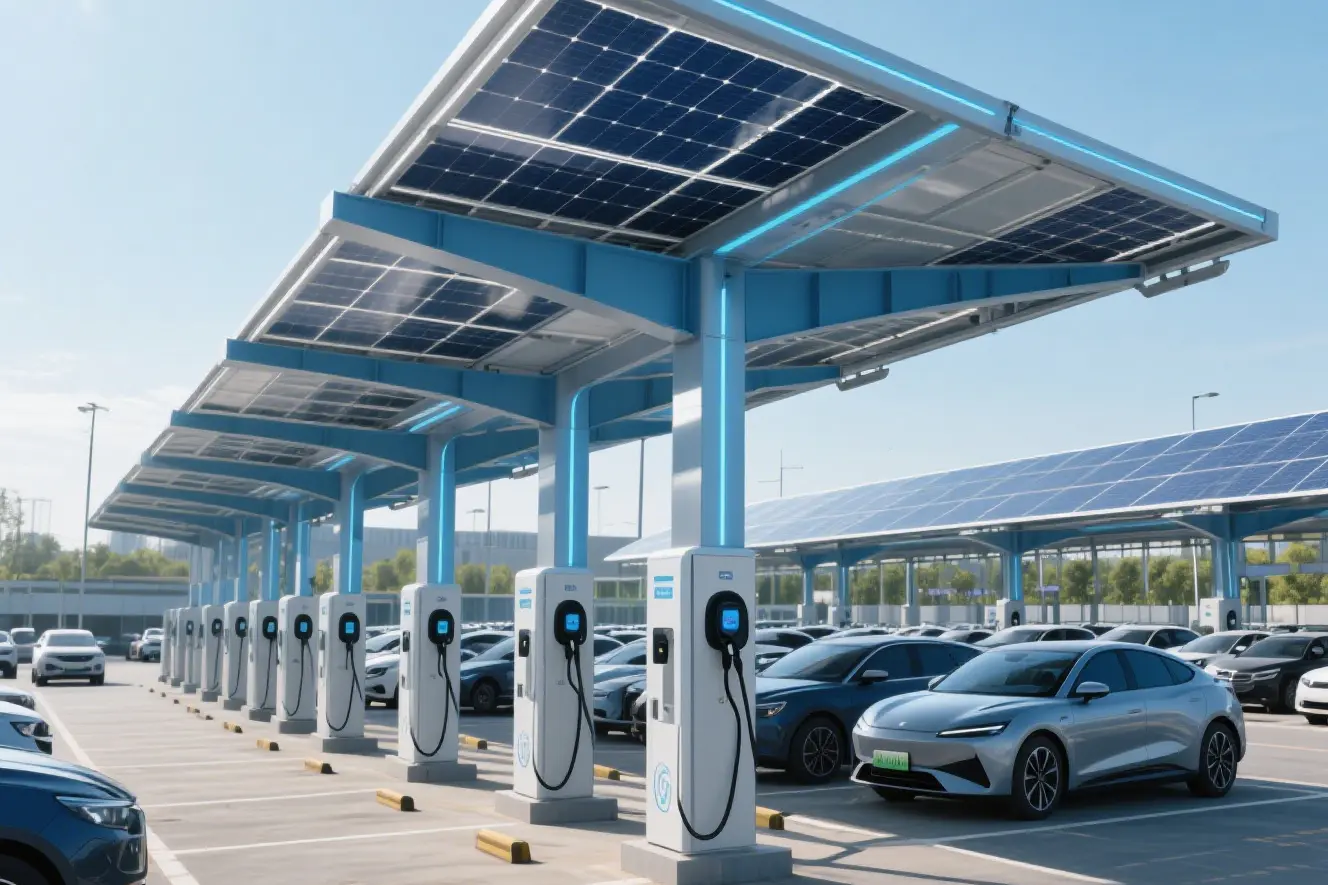
We collaborate with global distributors, EPC firms, and equipment manufacturers to deploy clean energy products worldwide.



Expert technical answers for procurement directors, product managers, and wholesale partners.
Read up on updates from our engineering department regarding solar materials, manufacturing techniques, and quality control.
High-efficiency portable panels, solar backpacks, and large-scale industrial commercial setups.