
Direct Factory Supply: Monocrystalline Modules, Modular Battery Storage & Precision PV Framing Solutions
Navigating CAPEX efficiency, Levelized Cost of Energy (LCOE), and long-term durability in decentralized power generation.
Designing an off-grid electrical ecosystem for remote cabins requires balancing upfront Capital Expenditure (CAPEX) with long-term Operational Expenditure (OPEX). While the commercial search landscape frequently emphasizes "cheap solar panels for off grid cabin pricelist & service", engineering true cost efficiency requires evaluating raw panel cost alongside total Balance of System (BOS) integration, energy density, low-light yield performance, and environmental degradation rates.
In autonomous, micro-grid environments where grid back-feeding is unavailable, solar panel efficiency and degradation curves directly determine energy security during winter solstice periods and low-irradiance events. Modern high-efficiency N-Type TOPCon (Tunnel Oxide Passivated Contact) and advanced PERC (Passivated Emitter and Rear Cell) monocrystalline modules have transformed off-grid system design, yielding high energy capture rates per square meter while reducing structural racking requirements and cable lengths.
Sub-standard "cheap" B-grade panels often exhibit annual degradation rates exceeding 2.5%, whereas Tier-1 N-Type TOPCon dual-glass panels maintain ≤0.4% annual degradation over a 30-year lifecycle, delivering a lower true Levelized Cost of Energy ($/kWh).
Higher wattage density (e.g., 550W+ to 690W modules) minimizes the required number of structural mounts, junction boxes, combiner arrays, and heavy-gauge copper wiring, driving down system installation costs by up to 22%.
Off-grid cabins face severe wind, heavy snow load, and high humidity. Utilizing high-tensile 6063-T5 aluminum framing or pultruded polyurethane composite frames ensures structural integrity under mechanical loads reaching 5400 Pa (snow) and 2400 Pa (wind).
Comprehensive B2B Cost Benchmark for Modules, Inverters, Battery Reserves & Mounting Hardware
| System Scale / Category | Recommended Module Type | Nominal Power Range | Direct Factory Price ($/W or $/Unit) | Est. Daily Generation (4.5 PSH) | Target Off-Grid Application |
|---|---|---|---|---|---|
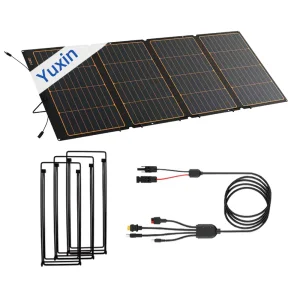
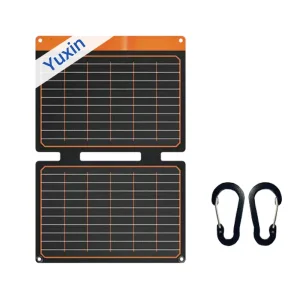
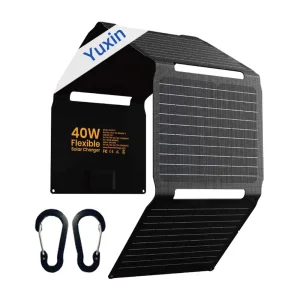
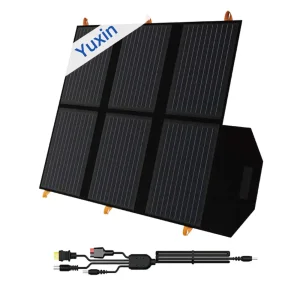
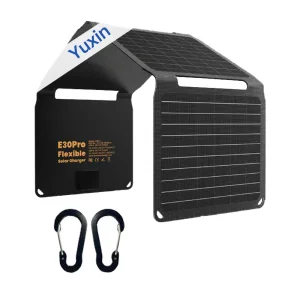
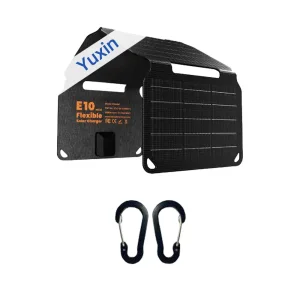
| Micro Off-Grid / Mobile | Foldable / Portable Mono Cells | 20W – 240W | $0.45 – $0.85 / Watt | 0.09 kWh – 1.08 kWh | Camping, Remote Telemetry, Backcountry Cabins |
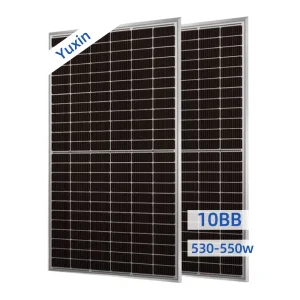
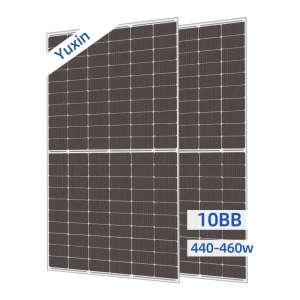
| Small Cabin Utility | 120/144 Half-Cell PERC Monocrystalline | 440W – 550W | $0.11 – $0.16 / Watt | 1.98 kWh – 2.47 kWh | Lighting, Refrigeration, Starlink, Small Tools |
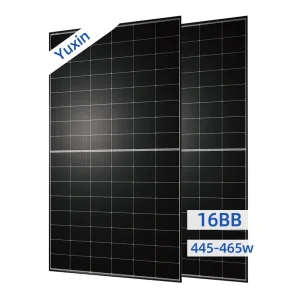
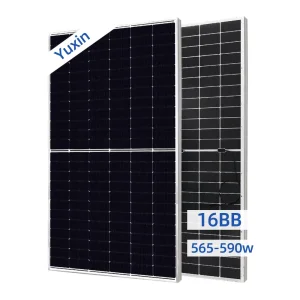
| High-Efficiency Residential | N-Type TOPCon Dual-Glass 16BB | 445W – 590W | $0.13 – $0.19 / Watt | 2.00 kWh – 2.65 kWh | Full-Time Off-Grid Living, HVAC, Well Pumps |
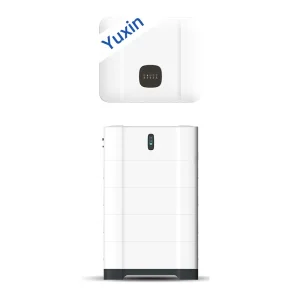
| Modular Battery Bank (LiFePO4) | High-Density Rack / Wall Battery | 5.12kWh – 30kWh | $130 – $190 / kWh | N/A (Depth of Discharge: 90%) | Overnight Autonomous Energy Storage |
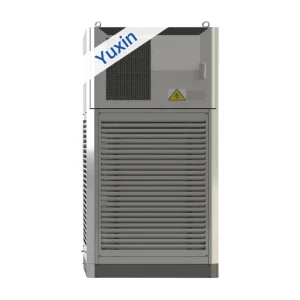
| Commercial Micro-Grid System | Modular Commercial ESS (e.g. EC60-30K) | 30kW Inverter / 60kWh ESS | $12,500 – $18,000 / Set | 135 kWh – 200 kWh | Off-Grid Eco-Resorts, Remote Mining, Agriculture |
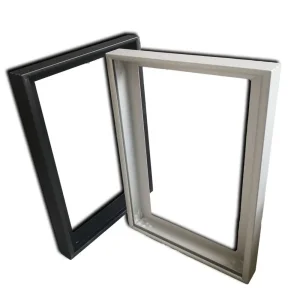
| Structural Mounting Frame | Anodized Aluminum 6063-T5 / Polyurethane | Custom Roof/Ground | $0.02 – $0.04 / Watt | N/A (25-Year Corrosion Resistance) | Roof Mount Racks, High Snow-Load Ground Arrays |
Off-grid photovoltaic procurement pricing is dictated by silicon wafer grade, busbar technology (e.g., 10BB vs 16BB vs SMBB), framing materials, and lamination standards. Purchasing modules directly from OEM/ODM factory lines in Jiangsu, China, bypasses regional distributor markups, reducing unit costs by 35% to 50% without compromising structural certification (CE, TUV, IEC 61215, IEC 61730).
Tailored Photovoltaic & Energy Storage Architectures for Demanding Environments
Challenge: Heavy snow accumulation, freezing temperatures, low solar elevation angles during winter.
Engineering Solution: Implementation of steep-tilt (60°+) dual-glass N-Type TOPCon modules with high-tensile 6063-T5 aluminum frames. The bifacial rear-side gain captures up to 25% additional light reflected from surrounding snow cover (albedo effect), maintaining system charge even in sub-zero ambient conditions.
Challenge: High salt spray corrosion, atmospheric humidity, and hurricane-force winds.
Engineering Solution: Deployment of sustainable Polyurethane Pultruded Composite frames combined with dual-glass encapsulation. Polyurethane frames offer complete chemical inertness to salt-fog degradation (C5-M rating), eliminating Galvanic corrosion between aluminum racks and steel fasteners.
Challenge: Unattended operation, partial shading from tree canopies, requirement for 99.999% uptime.
Engineering Solution: Half-cell 10BB/16BB module design with multi-bypass diode architecture. If upper cell strings suffer partial canopy shading, bypass diodes activate to maintain lower string output, preventing hot-spot degradation and total circuit failure.
Challenge: High surge current from inductive water pump loads, remote desert/arid locations.
Engineering Solution: Direct DC-coupled MPPT solar pump controllers paired with 530W–660W high-output mono silicon arrays. Eliminates battery bank requirement for daylight irrigation, maximizing system efficiency and lowering capital investment.
Explore specialized equipment manufactured to international quality standards
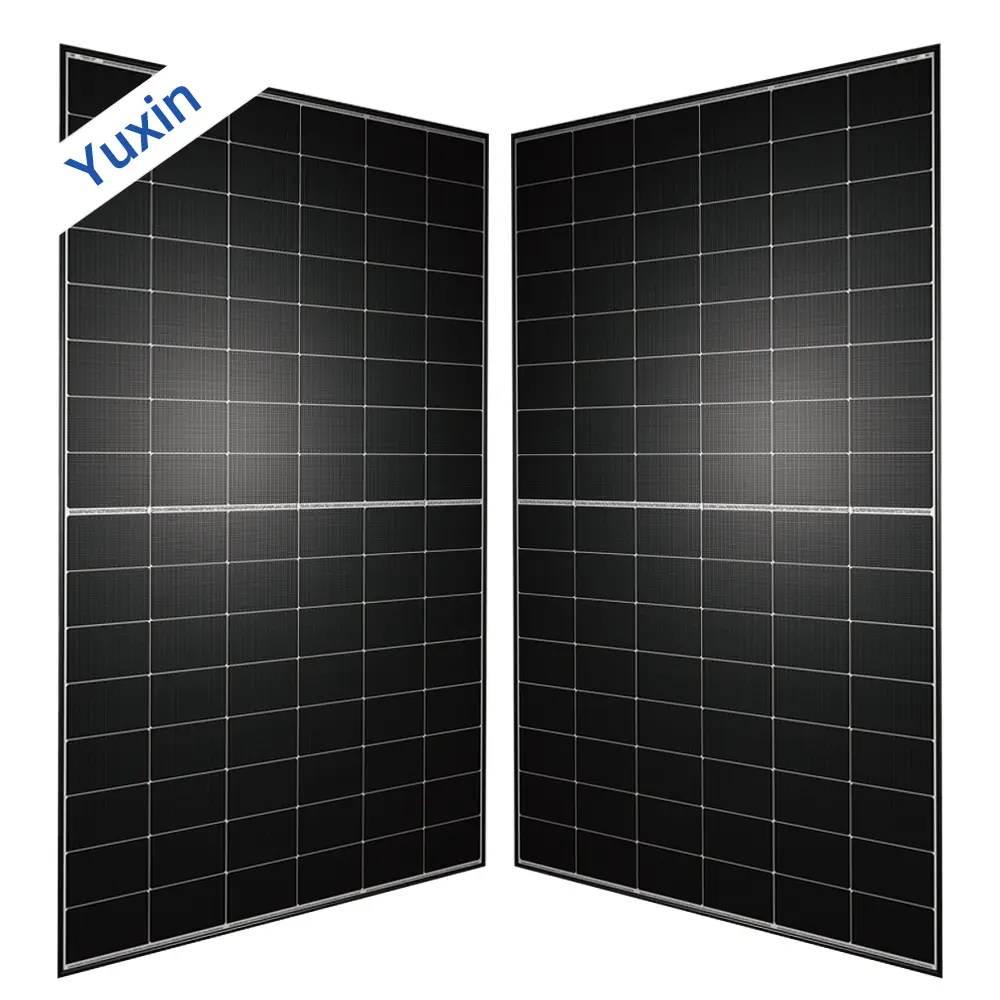
Lightweight design with transparent back panel options for simplified roof mounting and reduced balance-of-system installation costs.
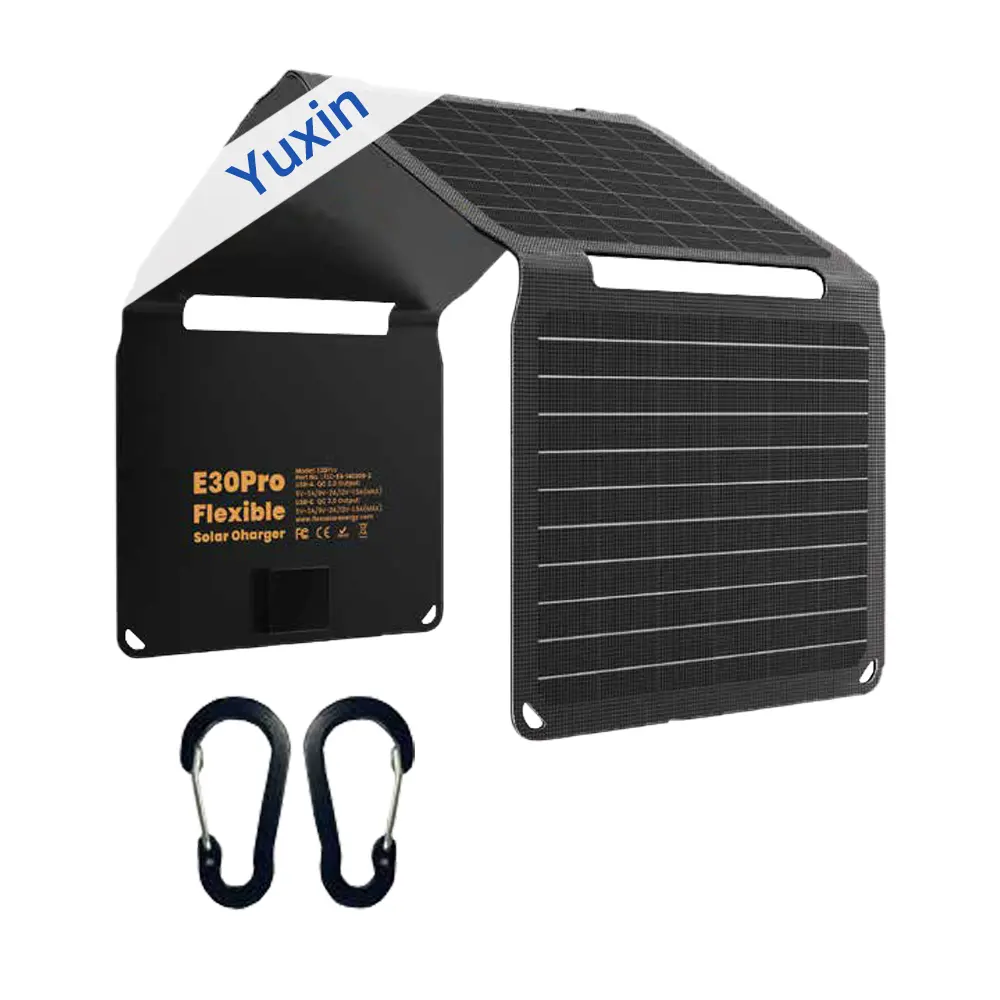
Utilizing advanced monocrystalline silicon cells, achieving cell energy conversion efficiencies of up to 24% for emergency backup.
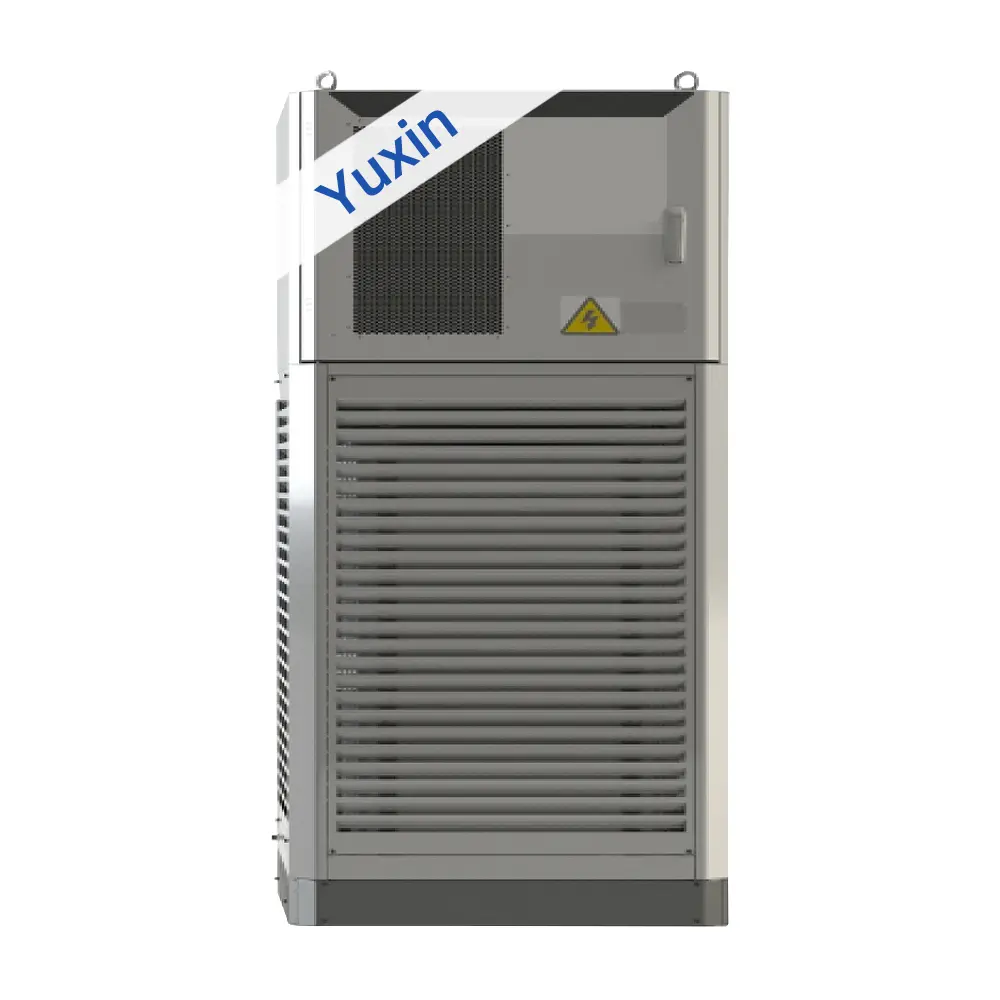
Application modes include off-grid standalone, grid-interactive backup, and hybrid energy storage setups.
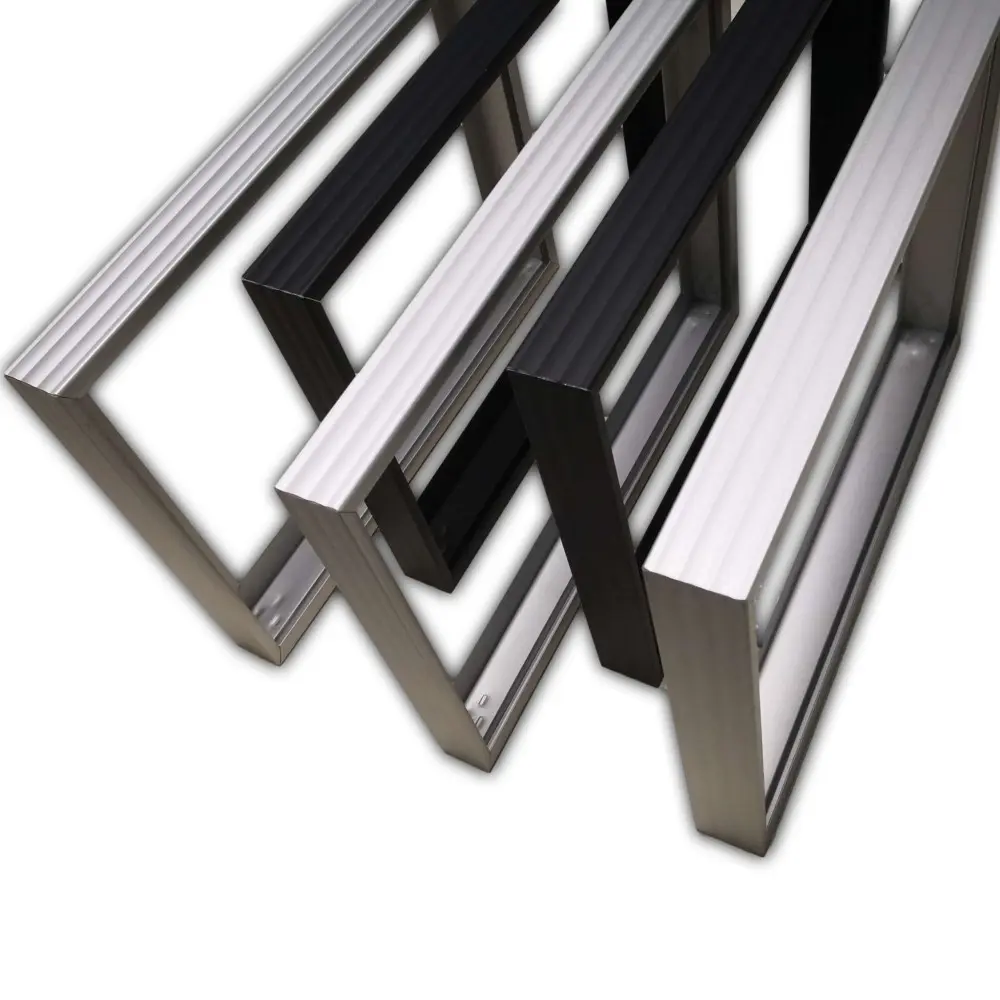
Engineered from high-grade anodized 6063-T5 aluminum, delivering superior weather resistance and mechanical rigidity.
Evolution of Cell Architecture, Composite Materials, and Smart Energy Management
The photovoltaic industry is undergoing a structural transition from P-type PERC technology to N-type architectures (TOPCon, HJT, and XBC). For off-grid cabin applications, where total roof space and battery capacity are finite, higher efficiency directly translates to greater winter energy security.
TOPCon technology achieves commercial cell efficiencies between 25.0% and 25.8%. Micro-gap 16 Busbar (16BB) ribbon layout decreases internal resistance losses, improving performance under intense heat and high-current discharge conditions.
HJT modules feature a ultra-low temperature coefficient (-0.26%/°C), providing significantly superior output in warm off-grid environments compared to traditional silicon cells, alongside high bifaciality (>85%).
Commercialization of Perovskite Tandem cells aims to push module efficiencies beyond 30%. This will allow smaller 2kW cabin roof arrays to generate electricity equivalent to current 3.5kW systems.
While anodized 6063-T5 aluminum remains the industry benchmark, pultruded polyurethane glass-fiber composite frames represent a major material breakthrough. Polyurethane composite frames offer high tensile strength, exceptional thermal isolation (reducing edge thermal loss), and complete immunity to chemical corrosion in acid rain or coastal saline environments.
Vertical Integration, Precision Quality Control, and OEM Scale Economies
The global dominance of Chinese photovoltaic manufacturing stems from industrial clustering, raw material integration, and automated precision robotics. Located in the historical industrial hub of Yangzhou, Jiangsu Yuxin New Energy Technology Co., Ltd. exemplifies supply chain efficiency and product reliability.
Established in 2008, Yuxin has grown into a multi-subsidiary industrial enterprise encompassing 14 specialized companies. By maintaining strict oversight across raw aluminum extrusion, composite material pultrusion, panel framing, module assembly, and lithium energy storage integration, Yuxin eliminates intermediate supply chain friction and delivers direct-to-consumer factory pricing.
Every panel undergoes pre-lamination and post-lamination EL optical scanning to identify micro-cracks, wafer voids, or soldering defects down to the microscopic level.
Extruded aluminum profiles receive uniform oxide layer treatment (AA15 rating), ensuring zero structural degradation over 25+ years of severe outdoor exposure.
Full engineering capabilities for specialized off-grid dimensions, custom mounting holes, high-wattage custom junction boxes, and pre-wired plug-and-play cabin kits.
Ensuring Regulatory Compliance, International Certifications, and Seamless Logistics
All off-grid solar panels and storage units conform to global safety and performance benchmarks, including CE, TUV Rheinland, IEC 61215 / 61730, and ISO 9001/14001 standards. This simplifies local electrical permitting and inspection for off-grid cabin builders across North America, Europe, Australia, and Africa.
Modules are packed in heavy-duty vertical wooden pallets with reinforced corner protectors and moisture-proof vacuum wrapping. This minimizes transit stress during ocean freight and rough off-road transport to remote cabin installation sites.
Factory-direct engineering support assists clients with string sizing calculations, array tilt optimization, wire gauge selection, MPPT controller matching, and lithium battery system integration to prevent sizing errors.

Select components below to request direct OEM quotes and engineering specifications
Expert Guidance on Off-Grid Solar Sizing, Pricing, Material Selection, and Installation
The total wattage depends on daily kilowatt-hour (kWh) consumption. A typical off-grid cabin consuming 6 kWh per day in a location receiving an average of 4.5 Peak Sun Hours (PSH) requires approximately 1.8 kW to 2.2 kW of solar panels (e.g., four 550W PERC or TOPCon modules). Accounting for winter efficiency loss (system derating factor of 0.75), sizing up to 3 kW (six 500W+ panels) paired with a 10 kWh LiFePO4 battery bank ensures reliable year-round power.
Direct factory procurement from manufacturers like Jiangsu Yuxin eliminates distributor markups, import broker fees, and retail warehousing overhead. Ordering wholesale container loads or factory-direct B2B shipments allows buyers to secure Tier-1 certified modules at direct FOB pricing ($0.11 - $0.18/W) compared to retail rates ($0.45 - $0.75/W).
N-Type TOPCon panels offer higher module efficiency (up to 22.5%+) compared to P-Type PERC (20.5%-21.3%). TOPCon modules feature a lower temperature coefficient (-0.30%/°C vs -0.35%/°C), virtually zero Light-Induced Degradation (LID), and superior bifaciality, generating up to 8-12% more energy over time in low-light and cold off-grid environments.
For coastal, island, or high-salinity off-grid locations, polyurethane pultruded composite frames offer complete corrosion resistance without galvanic degradation. For standard inland alpine or forest cabins, anodized 6063-T5 aluminum frames provide optimal cost efficiency and structural strength under heavy snow loads.
All standard mono-silicon photovoltaic modules include a 12-year product materials warranty and a 25-to-30-year linear power performance output warranty (guaranteeing ≥80% output at year 30). Battery storage systems and commercial ESS setups include standard 5-to-10-year factory performance warranties.
Stay informed with technical engineering articles from Jiangsu Yuxin New Energy Technology
An examination of tensile yield strength, anodization depth, and mechanical deflection tolerances in 6063-T5 aluminum framing systems under heavy snow and wind forces.
Key procurement criteria for sourcing factory-direct solar frames, including alloy purity certifications, extrusion capacity, and automated corner key assembly lines.
A technical guide to salt spray testing (IEC 61701), cross-hatch adhesion testing, and dimensional tolerance checks for utility and off-grid module mounting frames.