Engineered for high efficiency, durability, and rapid deployment in critical power outage scenarios.
In an era marked by increasing grid instability, extreme weather anomalies, and geopolitical pressures on traditional energy corridors, the demand for resilient, localized energy solutions has reached unprecedented levels. Modern disaster readiness has shifted from reactive measures to proactive infrastructure reinforcement. Emergency solar power systems, once considered niche backup alternatives, are now central components of municipal safety protocols, corporate risk mitigation strategies, and critical off-grid network plans.
Information Gain Insight: Sourcing "cheap" solar emergency power does not equate to sacrificing electrical integrity. In B2B procurement, cost-efficiency is achieved by leveraging vertically integrated supply chains, advanced automated manufacturing, and smart structural engineering—minimizing Levelized Cost of Energy (LCOE) while maintaining maximum weather resistance.
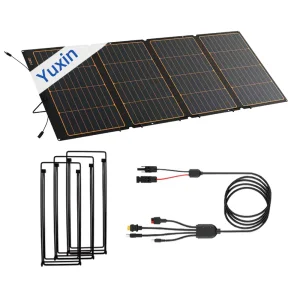
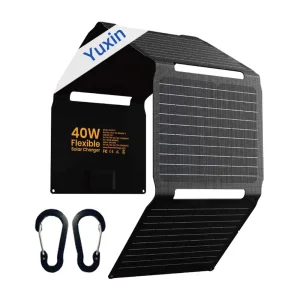
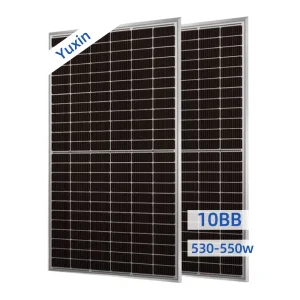
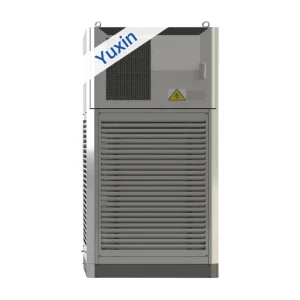
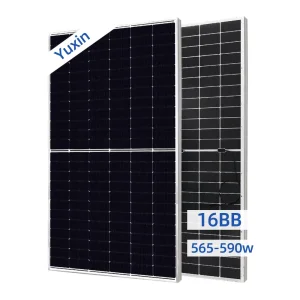
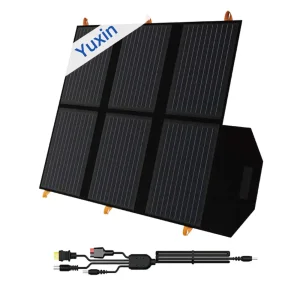
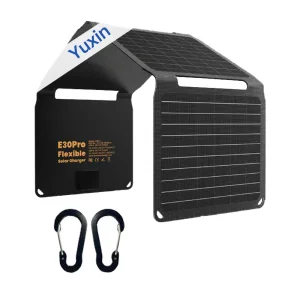
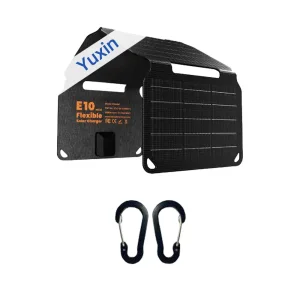
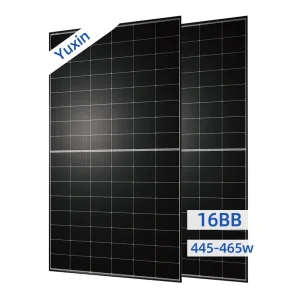
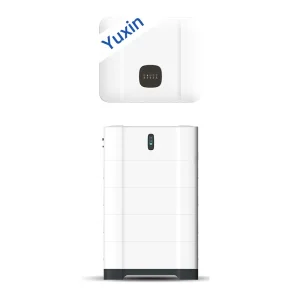
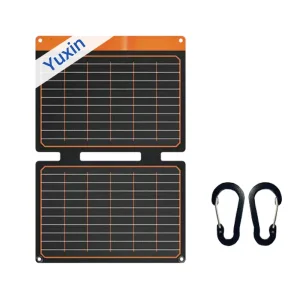
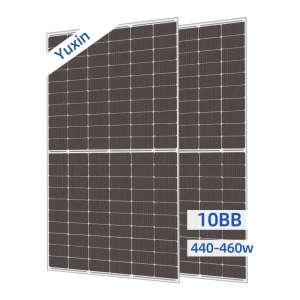
A high-performance emergency photovoltaic setup relies on a complex matrix of components functioning under harsh environmental constraints. This matrix includes high-efficiency monocrystalline solar panels, modular energy storage systems (BESS), and structural frame protection. Whether deploying portable 30W to 240W rapid-response generators for fieldwork or large-scale multi-megawatt hybrid microgrids for municipal emergency centers, the quality of underlying components dictates system survivability when the primary grid fails.
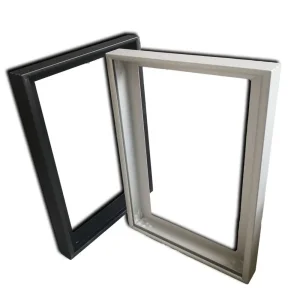
To withstand extreme forces like high winds, heavy snow loads, and seismic activities, structural frames have evolved significantly. While standard anodized 6063-T5/6005-T6 aluminum frames remain the industry benchmark for lightweight rigidity, advanced polyurethane pultruded composite material structures are gaining rapid adoption. These composite frames offer superior corrosion resistance, high tensile strength, and excellent thermal insulation, keeping emergency solar panels operational under sub-zero or coastal salt-mist conditions.
Established in 2008, YUXIN group has grown into a leading force in clean energy manufacturing. Headquartered in the ancient historical and cultural city of Yangzhou, Jiangsu, Yuxin benefits from strategic logistics links, including proximity to the Beijing-Shanghai Expressway, Runyang Yangtze River Bridge, and Ningqi Railway. Under its jurisdiction, YUXIN manages 14 specialized, multi-field enterprises, including Jiangsu Yuxin New Energy Technology Co., Ltd. Recognized as a National High-tech Enterprise and listed among the Top 100 Private Enterprises in Gaoyou City, YUXIN is committed to delivering state-of-the-art solar materials and structures to global markets.
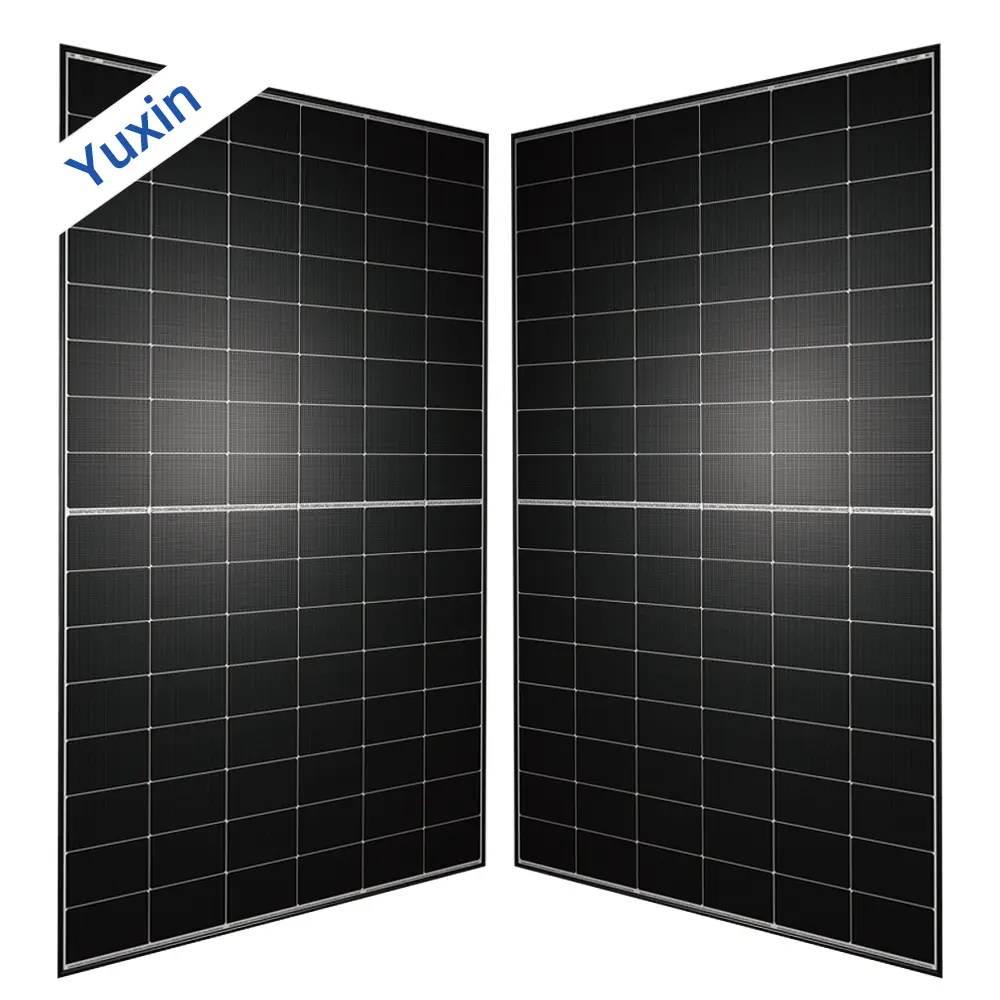
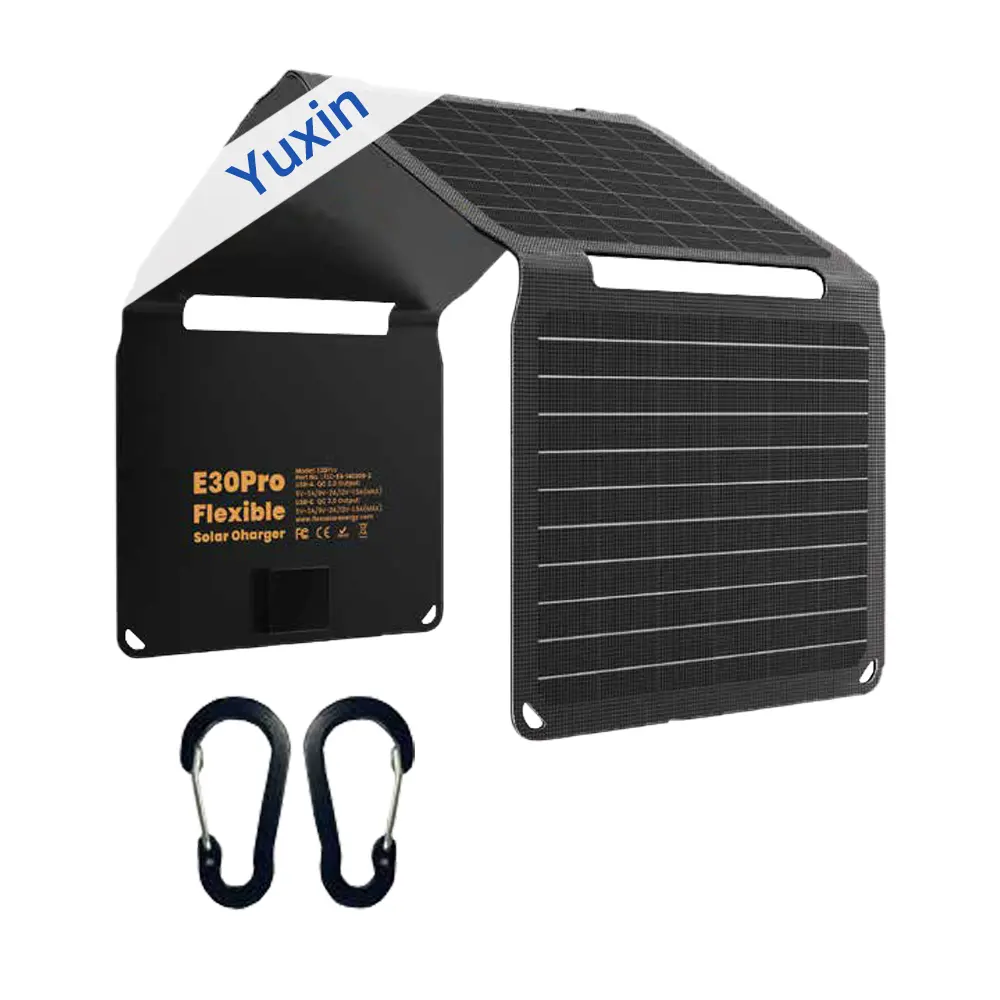
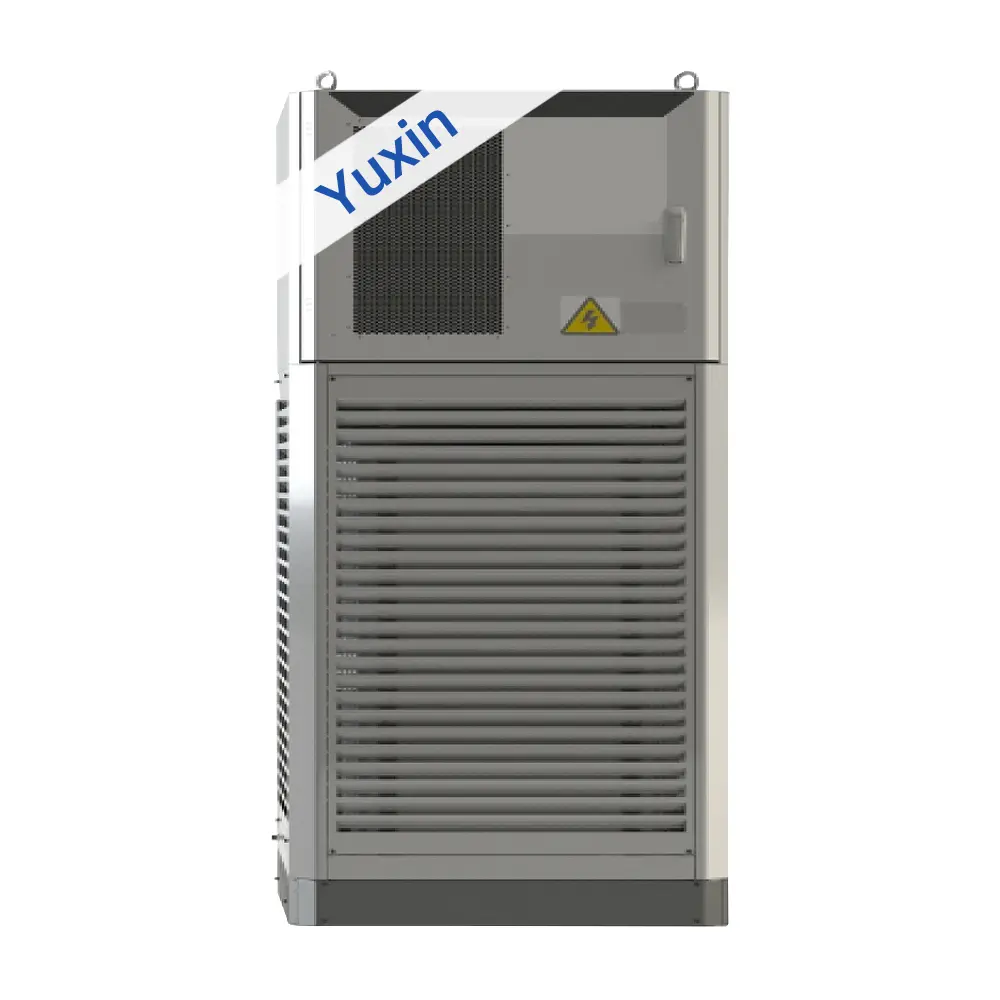
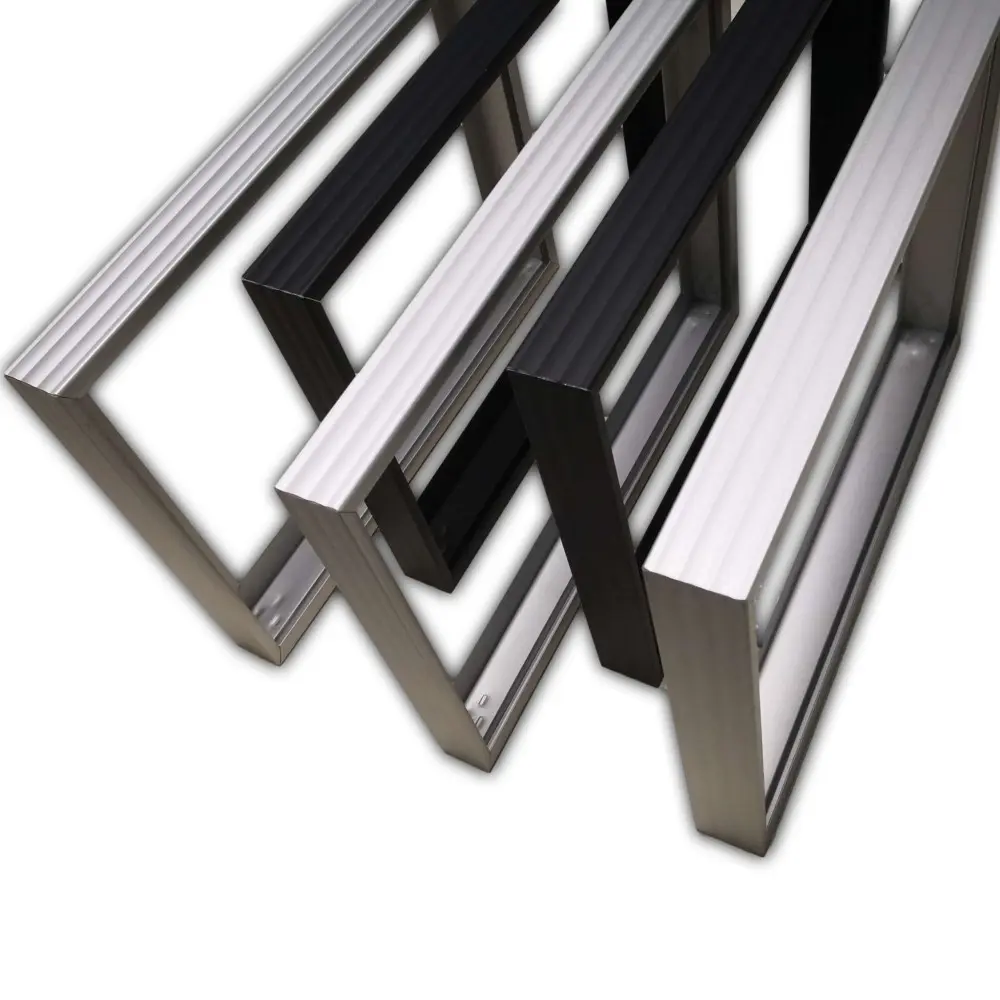
China is the global hub for photovoltaic manufacturing, producing over 80% of the world’s solar modules and critical raw materials. Understanding the logistics, economic scale, and engineering advantages of Chinese factories is essential for international procurement teams looking to acquire cost-effective emergency solar systems.
Emergency solar systems are designed to operate under diverse, challenging conditions. Different sectors require tailored PV solutions to meet their specific energy resilience needs:
Powers off-grid water pumping systems, automated greenhouse ventilation, and cold storage units during grid interruptions, protecting crops and maintaining supply chain integrity.
Acts as the main power source for remote construction offices, safety lighting, and heavy-duty tool charging stations prior to primary grid hookups or during power outages.
Provides critical auxiliary power to substations, switchgear rooms, and grid control units, ensuring black-start capabilities during blackouts.
Powers medical tents, field kitchens, and emergency mobile charging stations, ensuring first responders have reliable electricity in disaster zones.
Keeps mobile networks, 5G base stations, and satellite links running during major power outages, keeping emergency communication lines open.
Powers traffic signals, railway level crossings, and airfield guidance lights, helping to maintain safe transit operations when the main grid fails.
Our emergency solar products conform to rigorous international standards, ensuring safe operation in critical environments.
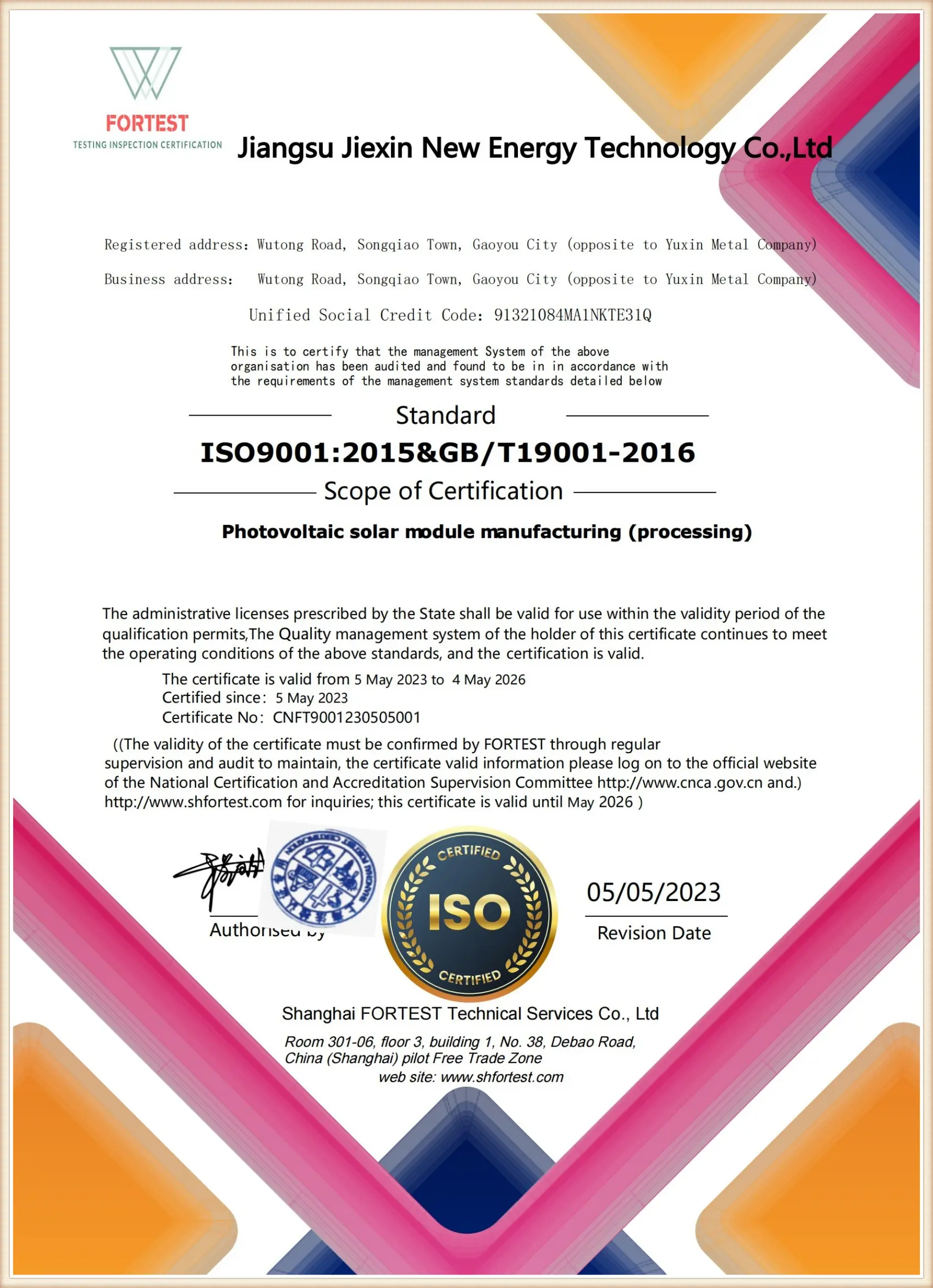
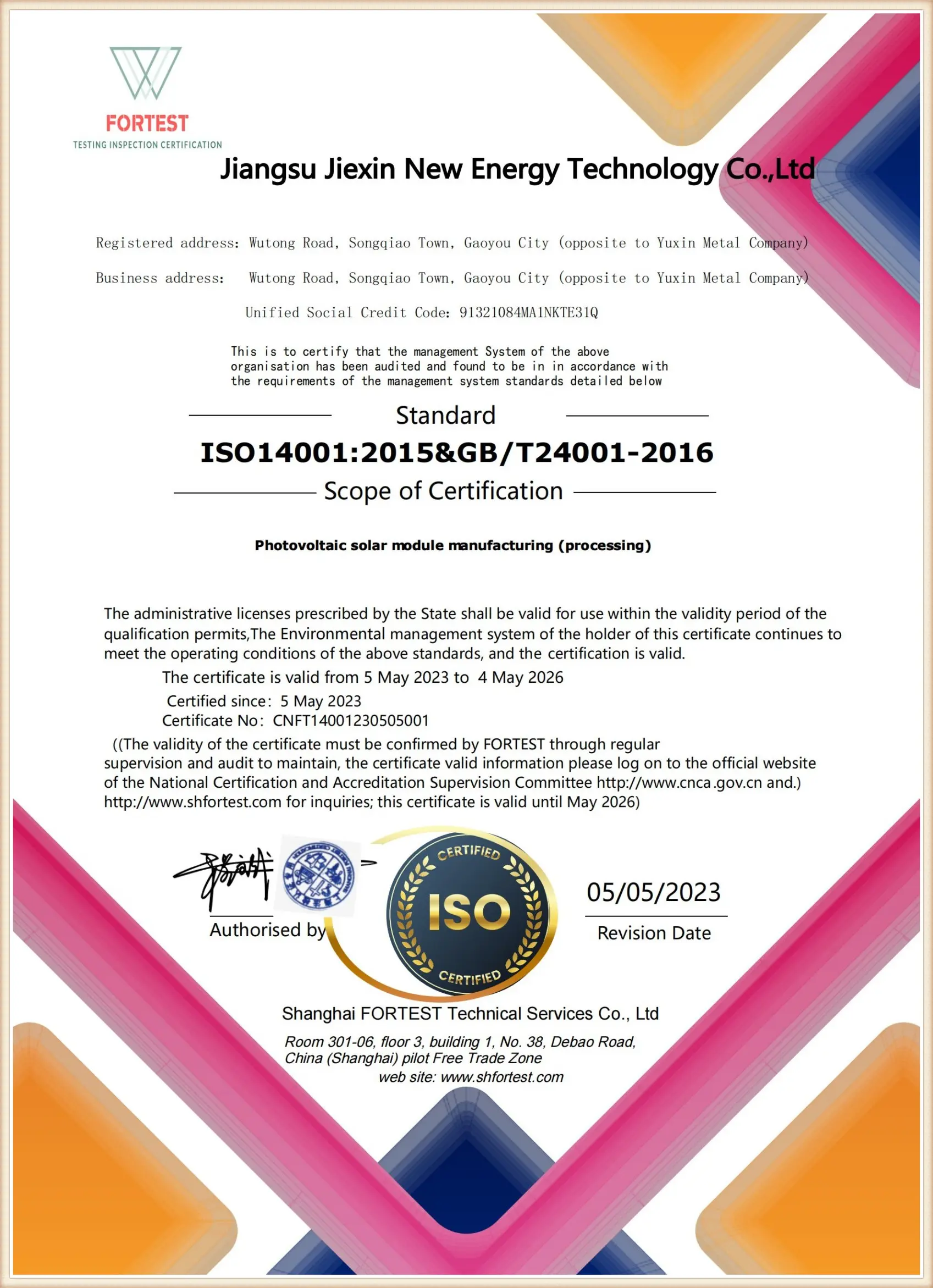
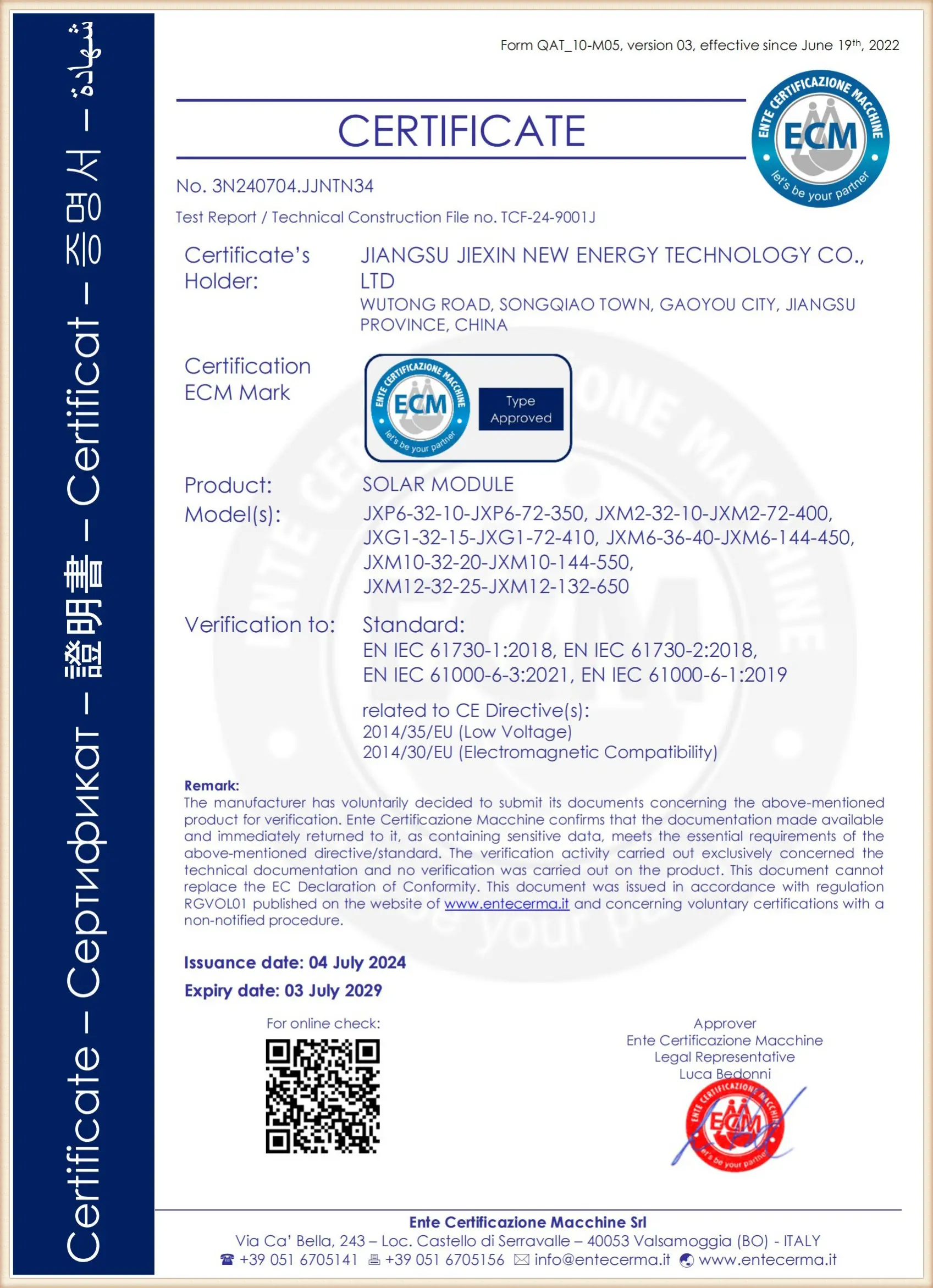
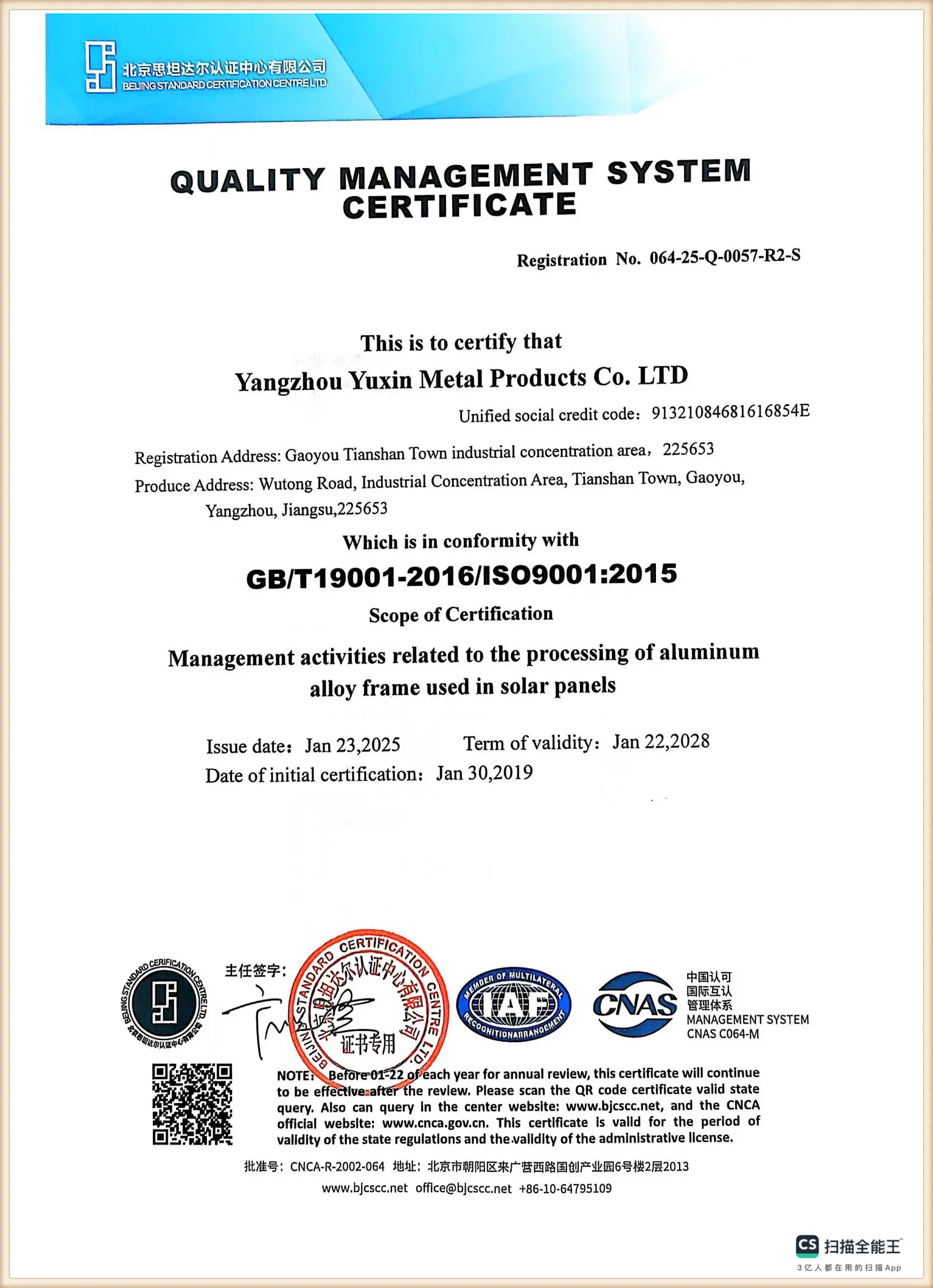
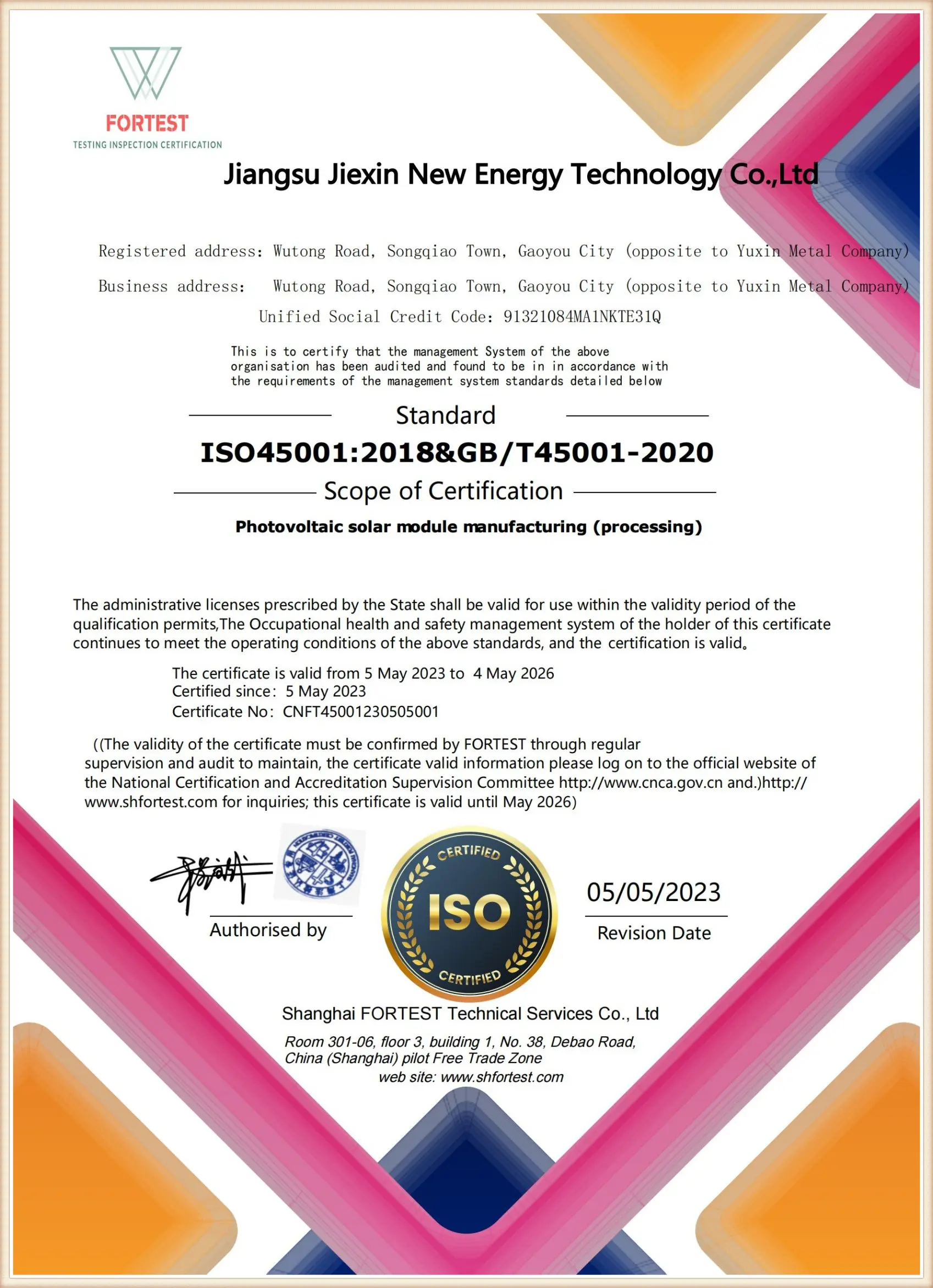
Explore our complete catalog of structural components, portable chargers, and high-capacity modules.
Working closely with leading brands to deliver reliable structural components and energy solutions worldwide.
Stay informed with our technical guides, manufacturing updates, and solar industry trends.
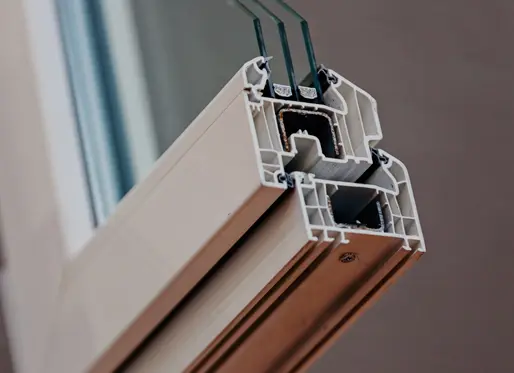
An in-depth look at how structural design, anodization depth, and alloy composition impact solar module lifespan and wind resistance under load.
View More →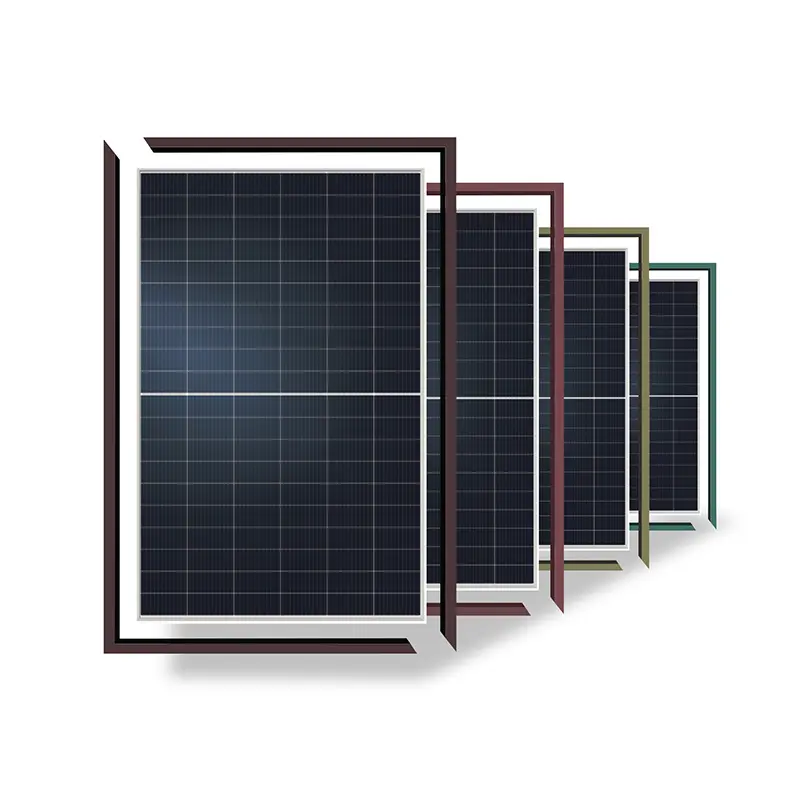
Key criteria for selecting Chinese suppliers, evaluating factory capacity, material certifications, and supply chain logistics.
View More →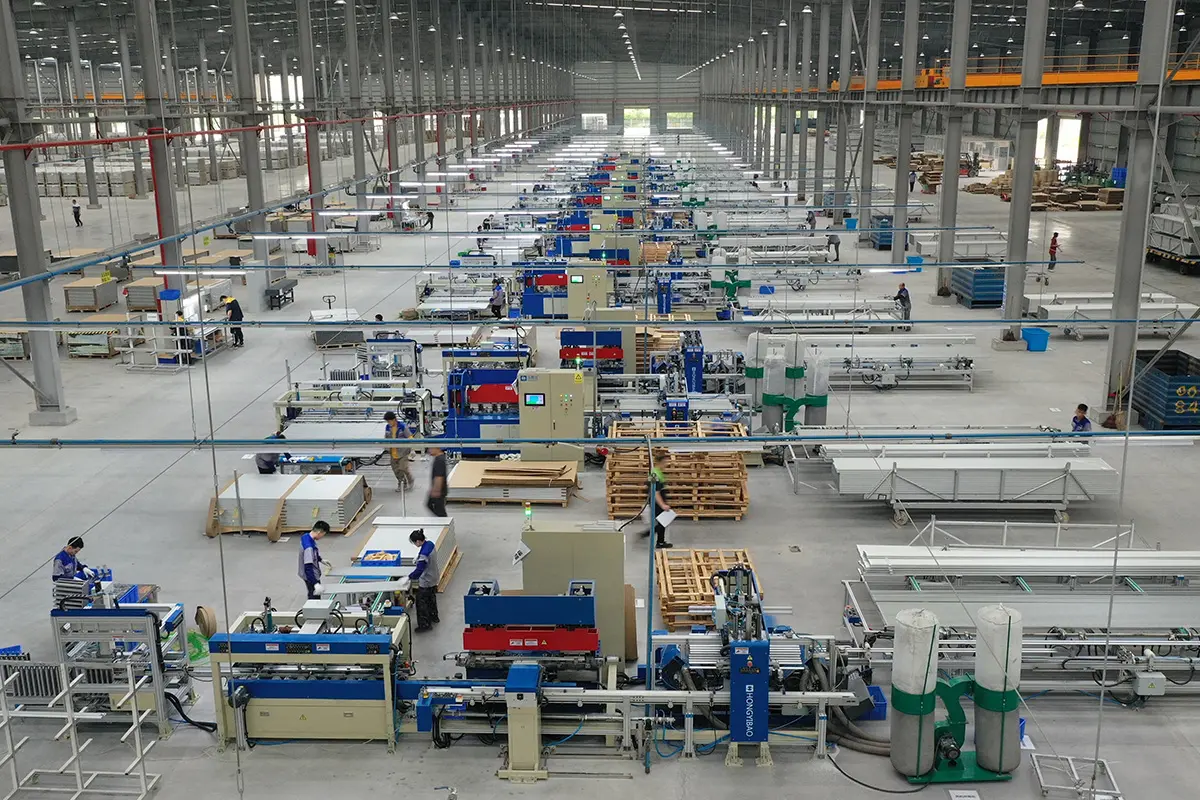
Learn about the testing procedures, cross-cut adhesion tests, salt spray resistance, and dimensional tolerances for solar frames.
View More →The landscape of backup solar technology is shifting rapidly due to improvements in cell architecture and materials science. Two key developments are shaping the future of off-grid solar deployments:
While Passivated Emitter and Rear Cell (PERC) technology is widely used in value-focused installations, N-type Tunnel Oxide Passivated Contact (TOPCon) and Heterojunction (HJT) technologies are quickly setting new standards. These N-type cells offer higher conversion efficiencies (exceeding 25%), better temperature coefficients, and lower light-induced degradation (LID). This ensures reliable, long-term power generation in emergency scenarios, even under limited sunlight.
Standard anodized aluminum frames are highly durable, but pultruded polyurethane composite frames offer a compelling alternative. Polyurethane composites feature high mechanical strength, corrosion resistance, and electrical insulation properties. Because they have a lower carbon footprint than primary aluminum, they are increasingly specified in projects with strict environmental requirements.
Answers to common questions about selecting, importing, and deploying emergency solar power systems.