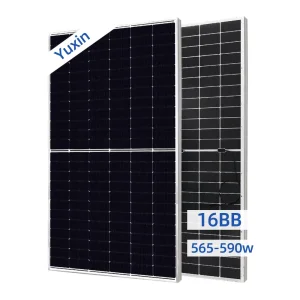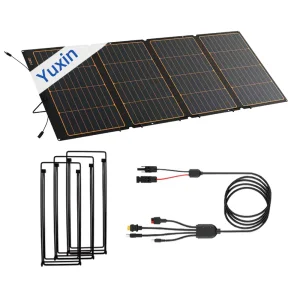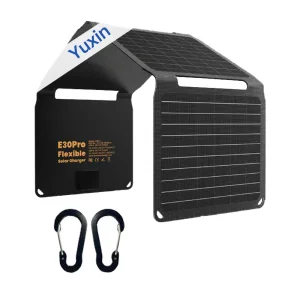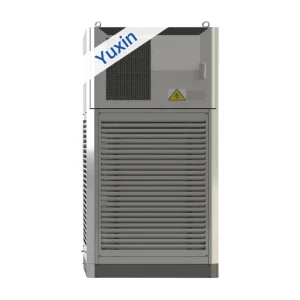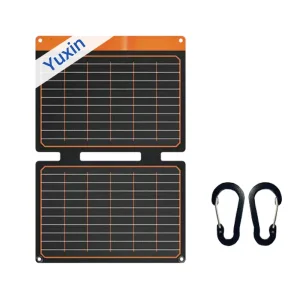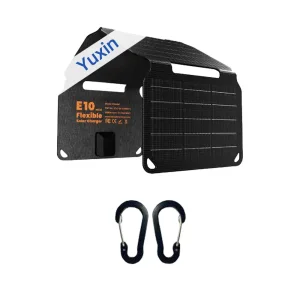
Explore our high-performance off-grid charging kits, specialized camping panels, and heavy-duty battery storage modules optimized for outdoor expeditions.
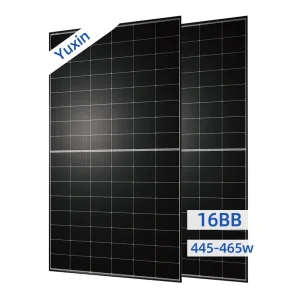
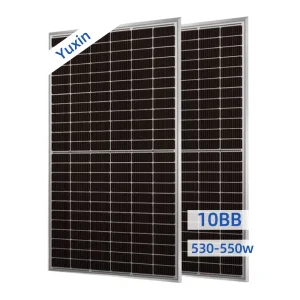
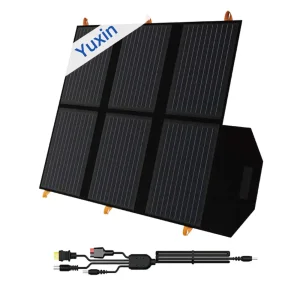
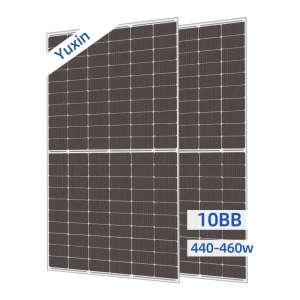
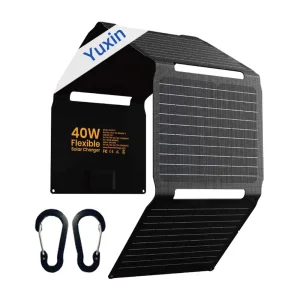
An in-depth analysis of the shift towards high-yield mobile energy systems for industrial, military, and commercial recreational applications.
The global demand for portable off-grid energy platforms has transitioned from a niche leisure market to a robust commercial requirement. Governments, security outfits, outdoor research entities, and utility developers are increasingly investing in rugged solar frameworks. Decentralized, highly transportable arrays guarantee supply chain continuity during remote field operations.
Recent micro-generation market reports forecast a significant CAGR growth of 12.8% for portable solar generators and accessories through 2030. Key growth drivers include emergency preparedness mandates, remote scientific exploration initiatives, and the rapid professionalization of off-grid wilderness construction hubs requiring low-cost electricity.
Modern off-grid setups now utilize lithium iron phosphate (LiFePO4) chemistries alongside monocrystalline PV configurations. High-frequency charge controllers (MPPT) coupled with dual-glass N-type solar modules achieve operational efficiency in extreme thermal corridors, optimizing the Levelized Cost of Energy (LCOE) for long-term deployments.
Furthermore, structural developments in photochemistry—specifically the migration from standard p-type PERC panels to N-type TOPCon monocrystalline cells—have profoundly impacted the portable solar sector. Outdoor field operators require configurations that generate consistent energy under overcast skies, high humidity, and partial canopy obstruction. Premium suppliers now utilize 16BB (Busbar) configurations that optimize minority carrier lifetimes, delivering sustained energy outputs even in highly suboptimal conditions.
Engineered to deliver exceptional thermal stability, structural integrity, and conversion ratios across extreme outdoor environments.
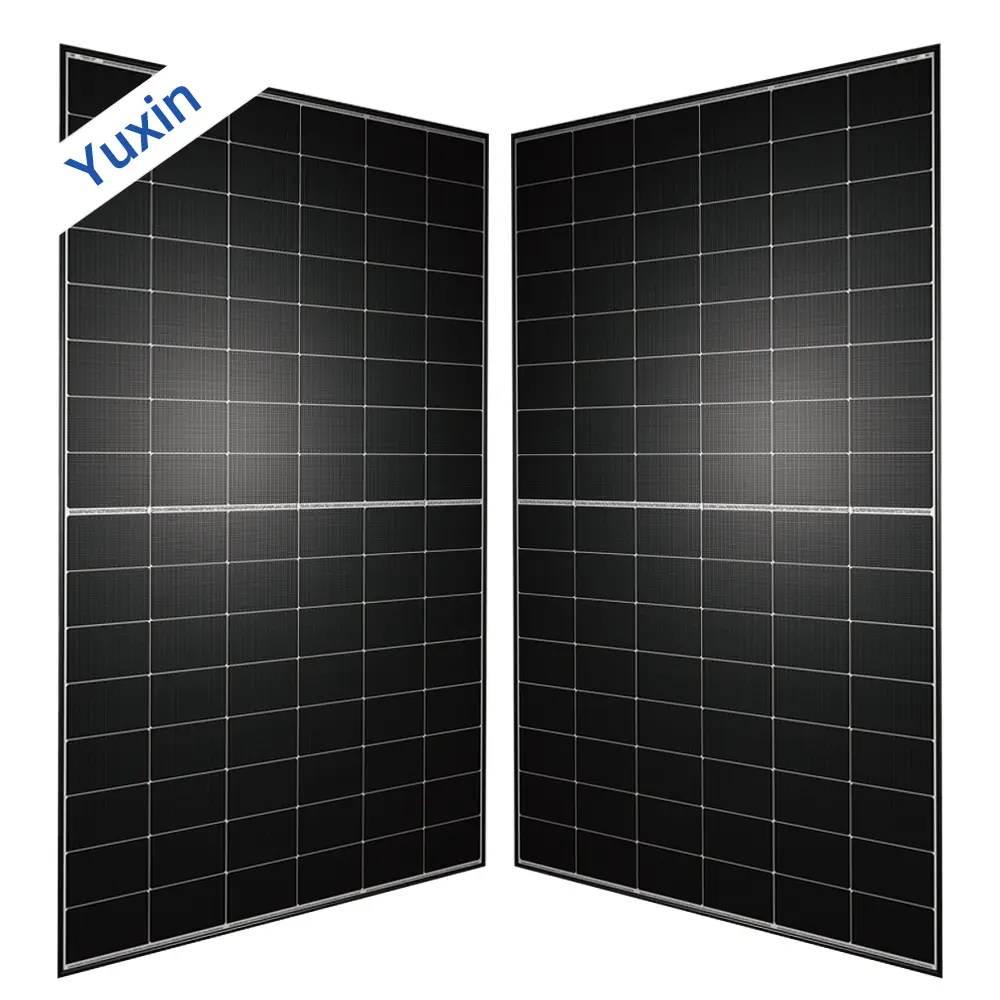
Lightweight design with transparent back panel for easy installation and reduced BOS costs.
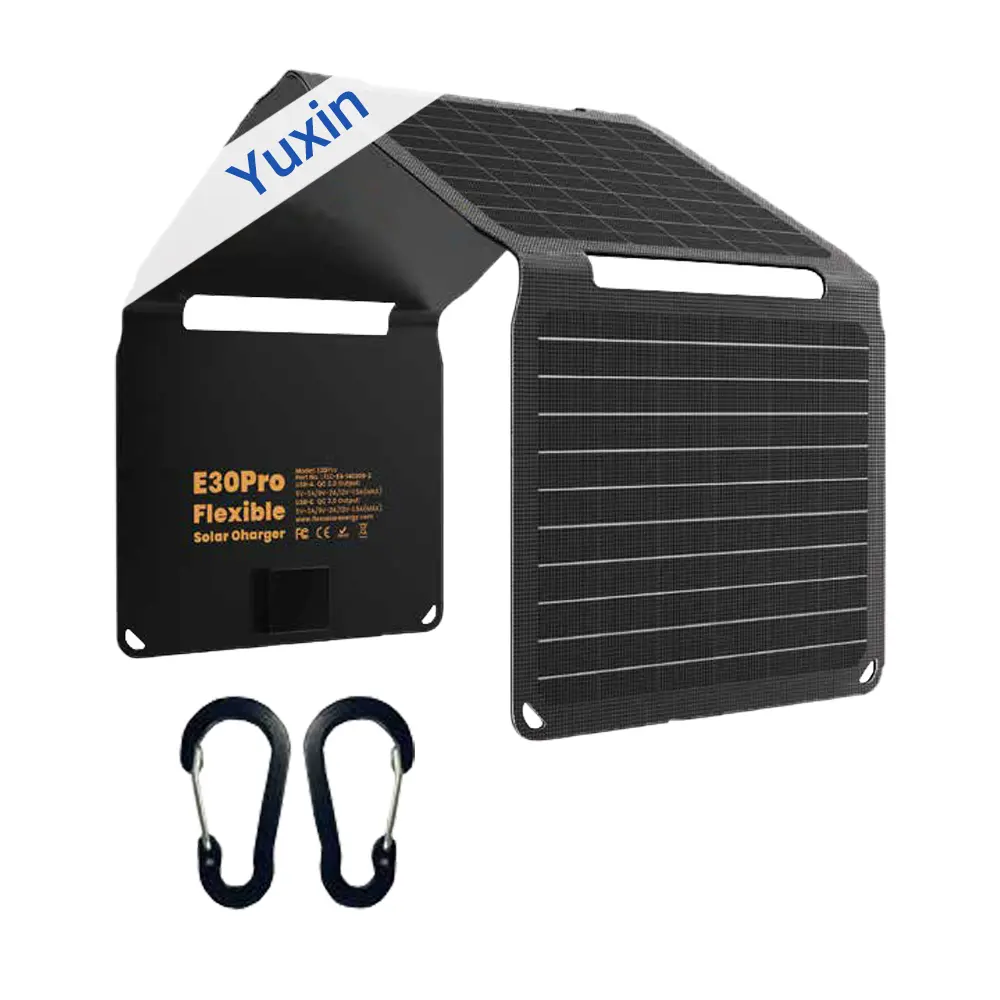
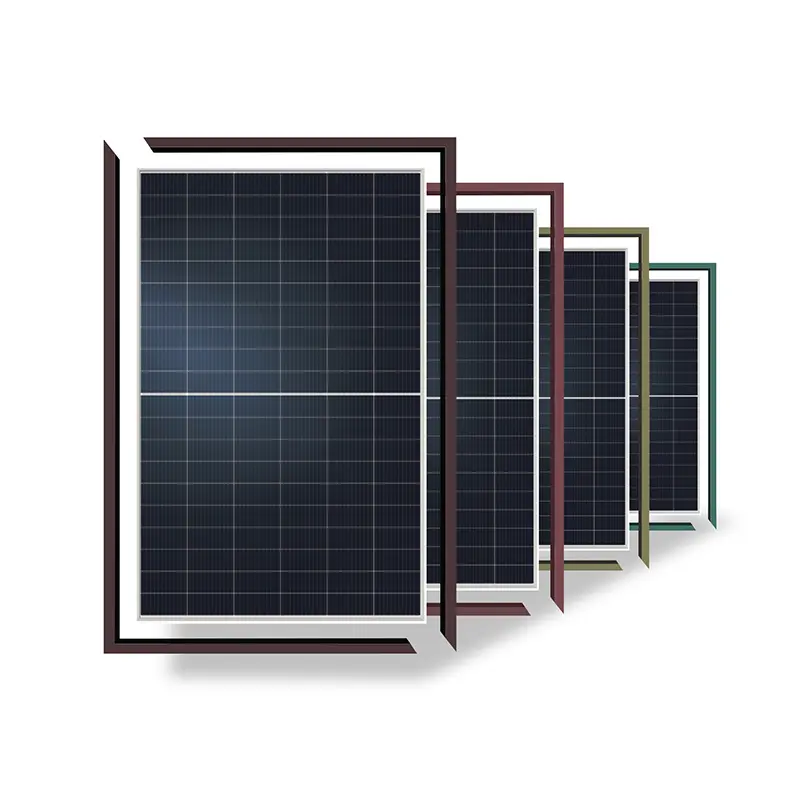
Utilizing advanced monocrystalline silicon cells, it achieves a high energy conversion efficiency of 24%.
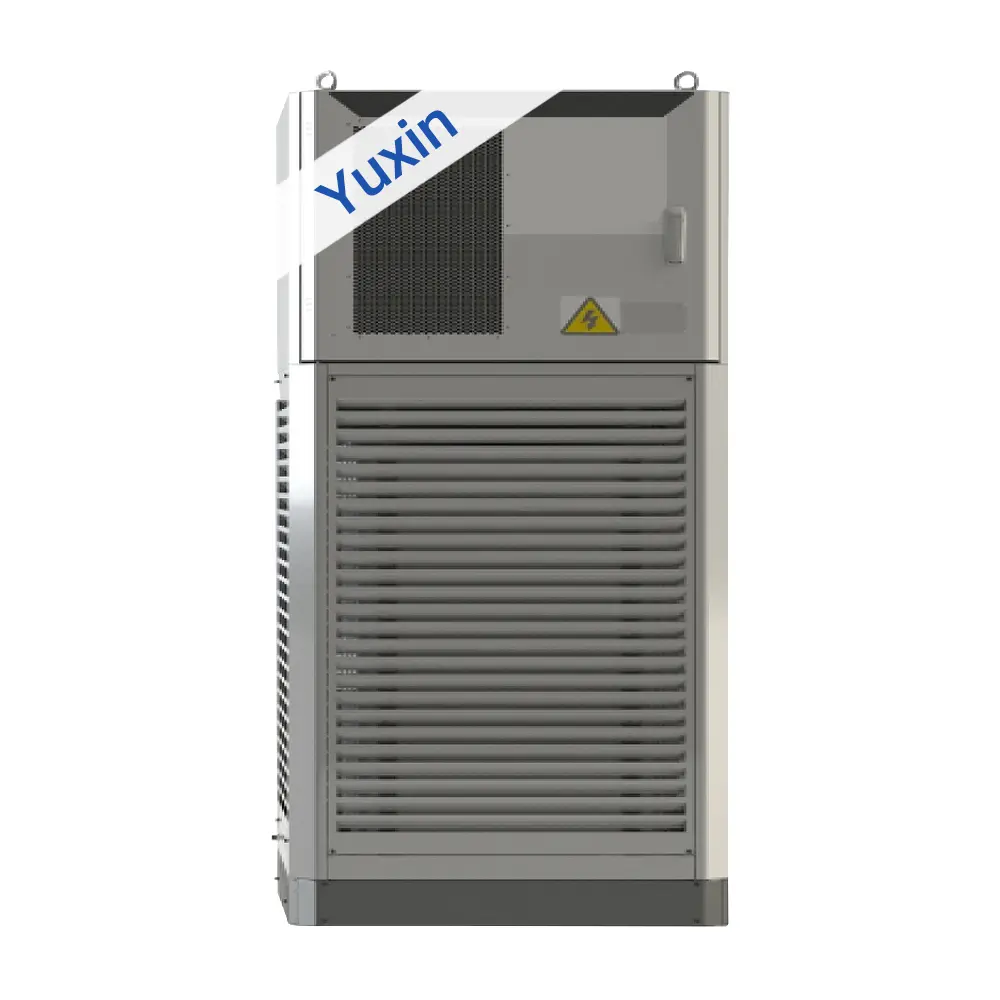
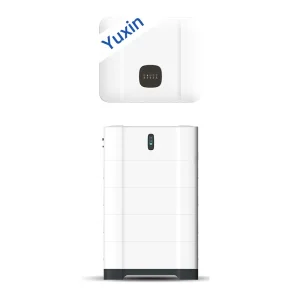
Application modes include grid-connected mode, off-grid mode, and integrated grid-connected/off-grid mode.
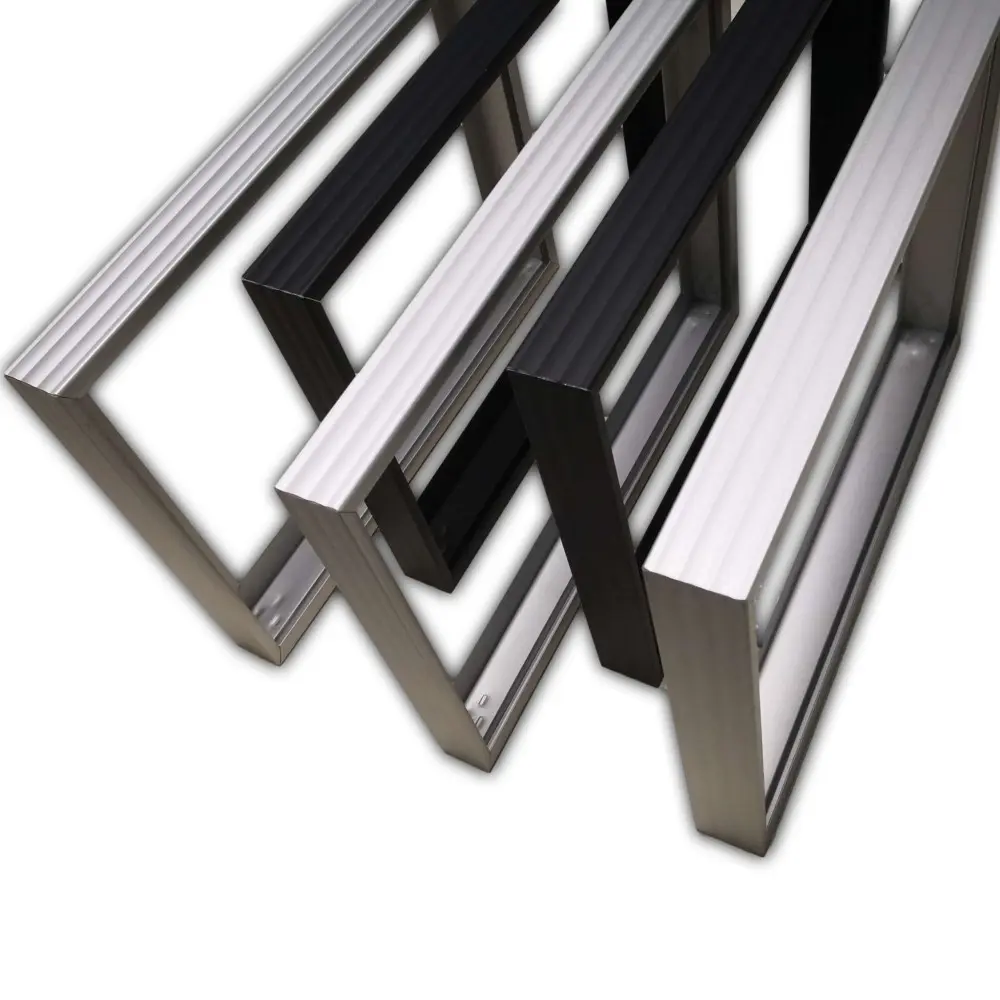
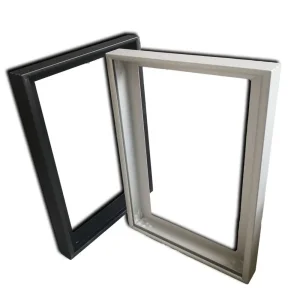
Made of high-quality anodized aluminum, it ensures superior weather resistance and a smooth, long-lasting finish.
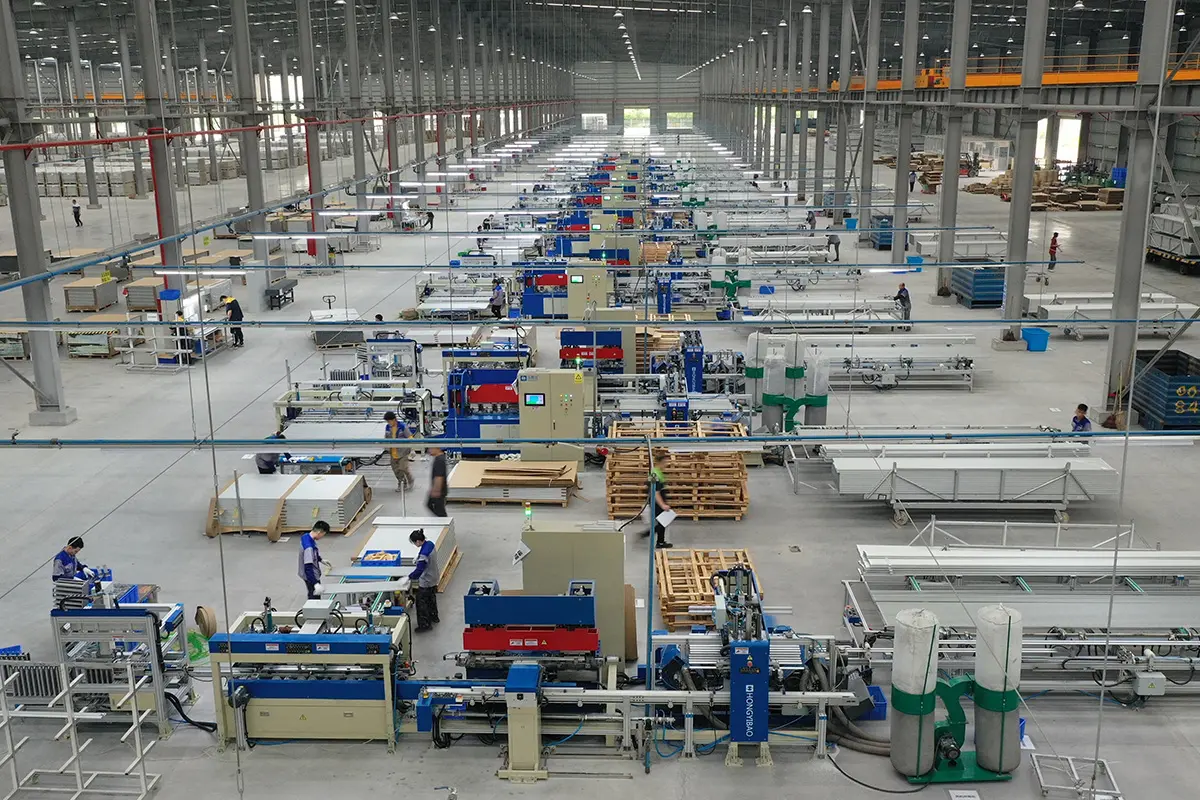
Leveraging scale, automation, and direct access to raw materials to provide cost-effective, high-reliability solar products globally.
YUXIN Group, established in 2008, operates at the heart of Jiangsu's advanced solar energy corridor. Comprising 14 specialized industrial subsidiaries, including Jiangsu Yuxin New Energy Technology Co., Ltd., we maintain a position as a National High-tech Enterprise and a Top 100 Private Enterprise in Gaoyou City.
Our proximity to key maritime transport portals, the Beijing-Shanghai Expressway, and regional rail junctions guarantees swift distribution. Our massive production scale allows us to drive down unit costs for critical off-grid products—ranging from lightweight 10W-60W camping panels to heavy-duty industrial energy storage systems. By engineering everything from raw anodized aluminum frames (6063-T5) to completed cell assemblies internally, we offer unmatched manufacturing oversight and quality control.
Deploying specialized PV architectures to meet critical requirements in diverse global sectors.
Supplying remote farms, greenhouses, and autonomous irrigation pumps with constant PV power. Ensures operations continue in decentralized crop zones without relying on traditional grid setups.
Providing modular energy systems for remote infrastructure sites, field testing setups, and crew camps, minimizing logistics challenges linked to transporting fossil fuels.
Assisting regional utility providers with smart grid monitoring installations, line inspection platforms, and emergency battery backup setups.
Equipping outdoor recreation organizations, ecotour outfits, and remote camps with lightweight, durable solar modules, USB-integrated backpacks, and emergency power systems.
Running critical regional relay towers, weather stations, and microwave communications arrays off-grid, ensuring 24/7 uptime without grid reliance.
Powering remote monitoring monitors, tracking devices on marine cargo setups, warning beacons along rail infrastructure, and solar-assisted fleet vehicle trackers.
Operational photos showing actual field deployments of our energy architectures across international sectors.

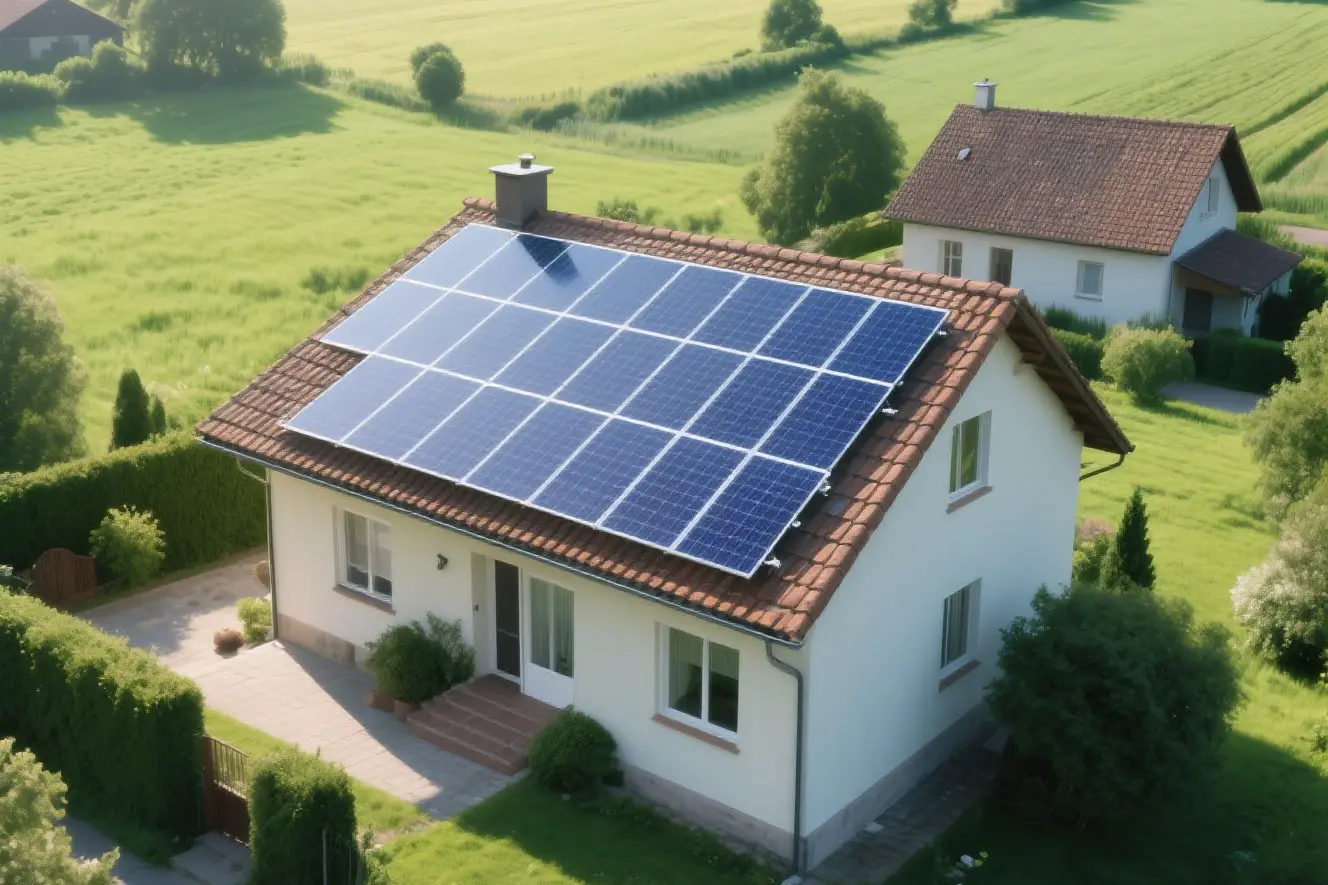
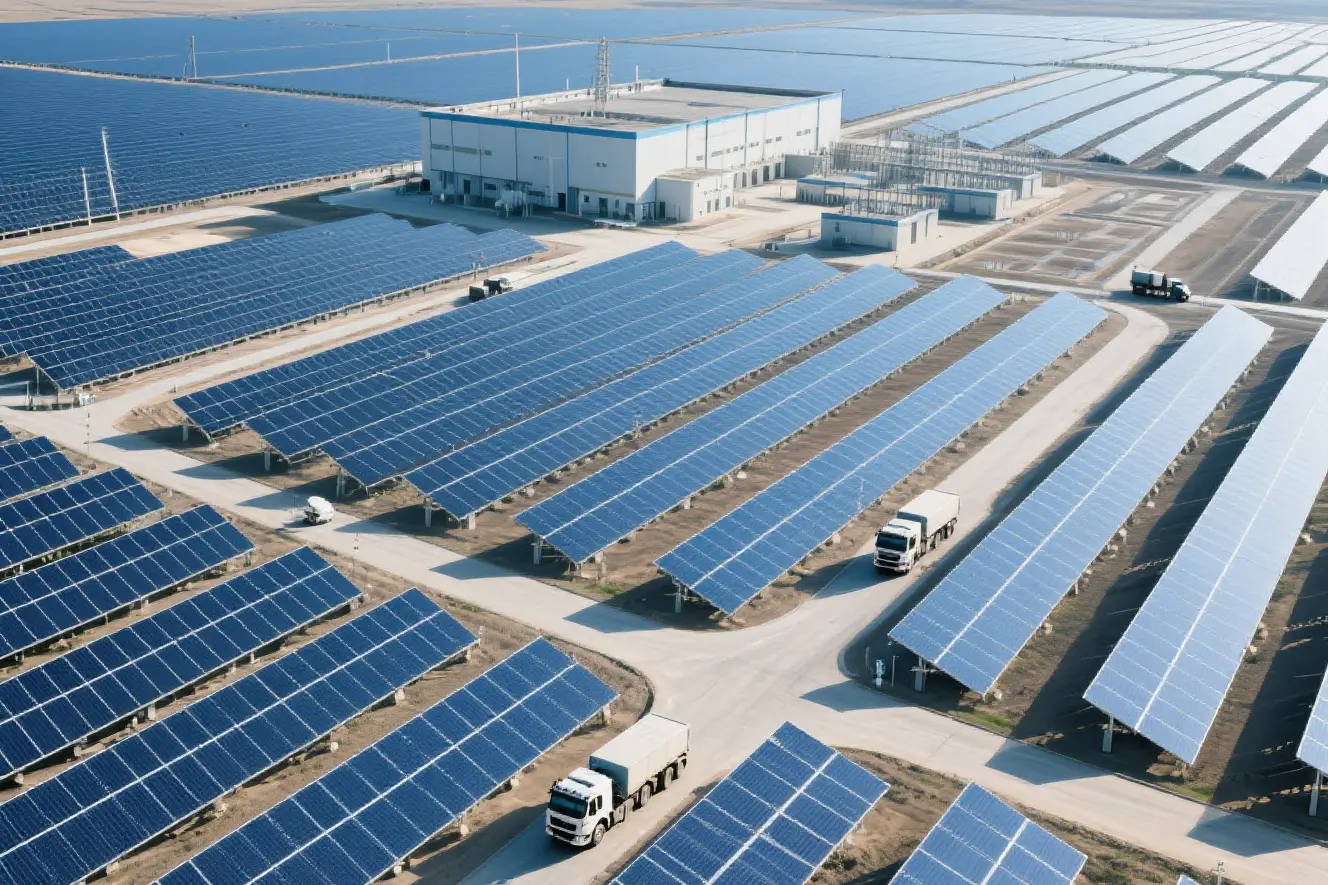
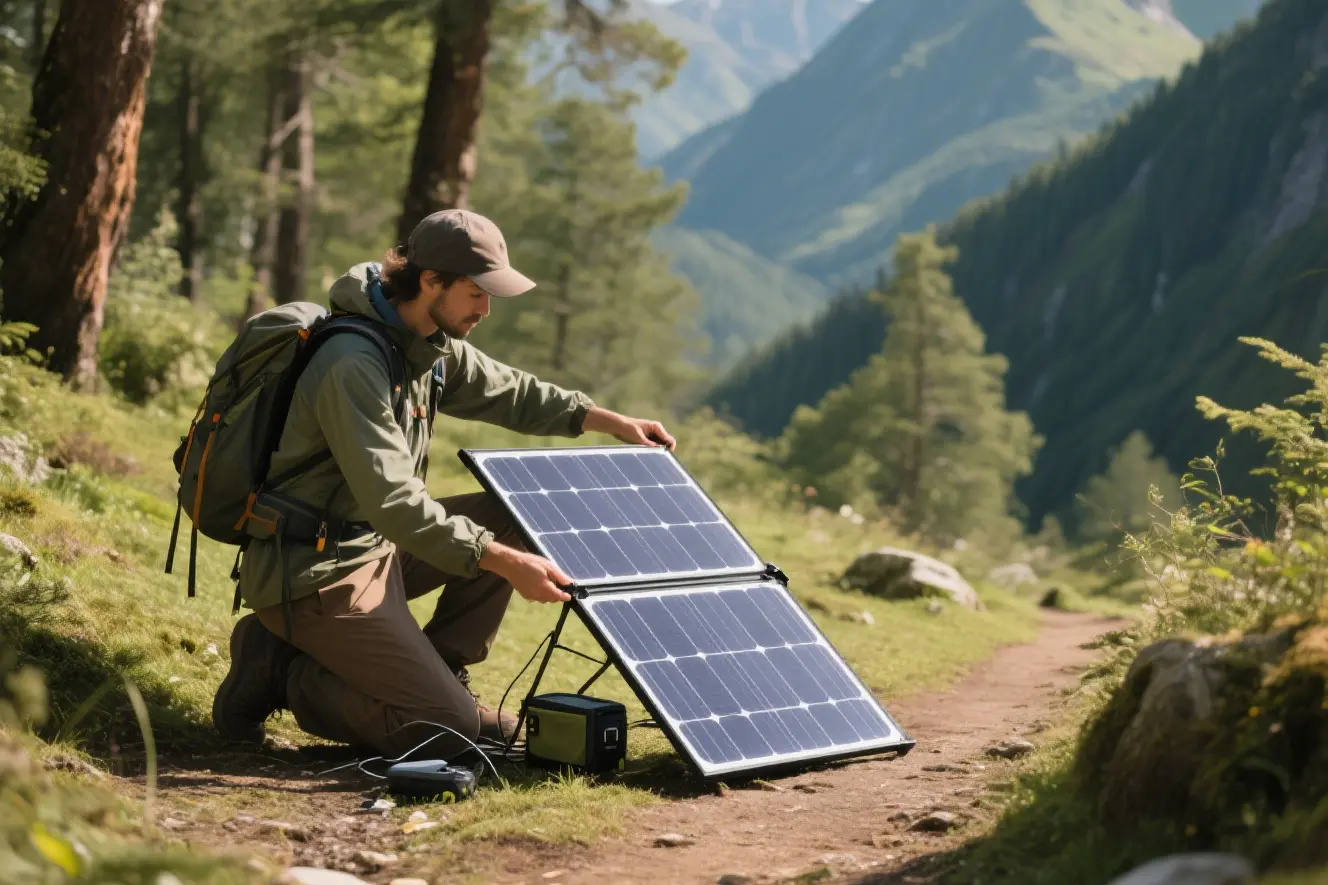
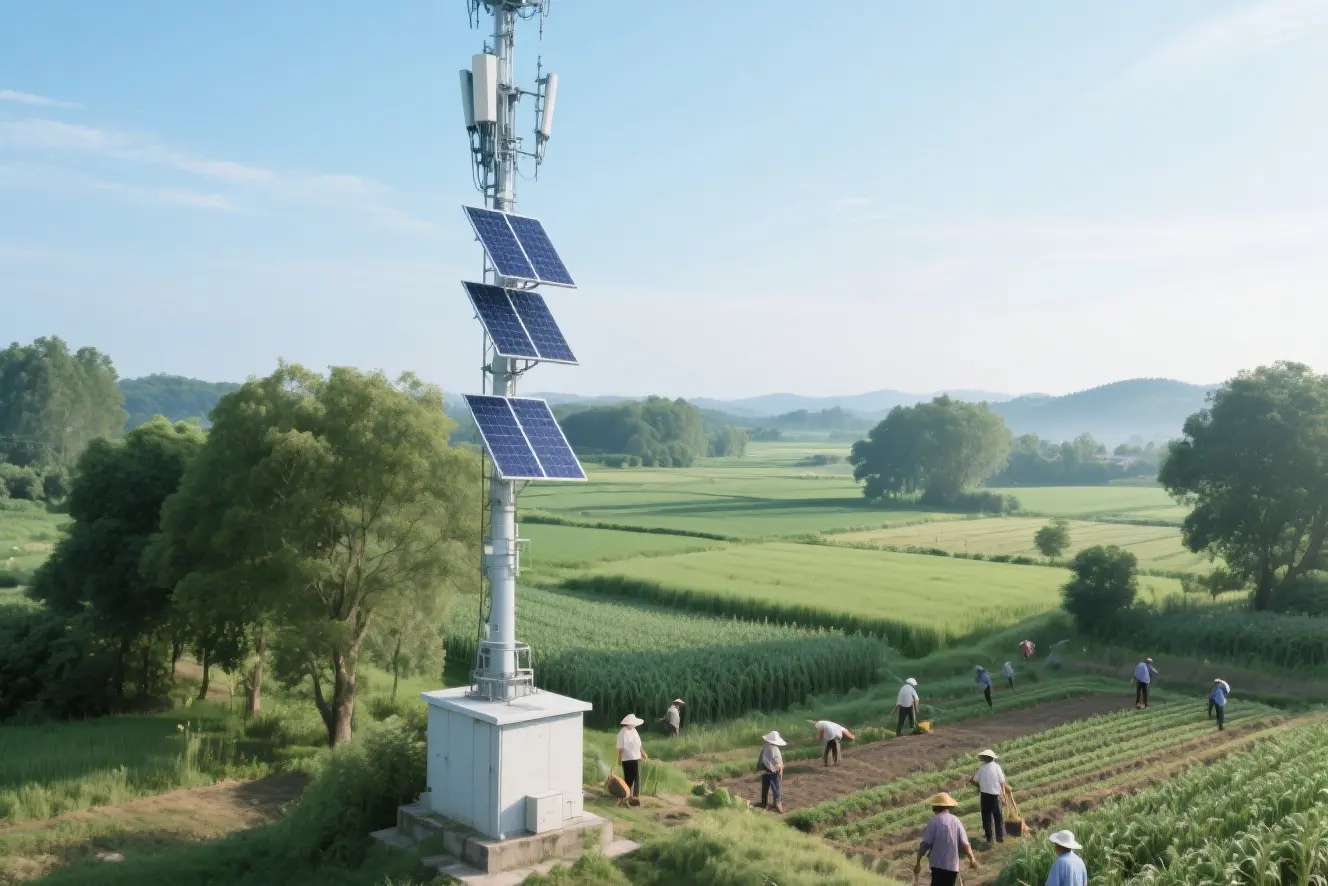
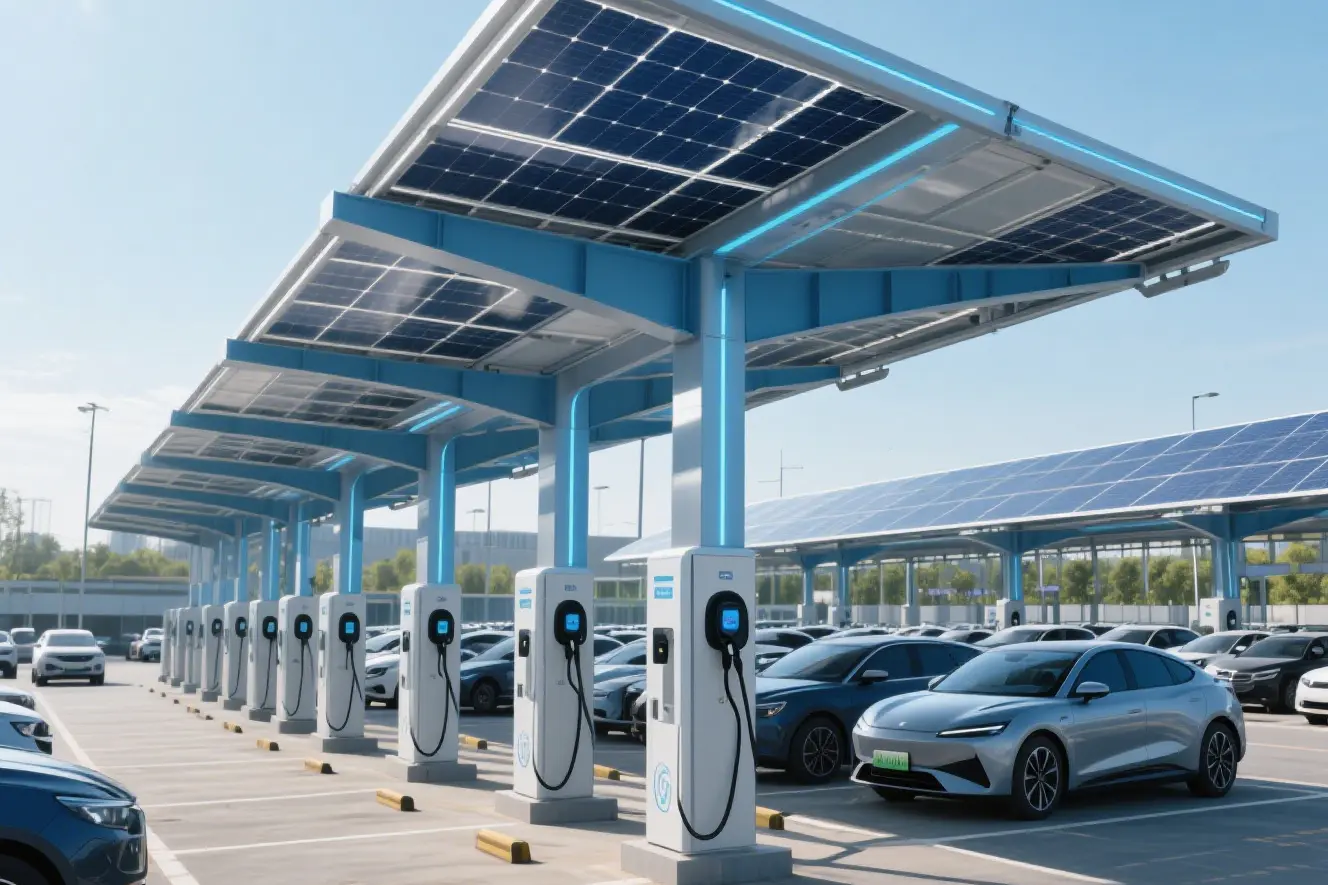
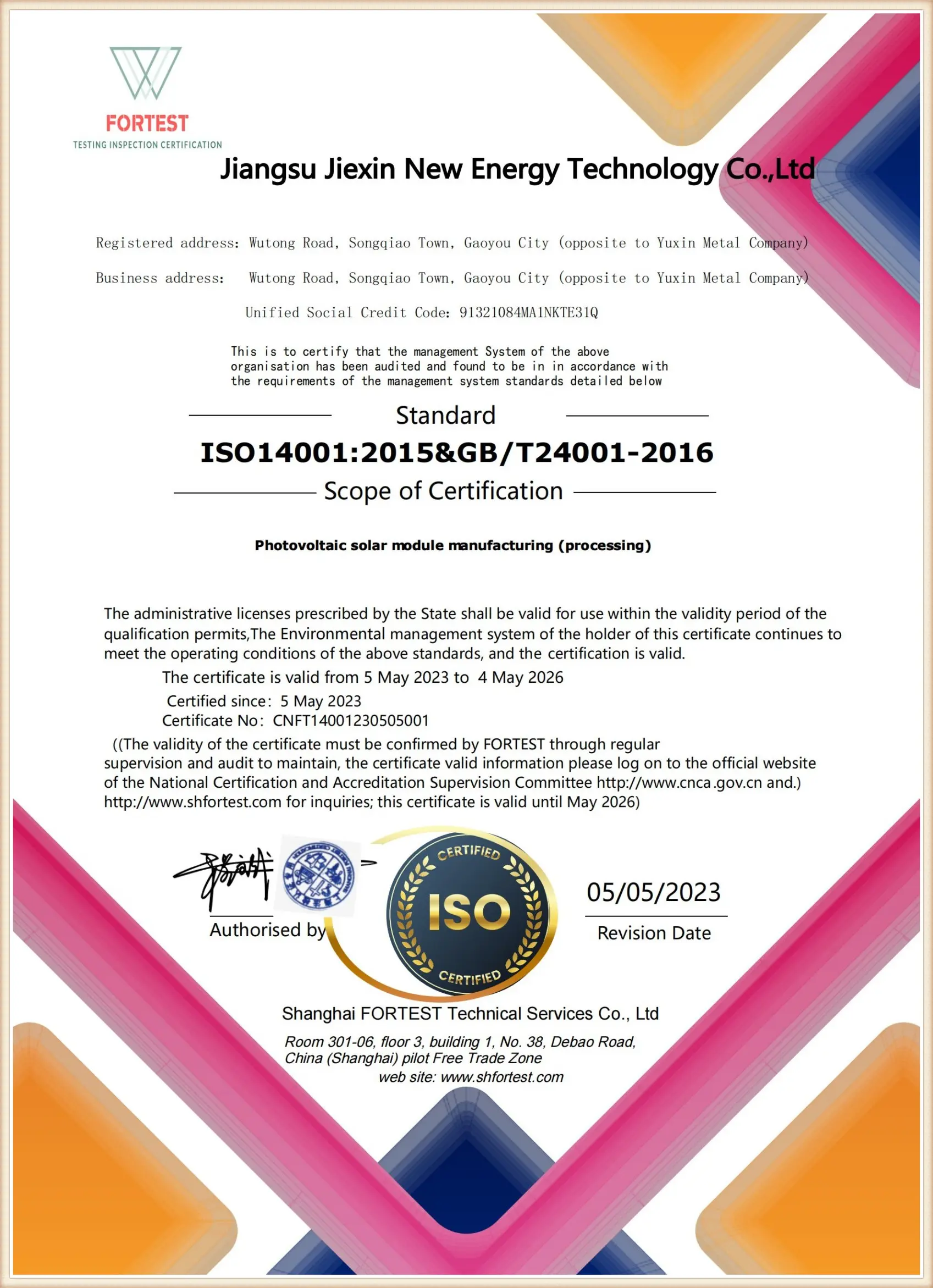
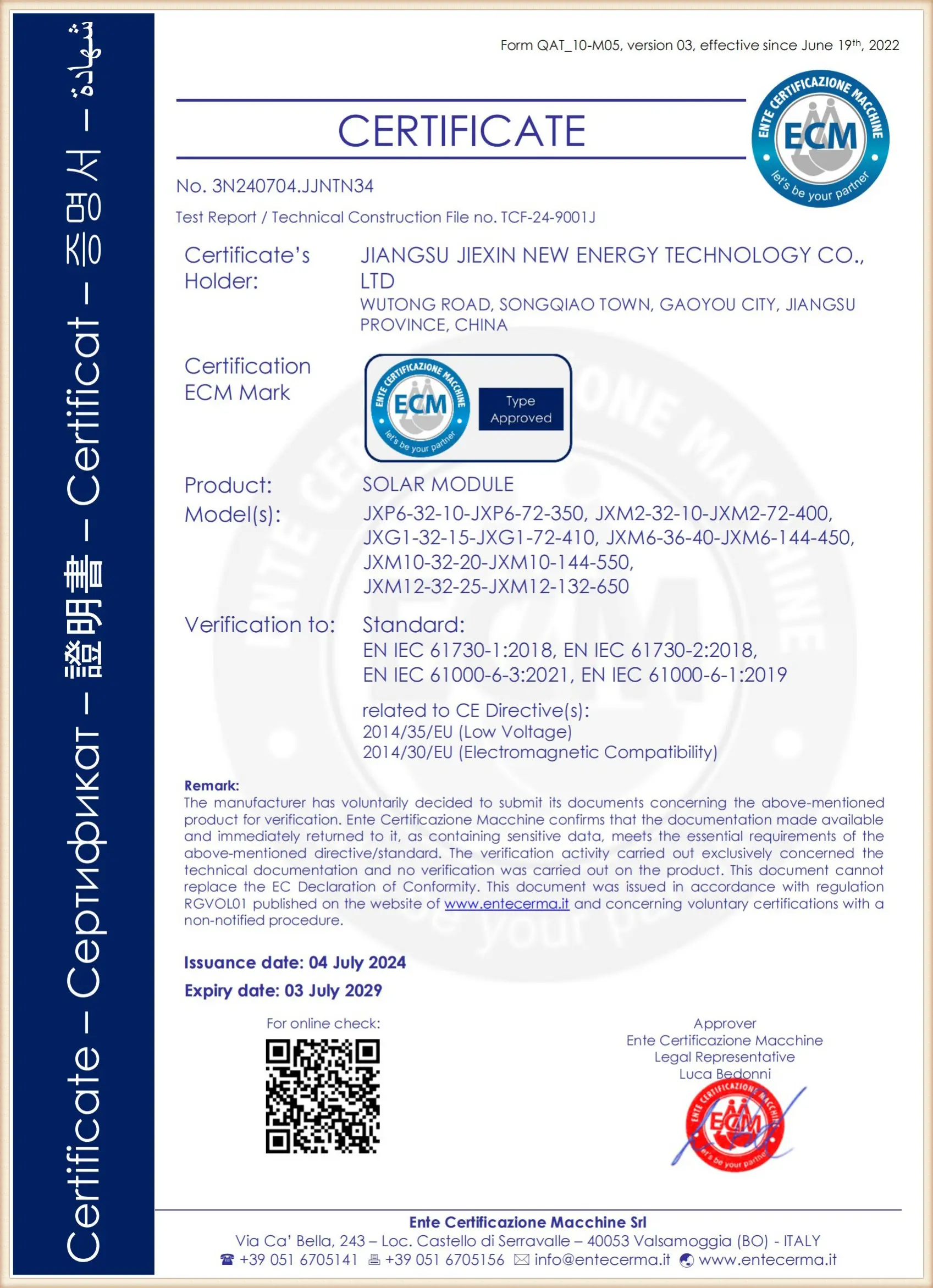
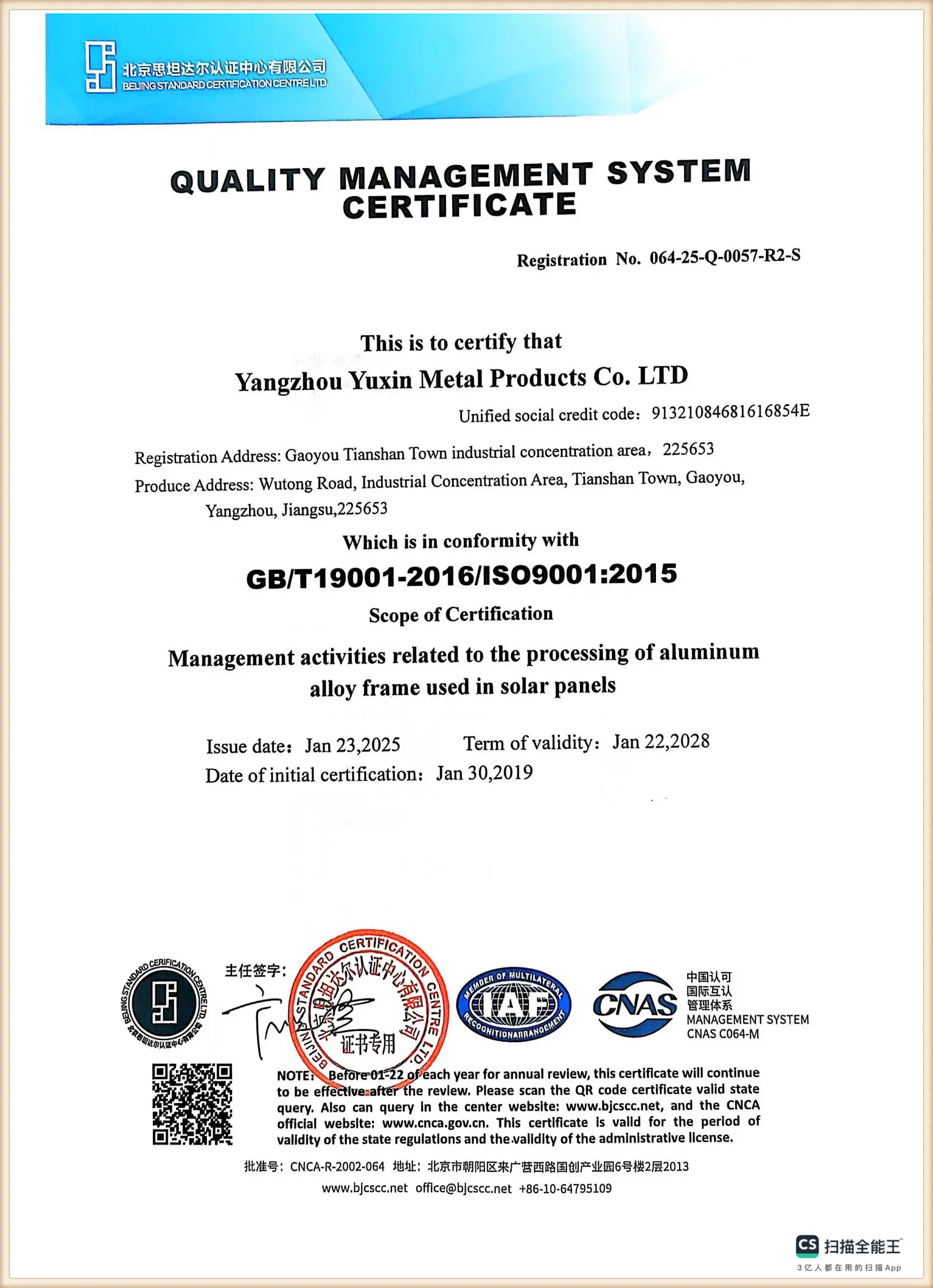
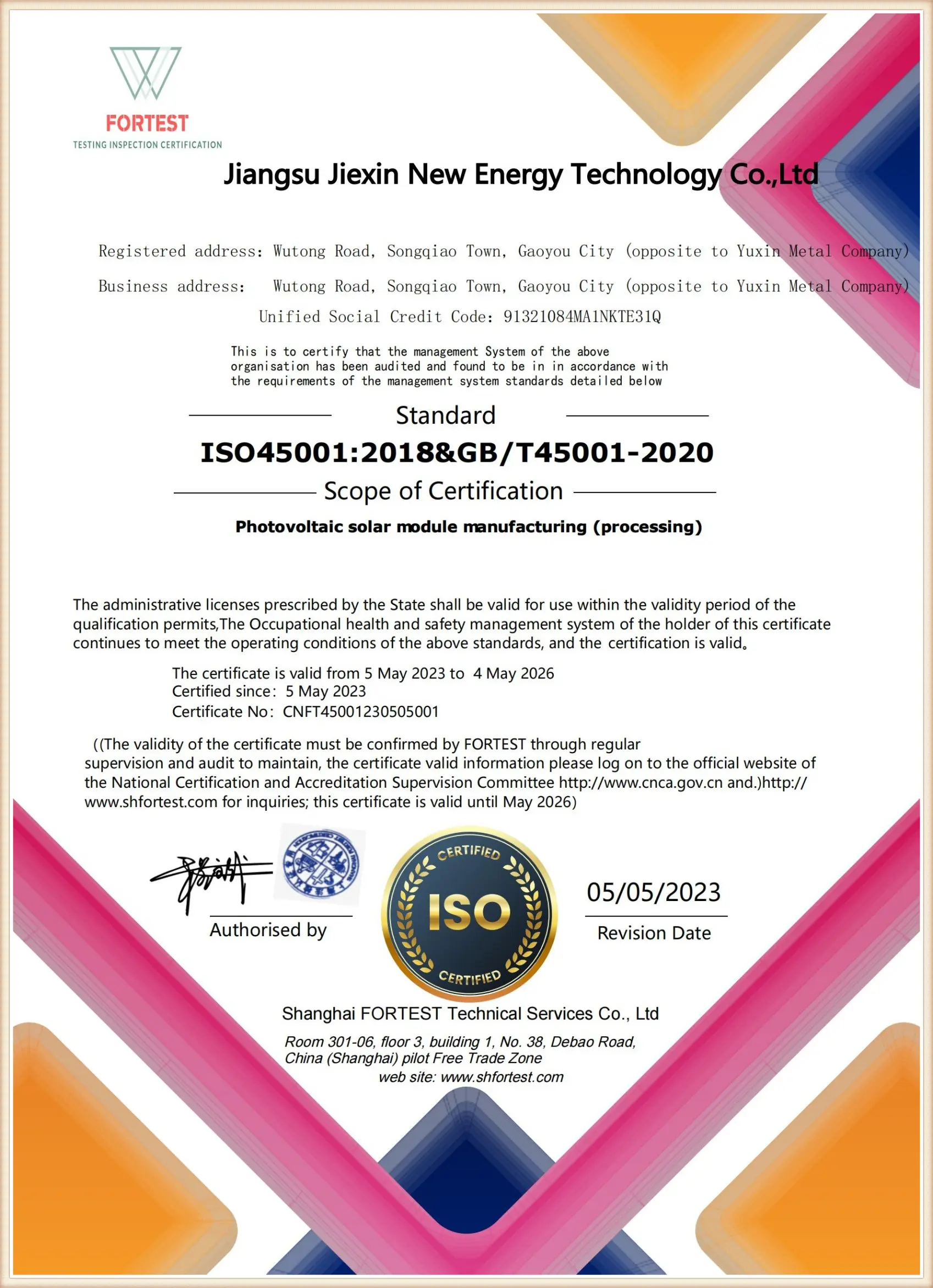
Our manufacturing processes adhere to strict international requirements, guaranteeing field reliability and safety.
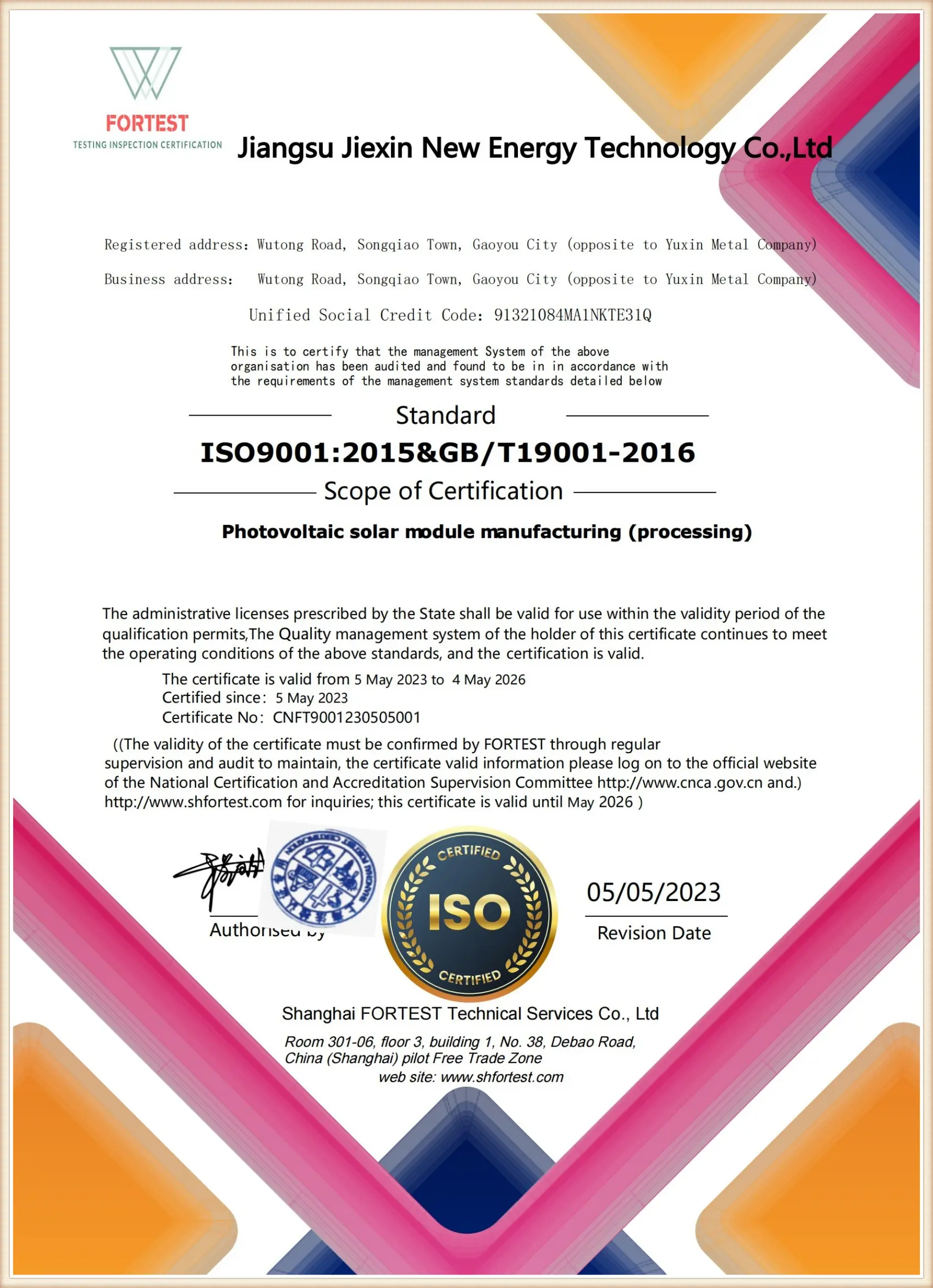
Guidelines for B2B procurement officers, sourcing directors, and wholesale importers evaluating portable solar platforms.
For international trade, conformity certifications are crucial. Standard p-type and modern N-type TOPCon monocrystalline panels must carry CE certification, RoHS conformity, and TUV SUD validation reports. These certifications ensure hassle-free customs clearance and protect importers from liability risks in strict target markets like the EU and North America.
Solar gear for camping and field use must withstand rugged handling. B2B buyers should specify modules featuring high-grade waterproof coatings (minimum IP67 for junction boxes and fabric components). Utilizing durable polyurethane composite materials for structural frames improves weather resistance and reduces overall weight compared to traditional heavy aluminum alloys.
Wind, snow, and rough transportation can cause micro-cracks in sub-standard cells. Demanding half-cell designs with robust busbar layouts (e.g., 10BB to 16BB) helps maintain current flow even under mechanical stress. Using dual-glass configurations further protects the internal silicon from micro-fractures during transport and deployment.
Working with vertically integrated manufacturers ensures stable supply and competitive pricing. Importers should partner with entities managing their own ingot slicing, frame extrusion, and module testing lines. This integration shields buyers from spot-market price spikes and ensures consistent product specifications across large volume orders.
Key design trends shaping the next generation of portable and off-grid solar equipment.
The industry is transitioning away from standard heavy frames toward innovative composite materials, such as polyurethane pultruded structures. These offer comparable structural rigidity to aluminum while reducing overall weight, making them ideal for mobile and transportable solar setups.
Modern mobile charging panels now feature direct digital chips, enabling USB-C Power Delivery (PD) outputs up to 100W straight from the panel's junction box. This integration allows users to charge laptops, power banks, and portable stations without requiring bulky external charge controllers.
Bifacial solar technology is expanding from utility-scale plants into portable gear. N-type dual-glass bifacial cells capture direct sunlight on the front while absorbing reflected light from the ground on the back, increasing total energy output by up to 25% on sandy or snowy terrain.
Clear, direct answers to common technical queries about off-grid solar equipment procurement.
A: N-type TOPCon panels deliver higher conversion efficiency (often exceeding 22.5%) and show lower LID (Light Induced Degradation) compared to standard P-type PERC modules. This means they generate more energy over their lifespan, particularly in low-light and high-temperature environments typical of outdoor applications.
A: Polyurethane pultruded composites offer high strength and excellent insulation while being lighter than traditional aluminum. Their corrosion resistance and thermal performance make them well-suited for harsh marine or humid forest settings.
A: A high-quality system requires an IP67 or IP68 rated junction box, water-resistant ETFE coatings on the panel face, and durable double-stitched fabric backings that dry quickly and block moisture ingress.
A: MBB designs shorten the distance current must travel, reducing internal resistance. They also create alternative electrical paths, meaning the panel can still function effectively even if minor micro-cracks occur during transport.
A: Yes. Many modular commercial and residential energy storage systems (such as the 8000T or P01-EC60-30K series) accept DC inputs from portable solar panels, creating a versatile emergency backup system for home, office, or basecamp use.
A: Importers should verify CE certification, RoHS compliance for materials safety, and TUV/UL certification for electrical safety. These standards ensure smooth customs clearance and compliance with local market safety regulations.
A: Larger wafer sizes allow manufacturers to produce higher-wattage modules in a compact footprint. For portable products, selecting 182mm half-cell configurations provides an optimal balance of output power, weight, and handling ease.
Collaborating with leading global enterprises to deliver reliable, high-performance solar solutions.

Market analysis, technical advice, and product design updates straight from our engineering team.
Direct access to our factory-certified product lines, from portable backpack panels to commercial energy storage solutions.