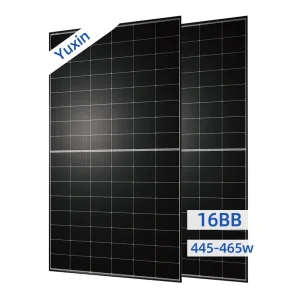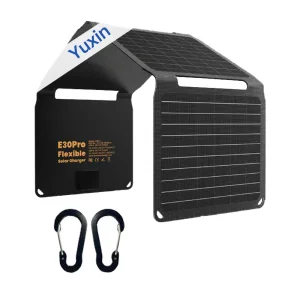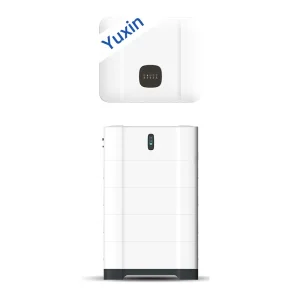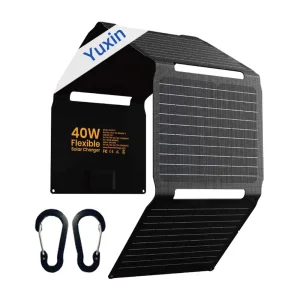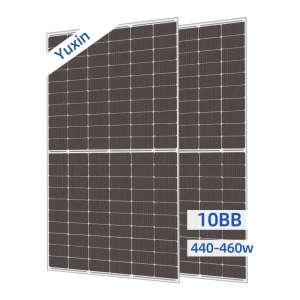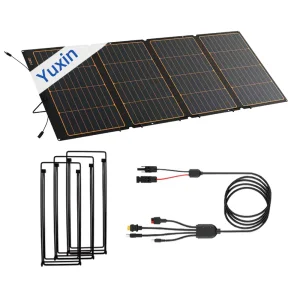
Explore our top-performing Tier-1 monocrystalline panels, flexible outdoor deployment modules, and robust aluminum structural materials configured for small-scale off-grid installations.
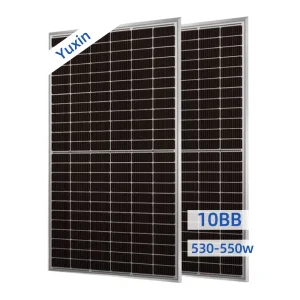
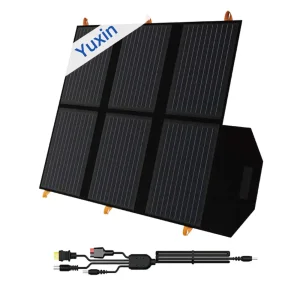
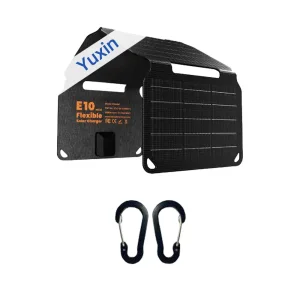
As remote operations, eco-tourism projects, edge-telecommunications infrastructure, and localized farming systems scale worldwide, the dependency on stable, off-grid power is surging. Off-grid systems designed for small cabins must bridge the gap between financial practicality (LCOE minimization) and operational survivability under extreme climates. Commercial entities do not search merely for "cheap" setups; instead, they seek highly optimized capital expenditure (CapEx) profiles with a fast return on investment (ROI), coupled with low maintenance (OpEx) costs.
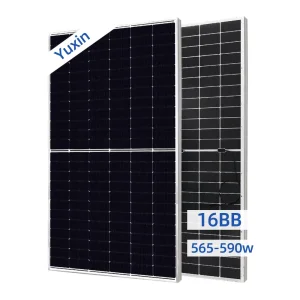
In off-grid designs, space constraint is a frequent limitation. Small cabins require systems that generate maximum energy per square meter. Our deployment of N-type TOPCon and PERC solar panels addresses this concern directly. With up to 22.5% conversion efficiencies, these platforms provide superior performance in low-light environments (early mornings, late evenings, and overcast periods) compared to legacy polycrystalline modules. By incorporating bifacial double-glass structures, operators harvest additional ground-albedo energy, increasing total generation by up to 25% depending on local soil, gravel, or snow coverage.
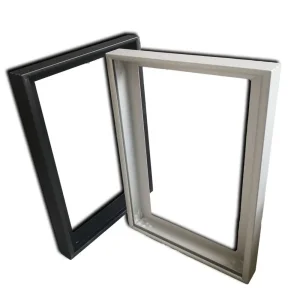
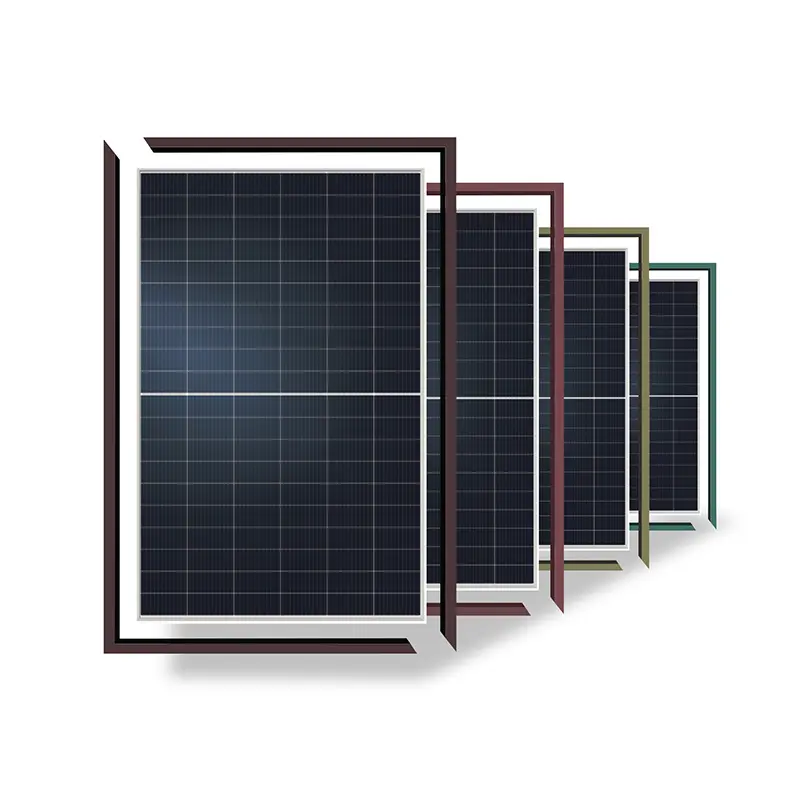
The lifetime of an off-grid installation is determined not only by the silicon wafer but also by the frame and racking structures that hold the modules. Under harsh maritime, mountain, or high-humidity environments, galvanic corrosion can lead to structural failure. Our industry-leading 6063-T5 / 6005-T6 aluminum frames feature advanced anodized surface layers (15μm minimum thickness) ensuring structural integrity against wind loads of up to 2400 Pa and snow loads of up to 5400 Pa. To further enhance sustainability and thermal insulation, our new polyurethane pultruded composite material frameworks provide low-carbon alternatives that offer superior corrosion resistance and electrical insulation properties.
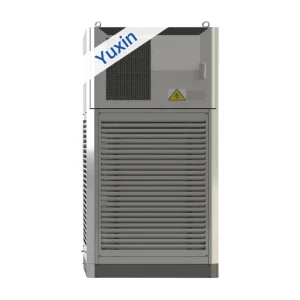
Original product series optimized for residential micro-grids, commercial remote cabins, and industrial sensor networks.
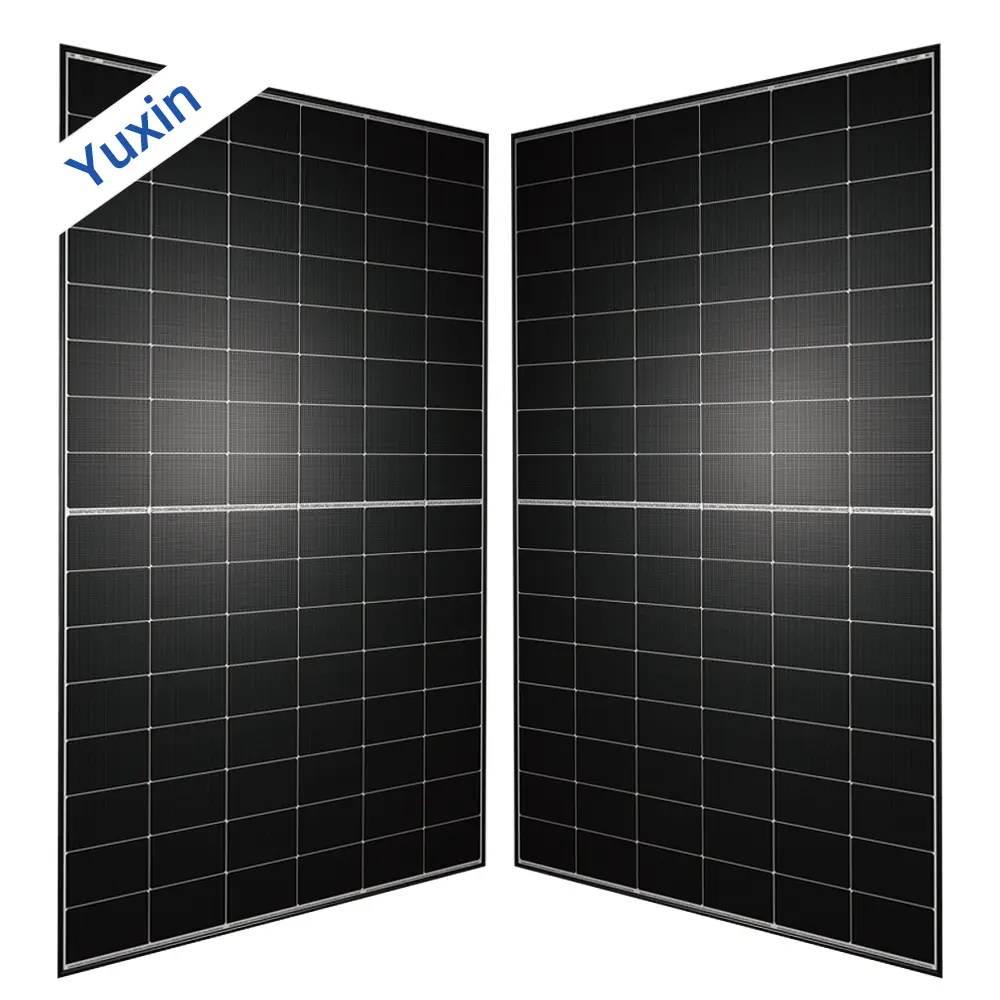
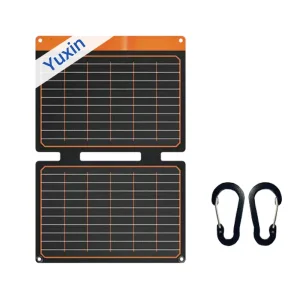
Lightweight design with transparent back panel for easy installation and reduced BOS costs.
Utilizing advanced monocrystalline silicon cells, achieving energy conversion efficiencies up to 24%.

Application modes include grid-connected mode, off-grid mode, and integrated hybrid energy control.
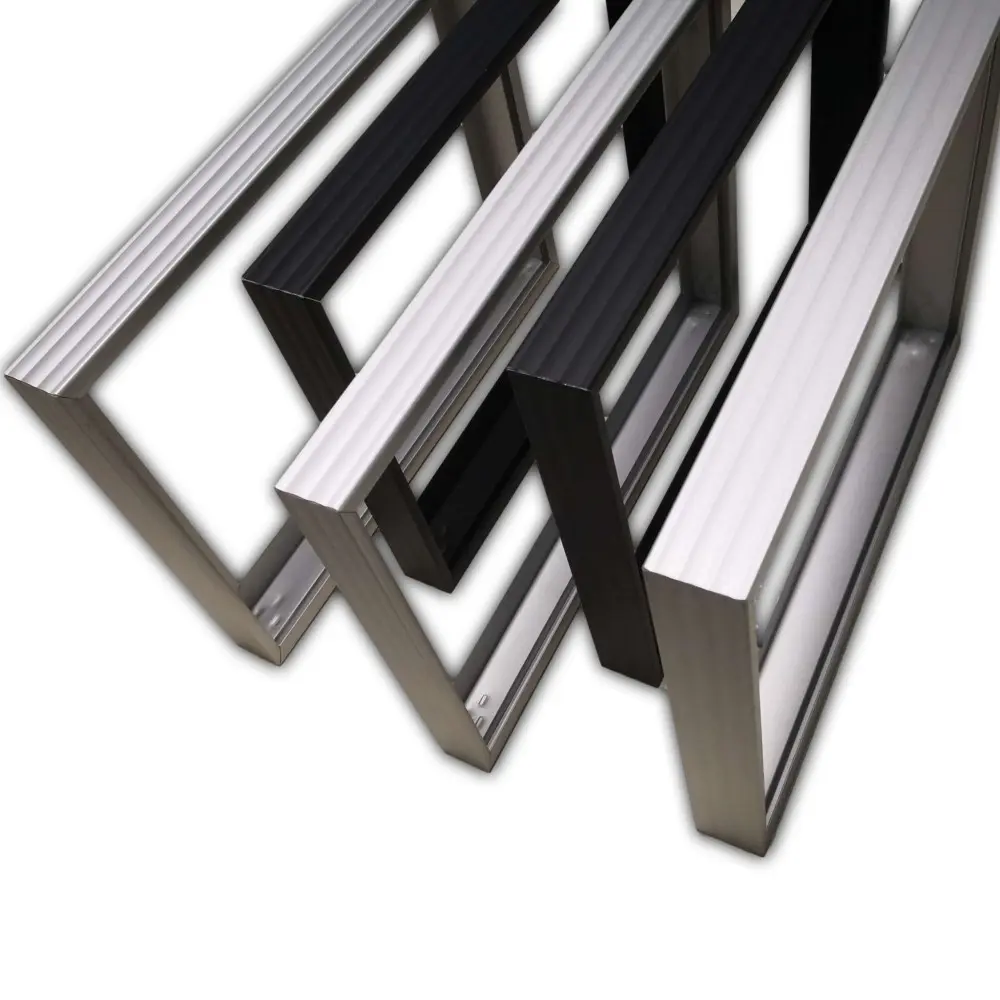
Made of high-quality anodized aluminum, ensuring superior weather resistance and a long-lasting finish.
Precision, Quality, and Safety - Your Photovoltaic Materials Expert
Located in the scenic, historical, and cultural ancient city of Yangzhou, close to the Beijing-Shanghai Expressway, Runyang Yangtze River Bridge, and Ningqi Railway, the group enjoys a superior geographical location and convenient shipping logistics. Established in 2008, YUXIN has evolved into a prominent conglomerate managing 14 multi-field companies, including Jiangsu Yuxin New Energy Technology Co., Ltd.
Recognized as a National High-tech Enterprise, a Technology-based Enterprise, and placed within the Gaoyou City Top 100 Private Enterprises list, our commitment remains anchored in high-quality engineering, strict adherence to global safety certifications, and reliable business-to-business manufacturing support.
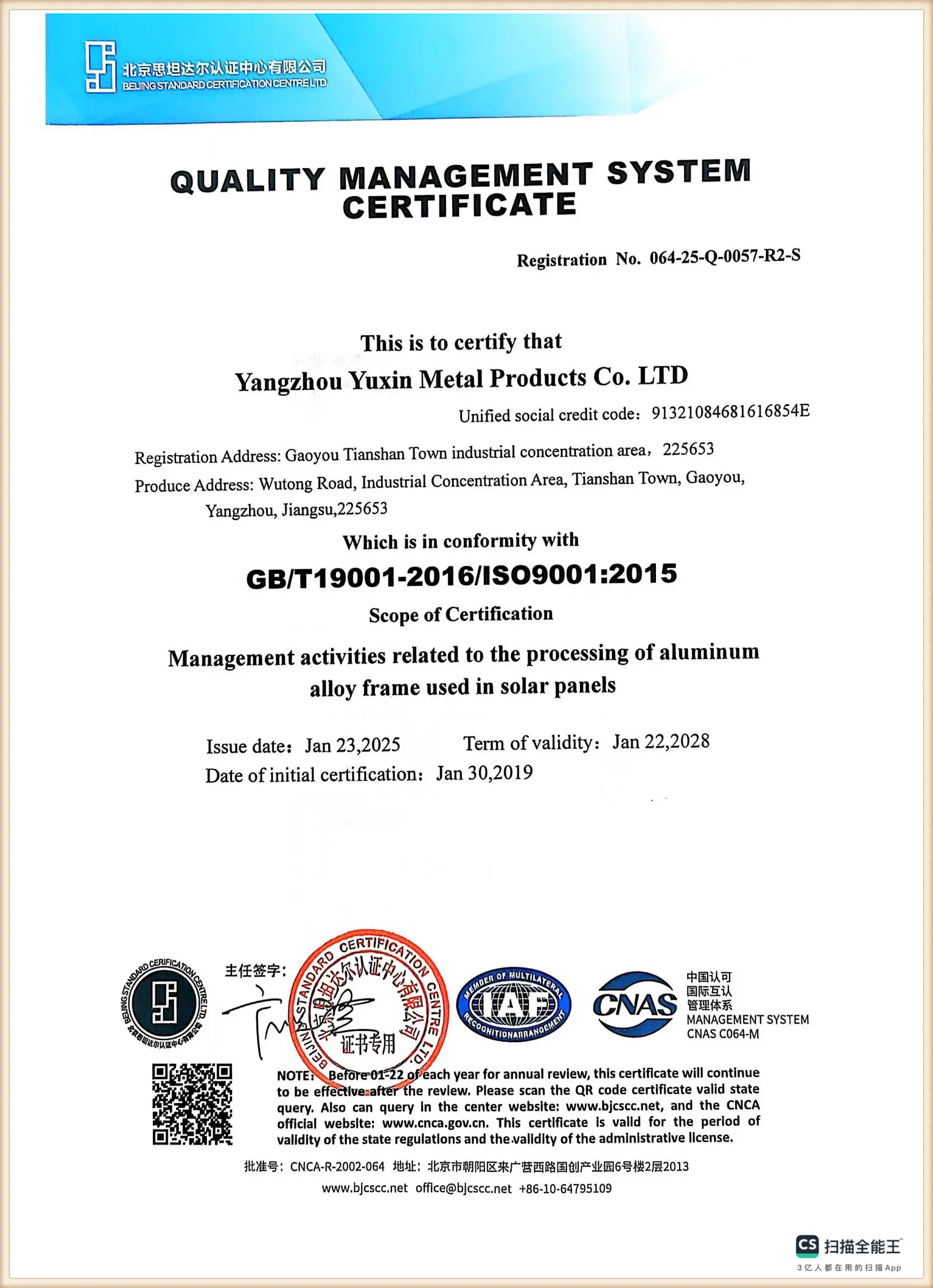
Our entire product line undergoes rigorous inspections to comply with global safety and mechanical strength standards.
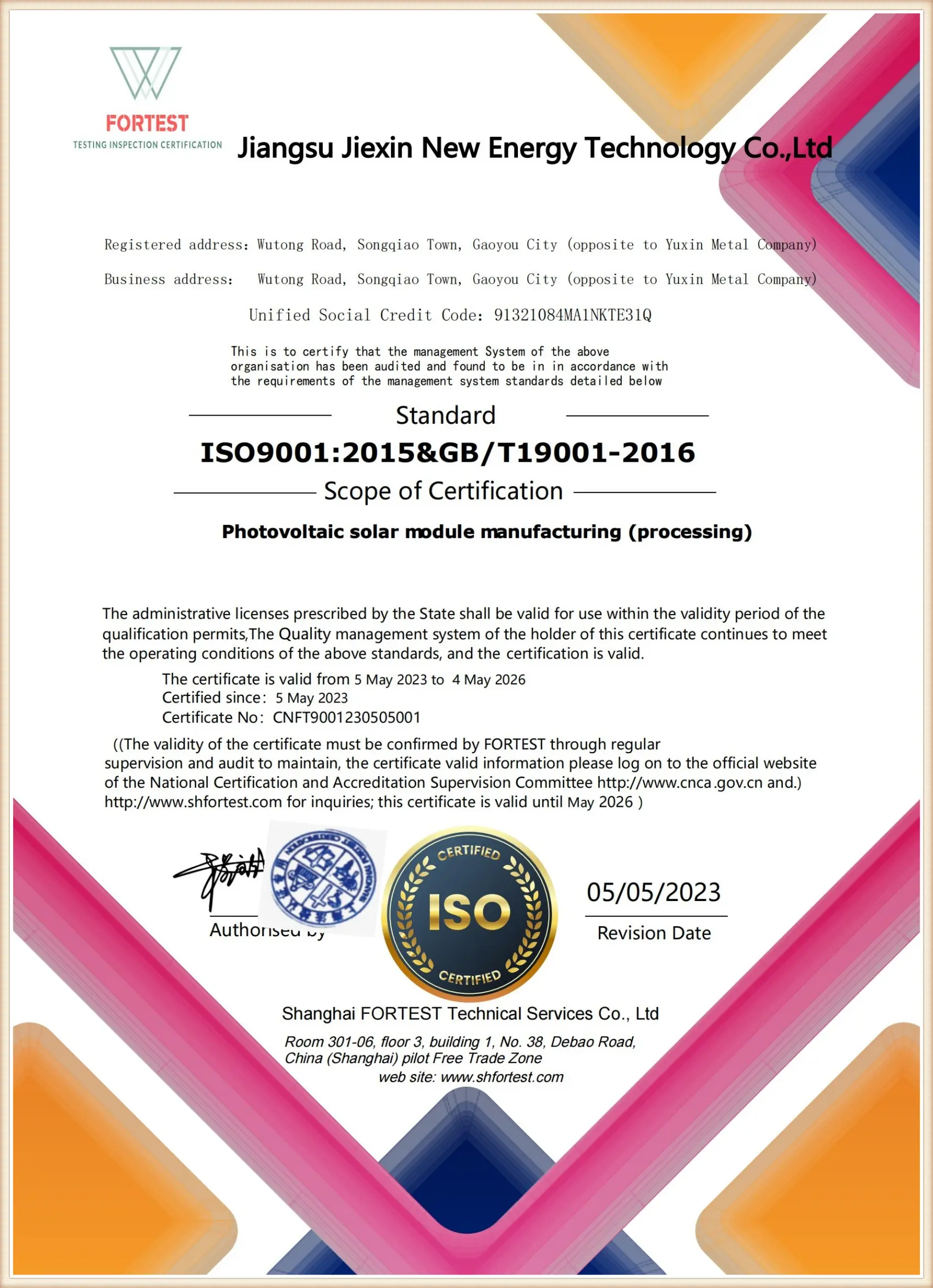
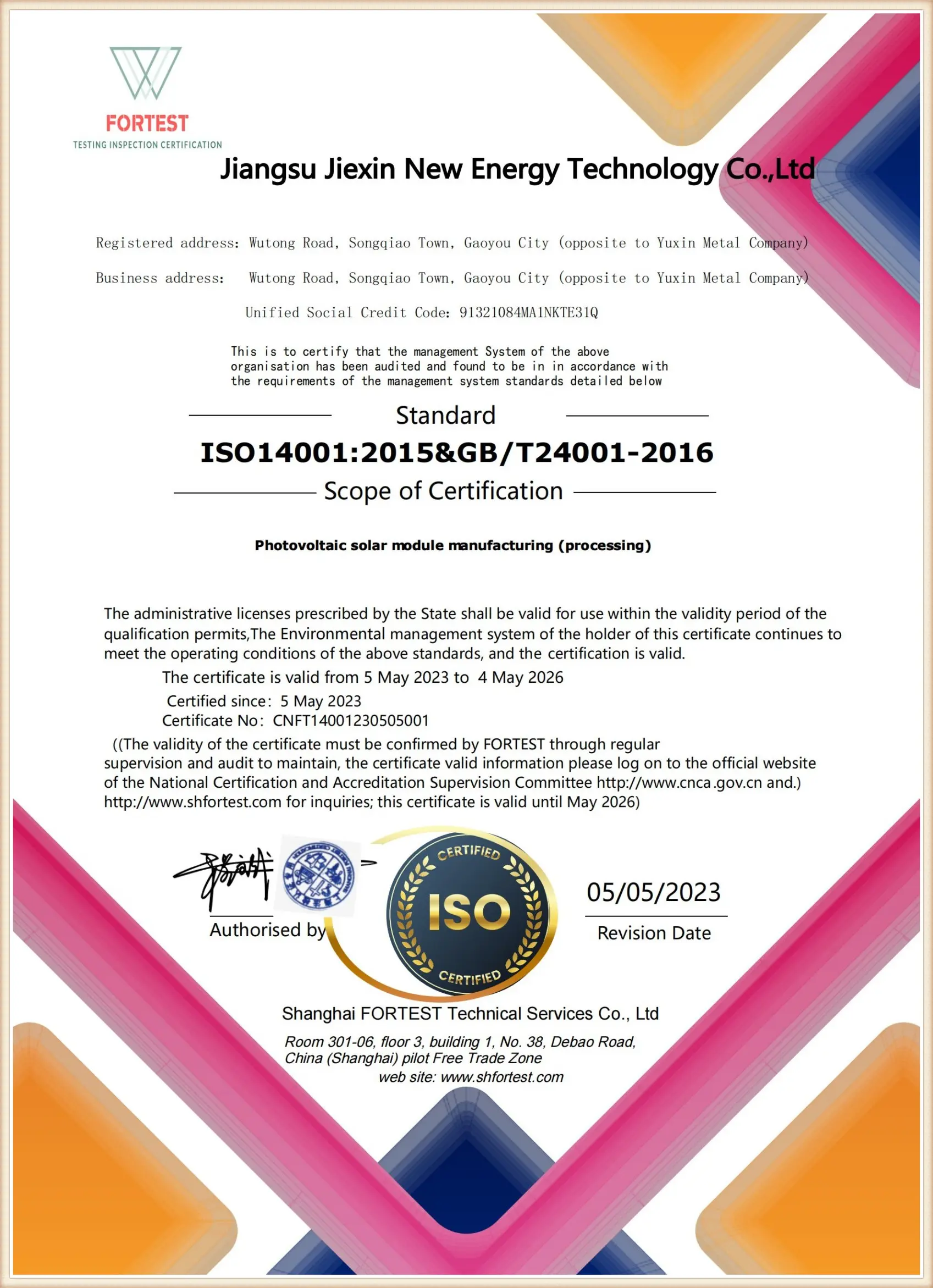
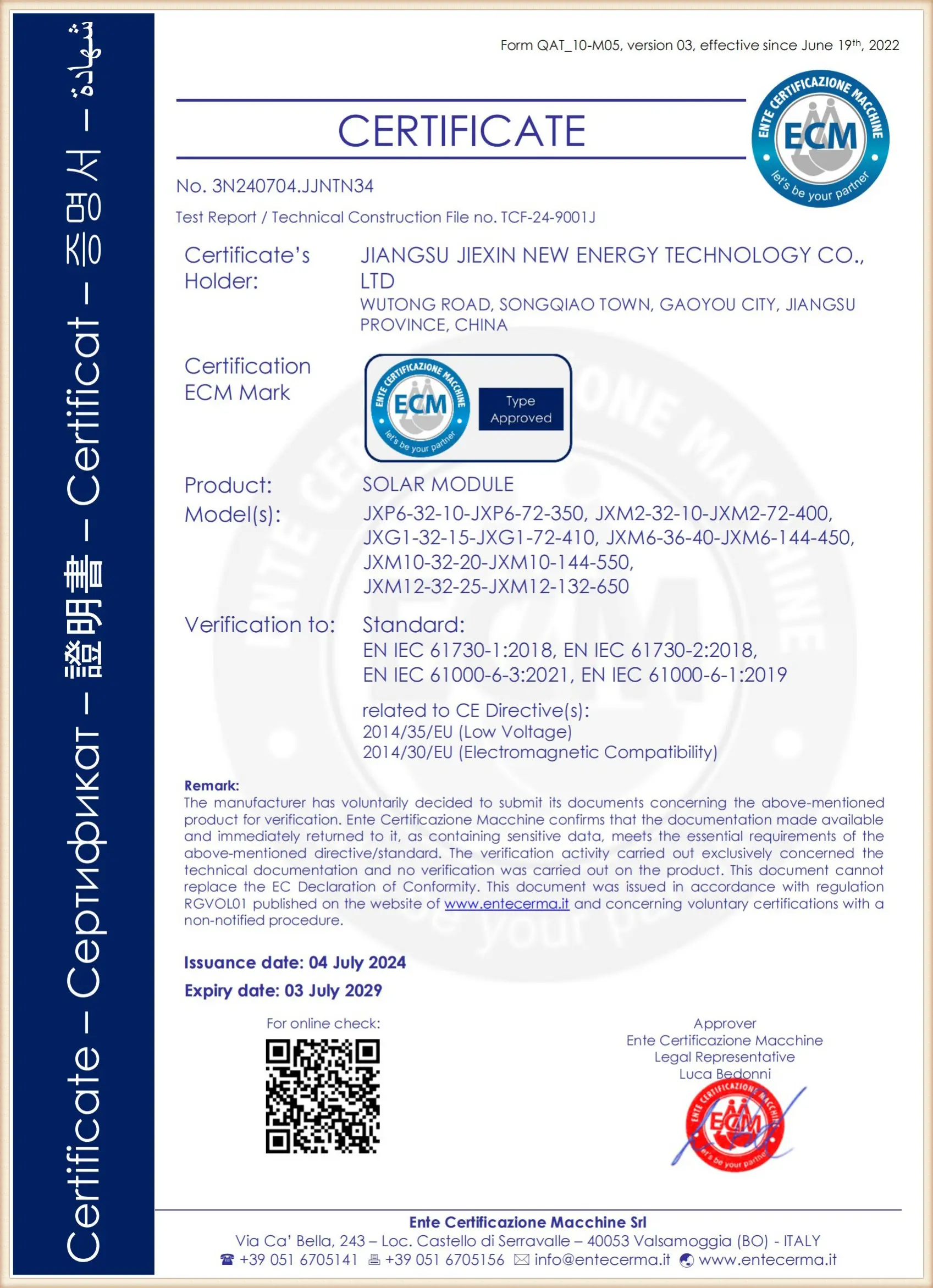
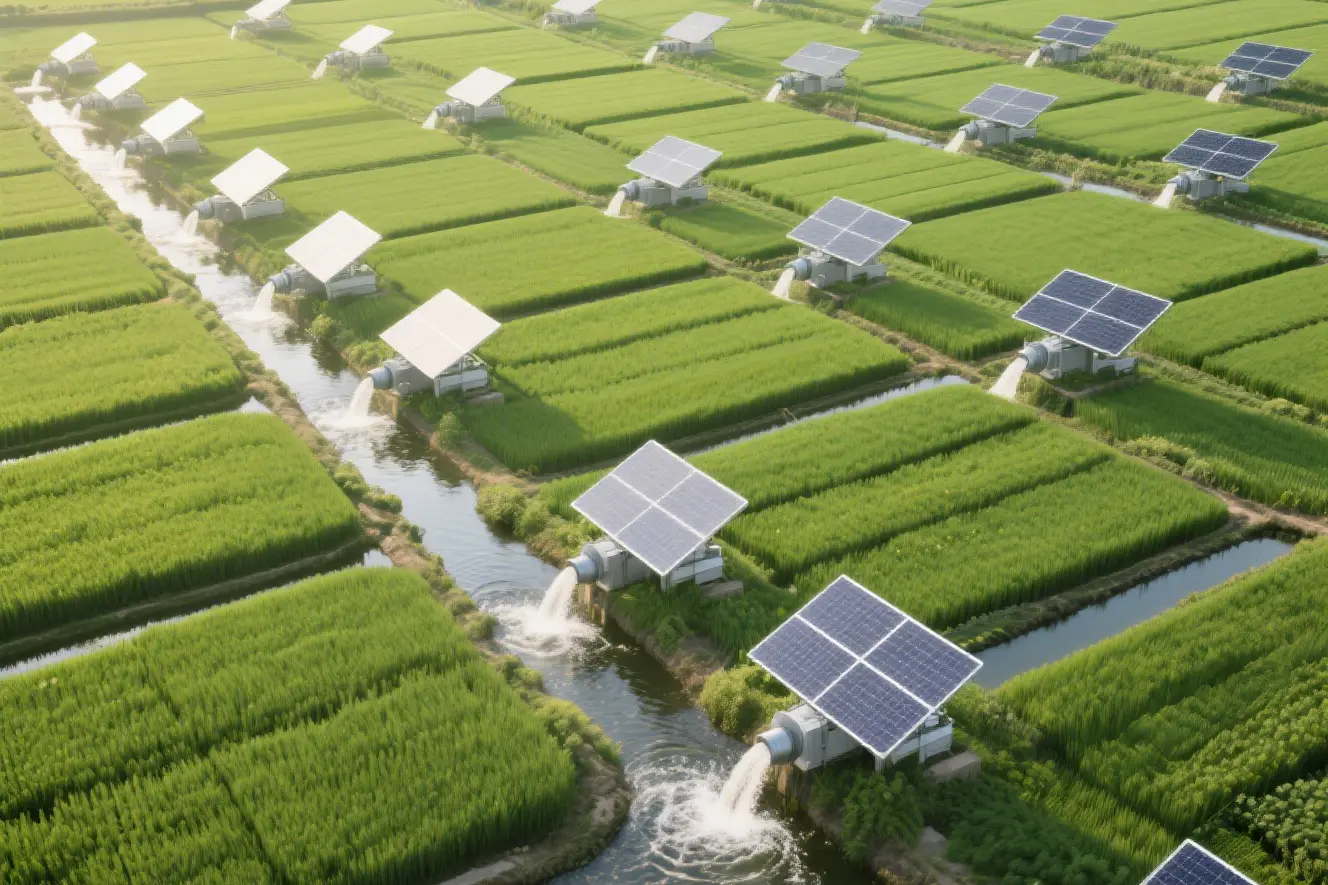
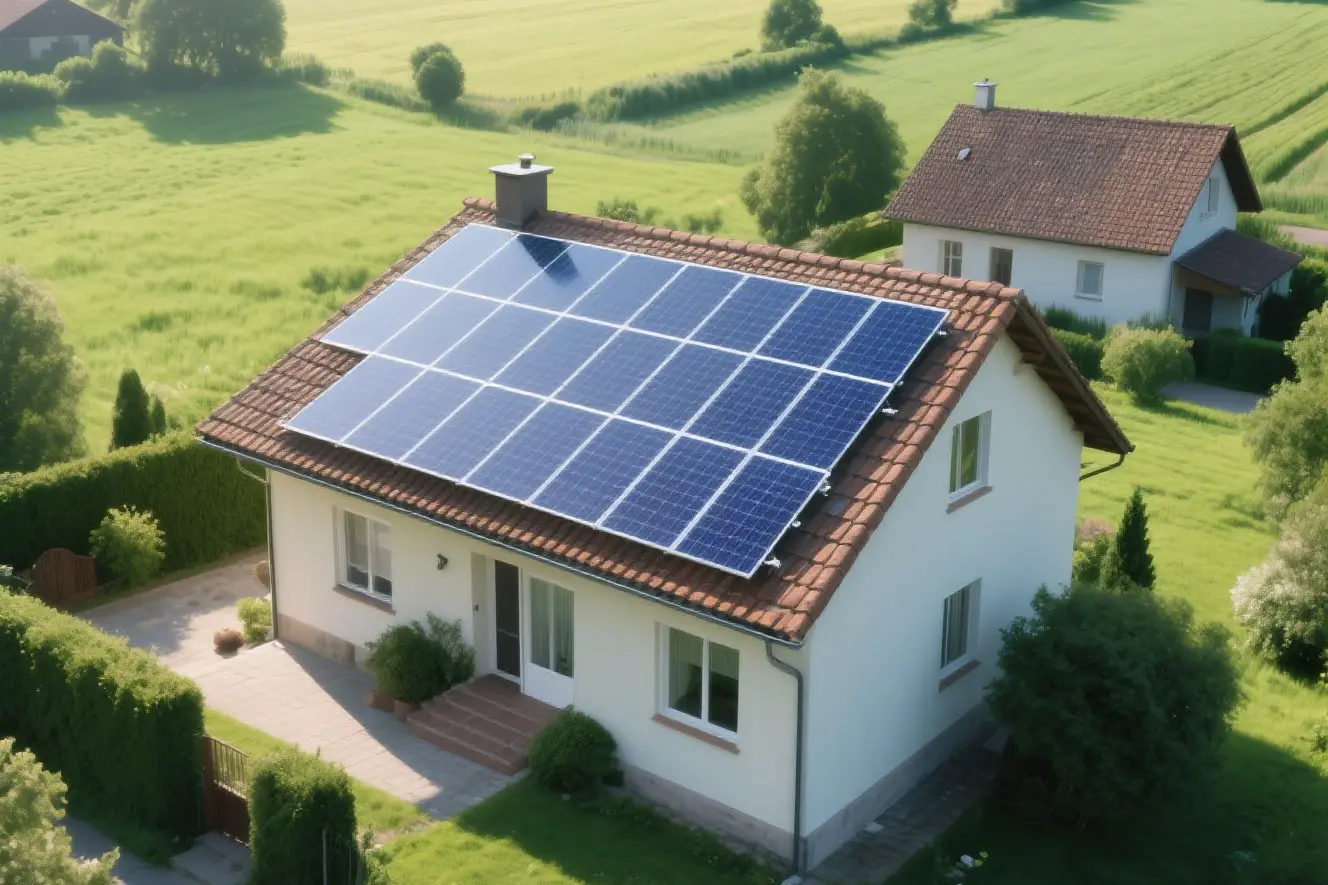
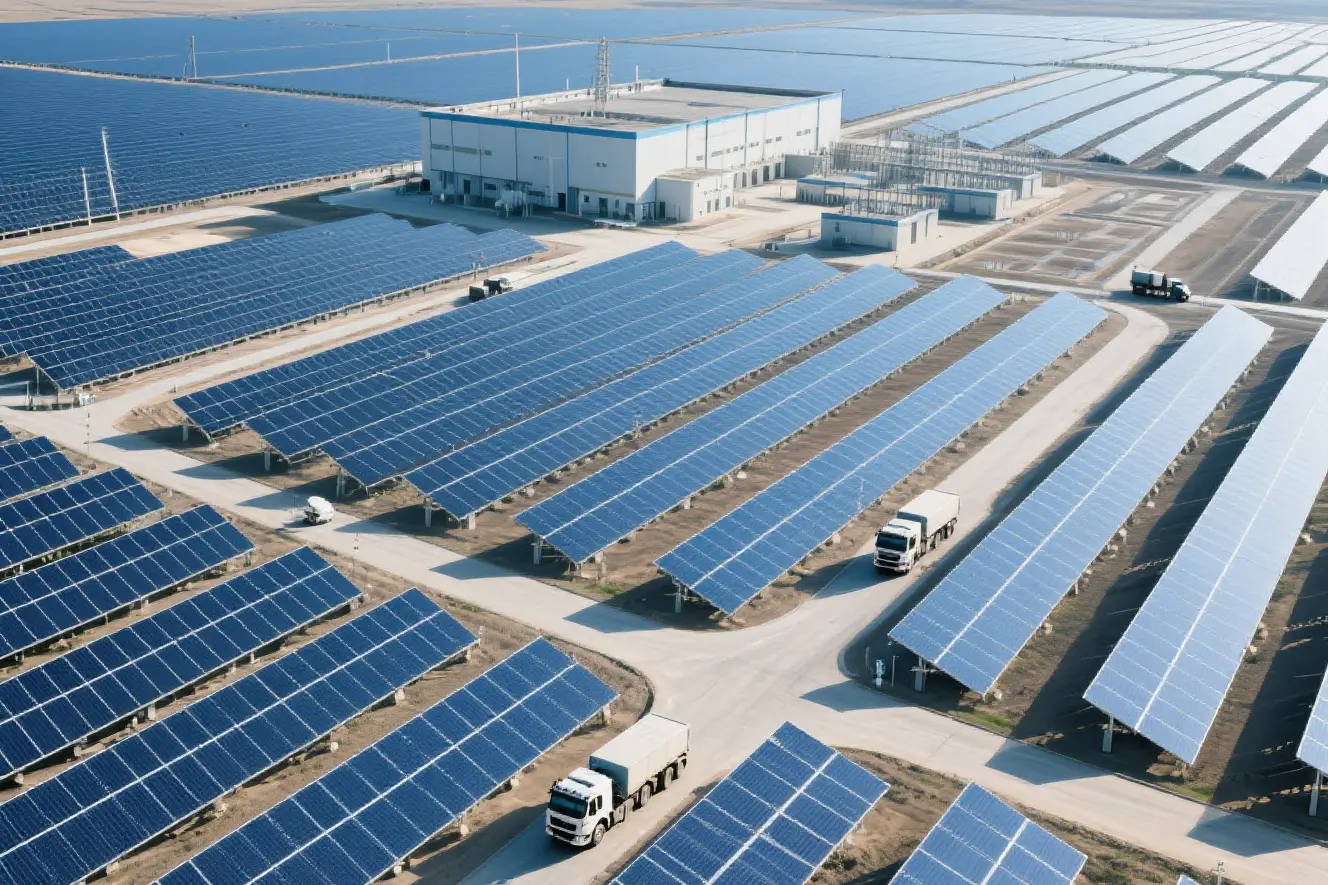
Our modular off-grid components support multiple critical fields, providing steady output under variable solar conditions.
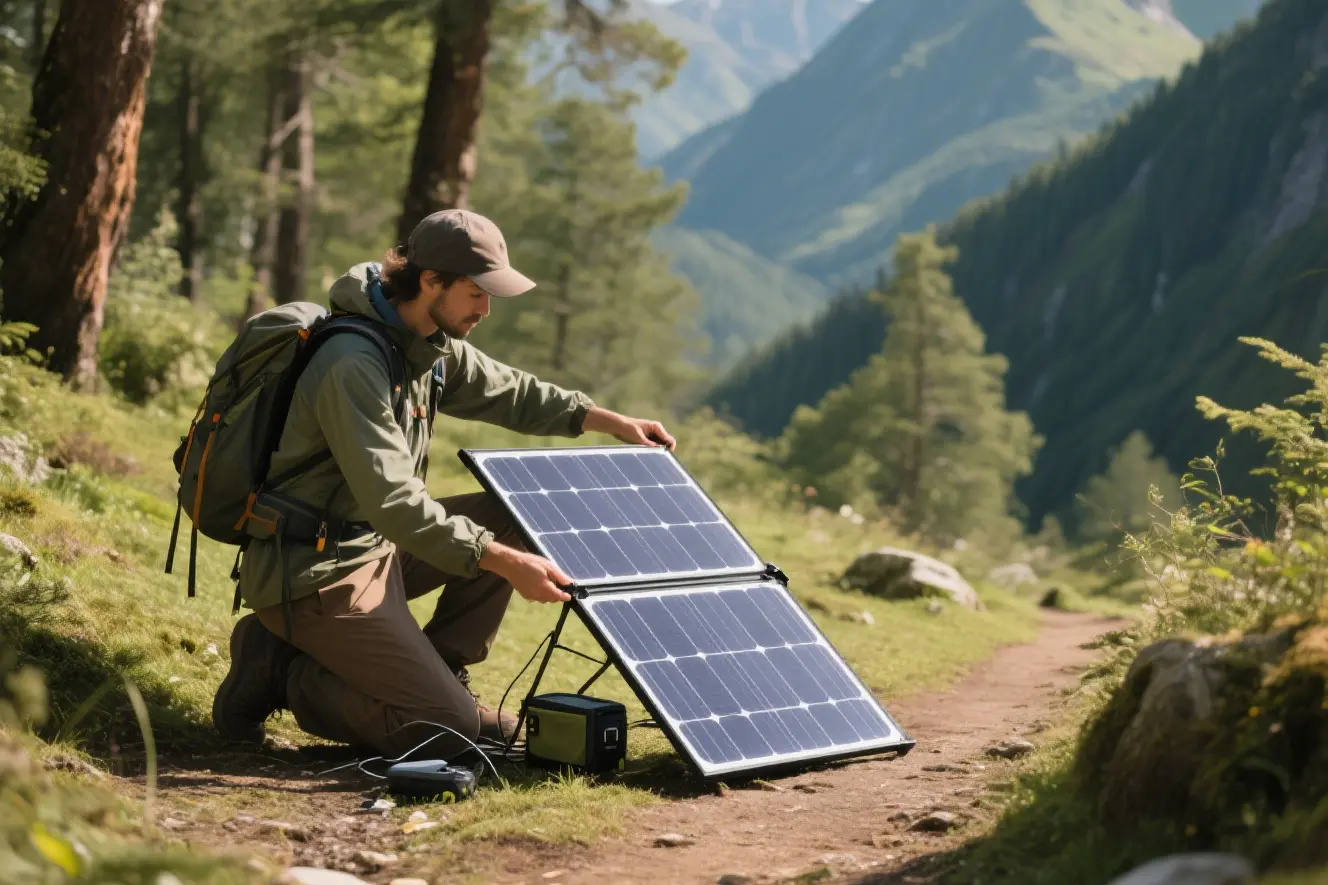
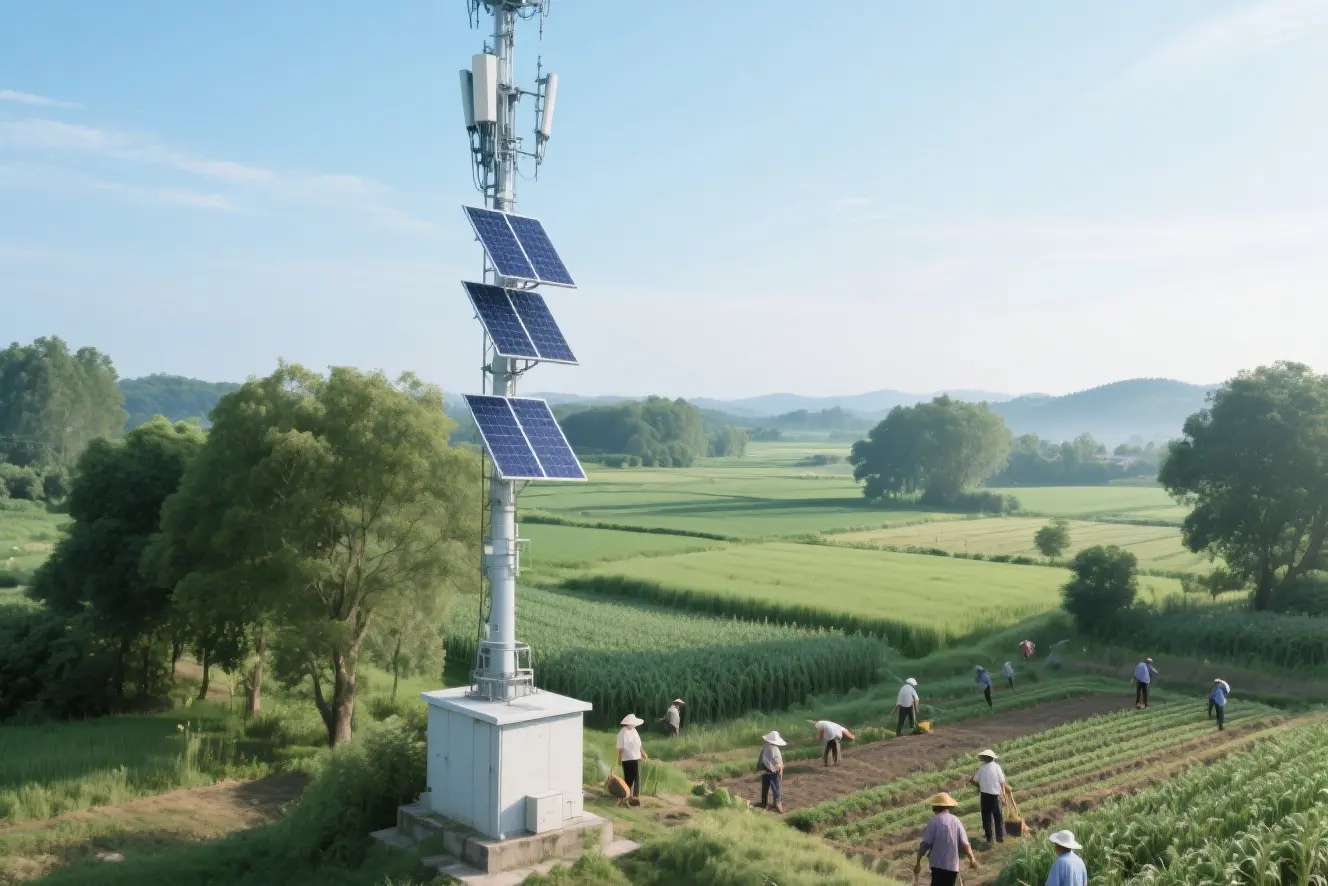
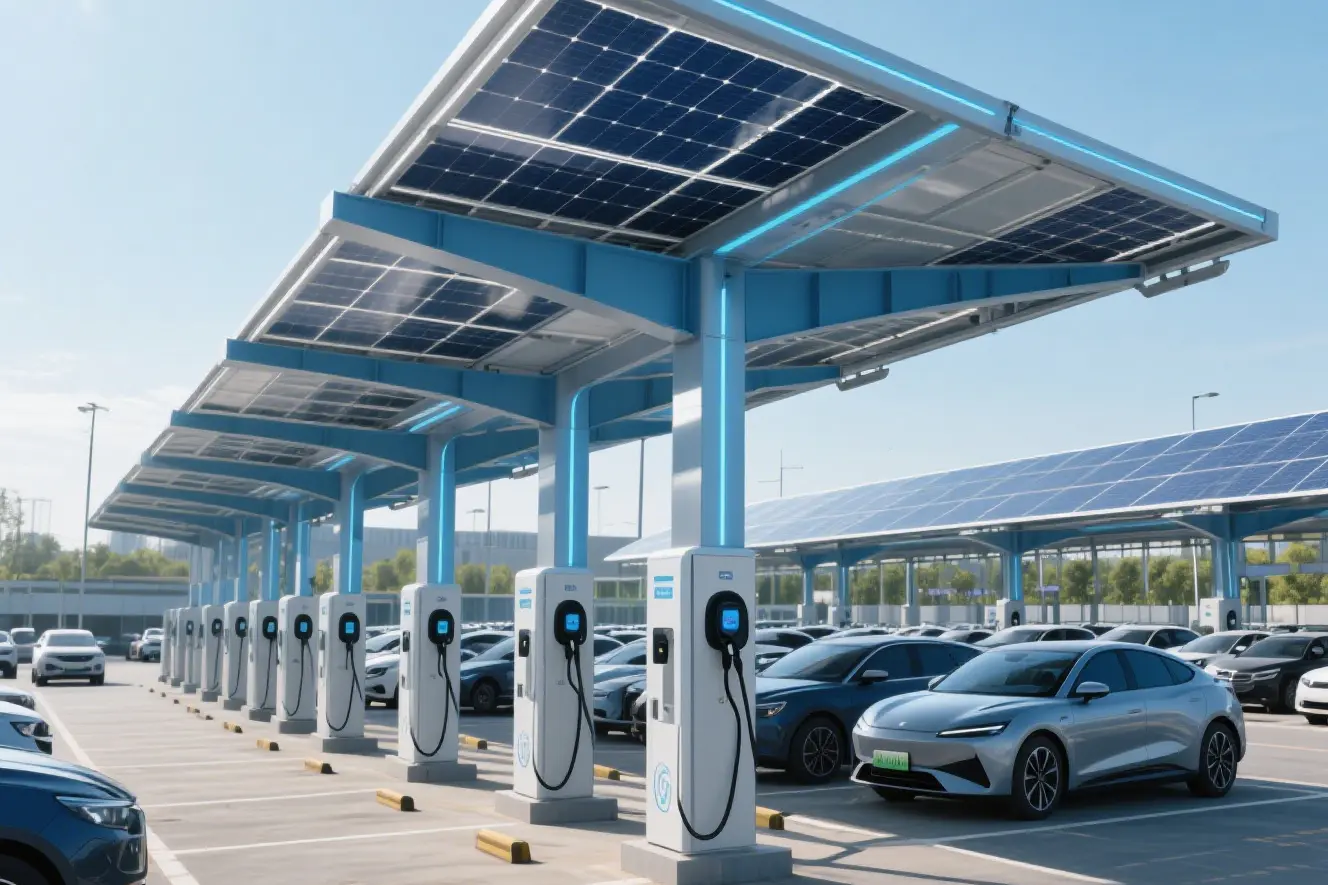
An optimized off-grid solar system requires rigorous matching between generation, battery storage, and dynamic loads. A typical mismatch in B2B microgrids occurs during low-winter solar periods where under-designed arrays fail to balance the self-discharge of LFP battery packs, causing system shut-offs. Our design parameters provide structured sizing templates mapped to global zone irradiances:
| System Parameter | 1-2 Person Cabin (Basic Load) | 3-5 Person Cabin (Medium Load) | Commercial Edge-Site (Industrial Load) |
|---|---|---|---|
| Typical Daily Load | 2.4 kWh / Day | 6.0 kWh / Day | 15.0 kWh / Day |
| PV Array Power (Recommended) | 1.1 kW (2x 550W PERC) | 2.2 kW (4x 550W PERC) | 5.5 kW (10x 550W PERC) |
| LFP Storage Capacity | 4.8 kWh (48V 100Ah) | 10.2 kWh (48V 200Ah) | 30.0 kWh (Modular Commercial Storage) |
| Charge Controller (MPPT) | 150V / 60A | 150V / 100A | Integrated 30kW System (P01-EC60) |
| System Voltage (DC) | 24V or 48V | 48V | High-Voltage DC Stack (192V-384V) |
Collaborating with international industry leaders to deliver stable components worldwide.



Detailed answers regarding technical integration, logistics compliance, and system optimization.
Read about structural design innovations and global manufacturing compliance metrics.
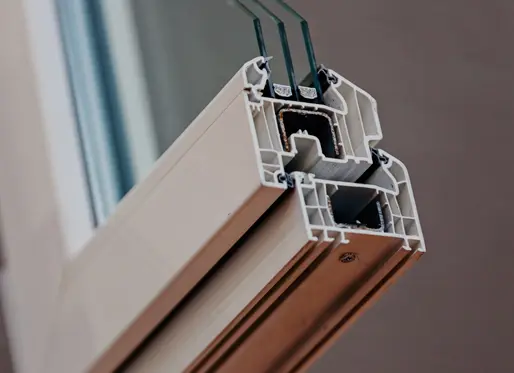
Explore structural engineering metrics, alloy designations, and anodization depth levels required for premium long-life modules.
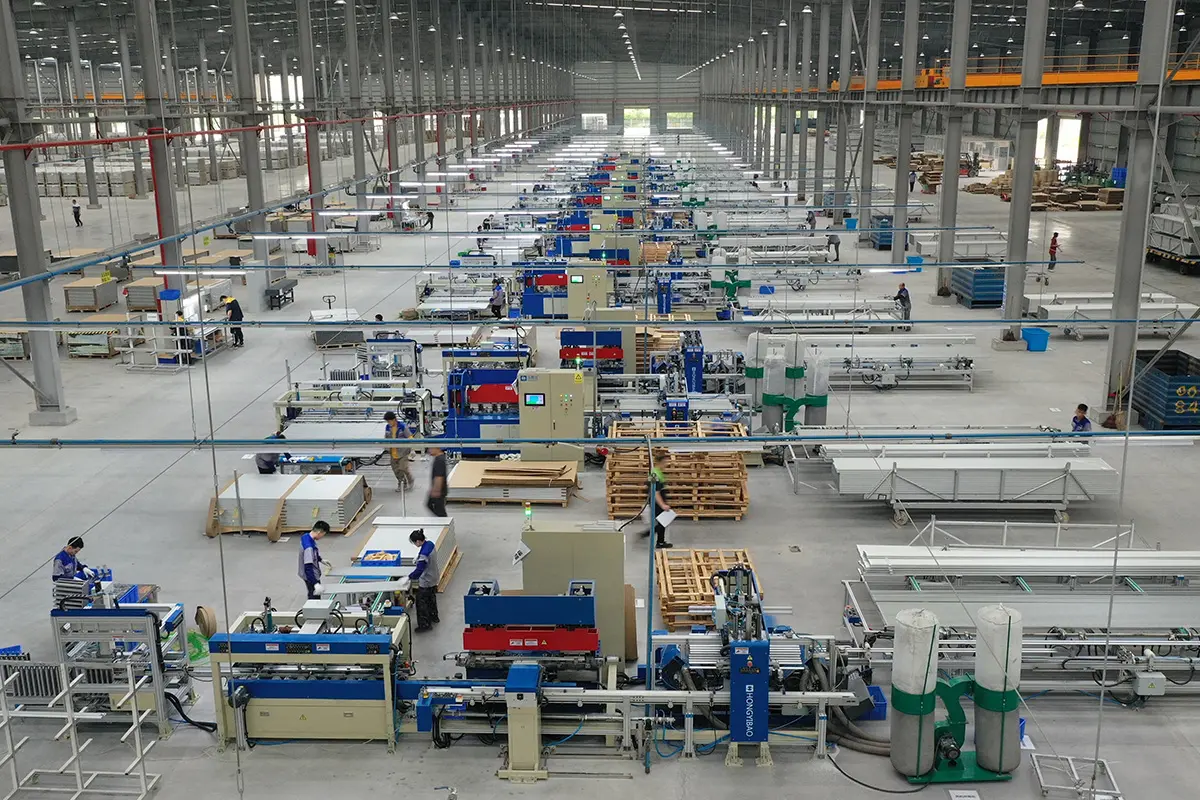
A guide on evaluating extrusion capacity, quality control tolerances, and supply chain logistics for B2B solar buyers.
Understanding standard dimensional measurements, pull-out resistance tests, and salt spray exposure certifications.
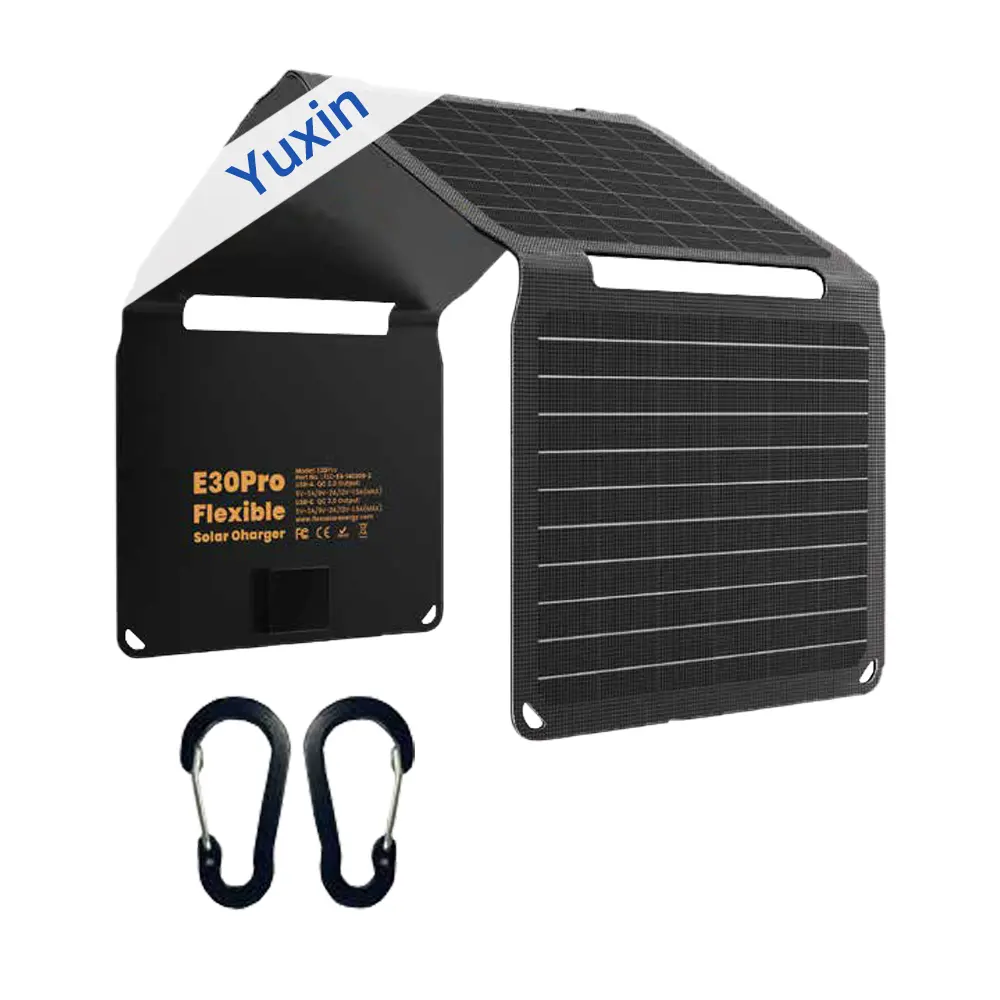
Additional technical components, portable backup arrays, and solar structural components.