Cheap Portable Solar Panel Power Companies & Service

Empowering Global Off-Grid Resilience with High-Efficiency Solar Components & Utility-Scale Storage Innovations

Macro-Industry Solar Solutions & Infrastructure Decarbonization

In an era defined by aggressive decarbonization mandates and decentralization trends, clean power systems must evolve from stationary, heavy utility structures to agile, modular configurations. Modern businesses and utility providers face the dual challenge of reducing Capital Expenditures (CAPEX) while establishing extreme resilience under climate volatility. Cheap portable solar panel power companies play a crucial role, providing fast-deployable solar assets, highly integrated energy storage system (BESS) hardware, and lightweight micro-grid composites that perform optimally in high-stress, off-grid settings.

Advanced photovoltaics utilize high-efficiency crystalline silicon, thin-film heterojunctions (HJT), and next-generation N-Type Tunnel Oxide Passivated Contact (TOPCon) architectures. By configuring these technologies into flexible layouts, developers circumvent structural BOS (Balance of System) costs. These lightweight systems offer instant infrastructure protection for critical communication relays, municipal backup, remote farming sensors, and disaster response sites, bypassing long regulatory grid queues.

Key Engineering Metric: Modern N-Type bifacial cells operating at 22.5%+ efficiency with half-cell layouts limit resistive losses significantly. Dual-glass modules provide zero PID (Potential Induced Degradation) and low thermal coefficients (-0.30%/°C), keeping yield curves high even in extremely warm regions.

Global Commercial & Industrial Photovoltaic Outlook

The transition toward distributed energy architectures is driving massive growth in the Commercial and Industrial (C&I) sector. Global supply chains rely heavily on standardized production pathways to control Levelized Cost of Energy (LCOE). Central to this optimization is the integration of premium structural frames that resist mechanical loads without adding deadweight to transport mechanisms.

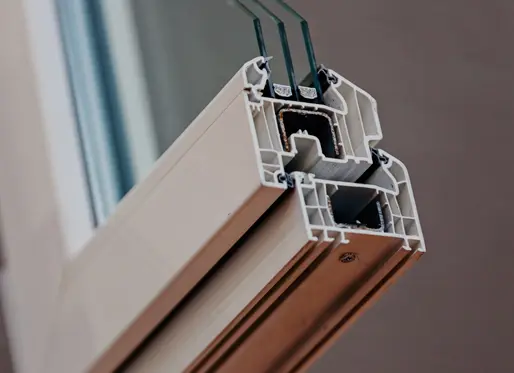
Traditional structural methods are being challenged by novel material compositions, such as polyurethane pultruded composites. These materials match or exceed the structural capacity of 6063-T5 aluminum, offer natural electrical insulation, and are impervious to salt spray and corrosive chemicals. This enables solar projects in marine environments and chemical plants to operate maintenance-free for decades.

Regulatory Compliance & Global Trade Integration

Navigating global grid and product standard approvals is a key hurdle for commercial operators. Comprehensive system integration requires strict adherence to international safety, performance, and environmental protocols:

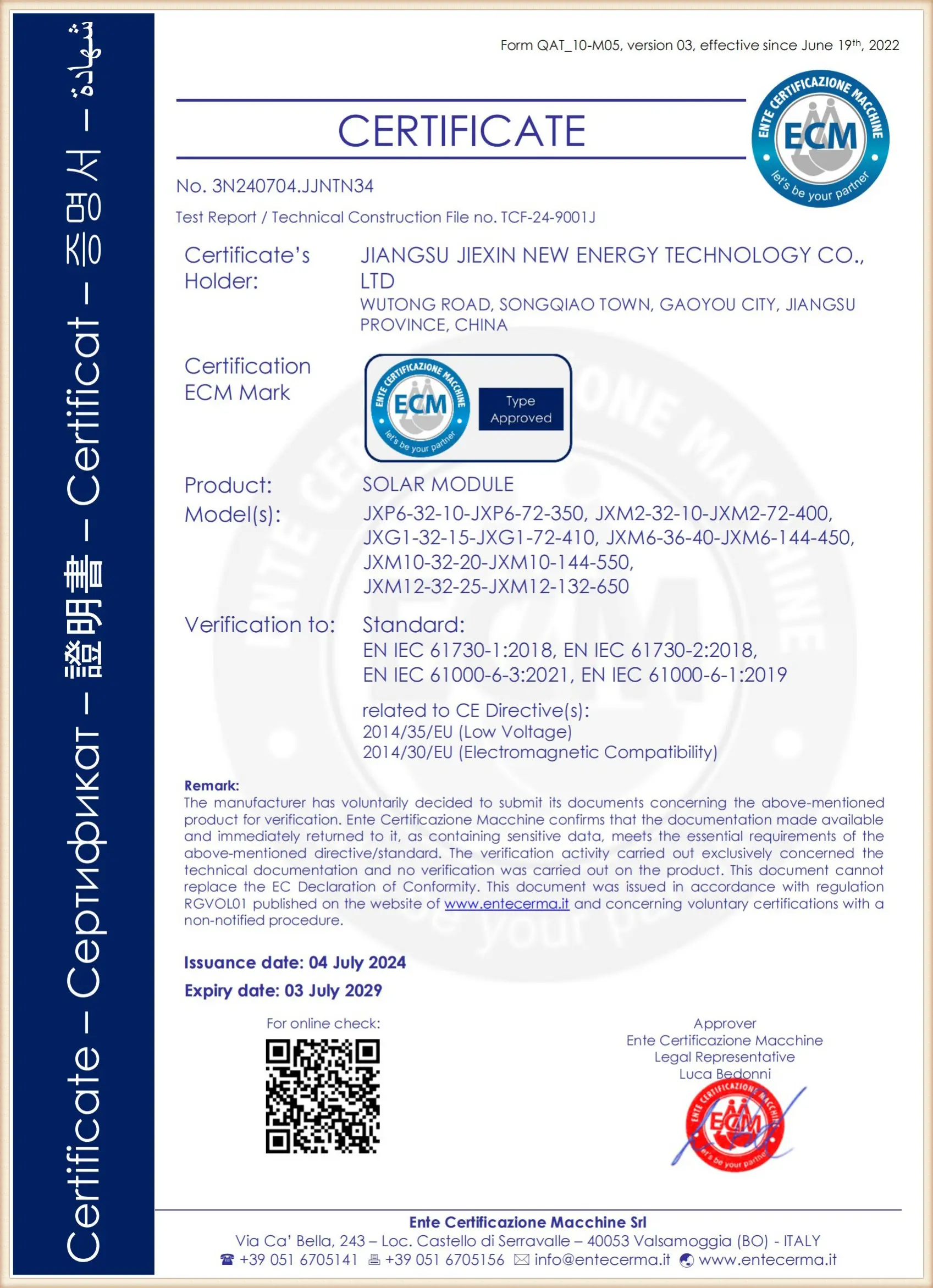
  • IEC 61215 / IEC 61730: Ensures mechanical stability, electrical safety, and long-term durability of crystalline silicon modules under extreme outdoor conditions.
  • UL 1703 / UL 61730: Crucial for North American system approvals, confirming flame resistance and high dielectric strength.
  • CE & RoHS Compliance: Certifies that solar electronics and backup power generators contain no hazardous substances, fulfilling strict European Union safety and recycling directives.
  • TÜV Rheinland Certification: Provides third-party verification of manufacturing consistency and rated efficiency yields across all assembly operations.
Core Technology & Material Showcase

Explore Yuxin's custom components and system designs built for extreme performance, high conversion metrics, and robust outdoor life cycles.

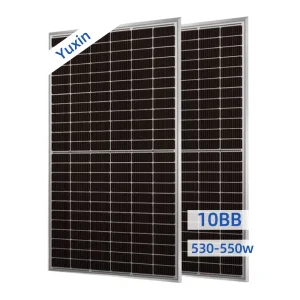
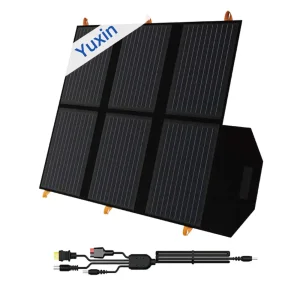
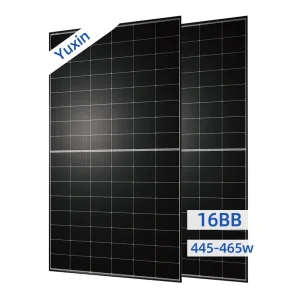
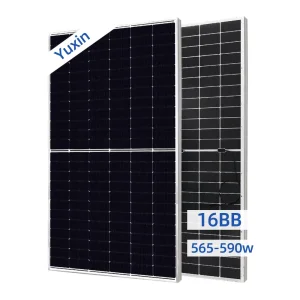
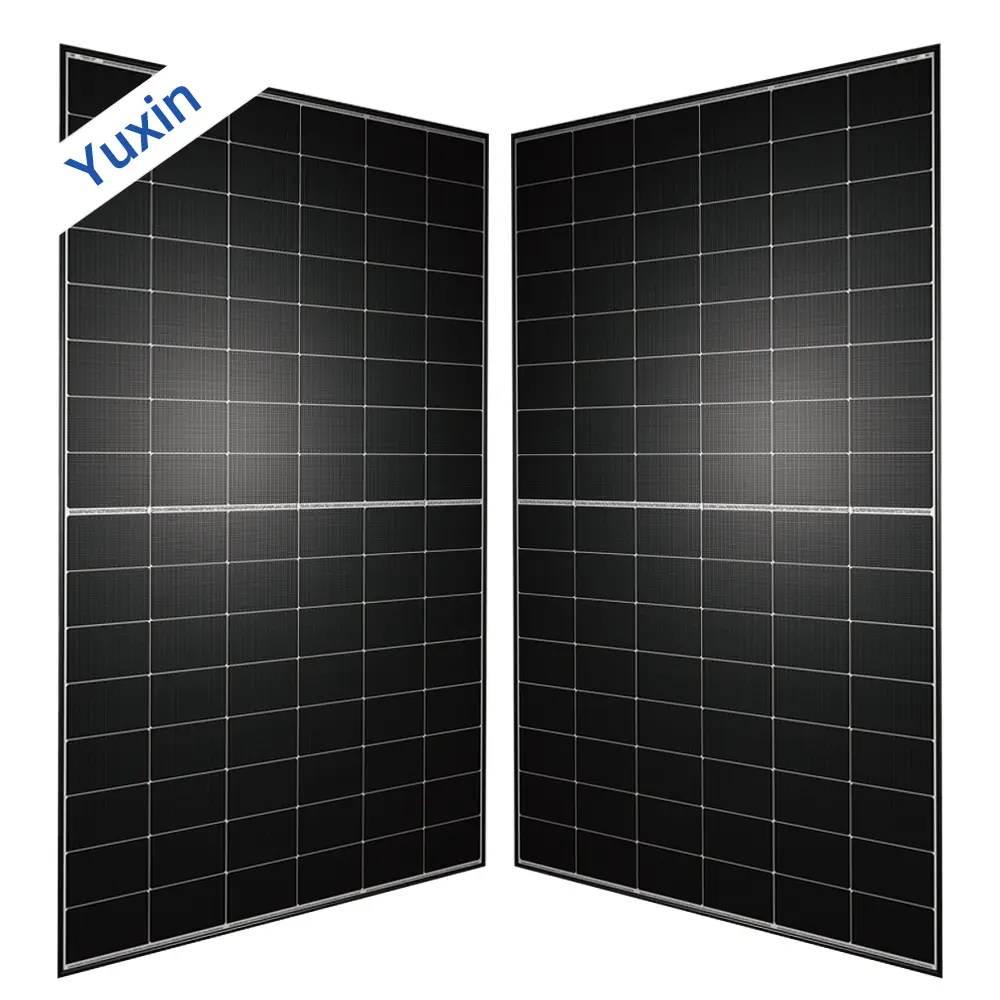
Solar Panel

Solar Panel

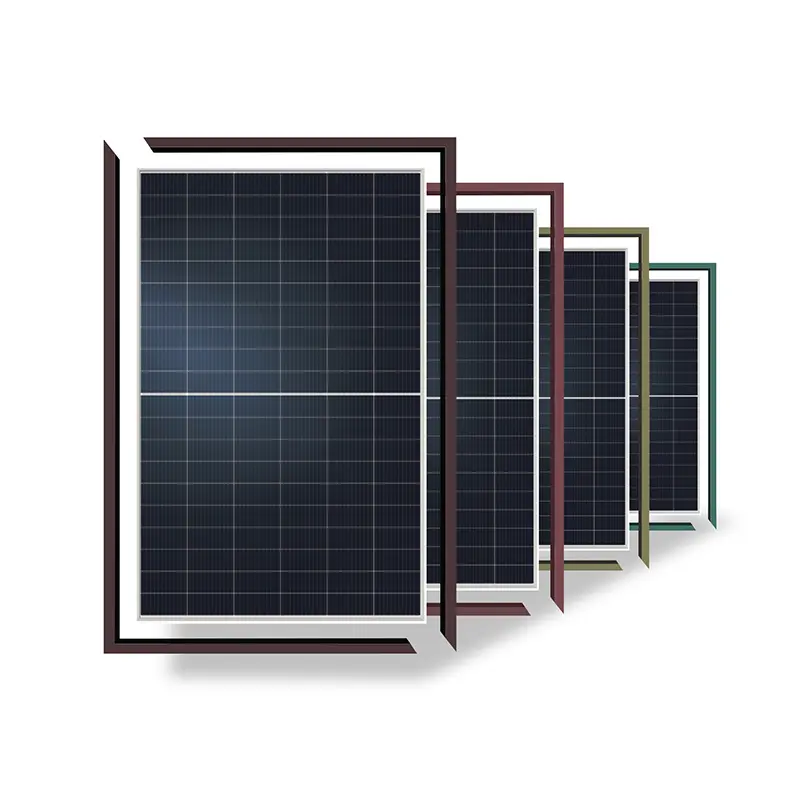
Lightweight design with transparent back panel for easy installation and reduced BOS costs.

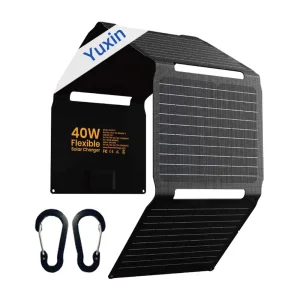
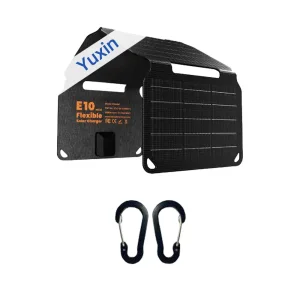
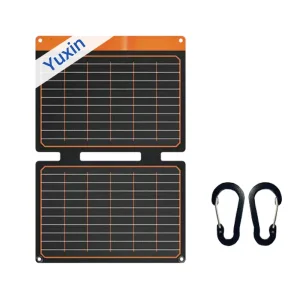
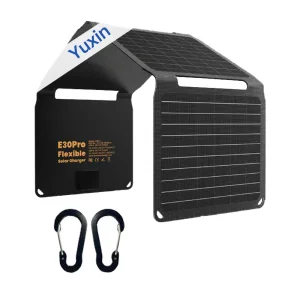
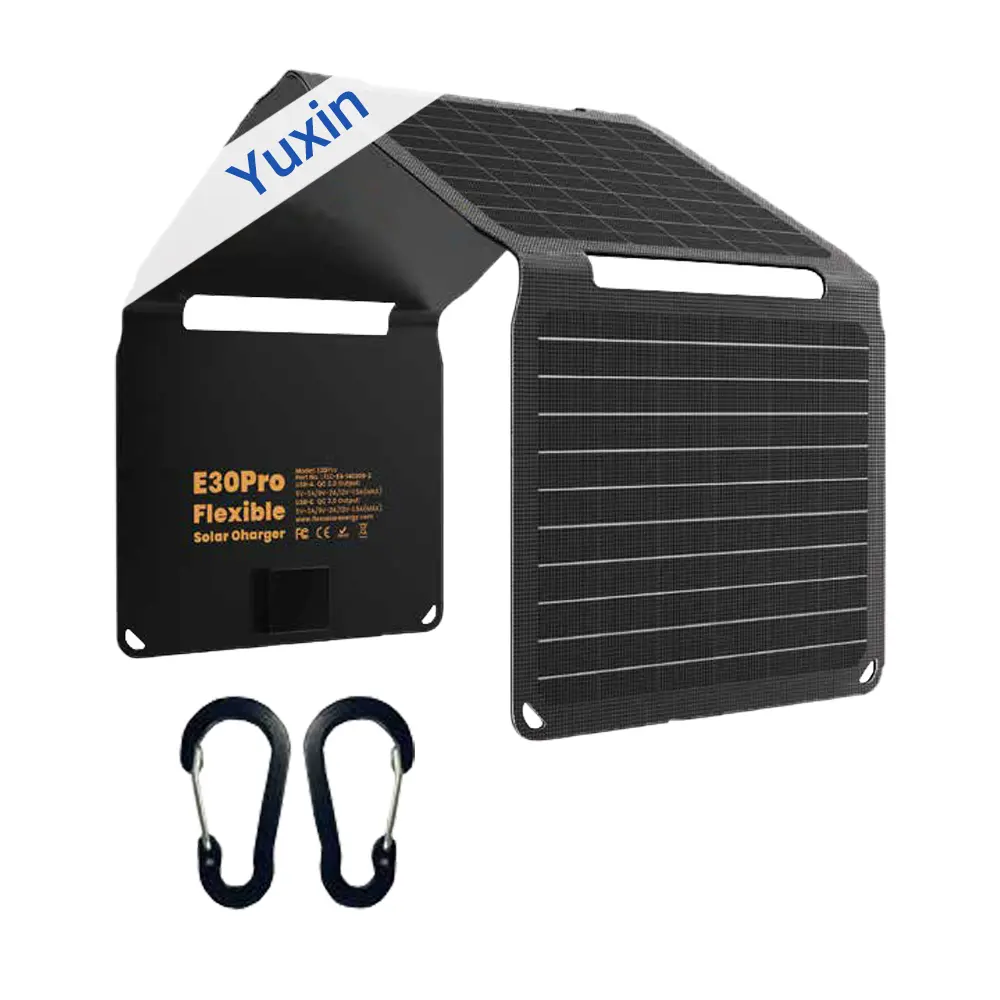
Portable Solar Charger

Portable Solar Charger

Utilizing advanced monocrystalline silicon cells, it achieves a high energy conversion efficiency of 24%.

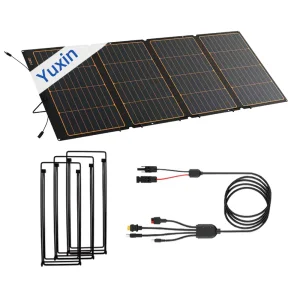
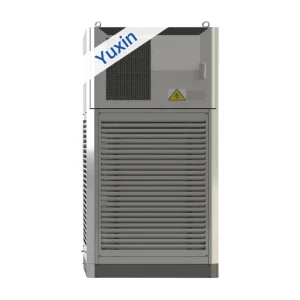
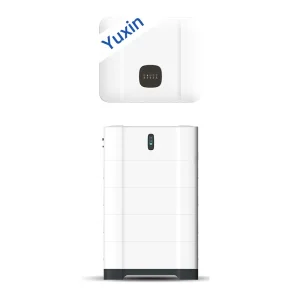
Solar System For Home

Solar System For Home

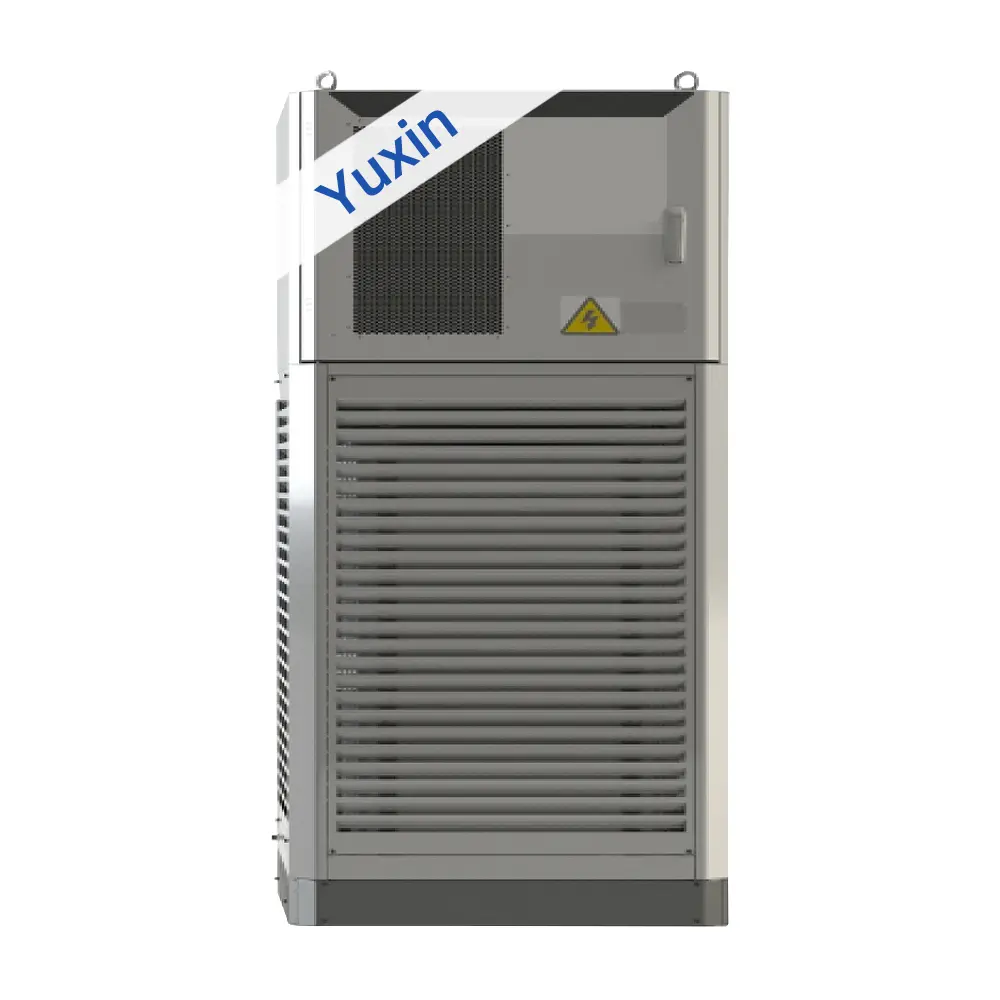
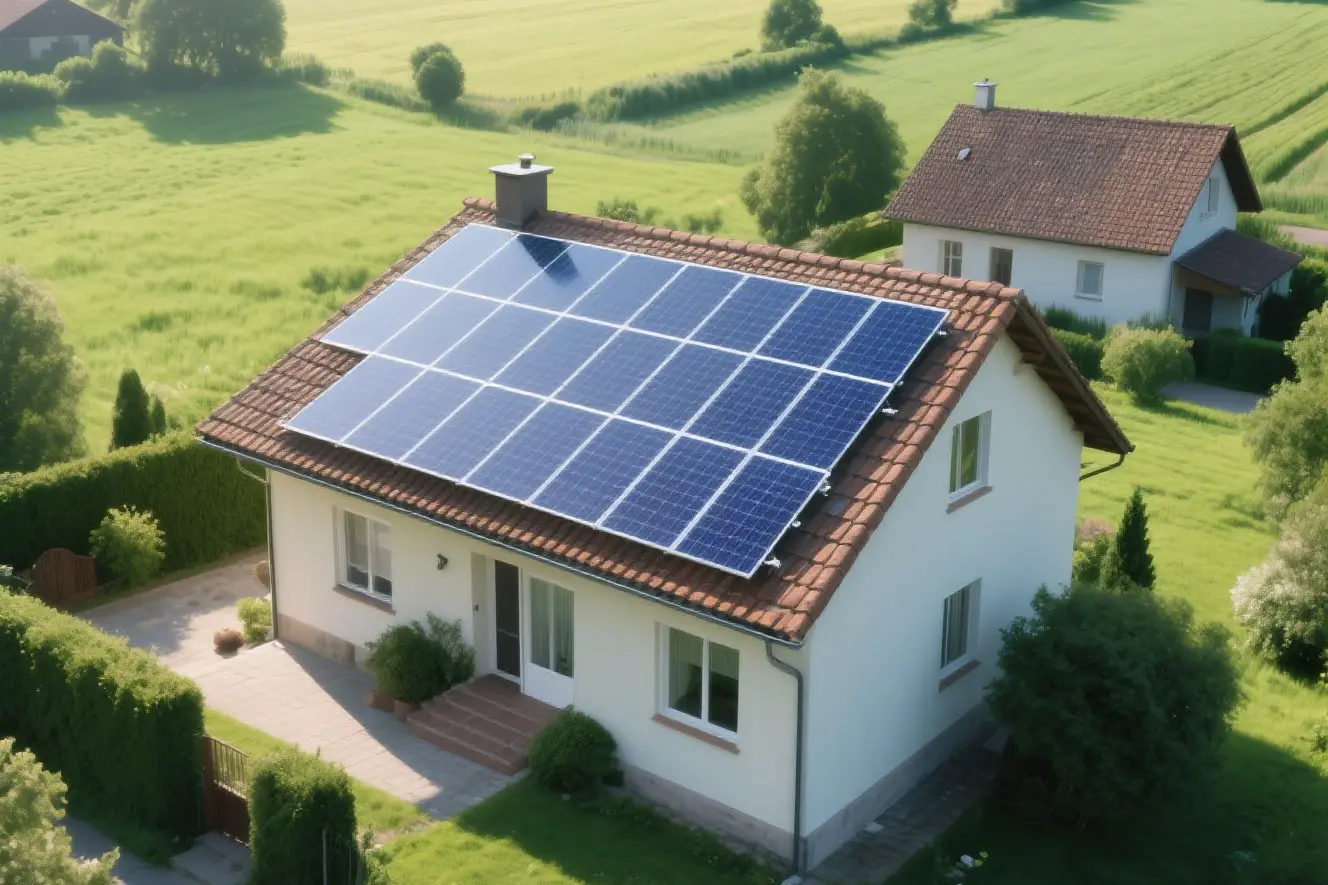
Application modes include grid-connected mode, off-grid mode, and integrated grid-connected/off-grid mode.

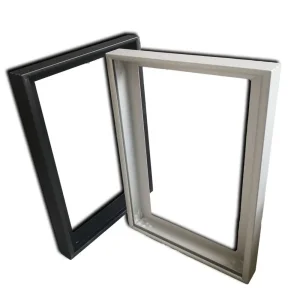
Aluminum Frames

Aluminum Frames

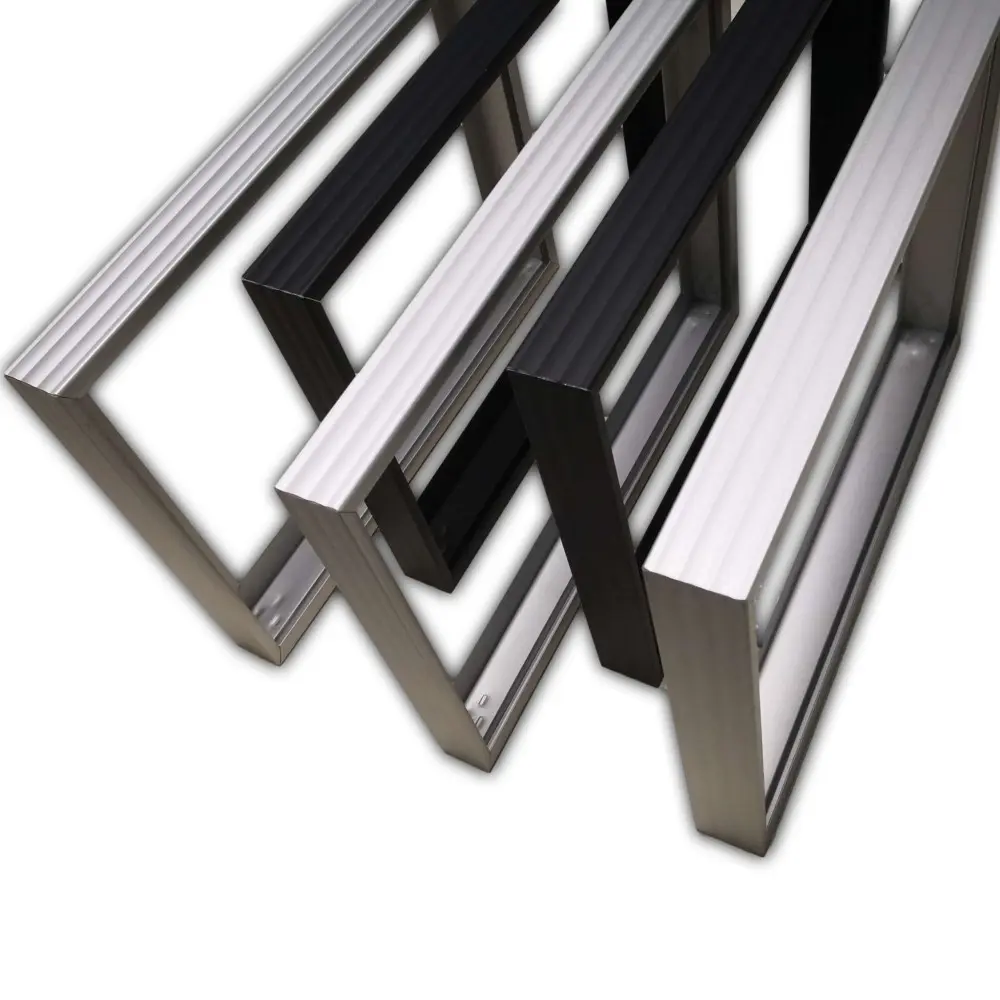
Made of high-quality anodized aluminum, it ensures superior weather resistance and a smooth, long-lasting finish.

About YUXIN

Precision, Quality, and Safety - Your Photovoltaic Materials Expert

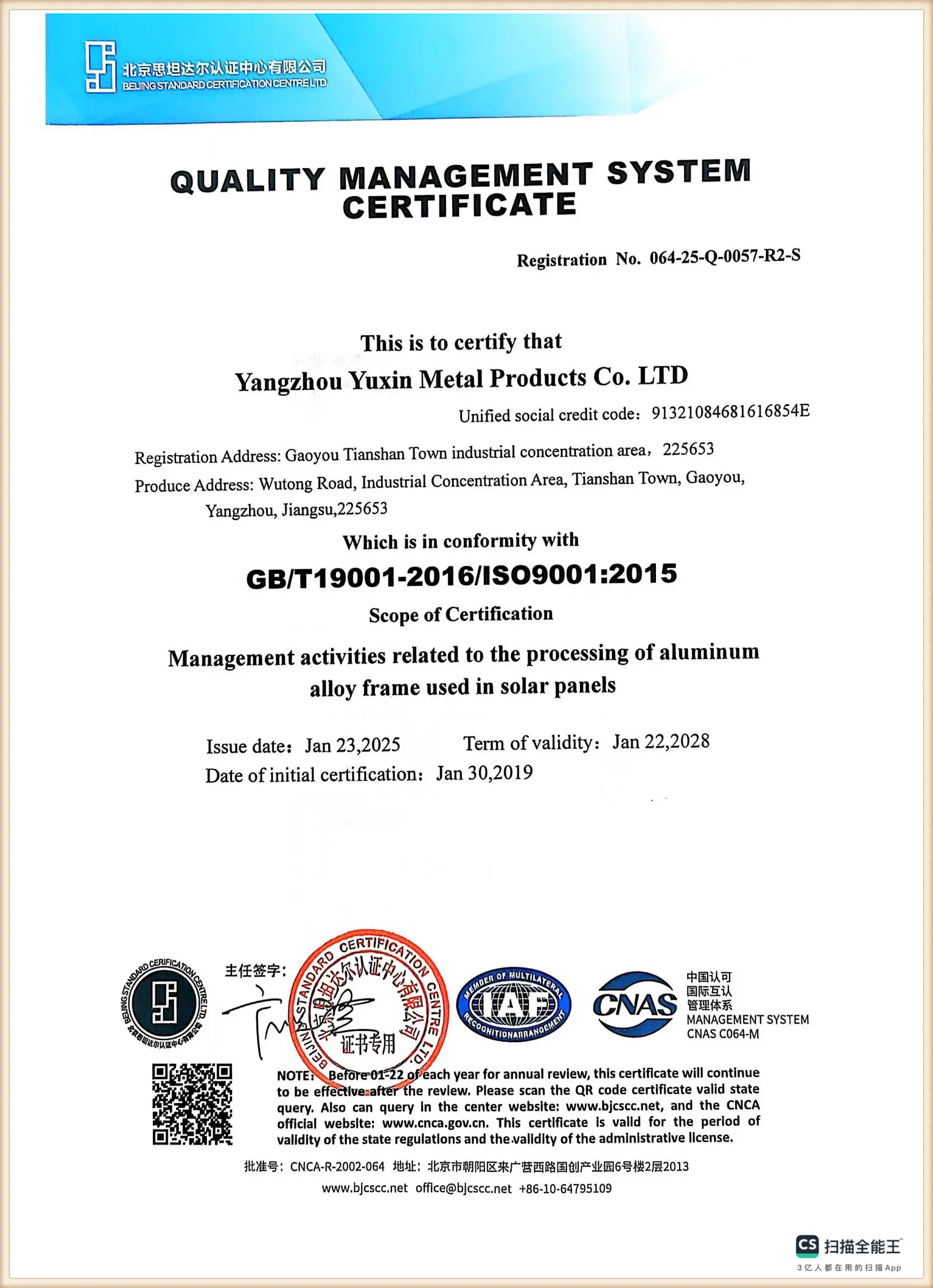
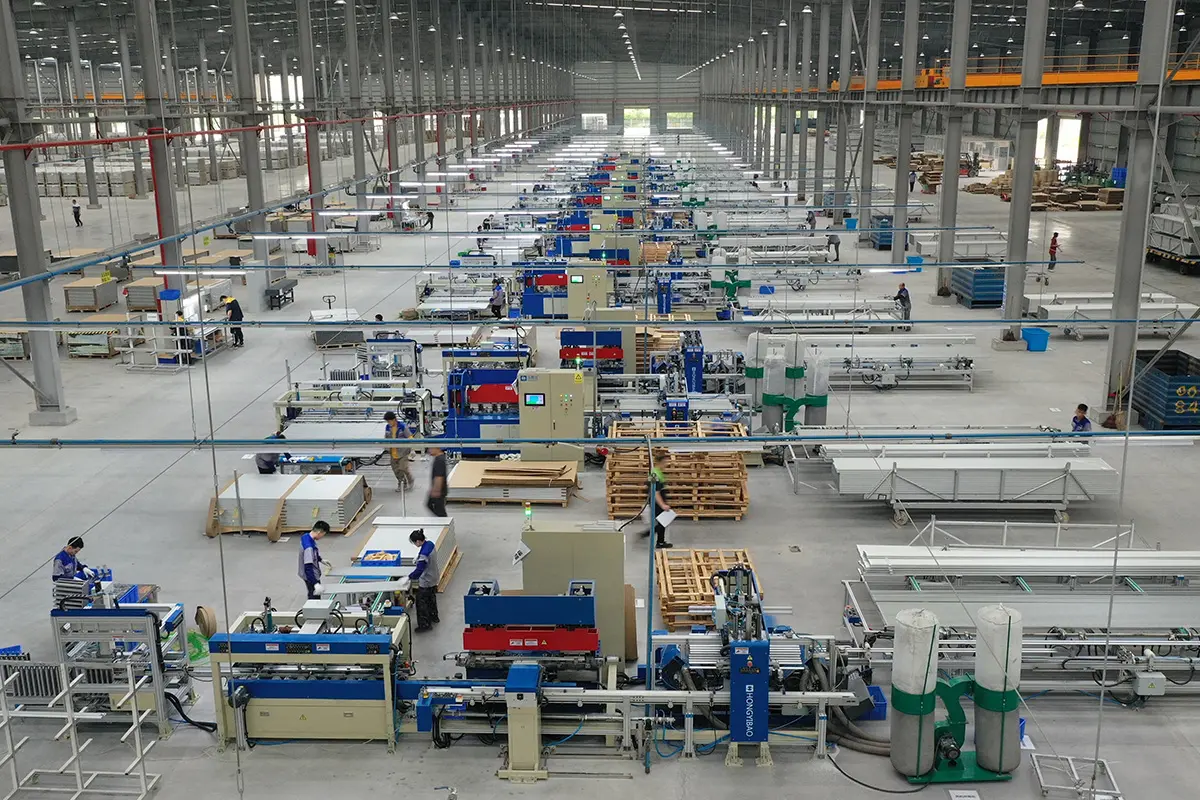
Located in the scenic historical and cultural ancient city of Yangzhou, close to the Beijing-Shanghai Expressway, Runyang Yangtze River Bridge, and Ningqi Railway, the group has a superior geographical location and convenient transportation. The group was established in 2008 and has 14 multi-field companies under its jurisdiction, including Jiangsu Yuxin New Energy Technology Co., Ltd., and has won many titles such as National High-tech Enterprise, Technology-based Enterprise, and Gaoyou City Top 100 Private Enterprises.

21+
Production Lines
$86M+
Sales Revenue (76,110,000+ USD)
12,000+
Export Volume (Tons)
25,000+
Annual Output (21,375+ Tons Actual)
Watch YUXIN Corporate Video

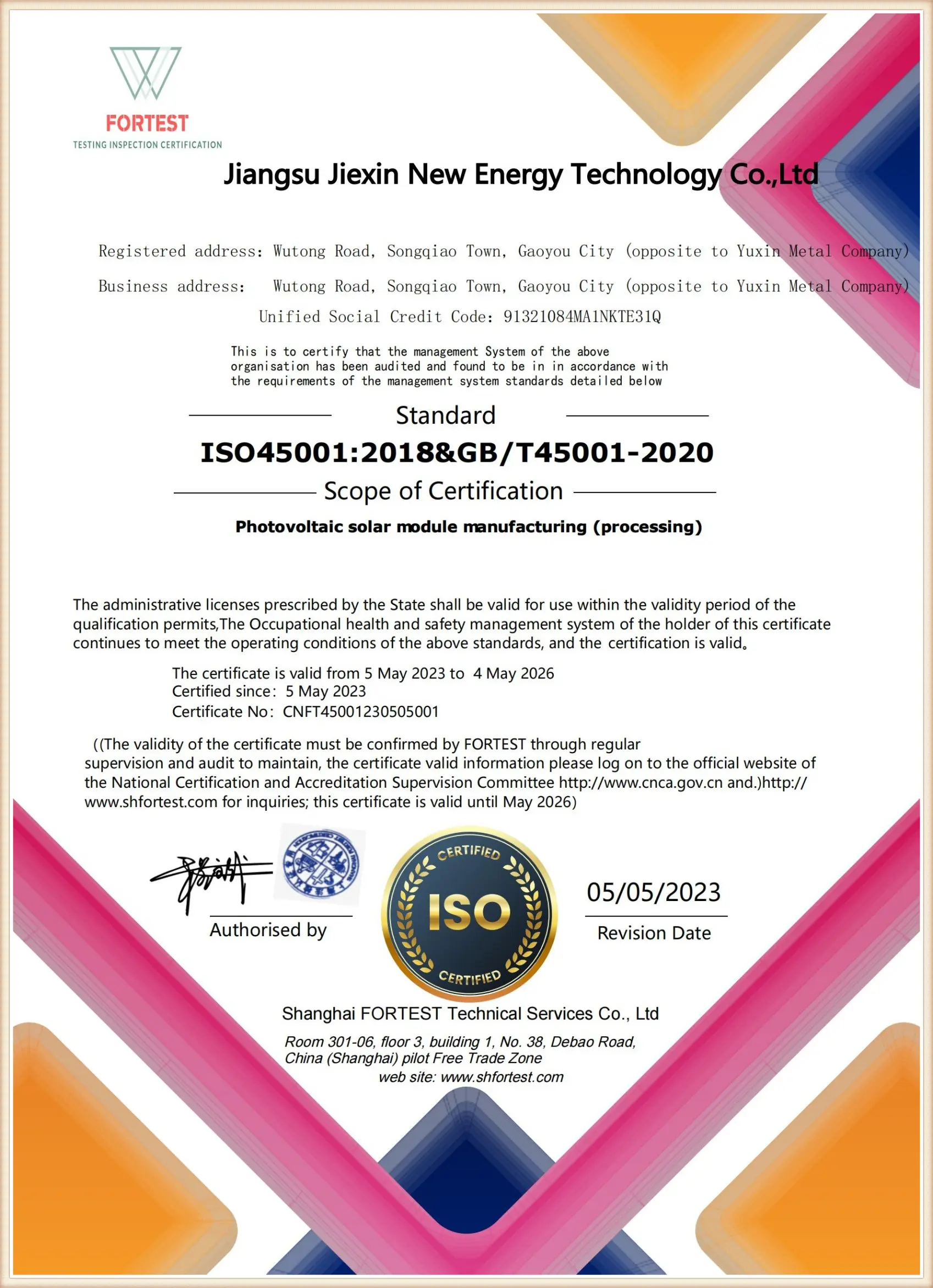
Certified Operational & Management Standards

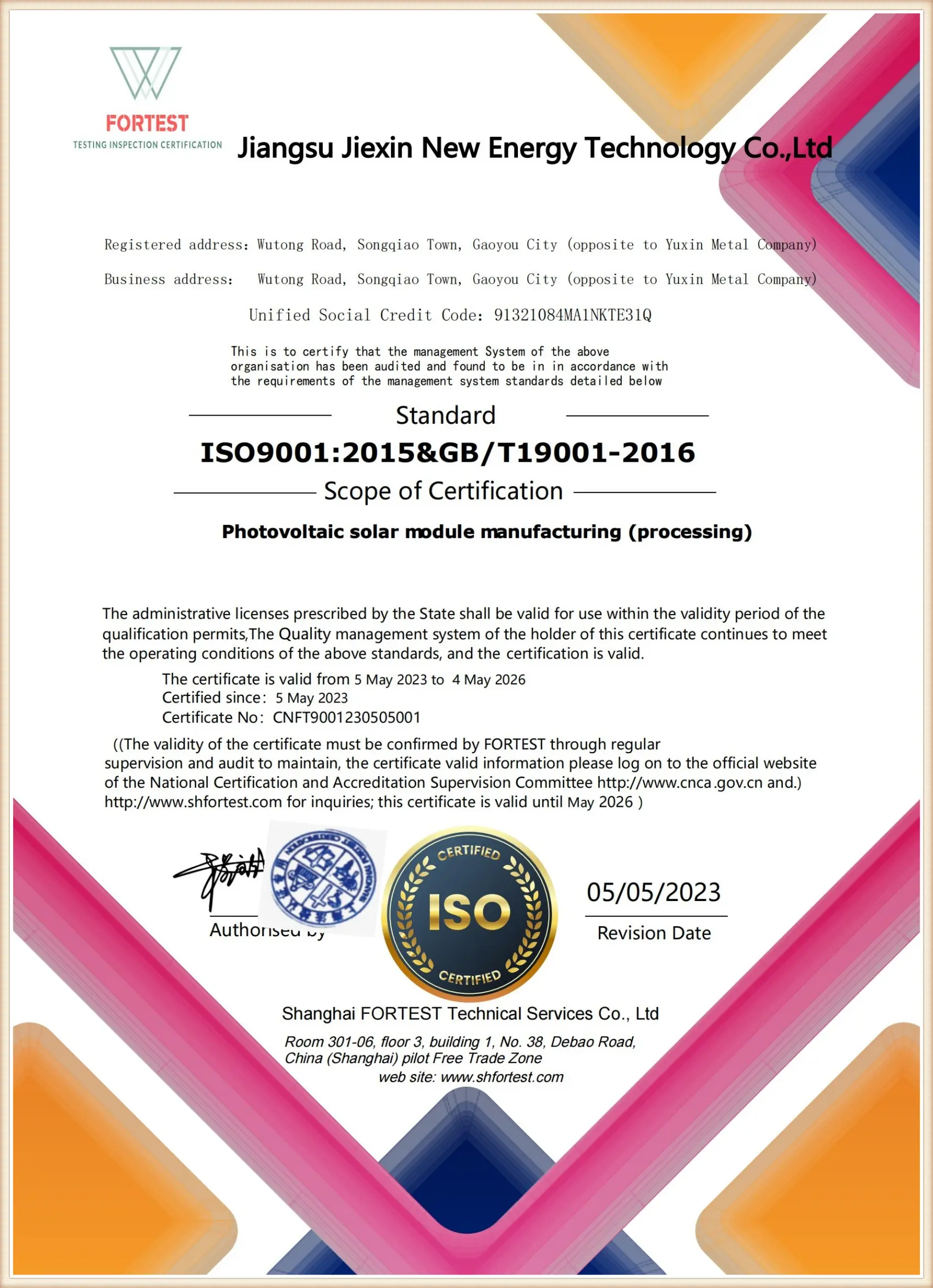
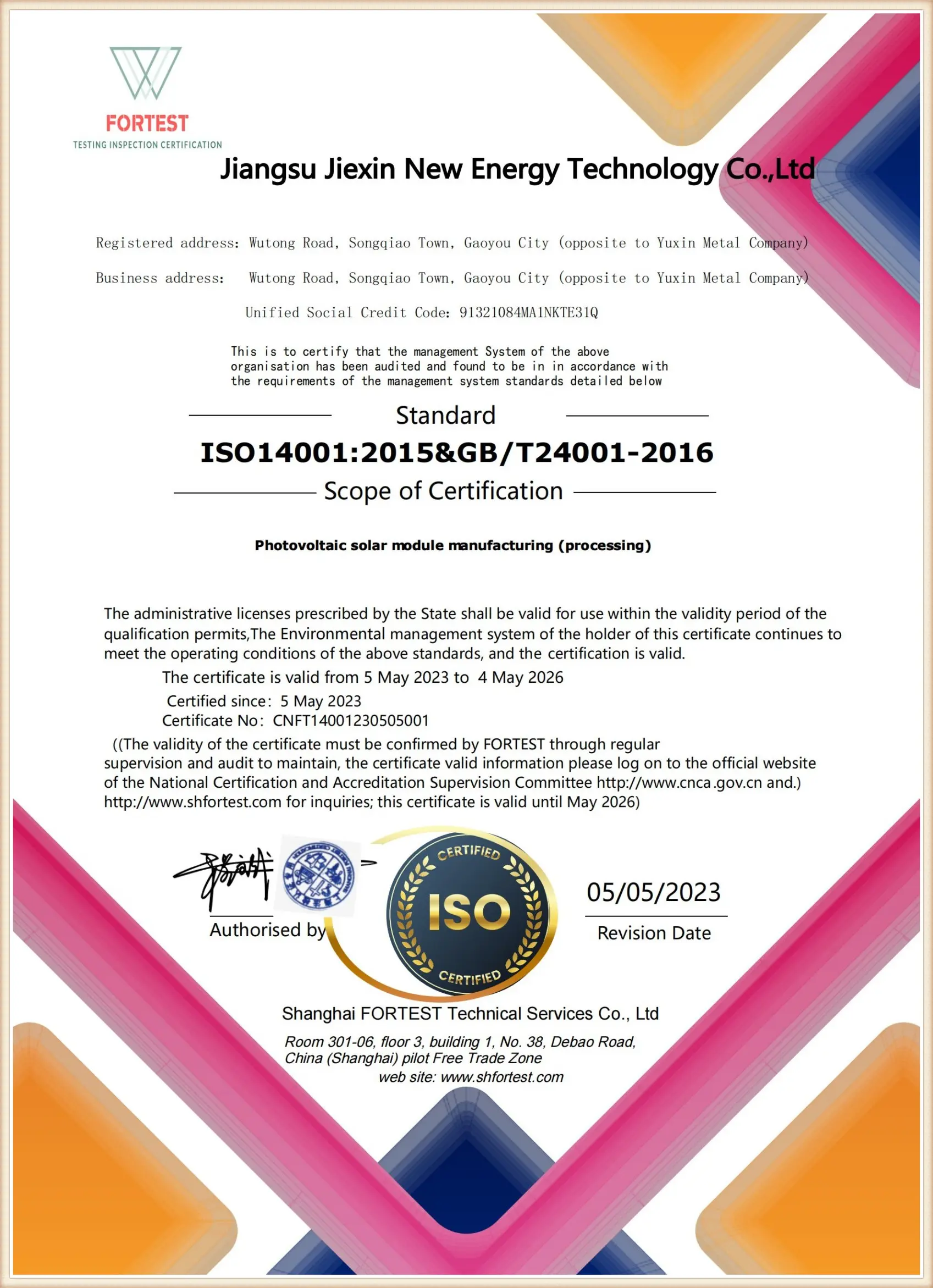
Our manufacturing and engineering facilities operate under rigorous quality control standards to deliver dependable PV hardware worldwide.

Certification 1
Certification 2
Certification 3
Certification 4
Certification 5

Targeted Local & Municipal Scenarios

Engineering robust PV solutions tailored to complex environmental, municipal, and commercial installations globally.

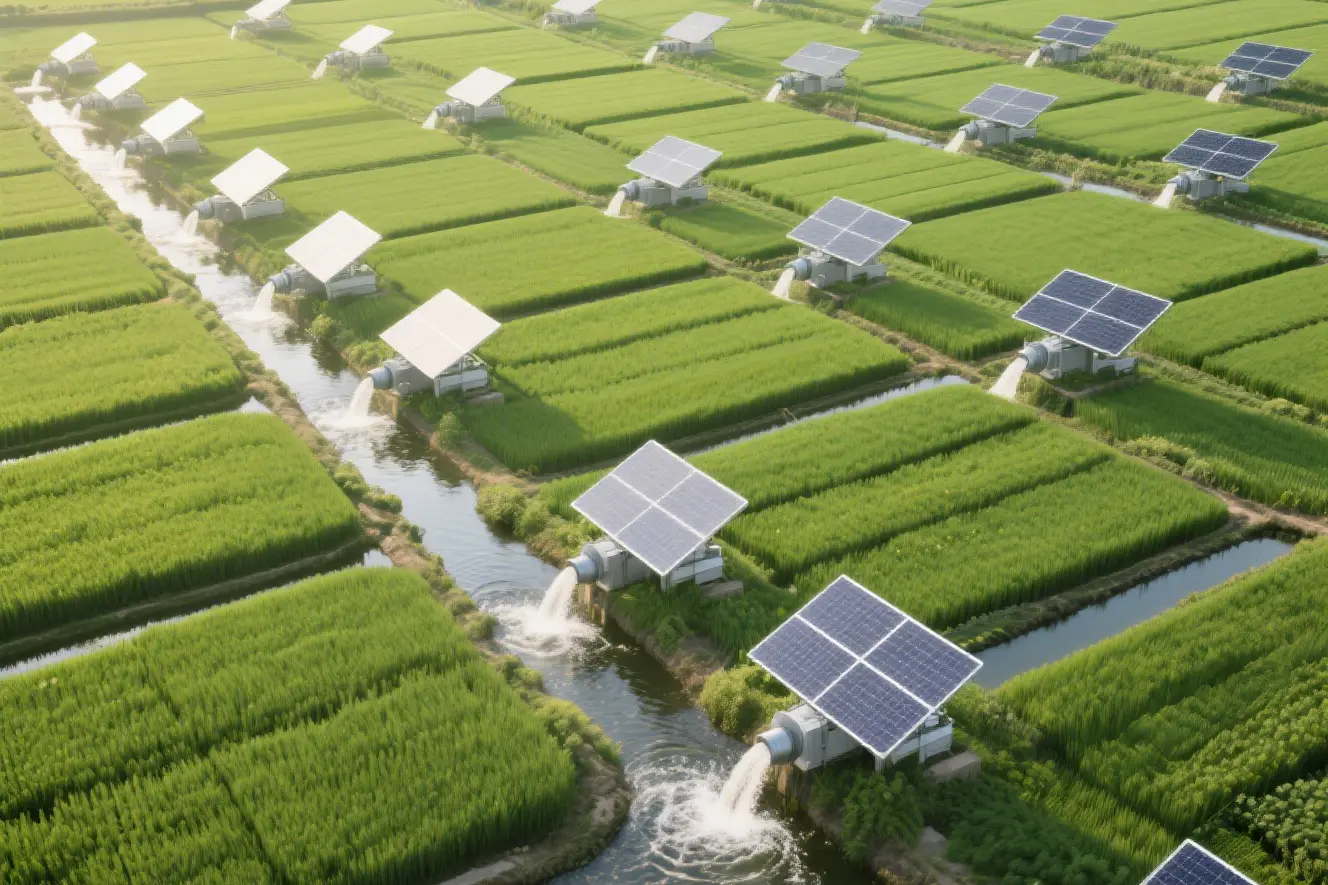
Agriculture

Agriculture

Powers smart irrigation pumps, remote livestock sensors, and electric fencing in off-grid farmlands, reducing fossil fuel dependence and overall operational overhead.

Construction Industry

Construction Industry

Provides reliable off-grid power for tool charging, temporary job site offices, security cameras, and lighting, minimizing noisy diesel generators.

Electric Power Industry

Electric Power Industry

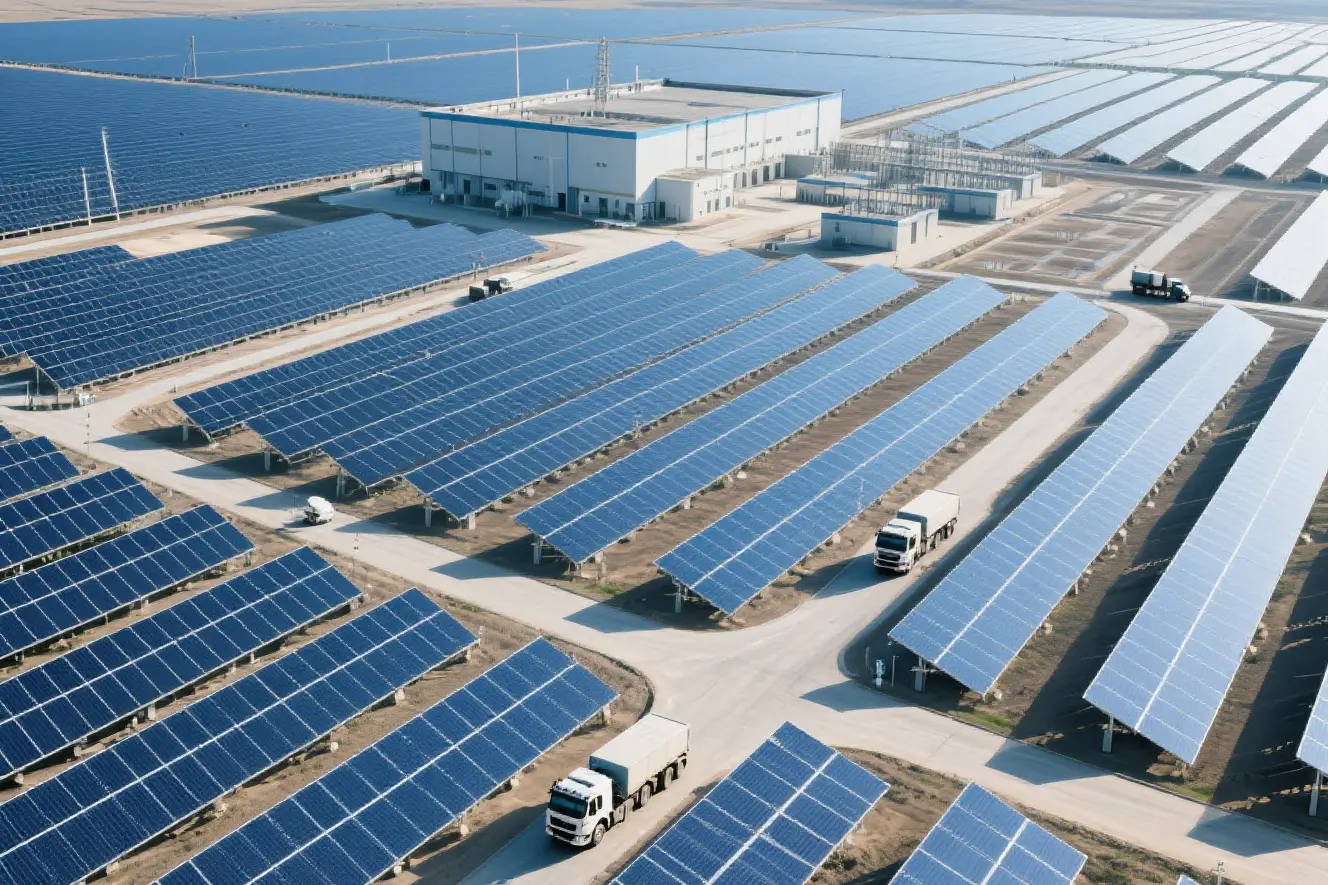
Integrates utility-scale backup storage and distributed solar to stabilize weak grids, manage peak loads, and provide ancillary regulation services.

Outdoors

Outdoors & Recreation

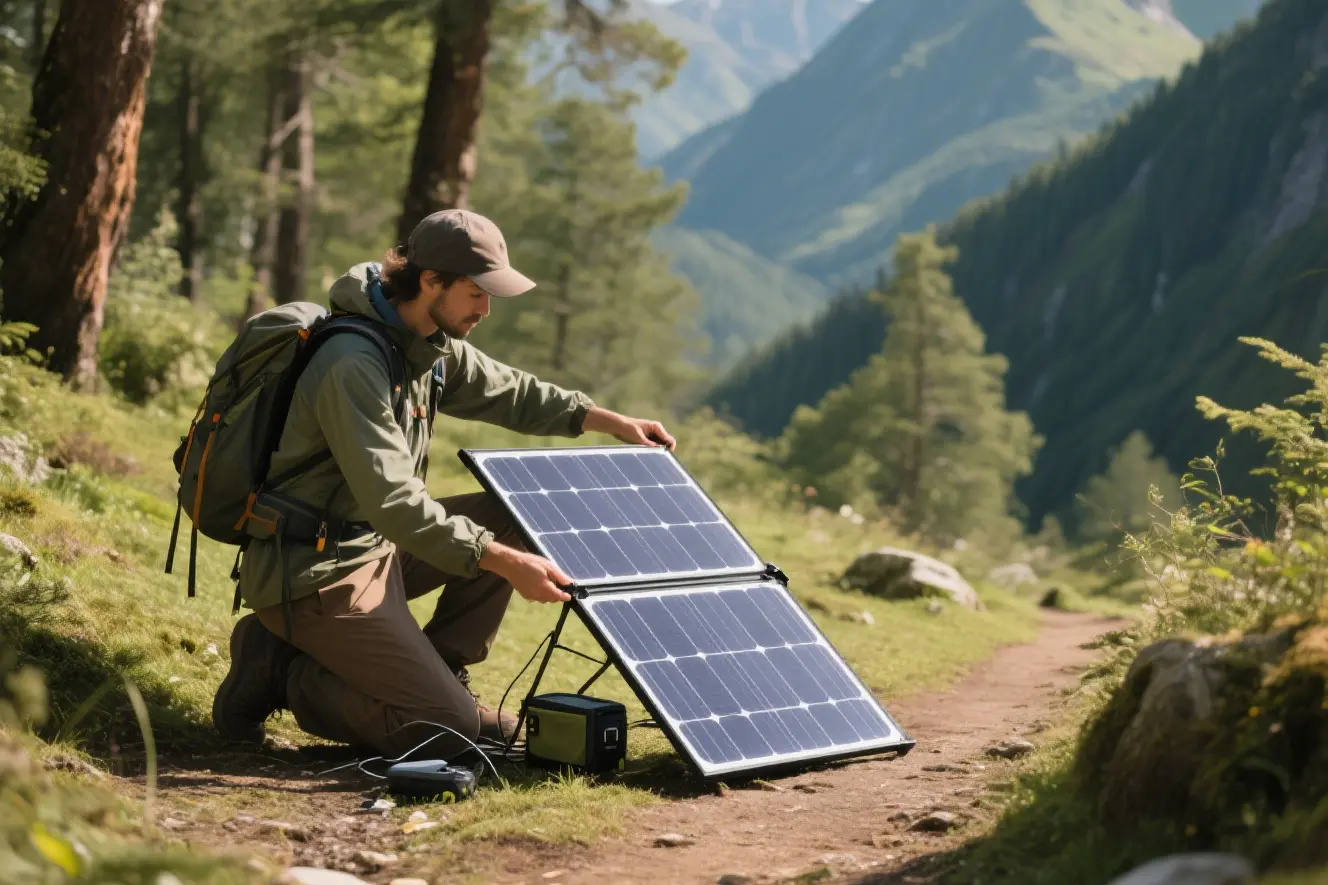
Powers backpacking, remote base camps, eco-tourism lodges, and outdoor scientific expeditions with lightweight, weather-resistant folding solar chargers and backpacks.

Telecommunications Field

Telecommunications Field

Provides 24/7 autonomous power for remote 5G cellular towers, microwave repeaters, and environmental monitoring systems in harsh terrain.

Transportation Industry

Transportation Industry

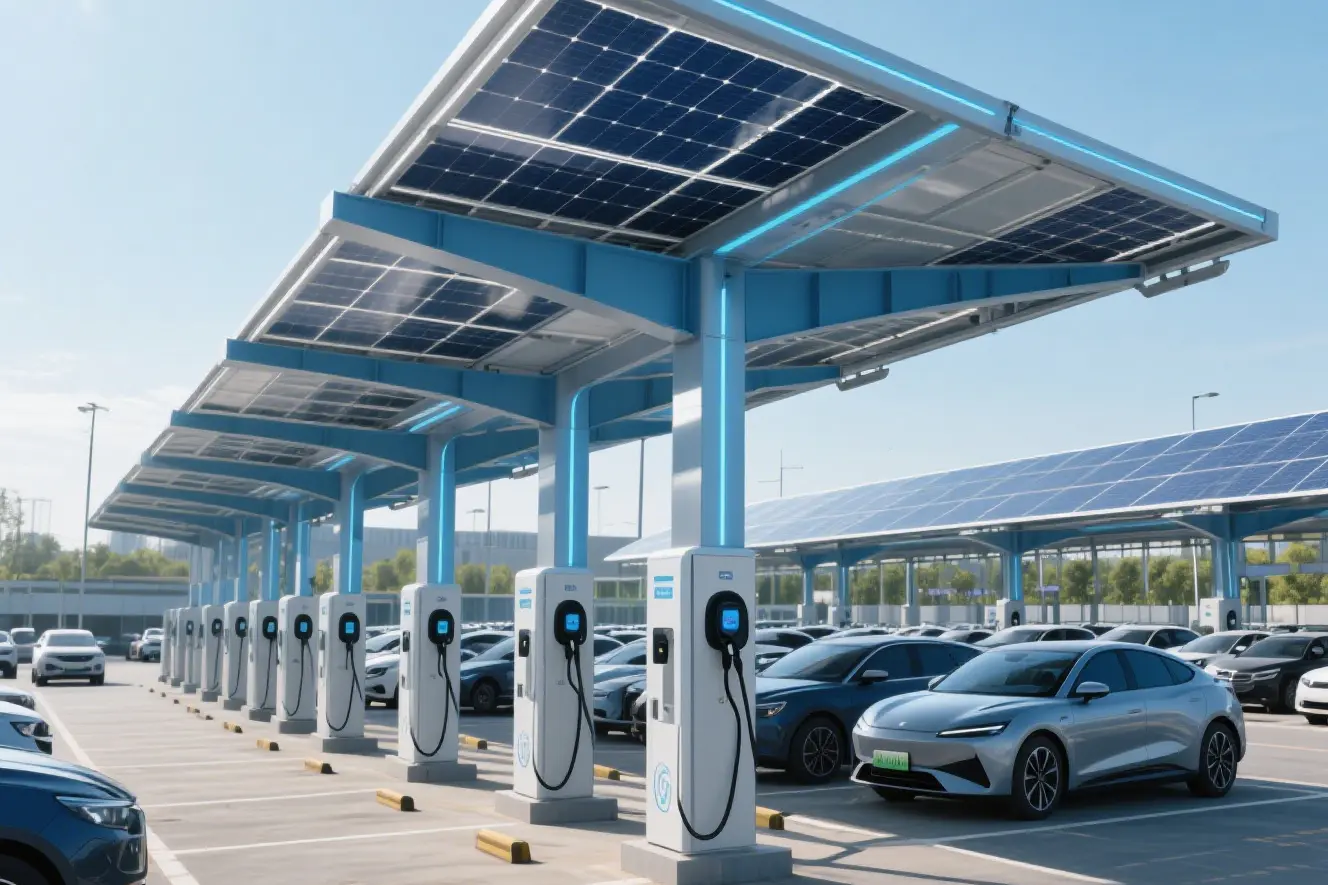
Powers roadside signage, highway emergency call boxes, fleet telemetry sensors, and auxiliary systems on electric vehicles or heavy commercial trucks.

Technical Roadmap: Decarbonization Milestones (2026-2035)

The photovoltaic industry is evolving beyond traditional silicon architectures. To meet future energy needs, our technology roadmap focuses on structural composite integration and advanced cell topologies:

  1. Perovskite-Silicon Tandem Cells: Moving past the theoretical efficiency limits of single-junction silicon by stacking perovskite layers to target 30%+ commercial panel output.
  2. Structural PV Materials: Integrating solar cells directly into construction and manufacturing composites, allowing structural components to generate power.
  3. Smart Micro-inverter Integration: Replacing centralized string setups with panel-level MPPT micro-inverters, preventing shade-loss and system dropouts.
  4. Circular Life Cycle Materials: Transitioning to fully recyclable framing systems, like polyurethane composites, to reduce lifetime carbon footprints and ease end-of-life recycling.

By investing in durable framing materials, developers can protect solar assets from wind loads up to 5400Pa and high dynamic stress, securing long-term solar yield profiles globally.

Trusted Business Partners

Over years of hard work by Yuxin people, it has gradually formed a collectivist and diversified advantage, working alongside leading industry brands.

Latest Industry News & Engineering Updates

Adhering to the core values of "pragmatic and enterprising, reform and change, people-oriented, and win-win cooperation", we present modern research and development insights.

High-Quality Solar Panel Frame
June 16, 2026

What Makes a High-Quality Solar Panel Frame?

Discover the key mechanical parameters, material compositions, and protective coatings required to withstand extreme wind, snow, and seismic loads.

View Article →
OEM Solar Frame Manufacturer
June 15, 2026

How to Choose a Reliable OEM Solar Frame Manufacturer in China

An expert guide evaluating testing capabilities, material standards, automated output capacities, and shipping logistics.

View Article →
Solar Panel Quality Control
June 14, 2026

Solar Panel Frame Quality Control: Key Inspection Standards

A detailed breakdown of anodization thickness measurements, mechanical load checks, and cross-cut tape adhesion testing.

View Article →

Expert Q&A: Photovoltaic Engineering & Logistics

Technical answers to common inquiries regarding material choices, electrical configurations, and global trade compliance.

How do N-type TOPCon cells compare to traditional PERC cells?
N-type TOPCon (Tunnel Oxide Passivated Contact) cells place a thin tunnel oxide layer under a highly doped polycrystalline silicon layer. This reduces carrier recombination and increases theoretical efficiency limits to over 28.7%, whereas PERC cells peak around 24.5%. TOPCon also features lower degradation rates and a superior temperature coefficient.
Why choose Polyurethane Pultruded Frames over standard Aluminum?
Polyurethane pultruded composites offer zero electrical conductivity (removing the need for module grounding), high chemical resistance, and lower thermal expansion. This protects glass panels from structural stress and micro-cracks in harsh, high-salinity marine or industrial areas.
What is the typical degradation curve of modern bifacial glass-on-glass modules?
Premium N-type dual-glass modules experience less than 1.0% degradation in Year 1, followed by a linear degradation of roughly 0.4% per year. By Year 30, the modules typically maintain over 87.4% of their original rated power output, backed by strong performance warranties.
How do you clean and maintain portable solar chargers for optimal efficiency?
Keep the surfaces clear of dust and debris using clean water and a soft cloth, avoiding abrasive cleaners. Check cable jacks for dirt, and ensure the module is fully dry before folding and storage to prevent mold.