Engineered for extreme reliability, maximum energy yields, and systemic durability during power grid failures.
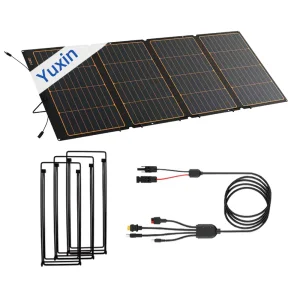
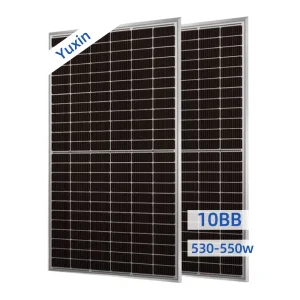
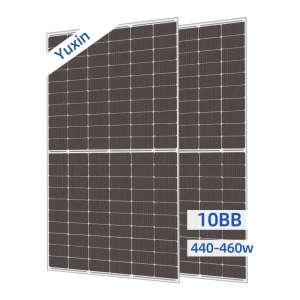
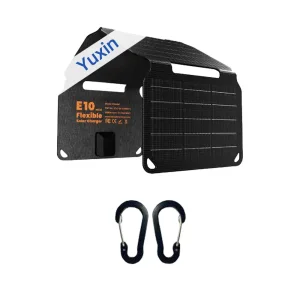
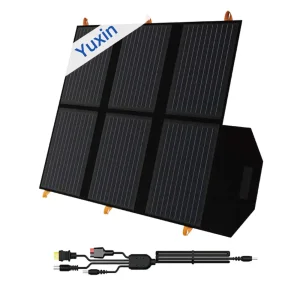
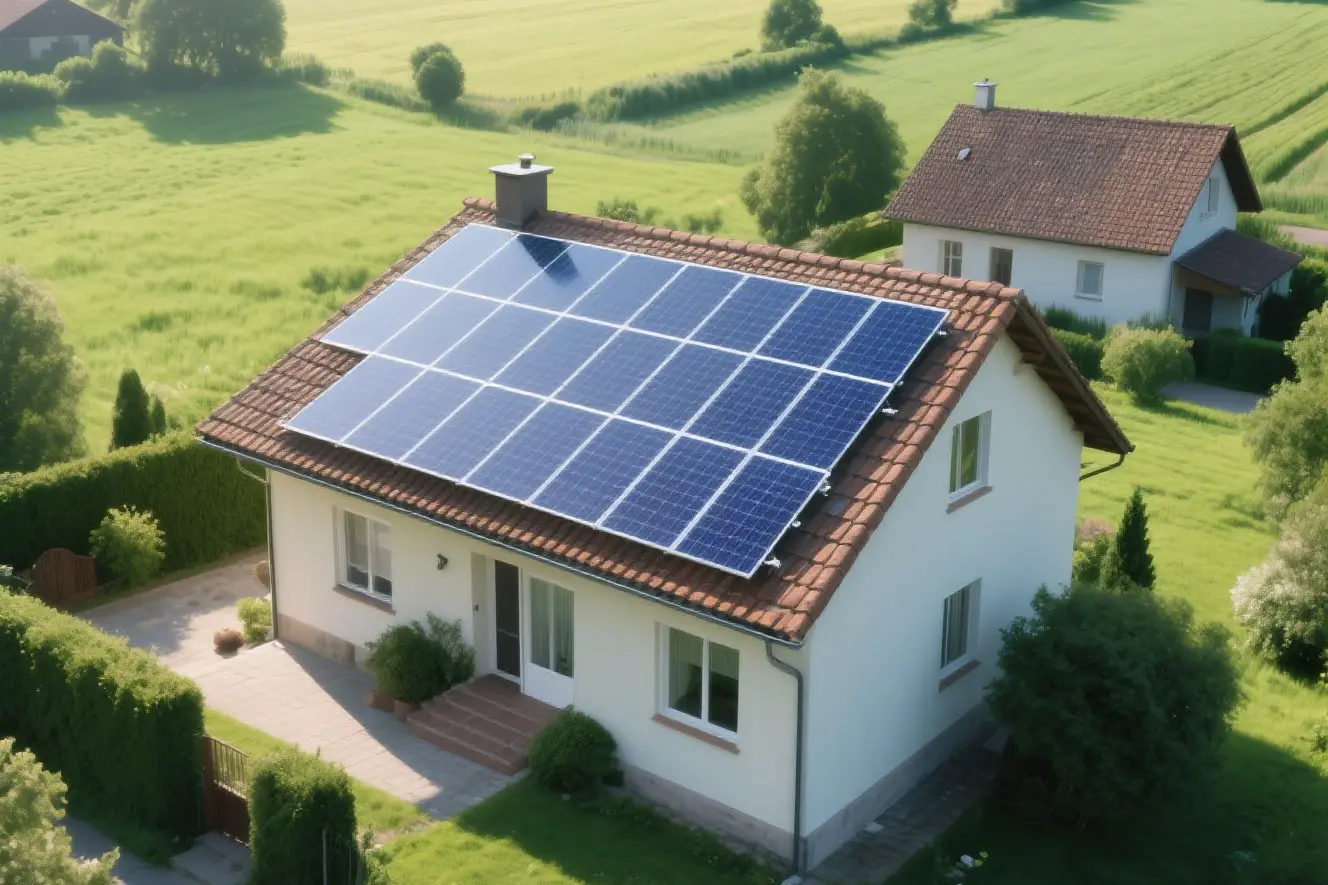
In an era marked by climate anomalies, aging grid infrastructures, and geopolitical energy vulnerabilities, the demand for residential energy resilience has shifted from a niche consumer hobby to a global macroeconomic necessity. High-efficiency emergency solar power systems for homes represent the frontline defense against long-term grid outages. By combining localized photovoltaic (PV) generation with smart, modular energy storage systems (ESS), modern homes can run autonomously under "island mode" for extended durations.
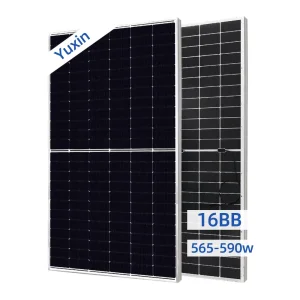
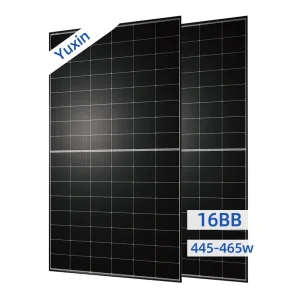
The global emergency solar power sector is experiencing a significant technological leap. The introduction of 16BB (Busbar) N-type half-cell architectures has dramatically decreased recombination rates within PV modules, enabling conversion efficiencies exceeding 22.5%. This is a crucial threshold for emergency configurations, where roof space and sunlight access might be compromised during structural disasters or storm seasons.
For global distributors, municipal planners, and residential solar installation contractors, balancing procurement costs with absolute system reliability is a primary metric. Sourcing "cheap" components must not equate to compromising system integrity. Under the Google Search Quality Rater Guidelines, a high-trust site must demonstrate clear expertise in structural and electrical safety.
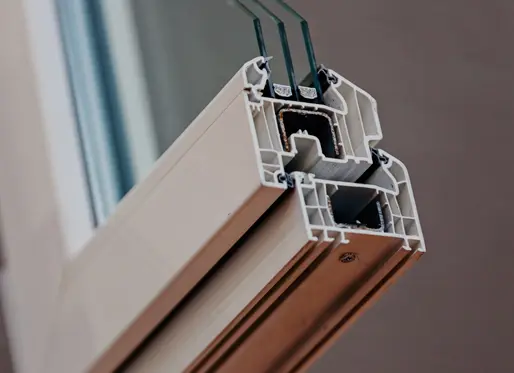
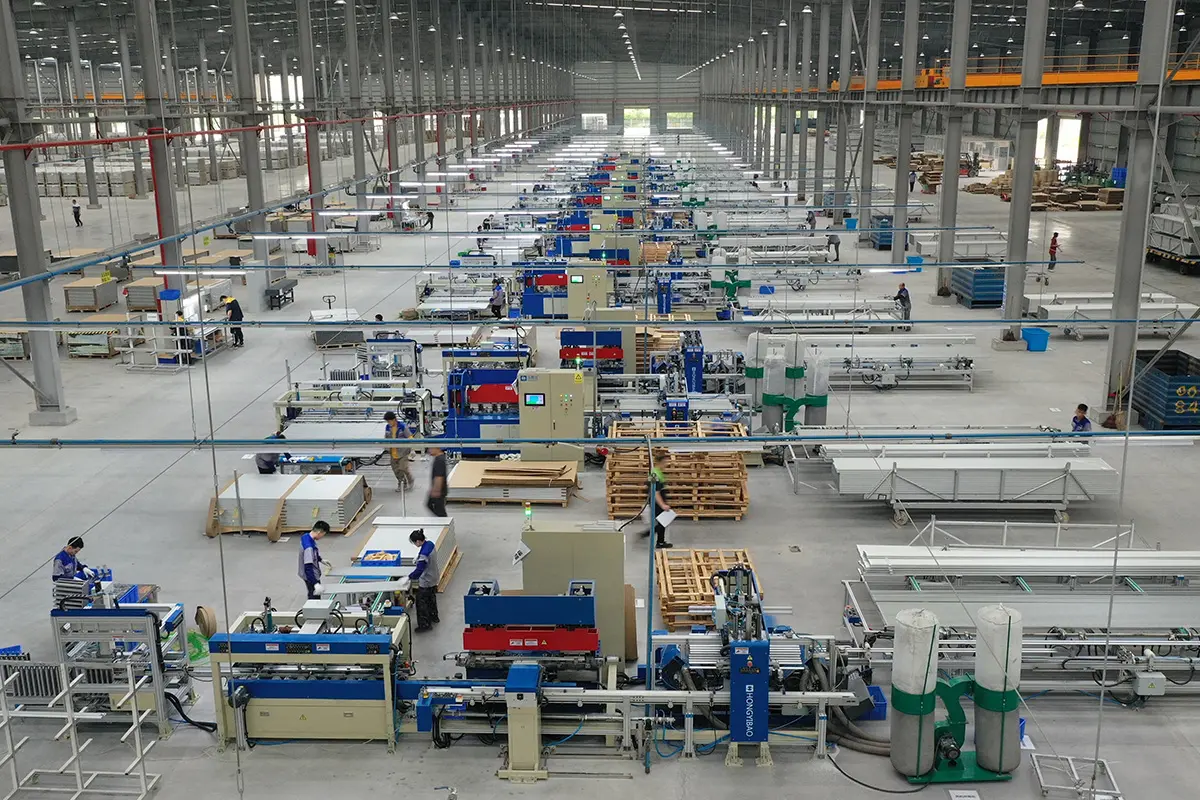
Cost-effectiveness is achieved by selecting suppliers situated in industrial manufacturing clusters (such as Yangzhou, China), which benefit from integrated material ecosystems (e.g., proximity to high-grade anodized aluminum extrusion plants and semiconductor raw materials). Sourcing modules built with structural innovations, such as lightweight polyurethane pultruded composite material frames instead of traditional alloy frames, can also significantly lower freight costs and simplify on-site structural engineering requirements.
Original core product categories manufactured to rigid specifications.
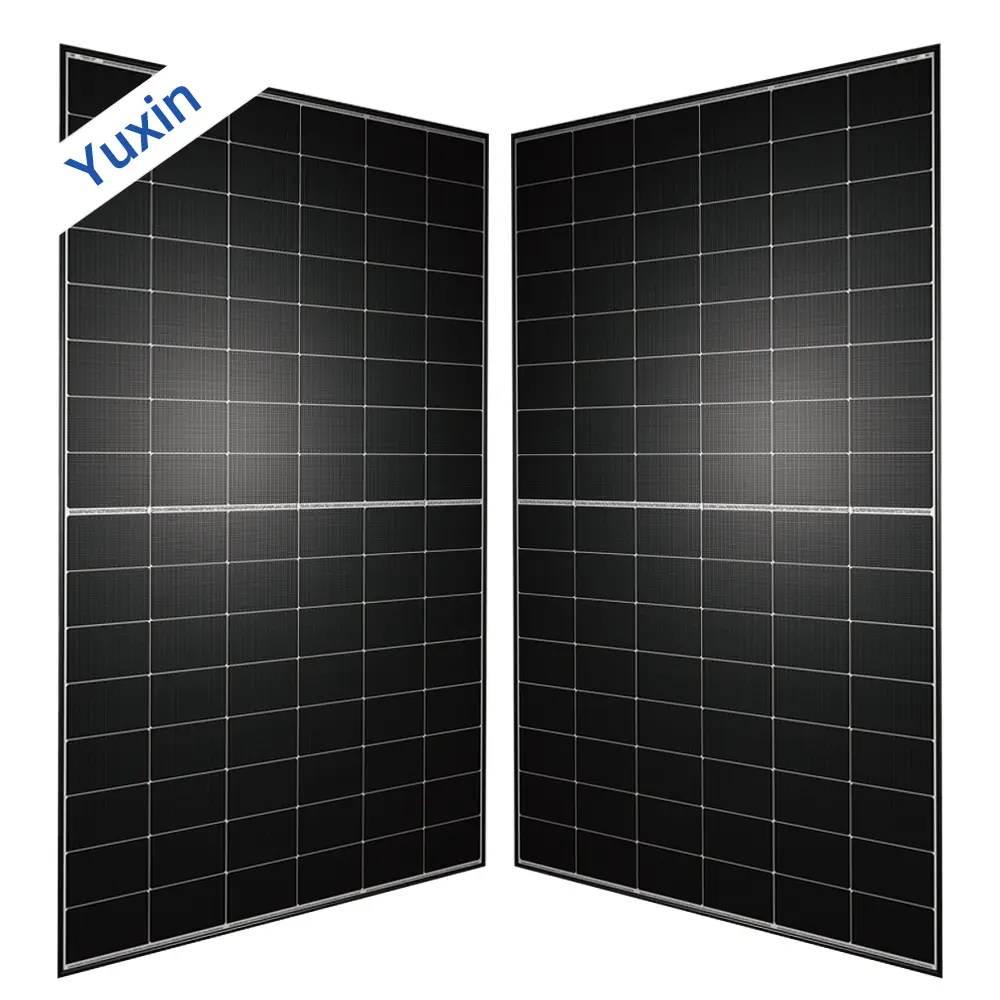
Lightweight design with transparent back panel for easy installation and reduced BOS costs.
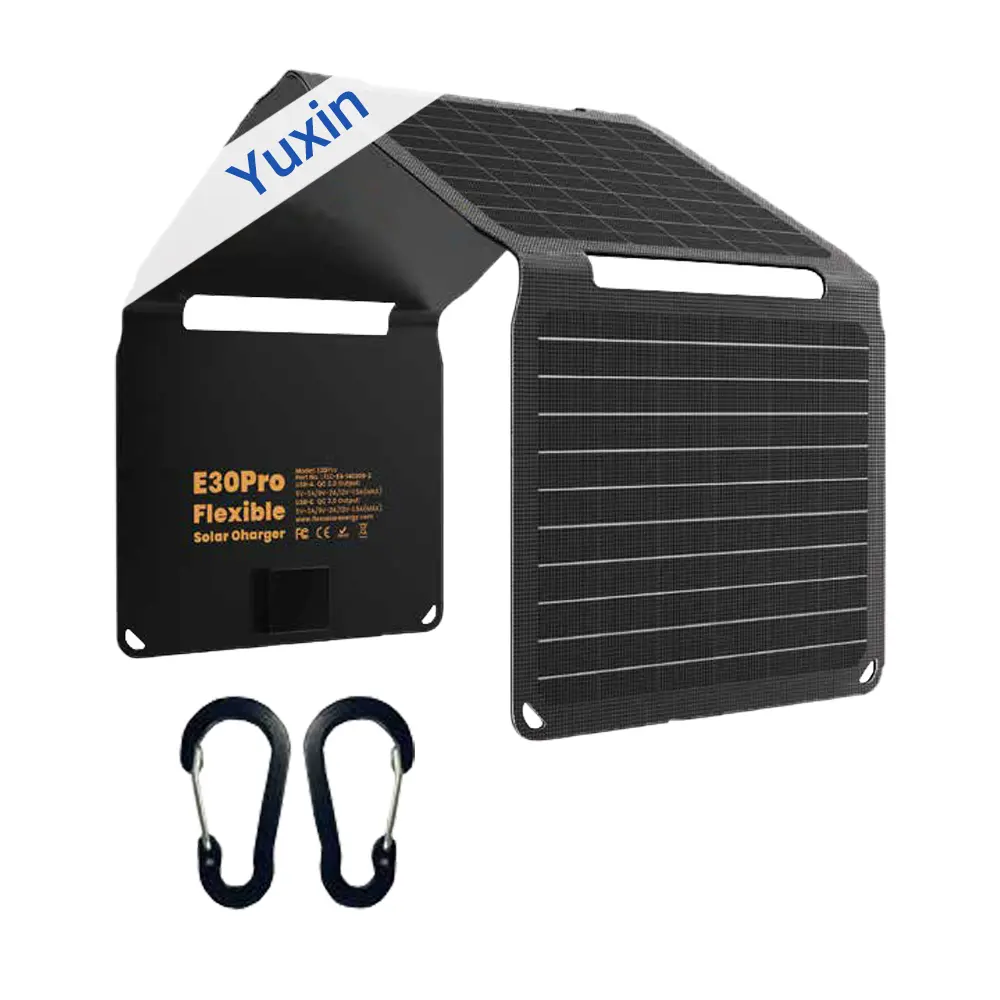
Utilizing advanced monocrystalline silicon cells, it achieves a high energy conversion efficiency of 24%.
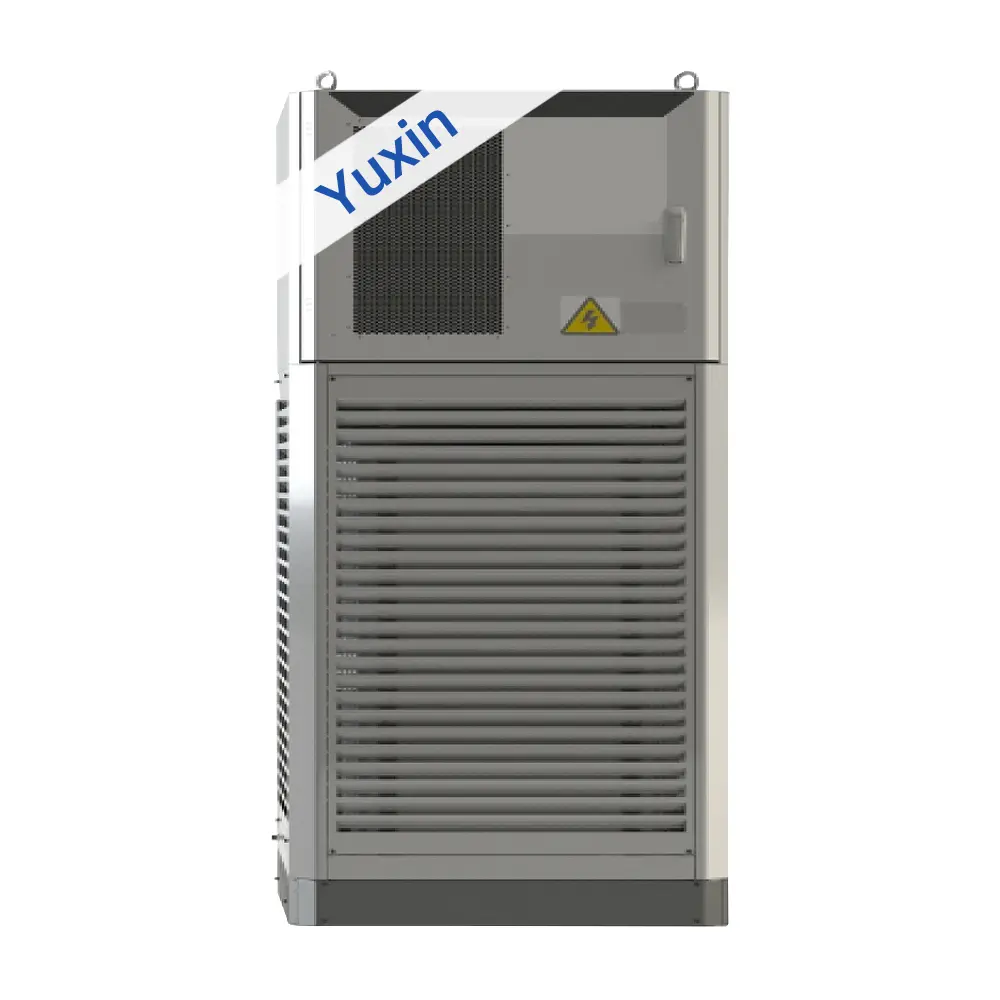
Application modes include grid-connected mode, off-grid mode, and integrated grid-connected/off-grid mode.
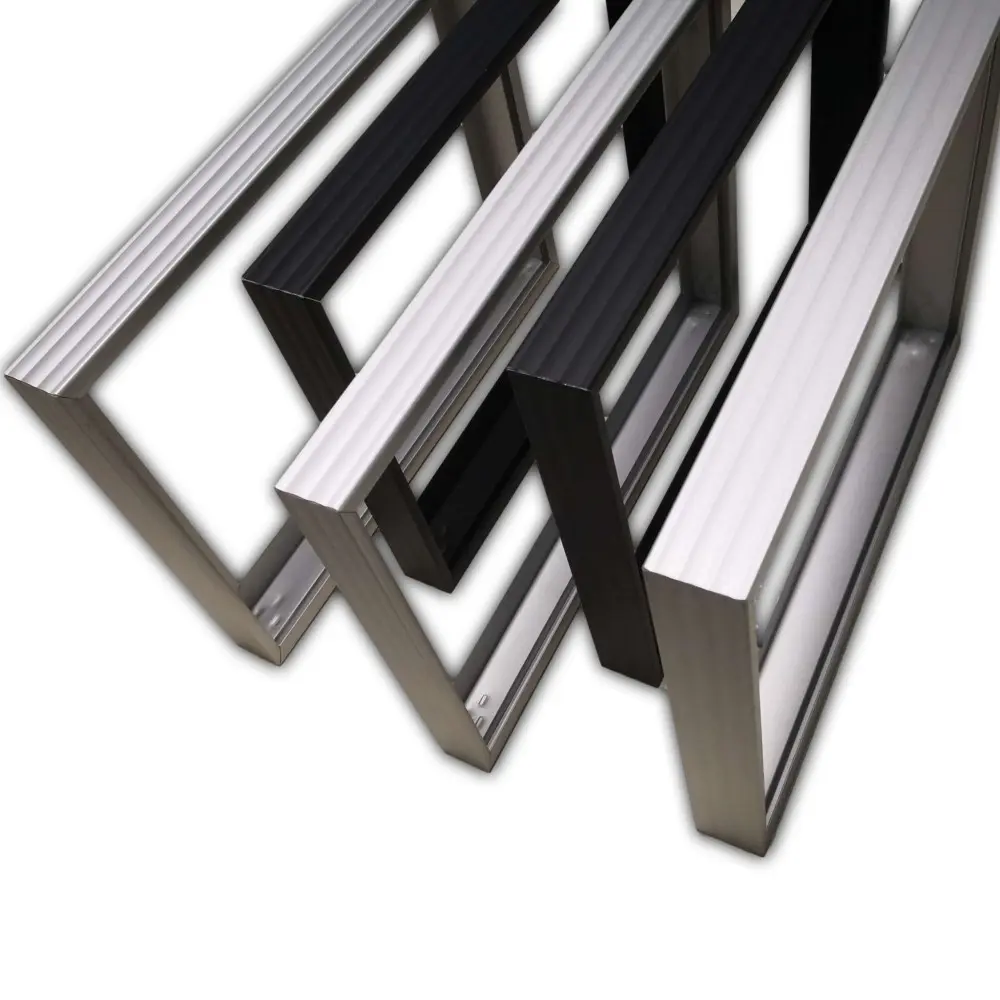
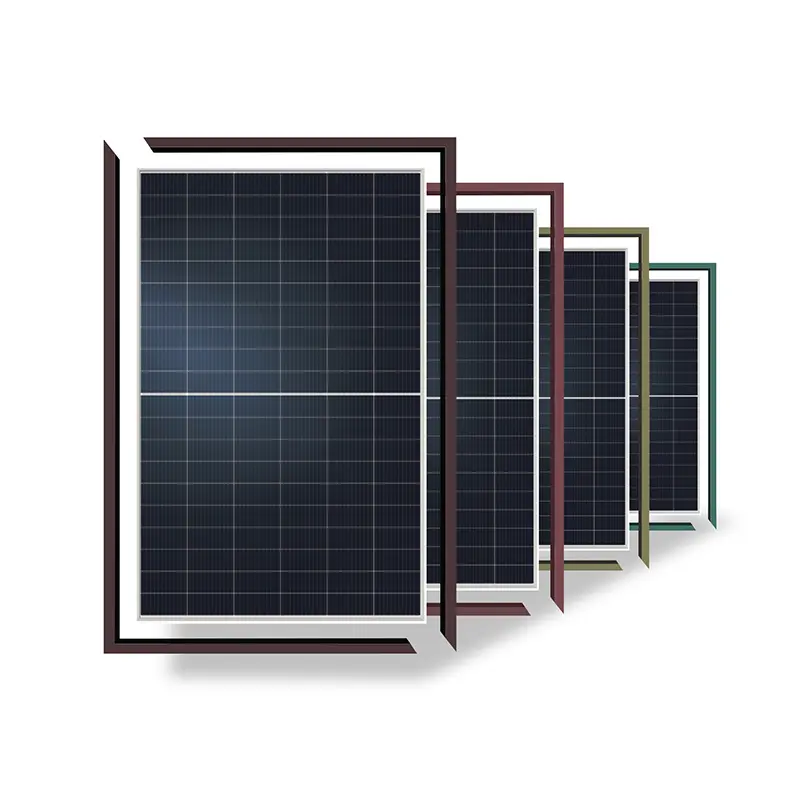
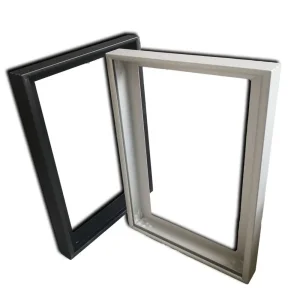
Made of high-quality anodized aluminum, it ensures superior weather resistance and a smooth, long-lasting finish.
Precision, Quality, and Safety - Your Photovoltaic Materials Expert
Located in the scenic historical and cultural ancient city of Yangzhou, close to the Beijing-Shanghai Expressway, Runyang Yangtze River Bridge, and Ningqi Railway, the group has a superior geographical location and convenient transportation. The group was established in 2008 and has 14 multi-field companies under its jurisdiction, including Jiangsu Yuxin New Energy Technology Co., Ltd., and has won many titles such as National High-tech Enterprise, Technology-based Enterprise, and Gaoyou City Top 100 Private Enterprises.
View More DetailsIn the context of home emergency power systems, storage shelf-life and ambient temperature operating bounds are critical parameters. Historically, Lead-Acid and standard Lithium Cobalt Oxide (LiCoO2) batteries dominated consumer segments. However, the commercial solar storage sector has rapidly standardized around Lithium Iron Phosphate (LiFePO4) and is exploring Sodium-ion battery packs for sub-zero climate operational capabilities.
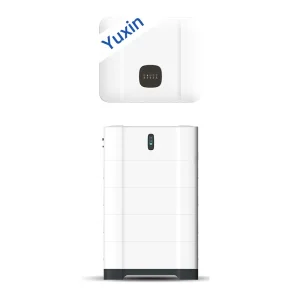
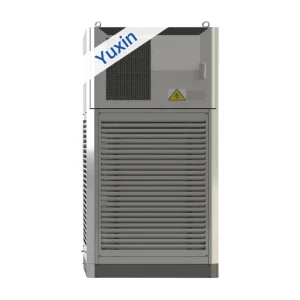
When evaluating modern emergency solar hardware, system engineers look at generation and storage metrics in parallel. The integration of N-type TOPCon 16BB bifacial solar panels (generating up to 590W) with Modular Commercial Energy Storage Systems (such as the EC60-30K) ensures that power is captured efficiently even on low-irradiance winter days and is stored with dynamic cell-management protocols.
N-type TOPCon (Tunnel Oxide Passivated Contact) cells offer a temperature coefficient of -0.30%/°C, significantly outperforming legacy PERC panels which lose efficiency at higher operating temperatures. This allows emergency microgrids in hot arid zones to remain operational without triggering thermal throttling modes in the solar charge controller.
An emergency home power setup is only as reliable as its weakest link. A macro-level robust residential system requires a cohesive Balance of System (BOS). This includes premium grade structural framing to withstand Category 5 hurricanes, smart hybrid inverters that transition from grid-tied to off-grid mode in under 10 milliseconds, and portable rapid-deployment power modules for localized emergency medical or communications arrays.
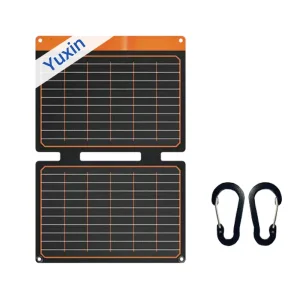
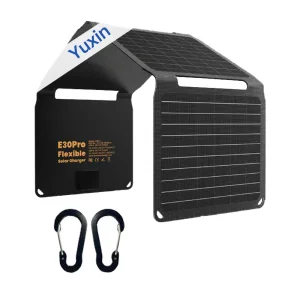
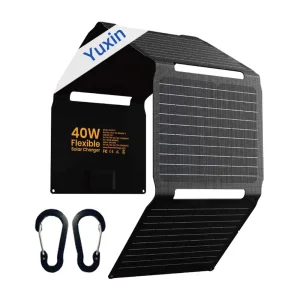
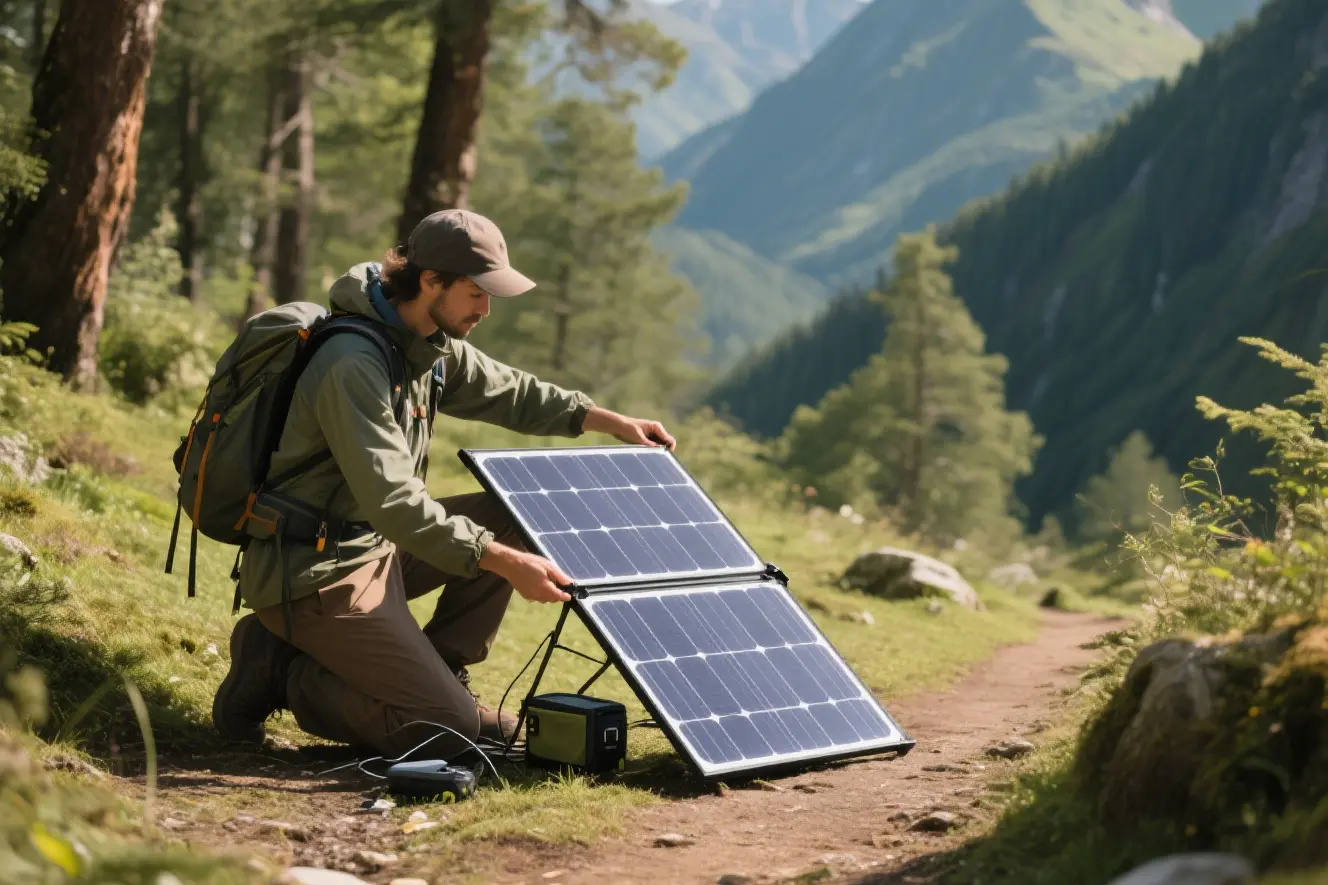
For example, deploying high-efficiency waterproof solar backpacks (ranging from 10W to 60W configurations) alongside high-capacity power banks allows households to maintain tactical communications and medical monitoring devices off-site, while a centralized household energy storage system powers refrigeration and water filtration units.
Meeting stringent quality control protocols for European and international distribution channels.
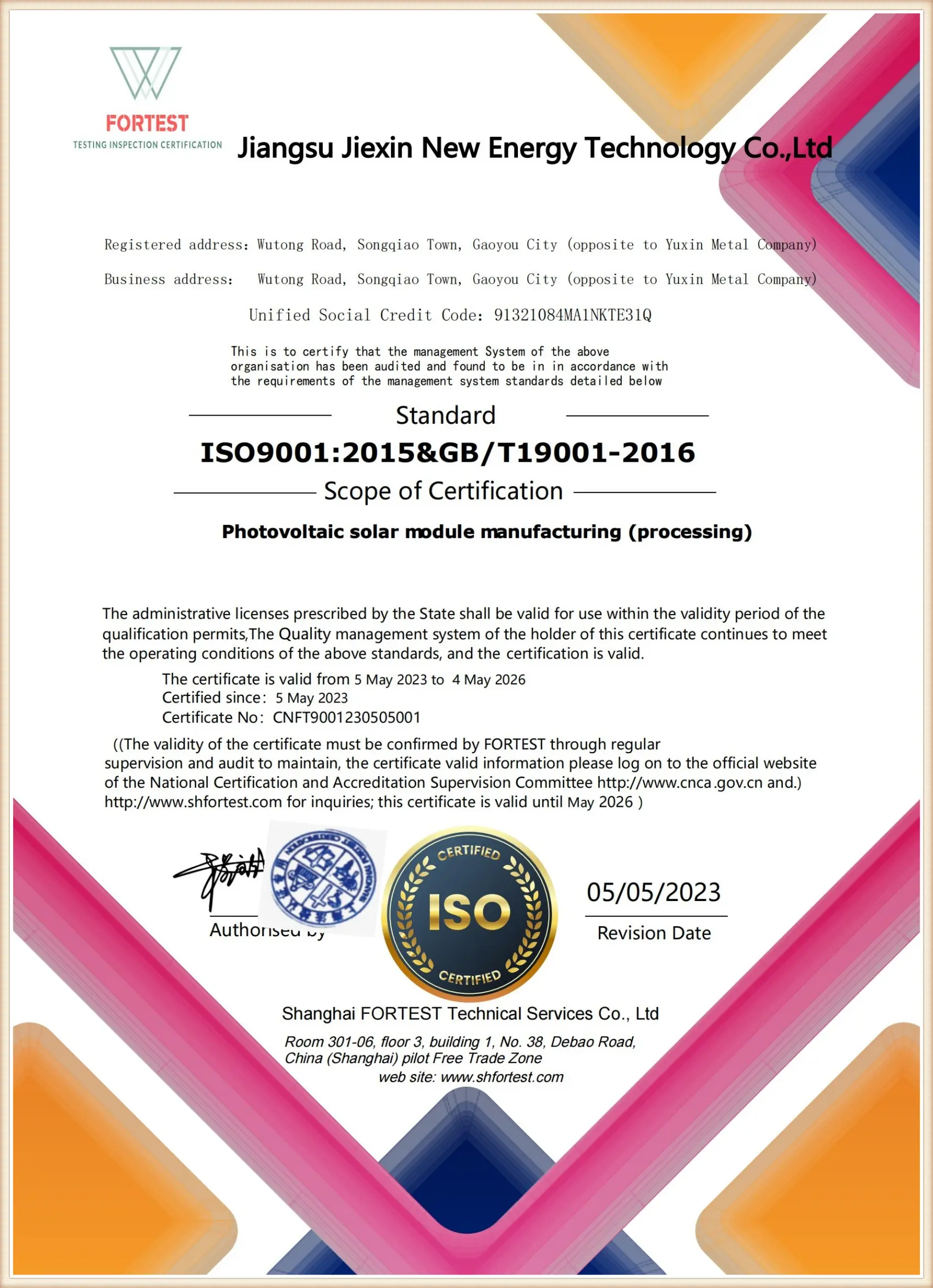
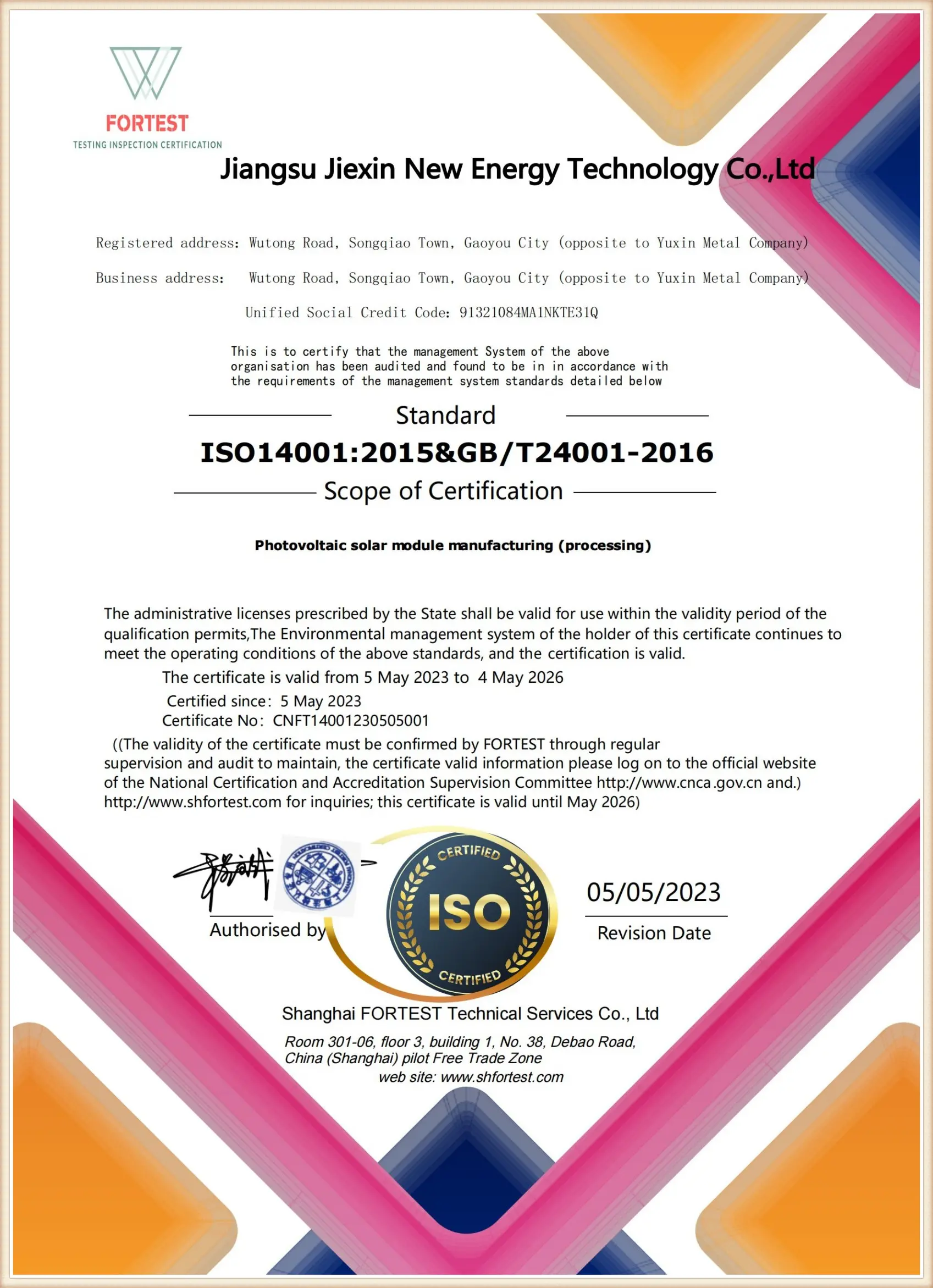
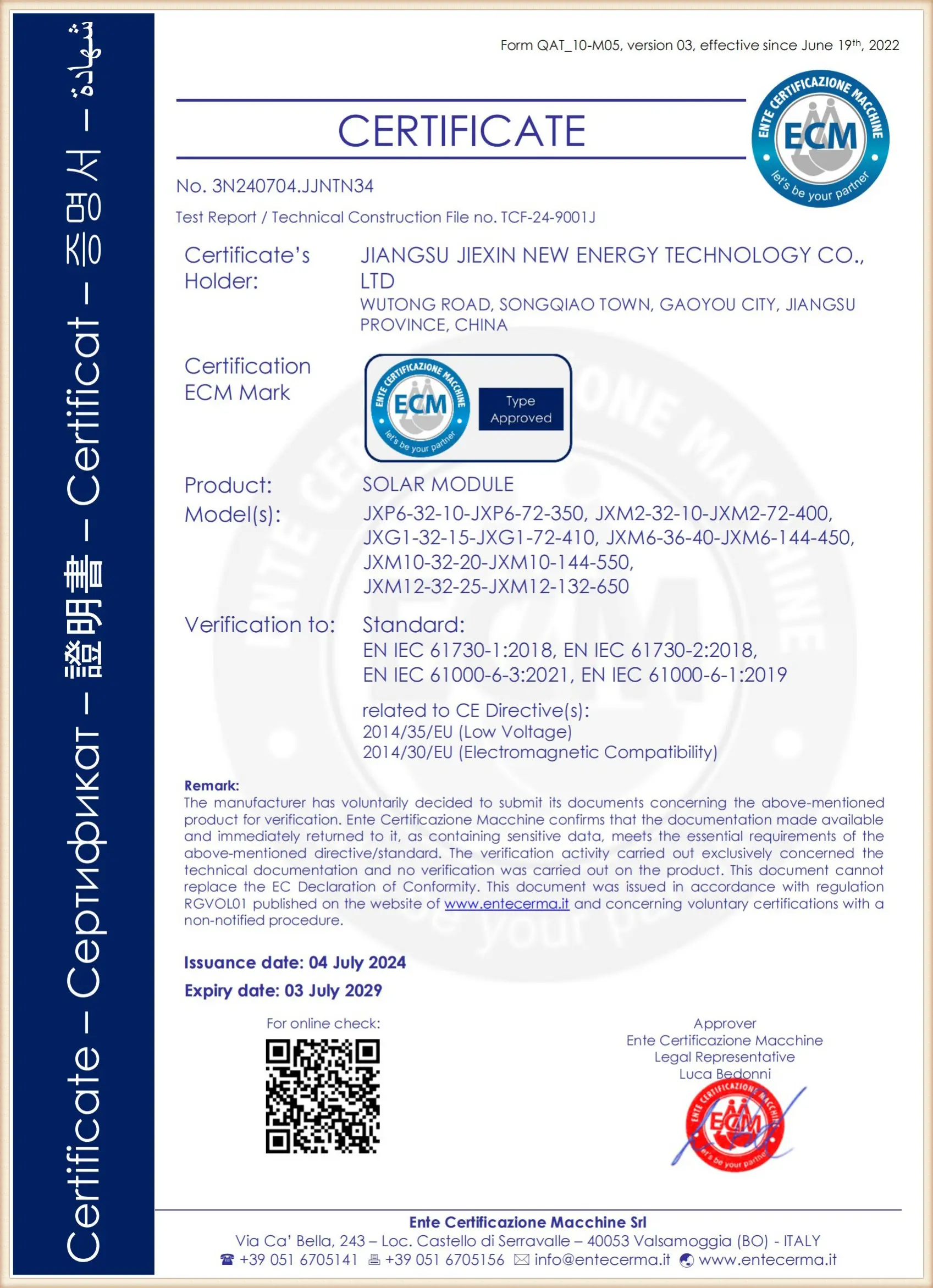
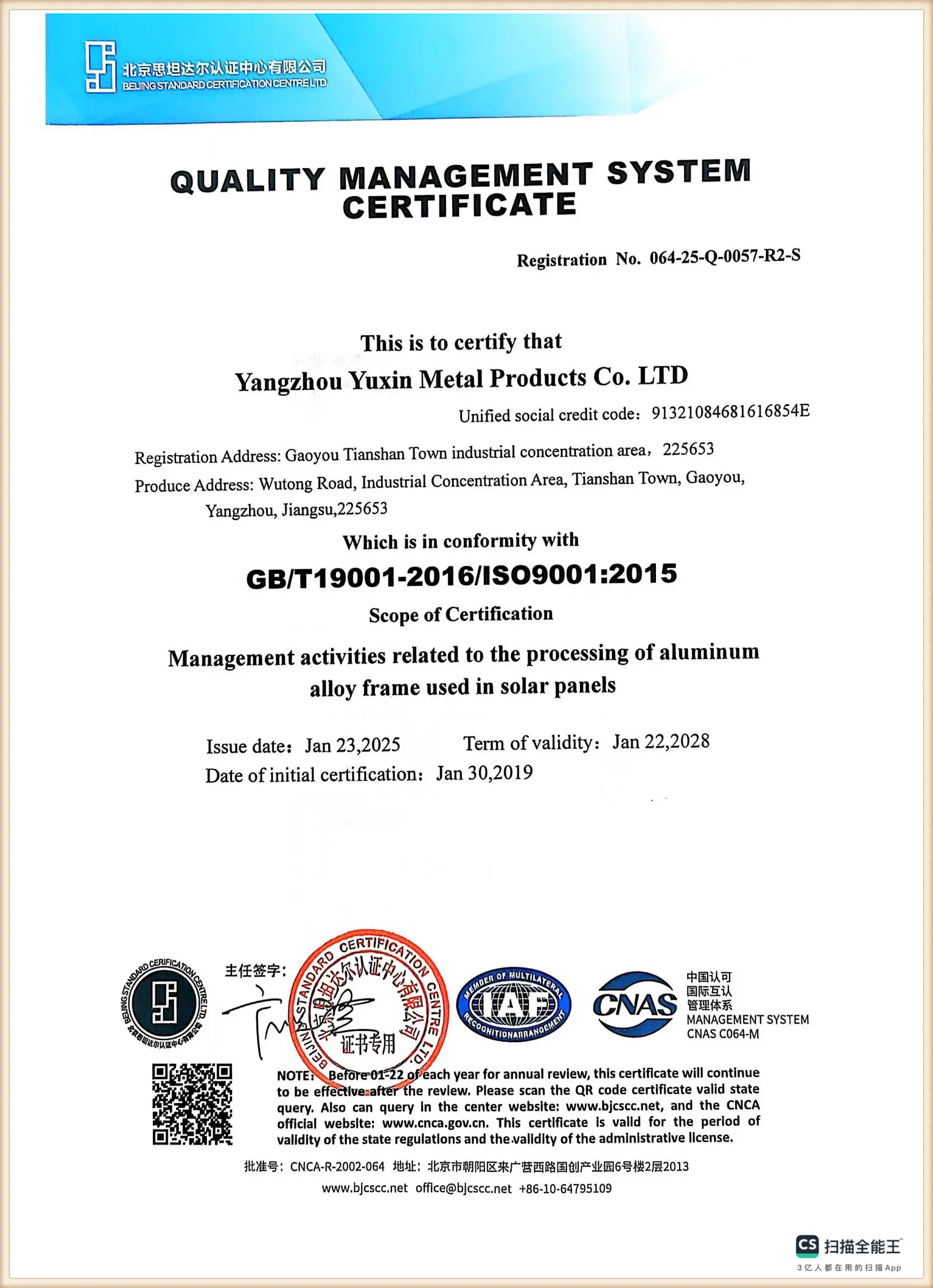
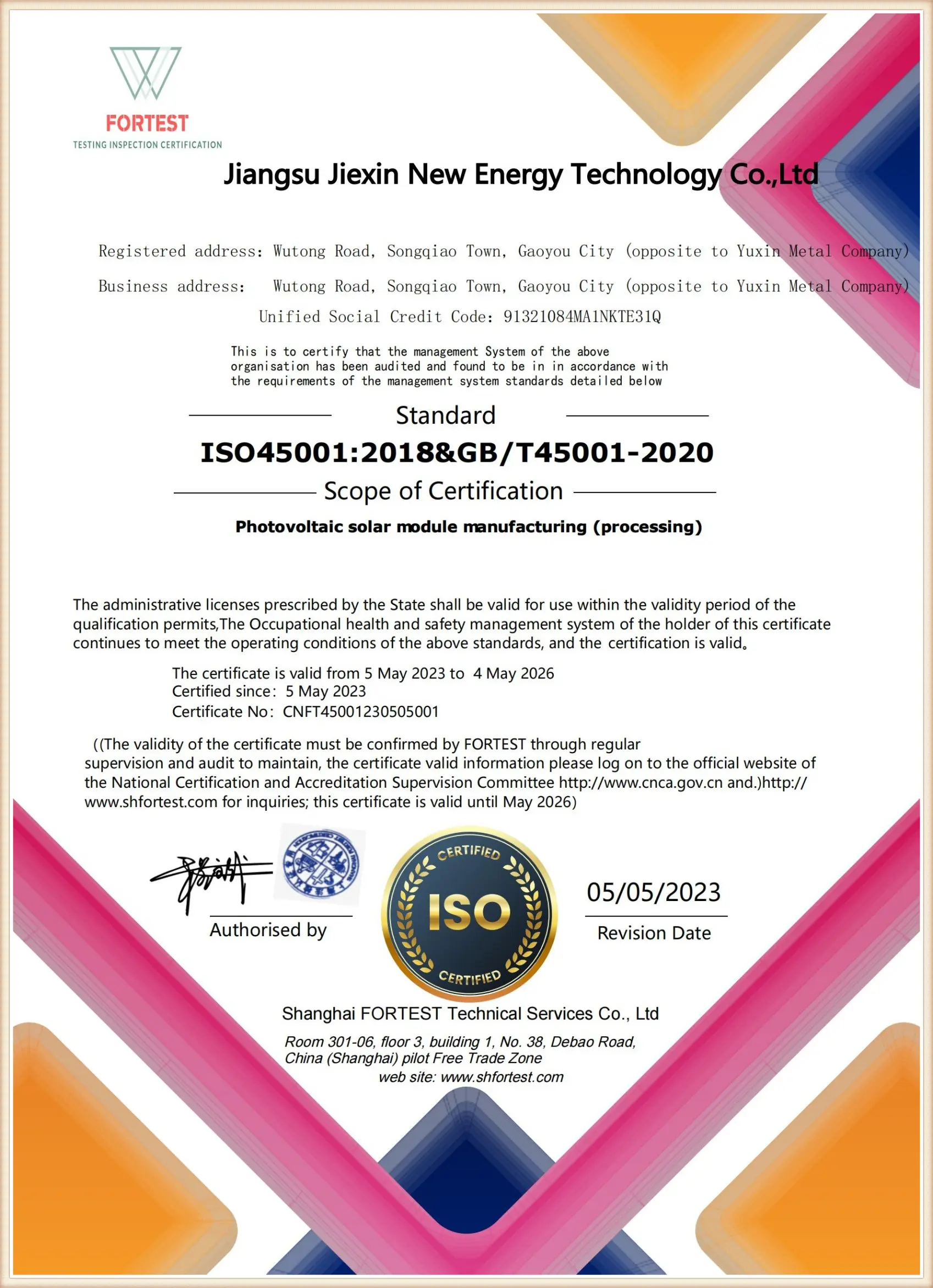
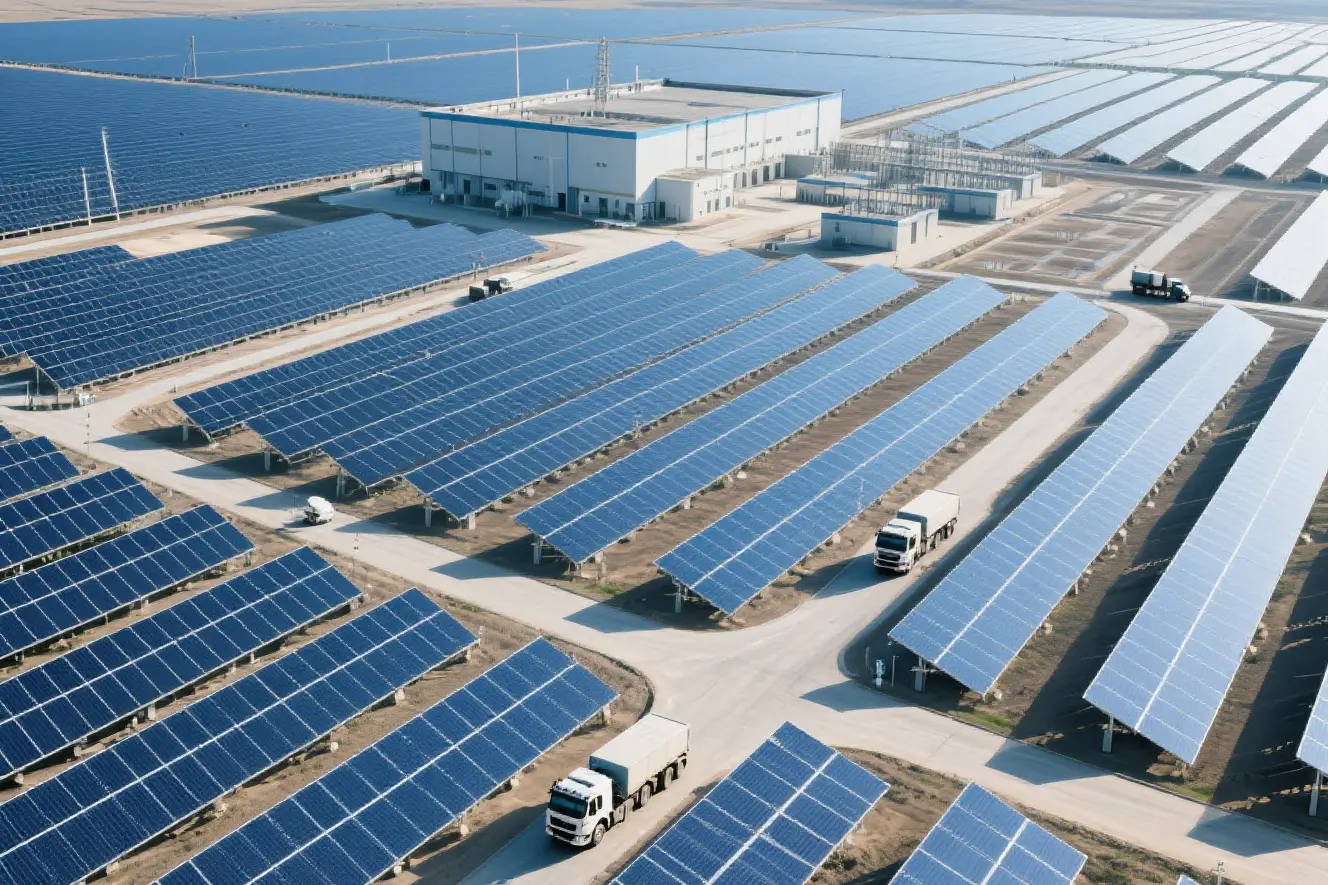
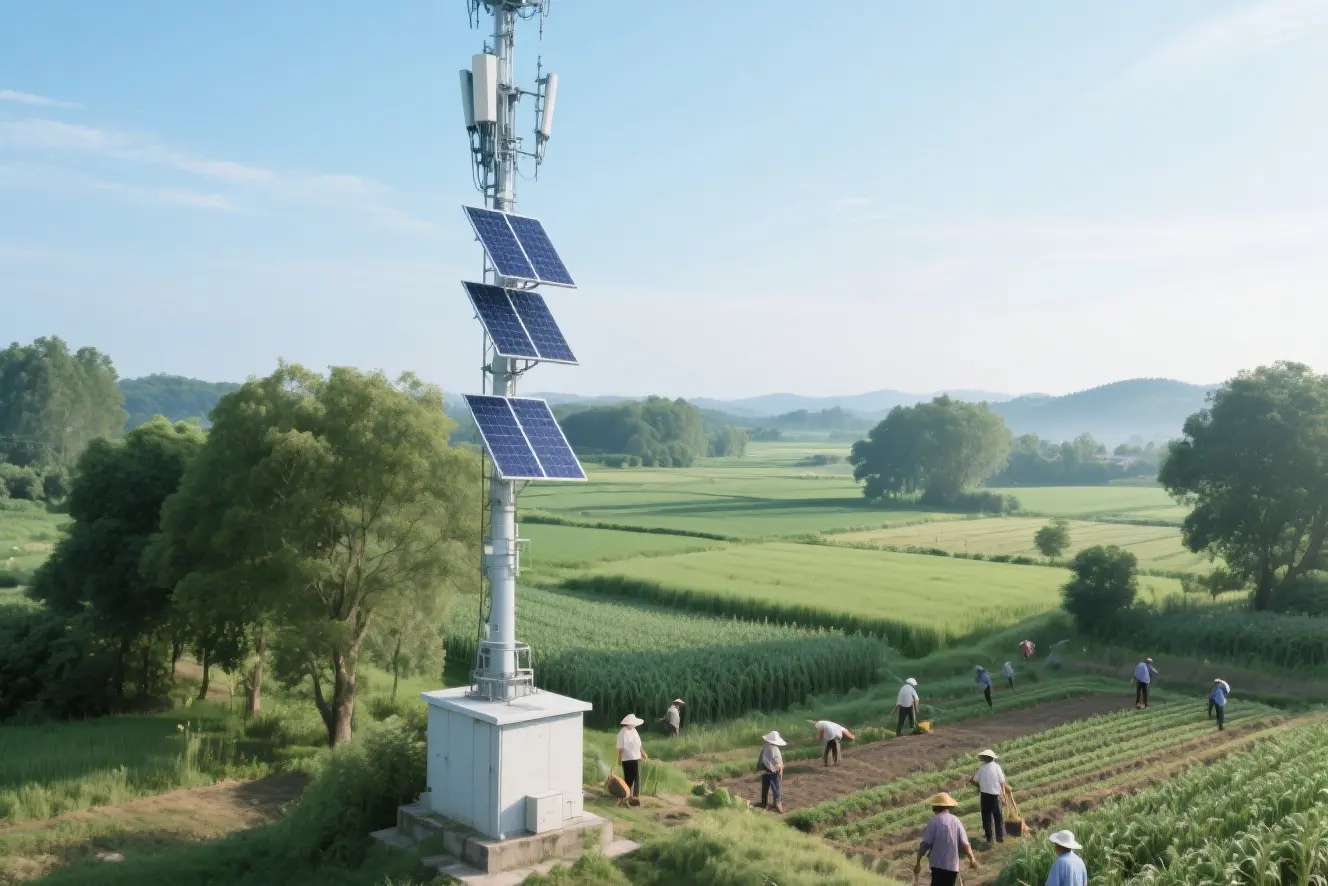
Cross-sector deployment of our advanced photovoltaic structural modules and systems.
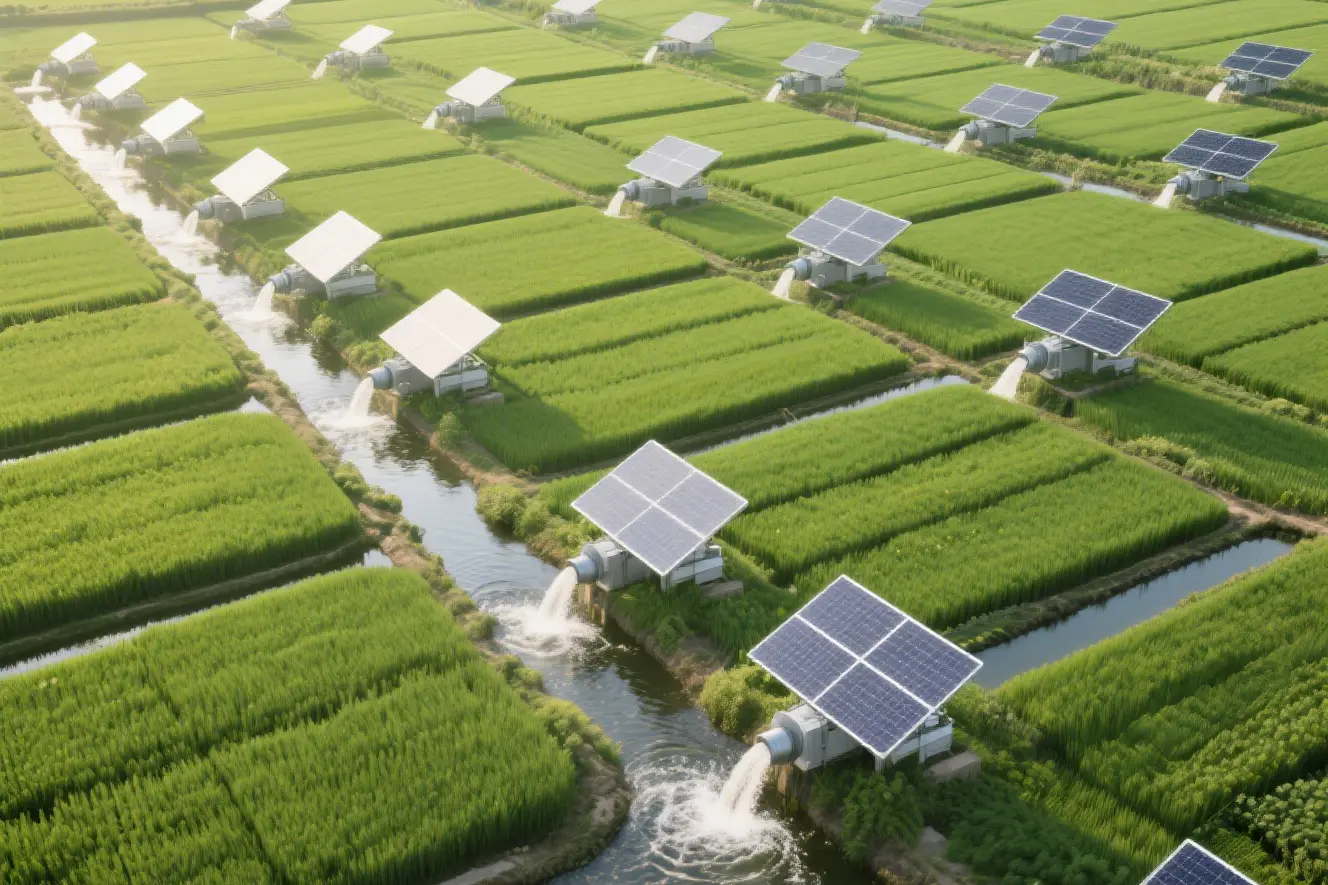
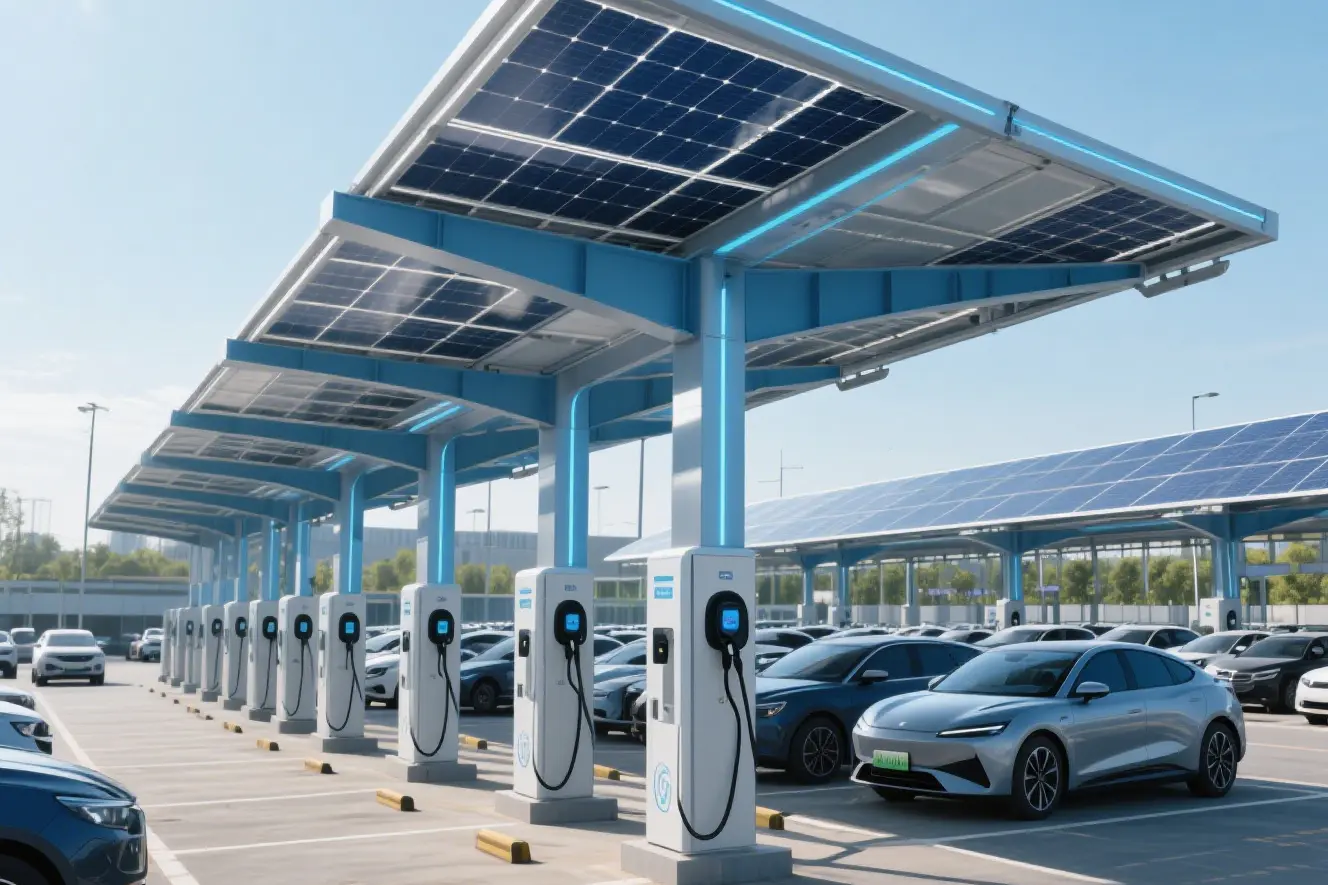
An often overlooked aspect of emergency solar power systems is the long-term structural integrity of the photovoltaic mounting components. Aluminum alloy frames (typically 6063-T5 or 6005-T6) are the gold standard for resisting coastal salt-spray corrosion and high wind-loads up to 2400Pa for wind and 5400Pa for heavy snow loads.
By implementing these structural components, suppliers can significantly reduce structural load requirements on emergency housing shelters and temporary command centers. This enables fast, toolless deployment during complex logistics operations in emergency zones.
Navigating trade barriers and compliance requirements is vital for smooth B2B procurement of solar materials. When importing panels and energy storage equipment to Europe, the United Kingdom, or North America, strict compliance protocols like CE Certification, RoHS, and UL Standards are mandatory to meet municipal electrical codes.
Working with vertically integrated manufacturers ensures that raw silicon, structural frames, and cell stringing processes remain under a single Quality Management System (QMS) aligned with ISO 9001. This guarantees traceabilities, minimizing customs delays and ensuring that large-scale distributors receive stable, fully compliant shipments.
Forming mutual advantages and long-term joint values across the international energy sector.
Addressing procurement challenges, installation specifications, and mechanical criteria for global suppliers.
Adhering to our core values of pragmatic enterprise, ongoing innovation, and shared industrial development.
High-efficiency generation, robust structural support, and portable solar integration.