Sub-Saharan Africa stands at the precipice of a major industrial transition. However, grid instability, rolling blackouts (such as load-shedding), and escalating diesel prices continue to stifle the operational margins of factories, agricultural processing plants, and telecommunications hubs. Overcoming these energy supply deficits requires modular, ruggedized, and highly affordable industrial solar systems.
Deploying photovoltaic systems in Africa is not merely about environmental sustainability; it is a critical strategy for survival and economic survival. Traditional energy grids across regions like Nigeria, South Africa, Kenya, and Egypt are plagued by high transmission losses and frequent downtime. By establishing localized mini-grids, industrial enterprises can secure grid independence, slash operating expenses (OPEX) by up to 65%, and lock in predictable energy tariffs for the next 25 to 30 years.
Our solar systems are engineered to withstand the extreme environmental conditions of the continent: high ambient temperatures that lead to thermal degradation, heavy dust accumulation (soiling) in arid regions, and high coastal humidity. Leveraging advanced dual-glass structures, bifacial absorption cells, and smart tracking technology, our solar solutions ensure that African factories achieve optimal levelized cost of energy (LCOE) with maximum return on investment (ROI).
Procuring raw photovoltaic materials and energy storage systems from China requires strict quality control, bankable certifications, and transparent logistic workflows. Jiangsu Yuxin New Energy Technology Co., Ltd. provides a vertically integrated supply chain, offering everything from heavy-duty anodized aluminum frames to complete off-grid solar kits. By purchasing directly from a Tier-1 level manufacturer, African industrial buyers bypass intermediary markups, securing access to the most competitive pricelists available.
Engineered for ultimate power density, high temperature tolerance, and reliable operation across diverse African industrial sites.
Designing power infrastructure for remote African factories requires a holistic understanding of load demand profiles. Most industrial users face a mix of inductive motor loads (pumps, compressors, conveyor belts) and continuous base loads. A poorly engineered solar kit without sufficient starting capacity will fail when heavy machinery starts up.
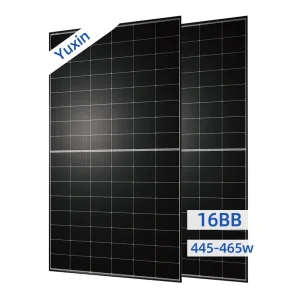
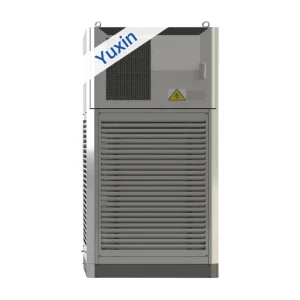
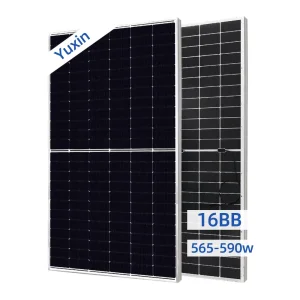
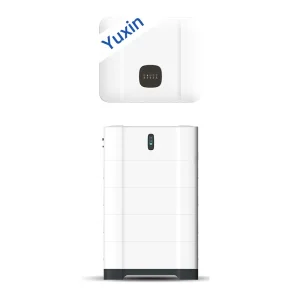
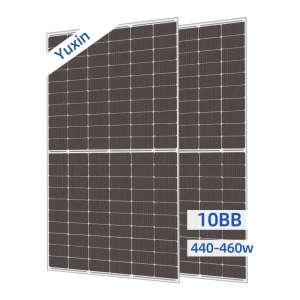
Yuxin’s industrial solar solutions incorporate a hybrid three-phase model that coordinates solar production, battery storage, and existing grid or diesel resources. Our microgrids utilize high-power N-type bifacial dual glass panels that capture reflected sunlight from the ground, boosting yield by up to 25% in sandy or light-colored terrains. This is paired with smart commercial energy storage units (P01-EC60-30K) that smooth out solar intermittency, shave peak load demands, and transition seamlessly during power cuts.
By using modular storage, systems can be scaled incrementally as production demands grow. This modularity reduces the initial capital expense, making solar transition highly affordable for medium-sized factories in key economic zones across West, East, and South Africa.
Africa experiences some of the highest solar irradiance levels in the world, yet excessive heat is a primary cause of solar cell inefficiency. When PV cell temperature exceeds 25°C, performance declines. Standard solar modules suffer significantly. To combat this thermal penalty, our technical roadmap focuses on N-Type TOPCon and PERC cell designs with low temperature coefficients (-0.30%/°C).
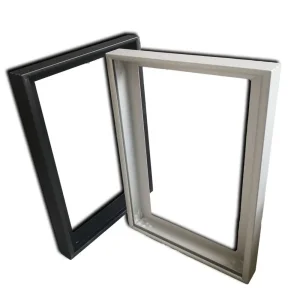
In addition, physical protection is vital. Our solar kits are engineered with dual glass layers and anodized aluminum frames (6063-T5) or advanced polyurethane composite frames. These composites provide excellent resistance to salt-mist corrosion in coastal manufacturing sites, high wind loads in open plains, and mechanical stress from dust storms. The non-conductive nature of polyurethane composite frames also eliminates Potential Induced Degradation (PID), ensuring long-term module lifespan in high-humidity zones.
Precision, Quality, and Safety - Your Photovoltaic Materials Expert
Located in the historic and cultural city of Yangzhou, close to major expressways and the Runyang Yangtze River Bridge, Yuxin Group enjoys superior logistics connectivity. Established in 2008, the group operates 14 specialized companies, including Jiangsu Yuxin New Energy Technology Co., Ltd. Over the years, we have achieved recognition as a National High-tech Enterprise and rank among the Top 100 Private Enterprises in Gaoyou City. We provide bankable quality assurance, combining advanced engineering expertise with a global industrial footprint.
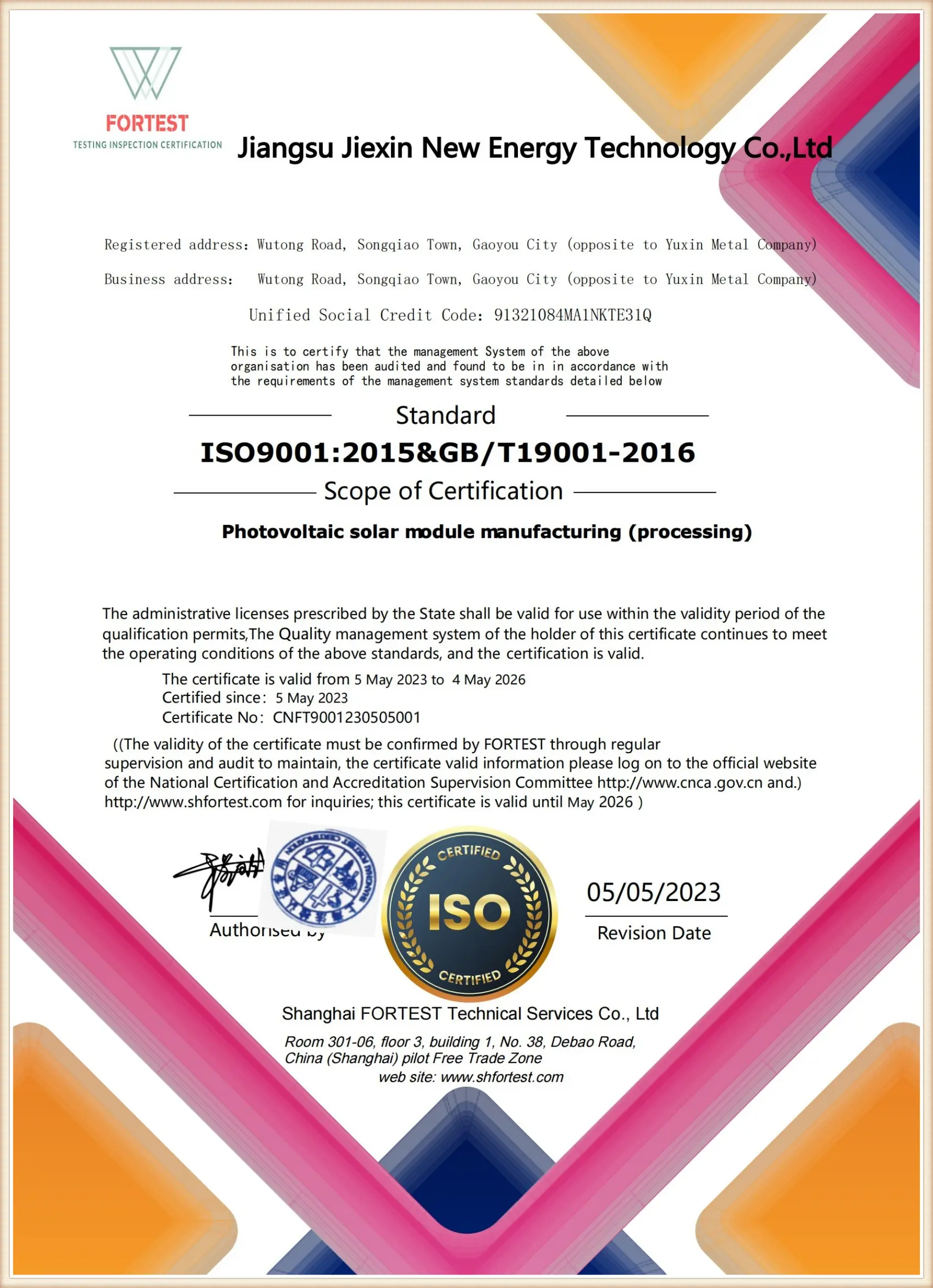
Rigorous testing, full CE compliance, and global PV materials certifications ensuring bankability and reliability.
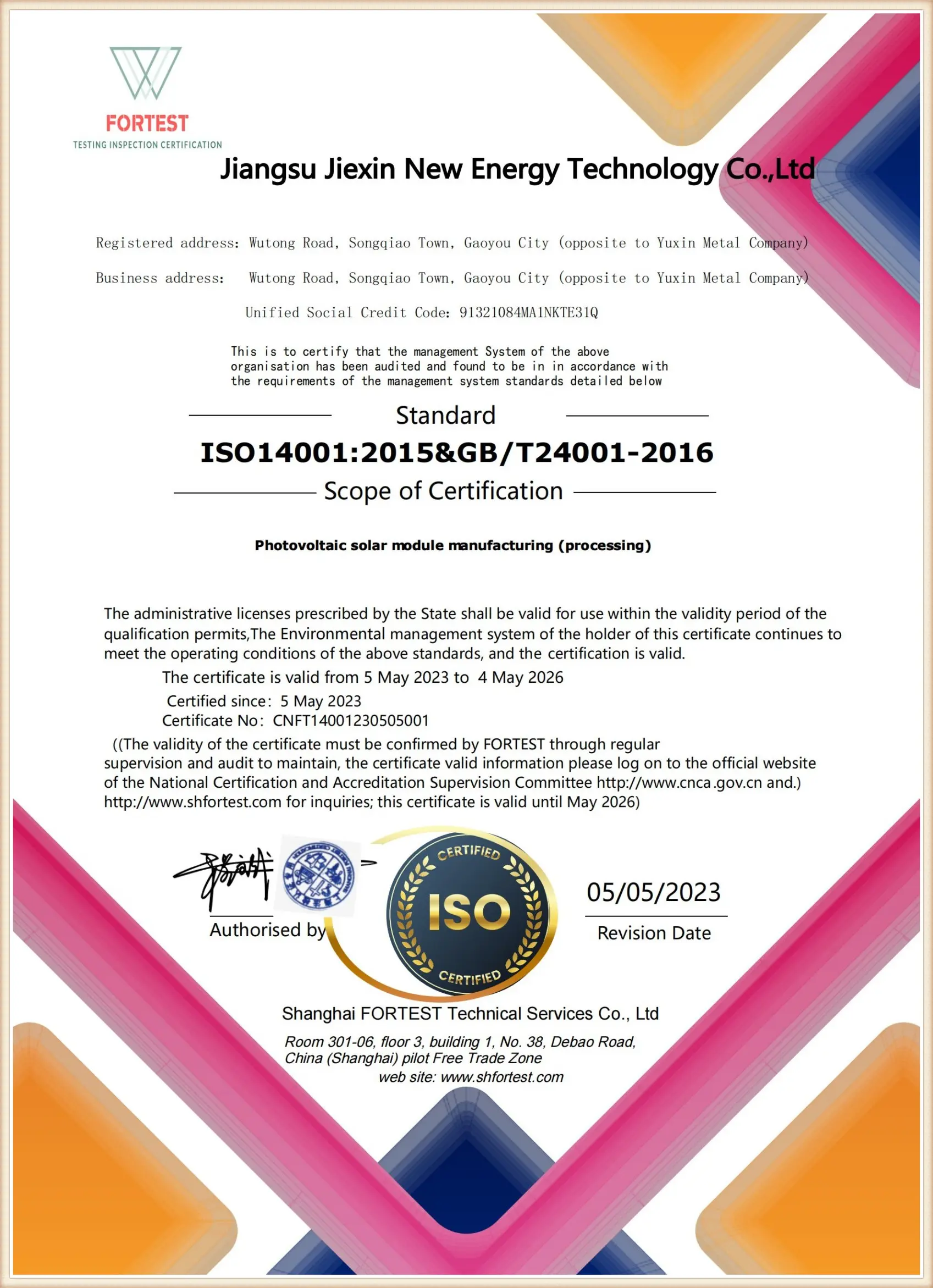
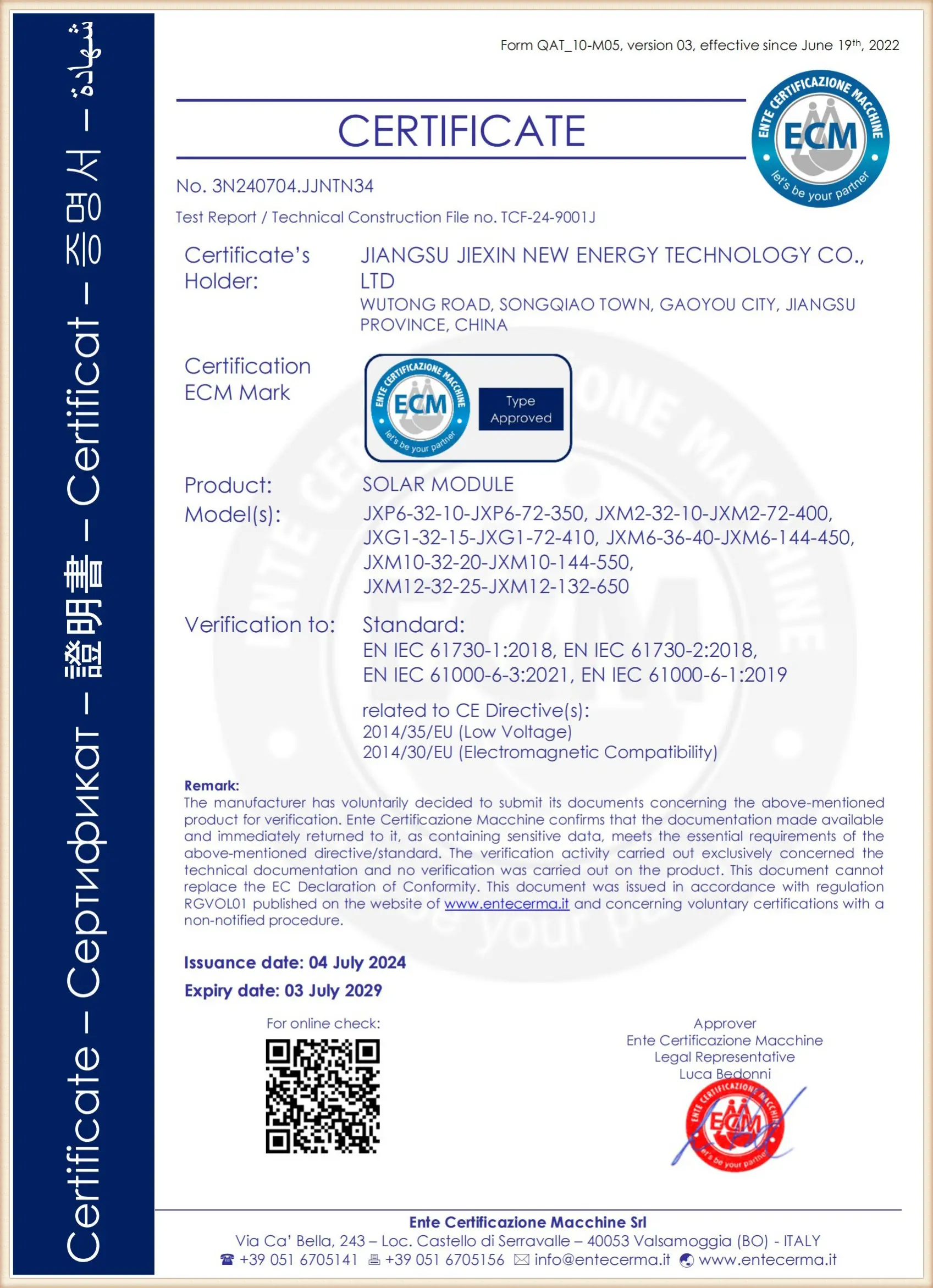
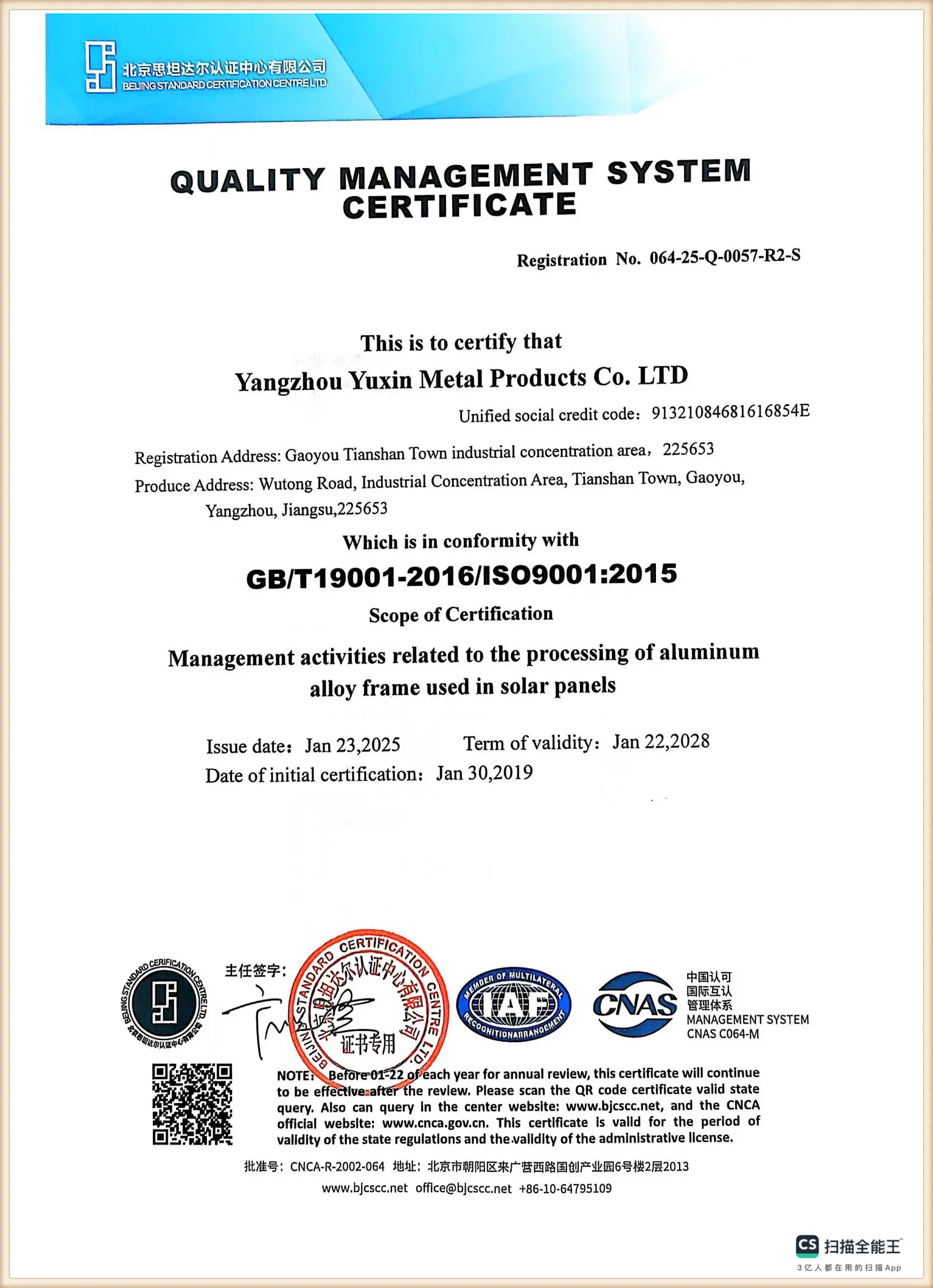
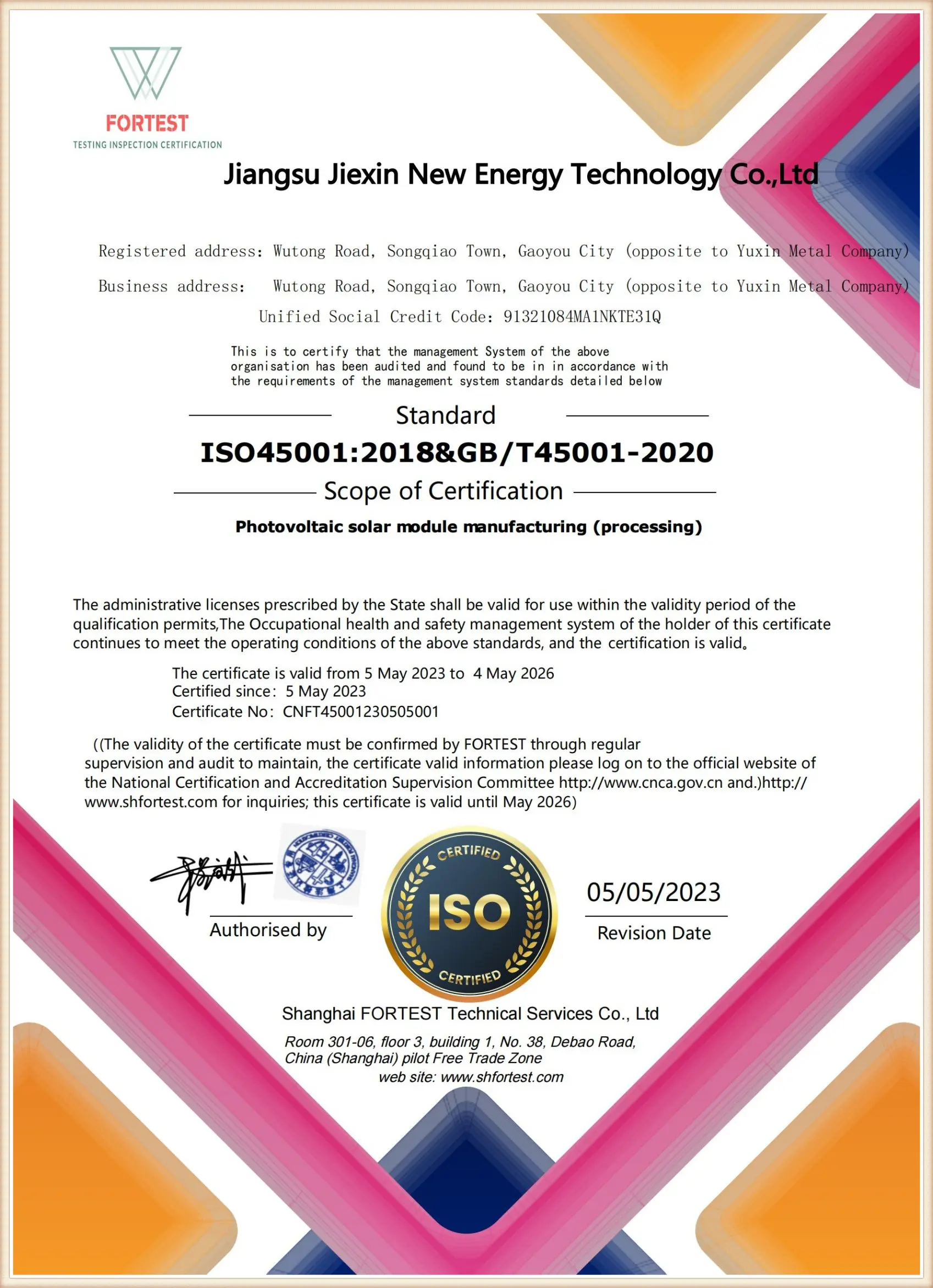
Detailed engineering cost parameters for commercial developers and global procurement managers sourcing for African industrial zones.
| System Scale / Application | Solar Array Size (kWp) | Battery Storage Capacity (kWh) | Key Hardware Components Included | Estimated FOB Price Range (USD) | Target Industries |
|---|---|---|---|---|---|
| Level 1: Light Commercial | 10 kW to 30 kW | 30 kWh LFP Storage | Half-Cell PERC Panels, Hybrid Inverter, 6063-T5 Mounts | $8,500 – $22,000 | Rural Clinics, Telecommunication Masts, Cold Storage Units |
| Level 2: Standard Factory Kit | 50 kW to 150 kW | 100 kWh to 200 kWh ESS | N-Type TOPCon Dual-Glass, Modular ESS (P01-EC60-30K) | $35,000 – $98,000 | Agricultural Mills, Textile Shops, Packaging Operations |
| Level 3: Heavy Industrial Grid-Tie | 250 kW to 1 MW+ | Containerized LFP optional | 590W+ Bifacial Modules, High-yield Inverters, Polyurethane Frames | Custom Quotation | Mining Operations, Cement Plants, Large Automotive Assembly |
*Disclaimer: All pricing ranges listed are indicative FOB Chinese ports. Exact pricelists depend on custom component integration, shipping logistics, and raw silicon market indices. Contact our procurement desk for tailored project quotations.
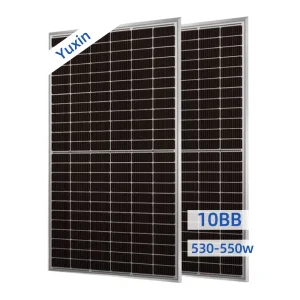
Engineered components designed to form our complete affordable solar kits.
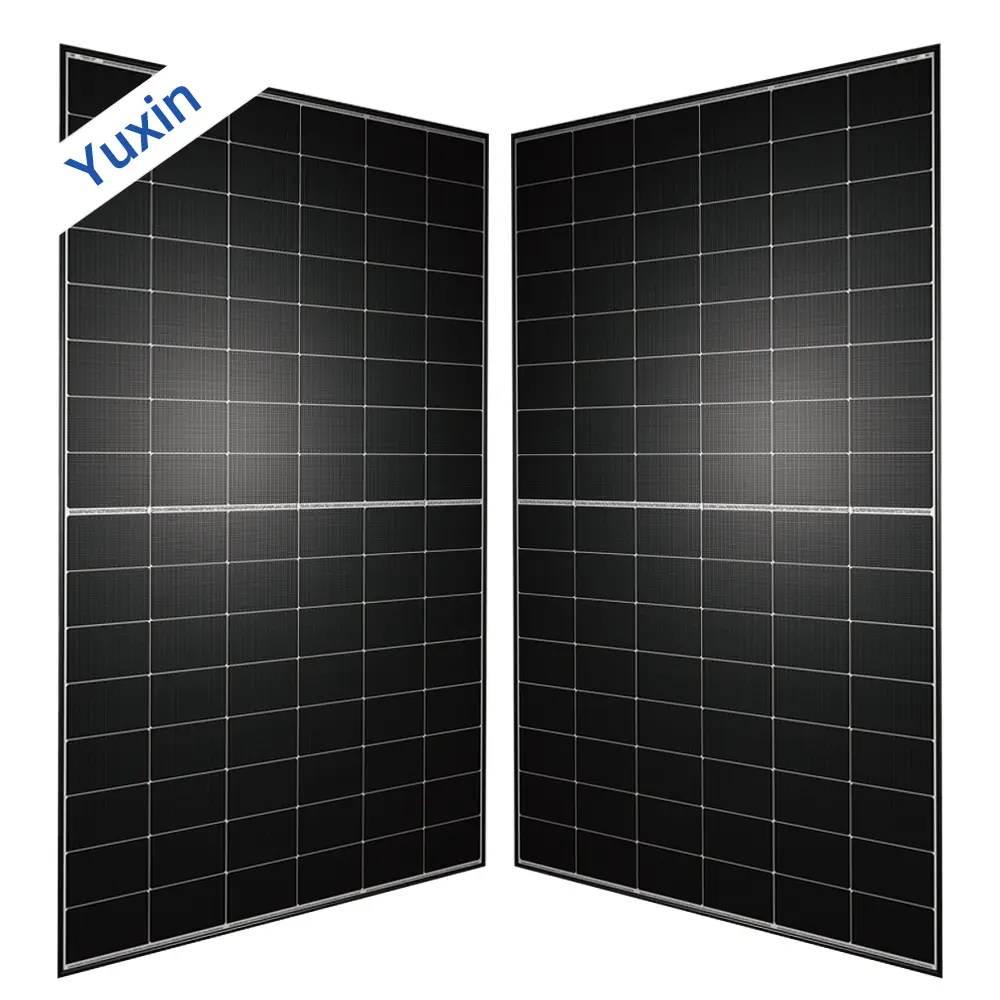
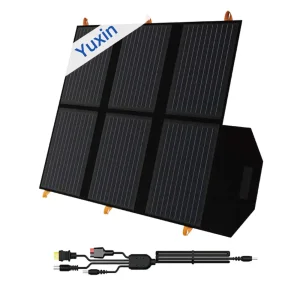
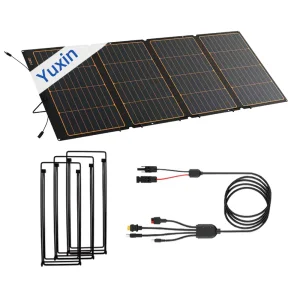
Lightweight design with transparent back panel for easy installation and reduced BOS costs.
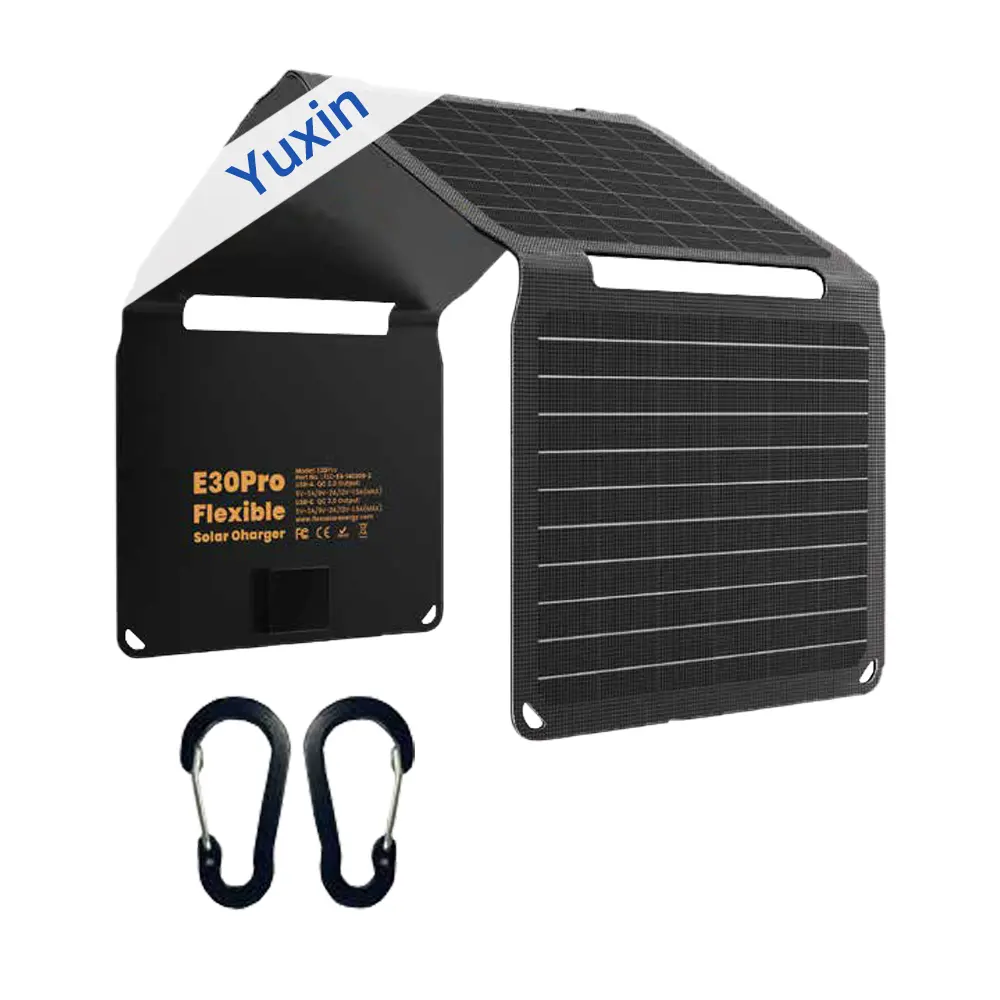
Utilizing advanced monocrystalline silicon cells, it achieves a high energy conversion efficiency of 24%.
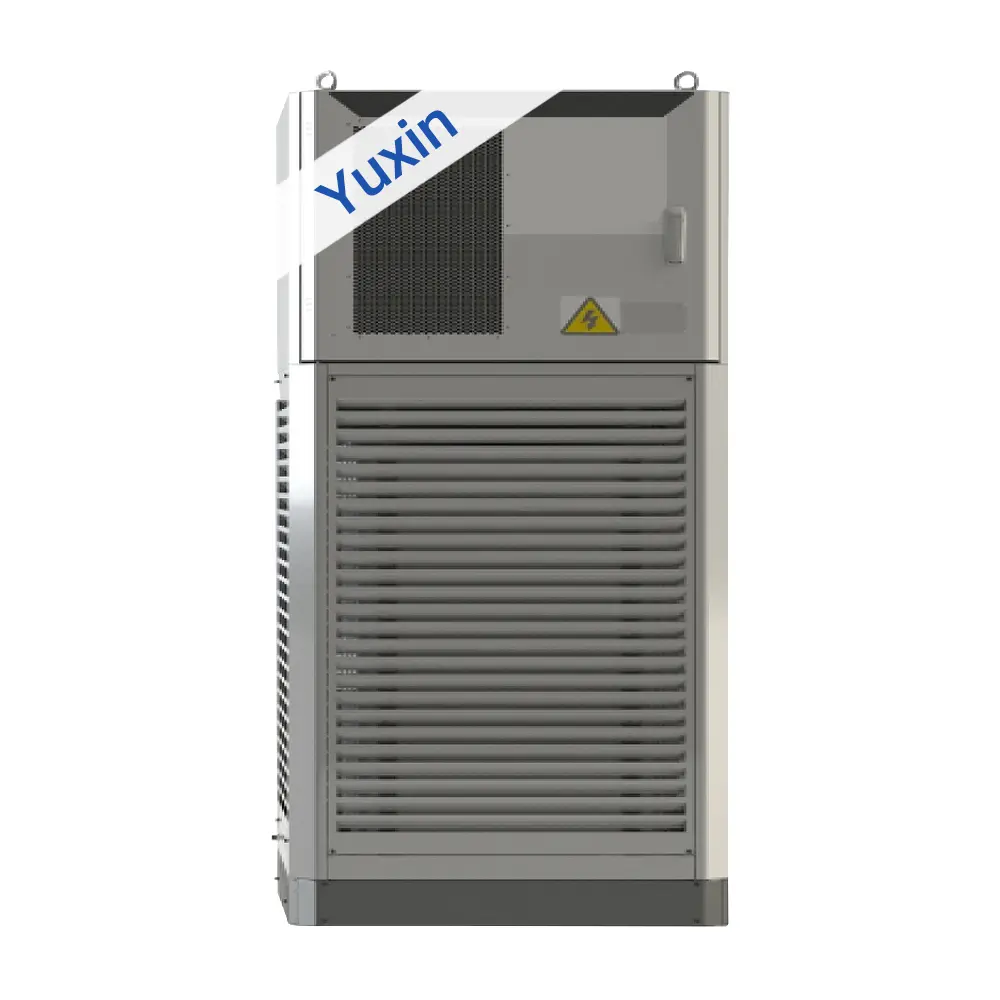
Application modes include grid-connected mode, off-grid mode, and integrated grid-connected/off-grid mode.
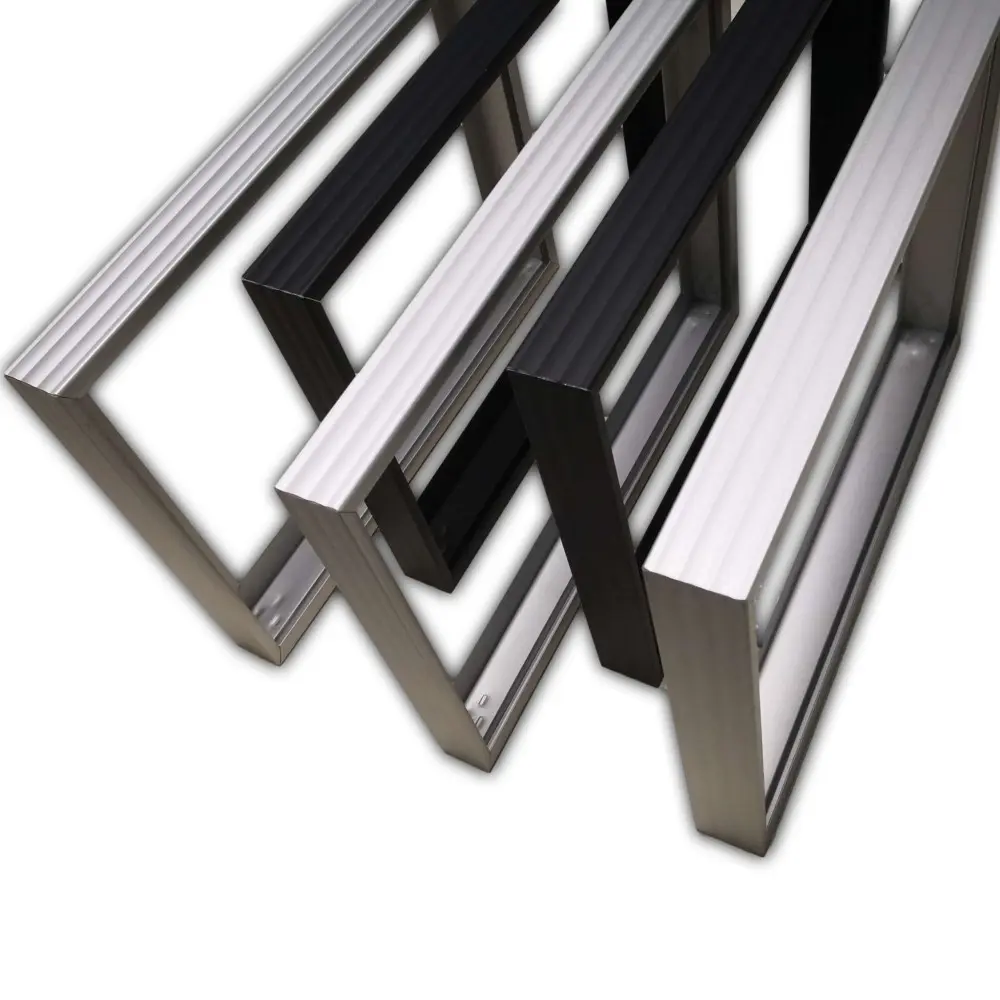
Made of high-quality anodized aluminum, it ensures superior weather resistance and a smooth, long-lasting finish.
Navigating the import and customs procedures in African markets requires a supplier who understands local regulatory structures. Equipment destined for projects in South Africa must meet SABS standards; in Nigeria, SONCAP certifications are required; while East African countries operate under PVOC pre-export verification programs. All Yuxin photovoltaic products undergo strict inspection testing to ensure smooth custom clearances and avoid costly delays.
We work with trusted logistics partners to manage seafreight routes to major ports like Durban, Mombasa, Lagos, and Alexandria. Beyond shipping, Yuxin provides comprehensive engineering schematics, wiring layouts, and remote commission support, enabling local EPC installers to configure and mount systems safely. Our structural frames are designed for rapid field assembly, reducing the need for specialized welding equipment or on-site drilling.
Safe transport over rugged roads is a key factor in project success. We use reinforced structural crates to prevent cell micro-fracturing during transit. Additionally, our mounting systems are designed for high clearance heights, allowing sheep grazing under arrays or providing security from flooding during heavy rain periods. Every component, from high-capacity PV cables to modular combiners, is selected to resist high UV levels and heat buildup.
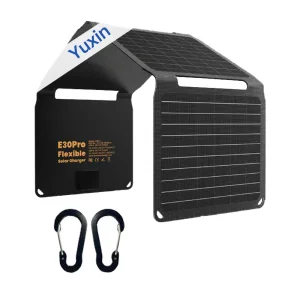
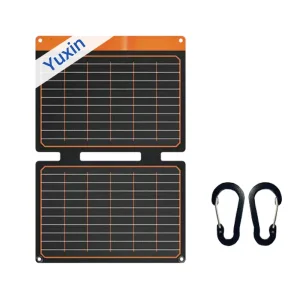
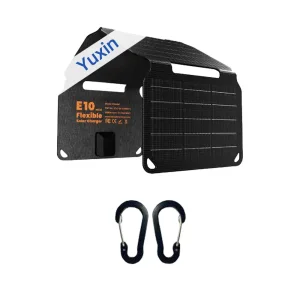
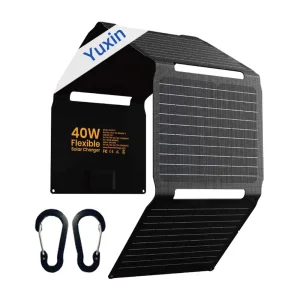
Rugged solar structural materials, high-density panels, and heavy-duty portable solar chargers for remote field engineering.
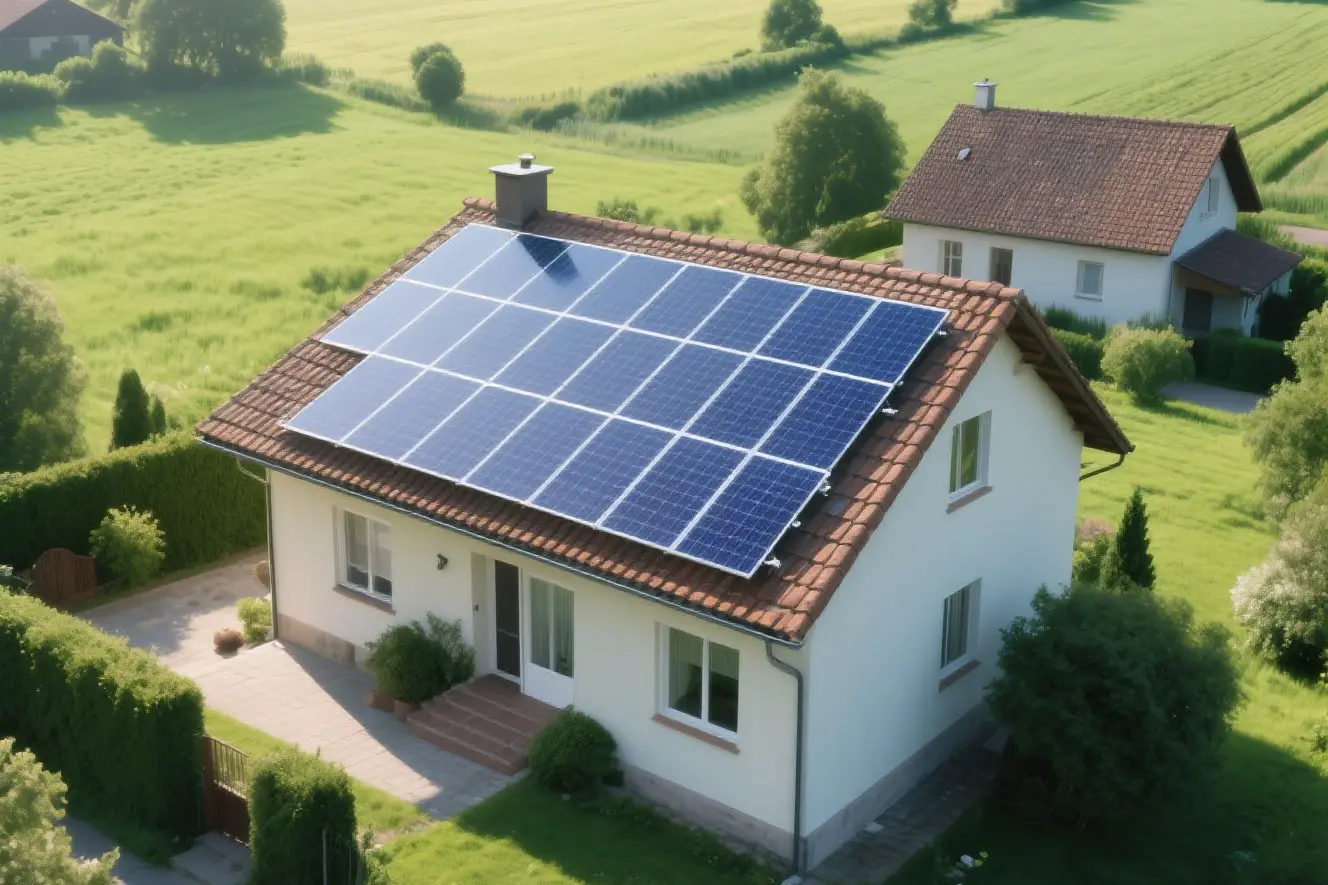
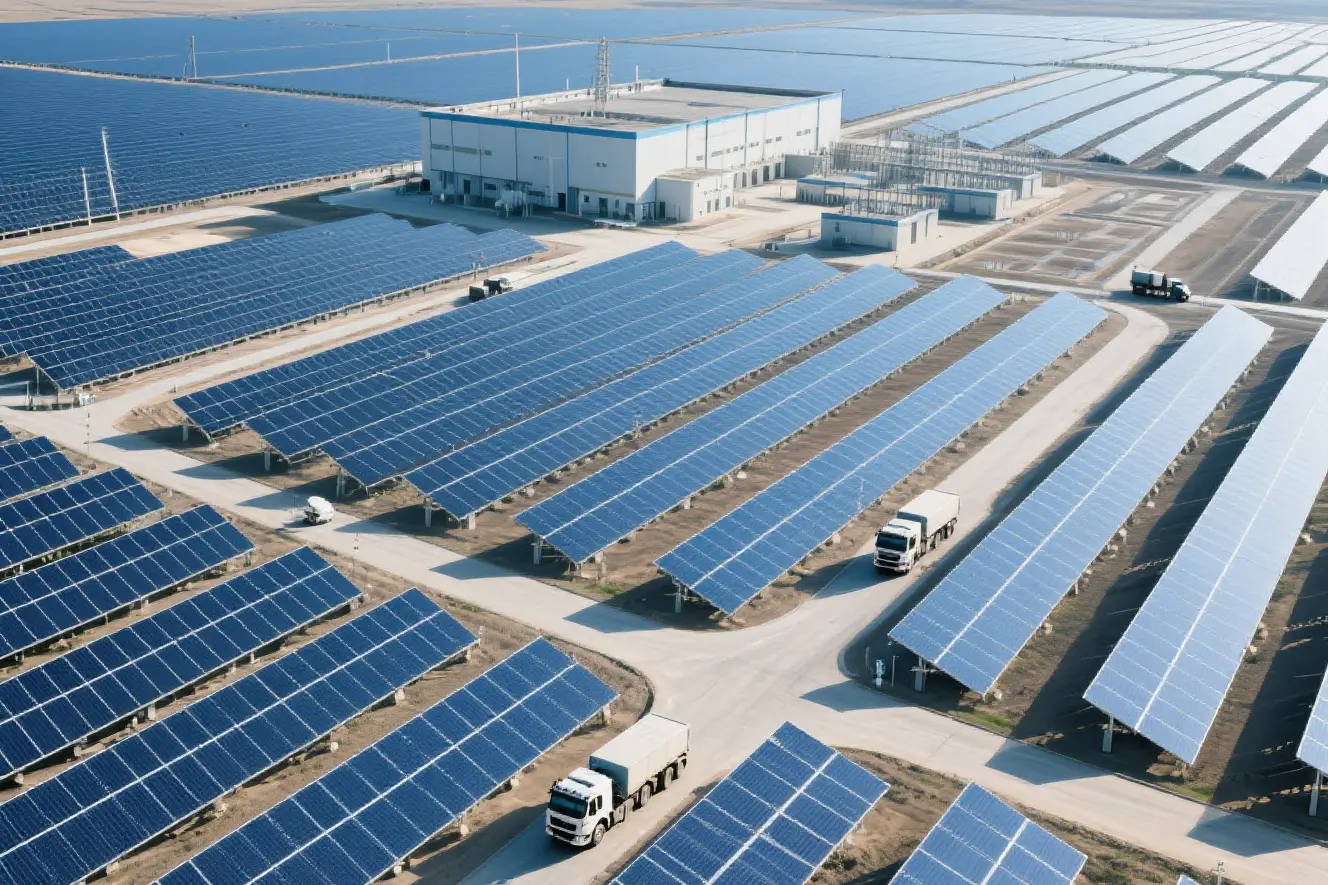
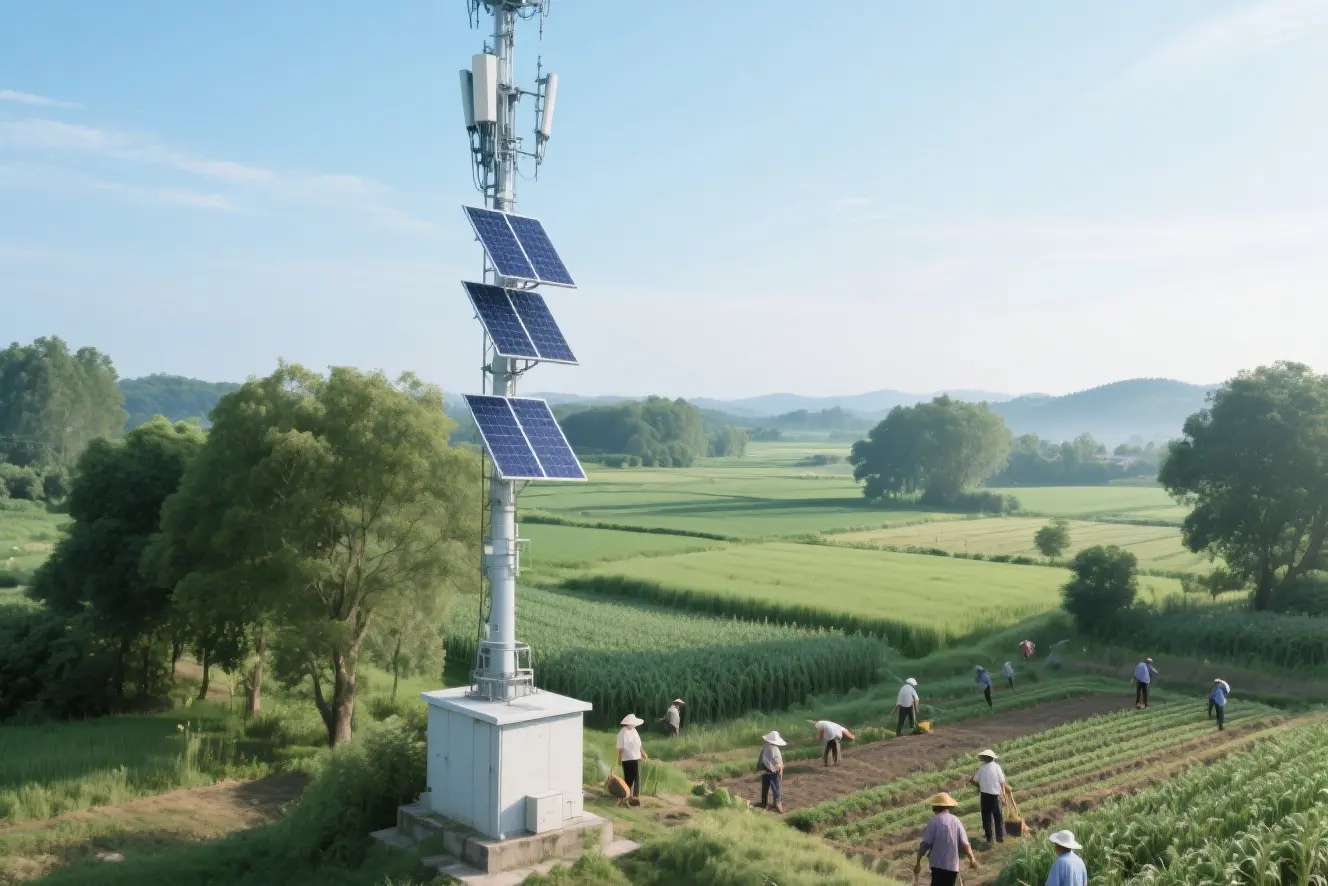
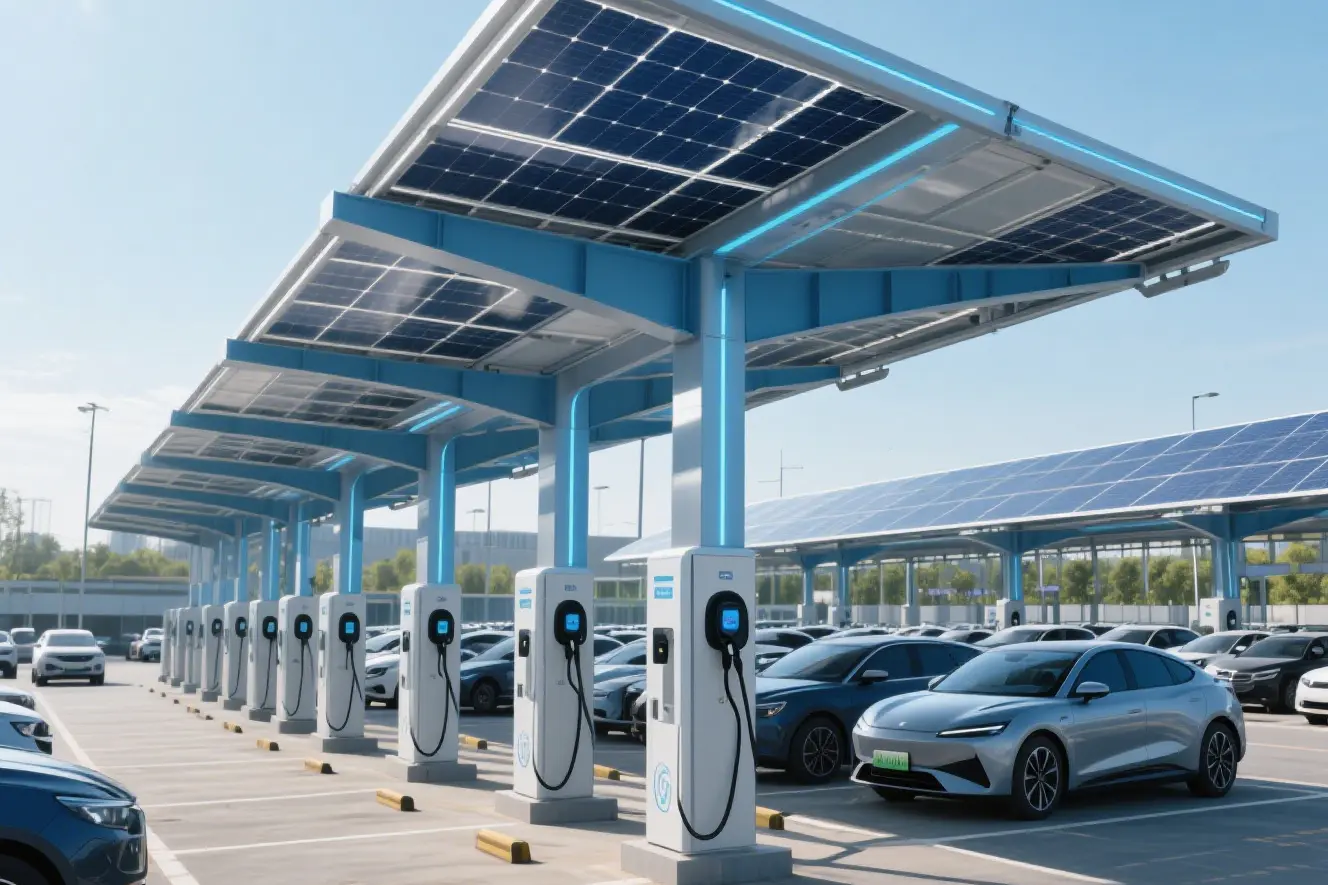
Providing tailored, cost-effective photovoltaic solutions across diverse commercial sectors.


Collaborating with global leaders to deliver top-tier solar solutions.


Follow Yuxin Group for the latest developments in materials technology and global market trends.
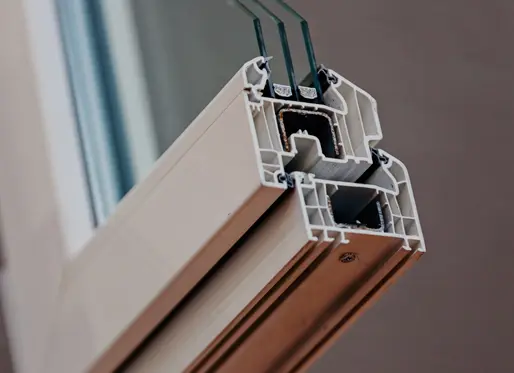
Understanding the structural requirements of aluminum extrusions and polyurethane materials in high UV and salt spray environments...
View More →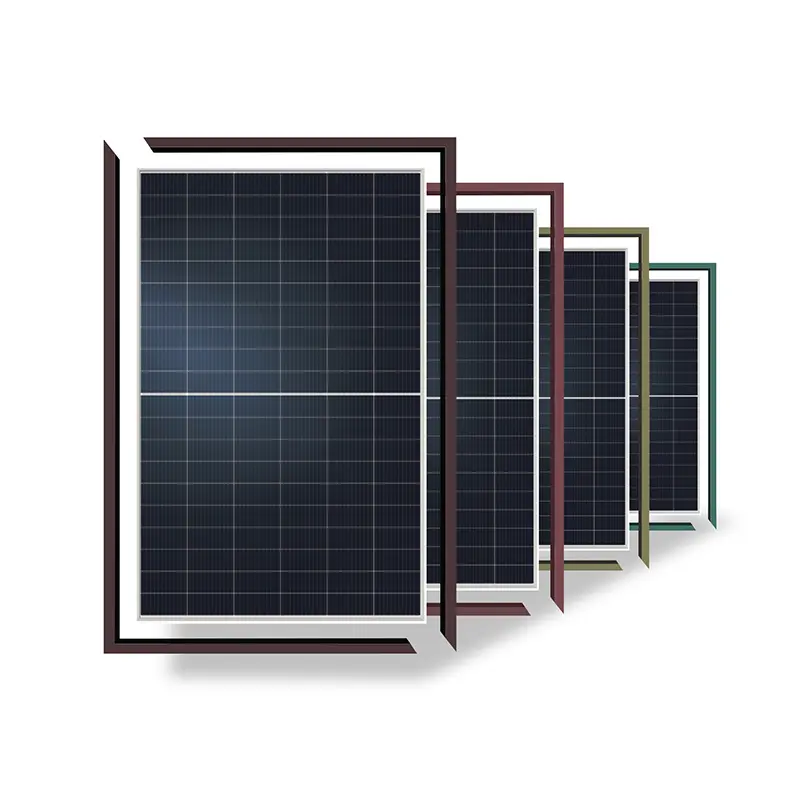
Key evaluation metrics for international procurement departments auditing Chinese solar material plants, focusing on output capacity...
View More →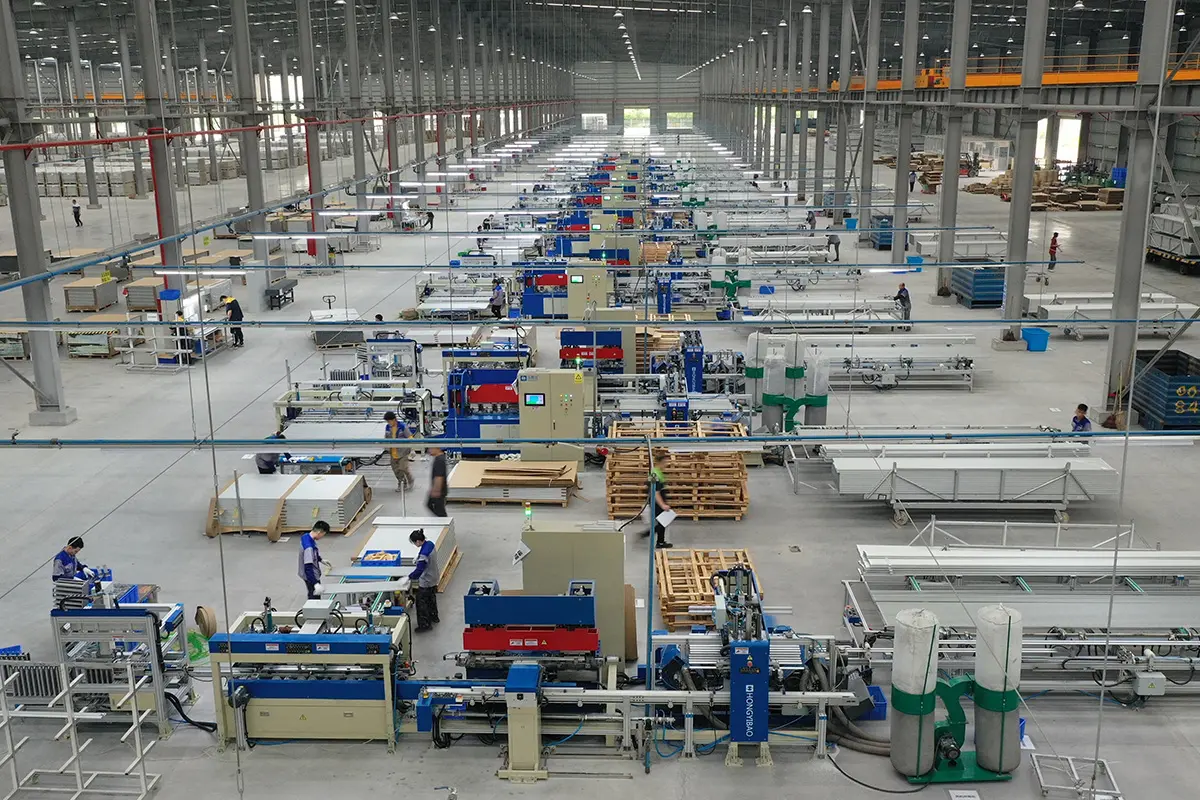
A detailed breakdown of quality testing protocols, including mechanical load testing, anodized layer thickness, and dimensional accuracy...
View More →Direct, actionable answers to address typical commercial and engineering queries regarding African solar infrastructure.