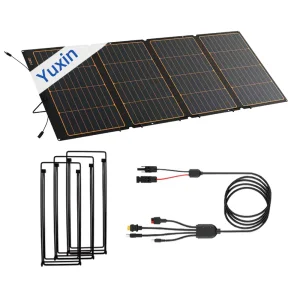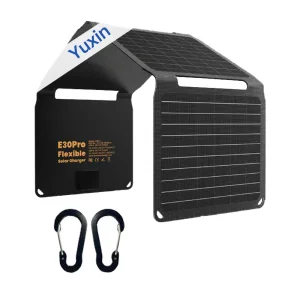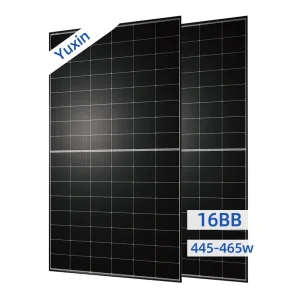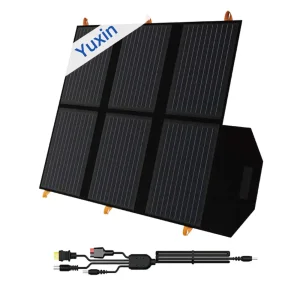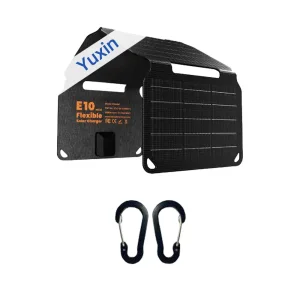
The global energy landscape is undergoing a structural transition toward localized, decentralized, and highly resilient mobile power units. Among these, the 200W solar panel for camping and off-grid operations has emerged as the definitive sweet spot for both commercial suppliers and end consumers. This product category combines mobility with a power output capable of running critical electronic equipment, including small medical refrigerators, portable outdoor power stations (lithium-ion and LiFePO4 batteries), satellite communications, lighting grids, and mobile devices.
From a commercial perspective, importers, wholesalers, and B2B procurement professionals look for solar configurations that optimize the trade-off between weight, cell efficiency, and cost per watt. Cheap 200W solar panel models constructed from high-efficiency monocrystalline silicon—specifically with PERC (Passivated Emitter and Rear Cell) and modern N-Type TOPCon technologies—allow outdoor recreational vehicle (RV) users, defense teams, agricultural operators, and emergency disaster relief coordinates to deploy modules instantly. The ability to supply a stable 200-watt nominal output under various spectral and temperature coefficients translates to faster battery charge rates and lower overall System (BOS) integration costs.
Furthermore, international exporters must design products that can withstand severe weather conditions. This includes waterproofing ratings of IP67 or IP68, integrating anti-reflective tempered glass cover sheets, and utilizing durable polymer or anodized aluminum alloy structural frames that resist high wind loads and heavy snowfall. This structural integrity guarantees a lifespan exceeding 10 to 15 years, even under the continuous UV exposure typical of high-altitude camping and rugged field conditions.
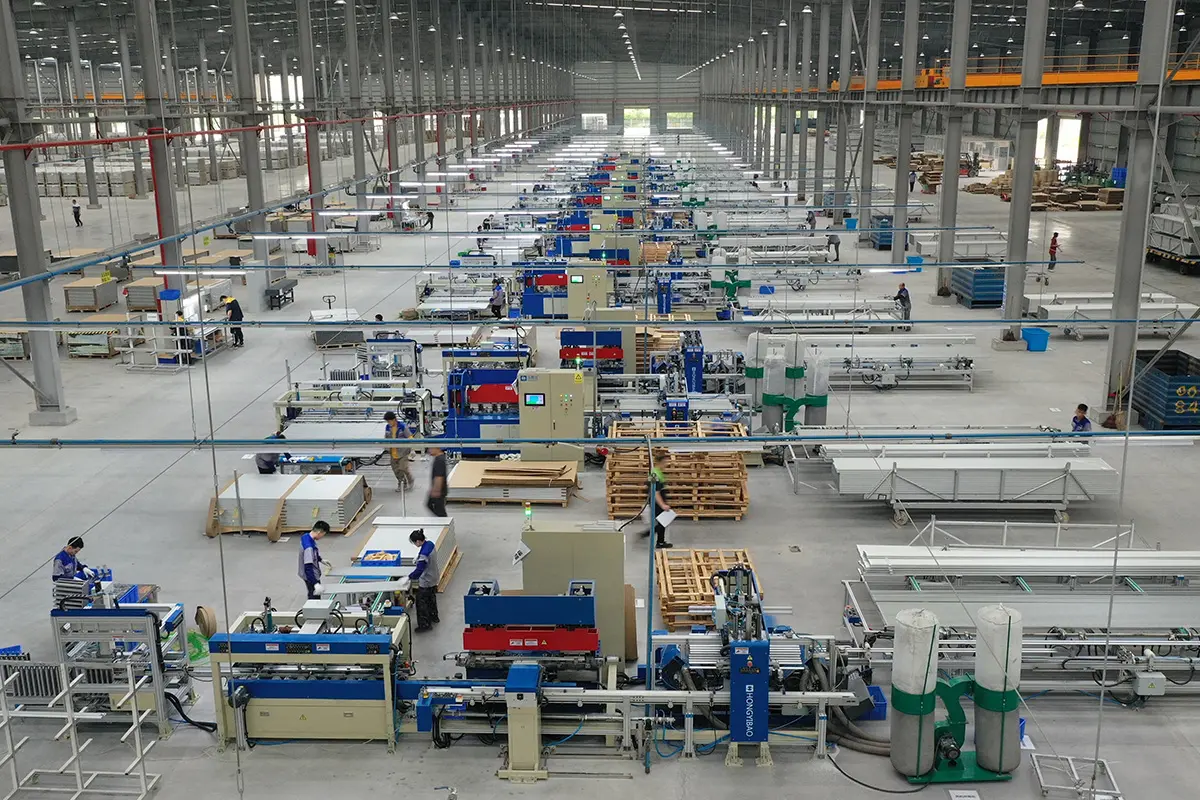
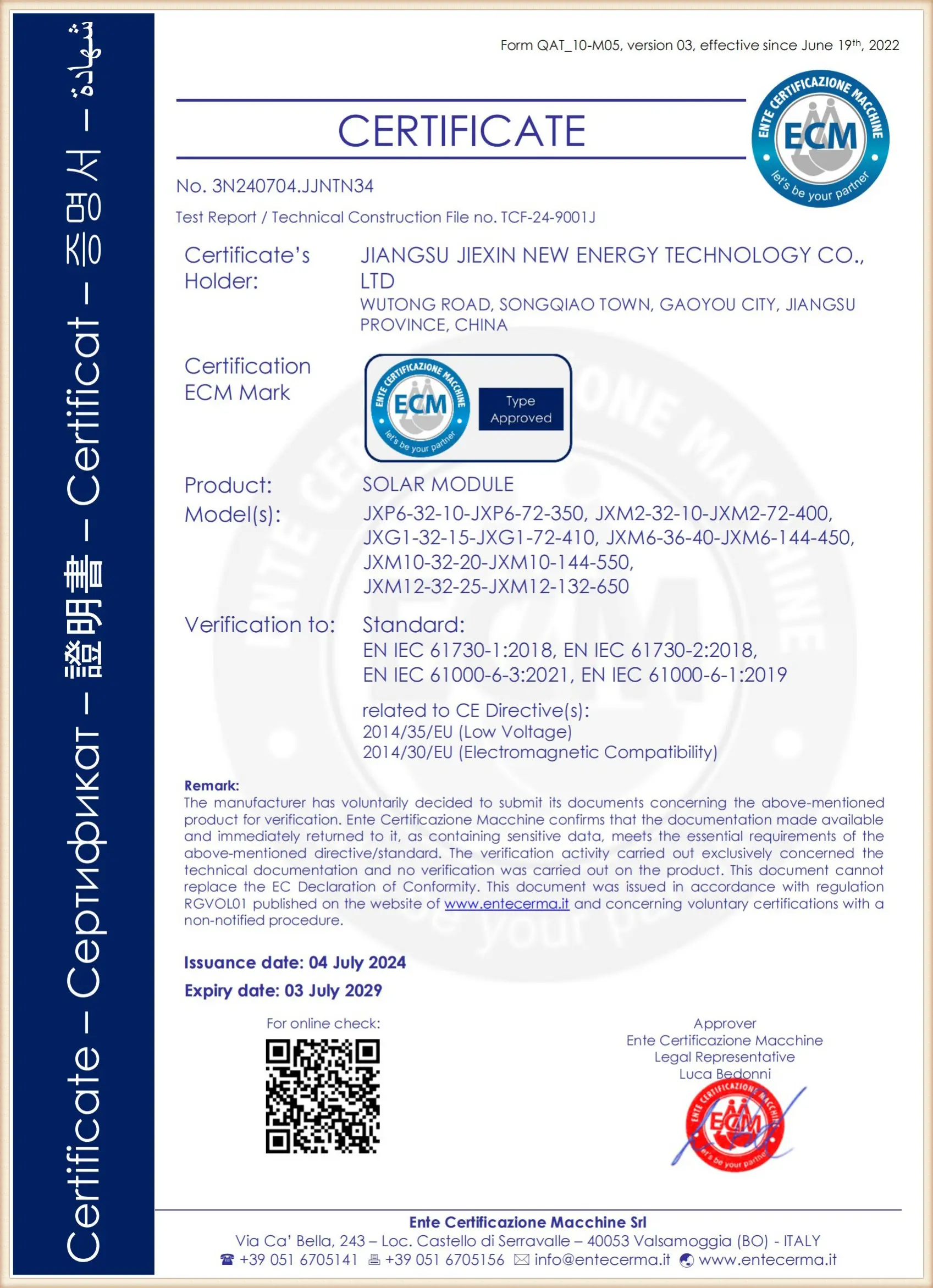
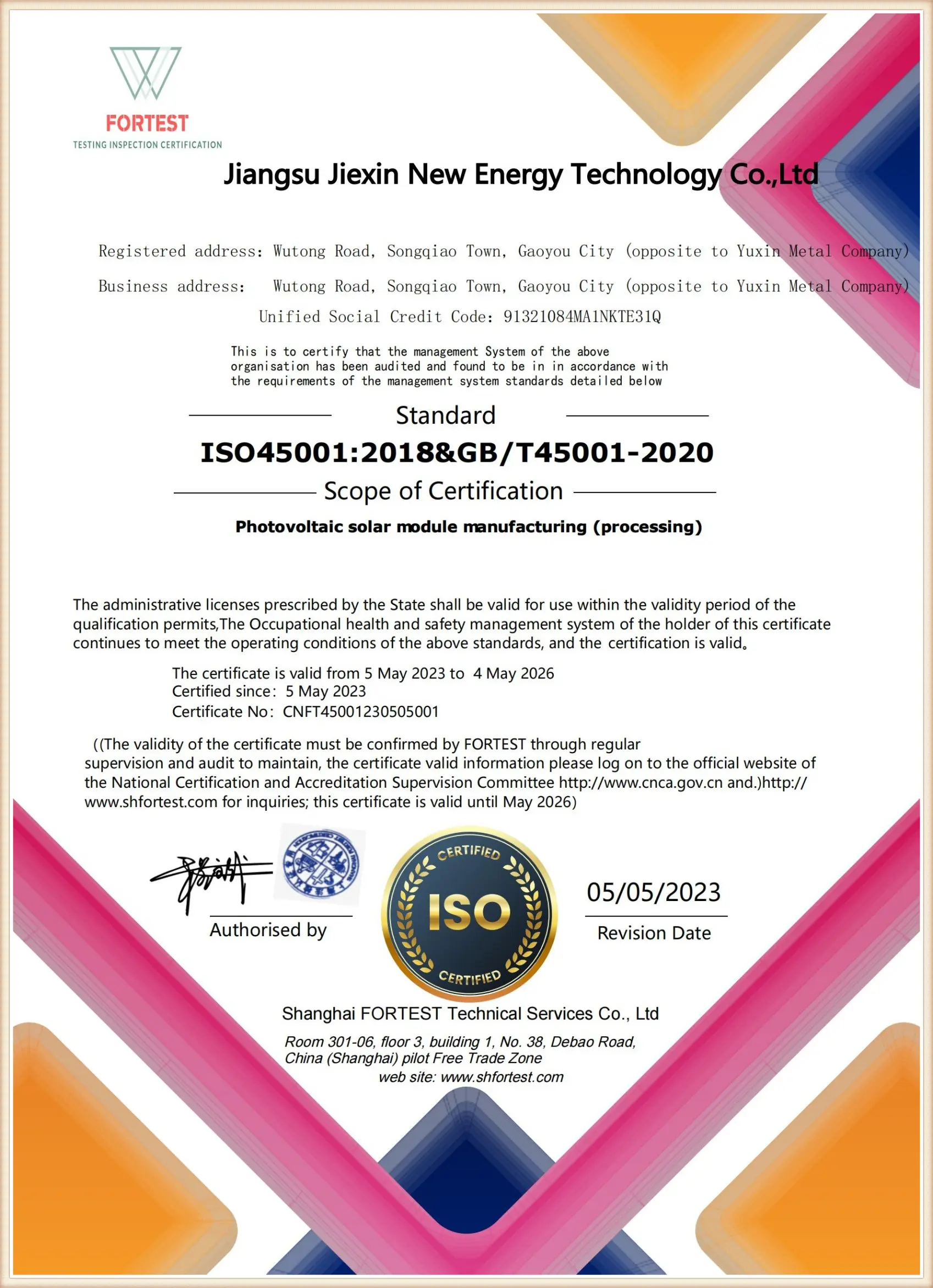
When evaluating the sourcing landscape, Chinese manufacturers—predominantly located in industrial photovoltaic clusters like Jiangsu Province—provide unmatched supply chain integration. The city of Yangzhou stands out as a leading center for solar raw materials, cell processing, frame extrusion, and final assembly. These integrated supply chains allow factories to optimize the cost structures of cheap 200W solar panel units without compromising on material purity or structural tolerances.
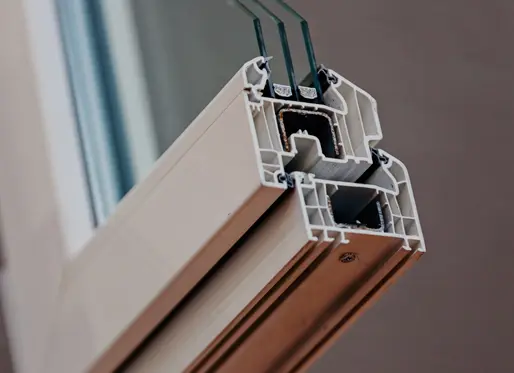
Modern Chinese manufacturing relies on high automation levels, featuring multi-busbar (MBB) cell soldering machines, automated EVA/POE laminators, and precise visual inspection systems that detect micro-cracks before lamination. In addition, innovation in structural elements—such as pultruded polyurethane composite frames and marine-grade anodized aluminum frames (6063-T5 and 6005-T6 alloys)—improves durability while reducing overall weight. The combination of local material sourcing and rapid prototype development enables Chinese manufacturers to execute OEM and ODM specifications quickly, aligning with the procurement schedules of major global brands.
Additionally, logistics efficiency is enhanced by proximity to major shipping ports like Shanghai and Ningbo, alongside advanced rail networks connecting factories directly to Central Asia and Europe. This geographic advantage reduces transit times and transport-related carbon emissions, allowing global distributors to implement just-in-time inventory strategies and lower warehousing overheads.
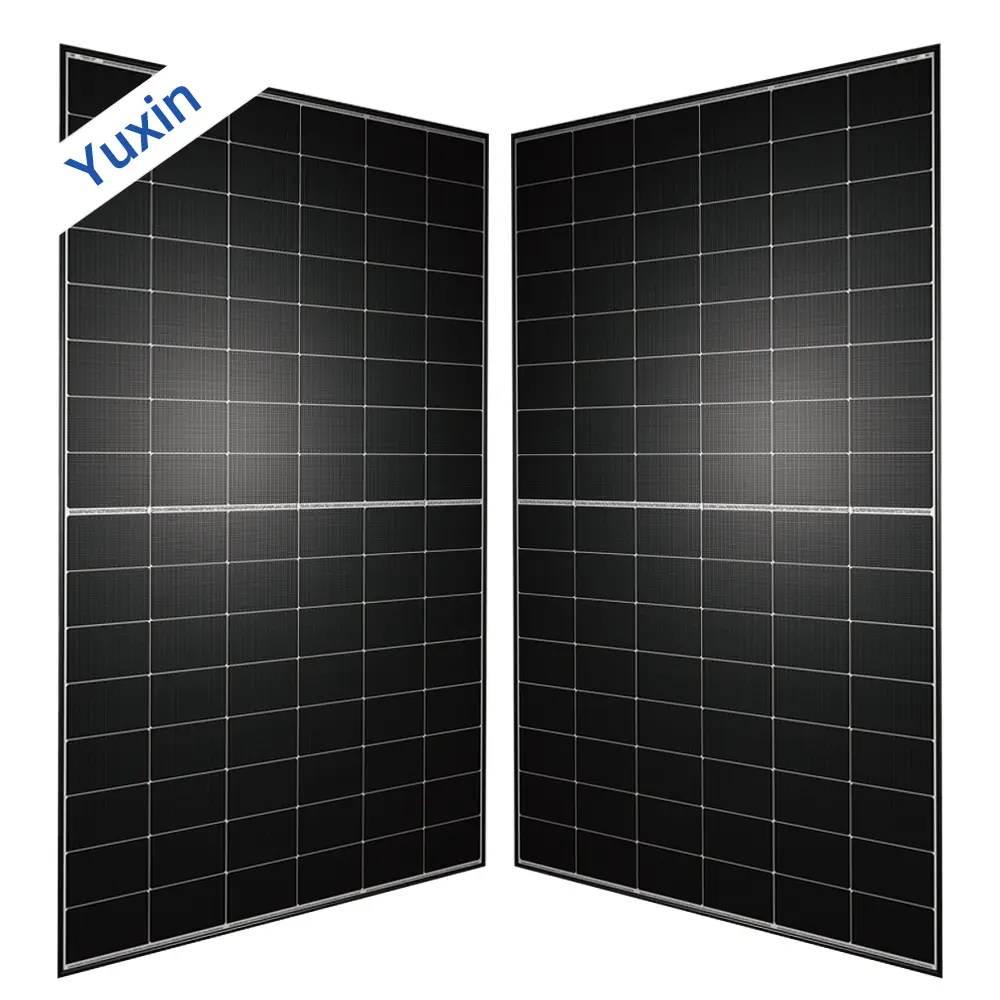
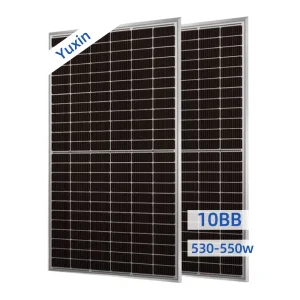
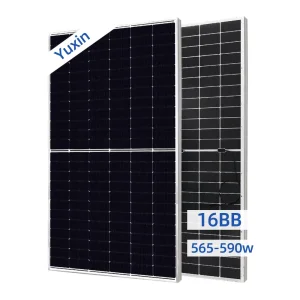
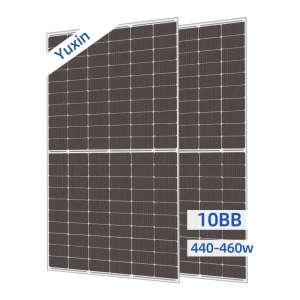
Lightweight design with transparent back panel for easy installation and reduced BOS costs.
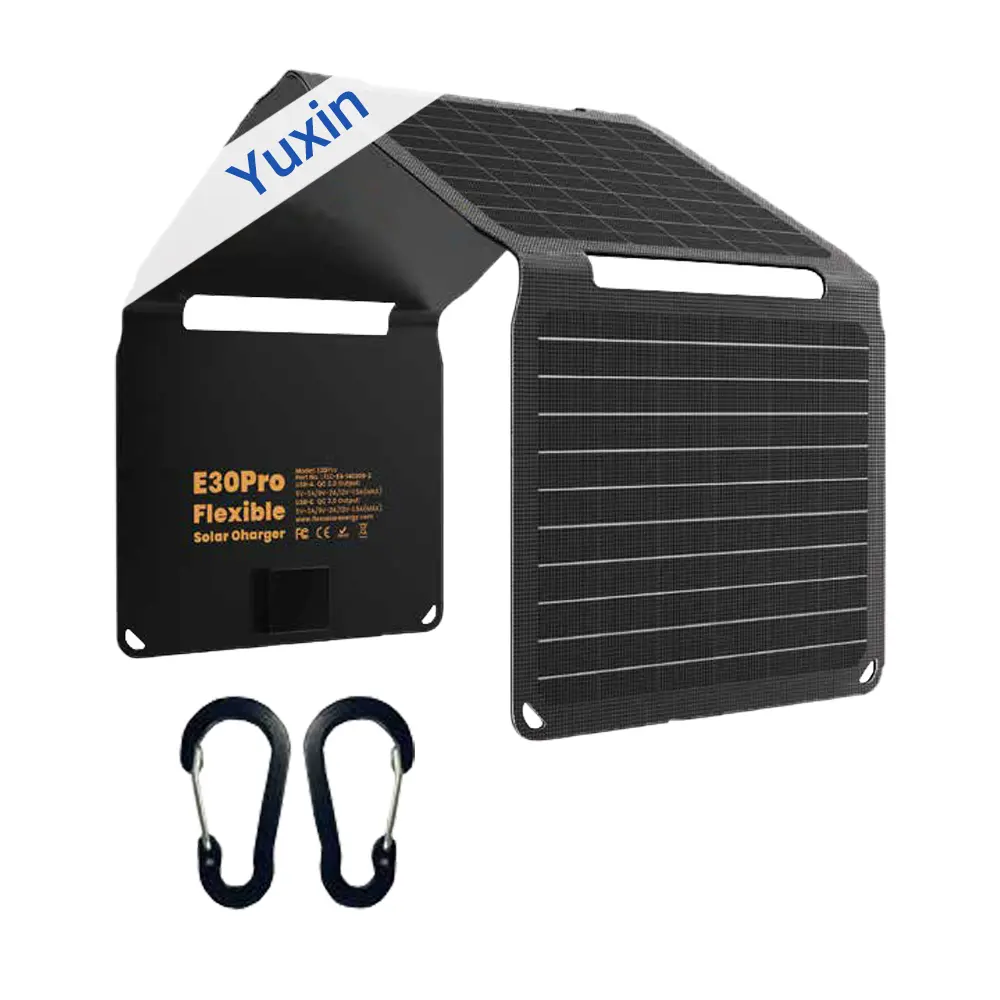
Utilizing advanced monocrystalline silicon cells, it achieves a high energy conversion efficiency of 24%.
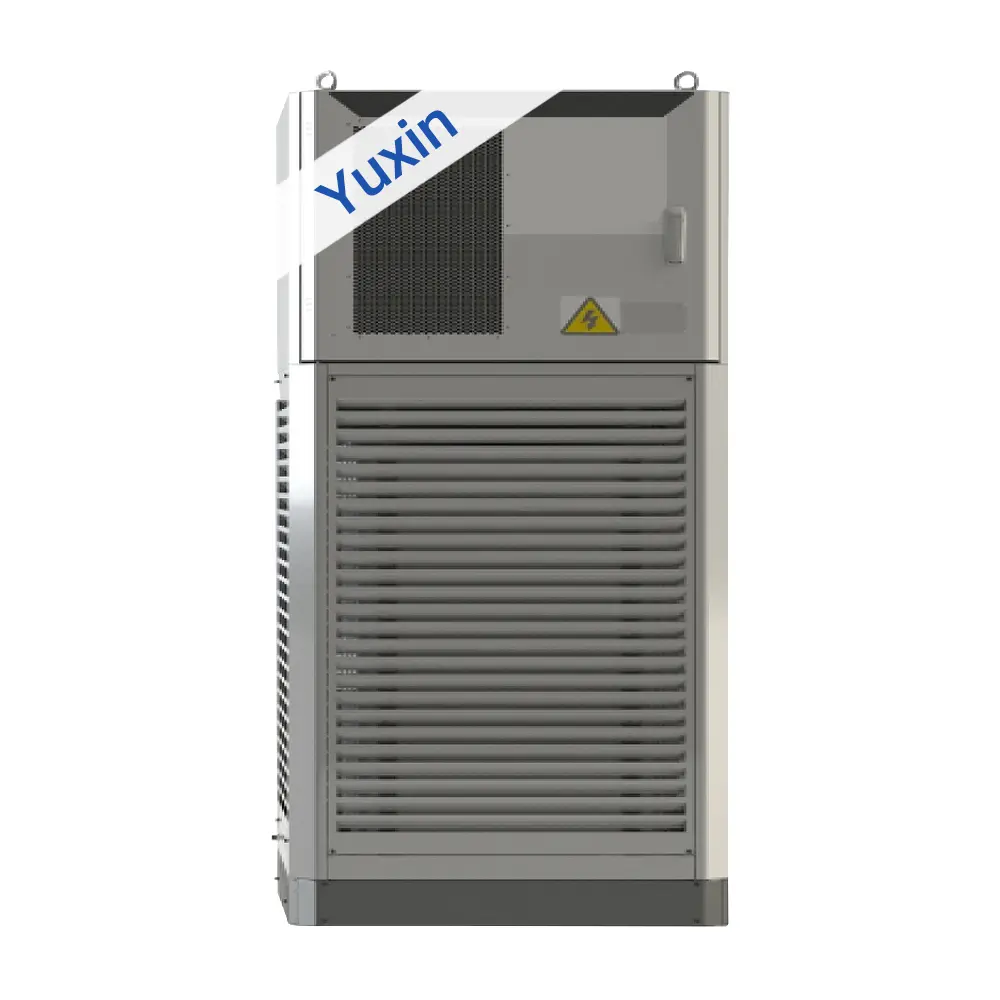
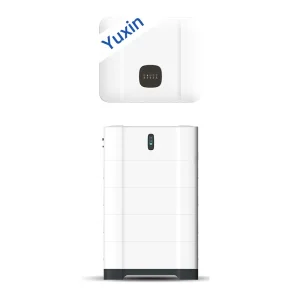
Application modes include grid-connected mode, off-grid mode, and integrated grid-connected/off-grid mode.
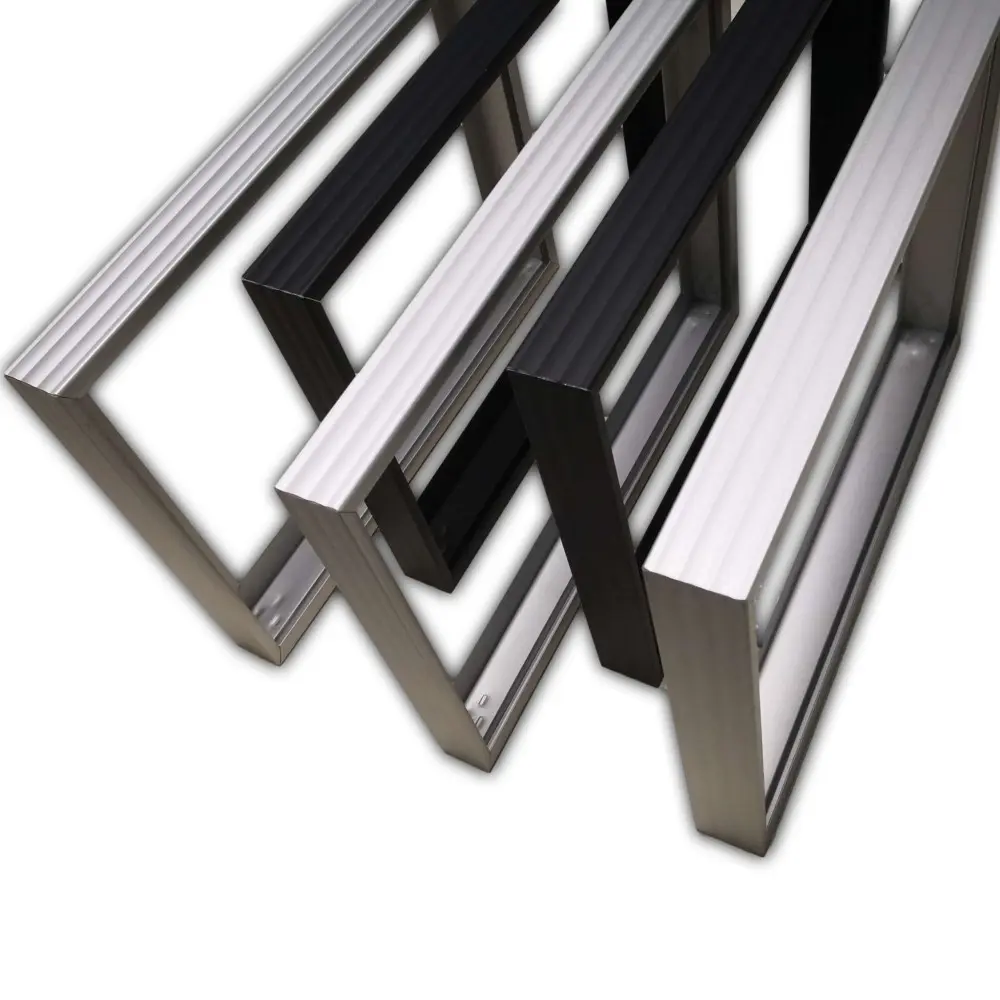
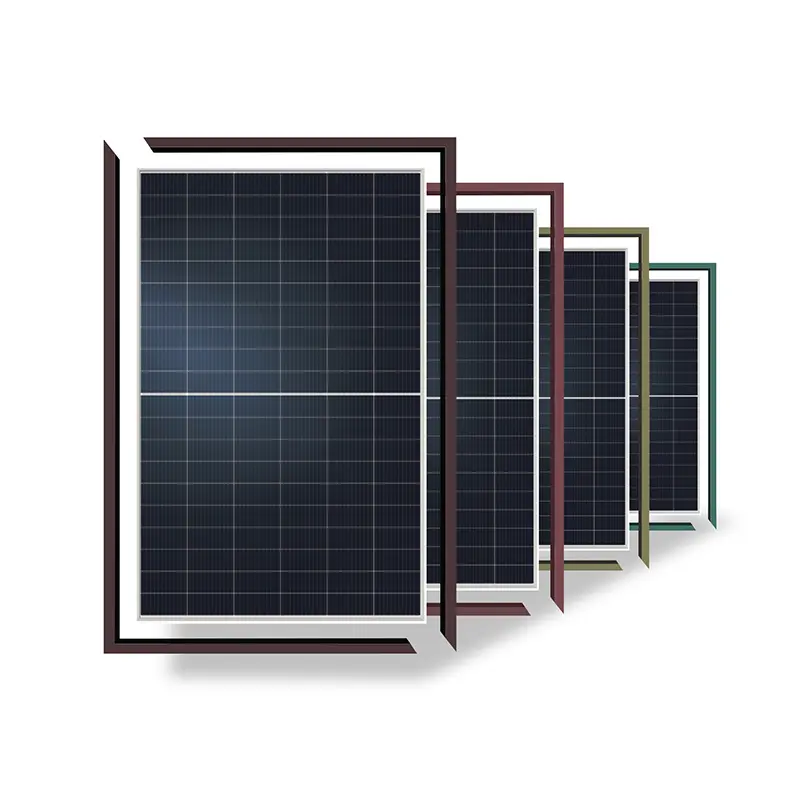
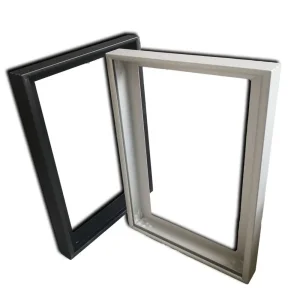
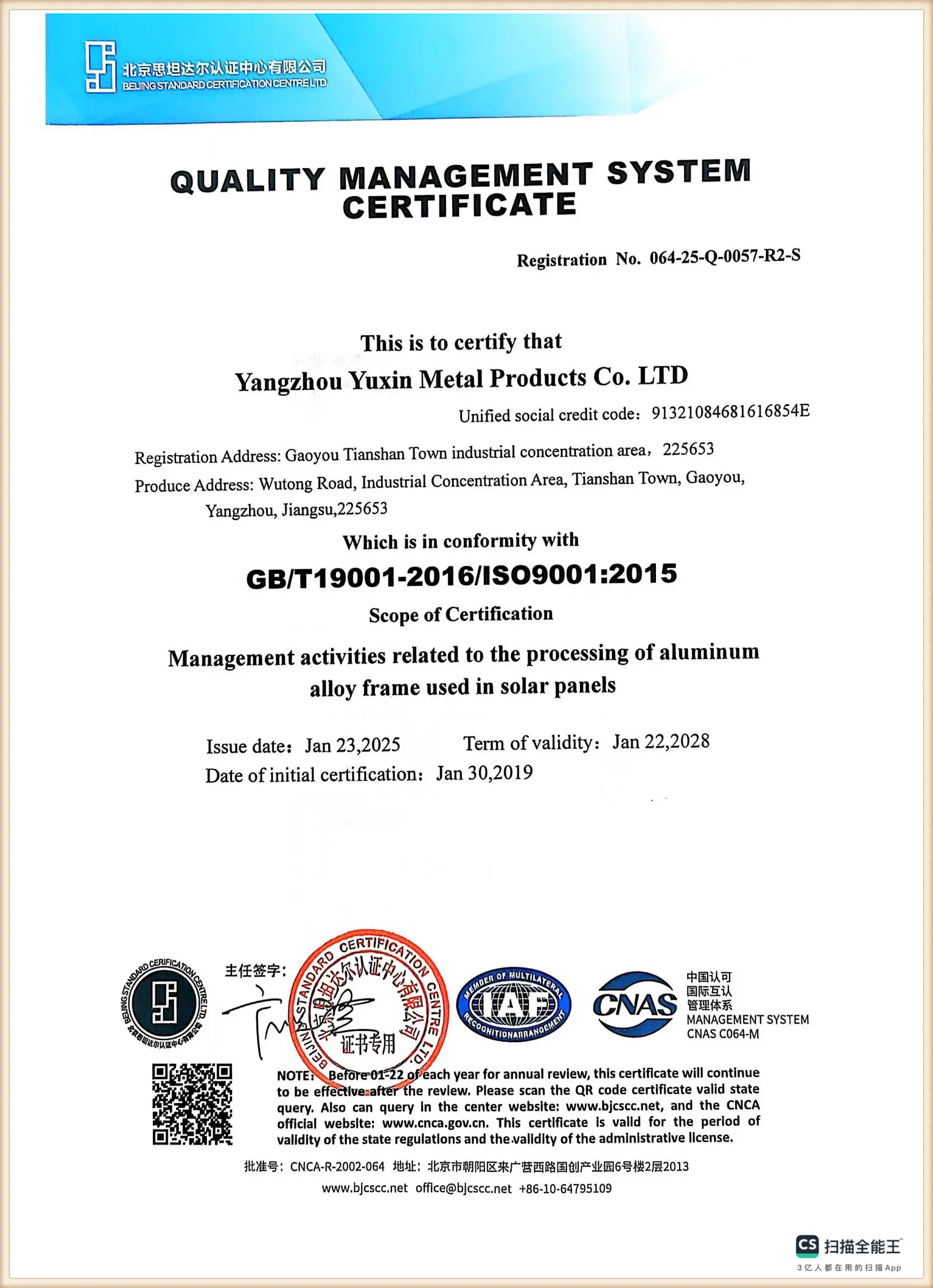
Made of high-quality anodized aluminum, it ensures superior weather resistance and a smooth, long-lasting finish.
For outdoor and camping applications, spatial efficiency is critical. Consumers generally have limited vehicle roof space, storage bags, or ground footprints. This spatial constraint makes monocrystalline silicon cells the preferred option compared to polycrystalline alternatives. While polycrystalline panels are cheaper to manufacture, their average efficiency hovers between 15% and 18%, requiring a larger physical surface area to generate a nominal 200W output.
In contrast, modern monocrystalline panels achieve efficiency rates ranging from 21% to 24%. This means a 200W monocrystalline camping panel can be up to 30% smaller and lighter than a polycrystalline equivalent of the same capacity. Furthermore, monocrystalline cells demonstrate a better temperature coefficient (typically around -0.35%/°C to -0.38%/°C), enabling them to maintain higher voltage and current outputs during hot summer afternoons at campsites.
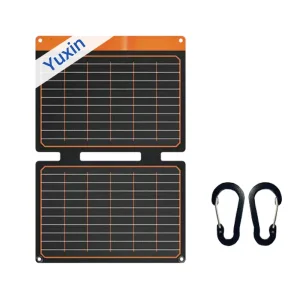
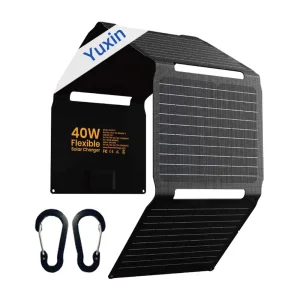
For industrial buyers, understanding the difference between standard PERC cells and next-generation TOPCon cells is important. TOPCon technology utilizes an ultra-thin silicon oxide tunnel layer combined with highly doped polycrystalline silicon, reducing internal recombination losses and raising overall cell efficiency limits above 25%. This technology allows manufacturers to produce extremely compact, foldable 200W solar blankets that meet the weight and size requirements of global logistics and backpacking applications.

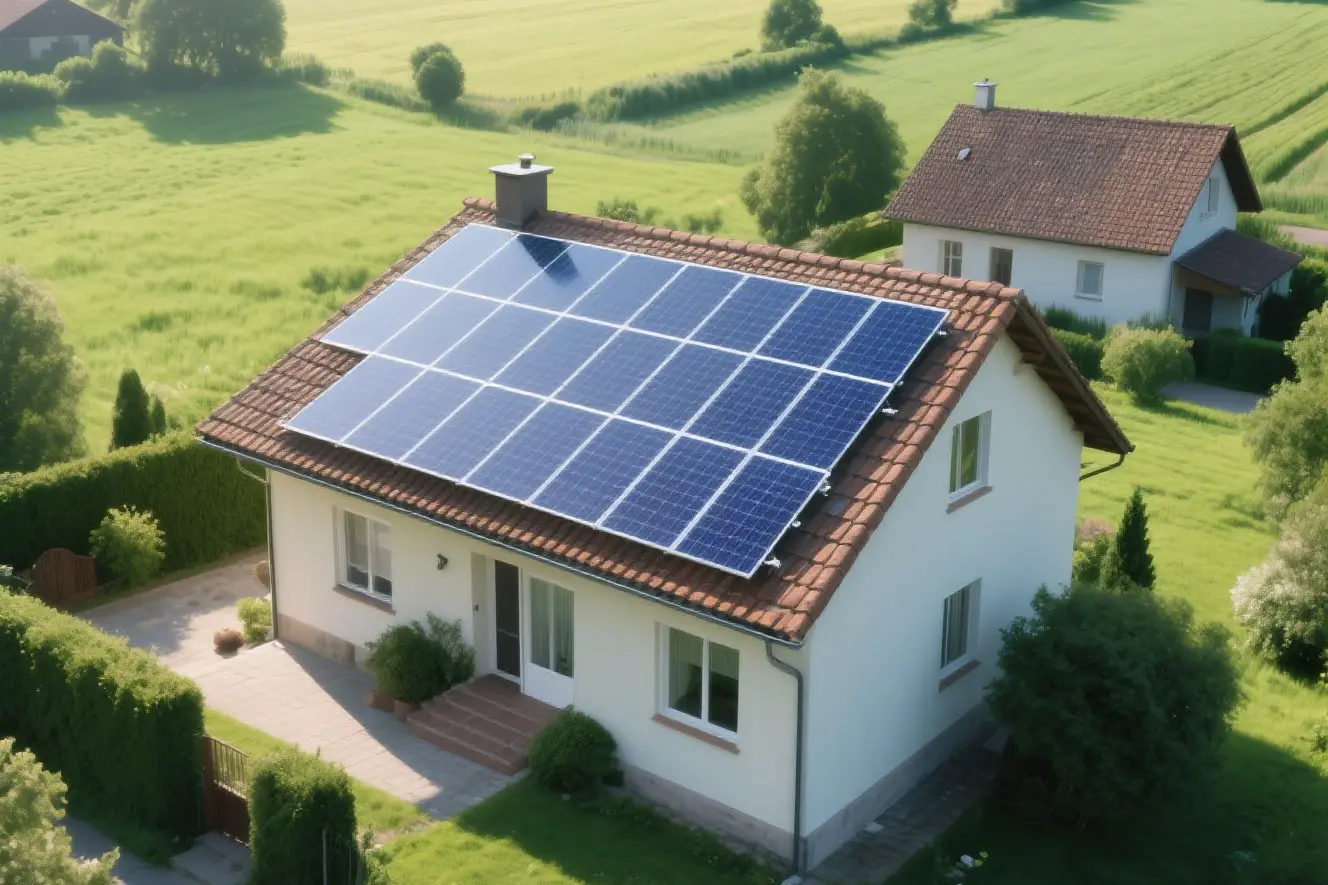
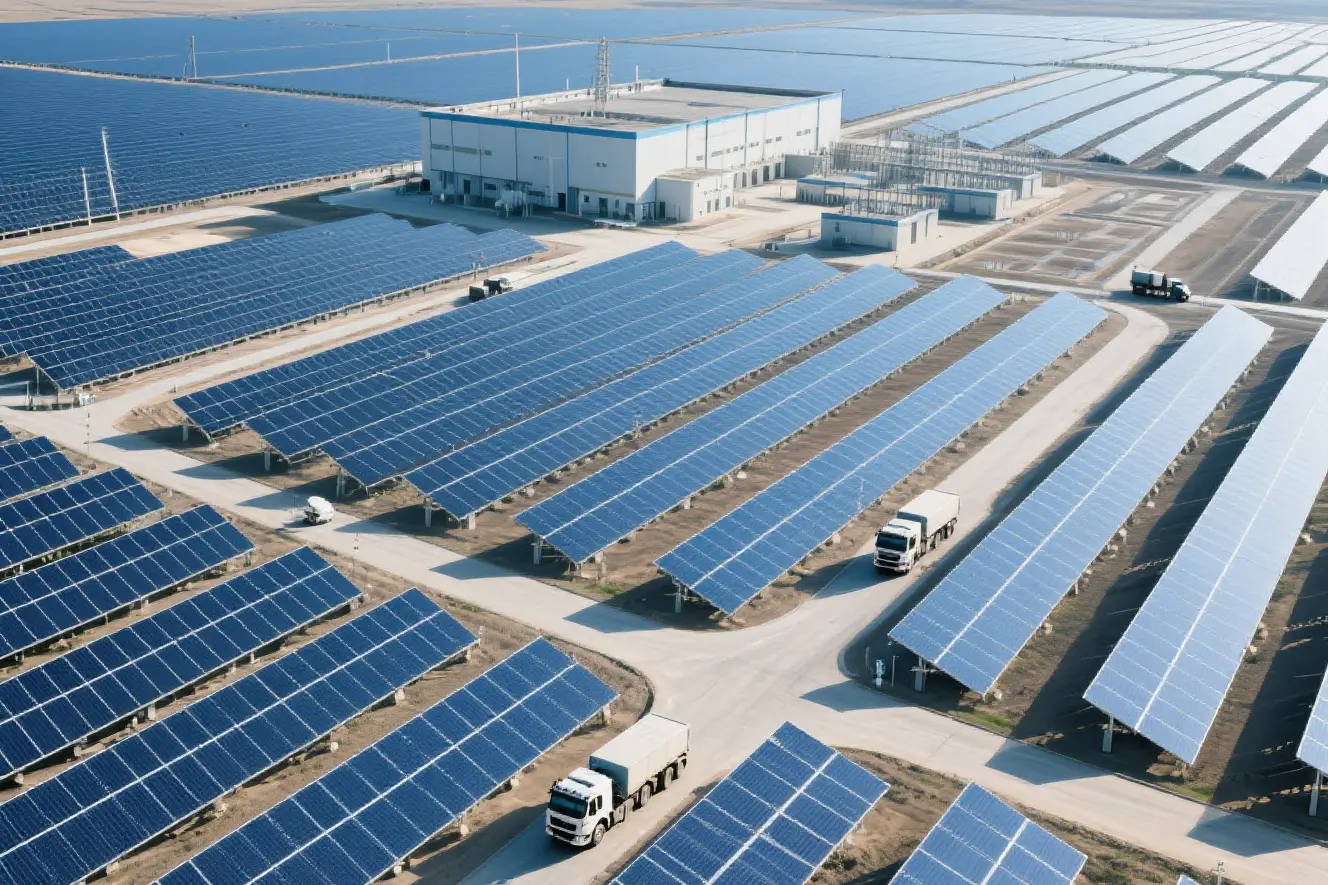
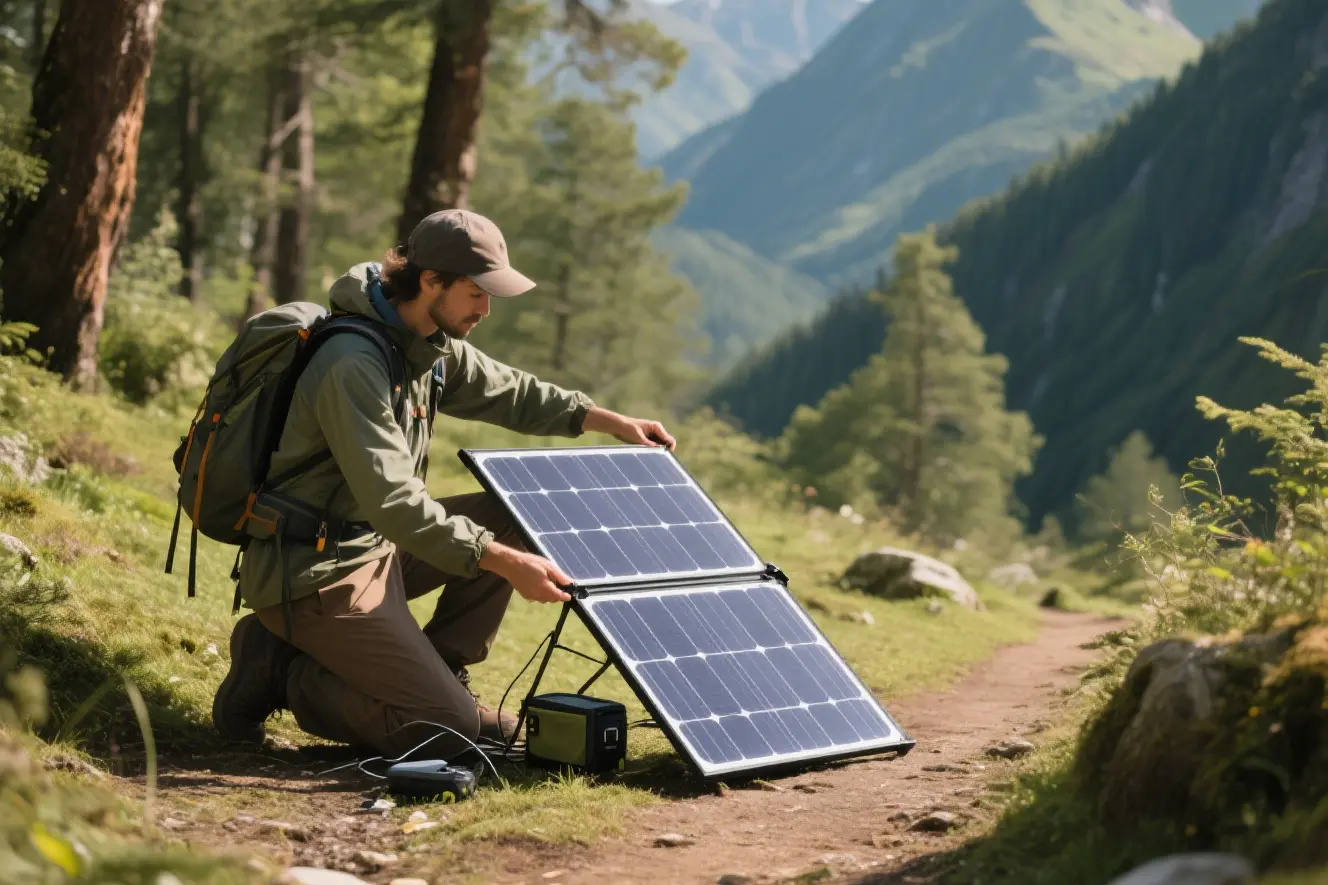
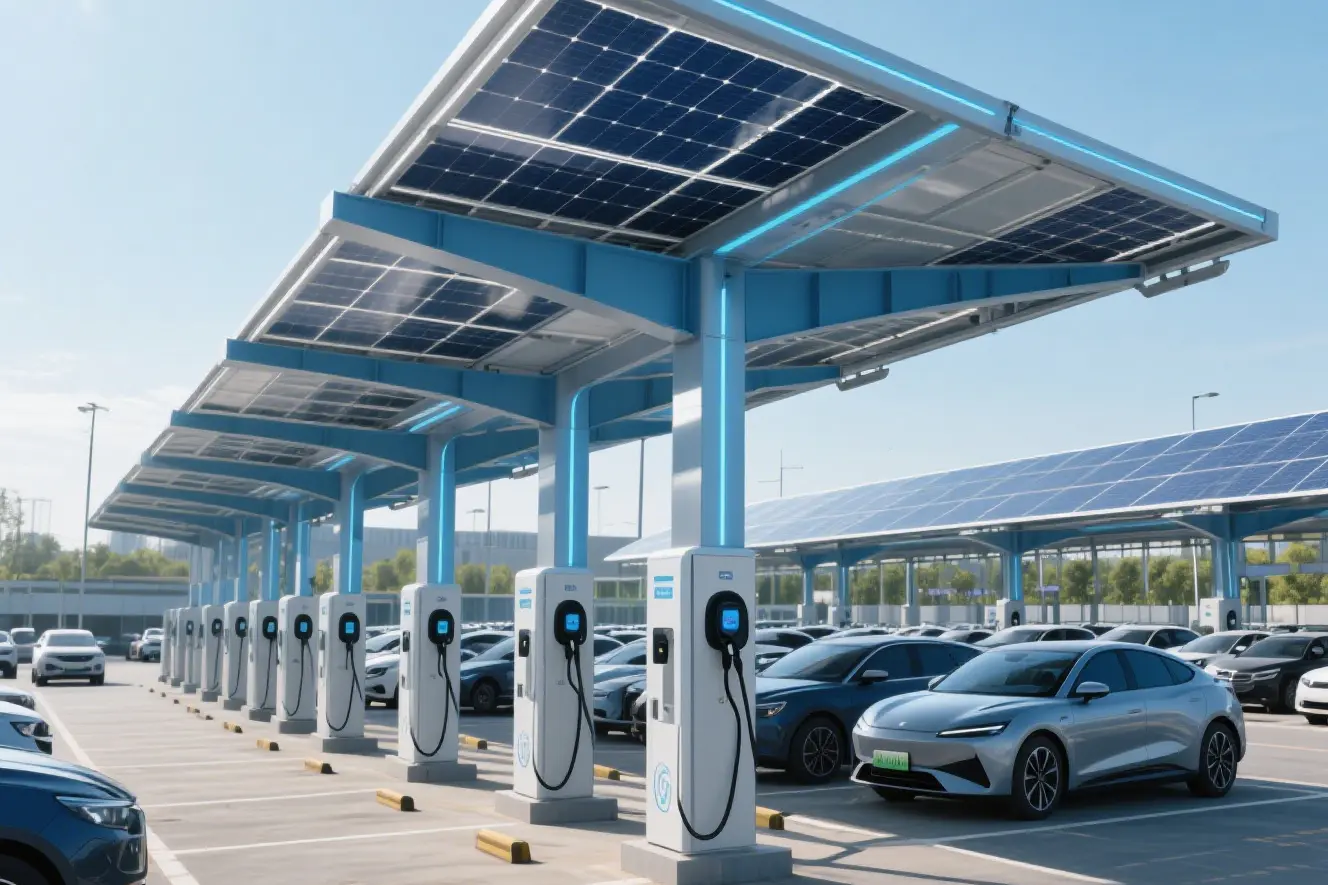
While the word "camping" suggests recreational weekend trips, the real-world deployment scenarios for 200W solar modules are far more diverse and industrial. In North America and Europe, off-grid RV integration is a key driver. RV owners typically install multiple 200W panels in parallel configurations on vehicle roofs to charge their internal battery banks, providing a silent, emission-free alternative to traditional gasoline generators.
In rural areas across Africa, Latin America, and Southeast Asia, these systems are used for emergency disaster relief and local community micro-grids. When natural disasters disrupt municipal grids, relief organizations can quickly deploy portable 200W solar panels to power field hospitals, charge communication devices, and keep water purification systems running.
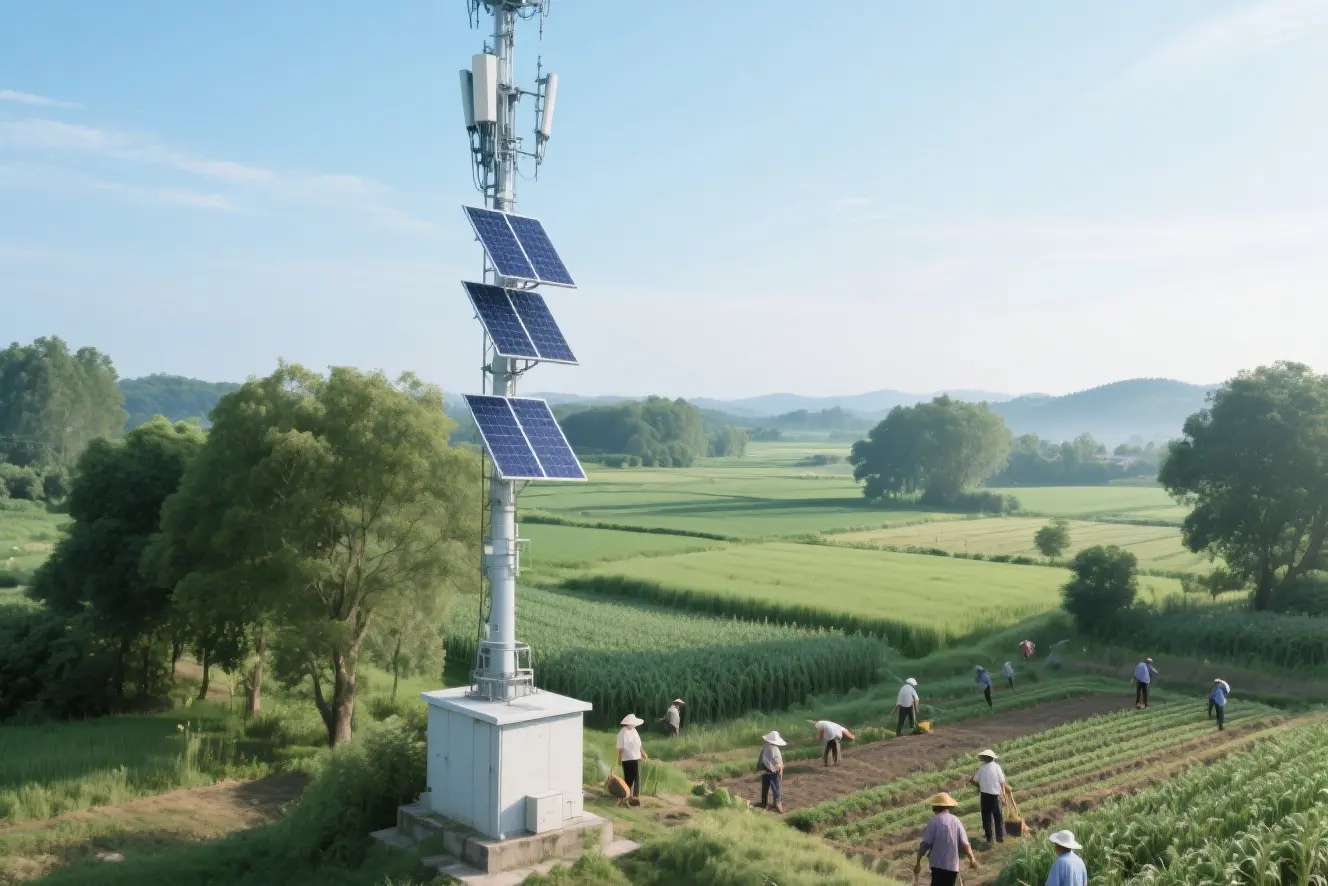
Additionally, industrial telemetry—such as meteorological monitoring stations, remote oil and gas pipeline sensors, and agricultural water pump controllers—relies heavily on 200W solar setups. The low maintenance requirements of monocrystalline panels, combined with durable, corrosion-resistant anodized aluminum frames, allow these systems to operate unattended in remote locations for years.
The outdoor solar energy sector is evolving rapidly. Next-generation 200W solar modules are shifting toward smart technologies, incorporating integrated MPPT (Maximum Power Point Tracking) charge controllers directly onto the rear junction box. This layout reduces transmission resistance and ensures maximum energy harvest even in partially shaded environments, such as forest campsites or urban terrain.
Another trend is the integration of bifacial cell technology into portable, folding solar panels. Bifacial modules can generate electricity from both sides, capturing direct sunlight on the front and albedo reflection from surfaces like sand, snow, or reflective concrete on the back. When combined with lightweight, flexible, and eco-friendly substrates, these innovations reduce the carbon footprint of production and lower shipping weights, supporting global corporate sustainability initiatives.






A 200W solar panel provides the optimal balance of power output and physical size. While 50W or 100W panels are suitable for charging basic consumer electronics, they often fall short when running larger appliances like 12V portable refrigerators or heated blankets. A 200W unit supplies enough power to charge mid-sized lithium power stations (500Wh to 1000Wh) during daylight hours, ensuring continuous off-grid operation.
High-quality portable panels carry an IP67 or IP68 rating. This means the panel and its junction box are protected against dust ingress and can withstand immersion in water (up to 1 meter depth for IP67, and deeper/longer for IP68). This makes them durable enough to remain deployed in rainy weather without risk of short-circuiting or corrosion.
Polyurethane composite frames offer high strength-to-weight ratios, excellent corrosion resistance, and thermal insulation. This minimizes thermal bridging and structural warping under extreme temperature changes. Anodized aluminum (such as 6063-T5) remains the industry standard for rigid roof-mounted systems due to its cost efficiency and strength, whereas composite frames are popular for lightweight portable options.
Yes. Depending on the input voltage limitations of your charge controller, you can connect multiple panels in series (to increase system voltage) or in parallel (to increase system current). This flexibility makes 200W modules highly modular for system expansions on larger vehicles or off-grid homesteads.
Exporters must package panels in double-wall corrugated cartons with custom corner protectors and foam inserts to prevent micro-cracks during sea freight. Palletized loads should be stretch-wrapped and secured with heavy-duty strapping to protect the delicate silicon cells from vibration and impact damage during transit.