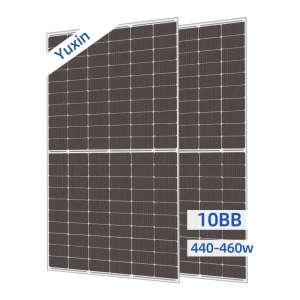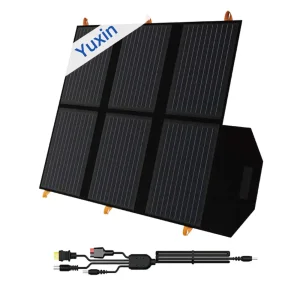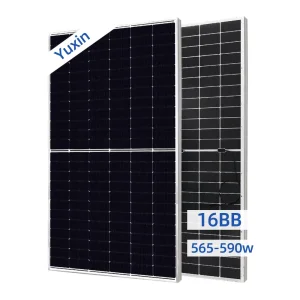
Explore our catalog of certified photovoltaic solutions, lightweight camping accessories, and heavy-duty structural parts engineered for maximum output.
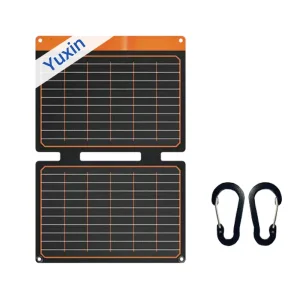
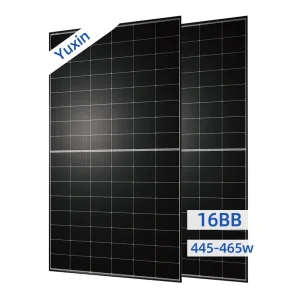
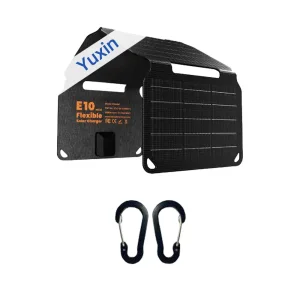
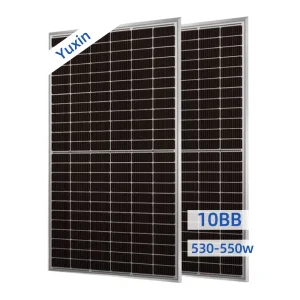
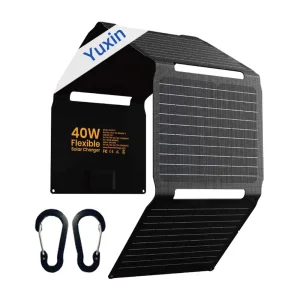
Analyzing technical specifications, cell integration paradigms, and cost management structures for off-grid operations.
In the arena of mobile power generation, the 200 Watt camping solar panel has emerged as the definitive sweet spot for energy density, physical surface area, and transportable mass. Historically, outdoor power generation relied on heavy glass modules or low-wattage (50W-100W) panels. As global recreational vehicle (RV) integration, defense logistics, and remote environmental monitoring have scaled, the need for a unified 200W solution has become paramount. Modern cell advancements, particularly the shift from standard Multi-Busbar (MBB) Monocrystalline silicon cells to N-type TOPCon (Tunnel Oxide Passivated Contact) and PERC (Passivated Emitter and Rear Cell) half-cut cells, have unlocked conversion efficiencies pushing past 24%.
By implementing advanced ETFE (Ethylene Tetrafluoroethylene) encapsulation rather than basic PET (Polyethylene Terephthalate), manufacturers have drastically improved light transmittance and resistance to degradation. ETFE offers self-cleaning properties, high UV resistance, and excellent thermal stability in harsh environments, reducing the Levelized Cost of Energy (LCOE) for operators deploying mobile solar rigs in desert or marine climates.
Global B2B procurement patterns show that import demand for camping solar panels is driven by specific buyer concerns: weight-to-power ratios, drop-test survival rates, and junction box IP ratings (IP67/IP68). Strategic buyers prioritize suppliers who provide comprehensive certifications, including CE, RoHS, and IEC, ensuring smooth customs clearance and regulatory compliance in Western markets.
Corporate buyers in North America and Western Europe are increasingly demanding sustainable raw materials and optimized Bill of Materials (BOM) transparency. Cheap, high-efficiency solar panel configurations must balance cost constraints with performance. By integrating lightweight composite polyurethane frames or anodized 6063-T5 aluminum frames, exporters like YUXIN ensure structural strength against wind shear while offering competitive pricing.
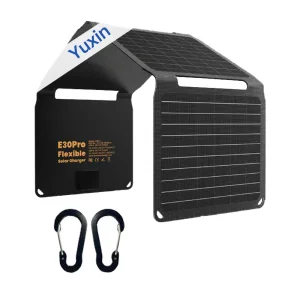
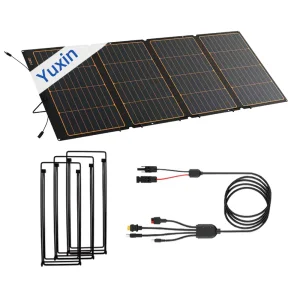
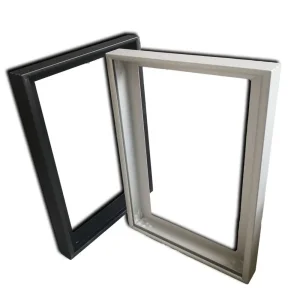
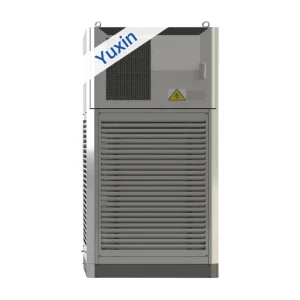
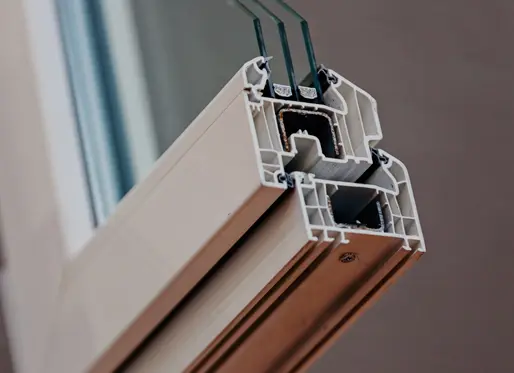
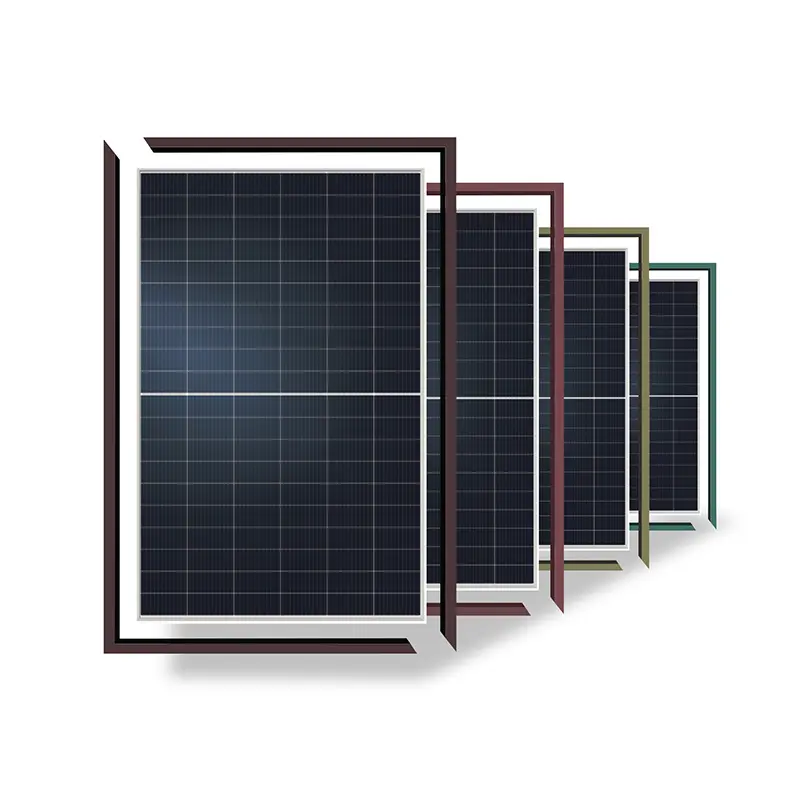
Analyzing key structural elements, from rugged portable chargers to home integration systems and alloy frame assemblies.
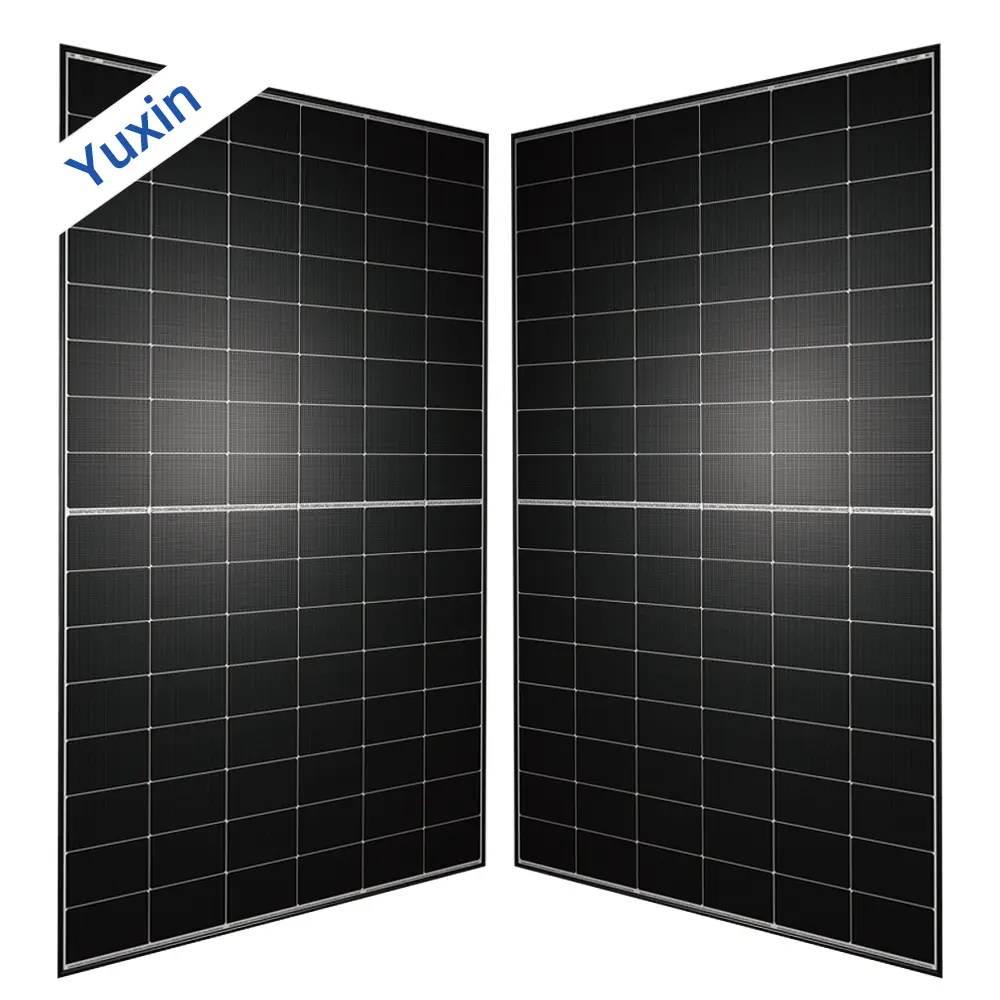
Lightweight design with transparent back panel for easy installation and reduced BOS costs.
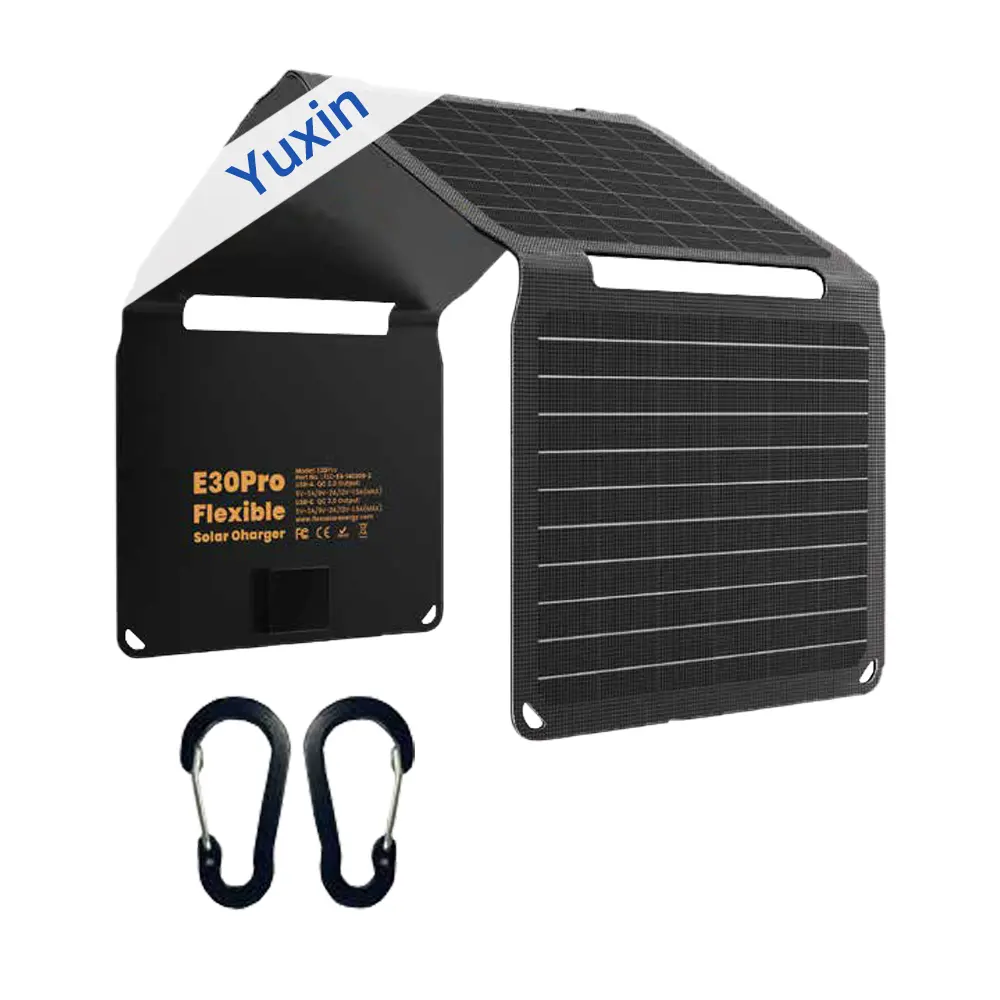
Utilizing advanced monocrystalline silicon cells, it achieves a high energy conversion efficiency of 24%.
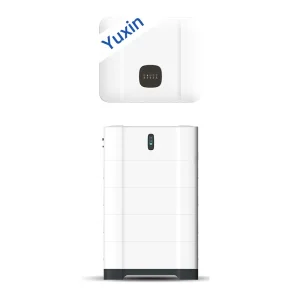
Application modes include grid-connected mode, off-grid mode, and integrated grid-connected/off-grid mode.
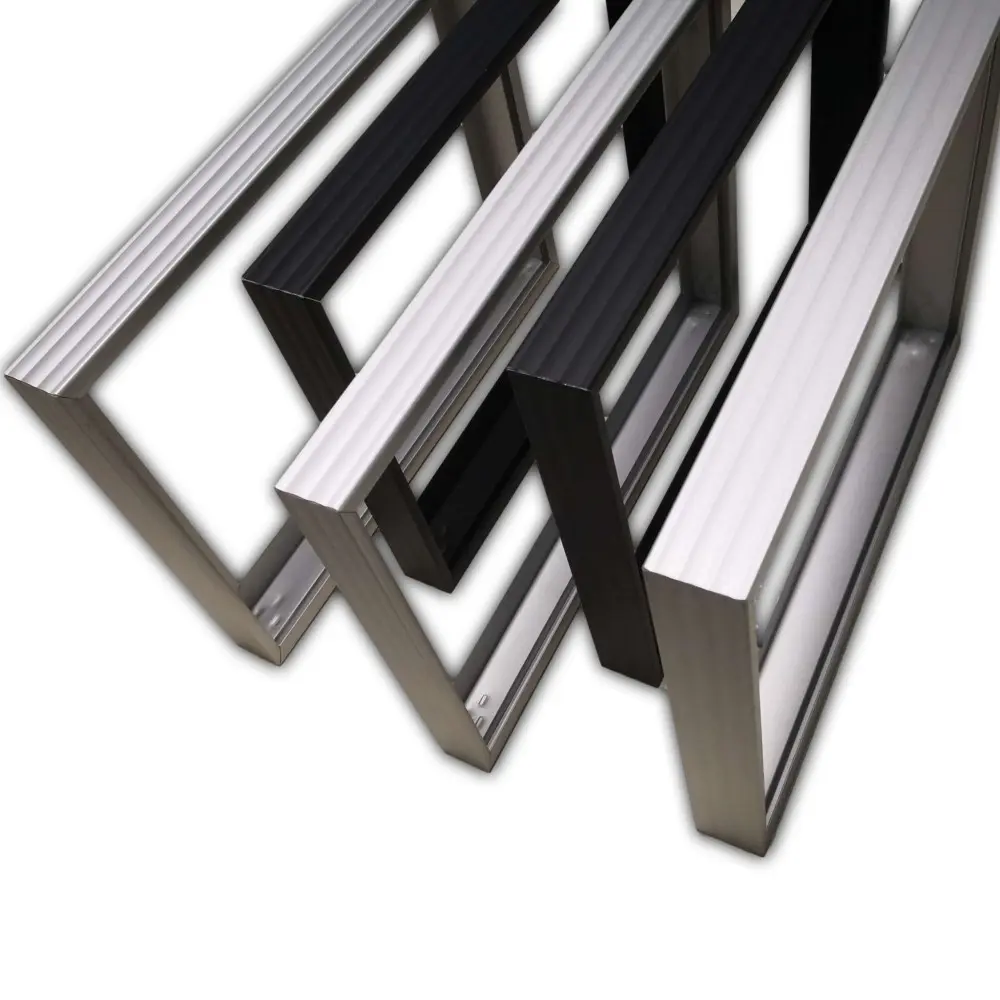
Made of high-quality anodized aluminum, it ensures superior weather resistance and a smooth, long-lasting finish.
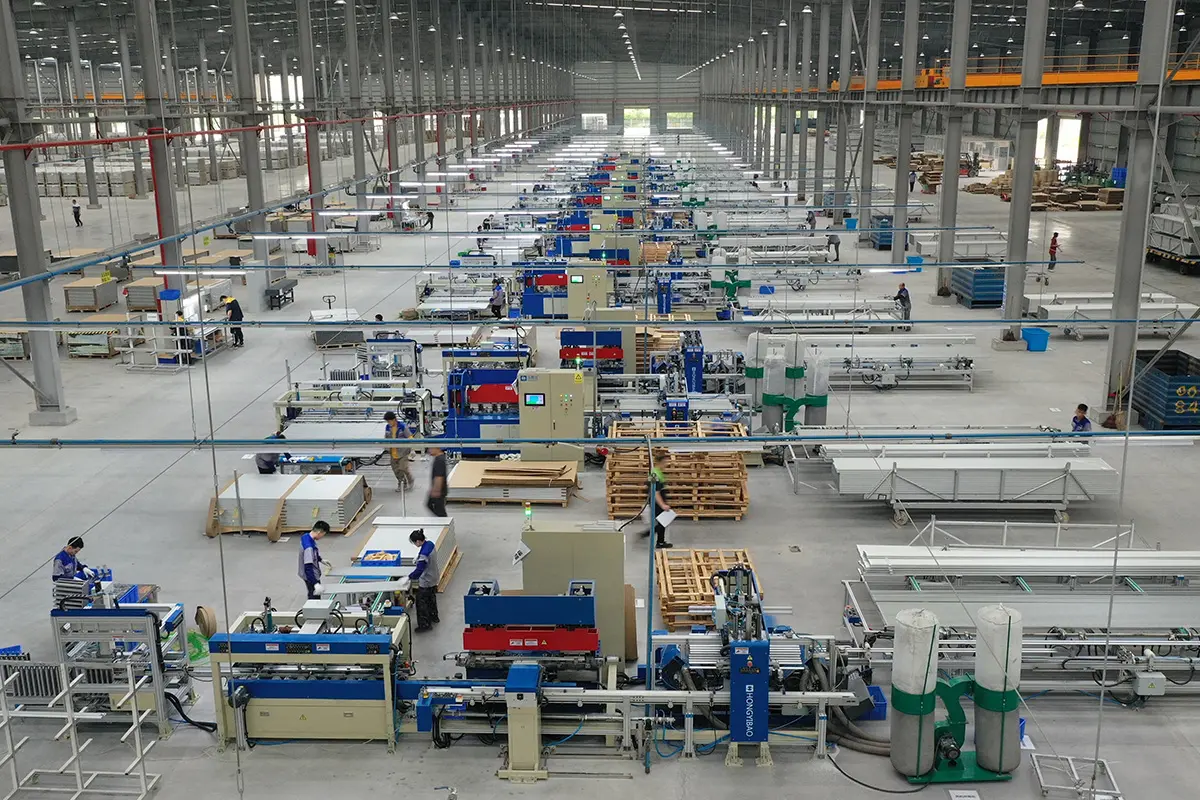
The production of competitively priced 200W solar modules requires state-of-the-art manufacturing processes. In YUXIN's production hubs, Factory 4.0 automation optimizes every step of the assembly line. Automated glass loading, robotic cell matrix arrangement, precision laser slicing, and automatic EL (Electroluminescence) dual-inspection systems ensure that every portable panel is free from micro-cracks and hot spots before final packaging.
Our vertical supply chain integration provides a major cost advantage. By extruding our own anodized aluminum frames (using premium 6063-T5 and 6005-T6 grades) and manufacturing sustainable polyurethane composite frames in-house, we eliminate intermediate logistic costs and ensure strict dimensional control. This enables YUXIN to offer global wholesale clients direct factory-level pricing without sacrificing the mechanical strength required to withstand snow loads and winds up to 2400 Pa.
Precision, Quality, and Safety - Your Photovoltaic Materials Expert
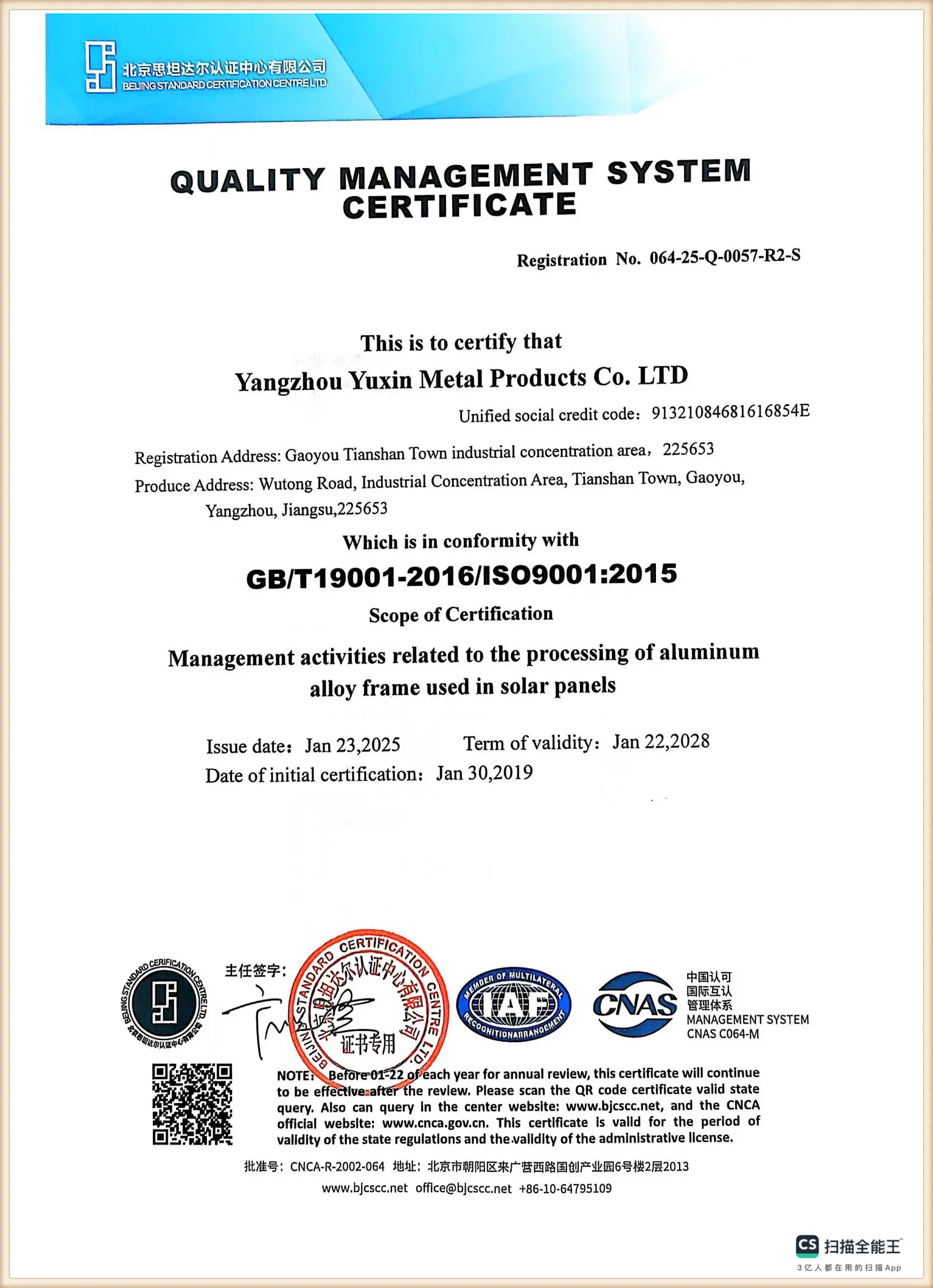
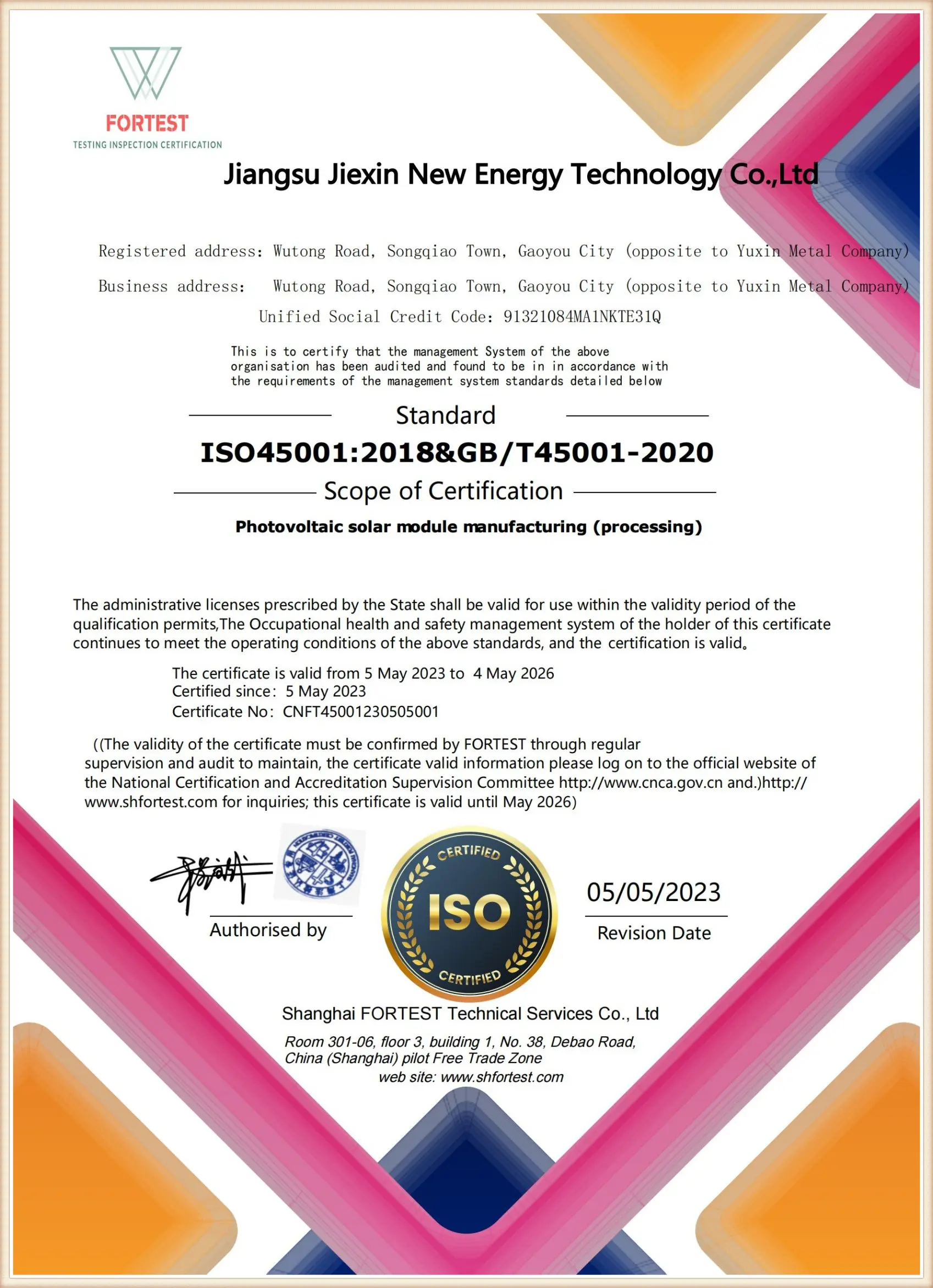
Our products comply with international photovoltaic standards, backed by third-party testing and quality certifications.
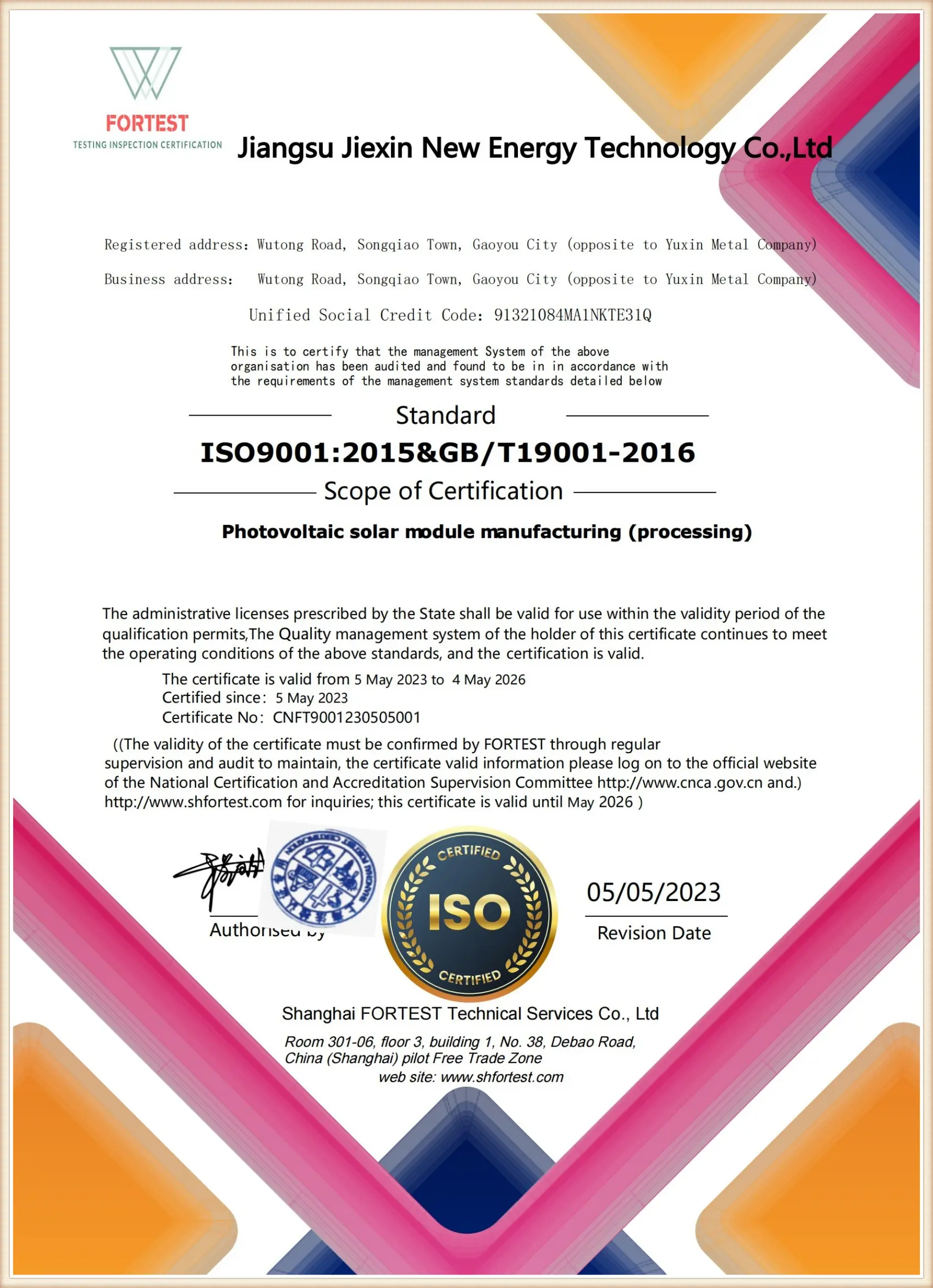
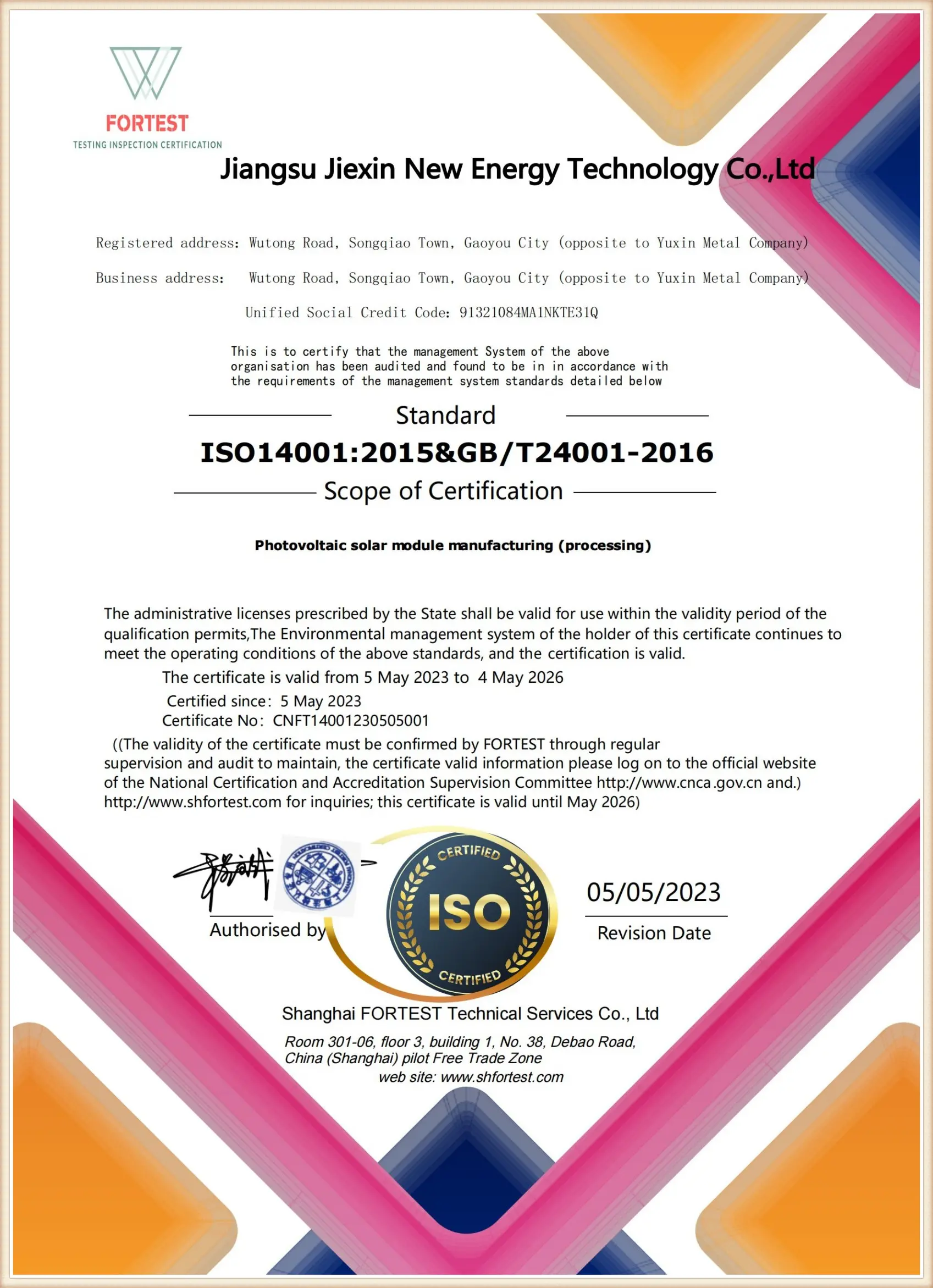
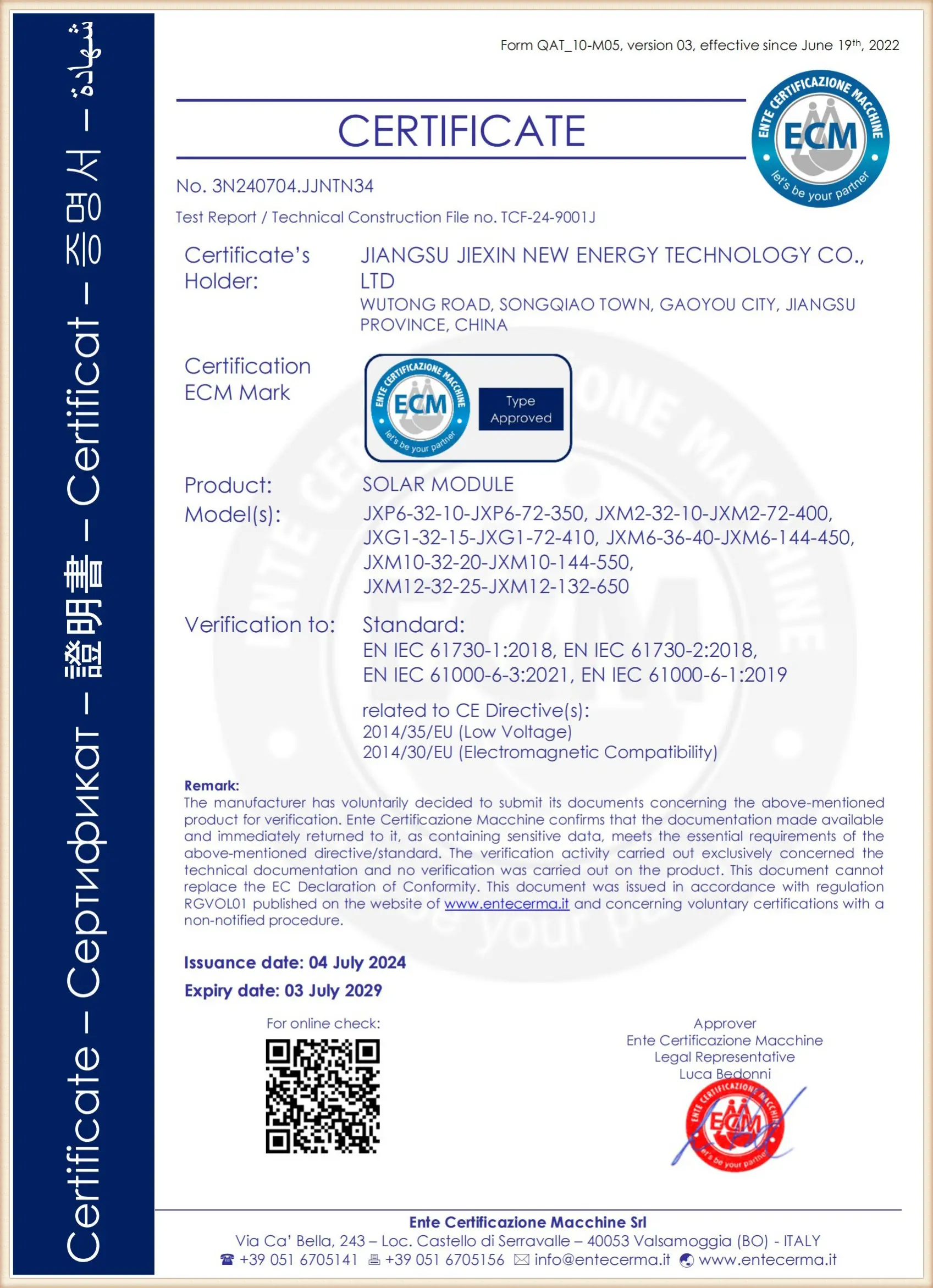
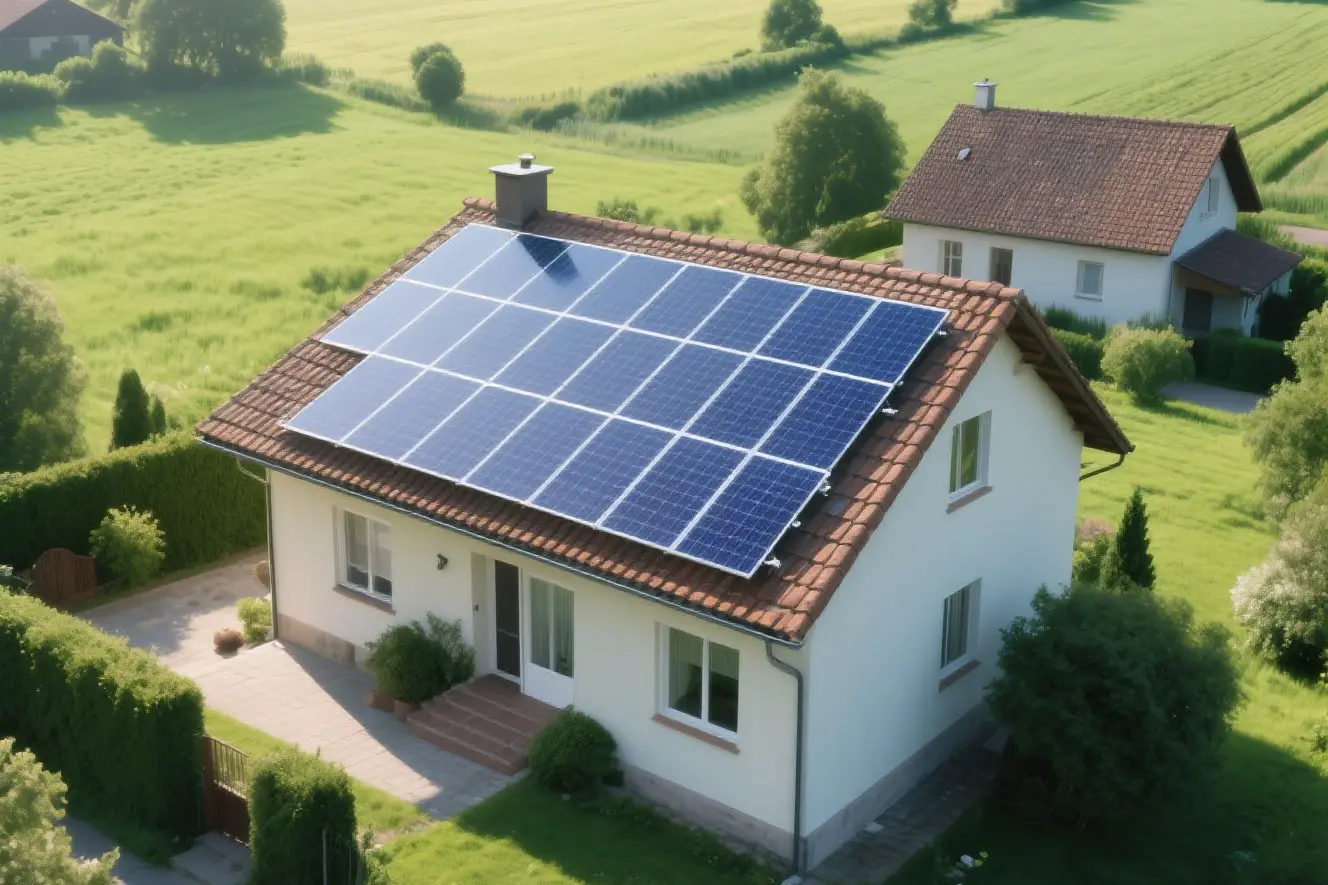
Delivering solar solutions to power remote industries, commercial operations, and recreational activities worldwide.

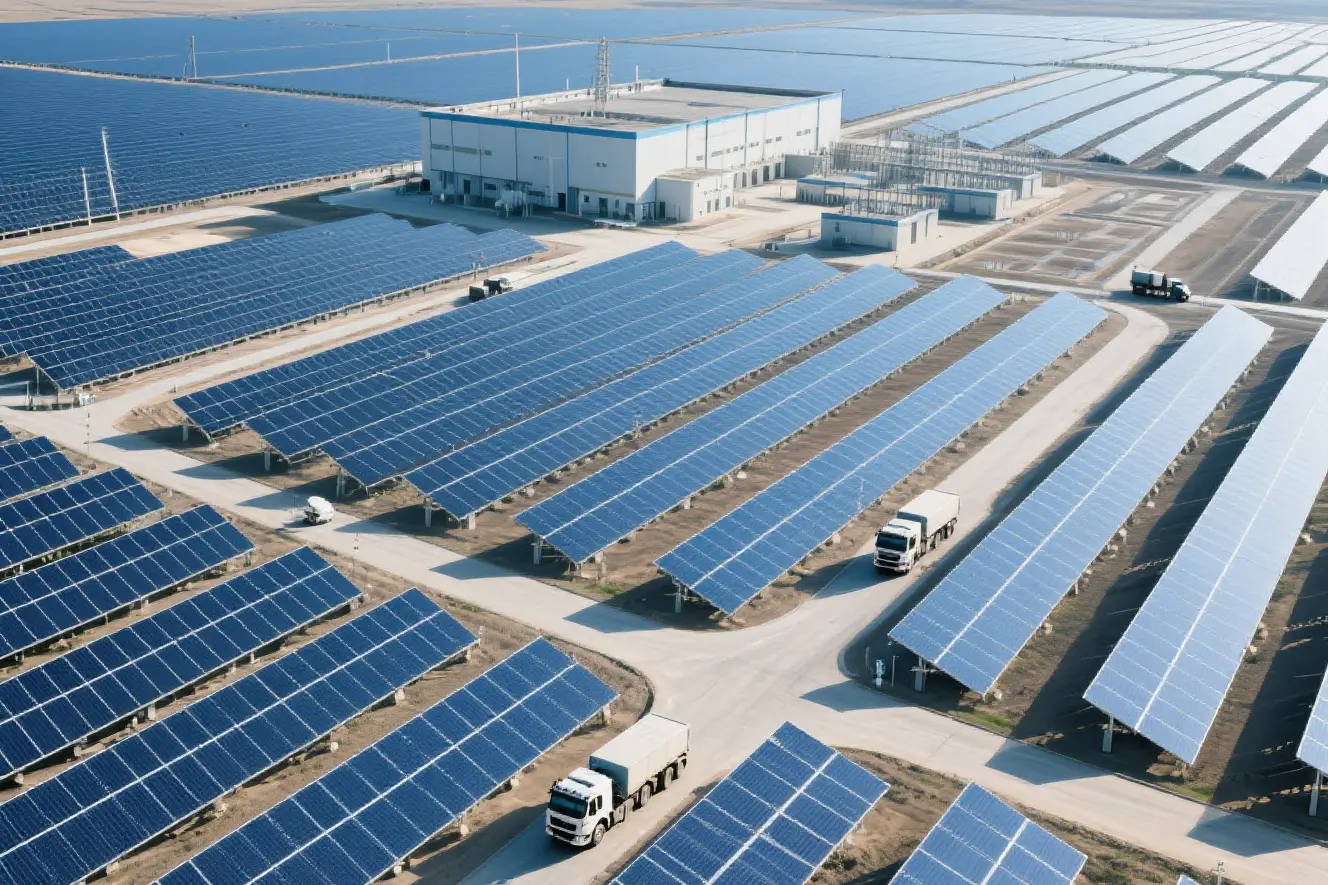
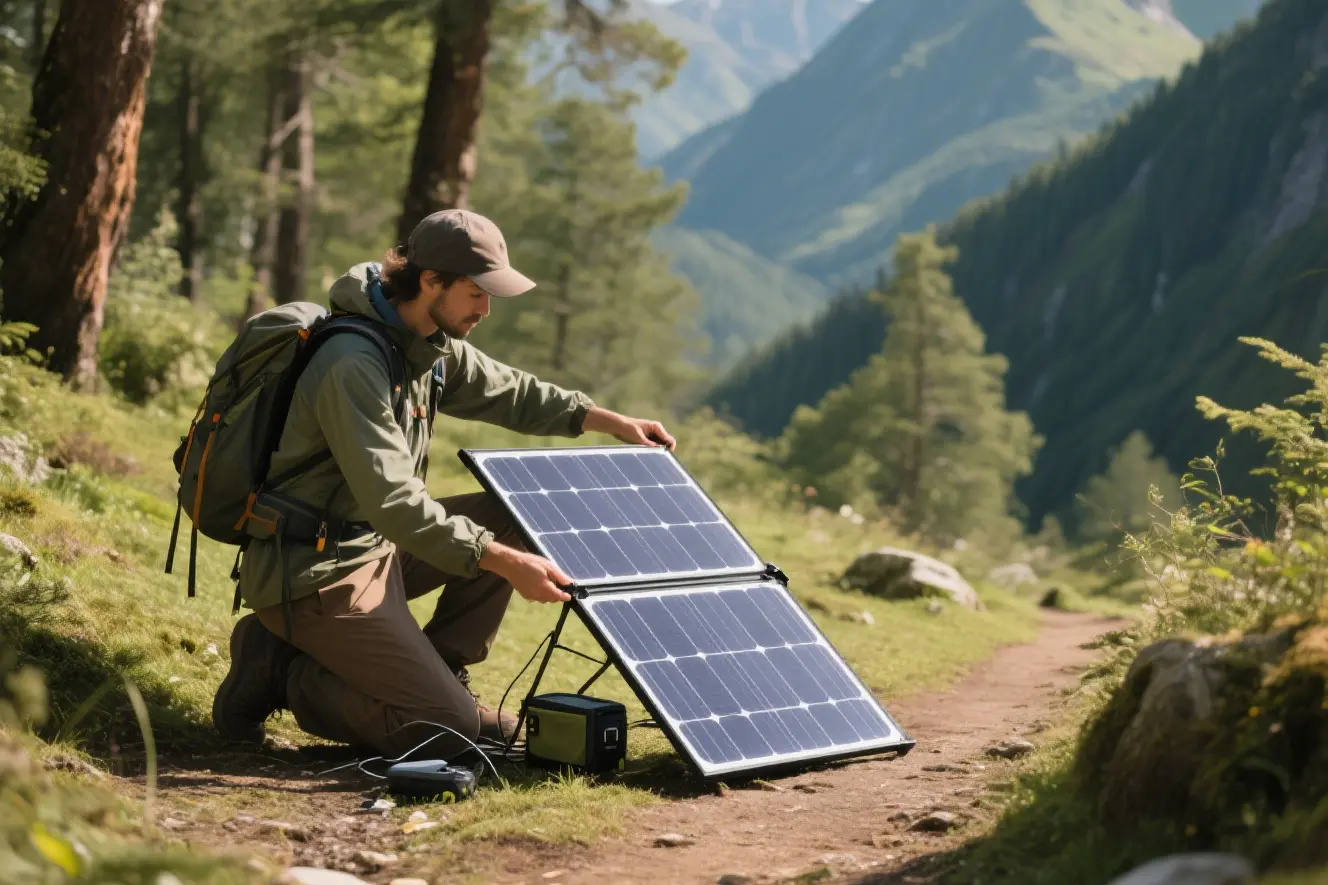
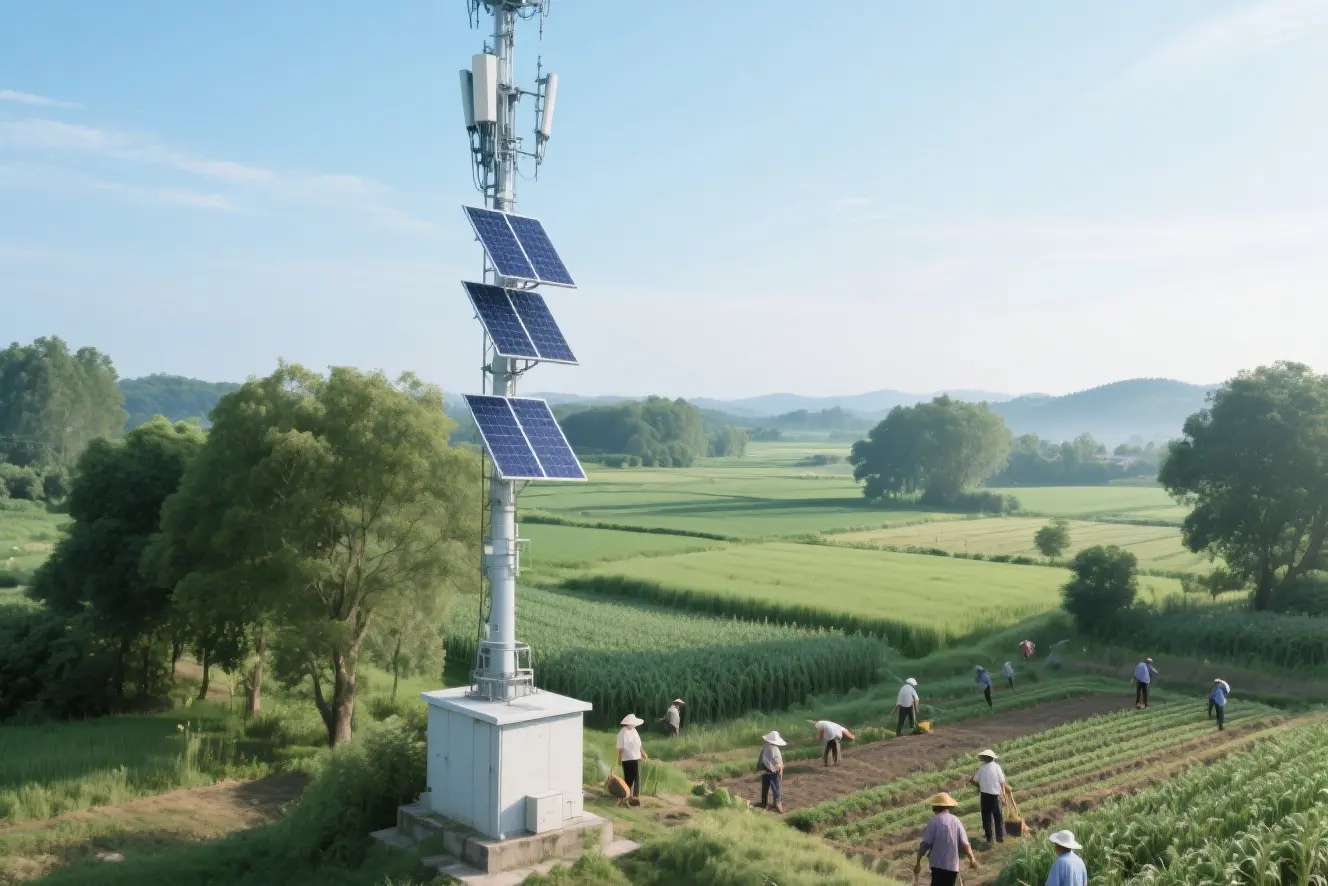
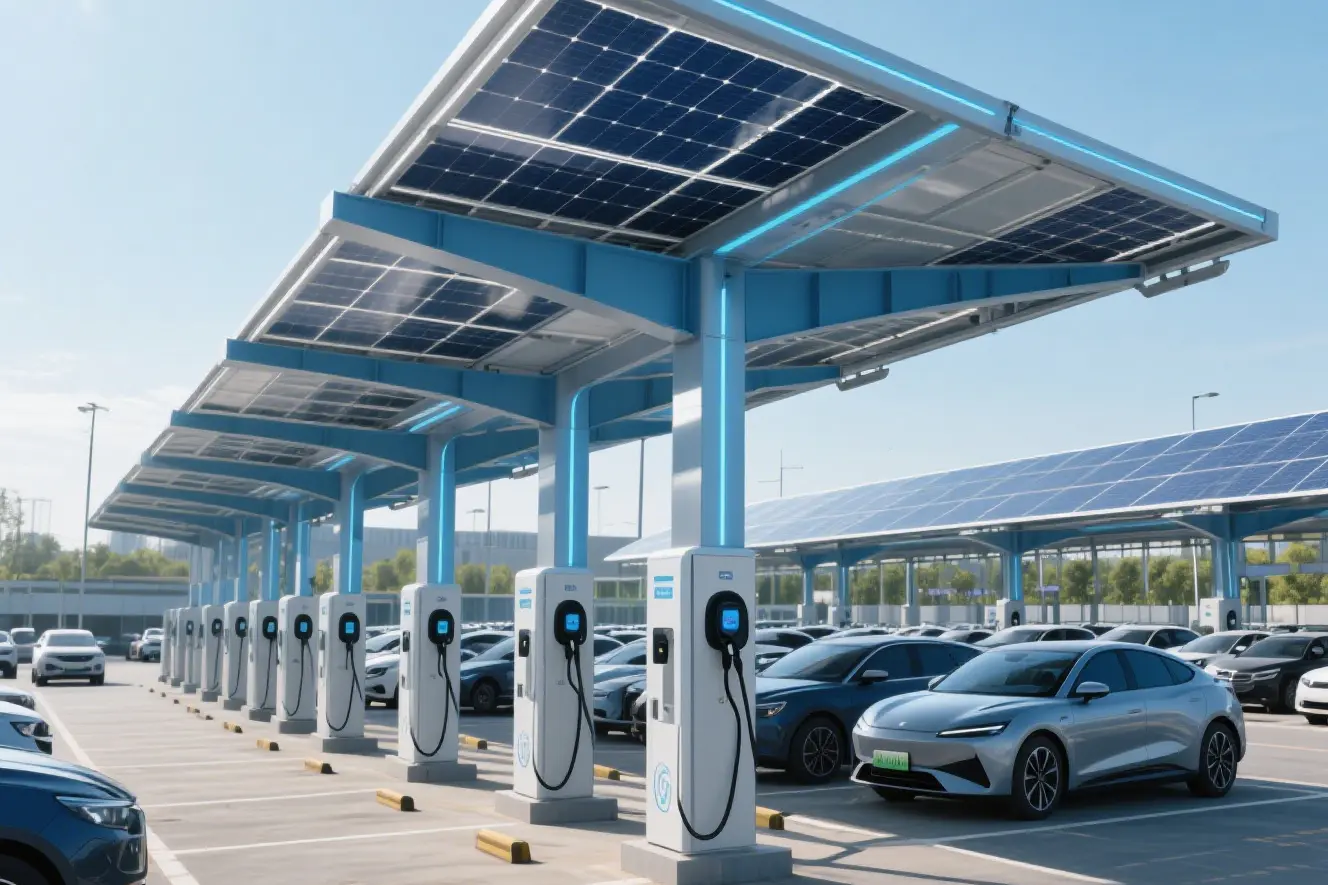
B2B buyers evaluate solar systems based on real-world operating conditions. In Agriculture, 200W solar installations power remote sensors, automated irrigation control systems, and electrified livestock barriers. A self-cleaning ETFE layer is critical here, preventing dust build-up from reducing energy output and minimizing onsite maintenance.
In the Construction & Infrastructure sector, portable panels charge tools, power environmental monitoring stations, and run remote office setups. The mechanical stability of the frame is key, as the panels are frequently moved and exposed to high vibrations. Anodized 6063-T5 aluminum frames prevent structural twists and ensure electrical components remain intact under mechanical stress.
For the Telecommunications sector, these panels serve as reliable primary or backup power sources for cellular repeaters and off-grid radio link stations. When paired with high-performance MPPT (Maximum Power Point Tracking) charge controllers and modular lithium battery storage, 200W panel configurations maintain communications uptime in rugged locations, even during extended periods of low sunlight.
Our global reputation is built on long-term relationships with leading industry players and distributors.






Stay up to date with the latest technical developments, quality standards, and industry practices from our engineering team.
Addressing the common questions, engineering specifications, and sourcing parameters raised by professional buyers.
Discover our specialized PV components, heavy-duty commercial solar arrays, and high-efficiency portable systems.