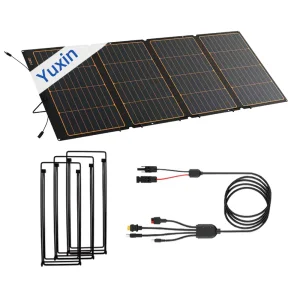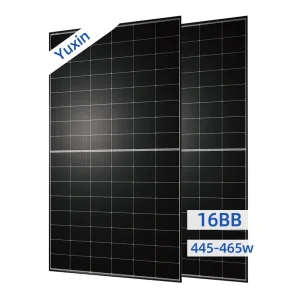
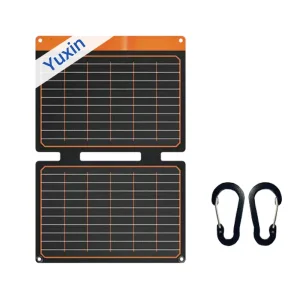
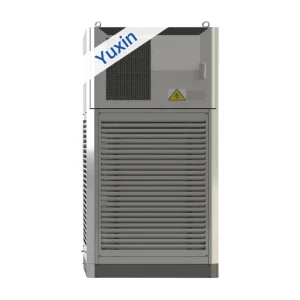
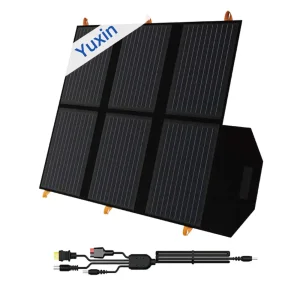
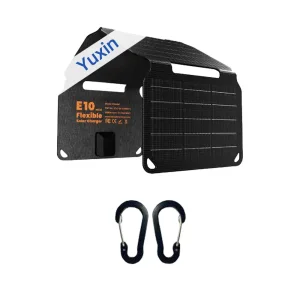
The global B2B demand for cheap 100W camping solar panels has escalated from an outdoor leisure commodity to a strategic off-grid energy asset. High-efficiency portable PV modules operating at 100W have emerged as the "sweet spot" for decentralized power generation due to their optimal balance of mobility, energy density, and cost-effectiveness. In bulk manufacturing centers across China, exporters are shifting their focus to supply chain optimization, delivering high-performance monocrystalline silicon, half-cell TOPCon, and lightweight ETFE-laminated panels that cater to diverse international requirements.
Currently, the commercial integration of portable solar systems is heavily driven by key shifts in consumer behavior and industrial requirements. Regulatory transitions towards green energy, paired with an increased frequency of extreme weather events, have spurred municipalities and emergency services to source 100W panels in bulk for disaster relief preparedness. Moreover, industrial procurement in regions like North America, Australia, and Western Europe is increasingly pivoting towards reliable OEM exporters capable of certifying compliance with local grids, high wind-resistance load limits, and flame-retardant parameters.
From a supply chain perspective, the "cheap" pricing designation does not reflect a degradation in quality, but rather an optimization of mass-production economies of scale. High-speed automation lines, reduced Bill of Materials (BOS) costs, and the integration of pultruded polyurethane composite frames instead of traditional heavy aluminum structures have decreased the levelized cost of energy (LCOE) for off-grid devices. In the current global industrial complex, exporters are required to deliver modules that combine high cell conversion efficiency (up to 24%) with advanced mechanical durability, establishing standard baselines for commercial off-grid deployment.
Understanding the core engineering behind 100W solar modules is vital for establishing B2B trust. The technological migration from traditional Polycrystalline cells to Monocrystalline Passivated Transmitter and Rear Cell (PERC) technology, and now towards N-Type Tunnel Oxide Passivated Contact (TOPCon) structures, has revolutionized the potential yield of portable systems. Modern 100W panels manufactured by leading exporters utilize half-cell configurations to mitigate hotspot risks and minimize current losses across long-duration outdoor exposure.
Furthermore, structural elements such as the frame play a defining role in product longevity. While anodized aluminum frames (6063-T5/6005-T6) remain the structural standard for rigid systems, a significant technological shift is occurring with the introduction of polyurethane composite materials. These pultruded composites offer extreme corrosion resistance, exceptional thermal insulation, and a lower environmental footprint, allowing lightweight folding panels to survive high UV loads without structural deformation.
Transitioning from standard p-type PERC structures to n-type TOPCon monocrystalline cells, raising maximum theoretical cell efficiency from 22.8% to 26.2% for high-yield portable solar chargers.
Replacing standard PET film substrates with ETFE (Ethylene Tetrafluoroethylene) encapsulation. This provides self-cleaning properties, superior light transmission, and an IP68 waterproofing standard.
Widespread commercial adoption of sustainable polyurethane pultruded composite frames, reducing weight by 30% while retaining structural integrity against wind loads up to 2400 Pa.
Integration of IoT-enabled micro-charge controllers directly onto portable solar setups, allowing real-time power tracking via Bluetooth or mobile communication channels.
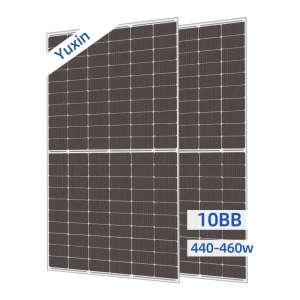
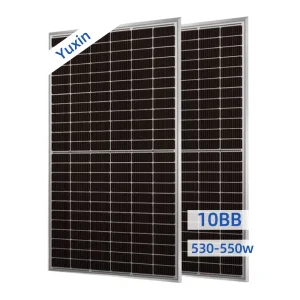
Explore our main manufactured categories optimized for international off-grid applications.
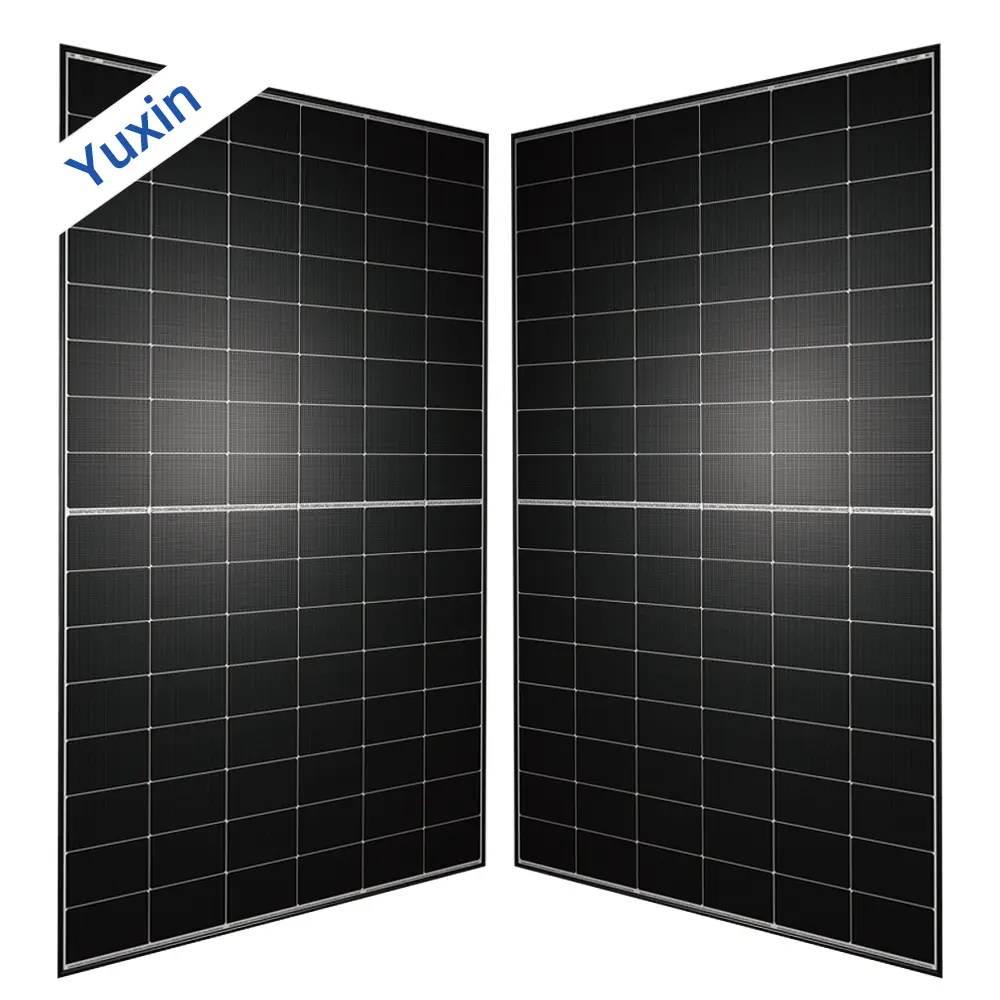
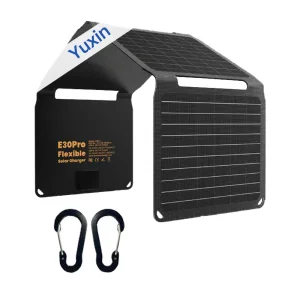
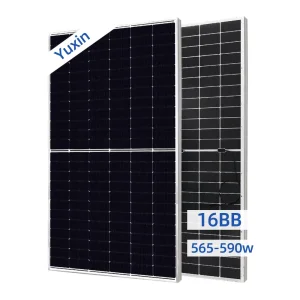
Lightweight design with transparent back panel for easy installation and reduced BOS costs.
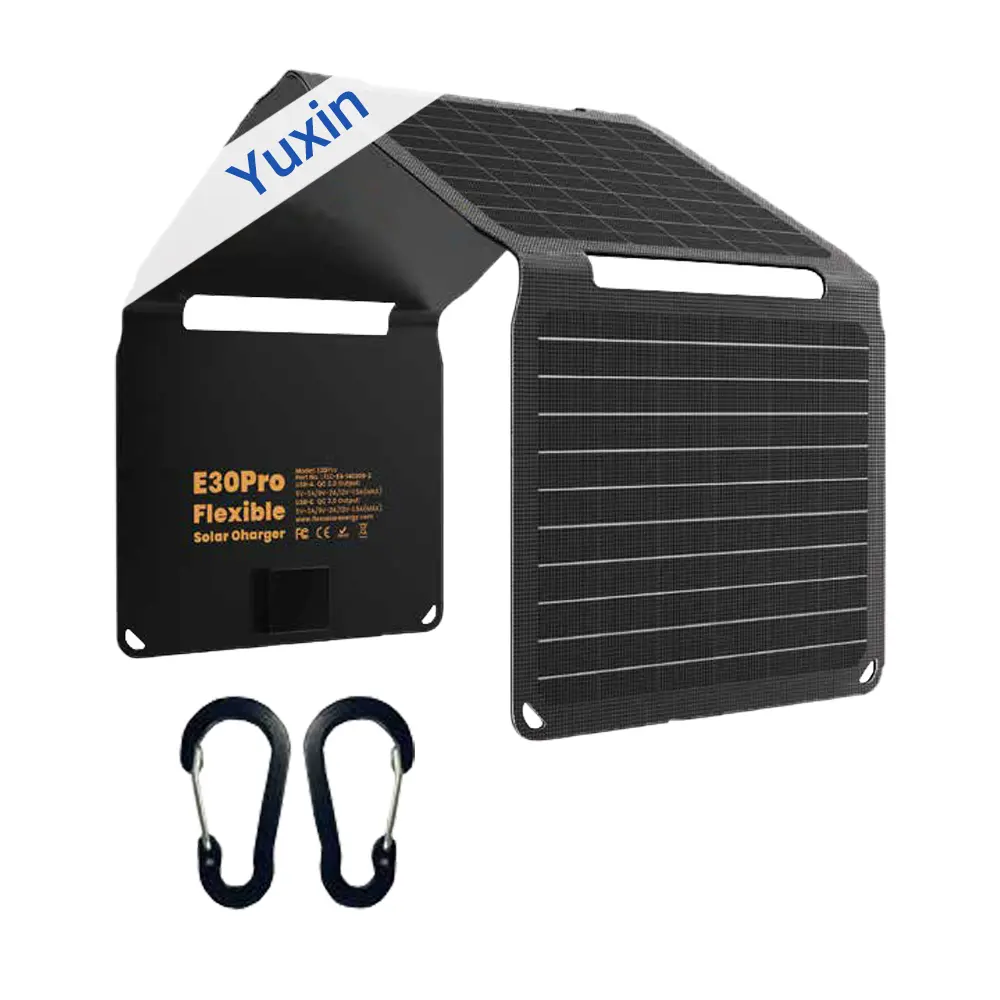
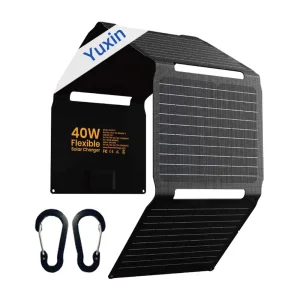
Utilizing advanced monocrystalline silicon cells, it achieves a high energy conversion efficiency of 24%.
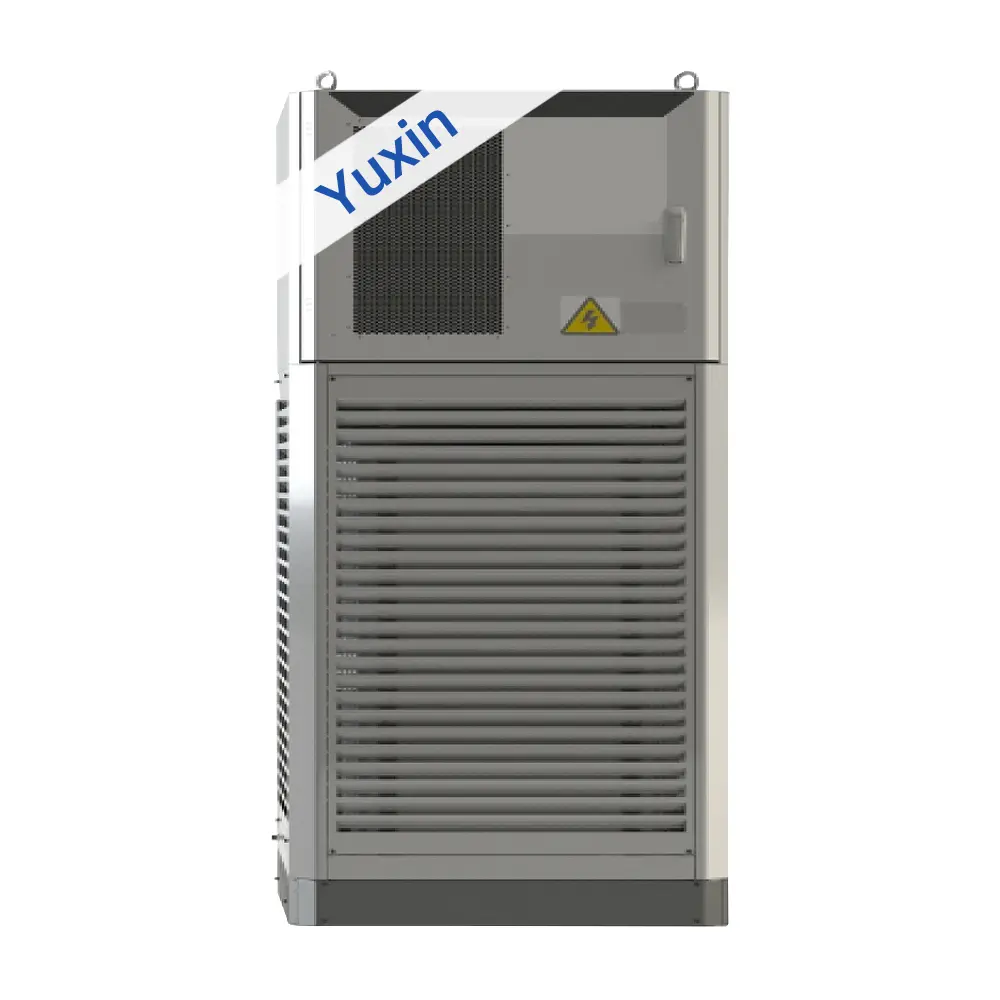
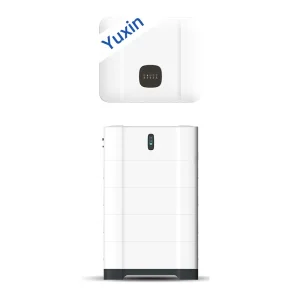
Application modes include grid-connected mode, off-grid mode, and integrated grid-connected/off-grid mode.
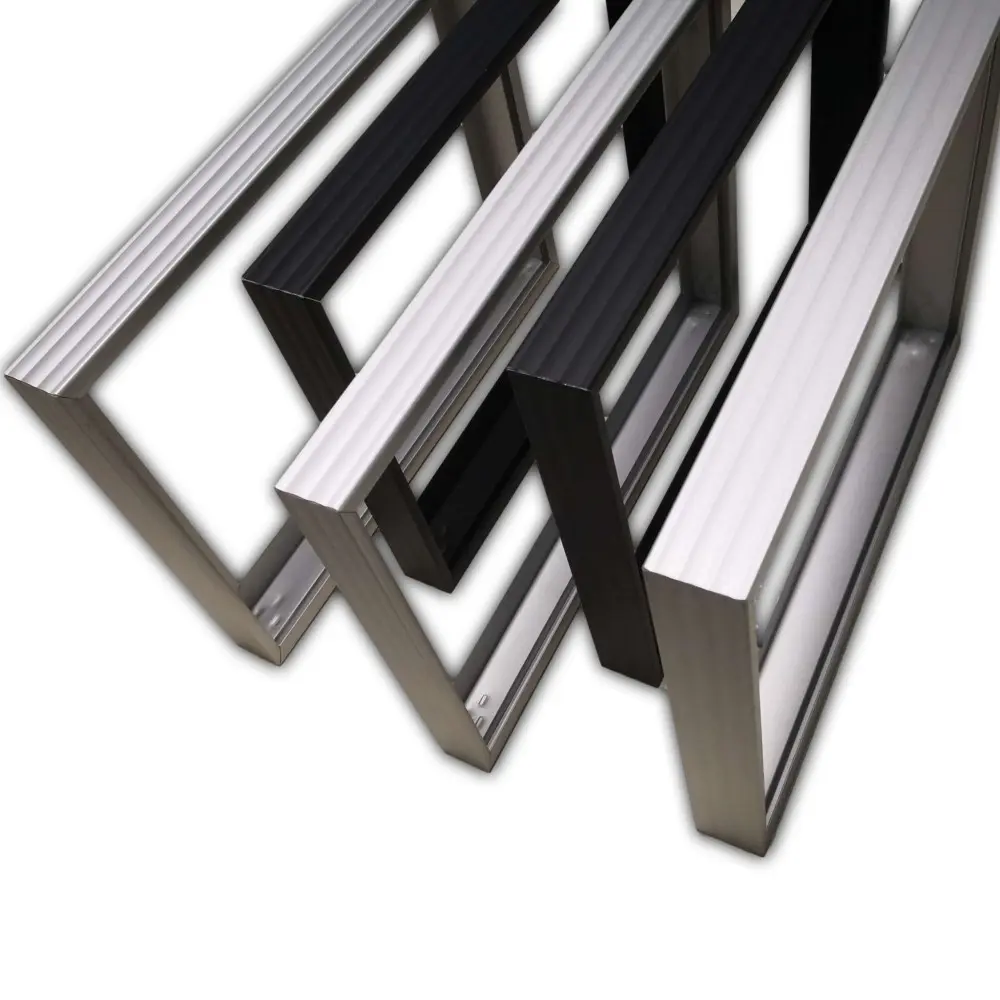
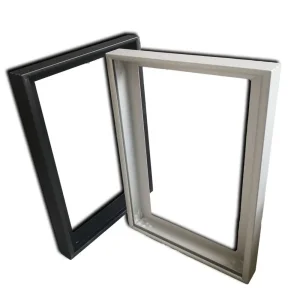
Made of high-quality anodized aluminum, it ensures superior weather resistance and a smooth, long-lasting finish.
Precision, Quality, and Safety - Your Photovoltaic Materials Expert
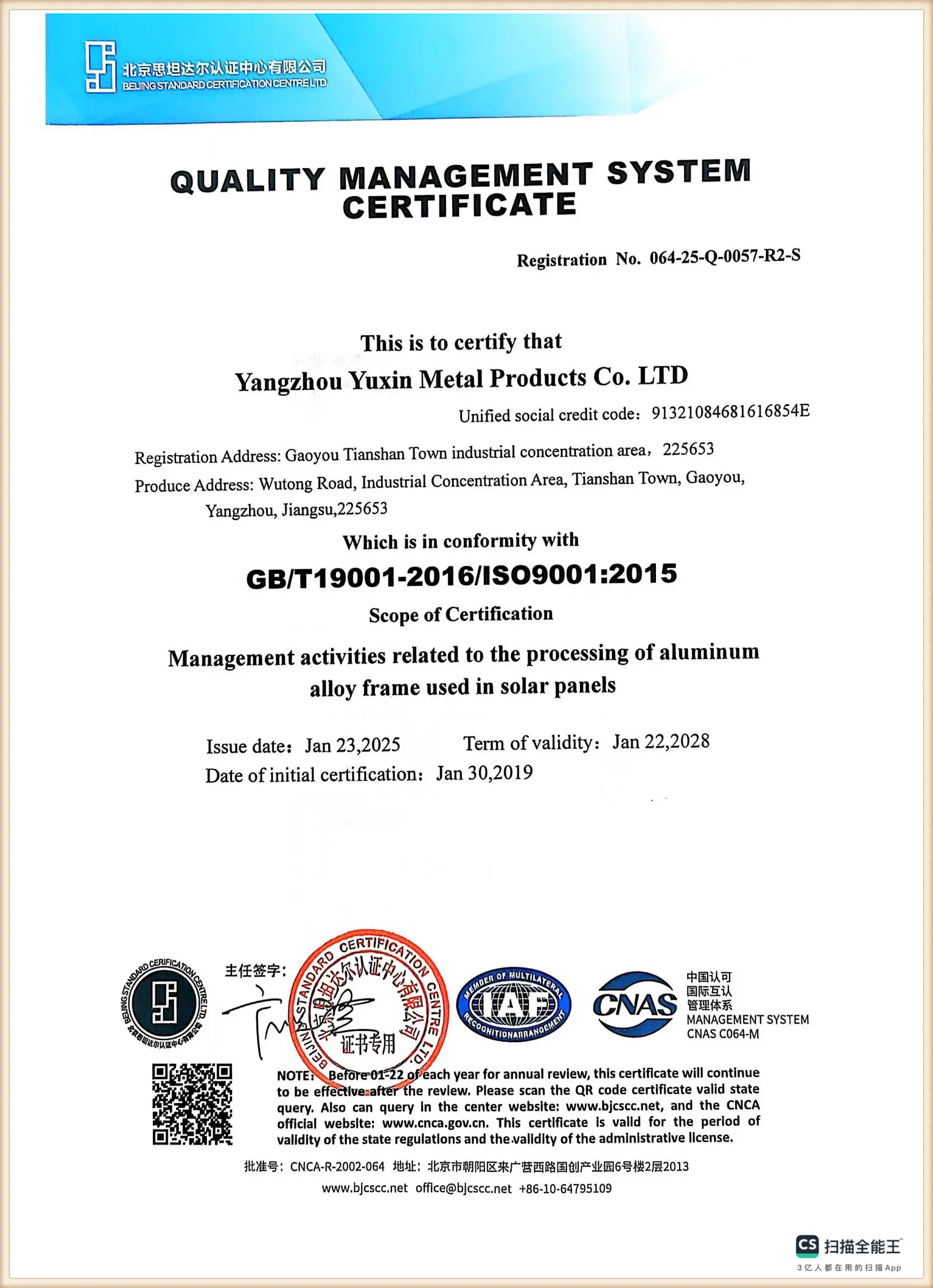
Located in the scenic historical and cultural ancient city of Yangzhou, close to the Beijing-Shanghai Expressway, Runyang Yangtze River Bridge, and Ningqi Railway, the group has a superior geographical location and convenient transportation. The group was established in 2008 and has 14 multi-field companies under its jurisdiction, including Jiangsu Yuxin New Energy Technology Co., Ltd., and has won many titles such as National High-tech Enterprise, Technology-based Enterprise, and Gaoyou City Top 100 Private Enterprises.
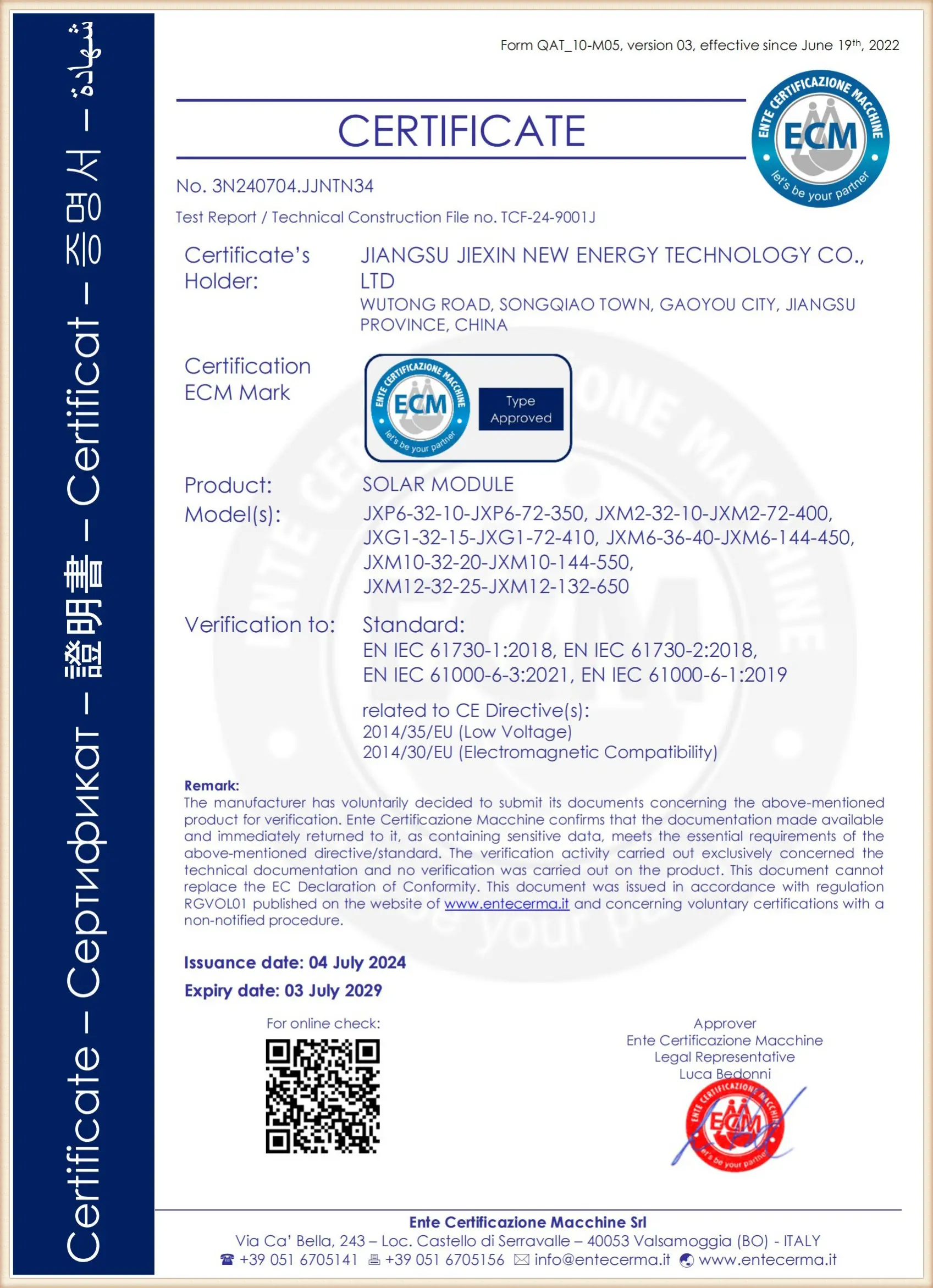
Verified standards meeting IEC, CE, and TUV international structural requirements.
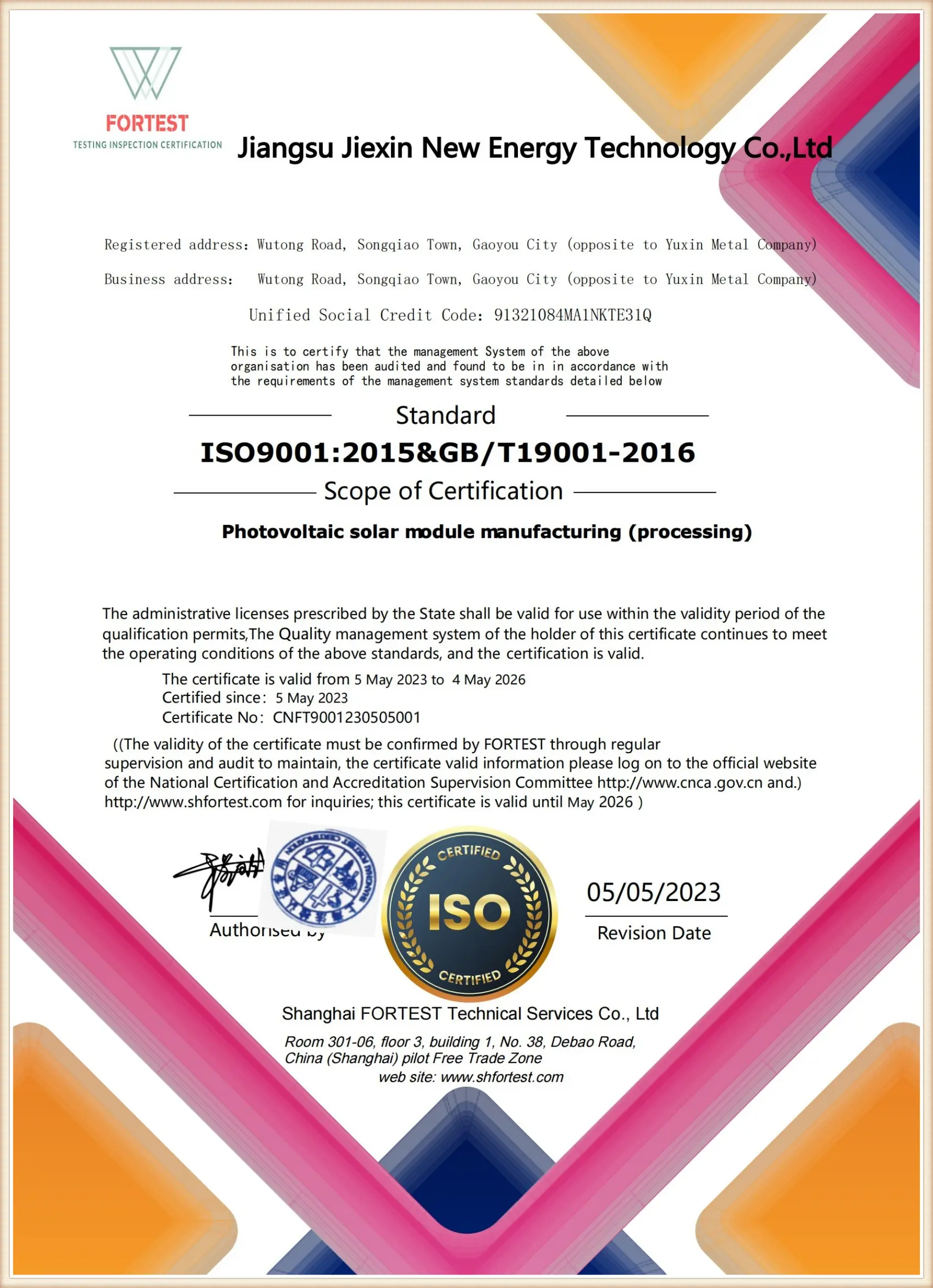
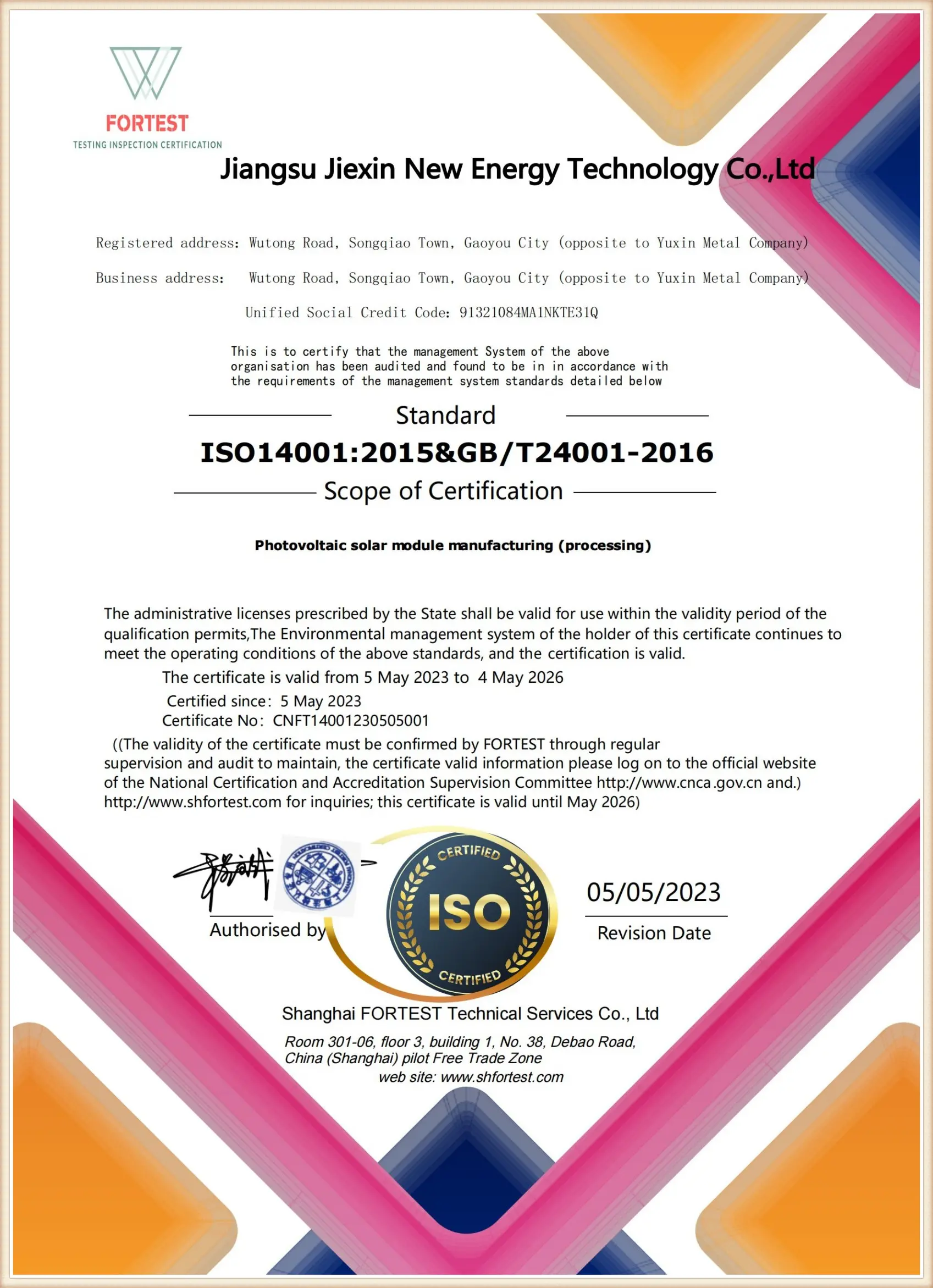
Portable 100W solar modules are no longer restricted to personal outdoor camping. Their utility profile has diversified across several core commercial sectors. Industrial operators leverage 100W setups to establish localized power points, minimizing dependence on grid architectures and reducing operational expenses (OPEX).
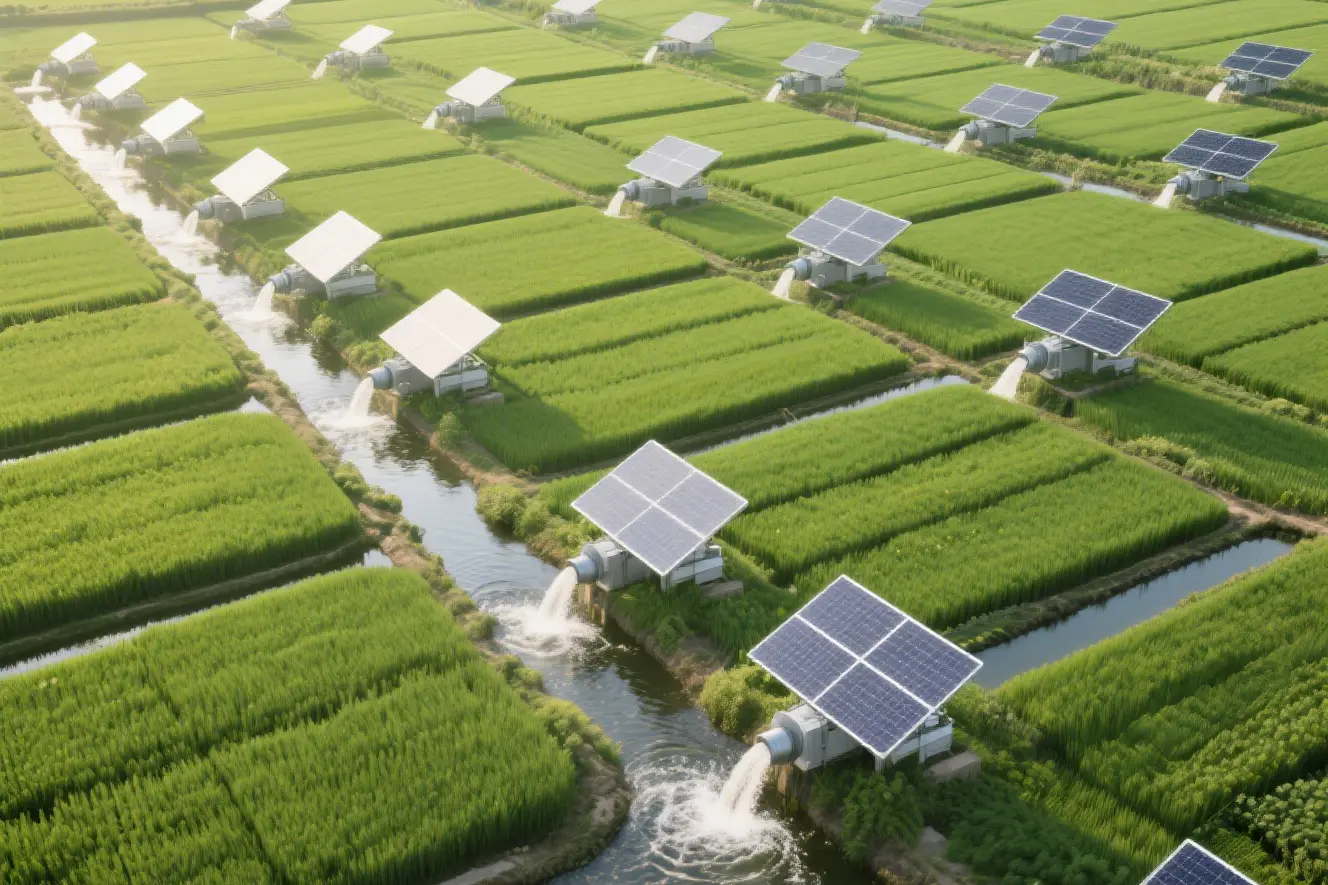
Powers localized precision farming sensors, irrigation telemetry controls, and off-grid livestock electric fences without the costly logistics of long-distance cabling.
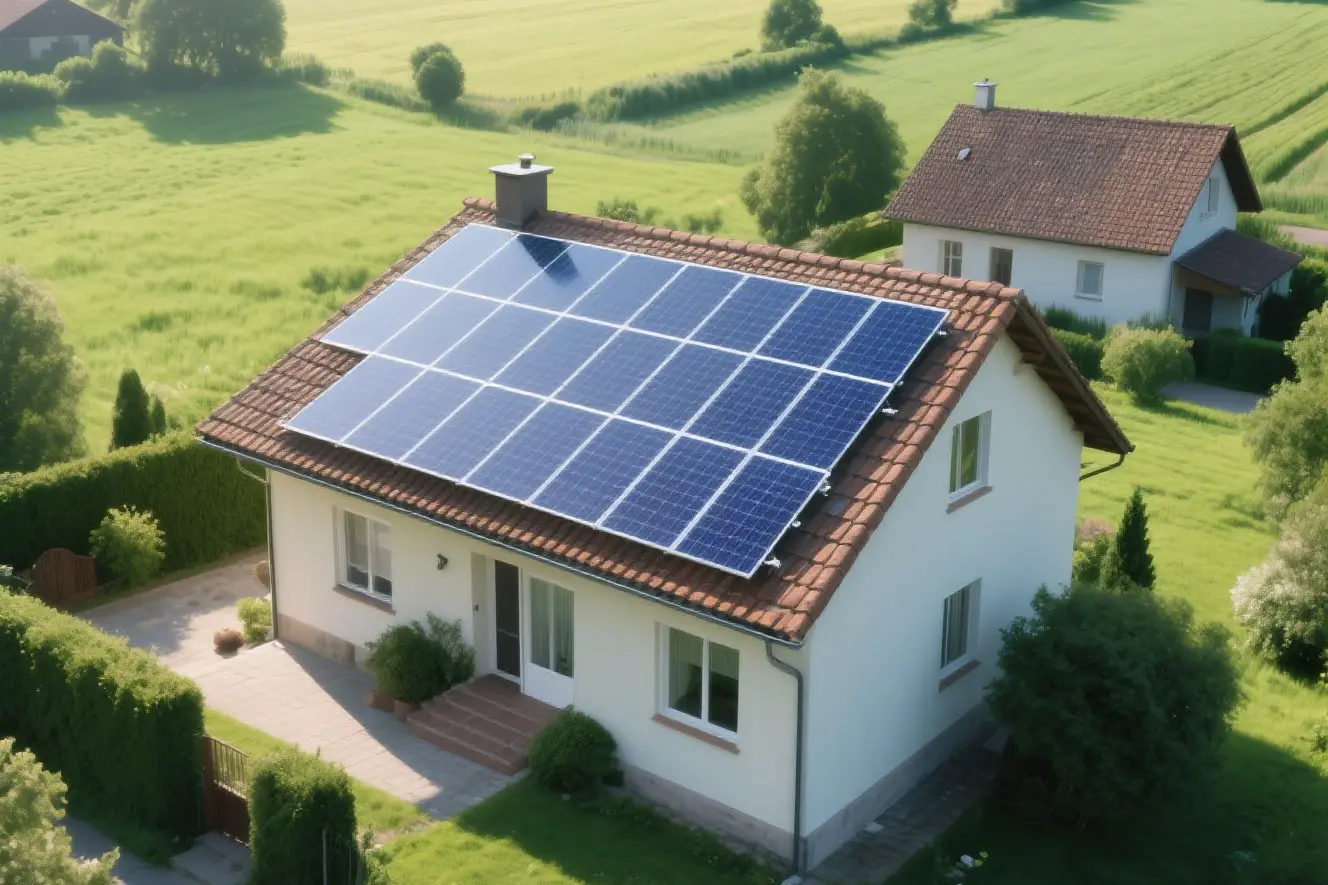
Acts as localized mobile power generators for security monitoring systems, warning indicator lights, and modular command stations on active worksites.
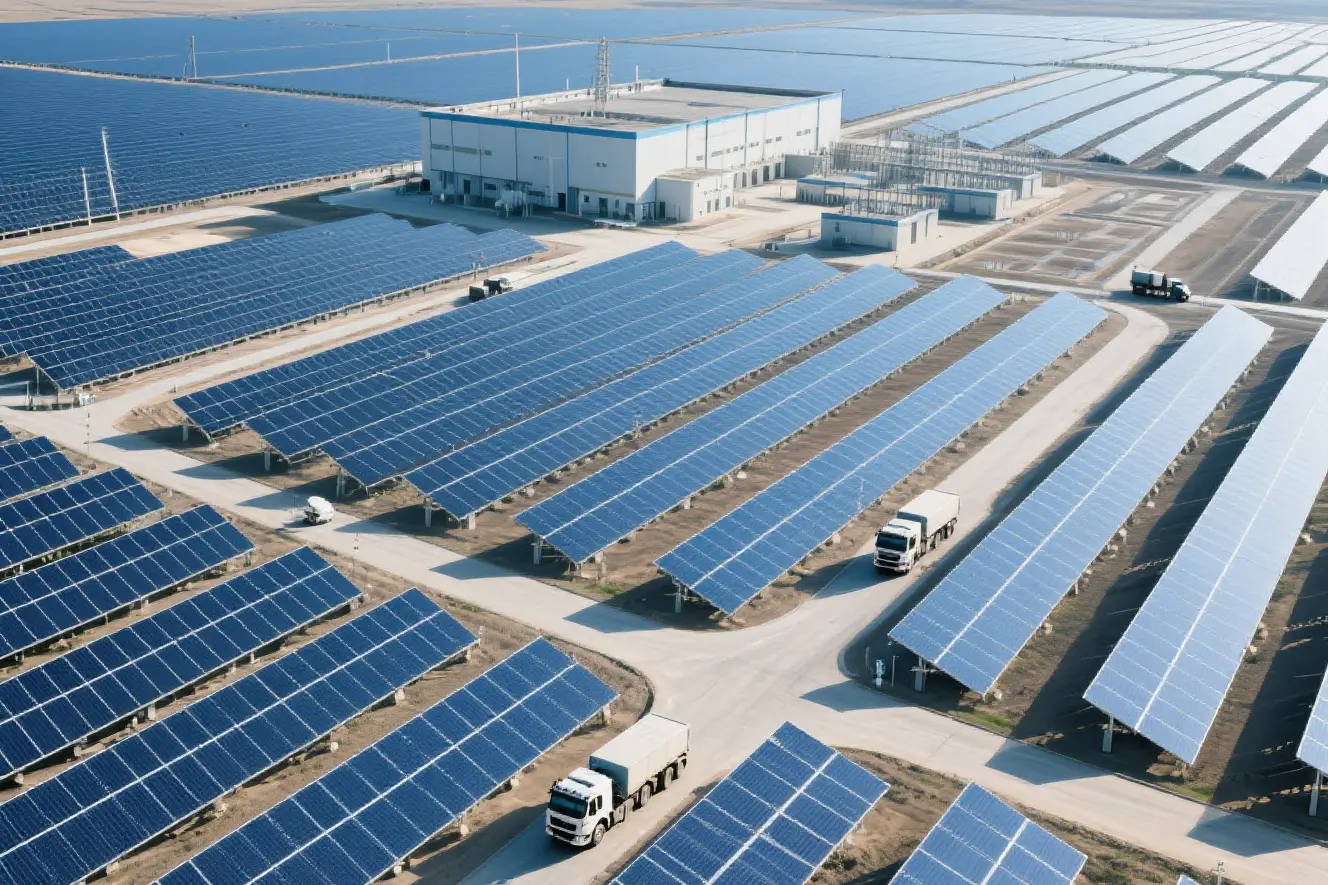
Provides utility maintenance crews with portable power systems to test relays, power auxiliary testing tools, and charge portable field apparatus.
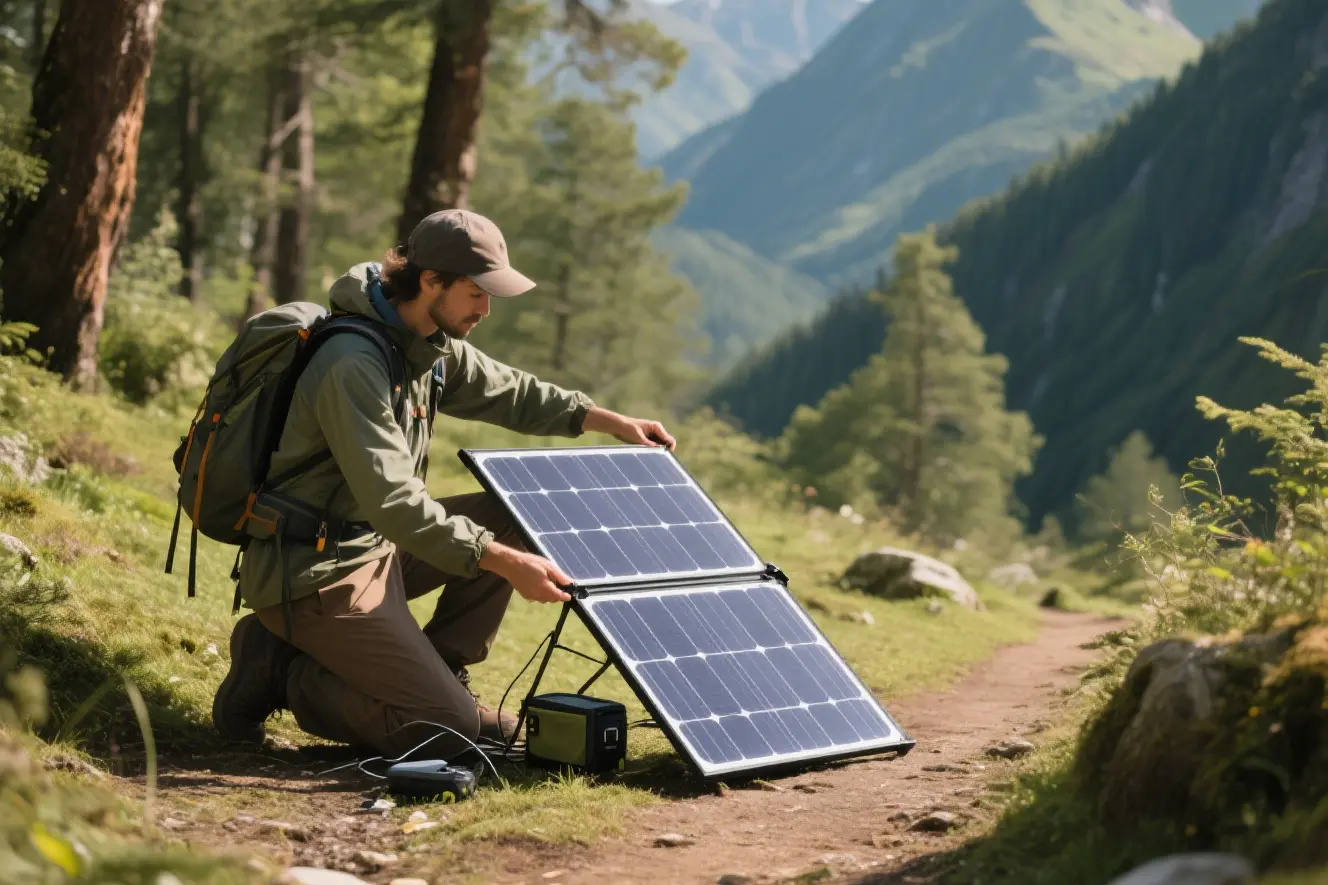
Serves as the foundation for modern recreational vehicles, back-country camping, and remote research outposts requiring stable, silent power.
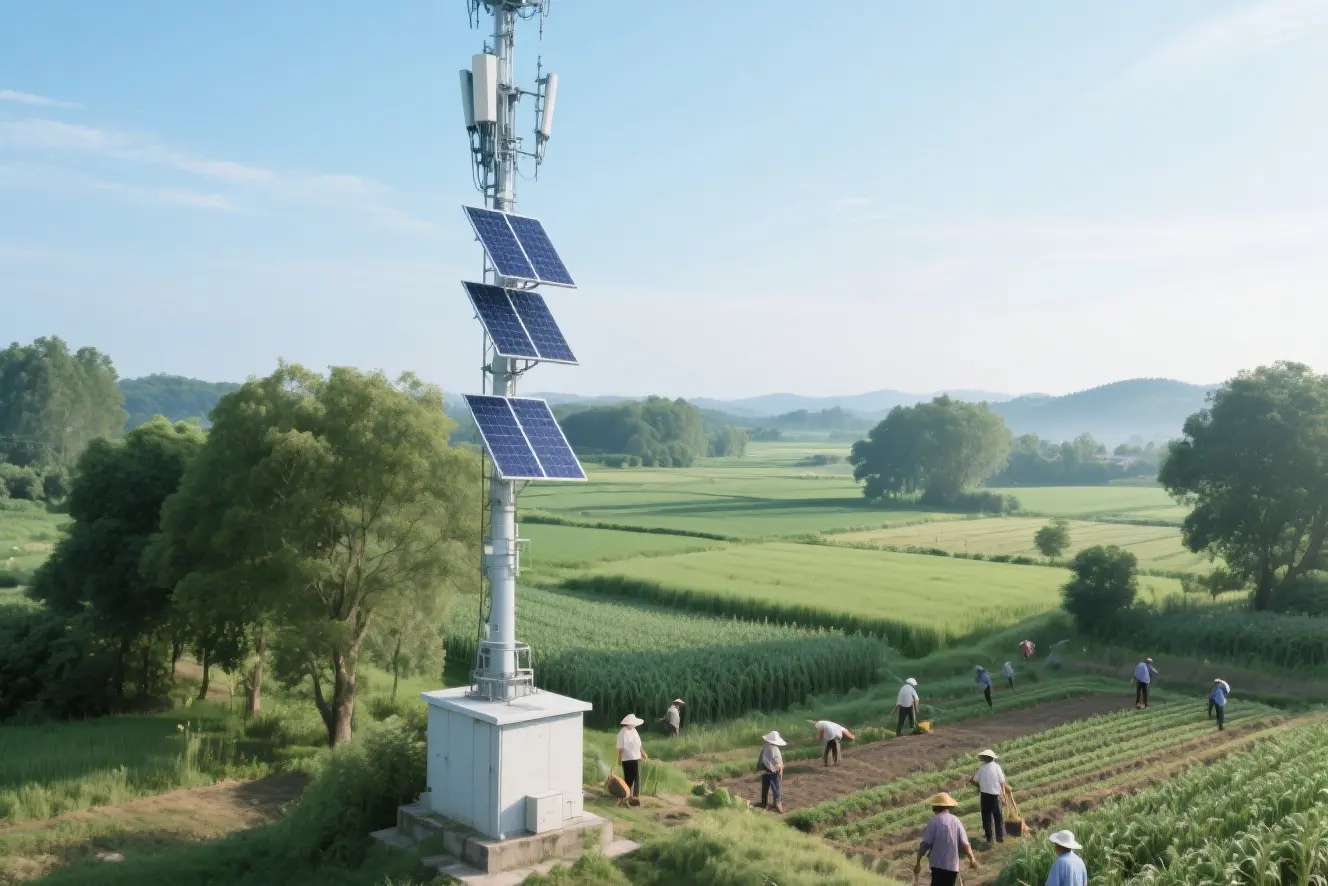
Supplies continuous energy to remote signal relays, environmental sensors, and satellite transceiver modules in mountainous or isolated regions.
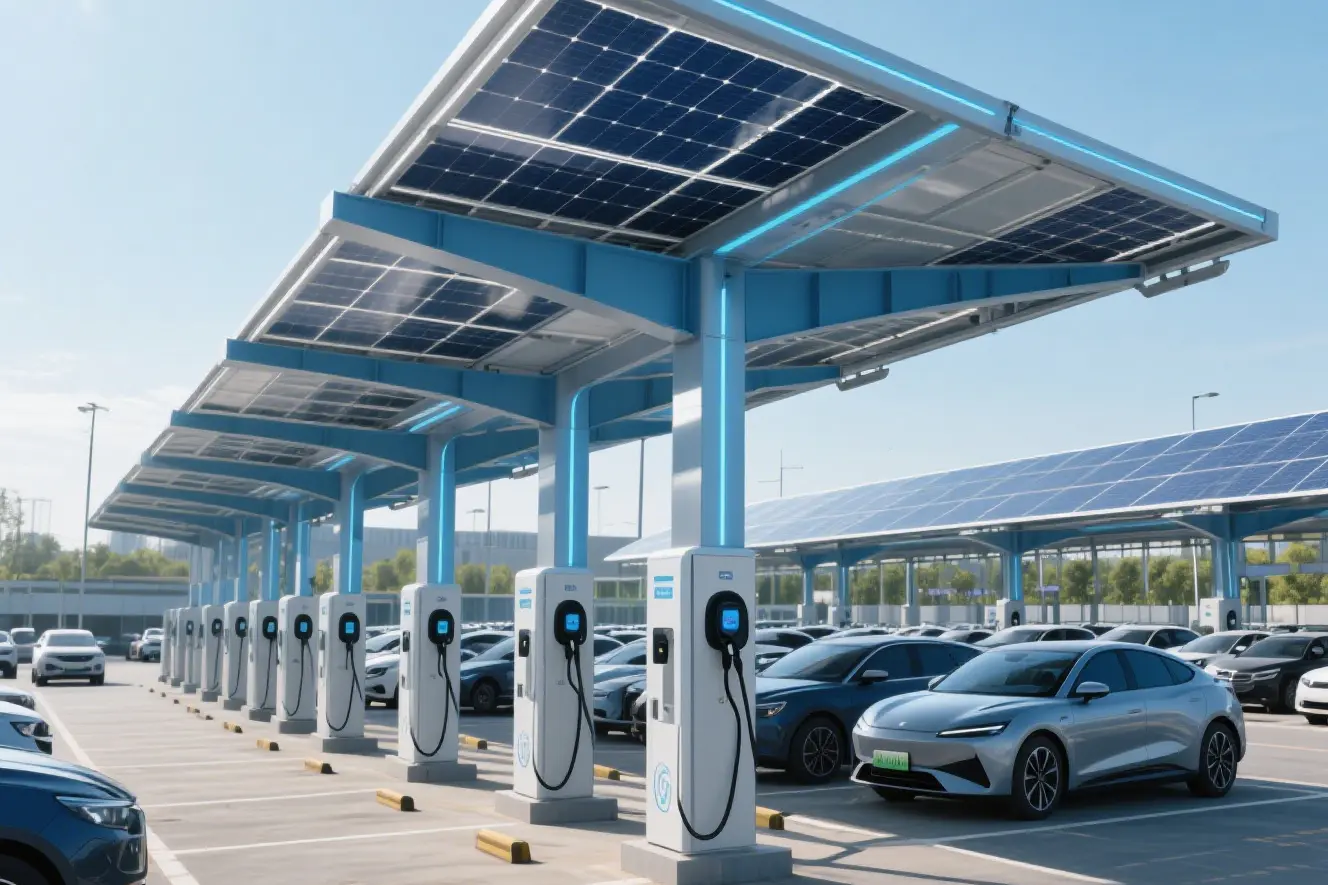
powers highway dynamic signs, variable message displays, and isolated tracking setups for rail and marine corridors.
Procuring cheap 100W camping solar panels from Chinese exporters requires an analytical framework that prioritizes regulatory alignment over baseline quotes. Low prices should only be targeted under the umbrella of strict engineering standards. Buyers should require testing reports verifying the module's behavior under thermal cycles, damp heat exposure, and mechanical load limits (IEC 61215 and IEC 61730 certifications).
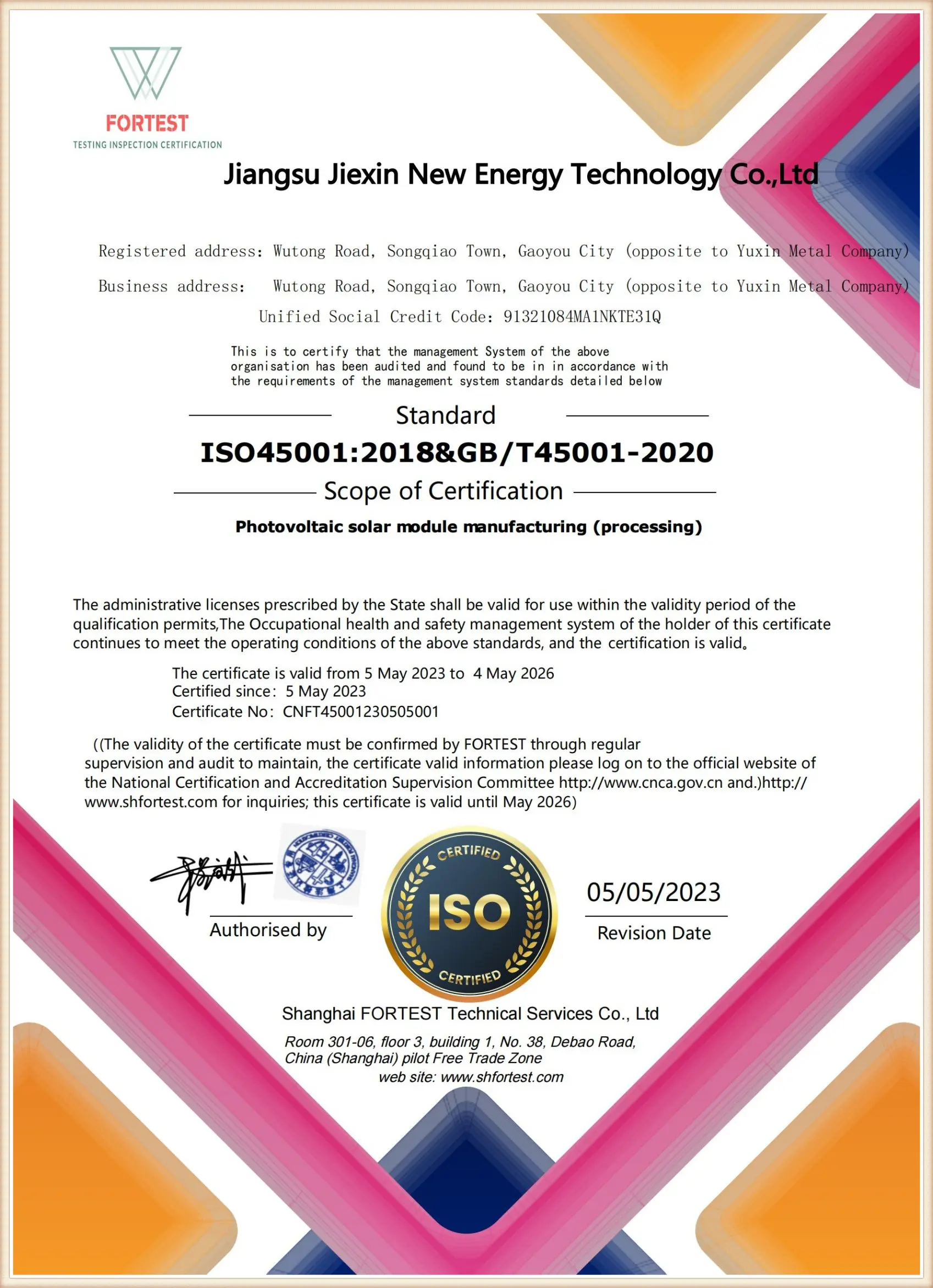
When evaluating exporters, business partners must audit the manufacturer's vertical integration capability. Exporters like Jiangsu Yuxin New Energy Technology, operating advanced fabrication lines, can provide reliable quality control, custom OEM/ODM packaging, and component tracking. Furthermore, optimizing bulk logistics is critical. Given the weight and fragility of multi-unit solar shipments, partnering with exporters who utilize high-grade pallet stabilization and optimized shipping templates ensures that goods arrive with zero micro-fracturing across the cell matrices.
After years of hard work by Yuxin people, it has gradually formed a collectivist and diversified advantage.


Keep pace with the society and the times. We create a future for employees, benefits for partners, and value for society.
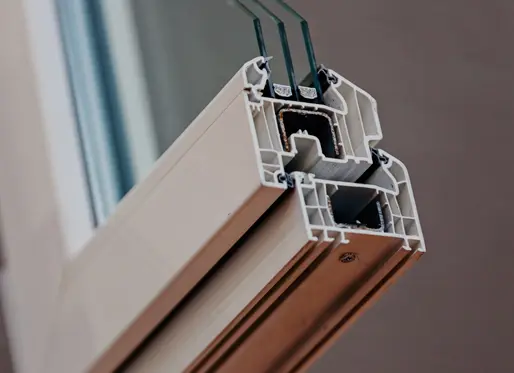
Exploring wind load resilience, material longevity, and anodizing standards for off-grid frame components.
View More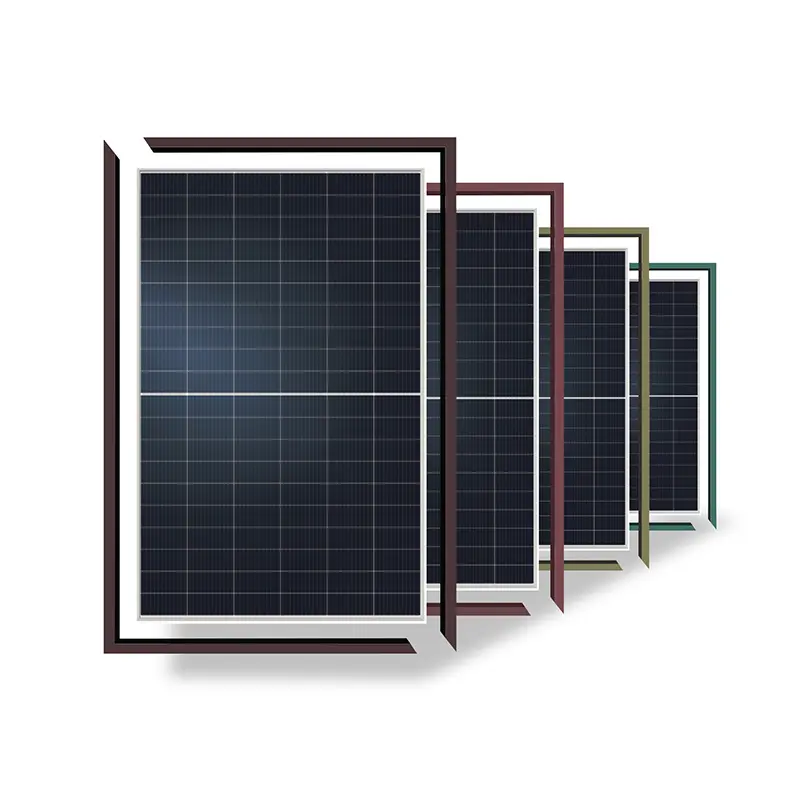
Evaluating exporter scale, compliance certifications, and precision engineering tolerances.
View More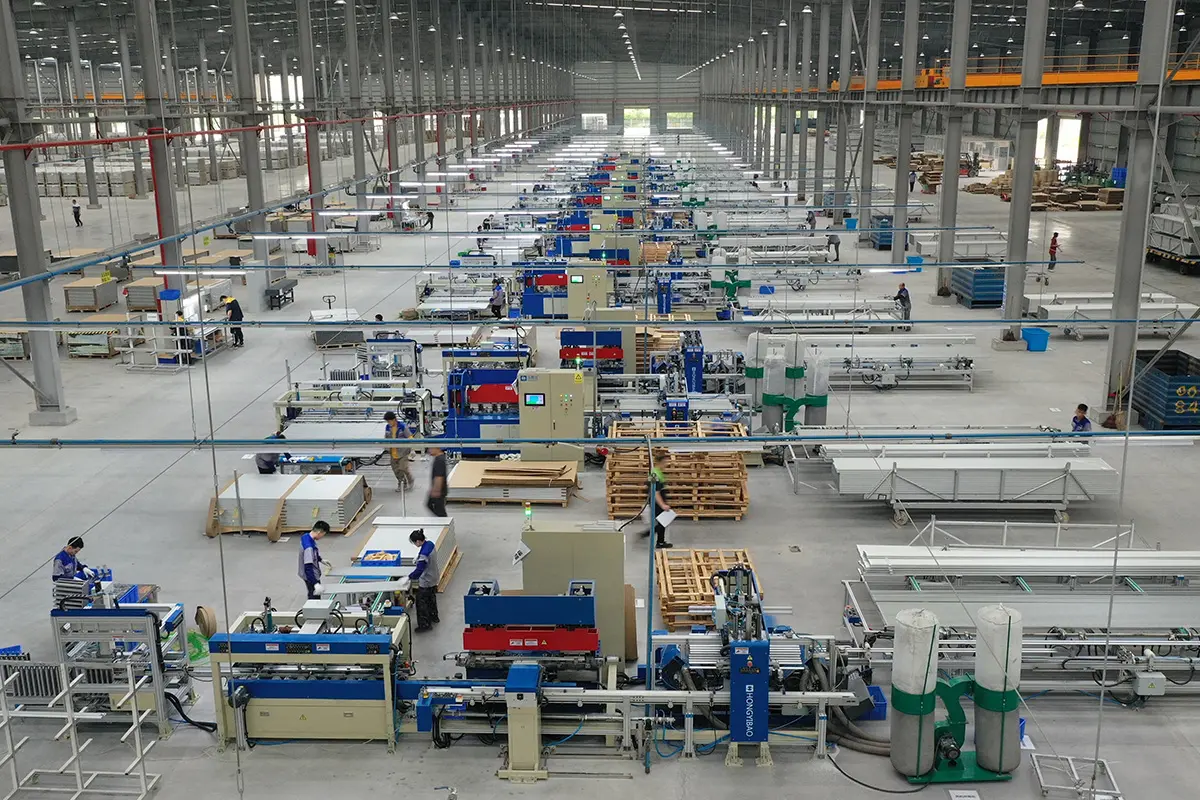
Deep dive into testing methodologies for pultruded composites and anodized aluminum profiles.
View More