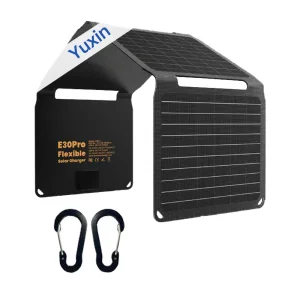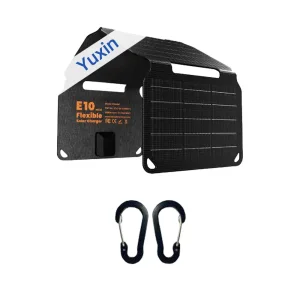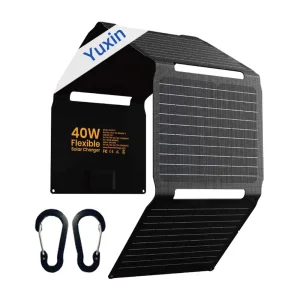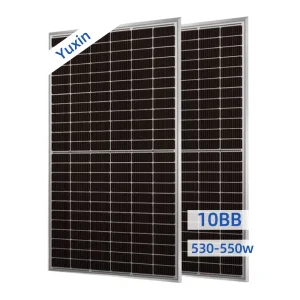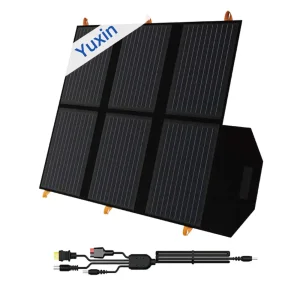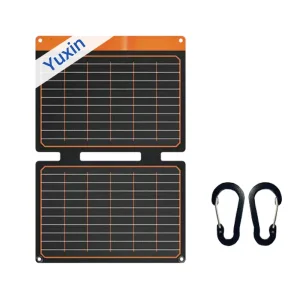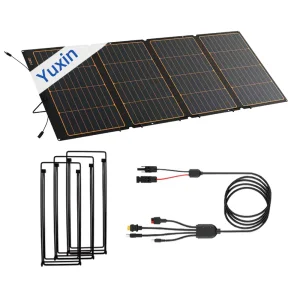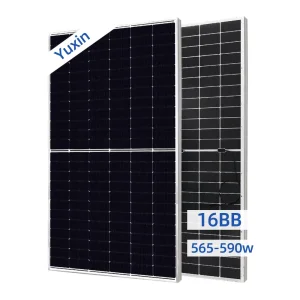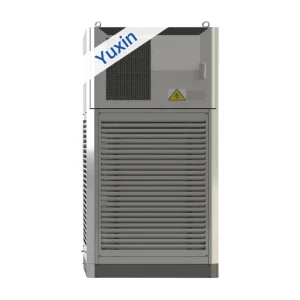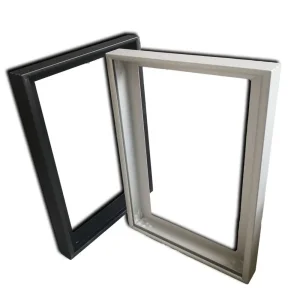
CE Certification Waterproof Portable Solar Chargers Exporter & Service

Pioneering High-Efficiency Mobile Photovoltaic Solutions and Industrial OEM/ODM Frameworks for Global Logistics, Utilities, and Consumer Brands.

Global Industry Insights: Portable Solar Energy and Enterprise Infrastructure

Analyzing key advancements in waterproofing technology, safety certifications, and supply chain scalability for industrial-grade solar power adapters.

1. The Evolution of Waterproof Portable Solar Chargers

Portable solar technology has transitioned from low-power novelty accessories to critical components of business operations, military deployments, and emergency response plans. Historically, outdoor electronics were highly vulnerable to moisture infiltration, leading to premature delamination of PV sheets and micro-cracks in the silicon cells. Modern industrial chargers leverage advanced fluoropolymer coatings like ETFE (Ethylene Tetrafluoroethylene) instead of standard PET (Polyethylene Terephthalate).

ETFE provides superior UV transmission (up to 95%), exceptional flame-retardant properties, and enhanced thermal resistance. Crucially, the chemistry of ETFE forms a non-porous layer that prevents dust and moisture collection, rendering the units naturally self-cleaning. Combined with ultrasonic seal welding and ruggedized housing materials, modern portable solar panels consistently achieve certified IP67 and IP68 ingress protection ratings. This ensures complete protection against dust entry and allows for continuous submersion in water up to 1 meter deep for 30 minutes, meeting the strict requirements of outdoor logistics and humanitarian operations.

Key Engineering Metric: Industrial ETFE layers extend the working life of portable photovoltaic modules by 150% compared to standard PET modules under high UV indexes and ocean spray environments, reducing long-term OPEX for enterprise fleets.

2. Global Procurement Trends & Enterprise Requirements

Enterprise procurement departments face growing pressure to integrate reliable renewable power sources into their hardware ecosystems. Global utility companies, shipping networks, and disaster management agencies require portable power configurations that function independently of grid networks. When sourcing commercial hardware, B2B procurement managers prioritize three pillars:

  • Operational Redundancy: Equipment deployed in remote grids (such as environmental monitoring sensors, field laptops, and SATCOM links) must have dedicated backup power that operates reliably under adverse weather conditions.
  • Regulatory Alignment: Procurement policies require certified safety standards (e.g., CE, FCC, RoHS, and WEEE compliance) to mitigate liability and streamline international customs clearance.
  • Standardized Integration: System integrators search for solar panels with standardized voltage and current outputs (e.g., QC 3.0, USB-C Power Delivery up to 100W, and custom DC barrel terminations) to guarantee compatibility with lithium-ion power stations.

3. Macro-Level Energy & Engineering Solutions

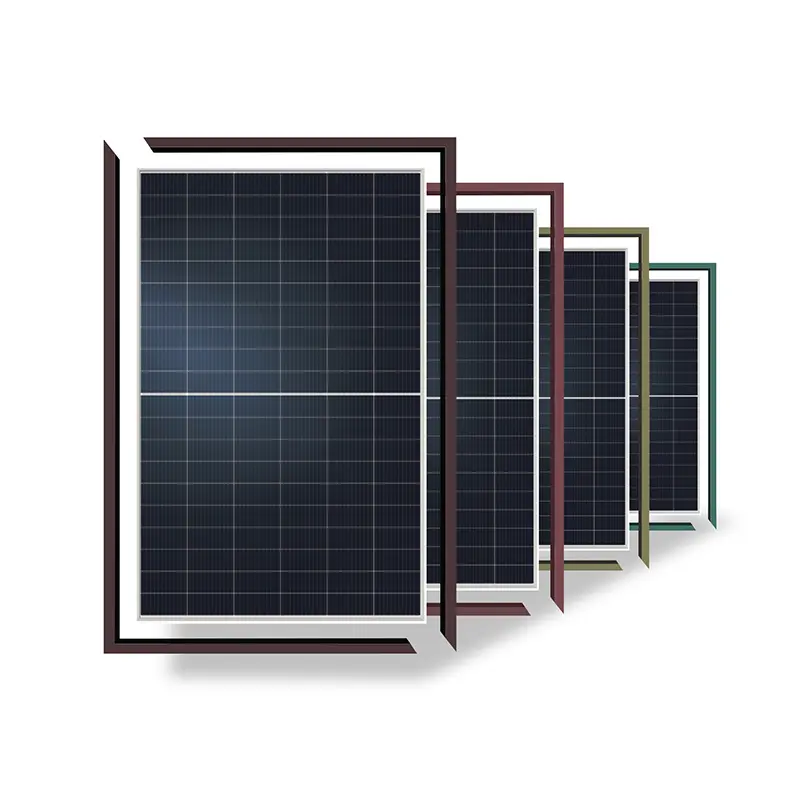
Beyond simple charging devices, manufacturers like Jiangsu Yuxin provide complete, integrated micro-energy solutions. These setups bridge the gap between heavy, stationary industrial solar arrays and compact consumer electronics. Our macro-level solutions include combining high-efficiency monocrystalline cell folding arrays with custom smart charge controllers. These controllers run embedded MPPT (Maximum Power Point Tracking) algorithms, extracting the maximum possible electrical energy from panels even during partial cloud shading.

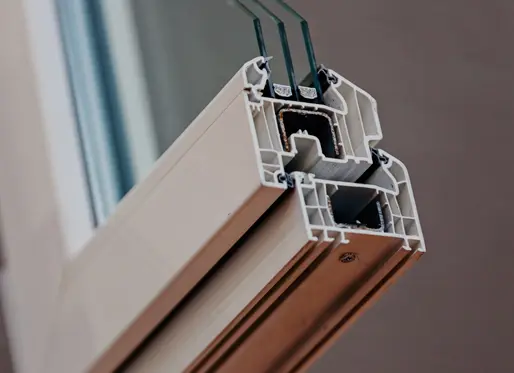
By optimizing the structural frames using lightweight, corrosion-resistant anodized aluminum alloys (such as 6063-T5) or eco-friendly polyurethane composite profiles, we achieve a balance of strength and portability. These hybrid configurations serve critical infrastructure across diverse sectors, including smart agriculture telemetry, long-haul transportation logistics tracking, and off-grid remote telecom cell towers.

About YUXIN Group

Precision, Quality, and Safety - Your Photovoltaic Materials Expert

Located in the scenic historical and cultural ancient city of Yangzhou, close to the Beijing-Shanghai Expressway, Runyang Yangtze River Bridge, and Ningqi Railway, the group has a superior geographical location and convenient transportation. The group was established in 2008 and has 14 multi-field companies under its jurisdiction, including Jiangsu Yuxin New Energy Technology Co., Ltd. We are proud to be recognized as a National High-tech Enterprise, Technology-based Enterprise, and one of Gaoyou City's Top 100 Private Enterprises.

Flexible Integration

Custom OEM and ODM services engineered to integrate into existing industrial frameworks.

Industrial Compliance

Strict adherence to CE, IEC, FCC, and RoHS standards for seamless global importation.

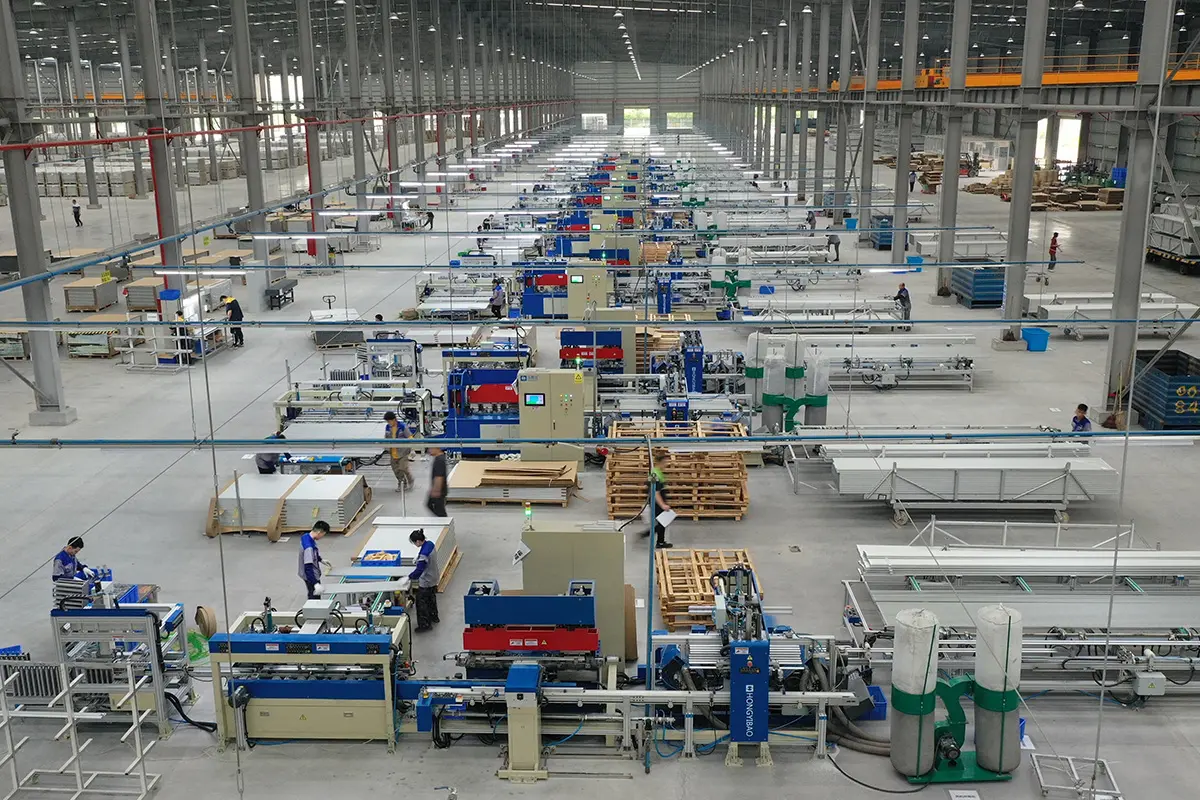
Production Capabilities & Scale

21+
Production Lines
$86M+
Annual Revenue
12K+ Tons
Export Volume
25K Tons
Annual Output

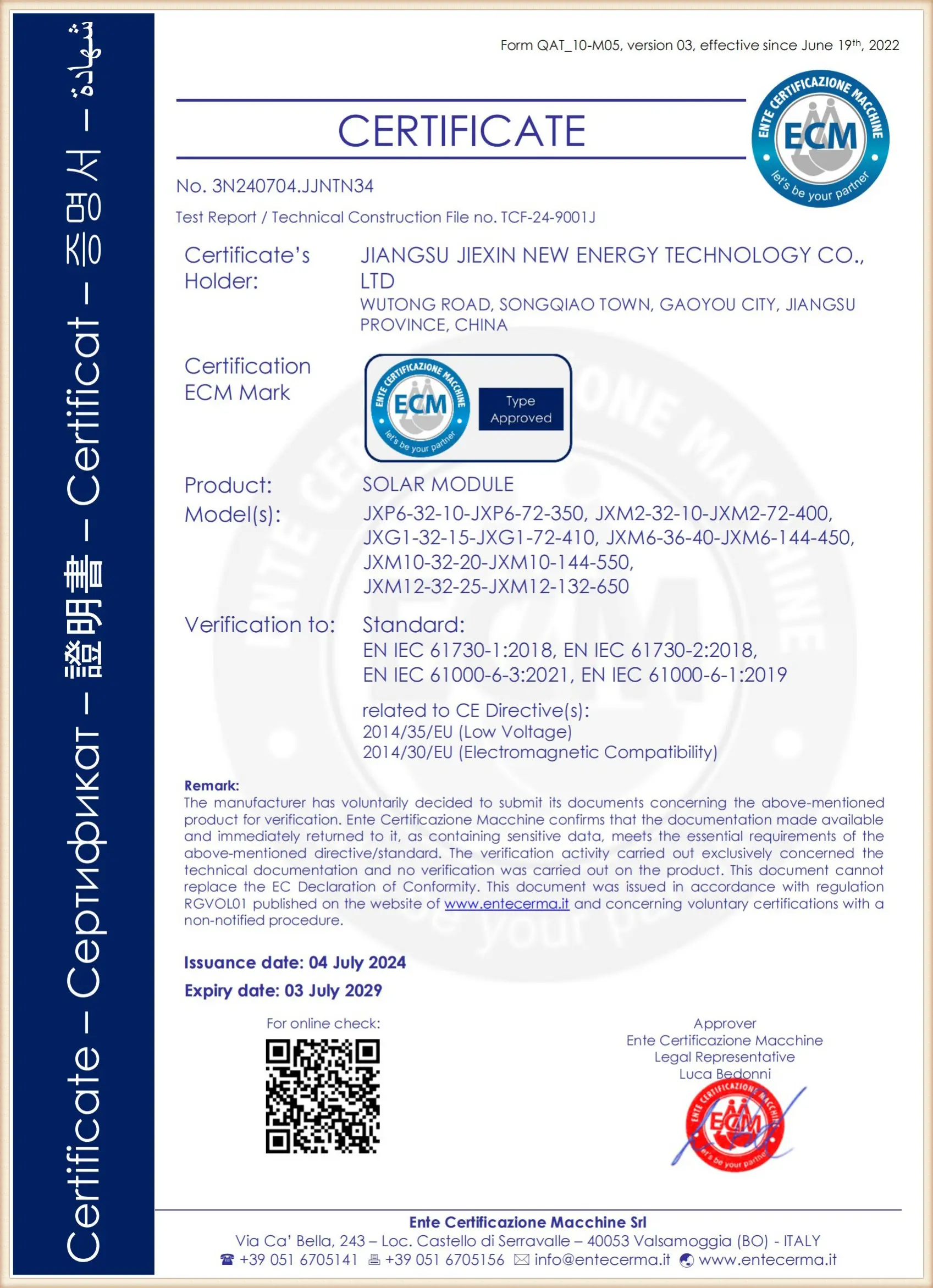
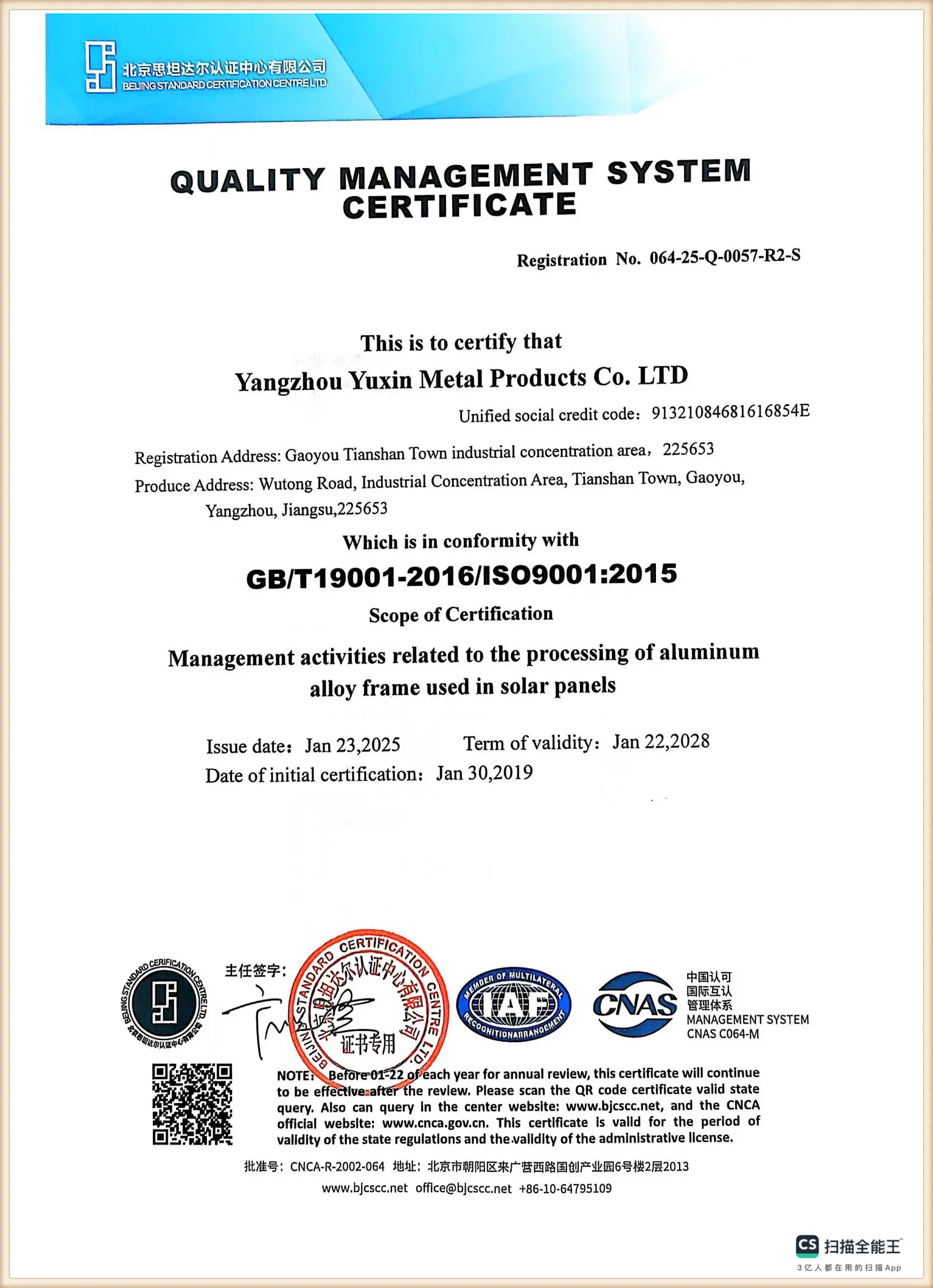
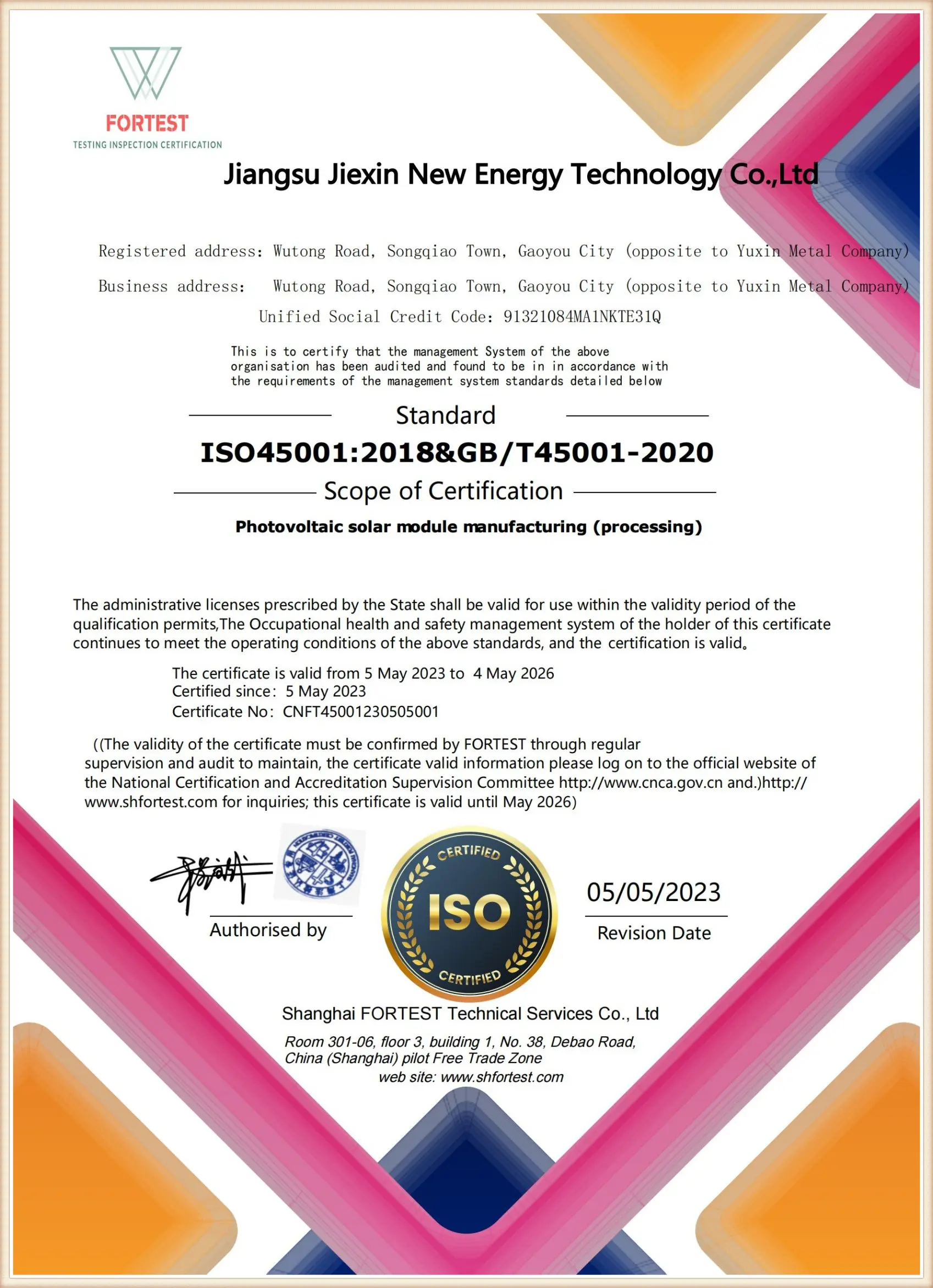
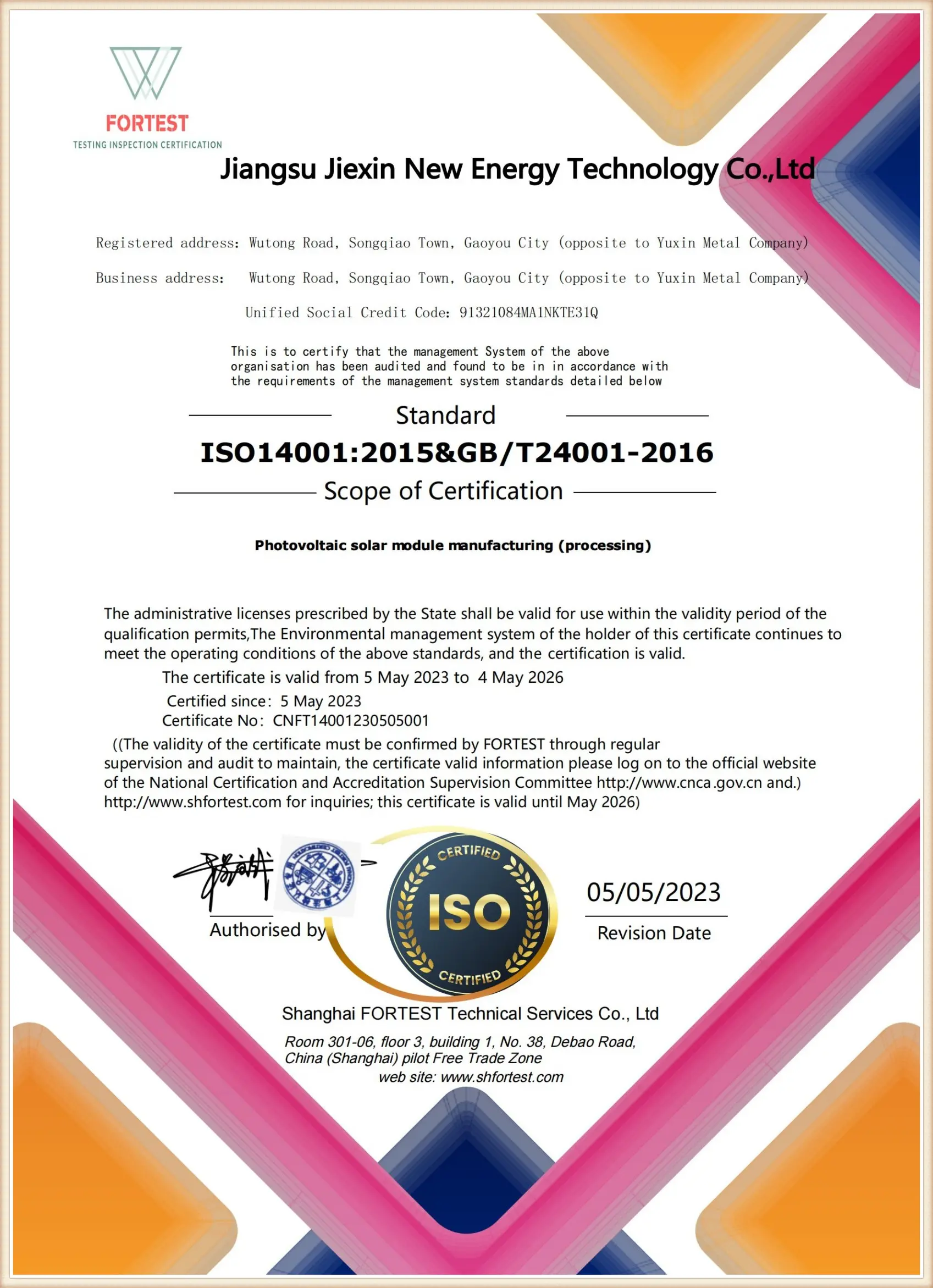
Certified Safety & Quality Management Systems

Our manufacturing and processing facilities undergo rigorous external audits to ensure compliance with global environmental, safety, and physical resilience standards.
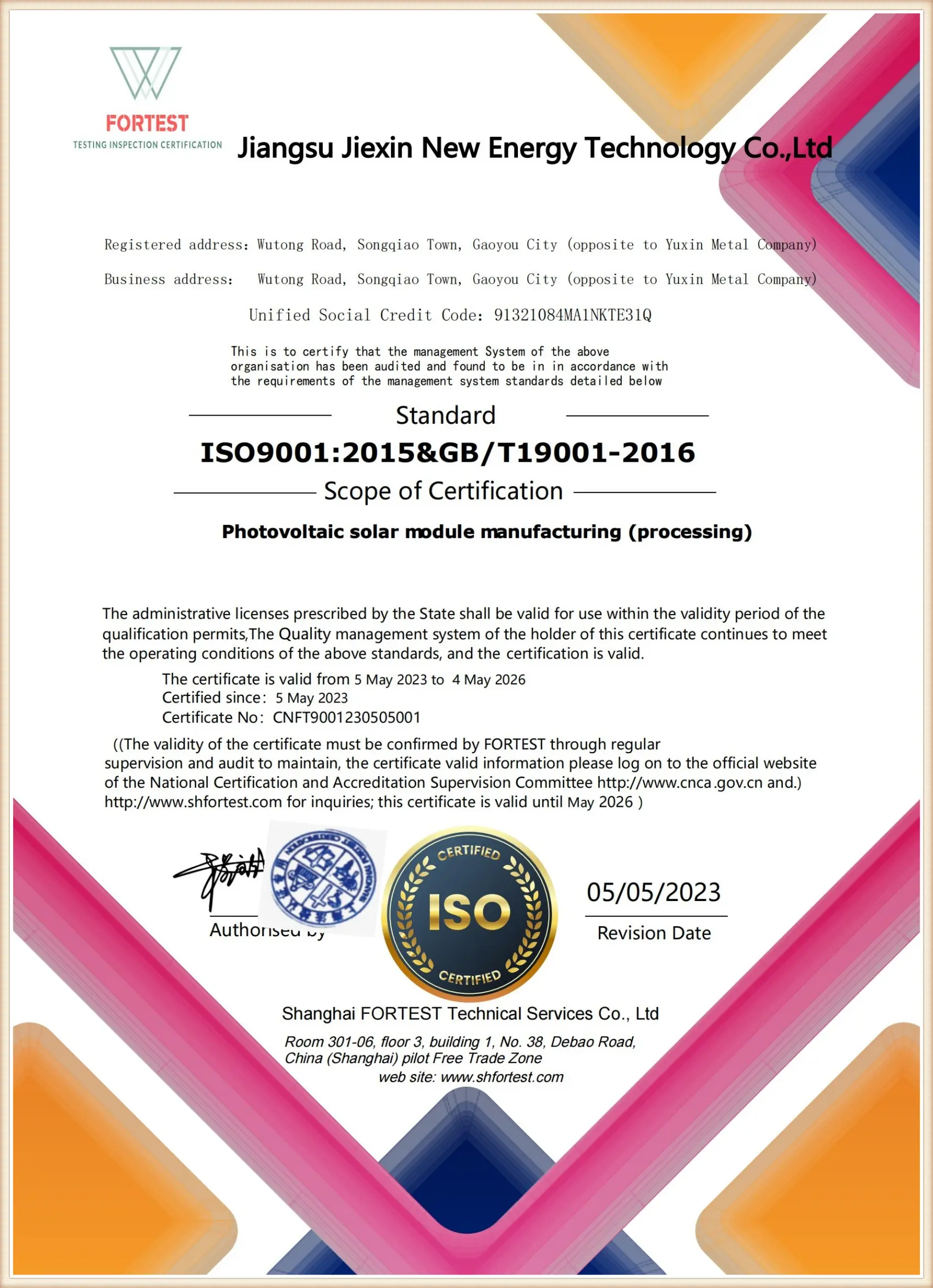
ISO Certification Standard Document 1
ISO Certification Standard Document 2
Quality Compliance Certificate Document 3
TUV/CE Certification Document 4
Environmental System Compliance Certificate 5

Versatile Industrial Applications

Supplying critical, water-resistant portable solar panels and framing accessories across diverse industrial domains globally.

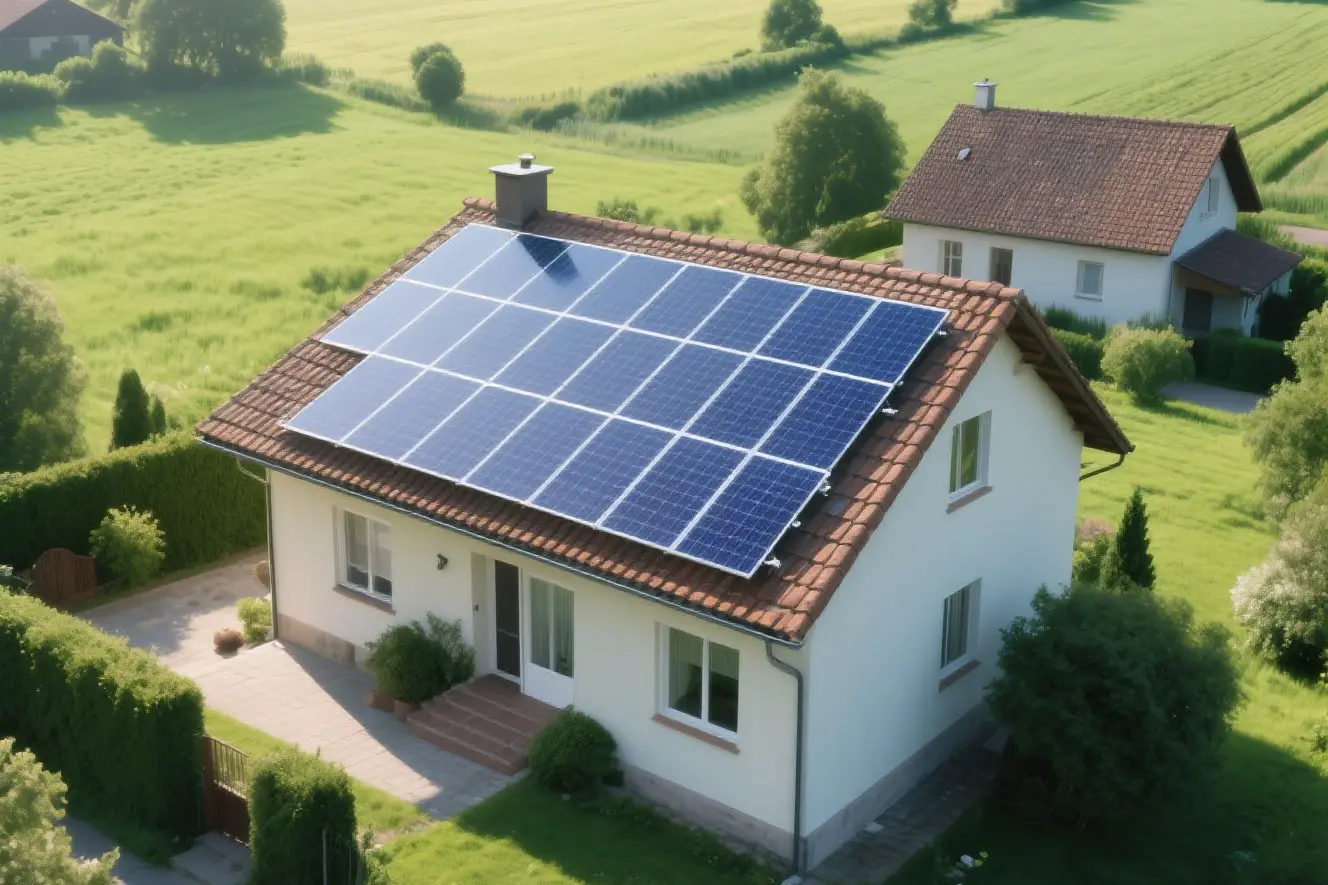
Solar energy applied in modern precision agriculture systems

Agriculture

Photovoltaic installations in construction site operations

Construction Industry

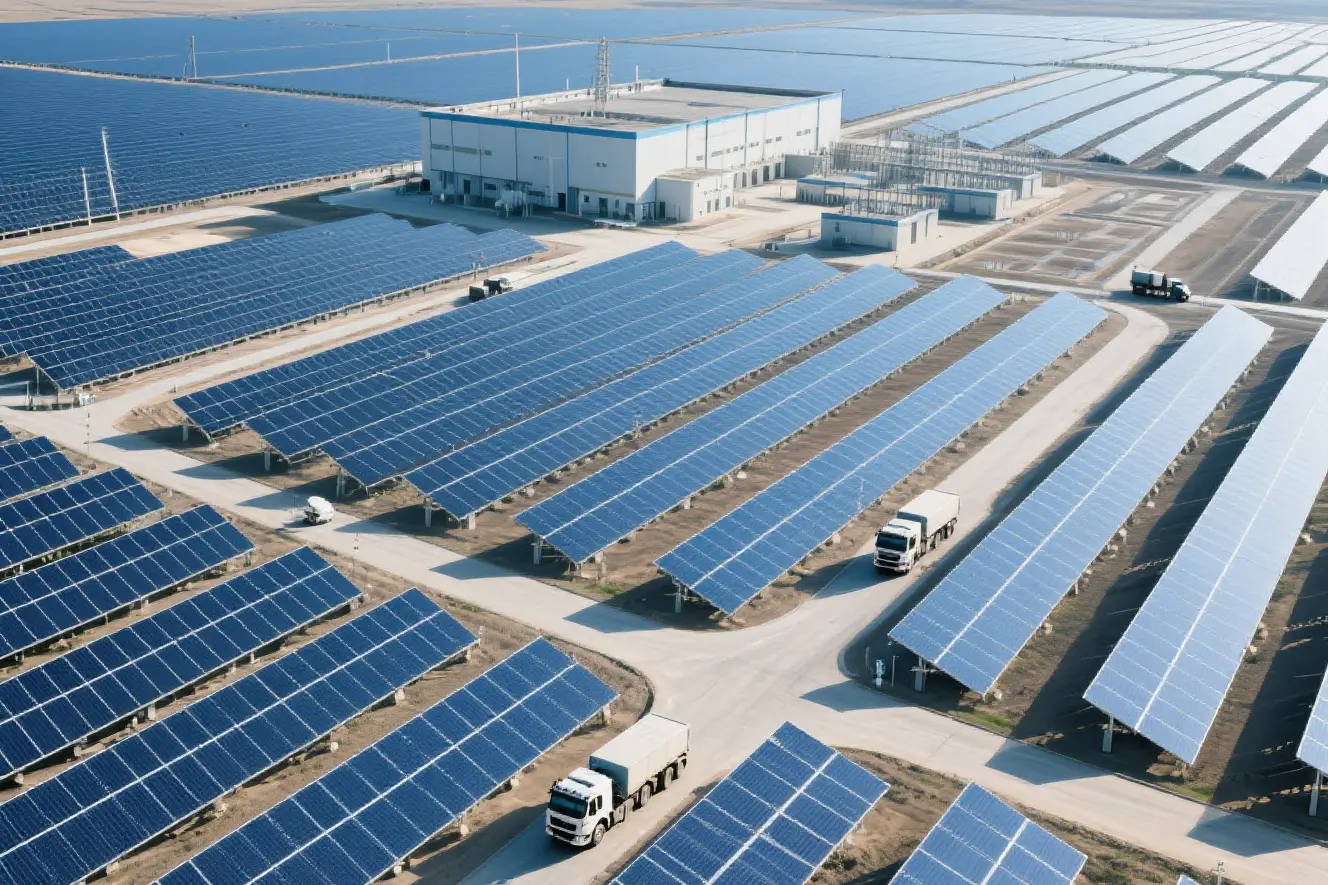
Industrial grids and electric power distribution equipment

Electric Power Industry

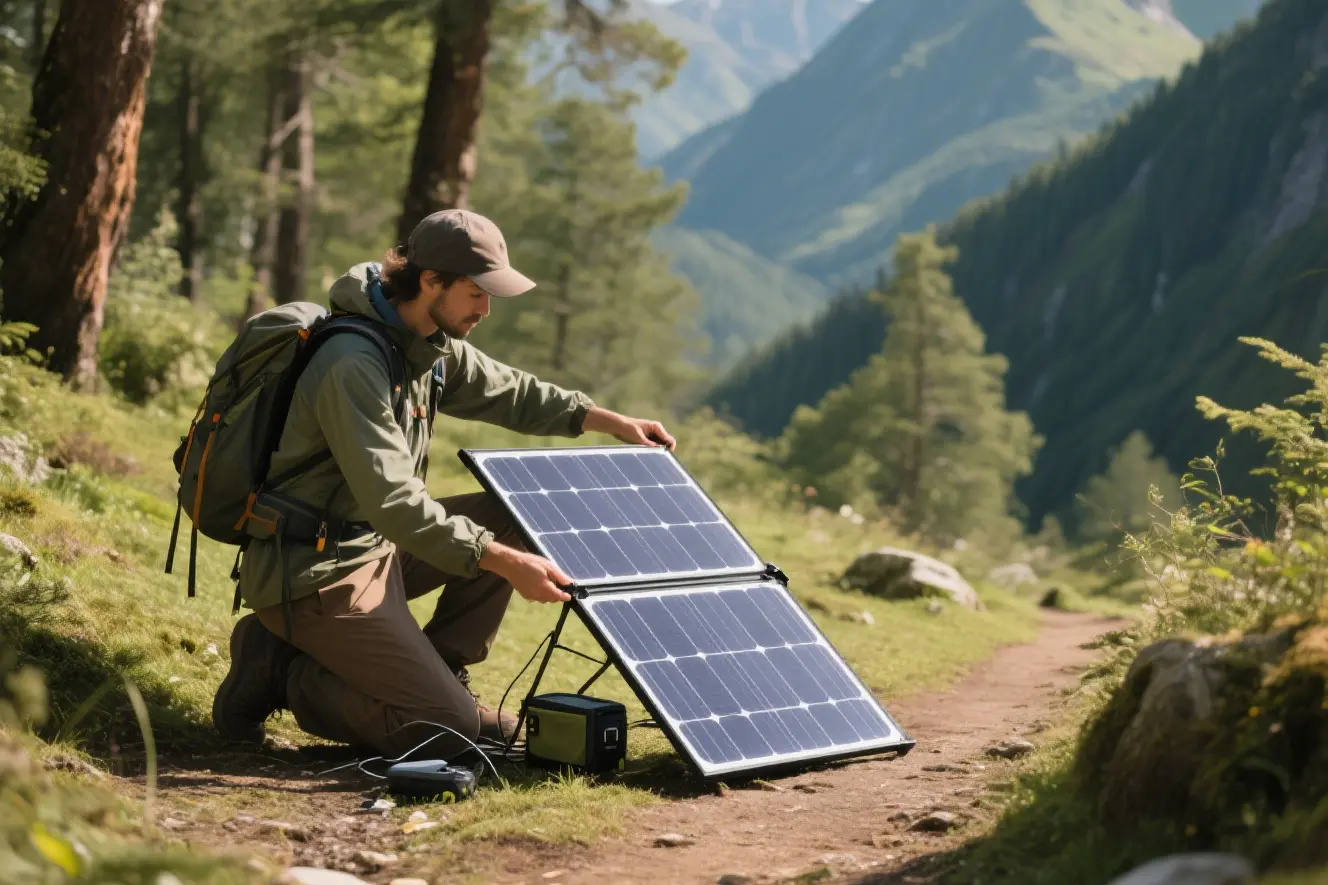
Rugged waterproof portable chargers deployed outdoors

Outdoors

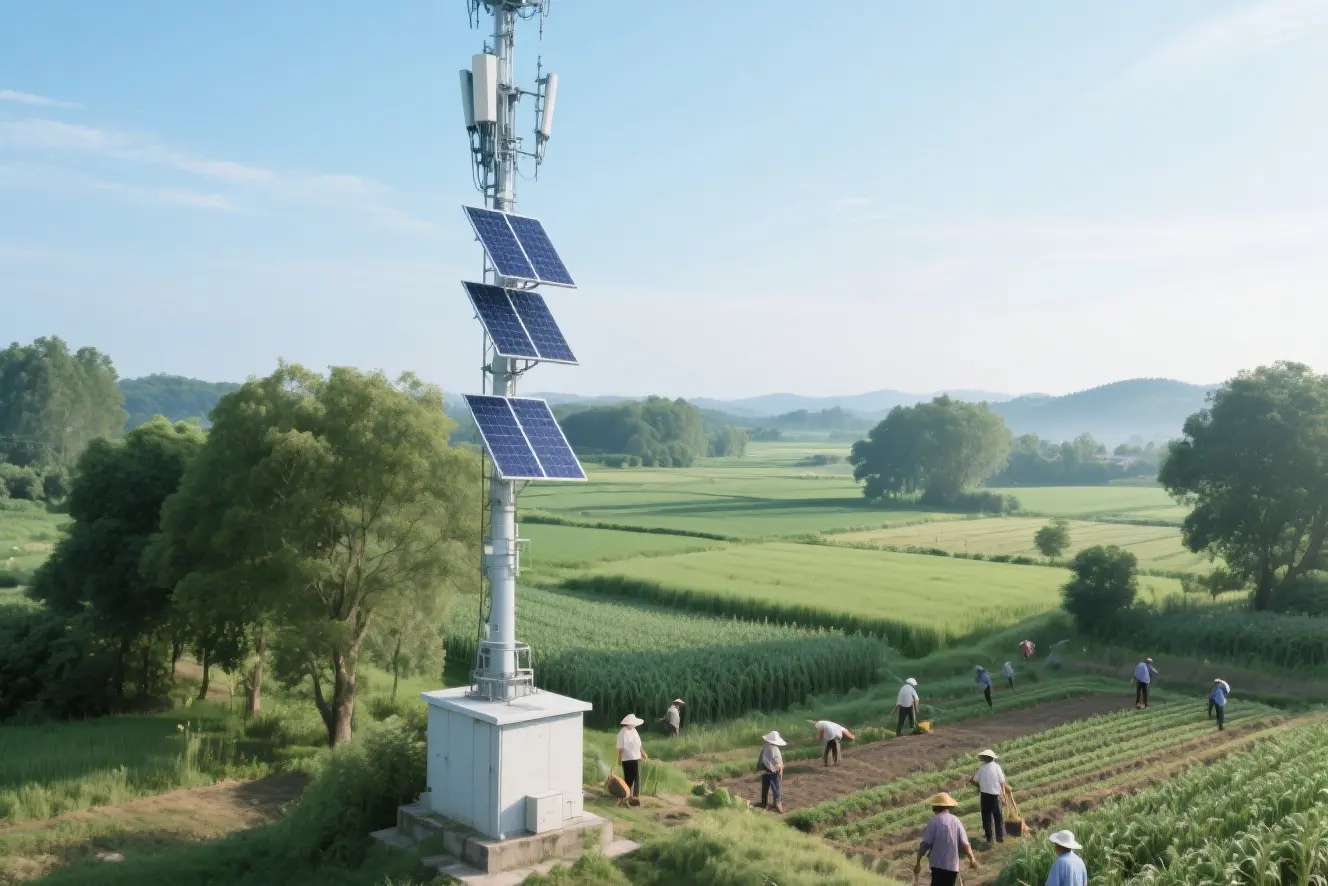
Solar backup systems for telecommunications remote arrays

Telecommunications

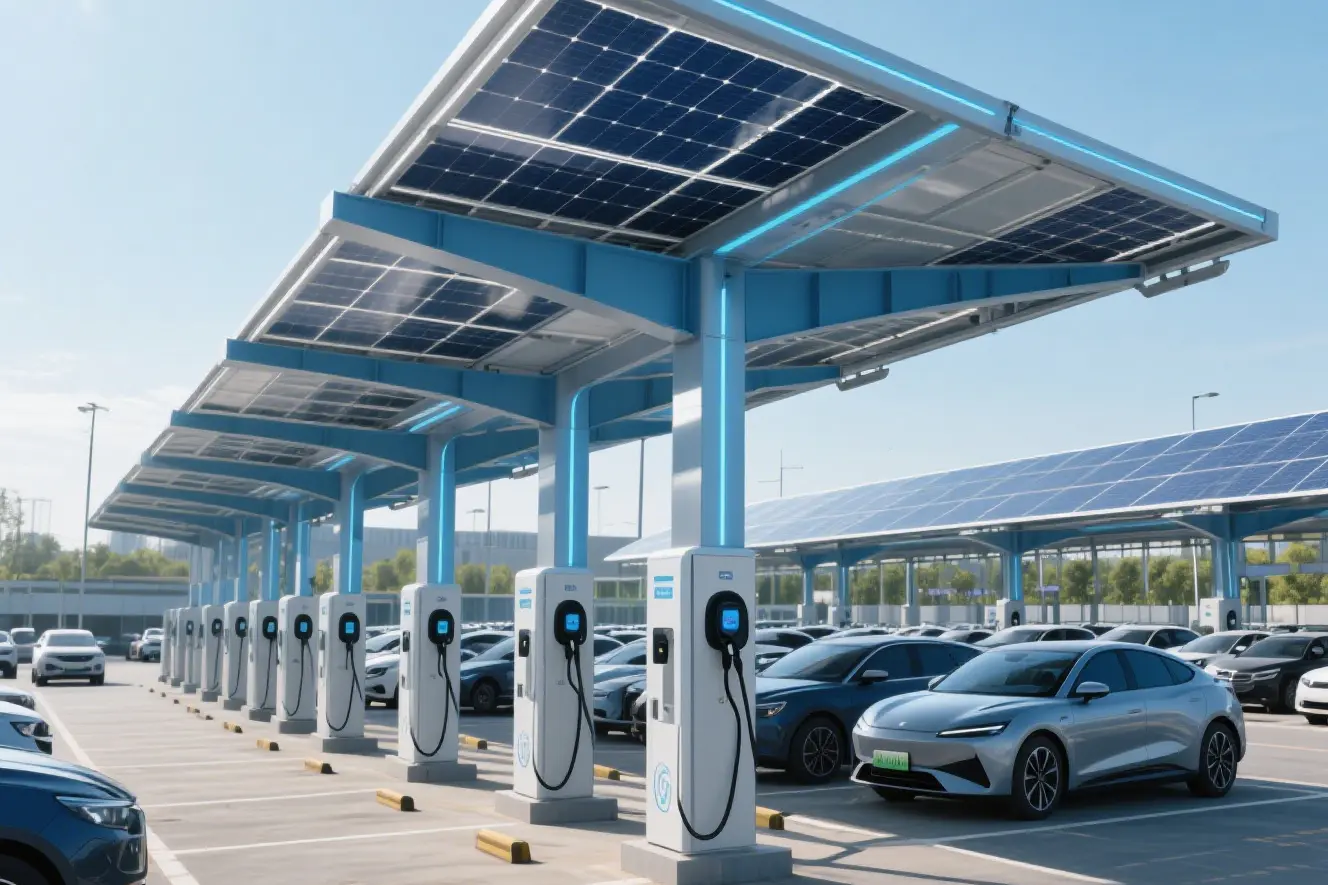
Transit infrastructure incorporating integrated solar frameworks

Transportation Industry

Technical Roadmap & Quality Control Systems

Highlighting manufacturing procedures, materials science research, and performance validation tests executed within Jiangsu Yuxin facilities.

Cell Micro-crack Prevention and Non-Destructive Testing

A common failure mode in portable solar modules is cell cracking caused by frequent folding, unpacking, and rough field handling. To address this, our manufacturing process integrates modern EL (Electroluminescence) testing checkpoints prior to and immediately following laminating cycles. Our quality assurance team subjects every batch to temperature cycling tests ranging from -40°C to +85°C, ensuring that coefficient expansion mismatches between the PV cells, encapsulation polymers, and fabric base substrates are completely mitigated.

Anodized Aluminum Frame Optimization for Harsh Climates

For applications that deploy compact solar chargers alongside temporary base frames, we manufacture heavy-duty structural frames using 6063-T5 aluminum, complete with a minimum anodized layer thickness of 15 microns. This thickness offers superior resistance to marine salt sprays, prevents galvanic corrosion at fastening points, and ensures mechanical integrity in winds up to 2400 Pa. For weight-critical systems, we utilize sustainable polyurethane composite frames, which possess high tensile strengths with lower thermal conductivities than traditional structural metals.

Industrial Testing Parameters Checklist:

  • Waterproofing Verification: IP67 compliance checked using dry-air pressure testing methods to ensure structural integrity and zero micro-voids in the encapsulant.
  • Mechanical Loading: Simulated static load validation up to 5400 Pa on panel structures to evaluate snow and heavy-wind resistance.
  • Insulation Testing: High-voltage wet leakage tests to guarantee user safety and prevent short circuits in wet or humid environments.

Industrial Q&A: Enterprise Purchasing Guide

Get professional answers to technical queries frequently raised by system integrators, product line managers, and procurement managers.

What are the key differences between ETFE and PET laminates in waterproof solar chargers?
ETFE (Ethylene Tetrafluoroethylene) provides superior UV degradation protection, better chemical resistance, and increased heat resistance compared to standard PET (Polyethylene Terephthalate). ETFE layers possess a life expectancy of up to 10-15 years, maintaining over 95% light transmittance, whereas PET layers degrade faster under constant sunlight, yellowing within 2-3 years and reducing solar conversion efficiency.
How does Jiangsu Yuxin secure CE certification compliance for global exports?
Our portable solar units are validated under CE standard guidelines. Testing encompasses electromagnetic compatibility (EMC) regulations, LVD low-voltage directives, and RoHS material restrictions. Our certificates are issued by accredited third-party laboratories, ensuring smooth port entry, customs clearances, and legal retail distribution within European Union economic regions.
Can you support custom output interfaces for military-grade or specific medical power storage systems?
Yes. Our engineering division offers specialized OEM/ODM support, enabling custom connector wiring configurations. We integrate standard USB ports, high-output DC ports (up to 20V/5A), aviation connections, and standard solar connectors directly into the protective fabrics and back-end regulatory electronics.
What quality control protocols are in place to ensure true waterproofing under rugged outdoor conditions?
We employ two-step water immersion testing and ultrasonic integrity scans on the outer junctions of the charging controllers and panels. In addition, the junction box housing is hermetically sealed using moisture-repellant silicone adhesives, preventing corrosion at critical solder points under IP67/IP68 rating standards.

Our Trusted Network Partners

Collaborating with global industry leaders and regional suppliers to deliver resilient renewable materials and components.
Latest Industrial Solar News

Stay informed with our technical bulletins and analysis regarding modern structural designs and solar component configurations.

Premium solar panel frame validation close-up view
June 16, 2026

What Makes a High-Quality Solar Panel Frame?

Analyzing mechanical tolerances, wind loading, and alloy selections for harsh setups.

Read Technical Article →
Automated solar framing manufacturing assembly line
June 15, 2026

How to Choose a Reliable OEM Solar Frame Manufacturer in China

Evaluating raw material supply routes, anodization certifications, and manufacturing capacity.

Read Technical Article →
Engineers conducting quality checks on photovoltaic products
June 14, 2026

Solar Panel Frame Quality Control: Key Inspection Standards Explained

An inside look into dimensional tolerance testing and surface coating thickness validation.

Read Technical Article →