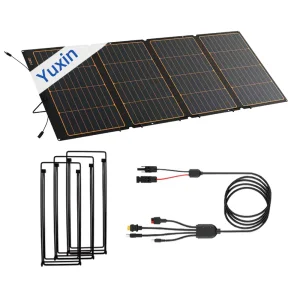
Explore our premium grade CE-certified modules, high-efficiency hybrid charging platforms, and commercial microgrid components.
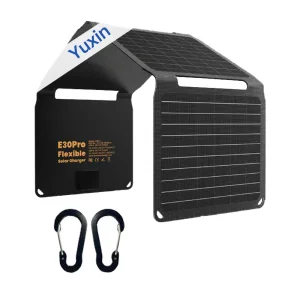
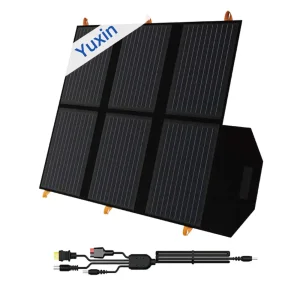
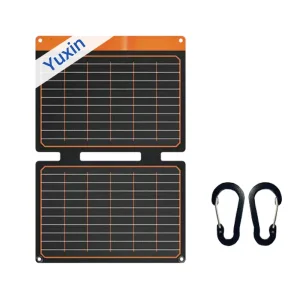
Off-grid living and remote infrastructure operation have evolved from simple weekend survival setups into sophisticated decentralized utility networks. In the modern electrification landscape, an off-grid cabin is no longer just a wooden lodge with a light bulb; it is a highly integrated facility requiring stable, multi-kilowatt electrical outputs, high-density energy storage, and strict regulatory compliance. Achieving this demands engineering rigor, quality-controlled materials, and, most importantly, recognized international safety certifications like the European CE marking.
The global demand for off-grid cabin solar systems is expanding rapidly, driven by three major macro-environmental shifts: technical democratization of high-capacity storage, architectural movement toward energy-autonomous buildings, and increased incidence of grid vulnerability. Modern off-grid structures—ranging from ecotourism micro-resorts to forestry monitoring stations and luxury residential retreats—require continuous, high-fidelity AC power to run sensitive electronics, thermal management systems, and water purification units.
In terms of technology, we are witnessing a complete transition from legacy lead-acid battery banks and low-voltage poly crystalline arrays to high-voltage N-type TOPCon monocrystalline bifacial systems connected to Lithium Iron Phosphate (LiFePO4) storage banks. The higher system voltage (often scaling from 48VDC to 400VDC architectures) reduces structural transmission losses, optimizes inverter thermal efficiency, and permits the use of smaller, less expensive wiring configurations, lowering the overall Balance of System (BOS) costs.
For engineering, procurement, and construction (EPC) contractors, as well as institutional developers of off-grid properties, sourcing components is a strict exercise in risk mitigation. B2B procurement demands emphasize structural longevity, standardized components, and long-term legal safety. Solar system performance in remote cabins is heavily influenced by harsh microclimates—intense wind loads in mountainous regions, high humidity in forests, and heavy snow loads in sub-polar zones.
To meet these diverse requirements, RFQs (Requests for Quotes) are now built around specific performance thresholds:
To aid engineers in procurement sizing, the table below provides structural guidelines for typical off-grid cabin configurations based on expected daily load demands:
| Cabin Classification | Avg. Daily Load (kWh) | Recommended Solar Array (kW) | Battery Bank (LiFePO4) | Inverter Capacity (kW) | Key Certifications |
|---|---|---|---|---|---|
| Eco-Lodge / Telemetry Station | 3 - 5 kWh | 1.8 kW - 3.0 kW | 5 kWh - 10 kWh | 3 kW Pure Sine Wave | CE, LVD, EMC, RoHS |
| Standard Residential Cabin | 8 - 15 kWh | 4.5 kW - 8.0 kW | 15 kWh - 30 kWh | 6 kW - 10 kW Hybrid | CE, IEC 61215, TUV |
| Multi-Family Retreat / Commercial | 20 - 40 kWh | 12 kW - 24 kW | 40 kWh - 80 kWh | 15 kW - 30 kW Modular | CE, IEC 62109, UL 1973 |
Creating a highly reliable off-grid energy ecosystem requires a multi-layered hardware approach. The modern solar power system for off-grid cabins is built on three main functional pillars:
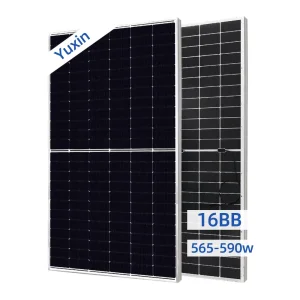
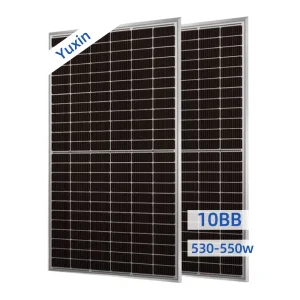
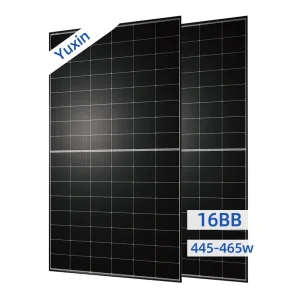
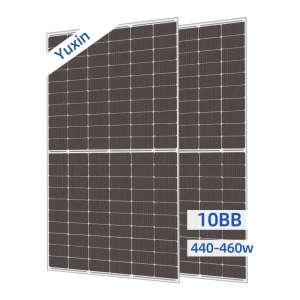
Our portfolio highlights the integration of high-density N-type monocrystalline cells with multi-busbar (16BB) layout design. By dividing the cells into half-cuts, internal resistance losses are minimized, and shade tolerance is improved. Dual-glass encapsulation provides structural stiffness and prevents moisture ingress, which is vital for high-altitude cabins. For structures surrounded by reflective grounds (such as snow or light-colored sand), TOPCon bifacial modules capture back-side reflected light, yielding up to an additional 25% power generation over standard mono-facial variants.
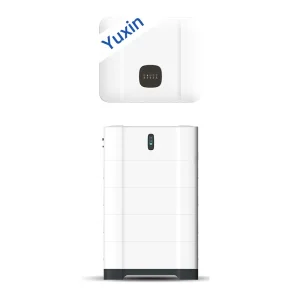
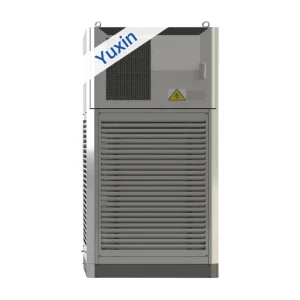
Integrating a system like the Modular Commercial Energy Storage System P01-EC60-30K ensures that high-surge loads—such as water pumps, HVAC compressors, and workshop tools—do not trigger voltage drops. The modular nature of these energy storage systems allows simple capacity expansion as power needs grow, protecting initial infrastructure investments.
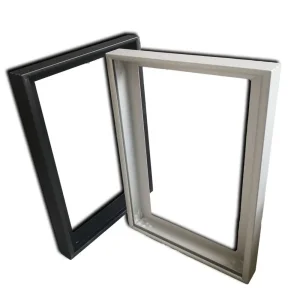
The integrity of the structural frame determines the lifespan of the system. Anodized aluminum frames made of high-grade 6063-T5 or 6005-T6 alloys resist oxidation under acidic rain, forest salt-spray, or industrial smog. Innovations like polyurethane pultruded composite material frames provide a sustainable, high-strength alternative that further isolates electrical components and prevents potential-induced degradation (PID).
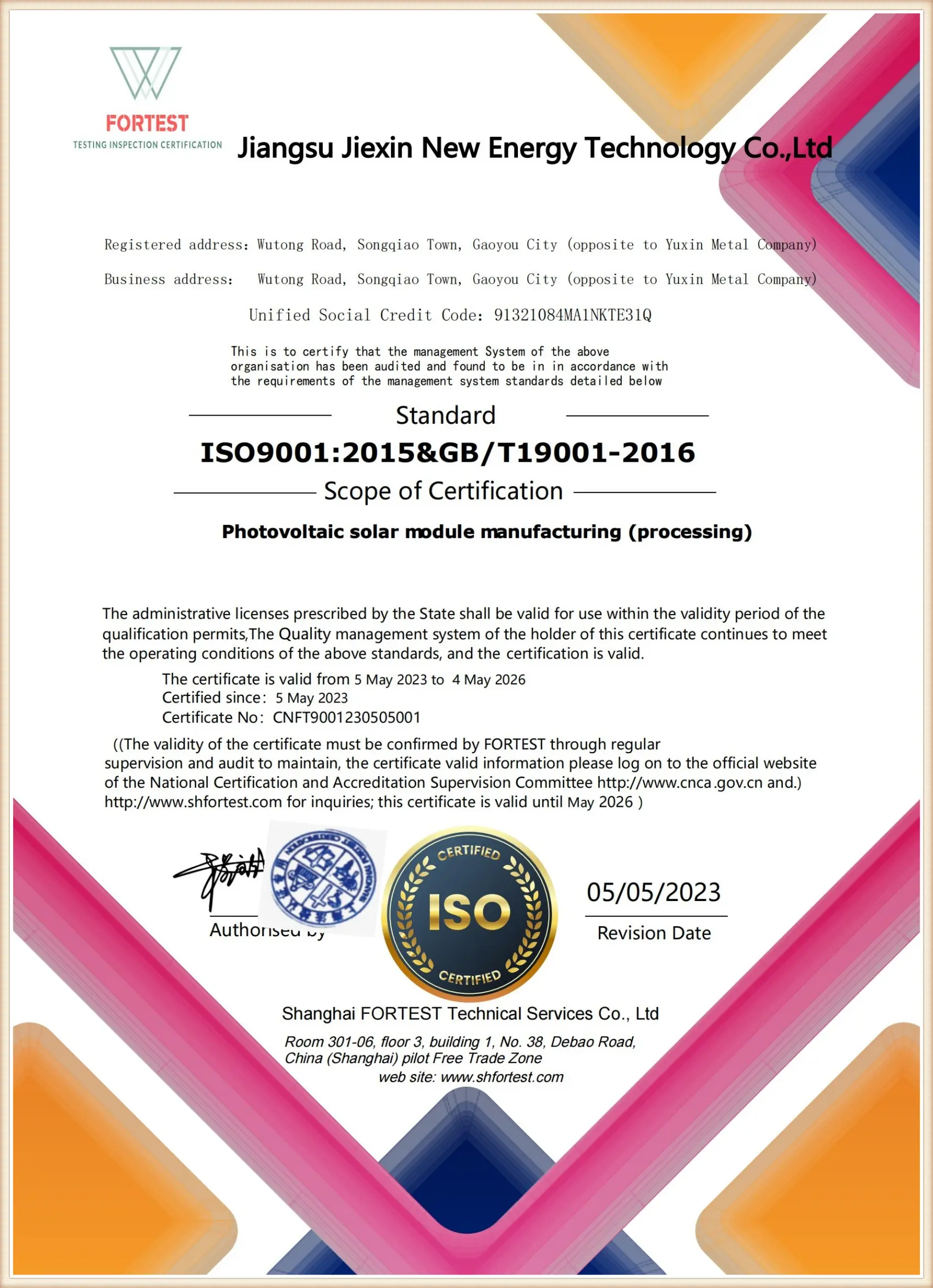
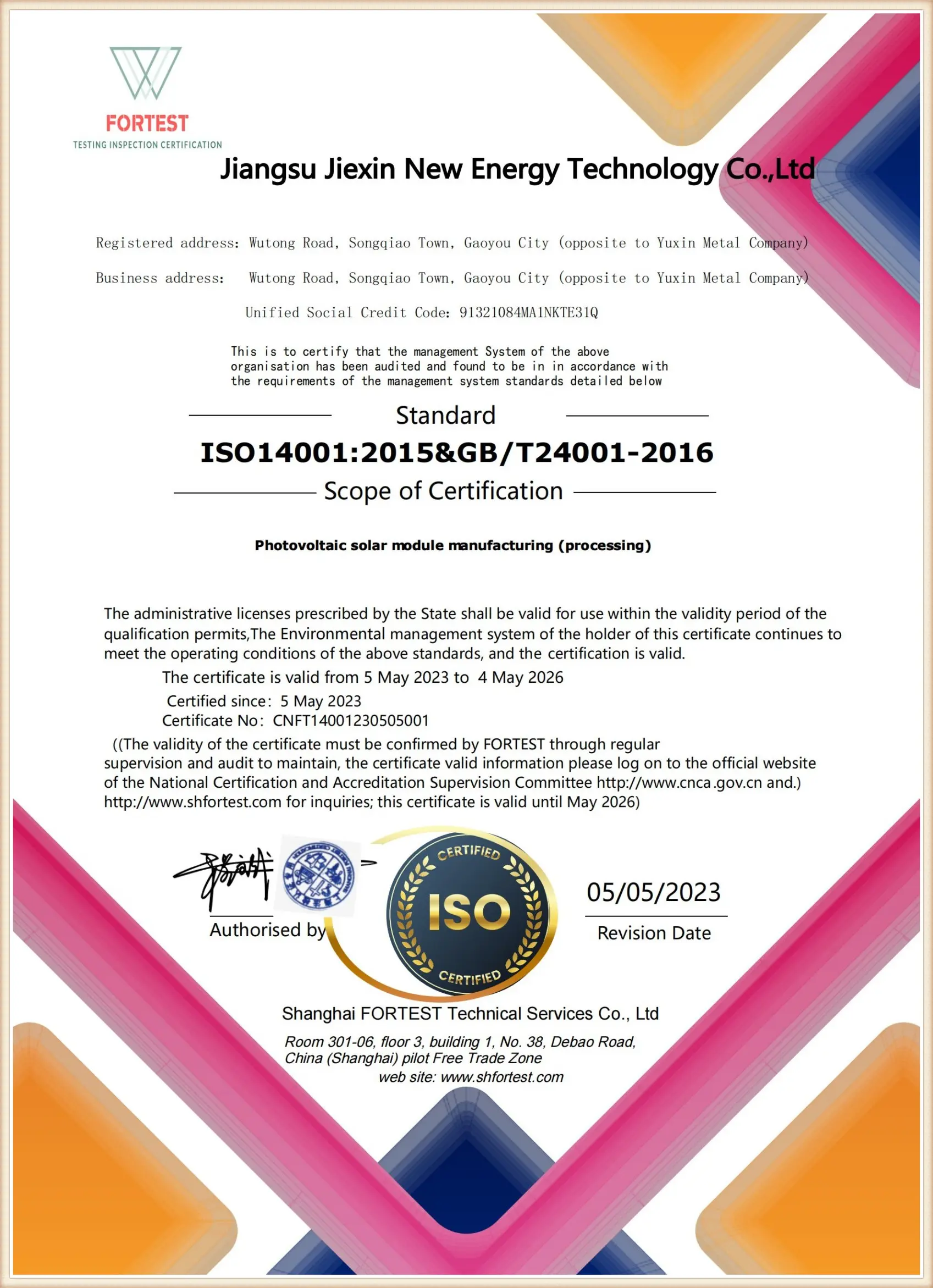
Sourcing solar technology globally requires robust local compliance verification. At Jiangsu Yuxin, our systems undergo rigorous verification to earn CE certification, proving compliance with European Safety Directives including the Low Voltage Directive (LVD) 2014/35/EU and the Electromagnetic Compatibility (EMC) Directive 2014/30/EU. In addition, our manufacturing facilities operate under ISO 9001 and ISO 14001 management protocols. When cargo arrives at remote build sites, our localized logistics partners and design engineers provide step-by-step assistance, offering specialized structural calculations for local permit acquisitions.
As we head toward 2030, the off-grid sector is rapidly moving toward intelligent power management systems. Future systems will feature AI-driven Energy Management Systems (EMS) that analyze historical weather patterns and local consumption trends to optimize battery discharge strategies. Furthermore, the commercialization of perovskite-silicon tandem cells will push panel conversion efficiencies past 30%, allowing cabins with limited roof space to run heavy electrical loads autonomously.
Review our specialized materials, portable components, and structural solutions designed for cabin applications.
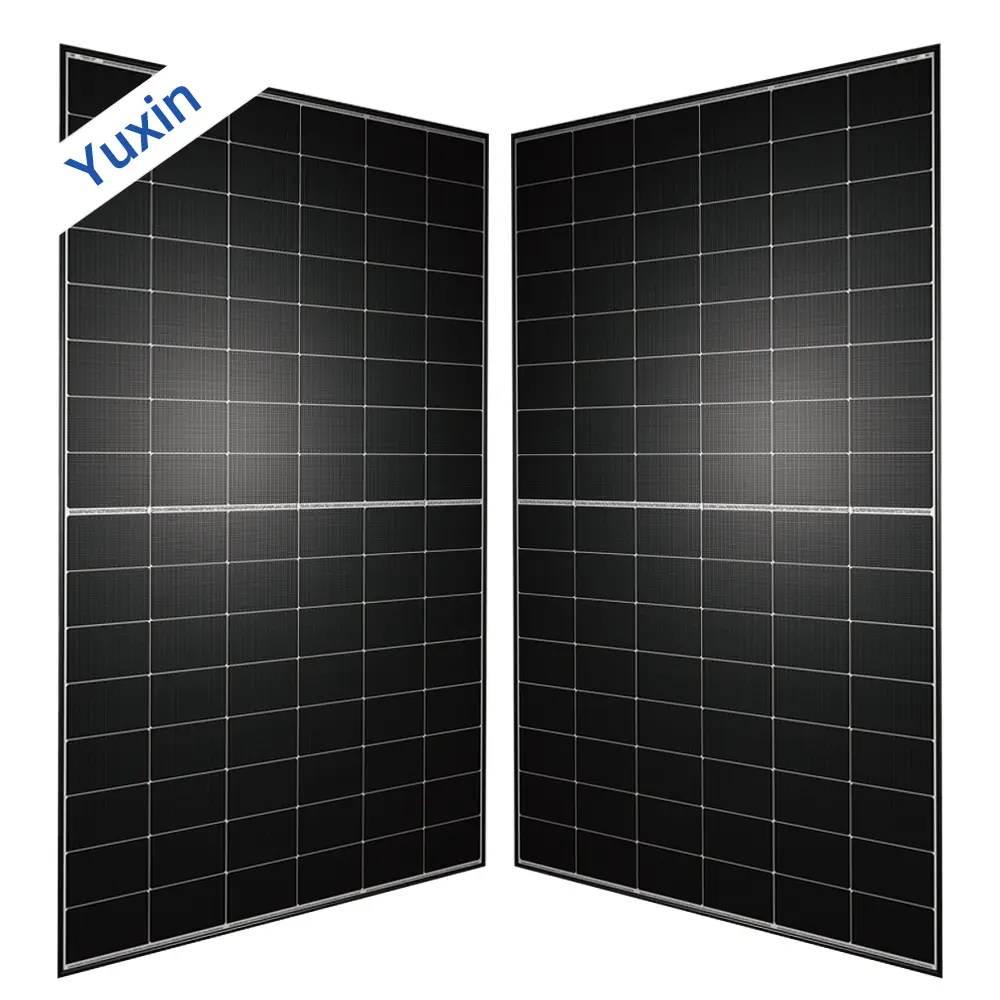
Lightweight design with transparent back panel for easy installation and reduced BOS costs.
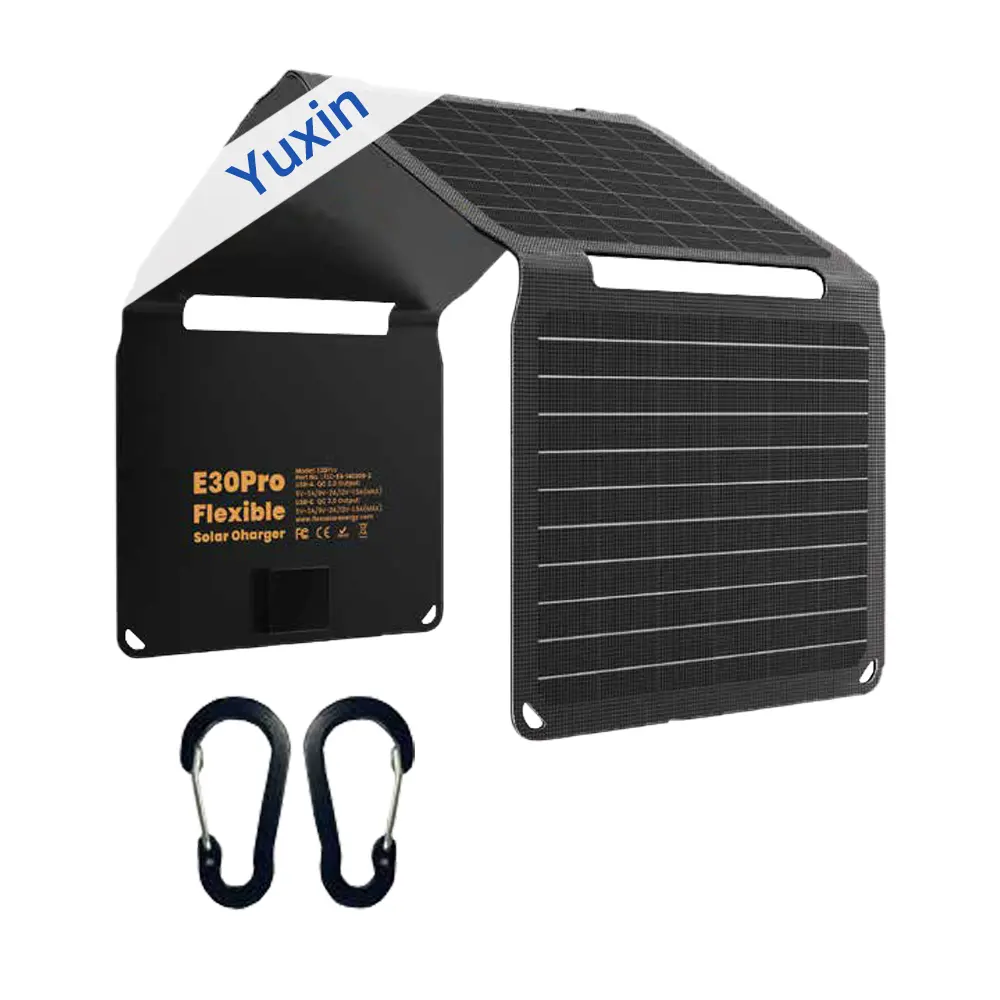
Utilizing advanced monocrystalline silicon cells, it achieves a high energy conversion efficiency of 24%.
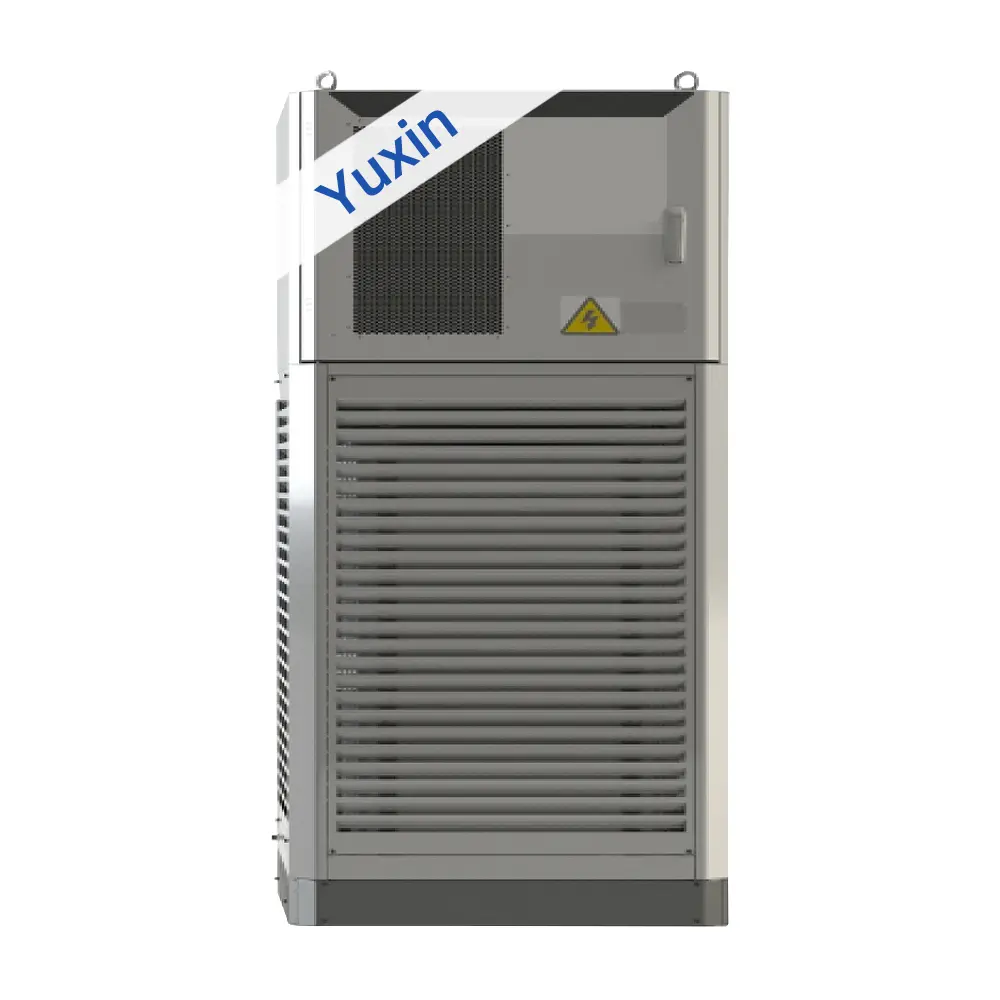
Application modes include grid-connected mode, off-grid mode, and integrated grid-connected/off-grid mode.
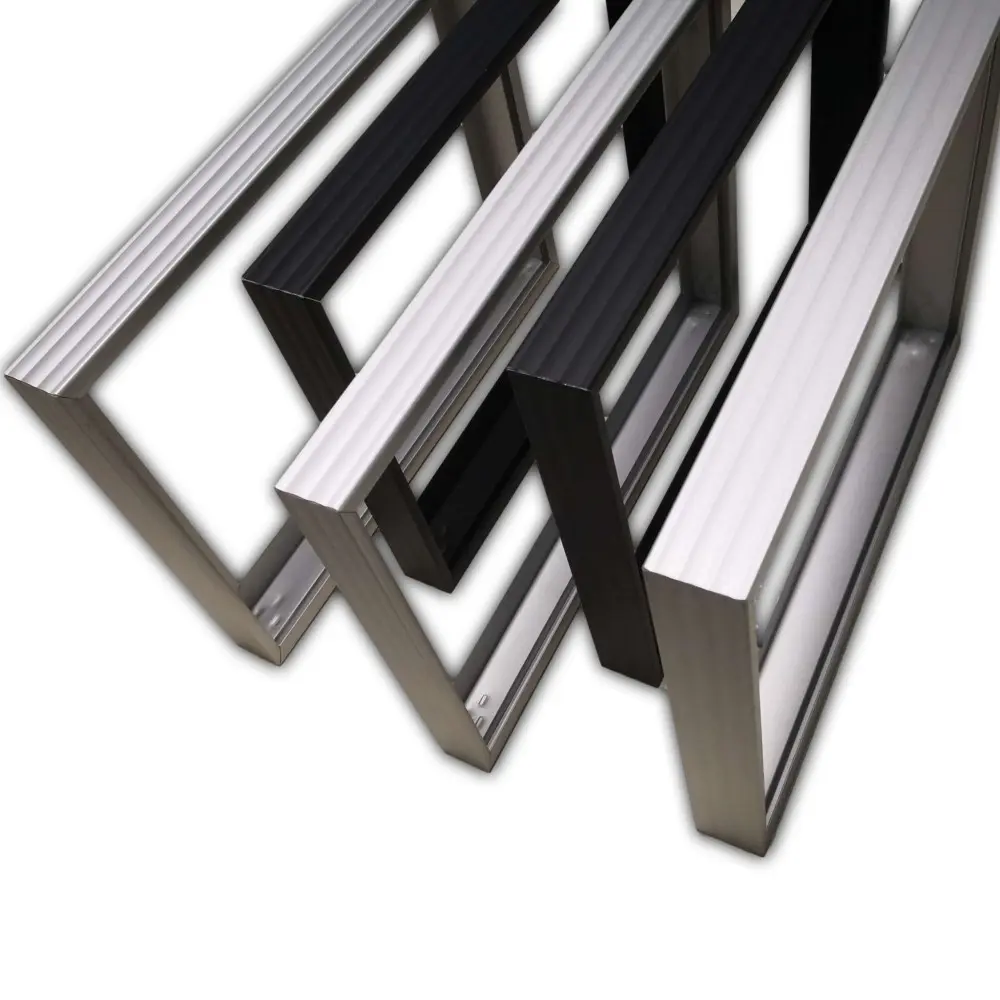
Made of high-quality anodized aluminum, it ensures superior weather resistance and a smooth, long-lasting finish.
Precision, Quality, and Safety - Your Photovoltaic Materials Expert
Located in the scenic historical and cultural ancient city of Yangzhou, close to the Beijing-Shanghai Expressway, Runyang Yangtze River Bridge, and Ningqi Railway, the group has a superior geographical location and convenient transportation. The group was established in 2008 and has 14 multi-field companies under its jurisdiction, including Jiangsu Yuxin New Energy Technology Co., Ltd., and has won many titles such as National High-tech Enterprise, Technology-based Enterprise, and Gaoyou City Top 100 Private Enterprises.
Tested and certified by international laboratories to guarantee safety, quality, and performance.
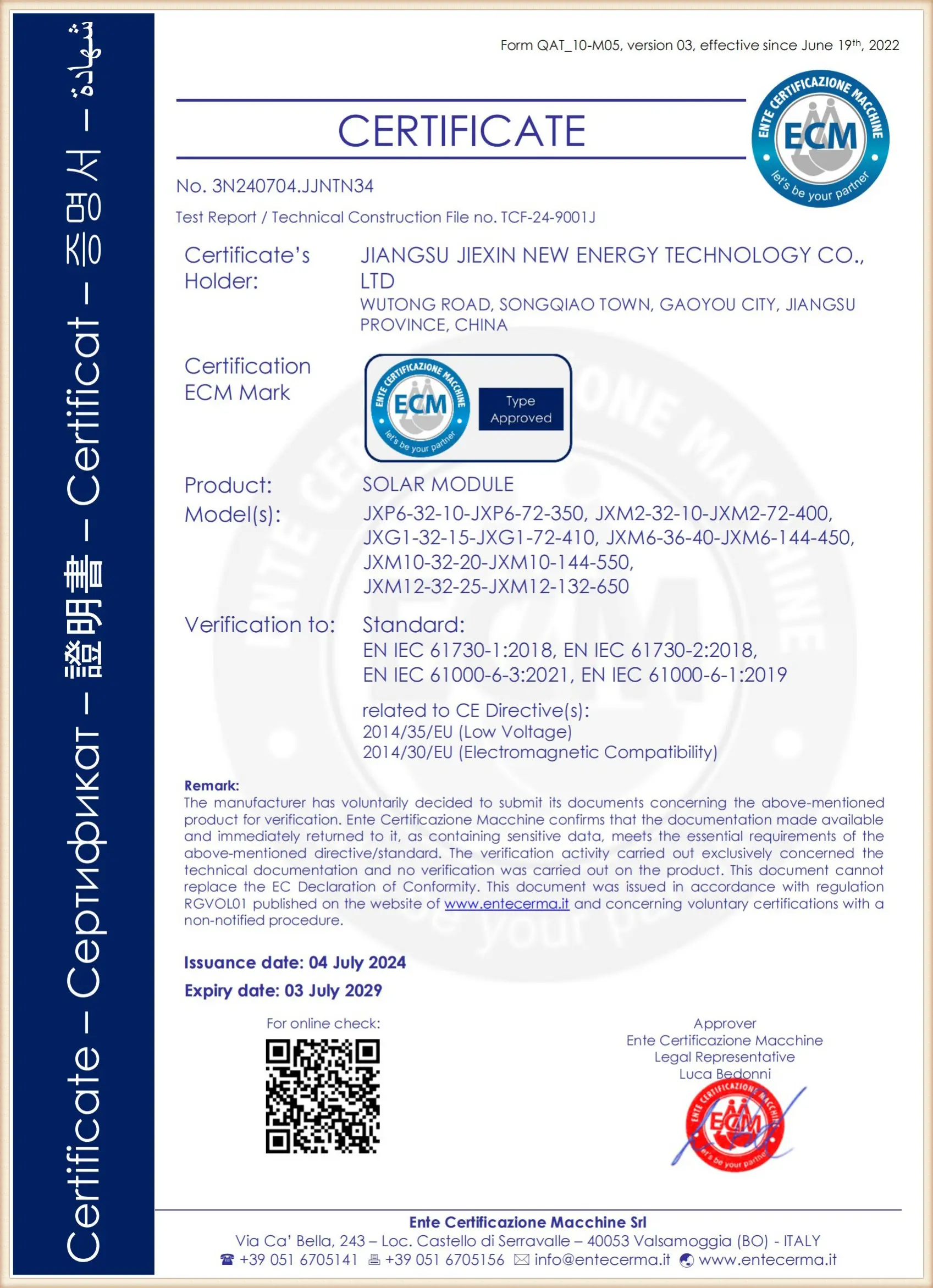
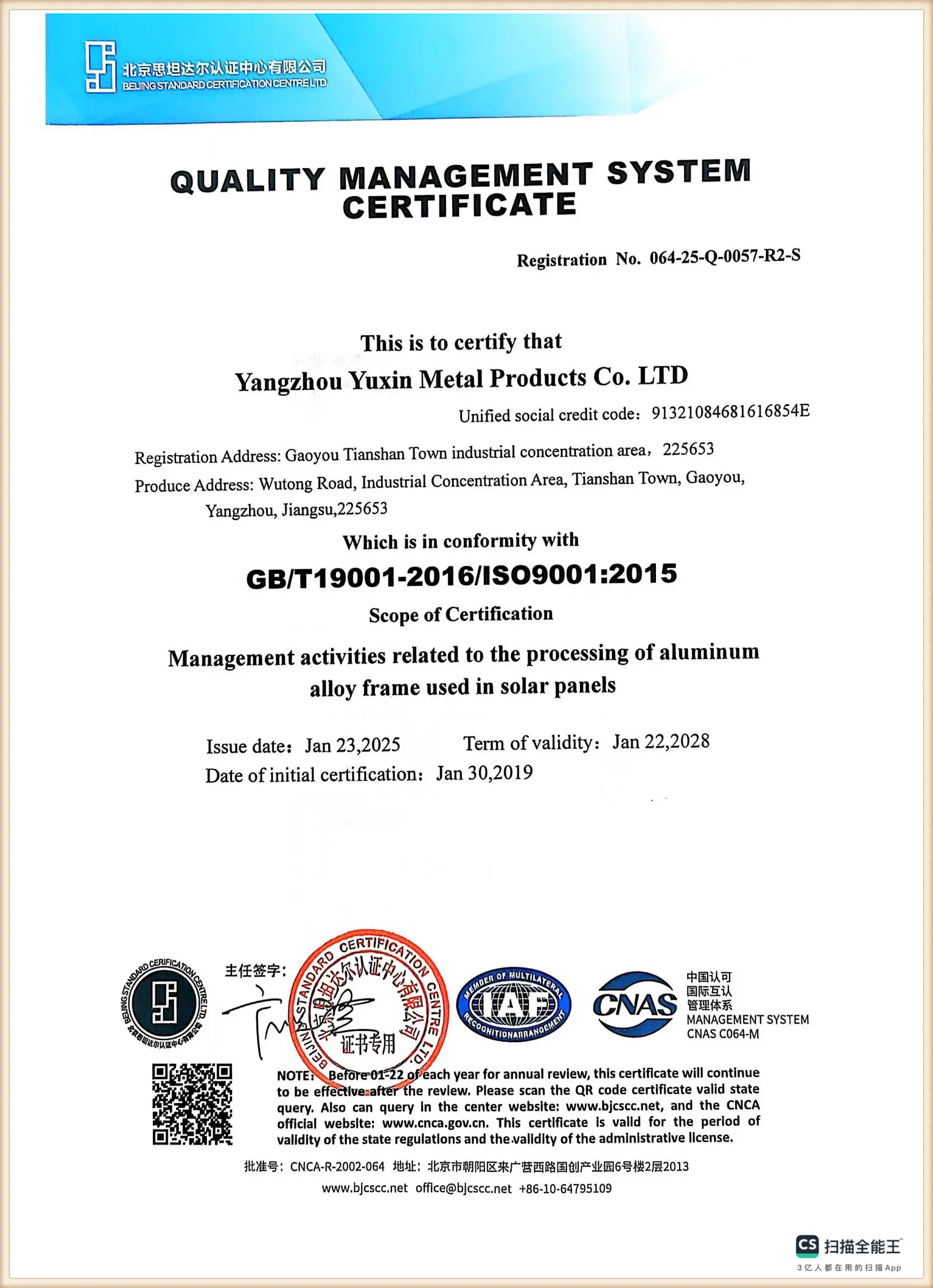
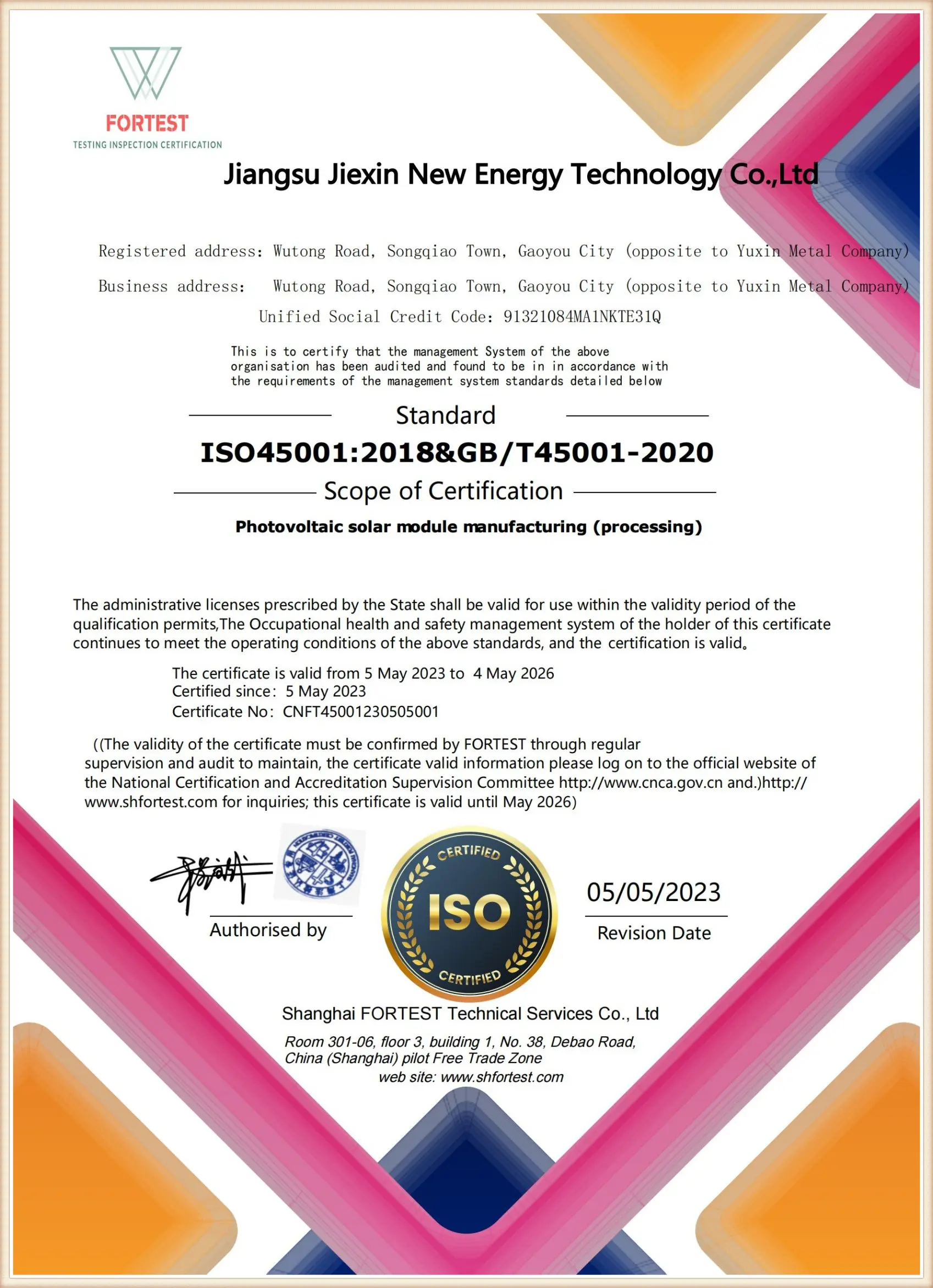
Delivering high-reliability off-grid electrical infrastructures across multiple sectors.
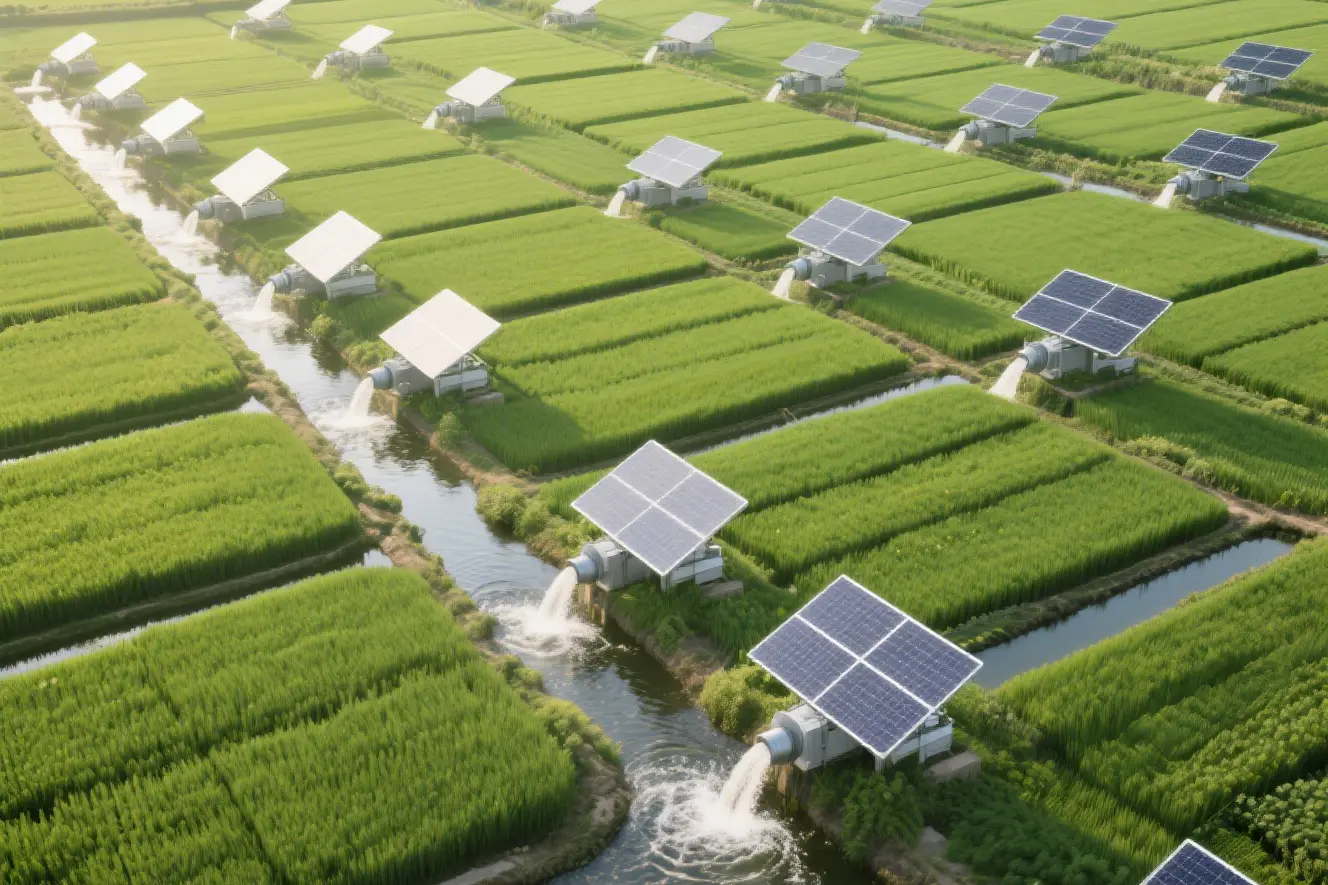
Empowering remote irrigation pumps, sensor hubs, and electric fences.
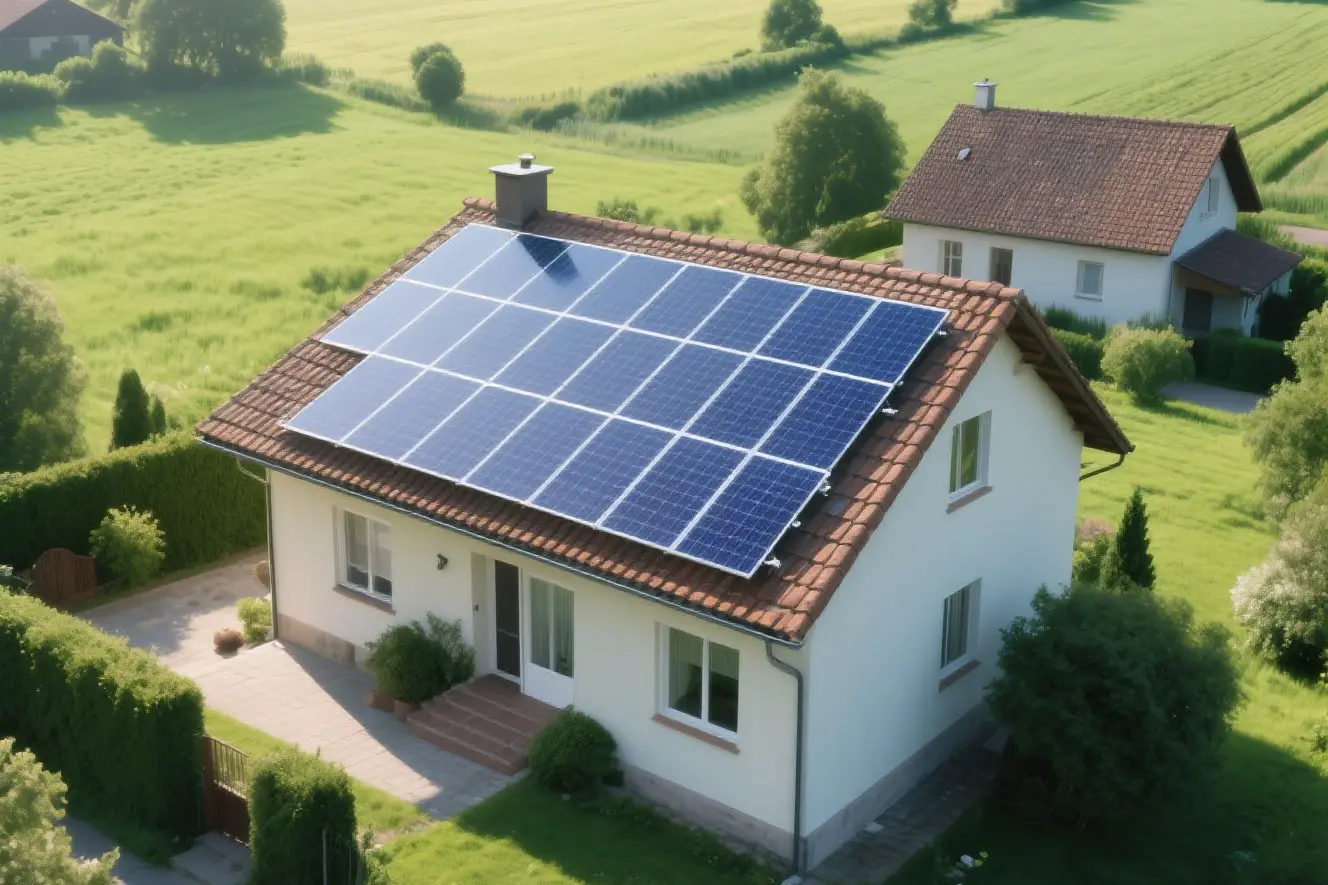
Off-grid energy containers powering remote office sites and machinery chargers.
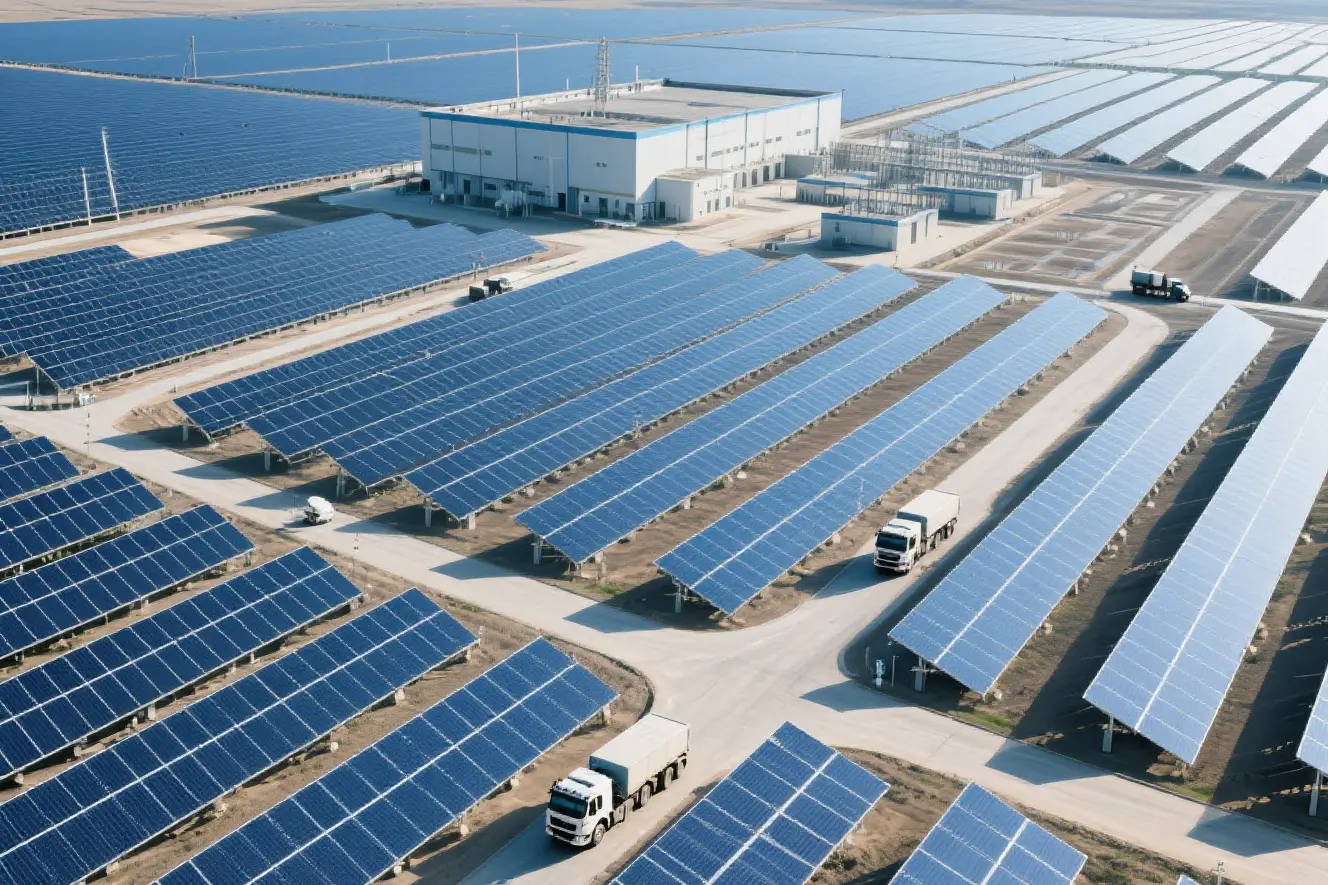
Auxiliary solar systems for grid backup stations and substations.
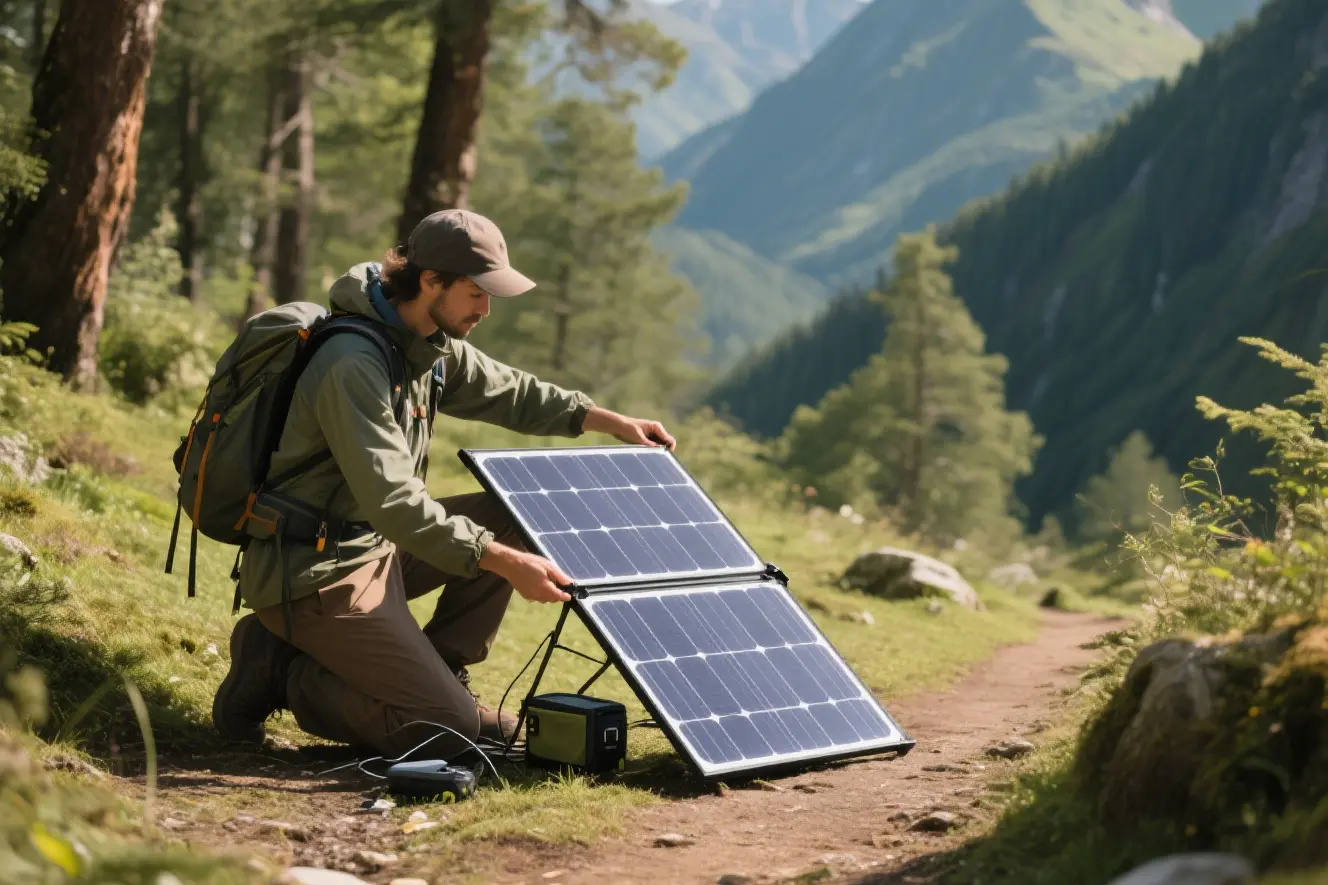
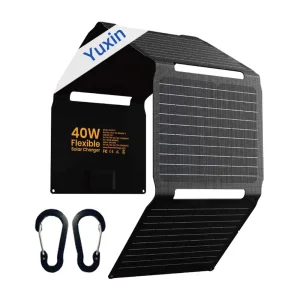
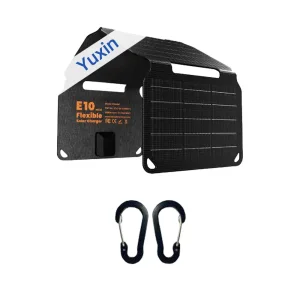
Mobile power systems, backup generators, and waterproof chargers.
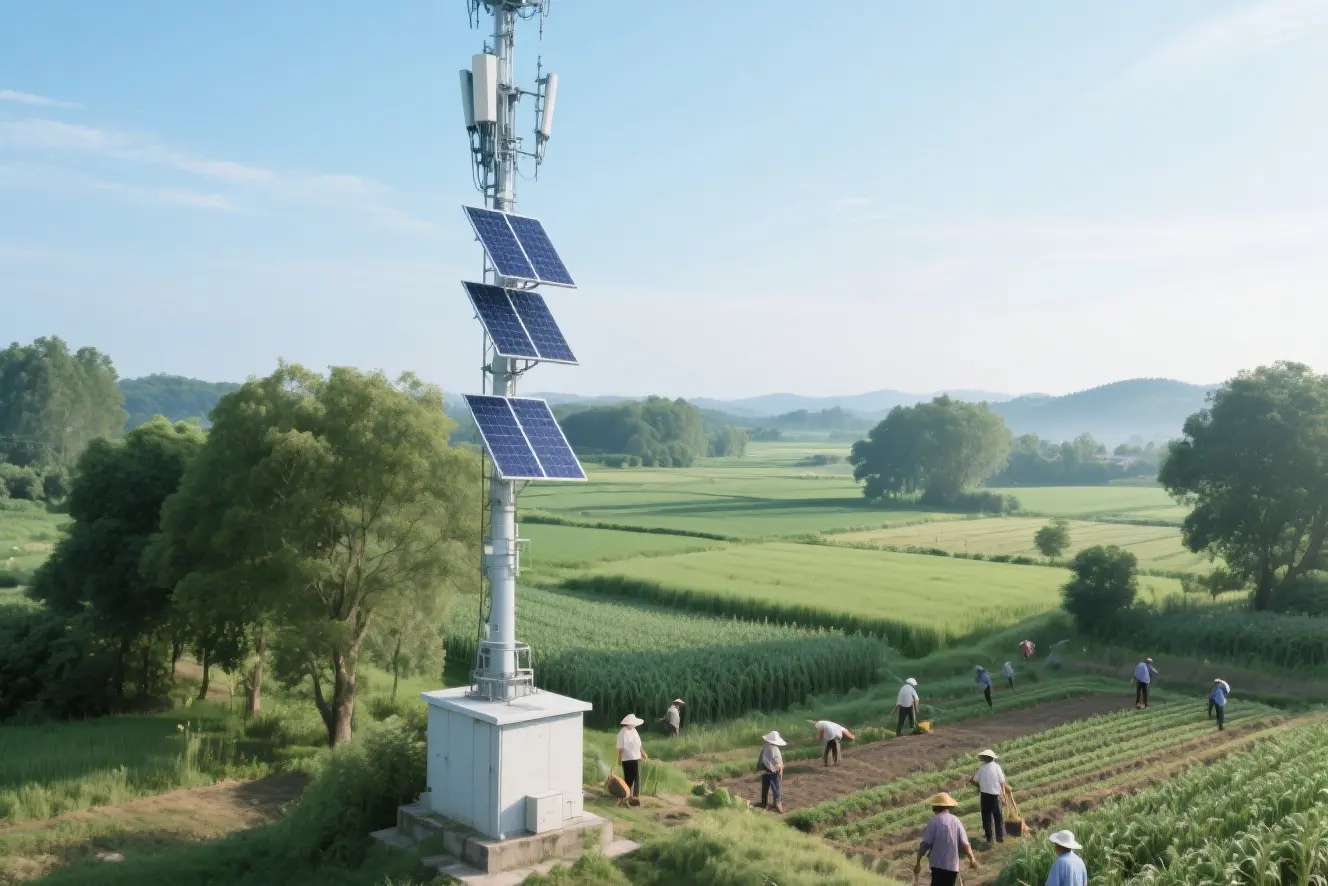
Ensuring uninterrupted operations for telecom base stations and signal repeaters.
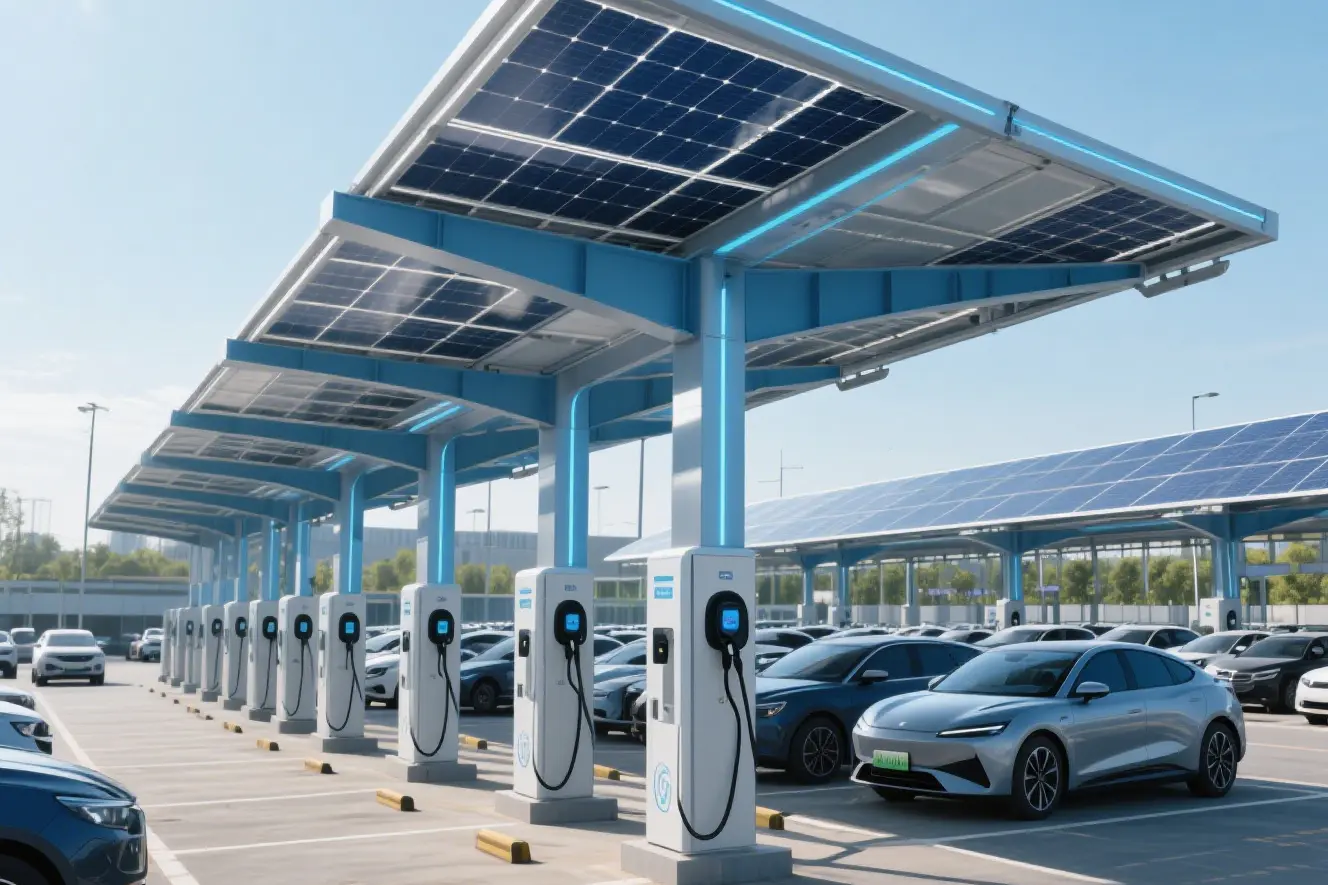
Providing clean solar power for highway toll stations, signage, and monitoring.
After years of dedication, YUXIN has developed robust relationships with industry leaders globally.


Stay informed with technical bulletins and updates from our photovoltaic engineers.
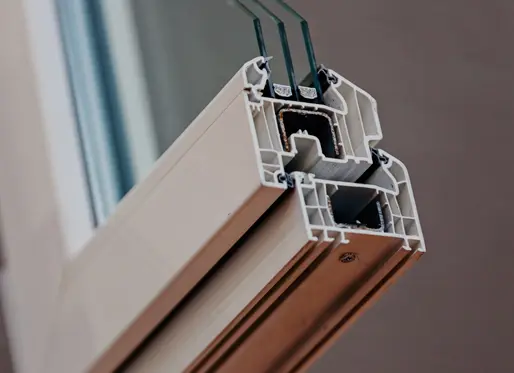
An in-depth analysis of aluminum structural integrity, alloy selection (6063-T5 vs 6005-T6), and anodizing thickness needed to prevent mechanical failures under high wind loads.
View More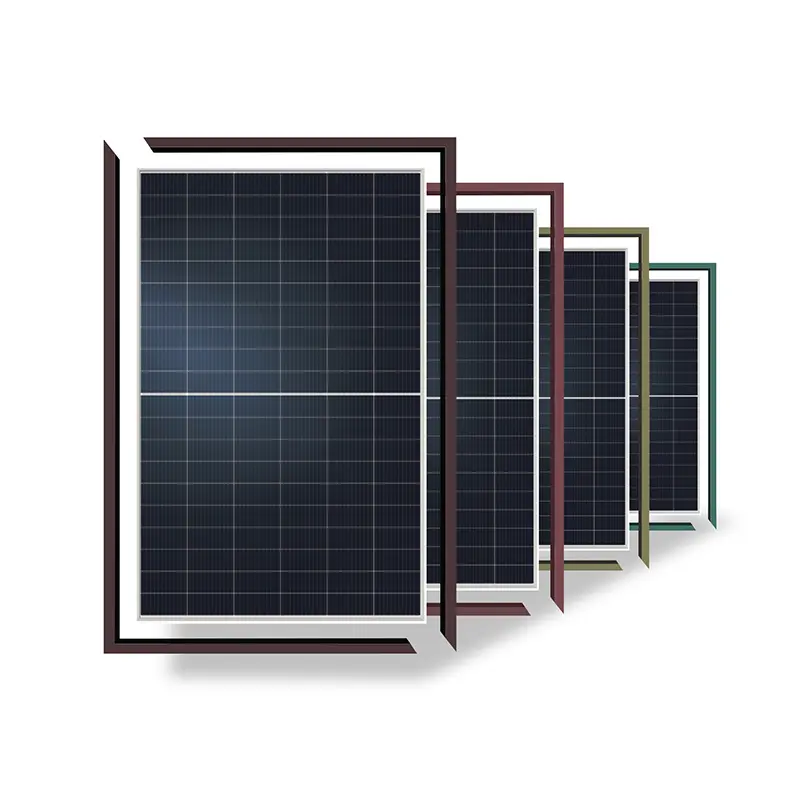
Evaluating vendor capacities, quality control methods, and supply chain timelines for custom pultruded polyurethane composite frames and standard aluminum profiles.
View More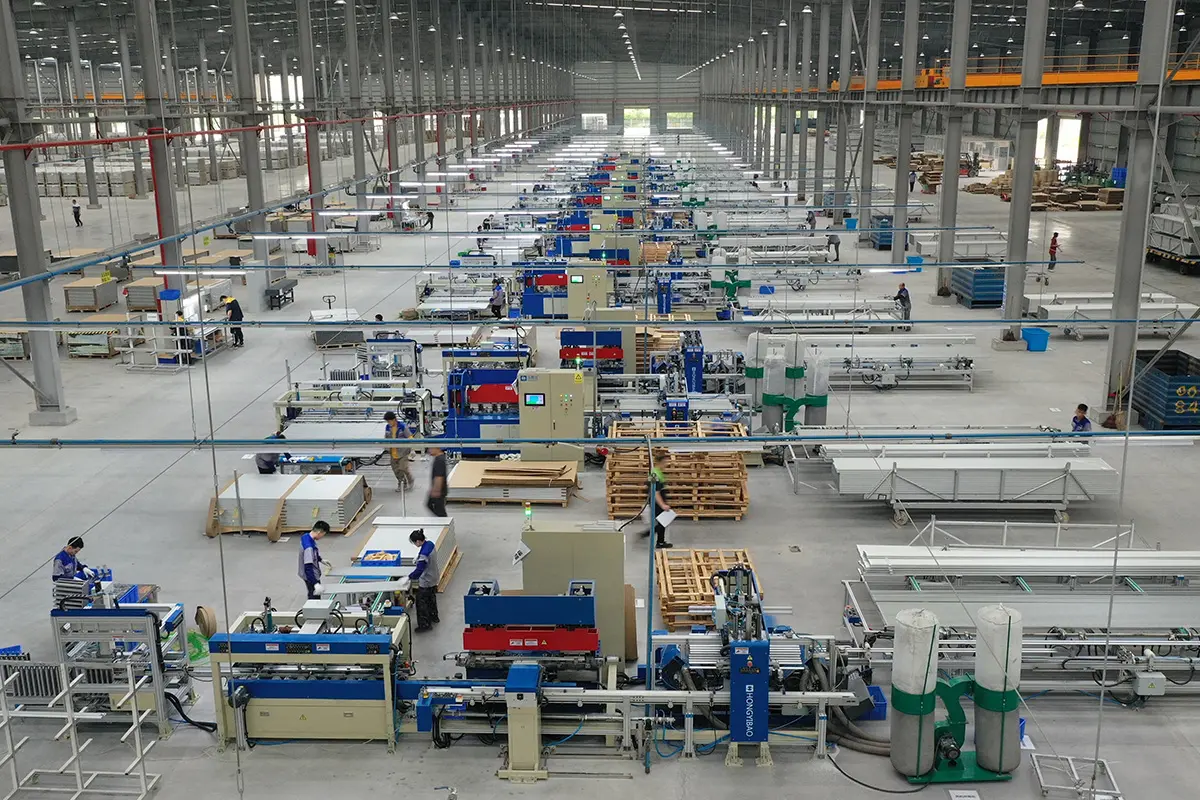
A guide to checking cross-sectional dimensional tolerance, corrosion resistance, and pull-out force resistance levels to guarantee long-term field stability.
View MoreTechnical guidance regarding design, sizing, certification, and procurement of off-grid cabin solar networks.
Explore our high-output bifacial modules, custom structural profiles, and auxiliary system accessories.