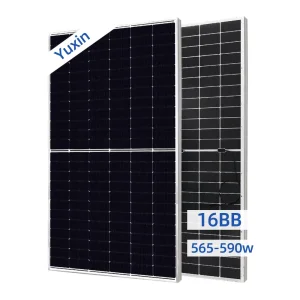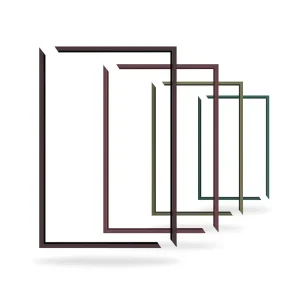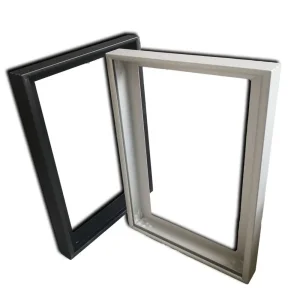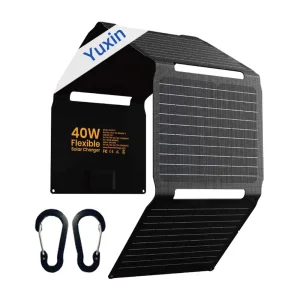
Explore YUXIN's compliance-tested, premium quality portable solar gear and structural configurations designed for international commercial procurement.
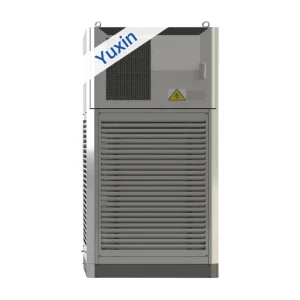
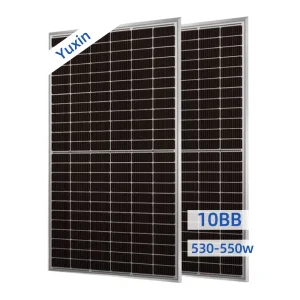
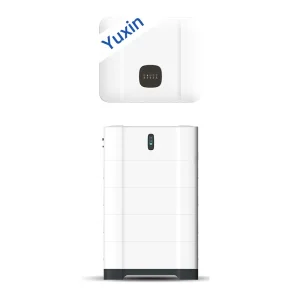
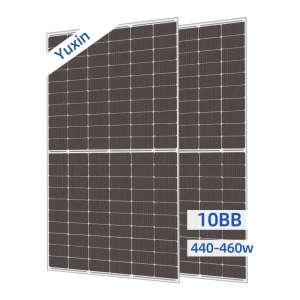
The exponential growth of the global outdoor hospitality industry, coupled with transition targets toward localized off-grid energy sources, has elevated the demand for CE-certified small solar systems. Once classified strictly as consumer outdoor gear, small solar configurations are now integrated into B2B sectors, disaster recovery deployment plans, defense force mobility operations, and localized light-industrial setups. Global procurement networks are actively seeking manufacturers that can combine technical compliance with scalable volume production.
In major consumer markets such as North America and Europe, the term "camping" has expanded to encompass long-term off-grid living, mobile workplaces, and utility service operations. In this context, reliable portable energy acts as a critical infrastructural component. For B2B buyers and import agents, securing systems with authentic CE certification is no longer optional—it is a critical legal and insurance requirement for cross-border operations.
CE Certification ensures conformity to EU directives regarding health, electrical safety (LVD), and electromagnetic compatibility (EMC).
Constructed with weatherized polymer coatings, high-durability anodized aluminum, and IP67/68 waterproof junctions.
Enables instant power grid establishment in remote locations, supporting emergency communications and field operations.
The technological evolution of small solar systems is characterized by efficiency enhancements and structural integration. Traditional poly-silicon arrays have been largely replaced by high-efficiency monocrystalline solar cells, specifically N-Type and PERC architectures. These modules exhibit superior temperature coefficients and conversion efficiency rates of up to 24% under lab conditions, translating into a lower physical footprint for equivalent power yields in variable field conditions.
Simultaneously, modular energy storage has evolved. Integrated lithium iron phosphate (LiFePO4) battery packs operate alongside multi-channel Maximum Power Point Tracking (MPPT) charge controllers, maximizing the solar panel's energy harvest. An emerging market segment focuses on the integration of ultra-lightweight structural frames. Composite and polyurethane-pultruded materials are gaining market share due to their superior strength-to-weight ratios and insulation properties.
Our manufacturing plants utilize advanced anodizing techniques on 6063-T5 and 6005-T6 aluminum alloys to create structural frames that can withstand mechanical load limits of up to 5400 Pa. These material standards prevent micro-cracks in monocrystalline layers, ensuring sustained generation capacity over decades of use.
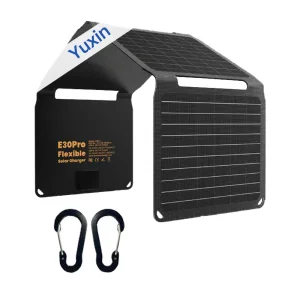
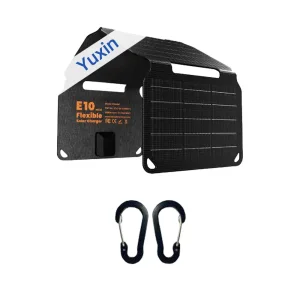
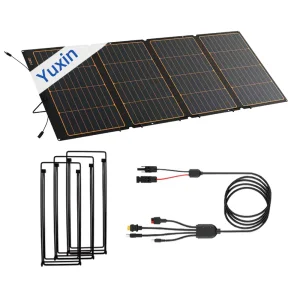
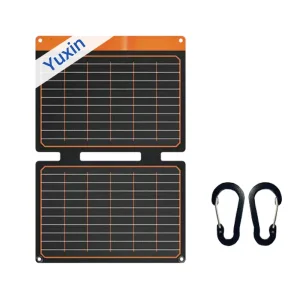
A focused selection of professional energy generation modules, storage arrays, and structural support frameworks engineered for international B2B applications.
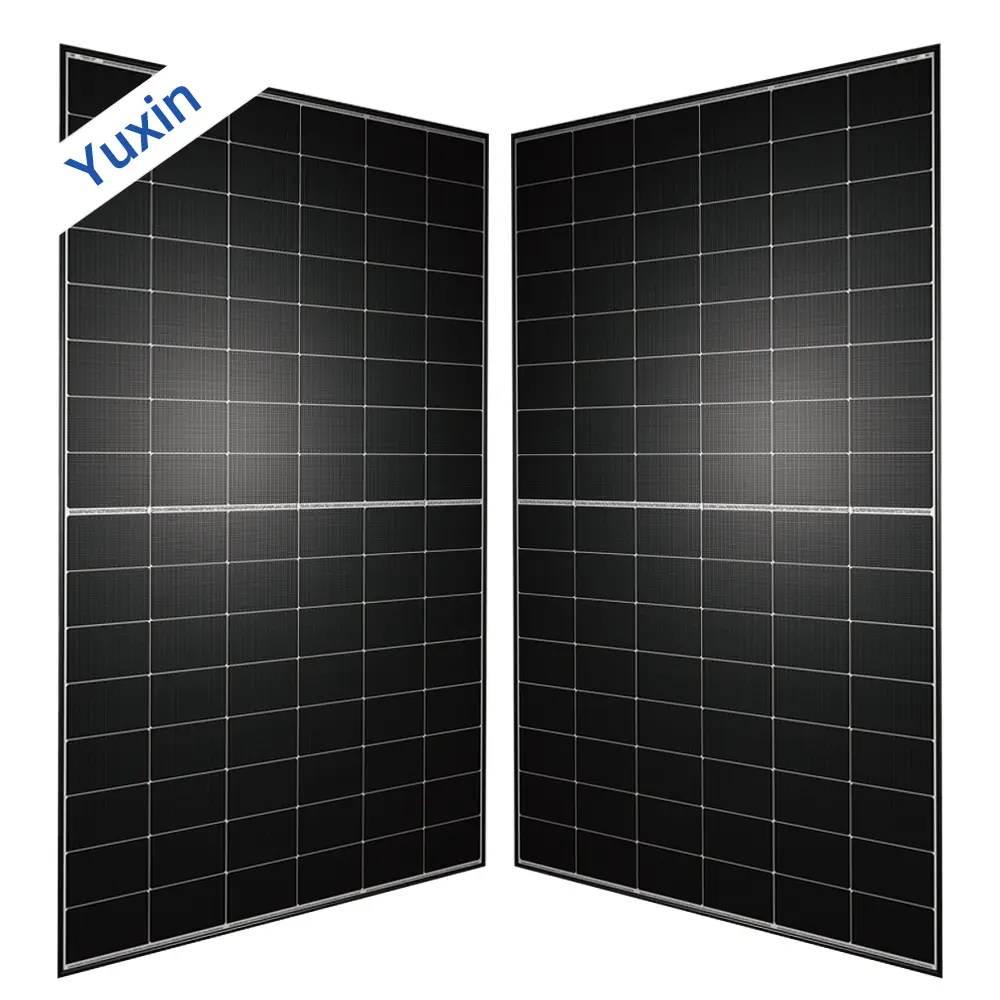
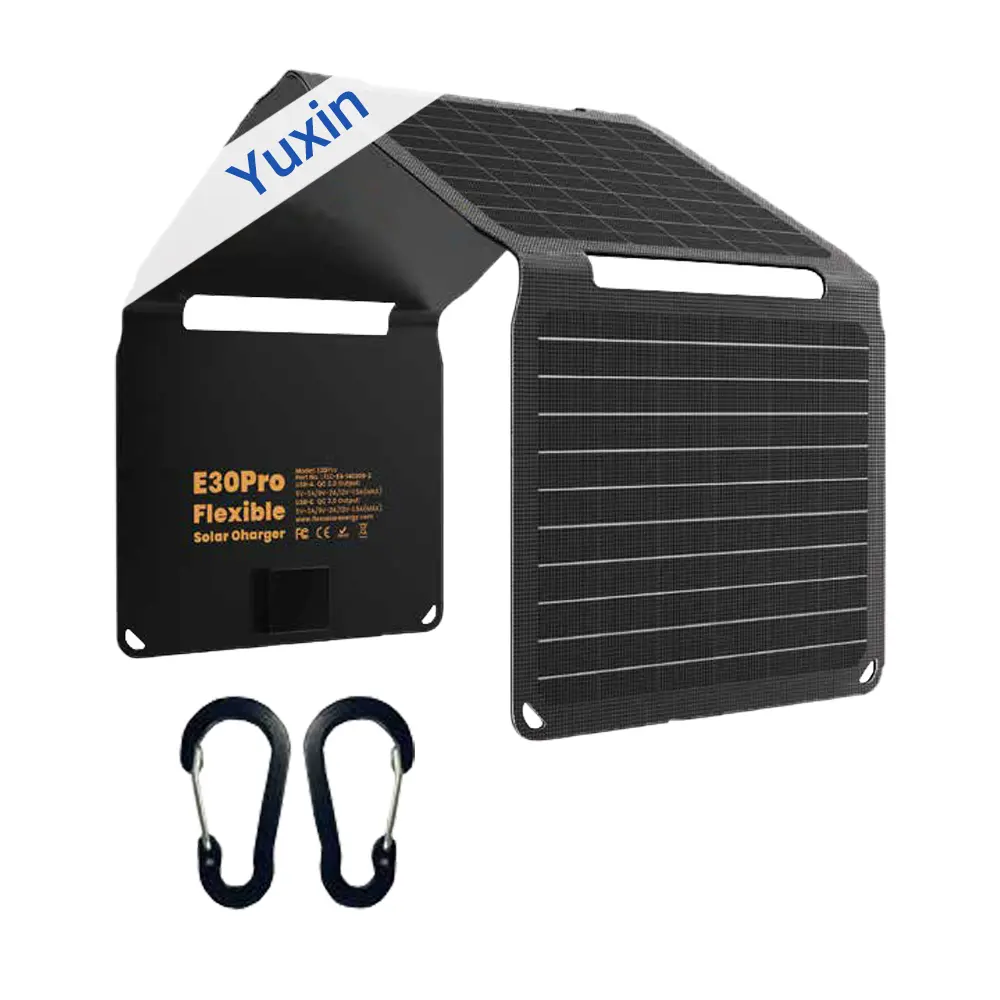
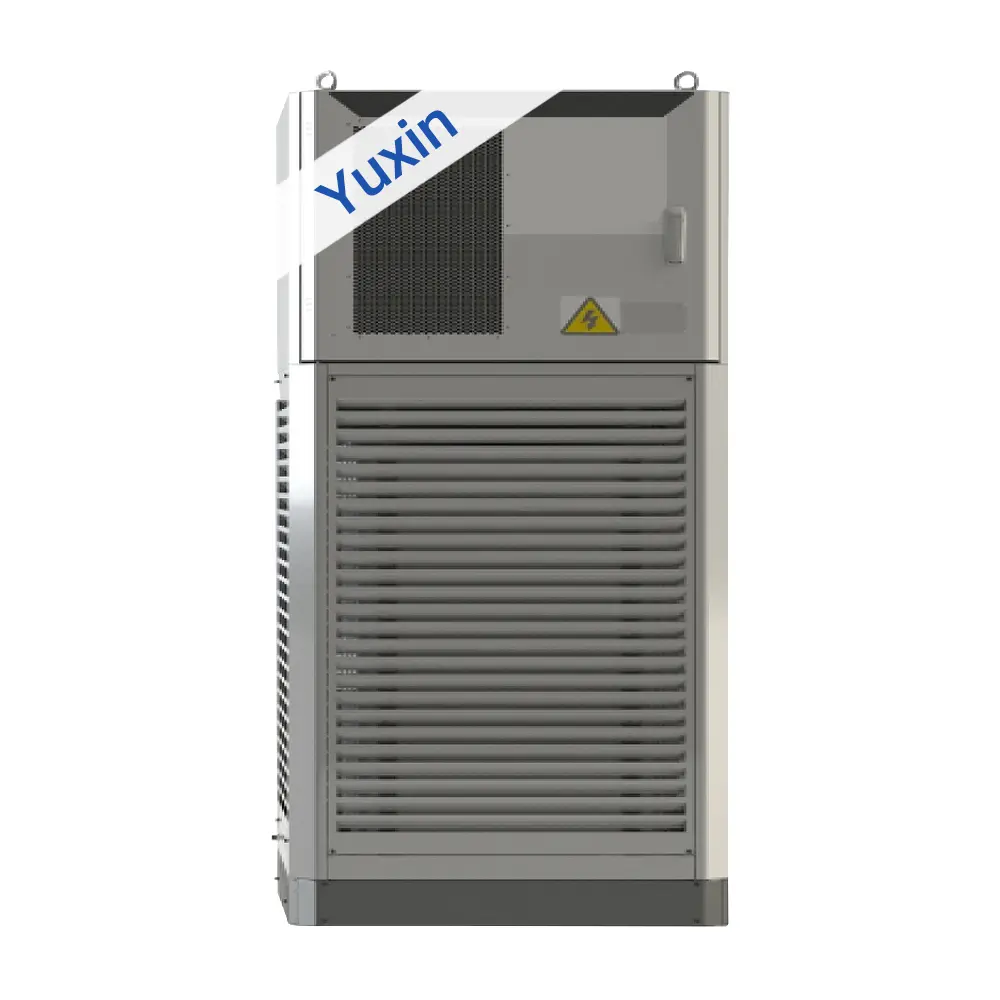
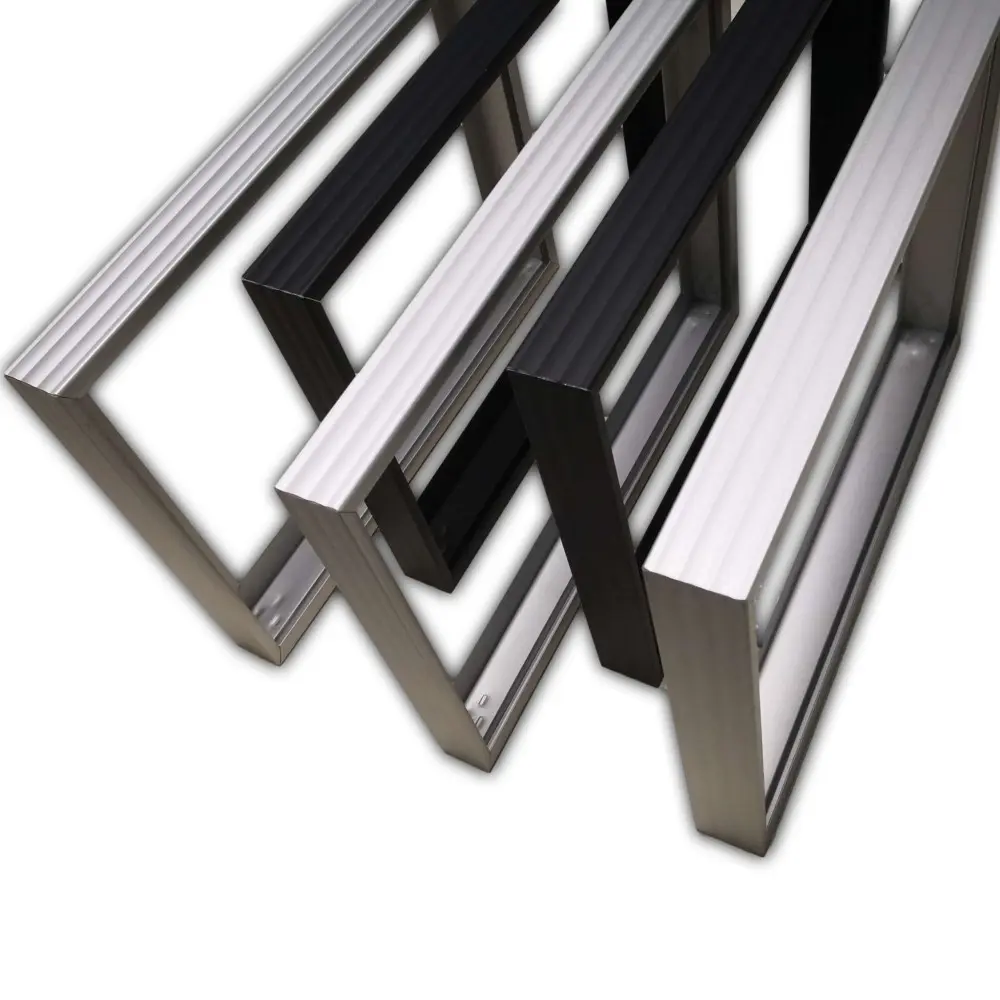
Established in 2008, YUXIN has grown into a leading developer of advanced photovoltaic structures, high-output solar arrays, and robust energy storage modules. Based in the historical city of Yangzhou, China, and operating under 14 specialized subsidiary companies (including Jiangsu Yuxin New Energy Technology Co., Ltd.), we are designated as a National High-tech Enterprise and listed among the Top 100 Private Enterprises in Gaoyou City.
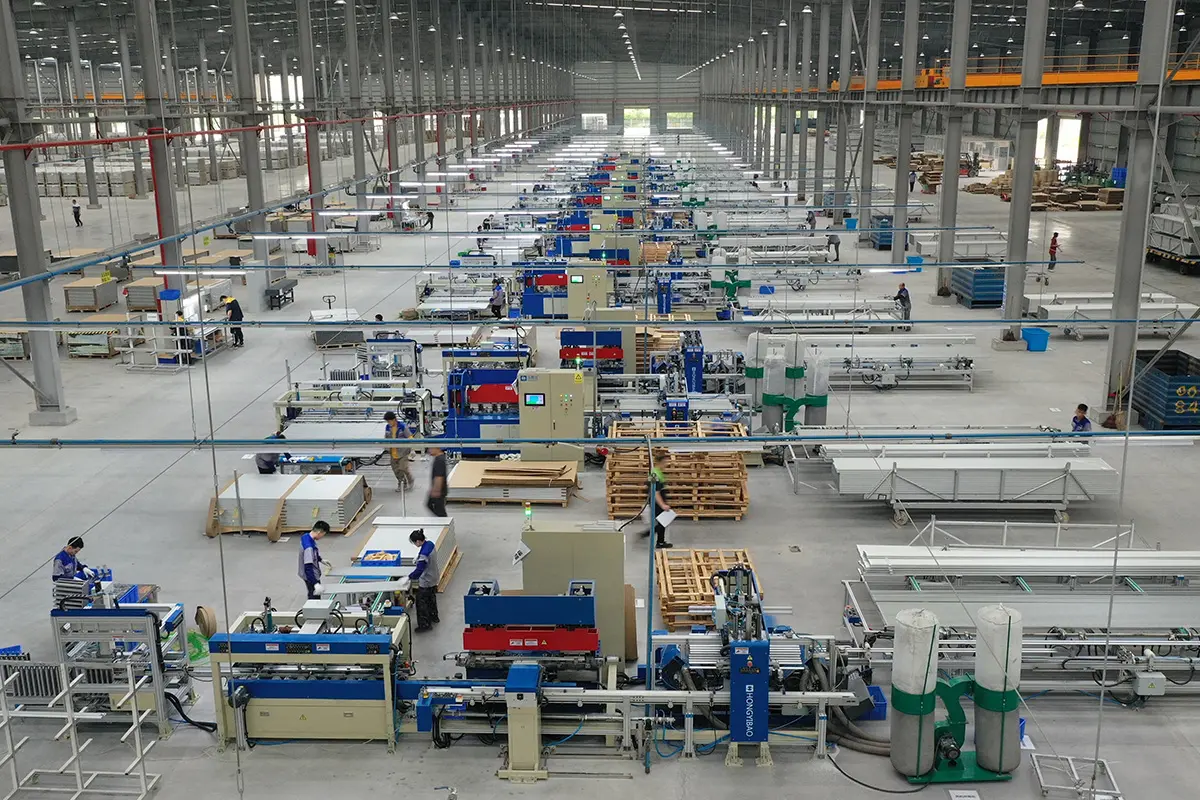
Our manufacturing infrastructure features fully automated material extrusion, thermal treatment, anodizing facilities, and modular assembly areas. Strategic positioning near major transit networks, including the Beijing-Shanghai Expressway and Ningqi Railway, supports seamless global logistics and distribution.
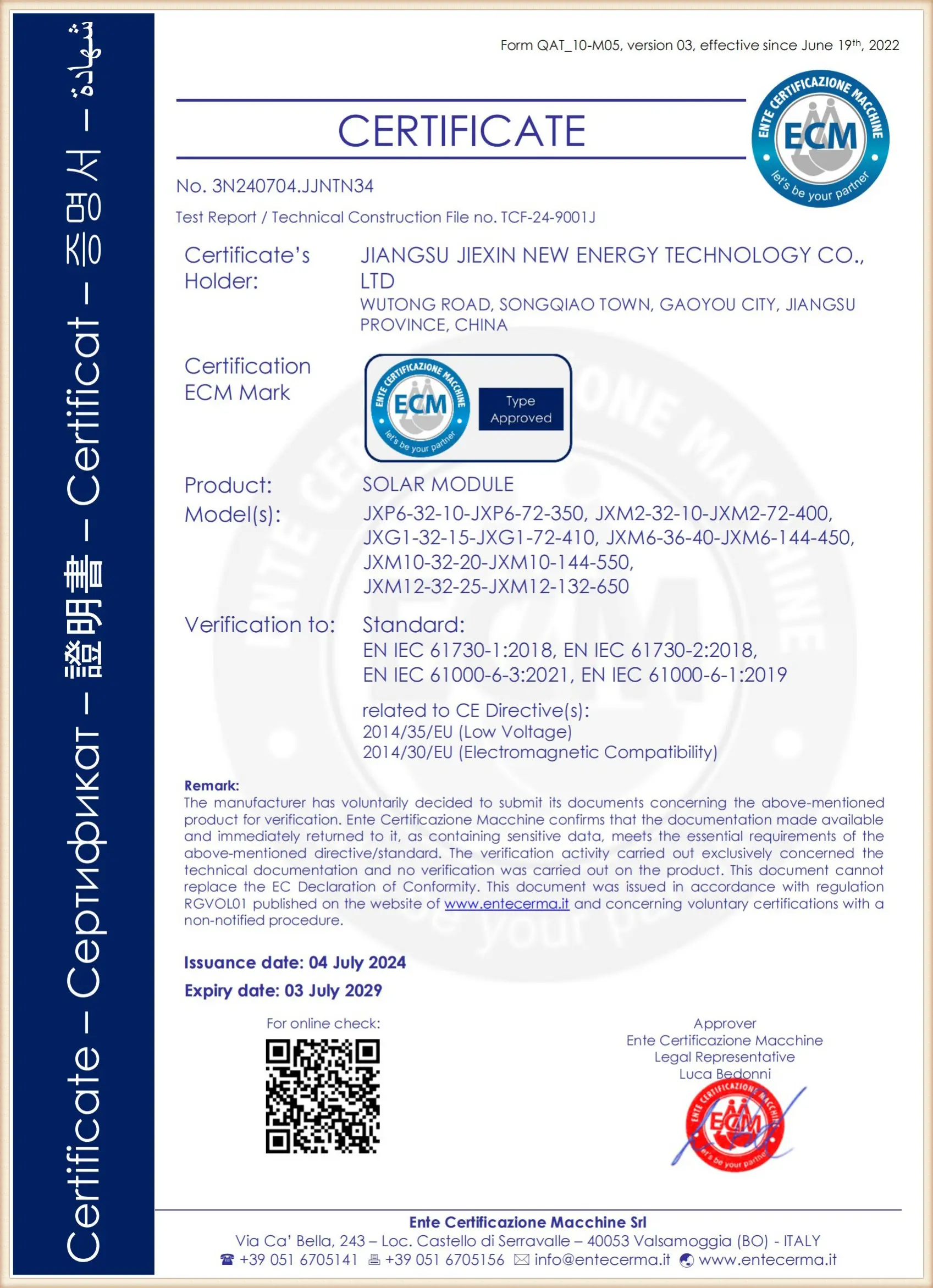
Compliance is critical in B2B transactions. The CE marking functions as an regulatory passport within the European Economic Area (EEA), verifying compliance with the Electromagnetic Compatibility (EMC) Directive 2014/30/EU and the Low Voltage Directive (LVD) 2014/35/EU. In addition, the Restriction of Hazardous Substances (RoHS) Directive limits lead and mercury content in solder points, protecting end-users and matching ESG objectives.
Across markets, deployment environments present distinct requirements. Systems destined for coastal or high-humidity regions need anodized aluminum frames with a minimum thickness of 15 microns to resist galvanic corrosion. Conversely, high-altitude and alpine applications require low-temperature coefficient monocrystalline cells to maintain standard voltage margins when ambient temperatures fall below zero.
By designing systems according to localized parameters, YUXIN supports importers and distributors in passing local market inspections and avoiding regulatory delays.
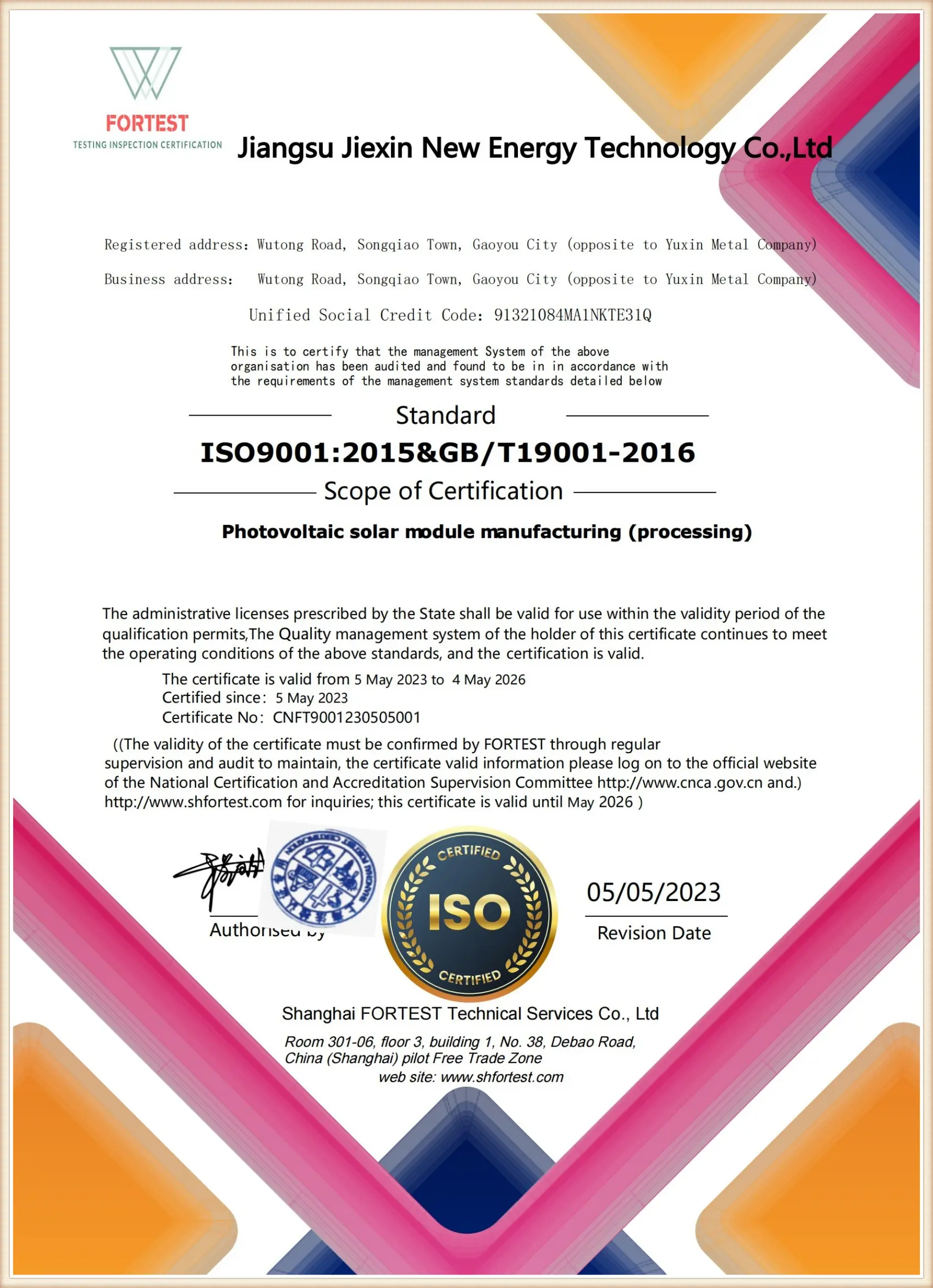
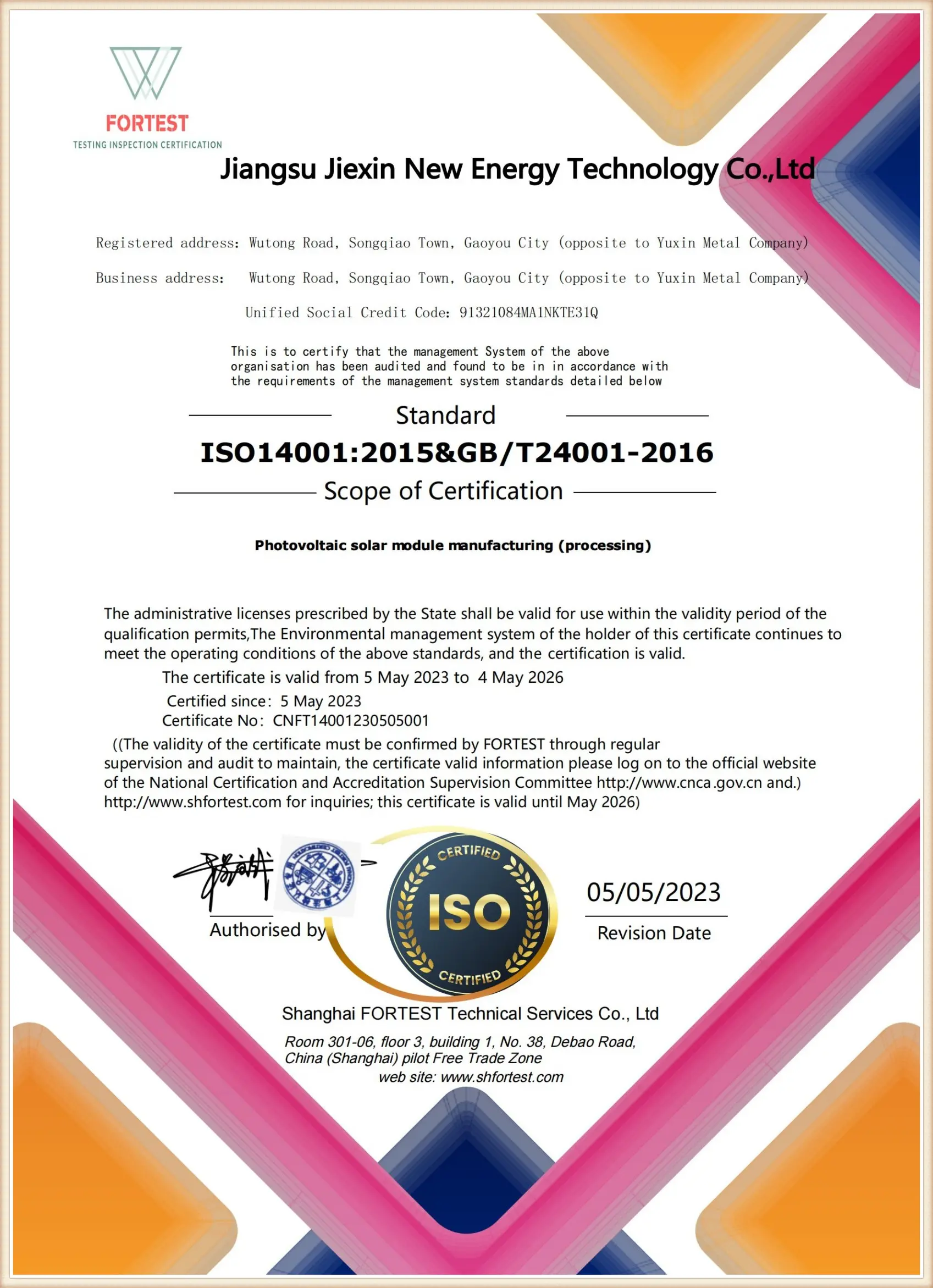
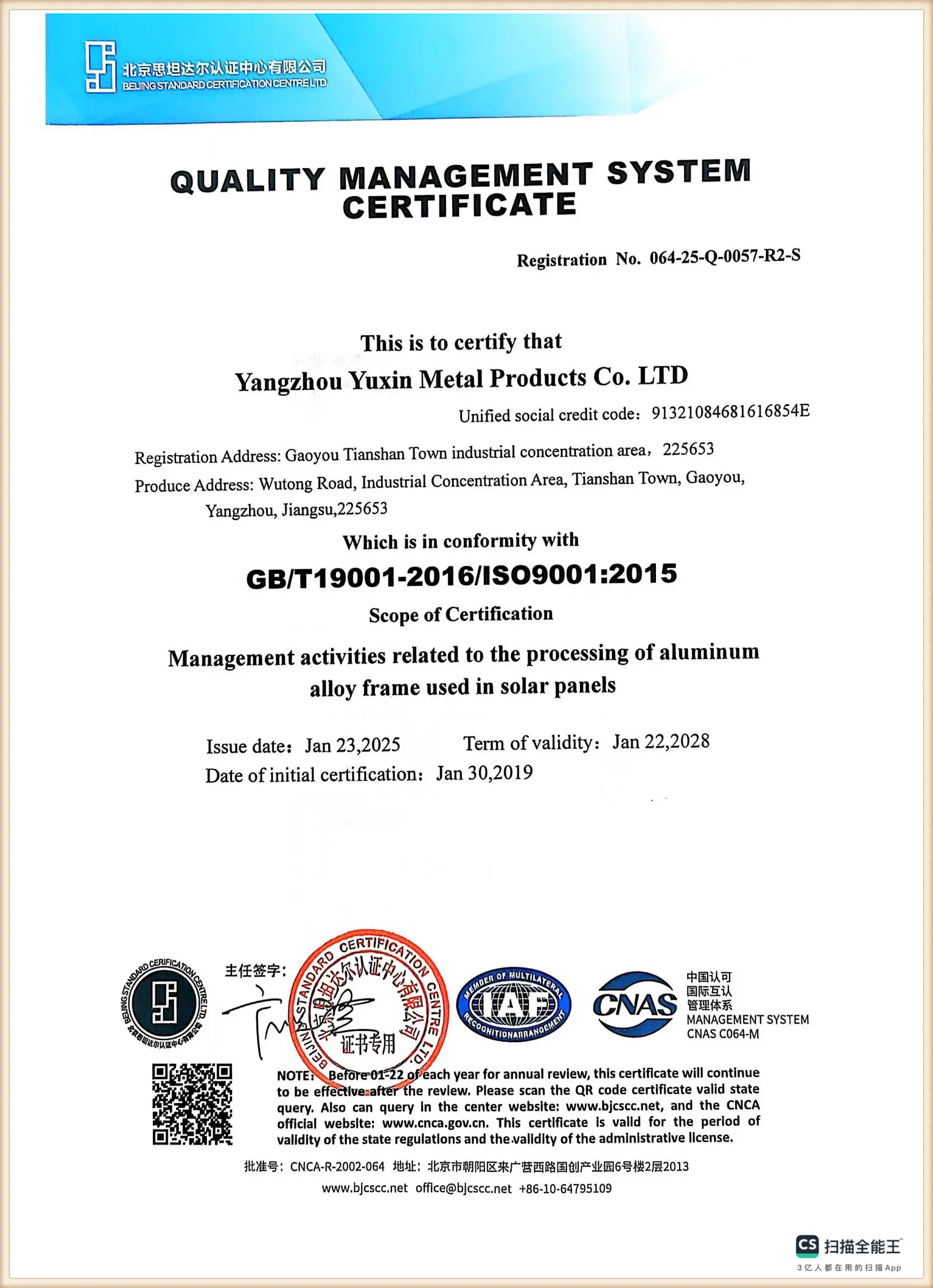
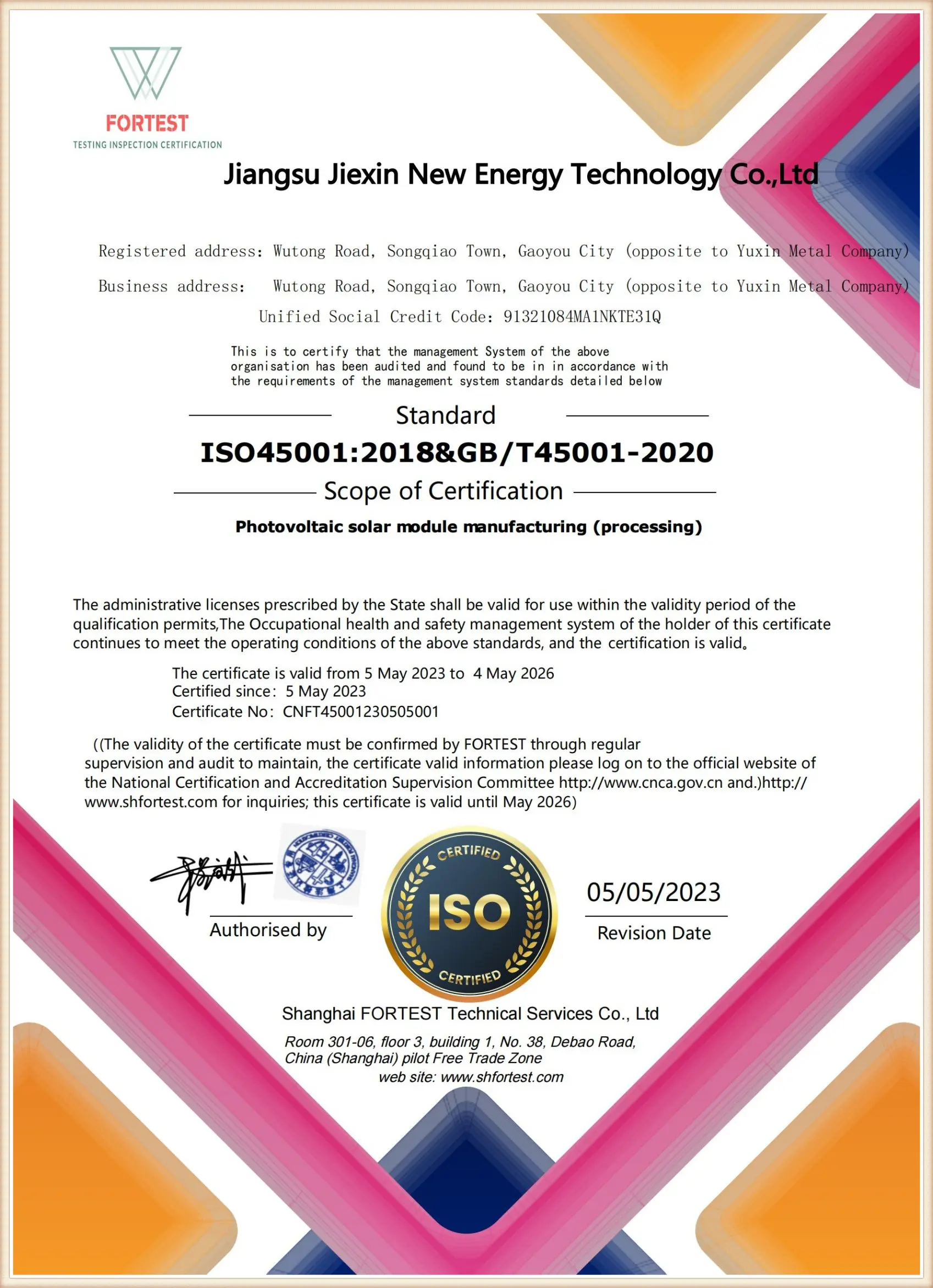
Our commitment to rigorous testing and international quality compliance is verified by certifications from global testing organizations.
The next five years will bring changes to off-grid solar hardware design. Industry trends indicate that silicon heterojunction (HJT) and perovskite tandem structures will eventually succeed traditional PERC cells, pushing efficiency limits past 28%. For portable and small solar applications, this transition allows for smaller panel sizes while generating the same wattage, reducing transport logistics costs.
In storage technology, the industry is transitioning from liquid-state Lithium-Ion systems toward solid-state and semi-solid energy containers. These technologies eliminate thermal runaway risks, making them safer for transport and storage in remote areas. On the structural side, pultrusion processing of advanced composites provides lightweight alternatives to aluminum, reducing panel weight while retaining mechanical strength.
At YUXIN, we align our production lines with these advancements, ensuring that our products support long-term ROI for our clients.
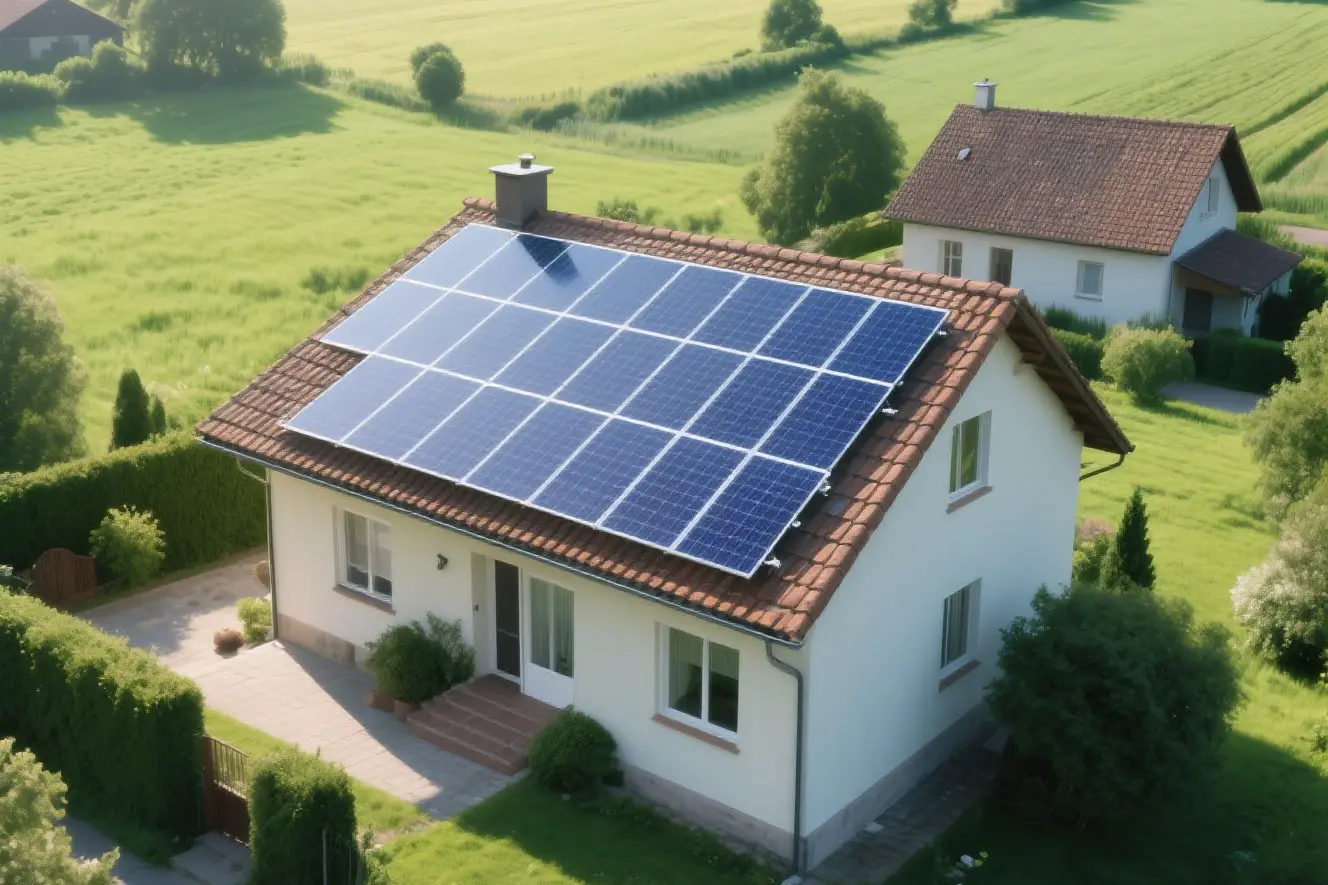
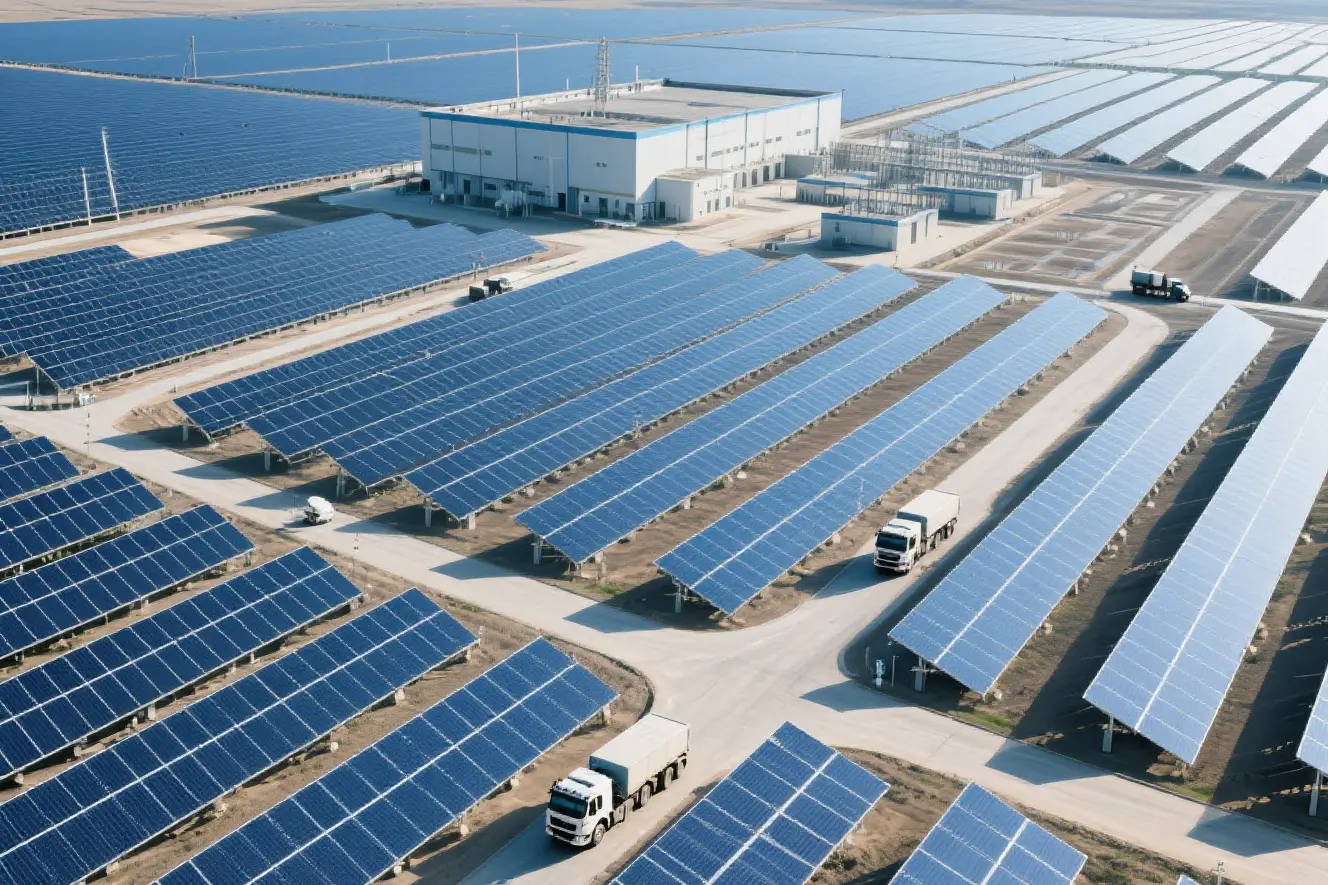
Our solar modules and structural components support operations across multiple global industries.

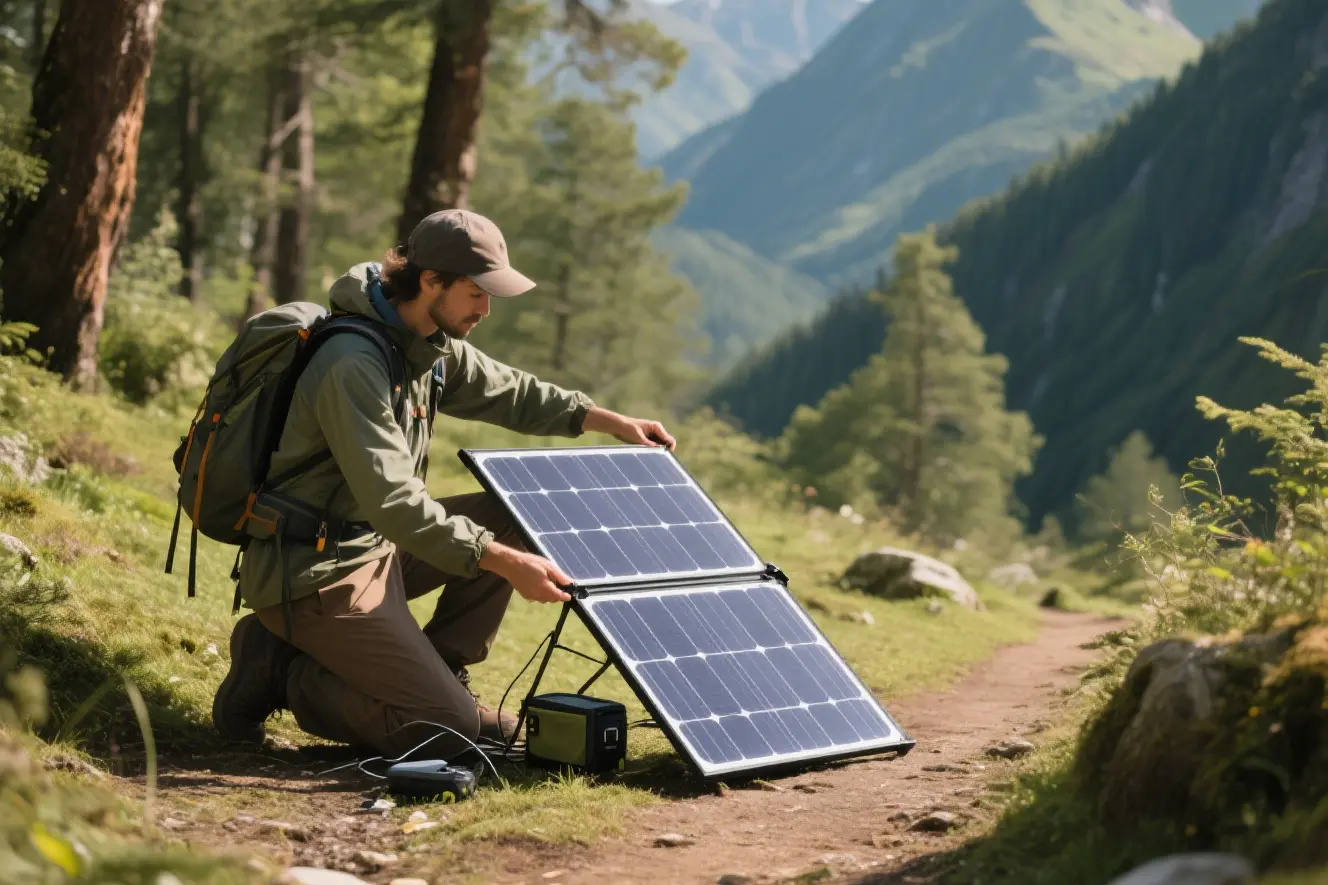
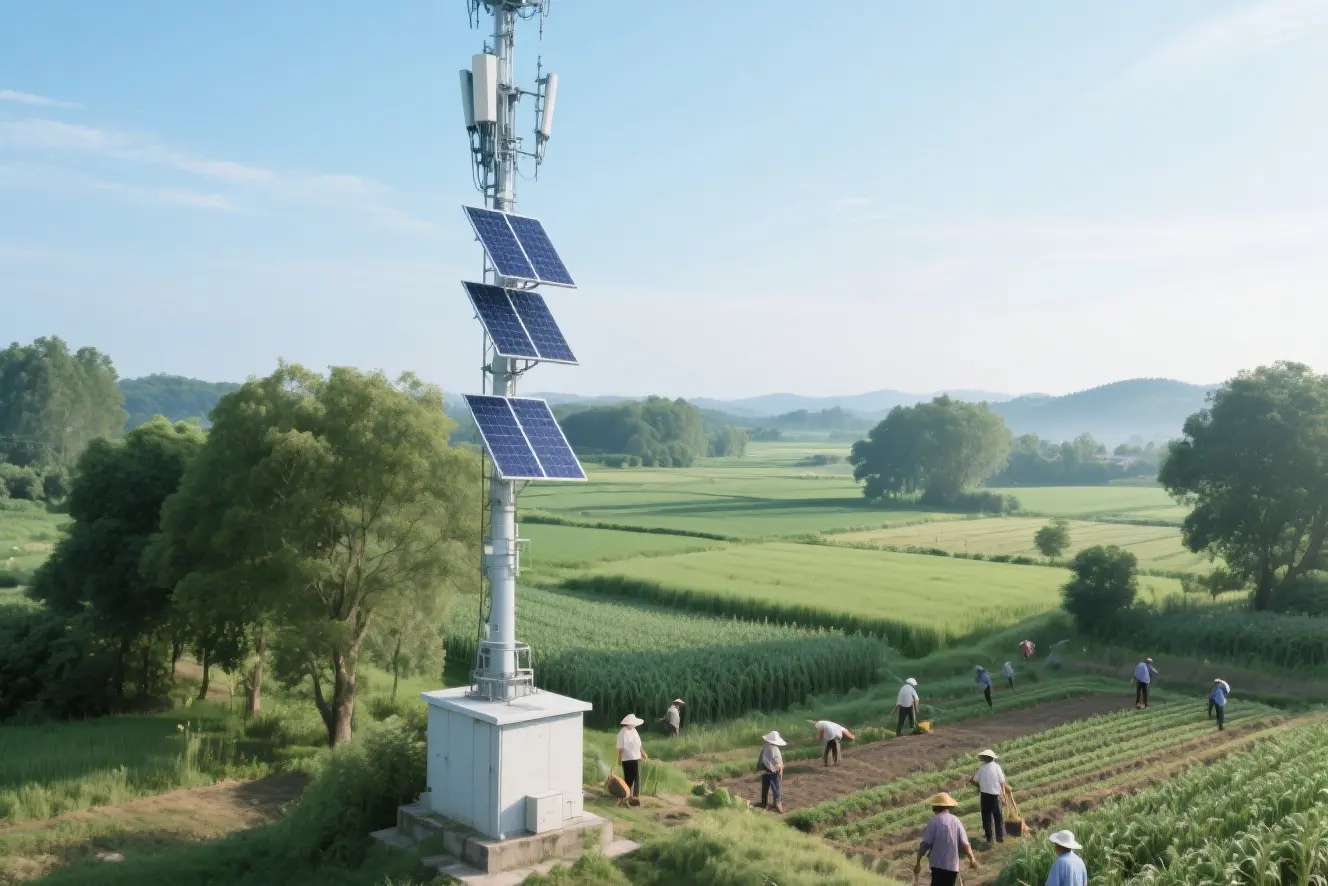
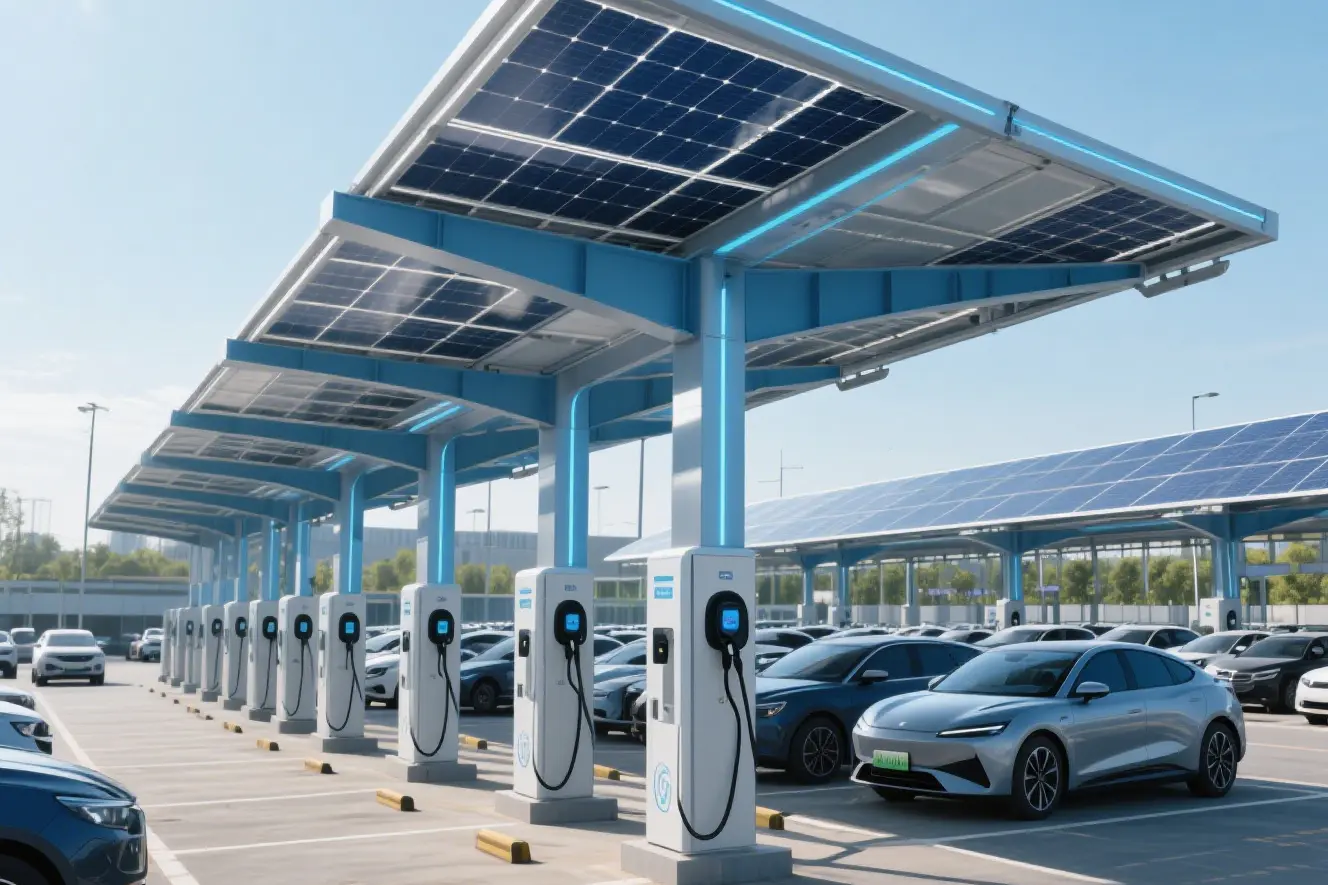
B2B buyers face challenges balancing multiple manufacturers for brackets, glass modules, panels, and battery compartments. As an integrated manufacturer, YUXIN addresses this fragmentation. Our production processes span raw billet extrusion, surface finishing, and electrical testing of complete monocrystalline assemblies. This vertical integration helps control costs and ensures uniform physical and mechanical tolerances.
Through our OEM and ODM services, we offer customized solutions for partners requiring specialized configurations, such as:
Anodizing to specified micron thickness and custom pre-drillings for easy structural integration.
Integrating specific voltage margins and waterproof junction enclosures to match local grid parameters.
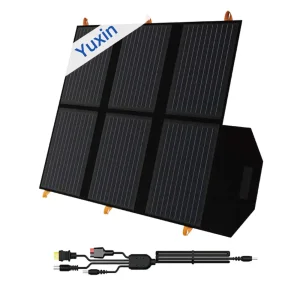
Lightweight folding configurations combined with high-grade tear-resistant nylon backings for rugged field use.
YUXIN collaborates with partners globally to build reliable supply chain infrastructure and distribution networks.

CE certification indicates compliance with European safety standards, including the LVD (Low Voltage Directive) and the EMC (Electromagnetic Compatibility) Directive. It helps ensure product safety, facilitates customs clearance, and reduces legal liabilities for distributors in the European market.
We construct our structural components from anodized 6063-T5 and 6005-T6 aluminum alloys. This provides high mechanical load limits and corrosion resistance, protecting the internal cells in varied environmental conditions.
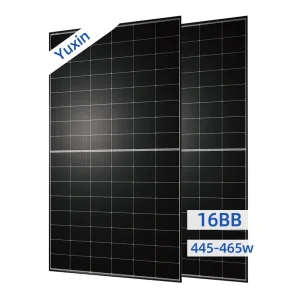
PERC and N-type architectures offer lower heat degradation coefficients and conversion efficiencies between 21% and 24%. This allows for smaller panel footprints while matching the electrical output of larger traditional panels.
Yes. We provide complete OEM/ODM options, including custom panel dimensions, customized junction boxes, specific cabling layouts, and co-branded casing configurations to meet distinct marketing and operational requirements.
Our ISO-compliant facility carries out structural, visual, and electrical tests on every production batch. We utilize electroluminescence (EL) testing to detect micro-cracks before products proceed to final packaging.
Standard orders process through our local transit hubs in Yangzhou within 30 to 45 days, depending on custom requirements and volume specifications.
Read detailed technical perspectives and production quality reports compiled by our research department.
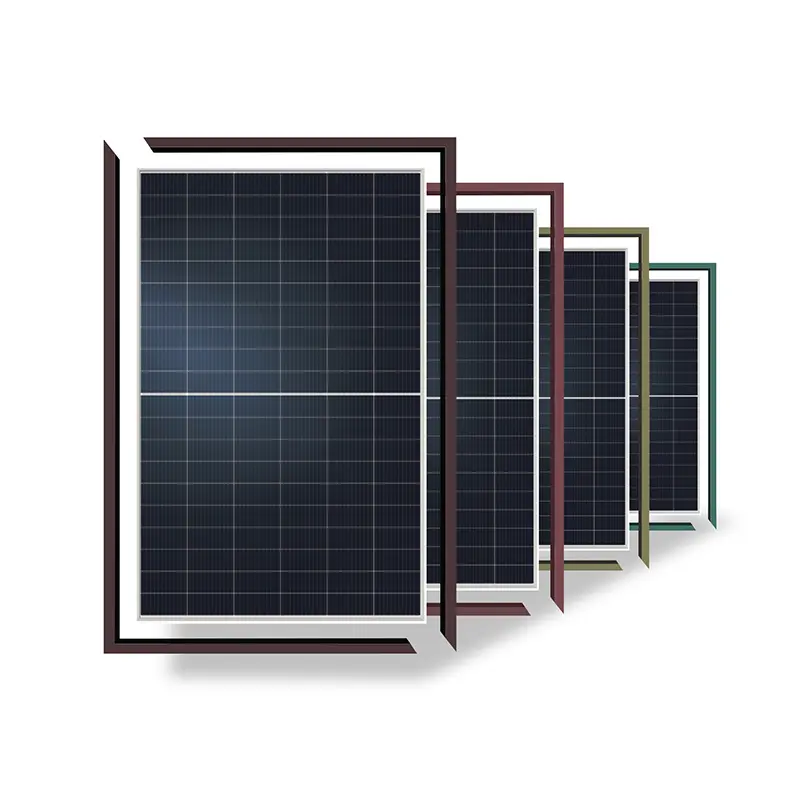
Review our comprehensive listing of structural frames, solar generators, monocrystalline arrays, and off-grid accessories.