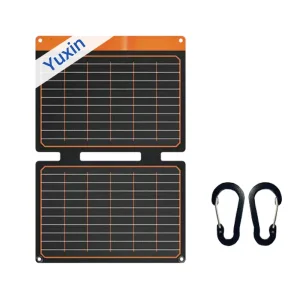
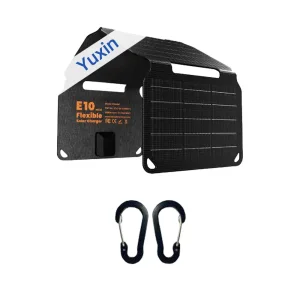
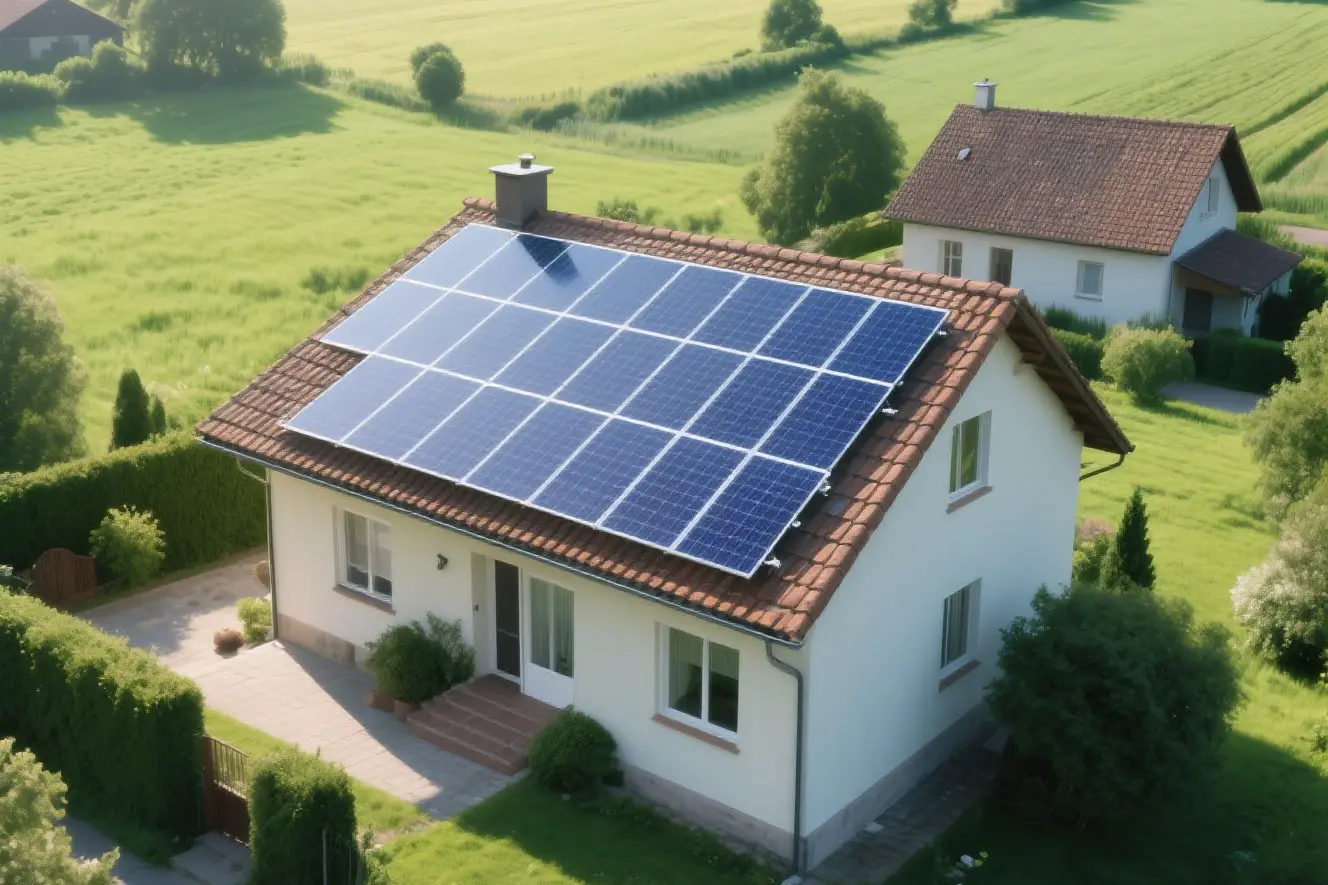
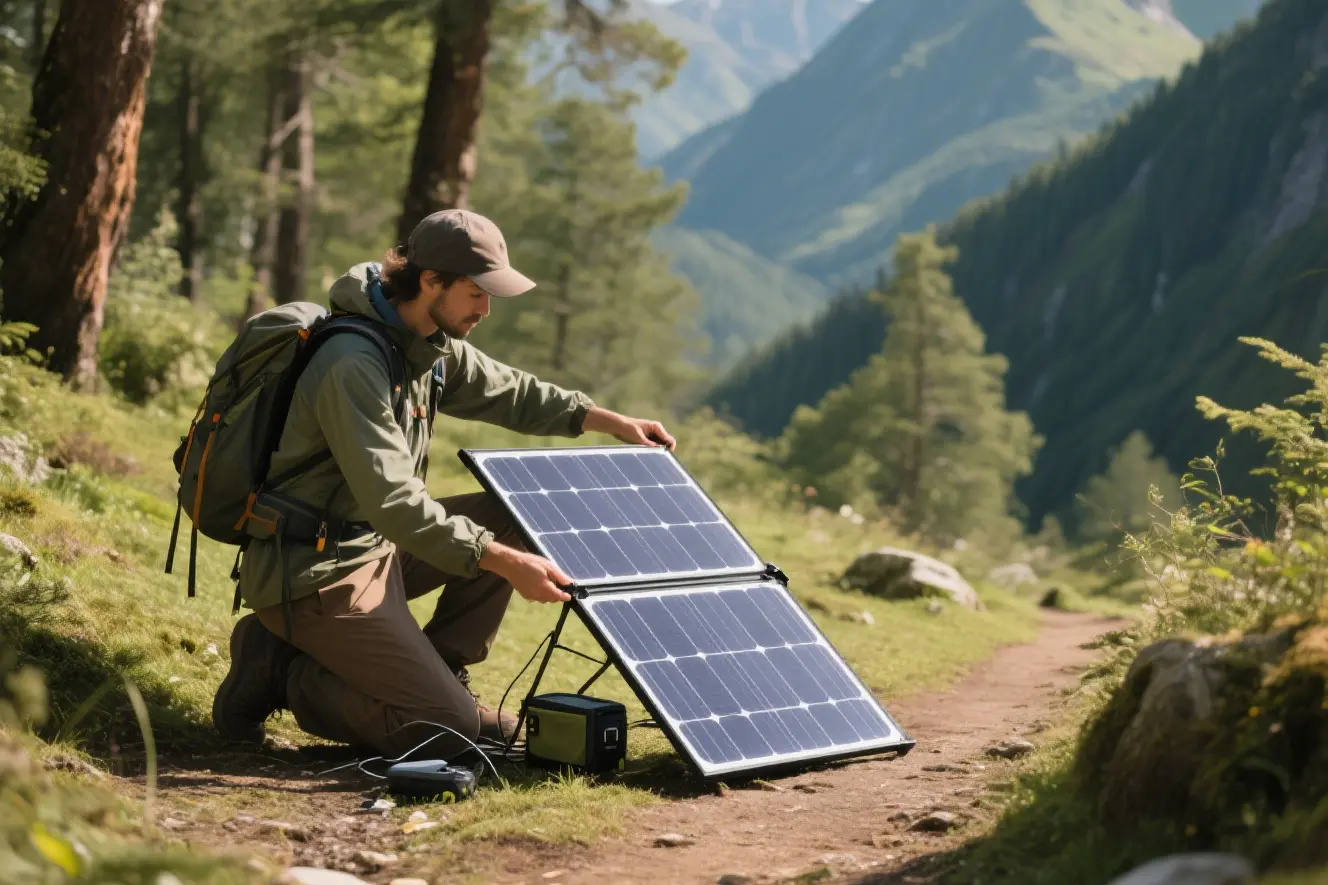
In the contemporary landscape of global electrification, the demand for off-grid power solutions has transitioned from a niche requirement to a macro-industrial imperative. Geopolitical instability, volatile fuel costs, and natural disasters are putting pressure on centralized grids. Businesses and government organizations are realizing the value of modular, scalable, and decentralized energy systems. Small portable solar power stations represent a technological leap, combining portability with industrial reliability.
Historically, remote electricity relied on diesel generators. While functional, they pose major drawbacks: constant fuel transport logistics, high maintenance overheads, noise pollution, and substantial greenhouse gas outputs. By leveraging advanced monocrystalline silicon technology and robust lithium iron phosphate (LiFePO4) storage chemistries, CE-certified small portable solar suppliers now deliver power structures that match the operational reliability of traditional fossil-fueled generators without the associated externalities.
"Decentralization is not merely an environmental trend; it is a structural hedge against grid vulnerability. Delivering certified, highly efficient portable energy units to the point of consumption represents the future of commercial utility."
At the center of any small portable solar solution is the solar cell array. Monocrystalline silicon cells are preferred for high efficiency in compact designs. By utilizing passivation technologies like PERC (Passivated Emitter and Rear Cell) and TOPCon (Tunnel Oxide Passivated Contact), cell structures achieve up to 24% energy conversion efficiency. This ensures maximum wattage yields in tight spaces.
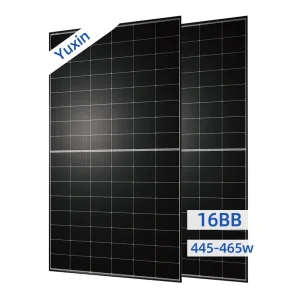
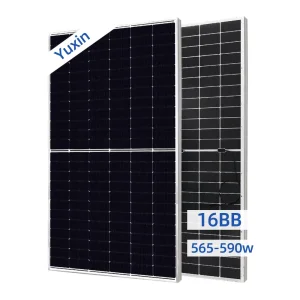
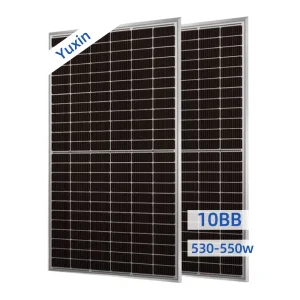
Moreover, the integration of multi-busbar (MBB) engineering—ranging up to 16BB layouts—significantly mitigates power losses caused by micro-cracks. It also improves electron collection paths across the cell surface. These architectural enhancements allow portable arrays to function under low-light conditions, such as cloudy skies or indirect winter sun. This ensures reliable uptime in critical applications.
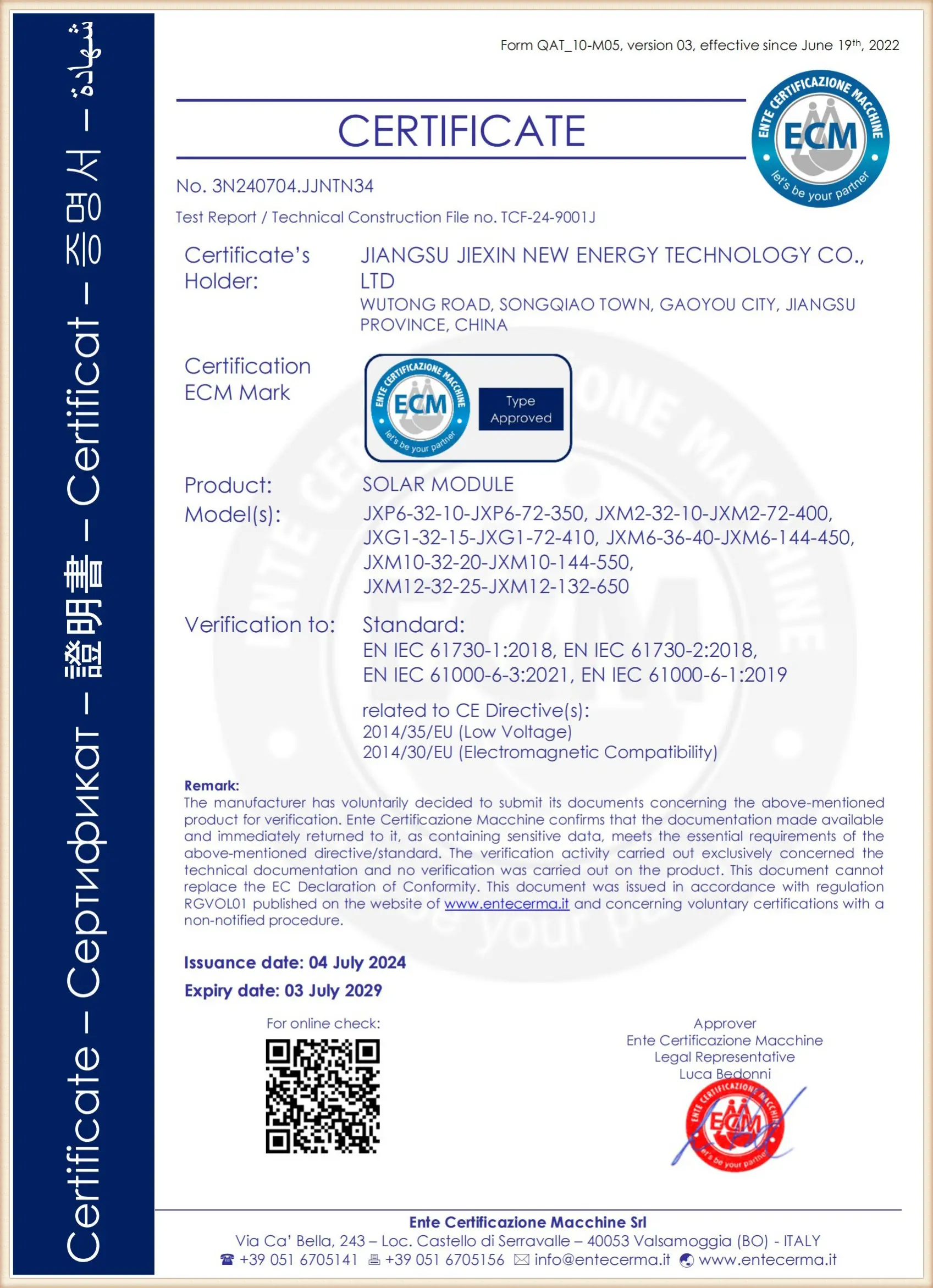
Strict European certification ensures electrical safety, electromagnetic compatibility, and reliable thermal characteristics.
Leveraging premium grade silicon cells to reach up to 24% conversion rates under real-world operating environments.
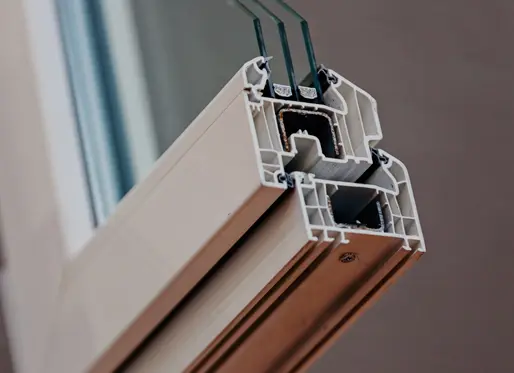
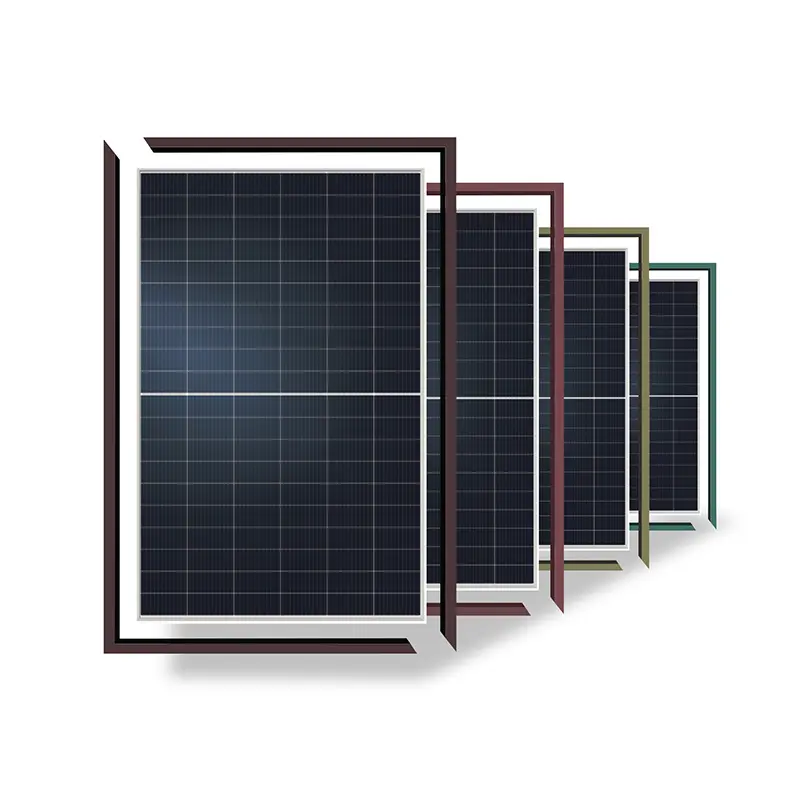
Innovative polyurethane pultruded components provide extreme durability while keeping the overall structure lightweight.
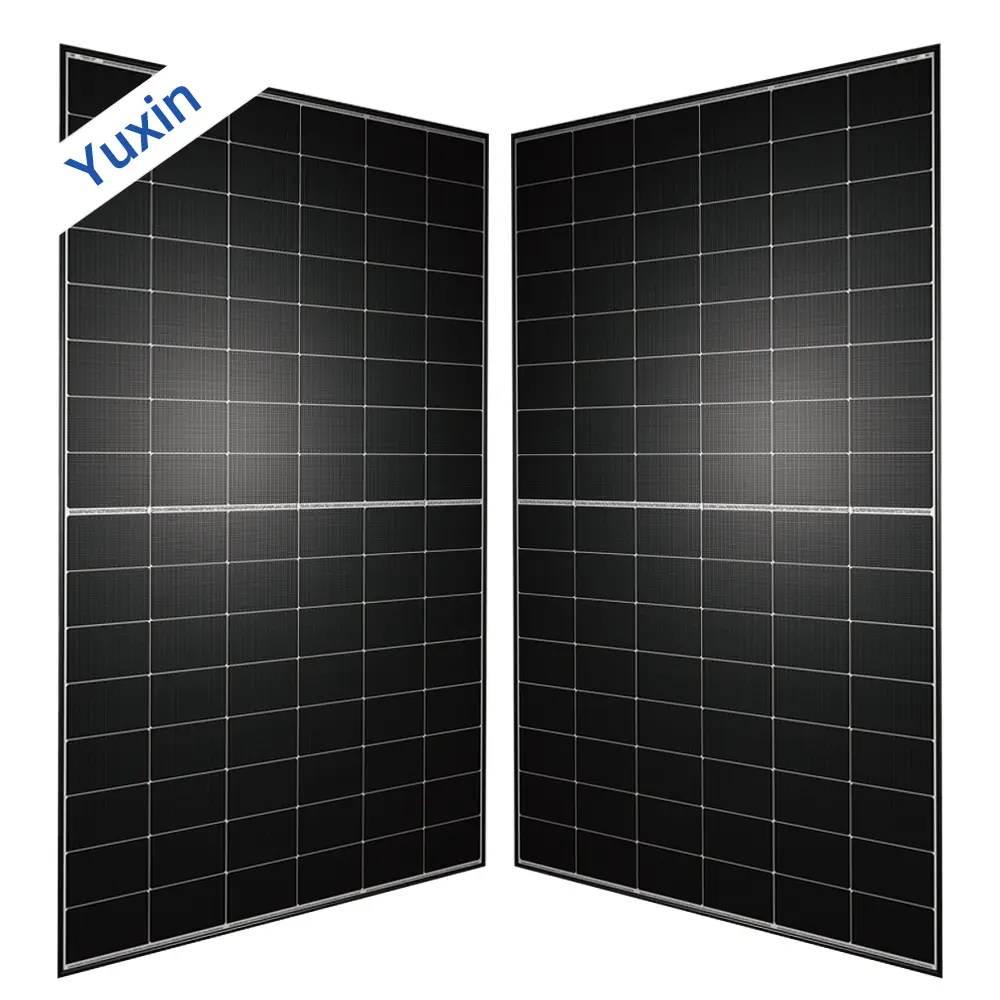
Lightweight design with transparent back panel for easy installation and reduced BOS costs.
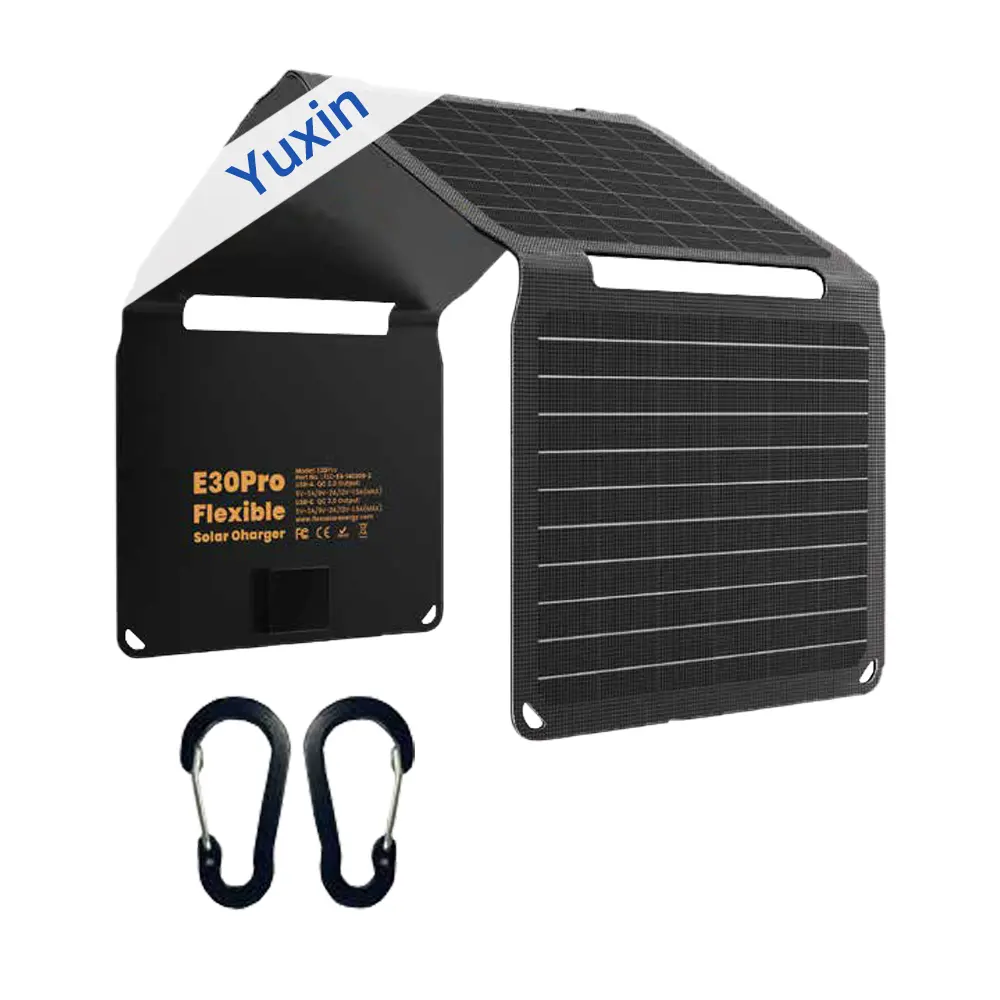
Utilizing advanced monocrystalline silicon cells, it achieves a high energy conversion efficiency of 24%.
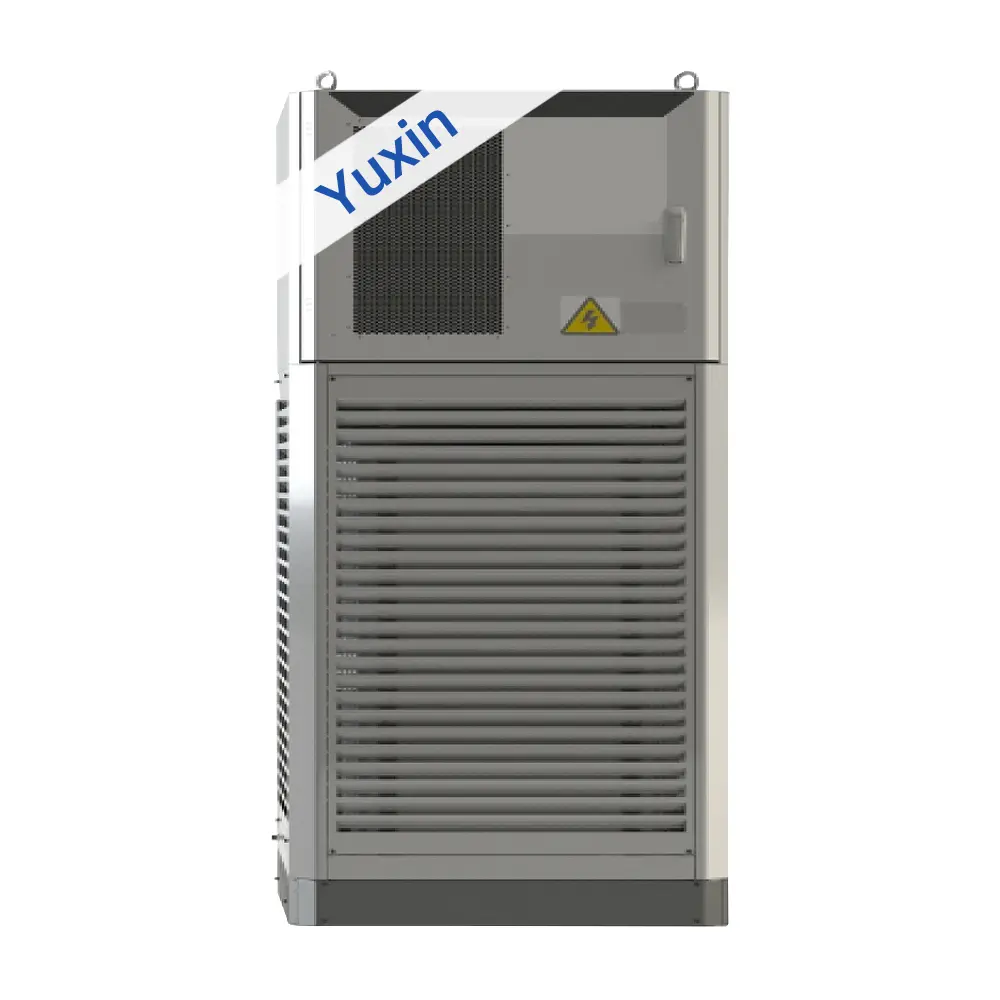
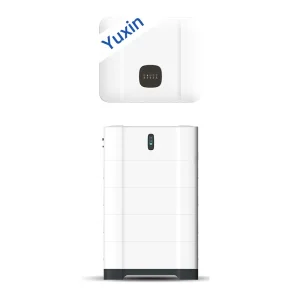
Application modes include grid-connected mode, off-grid mode, and integrated grid-connected/off-grid mode.
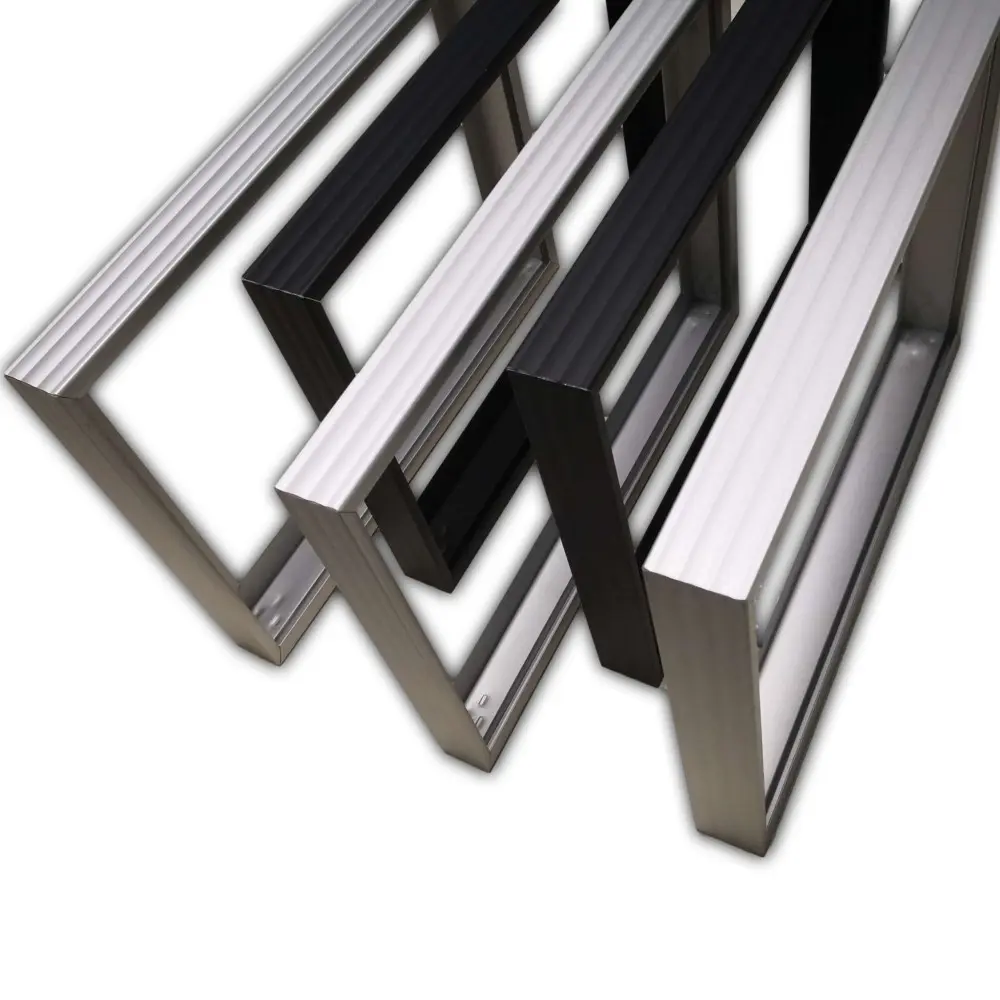
Made of high-quality anodized aluminum, it ensures superior weather resistance and a smooth, long-lasting finish.
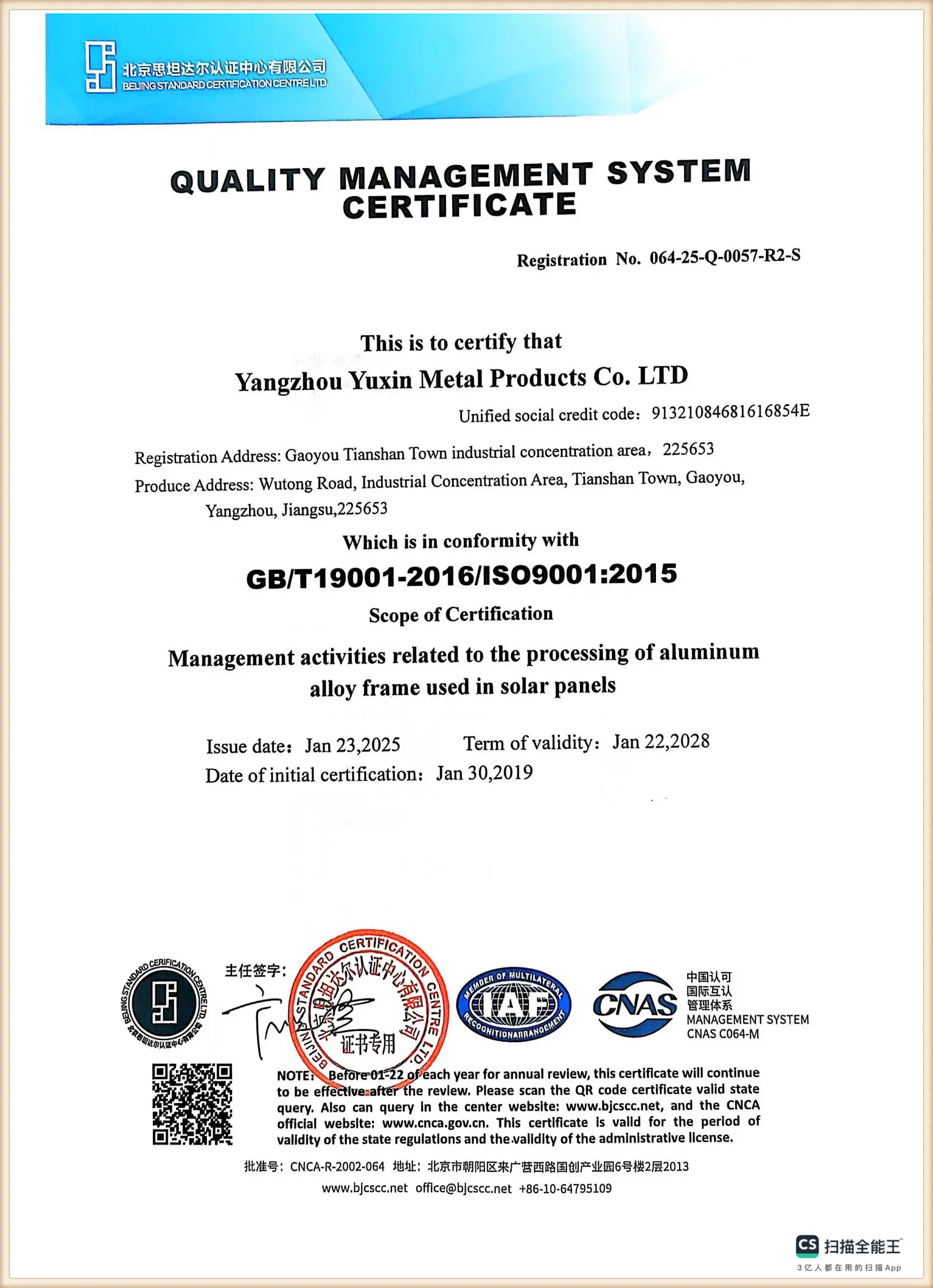
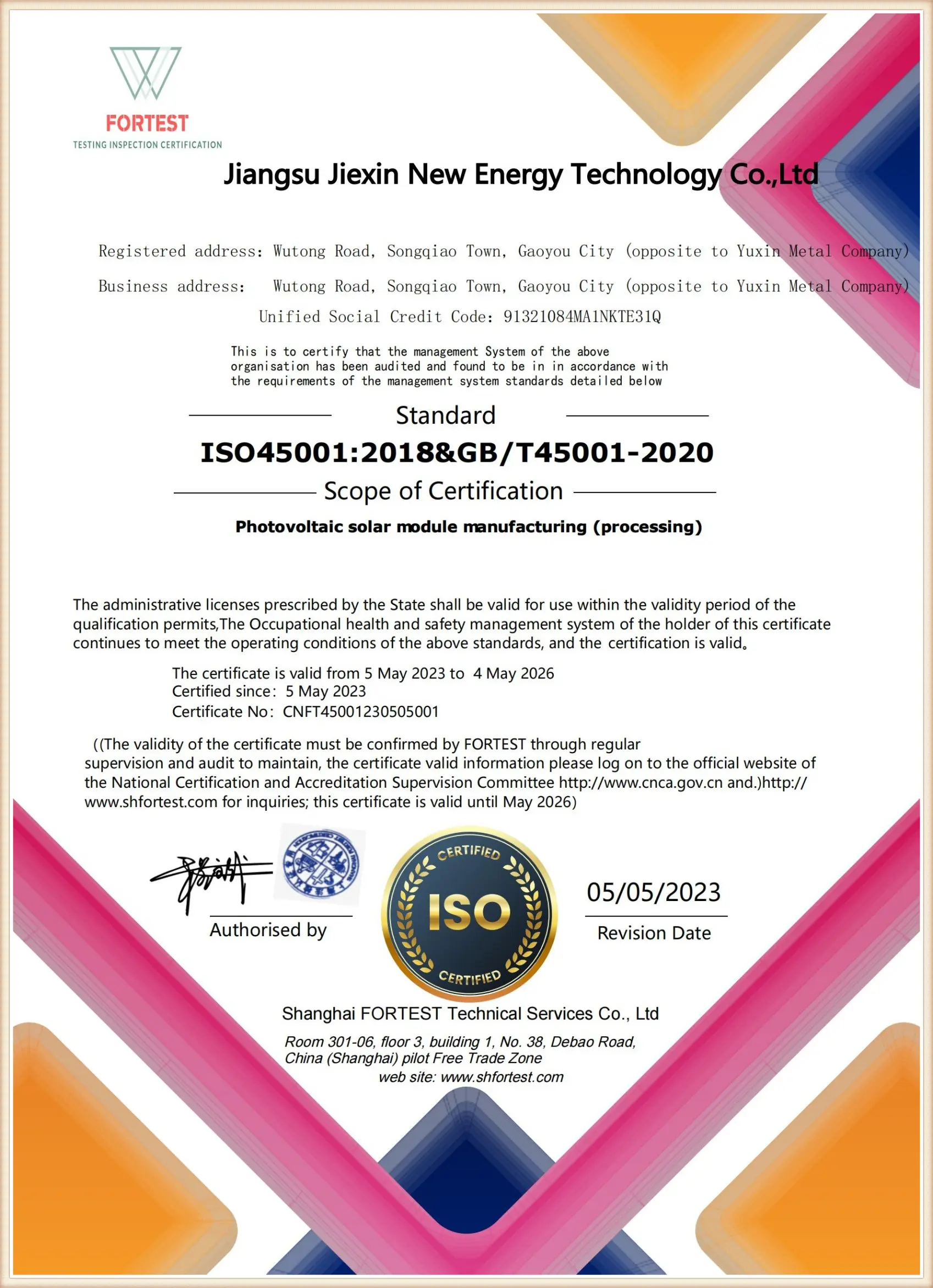
Jiangsu Yuxin New Energy Technology Co., Ltd. is located in the ancient city of Yangzhou, close to major expressways and logistics networks. Since our founding in 2008, the group has developed into a leading high-tech enterprise, operating 14 specialized subsidiaries. We design and manufacture high-performance photovoltaic materials, structural frames, and portable solar applications.
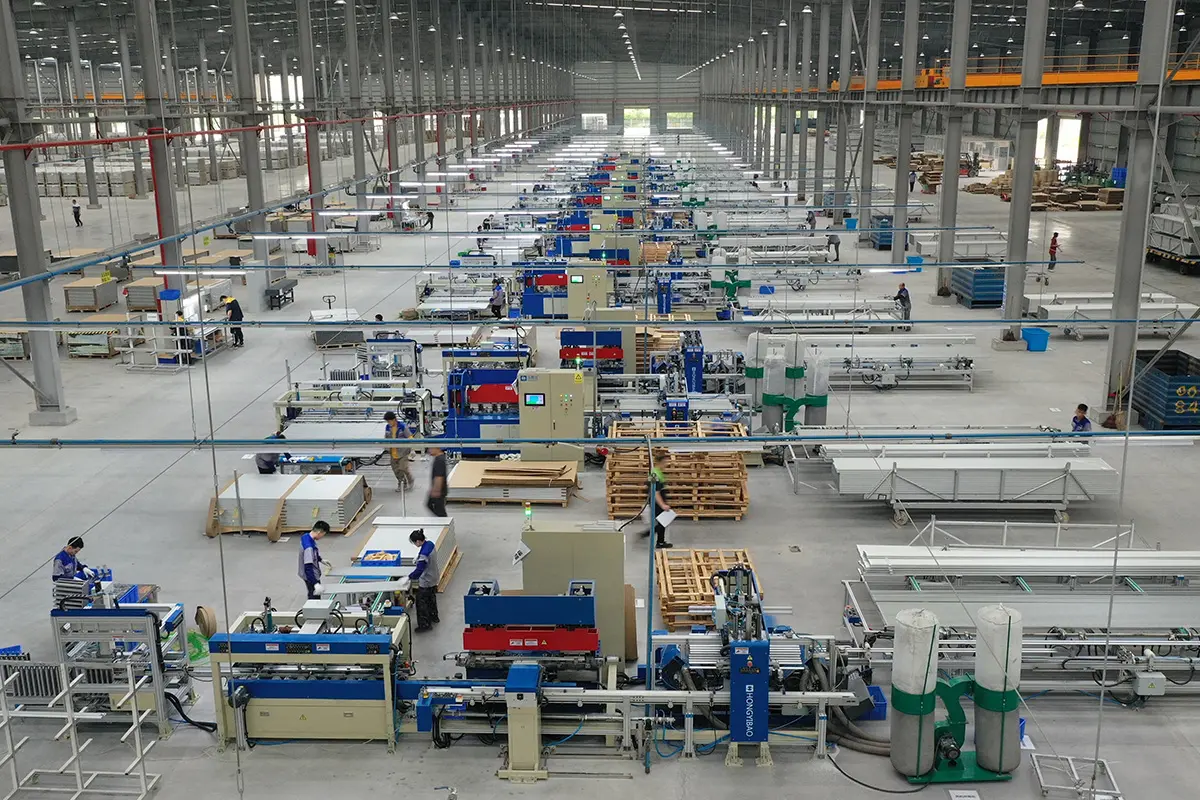
Yuxin maintains strong manufacturing capabilities with state-of-the-art production lines. This allows us to supply international markets while meeting strict quality and safety certifications. Our focus on engineering excellence has made us a trusted partner for global commercial, industrial, and municipal energy projects.
Registered as a National High-tech Enterprise, Yuxin blends R&D, structural engineering, and solar application manufacturing into a unified, reliable supply chain.
For small portable solar generators to operate reliably in commercial and industrial settings, compliance with electrical safety regulations is critical. Central to this standard is the CE Certification, a mandatory European Union regulatory conformity marking. This certificate verifies that Yuxin’s products comply with the essential health, safety, and environmental requirements defined in the applicable EU directives.
Ensures that the built-in power conversion equipment and MPPT charging controllers meet strict safety standards.
Guarantees low electromagnetic emissions, allowing worry-free operation near sensitive healthcare or communications equipment.
Complies with the Low Voltage Directive (LVD) to prevent insulation breakdown and high-voltage hazards.
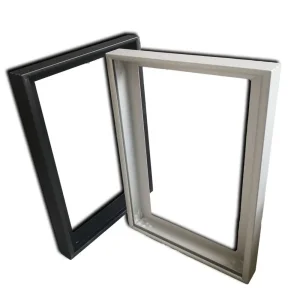
The operational lifespan of a solar energy setup is closely tied to its mounting and structural frame. Yuxin specializes in manufacturing two key framing innovations:
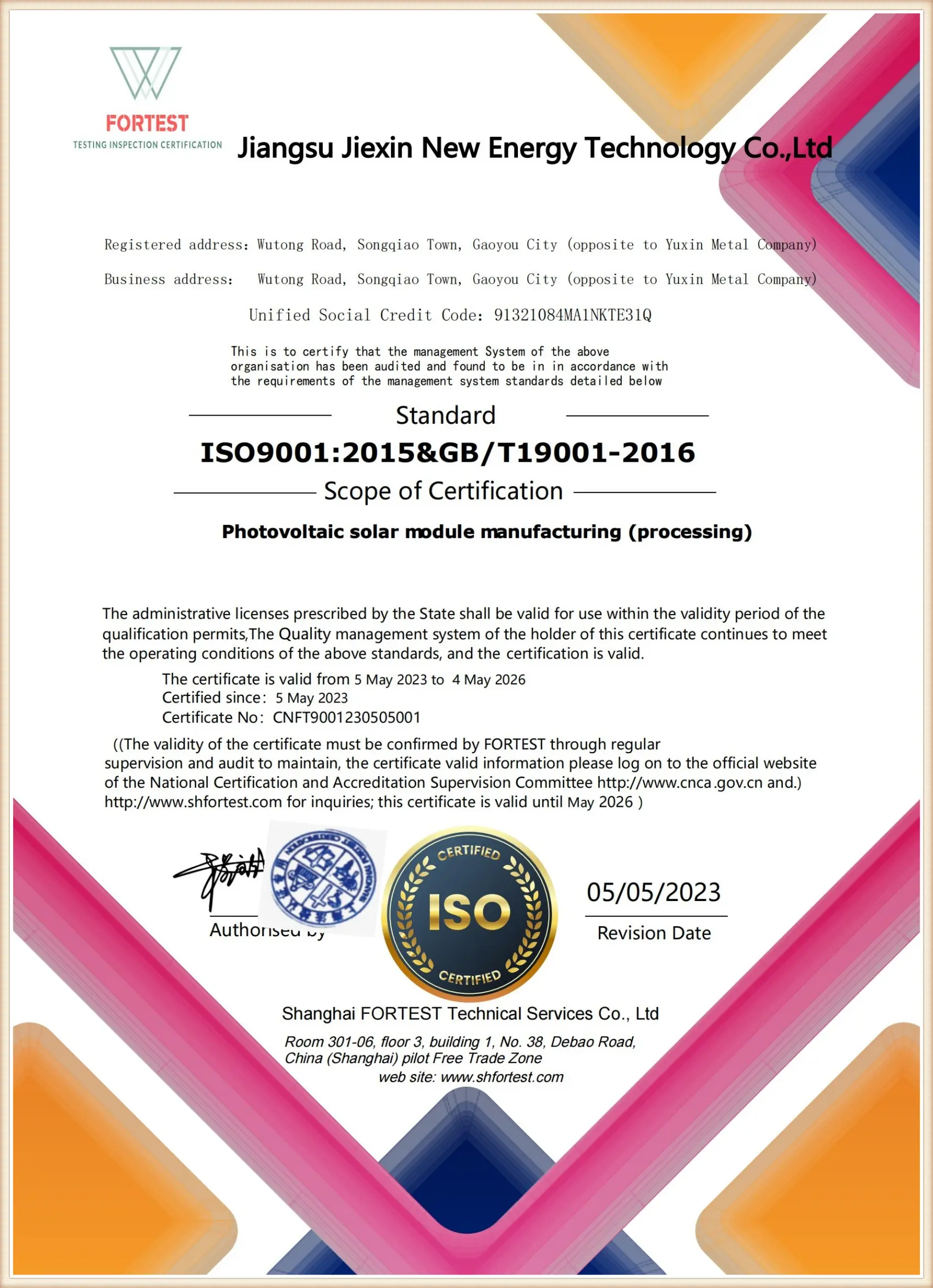
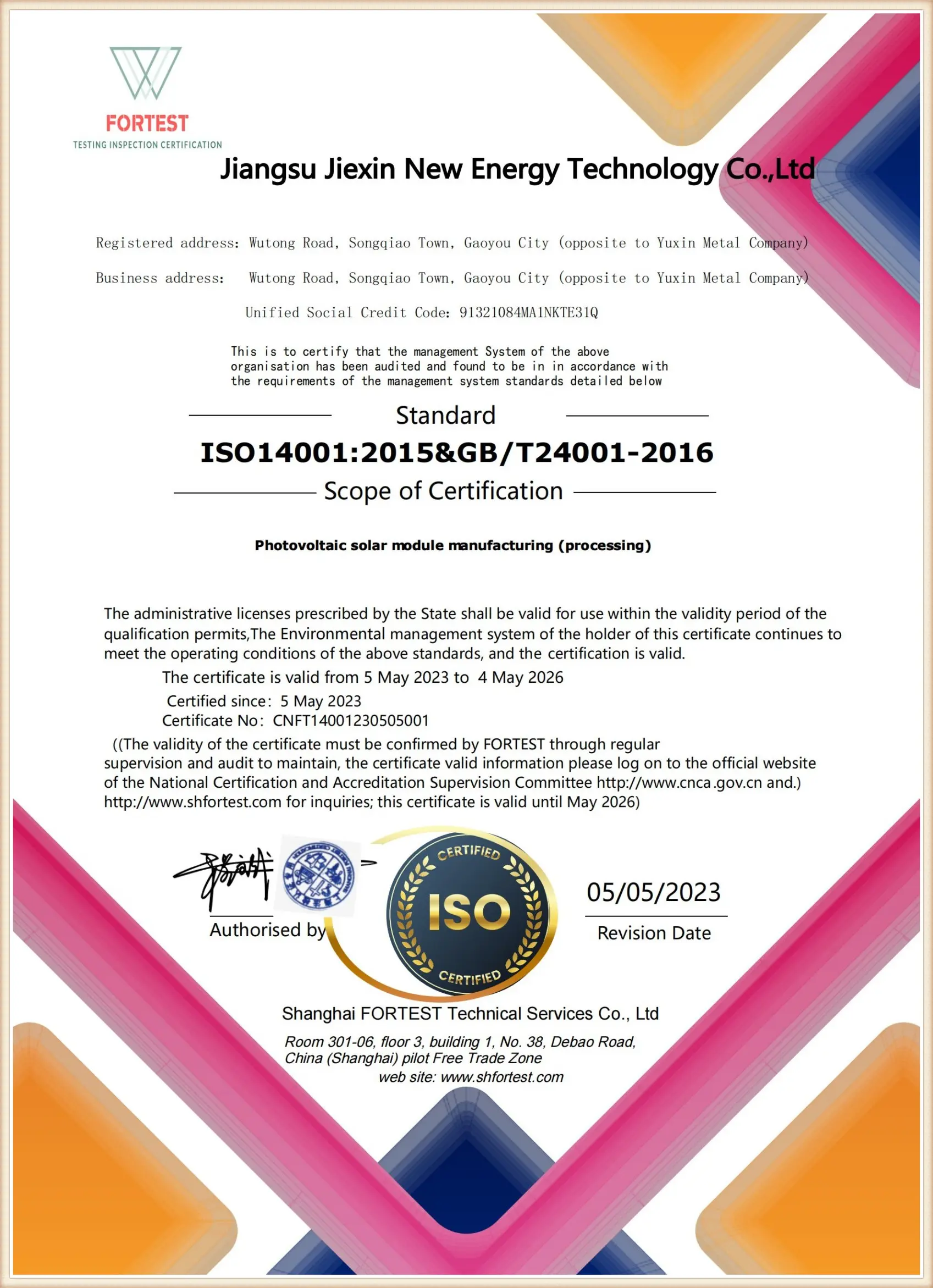

Through years of hard work by Yuxin's teams, the company has built a reliable, diversified collaborative partner ecosystem.


The portable energy sector is entering an phase of rapid evolution. Looking ahead, Yuxin’s R&D framework focuses on three main developments:
Solid-state batteries present an upgrade over liquid lithium-ion packs. With double the energy density, they will make next-generation power stations significantly lighter. This technology also eliminates the risk of thermal runaway, making operations safer in extreme hot or cold environments.
Future systems will feature intelligent IoT controls. Users will be able to monitor power output, battery health, and cell temperatures in real time using a cloud-based dashboard. This allows for proactive maintenance and optimal energy use.
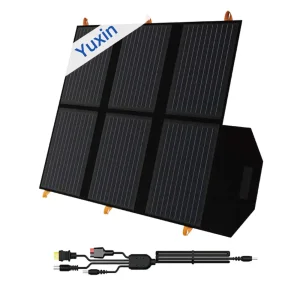
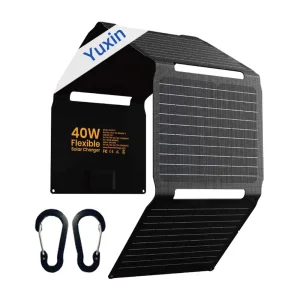
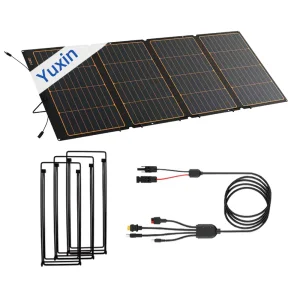
By layering perovskite thin-films onto monocrystalline silicon bases, tandem solar cells can break through the theoretical efficiency limits of traditional silicon. This allows portable solar blankets and folding modules to capture more energy from the same surface area.
For international commercial projects, products must have CE Certification, which covers the Low Voltage Directive (LVD) and Electromagnetic Compatibility (EMC). These certifications ensure the systems operate safely and do not interfere with nearby communication devices.
Anodized aluminum undergoes an electrochemical treatment that increases the thickness of its natural oxide layer. This improves corrosion resistance, protects against atmospheric weathering, and increases overall durability in harsh climates.
Polyurethane composite frames are ideal for environments with high humidity, salt spray, or chemical exposure. Because they are non-conductive, they are also highly suited for utility-scale solar arrays near high-voltage lines.
A 16BB (16 Busbar) design shortens the distance electrons travel across the cell, reducing internal resistance. This configuration also minimizes power loss caused by micro-cracks over the panel’s operating life.
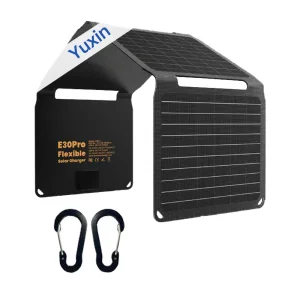
Our premium monocrystalline solar chargers are designed for a service life of over 10 years. They utilize UV-resistant ETFE encapsulations and maintain over 80% of their rated output even after a decade of regular outdoor use.