Understanding the physics of PV generation, regulatory frameworks, and off-grid power storage architectures.
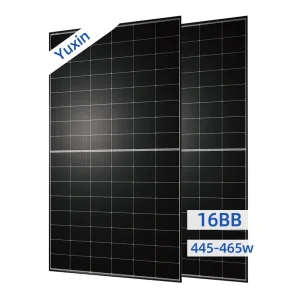
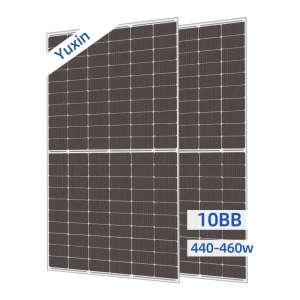
Modern off-grid solar relies on high-efficiency Monocrystalline cells (PERC and TOPCon). By utilizing N-Type Half-Cell layouts, energy loss due to internal resistance is reduced by up to 50%. The result is superior output even in low-irradiation or partially shaded conditions, typical of leisure applications.
Leisure batteries require controlled charge profiles (Bulk, Absorption, Float). Whether charging Lead-Acid, Gel, AGM, or Lithium Iron Phosphate (LiFePO4) storage units, a reliable portable solar kit must maintain exact voltage levels under shifting ambient temperatures to prevent degradation.
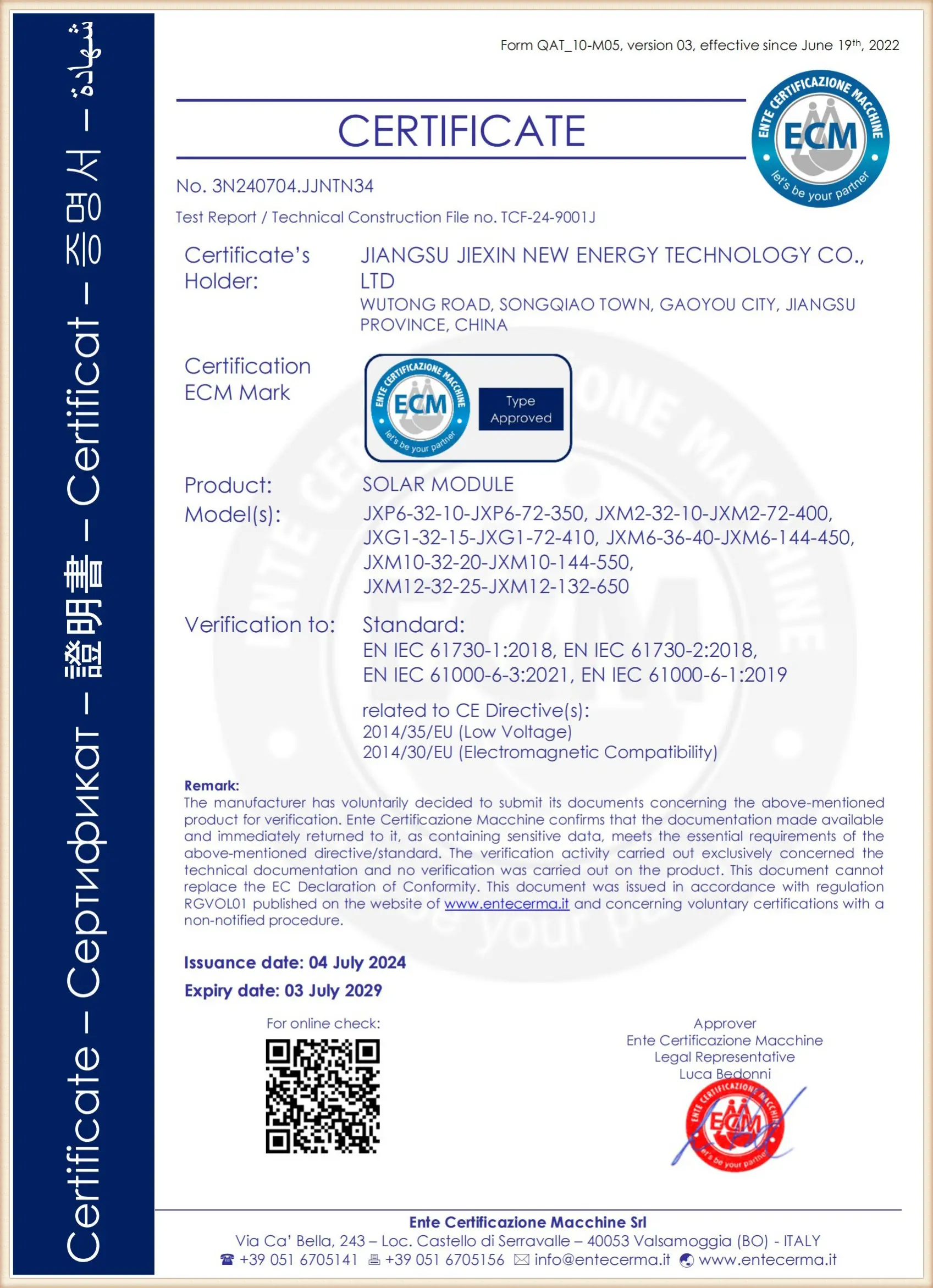
CE Certification ensures conformity to EU safety, health, and environmental protection standards. For exporters and European distributors, this provides legal compliance under the Low Voltage Directive (LVD) and Electromagnetic Compatibility (EMC) regulations.
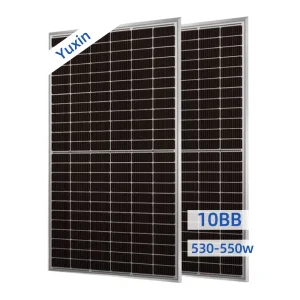
When selecting portable solar modules for charging leisure batteries, engineering decision-makers look beyond nominal power ratings. Factors such as the temperature coefficient of Pmax (usually around -0.35%/°C), standard operating cell temperature (NOCT), and mechanical load limits (up to 5400 Pa for dual-glass modules) dictate real-world reliability. High-durability structures, backed by sustainable polyurethane pultruded composite material or robust anodized aluminum frames, ensure the solar array withstands maritime humidity, dust, and continuous transport vibrations.
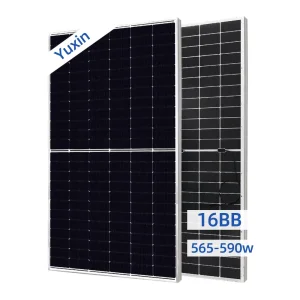
Advanced N-Type TOPCon panels feature zero Light-Induced Degradation (LID) and drastically reduced Potential-Induced Degradation (PID) compared to legacy P-Type options. For fleet operators, commercial vehicle outfitters, and marine distributors, selecting modules with integrated multi-busbar (e.g., 16BB) technology minimizes current loss pathways, guaranteeing a steady flow of direct current (DC) to keep emergency equipment, communication arrays, and auxiliary leisure electronics fully charged.
Customized hardware solutions utilizing modern photovoltaic engineering and design principles.
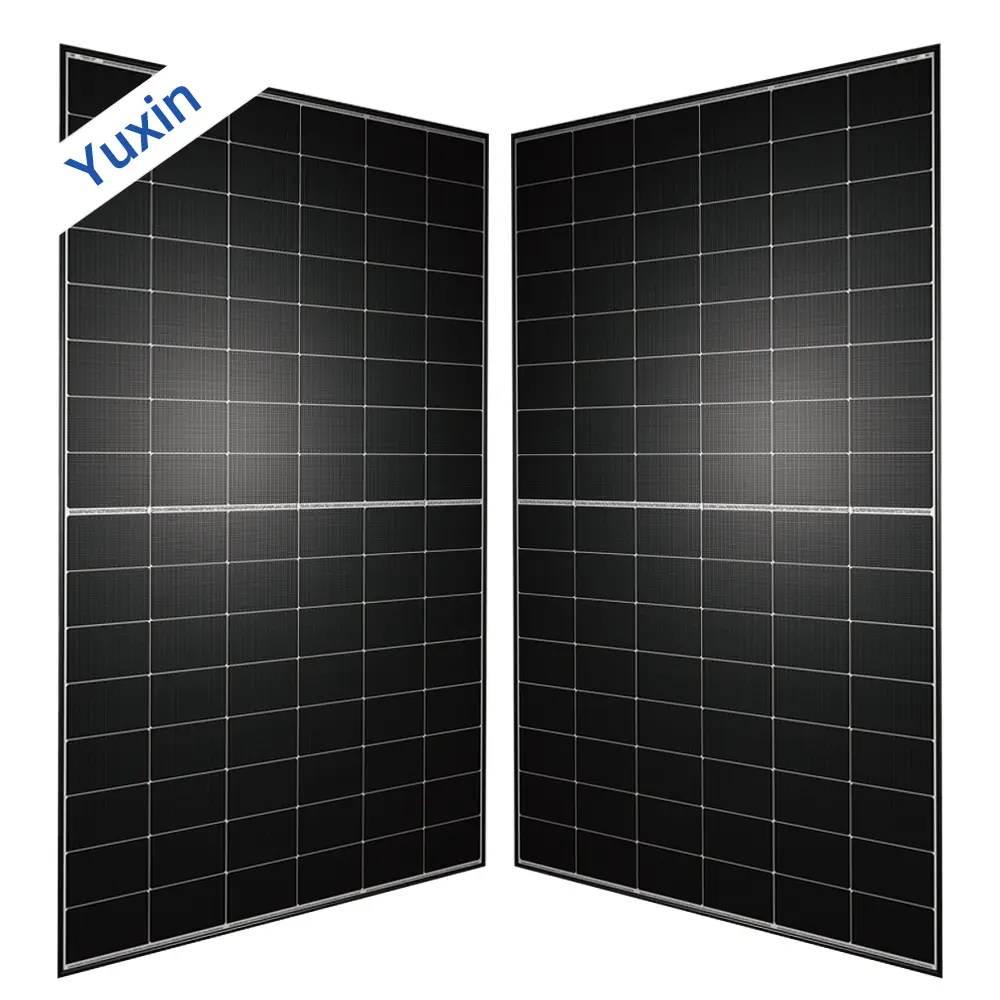
Lightweight design with transparent back panel for easy installation and reduced BOS costs.
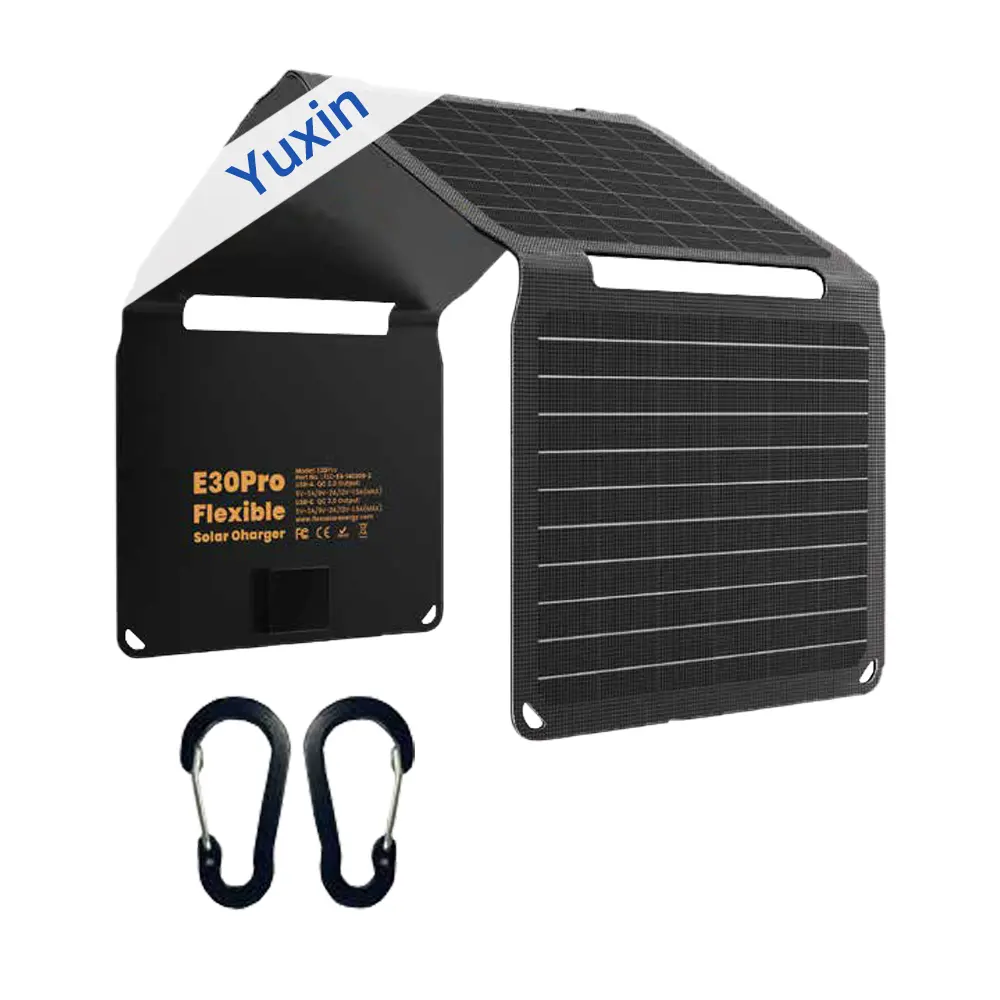
Utilizing advanced monocrystalline silicon cells, it achieves a high energy conversion efficiency of 24%.
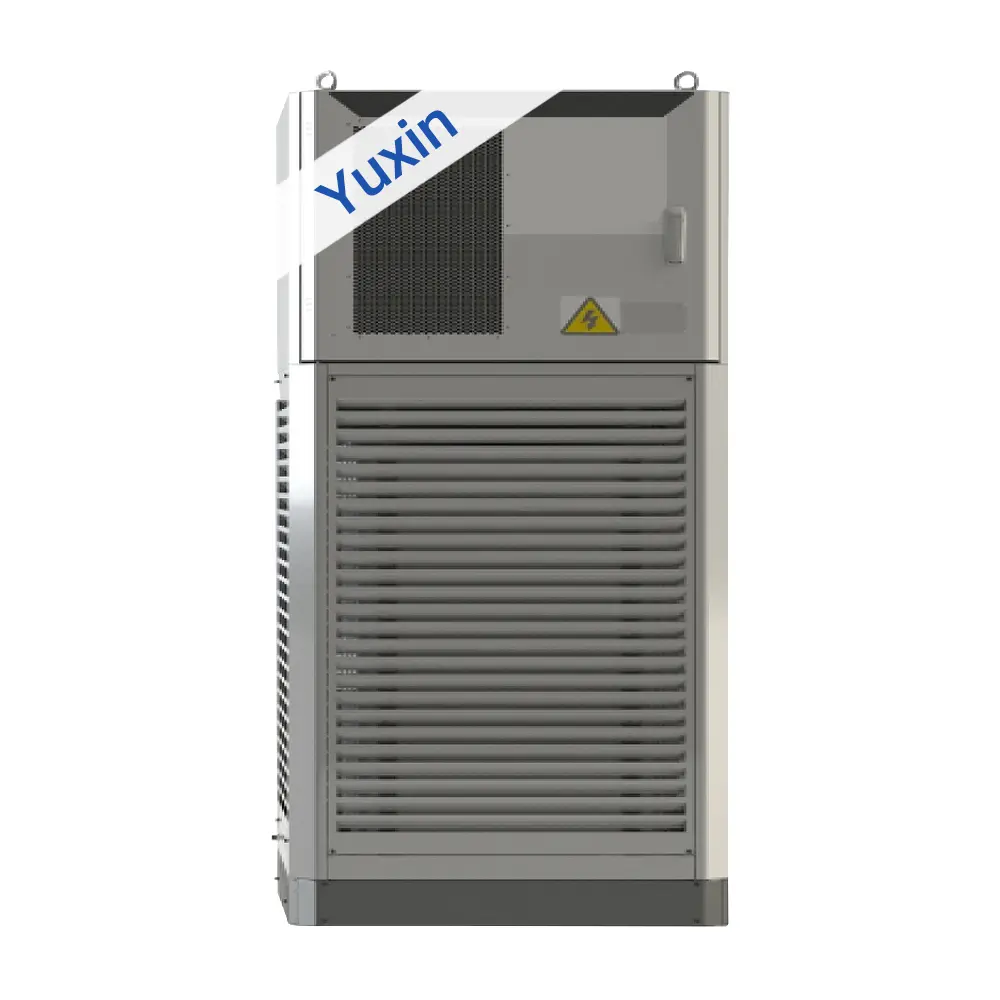
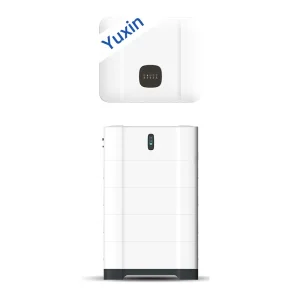
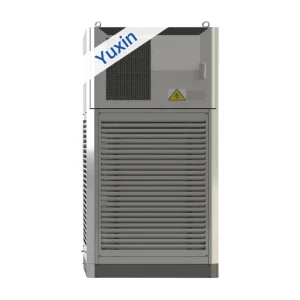
Application modes include grid-connected mode, off-grid mode, and integrated grid-connected/off-grid mode.
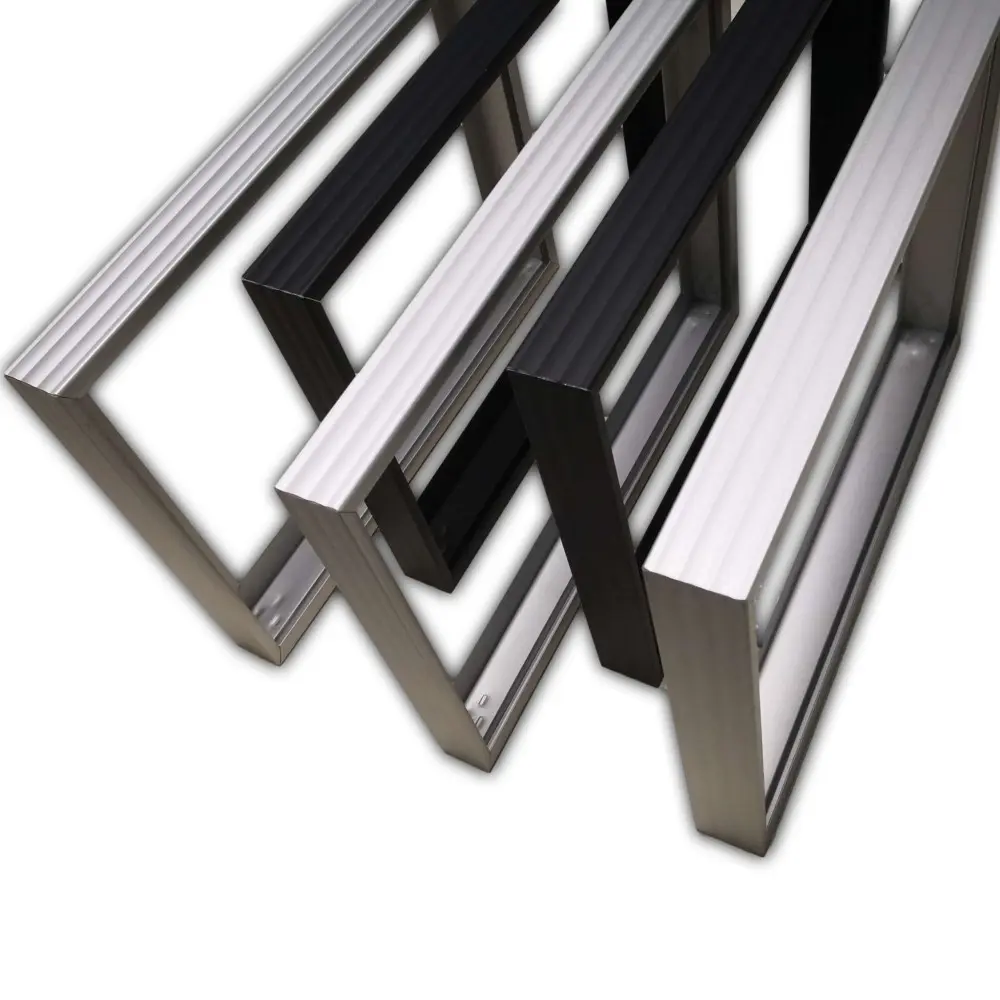
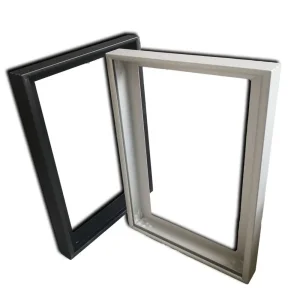
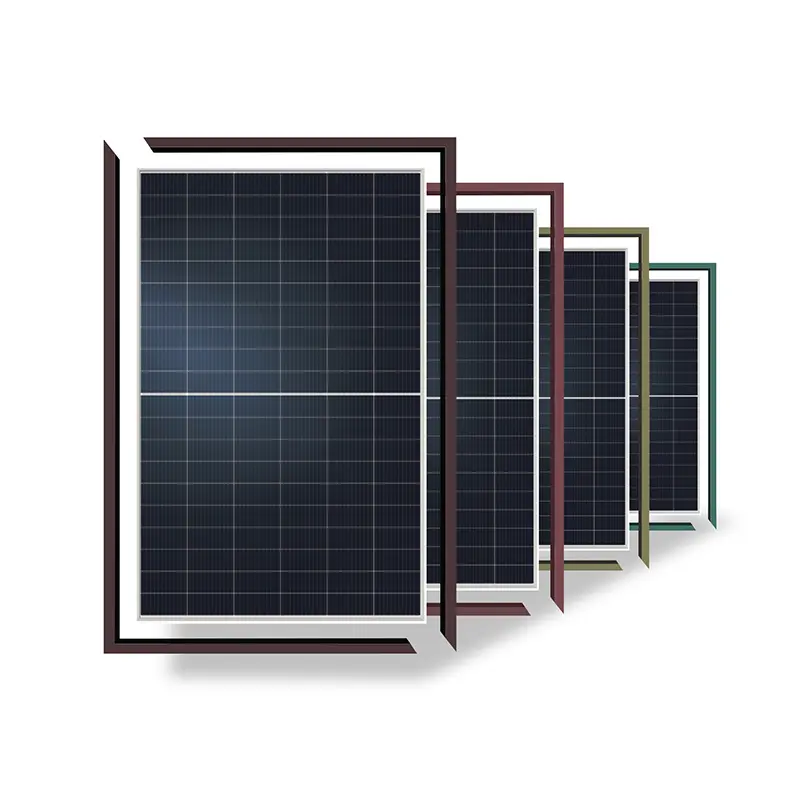
Made of high-quality anodized aluminum, it ensures superior weather resistance and a smooth, long-lasting finish.
Located in the scenic historical and cultural ancient city of Yangzhou, close to the Beijing-Shanghai Expressway, Runyang Yangtze River Bridge, and Ningqi Railway, the group has a superior geographical location and convenient transportation. The group was established in 2008 and has 14 multi-field companies under its jurisdiction, including Jiangsu Yuxin New Energy Technology Co., Ltd.
YUXIN has won many titles such as National High-tech Enterprise, Technology-based Enterprise, and Gaoyou City Top 100 Private Enterprises, positioning itself as a reliable global supply partner for high-efficiency solar modules and hardware.
Contact Our EngineersDeploying robust solar charging systems across distinct commercial landscapes.
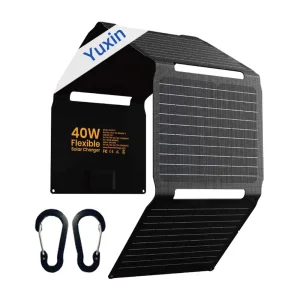
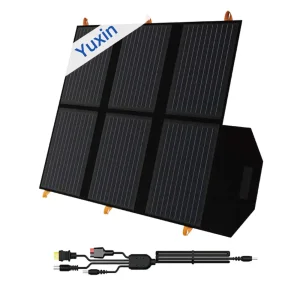
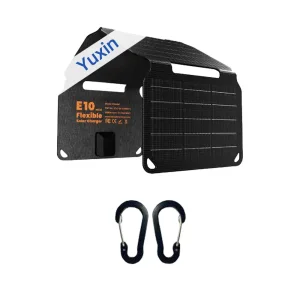
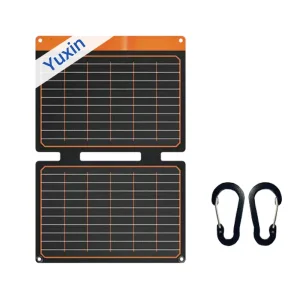
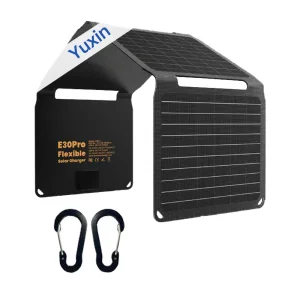
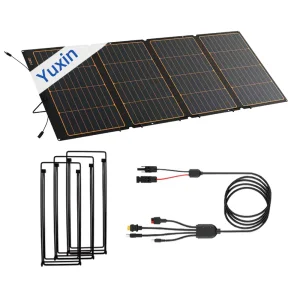
Europe & North America: High demand for recreational vehicle (RV) upgrades, off-grid caravan cabins, and yachts. Strict compliance with CE (EMC/LVD) and local electricity regulations is mandatory. Portable, folding monocrystalline modules with built-in smart charge management are favored for fast setups.
Oceania & Australia: Extreme heat conditions demand panels with exceptionally low temperature coefficients and durable structural framing. Our polyurethane composite frames and double-glass panels offer high thermal resistance, mitigating efficiency drop-offs in the Outback.
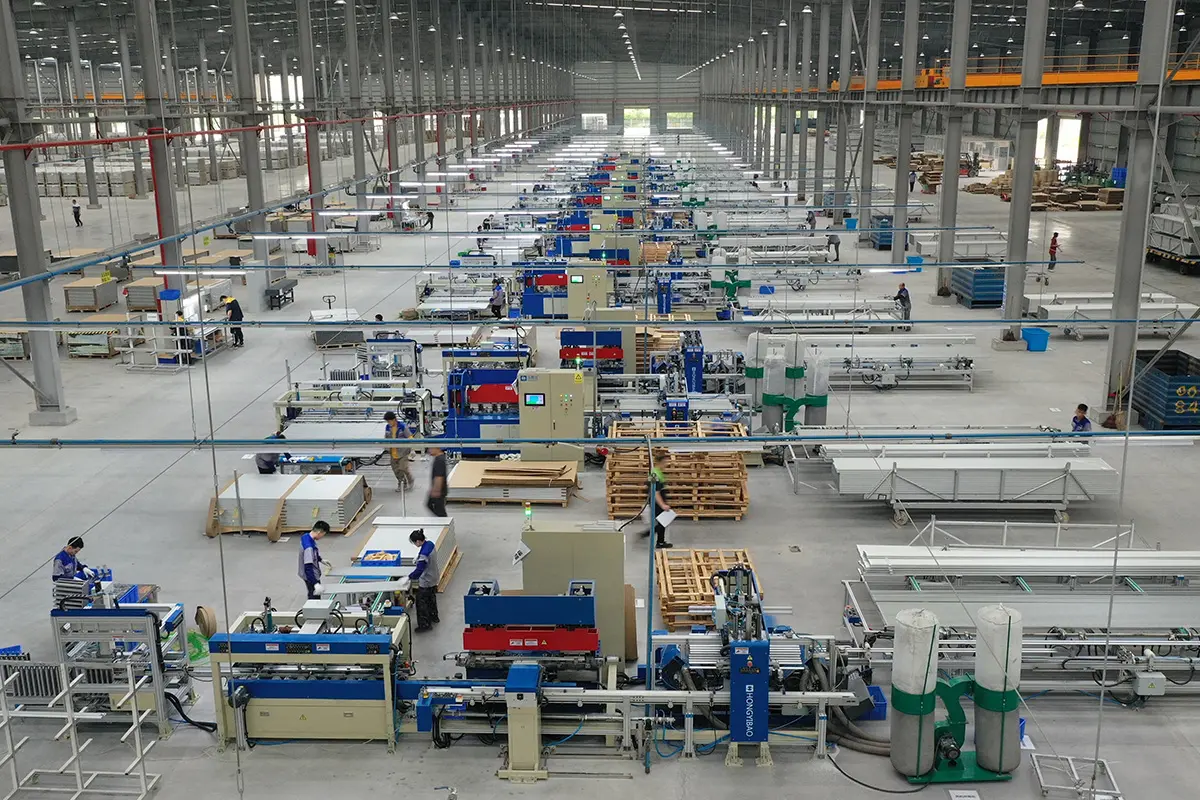
Jiangsu Yuxin’s production network in Yangzhou integrates raw silicon processing, frame pultrusion, panel laminating, and final package shipping. Being close to key logistics hubs like the Runyang Yangtze River Bridge allows quick transit to major international ports.
Our localized support centers provide commercial clients with streamlined customs processing, compliance verification documentation, and quick warranty assistance, maintaining robust lead times even during global supply chain fluctuations.
The solar market is quickly transitioning from P-Type PERC cells to N-Type TOPCon and Heterojunction (HJT) solar cell configurations. This transition offers significant performance enhancements for portable applications, where space is limited but maximum output is required to charge leisure batteries.
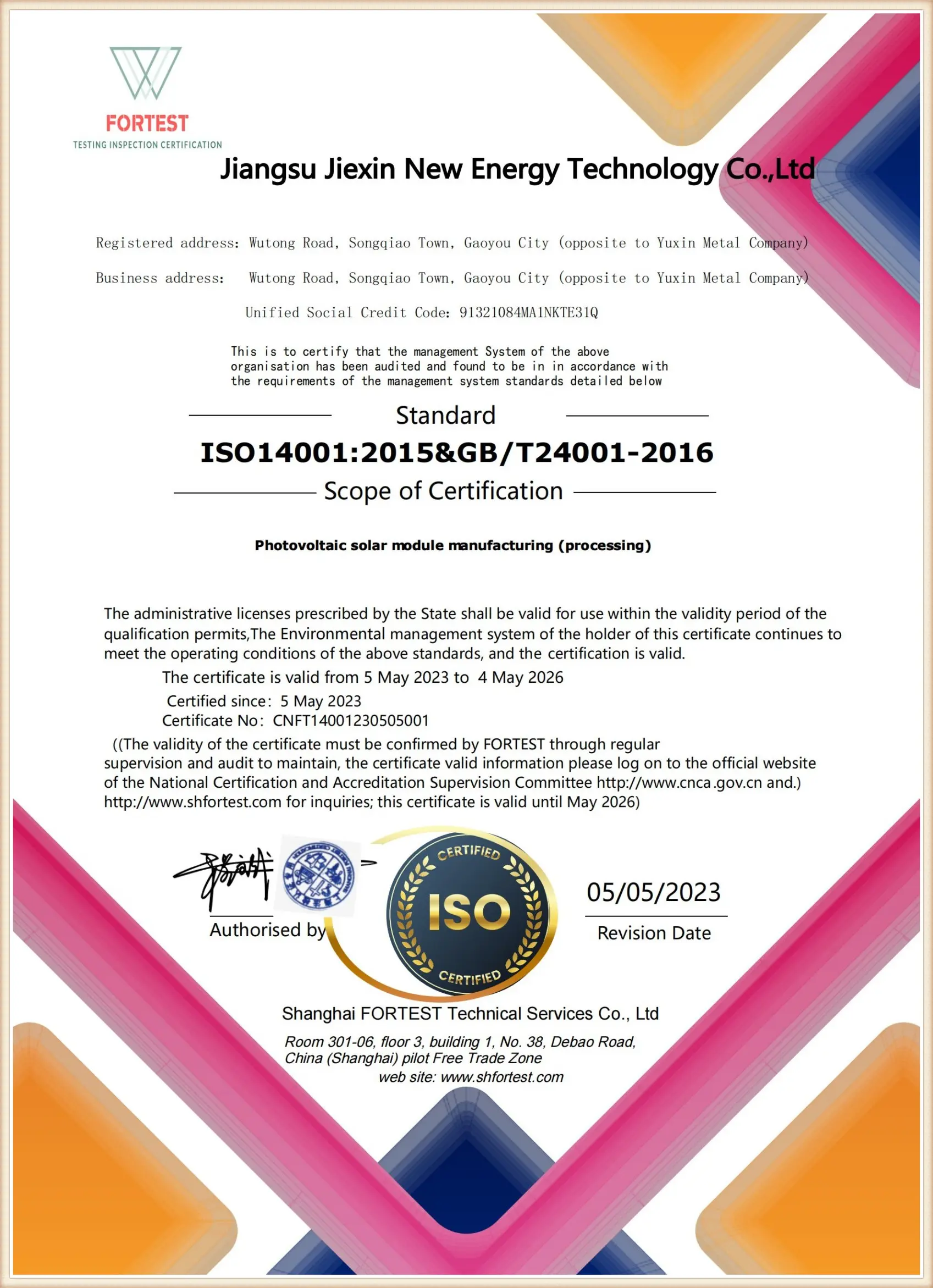
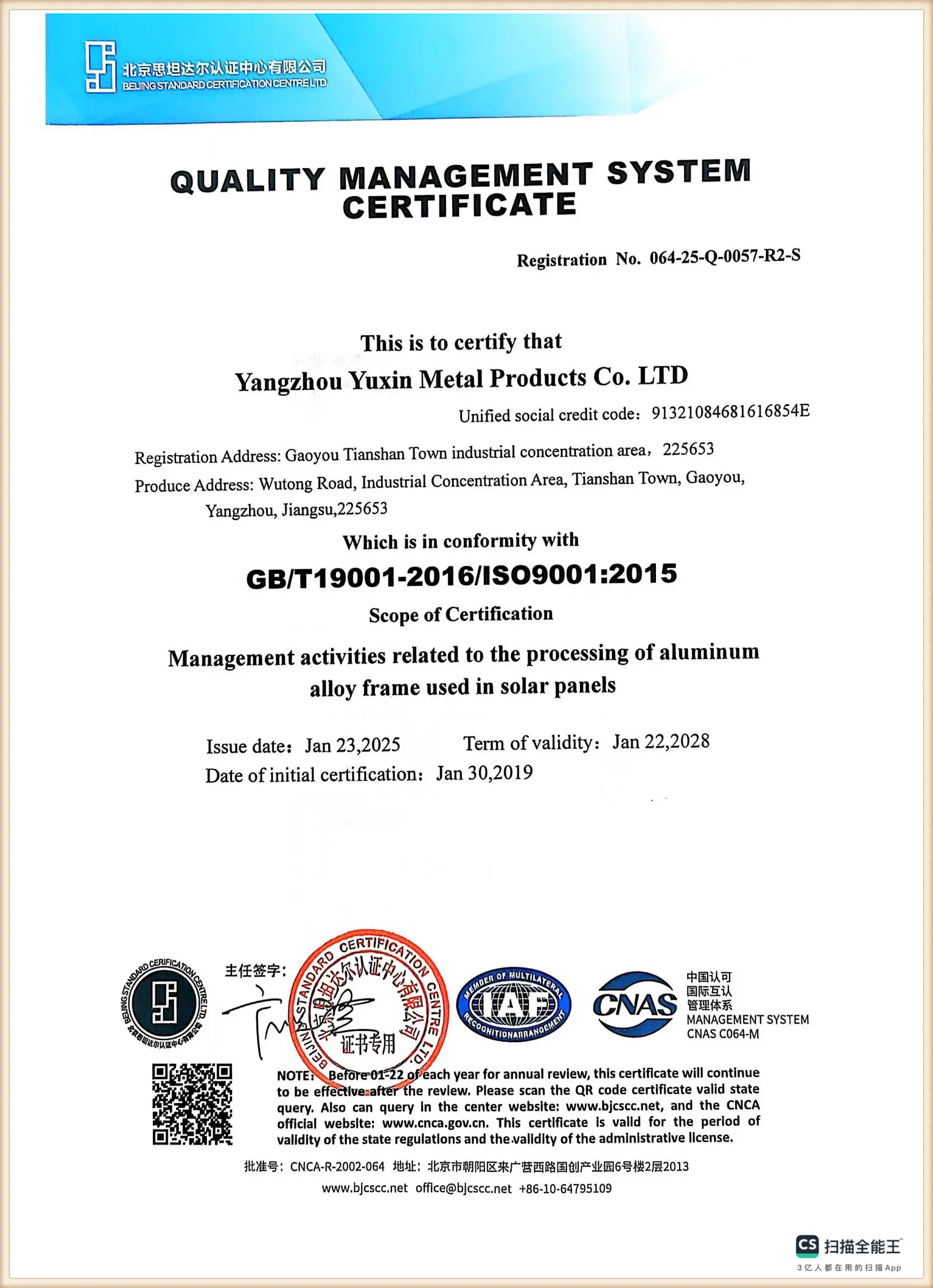
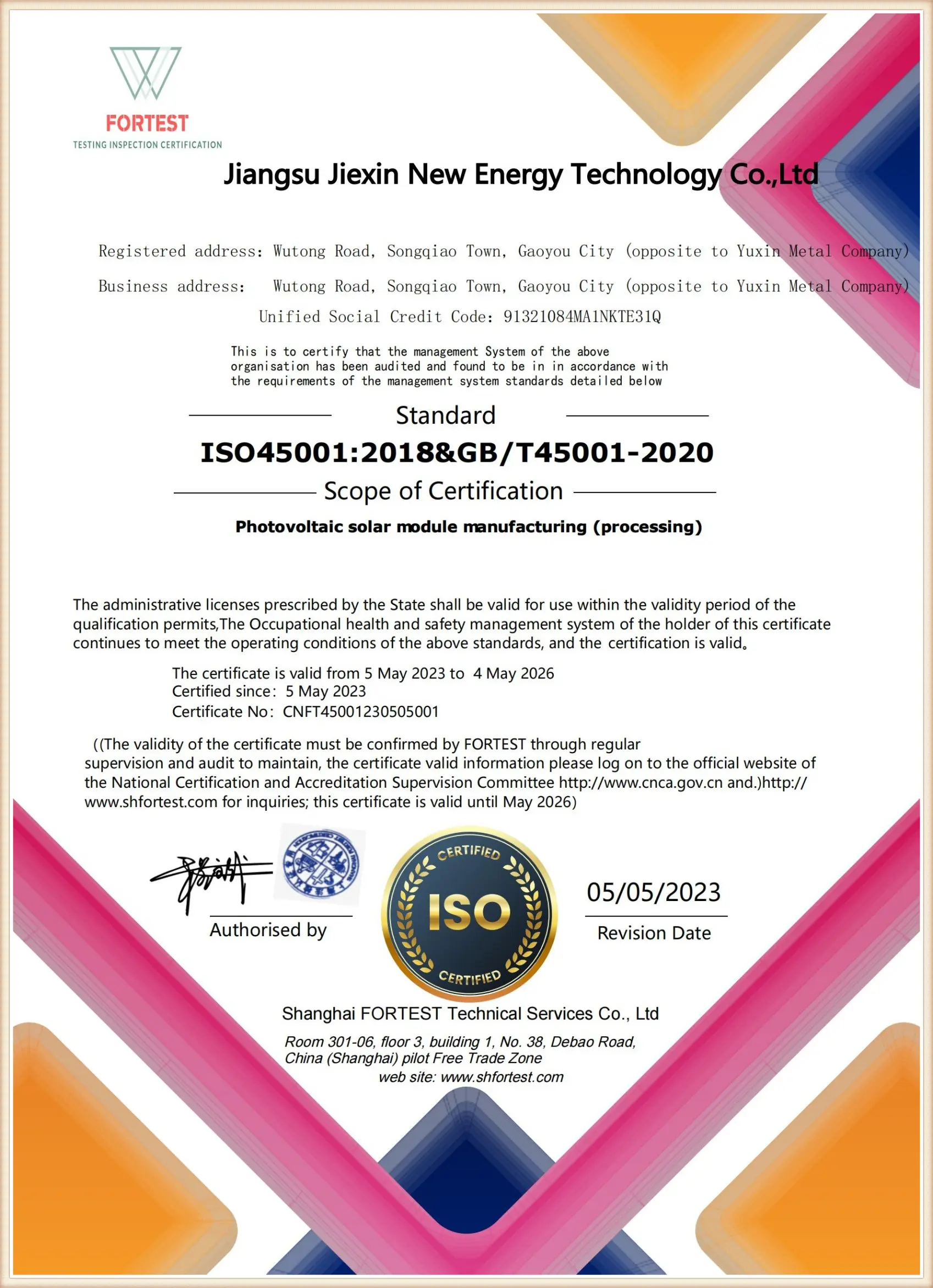
Our production processes conform to international standards, ensuring safe and reliable distribution.
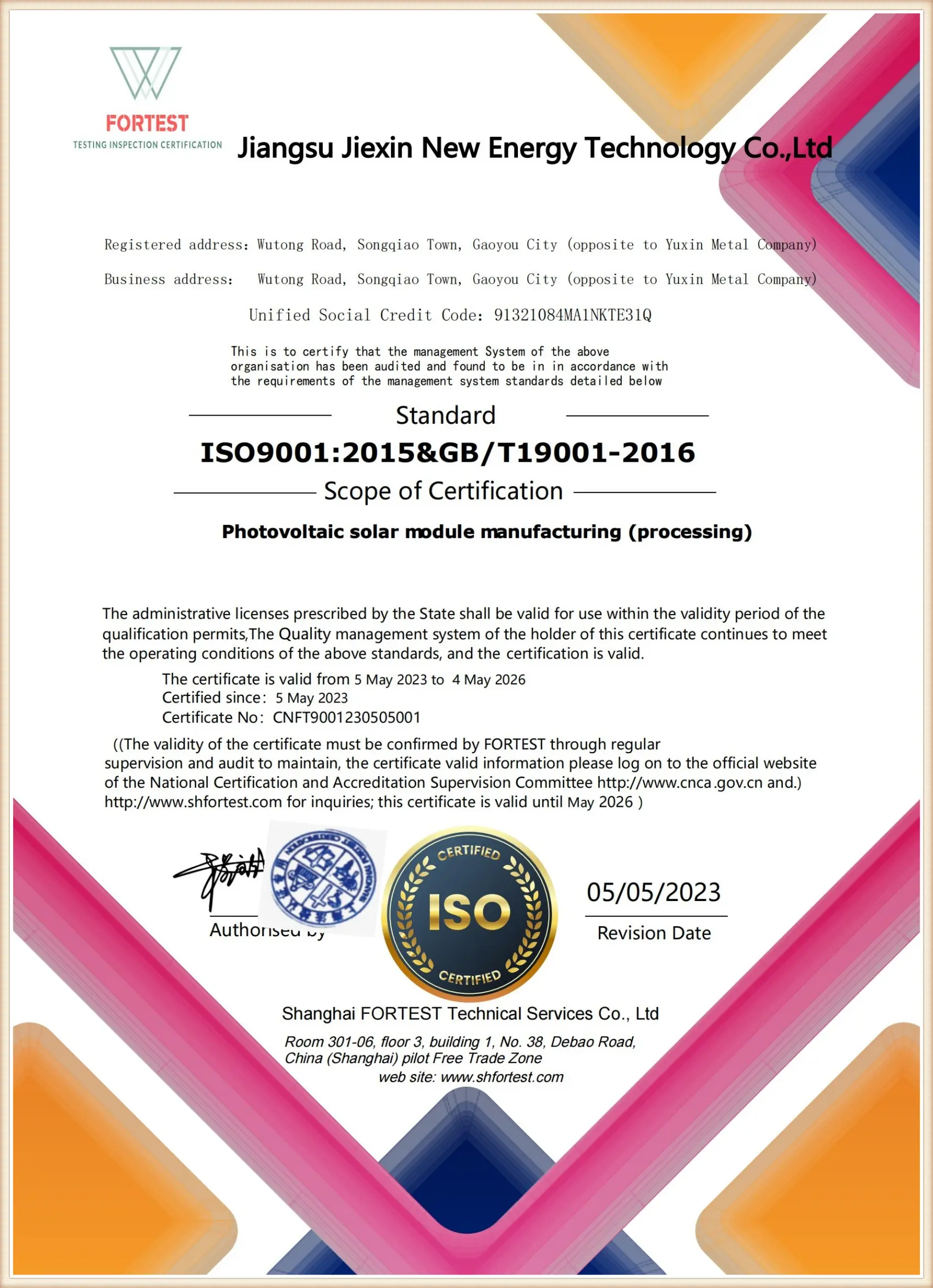
Empowering off-grid systems across global industrial sectors.

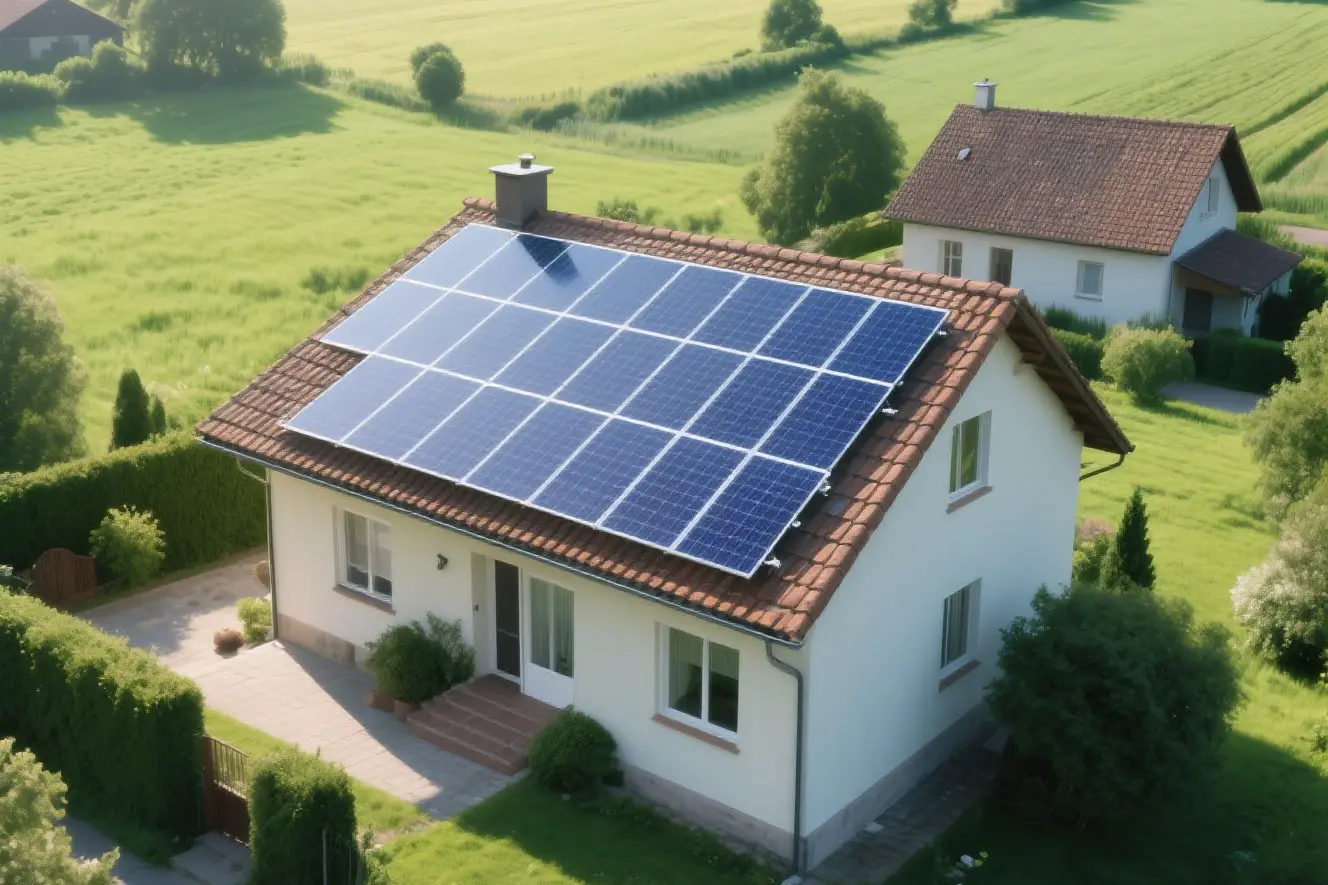
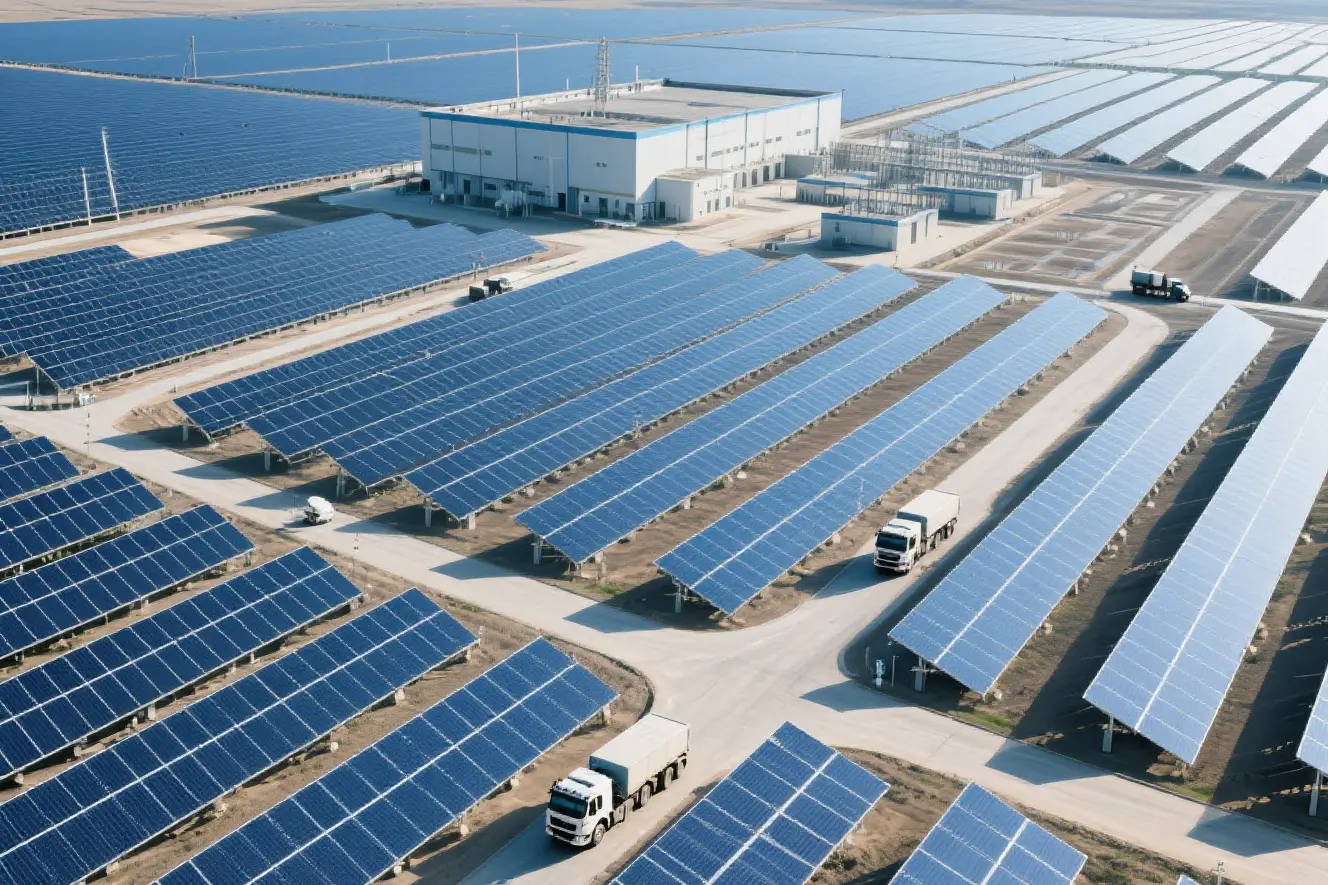


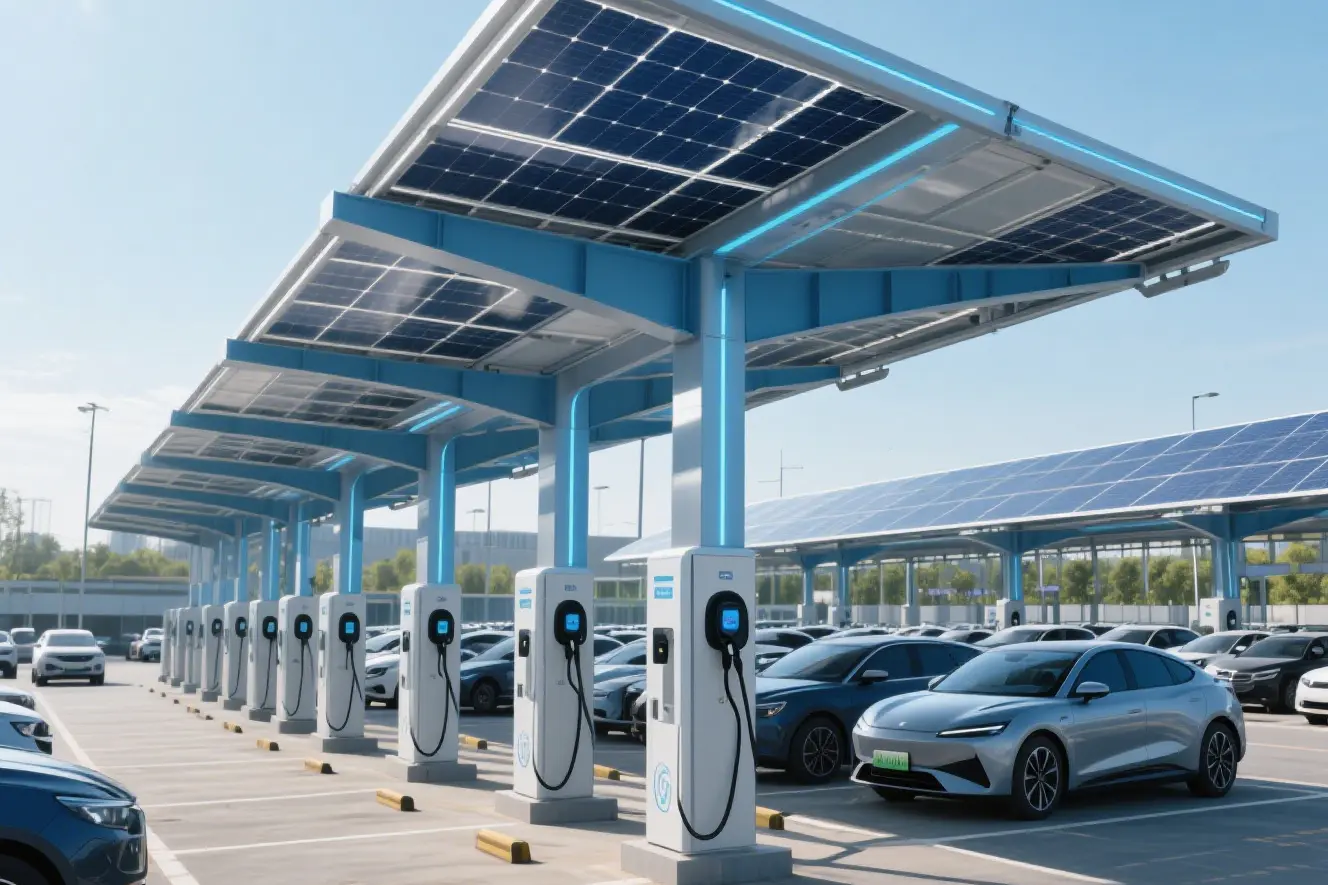
We cooperate with global developers, distributors, and PV systems providers.

Stay informed on the technical advancements of modern solar solutions.
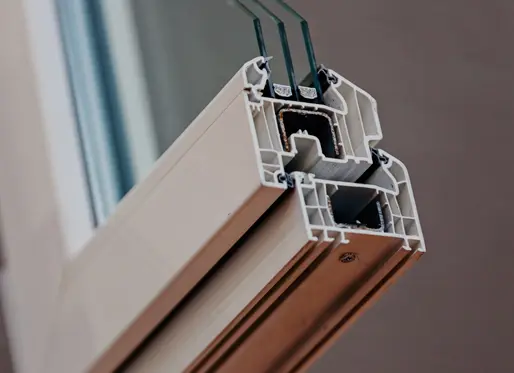
Learn how frame design, anodized coating depth, and raw alloy selections affect the performance and lifespan of solar panels.
A guide on inspecting certifications, factory tooling capacity, and supply chains to secure reliable partners.
Explore the testing procedures used to evaluate tension resistance, shear limits, and corrosion resistance in marine environments.
Engineering answers to critical off-grid design and installation questions.