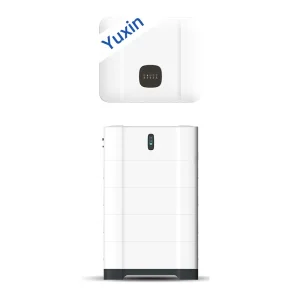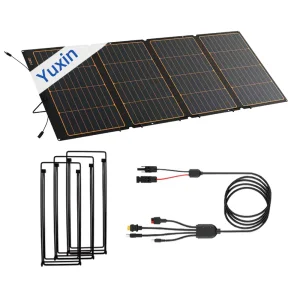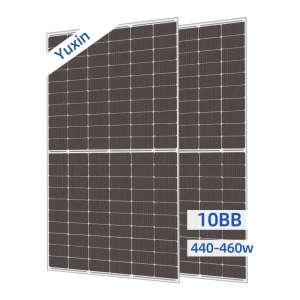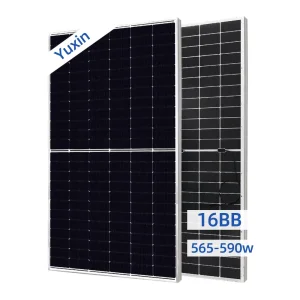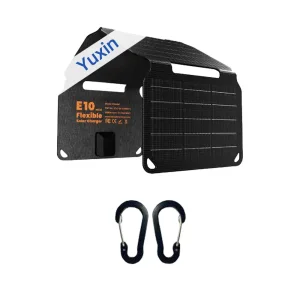
Explore our certified portfolio of emergency backup batteries, high-performance solar modules, and structural frames designed for peak operational stability during load-shedding incidents.
A technical examination of Battery Energy Storage Systems (BESS) as primary infrastructure solutions for industrial, commercial, and residential continuity during grid degradation.
Across emerging and established markets alike, structural grid failures and rolling blackouts (popularly termed load shedding) have evolved from temporary nuisances to severe operational threats. Commercial enterprises, high-uptime data environments, manufacturing centers, and modern agricultural setups are increasingly deploying high-capacity energy storage systems to buffer themselves against intermittent power cuts. However, sourcing load shedding battery backups requires deep technical oversight: systems must exhibit rapid millisecond transfer times, robust thermal propagation safeguards, and complete compliance under unified international test frameworks.
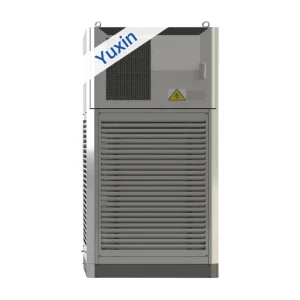
Traditional diesel generation systems, while providing reliable bulk capacity, are constrained by prolonged start-up intervals, high greenhouse emissions, fluctuating fuel supply chains, and rising maintenance overheads. By contrast, a modern CE-certified battery backup for load shedding represents an instantaneous, solid-state solution. Equipped with advanced Energy Management Systems (EMS) and smart Power Conversion Systems (PCS), these setups act as localized microgrids. When the primary utility supply drops, the active safety relays trigger within 8 to 15 milliseconds, seamlessly picking up critical building loads without disturbing sensitive telemetry, server racks, or industrial PLCs.
During sudden shifts in local supply and demand profiles, battery systems provide real-time dynamic frequency control, absorbing or injecting energy into the building system to prevent equipment trips.
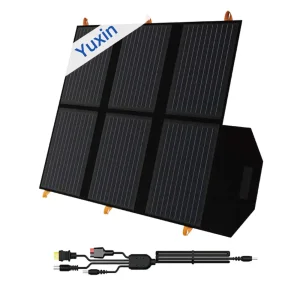
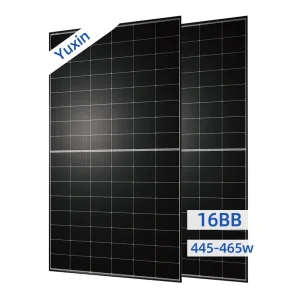
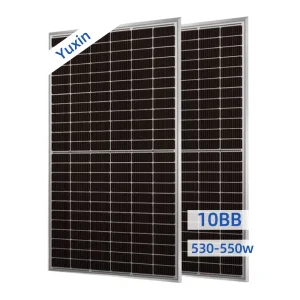
Integrating battery storage allows companies to store low-cost solar power generated via high-efficiency mono or TOPCon panels and utilize it during utility blackouts without local air pollution.
The Levelized Cost of Storage (LCOS) is minimized using advanced battery management systems (BMS) that balance individual lithium cells, extending overall service life past 6,000 cycles.
Why certified compliance is mandatory for industrial battery storage safety, thermal mitigation, and risk management.
Deploying large-scale energy storage systems without verified regulatory clearances exposes developers to significant liabilities, including insurance invalidation, sudden hardware failures, and safety hazards. CE (Conformité Européenne) marking indicates that a battery backup system has met strict European Union health, safety, and environmental protection requirements. As an exporter of integrated energy storage systems, ensuring all components meet these standards is critical for smooth international trade and operation.
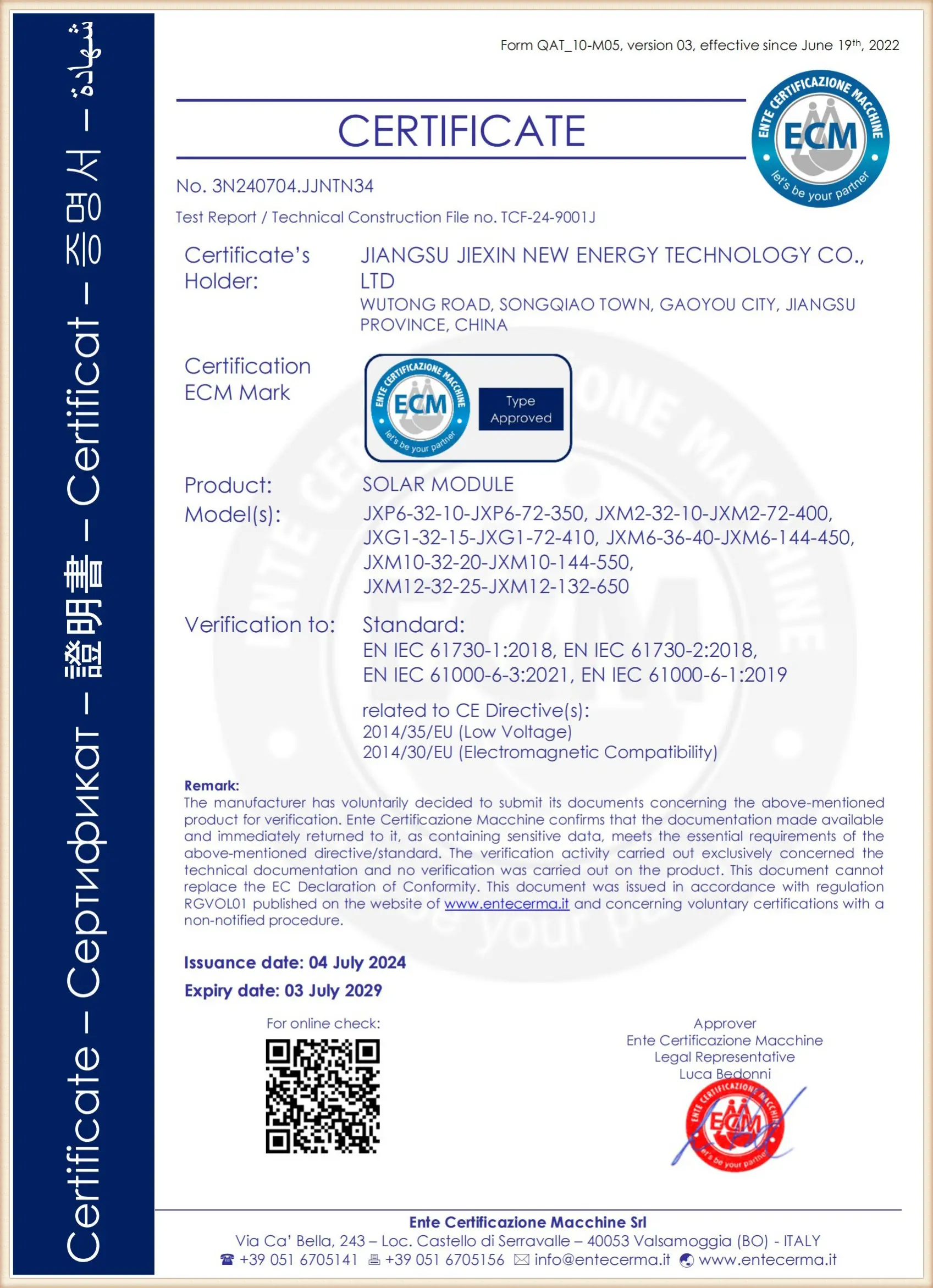
To secure a CE mark, industrial battery backups must undergo rigorous testing regimes spanning multiple directives:
Modern lithium iron phosphate (LiFePO4) systems utilize sophisticated physical barriers between cells along with liquid-cooling plates. The BMS constantly monitors temperatures across cell clusters. If a cell fails, the localized fire containment system prevents heat transfer to neighboring cells, containing the event to a single module and allowing safe automatic shutdown.
A trusted PV materials and energy solutions expert with over 15 years of industry leadership.
Established in 2008, YUXIN has grown to encompass 14 multi-field companies, including Jiangsu Yuxin New Energy Technology Co., Ltd. Based in the historical city of Yangzhou, China, the group enjoys direct access to key transportation hubs including the Beijing-Shanghai Expressway and the Ningqi Railway, facilitating fast global shipping.
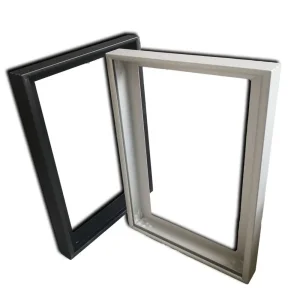
Our status as a National High-tech Enterprise and a technology-driven firm is backed by continuous R&D and advanced manufacturing facilities. We specialize in producing monocrystalline panels, high-performance solar mounts, and structural frames designed to withstand harsh industrial environments.
With an annual output exceeding 25,000 tons and a strong global footprint, YUXIN is committed to delivering highly reliable energy hardware that powers critical microgrids worldwide.
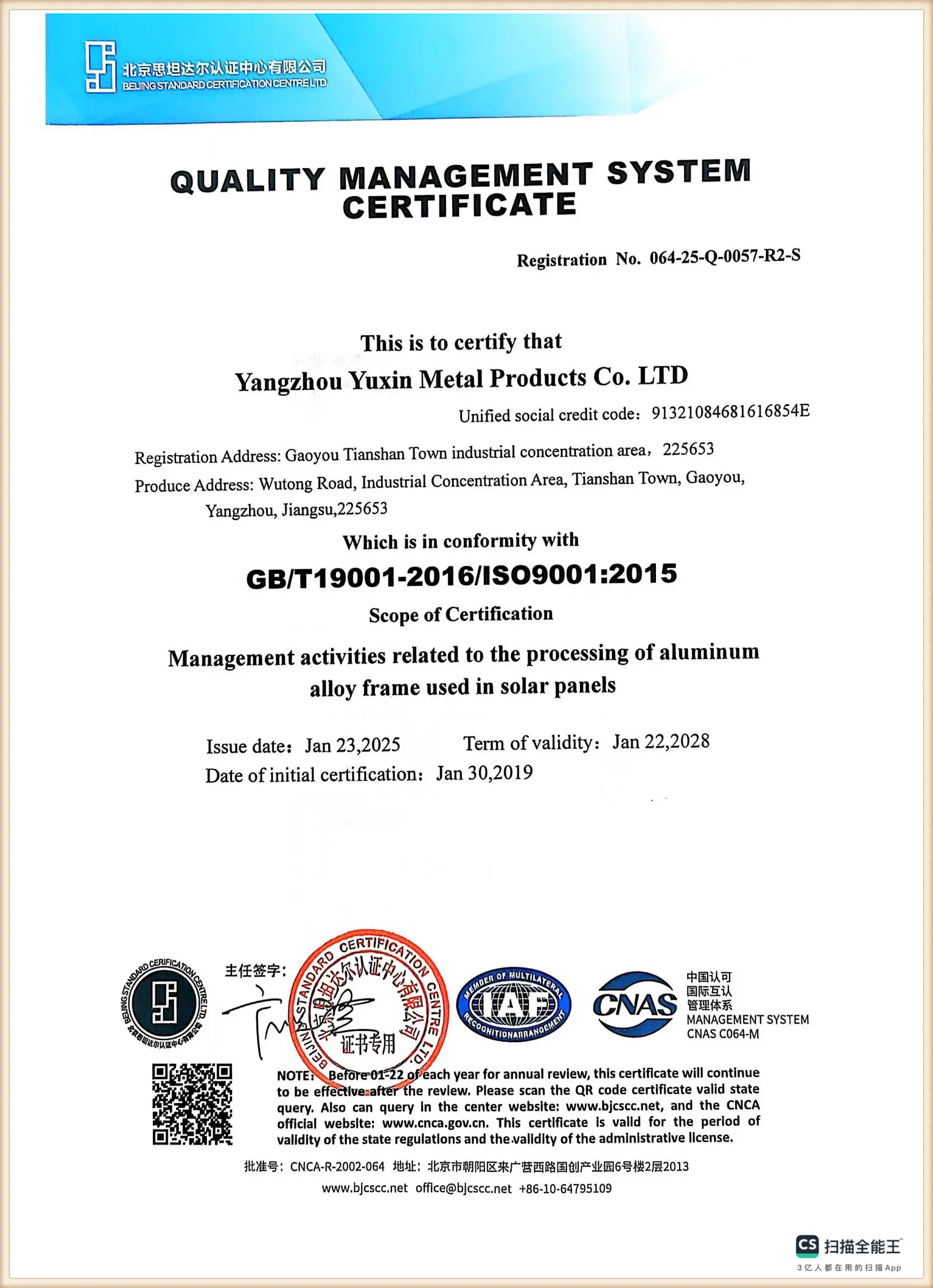
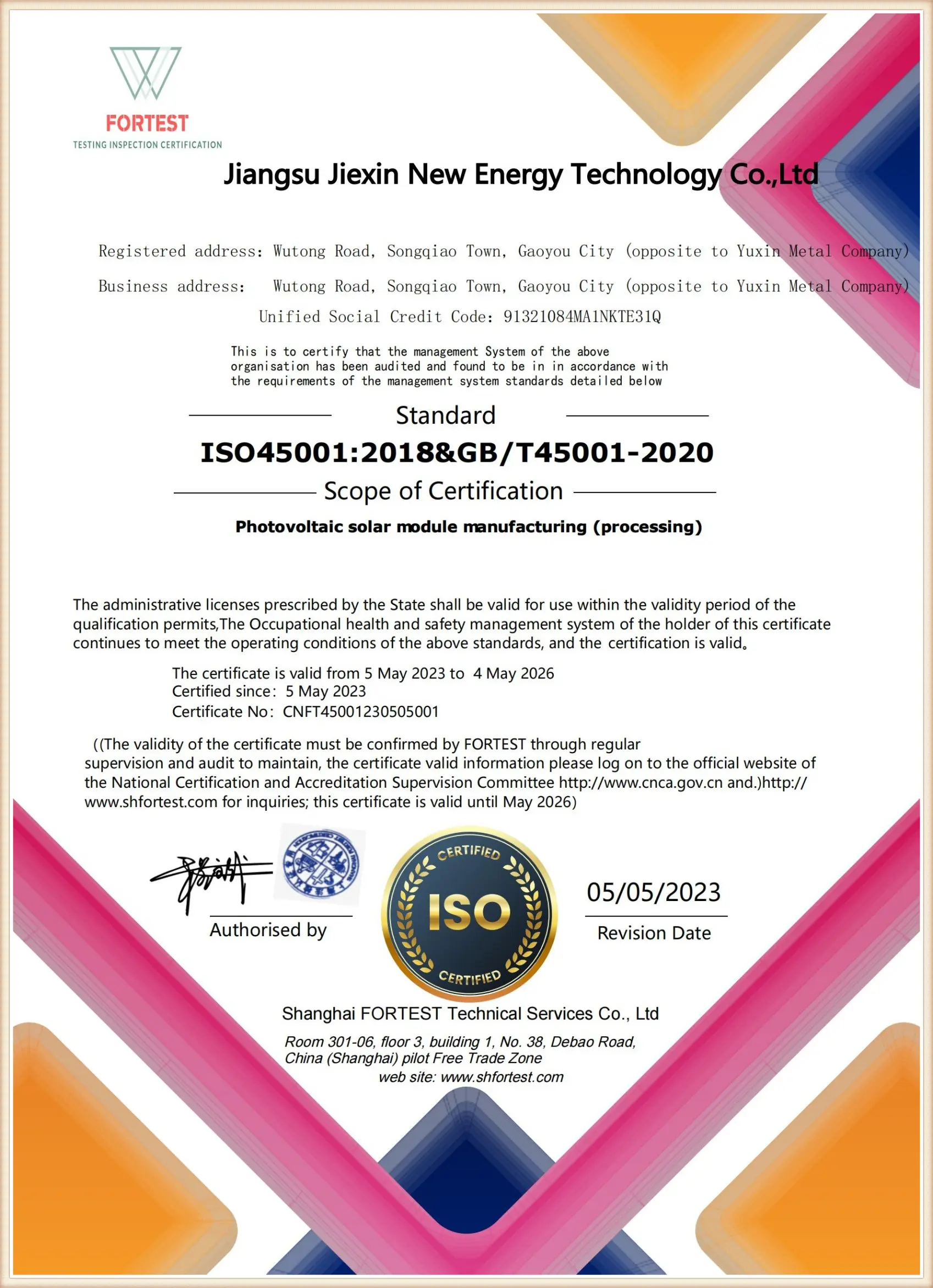
Our manufacturing and energy systems comply with global quality benchmarks to ensure reliable operation.
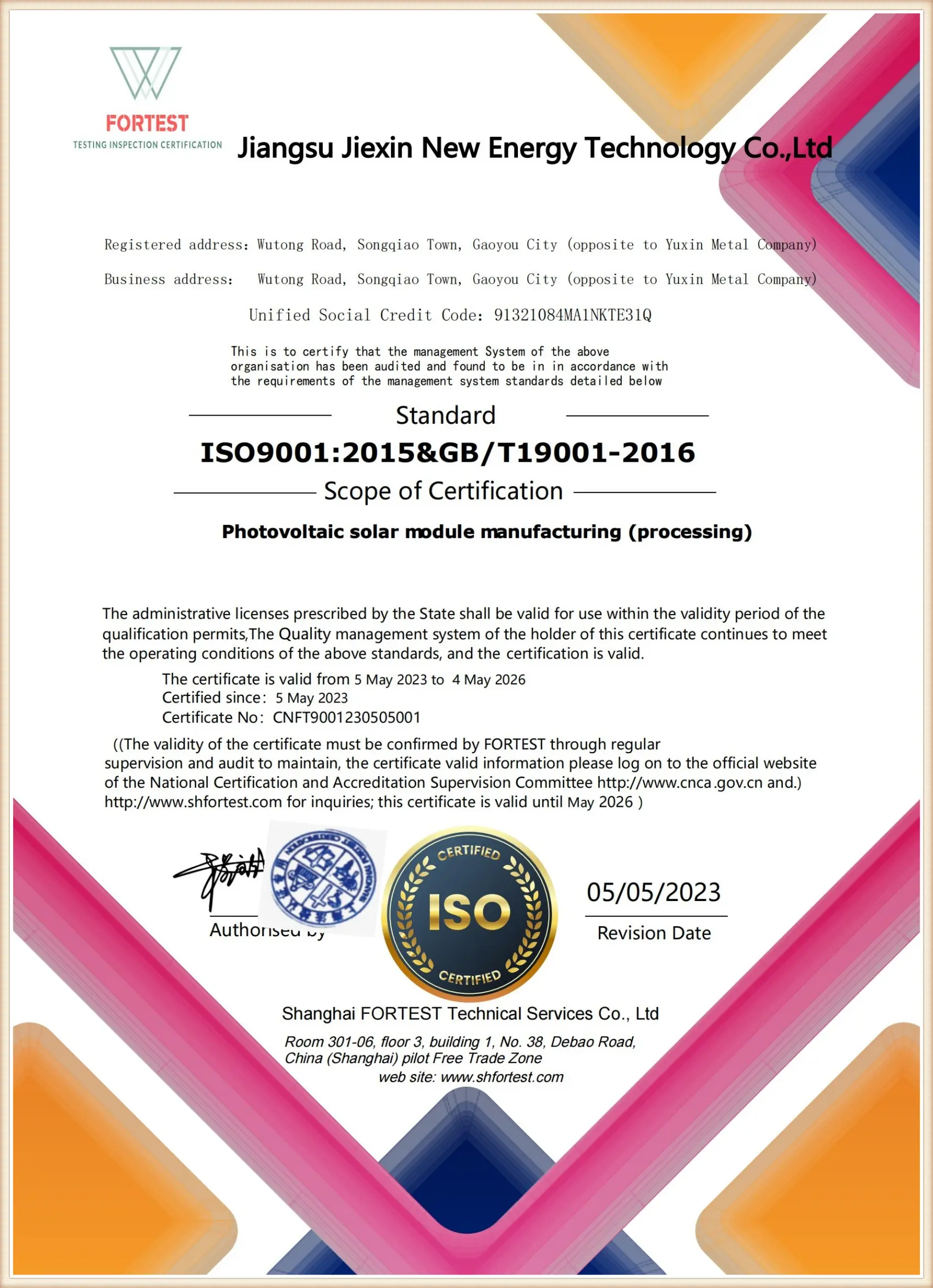
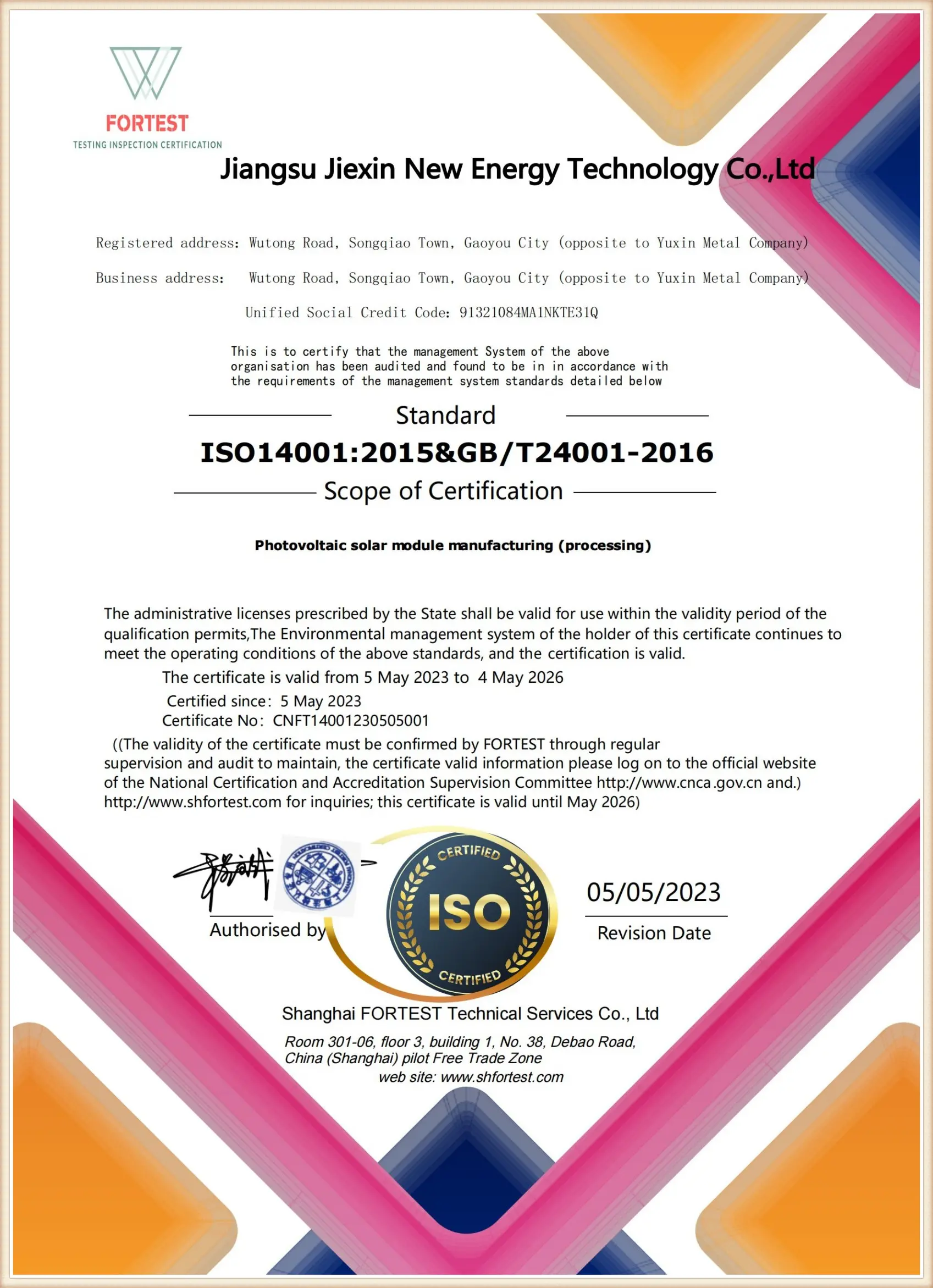
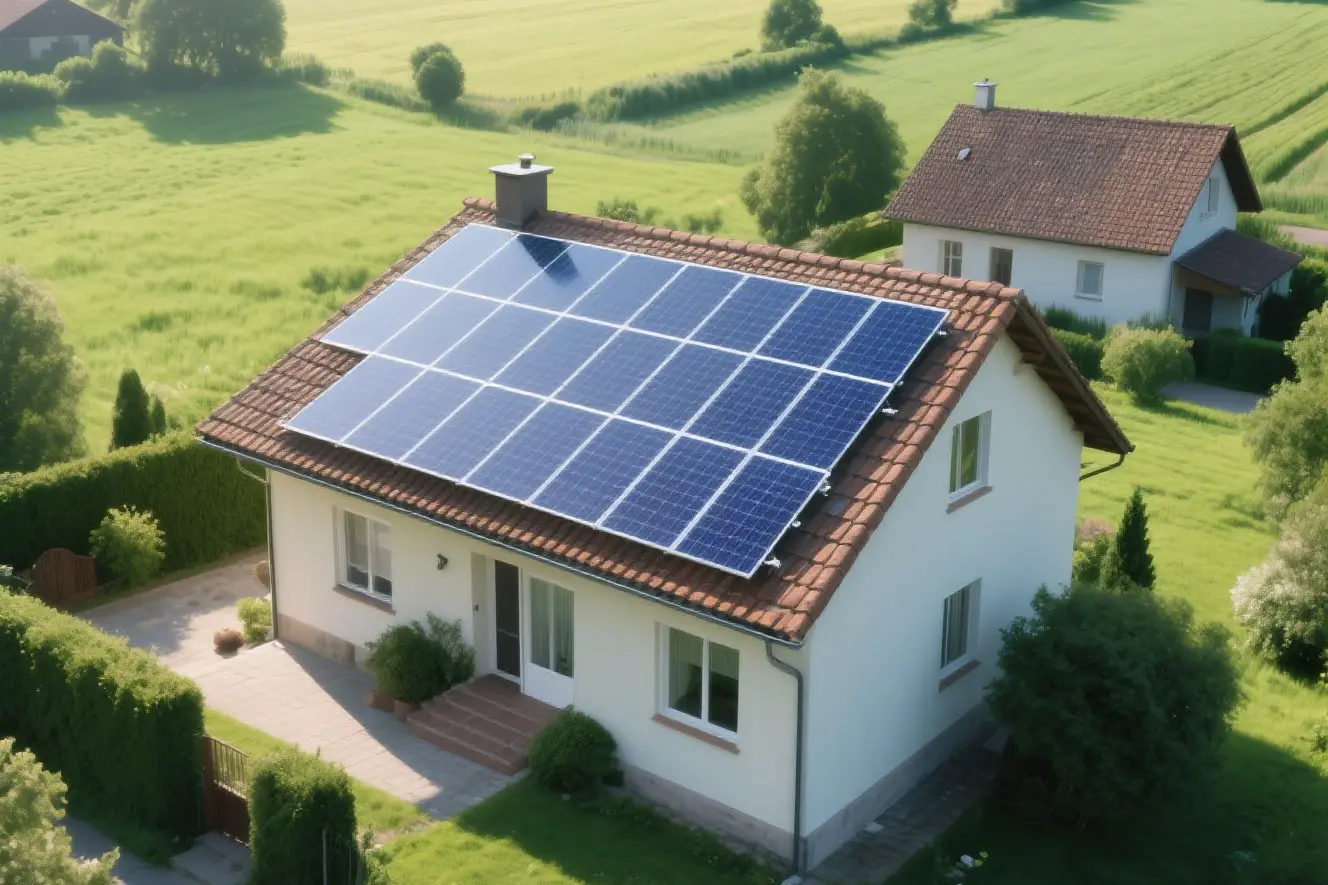
Deploying robust solar and energy storage systems across demanding environments.

Ensuring continuous water pumping, automated feeding systems, and cold storage climate control during rural utility outages.
Powering isolated building sites and heavy equipment recharging hubs using robust mobile battery containers and off-grid PV arrays.
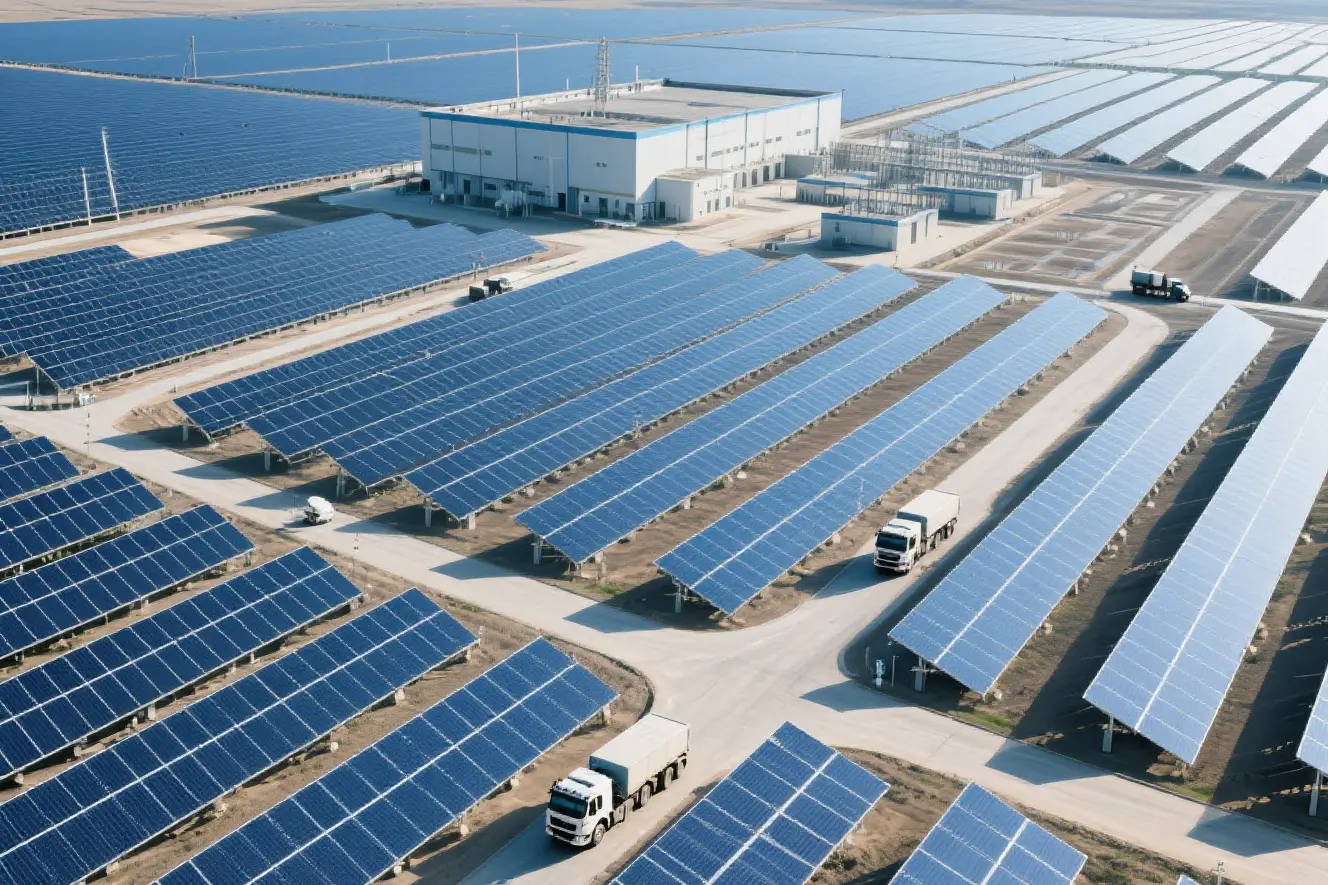
Stabilizing sub-station loads and grid interconnect points using large-scale commercial energy storage banks (BESS).

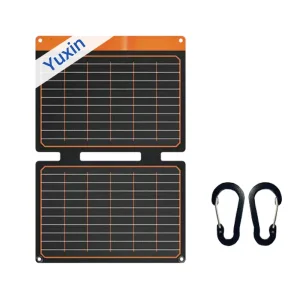
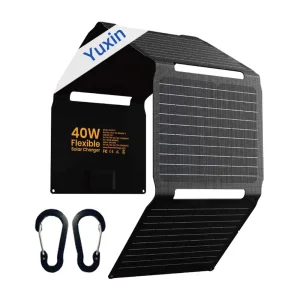
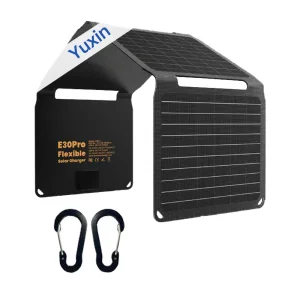
Providing portable, high-efficiency solar chargers and lightweight battery banks for emergency backup and field operations.

Maintaining uptime across remote base transceiver stations (BTS) and network backbones during severe rolling blackouts.
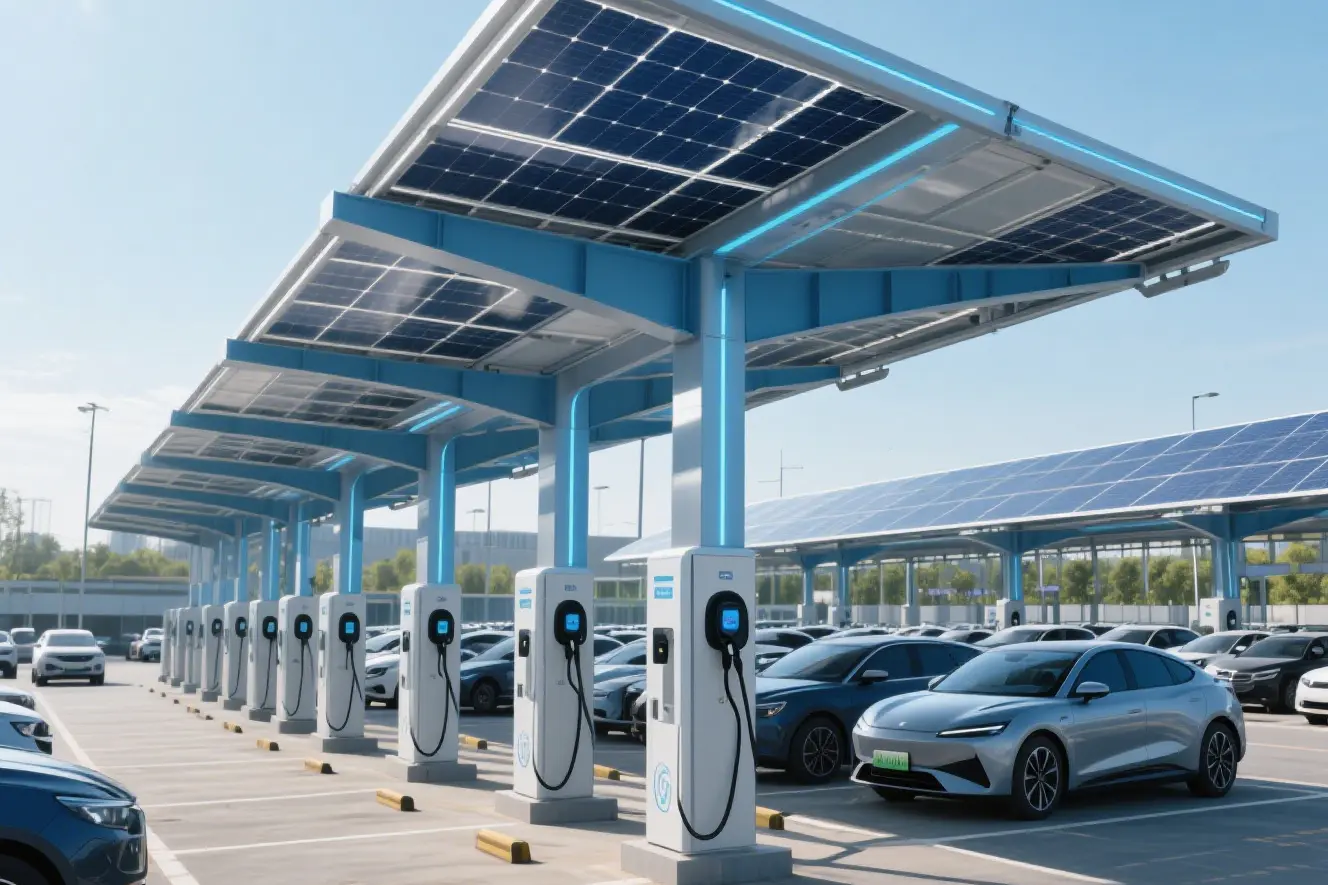
Powering safety signals, railway junctions, and electric vehicle fleet chargers with localized clean energy microgrids.
Collaborating with leading enterprises to deliver integrated renewable energy infrastructure.

Stay up to date with manufacturing standards, quality control inspections, and solar frame materials science.
Analyzing structural anodized aluminum alloys, load bearing capacities, and weather protection designs for utility solar installations.
Read Article →Evaluating production tolerances, material certificates, global distribution capabilities, and custom design options.
Read Article →A detailed breakdown of structural stress testing, corrosion resistance evaluations, and anodization layer metrics.
Read Article →How battery storage architecture is changing to address higher cycling demands and integrate with renewable grids.
As microgrid technologies mature, battery storage systems are moving beyond basic backup functions. Modern installations function as active assets that interface directly with the local grid. This transition is driven by two main technological developments:
Early lithium battery packs suffered from uneven degradation, where a single weak cell could limit the capacity of the entire pack. Modern active balancing Battery Management Systems redirect charge from stronger cells to weaker ones in real-time, maintaining cell uniformity. This technology extends system lifespans under daily cycling, lowering lifetime operating costs.
Integrating artificial intelligence into local energy management systems allows battery backups to predict facility usage patterns based on historical data. By discharging during peak-tariff periods and recharging from solar or off-peak utility power, these systems help lower commercial demand charges while securing backup power for load-shedding events.
For industrial users, this integration creates a reliable energy shield. By combining high-efficiency solar panels with CE-certified storage, facilities can maintain production continuity, limit grid demand charges, and lower their carbon footprint during utility interruptions.
Technical answers to common questions about battery backups, solar integrations, and load-shedding protection.
Explore our full line of solar systems, protective frames, high-output PV modules, and portable charging accessories.