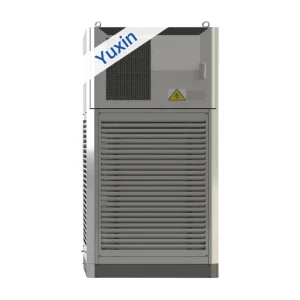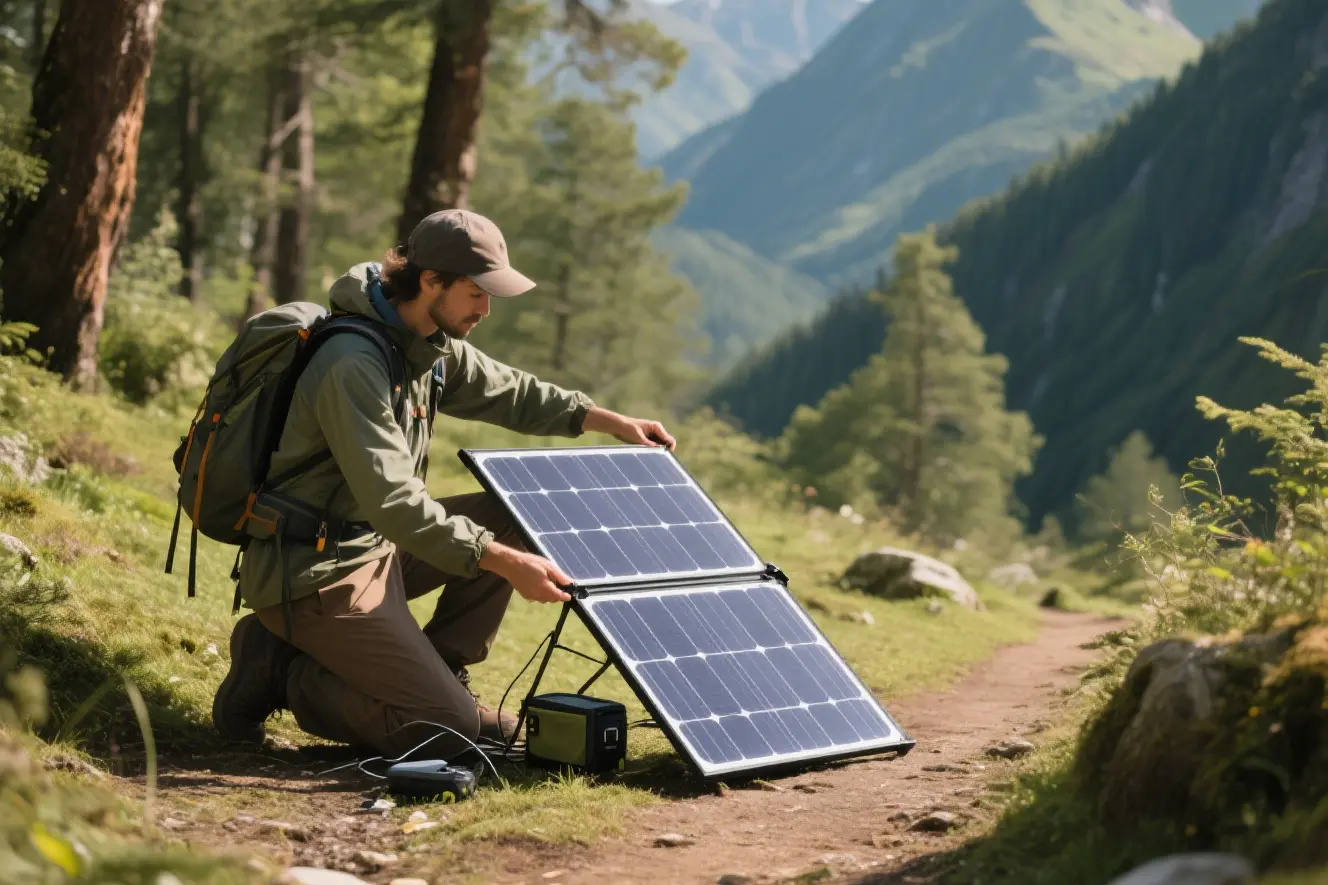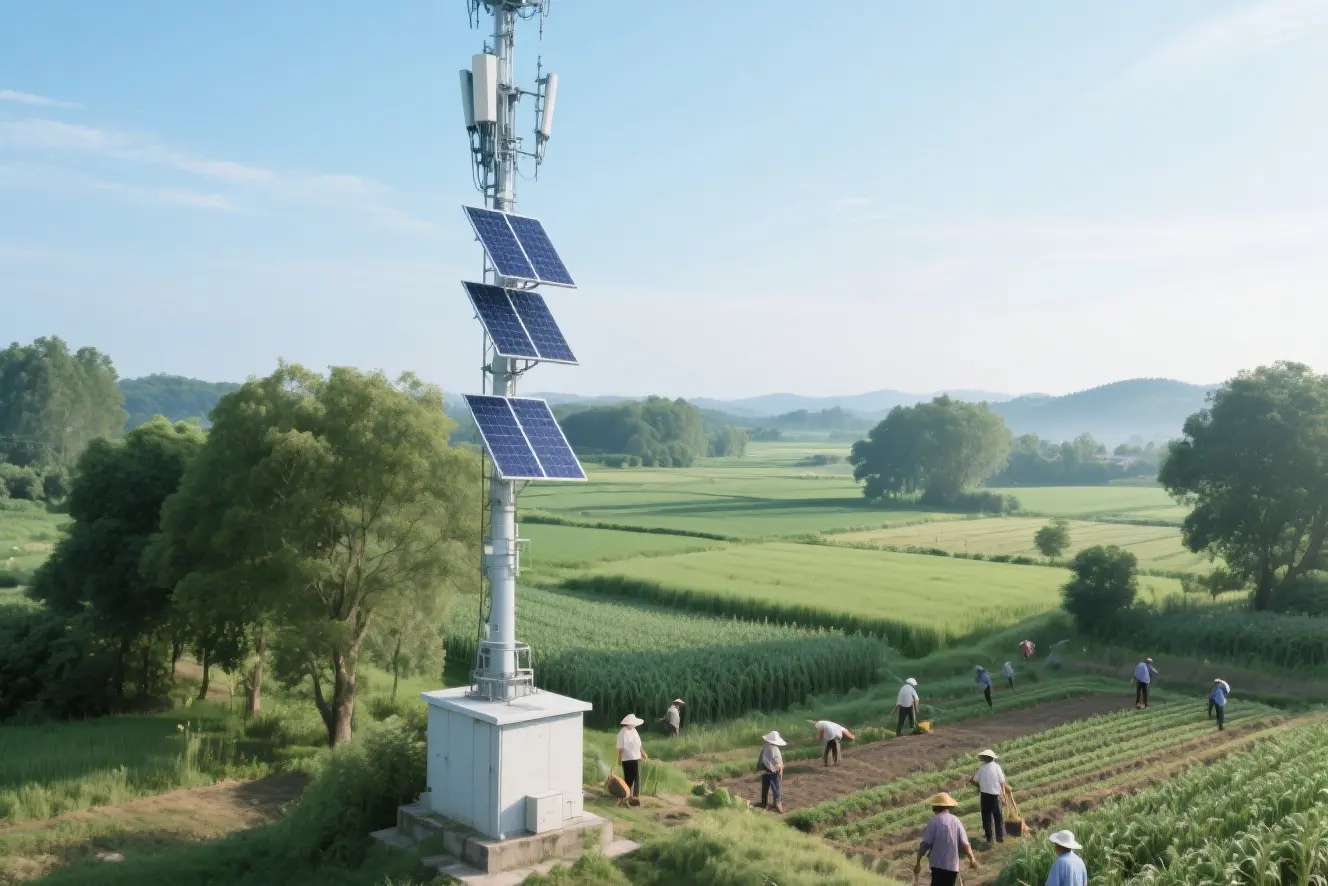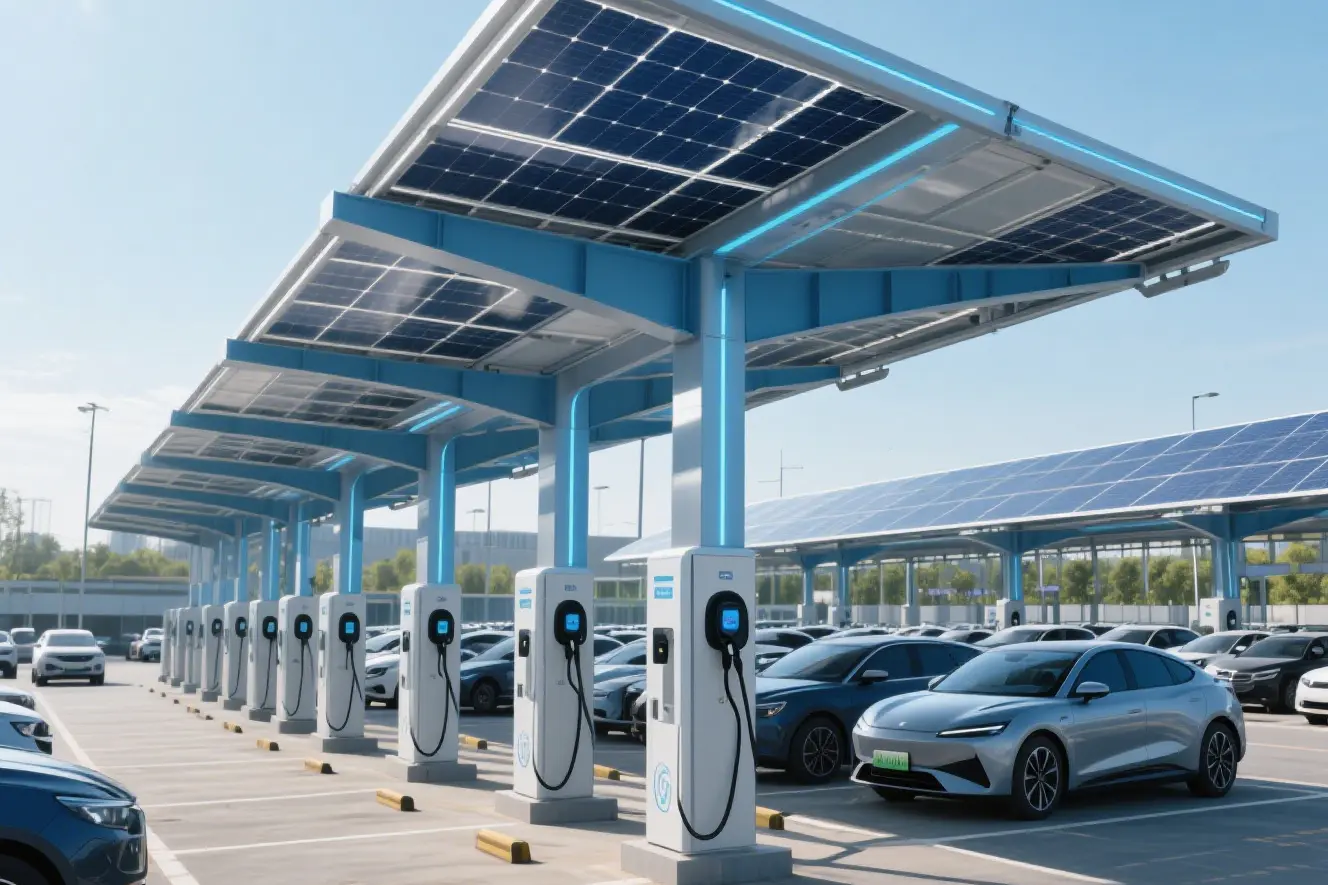
Select certified hardware configurations designed for direct factory integration and heavy-duty deployment.
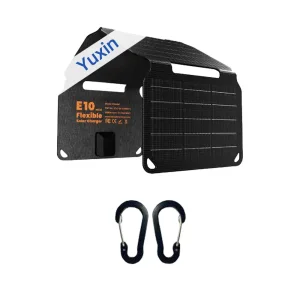
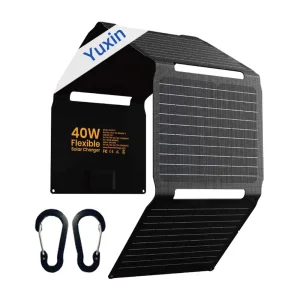
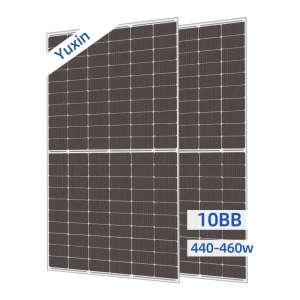
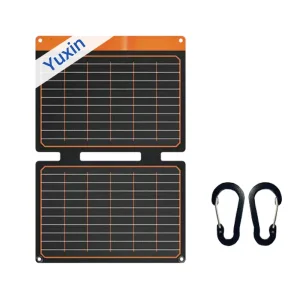
Macro analysis of solar microgrids in prefabricated construction, eco-tourism, and remote industrial shelters.
The global shift toward sustainable, remote infrastructure has catalyzed an unprecedented surge in off-grid cabin manufacturing. Developers and structural engineering firms are no longer designing cabins as simple, isolated structures; they are building modular, grid-independent ecosystems. Purchasing solar setups for off-grid cabin factories demands a deep comprehension of levelized cost of energy (LCOE), component durability, and ease of physical integration. The contemporary off-grid energy architecture relies on high-efficiency silicon PV modules combined with lithium iron phosphate (LiFePO4) storage arrays to satisfy consistent peak load demands.
Modern factories assemble and wire photovoltaic systems within the modular components of off-grid cabins prior to transport, cutting down final setup time on-site by up to 70%.
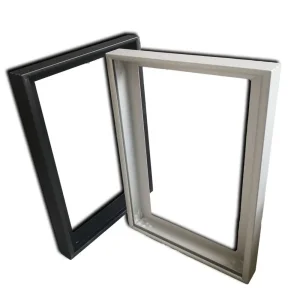
Using anodized aluminum frames (6063-T5) or advanced pultruded polyurethane ensures structure integrity over a 25-year service life in remote, harsh environments.
Smart, hybrid off-grid systems automatically adjust power input from PV panels, storage units, and backup generators to ensure uninterrupted electricity flow.
From an procurement standpoint, purchasing direct from solar setup manufacturers ensures raw materials match custom size constraints, building codes, and regional voltage configurations. Whether deploying modular luxury eco-resorts in the Alps or remote telecommunication cabins in high-salinity coastal areas, system designers must verify structural load capacities, wind-load shear ratings, and cell temperature coefficients before finalizing supply chain partnerships.
Precision, Quality, and Safety - Your Photovoltaic Materials Expert. Established in 2008, Yuxin Group administers 14 multi-field companies, including Jiangsu Yuxin New Energy Technology Co., Ltd. Headquartered in the ancient city of Yangzhou, China, we benefit from streamlined access to logistics hubs, highway networks, and shipping ports. We are recognized as a National High-tech Enterprise and listed among Gaoyou City's Top 100 Private Enterprises.
View Corporate StructureThe structural and electrical components required to configure a robust off-grid power supply.
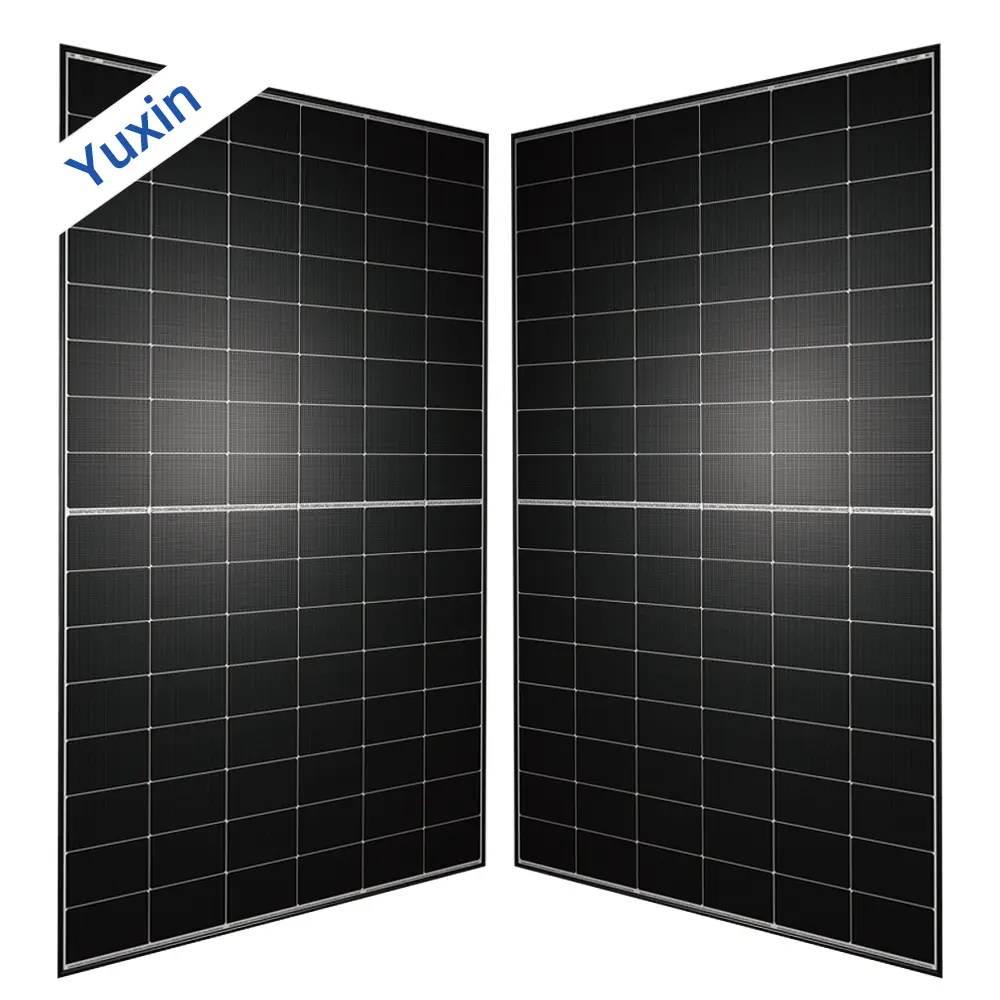
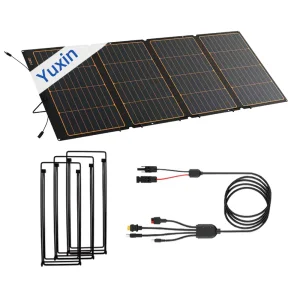
Lightweight design with transparent back panel for easy installation and reduced BOS costs. Engineered for maximum power density.
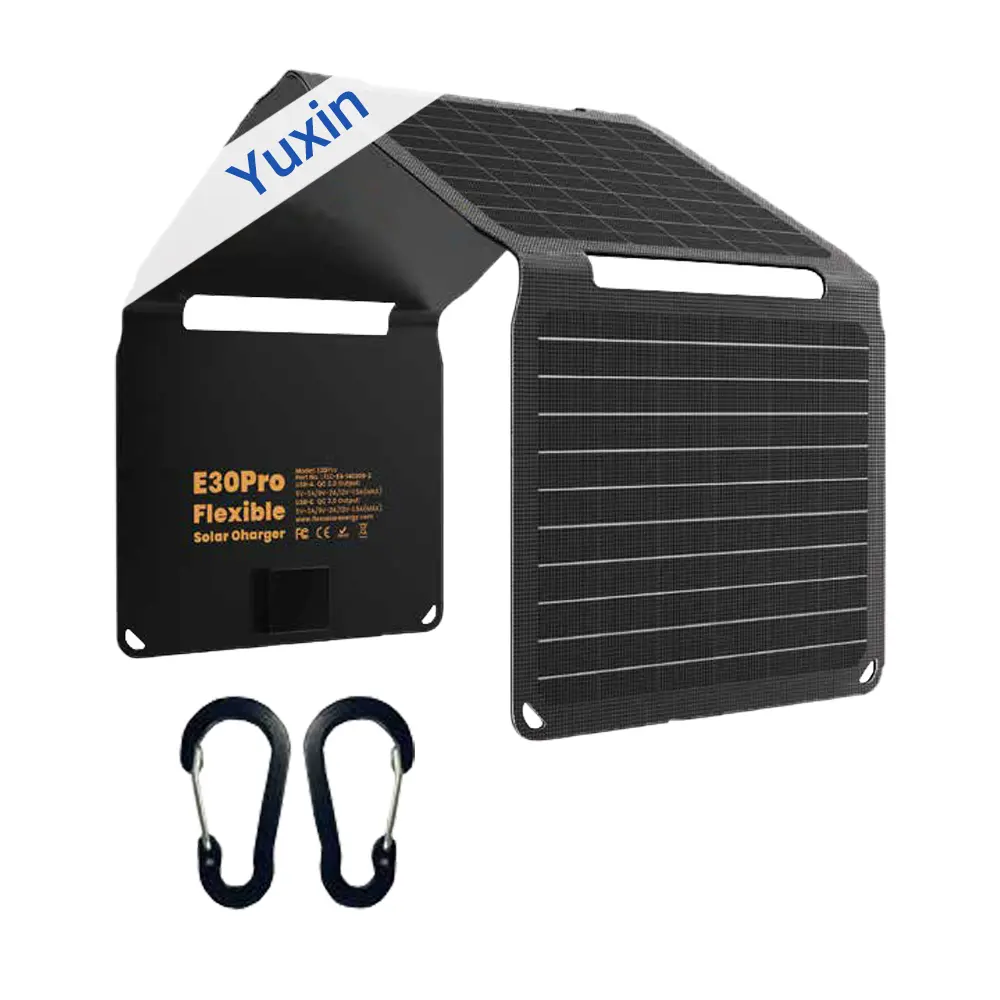
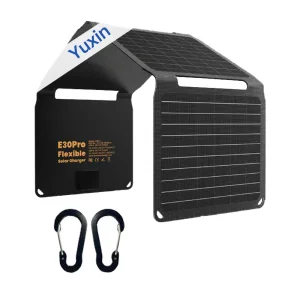
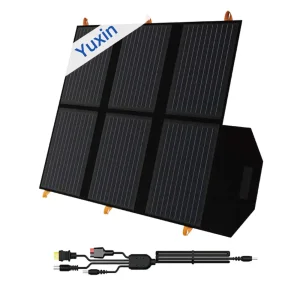
Utilizing advanced monocrystalline silicon cells, it achieves a high energy conversion efficiency of 24% for remote mobile charging.
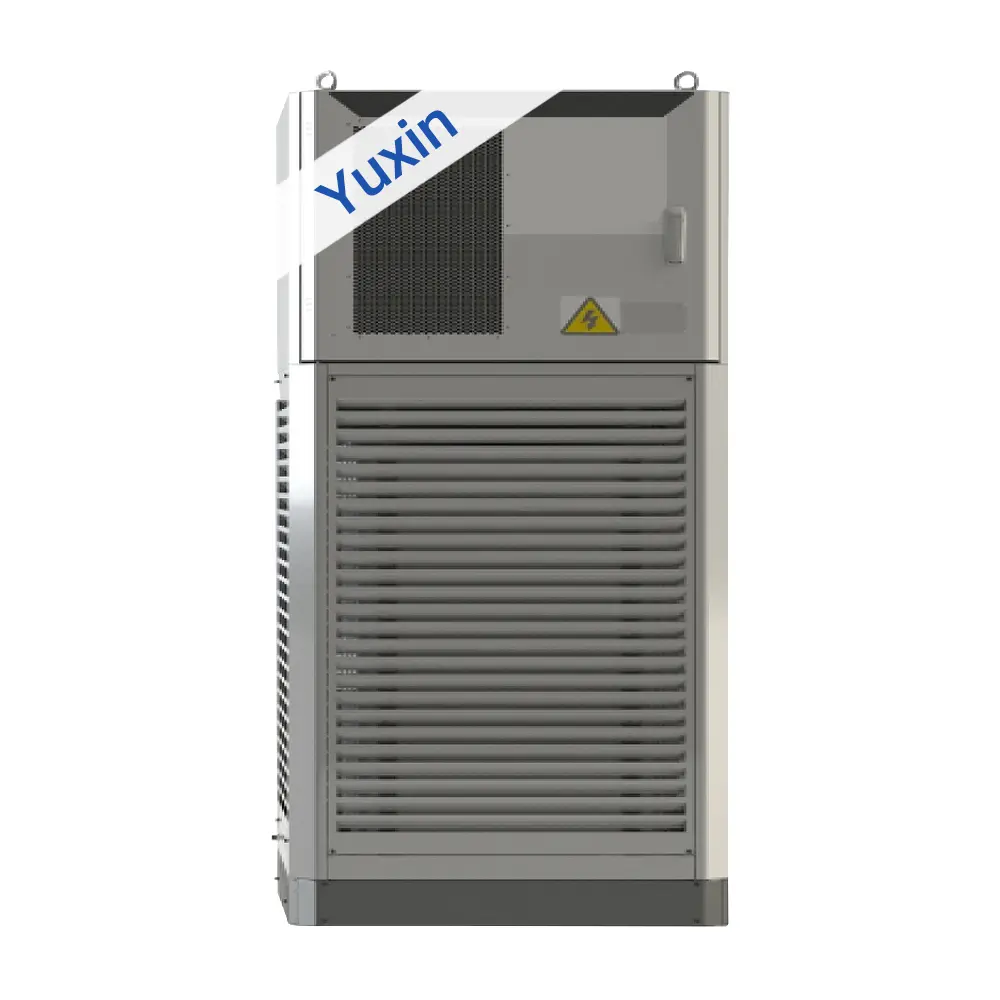
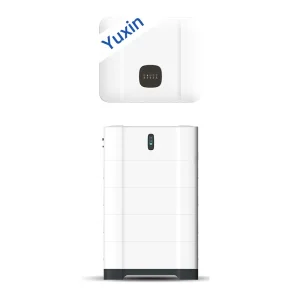
Application modes include grid-connected mode, off-grid mode, and integrated grid-connected/off-grid energy management.
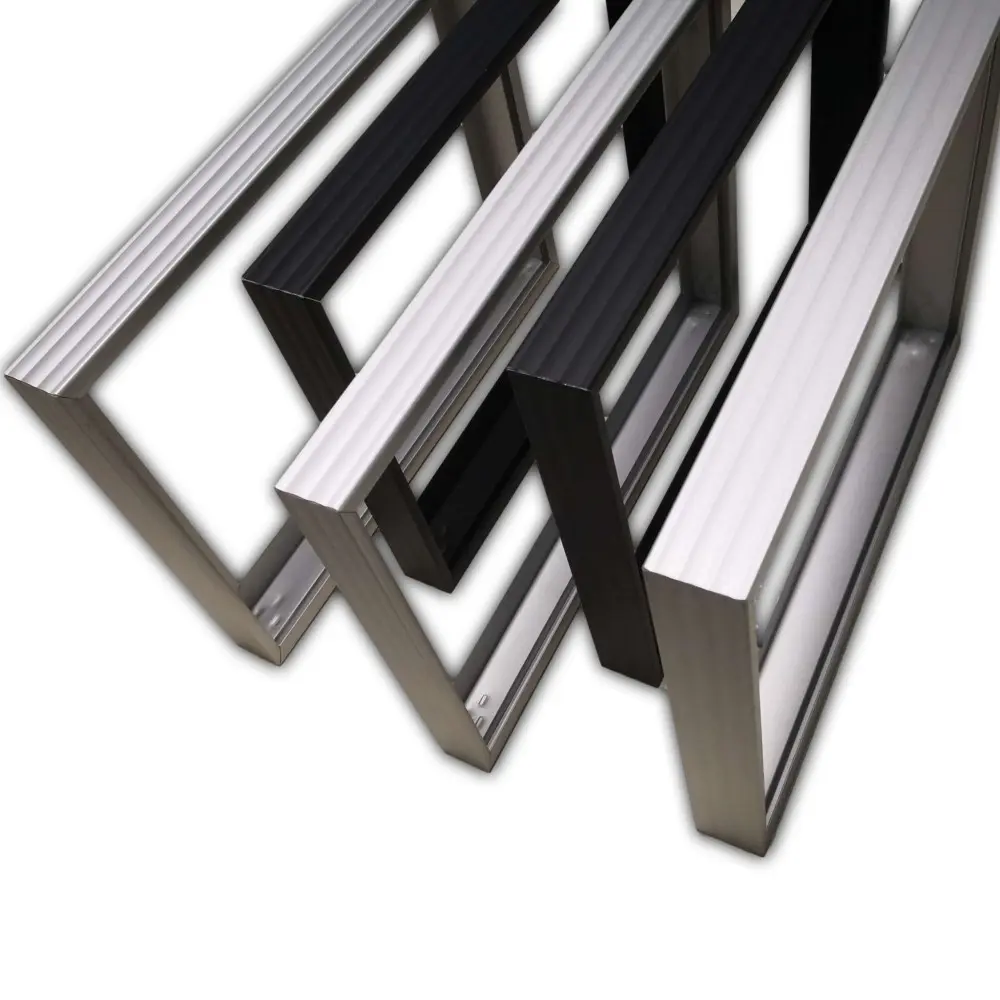
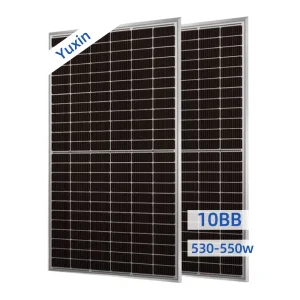
Made of high-quality anodized aluminum, it ensures superior weather resistance and a smooth, long-lasting structural finish.
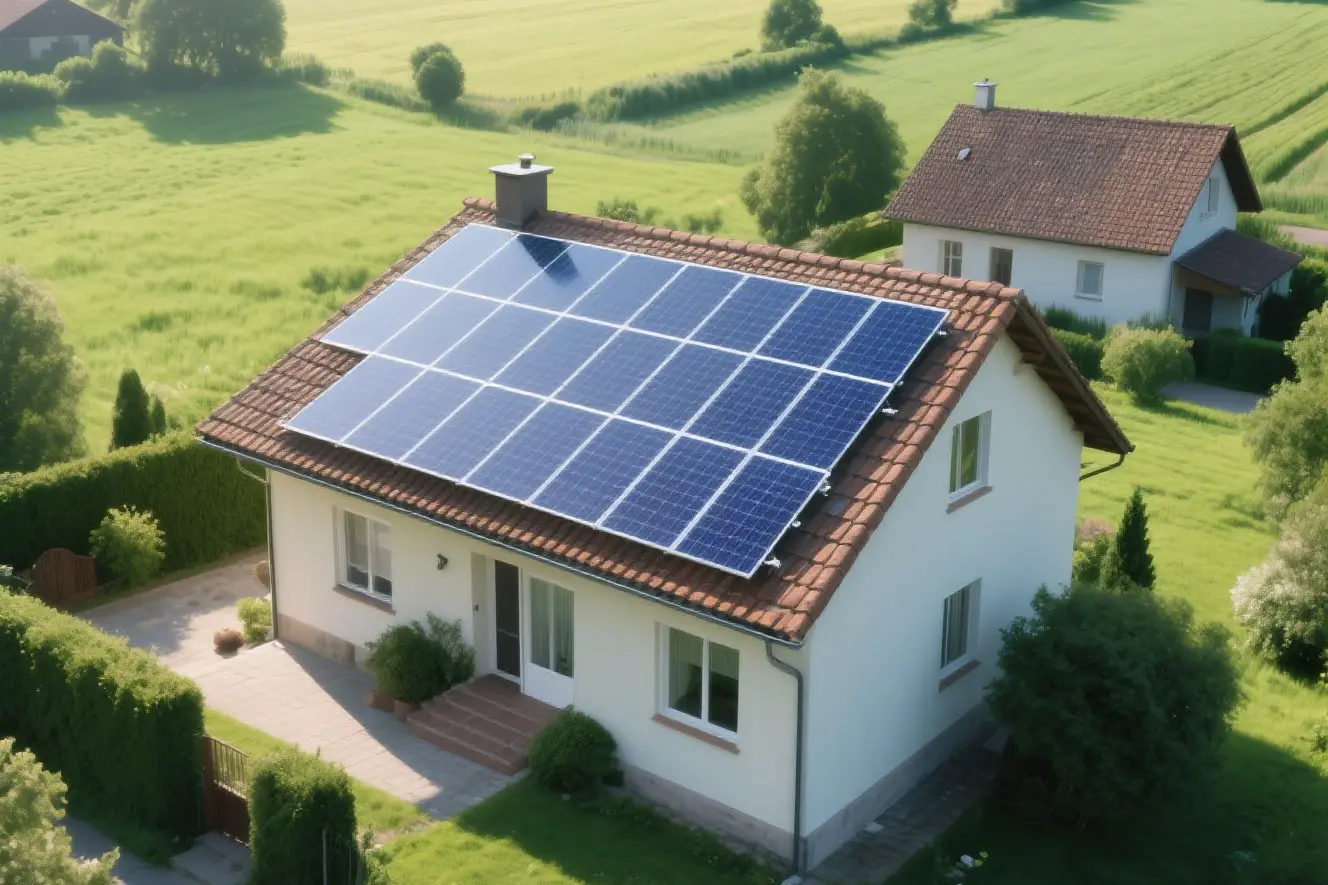
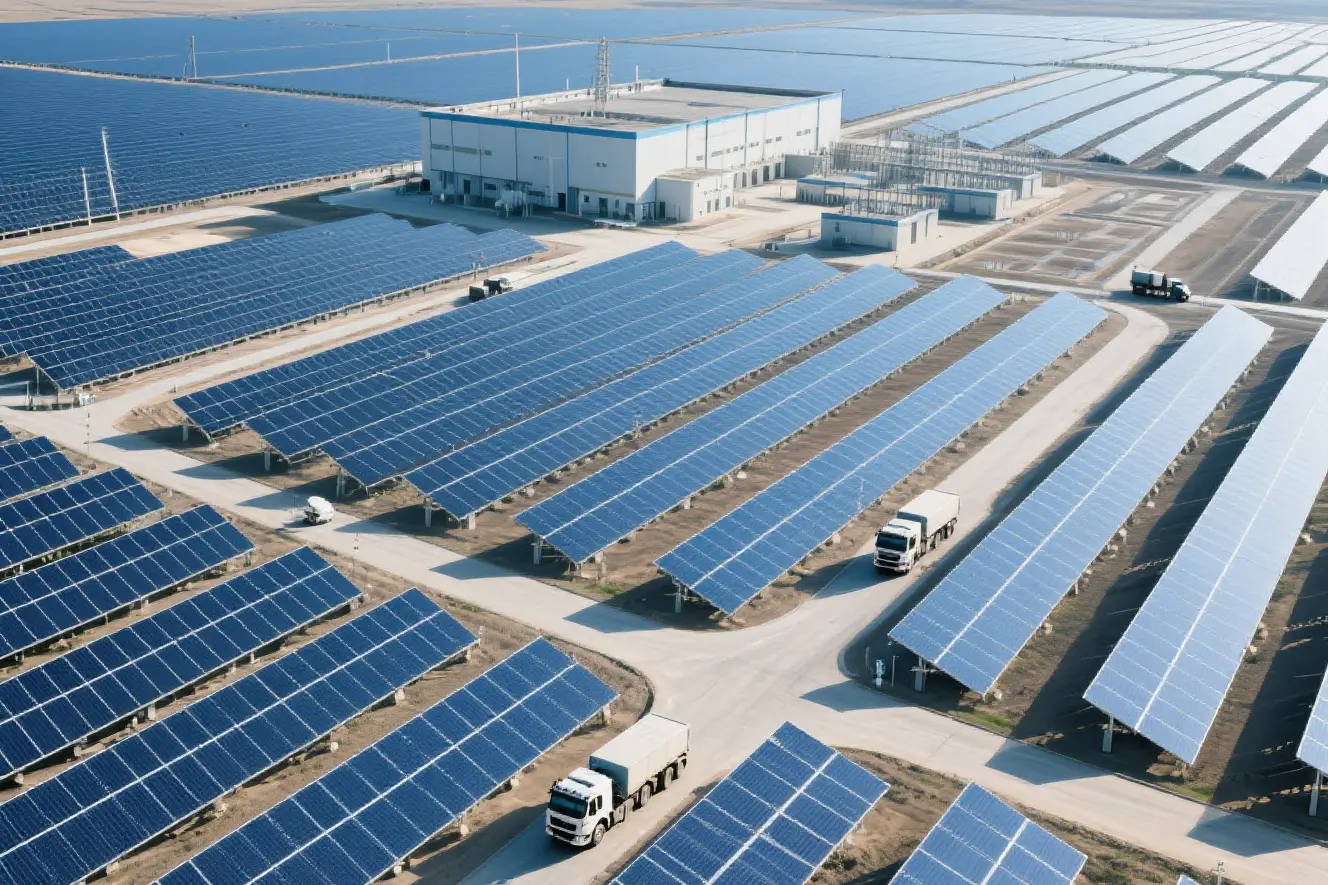
Our solar configurations power critical systems across diverse commercial and agricultural applications.
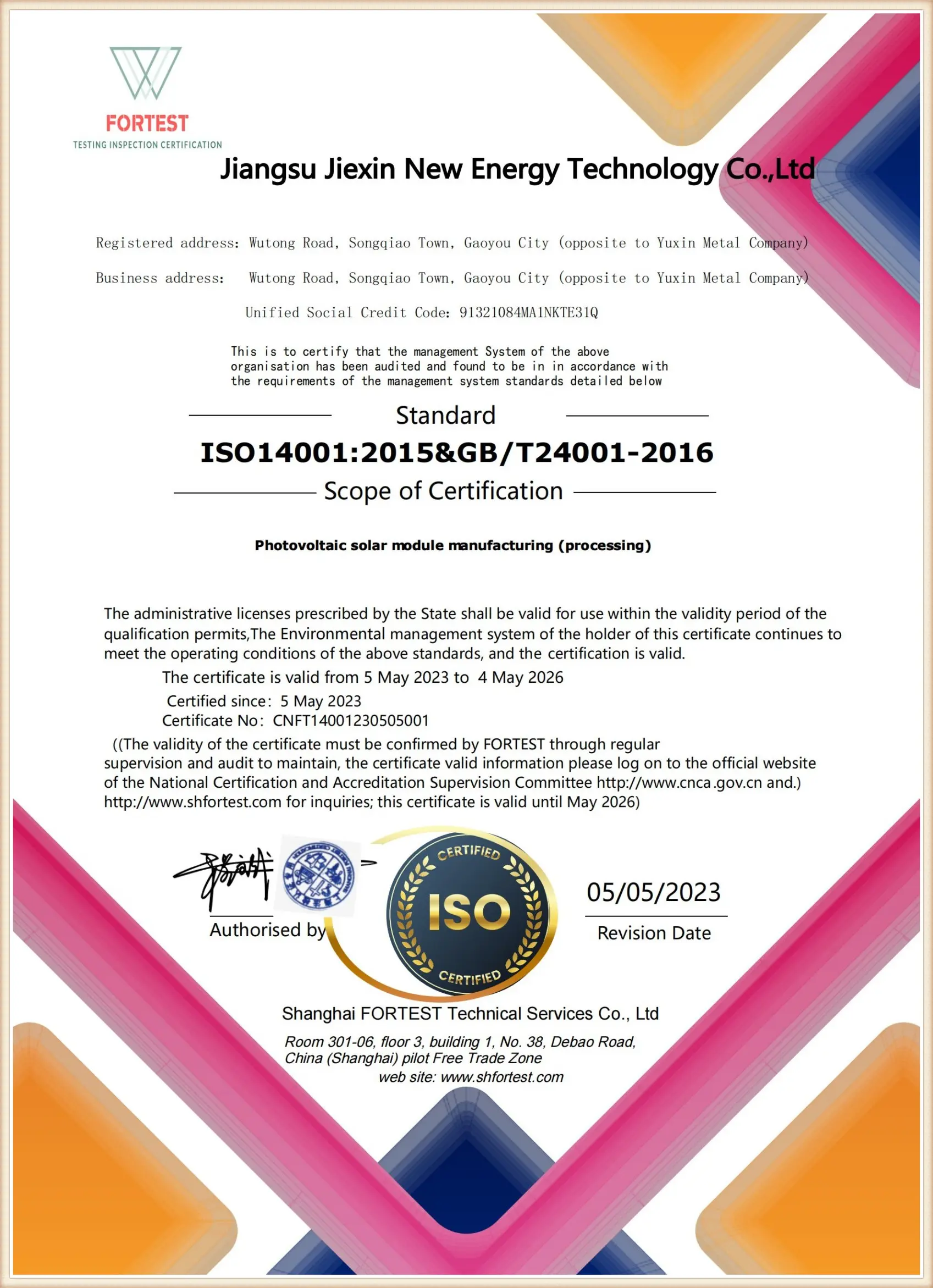
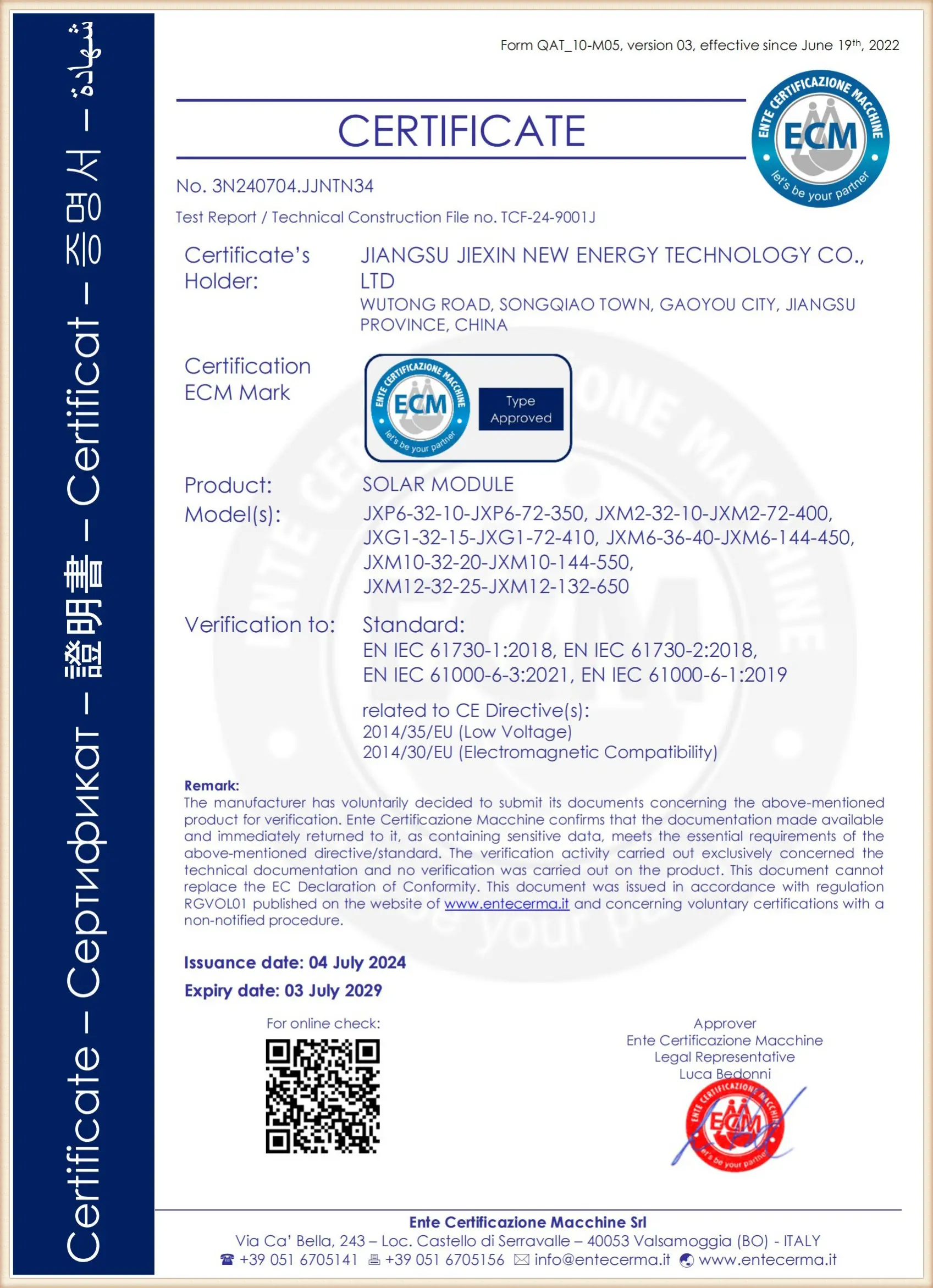
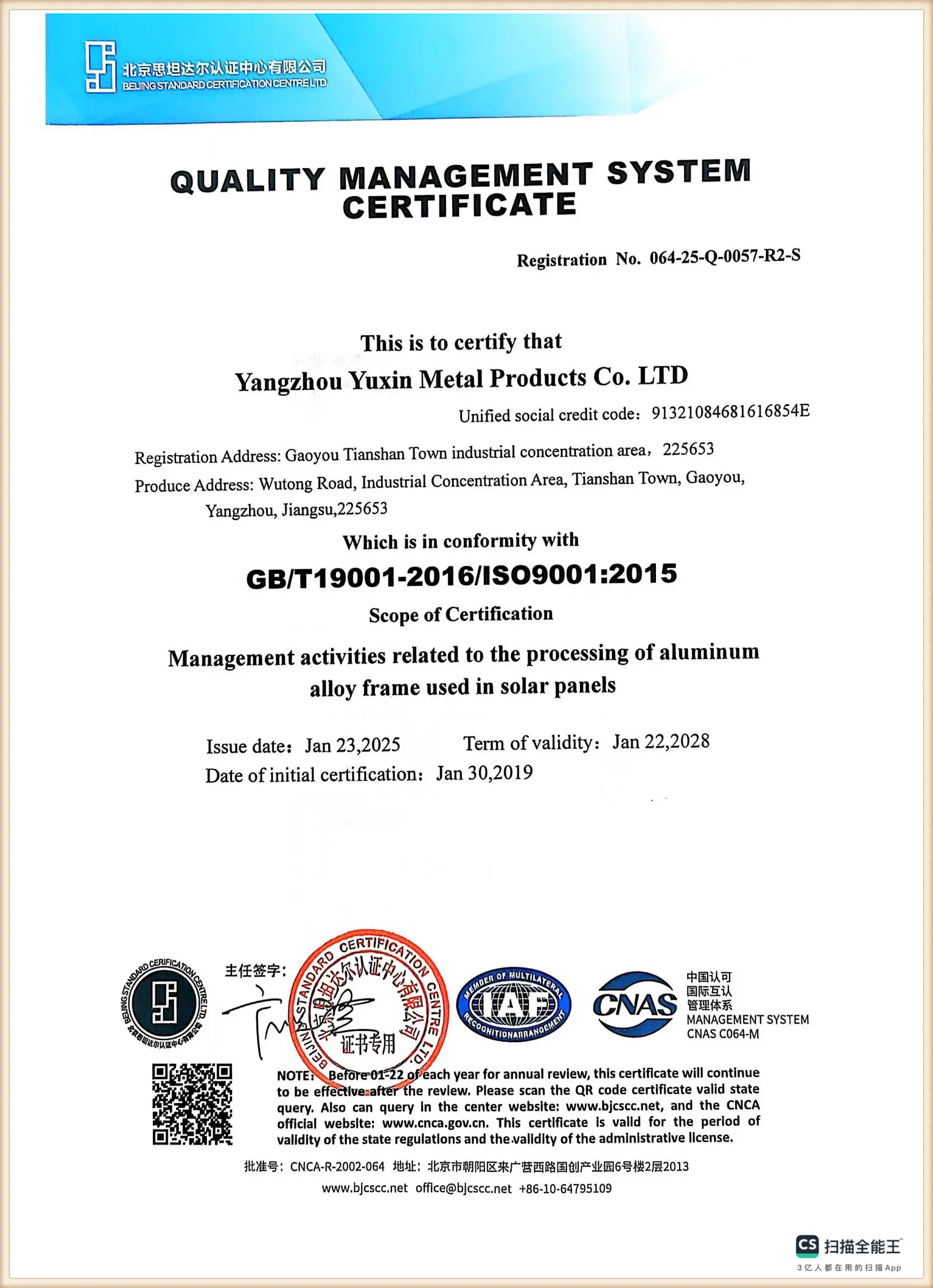
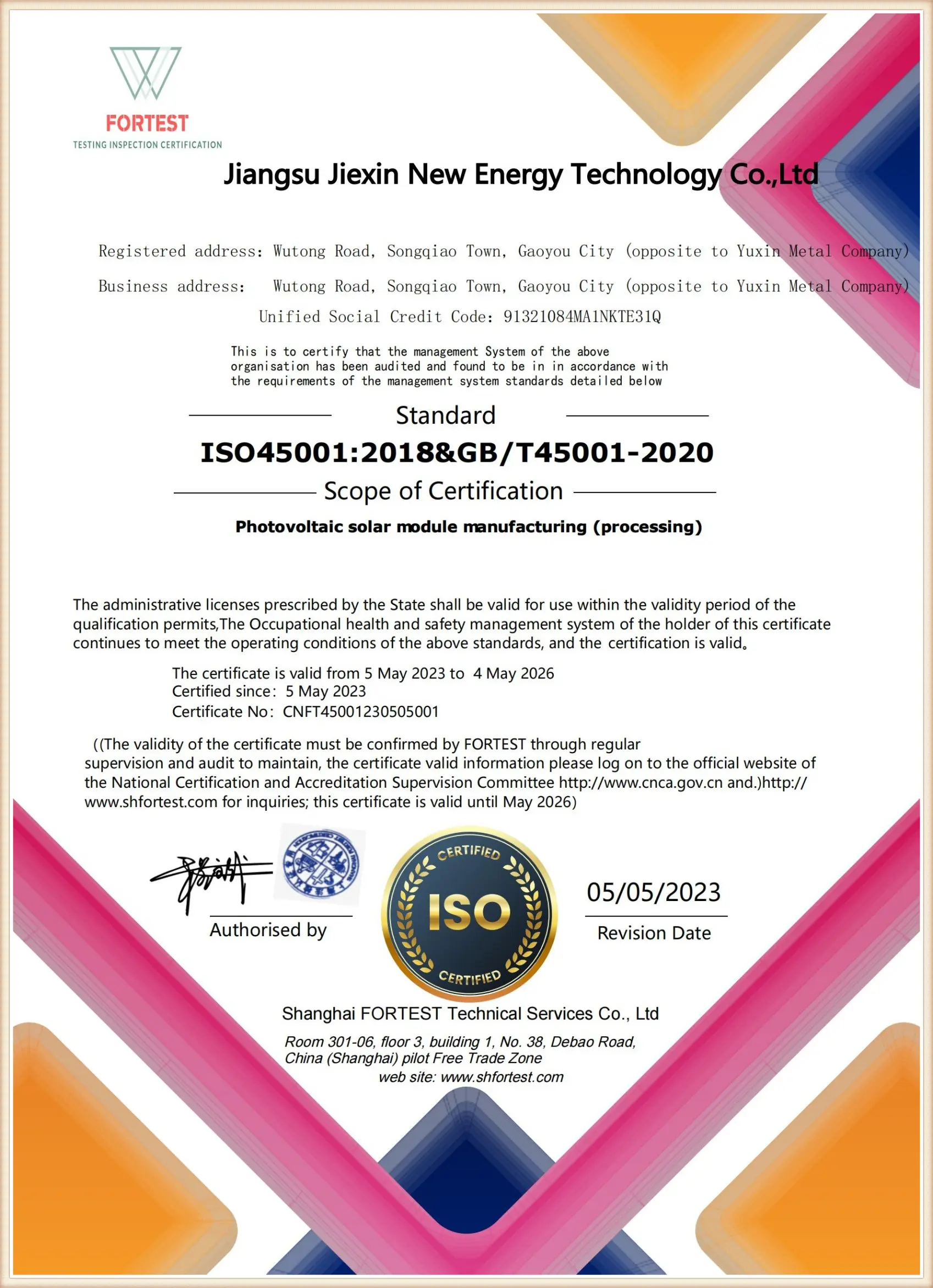
Rigorous quality inspection standards meeting European and American regulatory frameworks.
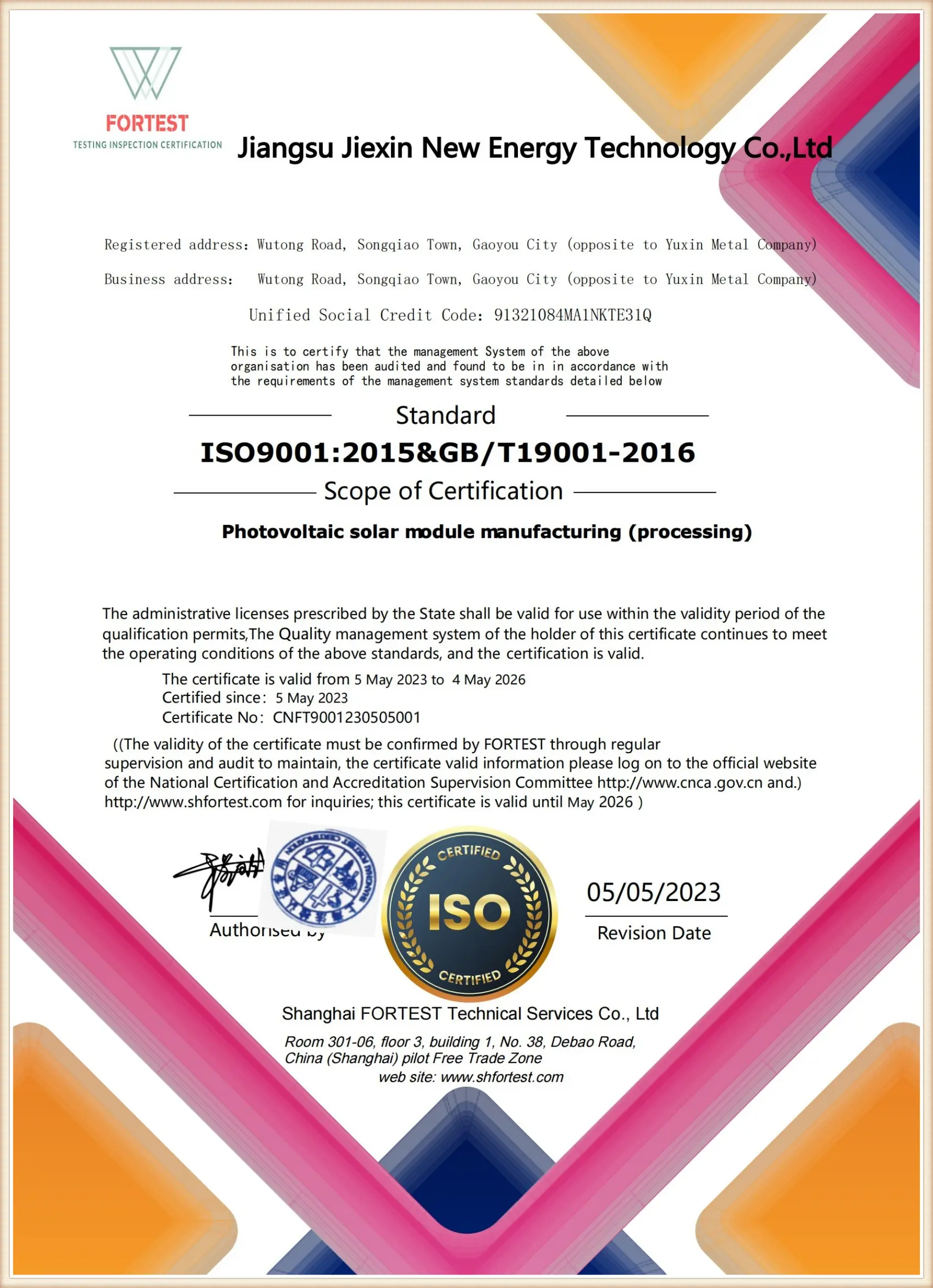
For B2B buyers purchasing solar setups for off-grid cabins, regulatory compliance is a key requirement. Importing equipment without proper CE, TÜV, or ISO certifications can result in delays during customs clearance, project halts, or denial of commercial property insurance. YUXIN operates under strict QA/QC methodologies. Each batch of solar panels, storage modules, and aluminum support frames undergoes structural testing, dynamic mechanical load evaluations, and wet-leakage current testing to ensure stable performance under extreme weather conditions.
Pioneering Next-Generation Off-Grid Photovoltaic & Composite Frame Materials.
The solar industry is shifting from traditional p-type PERC cells to advanced n-type TOPCon and Heterojunction (HJT) technologies. For off-grid configurations where space on cabin roofs is limited, n-type panels deliver a higher power output per square meter and have a lower annual degradation rate. YUXIN continues to invest in cell R&D to provide modular housebuilders with high-efficiency bifacial solar systems that capture sunlight from both sides, increasing power generation by up to 25% through ambient albedo.
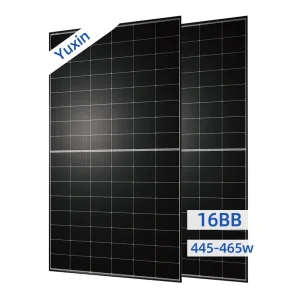
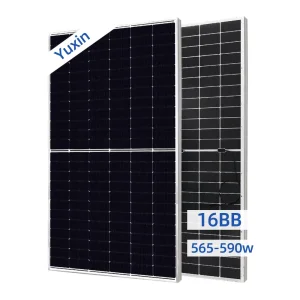
Our newest product lines utilize 16BB (Busbar) technology with TOPCon cells, achieving up to 22.5% module efficiency. This ensures maximum power output for off-grid cabins, even during cloudy weather.
Polyurethane pultrusion composite frames offer a lower carbon footprint, higher insulation properties, and superior corrosion resistance compared to aluminum in coastal climates.
Our energy storage systems feature IoT-enabled battery management units. They monitor thermal conditions, optimize charge cycles, and send system health updates directly to cabin users.
Working with global partners to deliver reliable, off-grid energy hardware.

Updates from Yuxin Group regarding material testing, mounting systems, and quality control.
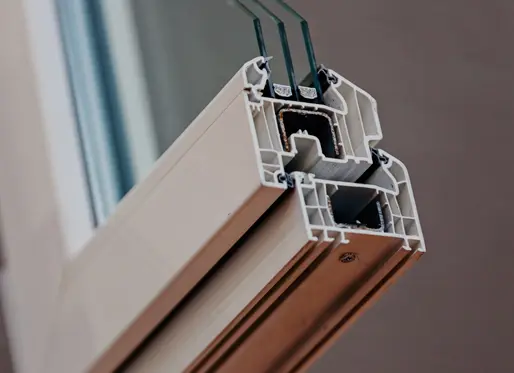
An analysis of structural integrity, mechanical load tests, and the differences between anodized aluminum alloys and polyurethane pultruded components in high-humidity regions.
Read Technical Article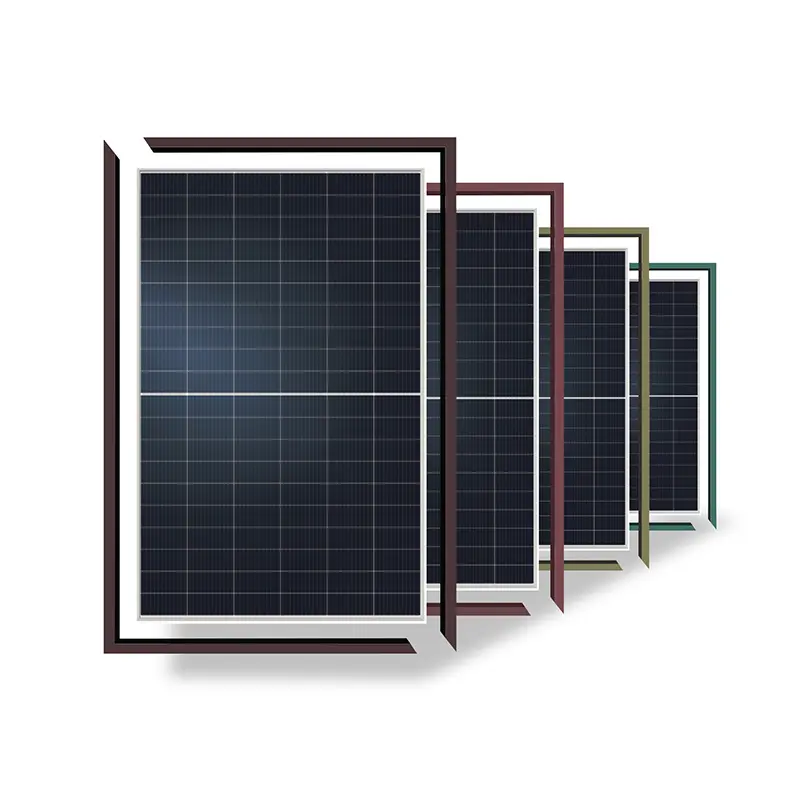
A guide for global buyers detailing the inspection steps, factory verification standards, and testing criteria needed when choosing an OEM solar mounting frame partner.
Read Technical Article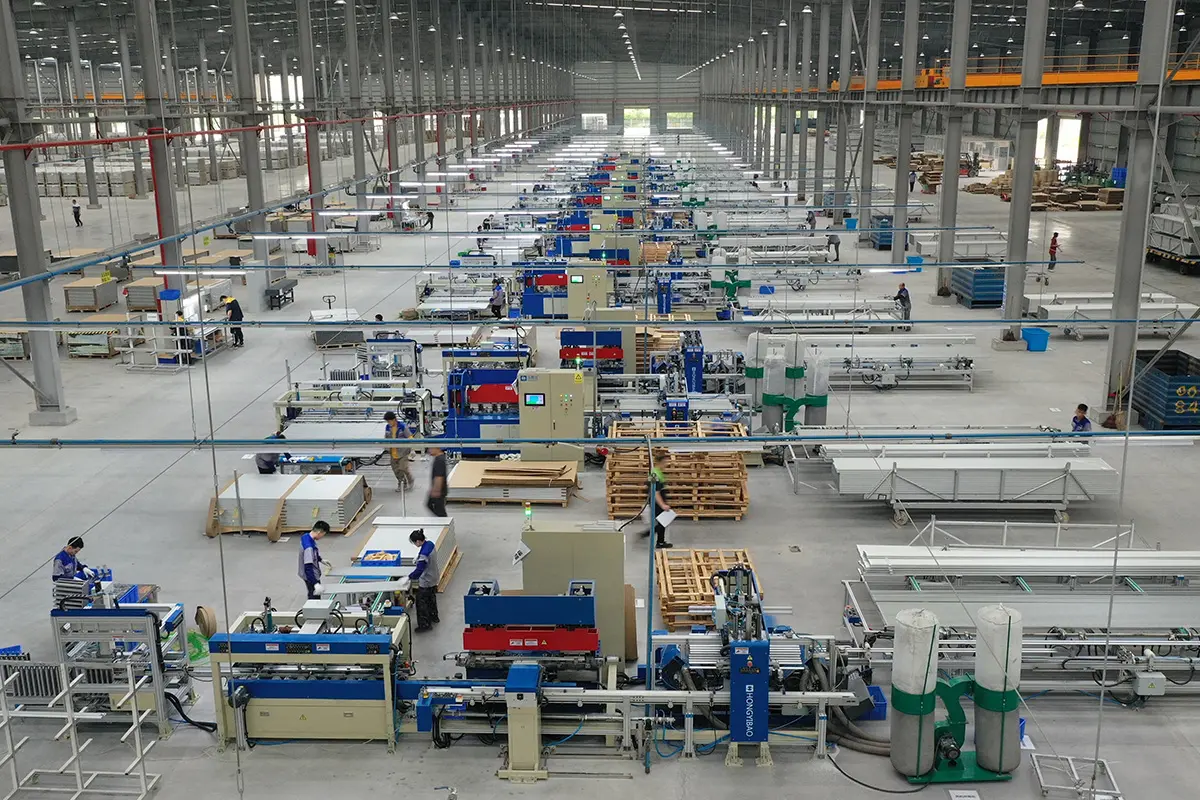
A detailed breakdown of quality control workflows, covering raw material analysis, anodizing thickness checks, geometric tolerance controls, and mechanical testing.
Read Technical ArticleDirect answers to common technical, shipping, and customization questions from project developers and purchasing managers.
Select certified hardware configurations designed for direct factory integration and heavy-duty deployment.