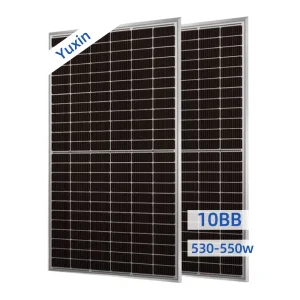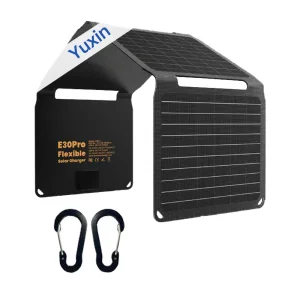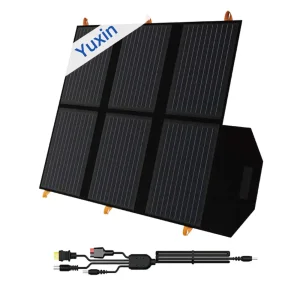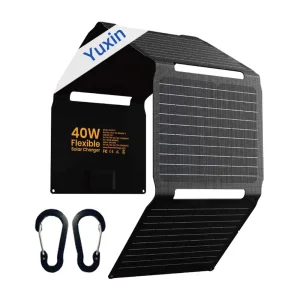
Browse our top-tier manufacturing line including smart lithium battery systems, waterproof portable solar setups, high-efficiency TOPCon solar modules, and structural frames designed for residential building load-shedding mitigation.
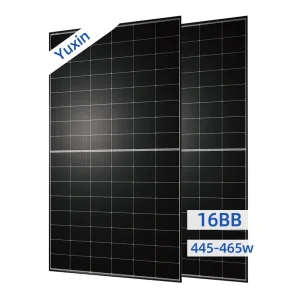
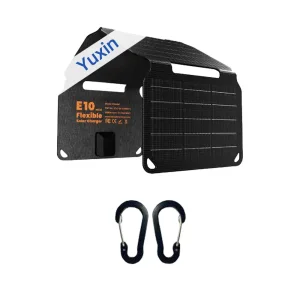
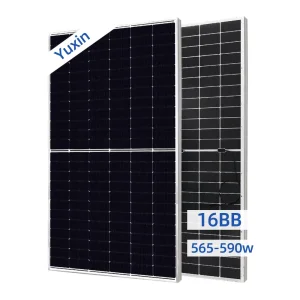
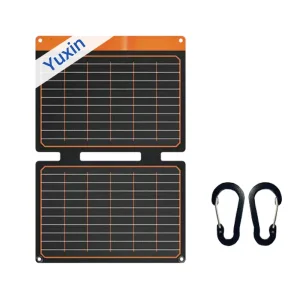
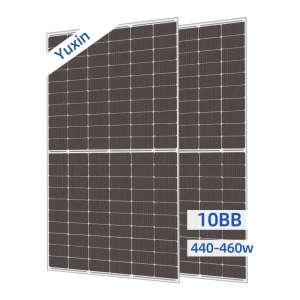
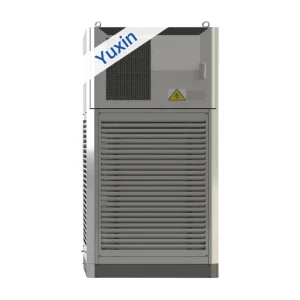
Loadshedding—planned or unplanned power outages due to grid stress—has transformed from a localized nuisance to a systemic global threat to urban residential stability. In multi-family apartment complexes, power failures disrupt vital services including elevator systems, clean water pumps, security access controls, cooling systems, and personal home medical equipment. Unlike isolated residential houses, apartments face unique physical constraints: restricted rooftop space, lack of ventilation for combustion-based diesel generators, and shared high-amperage electrical distribution panels.
Fulfilling the demand for reliable, fire-safe, and compact loadshedding solutions for apartments requires an understanding of both advanced battery chemistry and structural architectural constraints. B2B buyers—ranging from property developers to electrical engineering contractors—must design and source systems that deliver rapid backup response times, high cycle longevity, and compliance with strict fire safety regulations. This whitepaper analyzes the technology, macro trends, and supply chain ecosystems behind successful residential backup and solar integration.
"Urban energy resilience is no longer an optional luxury; it is a critical component of real estate valuation. Apartments equipped with integrated battery and solar infrastructure command a 15-20% asset premium in markets facing frequent grid instability."
To address this challenge effectively, manufacturers are pivoting from raw battery manufacturing to integrated, intelligent Energy Management Systems (EMS). Modern loadshedding mitigation in apartments utilizes hybrid energy architecture: high-efficiency solar modules (such as Monocrystalline PERC or N-type TOPCon panels) paired with high-capacity Lithium Iron Phosphate (LiFePO4) storage banks. These systems store solar yield during the day or capture low-tariff grid energy to discharge seamlessly when the grid collapses.
Deploying loadshedding solutions in high-density multi-tenant structures generally follows one of two architectural frameworks. Selecting the correct system depends on the structural age, ownership model, and local grid policies.
Centralized systems locate the entire battery bank and inverter stack in a dedicated utility room (e.g., basement or parking area). These systems hook directly into the main building distribution board (DB).
Best for: New-build property developments and complete building retrofits.
Decentralized solutions place individual battery packs and compact hybrid inverters inside each individual apartment unit or on dedicated unit balconies.
Best for: Individual rental apartments and existing condominium retrofits.
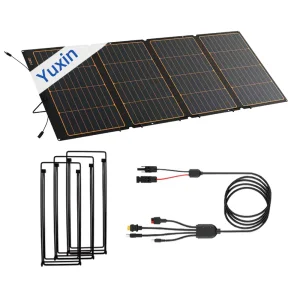
These systems feature ultra-lightweight high-efficiency solar modules installed on apartment balcony railings, combined with compact portable power stations.
Best for: Tenants, student housing, and urban minimalist configurations.
Integrating loadshedding systems requires a synergy of PV generation, structural mounting, and high-performance battery control.
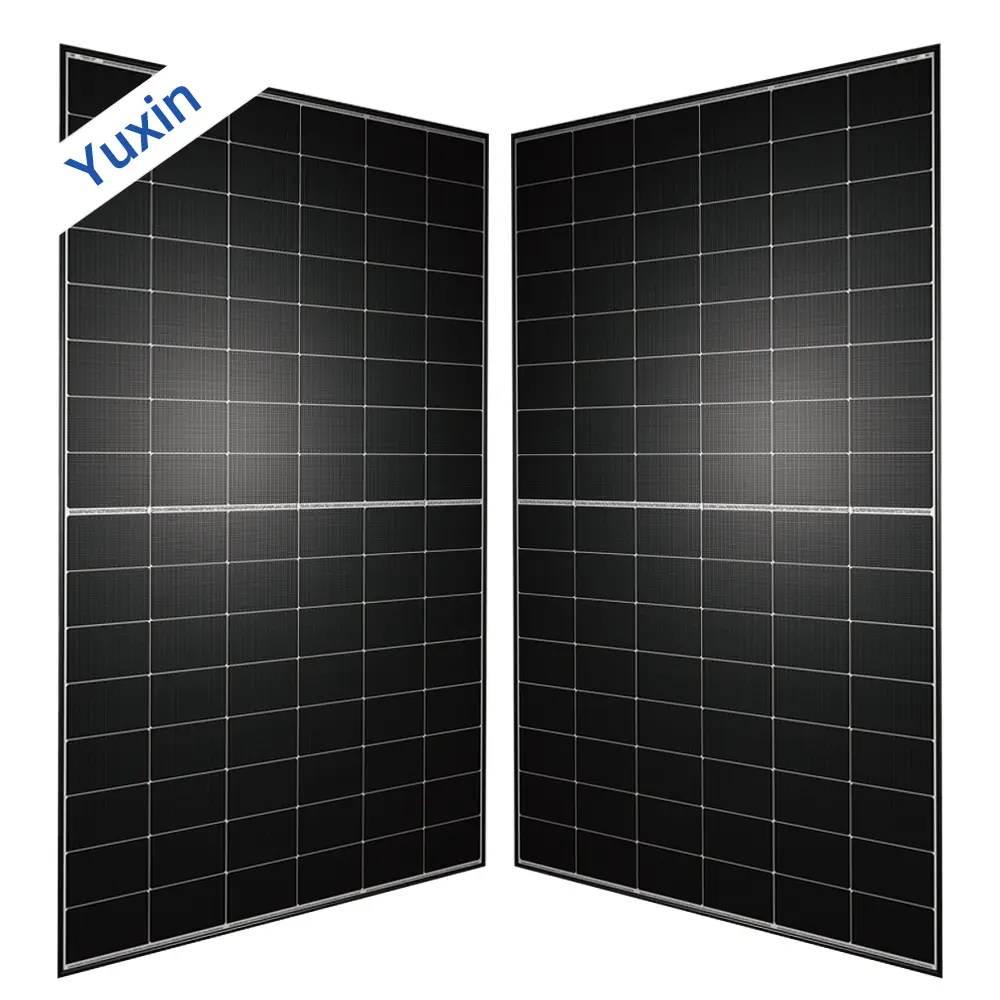
Lightweight design with transparent back panel for easy installation and reduced BOS costs.
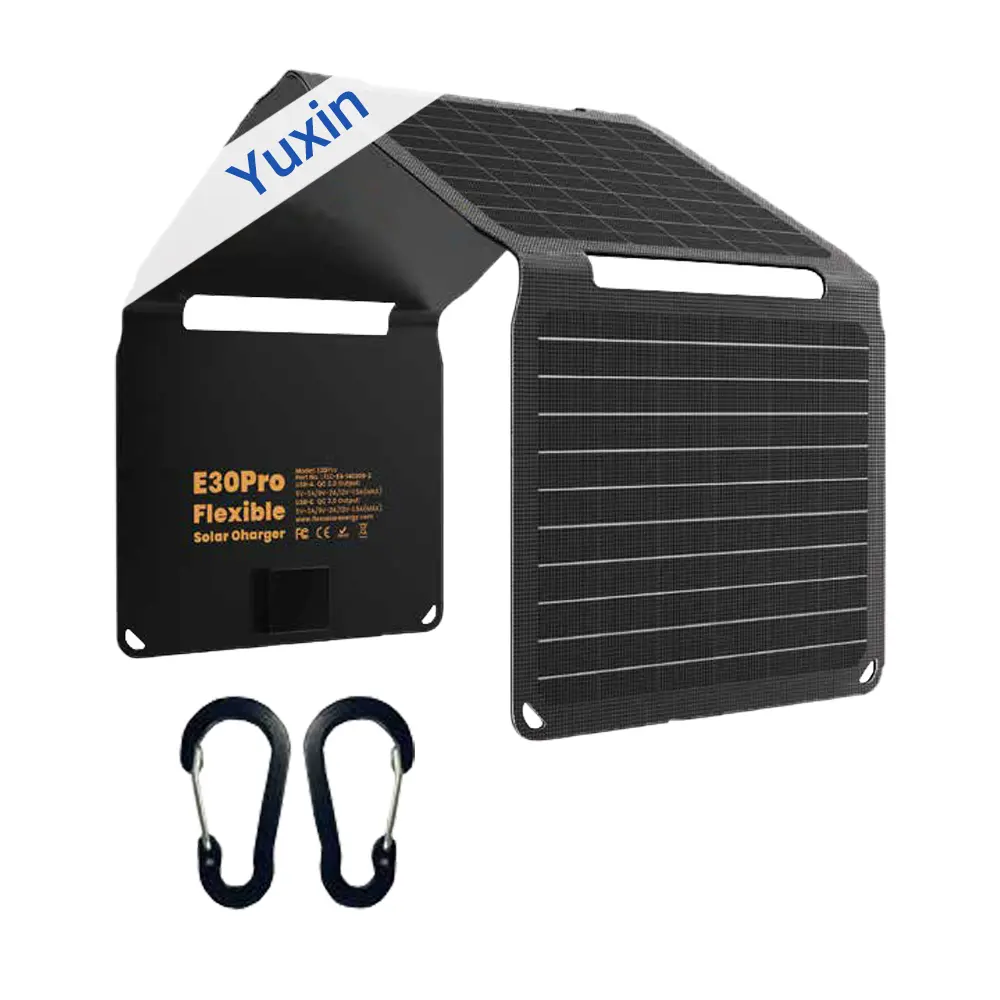
Utilizing advanced monocrystalline silicon cells, it achieves a high energy conversion efficiency of 24%.
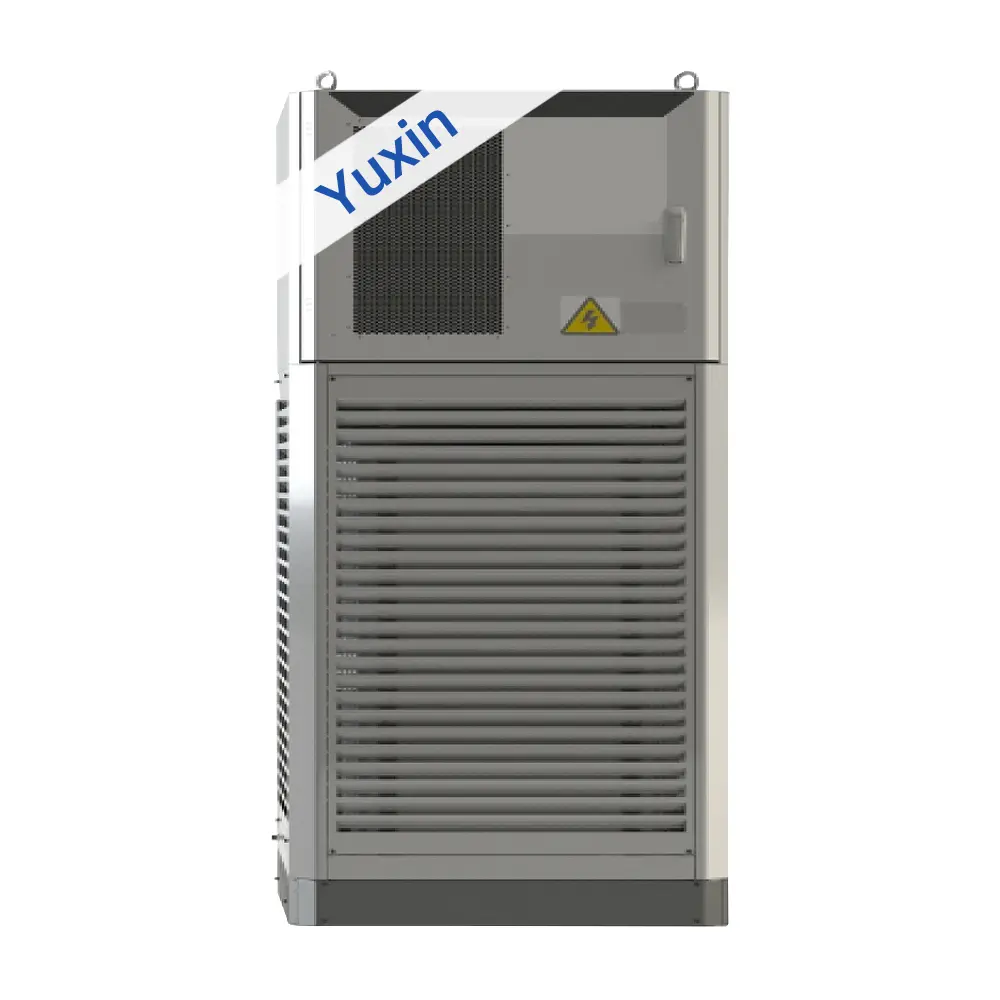
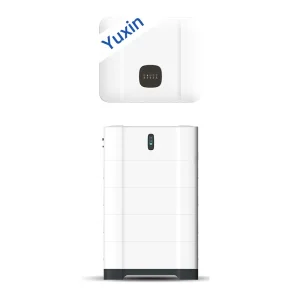
Application modes include grid-connected mode, off-grid mode, and integrated grid-connected/off-grid mode.
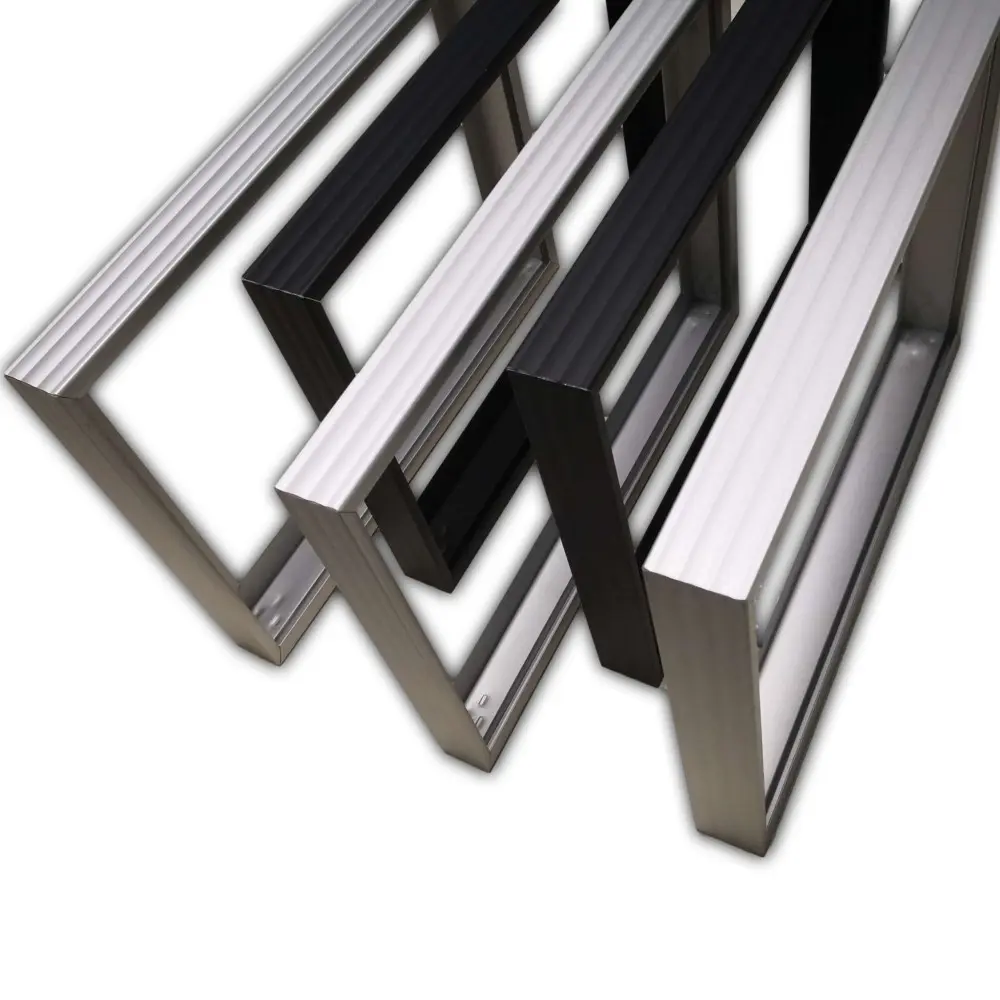
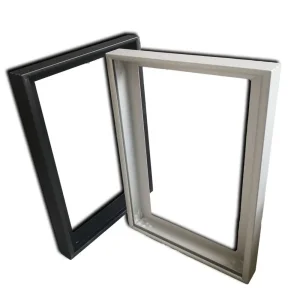
Made of high-quality anodized aluminum, it ensures superior weather resistance and a smooth, long-lasting finish.
China is the global epicenter for renewable energy research, development, and supply-chain logistics. By choosing Chinese manufacturers like Jiangsu Yuxin New Energy Technology Co., Ltd., B2B procurement managers tap into an unparalleled industrial cluster that offers distinct advantages:
Jiangsu Yuxin New Energy Technology Co., Ltd.
Established in 2008, Yuxin is recognized as a National High-tech Enterprise and a Top 100 Private Enterprise in Gaoyou City, specializing in precision engineering of solar panels, storage solutions, and structural frameworks.
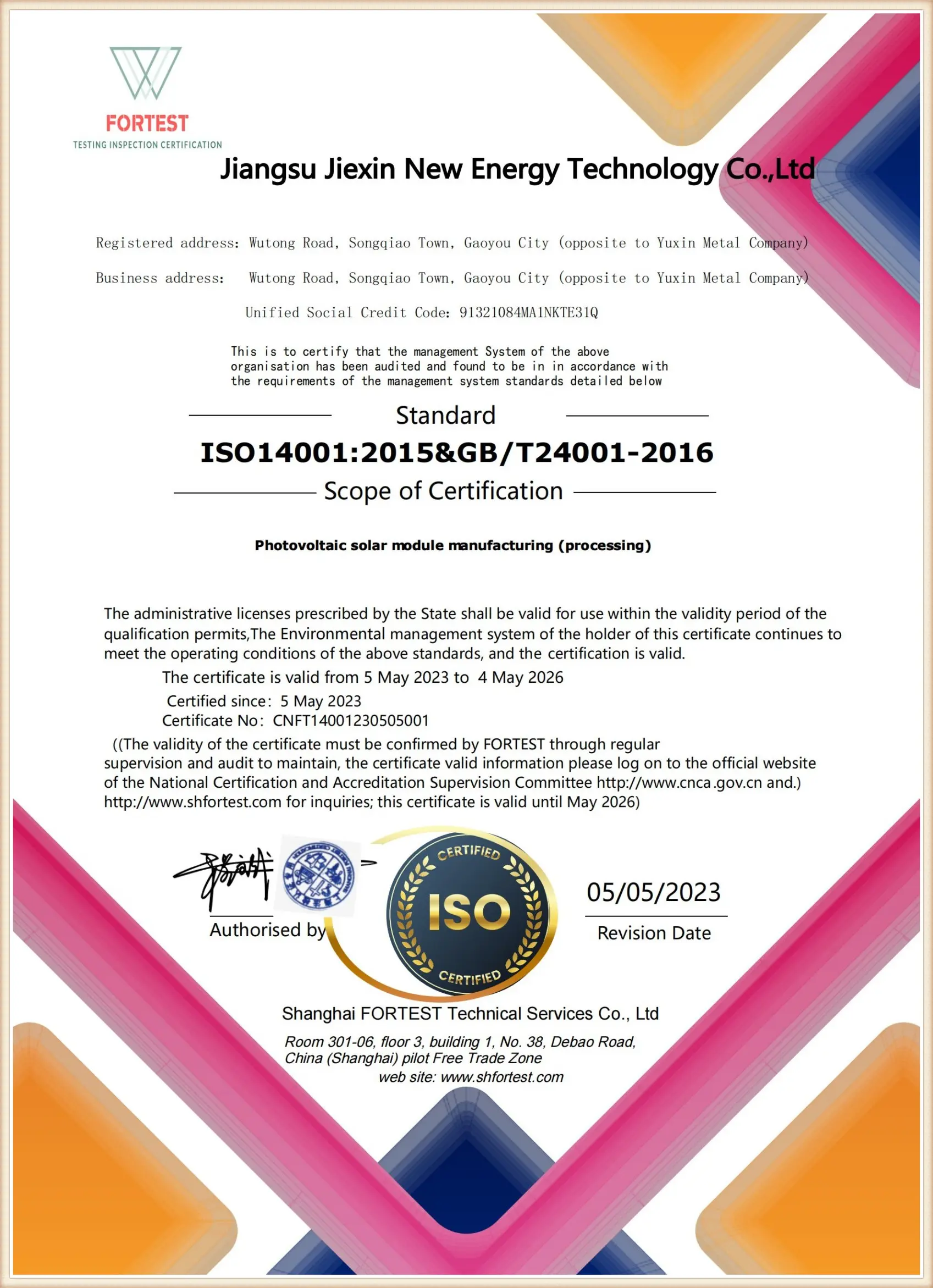
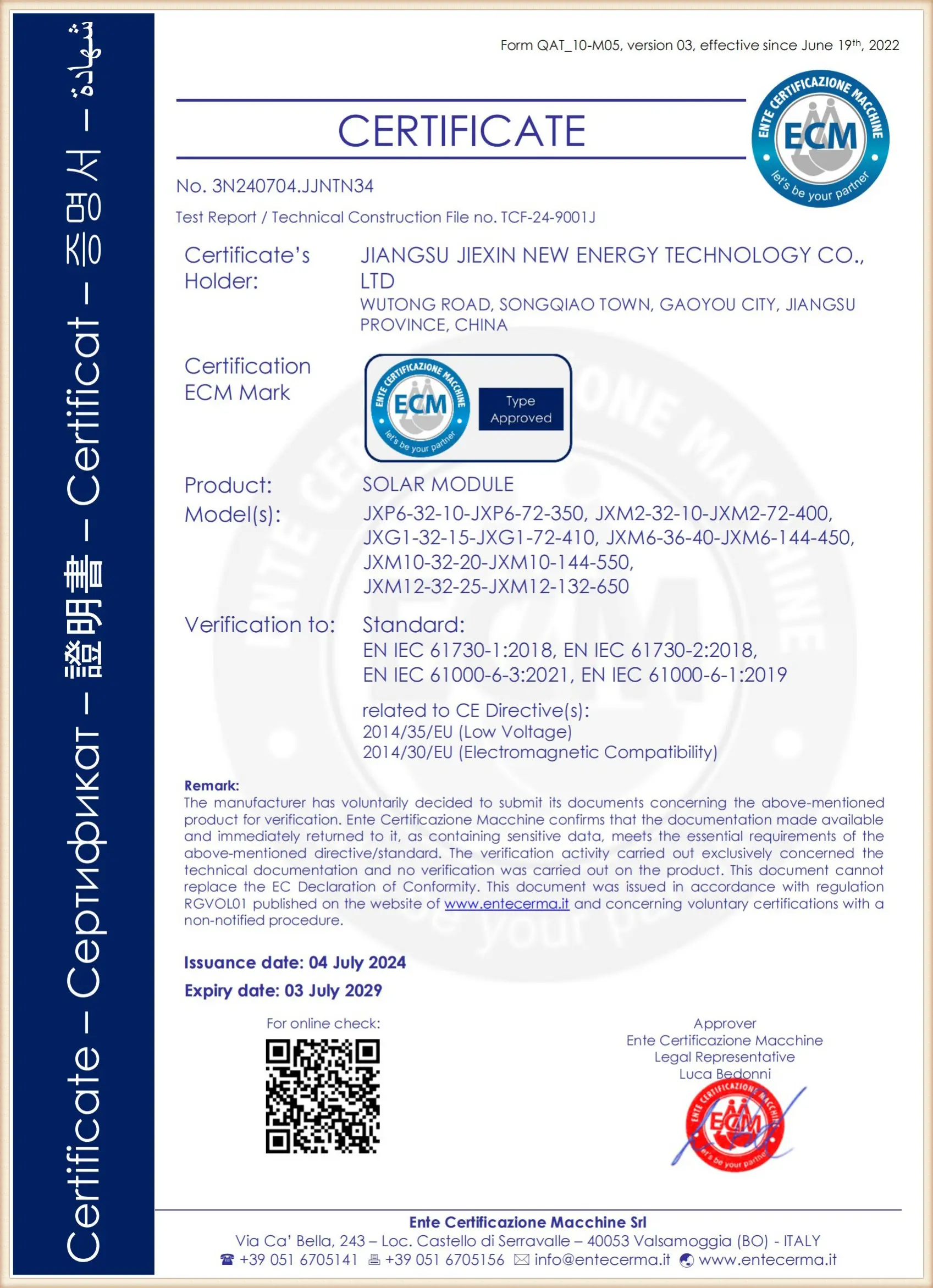
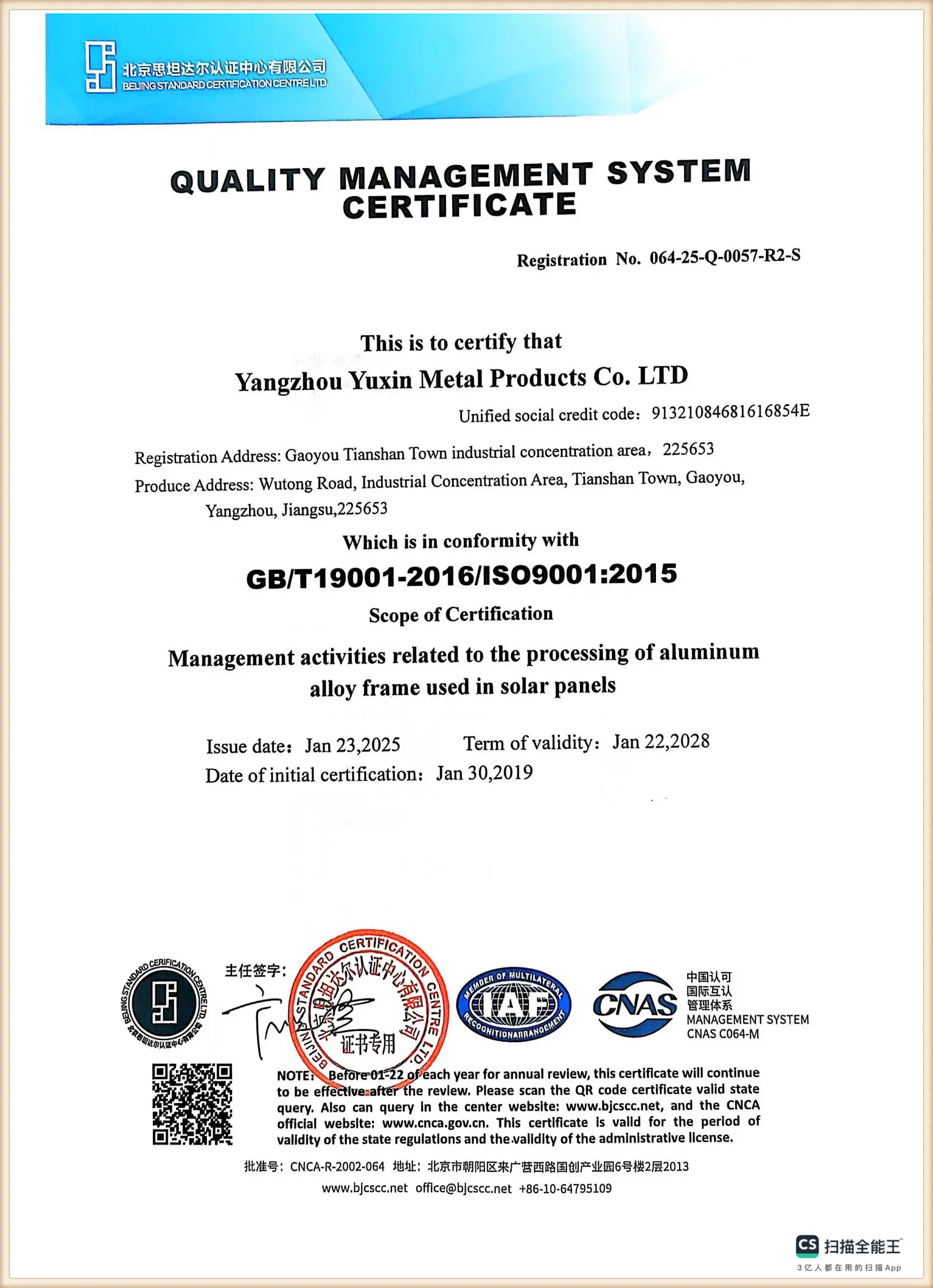
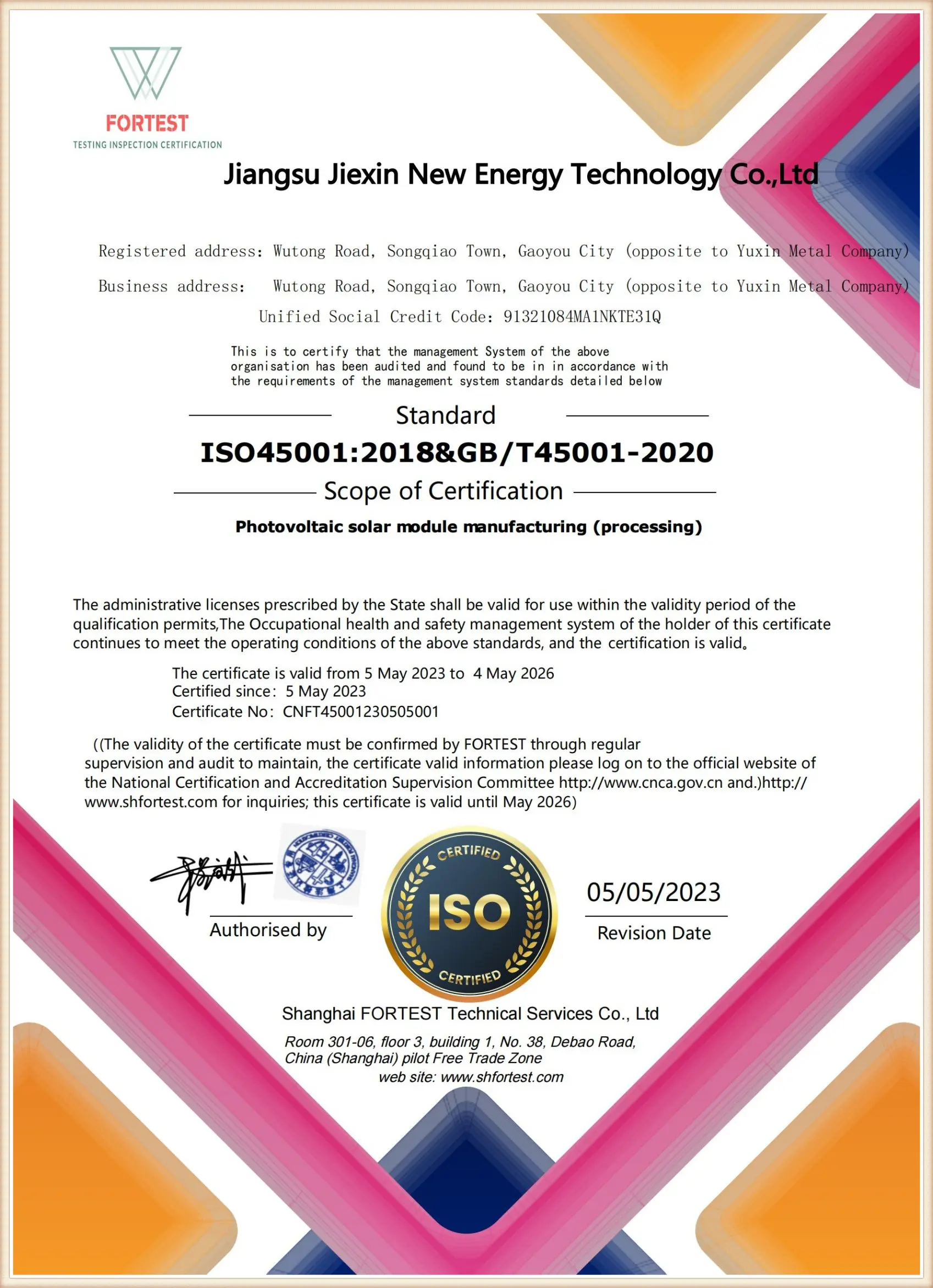
Our manufacturing systems and materials are subject to rigorous verification, ensuring maximum safety, mechanical integrity, and electrical reliability for residential developments.
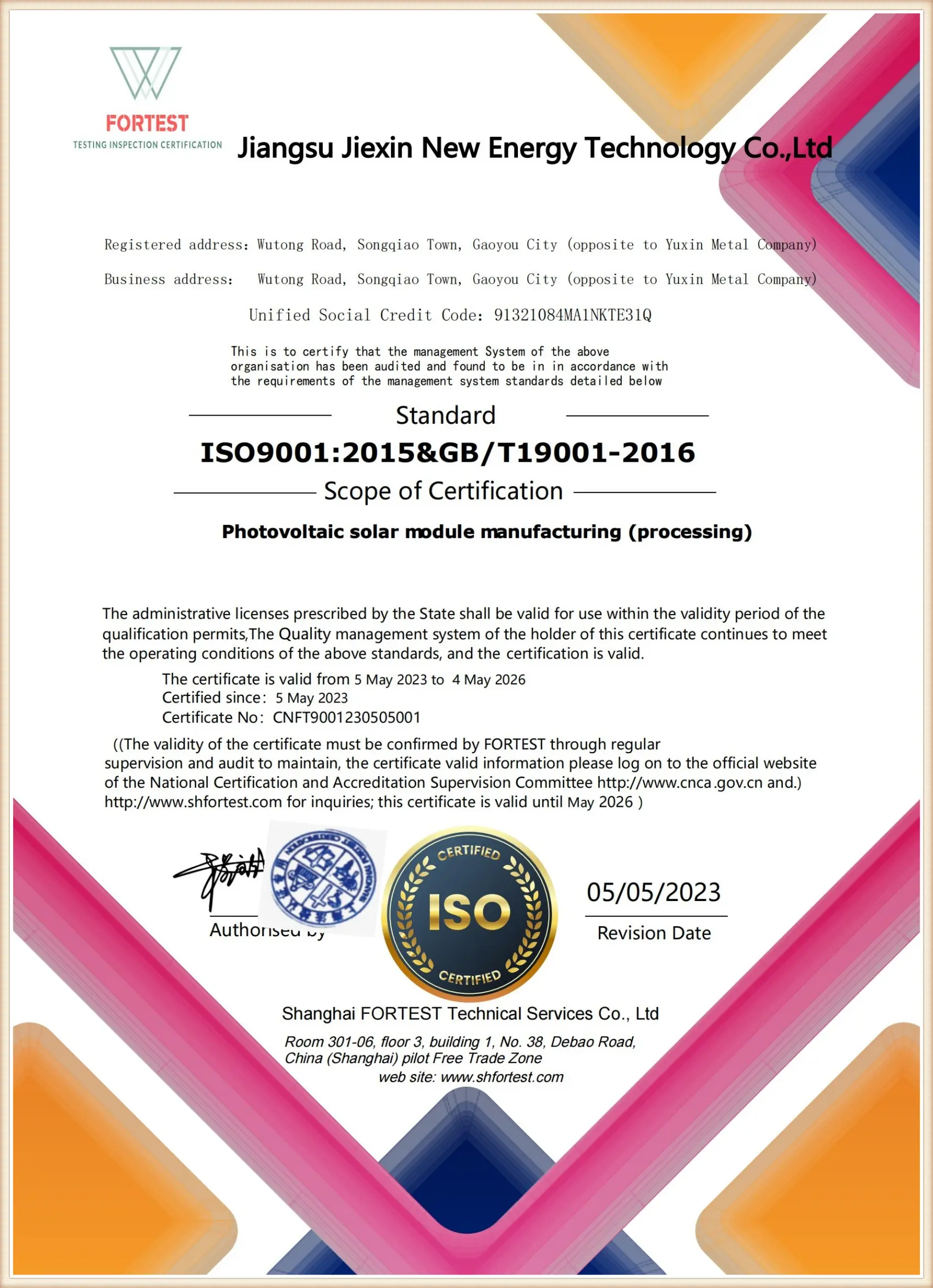
Apartment complex loadshedding solutions vary significantly by region. B2B procurement strategies must be calibrated to meet these local conditions:
Faced with stage 4 to stage 6 loadshedding, apartment buildings require high-capacity, fast-recharging batteries. Systems must withstand multiple daily cycles and support heavy starting currents for pumps and communal assets.
Focuses on N-type TOPCon solar panel integrations. Strict visual and structural rules require light, secure aluminum frames (like 6063-T5) to lock panels onto balconies, safely offsetting high utility rates.
Monsoons and typhoons demand robust weatherproofing. Equipment must feature IP65/IP66 enclosure ratings, corrosion-resistant polyurethane pultruded composite mounting frames, and high-surge back-up configurations.
Professional procurement teams assess the total cost of ownership (TCO) based on three primary pillars: safety profiles, integration efficiency, and structural resilience.
For high-occupancy residential environments, safety is paramount. Lithium Iron Phosphate (LiFePO4) is the industry standard due to its high thermal runaway threshold (around 270°C compared to 150°C for NMC). Additionally, LiFePO4 batteries deliver up to 6000 cycles at 80% Depth of Discharge (DoD), drastically lowering long-term replacement costs.
Solar panels mounted on high-rise residential facades face extreme wind shear and environmental weathering. Sourcing solar panels structured with high-grade 6063-T5 or 6005-T6 anodized aluminum frames prevents structural deformation and guarantees 25-plus years of secure mechanical positioning.
Beyond apartments, our high-performance solar materials, emergency backup platforms, and battery systems power various global industries:
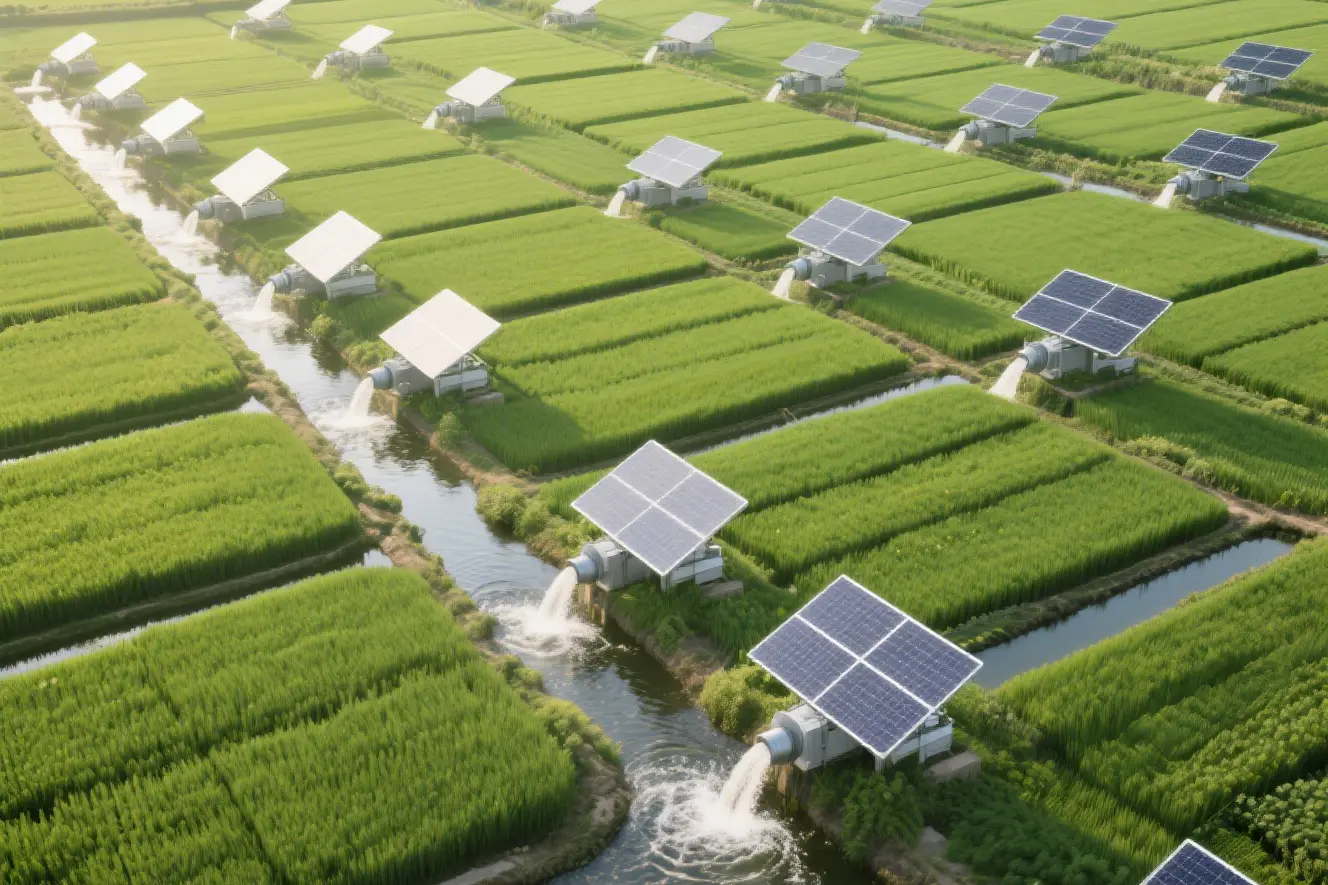
Powering remote water pumps, drip irrigation setups, and eco-greenhouse control monitors with modular solar panels.
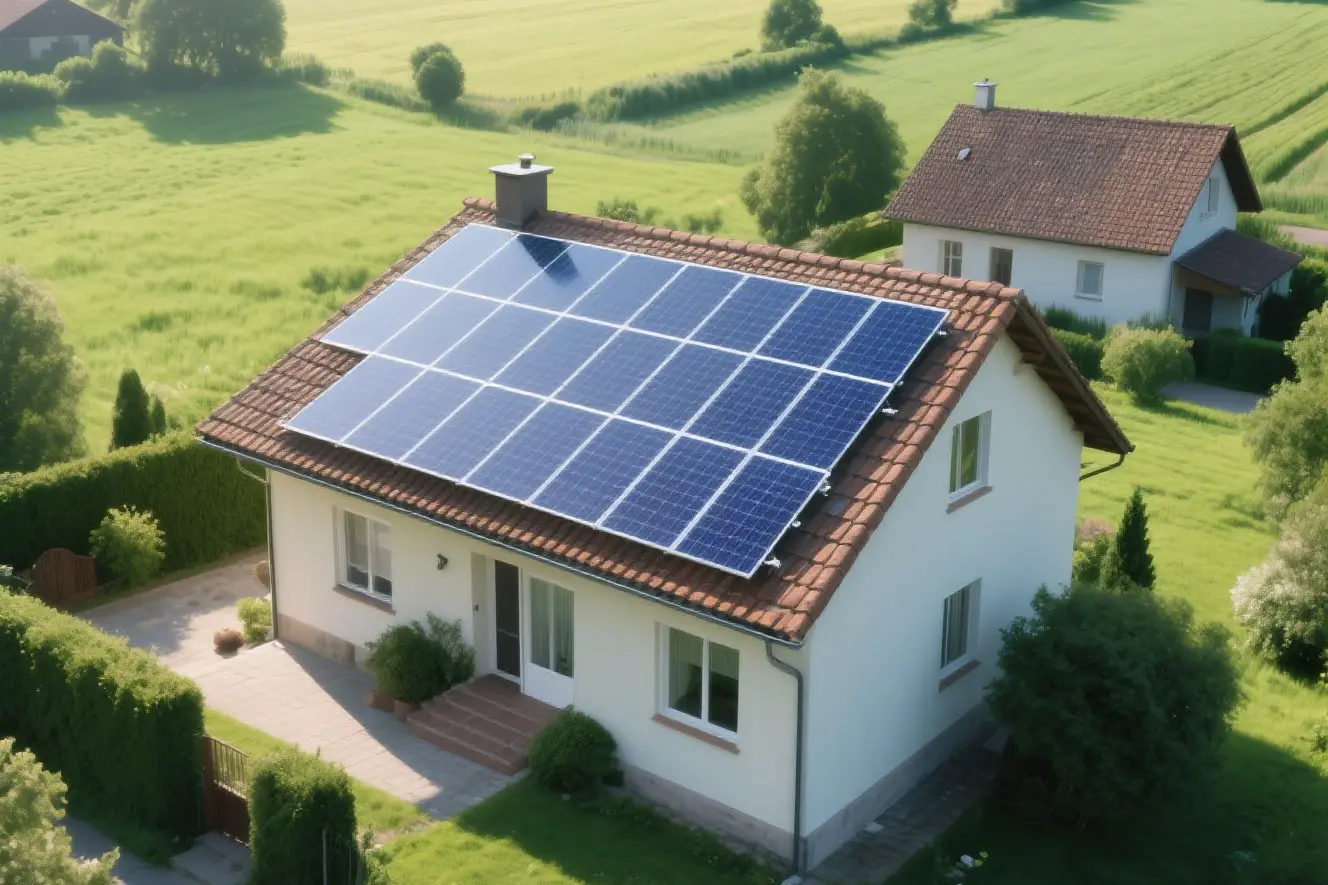
Integrating structural building-integrated photovoltaics (BIPV) using specialized anodized aluminum frames.
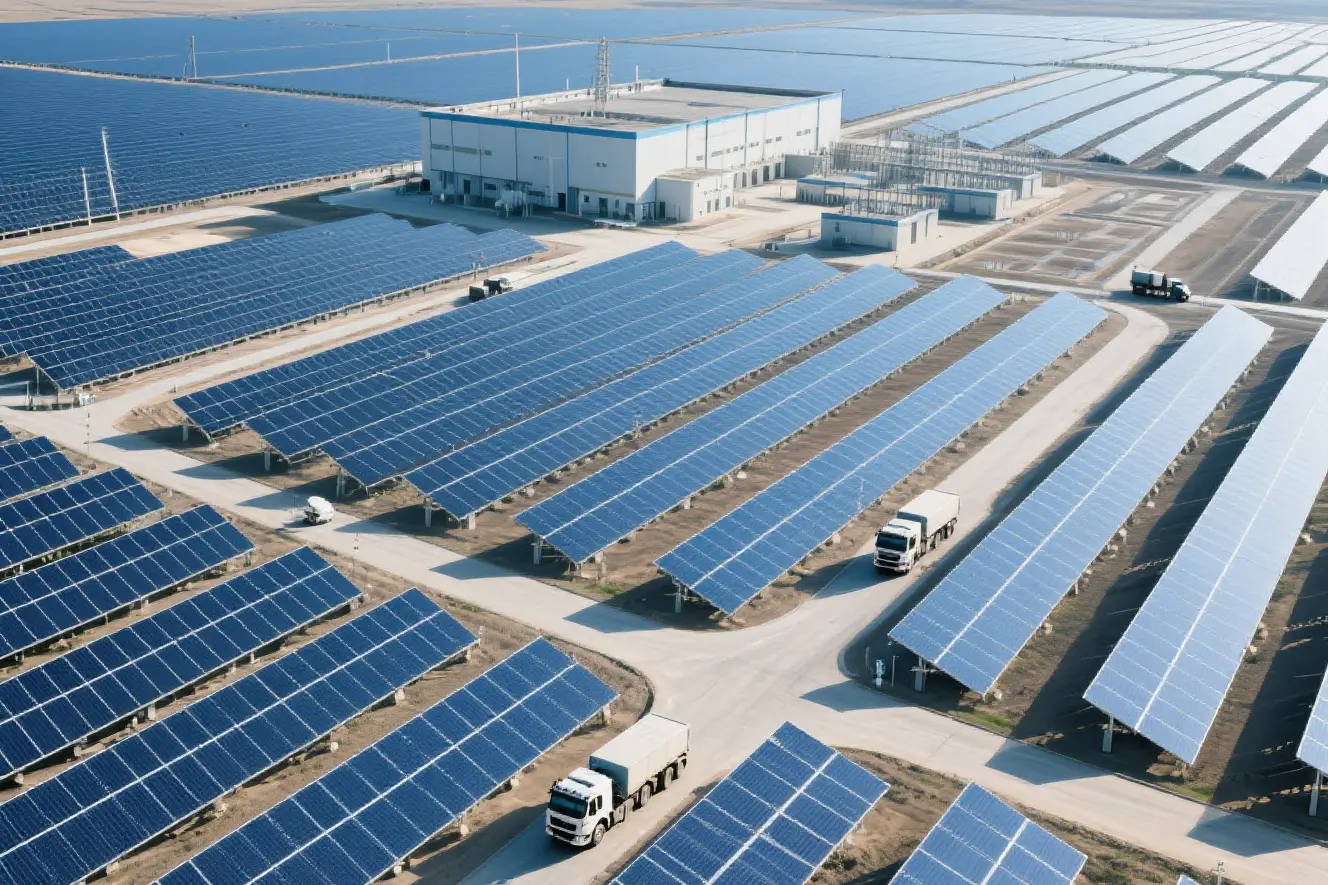
Supporting smart substation grids and high-capacity microgrid battery systems to manage regional demand spikes.
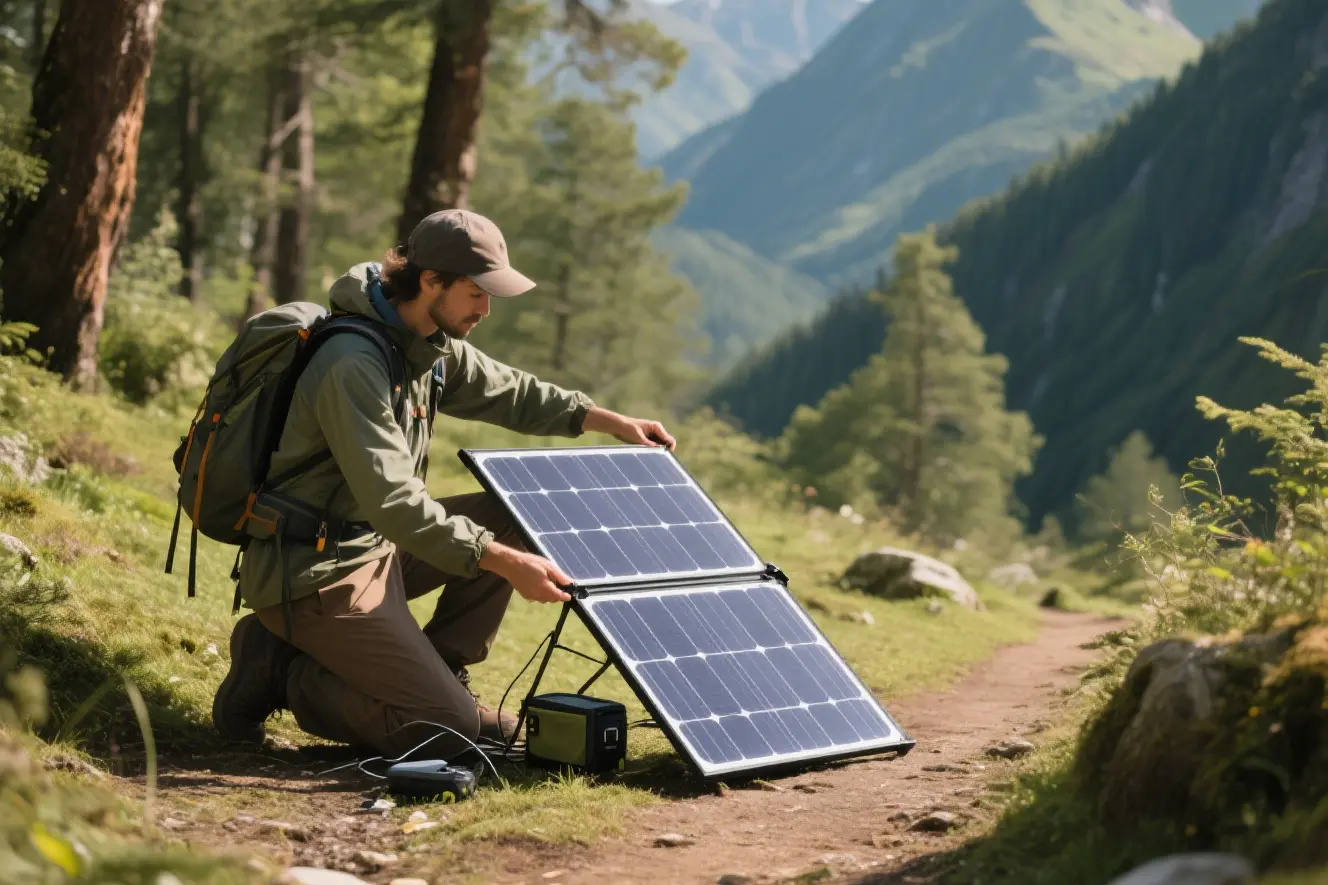
Equipping recreational vehicles, campers, and hikers with high-efficiency waterproof solar charger backpacks and portable units.
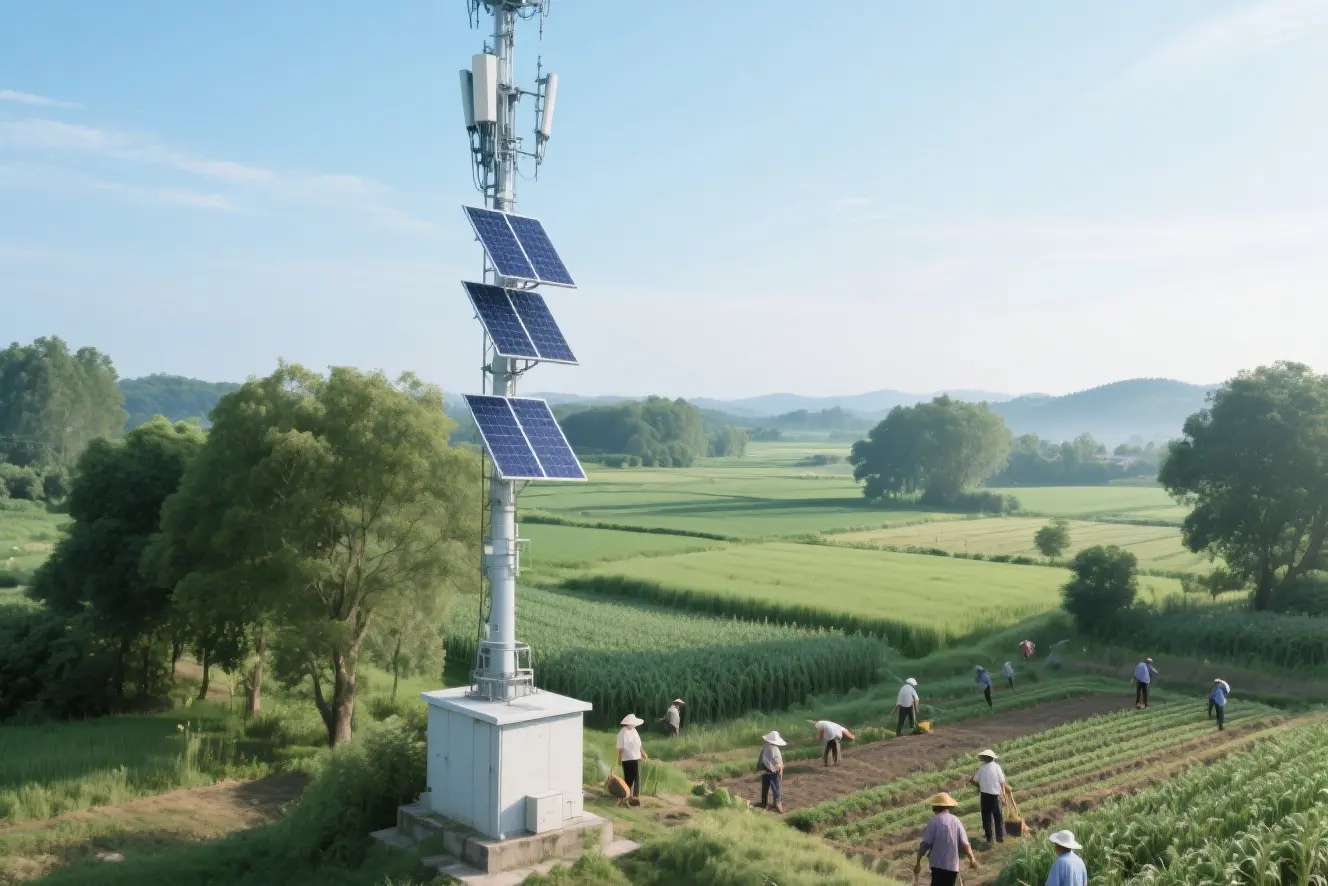
Providing uninterrupted backup power systems to remote 5G cellular towers and signal repeaters during grid outages.
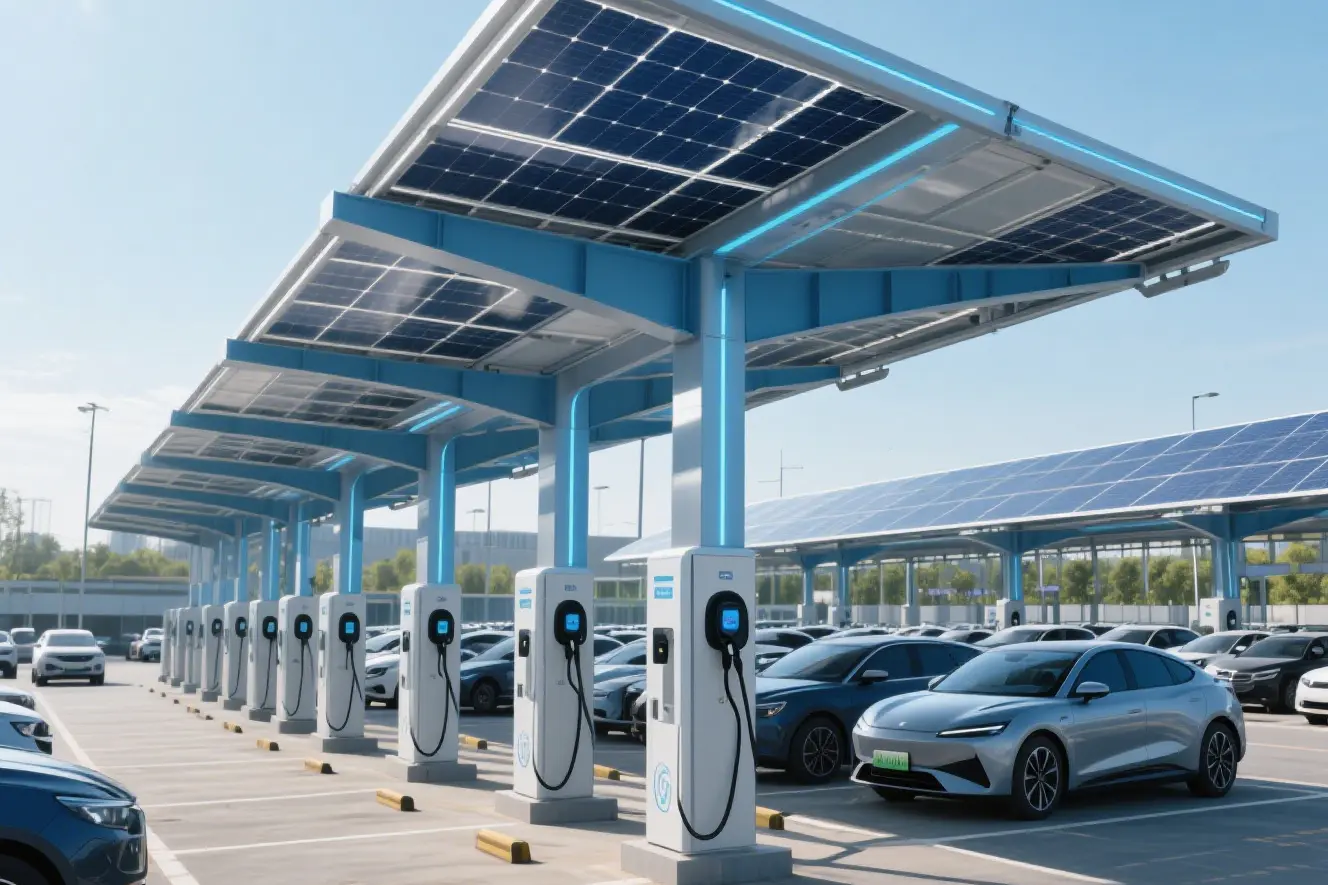
Powering EV charging infrastructure, solar railway signals, and highway backup lighting arrays.
The urban residential energy landscape is shifting rapidly. Future-proofing apartment investments requires staying ahead of three major market developments:
Traditional p-type PERC panels are approaching their theoretical efficiency limits. N-type TOPCon monocrystalline cells achieve over 22.5% efficiency. Crucially, they offer a better temperature coefficient, meaning they generate more power in hot weather. This is ideal for restricted high-rise environments where space is at a premium.
By replacing the traditional opaque plastic backsheet with a secondary glass layer, double-glass solar panels generate energy from both sides. When mounted vertically on high-rise balconies or as exterior curtain walls, they capture reflected light from adjacent structures, boosting energy yields by 10% to 30%.
Modern residential energy storage systems are no longer passive batteries. Today's EMS platforms integrate real-time weather tracking, dynamic utility pricing, and machine-learning algorithms. These systems automatically charge the batteries during low-tariff hours and discharge them during peak demand periods or scheduled grid blackouts, optimizing energy use and reducing costs.
"By integrating bifacial N-type solar modules with advanced smart EMS, modern multi-family residential complexes can achieve grid-independent operations for essential services, insulating tenants from grid failure."
Yuxin maintains strong manufacturing and supplier relations with leading global enterprises to deliver world-class clean energy materials.
Explore expert answers to technical and operational questions regarding apartment energy storage, solar panel compliance, and installation safety.
Lithium Iron Phosphate (LiFePO4 or LFP) is the safest battery chemistry for indoor residential installations. LFP cells have high thermal and chemical stability, reducing the risk of thermal runaway compared to standard Nickel Manganese Cobalt (NMC) cells. Additionally, LFP batteries do not contain hazardous heavy metals like cobalt or lead, making them ideal for high-density apartment environments.
Yes, balcony-mounted solar panels are popular in urban settings. For high-rise installations, safety is the primary concern. You need structural frames made of anodized aluminum (such as 6063-T5 or 6005-T6) or pultruded polyurethane composite. These materials offer the necessary wind-load rating and corrosion resistance to safely secure panels to balcony railings for decades.
Centralized apartment loadshedding installations use smart sub-meters downstream of the main inverter output. The building's central energy management system (EMS) tracks the power consumed by each apartment during backup windows and bills tenants based on actual usage, helping to offset the building's capital expenses.
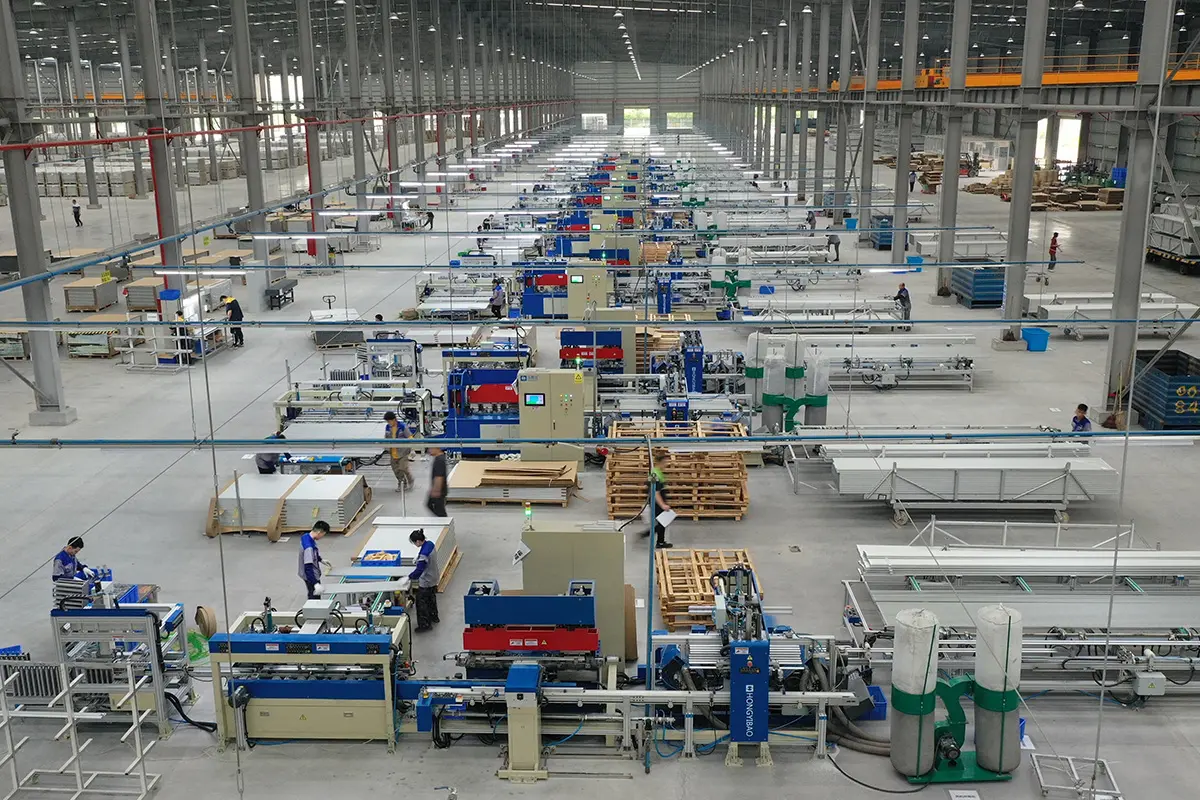
Sourcing from Yuxin provides access to vertically integrated production, cost-effective manufacturing, and rapid OEM/ODM customization. Located near key transit links in Yangzhou, Yuxin manages the process from initial cell assembly to structural anodized aluminum frames, ensuring strict quality control and reliable delivery times.
Stay informed on our research developments, structural inspections, and B2B sourcing strategies for high-quality energy infrastructure.
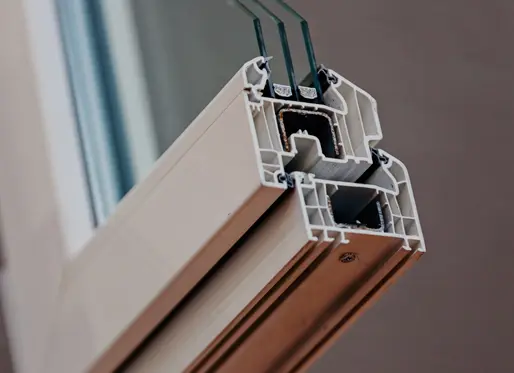
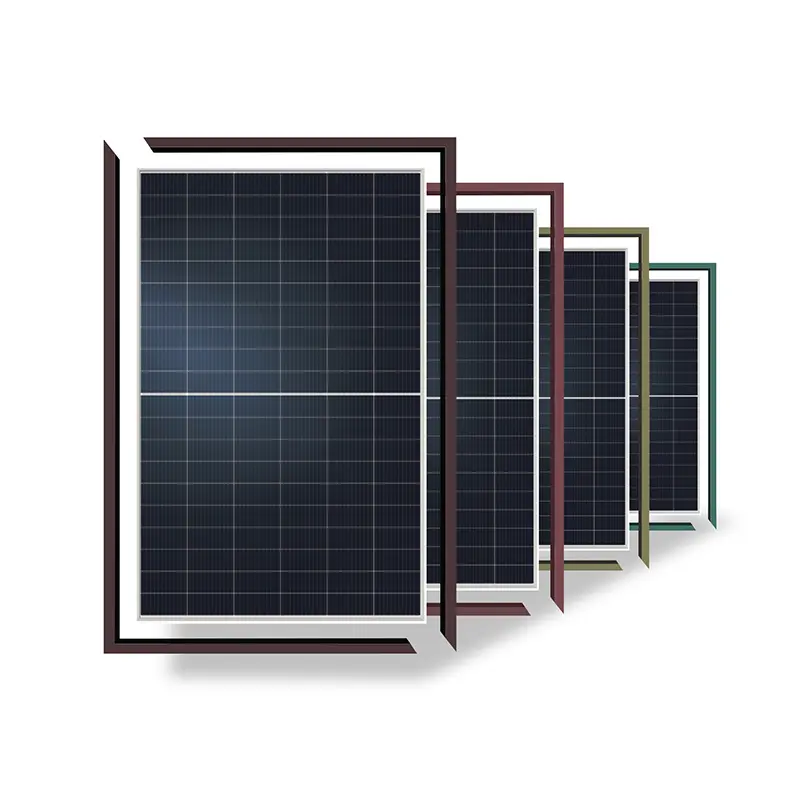
Browse our complete component catalog, including high-performance PERC modules, portable solar stations, lightweight hiking setups, and structural framing solutions.