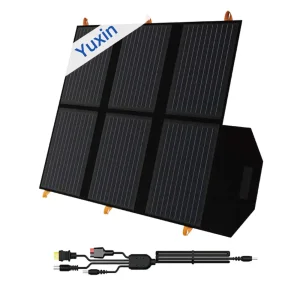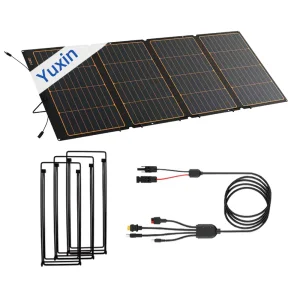
Engineered to mitigate rolling blackouts and load shedding via modular high-voltage battery storage, tier-1 solar panels, and premium structures.
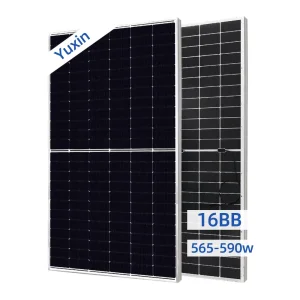
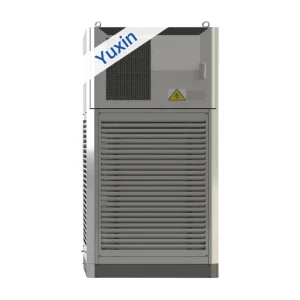
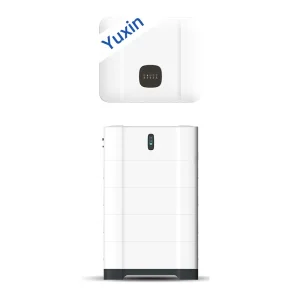
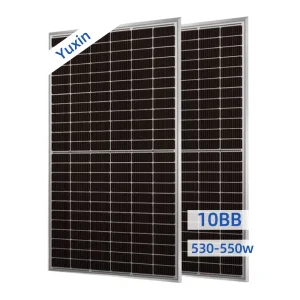
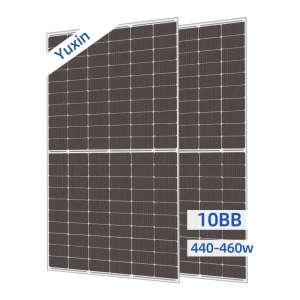
In the contemporary global energy framework, the convergence of aging electrical grids, extreme meteorological patterns, and exponential growth in industrial power consumption has created a severe supply-demand mismatch. Historically restricted to developing or transitioning economies, systemic grid instability—commonly manifested as structured loadshedding, brownouts, or blackout cycles—now threatens macroeconomic stability on a global scale.
From Sub-Saharan Africa (where utility-scale operators impose daily power cuts to avoid grid collapse) to the highly industrialized corridors of North America and Western Europe (confronted with peak-load shortages during thermal extremes and structural transitions to intermittent renewable resources), the vulnerability of central energy distribution is clear. To counter these systemic disruptions, commercial entities, telecommunication hubs, agricultural operations, and residential developments are shifting toward decentralized power assets. Implementing microgrid infrastructures, highly reliable solar photovoltaic modules, and hybrid battery storage systems (BESS) is no longer merely an ecological preference; it is a critical strategy for business continuity and structural resilience.
Economic studies demonstrate that structural energy disruptions can reduce localized GDP by up to 2-4% annually, highlighting the critical need for integrated behind-the-meter energy systems.
Modern energy storage relies on intelligent battery technology to solve renewable energy's intermittent nature. Modern Loadshedding Home Solutions utilize advanced Battery Energy Storage Systems (BESS) based on Lithium Iron Phosphate (LiFePO4) chemistry. LiFePO4 chemistry is preferred over nickel-cobalt-based formulations due to its superior thermal stability, low toxicity profile, and excellent lifespan—typically exceeding 6,000 cycles at a 90% Depth of Discharge (DoD).
For commercial applications, high-voltage battery racks connected to bidirectional hybrid inverters facilitate automated Peak Shaving, Load Shifting, and seamless transition states (under 10 milliseconds). This eliminates the voltage drops associated with traditional generator startup sequences. At the residential level, integrated modular home storage systems run on low-voltage DC bus lines. They offer plug-and-play expansions that scale from 5kWh to over 30kWh. This design provides customizable energy security tailored to local loadshedding patterns and demand profiles.
Precision, Quality, and Safety - Your Photovoltaic Materials Expert
Located in the scenic historical and cultural ancient city of Yangzhou, close to the Beijing-Shanghai Expressway, Runyang Yangtze River Bridge, and Ningqi Railway, Yuxin Group benefits from a superior geographical location and excellent transportation logistics. Established in 2008, the group manages 14 specialized, multi-field enterprises, including Jiangsu Yuxin New Energy Technology Co., Ltd.
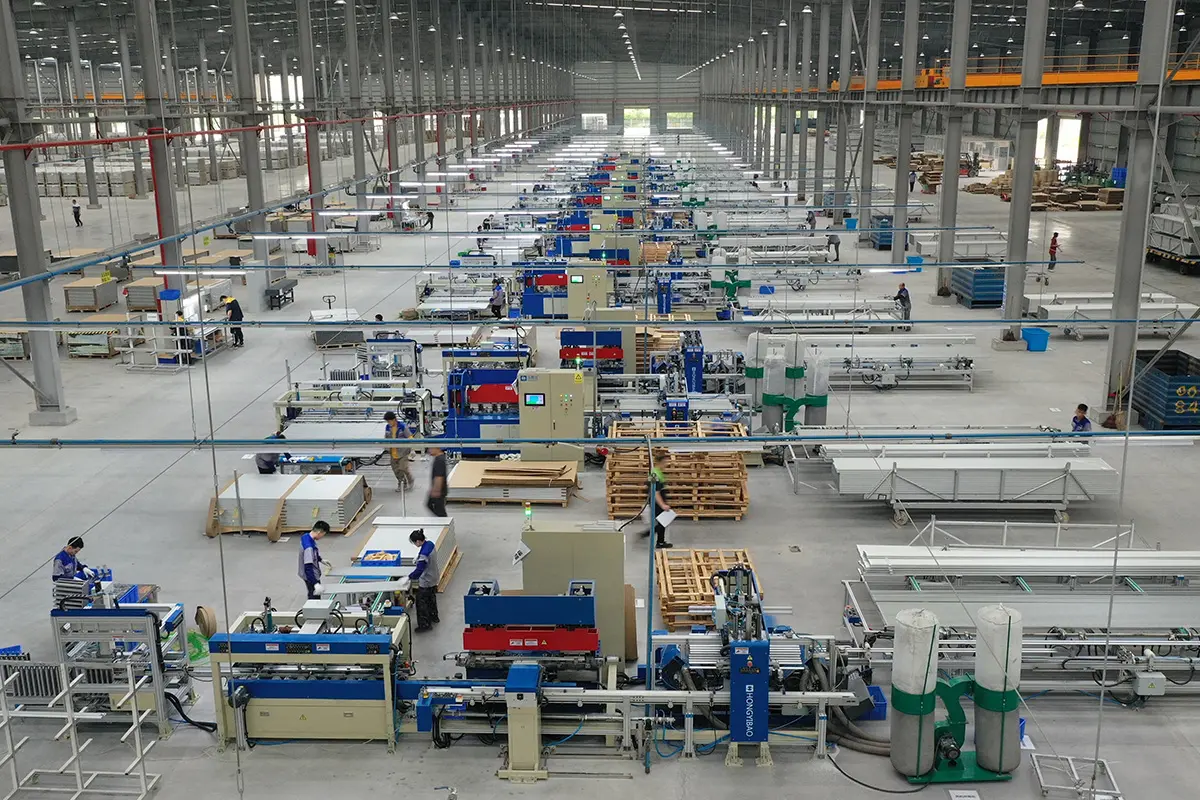
Yuxin has earned numerous accolades, including designation as a National High-tech Enterprise, a Technology-based Enterprise, and recognition as one of Gaoyou City's Top 100 Private Enterprises. Our production centers feature state-of-the-art automated equipment, ensuring that every solar panel, pultruded frame, and storage system meets strict international certification criteria.
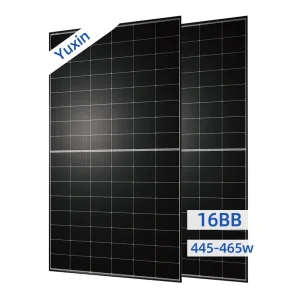
Designed for durability, high conversion efficiency, and seamless grid integration.
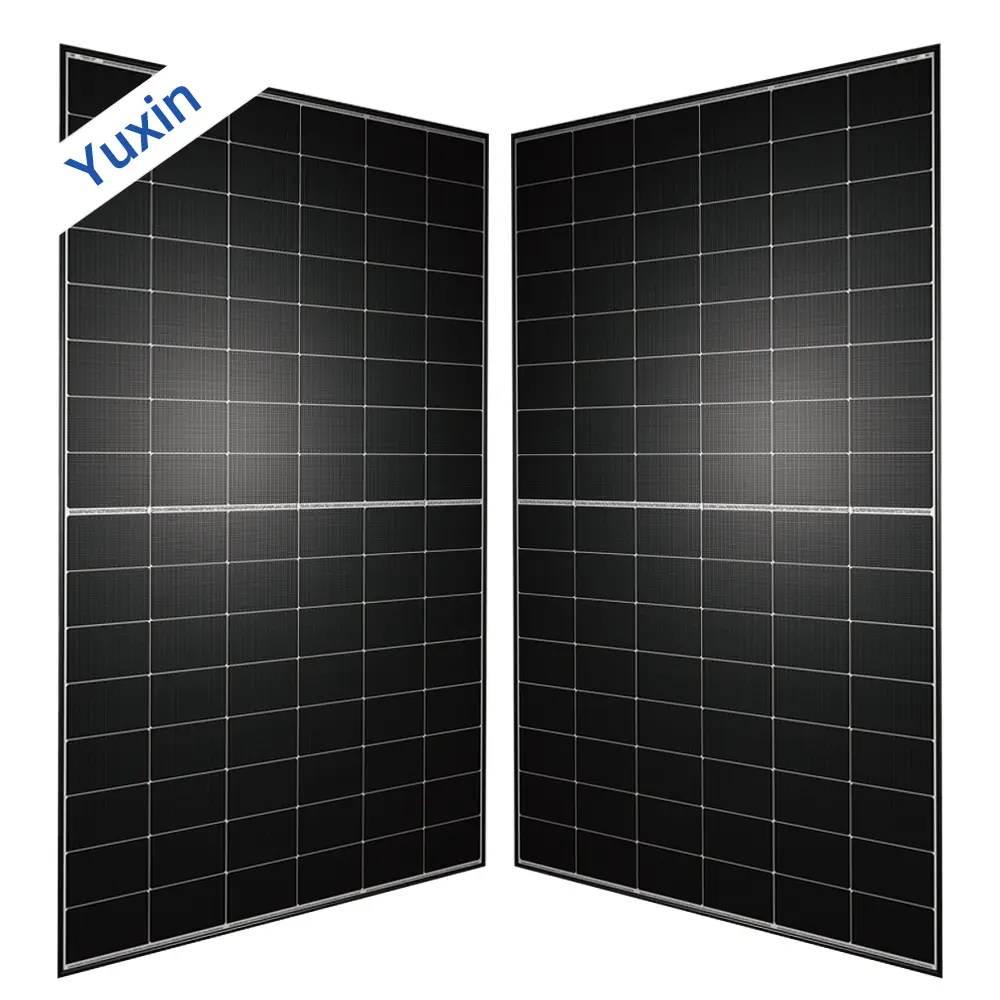
Lightweight design with transparent back panel for easy installation and reduced BOS costs.
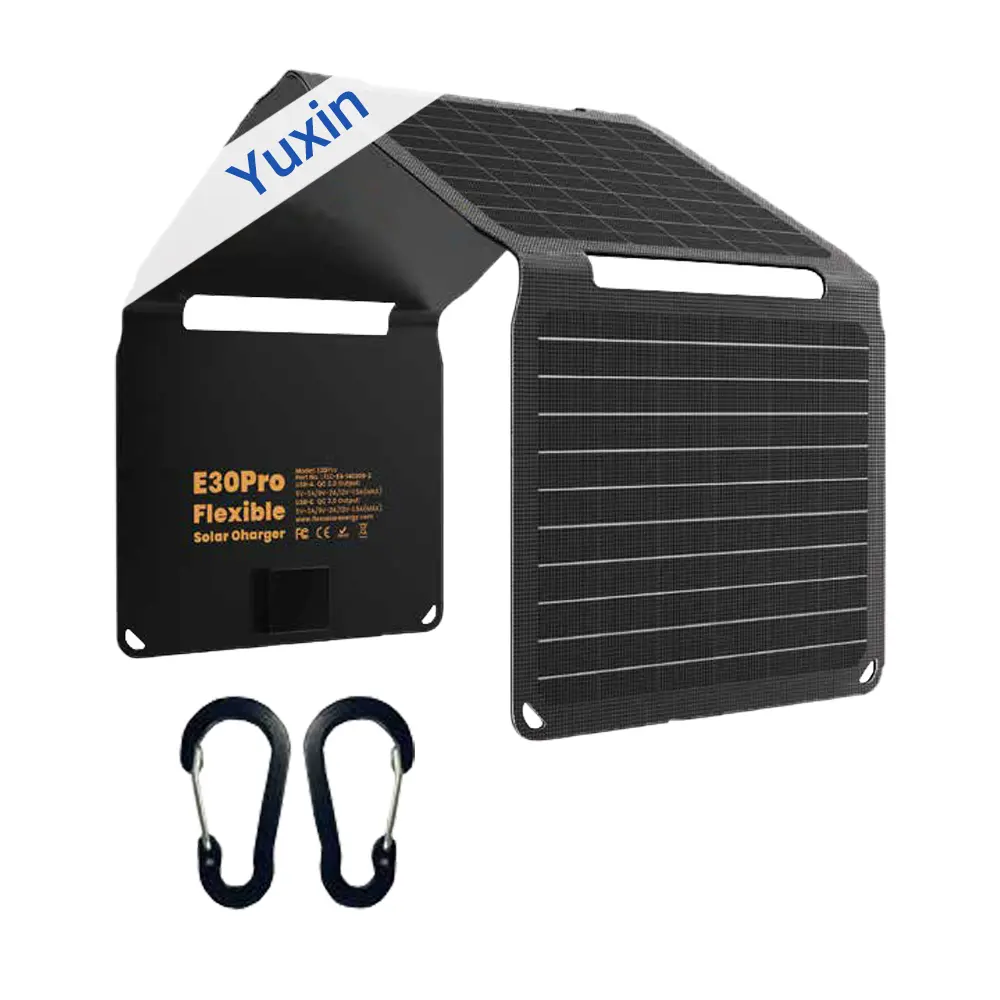
Utilizing advanced monocrystalline silicon cells, it achieves a high energy conversion efficiency of 24%.
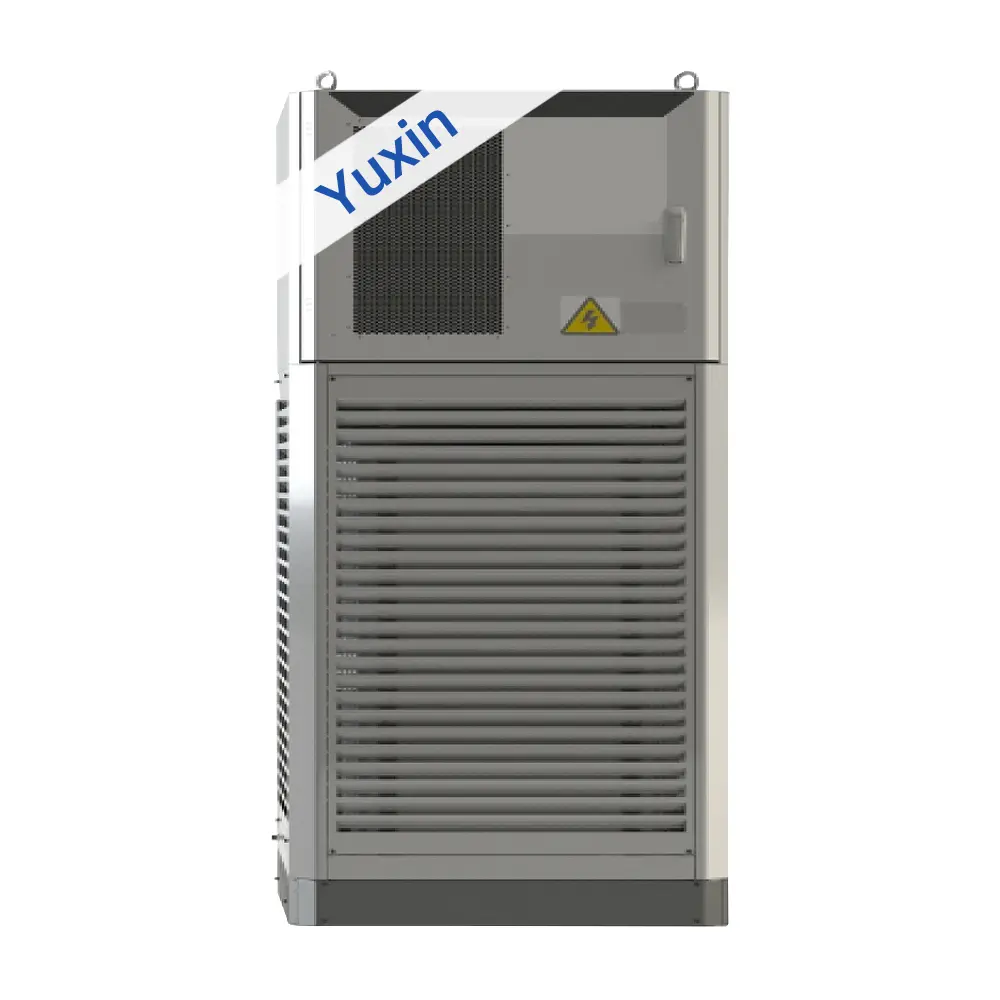
Application modes include grid-connected mode, off-grid mode, and integrated grid-connected/off-grid mode.
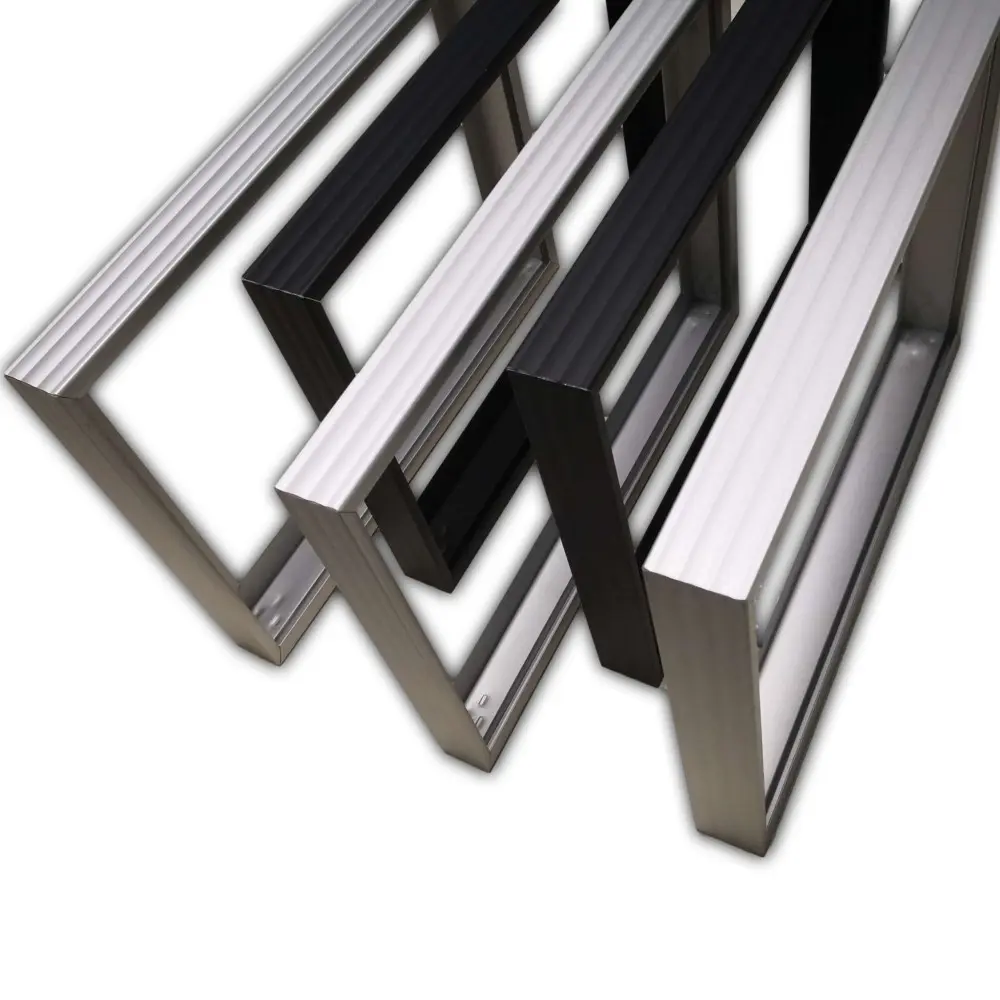
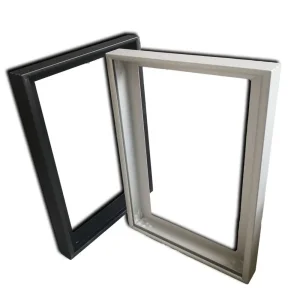
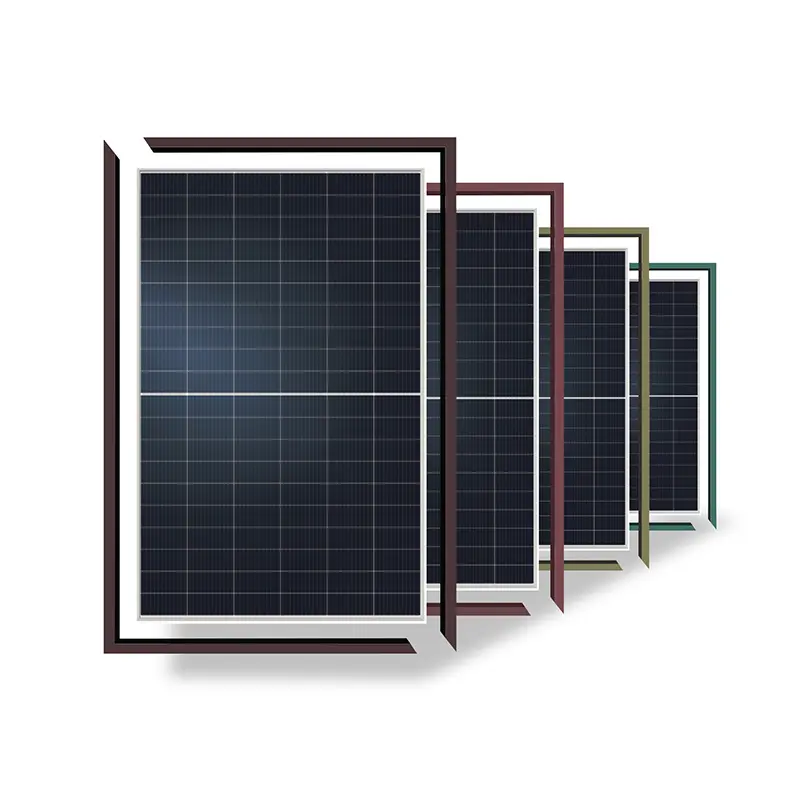
Made of high-quality anodized aluminum, it ensures superior weather resistance and a smooth, long-lasting finish.
Solar panels deployed in extreme environments require robust framing to withstand mechanical stress. The frame protects the crystalline silicon cells from micro-cracking caused by torsional tension. Historically, anodized aluminum alloy (specifically grades 6063-T5 and 6005-T6) has been the industry standard due to its lightweight properties, high corrosion resistance, and structural rigidity.
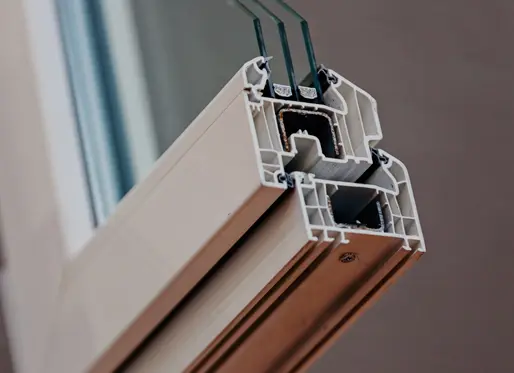
However, next-generation photovoltaic installations are shifting toward sustainable polyurethane pultruded composite frames. Polyurethane pultruded profiles deliver up to three times the tensile strength of traditional aluminum and are electrically non-conductive. This design eliminates Potential Induced Degradation (PID) without requiring grounding components. Additionally, composite frames have a low carbon footprint and resist chemical corrosion, making them suitable for coastal, agricultural, and high-salinity industrial installations.
Deploying load shedding mitigation systems requires site-specific engineering that addresses localized environmental and grid conditions. For example, residential systems in municipal regions must automatically comply with local grid codes while maximizing self-consumption. On the other hand, remote agricultural or telecom off-grid setups rely on intelligent generator integration, automated start configurations, and oversized PV arrays to maintain operational uptime through prolonged bad weather.
By combining hybrid battery chemistry with durable physical mounting frames and high-efficiency panels, businesses can develop microgrids that function reliably in harsh conditions. These integrated systems protect operations from utility power fluctuations and extreme weather events.
Deploying energy-resilient systems across residential, commercial, and key infrastructural sectors.
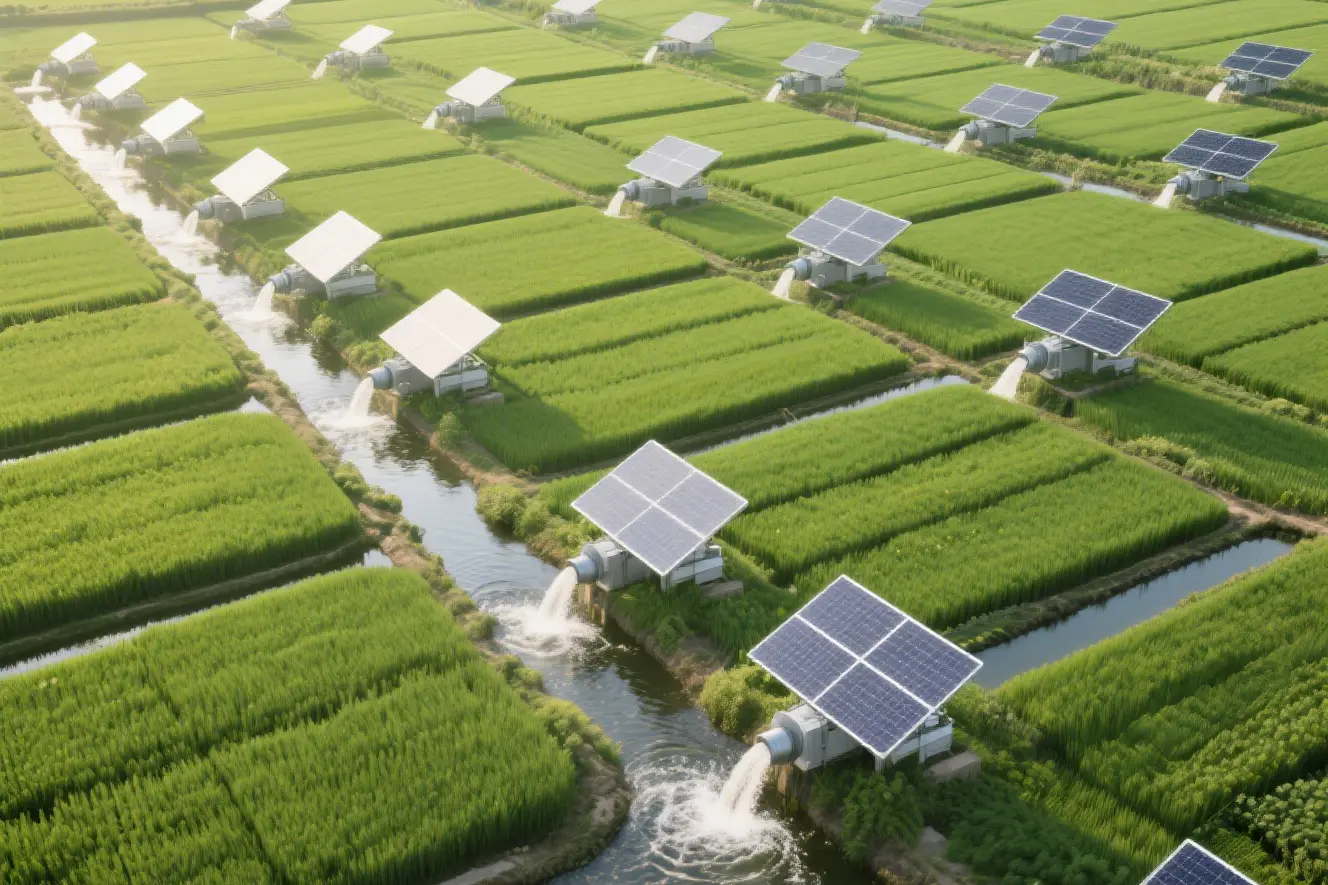
Solar irrigation pumping and cold-storage preservation architectures designed for rural grid stability.
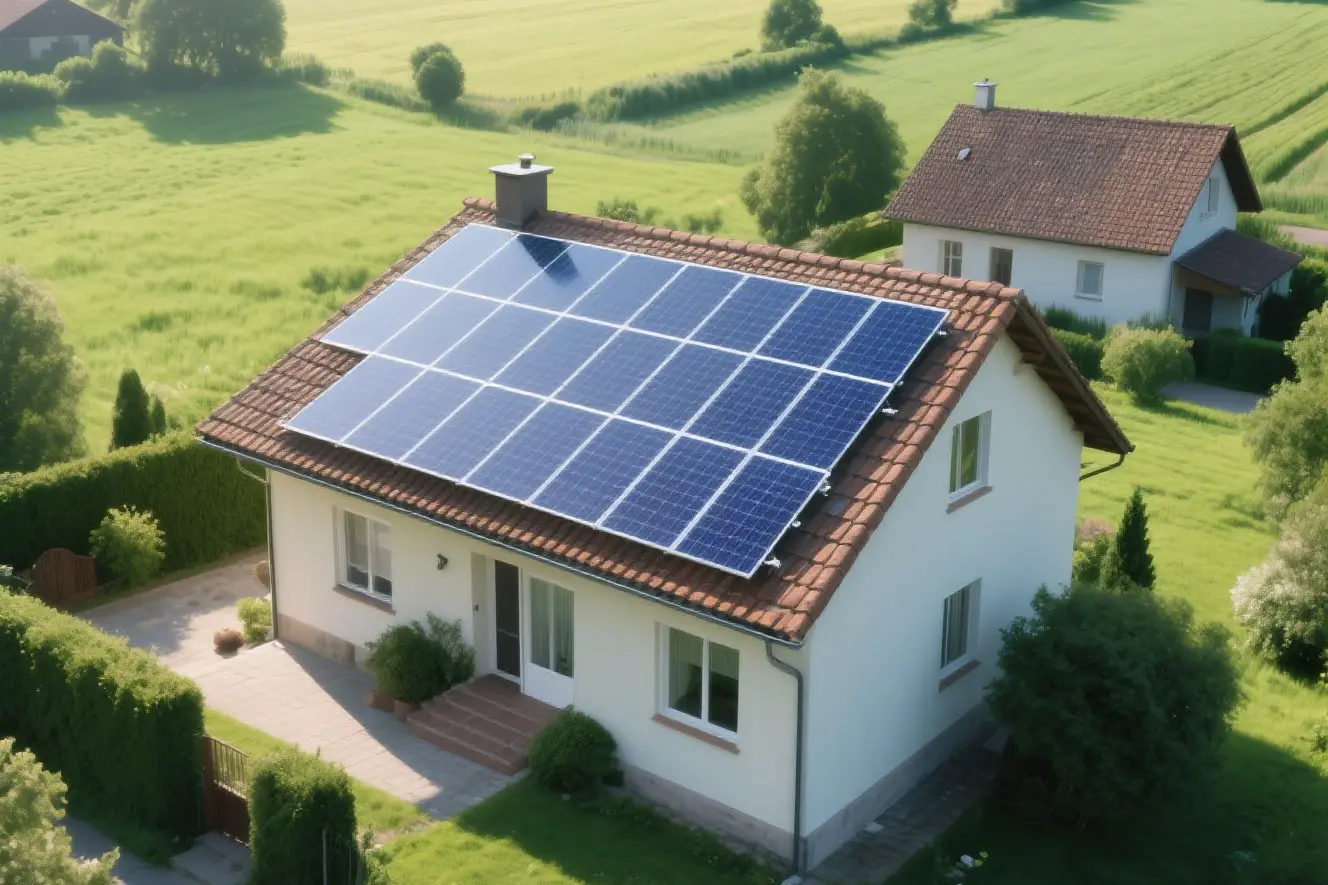
Integrated structural PV profiles, micro-grids, and modular solar frameworks for carbon-neutral properties.
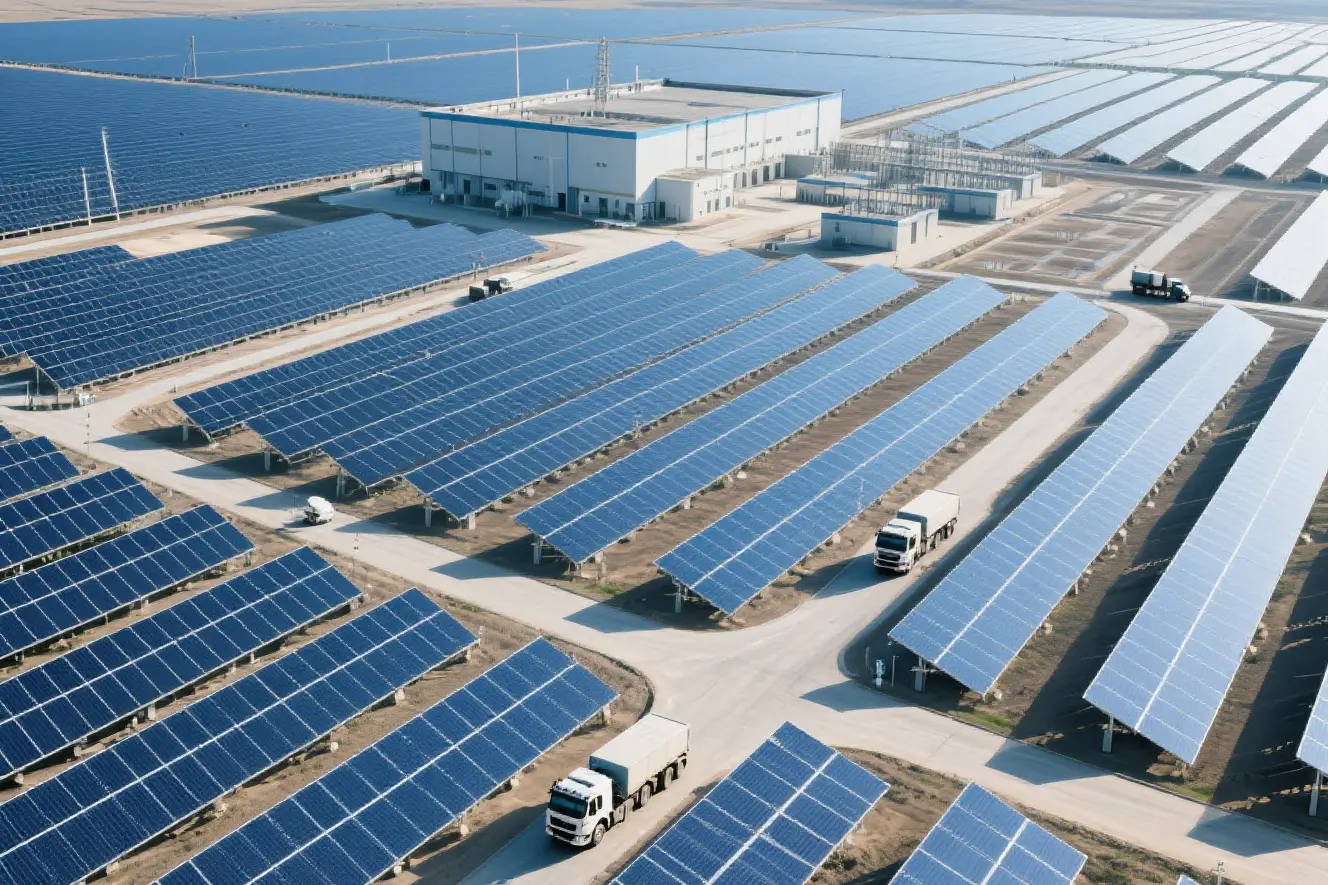
Substation support, frequency regulation systems, and utility-scale solar farms stabilizing regional grids.
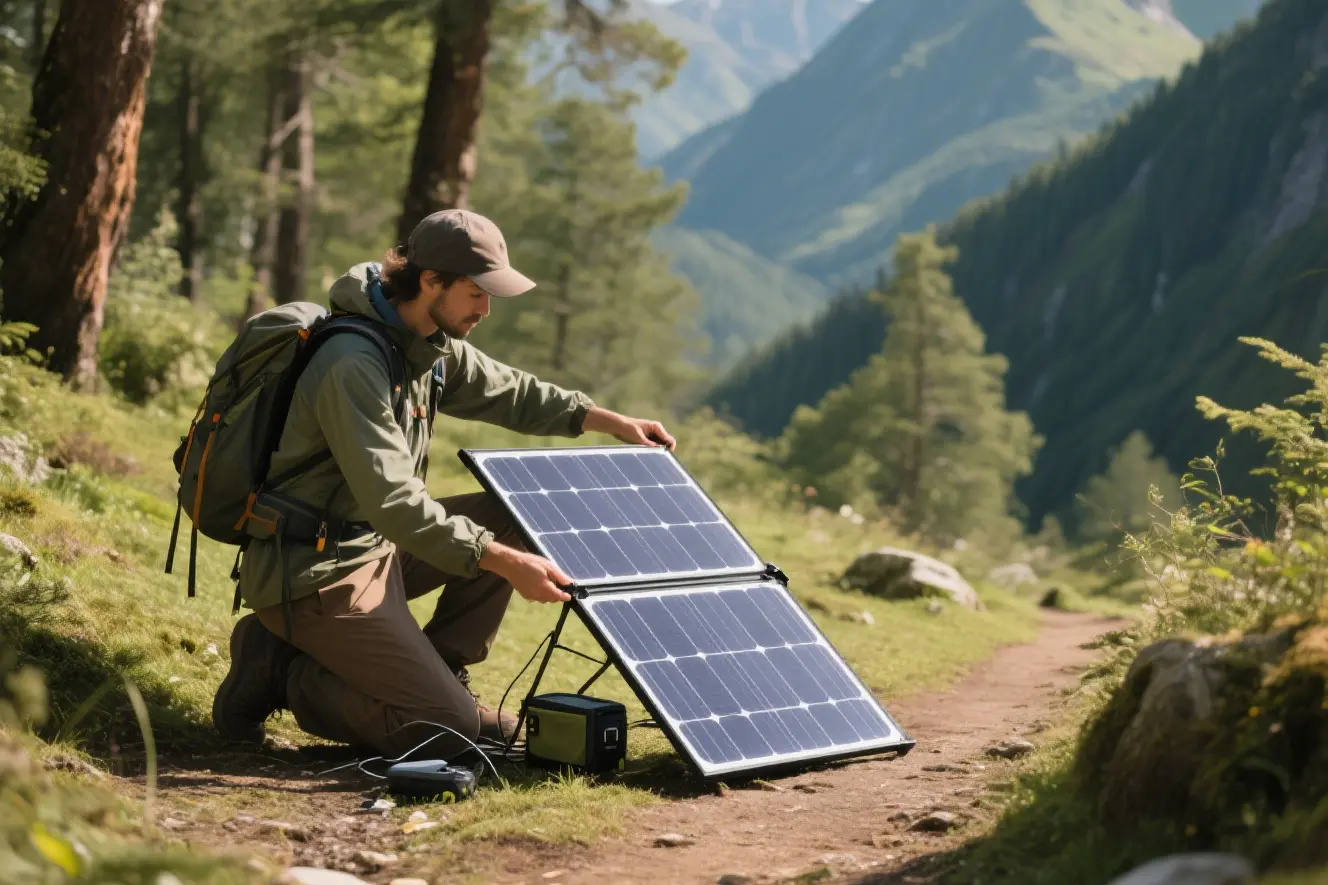
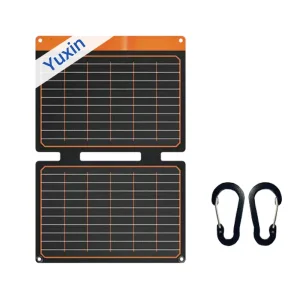
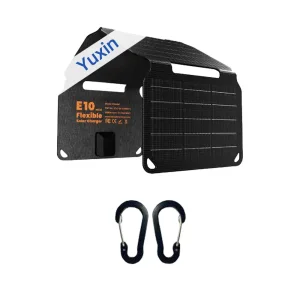
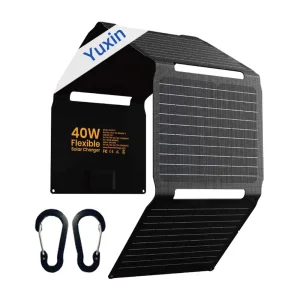
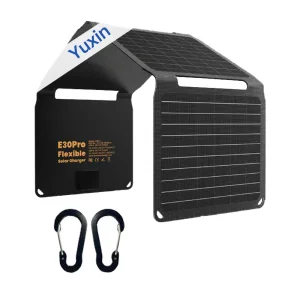
Rugged off-grid travel kits, solar-powered safety chargers, and backup power gear for exploration teams.
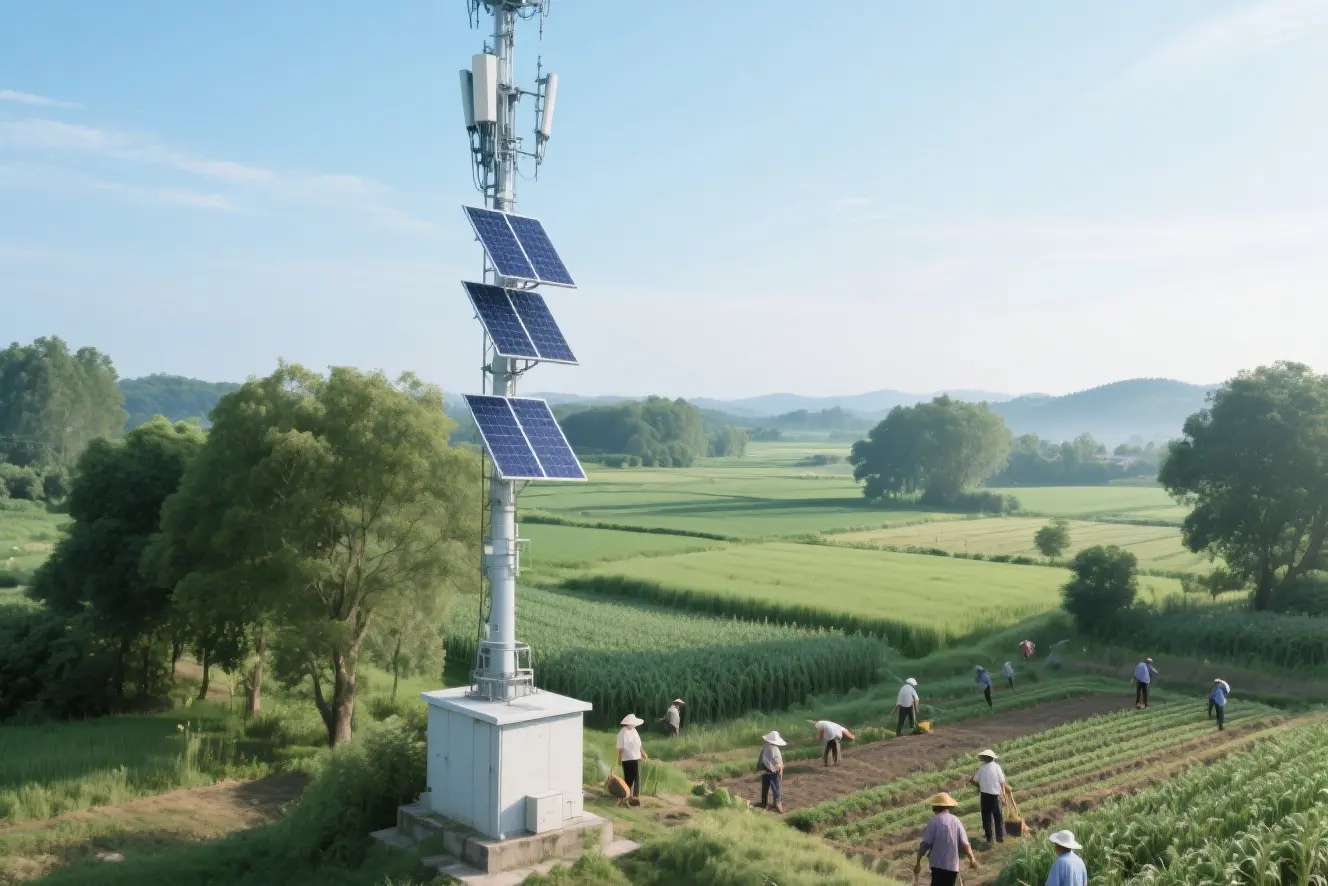
Uninterrupted 4G/5G base transceiver station operations supported by high-cycle batteries.
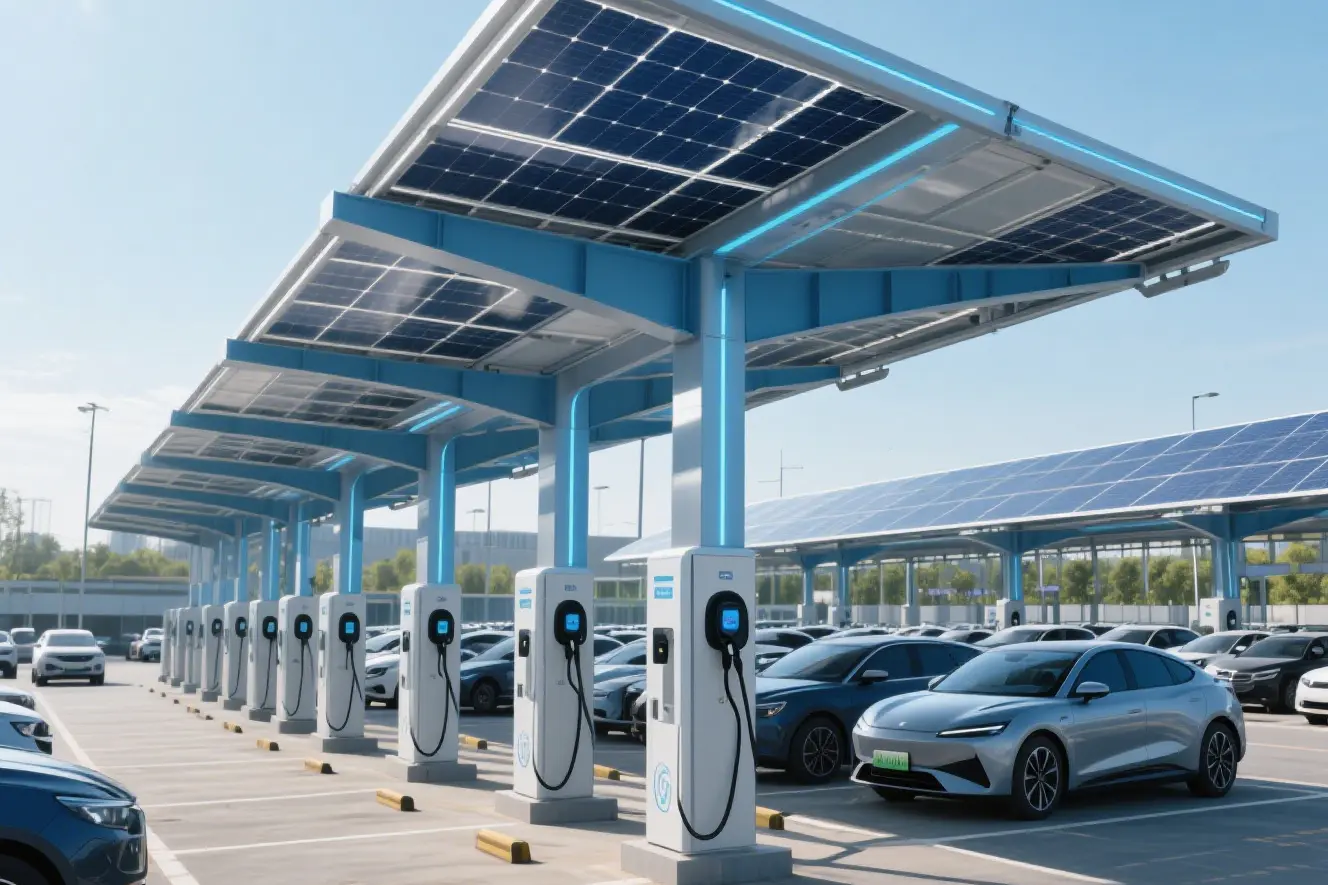
Photovoltaic highway signals, municipal EV fleet hubs, and off-grid transit terminal lighting systems.
As distributed energy resources proliferate, the integration of Artificial Intelligence (AI) and Machine Learning (ML) algorithms into Energy Management Systems (EMS) is driving industry progress. Traditional systems relied on simple voltage-based triggers to manage battery discharge. In contrast, modern AI-driven architectures analyze weather forecasts, utility tariff fluctuations, and usage history to optimize battery performance.
By predicting loadshedding schedules through neural network models and scheduling load profiles, smart systems ensure critical reserves are preserved during peak outages while maximizing self-consumption during sunny intervals. The future of decentralized energy security lies in Virtual Power Plants (VPPs). These networks allow clusters of individual home systems to collectively trade energy back to the regional grid. This shifts battery storage units from simple backup devices to active assets that generate grid-stabilizing revenue.
Implementing an industrial-grade energy security system requires strict compliance with international installation codes. This process begins with structural engineering calculations that check wind loads and thermal expansion profiles, especially when using lightweight composite materials. The next stage involves configuring high-voltage DC string lines to minimize line loss and avoid potential thermal faults.
Finally, grid interconnectivity must include physical, double-isolated disconnect switches to prevent hazardous backfeeding onto municipal lines during repairs. Implementing these protocols ensures systems deliver long-term efficiency, reliable operation, and maximum safety over years of grid instability.
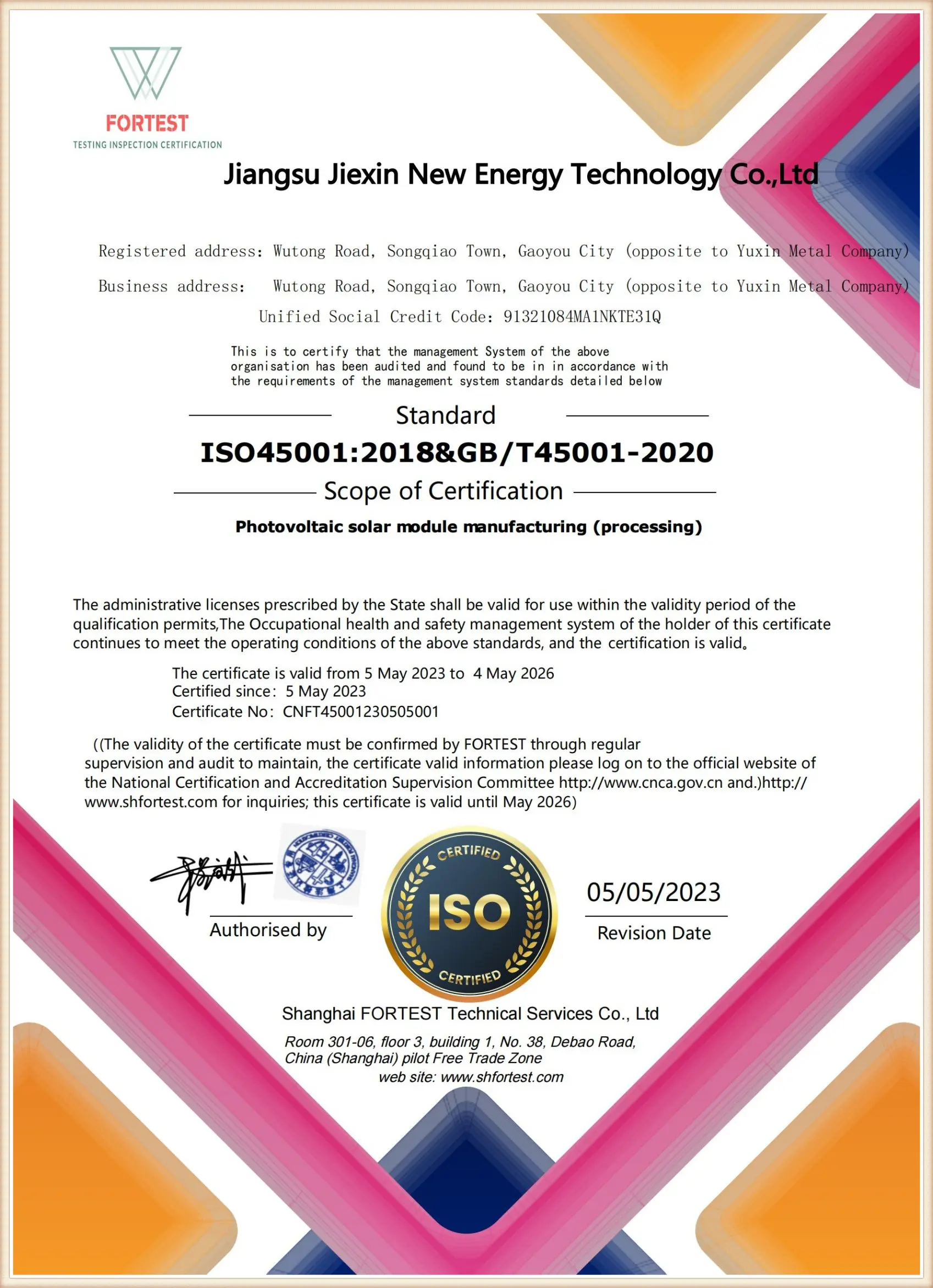
Fully certified under international standards for structural stability, conversion efficiency, and electrical safety.
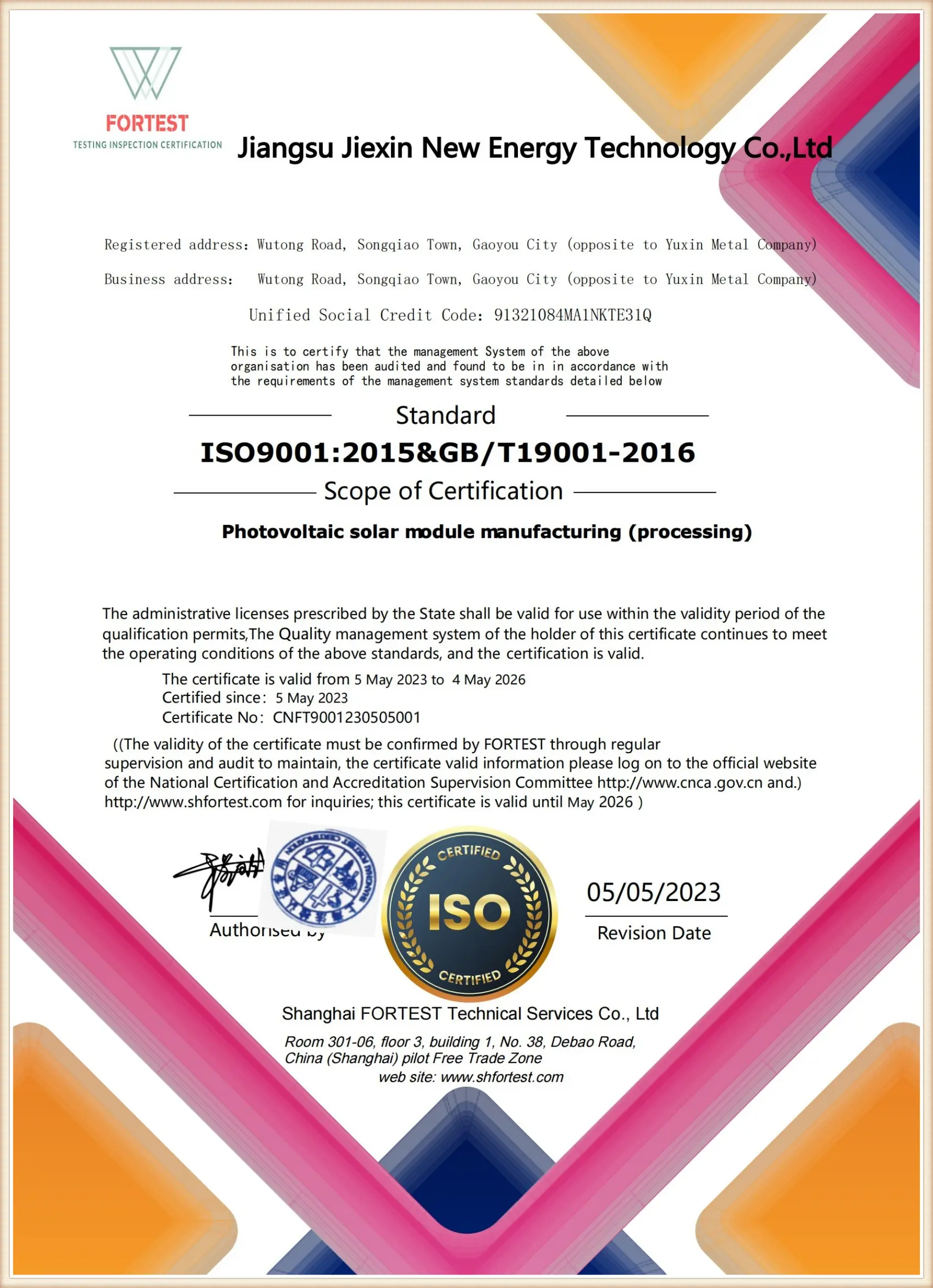
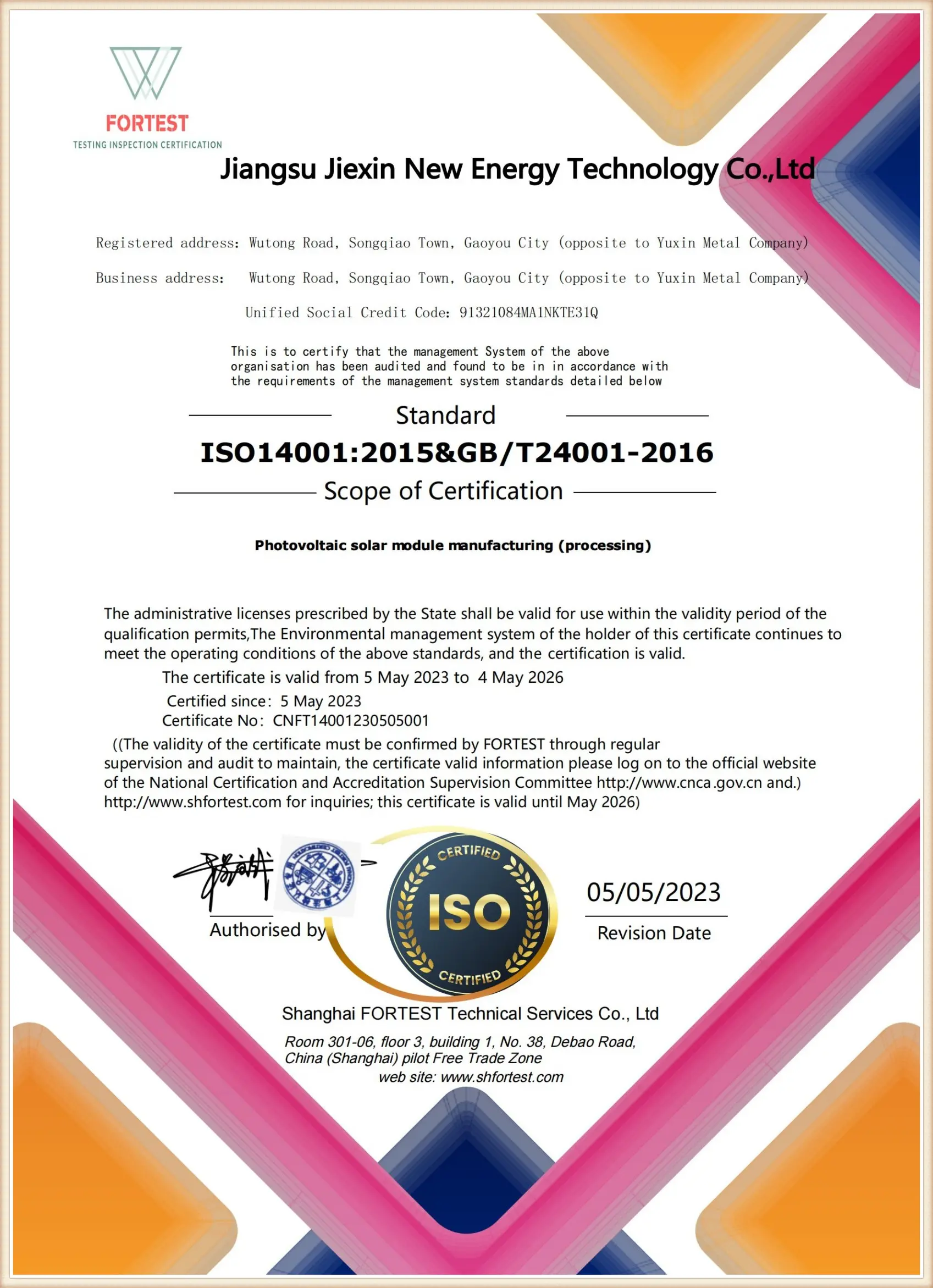
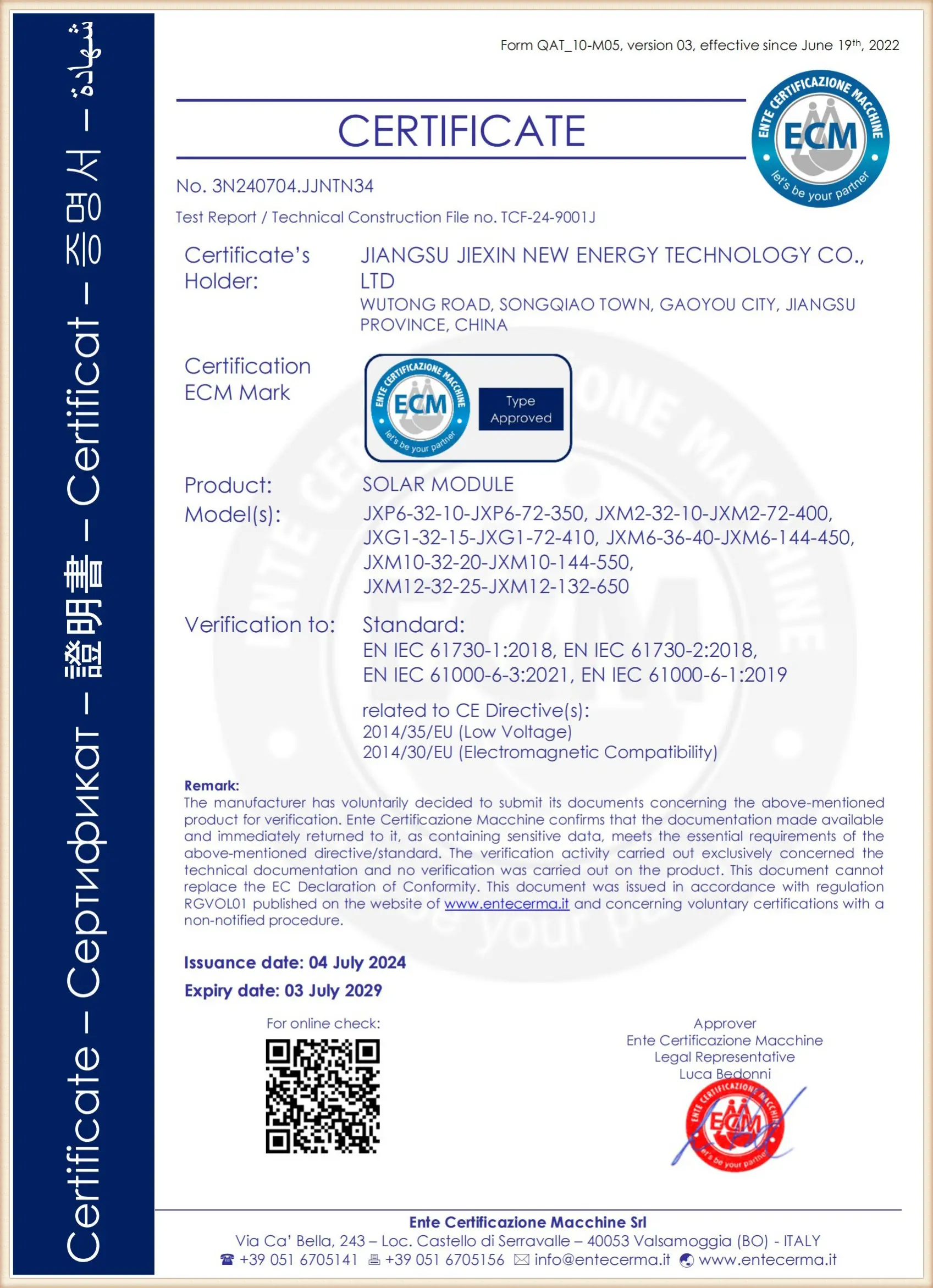
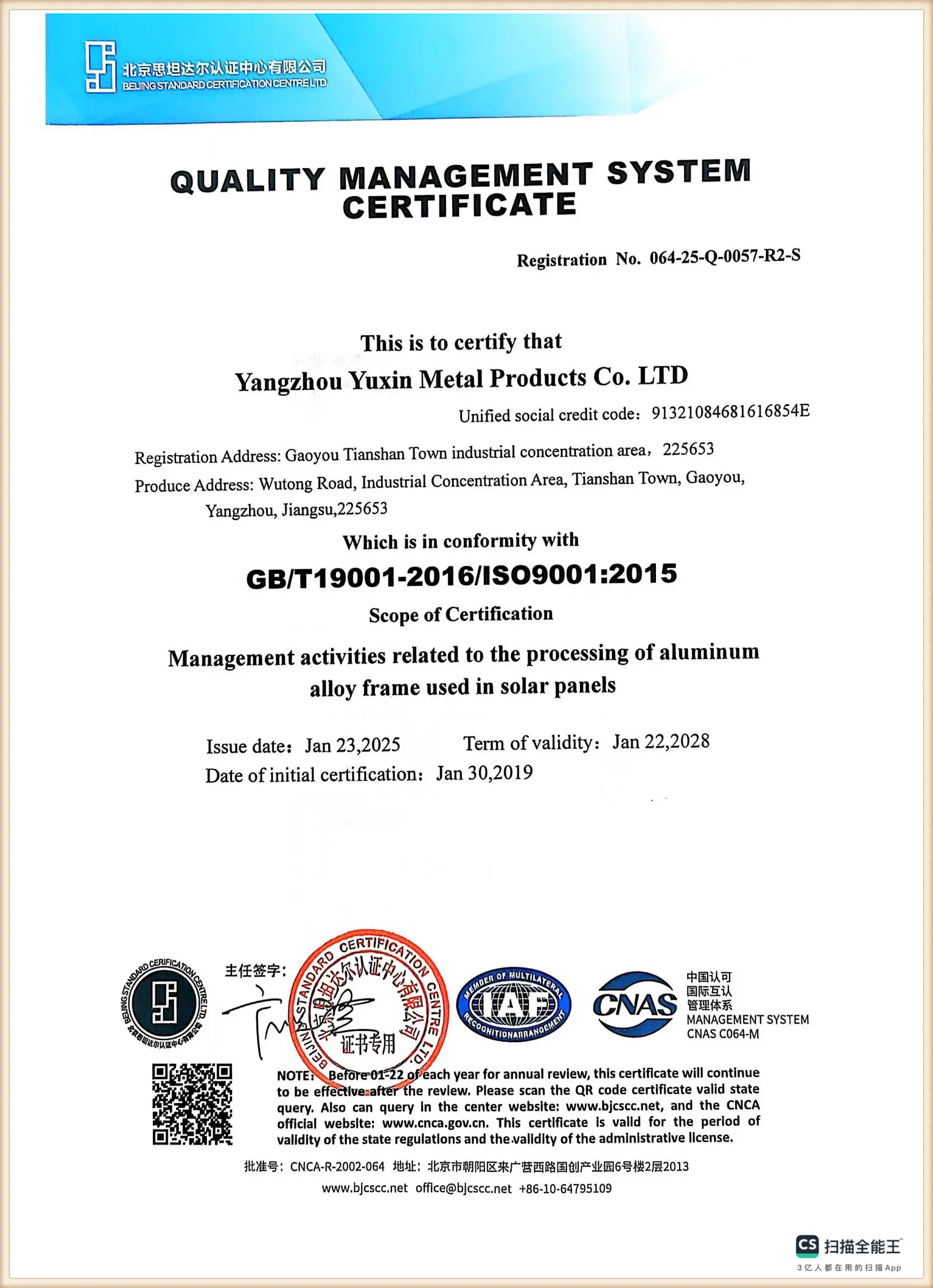
Collaborating with top global companies to deliver reliable green power technologies.



Read about manufacturing updates, material science, and quality control systems in modern PV production.
Answers to common questions about product performance, technology integration, and deployment specifications.
Durable, portable solar chargers and hiking power storage systems designed to keep you connected during outdoor travel and emergencies.