Analyze specifications, design features, and structural solutions tailored for bulk corporate requisition and field integration.
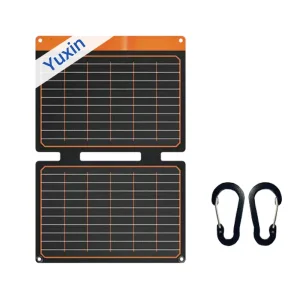
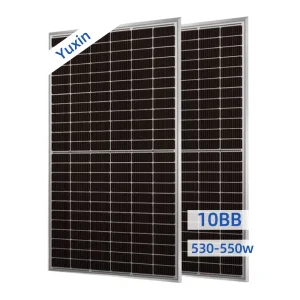
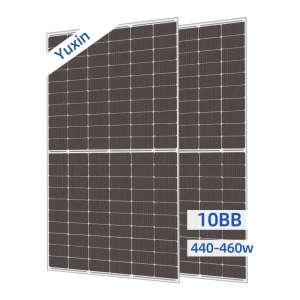
A comprehensive research report on off-grid solar equipment supply chains, materials testing standards, and localization structures.
The commercial landscape for off-grid power is undergoing a significant transition. Enterprise buyers are shifting away from heavy fuel-powered generators and adopting modular photovoltaic (PV) setups. This change is driven by strict ESG (Environmental, Social, and Governance) targets and the practical benefits of quiet, maintenance-free power generation.
For multinational logistics, outdoor telecommunications, and military operations, mobile power systems must meet precise performance standards. Purchasing managers evaluate components based on weight-to-power ratios, thermal management, frame resilience, and conversion efficiency under low-light conditions. High-efficiency monocrystalline silicon cells, which reach module efficiencies of 22% to 24%, are standard for professional field operations.
When drafting a Request for Quote (RFQ) for commercial-grade portable solar equipment, buyers must look beyond basic wattage ratings. Frame materials, thermal coefficients, and integration with charge controller technologies are critical for performance:
| Technical Variable | Standard Consumer Range | Industrial / Enterprise Grade | Primary Impact on Performance |
|---|---|---|---|
| Conversion Efficiency | 15% - 18% (Polycrystalline) | 22% - 24.4% (N-type TOPCon/PERC) | Reduced physical footprint, better performance in low light. |
| Frame Material | Standard Plastic / Thin Aluminum | Pultruded Polyurethane / Anodized 6063-T5 | Withstands high mechanical loads (2400Pa wind/5400Pa snow). |
| IP Waterproof Rating | IP65 (Splash-resistant) | IP67 / IP68 (Junction Box & Connectors) | Prevents moisture damage during heavy storms. |
| Degradation Rate | > 0.8% annually | < 0.4% annually over 25 years | Ensures long-term performance and ROI. |
Modern off-grid solar equipment relies on advanced materials science. Using TOPCon (Tunnel Oxide Passivated Contact) and PERC (Passivated Emitter and Rear Cell) architectures has increased performance limits.
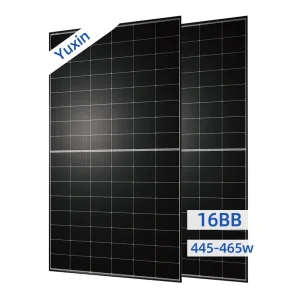
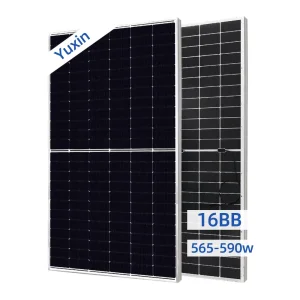
Dividing cells into smaller parts reduces internal resistance losses. The 10BB or 16BB configurations improve electrical paths, keeping the system cool and efficient under heavy load.
Using pultruded polyurethane composite materials and dual-glass laminates protects the cells from environmental damage and prevents potential degradation issues (PID).
Smart junction boxes featuring bypass diodes ensure performance isn't compromised if part of the panel is shaded, keeping the power output stable.
These technologies help off-grid solar setups operate reliably in high-humidity, marine, and high-altitude locations. Specifying these metrics in RFQs ensures high performance and long-term durability.
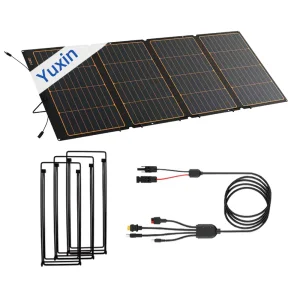
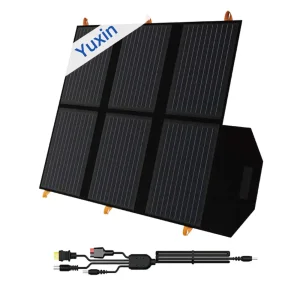
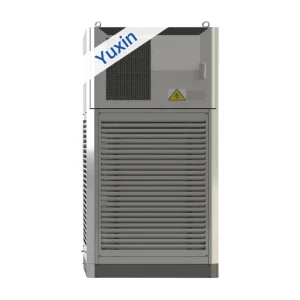
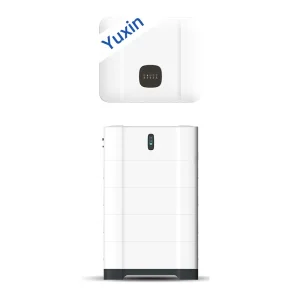
Explore YUXIN's specialized structural materials and complete photovoltaic systems designed for high-stress industrial applications.
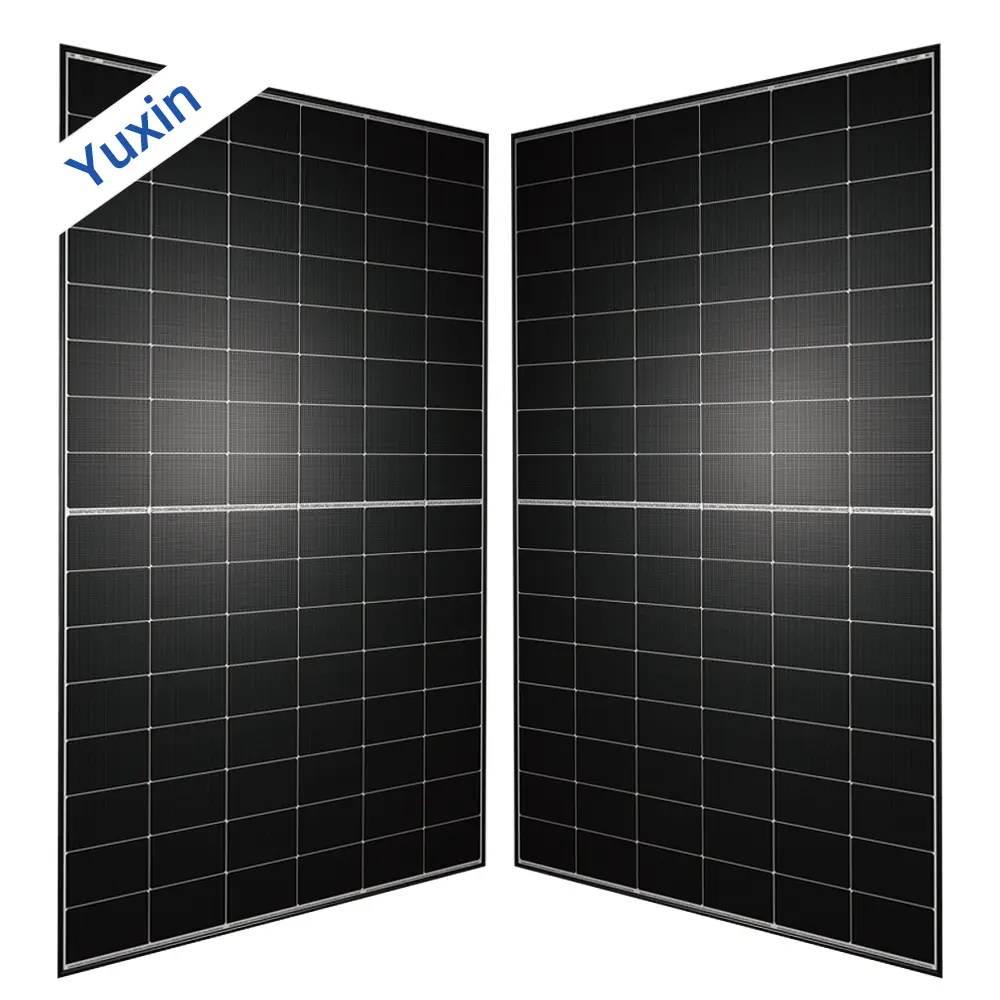
Lightweight design with transparent back panel for easy installation and reduced BOS costs. Optimized for structural integration.
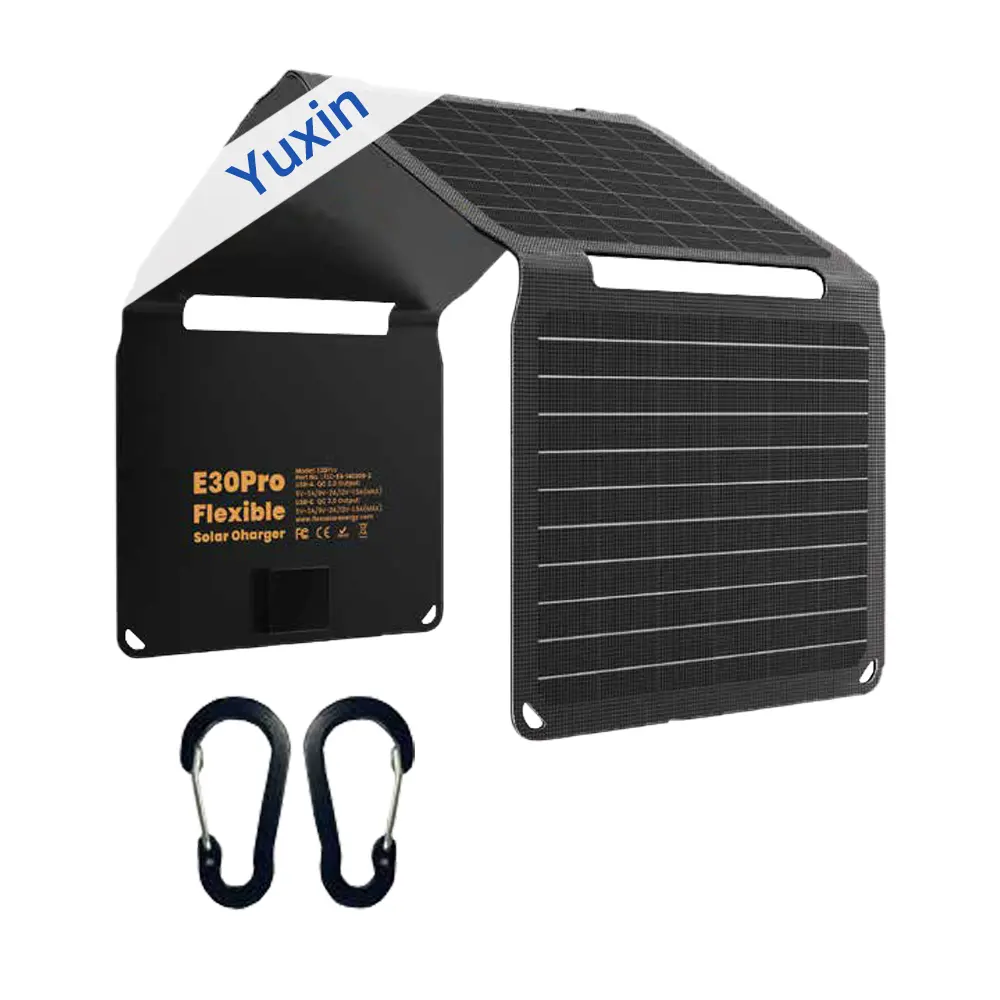
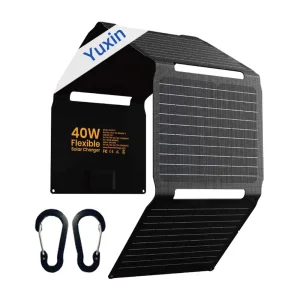
Utilizing advanced monocrystalline silicon cells, it achieves a high energy conversion efficiency of 24% for field operations.
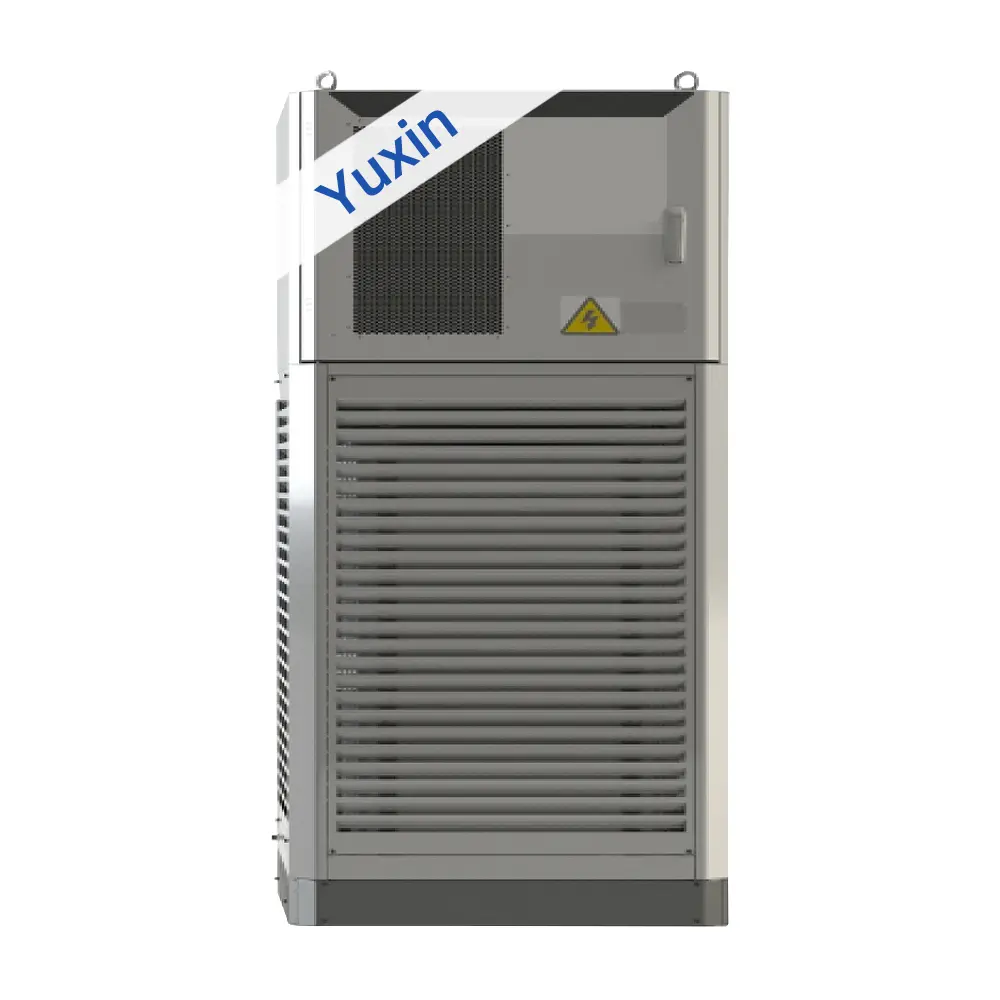
Application modes include grid-connected mode, off-grid mode, and integrated grid-connected/off-grid systems.
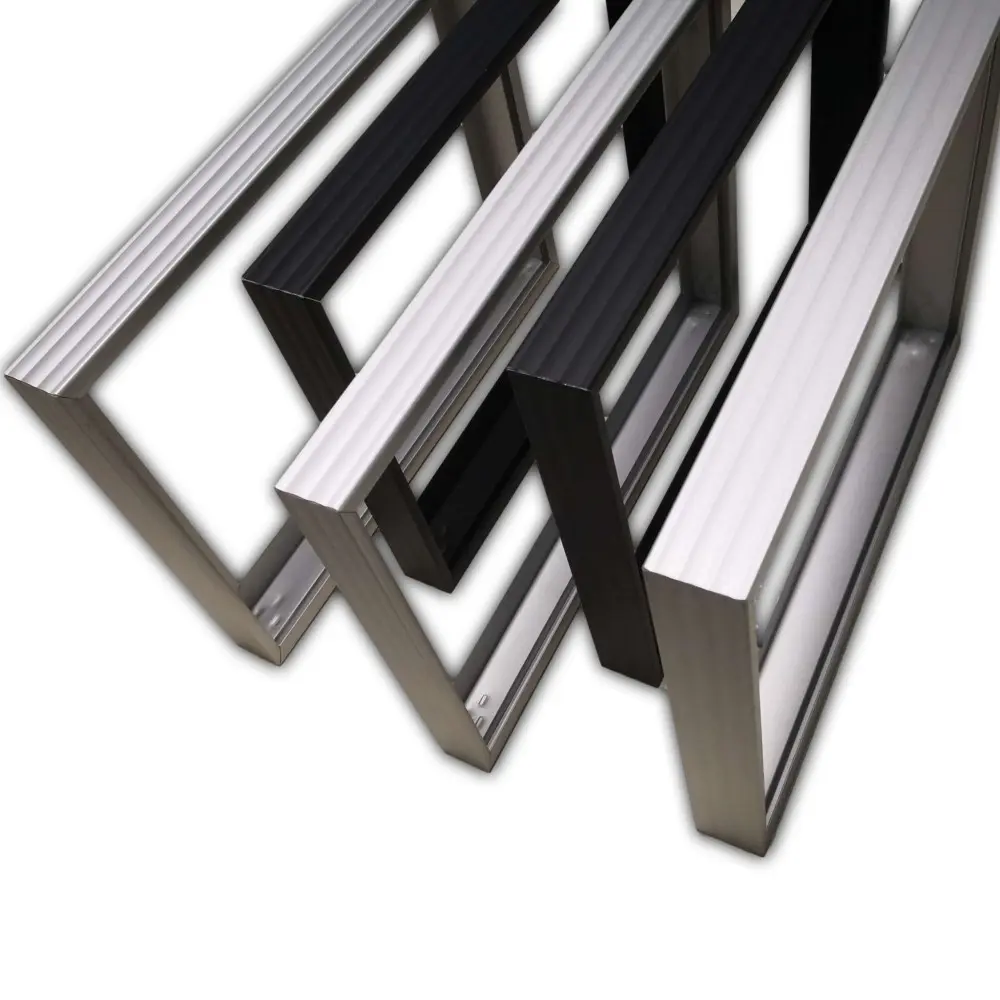
Made of high-quality anodized aluminum, it ensures superior weather resistance and a smooth, long-lasting finish.
Precision, Quality, and Safety - Your Photovoltaic Materials Expert
Located in the scenic historical and cultural ancient city of Yangzhou, close to the Beijing-Shanghai Expressway, Runyang Yangtze River Bridge, and Ningqi Railway, the group has a superior geographical location and convenient transportation.
Established in 2008, the group manages 14 specialized companies, including Jiangsu Yuxin New Energy Technology Co., Ltd. YUXIN has been recognized as a National High-tech Enterprise, Technology-based Enterprise, and ranks among the Top 100 Private Enterprises in Gaoyou City.
View Enterprise DetailsOur facilities and products comply with strict international regulatory frameworks, ensuring safety and performance.
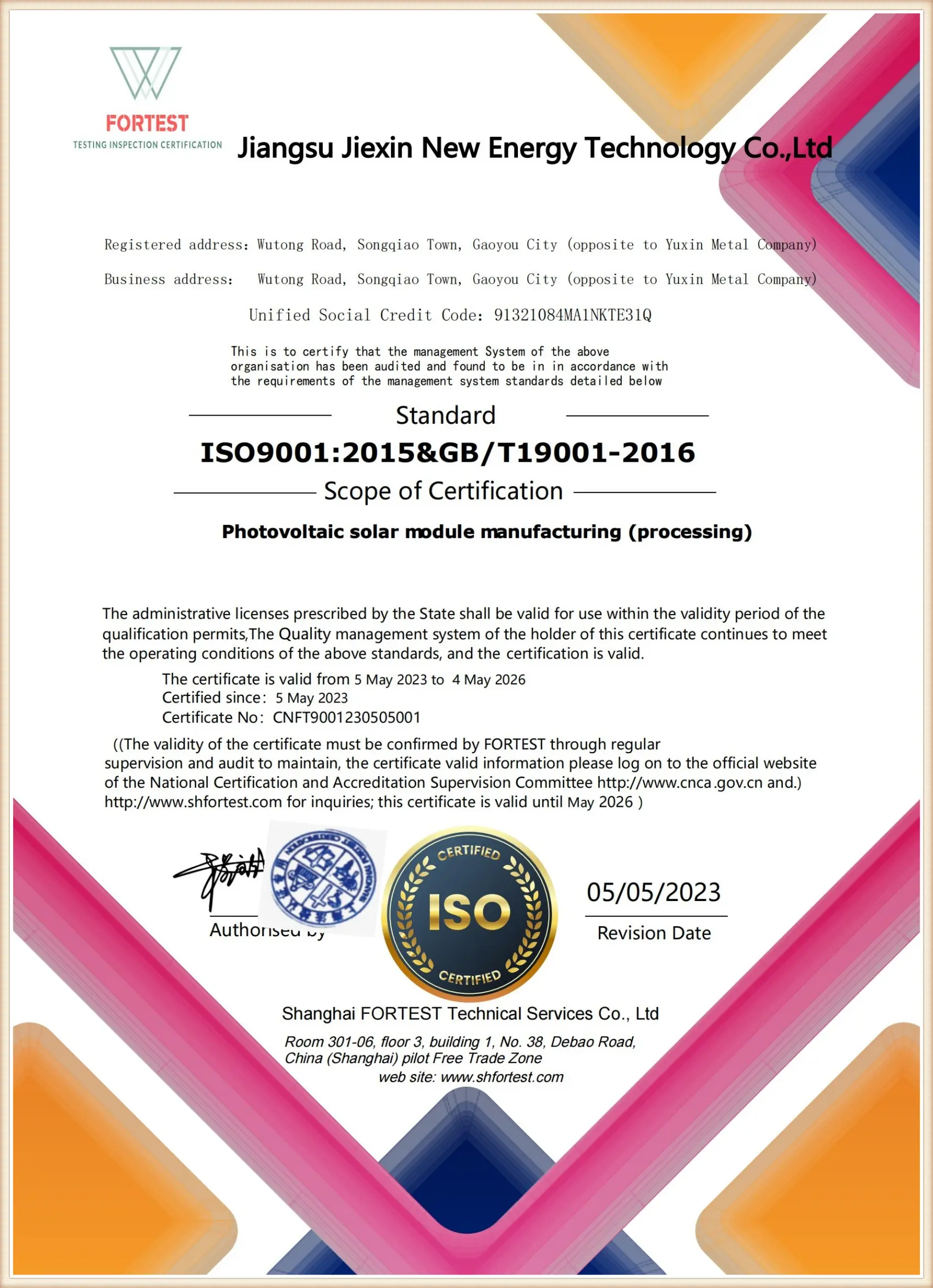
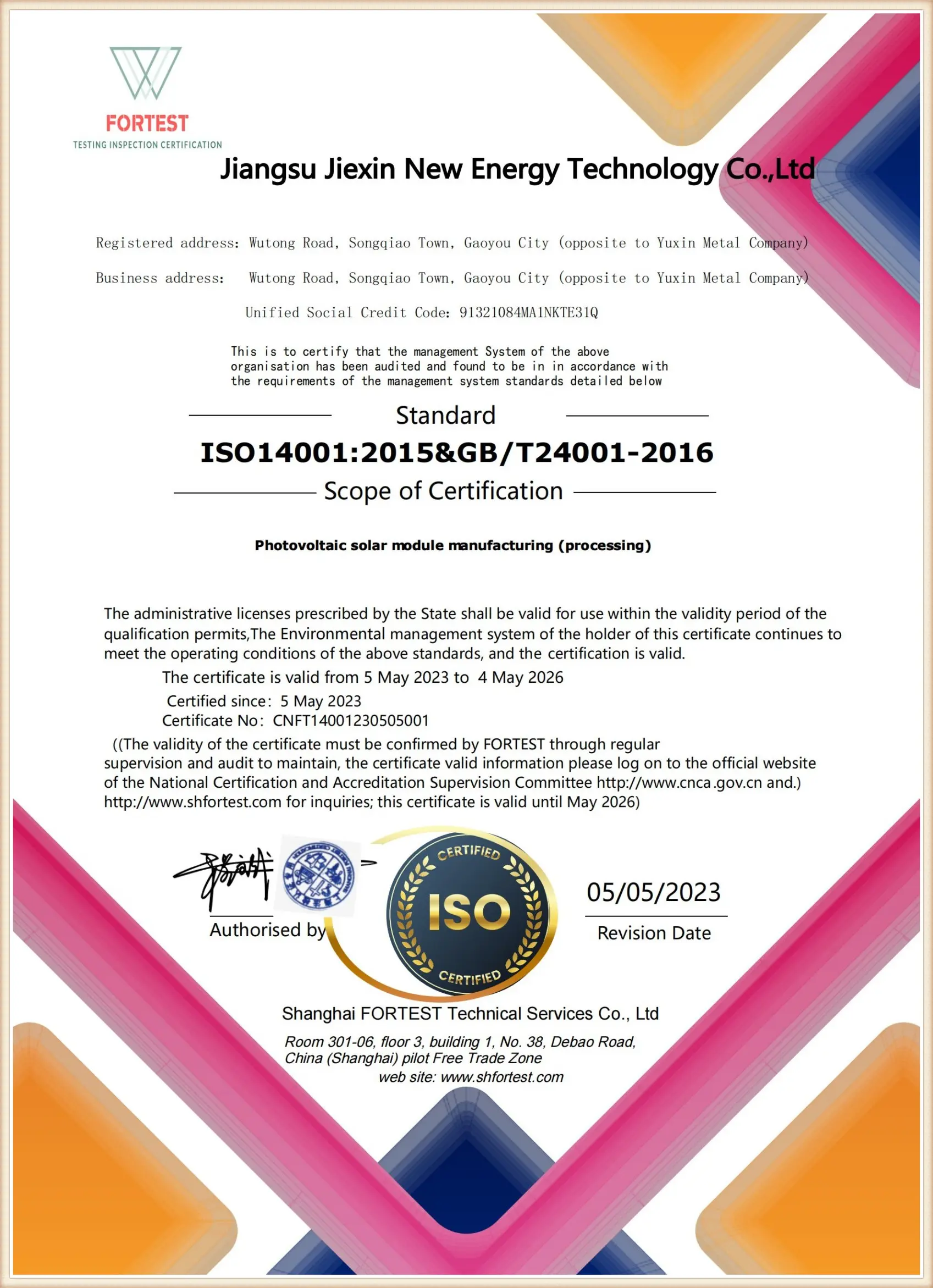
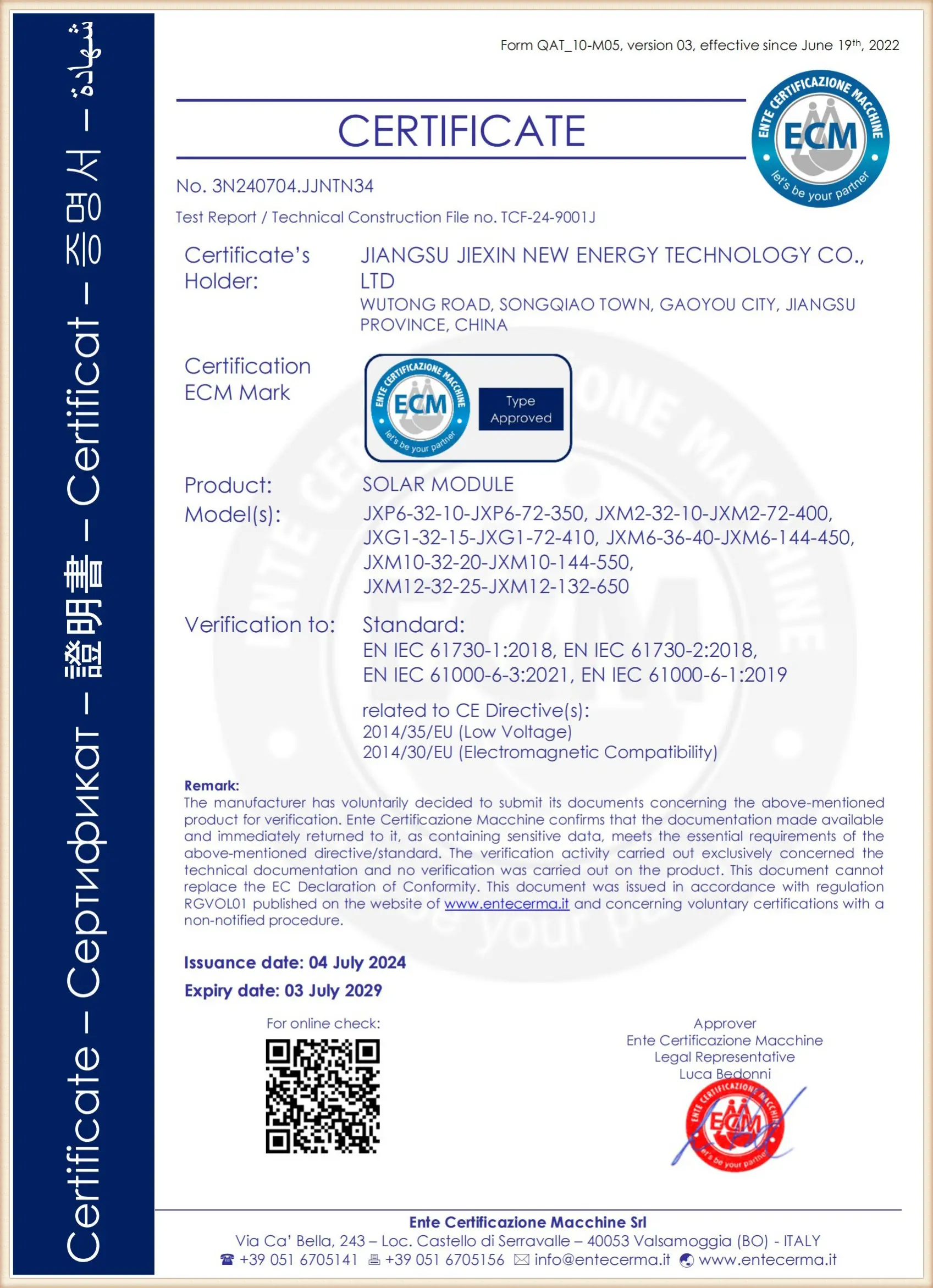
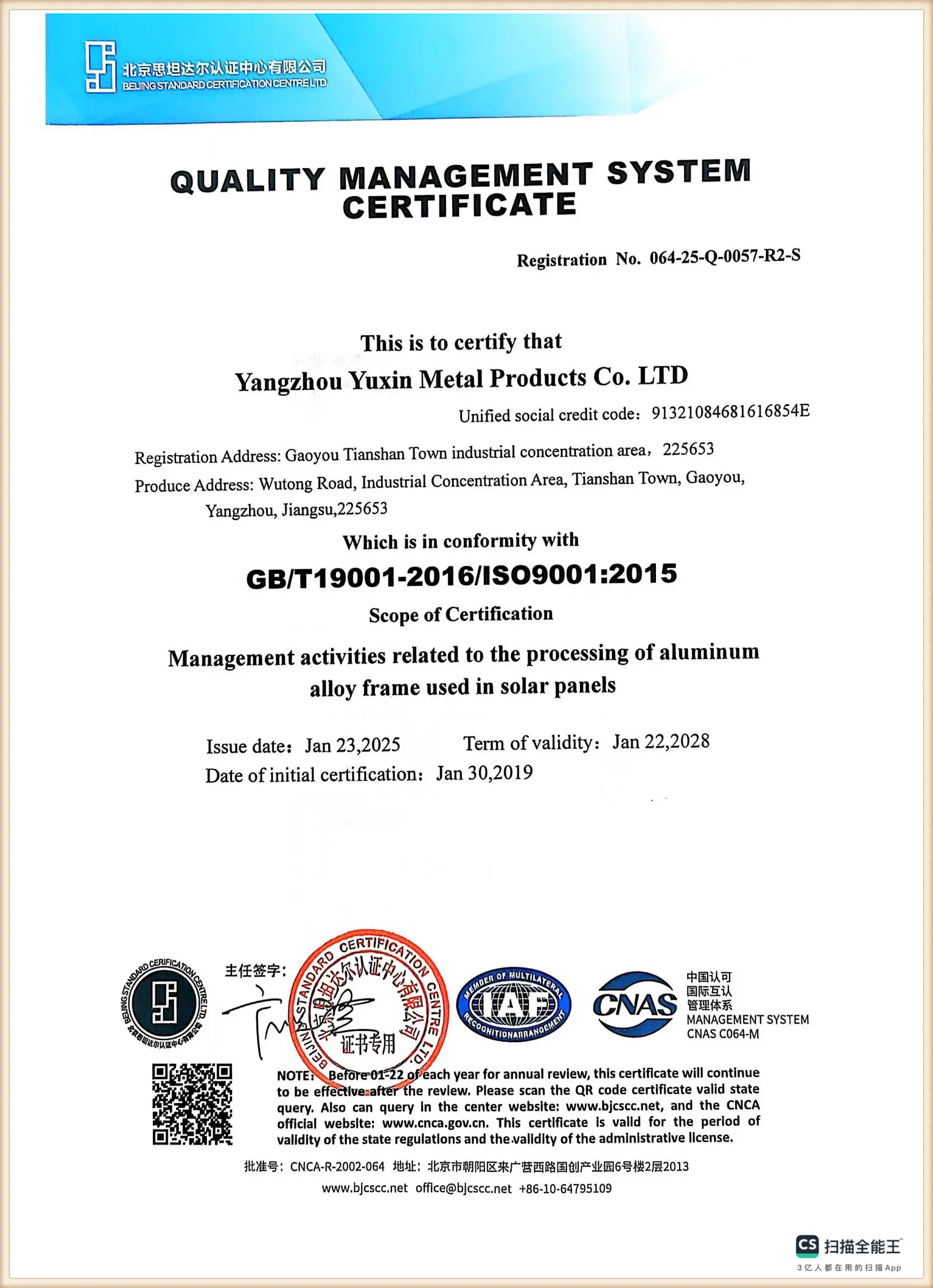
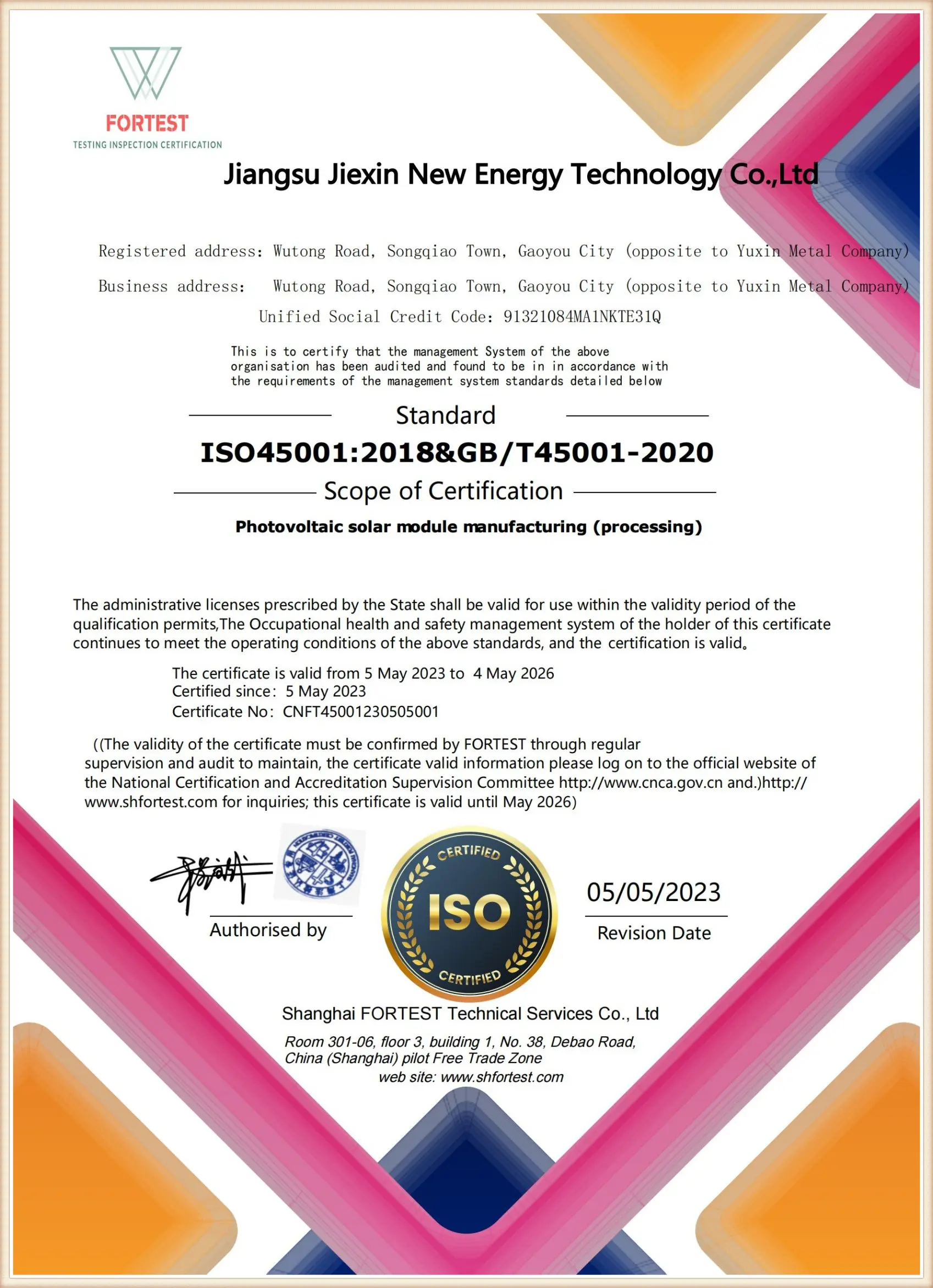
Our solutions provide stable, reliable off-grid power and structural support across multiple sectors.


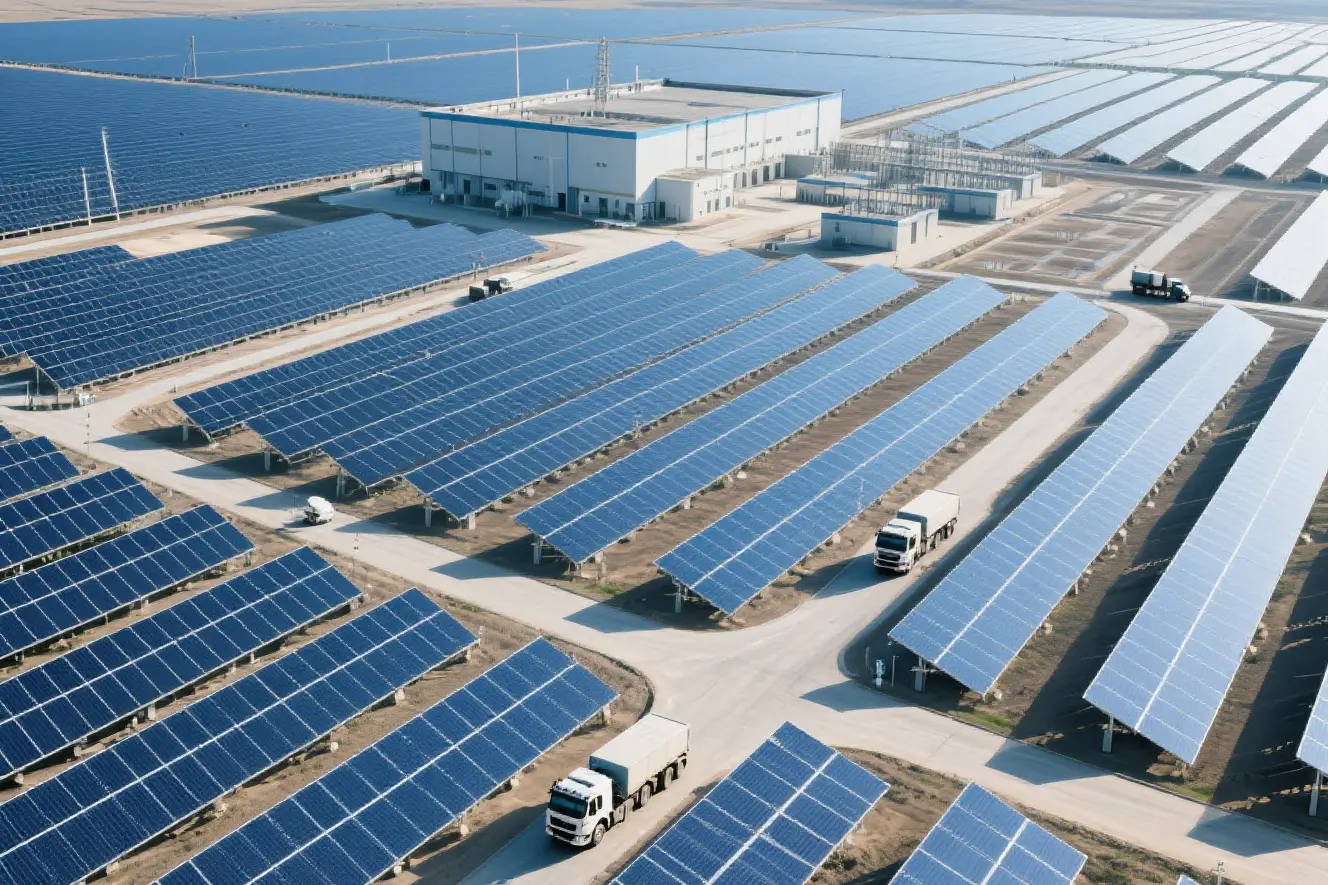



How YUXIN ensures material quality, structure integrity, and delivery reliability for global solar projects.
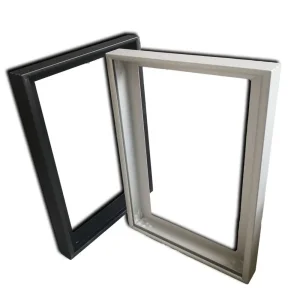
The frame is essential for protecting the solar panel's internal components. While standard panels use simple aluminum structures, industrial environments require stronger materials. YUXIN manufactures frames from 6063-T5/6005-T6 anodized aluminum and pultruded polyurethane composite materials. These composite materials provide excellent corrosion resistance, high structural strength, and low thermal conductivity, which reduces thermal expansion stress on the silicon cells.
Every production run undergoes strict quality checks. Testing procedures include electroluminescence (EL) imaging to detect micro-cracks, mechanical load tests to simulate high wind and snow, and thermal cycling tests to verify junction box performance in temperatures ranging from -40°C to +85°C. These quality practices align with the requirements of major EPC (Engineering, Procurement, and Construction) companies worldwide.
Yuxin has built strong, long-term partnerships with leading companies across various industries, creating mutual value and driving innovation.


Insights, technical articles, and design guides on solar panel frames and structural developments.
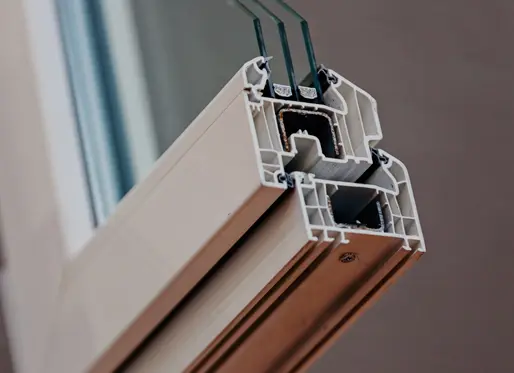
An analysis of structural loads, wind resistance, material composition, and corrosion protection technologies.
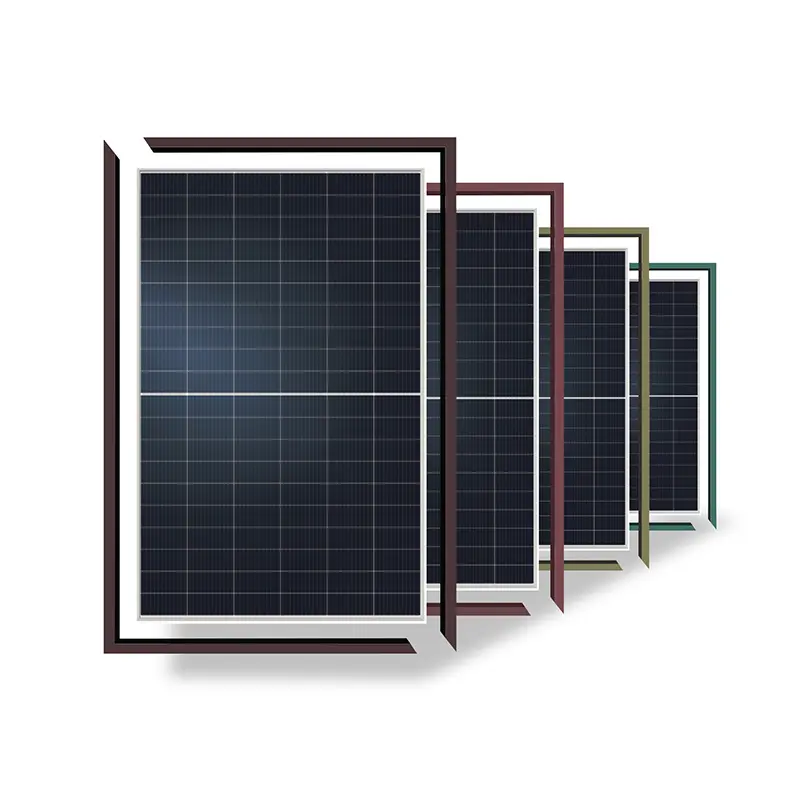
Key metrics for sourcing partners, evaluating production capacity, testing protocols, and checking global certifications.
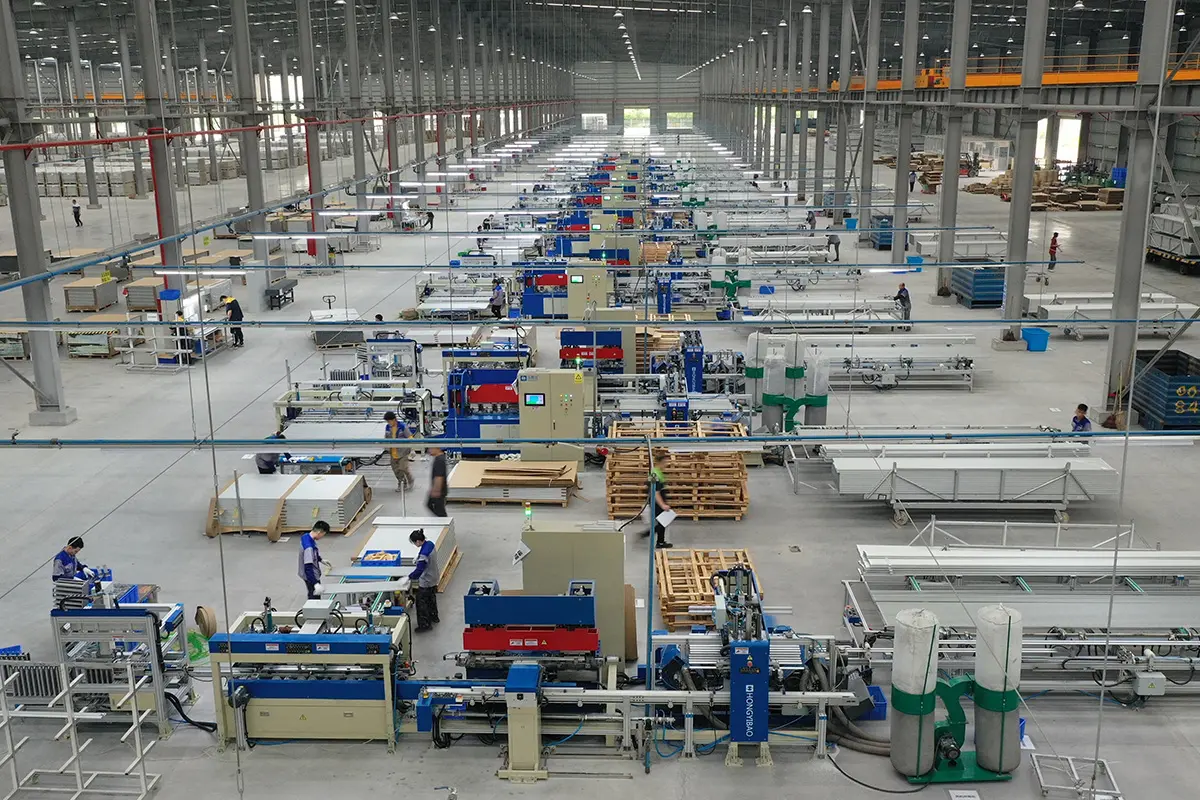
A detailed breakdown of tolerances, testing methods, anodizing thickness checks, and mechanical stress evaluations.
Answers to technical, regulatory, and logistics questions commonly asked by enterprise procurement teams.
Review the full list of products and components, and contact our sales engineering team for detailed quotes.