Explore our high-efficiency monocrystalline solar panels, anodized structural frames, and custom energy storage configurations engineered for global commercial, utility, and off-grid project deployment.
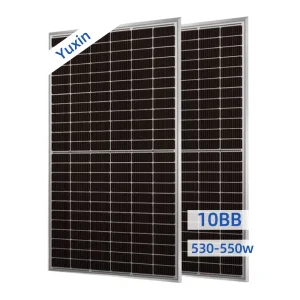
High-yield mono-crystalline module utilizing 144 half-cut cells and multi-busbar technology to minimize internal losses and enhance shading performance.
View Details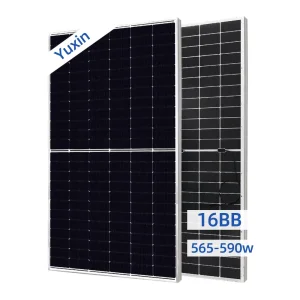
Advanced N-Type module featuring dual glass construction and 16BB layout. Delivers higher bifaciality, ultra-low degradation rates, and superior LCOE outputs.
View Details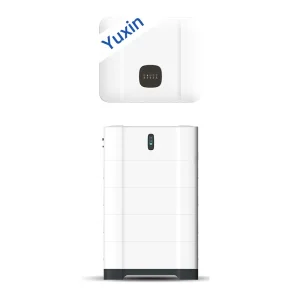
Hybrid storage architecture incorporating high-voltage lithium batteries and integrated smart energy management. Perfect for securing home power autonomy.
View Details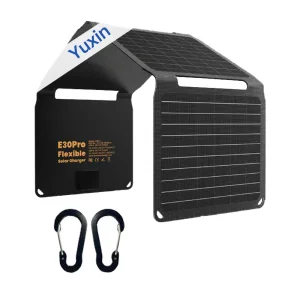
Durable, outdoor-grade portable solar charger integrated into an ergonomic backpack. Outfitted with high-conversion solar cells for mobile energy storage.
View Details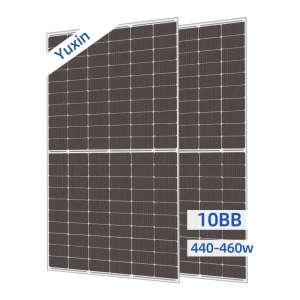
Optimized monocrystalline utility panel engineered to minimize Balance of System (BOS) costs while delivering robust performance in high-temperature zones.
View Details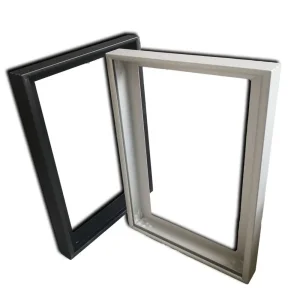
Structural-grade aluminum frame profiles designed with tight tolerances and heavy anodized coating for high mechanical resistance against wind and snow loads.
View Details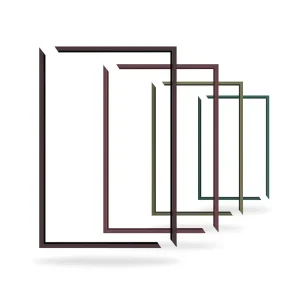
Innovative fiberglass-polyurethane composite frames designed for anti-corrosion, elimination of PID, and ultra-low thermal expansion in challenging environments.
View Details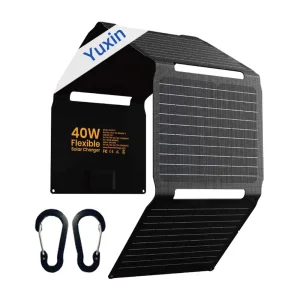
Professional grade outdoor backpack equipped with integrated rugged solar cells. Delivers stabilized charging output for smartphones, batteries, and utility gear.
View DetailsComprehensive whitepaper on advanced material sciences, mechanical optimization, and localization strategies for Tier-1 PV module manufacturers.
In utility-scale and commercial photovoltaic projects, solar panels are designed to perform reliably for a minimum of 25 to 30 years under harsh environmental stress. The structural framing system serves as the primary barrier protecting the internal silicon wafers, glass covers, and backsheets from mechanical distortion, micro-cracking, and moisture infiltration. Standardizing on high-yield strength materials, certified by leading neutral testing bodies like TUV Rheinland, is crucial for securing bankability and insurance coverage for multi-megawatt projects globally.
Our TUV-certified solar frame portfolio leverages custom-engineered structural alloys and advanced polymer composites. By combining precise tooling design with rigorous quality control, we ensure our frames prevent potential-induced degradation (PID), sustain extreme wind pressures of up to 5,400 Pa and snow loads of up to 8,100 Pa, and streamline mounting workflows to decrease EPC installation time.
A comprehensive comparison of materials under extreme environmental stresses.
| Property | 6063-T5 Alloy | 6005-T6 Alloy | Polyurethane Composite |
|---|---|---|---|
| Yield Strength | ≥ 110 MPa | ≥ 205 MPa | ≥ 350 MPa |
| Tensile Strength | ≥ 160 MPa | ≥ 260 MPa | ≥ 420 MPa |
| Anodizing Thickness | 12-15 μm | 15-20 μm | N/A (Coated) |
| Corrosion Resistance | High | Very High | Exceptional |
Anodized aluminum remains the structural benchmark for PV modules due to its lightweight density, high strength-to-weight ratio, and ease of recycling. Choosing between 6063-T5 and 6005-T6 depends on the anticipated mechanical loads of the deployment site. 6063-T5 offers excellent surface finish capabilities and ductility, making it ideal for standard residential and commercial systems. Conversely, 6005-T6 features a higher concentration of silicon and magnesium, resulting in double the yield strength. This ensures superior resistance for large-format modules (e.g., 210mm wafer systems) deployed in high-wind seaside arrays or heavy-snow high-altitude regions.
In response to growing demand for lower carbon footprints and higher resistance to corrosion, we developed a pultruded polyurethane composite frame. This material incorporates high-density glass fibers woven in a polyurethane matrix. Polyurethane frames feature a thermal expansion coefficient similar to solar glass, minimizing mechanical stress on the laminate boundary during temperature changes. Crucially, as a non-metallic material, the PU frame eliminates potential-induced degradation (PID) path concerns, reducing tracking losses and extending module performance over the system's operational lifespan.
Precision, Quality, and Safety - Your Photovoltaic Materials Partner since 2008.
Located in the historic industrial hub of Yangzhou, China, and strategically positioned near major transportation links including the Beijing-Shanghai Expressway and the Runyang Yangtze River Bridge, YUXIN New Energy Technology has grown into a leading multinational manufacturing partner. Established in 2008, the group manages 14 specialized industrial companies, including Jiangsu Yuxin New Energy Technology Co., Ltd. Recognized as a National High-Tech Enterprise, a Technology-Oriented SME, and ranked among Gaoyou City's Top 100 Private Enterprises, we remain dedicated to engineering excellence, supply chain reliability, and environmental stewardship.
View Our FacilitiesPrecision manufacturing across solar panels, off-grid charging components, and anodized aluminum mounting frames.
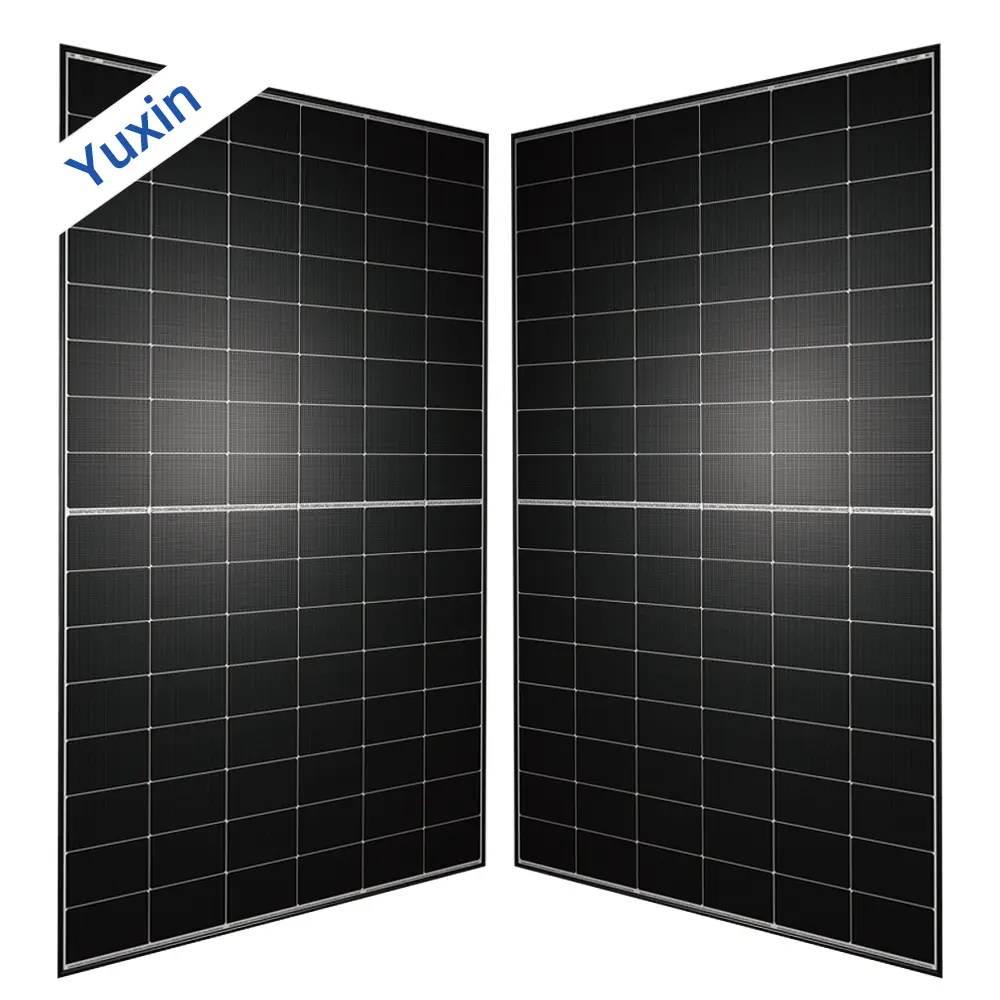
Lightweight design with transparent back panel option for enhanced rear-side bifacial gain and reduced Balance of System (BOS) costs.
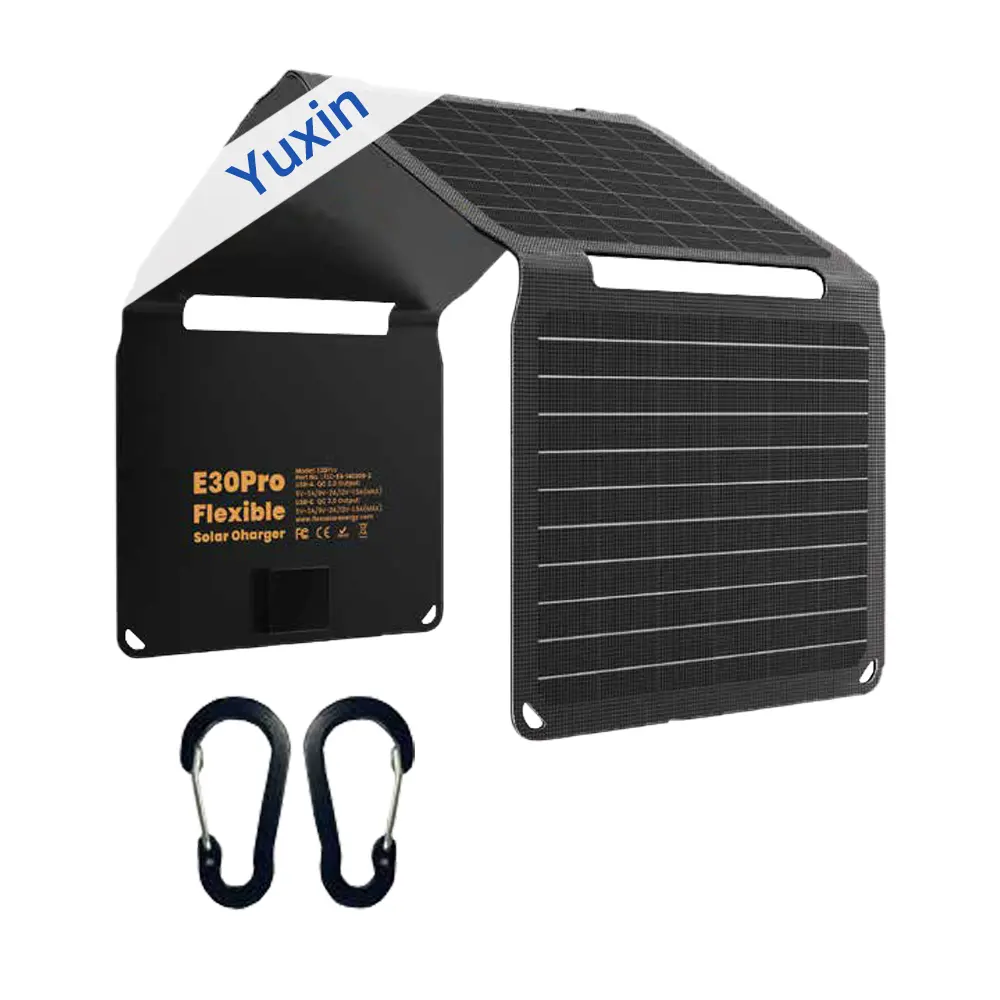
Utilizing high-density monocrystalline silicon cells to achieve cell conversion efficiencies of up to 24% for remote off-grid operations.
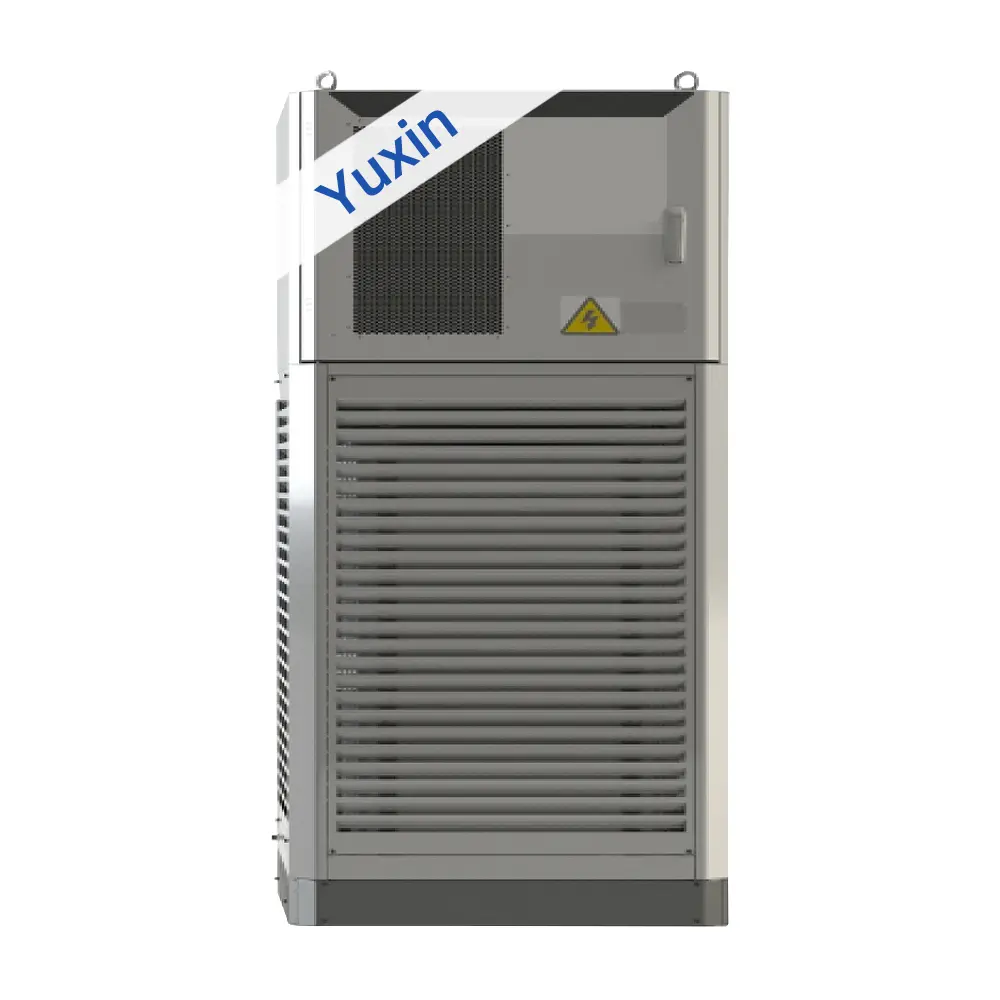
Support for grid-tied, off-grid, and hybrid operating modes to secure household power reliability and manage time-of-use costs.
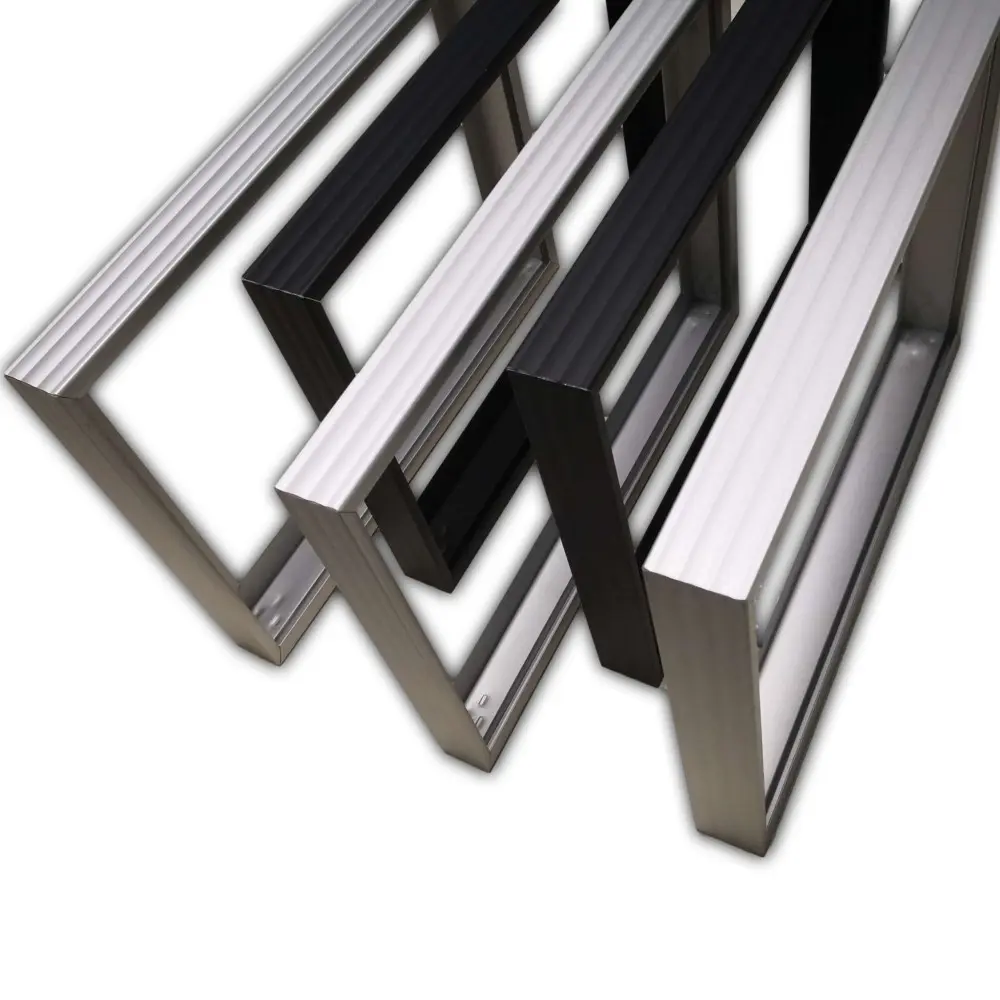
Made of anodized aluminum (6063-T5 or 6005-T6). Delivers weather resistance and precise dimensional tolerances to fit all PV laminates.
Our mounting frames and high-efficiency modules are optimized for diverse, specialized deployment conditions globally.

Elevated mounting frame designs optimized for agricultural equipment access. Combines crop cultivation with clean energy generation.
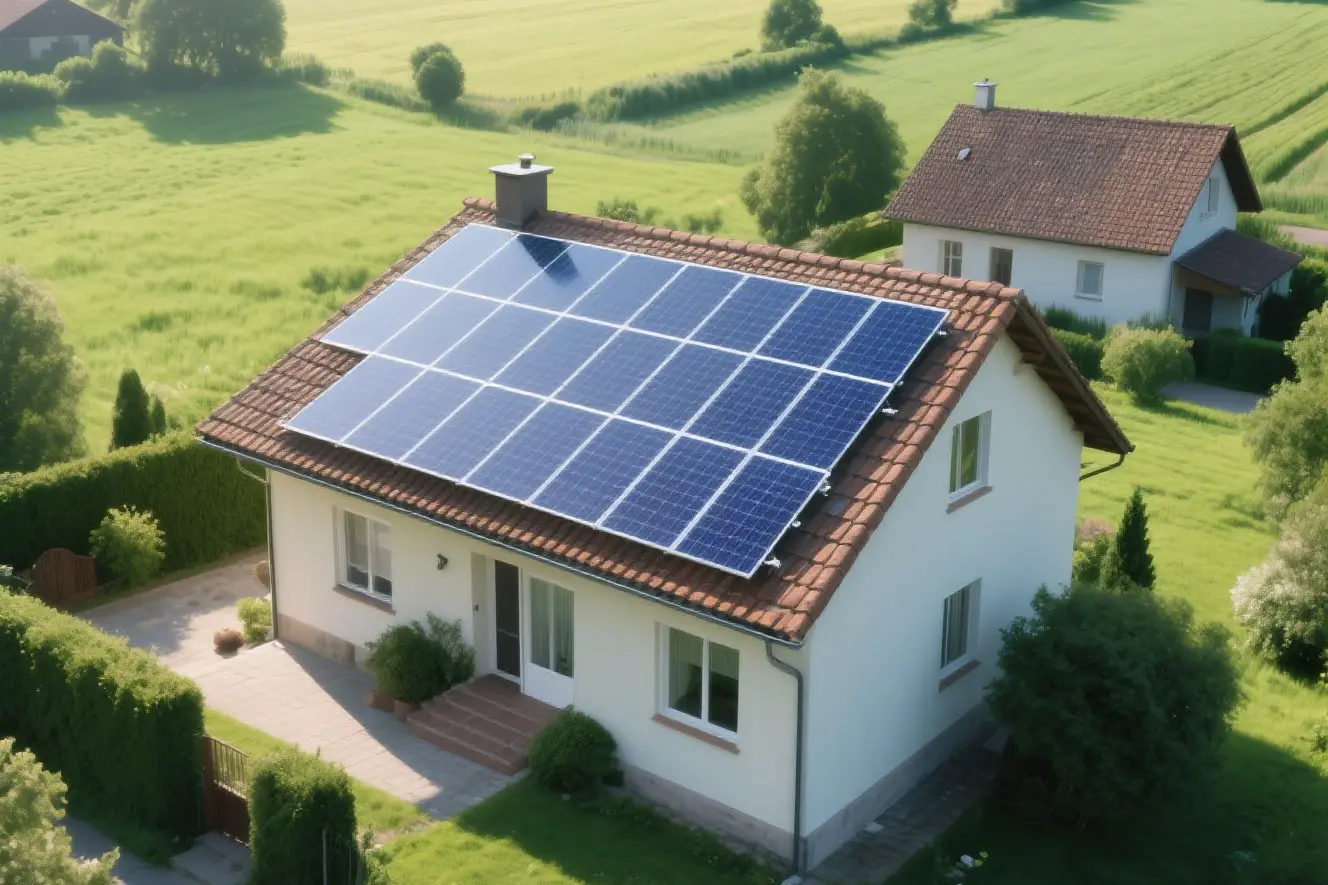
High-load structural framing systems designed to integrate directly with commercial facades and roofs, meeting strict building safety codes.
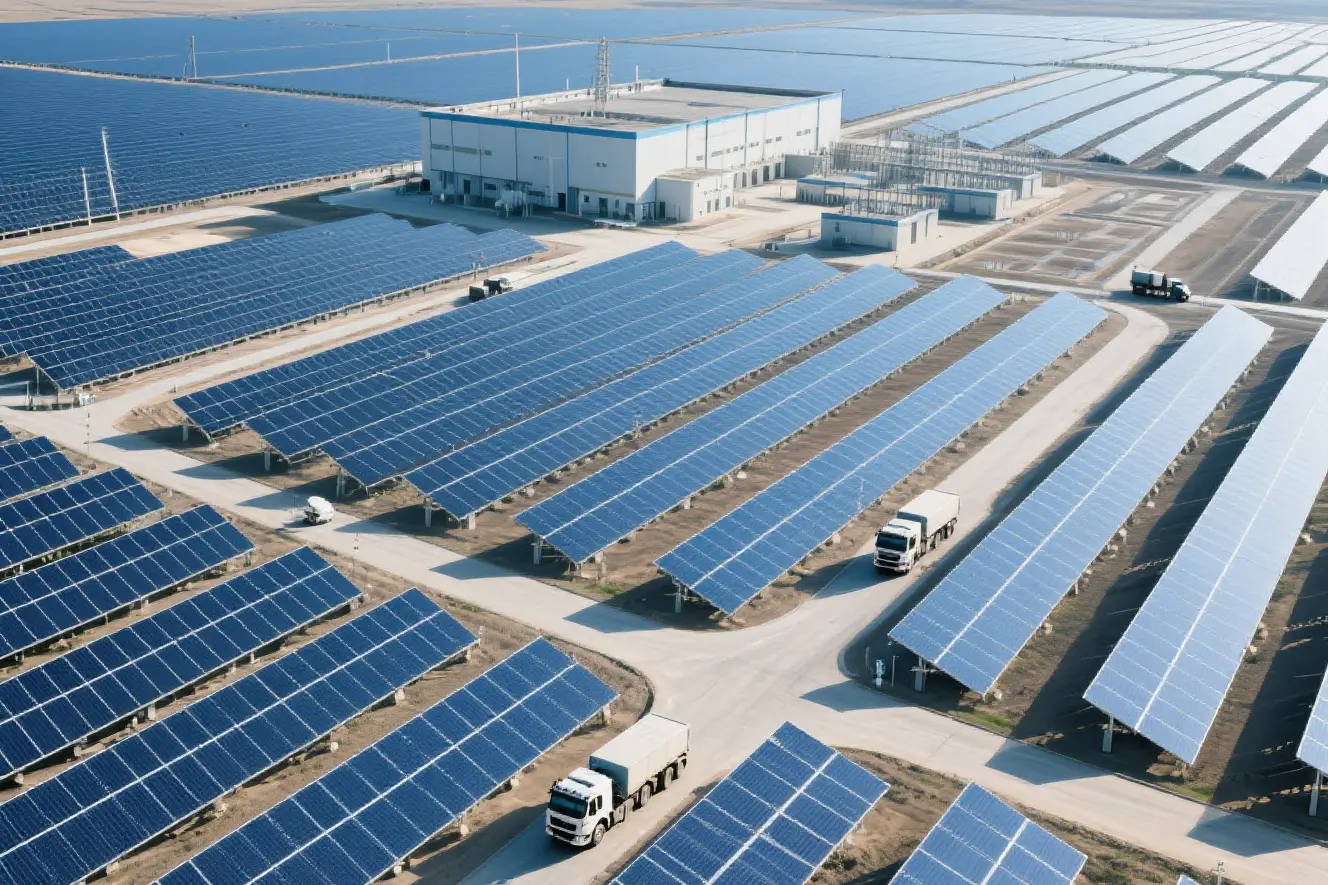
Corrosion-resistant anodized frames designed for large-format modules, ensuring durability for 25+ years in utility-scale ground mount arrays.

Compact, shockproof solar components designed for off-grid operations, exploration teams, and portable charging kits.

Rugged solar frame systems engineered to withstand continuous wind shear at remote telecommunication towers and relay stations.
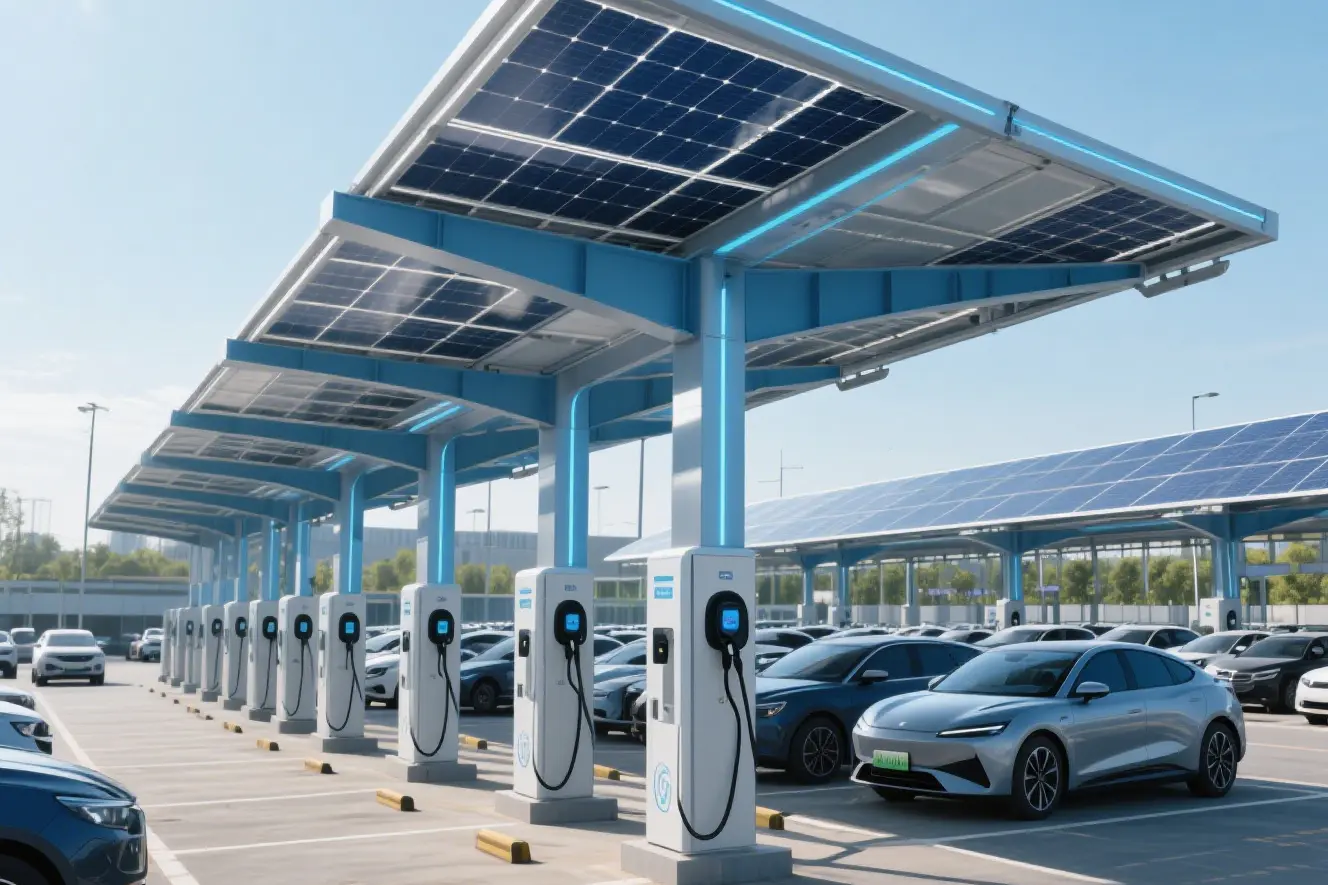
Low-maintenance solar frames integrated into noise barriers, highway lighting, and charging stations to support public transport grids.
Our production facilities maintain strict alignment with international quality controls. Our framing products carry certifications from TUV, CE, and global labs.
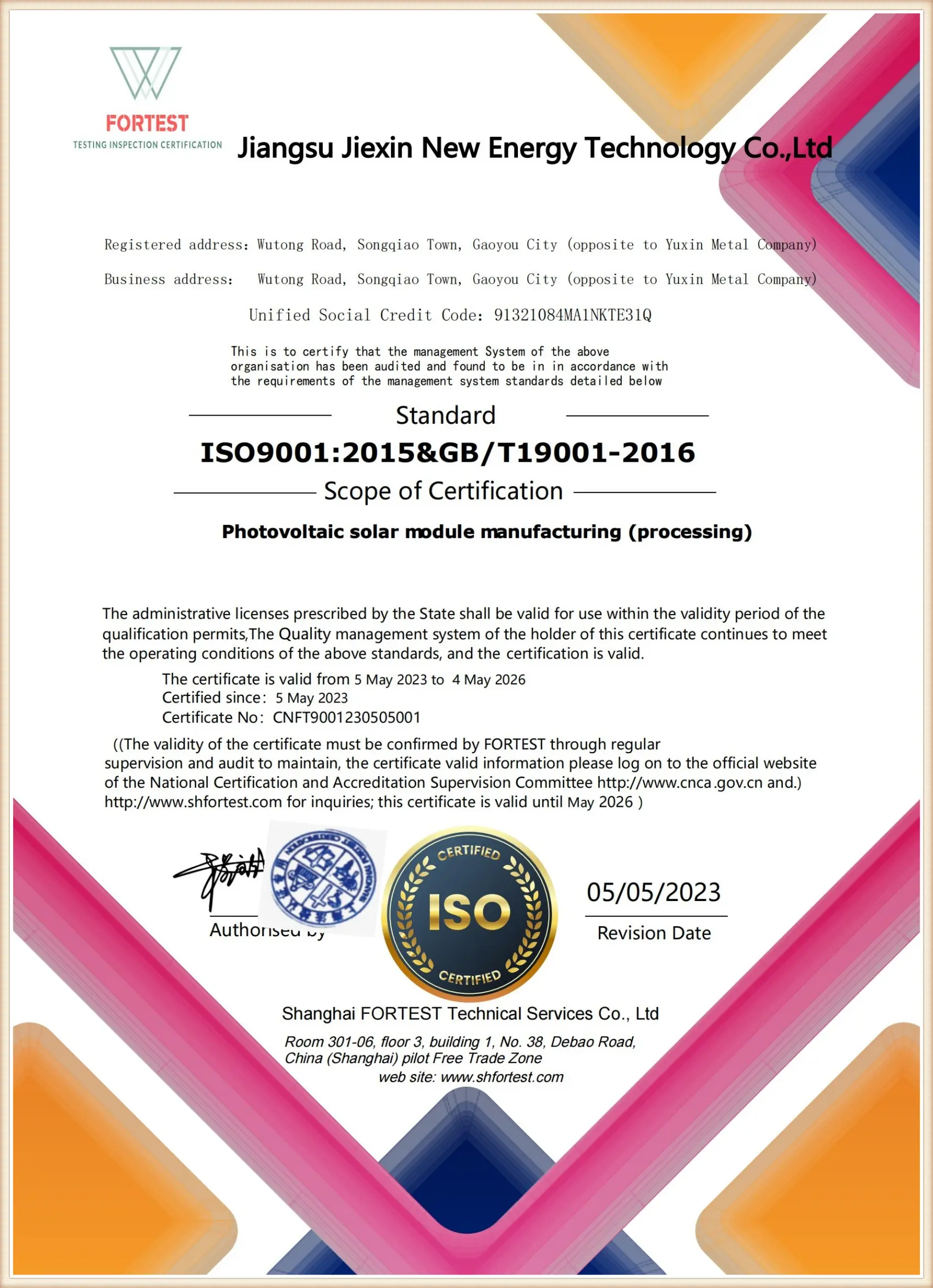
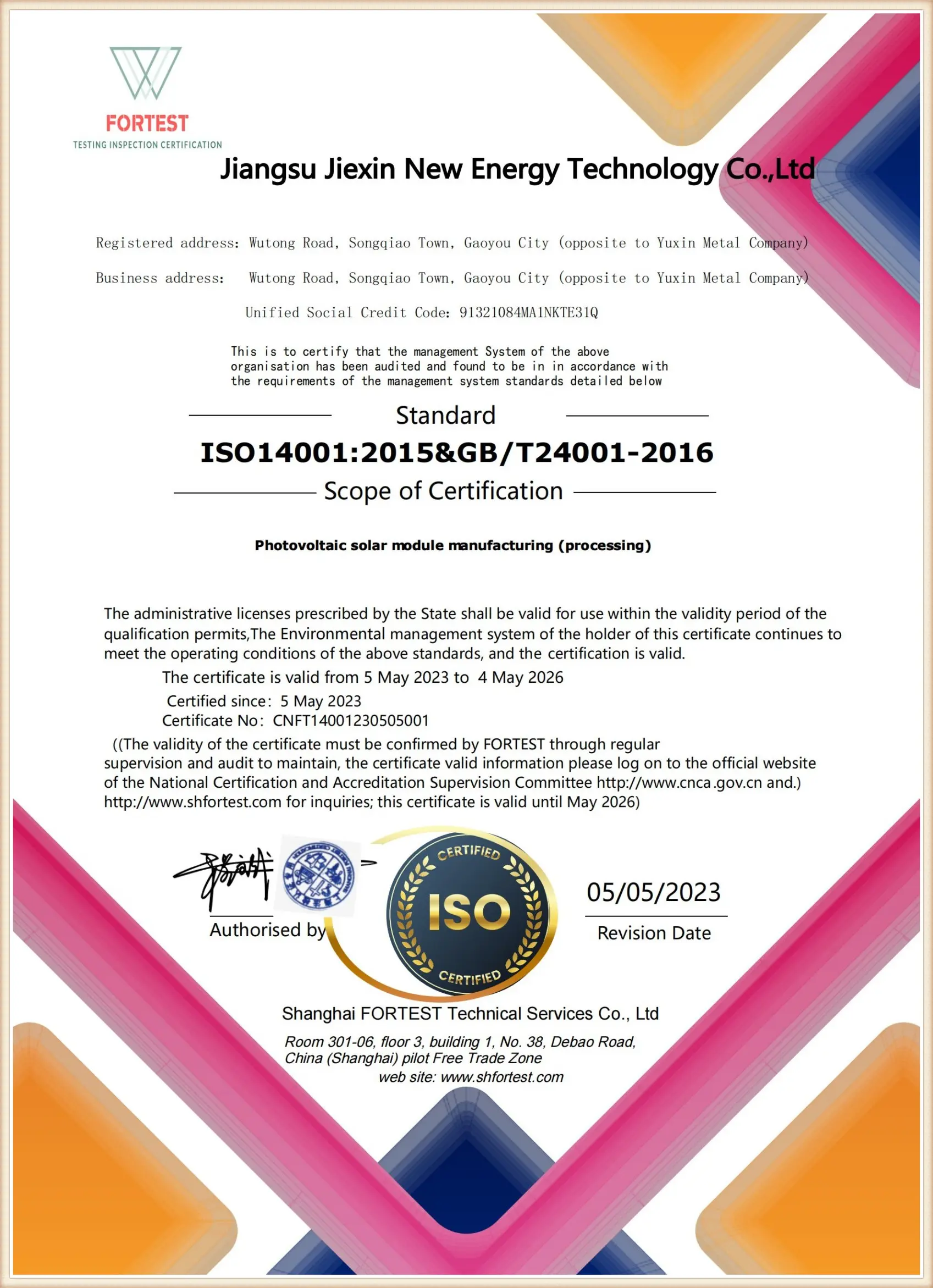
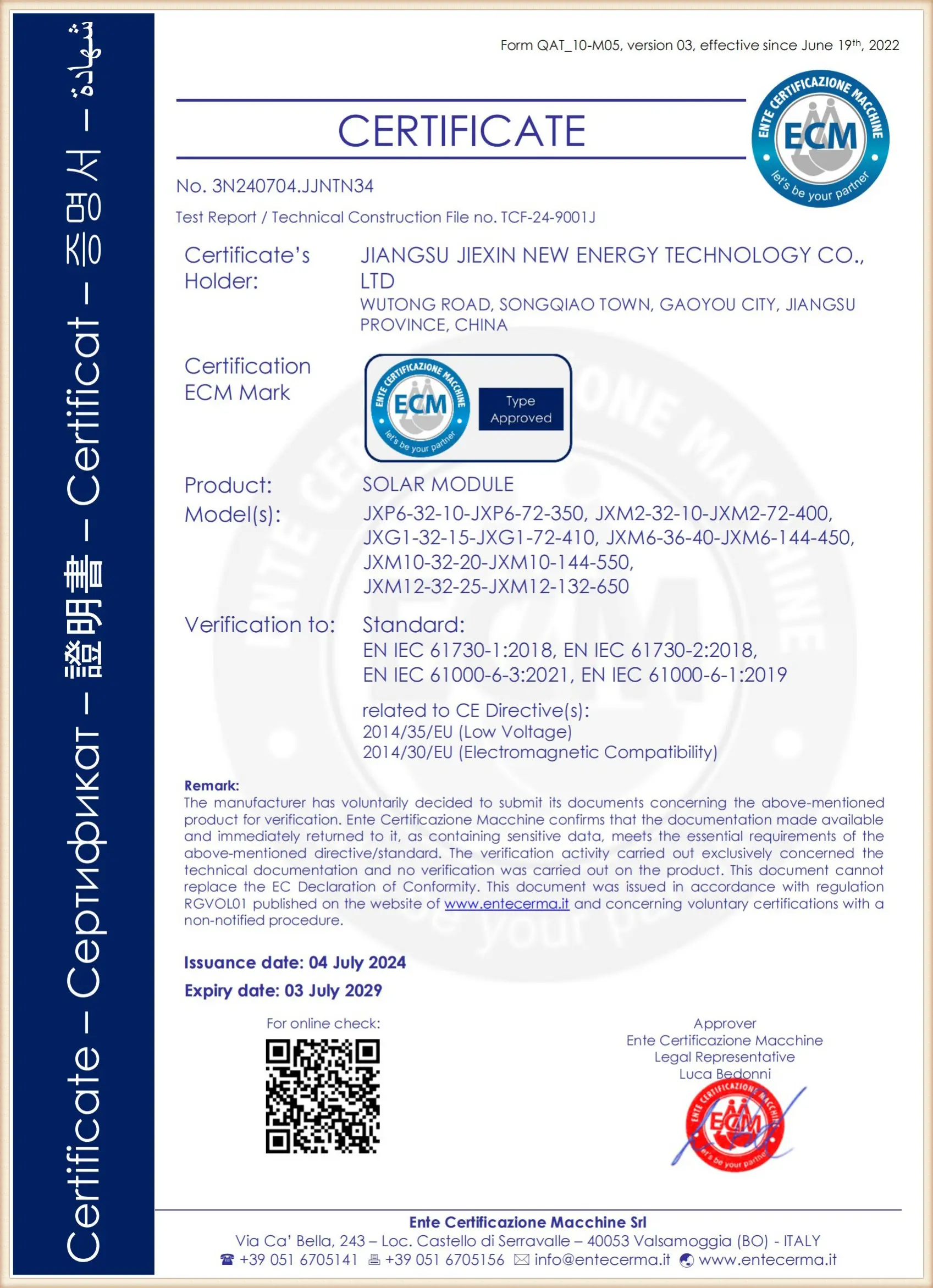
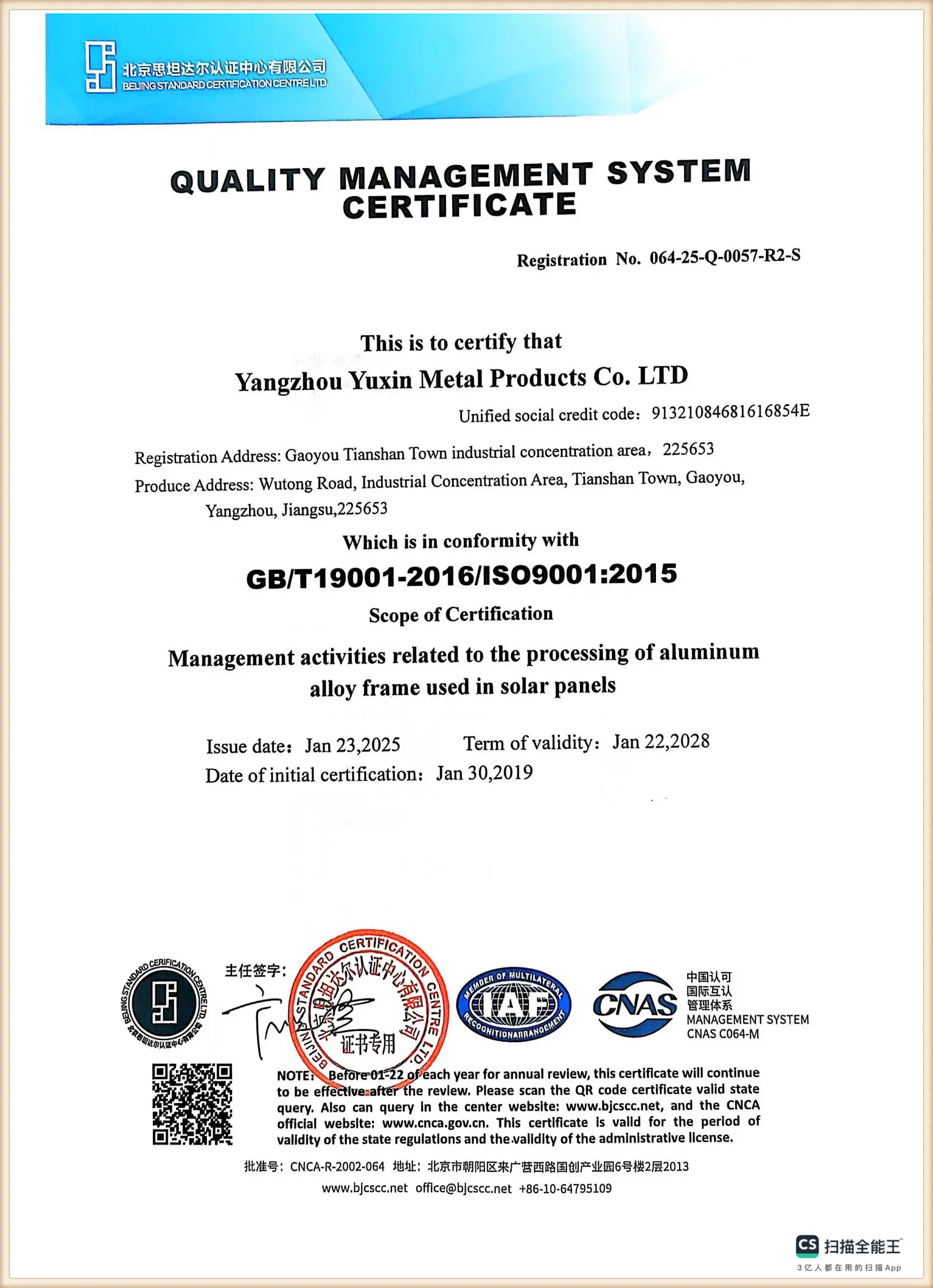
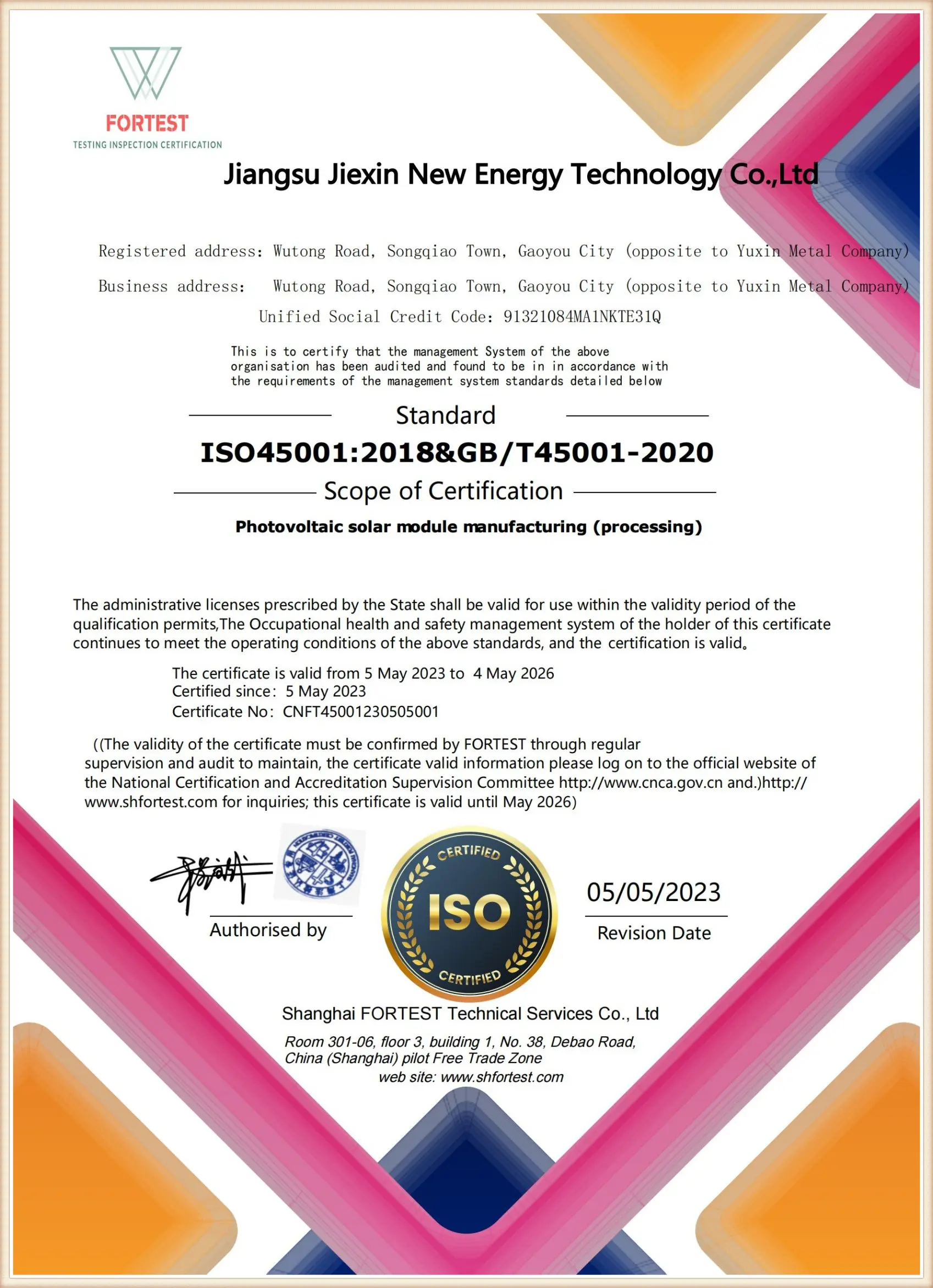
Over a decade of close partnership with leading solar developers, EPCs, and international distributors.
Insights into material performance standards, structural designs, and quality assurance processes.
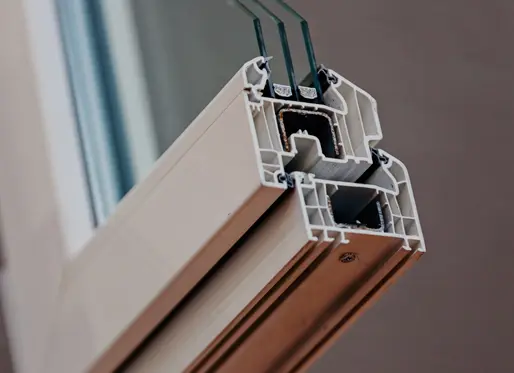
Discover the key properties of solar frames, including mechanical loading capacities, anodizing thickness, and material composition, that ensure a 25-year service life.
Read More →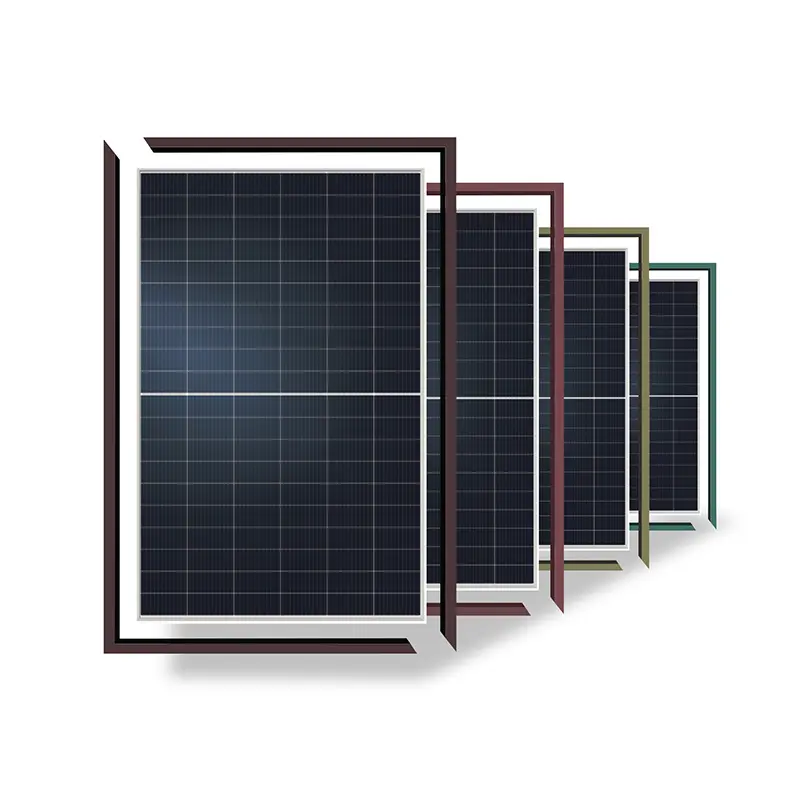
A procurement guide for international module manufacturers. Learn to evaluate extrusion capabilities, quality control systems, and logistics networks.
Read More →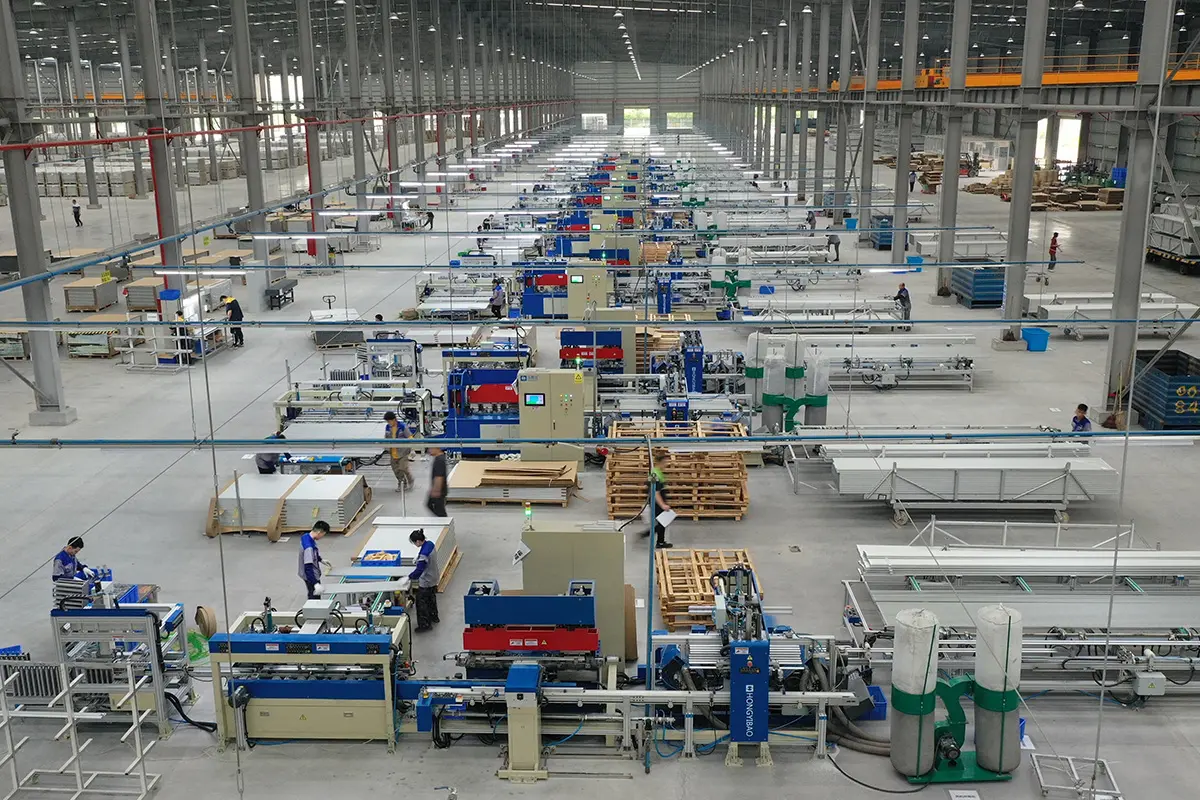
An overview of critical inspection tests, from mechanical stress simulations and salt-spray corrosion tests to dimension tolerance verification.
Read More →Detailed analysis of industry transitions, European regulations (CBAM), and mechanical calculations.
For a solar module to withstand environmental pressures, the frame must resist bending and deflection. Standard calculation methods verify structural performance:
Our TUV-certified framing profiles are optimized using Finite Element Analysis (FEA) to maximize the Section Modulus (W) while keeping the profile weight low. This approach achieves the necessary mechanical performance while reducing raw aluminum consumption, supporting competitive project pricing.
Global trade regulations are increasingly focused on environmental compliance. The European Union's Carbon Border Adjustment Mechanism (CBAM) requires transparent reporting of the embedded carbon emissions of imported aluminum products. Similarly, international markets mandate compliance with REACH and RoHS standards to verify the absence of hazardous substances.
Yuxin's manufacturing facilities use low-carbon extrusion practices, clean energy sourcing, and water recycling systems to lower the environmental impact of our components. Choosing our TUV-certified solar frames helps global module manufacturers prepare for upcoming trade barriers and align with corporate ESG goals.
Common questions from solar engineers, procurement specialists, and project developers.
Explore our full range of solar accessories, including high-capacity portable solar power generators, high-efficiency backpacks, commercial-scale modular energy storage solutions, and structural framing options.
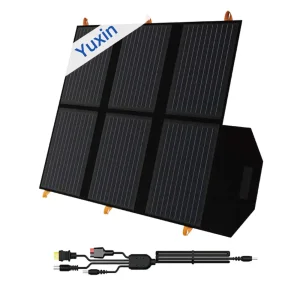
High-output 60W portable solar backpack designed to charge electronics, backup power sources, and emergency gear during field operations.
View Details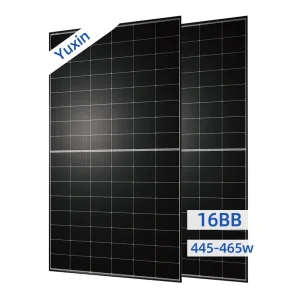
High-efficiency N-type monocrystalline module featuring a dual-glass design and 16BB architecture, optimized for reliable performance in harsh climates.
View Details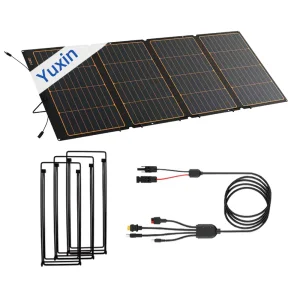
A portable 240W solar-powered generator designed for backup power, small medical equipment, and remote communication setups.
View Details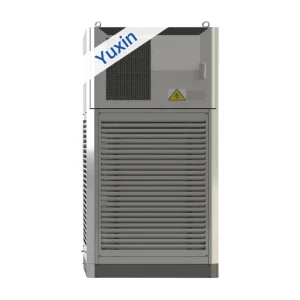
A modular commercial-scale battery energy storage system (BESS) designed for peak shaving, load balancing, and backup power applications.
View Details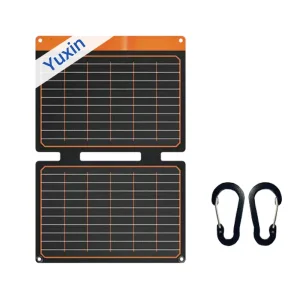
Compact, durable outdoor backpack featuring an integrated 20W solar module, ideal for charging mobile devices on day hikes.
View Details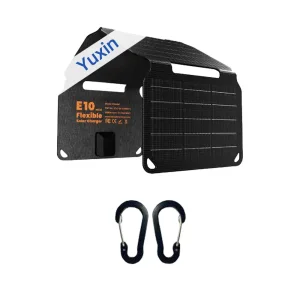
A lightweight 10W solar backpack designed to keep mobile phones and GPS devices powered during outdoor activities.
View Details
High-quality aluminum framing profiles with tight tolerances and anodized finishes, designed to protect PV laminates under mechanical load.
View Details
Sustainable pultruded fiberglass-polyurethane composite frames designed for anti-corrosion and PID prevention in harsh environments.
View Details