Engineered for extreme performance, portable compatibility, and continuous power generation
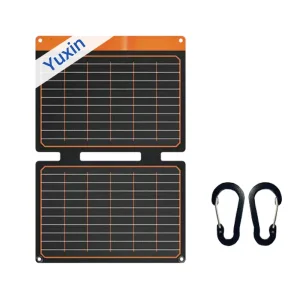
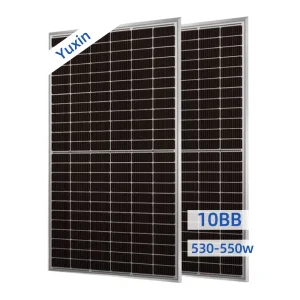
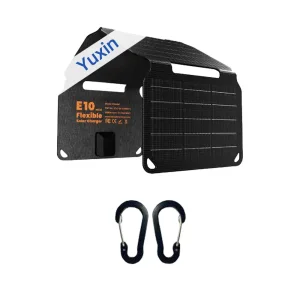
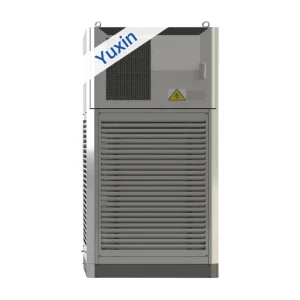
The outdoor recreation sector is undergoing a profound paradigm shift. Modern B2B buyers—ranging from specialized outdoor gear retailers, municipal disaster response groups, military personnel, to experiential glamping resort operators—no longer view camping solar setups as secondary consumer novelties. Instead, they demand highly integrated, rugged, and efficient micro-generation infrastructure capable of functioning under severe thermal and physical stresses.
From an enterprise procurement perspective, purchasing decisions are dictated by the Balance of System (BOS) cost, levelized efficiency, and structural integration. Enterprise clients require robust guarantees regarding cell degradation rates, mechanical load capacities, and thermal coefficient variables. Sourcing parameters have evolved beyond the simple question of "how many watts?" to a holistic evaluation of grid compatibility, structural durability under UV exposure, and compliance certifications like CE, IEC, and RoHS.
Custom engineering and high-efficiency photovoltaic materials developed by Jiangsu Yuxin
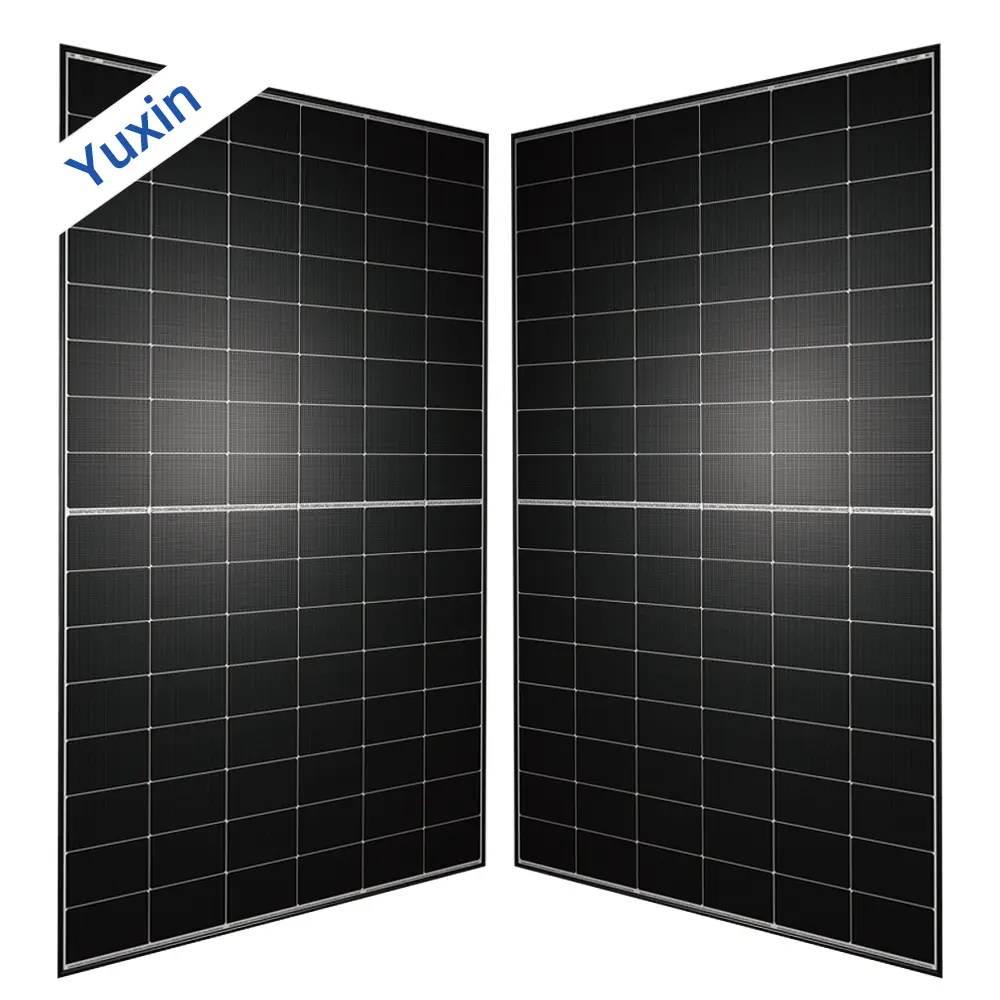
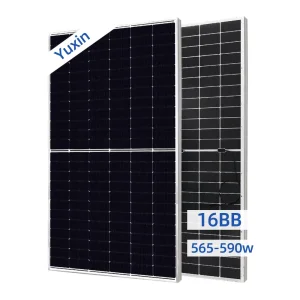
Lightweight design with transparent back panel for easy installation and reduced BOS costs.
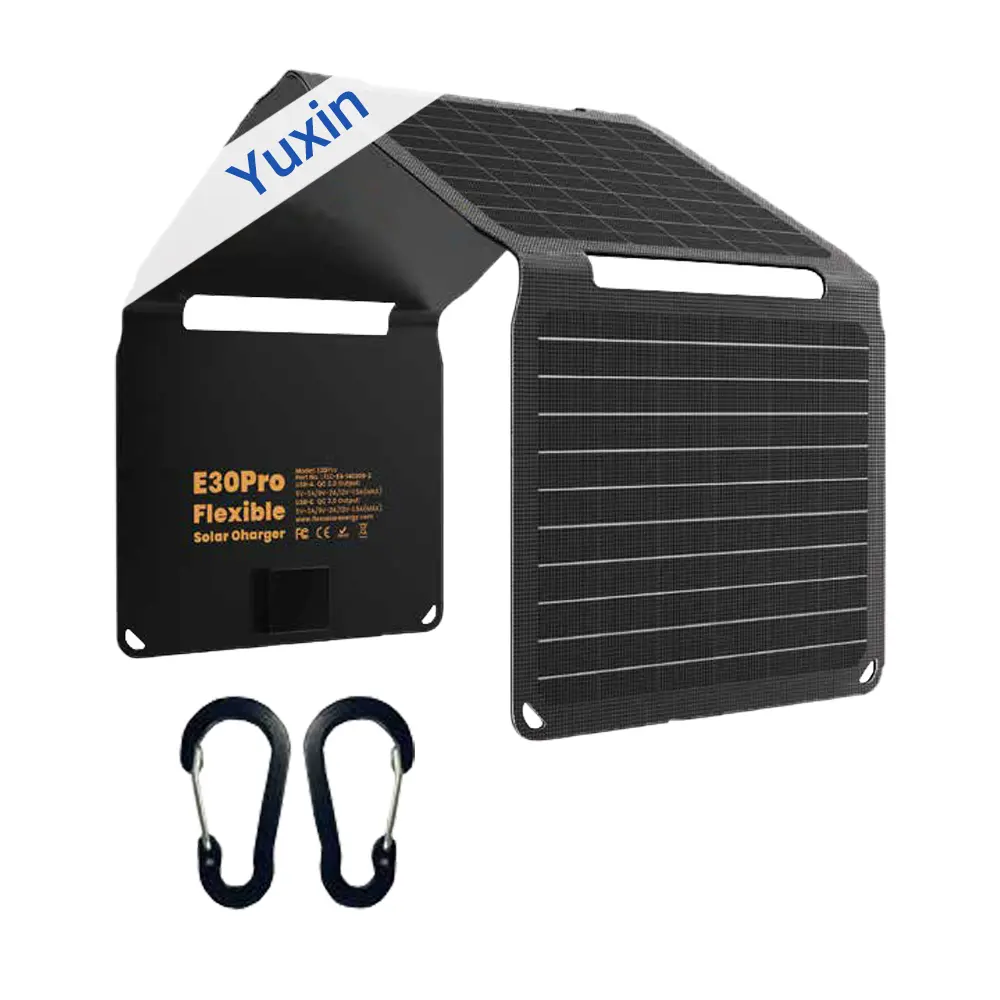
Utilizing advanced monocrystalline silicon cells, it achieves a high energy conversion efficiency of 24%.
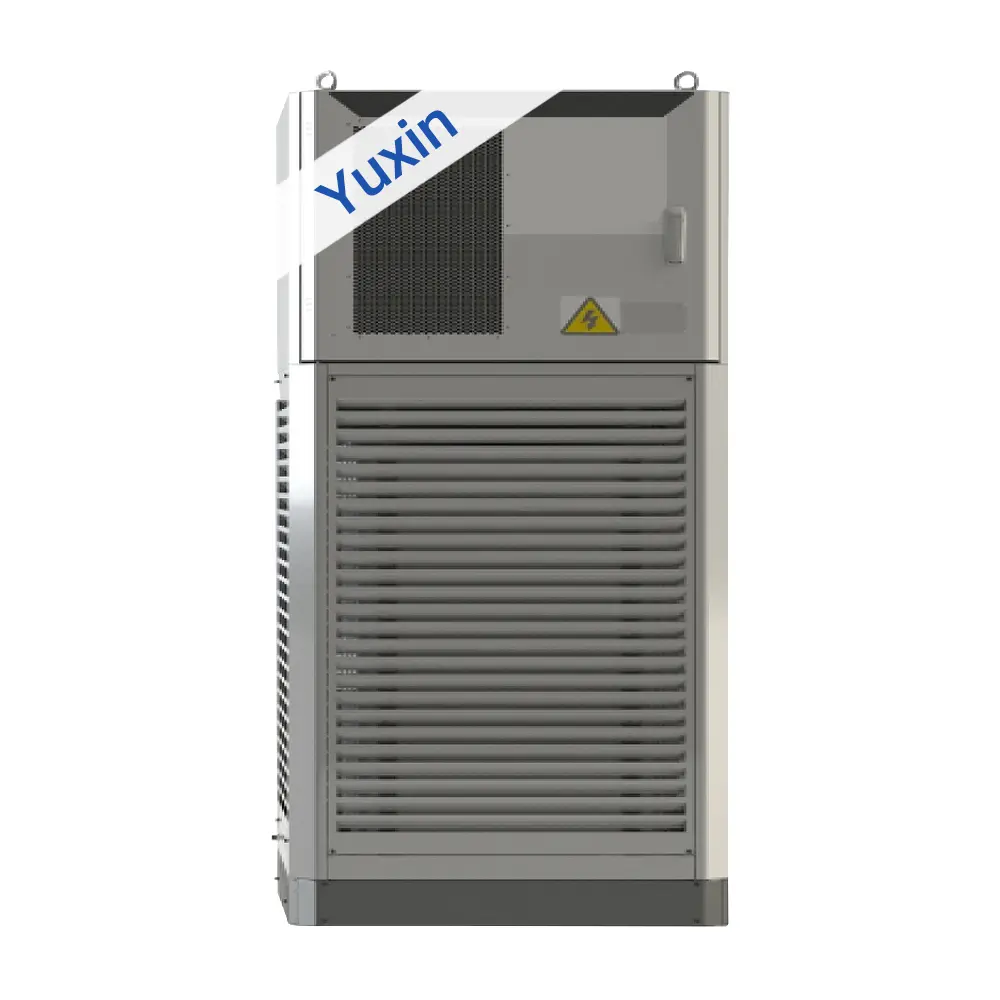
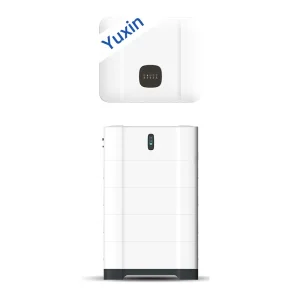
Application modes include grid-connected mode, off-grid mode, and integrated grid-connected/off-grid mode.
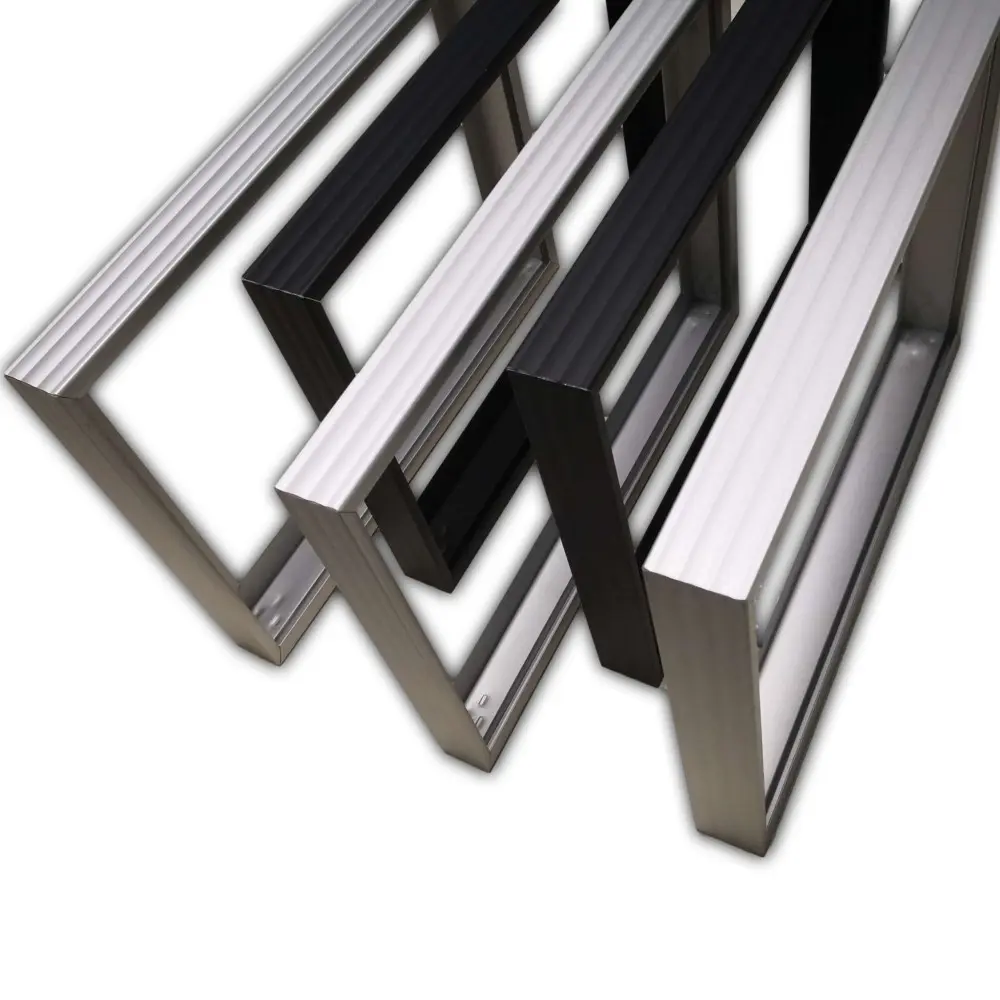
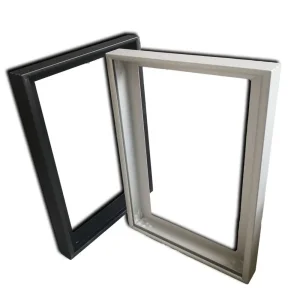
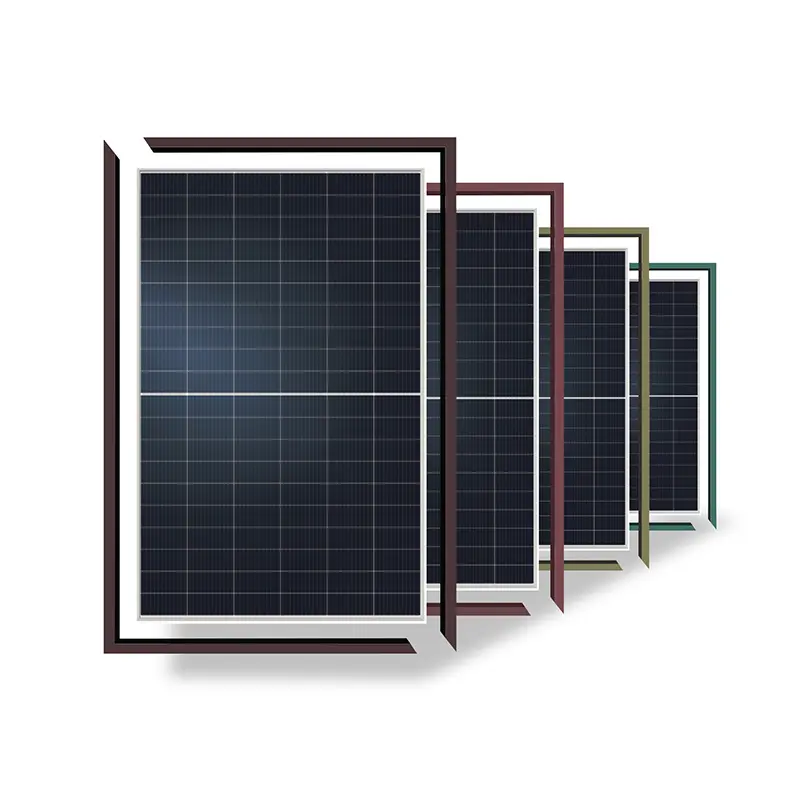
Made of high-quality anodized aluminum, it ensures superior weather resistance and a smooth, long-lasting finish.
Developing off-grid camping solar systems requires balancing mechanical reliability with electrical efficiency. As manufacturers, our technical roadmap focuses on three main architectural concepts:
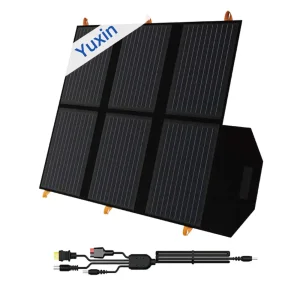
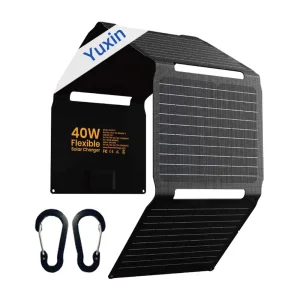
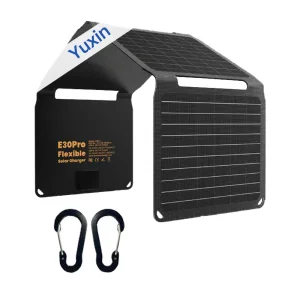
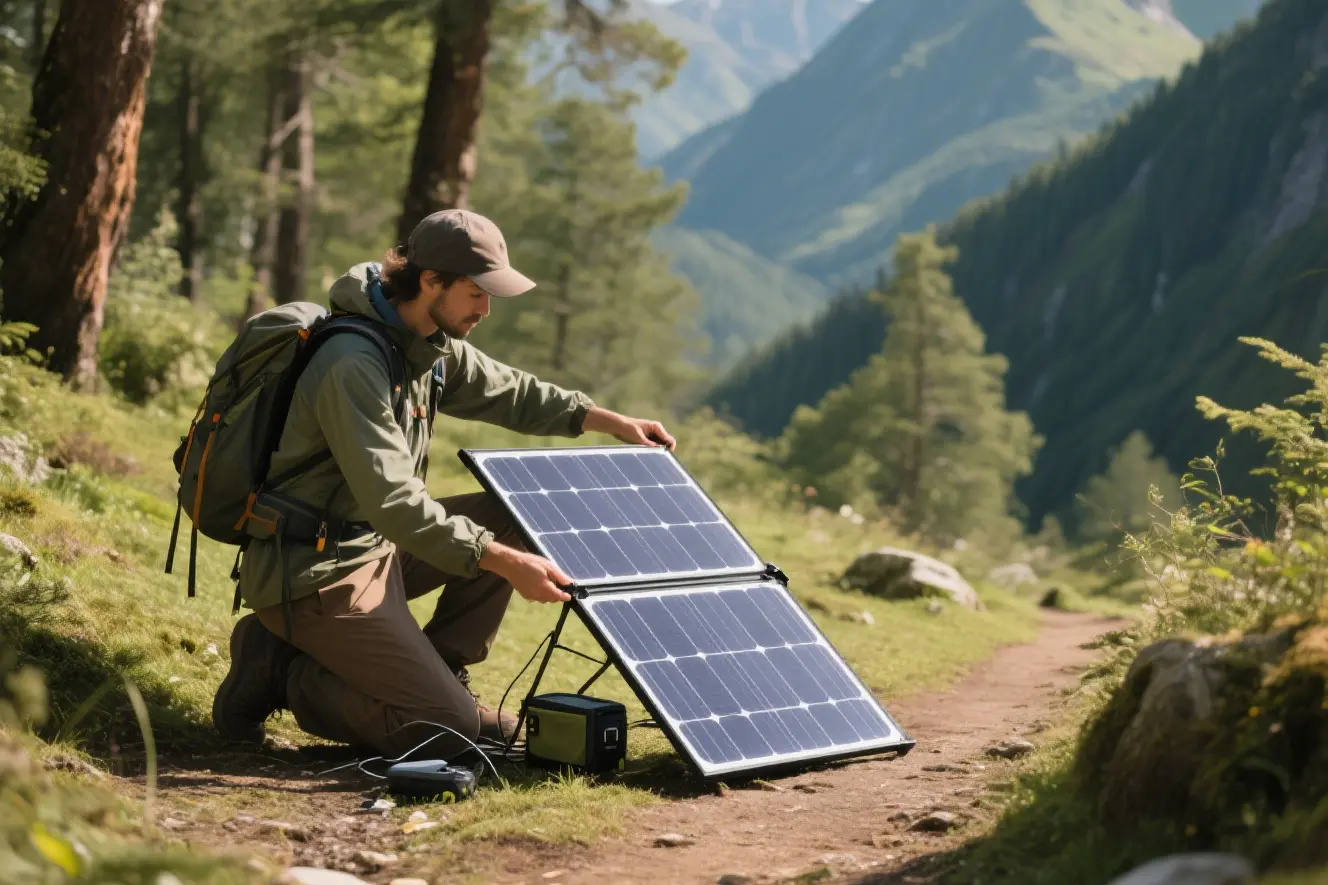
Designed primarily for backpacking and hiking, these systems integrate lightweight photovoltaic cells directly into structural textiles. Our engineering utilizes ETFE (Ethylene Tetrafluoroethylene) encapsulation rather than standard PET, ensuring superior light transmission, flame-retardant properties, and a lifespan extended by up to three times. This range includes our custom 10W, 20W, 30W, and 60W portable backpacking lines, optimized for mobile charging under varying levels of cloud cover.
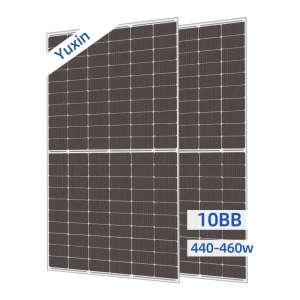
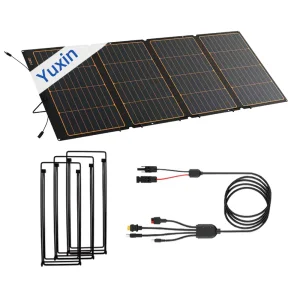
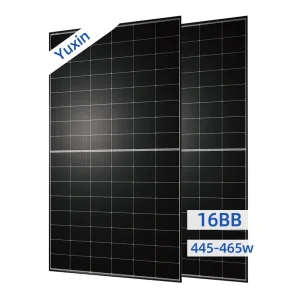
For basecamps, vehicle-mounted overland configurations, and mobile command centers, we utilize multi-fold monocrystalline systems. These modules feature high-efficiency PERC (Passivated Emitter and Rear Cell) or TOPCon (Tunnel Oxide Passivated Contact) cell architectures. Equipped with multi-busbar (MBB) designs (such as 10BB and 16BB configurations), resistive losses are reduced while current gathering pathways are optimized, maintaining structural efficiency even during partial shading.
Solar panels are only as useful as the system that stores their energy. Our technical roadmap integrates high-capacity commercial and residential storage systems, ranging from 8000T to 15KT, utilizing advanced modular Lithium Iron Phosphate (LiFePO4) chemistries. These systems feature smart MPPT controllers capable of tracking maximum power points in milliseconds, matching the dynamic inputs of transient outdoor conditions.
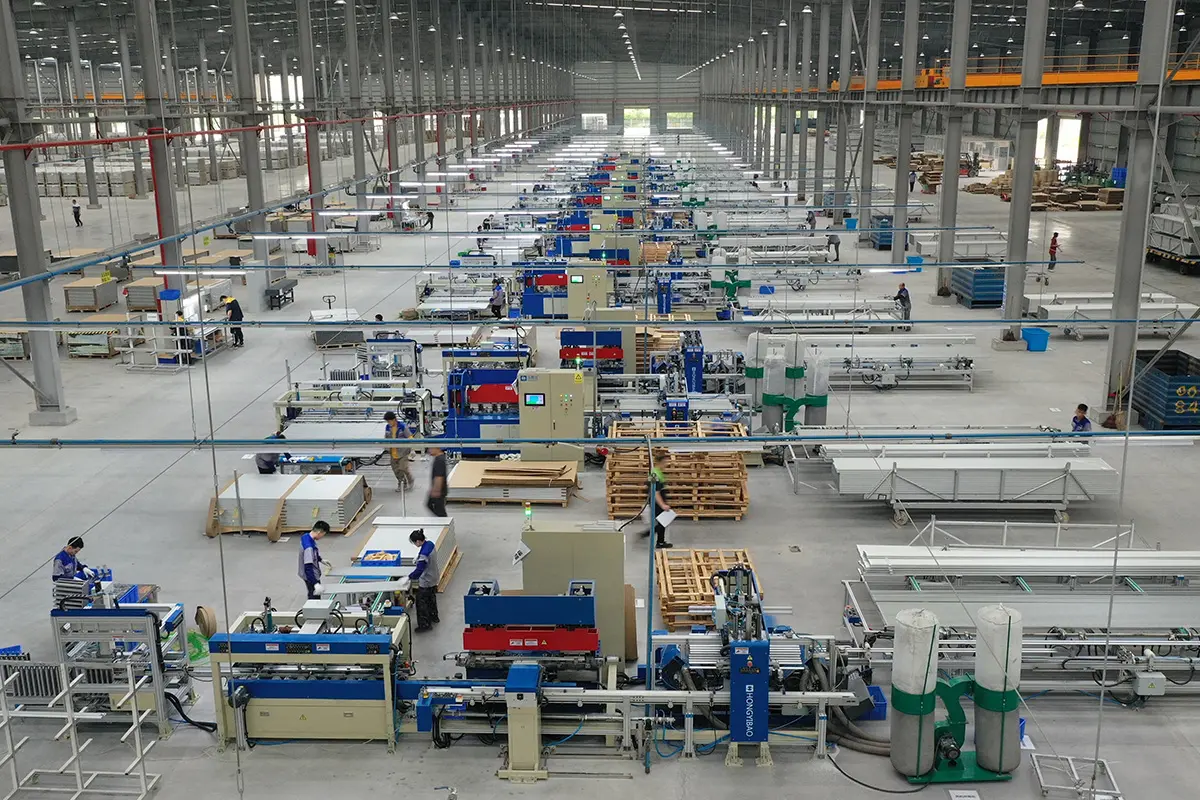
Precision, Quality, and Safety - Your Photovoltaic Materials Expert. Established in 2008 and situated in the historical industrial hub of Yangzhou, Jiangsu, Yuxin has spent over 15 years pioneering photovoltaic technology. Located near major transit routes like the Beijing-Shanghai Expressway and the Runyang Yangtze River Bridge, Yuxin operates 14 specialized enterprises delivering global solar solutions.
As a National High-tech Enterprise and a Top 100 Private Enterprise in Gaoyou City, our R&D is focused on advancing solar efficiency, refining structural frame materials, and delivering robust commercial energy storage systems.
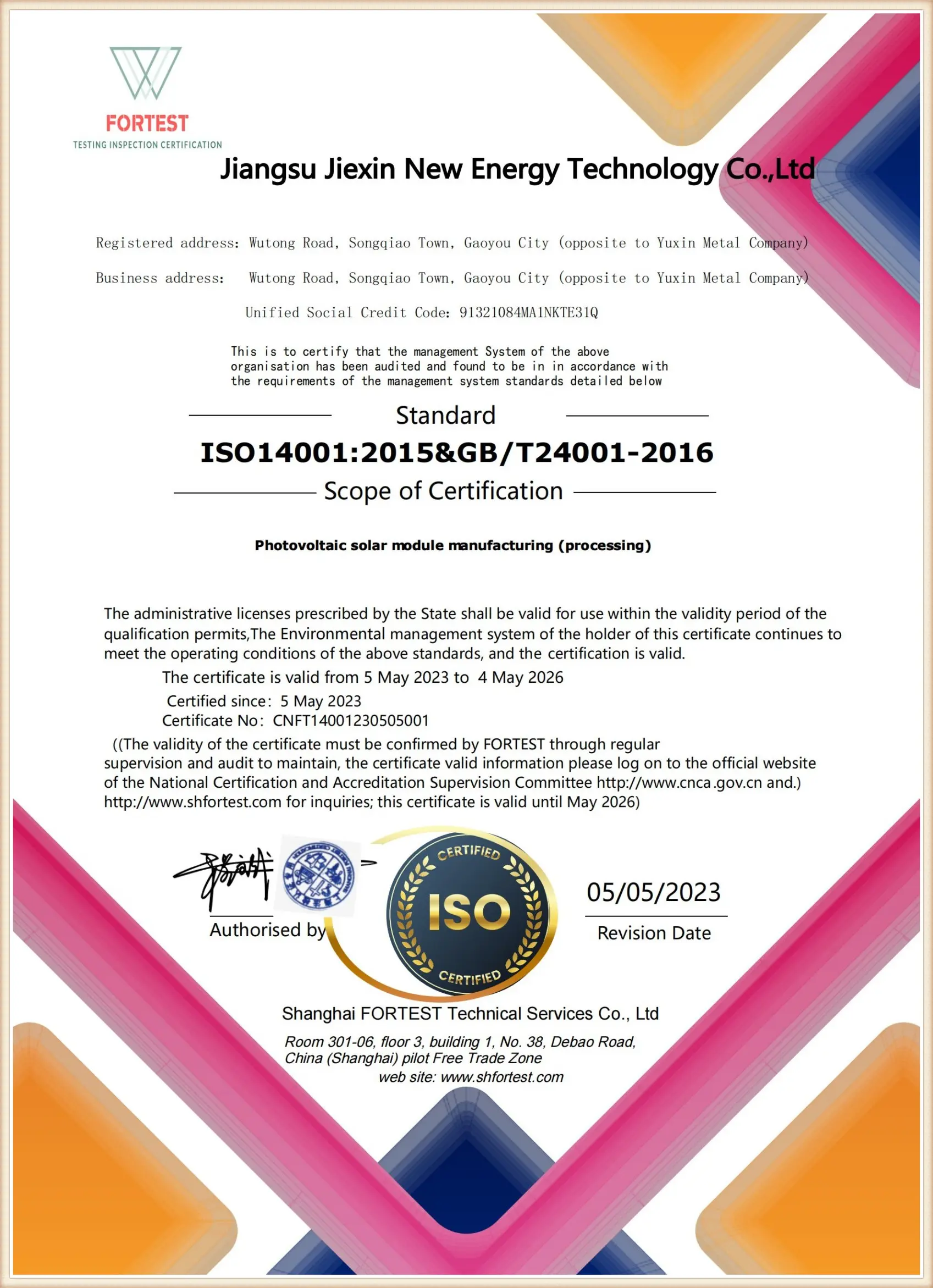
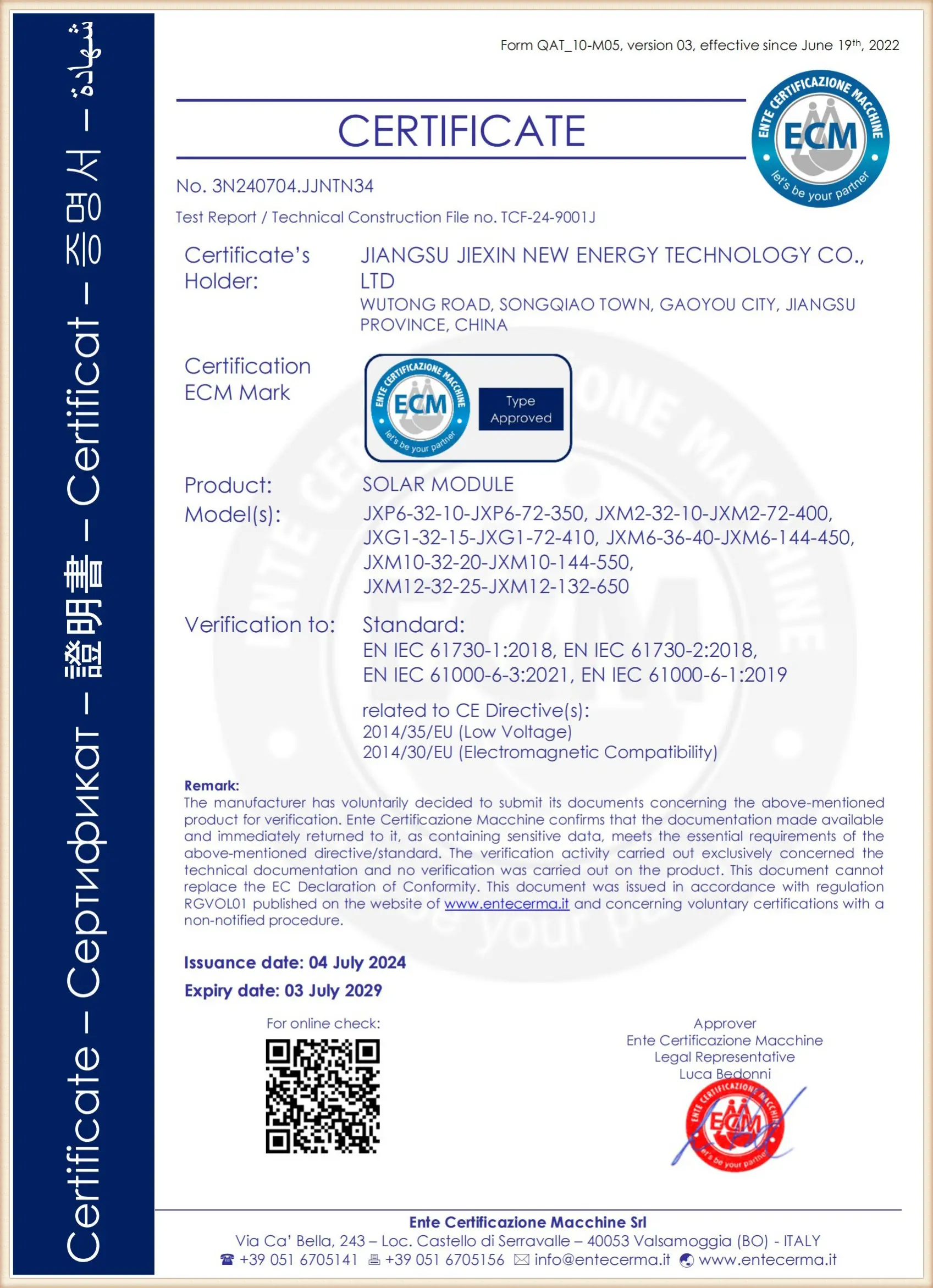
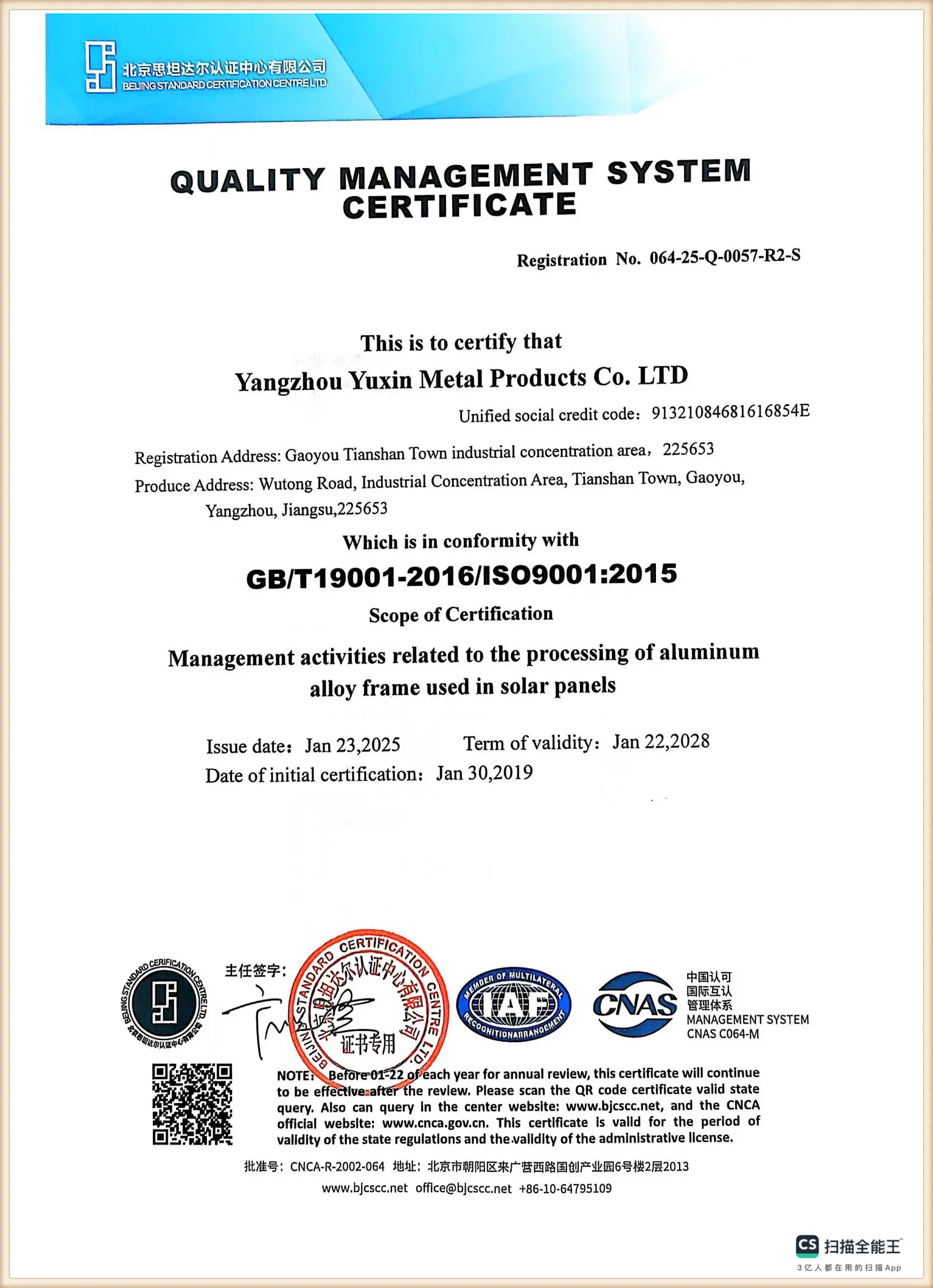
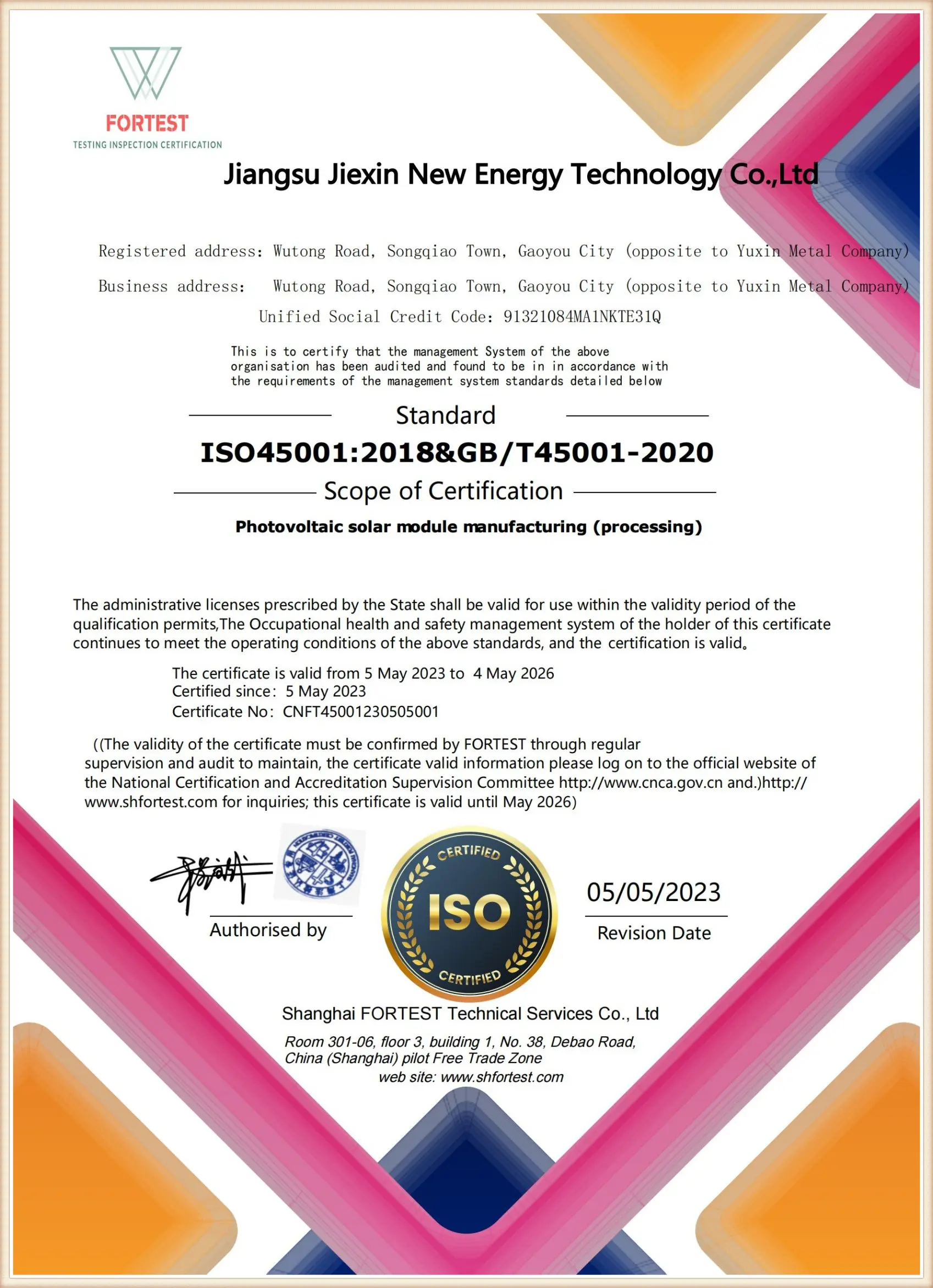
Tested and verified by international quality control organizations
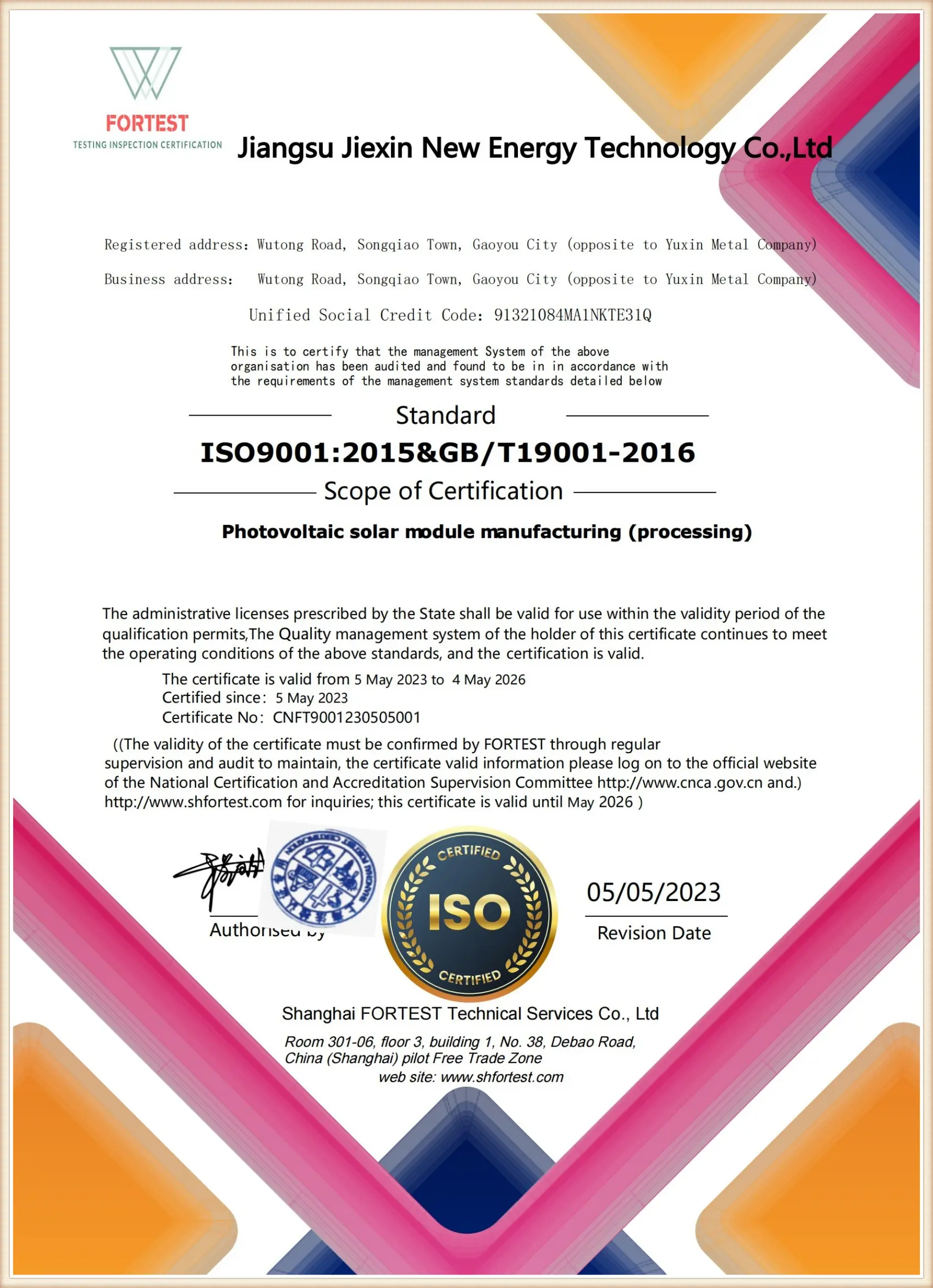
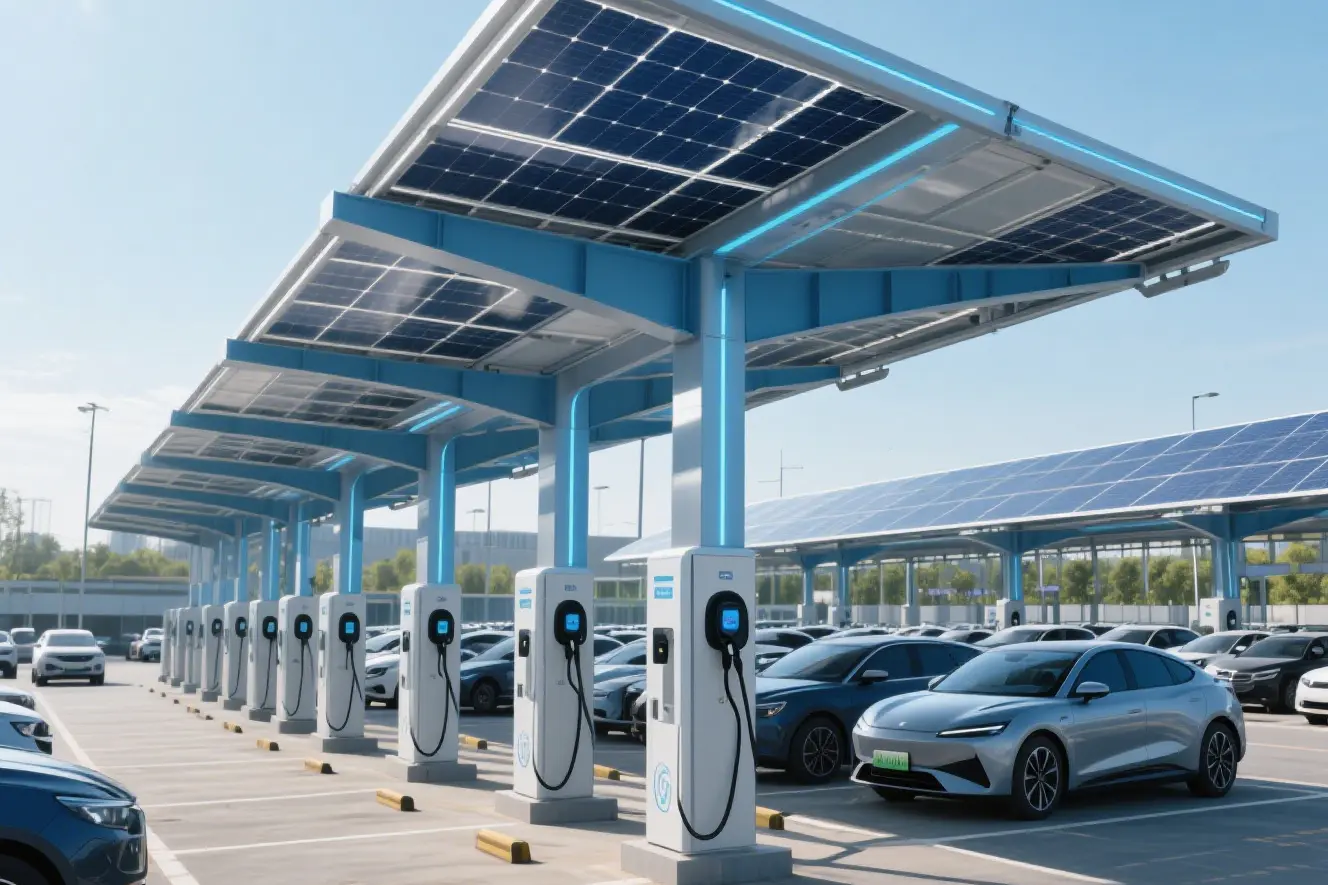
Photovoltaic technology engineered for commercial, industrial, and off-grid environments

Collaborating with global industry leaders to supply premium photovoltaic components

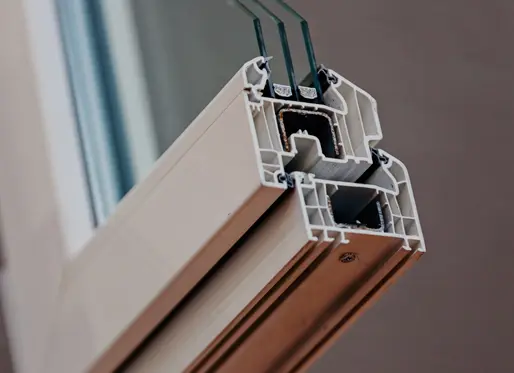
In harsh, unpredictable outdoor environments, the material composition of a solar panel frame is just as critical as its photovoltaic cells. Traditional solar panel structures rely on anodized aluminum alloys, such as 6063-T5 or 6005-T6. These alloys offer a reliable balance of weight, structural integrity, and corrosion resistance under normal operating parameters.
However, modern off-grid installations face harsher conditions, including high humidity, coastal saltwater spray, and extreme thermal fluctuations. To address these demands, our engineering team has developed alternative pultruded polyurethane composite frames. These composites combine fiber reinforcements with high-performance polyurethane resins, offering several key advantages over conventional aluminum:
For B2B distributors and procurement specialists importing photovoltaic equipment, compliance with international standards is vital for mitigating risk and ensuring smooth market entry. The primary certifications required include:
Technical clarifications for B2B buyers and solar procurement specialists
Insights into quality control, manufacturer selection, and PV design innovations
June 16, 2026
June 15, 2026
June 14, 2026
Premium materials, structural frames, and bifacial TOPCon modules for commercial and outdoor projects