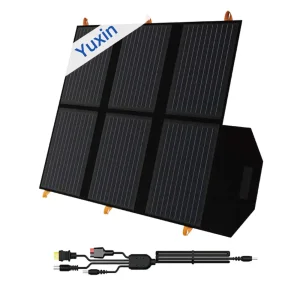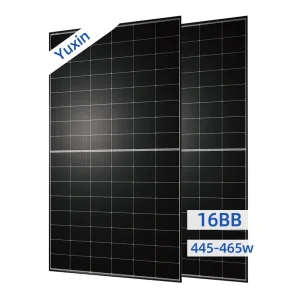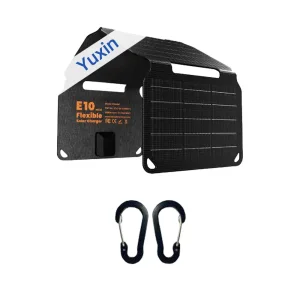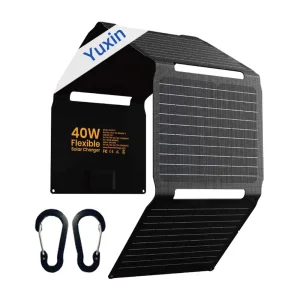
Explore our premium high-efficiency monocrystalline solar panels, modular C&I energy storage systems, and emergency off-grid backup devices engineered for the most rigorous municipal and corporate environments.
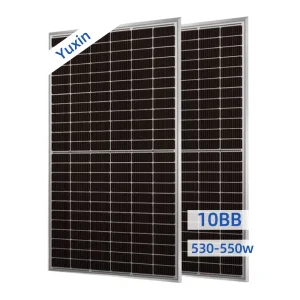
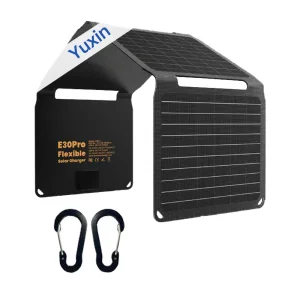
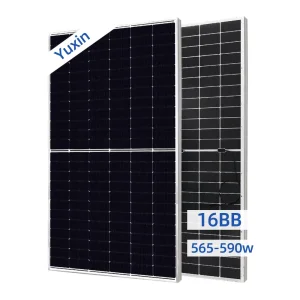
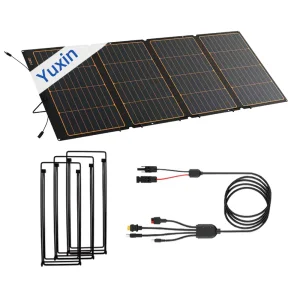
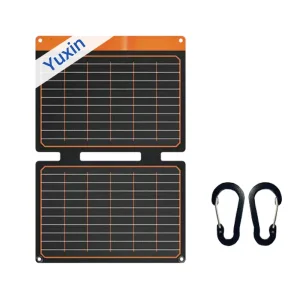
Premium physical architecture and sub-system modules designed for heavy deployments, utility scale projects, and residential solar systems.
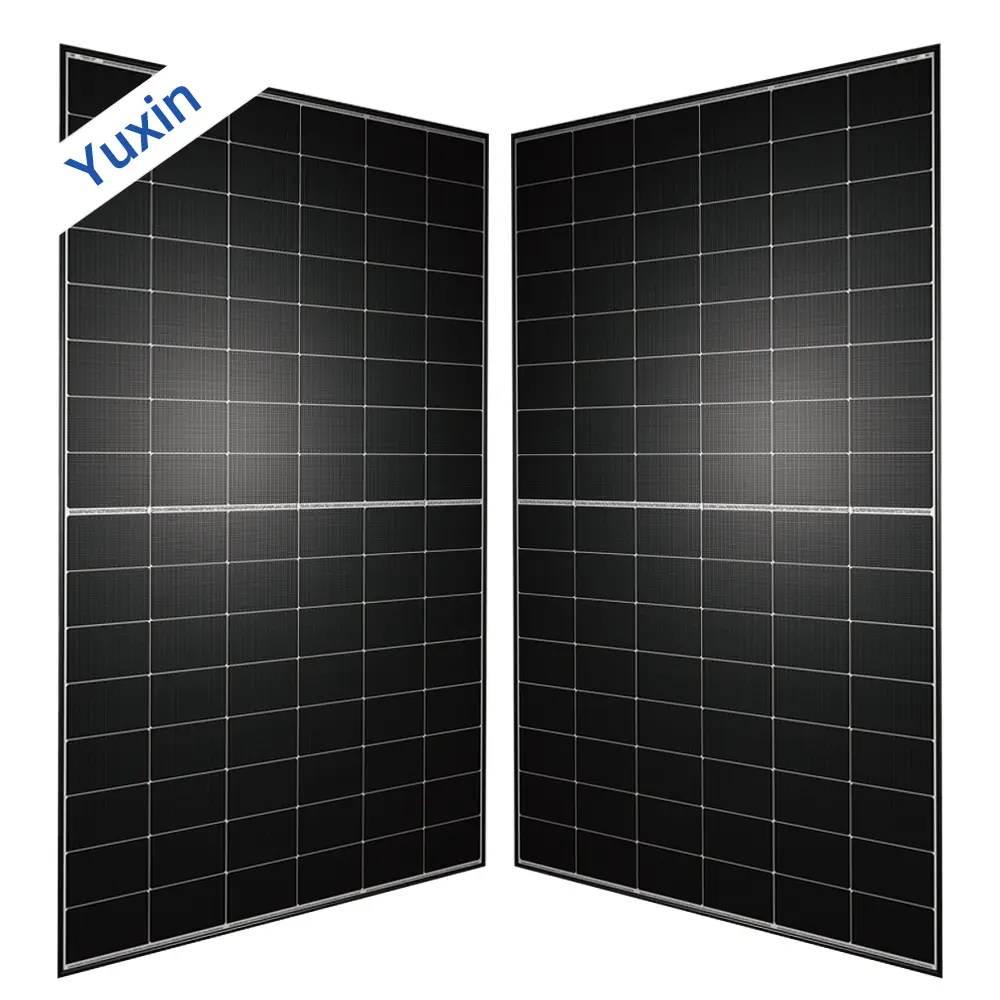
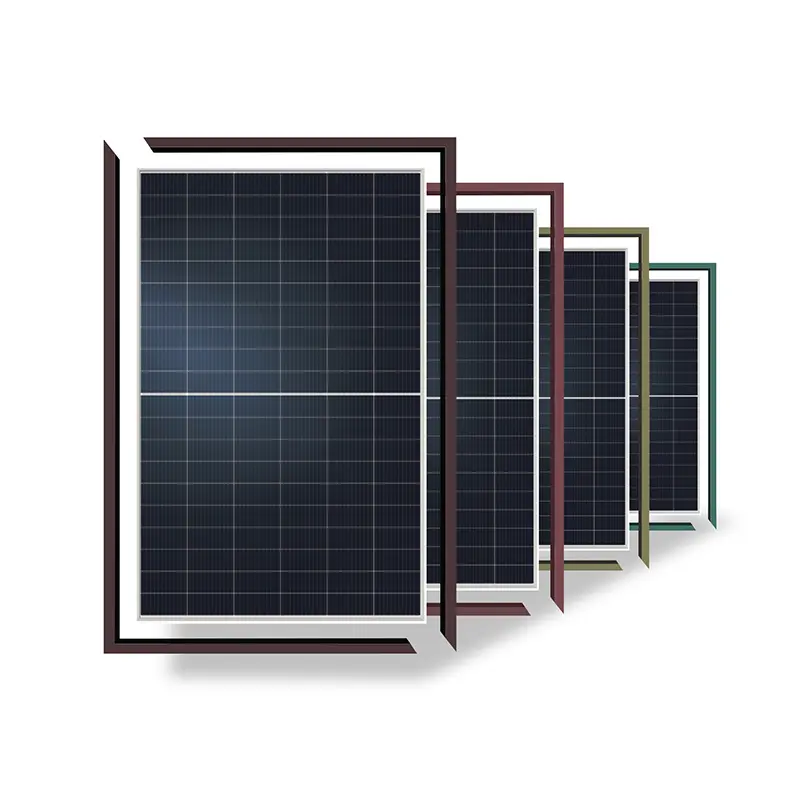
Lightweight design with transparent back panel for easy installation and reduced BOS costs.
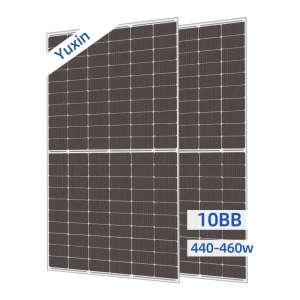
Utilizing advanced monocrystalline silicon cells, it achieves a high energy conversion efficiency of 24%.
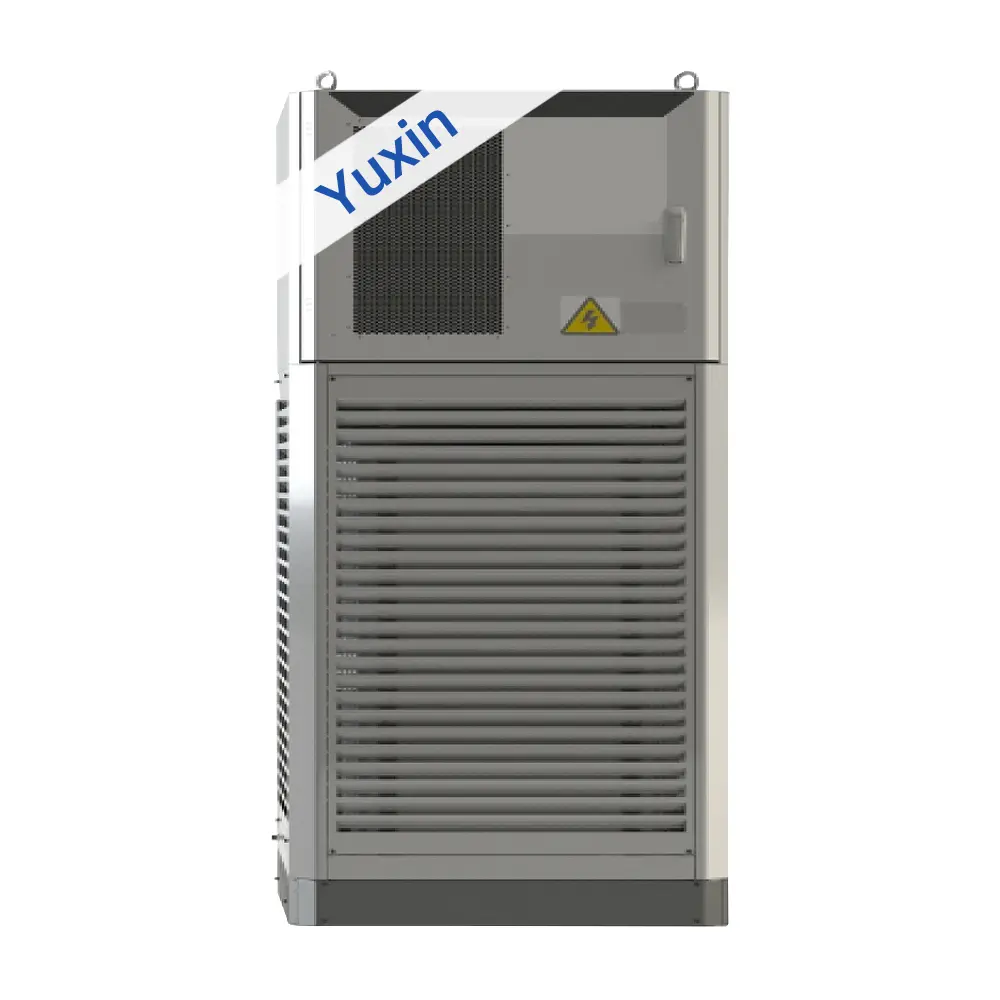
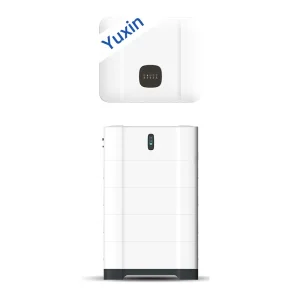
Application modes include grid-connected mode, off-grid mode, and integrated grid-connected/off-grid mode.
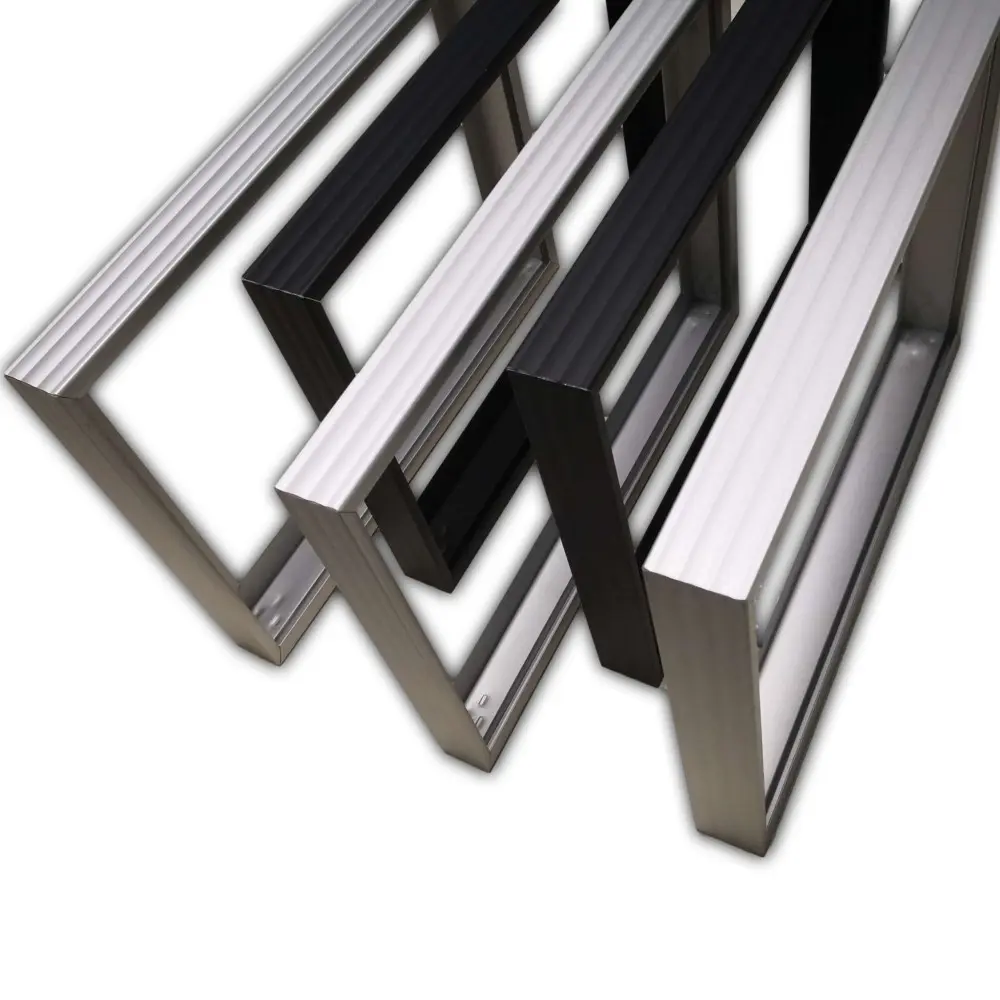
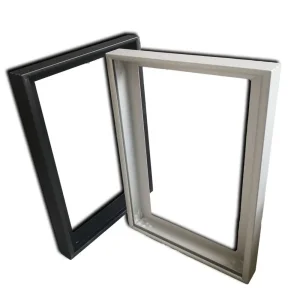
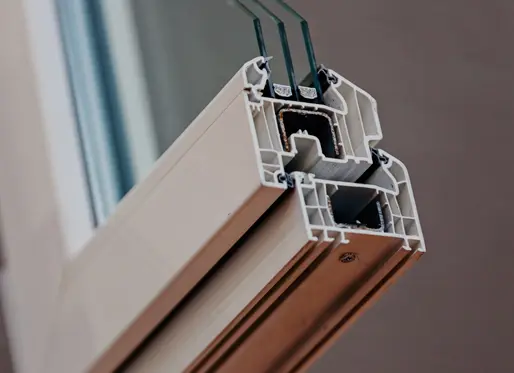
Made of high-quality anodized aluminum, it ensures superior weather resistance and a smooth, long-lasting finish.
Strategic analysis of grid instability across emerging markets and the industrial transition to decentralized energy solutions.
Loadshedding, once localized to a few developing economies, has transformed into a critical global bottleneck for Commercial and Industrial (C&I) operations. Rapid industrialization, aging electrical grids, and extreme climate events have placed unprecedented stress on national transmission networks. From Sub-Saharan Africa (notably South Africa's persistent utility crises) to Southeast Asia and parts of Central America, grid downtime directly correlates to severe production losses, broken supply chains, and ballooning operational expenses from diesel generation.
As standard diesel generator fuel costs climb and environmental mandates become more stringent, multinational corporations are shifting rapidly toward clean energy contingency solutions. Modern industrial facilities require smart, resilient microgrids that combine high-yield photovoltaic (PV) generation with hybrid battery storage systems (BESS). These installations mitigate voltage dips, provide seamless power crossovers during blackouts, and guarantee that critical operations run without interruption.
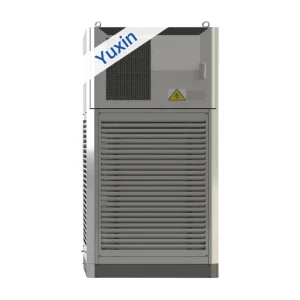
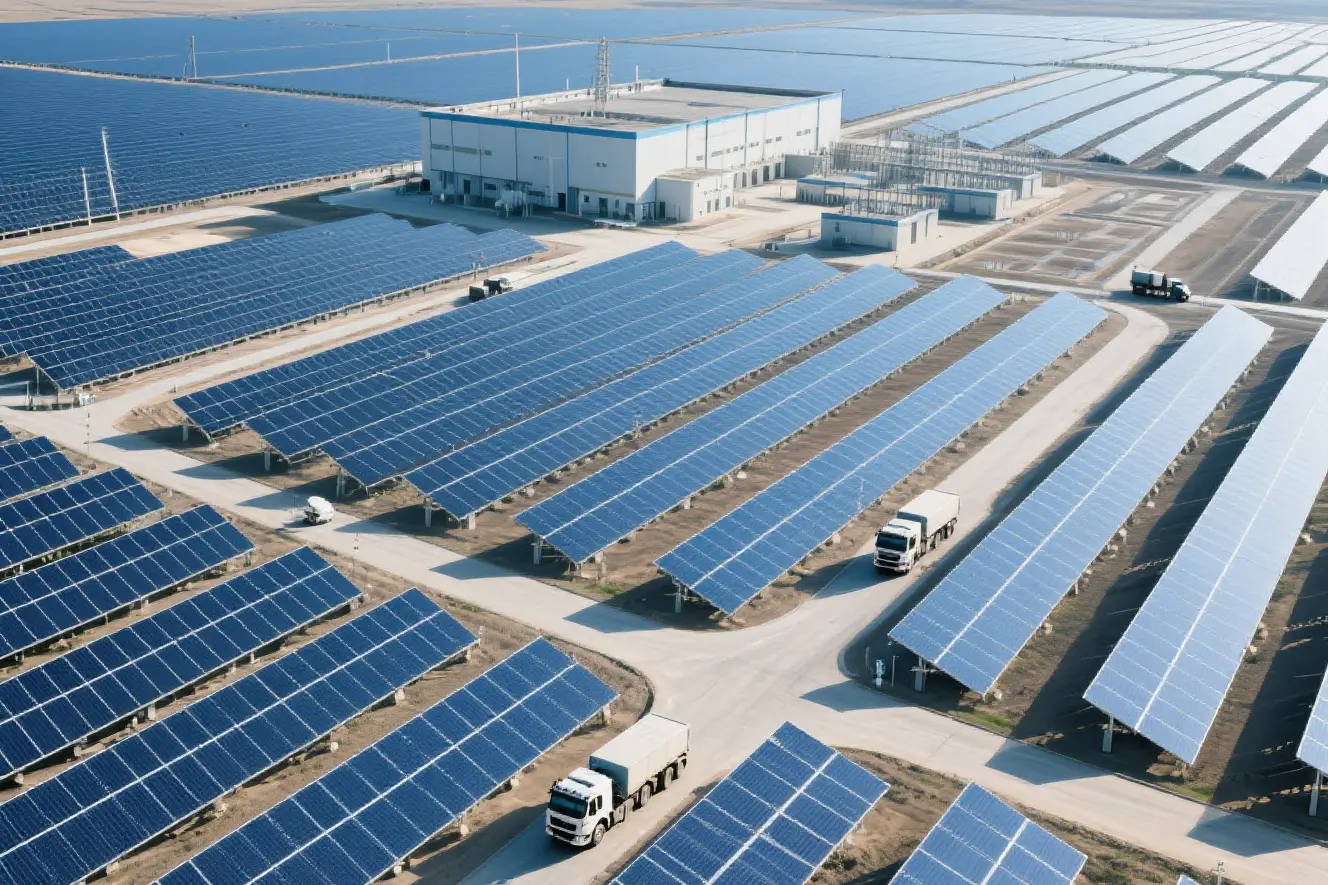
The bottom-line logic of investing in PV-based backup systems goes beyond basic emergency preparedness. Advanced modular ESS cabinets, such as the P01-EC60-30K Commercial Storage system, allow companies to engage in peak shaving and load shifting. By capturing energy during low-tariff hours (or directly from solar modules during peak sunshine) and discharging during peak utility tariff periods or grid blackouts, industrial customers can expect rapid ROI alongside robust power stability.
Deploying hybrid multi-mode solar systems enables three key operational advantages: absolute grid autonomy during critical outages, mitigation of grid-tie power quality issues (harmonic distortion and voltage sags), and active participation in virtual power plants (VPPs) where regulatory frameworks permit.
Precision, Quality, and Safety - Your Photovoltaic Materials Expert
Located in the scenic historical and cultural ancient city of Yangzhou, close to the Beijing-Shanghai Expressway, Runyang Yangtze River Bridge, and Ningqi Railway, the group has a superior geographical location and convenient transportation. The group was established in 2008 and has 14 multi-field companies under its jurisdiction, including Jiangsu Yuxin New Energy Technology Co., Ltd., and has won many titles such as National High-tech Enterprise, Technology-based Enterprise, and Gaoyou City Top 100 Private Enterprises.
How deep supply chain integration, massive economies of scale, and advanced robotics deliver unmatched value to global buyers.
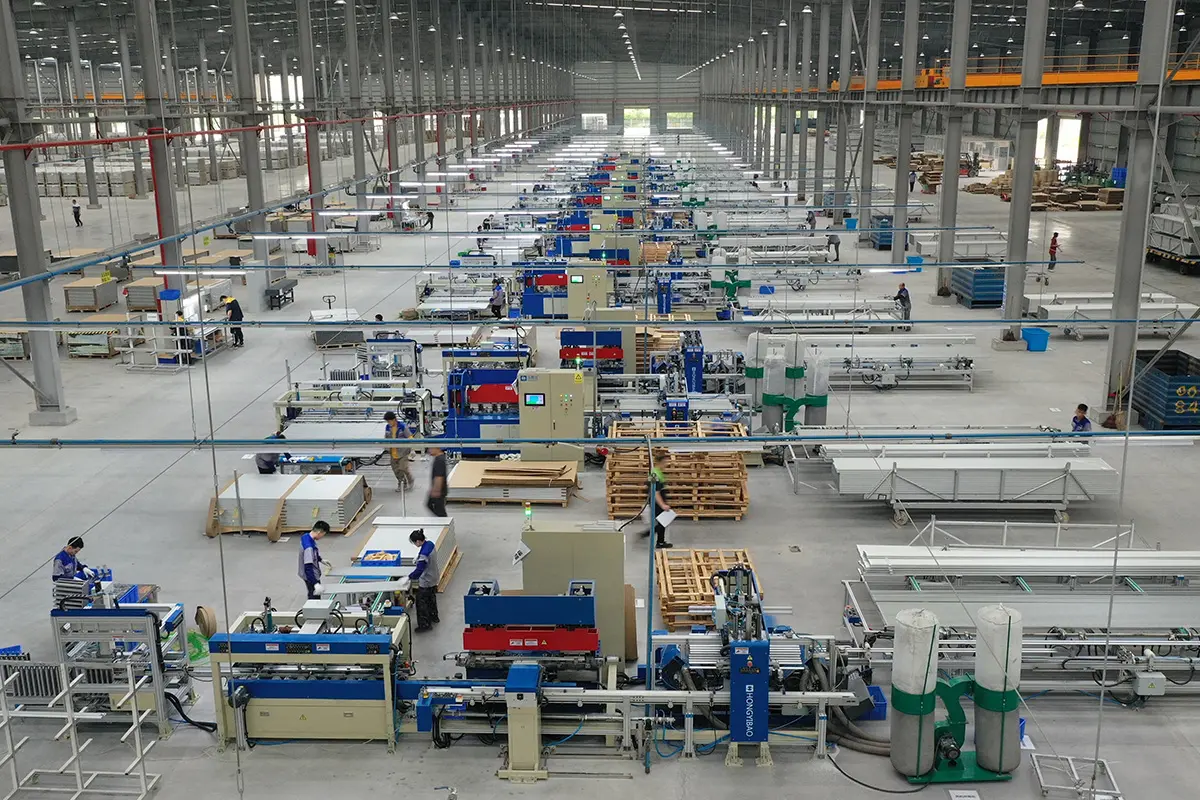
From sourcing primary aluminum ingots and local extrusion of 6063-T5 profiles to advanced stringing of 16BB cells, China's solar cluster minimizes material transit times and logistic overheads. This structure ensures strict quality control at every interface.
Automated EL (Electroluminescence) testing, laser dicing, and robotic framing reduce human error to near zero. Every batch of 144 half-cell panels undergo high-resolution optical checks to detect micro-cracks before lamination.
Yangzhou's strategic position near Shanghai and Ningbo ports guarantees rapid freight booking and container loading. Our facility leverages high-tonnage extrusion lines and high-output laminators to maintain consistent turnaround times even during peak demand seasons.
Real-world integration of off-grid backup systems, high-efficiency panels, and lightweight energy modules across key sectors.
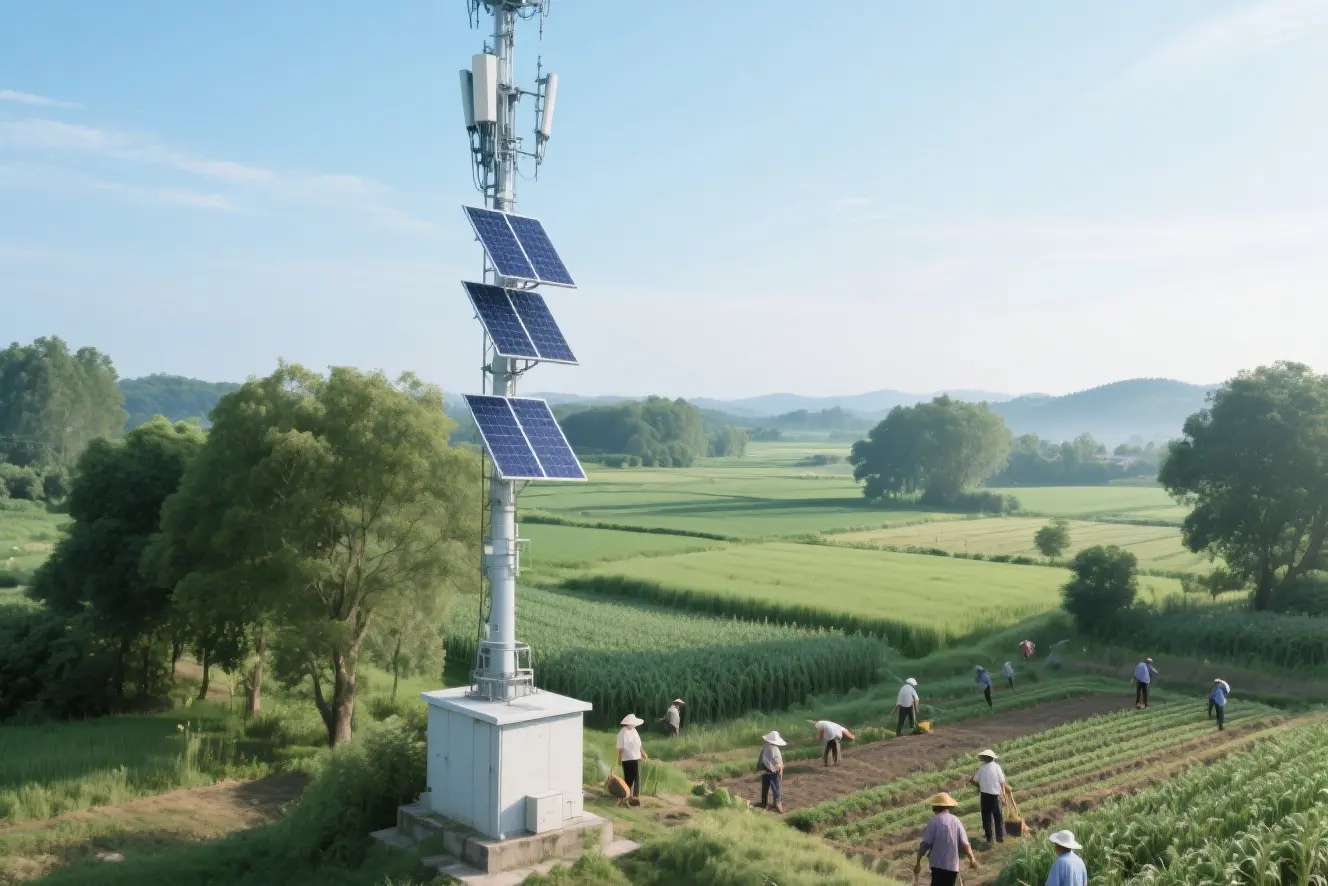
Cellular base stations and remote data relays require 99.999% uptime. Grid power cuts can lead to immediate localized communication outages. Utilizing modular energy storage units paired with 530W–590W solar panels ensures these installations remain fully online. For off-grid remote towers, deploying sustainable polyurethane pultruded composite frames prevents material breakdown under high salinity or industrial air pollution, guaranteeing structural stability for decades.
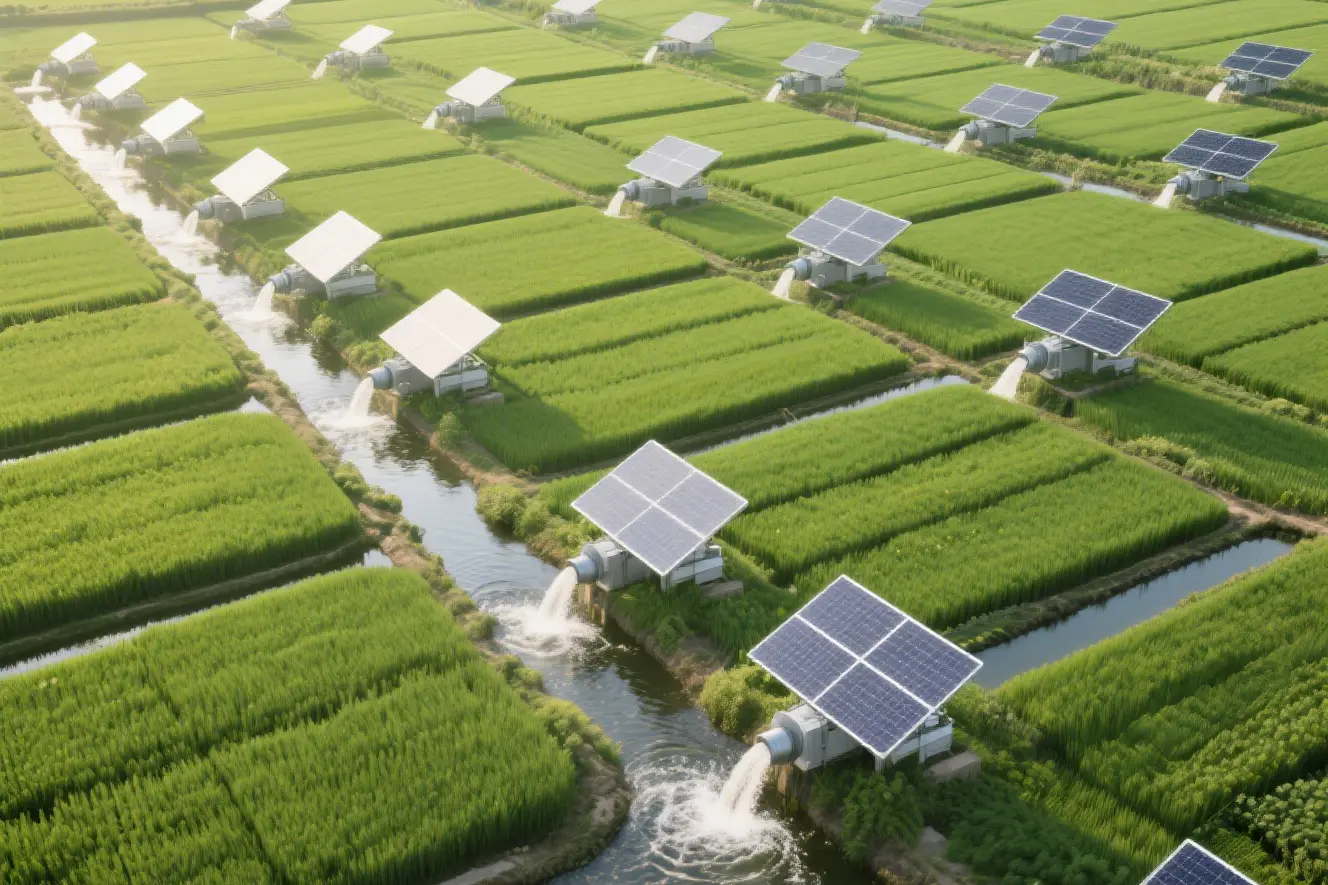
Irrigation pumps, cold storage centers, and automated livestock operations suffer significantly under unpredictable power schedules. Our hybrid off-grid solar systems allow modern agricultural hubs to run high-voltage machinery directly during sunshine hours while simultaneously charging integrated LFP battery banks for overnight operations. Our highly-durable aluminum mounting frames resist heavy soil moisture corrosion and high wind loads typical of open-field installations.
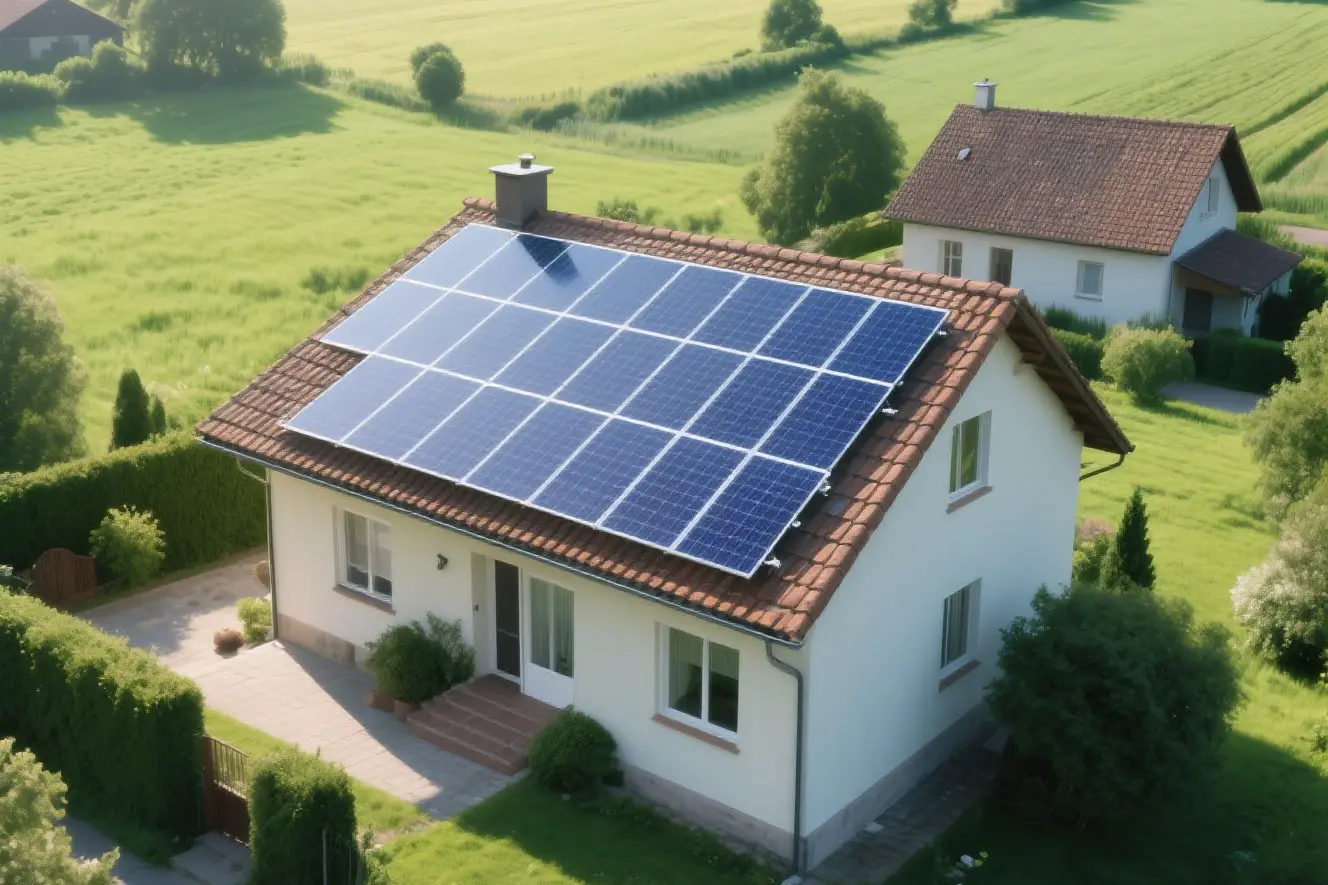
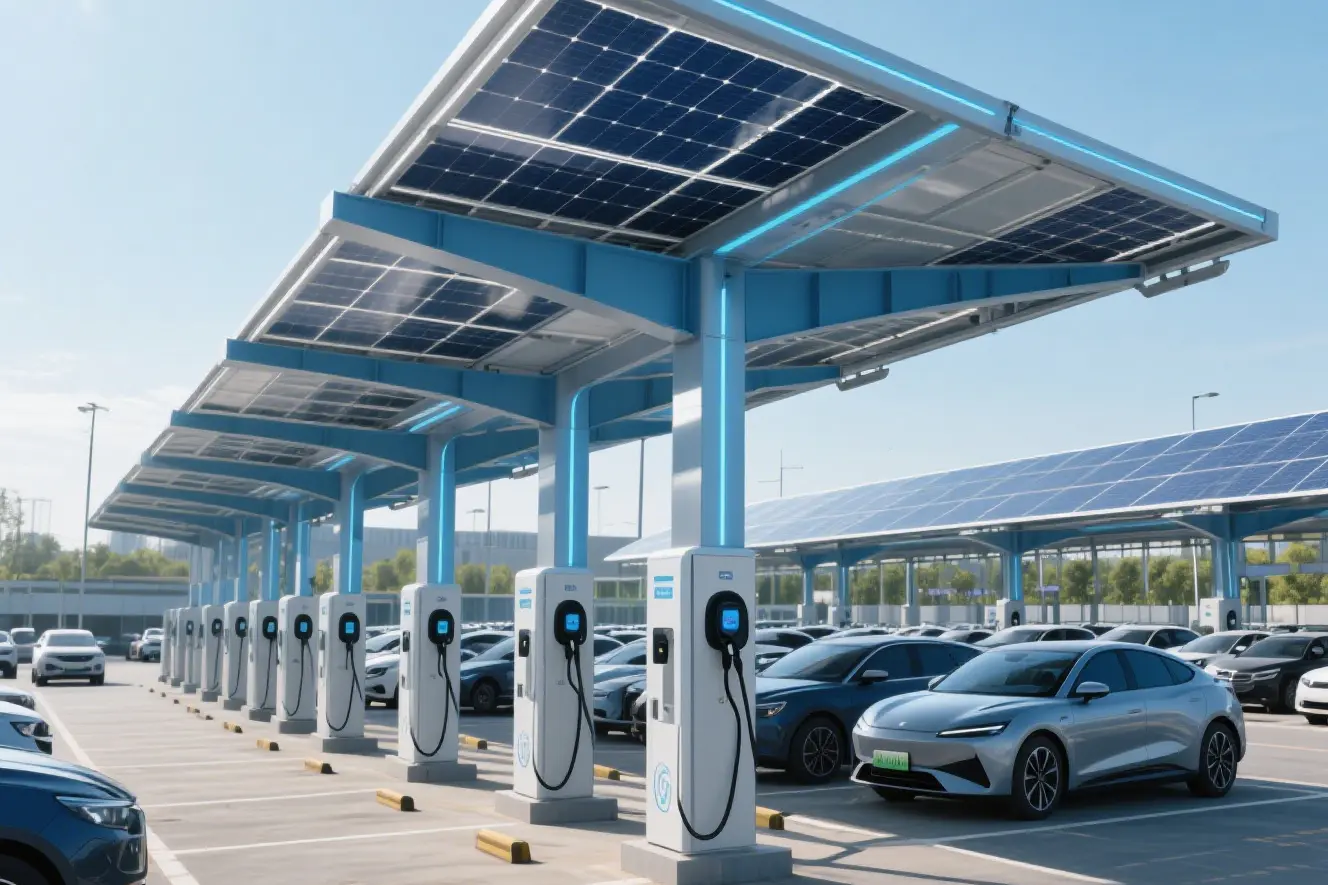
High-rise corporate headquarters and urban shopping malls face massive revenue risk during blackout periods. The transition from large, noisy diesel generators to roof-mounted bifacial TOPCon solar panels combined with indoor lithium storage racks reduces both operating noise and fuel costs. Furthermore, integrating smart EMS software allows systems to shift energy loads during peak tariffs, maximizing savings even when the grid is functional.
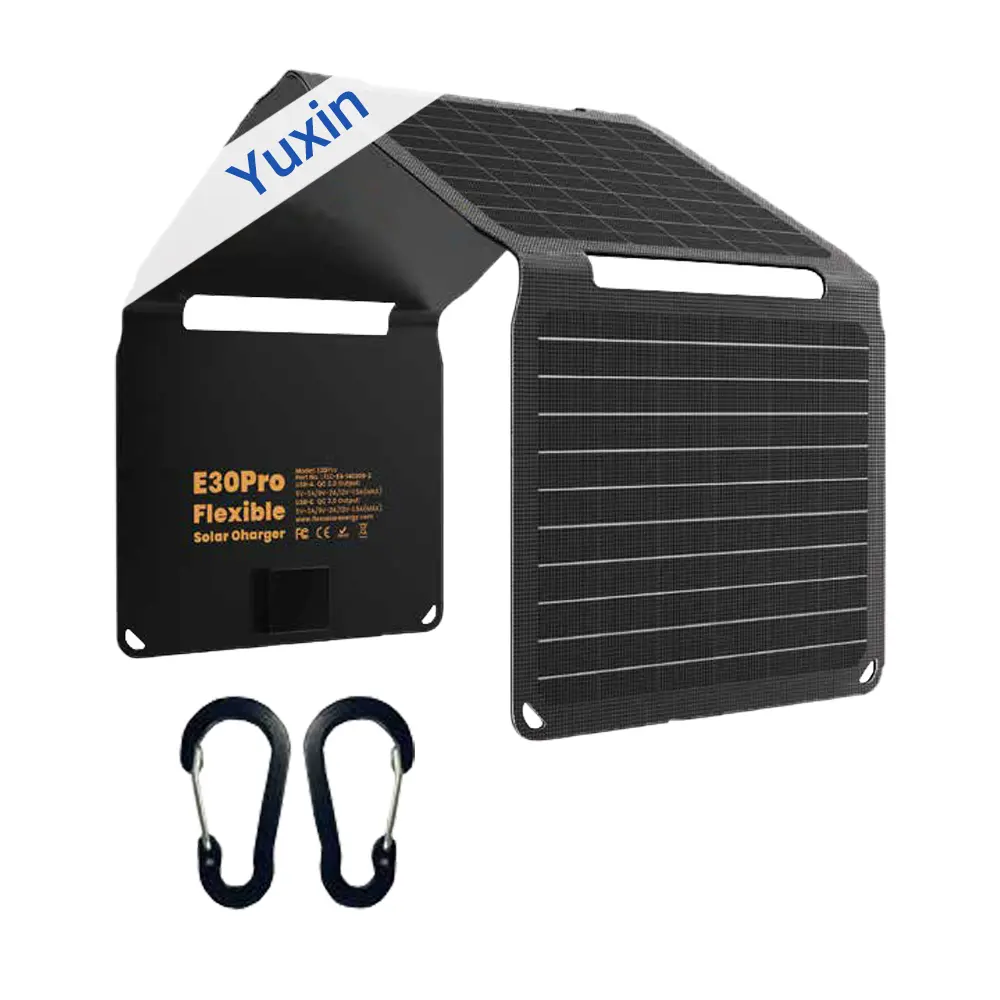
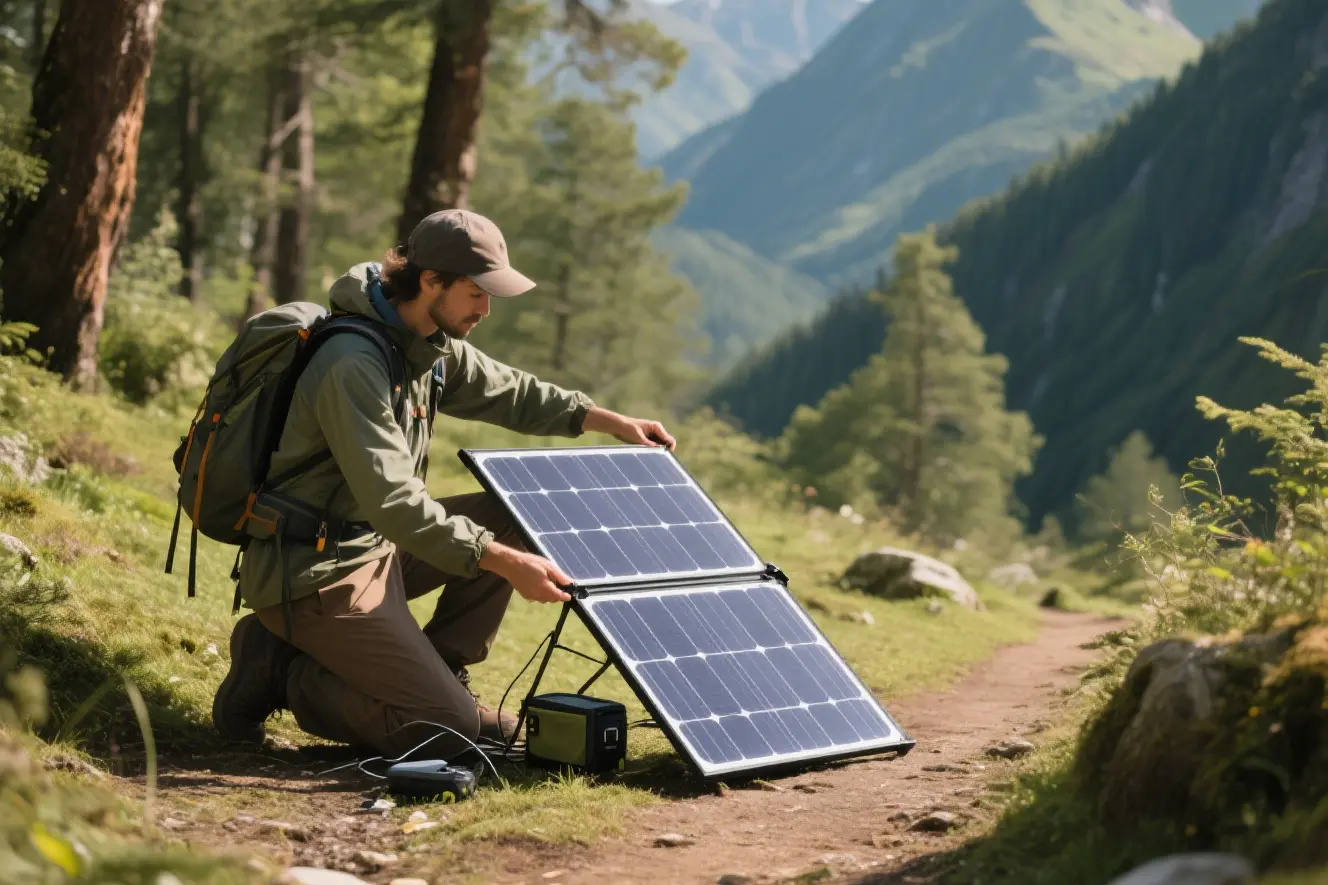
Emergency medical personnel, scientific researchers, and mobile workforces rely heavily on localized electricity. Lightweight portable generators (such as the 240W high-efficiency waterproof units) combined with 30W/60W integrated solar hiking backpacks ensure critical communication gear, satellite phones, and portable monitoring sensors remain operational during prolonged grid failures.
Where Yuxin's photovoltaic modules and structural materials deliver long-term value.
Technical evaluation parameters and quality metrics that purchasing managers must verify before choosing a backup solution partner.
When sourcing utility-scale or industrial-grade load shedding backup hardware, purchasing agents must look past simple price-per-watt estimates. Levelized Cost of Energy (LCOE) is heavily influenced by equipment longevity and system efficiency under high temperatures.
To secure accurate engineering projections and volume pricing, ensure your RFQ contains detailed data on local solar irradiation profiles, average blackout duration patterns, grid integration restrictions, and local structural wind-load codes.
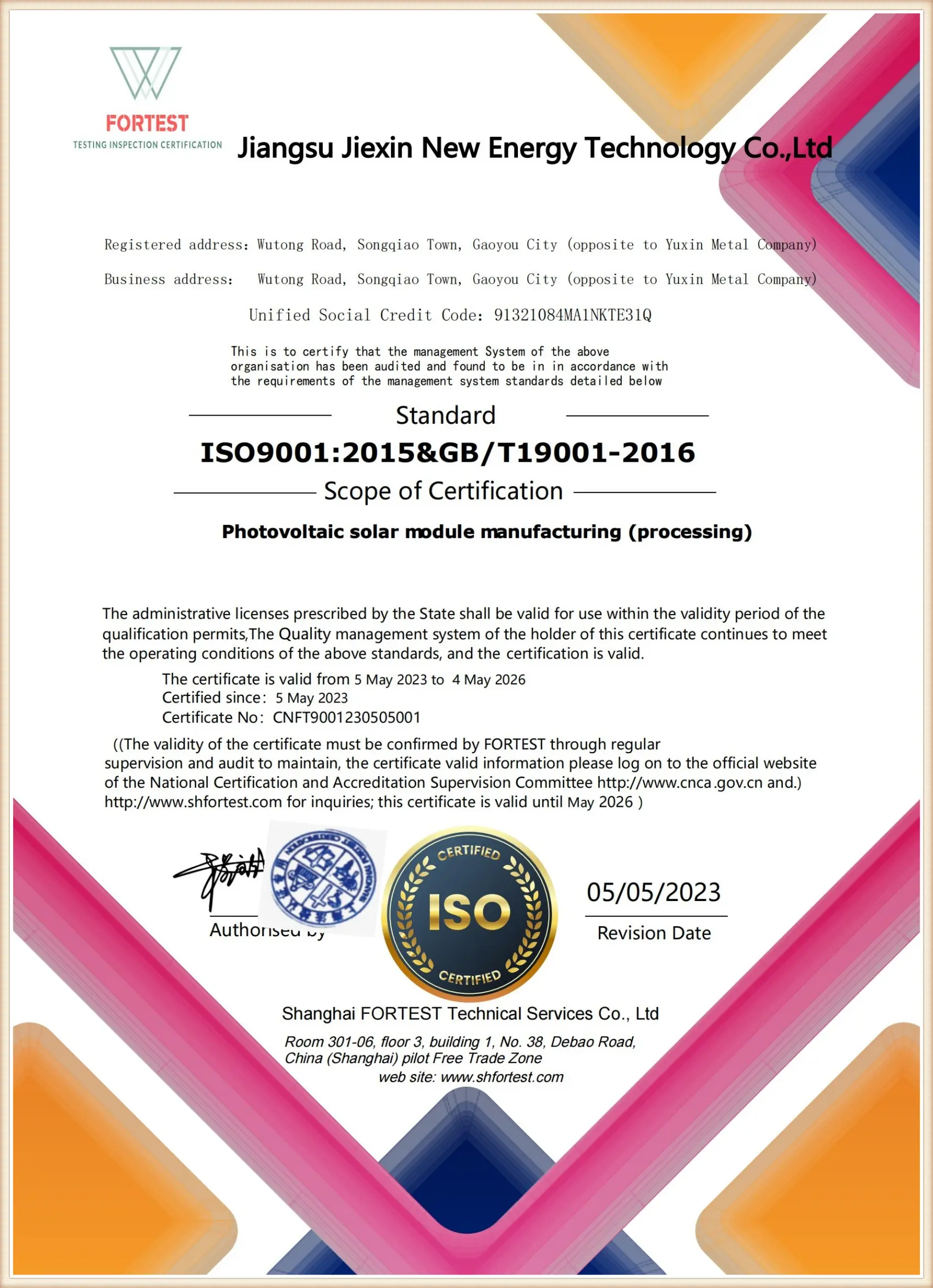
Our commitment to rigorous industrial testing and international compliance standards.
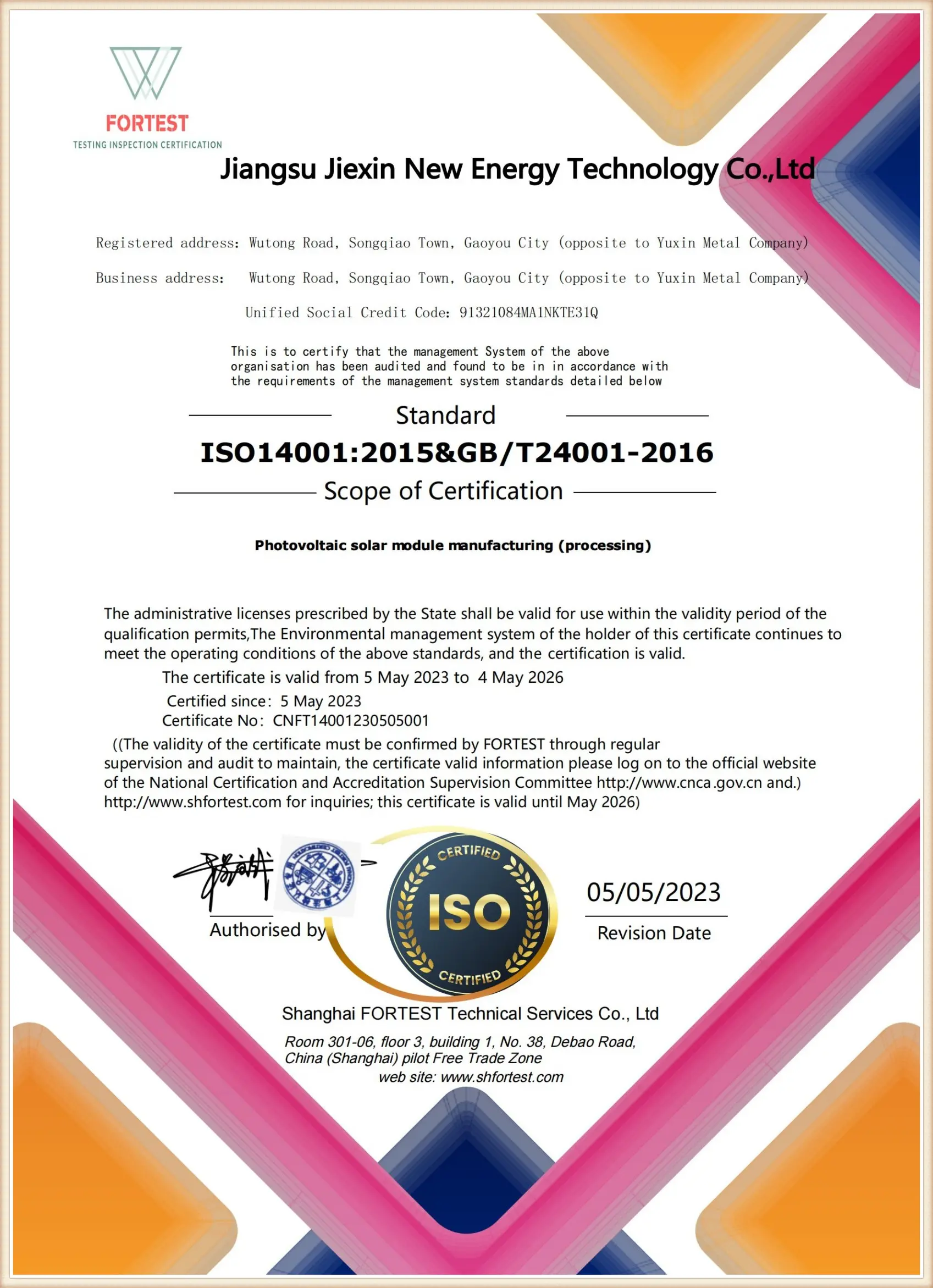
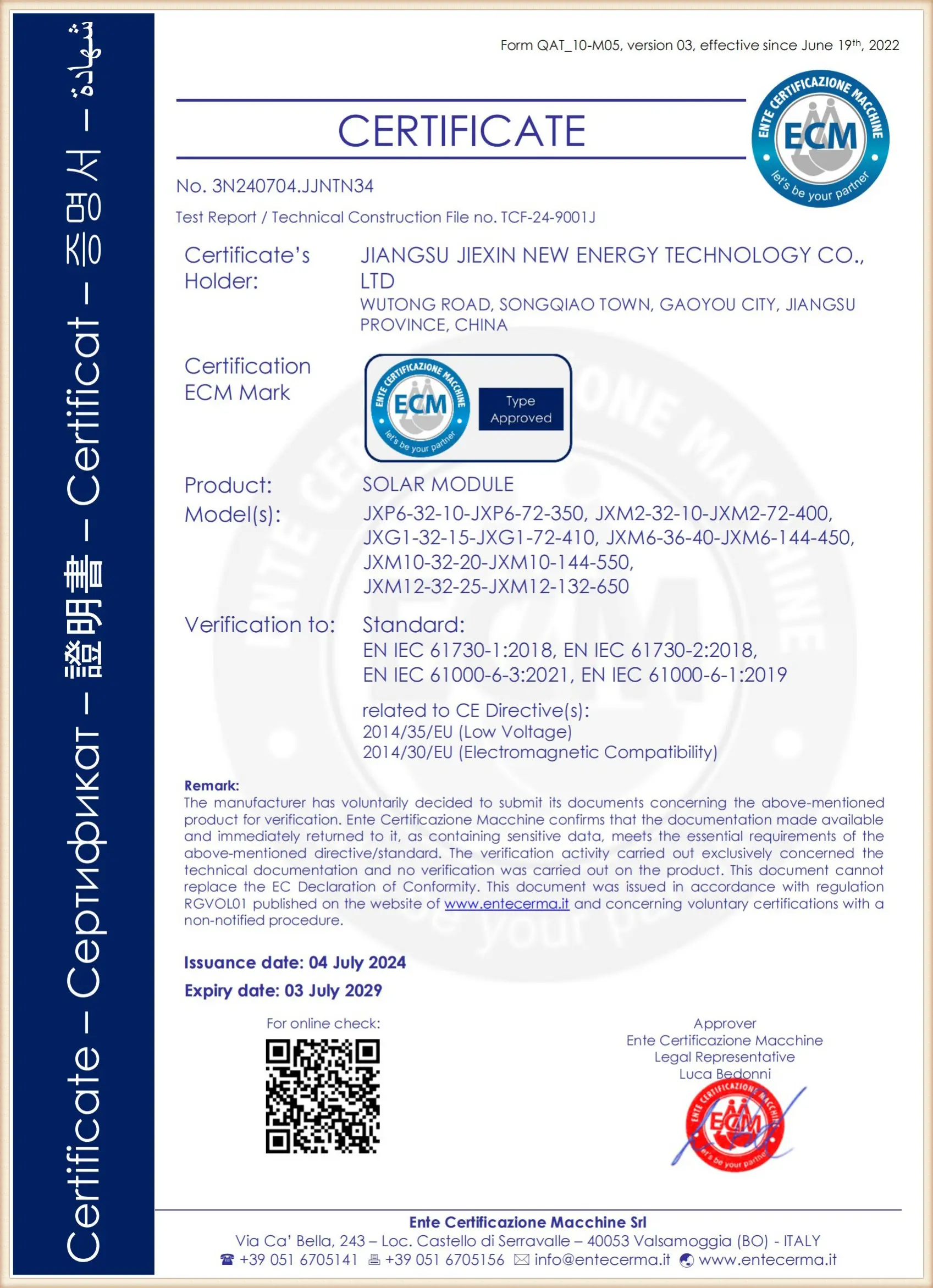
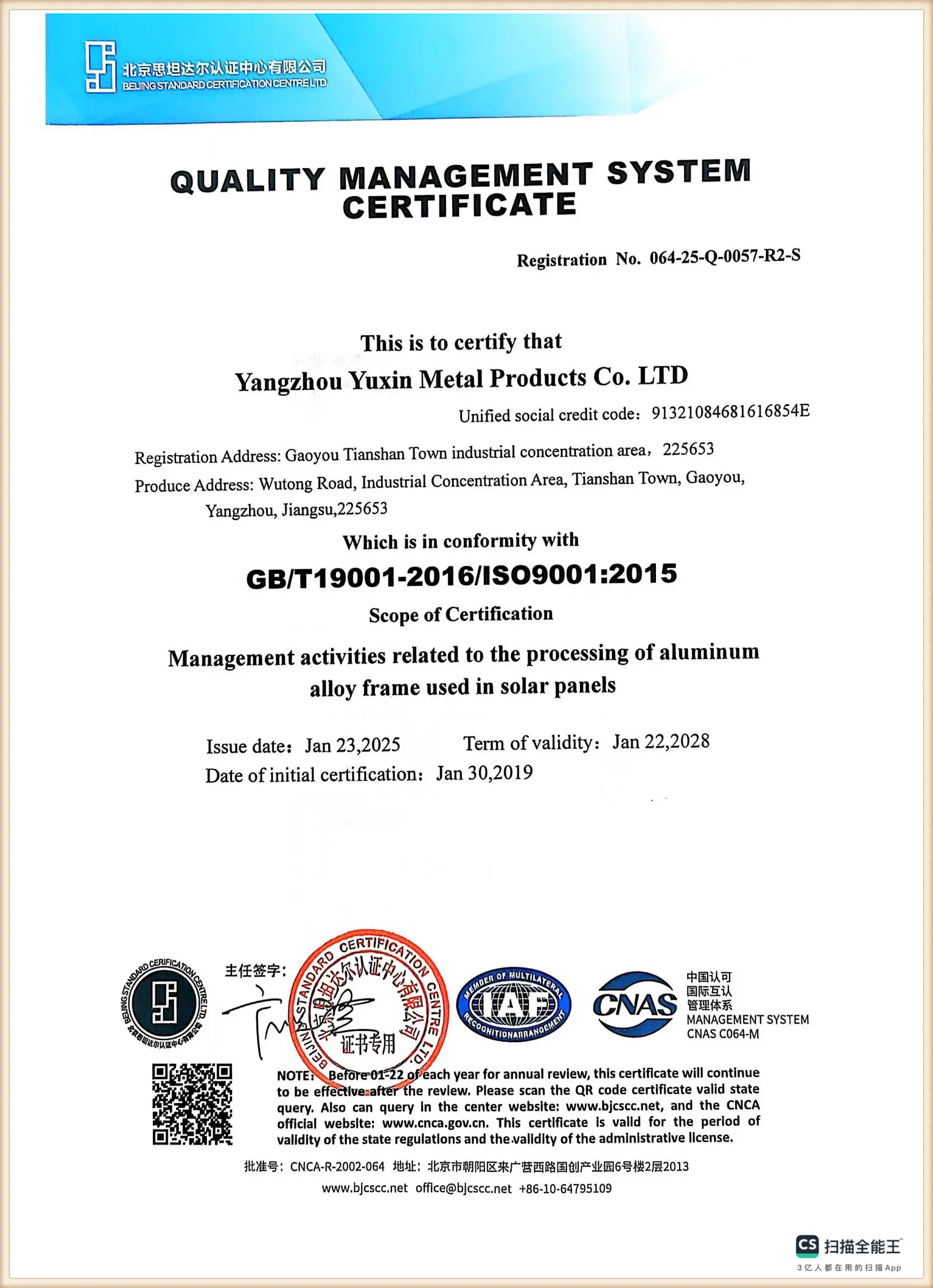
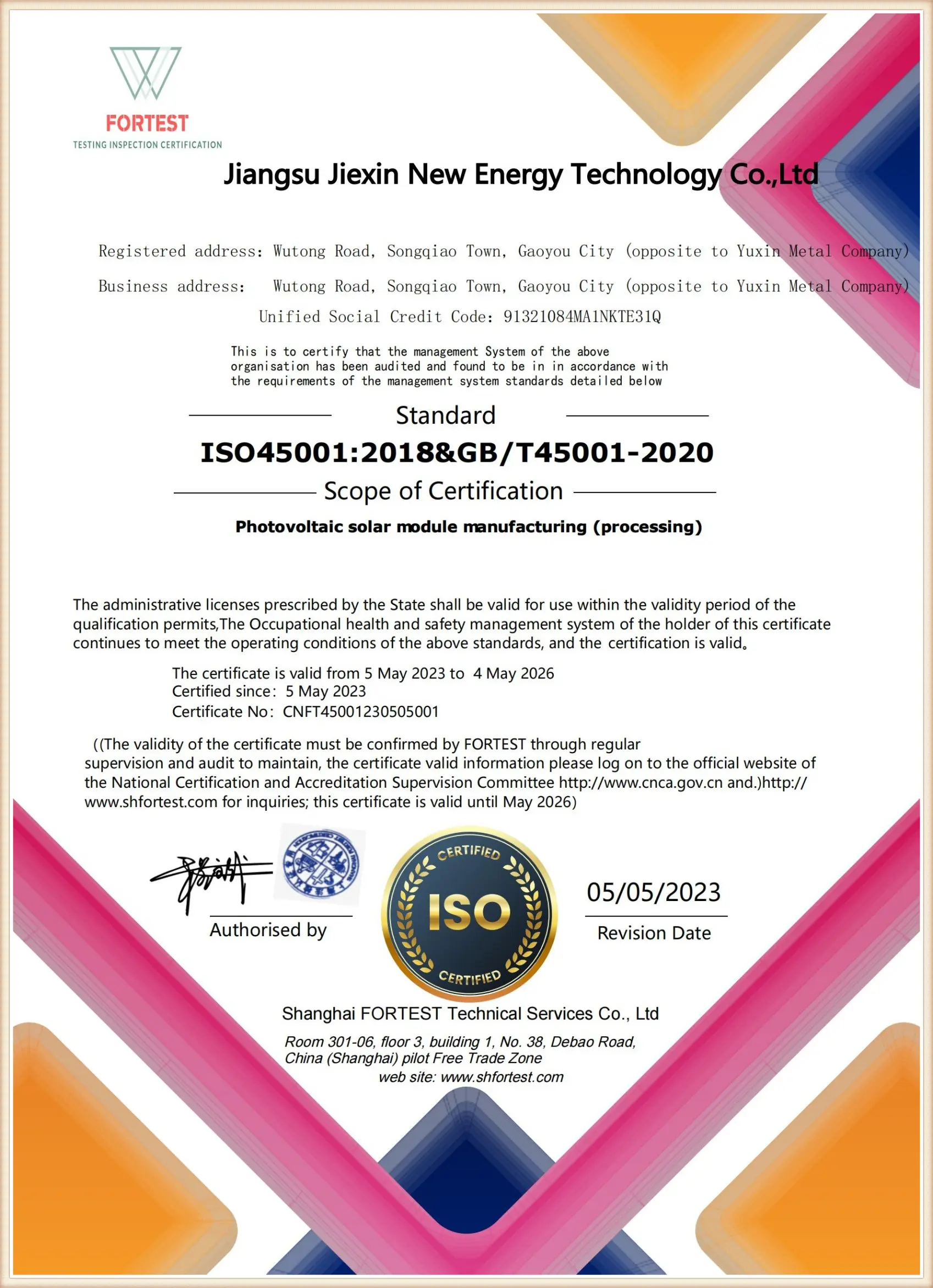
Collaborating with leading enterprises to build a reliable global solar supply chain.


Expert engineering insights regarding load shedding backup solutions, sizing, and procurement.
Keep pace with solar mounting technologies, quality control benchmarks, and raw material innovations.
Direct wholesale lines for international energy consultants, procurement managers, and utility system integrators.