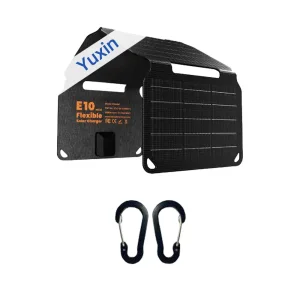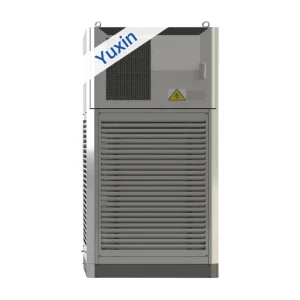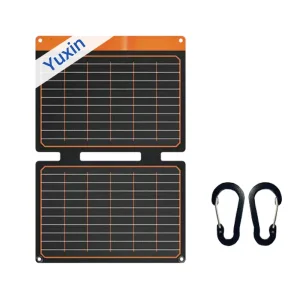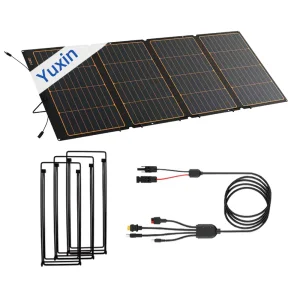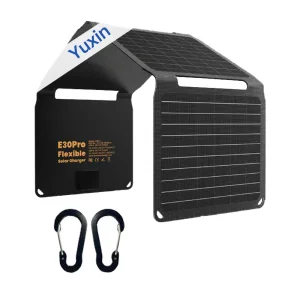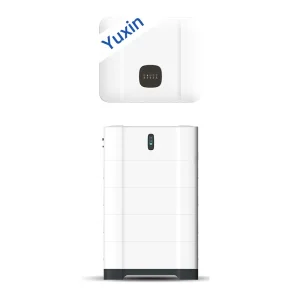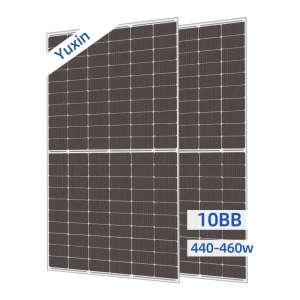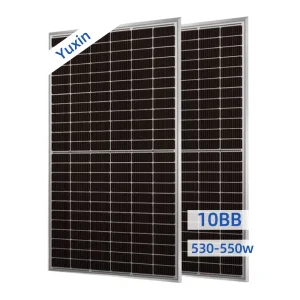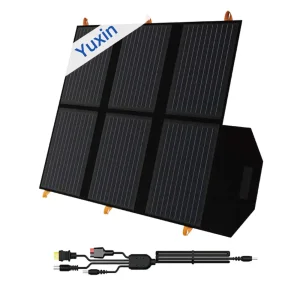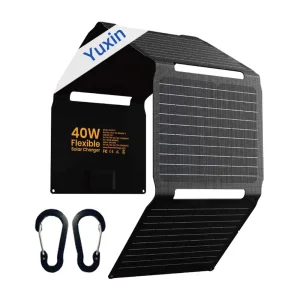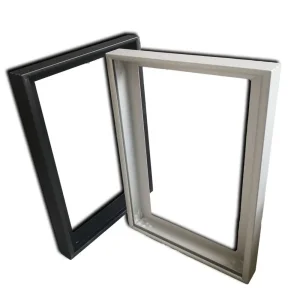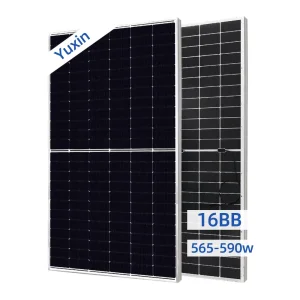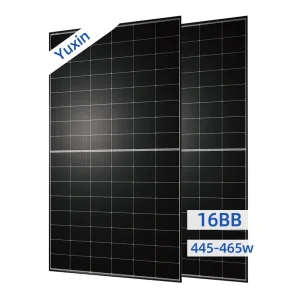
Explore our industrial-grade high-efficiency solar modules, composite structures, and personal power devices engineered for reliable operation in extreme environments.
When deploying mobile solar arrays for vehicle mounting, expedition fleets, and overland platforms, engineers must choose between structural fixed modules and flexible laminates. While flexible configurations conform to curved surfaces, they are susceptible to thermal degradation, hot-spots, and structural micro-cracking caused by wind-induced micro-oscillations.
The Best Fixed Solar Panels for Camping utilize rigid, structural anodized aluminum or advanced pultruded polyurethane composite frames paired with high-transparency tempered glass cover sheets. This configuration creates a critical convective air-gap beneath the module. Operating temperature coefficient penalties represent the primary cause of lost yield in real-world environments. For every degree Celsius above STC (Standard Test Conditions, 25°C), typical P-type or N-type cells lose approximately 0.34% to 0.38% efficiency. An elevated fixed panel allows ambient air to flow underneath, preventing heat-soak and delivering up to 15-20% higher cumulative daily energy harvest compared to direct flush-mounted flexible panels.
Rigid, fixed solar panels withstand high kinetic winds (up to 2400 Pa wind loads and 5400 Pa snow loads) encountered on vehicle roof racks. Conversely, flexible configurations lack mechanical isolation, transferring structural flex and vibration stress directly to the fragile silicon crystal structures, leading to micro-fracturing and premature cell path failure.
For rugged B2B deployments, municipal utility fleets, mobile command units, and expedition vehicles, choosing fixed silicon modules is the standard for long-term investment protection. With heavy-duty frames and IP68 bypass-diode protected junction boxes, fixed systems remain operational for decades, outlasting flexible counterparts by a factor of four.
Located in the historical and industrial manufacturing hub of Yangzhou, China (strategically positioned close to the Beijing-Shanghai Expressway, Runyang Yangtze River Bridge, and Ningqi Railway), the YUXIN group has established a highly integrated supply chain ecosystem. Established in 2008, the group coordinates 14 specialized industrial subsidiaries including Jiangsu Yuxin New Energy Technology Co., Ltd.
Distinguished as a National High-tech Enterprise, Technology-based Enterprise, and honored in the Gaoyou City Top 100 Private Enterprises, YUXIN specializes in fabricating high-strength solar module structural profiles, high-efficiency monocrystalline solar panels, and complete household and commercial smart energy storage ecosystems.
Advanced Quality Control via In-Line EL Testing, Thermal Cycling Chamber Audits, and Precision Mechanical Loading Assemblies.
The expansion of clean energy solutions across global transport infrastructures has changed the demand profile for off-grid PV architectures. No longer confined to residential rooftops, micro-generation modules must now meet rugged logistics and transport specifications. In Europe and North America, regulatory mandates for commercial fleet electrification and low-emission camping spaces have accelerated adoption of heavy-duty, roof-mounted solar components.
The shift toward N-Type TOPCon (Tunnel Oxide Passivated Contact) silicon architectures is a major technological trend. Compared to legacy P-Type PERC cells, TOPCon modules offer superior performance, including:
From a logistics and supply chain perspective, raw material security is crucial. The sourcing of solar frame components—such as pultruded composite structures or anodized aluminum (typically grade 6063-T5 or 6005-T6)—directly determines the lifetime of the installation. In coastal or highly humid environments, salt spray corrosion can quickly degrade standard metals, making marine-grade anodizing or polyurethane composites essential for long-term durability.
TOPCon structures utilize an ultra-thin silicon oxide layer combined with doped polycrystalline silicon. This design minimizes surface recombination and increases cell conversion efficiencies beyond 25.5%.
Replacing traditional aluminum with polyurethane composite pultrusions significantly reduces the structural carbon footprint while eliminating Potential Induced Degradation (PID) risk.
Compatible with MPPT tracking algorithms, modular energy storage systems, and smart distribution units, ensuring high power stability under varying cloud cover.
Direct factory engineering outputs highlighting lightweight frame technologies and advanced silicon applications.
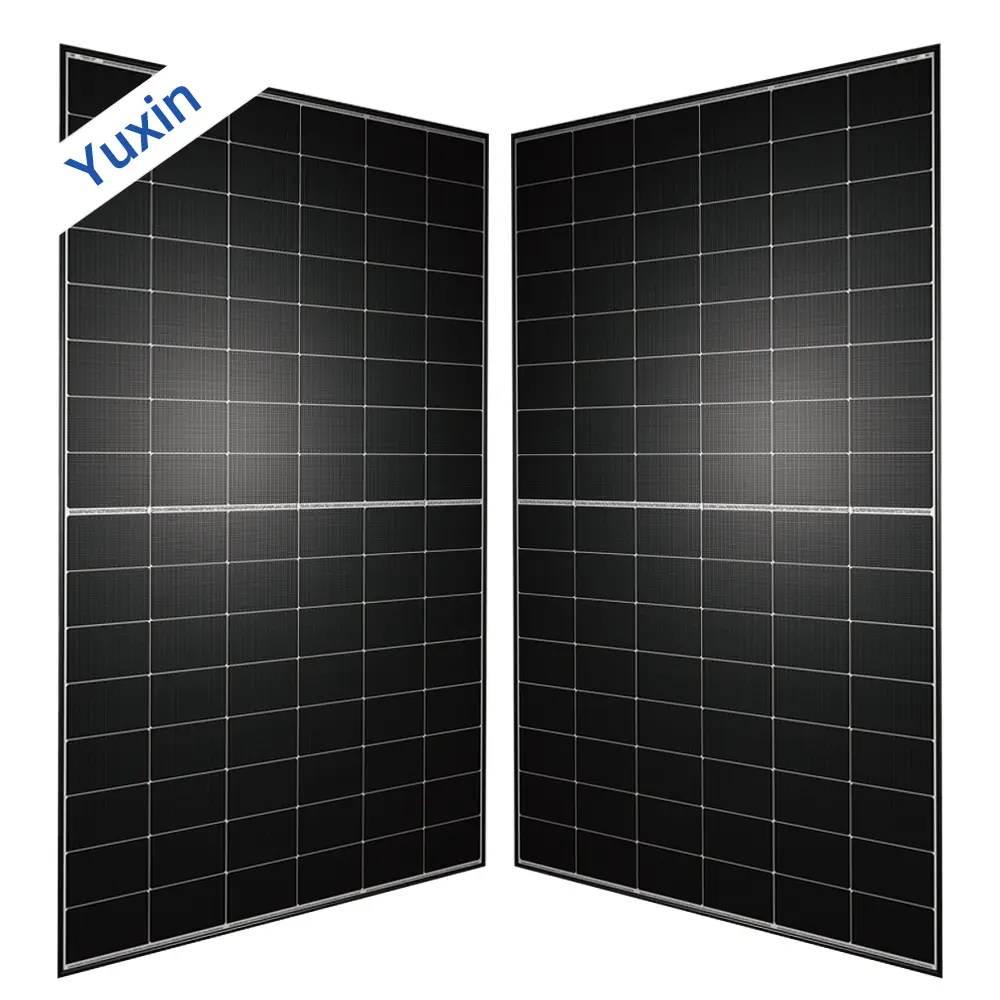
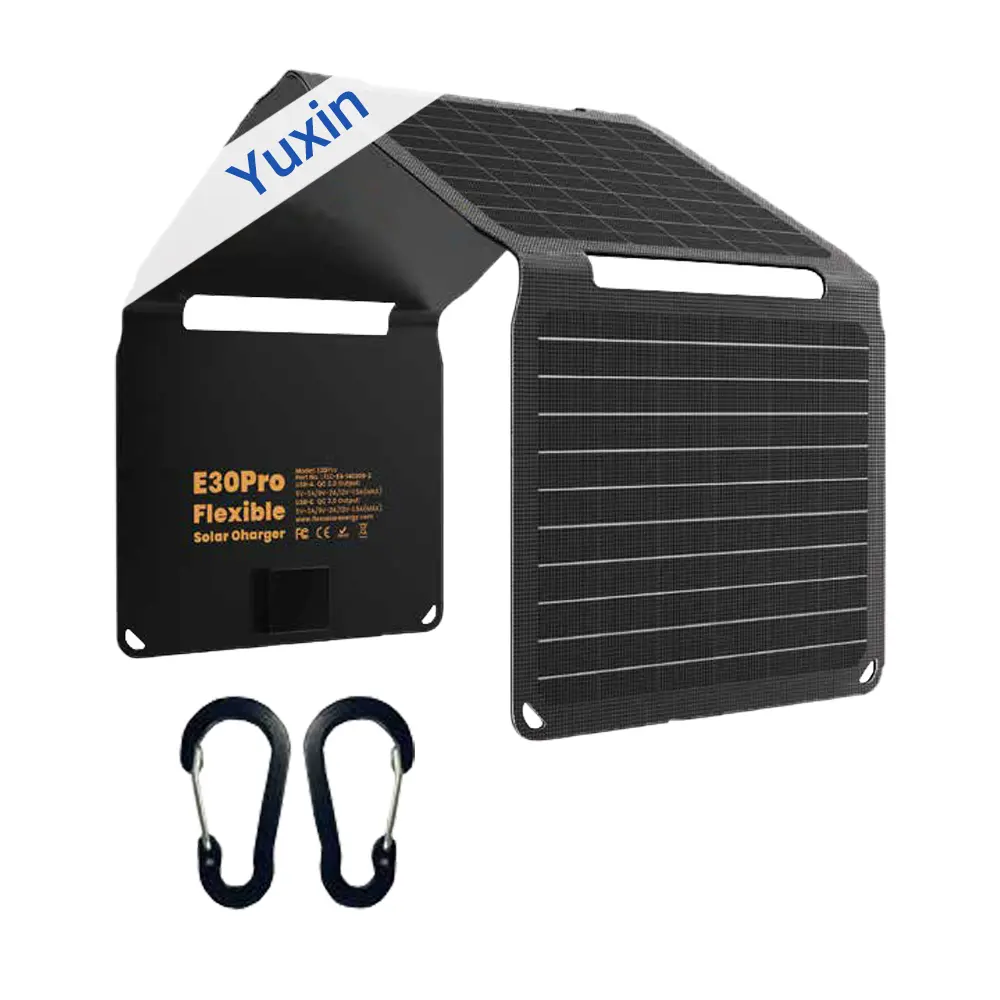

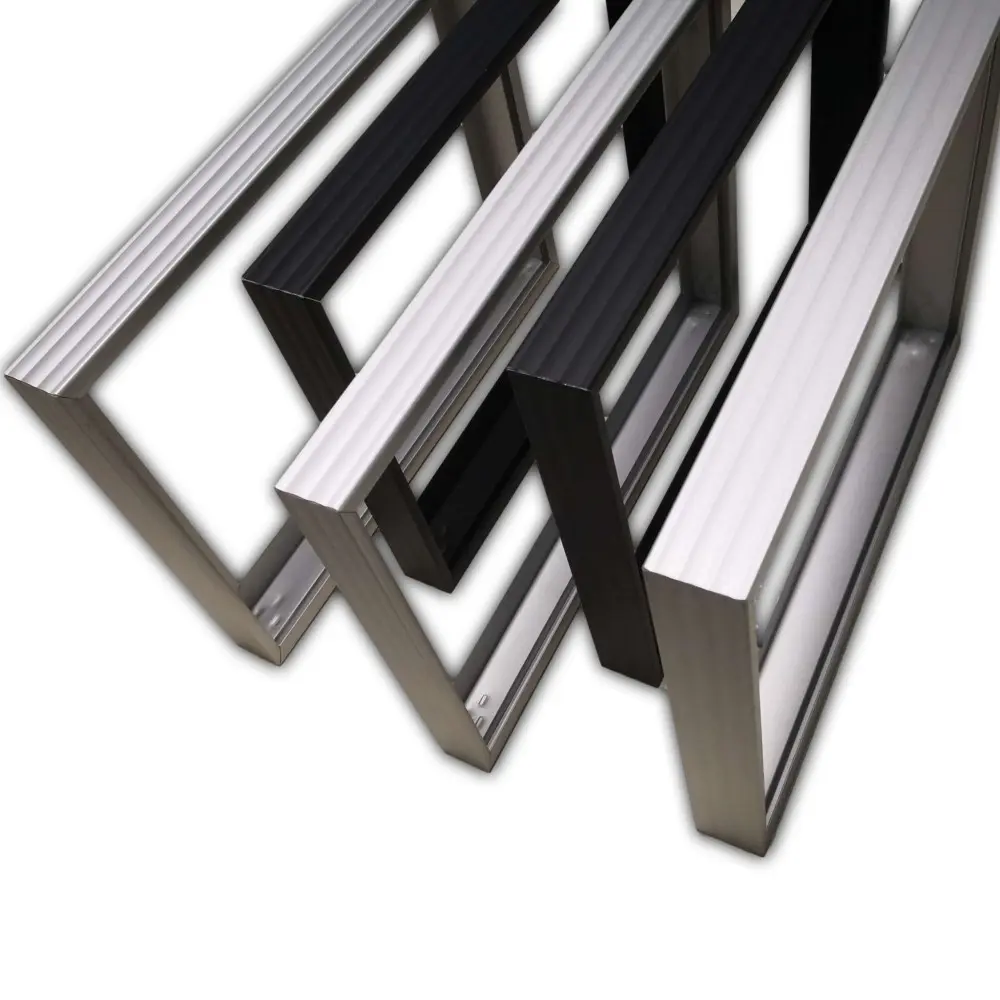
Providing high-yield, reliable photovoltaic power across diverse commercial, environmental, and remote platforms.

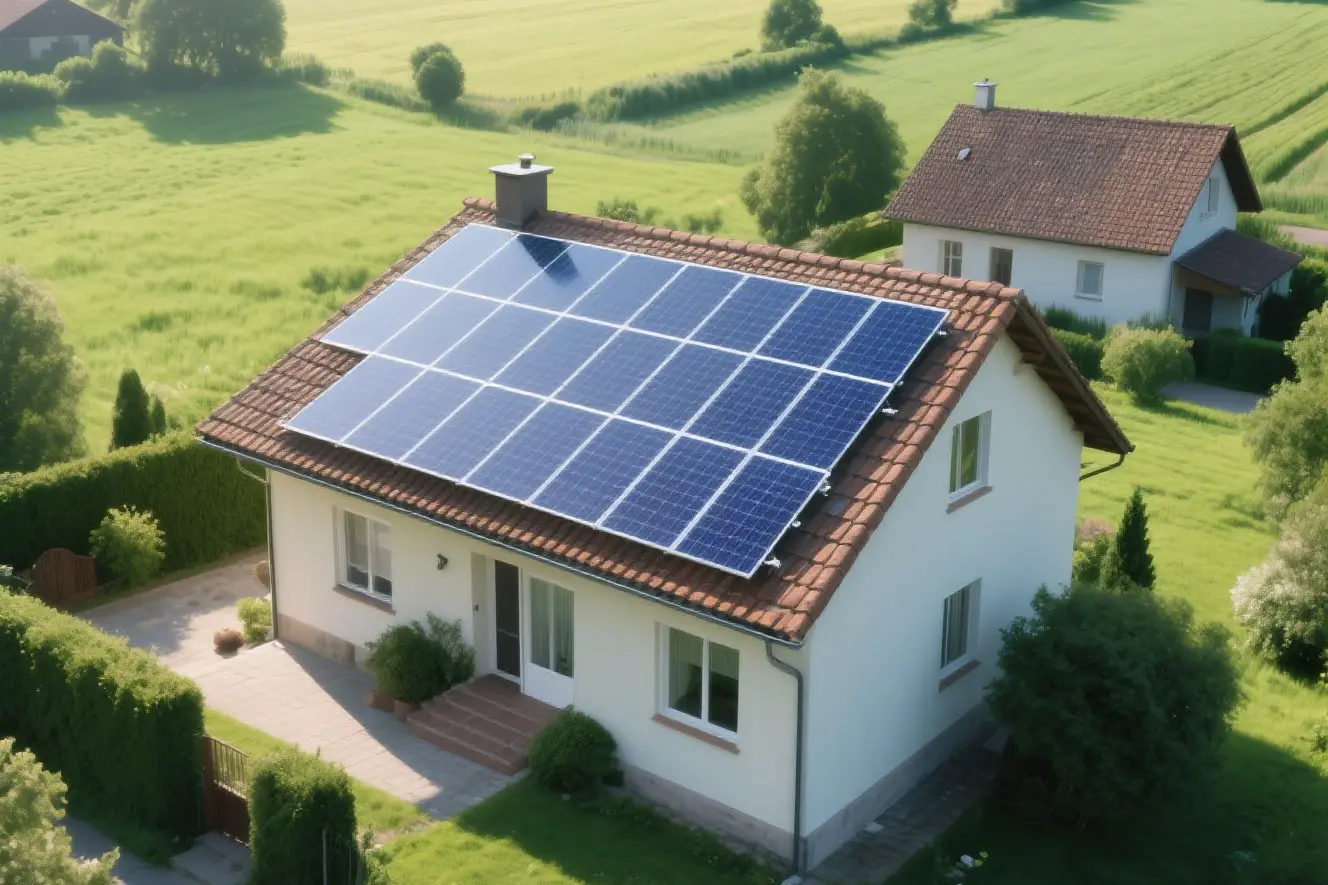
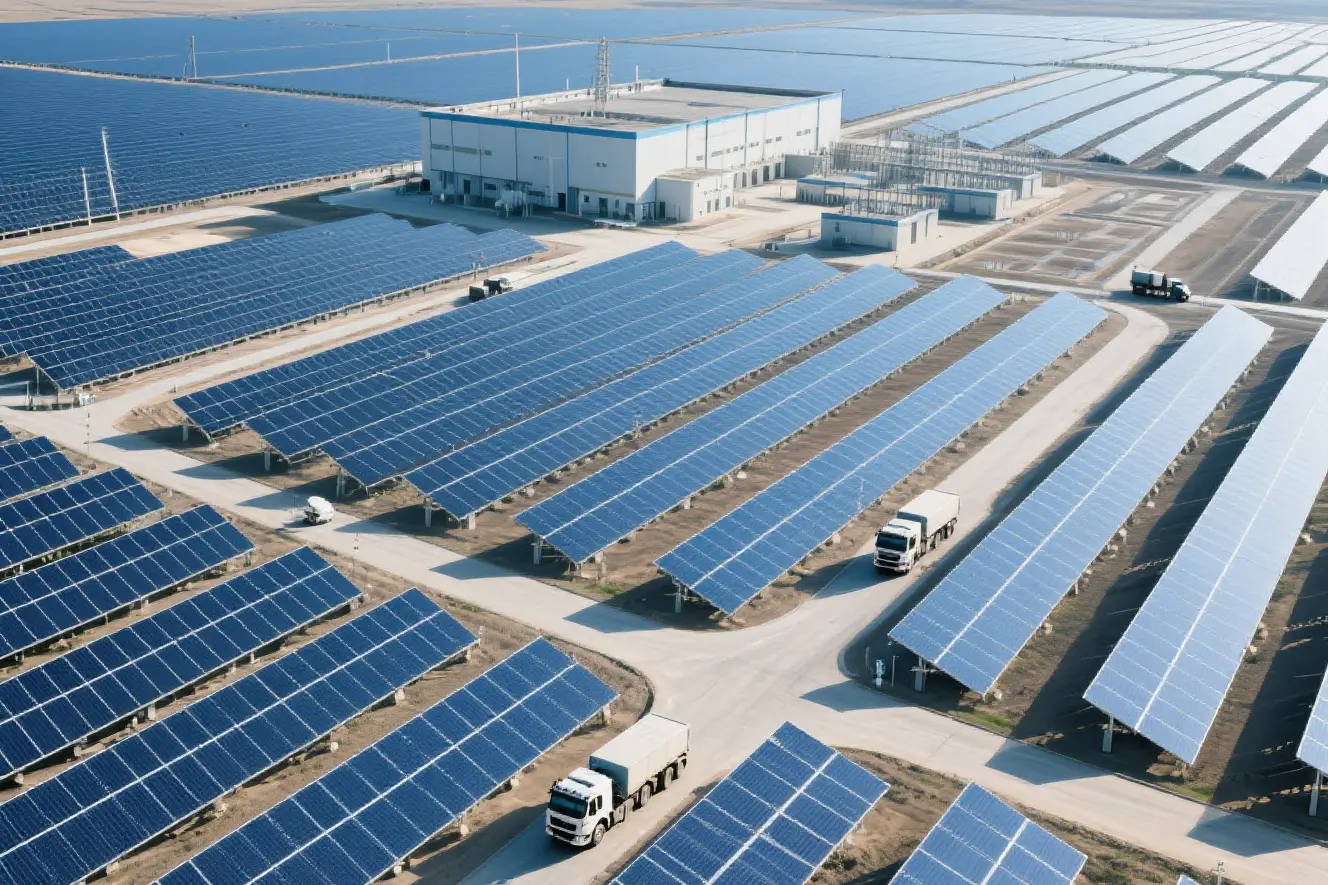
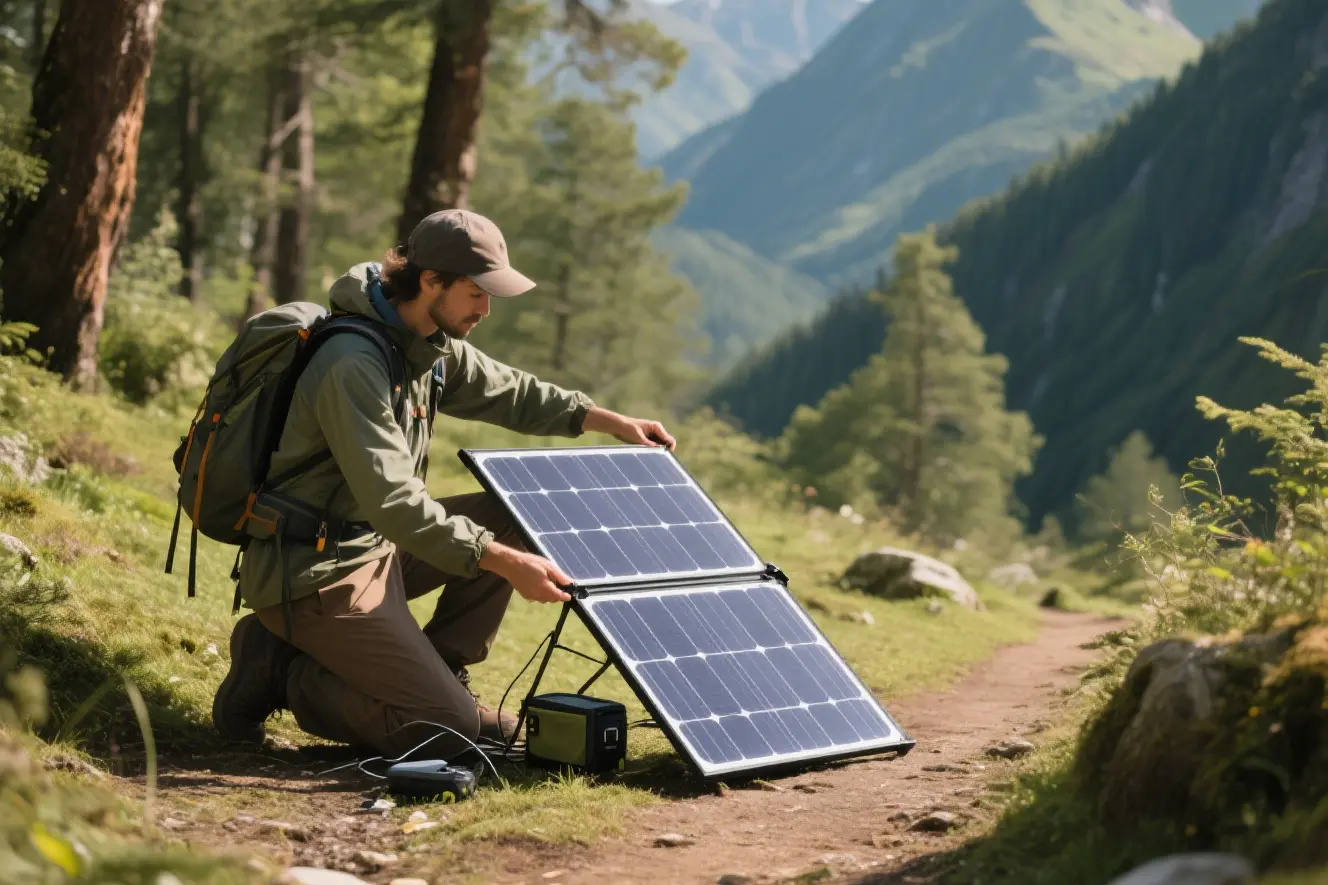

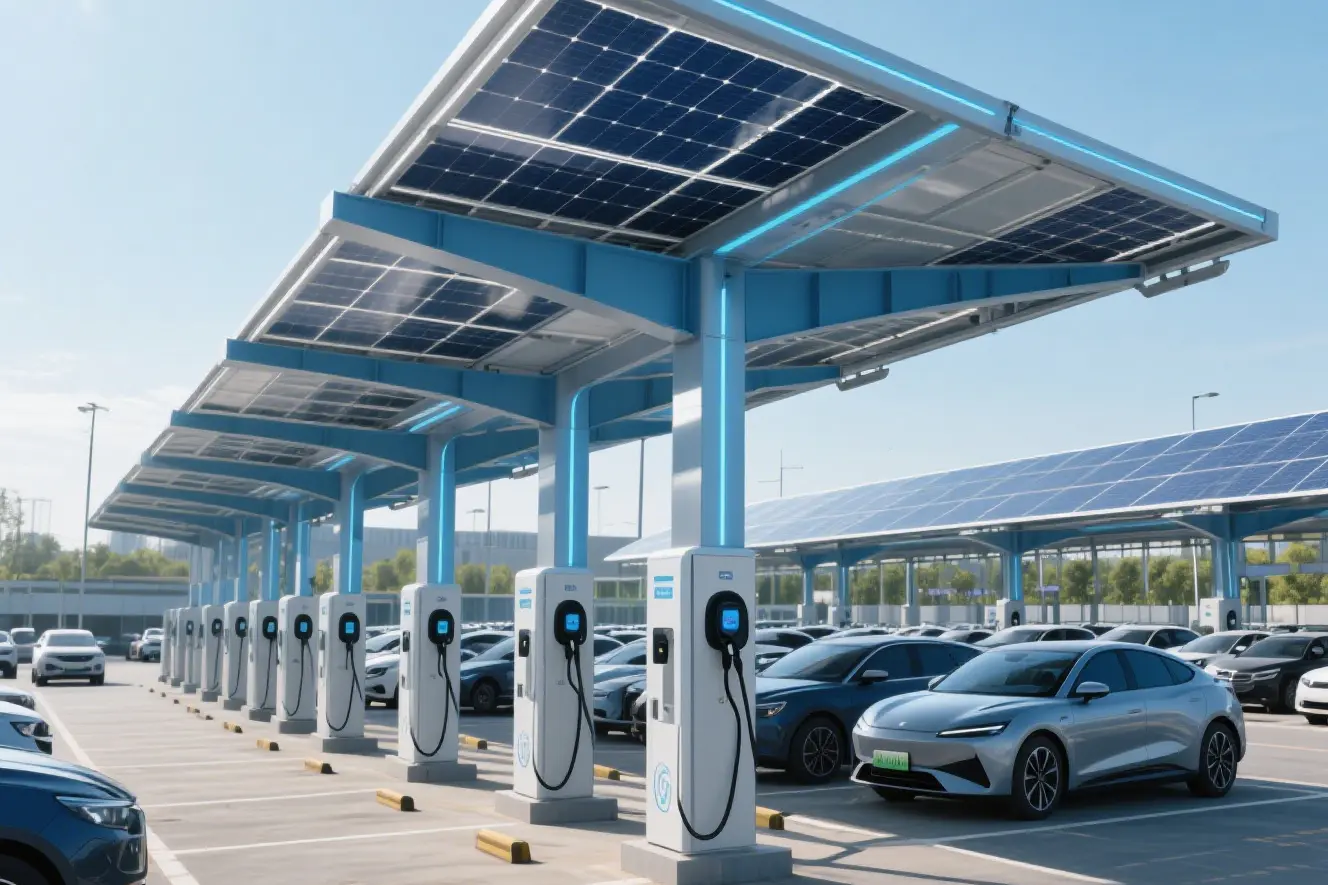
Standard commercial solar panels are often too heavy or fragile for mobile deployments. Our engineers solve this by designing specialized mounting profiles and custom solar panel footprints for off-grid applications:
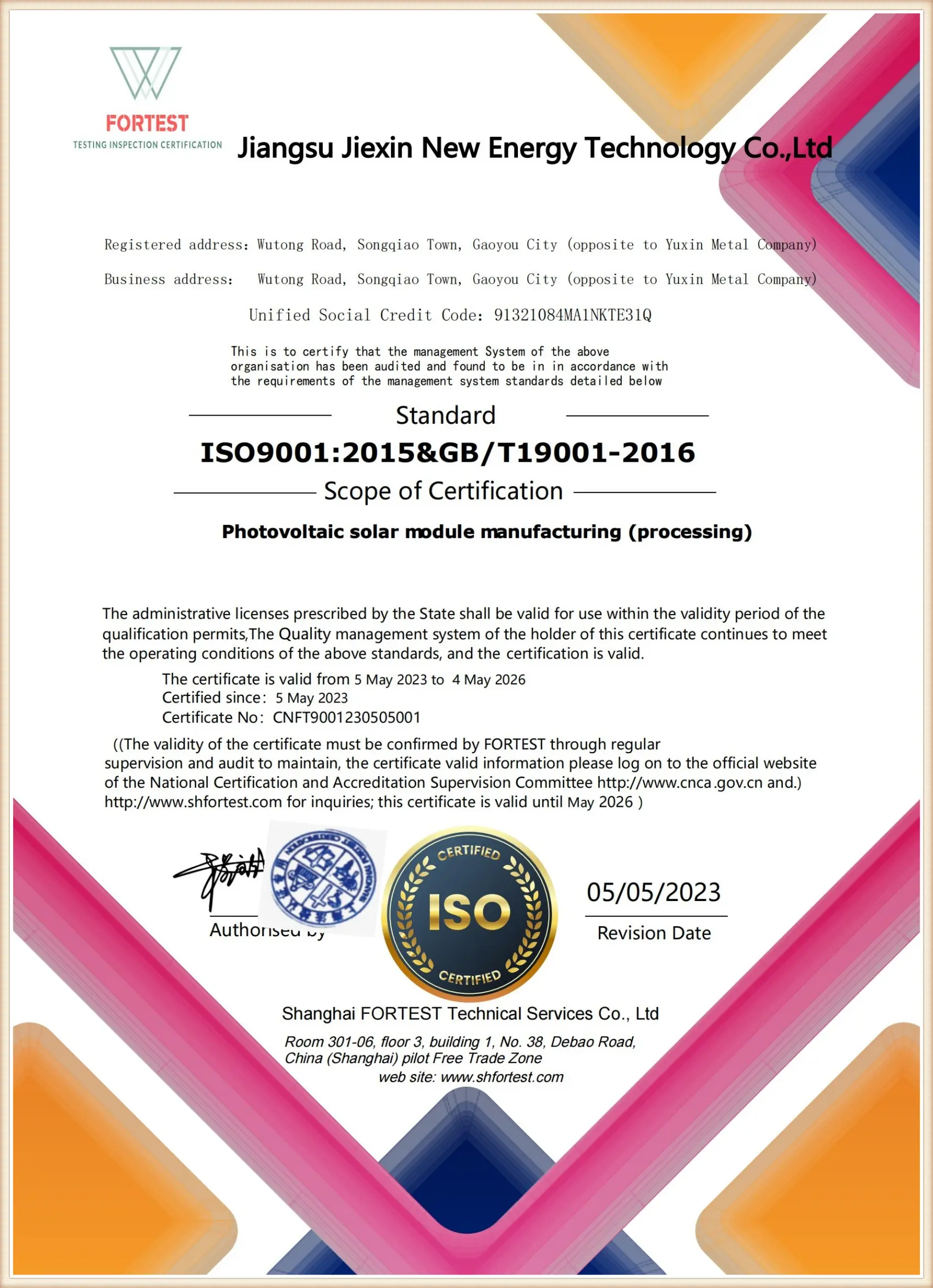
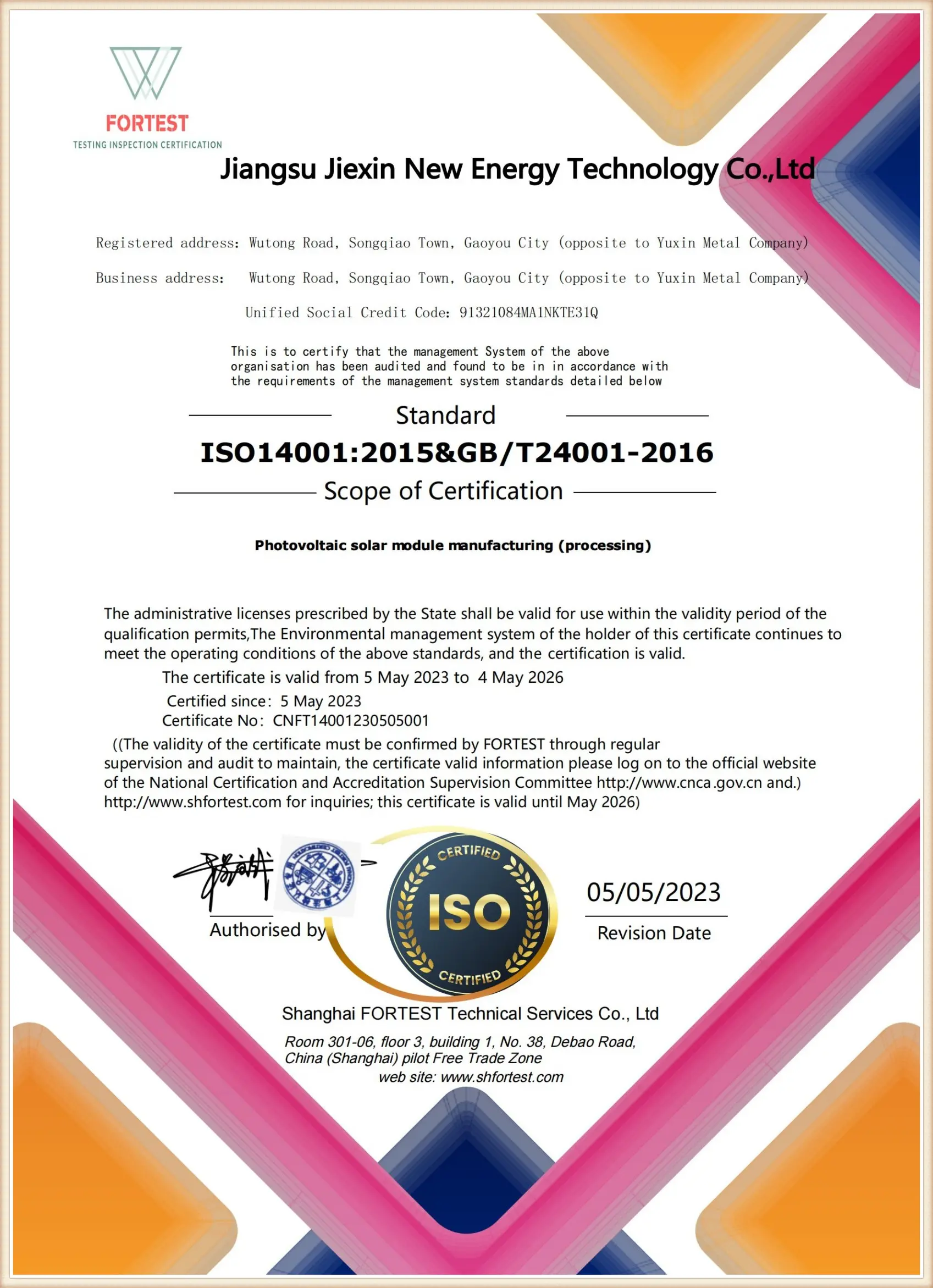
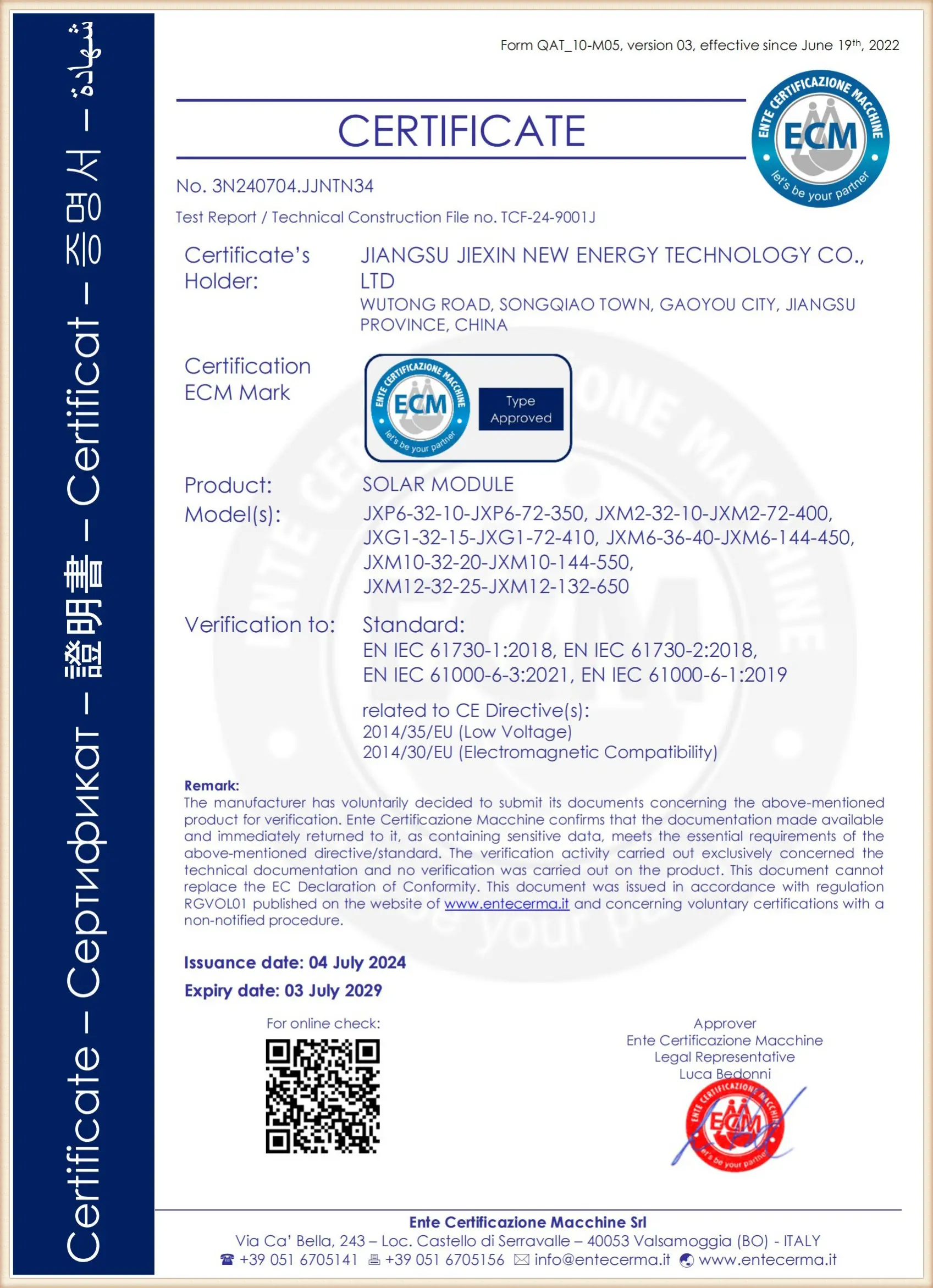
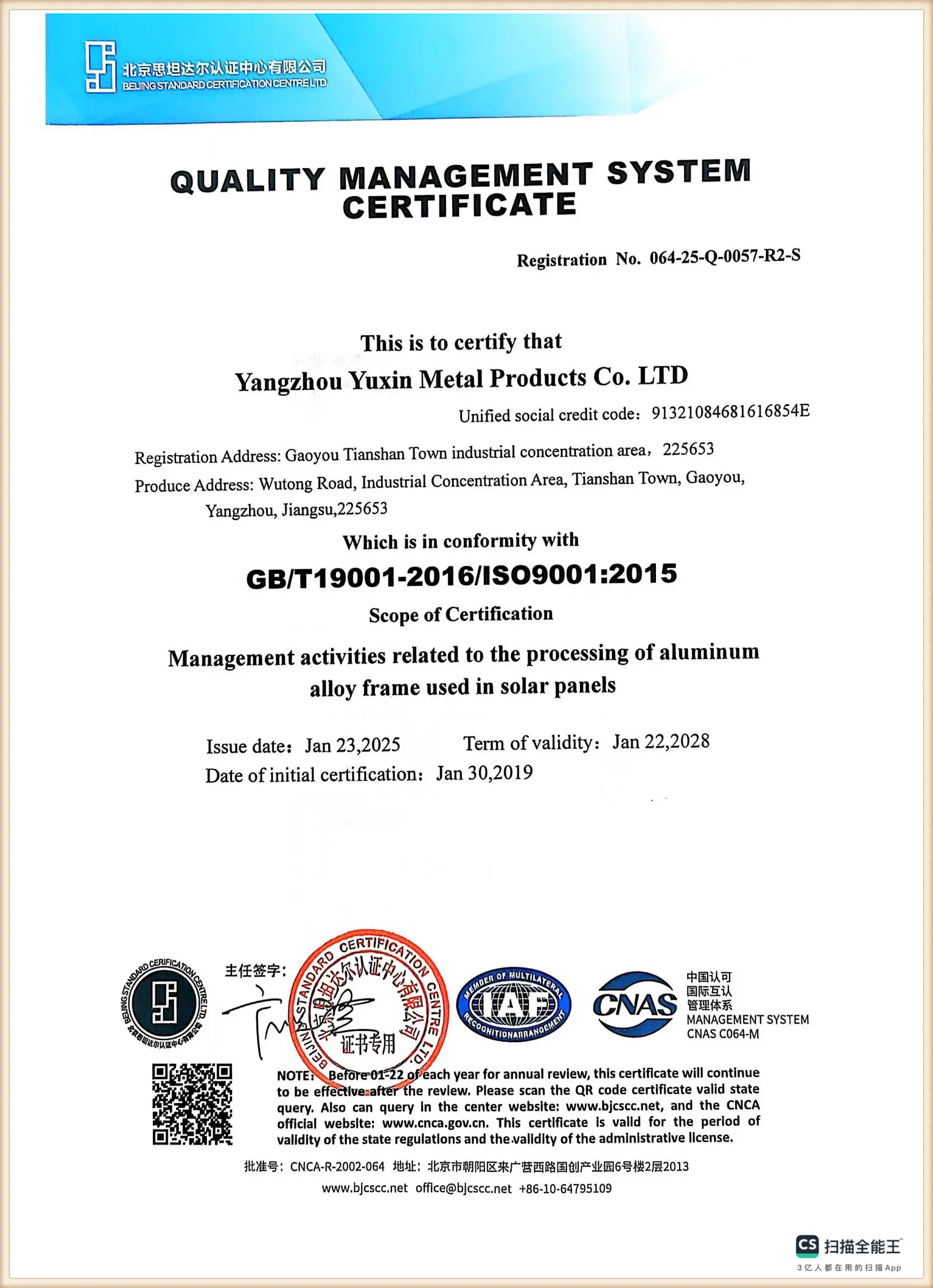
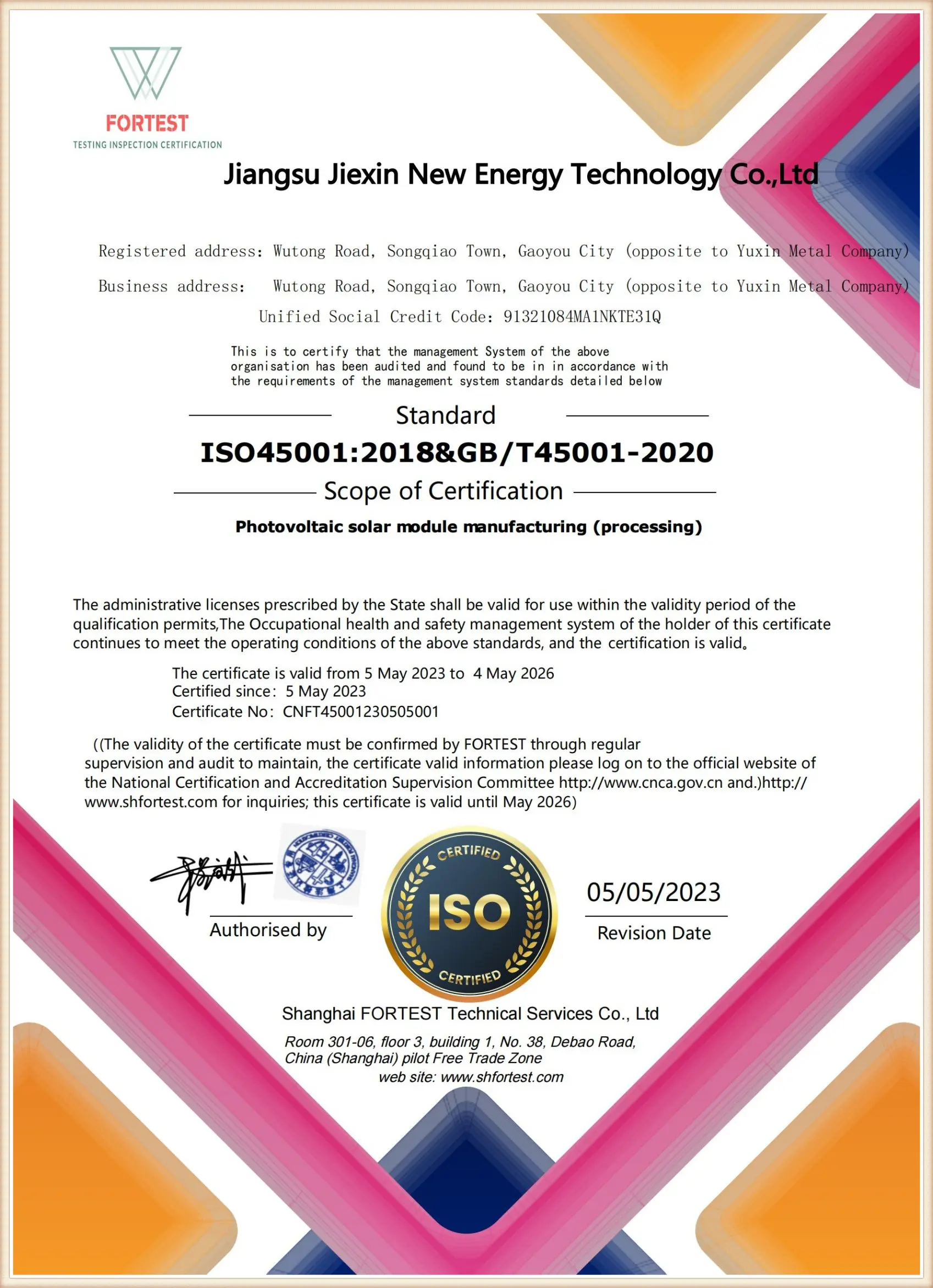
Exporting solar systems worldwide requires meeting diverse national standards. YUXIN ensures global market access through comprehensive testing and certification:
Our structural solar frames and modules undergo rigorous testing, including:
Additionally, our anodized aluminum frames meet strict alloy chemistry standards (6063-T5, 6005-T6), guaranteeing precise dimensional tolerances for easy installation.
As B2B clean energy demands evolve, manufacturing technology is advancing beyond traditional silicon limits. We are focusing on key innovations to drive the next generation of mobile solar performance:
Transitioning from aluminum to pultruded polyurethane composite frames provides excellent structural strength, high electrical insulation, and eliminates the risk of Potential Induced Degradation (PID) without requiring grounding lines in off-grid setups.
Furthermore, the integration of Perovskite-Silicon Tandem Cells represents a major leap forward. By layering a perovskite cell on top of a standard silicon base, we can capture different spectrums of sunlight, pushing commercial module efficiencies past 30%. For off-grid users and overland vehicles, this means more power from a smaller footprint on roof racks and enclosures.
Additionally, the development of smart, self-diagnostic junction boxes with integrated microinverters allows for individual module monitoring. This helps operators identify and address issues like localized shading from trees or dust build-up instantly, maximizing energy harvest across the entire system.
Working together with leading global enterprises to build a reliable and sustainable clean energy supply chain.

Stay up to date with manufacturing standards, quality control protocols, and new technology developments from Yuxin.
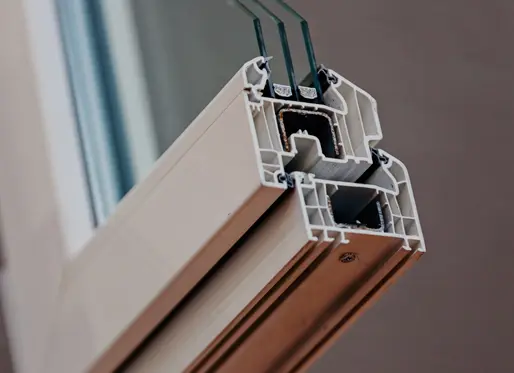
Discover the metallurgy, anodization depth, and mechanical tolerances that allow structural frames to survive decades of outdoor exposure.
Read Article →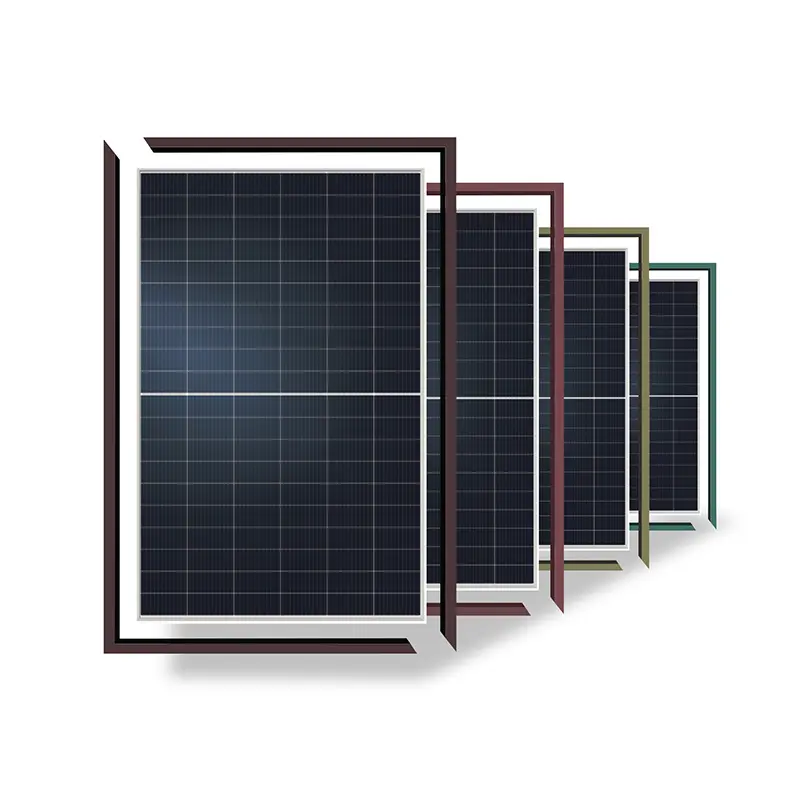
A comprehensive guide covering raw material sourcing, extrusion precision, quality verification audits, and shipping logistics.
Read Article →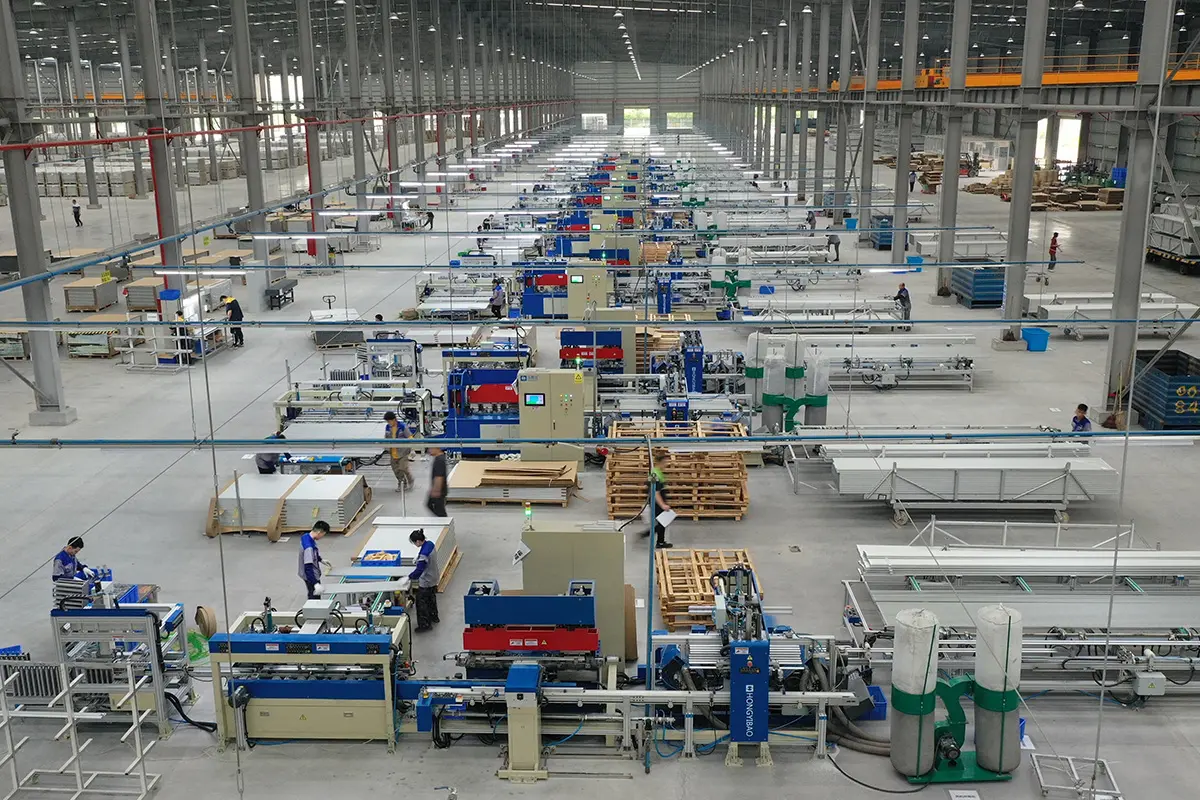
An in-depth look at industrial testing protocols, including salt spray tests, wind load simulation, and tensile strength checks.
Read Article →Clear, technical answers to common queries regarding off-grid fixed solar systems and installation frames.
Find the right solar panels, structural frames, and battery systems for your next commercial installation.