
Explore our highly integrated compact solar solutions optimized for durability, weather-resistance, and high-efficiency yield under challenging environments.
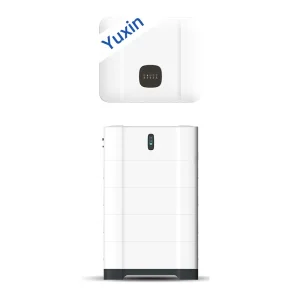
Designed for residential backup and micro-grid integrations, offering modular high-voltage energy storage capability with long-term cycling stability.
View Details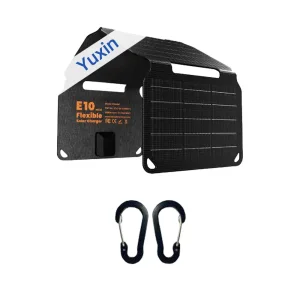
Ultra-lightweight and integrated directly into rugged textiles, perfect for continuous low-power device harvesting while on trail.
View Details
Next-generation pultruded polyurethane composite frames engineered to resist structural shear, corrosion, and extreme temperature cycling.
View Details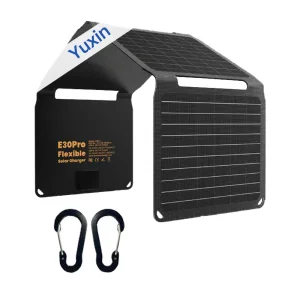
Equipped with highly resilient smart regulators, this integration delivers constant 5V/9V outputs under uneven shade patterns.
View Details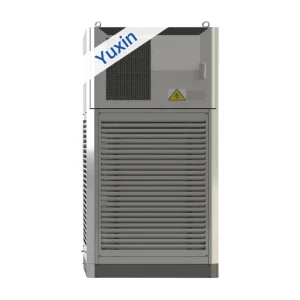
Commercial energy storage blocks designed for quick field deployment, off-grid telemetry stations, or robust basecamp support systems.
View Details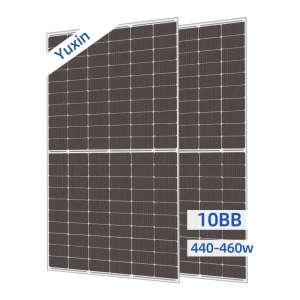
Monocrystalline half-cut PERC panels featuring multi-busbar tech for minimized resistive losses and increased power-to-area performance.
View Details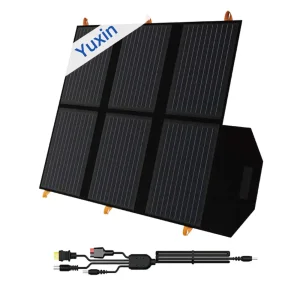
High-capacity mobile generation unit featuring integrated solar array folds, designed for back-country multi-device charging.
View Details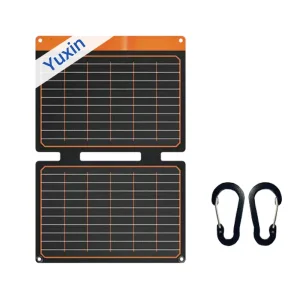
Perfect synthesis of high-density nylon construction and monocrystalline panels, optimized for long-distance trail routing.
View DetailsIn the modern field operations and leisure sectors, off-grid energy has shifted from a convenience to a critical operational resource. Compact solar panels for camping and professional excursions are no longer judged solely by peak wattage, but by structural robustness, thermal coefficients, and balance-of-system (BOS) cost reduction. The integration of high-density monocrystalline cells, dual-glass TOPCon structures, and composite frame systems has established a new paradigm in lightweight, rapid-deployment power generation.
As camping and outdoor exploration scale globally, the requirements for mobile energy are increasingly aligned with commercial standards. Heavy, rigid solar arrays are being systematically replaced by foldable, semi-flexible, and composite-housed modules that integrate directly into field kits, portable power stations, and lightweight structural frameworks. The ultimate objective is optimal power-to-weight ratios (W/kg) combined with physical survivability in environments subject to thermal extremes, high relative humidity, and mechanical vibration.
The standard paradigm of outdoor solar systems is rapidly transforming. While traditional Passivated Emitter and Rear Cell (PERC) technology remains a highly reliable and cost-effective approach for baseline power generation, the market is aggressively pivoting toward N-Type Tunnel Oxide Passivated Contact (TOPCon) technologies. TOPCon cell architectures offer substantial advantages for compact arrays, achieving conversion efficiencies in excess of 24%. This improvement directly translates to smaller physical footprints for portable configurations, allowing a 100W panel to occupy up to 15% less surface area than its PERC equivalent.
Furthermore, TOPCon cells exhibit a superior temperature coefficient (typically around -0.30%/°C compared to PERC's -0.35%/°C). In field environments where panels sit in direct sunlight with minimal cooling wind flow, high ambient heat can severely degrade performance. A lower temperature coefficient ensures that compact panels maintain stable voltages and deliver close to their rated maximum output even during peak summer afternoons.
Providing the backbone components for utility-grade projects, off-grid micro-grids, and structural solar engineering.
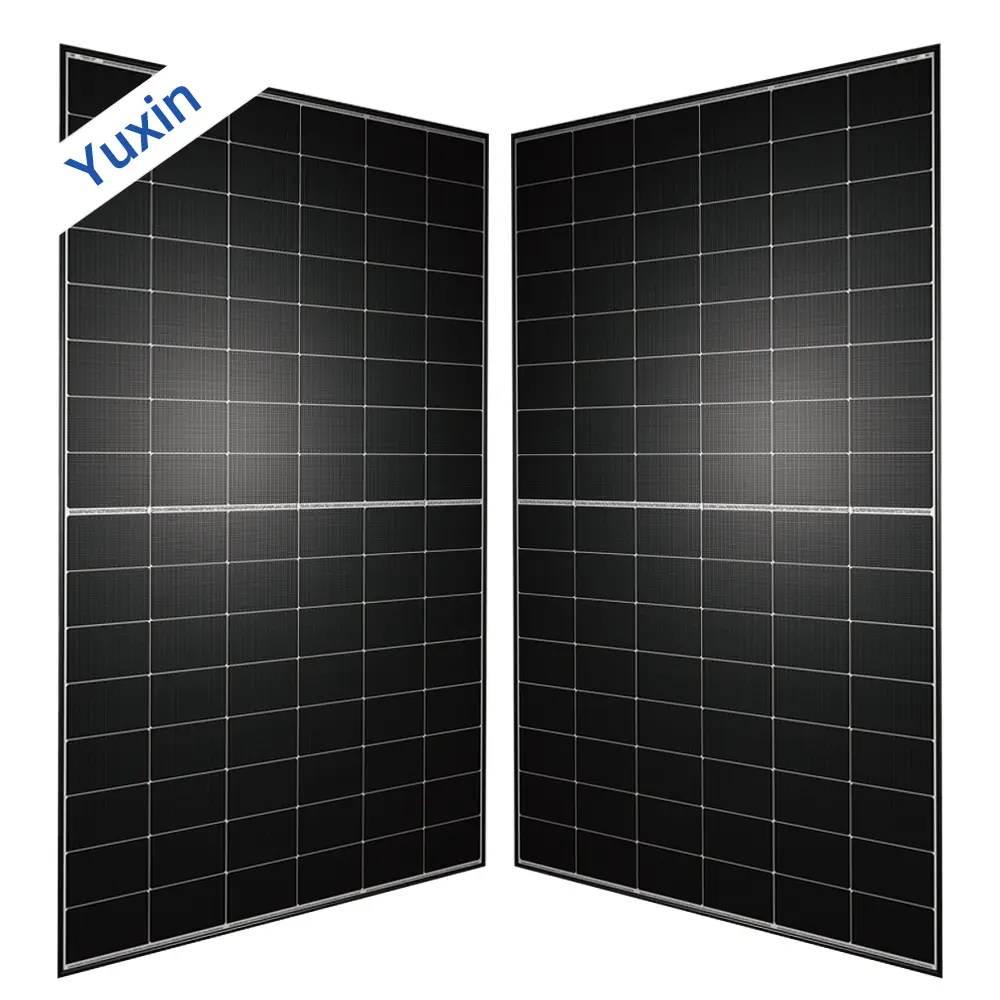
Lightweight design with transparent back panel for easy installation and reduced BOS costs.
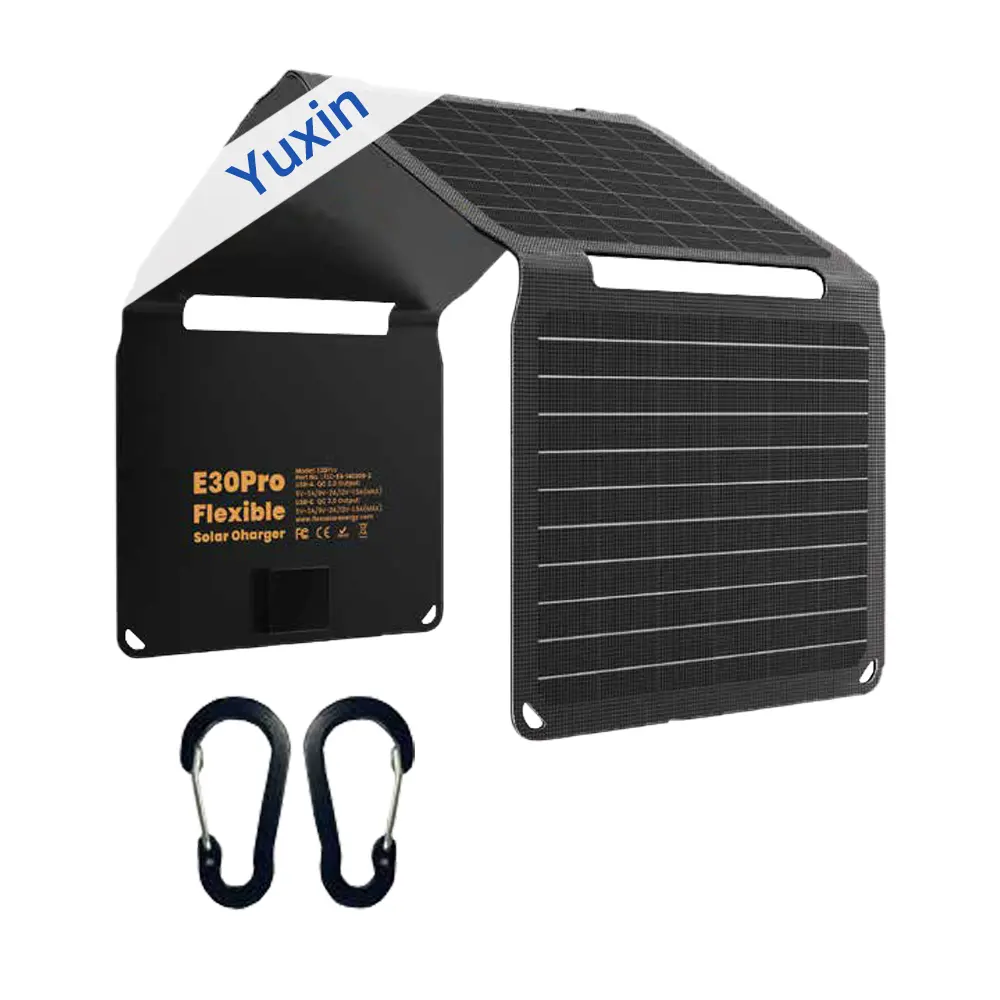
Utilizing advanced monocrystalline silicon cells, it achieves a high energy conversion efficiency of 24%.
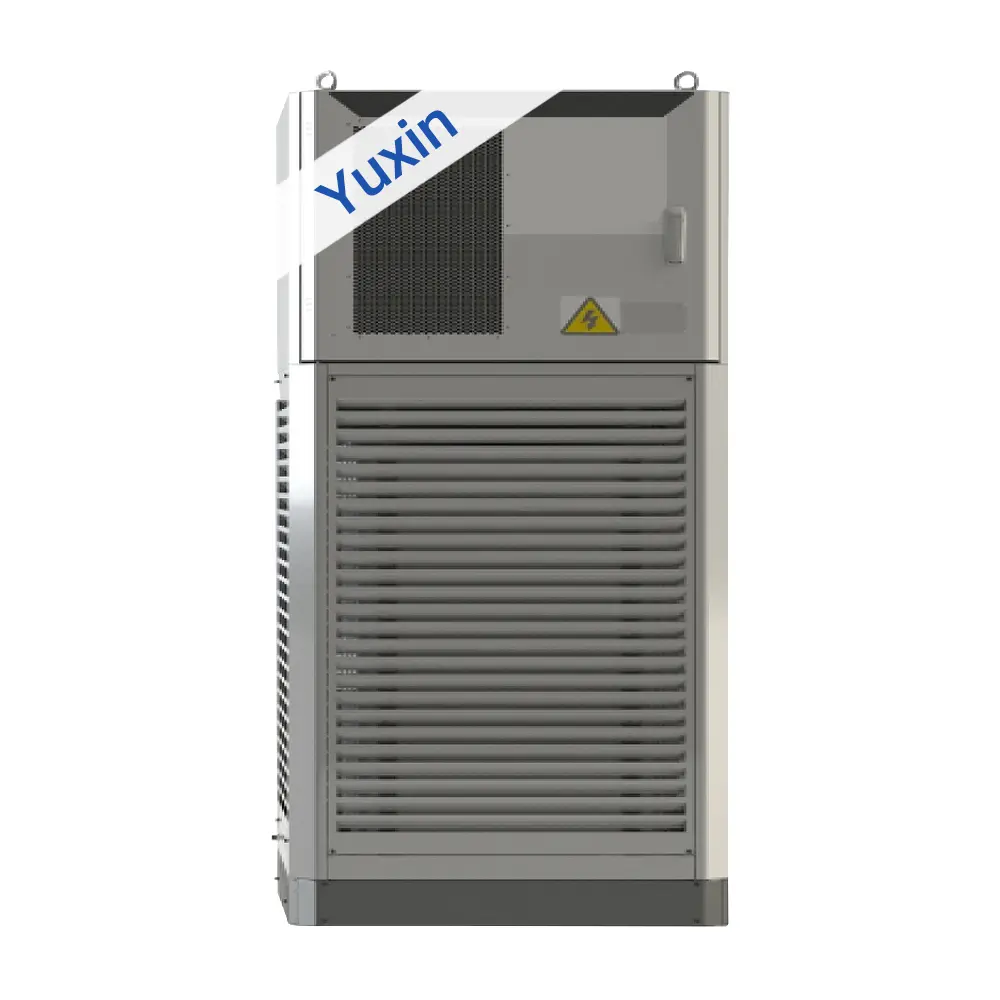
Application modes include grid-connected mode, off-grid mode, and integrated grid-connected/off-grid mode.
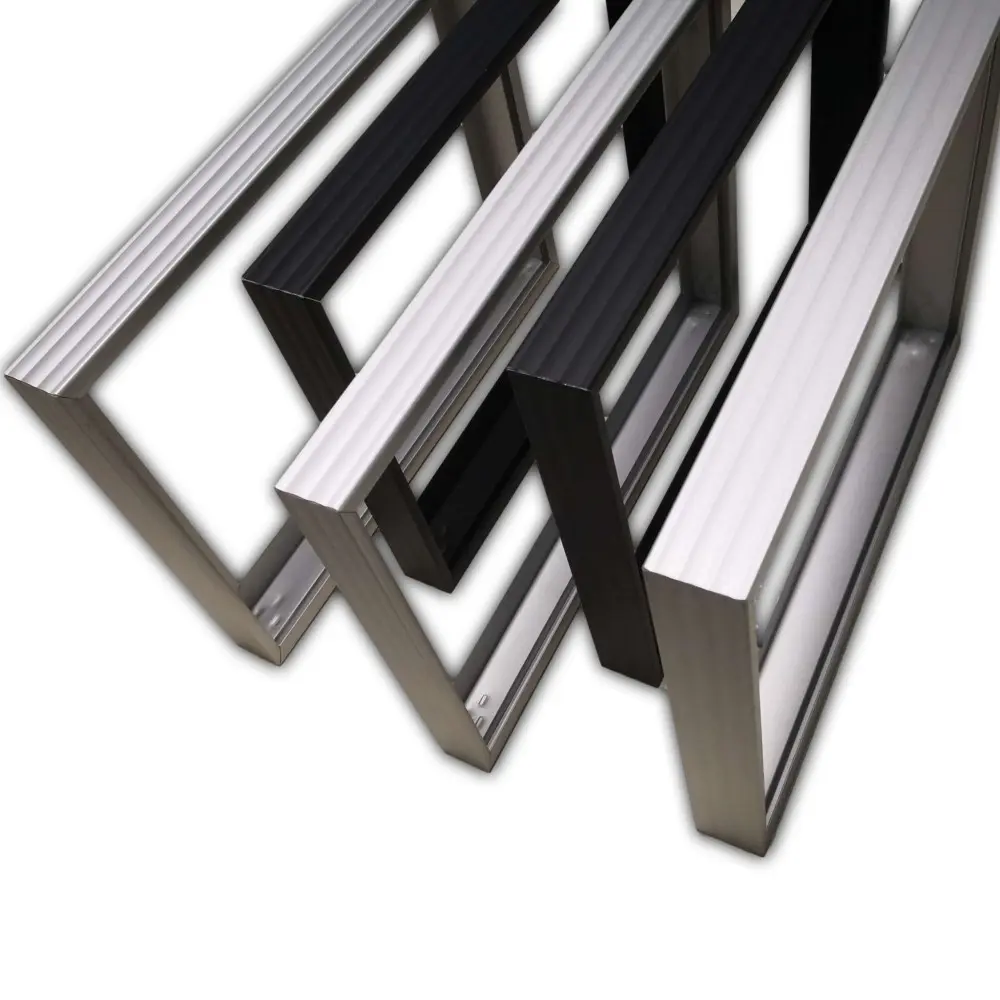
Made of high-quality anodized aluminum, it ensures superior weather resistance and a smooth, long-lasting finish.
Key technical differences between portable, semi-flexible, and architectural solar options for commercial integration.
| Technology Class | Cell Architecture | Encapsulation Chemistry | Average Conversion Efficiency | Temperature Coefficient | Primary Commercial Use Cases |
|---|---|---|---|---|---|
| Portable Folding Arrays | N-Type TOPCon / Shingled | ETFE / EVA / Backsheet | 23.0% - 24.5% | -0.30% / °C | Tactical operations, basecamps, consumer hiking kits |
| Semi-Flexible Panels | Monocrystalline PERC | ETFE / Fiberglass Core | 21.0% - 22.8% | -0.34% / °C | Marine installations, RV roofs, curved canopy overlays |
| Rigid Lightweight Modules | Half-Cell Monocrystalline | Low-Iron Tempered Glass / POE | 21.5% - 23.0% | -0.35% / °C | Commercial off-grid telemetry, agricultural pumping |
| Composite Framed Systems | Double-Glass Bifacial TOPCon | Dual-Glass / Polyurethane Frame | 22.5% - 24.8% | -0.31% / °C | High-load structural installations, extreme environment microgrids |
The trajectory of compact solar panels is defined by two physical laws: the Shockley-Queisser limit of single-junction cells and the structural dynamics of lightweight polymers. Over the next five years, the integration of Perovskite-Silicon Tandem Cells into mobile deployments is projected to push cell-level efficiency beyond 28%. This breakthrough will enable ultra-compact arrays to generate significant wattages without increasing their transport footprint.
Simultaneously, the industry is witnessing a revolution in encapsulation technologies. Traditional PET (Polyethylene Terephthalate) coatings are highly prone to UV degradation and yellowing over extended outdoor use. We are transitioning our entire lineup to ETFE (Ethylene Tetrafluoroethylene) films. ETFE provides high self-cleaning performance, structural resilience against micro-tears, and optical transparency rates of 95%, allowing more photons to reach the active silicon layer.
Future iterations also feature structural component weight reduction. By using lightweight, pultruded polyurethane composite frames instead of traditional metallic profiles, overall component mass is minimized while preserving structural stiffness. This technology reduces micro-cracking during transport across rugged terrain, expanding the operational lifespan of deployed arrays to over 15 years.
Layering thin-film perovskite over monocrystalline substrates to expand the light spectrum absorption envelope, yielding higher performance in cloudy, overcast environments.
Direct DC-to-AC integration or multi-protocol DC fast charge chips configured within the panel's junction box, eliminating energy waste from secondary voltage conversions.
Fluoropolymer-based self-cleaning front sheets that repel water, dust, and particulate matter, optimizing light absorption in arid camping conditions.
Bridging the gap between micro-level off-grid power requirements and large-scale industrial and commercial operations.
Rapidly deployable solar kits designed to provide immediate power for field hospitals, critical communications gear, and water purification units during natural disasters or grid failures.
Reliable power supplies for sensor arrays, agricultural monitoring systems, meteorological equipment, and pipeline sensors in locations devoid of grid-level electrical distribution.
Tactical-grade, glare-reduced, and highly ruggedized solar cells that interface with portable battery blocks, operating silently to replace noisy diesel generator setups.
Precision, Quality, and Safety - Your Photovoltaic Materials Expert
Located in the scenic historical and cultural ancient city of Yangzhou, close to the Beijing-Shanghai Expressway, Runyang Yangtze River Bridge, and Ningqi Railway, the group has a superior geographical location and convenient transportation. The group was established in 2008 and has 14 multi-field companies under its jurisdiction, including Jiangsu Yuxin New Energy Technology Co., Ltd., and has won many titles such as National High-tech Enterprise, Technology-based Enterprise, and Gaoyou City Top 100 Private Enterprises.
Our focus lies on advanced manufacturing methodologies, vertical supply chain integration, and rigorous compliance structures. We ensure that our materials and assemblies meet the highest requirements of global enterprise buyers.

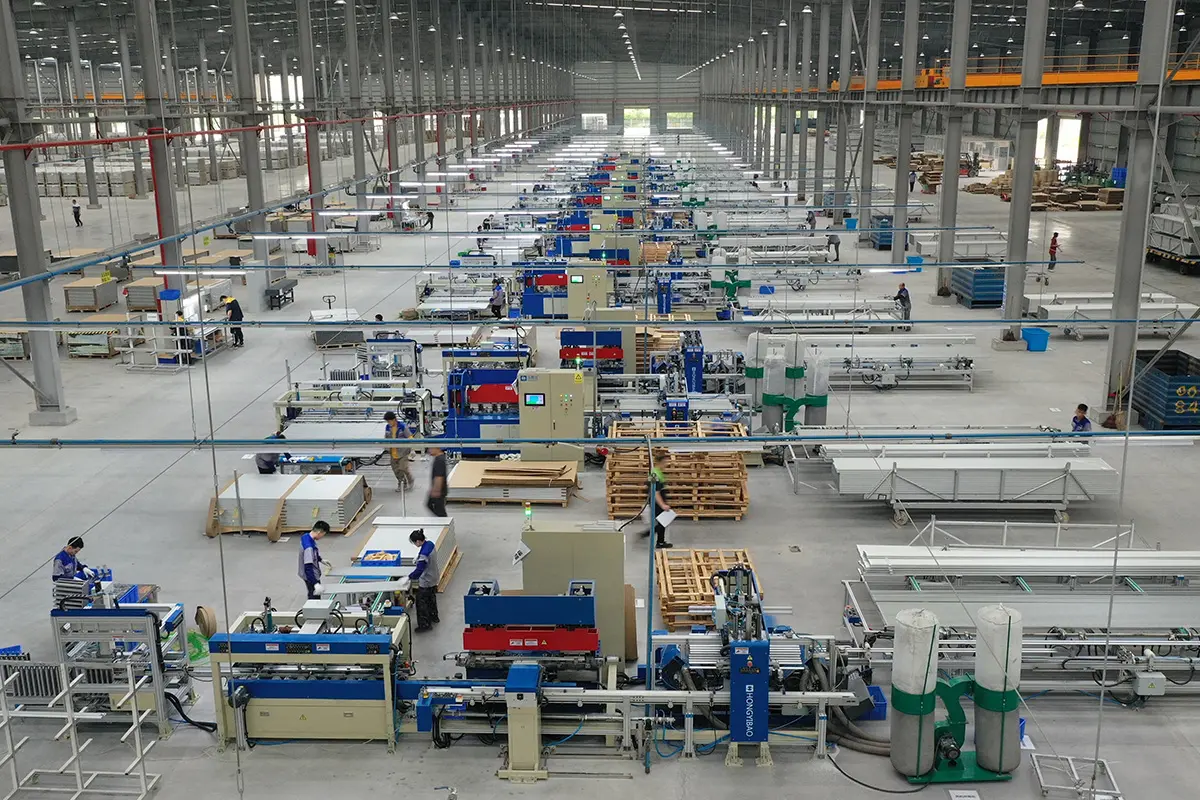
YUXIN's production ecosystem operates on Factory 4.0 paradigms. Every stage of manufacture—from raw aluminum extrusion to high-precision solar module assembly—is monitored via real-time Industrial IoT (IIoT) sensors. This integration ensures complete process traceability and minimizes variance in the physical structure of our components.
By keeping structural frame manufacturing and electrical laminating workflows under one roof, we dramatically reduce intermediate processing overhead and freight times. Our fully automated anodizing lines ensure consistent coating thickness on aluminum frames, yielding superior atmospheric resistance that holds up under coastal salt spray or prolonged alpine UV exposure.
This localized cluster model ensures that even during global shipping logjams or material supply volatility, YUXIN maintains robust raw material stocks. Our strategic location near key transport hubs in Jiangsu allows for rapid transit to international ports, securing predictable delivery schedules for our global OEM and distribution partners.
Facilitating seamless international transactions through strict certification adherence and comprehensive regional support frameworks.
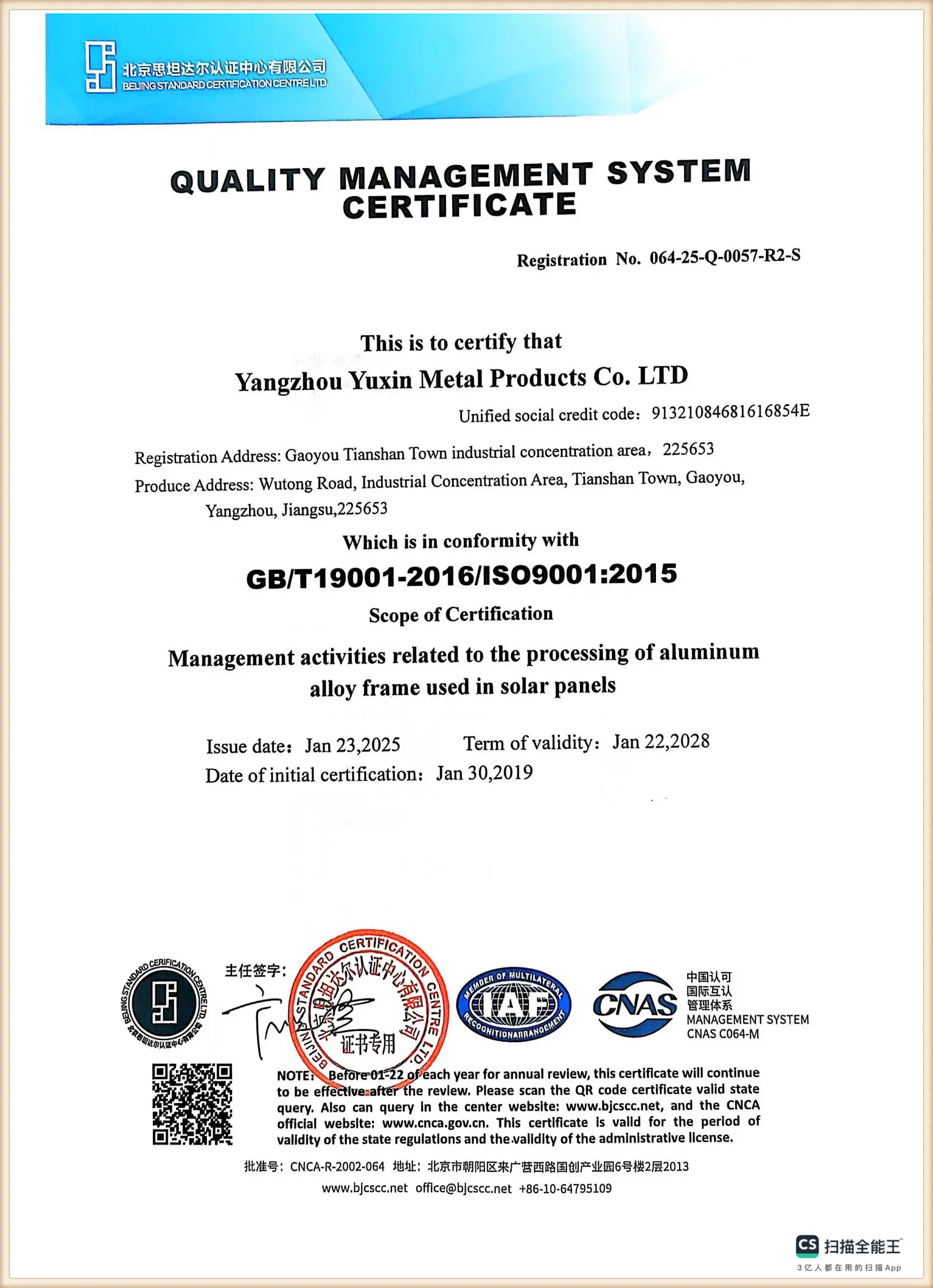
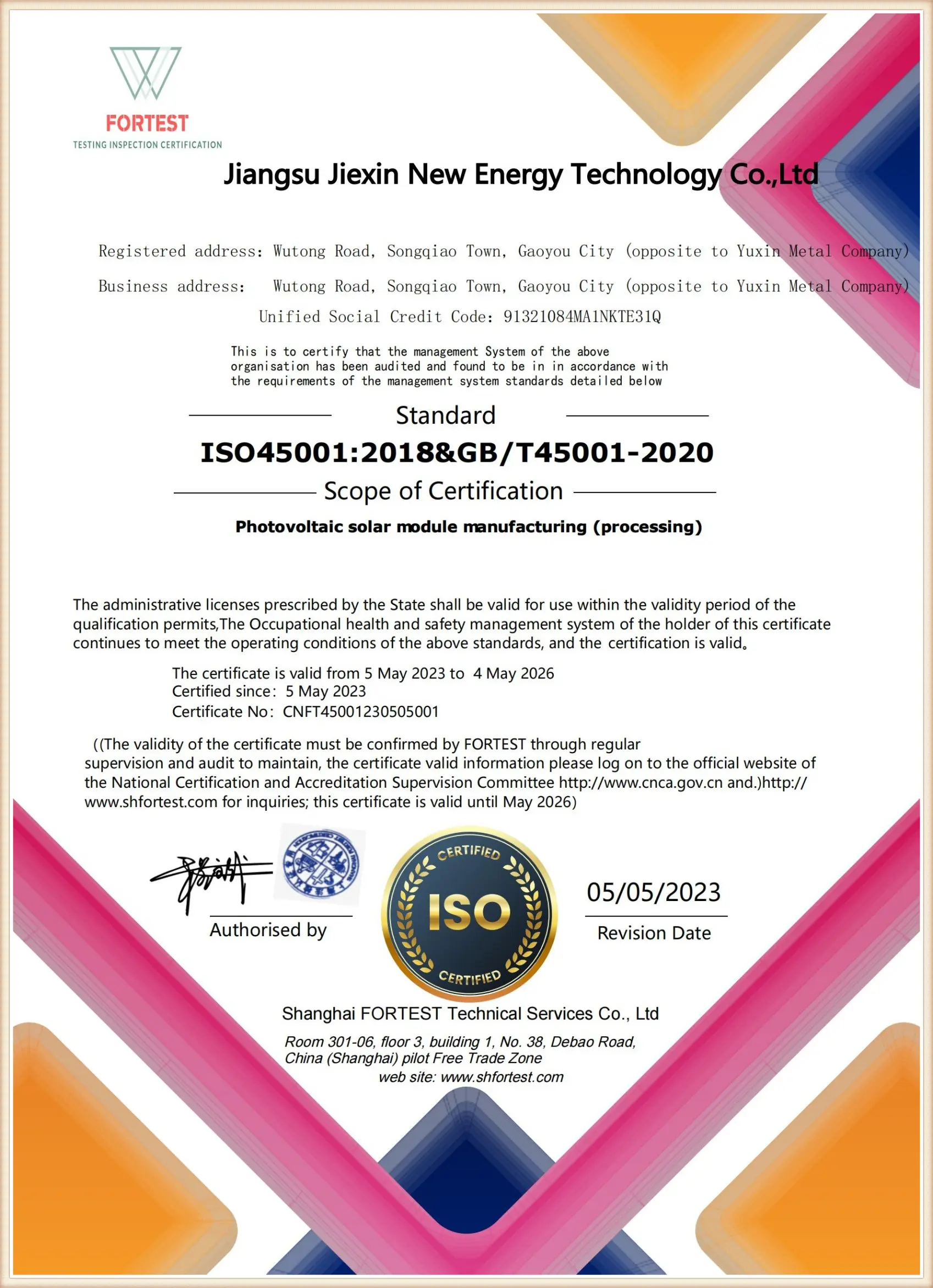
Our complete solar component range carries certifications including CE, TUV, UL, and RoHS. This ensures that your imports comply with local electrical, environmental, and human safety standards from day one.
We modify specifications, connection ports (MC4, USB-C, XT60), and safety labels to match national grid architectures and safety mandates in the Americas, Europe, and Asia-Pacific.
Our logistics office handles all shipping declarations, compliance documentation, and duties paperwork, ensuring smooth clearing cycles at international entry ports.
Enterprise procurement managers face unique challenges when buying off-grid solar equipment. The low-cost consumer retail space is saturated with over-rated specifications and subpar structural builds. For enterprise clients, the purchasing focus shifts to calculated metrics such as Levelized Cost of Energy (LCOE), structural durability, and predictable product lead times.
At YUXIN, we address these specific enterprise purchasing requirements directly:
Rigorous test protocols and certified manufacturing facilities ensure absolute reliability in field deployments.
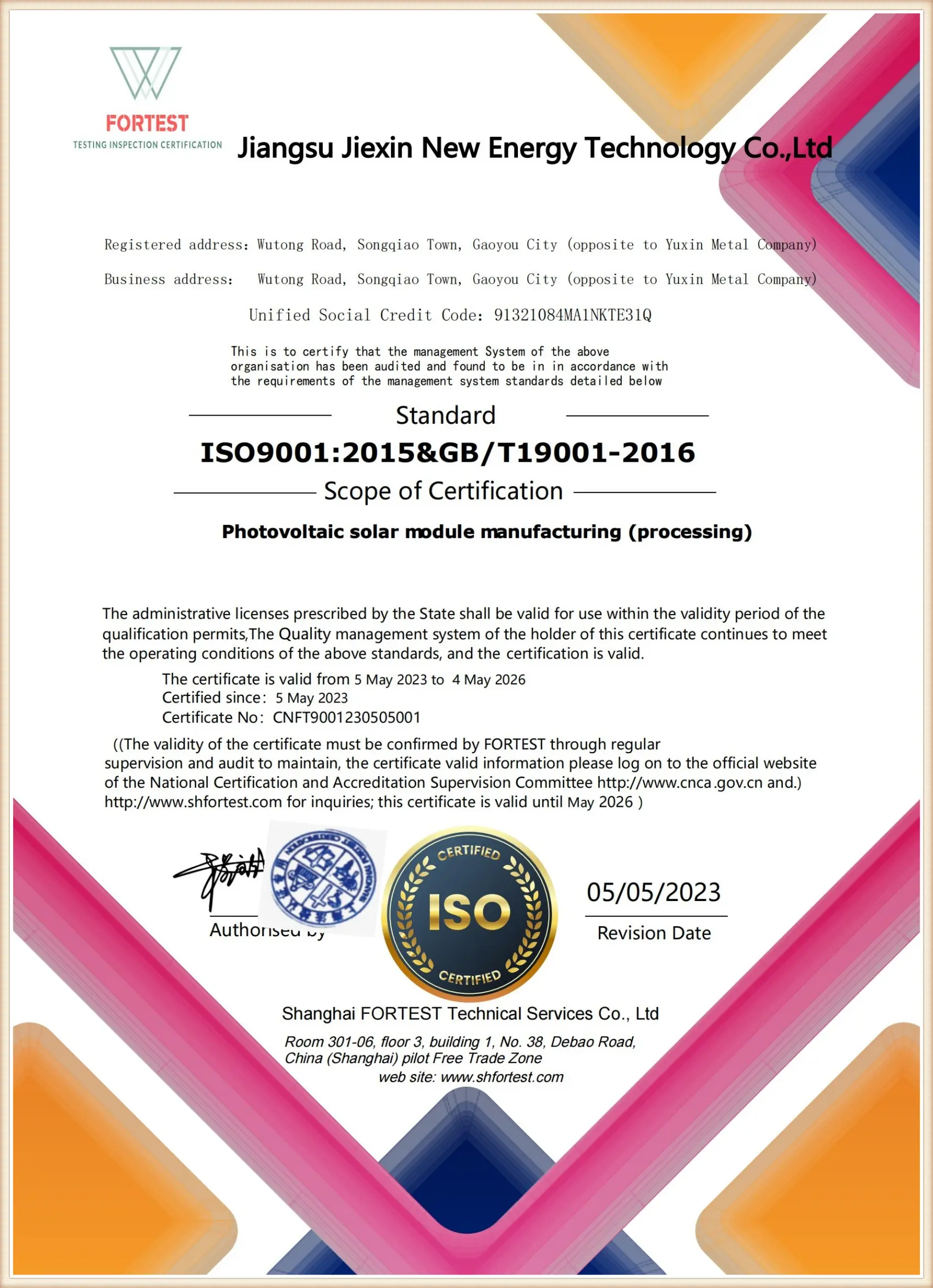
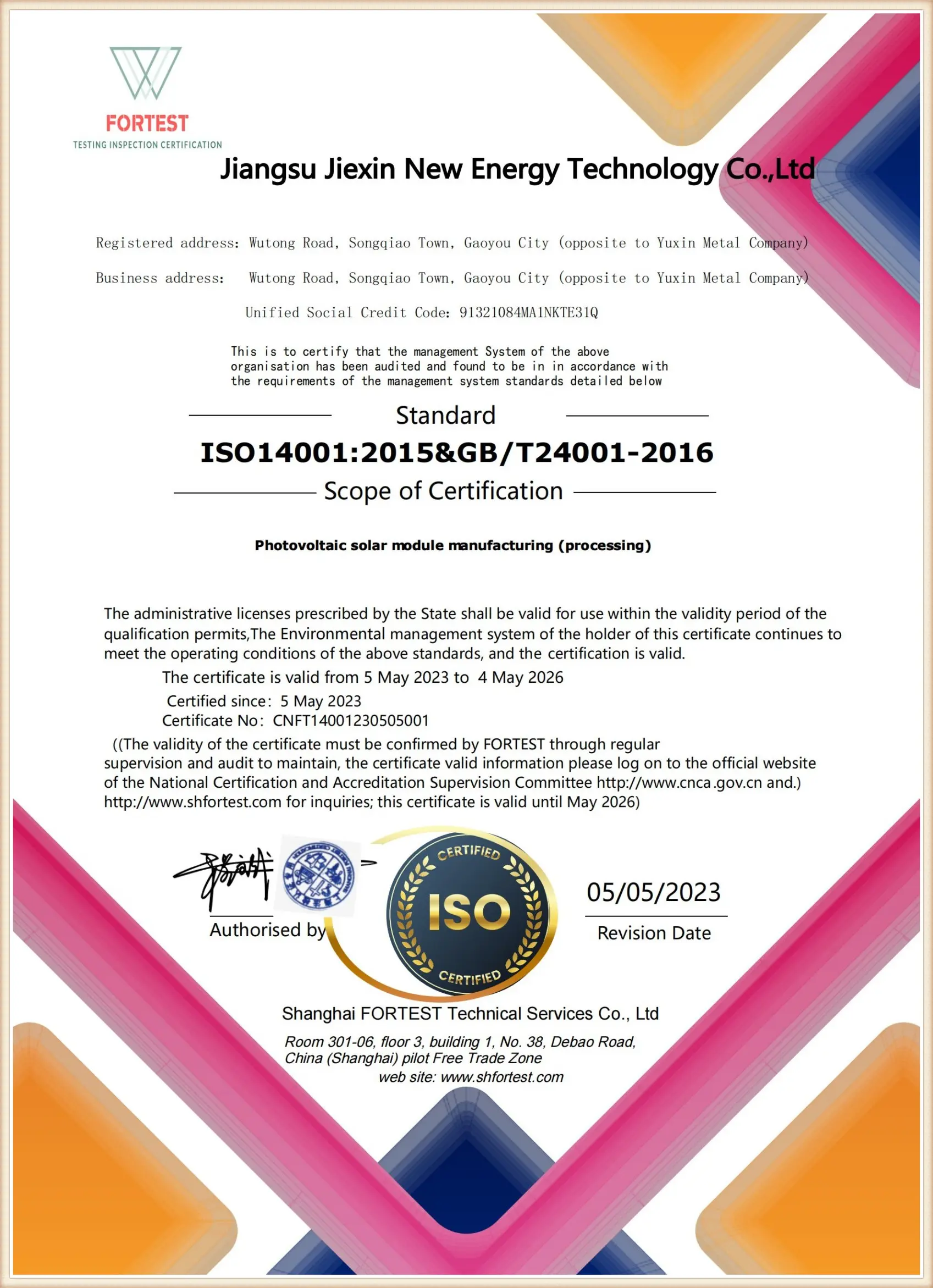
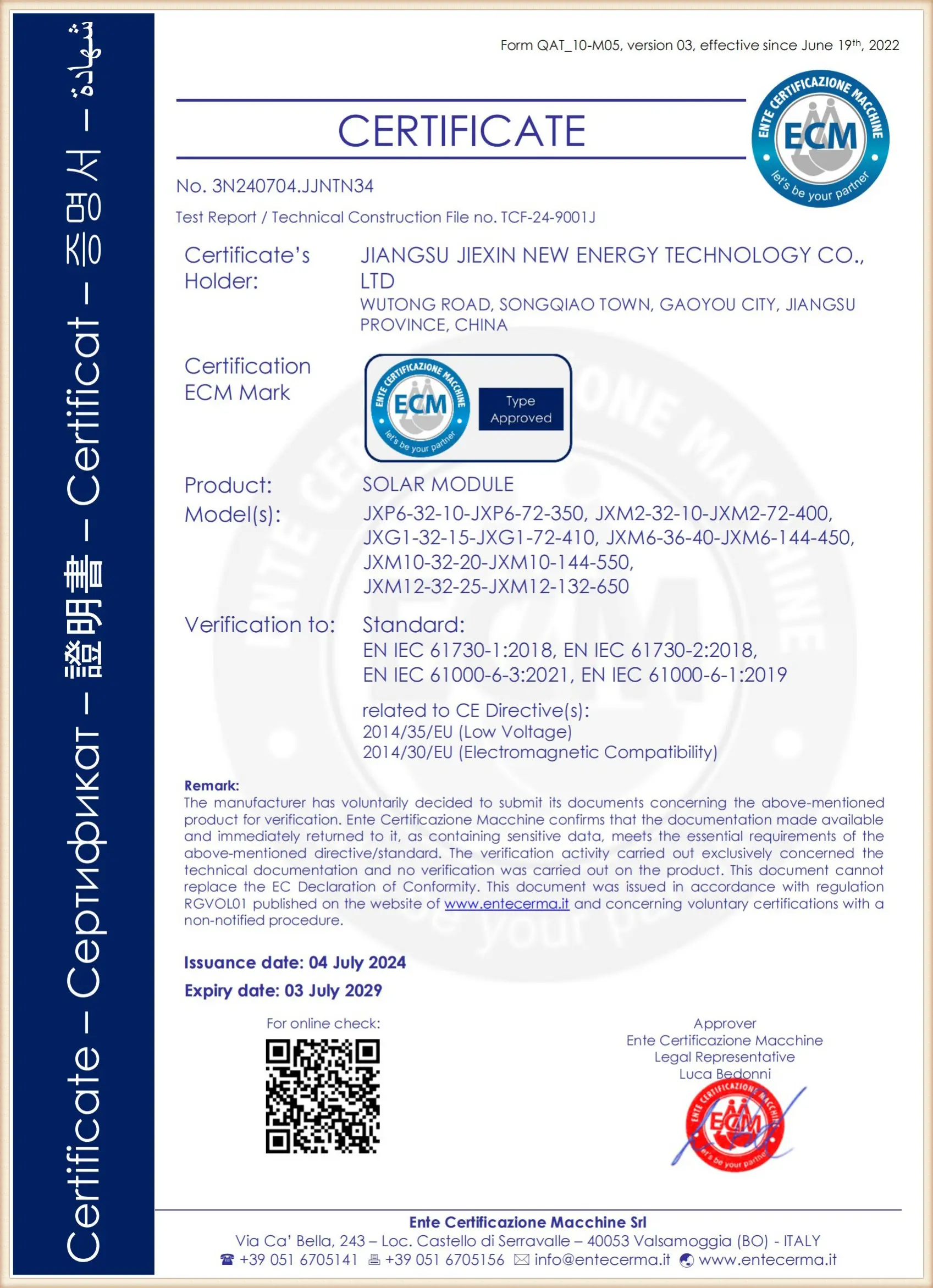
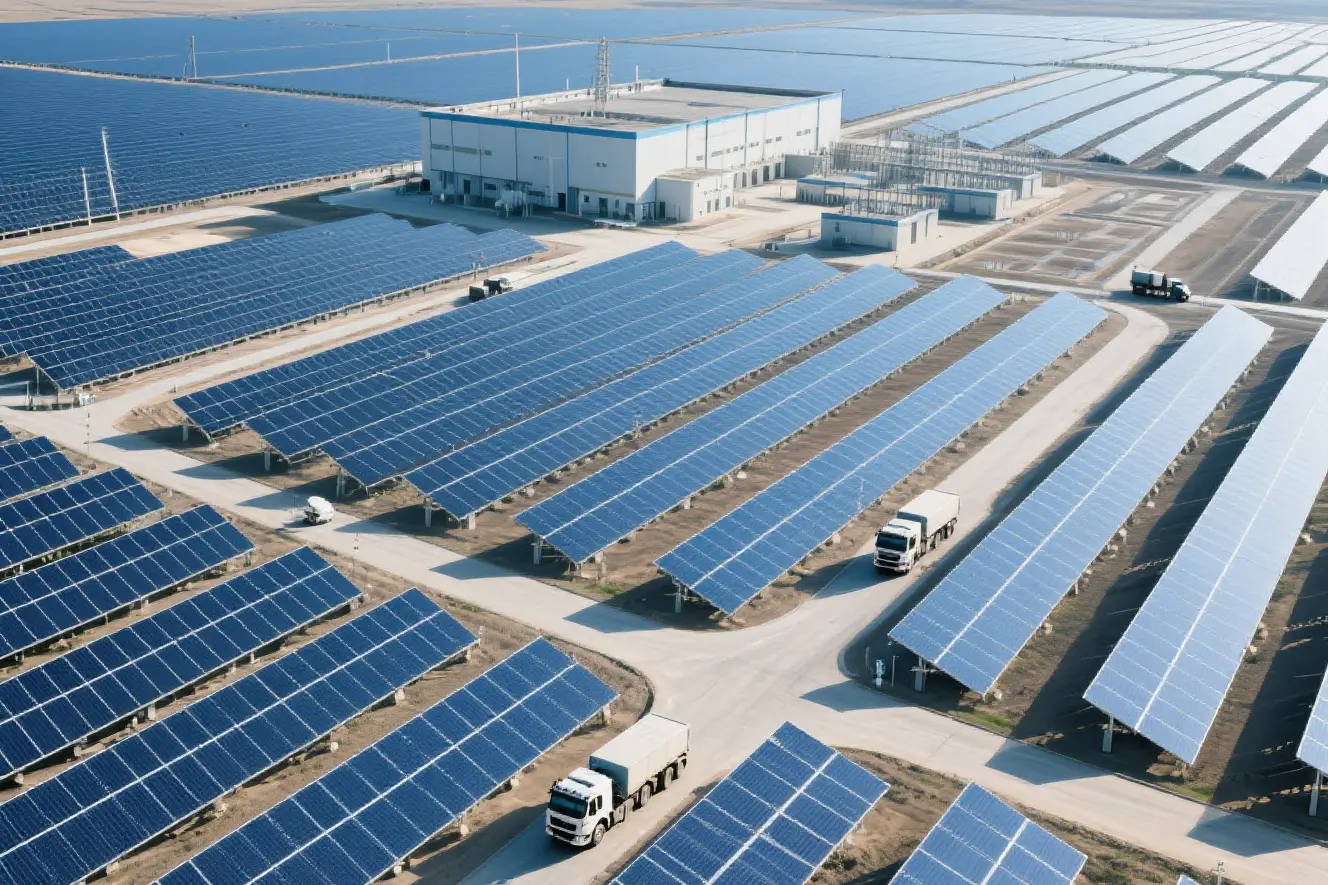
Deploying robust photovoltaic materials and power systems across diverse global economic sectors.
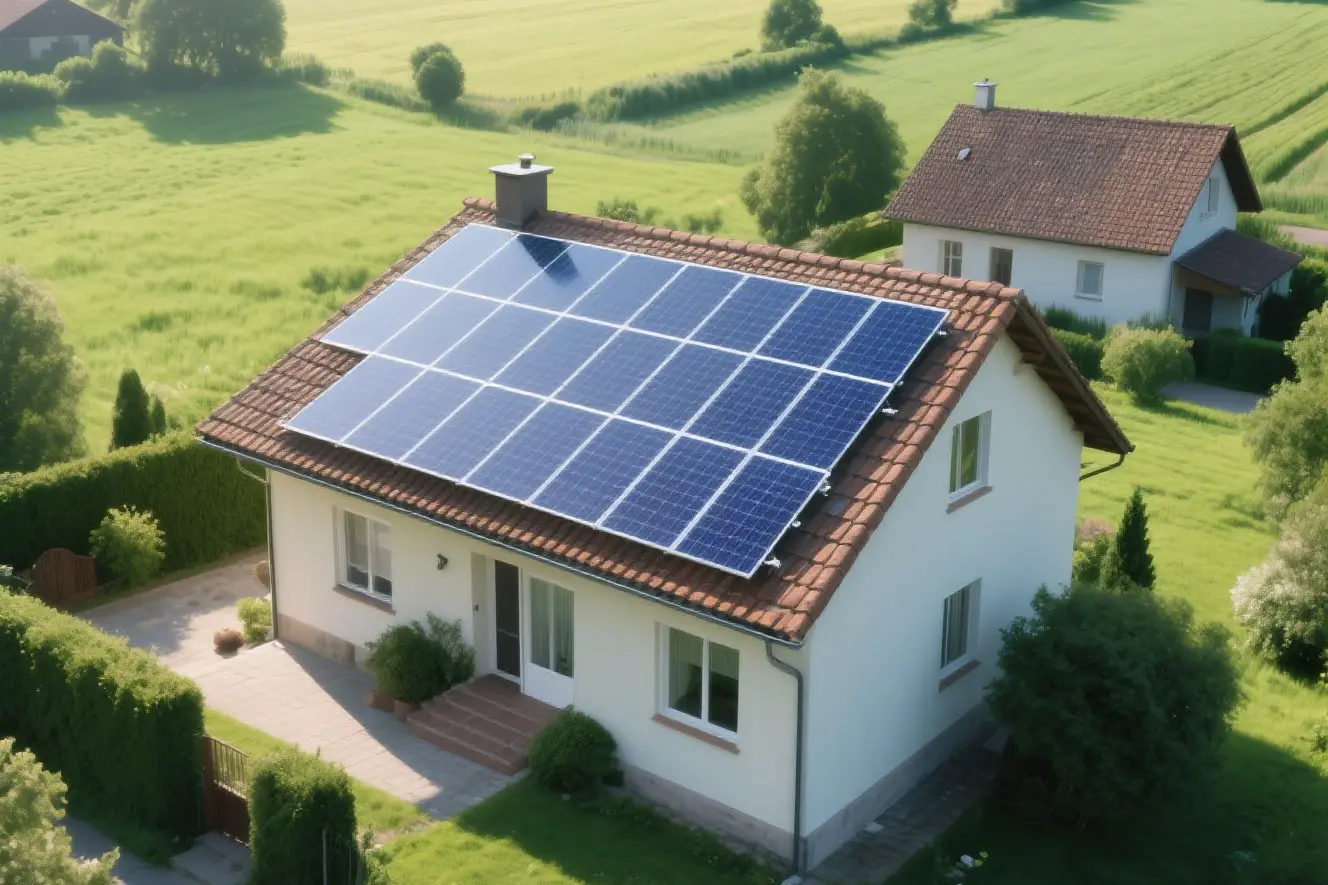


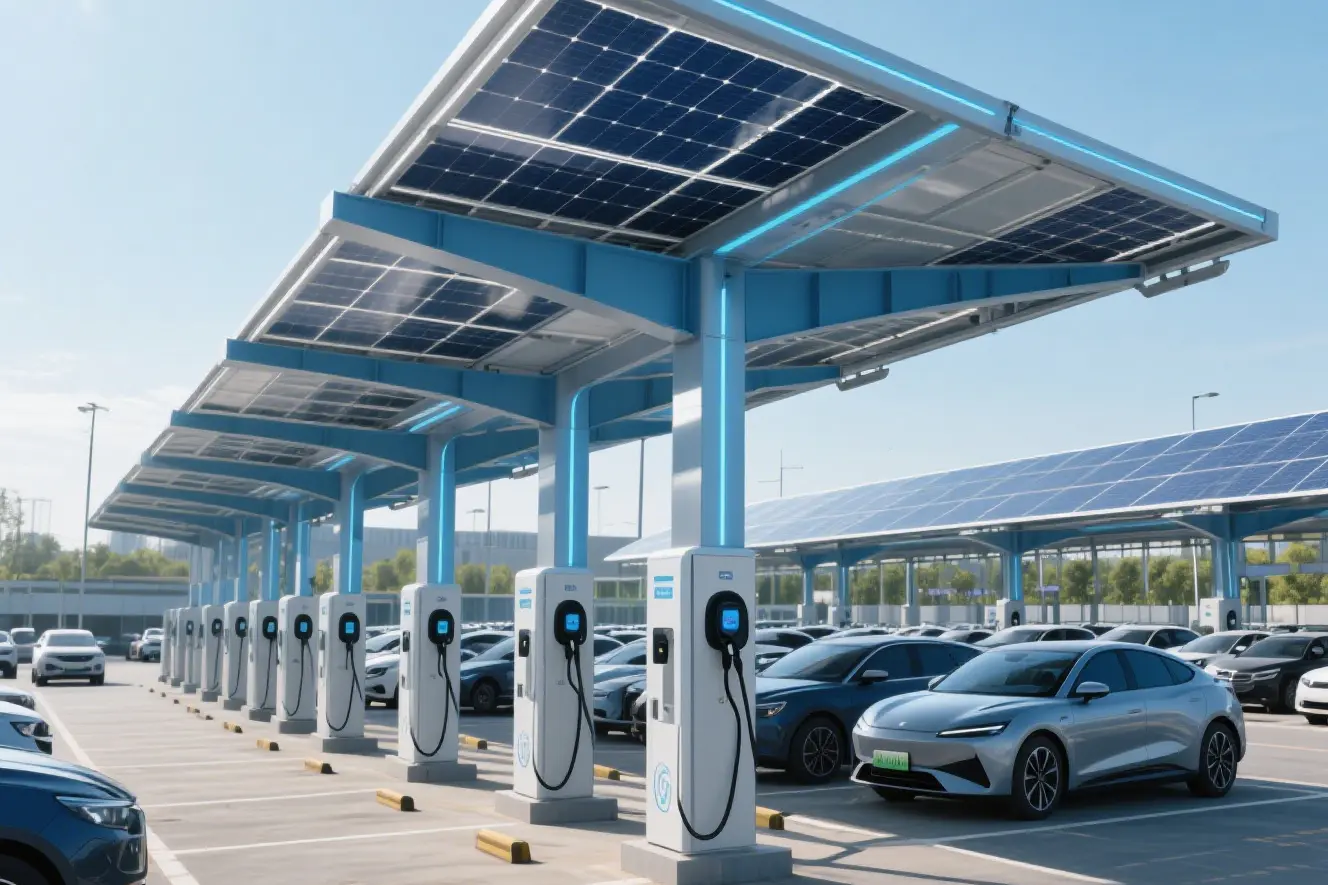
Integrate these rugged outdoor components, high-wattage panels, and structural frames into your fleet deployment.
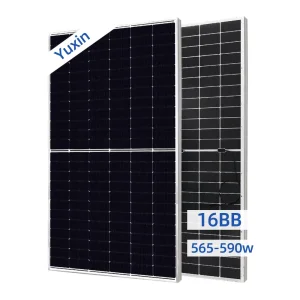
Premium bifacial design utilizing advanced N-type TOPCon cell structures to maximize yield from ground-level light bounce.
View Details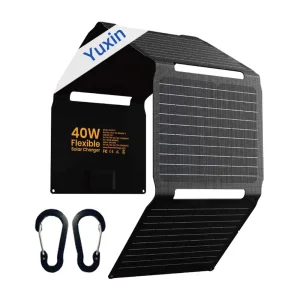
Robust field pack with integrated high-output solar laminates, featuring reinforced stitching and weatherproofing.
View Details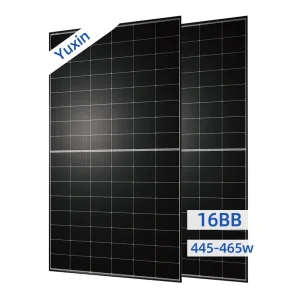
Black-framed dual glass modules optimized for architectural systems and rugged off-grid mounting arrays.
View Details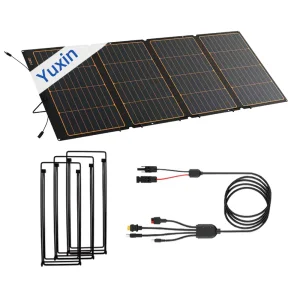
Foldable 240W heavy-duty portable solar generator, designed to recharge backup battery stations and communication rigs.
View Details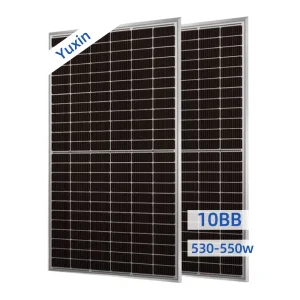
High-power density monocrystalline module for large-scale micro-grid infrastructure and off-grid project power needs.
View Details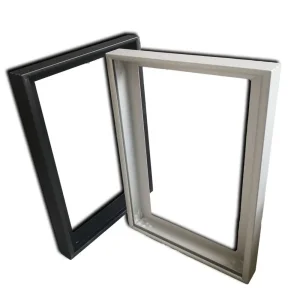
Precision extruded aluminum alloy frames, offering structural support and weatherproofing for extreme environment deployments.
View Details
Ultra-lightweight and integrated directly into rugged textiles, perfect for continuous low-power device harvesting while on trail.
View Details
Equipped with highly resilient smart regulators, this integration delivers constant 5V/9V outputs under uneven shade patterns.
View DetailsForging strong partnerships with global industry leaders through high-quality materials and production consistency.


Keep pace with industry developments and technological changes in photovoltaic manufacturing and material design.
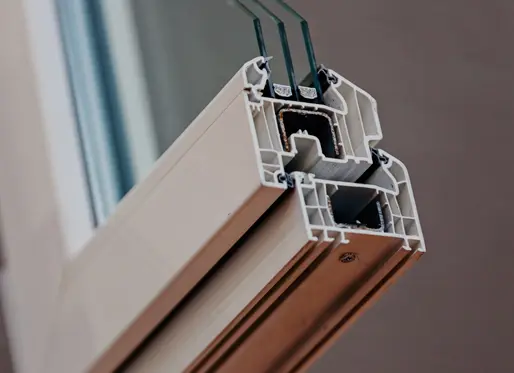
Explore the chemical structure, load limits, and oxidation layer standards that govern top-tier aluminum photovoltaic frames.
Read Article →
A complete guide for procurement managers detailing factory audit protocols, capacity checks, and material certifications.
Read Article →
Understanding mechanical tests, environmental aging simulations, and visual inspection standards for anodized frames.
Read Article →Answering complex engineering questions related to portable PV systems, solar integration, and material durability.
ETFE (Ethylene Tetrafluoroethylene) is a high-strength fluorine-based polymer. Unlike PET, which degrades, cracks, and yellows under high UV exposure, ETFE retains 95% light transmission for over a decade. It also offers self-cleaning properties because its low-friction surface prevents dust and grime buildup.
Traditional aluminum frames, while strong, can transmit localized mechanical vibrations and impacts directly to the silicon layer, leading to invisible micro-cracks. Pultruded polyurethane composite frames act as physical shock dampers, protecting the active cells and extending the array's life in rugged mobile applications.
TOPCon cells feature a tunnel oxide passivated contact layer, which minimizes surface recombination losses. This results in conversion efficiencies over 24%. In camping or tactical settings, this allows user configurations to occupy smaller profiles while generating identical wattages, significantly reducing gear bulk.
As solar cell temperatures rise above 25°C, their efficiency decreases. Standard PERC panels degrade at approximately -0.35% per degree Celsius. Advanced TOPCon arrays reduce this thermal loss to -0.30%/°C, allowing the panel to produce more electricity during high-temperature operations.
Yes. By pairing the panels with a matched MPPT controller (Maximum Power Point Tracking), portable folding arrays can be integrated into high-voltage residential or commercial storage configurations, making them useful for auxiliary emergency power.
For smooth customs clearance and regulatory approval, equipment must meet CE (European Safety), RoHS (Hazardous Substances), and UL/IEC standards for photovoltaic modules (such as IEC 61215 and IEC 61730). Yuxin processes and maintains all necessary compliance filings for our entire component range.