Engineered Reliability, Industrial Manufacturing Scale, and Global Compliance Frameworks for Industrial-Grade Off-Grid Solar Infrastructure
High-performance photovoltaic modules, advanced modular energy storage systems, and rugged structures engineered for off-grid cabins and remote sites.
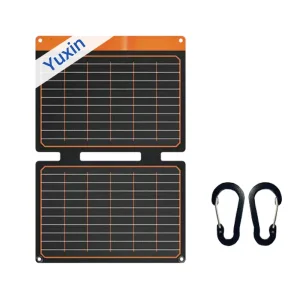
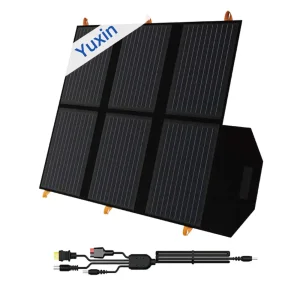
The global push for decarbonization and energy autonomy has accelerated the deployment of off-grid solar systems, particularly in remote regions, mountain cabins, and off-grid agricultural operations. Designing off-grid solar solutions for cabins is no longer just about supplying power; it requires engineering rugged systems that can survive extreme weather, satisfy stringent local structural standards, and provide uninterruptible energy over long operating lifetimes.
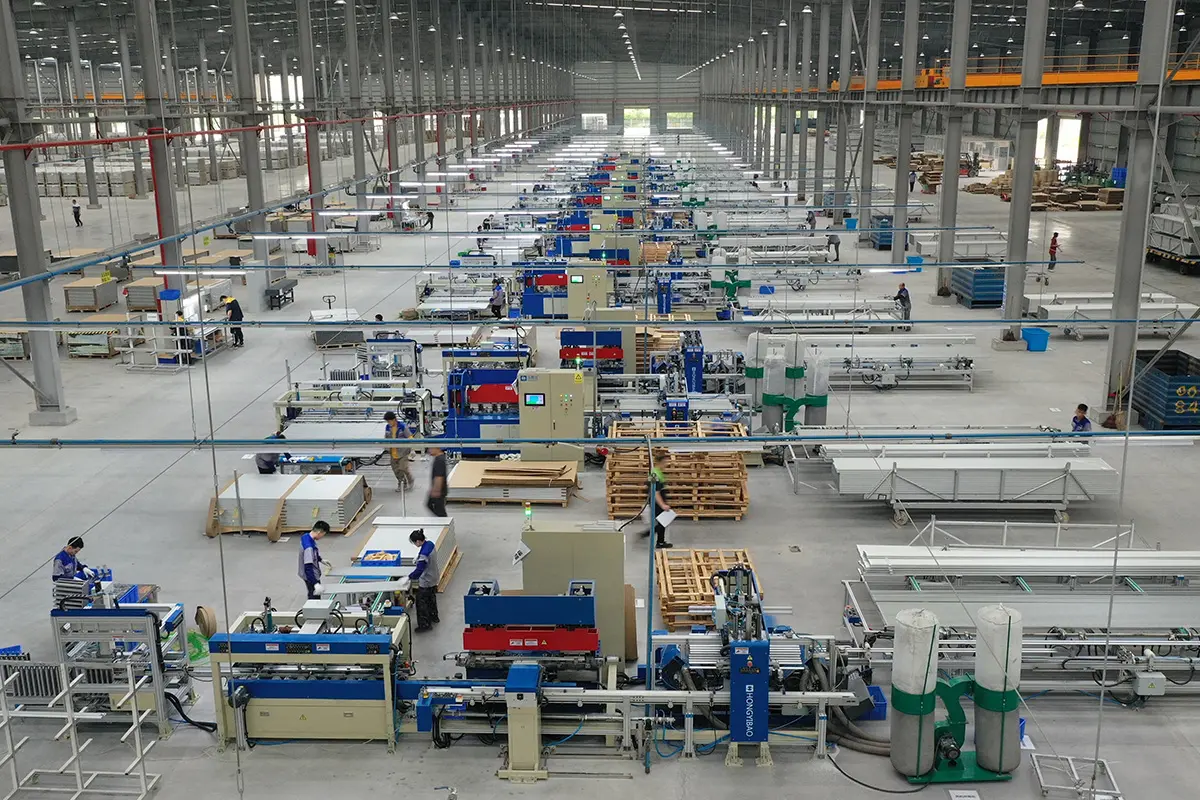
As microgrids evolve, international procurement teams face significant barriers: fluctuating silicon material costs, supply chain fragmentation, and varying compliance requirements across borders. YUXIN addresses these issues by offering a vertically integrated manufacturing ecosystem. From high-purity raw aluminum processing for structural mounting frames to precision N-type silicon module assembly and custom smart Energy Storage Systems (ESS), our facilities deliver reliable off-grid components built for international export.
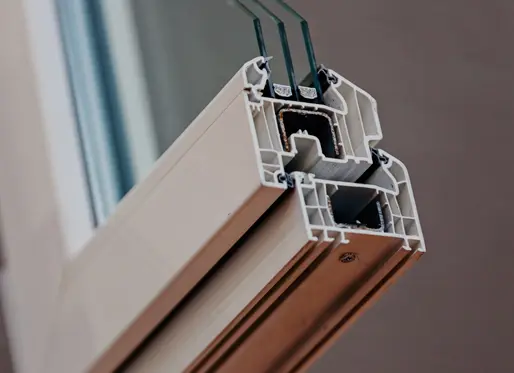
Cabins located in alpine or coastal areas face extreme wind shear and snow loading conditions. Standard mounting brackets are prone to micro-cracking and material fatigue over time. Our structural engineers address this by designing customized, marine-grade, anodized aluminum frames (6063-T5 and 6005-T6 alloys) and lightweight polyurethane composite frames. These frames prevent electrochemical corrosion and can withstand static downward snow loads of up to 5400 Pa and wind loads of up to 2400 Pa, ensuring long-term structural integrity in harsh conditions.
Your Photovoltaic Materials & Off-Grid Engineering Expert
Located in the scenic, historical, and cultural ancient city of Yangzhou, Jiangsu Province, near the Beijing-Shanghai Expressway, the Runyang Yangtze River Bridge, and the Ningqi Railway, YUXIN benefits from a prime geographical location and convenient transportation links. Established in 2008, the group operates 14 specialized multi-field companies, including Jiangsu Yuxin New Energy Technology Co., Ltd. We are recognized as a National High-tech Enterprise, a Technology-based Enterprise, and one of Gaoyou City's Top 100 Private Enterprises.
Over the past 15 years, YUXIN has evolved into a global exporter of off-grid solar equipment. By prioritizing vertically integrated quality control, we manage every step of production—from smelting raw aluminum structural components to configuring modular lithium iron phosphate (LiFePO4) battery packs. This ensures that every system we export meets the strict performance and safety standards required by operators worldwide.
Advanced Production Lines
Annual Sales Revenue
Annual Export Volume
Total Material Output Capacity
Explore our core manufacturing categories engineered specifically for off-grid cabins, remote microgrids, and portable mobile energy applications.
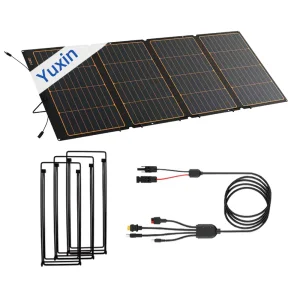
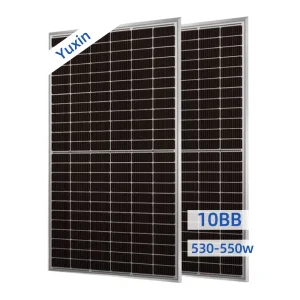
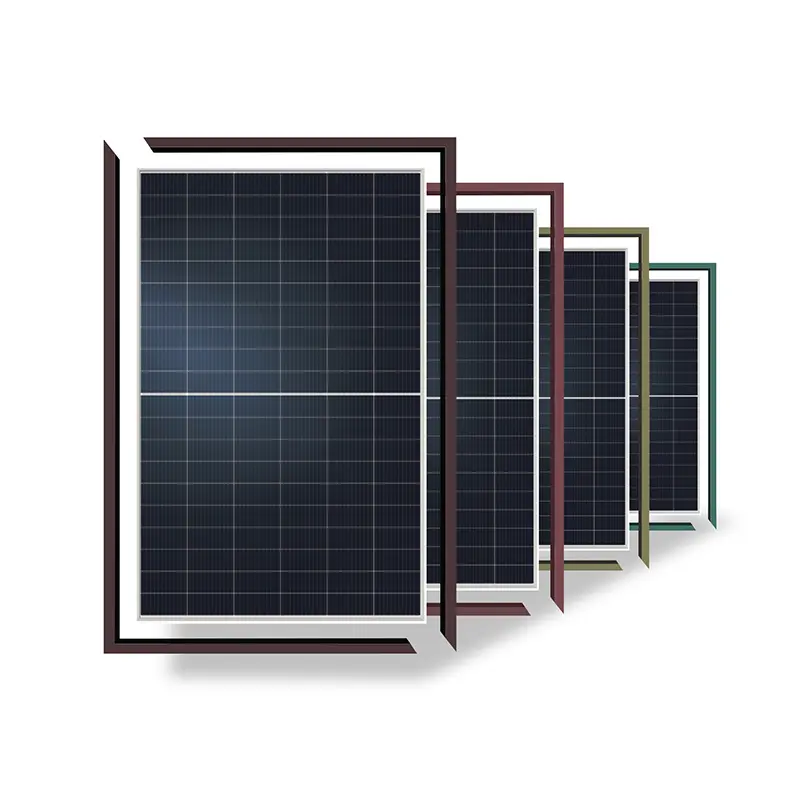
Lightweight design featuring transparent backsheets or dual-glass architecture. Engineered to simplify installation, optimize structural stability, and reduce overall Balance of System (BOS) costs.
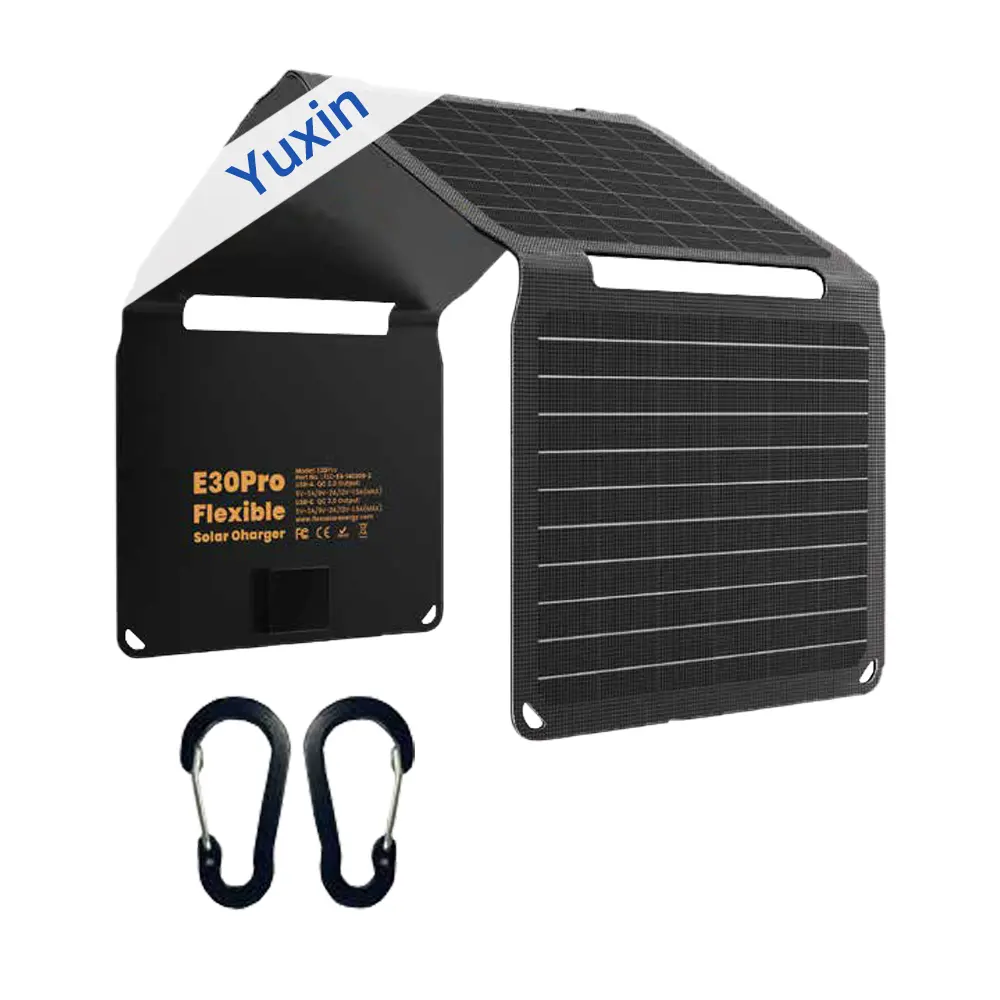
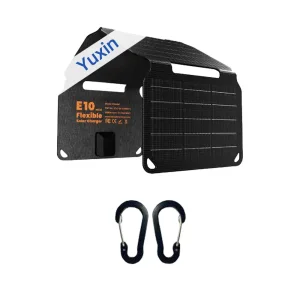
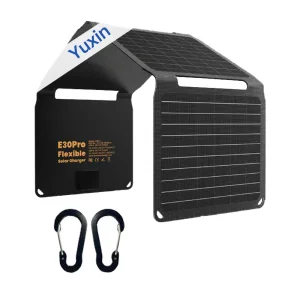
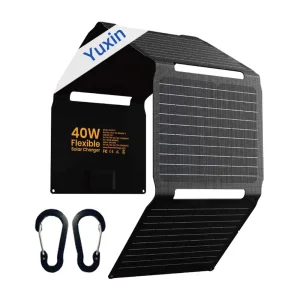
Utilizing high-grade monocrystalline silicon cells to achieve cell conversion efficiencies of up to 24%. Built with rugged, waterproof fabrics for demanding outdoor use.

Flexible power configurations supporting grid-tied, hybrid, and fully isolated off-grid operation. Designed for high reliability in remote residential and cabin environments.
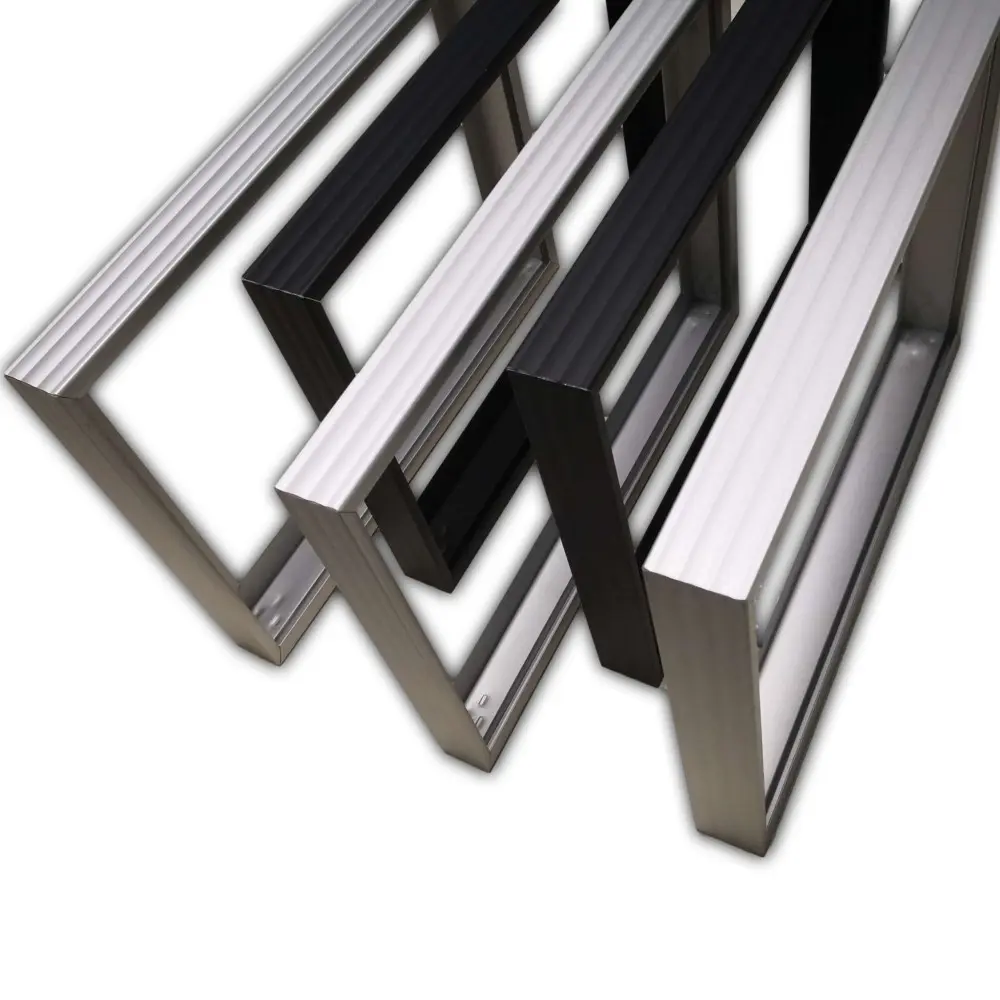
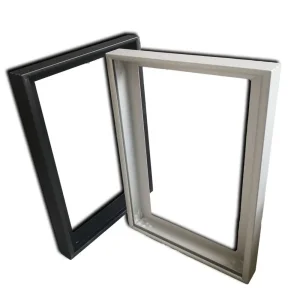
Extruded from high-purity anodized aluminum alloys (6063-T5/6005-T6). Provides excellent corrosion resistance, structural rigidity, and a long-lasting, weather-resistant finish.
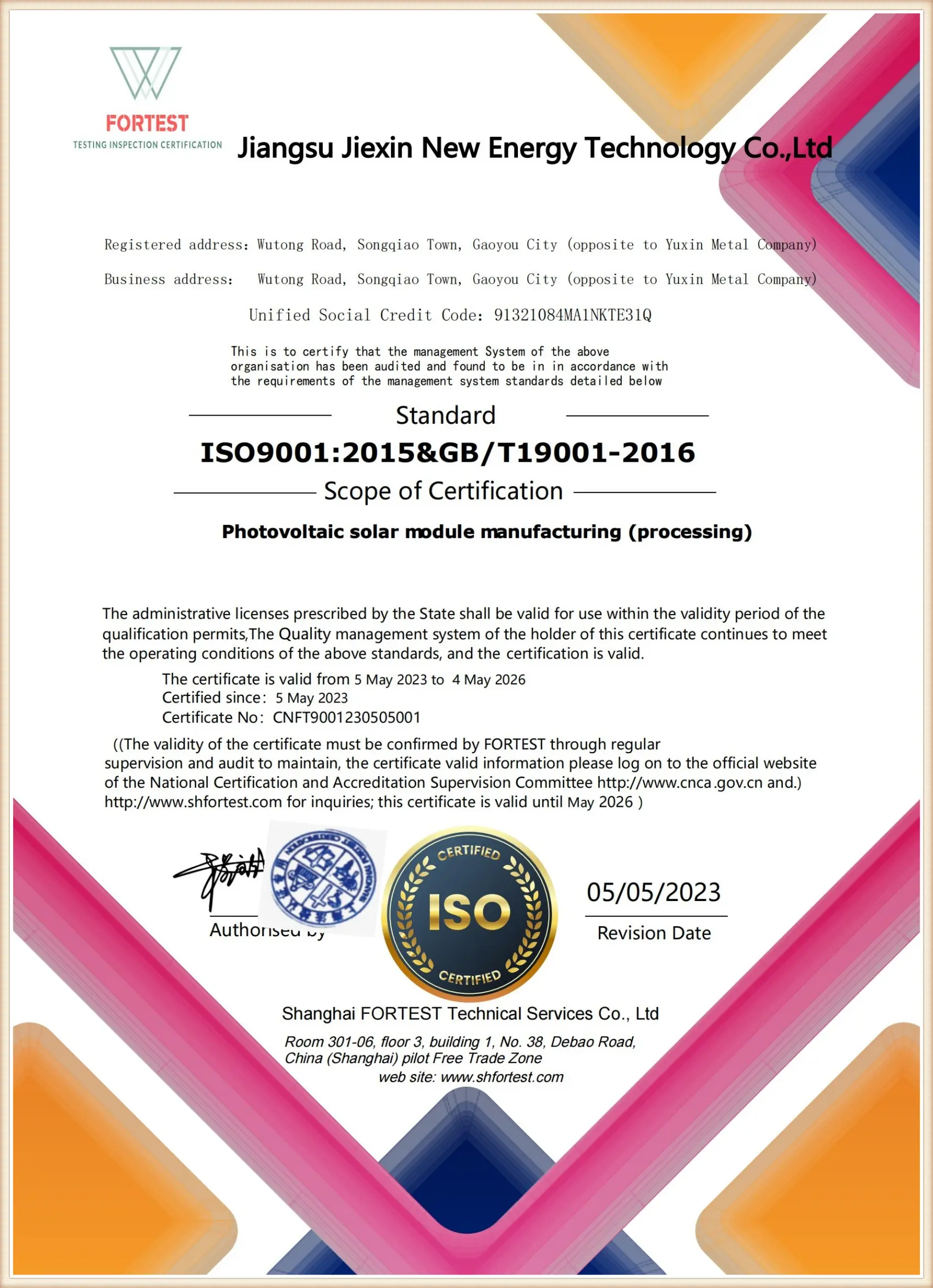
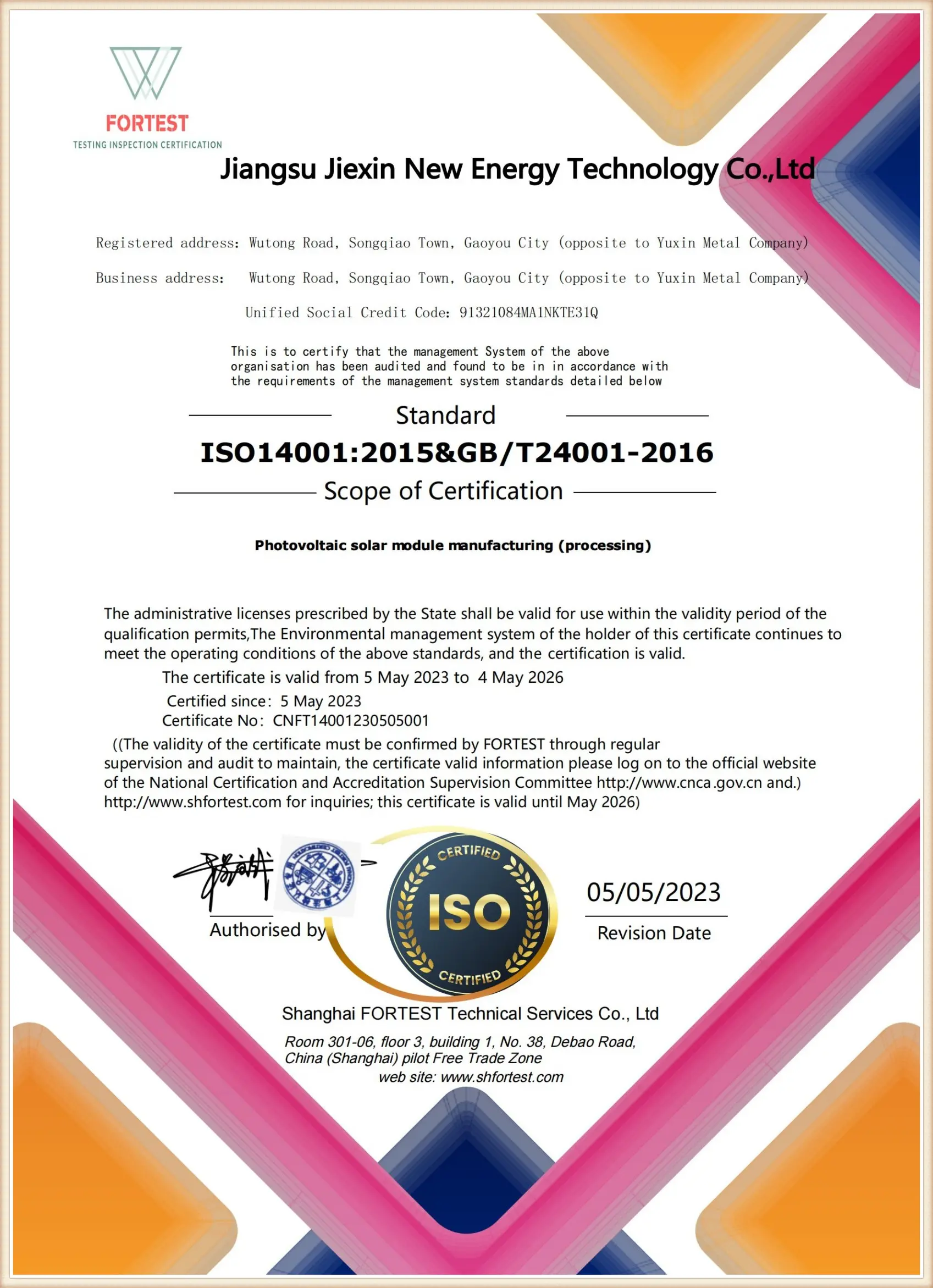
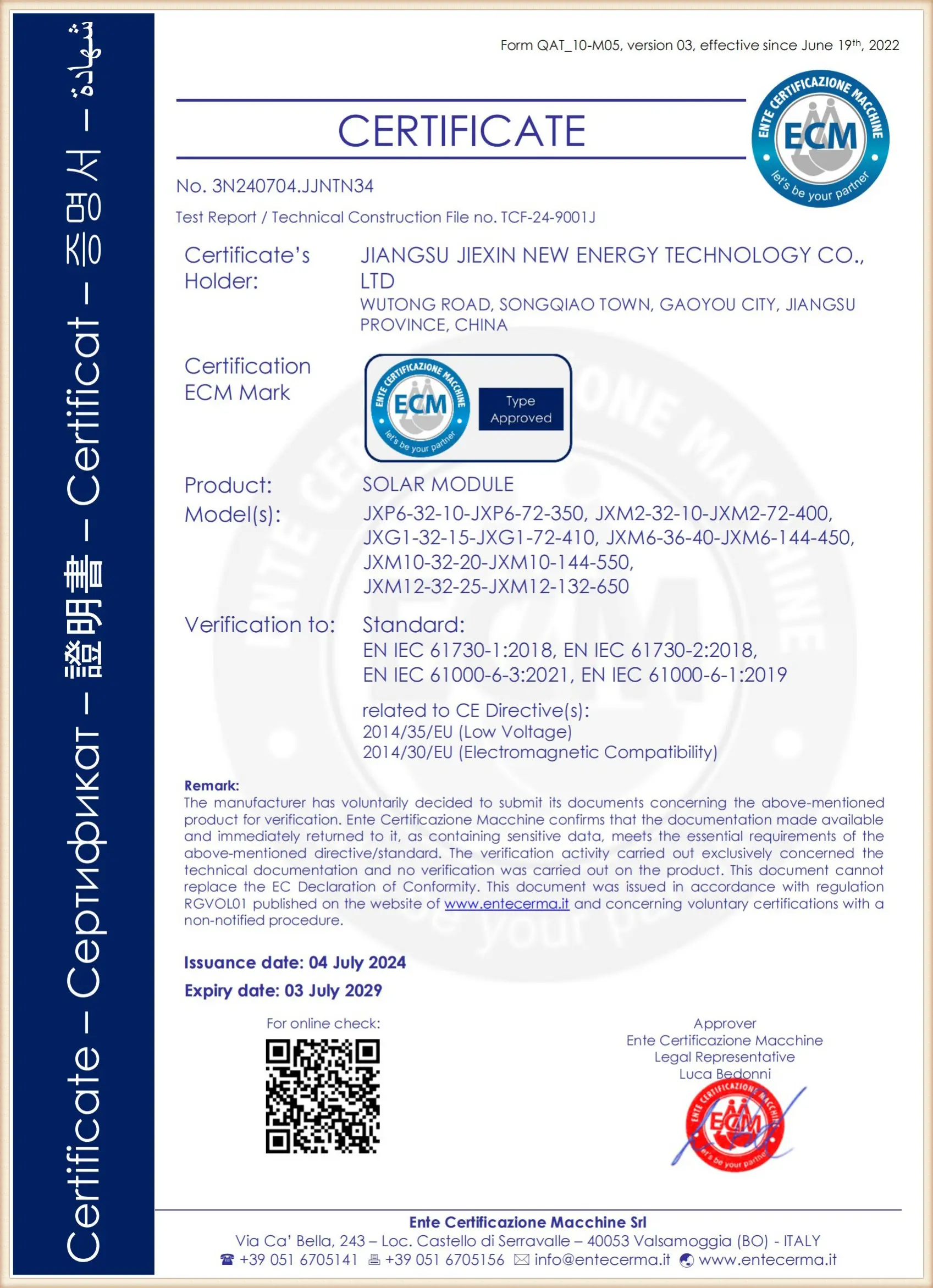
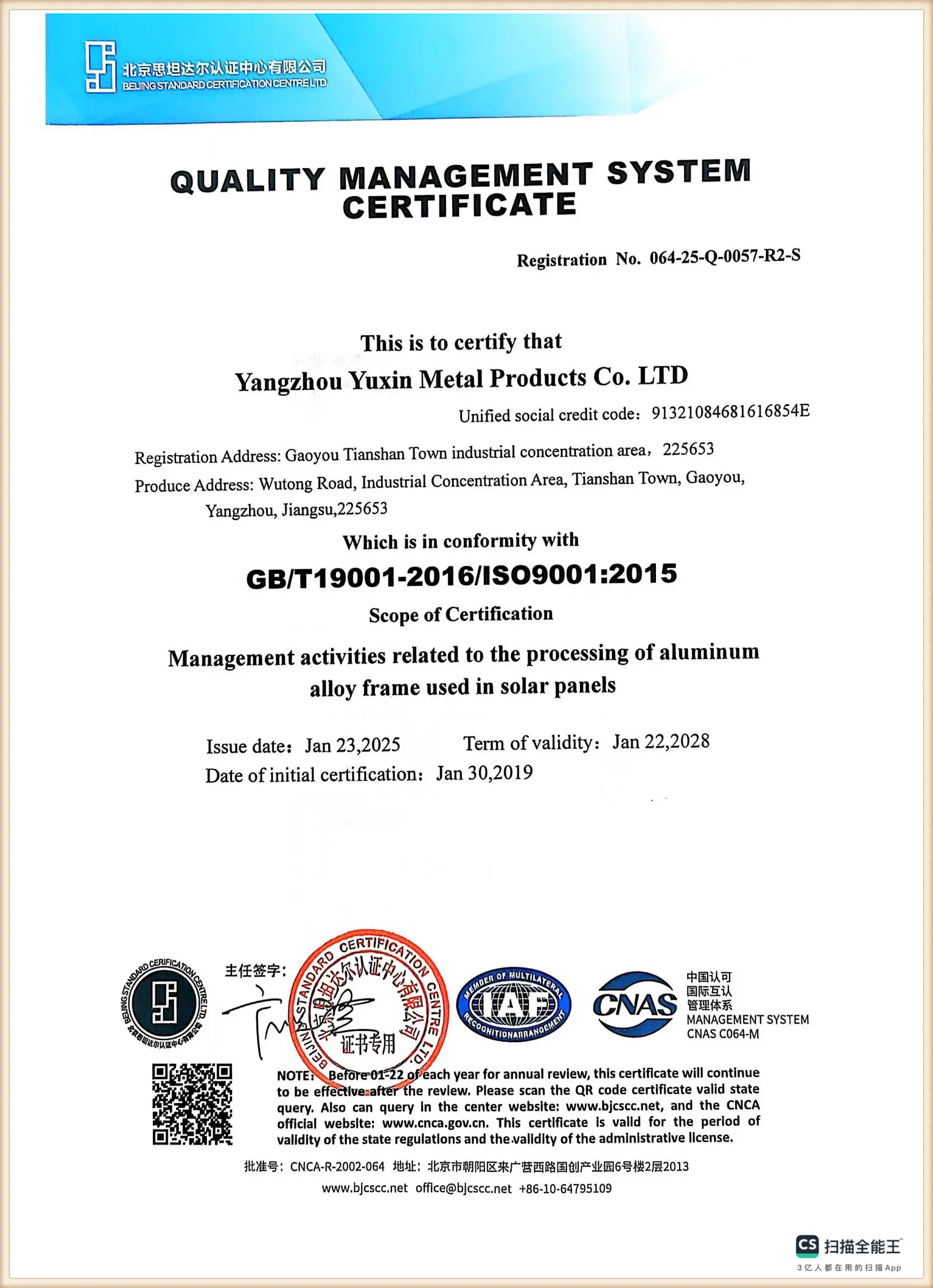
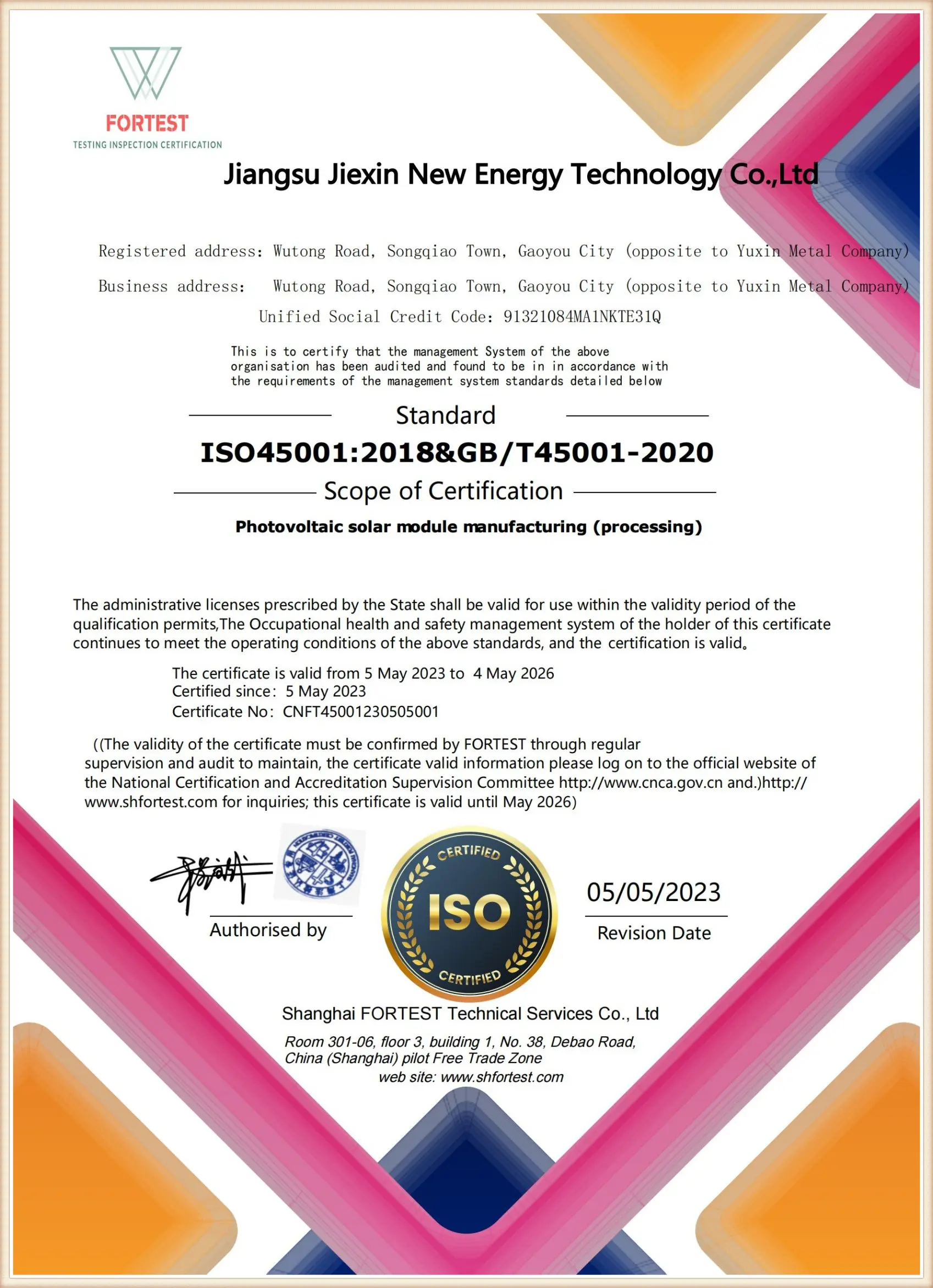
YUXIN products conform to the strictest global regulatory mandates. Our materials undergo testing to ensure safe operation, durability, and compliance across diverse markets.
From remote cabins and communication hubs to essential public infrastructure, our solar components power diverse applications worldwide.
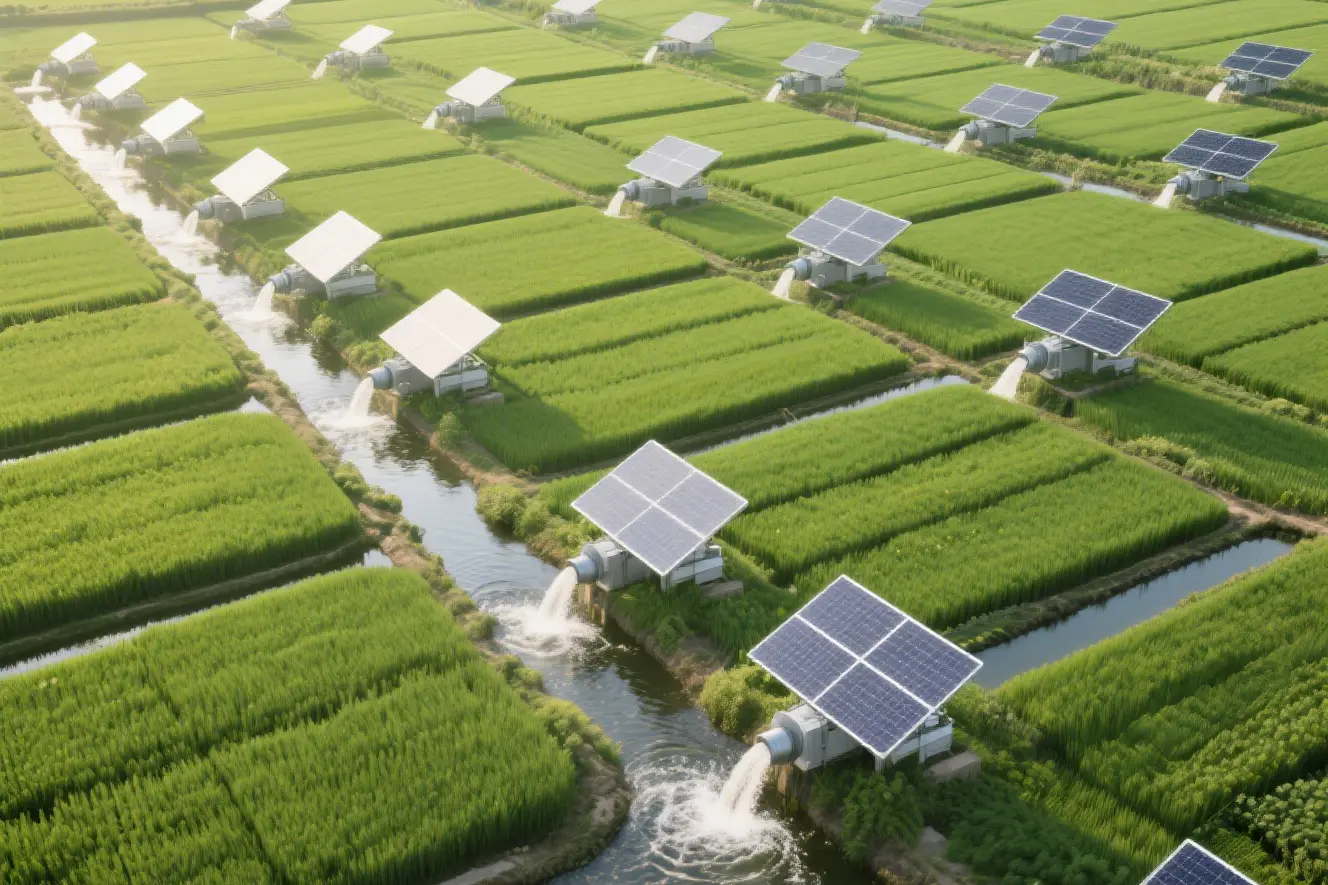
Powering remote water pumps, automated livestock feeding setups, and monitoring stations deep in agricultural regions.
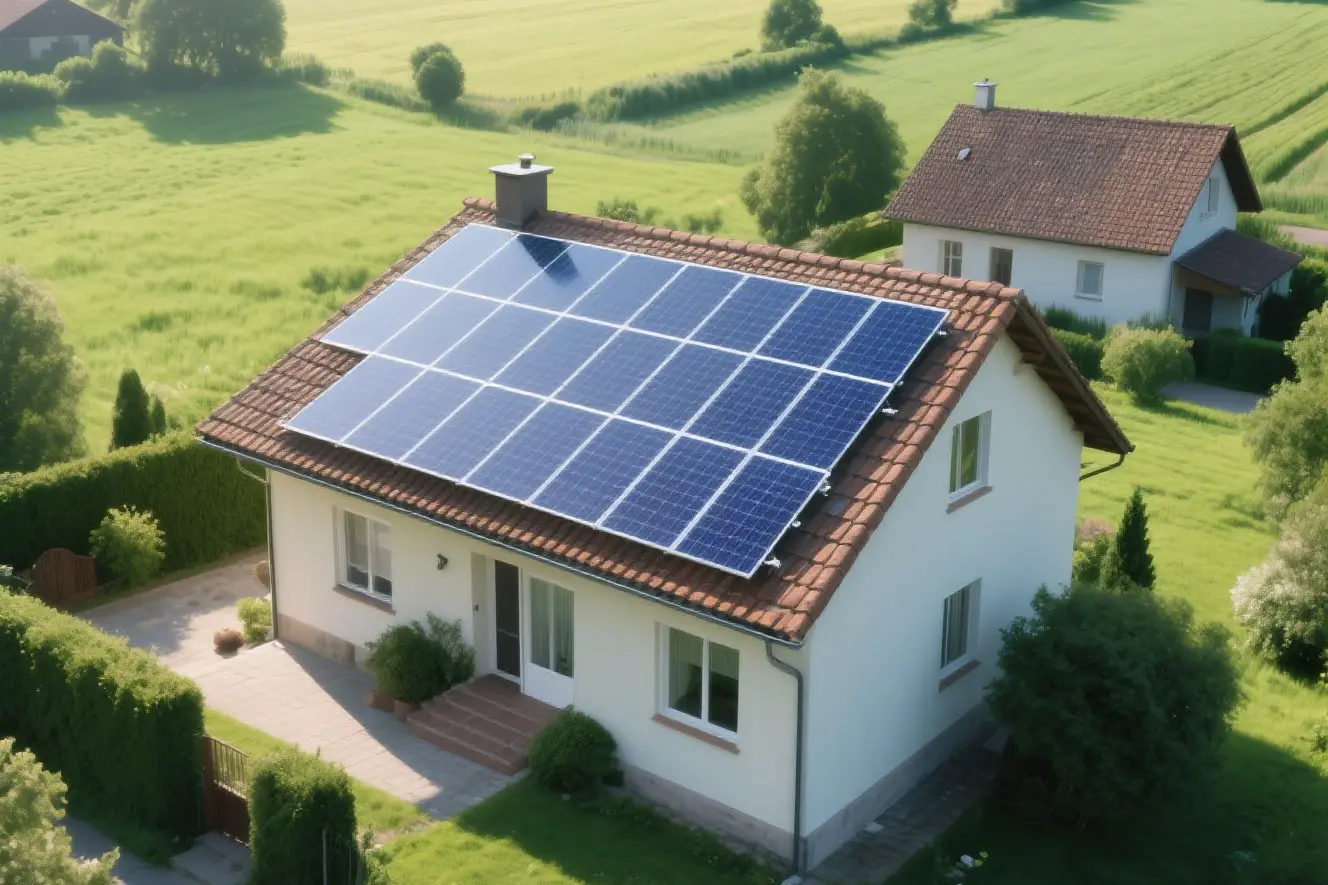
Providing temporary, low-carbon power for construction trailers, site illumination, and remote tool-charging stations.
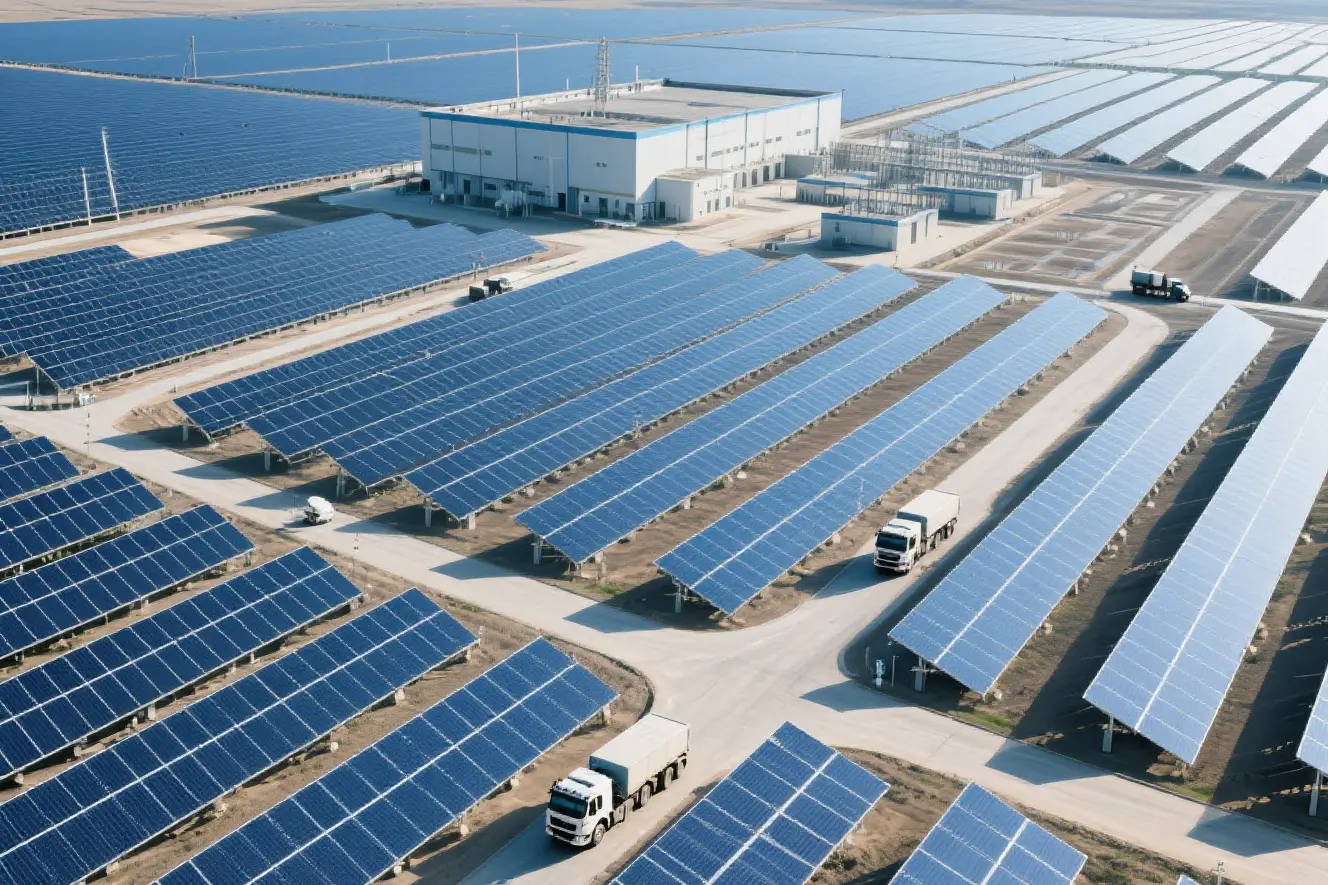
Supporting micro-generation and edge grid stabilization, helping decentralize rural power architectures.
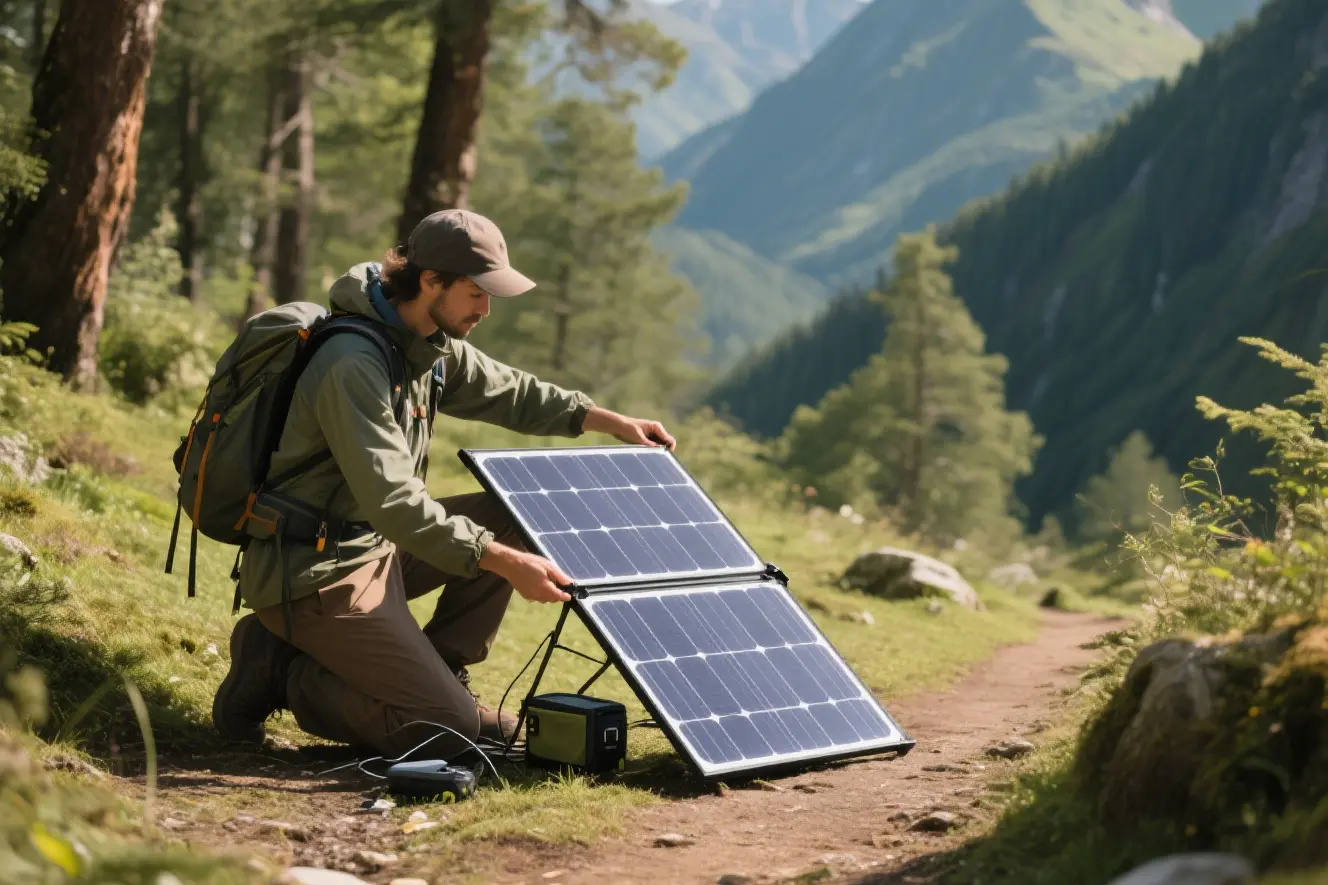
Providing reliable primary electricity for remote wilderness cabins, lodges, and high-altitude shelters.
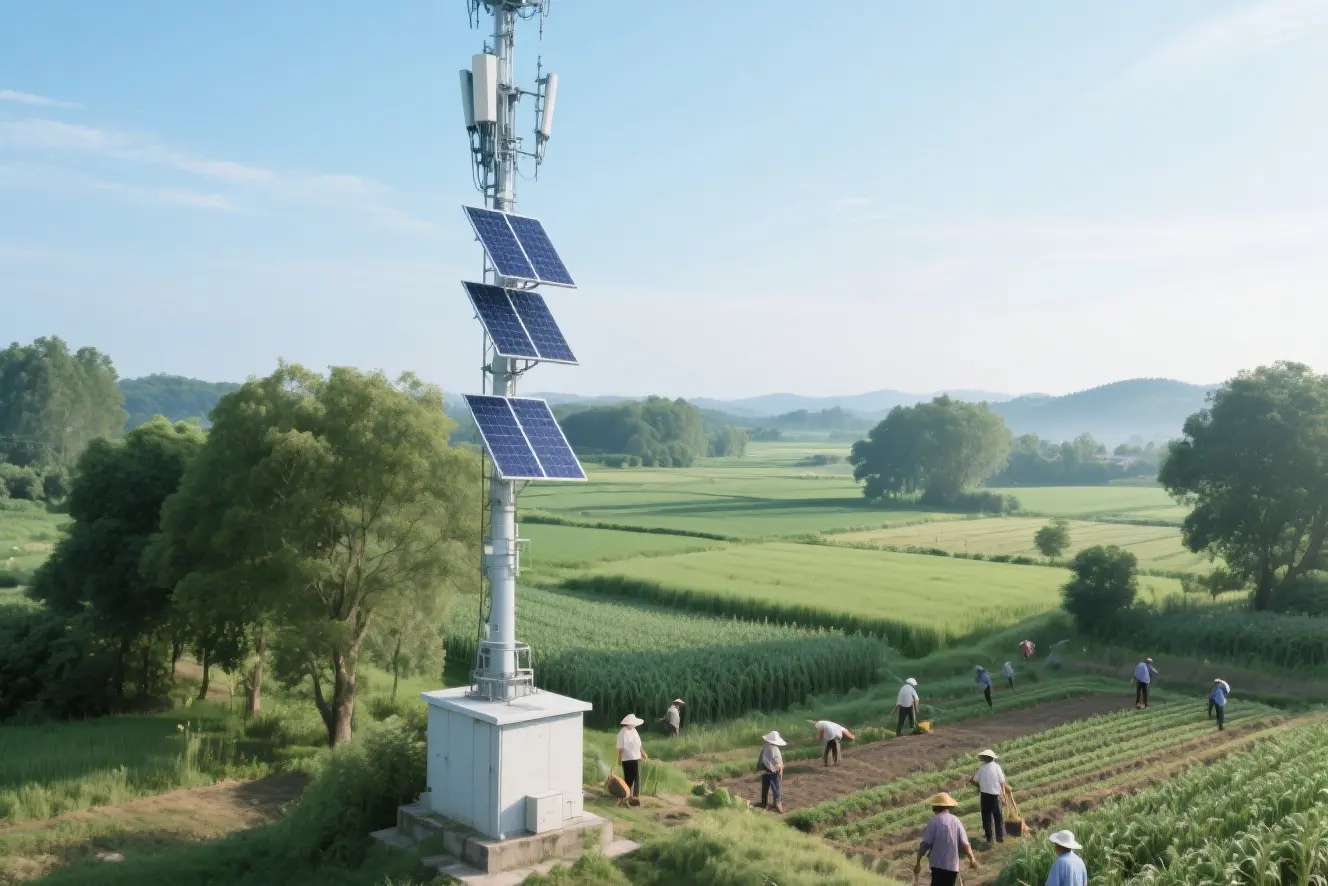
Powering remote telecom towers, weather sensors, and emergency repeaters requiring constant uptime.
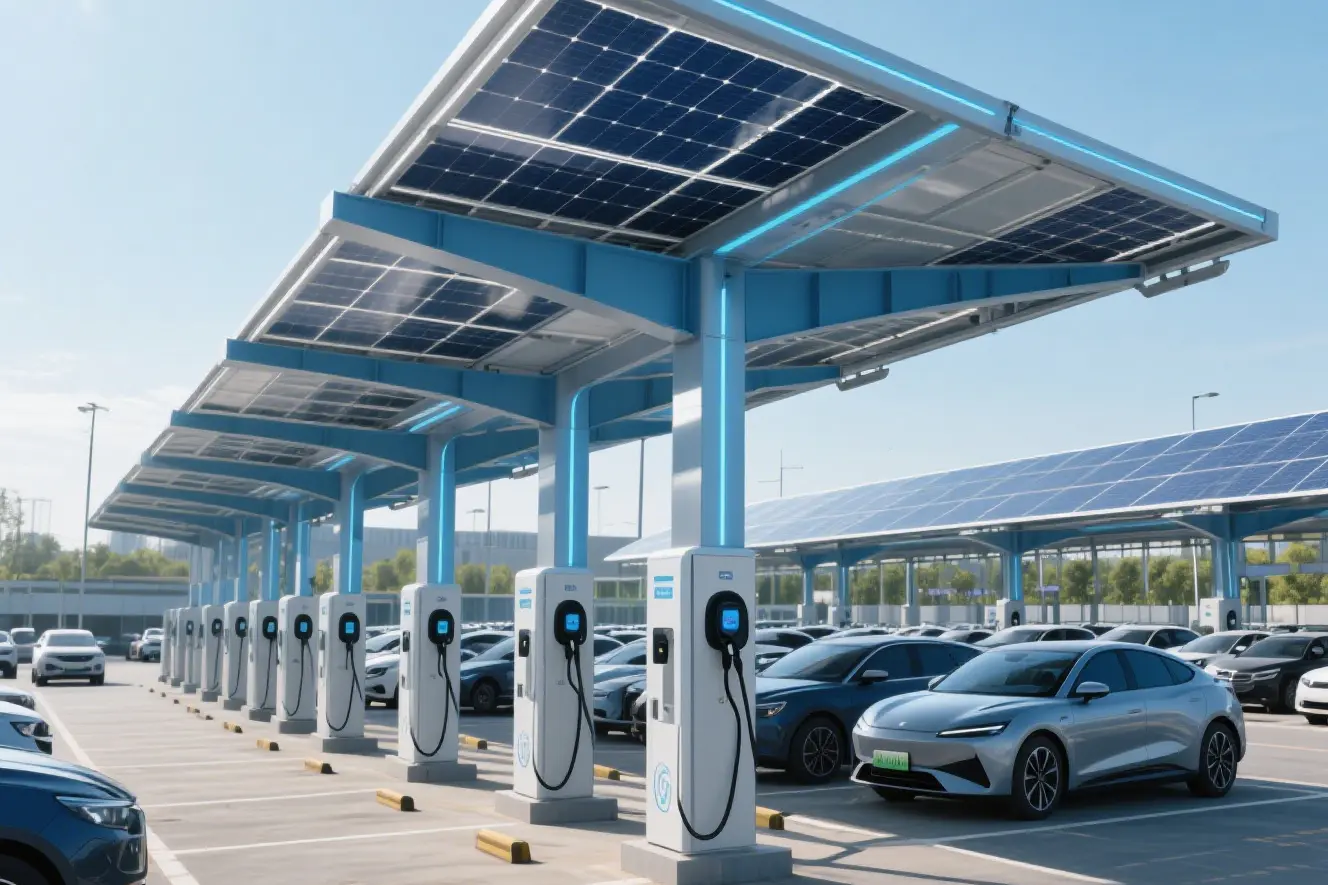
Running solar-powered highway signage, maritime warning beacons, and rail signaling installations.
Designing systems for complete off-grid reliability requires a balance of high-efficiency energy capture and robust storage. Standard setups often struggle with extreme temperatures, shading, and mechanical fatigue. YUXIN addresses these issues by engineering integrated components specifically optimized for harsh, remote locations.
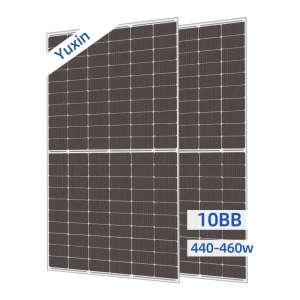
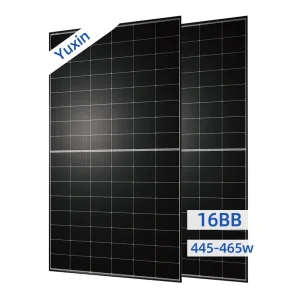
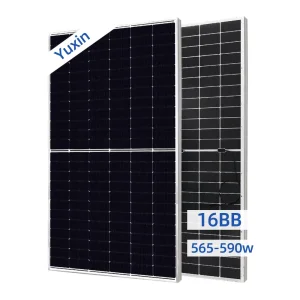
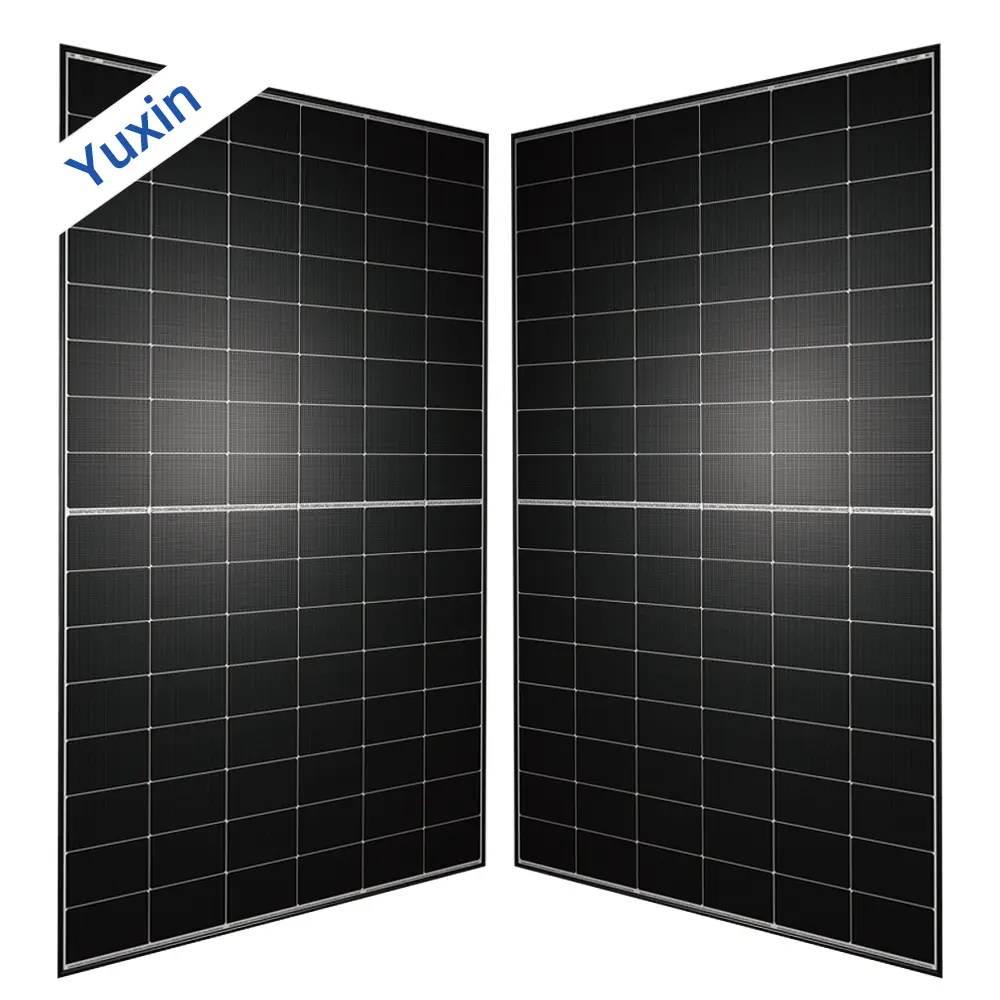
Our dual-glass solar panels leverage advanced N-type monocrystalline cells with 16 busbar (16BB) technology. Compared to traditional P-type PERC panels, our N-type modules deliver a lower temperature coefficient (-0.30%/°C) and reduce light-induced degradation (LID) to near zero. This ensures stable power output even during high midday temperatures at remote sites.
Additionally, our bifacial glass panels feature a highly transparent backsheet that captures reflected light from the ground, snow, or surrounding structures. This can increase total energy yield by up to 25%, depending on the surface albedo. The dual-glass design also acts as a hermetic seal, protecting cells from moisture ingress, PID (potential induced degradation), and mechanical micro-cracking caused by heavy snow loads or high winds.
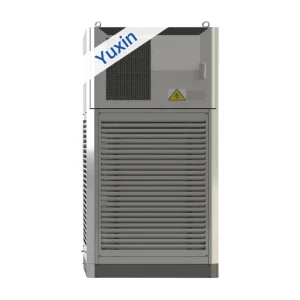
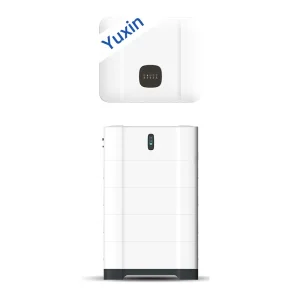
An off-grid system is only as reliable as its battery storage. The YUXIN modular energy storage system (such as the P01-EC60-30K) uses high-capacity Lithium Iron Phosphate (LiFePO4) chemistry. LiFePO4 offers superior thermal stability and a long cycle life, maintaining over 80% capacity after 6,000 charge cycles at 80% Depth of Discharge (DoD).
Each ESS unit features an integrated battery management system that balances cells, prevents overcharging, and protects against thermal runaways. For systems installed in colder climates, built-in temperature sensors activate low-draw heating elements to ensure safe charging even when ambient temperatures drop below freezing.
Because structural mounting is a common failure point for remote installations, YUXIN manufactures frames designed for harsh outdoor environments:
Exporting industrial electrical equipment requires strict adherence to international safety and performance standards. YUXIN maintains a comprehensive compliance framework to ensure smooth customs clearance and rapid installation upon arrival.
Our solar modules, inverters, and battery storage systems are certified to meet major international standards, including CE, IEC 61215, IEC 61730, and UL 1973. Additionally, our factories operate under ISO 9001, ISO 14001, and ISO 45001 management systems, ensuring consistent production quality and complete traceability for every component shipped.
To support overseas installers and distributors, YUXIN provides detailed engineering documentation. This includes wind load calculations, electrical schematics, and comprehensive configuration guides. Our team works directly with clients to optimize bill-of-materials (BOS) specifications, helping minimize transport costs and speed up on-site deployment.
As off-grid energy demands increase, YUXIN is continuously updating its technology roadmap to deliver higher efficiency, better reliability, and lower lifetime system costs.
Over the next few years, we will transition our primary solar modules from TOPCon technology to high-efficiency Back Contact (BC) cell configurations. BC modules place all electrical contacts on the rear of the cell, eliminating front-facing shading and boosting module efficiency toward 25%. This allows cabins with limited roof space to generate significantly more power.
In our energy storage division, we are developing next-generation Energy Management Systems (EMS) that use local weather forecasting data and machine learning to optimize battery charging and discharging cycles. Additionally, we are researching solid-state battery integrations to improve energy density and extend safe operating ranges down to -40°C without requiring internal heaters.
Collaborating with global engineering firms, EPC contractors, and component suppliers to build reliable off-grid systems worldwide.

Expert technical answers to common questions about designing, installing, and scaling off-grid power systems for cabins and remote projects.
A comprehensive selection of our solar modules, specialized frames, and modular storage components available for global shipment.