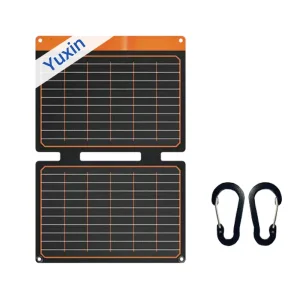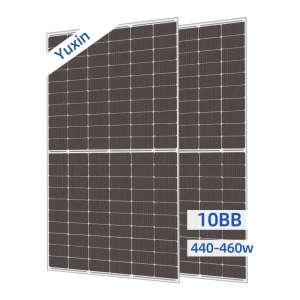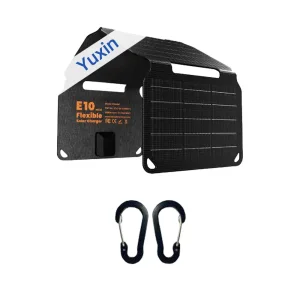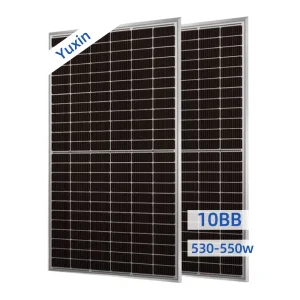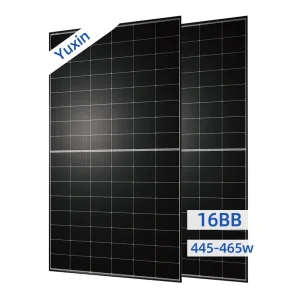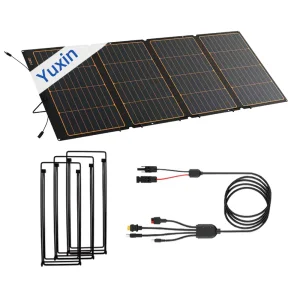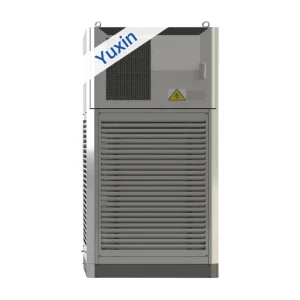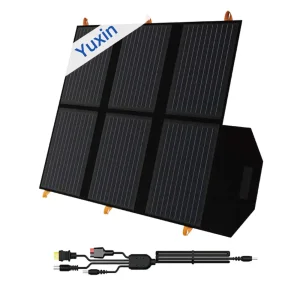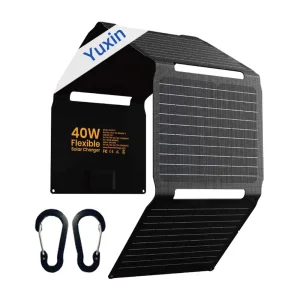
Direct supply from industry-validated exporters featuring maximum solar irradiance absorption and high durability.
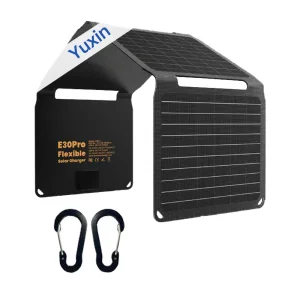
The global demand for portable renewable energy has shifted from small, low-capacity utility panels to highly robust, mid-range generation systems. The 300W camping solar panel has emerged as the global industry benchmark for off-grid outdoor operations, mobile workplaces, and emergency preparedness. By balancing power yield, weight, and spatial footprint, 300-watt modules supply sufficient amperage to charge portable power stations (PPS) from 1kWh to 3kWh capacity in realistic day-to-day sunlight conditions.
Unlike residential rooftop solar modules that utilize heavy, rigid glass and structural aluminum designs optimized for decades-long static placement, camping solar panel designs require a hybrid structural approach. B2B buyers must evaluate mechanical resilience, material interfaces (such as ETFE versus PET encapsulation), thermal degradation thresholds, and overall system compatibility to secure maximum return on investment.
"Key Industry Trend: Foldable, lightweight 300W solar modules are progressively replacing rigid 100W setups. System integrators prefer high-output single-panel arrays to minimize cable resistance, limit installation complexity, and reduce Balance of System (BOS) costs."
Procurement patterns for portable solar components vary significantly across geographic territories, influenced by regulatory mandates, supply chain infrastructure, and localized outdoor lifestyles:
Solving global remote power challenges with enterprise-level solar integration products.
Lightweight design with transparent back panel options for easy deployment, optimized for reduced system setup costs and rapid field installation.
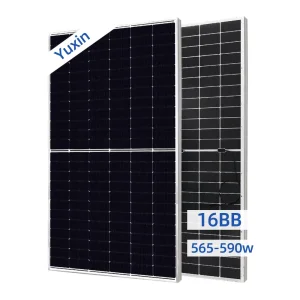
Utilizing advanced monocrystalline silicon cells to achieve an energy conversion efficiency of up to 24% in real-world operating climates.
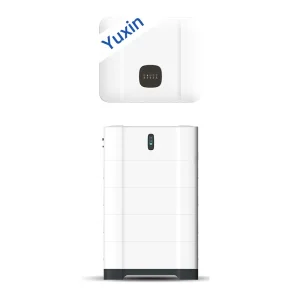
Off-grid, grid-tied, and intelligent hybrid energy storage configurations designed to scale up alongside family and commercial demands.
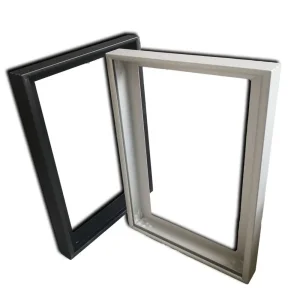
Constructed with premium anodized aluminum (6063-T5 / 6005-T6) to deliver long-term corrosion resistance and stability under high mechanical loads.
Exporters of high-yield 300W camping solar panels are shifting their cell technology stack. Traditional monocrystalline PERC (Passivated Emitter and Rear Cell) technology is increasingly giving way to N-type TOPCon (Tunnel Oxide Passivated Contact) and HJT (Heterojunction Technology) cell options.
N-type TOPCon cells feature lower light-induced degradation (LID) and an improved temperature coefficient (-0.30%/°C compared to -0.35%/°C for P-type cells). In camping scenarios, where panels operate flat on the ground or propped up on high-temperature ground surfaces without wind ventilation beneath, N-type cells yield up to 10% more power over a typical summer afternoon.
| Parameters | Anodized Aluminum (6063-T5) | Polyurethane (PU) Pultruded Composite | Frameless / Flexible (ETFE/PET) |
|---|---|---|---|
| Mechanical Strength | High (Structural grade) | Extreme (Tension elastic memory) | Low (Prone to cell micro-cracks) |
| Weight / Footprint | Standard (Heavyweight profile) | 30% Lighter than Aluminum | Ultralight (Highly transportable) |
| PID & Insulation | Requires Grounding to prevent PID | Non-conductive, Zero PID risk | Self-insulating layers |
| Primary Target Market | Off-Grid RV & Base Camp Mounts | Heavy-Duty Industrial Field PV | Backpacking, Hiking, Marine Kits |
For foldable 300W solar modules, the outer layer material determines the product's lifespan. Low-cost exporters use PET (Polyethylene Terephthalate) laminates, which degrade within 1-2 years under intense UV exposure, leading to yellowing, delamination, and power loss. Premium exporters employ ETFE (Ethylene Tetrafluoroethylene). ETFE is a high-strength fluoropolymer that offers 95%+ light transmission, high resistance to UV, and self-cleaning properties that prevent dust build-up from blocking sunlight.
Your Strategic Photovoltaic Materials & Assembly Expert since 2008
Established in 2008, YUXIN has grown to integrate 14 specialized industrial subsidiaries, including Jiangsu Yuxin New Energy Technology Co., Ltd. Headquartered in the ancient industrial city of Yangzhou—highly connected to the Beijing-Shanghai Expressway, the Runyang Yangtze River Bridge, and the Ningqi Railway—the group benefits from a reliable logistics network to ship heavy solar materials globally.
Recognized as a National High-tech Enterprise and named among Gaoyou City’s Top 100 Private Enterprises, YUXIN supports global solar brands with structural components, anodized frames, household storage integrations, and high-efficiency portable systems.
Deploying specialized PV systems across various business sectors.

Powers remote water pumps, IoT soil sensors, and electric fencing in off-grid grazing lands.
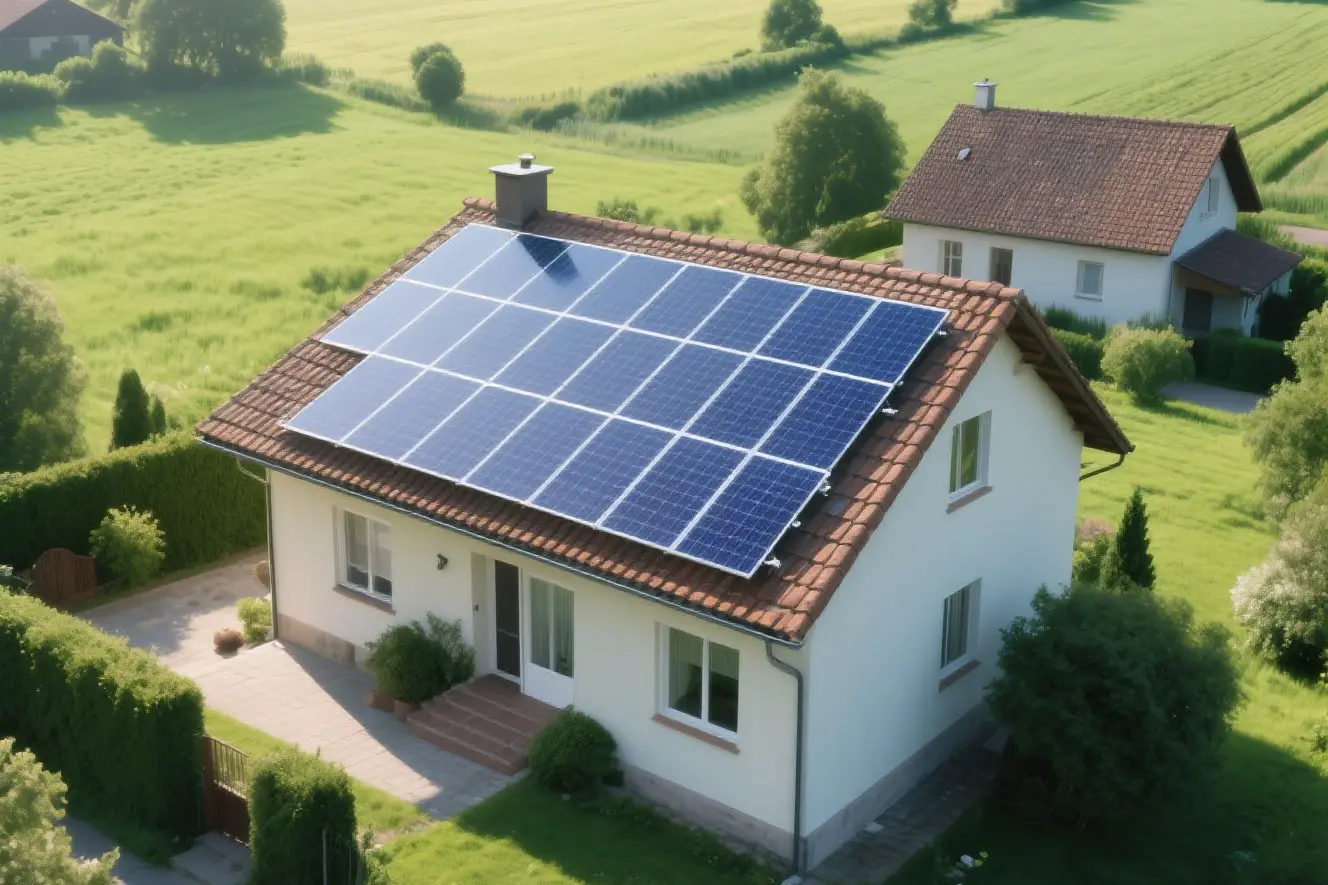
Supplies quiet, emission-free daytime site power for tool-charging stations and security towers.
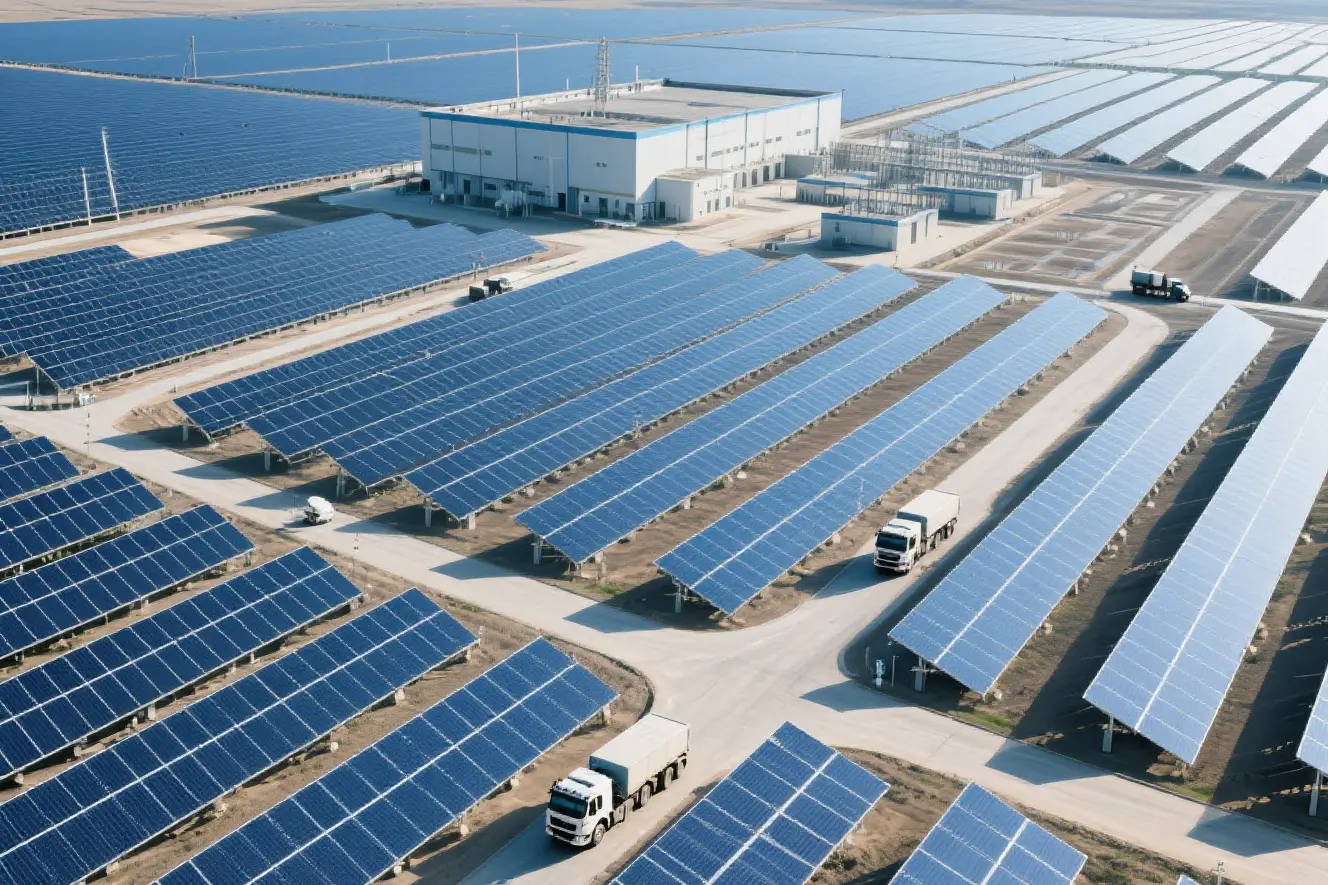
Provides backup power configurations and peak-load shaving systems for regional utilities.
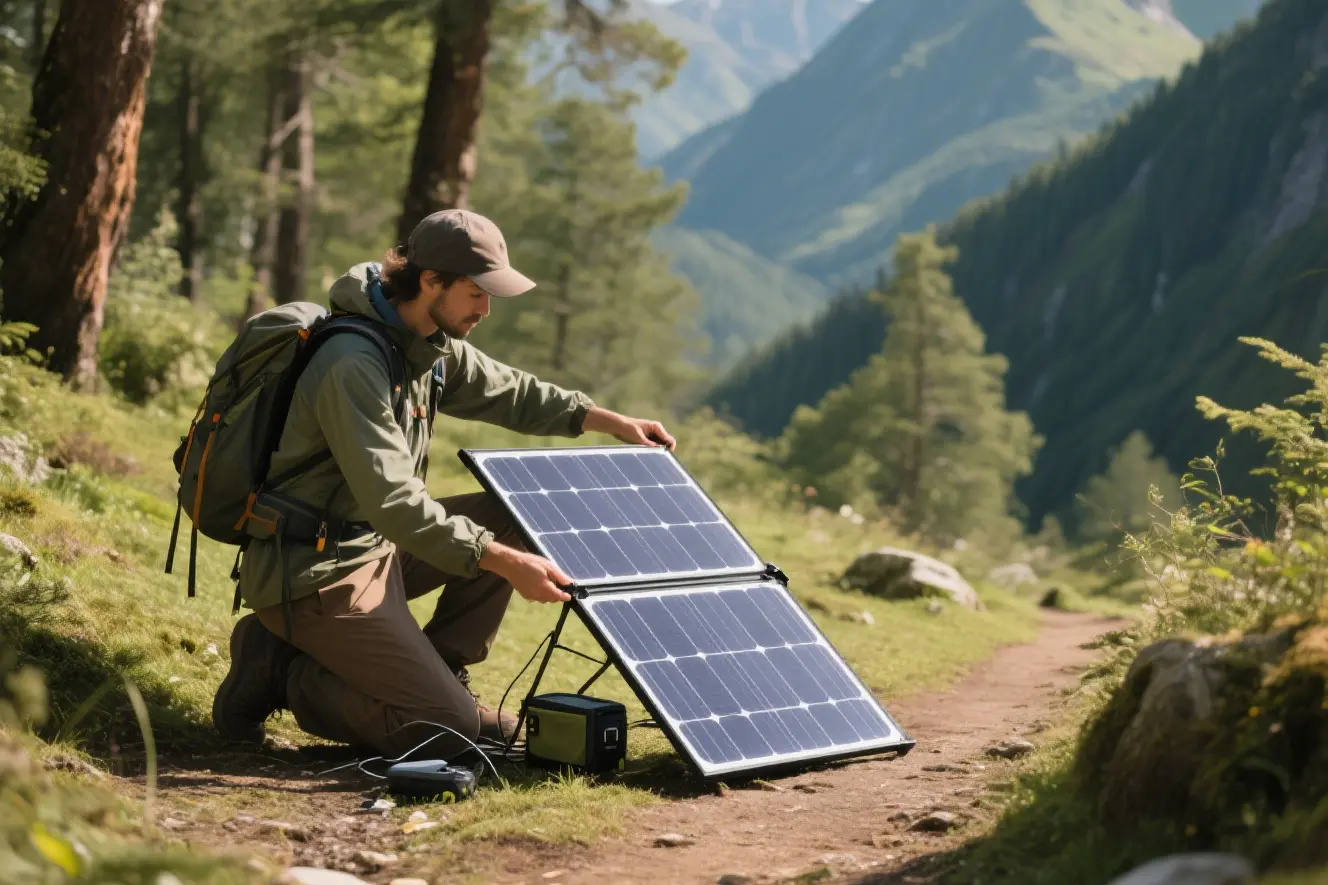
Powers basecamps, mobile command centers, overlanding setups, and hiking trips.
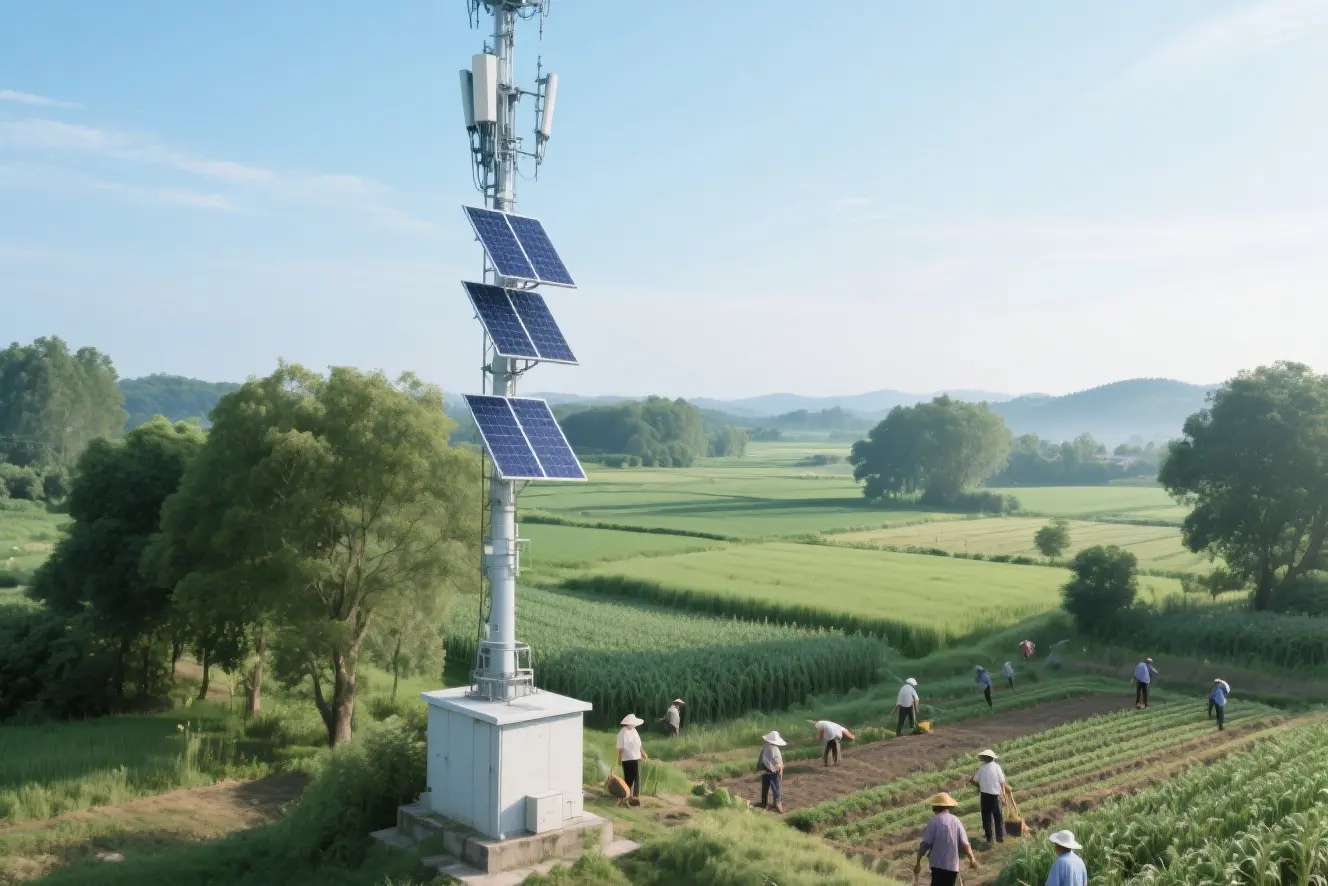
Provides reliable, continuous power for remote microwave repeaters and 5G small cells.
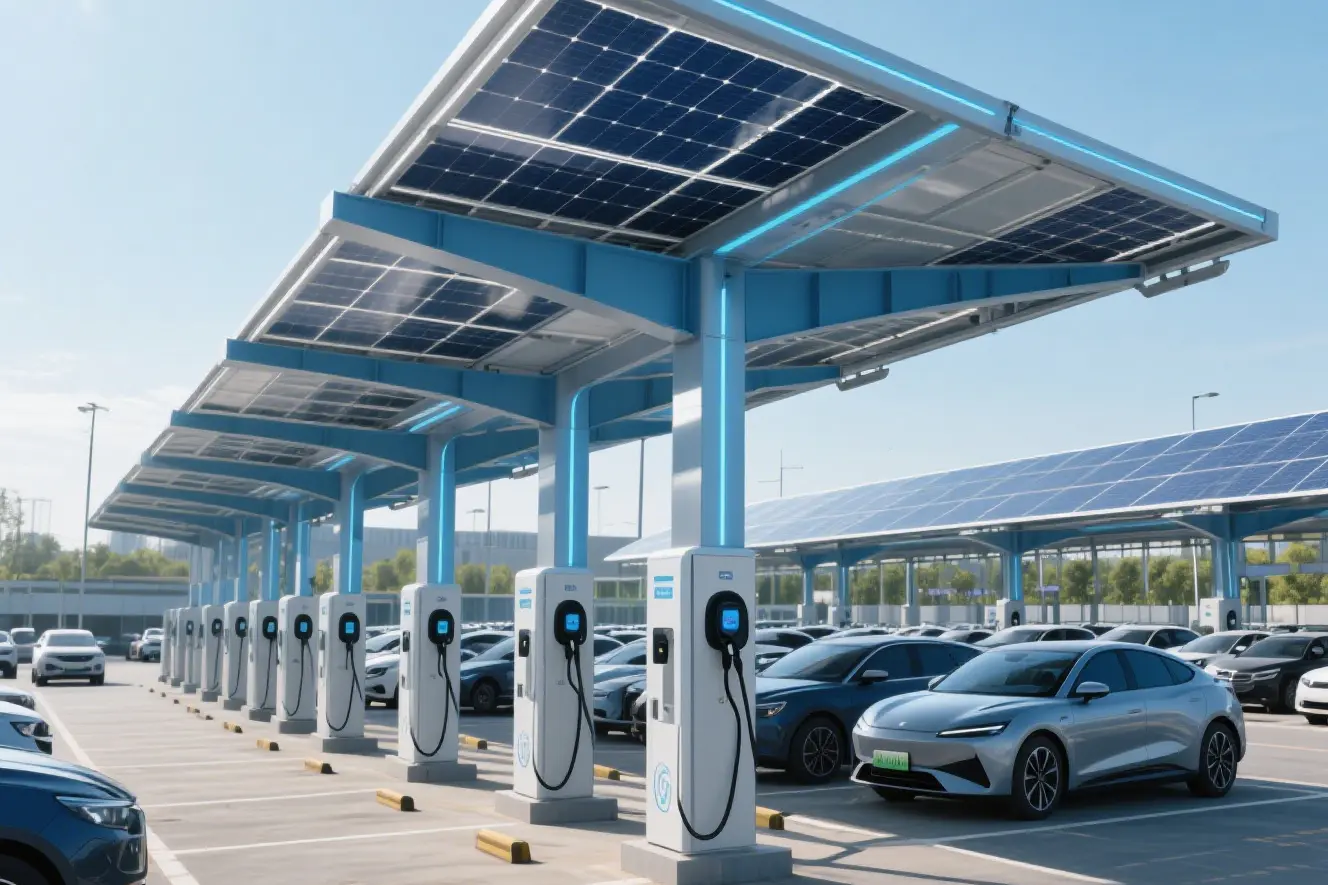
Powers active warning signs, monitoring stations, and dynamic tolling equipment.
All products undergo standard inspections to meet international mechanical, electrical, and environmental specifications.
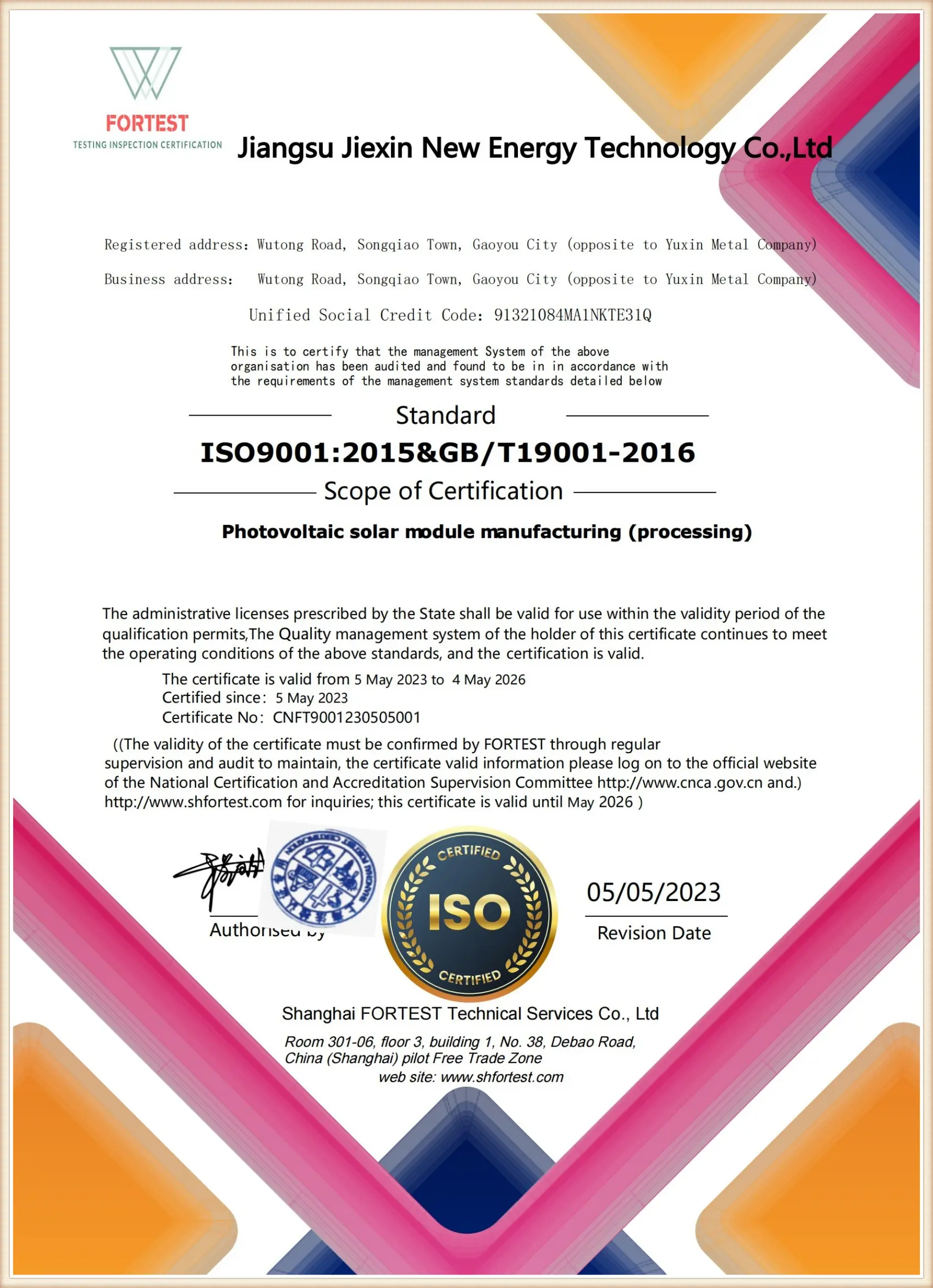
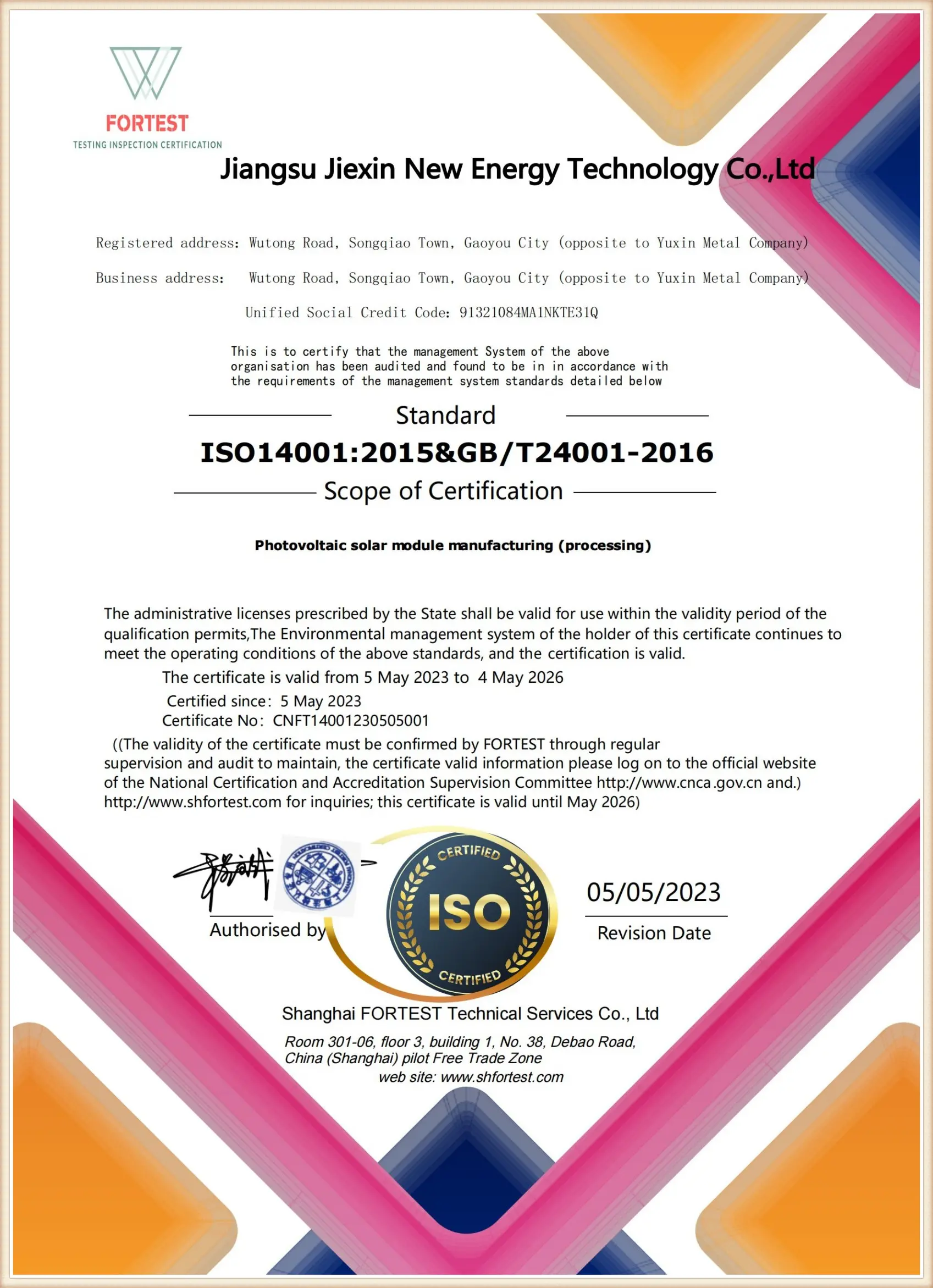
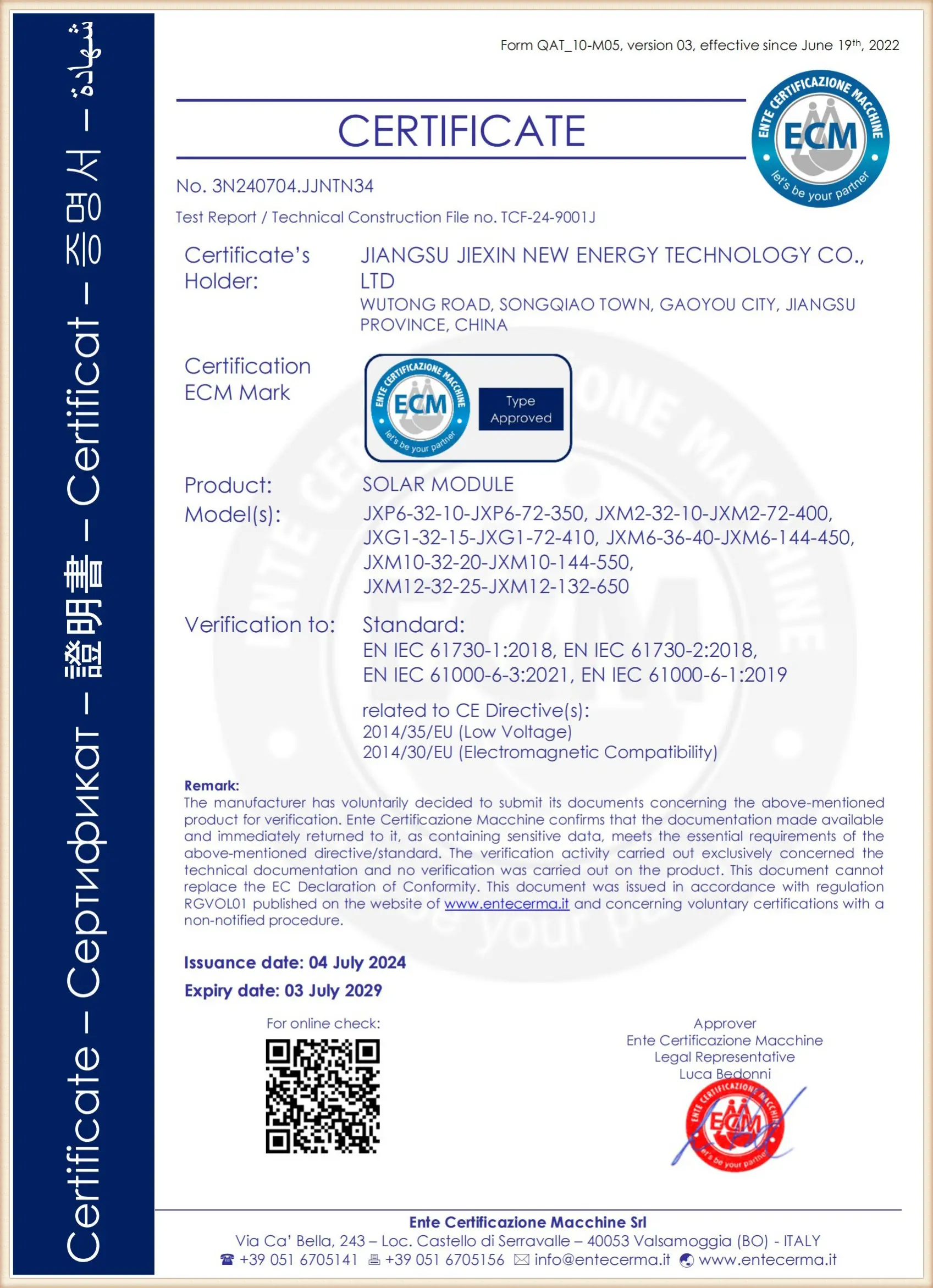
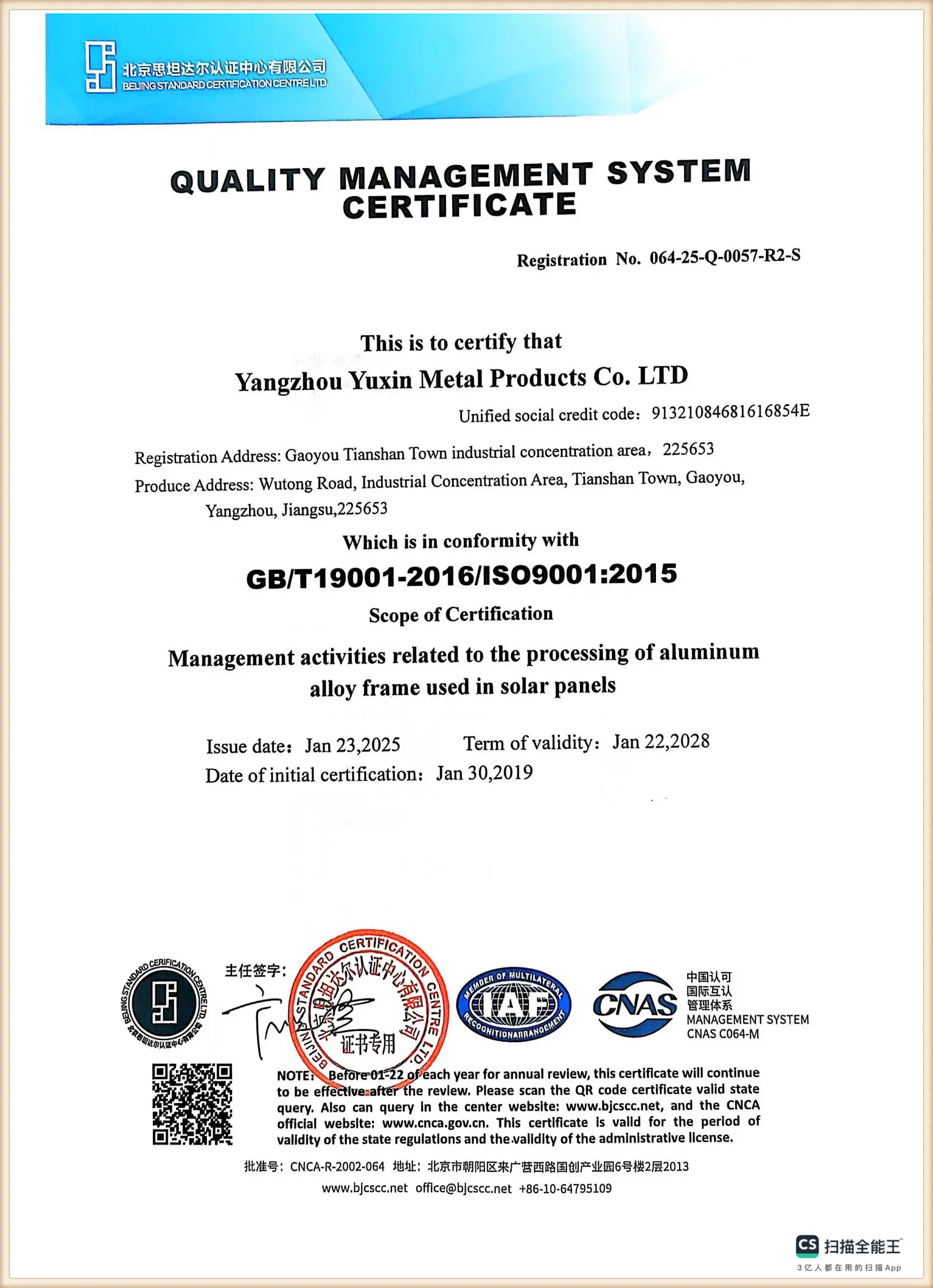
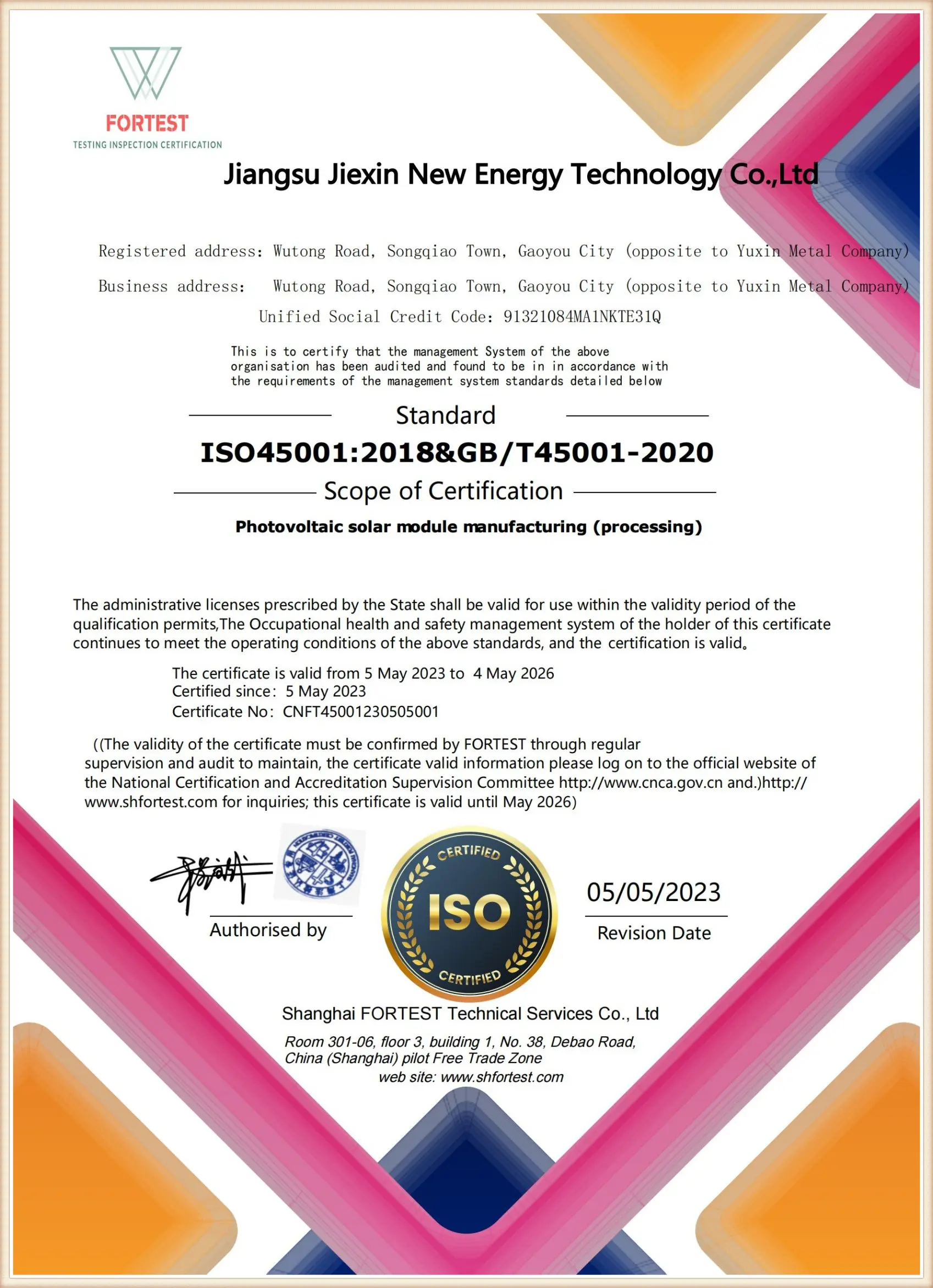
Providing custom solar manufacturing and reliable logistical supply support to international brands.










Keep up with technical updates, manufacturing standards, and materials science innovations.
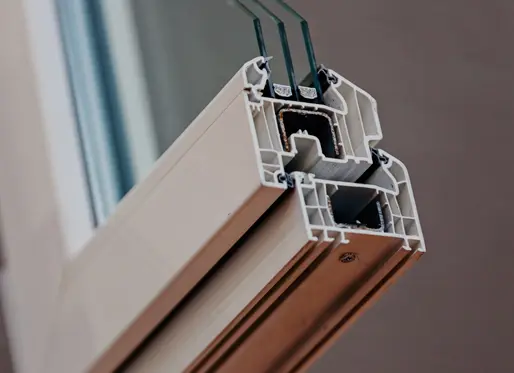
Analysis of alloy composition, anodized thickness requirements, and structural performance under mechanical strain.
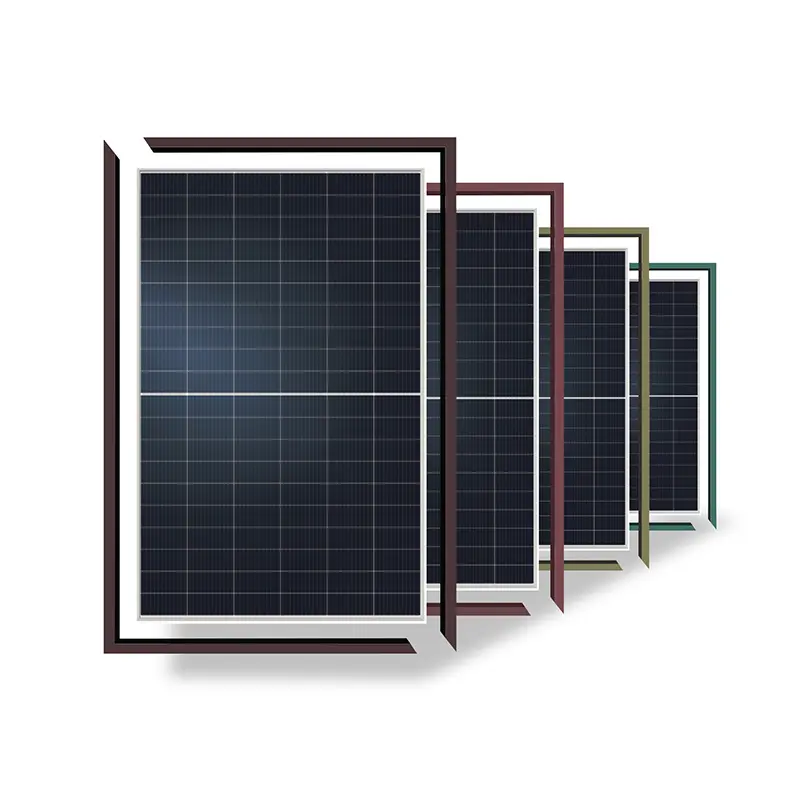
Key procurement variables, supply audits, and environmental standard checks for commercial sourcing operations.
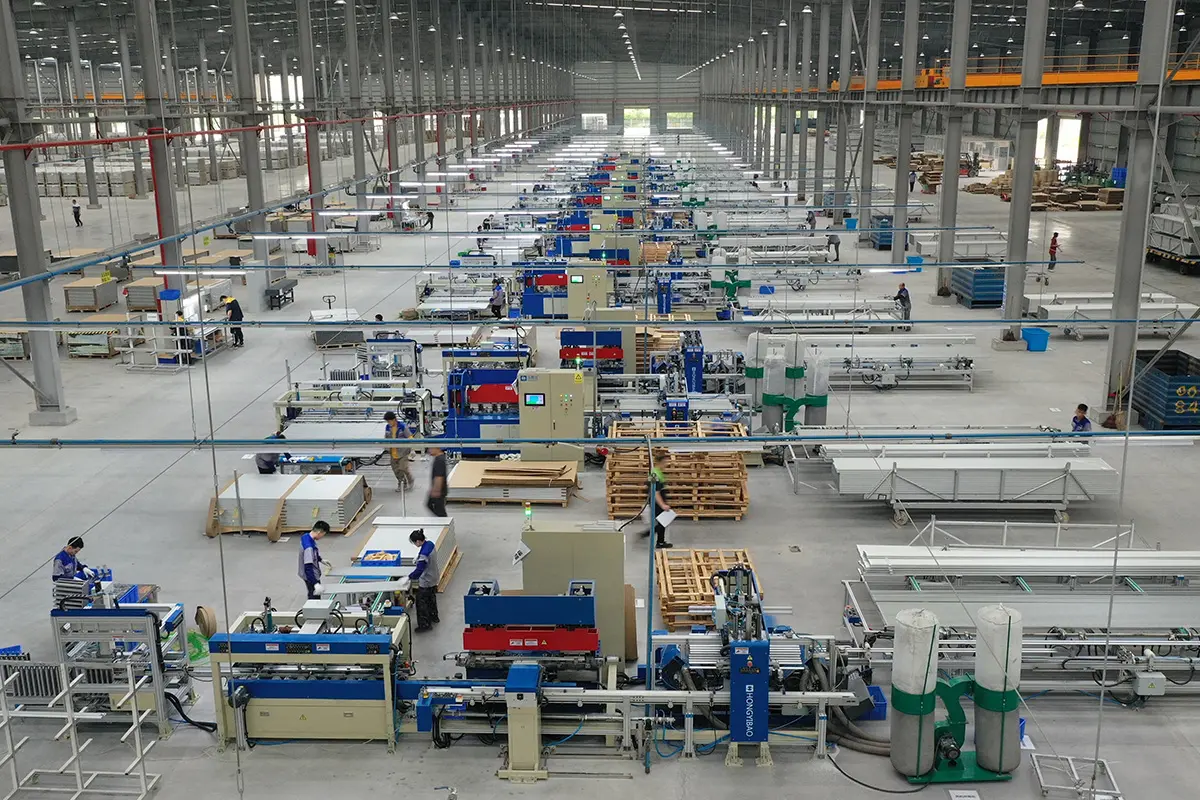
Step-by-step review of tolerance tests, salt-spray durability ratings, and load certification metrics.
Complete B2B product options, structural components, and high-capacity storage modules.
Crucial technical facts B2B buyers and commercial integrators consider when sourcing 300W portable solar panels.