A Mini Solar Generator can keep a phone, headlamp, or small fan powered during a weekend trip or brief outage. But the smallest-looking unit is not always the lightest practical choice. Capacity, measured in watt-hours, estimates stored energy; output rating determines which devices it can run. Both matter.
Start with the equipment you actually expect to use. A 10-watt lamp running for five hours needs roughly 50 watt-hours, before conversion losses. A laptop may draw much more, especially while charging. Check each device’s label, then allow extra capacity rather than trusting a product’s best-case runtime. Real conditions vary.
Solar charging also depends on panel wattage, sunlight, shade, temperature, and the generator’s input limit. A compact panel may take most of a day to refill a battery, and clouds can stretch that time. Port types, charging speed, battery chemistry, weight, warranty, and safety protections deserve a close look. So does noise: many battery units run quietly, but fans may start under heavy loads.
This guide compares features that affect everyday use, explains common trade-offs, and offers a practical way to match capacity to your needs. No single model suits everyone. A careful choice begins with honest estimates, not the biggest number on the box. And estimates can be wrong. Use them as a starting point, then check manufacturer specifications and independent testing where available.
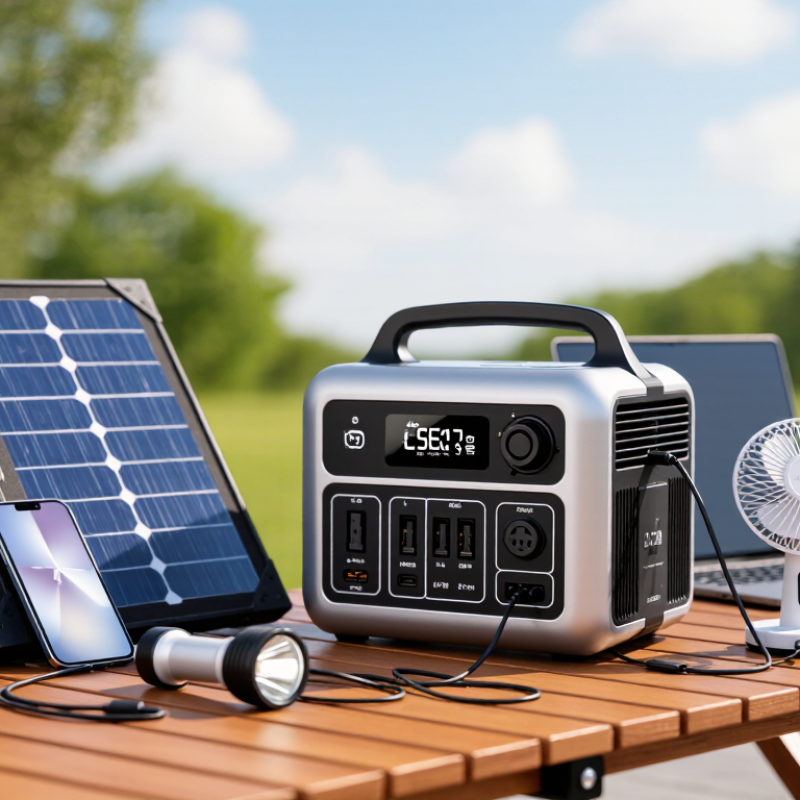
Understand the Components and Capabilities of a Mini Solar Generator
A mini solar generator combines a rechargeable battery, an inverter, charging ports, and a solar charge controller. The battery’s capacity, measured in watt-hours, estimates how much energy it stores. Output power, measured in watts, indicates which devices it can run at once. These numbers are related, but they are not interchangeable.
For example, a 300-watt-hour unit may power a 30-watt desk fan for several hours. Real runtime will be shorter because conversion losses and the fan’s changing power draw matter. Check both continuous and surge output before connecting a device with a motor. Small, but important.
The controller regulates incoming solar power, while the panel’s output affects how quickly the battery recharges. A compact panel may work well on a clear afternoon, yet produce much less energy in shade or cloudy weather. Compare the generator’s maximum solar input with the panel’s rating, and check which connectors are included. Also inspect the port selection: USB ports suit phones, while AC outlets serve many household electronics. Built-in temperature, overload, and short-circuit protections are useful features, but they do not replace careful operation. Capacity figures can feel reassuring; matching them to actual device labels is less exciting, and more reliable.
Assess Your Devices and Expected Power Requirements
Start with the devices you actually plan to run, not the generator’s largest advertised number. Check each device’s label for its running wattage and, for motorized items, its startup surge. A small fan may draw little power, while a compact fridge can briefly demand much more when its compressor starts. That difference matters. List the devices you might use at the same time, such as a phone, lamp, and fan, then add their running watts. Make sure the generator can handle both that combined load and any startup surge.
Next, estimate how long each device needs to run. Generator capacity is usually listed in watt-hours, while device demand is measured in watts. Multiply watts by hours for a rough energy estimate: a 10-watt lamp used for five hours needs about 50 watt-hours. Real results vary with conversion losses, temperature, and battery condition, so leave a practical buffer rather than planning to use every listed watt-hour. It is easy to misjudge usage; a phone may charge quickly, but a fan running overnight adds up. Check the manual for output limits and charging details, and consider testing your setup at home. Small assumptions can change the result.
Compare Battery Capacity, Output, and Solar Charging Options
Choosing a mini solar generator starts with the loads you actually plan to run. A 300 Wh battery may recharge phones and power a small light for hours, but a heated appliance can drain it quickly. Check usable capacity, not just the headline figure: inverter losses and battery controls reduce the energy available at outlets. The U.S. Department of Energy’s Battery Storage Technology Assessment describes round-trip efficiency as energy recovered after storage versus energy put in. Its figures vary by technology and system, so they are a useful reminder, not a promise about any portable unit. Small differences matter.
Output ratings deserve equal attention.
Match continuous wattage to the device, then check its startup surge; a compact refrigerator may briefly draw more power when its compressor starts. Also inspect the ports: USB-C, regulated DC, and AC outlets suit different loads. A high wattage rating does not mean every outlet can deliver that power at once. That detail is easy to miss.
Solar charging depends on panel wattage, sunlight, angle, and the generator’s input limit.
NREL’s PVWatts Calculator estimates solar production using location and weather data, illustrating why one advertised recharge time cannot fit every campsite or season. Compare the panel’s rated output with the unit’s permitted solar-input range, and leave margin for clouds and shade. I would plan for slower charging than the ideal estimate. Real skies are messy.
Evaluate Portability, Durability, and Safety Features
Portability, durability, and safety matter more than a long feature list when choosing a mini solar generator. Check its weight and handle design before buying. A unit that feels manageable in a store can become awkward after a half-mile walk to a campsite. If you plan to carry it often, look for a compact shape that fits securely in your vehicle and can be lifted without twisting your wrist. Small details count.
Durability depends on how and where you’ll use it. A sturdy casing helps protect against bumps, but it does not necessarily make a generator waterproof. Read the manual for limits on dust, moisture, and operating temperature. On a damp morning, keep the unit under cover and place it on firm, dry ground. I’ve learned that “portable” can invite careless handling; a loose cable dragged across gravel is an easy thing to overlook.
Safety features deserve a close look. Choose a model with clearly documented overload, short-circuit, and temperature protection, plus outlets that are easy to inspect. Check that cables fit snugly and that ventilation openings remain unobstructed during use. Keep the generator away from rain and enclosed, poorly ventilated spaces, and follow its charging instructions. The warning label may feel tedious, but it is more useful than guessing.
Balance Cost, Warranty, and Features for Your Use Case
A mini solar generator can look like a bargain until you check what it can actually run. List your everyday loads: a phone, a small lamp, a router, or a compact cooler. Check each device’s wattage and expected hours of use, then compare that demand with the generator’s usable capacity and output limits. A high capacity number alone can mislead. Some appliances also need extra power when starting.
Price matters, but compare the full package rather than the sticker alone. A lower-cost unit may have fewer outlets, slower solar charging, or a shorter warranty. Read the warranty terms for coverage length, battery exclusions, and service requirements. Keep the receipt and product documents. Small steps, real value. If the warranty language is vague, ask the seller or manufacturer for clarification before buying.
Match features to your likely setting. For occasional campsite lighting, portability and a clear battery display may matter more than many ports. For home backup during brief outages, check whether the unit supports the devices you intend to use and how it recharges in cloudy weather. Solar input varies with panel placement, shade, and season, so advertised charging times are not promises. I have found that planning around ideal sunlight is a little too optimistic; leave room for slower days.
How to Choose the Best Mini Solar Generator for Your Needs
Estimate your daily energy use, then choose a generator with enough usable capacity for your use case.
Illustrative planning estimates: a phone (about 12 Wh/day), a laptop (about 60 Wh/day), and a compact refrigerator (about 600 Wh/day). Suggested capacity applies a 1.5× buffer. Actual use varies by device and conditions. Compare usable capacity, price, warranty coverage, and features such as output ports and solar input limits before buying.
Conclusion
Choosing the right Mini Solar Generator starts with understanding how its battery, inverter, ports, and solar input work together. List the devices you plan to power and estimate their wattage and how long you will use them. This helps you select a unit with enough battery capacity and output for your needs, while avoiding unnecessary size or expense.
Compare charging options, including how quickly the generator can recharge from compatible solar panels, and consider its weight, build quality, and safety features if you plan to carry or use it outdoors. Finally, weigh the price against the features you will actually use, and review the warranty for added peace of mind. The best choice is one that reliably supports your everyday or occasional power needs and is practical to transport, charge, and maintain.