Choosing the right foldable solar chargers can significantly impact your outdoor experience. According to industry expert Dr. Emily Carter, “Not all foldable solar chargers are created equal.” This insight emphasizes the importance of understanding your specific needs when selecting one.
Foldable solar chargers offer portability and convenience for on-the-go power. However, not every option will suit your demands. For instance, some chargers may lack sufficient power output for larger devices, while others may be too bulky for backpacking trips. Consider the size, weight, and wattage before making a choice.
Additionally, pay attention to durability. Some chargers may withstand harsh conditions better than others. Investing in a reliable product can save you frustrations in the long run. Remember, it’s essential to carefully evaluate your options to find the best foldable solar charger that meets your needs.
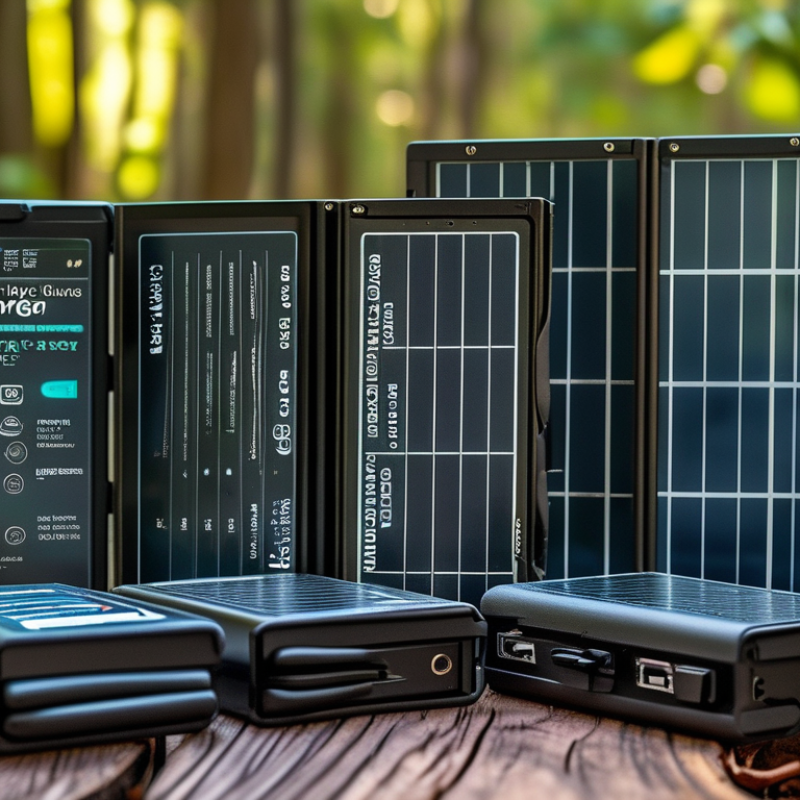
When choosing foldable solar chargers, understanding your power needs is crucial. Consider what devices you plan to charge. Are they smartphones, tablets, or larger gadgets? Each device has different power requirements. Knowing the wattage need helps in finding a suitable charger.
Tips: Think about where you’ll use the charger. If you’re hiking, weight matters. Look for lightweight options, but not at the expense of efficiency. Batteries may drain faster than expected on cloudy days. Carry a backup power bank if your charger isn’t enough.
Also, think about the solar panel size. Larger panels generate more energy but can reduce portability. Finding a balance is essential. Reflect on your actual usage too. Are you often on the move, or do you stay in one place? Understanding your habits can help you make a more informed choice.
When choosing a foldable solar charger, start with power output. Look for chargers that deliver at least 10 watts for effective smartphone charging. This output can typically power two devices simultaneously. Industry data shows that a higher wattage increases charging efficiency in low-light conditions.
Portability is crucial too. A lightweight design that folds compactly is essential for outdoor activities. Weighing around two pounds or less is ideal for hiking. Size matters; a folded size of about 11 x 7 inches fits easily into backpacks.
Durability is another key feature. Seek water-resistant materials for reliability in diverse conditions. Research indicates that rugged models can survive harsh weather. Finally, ensure compatibility with various devices. Many chargers now come with multiple USB ports. While most work well with smartphones, some may struggle with larger gadgets. Reflect on your specific needs and potential usage scenarios to make the right choice.
When choosing foldable solar chargers, evaluating portability and durability is essential. Portability often refers to weight and size. A charger that folds into a compact form can easily fit in a backpack. Reportedly, chargers weighing less than 2.5 pounds tend to be more user-friendly. However, if a charger is too lightweight, it might compromise durability.
Durability is equally crucial. Many products use materials like reinforced plastic or aluminum. Industry reports suggest that models with an IPX4 rating or higher can withstand water splashes. This rating often indicates a charger’s resilience during outdoor adventures. Exposure to elements can severely impact performance and longevity.
It's worth considering that even the most portable chargers may not be as robust as expected. Some users report wear and tear after a few months of use. A balance between portability and durability can be tricky to achieve. In the long run, investing in a charger that can endure harsh conditions might save money over cheaper alternatives. Consider real-life experiences to guide your choice.
When selecting foldable solar chargers, it is crucial to understand the differences among various types of solar panels. Typically, there are three main types: monocrystalline, polycrystalline, and thin-film. Monocrystalline panels, known for their high efficiency, can convert up to 22% of sunlight into energy. This makes them suitable for users needing compact and lightweight options, especially during outdoor activities.
Polycrystalline panels are often less efficient, hovering around 15-17%. They are more affordable and perform well in bright, sunny conditions. However, they are heavier and bulkier, which may not be ideal for all users. Thin-film solar panels, while lightweight, offer the lowest efficiency at around 10%. They thrive in low-light environments but take up more space for the same power output.
A 2023 market study indicates that users are becoming increasingly conscious of their energy needs. Up to 45% of consumers prioritize efficiency over costs when selecting solar chargers. This shift highlights a growing trend towards investing in quality products that meet specific power requirements. It is essential for potential buyers to reflect on their intended use, environment, and energy demands before making a choice.
| Type | Power Output (W) | Weight (lbs) | Dimensions (Folded) (in) | Ideal Use |
|---|---|---|---|---|
| Solar Blanket | 100 | 5.5 | 40 x 30 | Camping, RV |
| Folding Solar Panel | 60 | 3.5 | 27 x 40 | Hiking, Off-Grid |
| Portable Solar Charger | 30 | 1.5 | 12 x 8 | Phone Charging, Travel |
| Semi-Flexible Solar Panel | 50 | 4.0 | 28 x 20 | Boating, Alternative Power |
When choosing foldable solar chargers, assessing compatibility with your devices is crucial. Many chargers offer USB outputs compatible with a range of gadgets. For example, a report by the Solar Energy Industries Association highlights that 65% of users often experience device compatibility issues. Ensuring your charger supports enough voltage and amperage is essential for efficient charging.
Charging speeds vary significantly between solar chargers. Factors like solar panel quality and the amount of sunlight can drastically affect performance. A study indicates that high-efficiency solar panels can convert up to 22% of solar energy into usable power. In contrast, lower-quality options may only achieve about 15%. Therefore, selecting a charger with higher efficiency ratings can lead to better charging speeds, especially in less-than-ideal sunlight conditions.
Users often report dissatisfaction when chargers underperform due to low light. The expectation of steady power can clash with real-world efficiency. It is essential to understand that environmental factors play a significant role in performance. Real-world reviews indicate that many users find slower charging speeds than expected. Balancing these aspects can lead to a more satisfying user experience.
: Think about your device's power needs and wattage requirements. Each gadget may need different charging power.
Portability refers to weight and size. Chargers under 2.5 pounds are easier to carry but may lack durability.
Durable chargers, made from materials like reinforced plastic, withstand outdoor elements and extend the product's lifespan.
Larger panels produce more energy but reduce portability. Balance energy needs with ease of transport.
Solar chargers can underperform on cloudy days. Carry a backup power bank to avoid running out of power.
While they can fold compactly, some may still be bulkier than expected when carrying outdoors.
Users report wear and tear after a few months. Durability can diminish, so quality matters in the long run.
Consider if you often move or stay put. Your charging needs may be different based on your lifestyle.
Yes, lightweight models may sacrifice strength. Investing in durable chargers can save money later.
Absolutely. Real-life reviews can offer insights on durability and effectiveness that specifications may not reveal.
When selecting Foldable Solar Chargers, it's crucial to first understand your specific power needs, which dictate the required wattage and output capabilities. Look for key features that align with your use, such as efficiency ratings and included accessories. Assess the portability and durability of the solar chargers, as these factors significantly affect their usability in various environments.
Additionally, it's important to compare different types of foldable solar panels to determine the best fit for your lifestyle, whether for camping, travel, or emergency situations. Ensure compatibility with your devices and consider the charging speeds to optimize your experience. By keeping these factors in mind, you can make an informed decision and choose the right Foldable Solar Chargers to meet your energy demands effectively.
