
What Are the 2026 Top Portable Solar Panels for Camping?

Time:2026-09-30 Author:Sophia
0%

Choosing the right panel can make a camping trip more comfortable, but wattage alone tells only part of the story. Portable Solar Panels For Camping must balance useful output with weight, packed size, setup time, and durability. A bulky panel may look powerful on paper. It can feel different after a long hike.

The International Energy Agency’s Renewables 2024 report forecasts nearly 5,500 gigawatts of global renewable power capacity additions from 2024 to 2030, with solar expected to provide almost 80% of that growth. This broad forecast reflects solar’s expanding role, not the performance of any specific camping panel. That distinction matters. Real-world output depends on sunlight, panel angle, shade, temperature, and the device being charged.

This guide compares leading 2026 options by practical details: rated power, weight, folded dimensions, connector types, weather resistance, and warranty coverage. It also considers how panels pair with phones, lights, and portable power stations. A panel’s advertised wattage is measured under standard test conditions, which a campsite rarely reproduces exactly. Clouds still matter. So do trees. We’ll flag where manufacturer specifications are useful and where hands-on testing or clearer evidence is needed. The aim is not to promise effortless power, but to help campers choose a panel that fits their route, gear, and expectations.
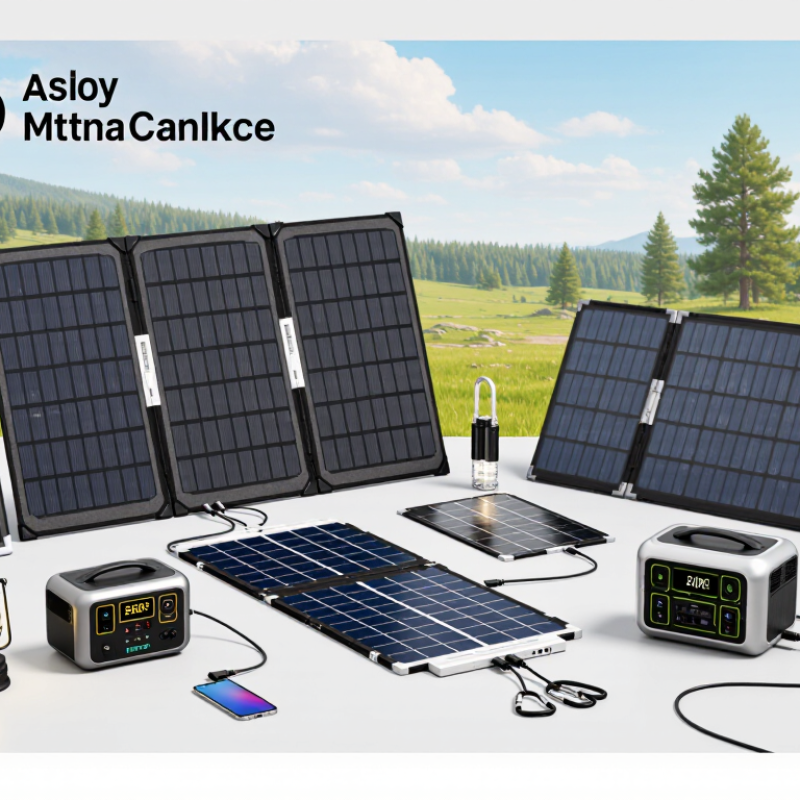
What Are the 2026 Top Portable Solar Panels for Camping?

What Portable Solar Panels Are and How They Work

What Are the 2026 Top Portable Solar Panels for Camping?

Portable solar panels are foldable photovoltaic modules designed for temporary outdoor power. They convert sunlight into direct-current electricity. A charge controller regulates that electricity before it reaches a battery or portable power station. Some systems also use an inverter for household-style alternating current.

Inside each panel, semiconductor cells absorb photons and release electrical charges. Those charges move through conductive layers, creating current. Panel cells connect in series or parallel. Series connections raise voltage, while parallel connections increase available current. Most camping panels use monocrystalline silicon because it offers strong efficiency in a compact area. The Fraunhofer Institute’s Photovoltaics Report 2024 places mainstream crystalline-silicon module efficiency near 20–23%.

Rated wattage can mislead. It is measured under standard laboratory conditions, not beside a windy campsite. The IEA PVPS Trends 2024 report states that solar power represented about three-quarters of new renewable capacity added globally in 2023. That growth supports better portable designs, but field performance remains uneven. Clouds matter. Shade wins. A single branch can sharply reduce output from connected cells. Panels aimed directly at the sun usually perform better than flat panels on damp ground.

A practical setup should match panel voltage with the battery’s input range. MPPT charge controllers can harvest more energy when sunlight changes. Even so, heat, dust, cable loss, and poor positioning reduce production. A 200-watt panel may deliver far less during a cool morning under trees. Specifications are useful, but they are not promises.

Key Features to Compare in 2026 Camping Solar Panels

In 2026, the best portable solar panels for camping should balance power, weight, and durability. Rated wattage matters, but real output often falls below laboratory figures. Clouds, angled sunlight, dust, and heat all reduce performance. Compare measured output in similar conditions, not only advertised numbers. A panel producing stable energy at noon may still disappoint under light cloud.

Portability is equally important. Check the folded size, handle design, cable length, and setup time. A lightweight panel is useful, but an overly thin frame may feel fragile beside a windy campsite. Look for water resistance, reinforced corners, protected connectors, and a clear temperature range. Do not confuse splash resistance with safe immersion. That mistake can damage equipment quickly.

Charging compatibility deserves careful attention. Confirm the panel’s voltage, connector type, and maximum current before pairing it with a power station or battery. Some panels charge slowly because their controller cannot manage changing sunlight efficiently. A built-in kickstand helps maintain the correct angle, although many stands become unstable on gravel. I prefer panels that allow angle adjustment and include visible output information. Independent testing data, safety certifications, and a transparent warranty offer stronger evidence than impressive packaging. I still leave room for doubt, because field conditions rarely match a product sheet.

Leading Portable Solar Panel Types for Different Camping Needs

What Are the 2026 Top Portable Solar Panels for Camping?

Leading Portable Solar Panel Types for Different Camping Needs

For backpacking, compact monocrystalline panels offer strong output in a small area. They usually provide better efficiency than older panel designs. A foldable 60 to 100-watt panel can charge a power station, camera, or phone during daylight. Check its packed size carefully. A panel that fits your backpack may still feel awkward on narrow trails.

Car campers have more flexible choices. Rigid folding panels often include adjustable stands and stronger protective surfaces. Their stable angle can improve charging near a tent or vehicle. Panels between 100 and 200 watts suit refrigerators, lights, and small cooking devices. Weight matters. Carrying one across rocky ground becomes tiring quickly.

Flexible thin-film panels work well on curved surfaces and lightweight shelters. They are easier to store, but their lower efficiency may require more space. They can also suffer from scratches, heat, or repeated bending. Clouds matter. In weak sunlight, performance may drop sharply, even with efficient cells.

Keep the panel away from tree shade and wipe off dust before connecting it. I still overestimate winter charging time sometimes. Short days change everything. A reliable setup should include a power station with protected connections, clear output ratings, and weather-resistant construction. Check the forecast, cable length, and mounting points before leaving home.

How to Match Panel Output to Your Camping Power Setup

A portable panel should be matched to your daily energy use, not just your battery’s headline capacity. Add the watt-hours for each device: a 10-watt lantern used for five hours needs 50 Wh. A phone may need much less, while a small cooler can draw power for hours. Check its actual use; labels rarely tell the whole story.

NREL’s PVWatts documentation uses a 14% default system-loss estimate for conventional grid-connected solar modeling. That is not a portable-panel promise, but it shows why rated watts do not equal energy delivered. NREL’s National Solar Radiation Database offers location-based solar resource data, useful for estimating how much sun a campsite may receive. Clouds intervene. For a rough plan, a 100-watt panel receiving five peak-sun hours produces 500 Wh before losses; budgeting around 350 Wh is a cautious working estimate, not a guarantee.

Compare that estimate with your daily load, then leave room for shade, heat, and poor panel angle. A 300 Wh battery cannot supply 500 Wh of usable energy, even with a larger panel. Check the battery’s usable capacity and the charge controller’s input limit before pairing equipment. On a real trip, record battery levels at midday and evening. I still find estimates optimistic when trees move across the sun. A small mismatch can mean a dark campsite.

How to Use and Maintain Solar Panels at Camp

At camp, a portable solar panel works best with clear sky and a little patience. Set it on firm ground, then angle it toward the sun. Move it as the sun shifts; even a small shadow from a tent cord can reduce output. Keep the panel outside the tent, and connect it to a compatible power station or charge controller as its manual directs. Check the connections before leaving it unattended. A loose plug is easy to miss.

Dust, pine needles, and dried water spots can block sunlight. Wipe the surface with a soft, damp cloth, then let it dry before folding. Avoid abrasive cleaners and never pack a wet panel. Give the cable its own loose coil, rather than bending it sharply at the connector. Small habit, fewer problems.

Clouds change everything. Output may drop, so charge essential devices early and treat the panel as a supplement, not a promise. Keep batteries shaded and dry, and stay within their stated temperature limits. I have found that campsite shade can make a carefully aimed panel nearly useless; moving it every hour is a bit tedious, but usually worth it. Check the panel and cables for cracks after a rough hike, and stop using damaged equipment.

FAQS

What should campers compare when choosing a portable solar panel in 2026?

Compare measured output, weight, folded size, durability, and setup time. Advertised wattage is not real-world performance. Clouds, dust, heat, and angled sunlight reduce energy.

Which panel size suits backpacking trips?

Compact monocrystalline panels between 60 and 100 watts suit many backpacking needs. They can charge phones, cameras, and small power stations. Check the packed size carefully. A narrow trail can make an awkward panel frustrating.

What type of panel works well for car camping?

Rigid folding panels between 100 and 200 watts often suit car camping. Their stronger frames and adjustable stands support refrigerators, lights, and small cooking devices. They are heavier, though. Rocky ground makes carrying them tiring.

Are flexible thin-film panels a good choice?

Flexible panels suit curved surfaces and lightweight shelters. They store easily but usually need more space for similar output. Scratches, heat, and repeated bending may reduce performance. Convenient, but not perfect.

How can I improve charging performance at camp?

Place the panel on firm ground and angle it toward the sun. Move it as the sun shifts. Even a tent cord’s shadow can reduce output. Keep the panel outside the tent. Clean dust before connecting it.

What compatibility details should I check?

Confirm voltage, connector type, and maximum current before connecting a panel. Check the power station or charge controller manual. A poor match may charge slowly or create equipment problems. Guessing is not worth it.

How should I maintain a portable solar panel?

Wipe dust, pine needles, and water spots with a soft, damp cloth. Let the panel dry before folding. Avoid abrasive cleaners. Coil cables loosely. Sharp bends near connectors can cause damage.

Does cloudy weather make solar panels useless?

Not completely, but output may fall sharply. Charge essential devices early when sunlight is stronger. Treat solar power as support, not a promise. I sometimes overestimate winter charging time. Short days can be surprisingly limiting.

What safety features and weather protection matter?

Look for reinforced corners, protected connectors, water resistance, and a clear temperature range. Splash resistance does not mean safe immersion. Keep batteries shaded and dry. Stop using cracked panels or damaged cables.

Conclusion

This guide explains what Portable Solar Panels For Camping are and how they convert sunlight into usable electricity for outdoor trips. It outlines the key features to compare in 2026, including power output, weight, portability, durability, charging connections, and performance in changing sunlight. It also describes different panel types suited to varied camping needs, from lightweight options for short hikes to larger setups for longer stays.

Choosing the right panel means matching its expected output to the devices and power station you plan to use, while allowing for weather, shade, and daily sunlight. The guide also covers practical ways to position panels for better exposure and maintain them at camp, such as keeping surfaces clean, securing equipment, and storing panels safely when not in use.

Sophia

Sophia

Sophia is a dedicated marketing professional with an exceptional depth of knowledge about her company's products and services. With a keen understanding of market trends and customer needs, she crafts insightful blog posts that not only inform but also engage readers, enriching the company’s online......